Blog

  • Why Cookbooks Make a Great Fundraiser

    Funding worthwhile projects can be a challenge. While there are many fundraising programs that happen year after year, it’s always good to try something new every once in a while to keep people interested.

    A fundraising cookbook not only can help you find important projects and activities, but it also can help to bring a community together in a fun activity that everyone can benefit from.

    Who doesn’t like to see their name in print? Having a recipe submitted and included in a community cookbook gives added incentive to buy those cookbooks and share them with friends and family.

    Here are some ideas on how to get the most from your fundraising cookbook project.

    1) The more people you get involved with your cookbook, the more people will likely be your target audience to buy that cookbook once it is printed.

    Cookbook fundraiser.com has built-in tools to invite as many people as possible to contribute to your cookbook. We make it easy!

    2) Include advertising from local businesses and individuals to help support the cost of printing the cookbook. That way the proceeds from the sale of the cookbook can go directly to the worthy cause.

    Cookbookfundraiser.com allows you to add as many extra pages to the back of your cookbook as you would like. These make it easy to add advertising pages!

    3) Most fundraising cookbooks seem to be priced between $12 and $20 and contain about 150 recipes. Determine how much money your organization wants to raise and that will help you determine how many copies you need to sell and at what price to reach your goal.

    Our website has a great cost estimator to help you determine what to expect from your printing cost. We also offer many hints on how to format your cookbook to decrease the cost of printing.

    4) Reach out to not only those who contributed recipes, but all those in your community to pre-order the cookbook before you go to print. The more copies you presell, the more copies you can order which will lower your per copy cost.

    Our pre-ordering tool makes getting orders from contributors a snap. You can also order a single copy of your cookbook to display at community events and help to generate additional sales.

    5) Add an ISBN number and bar code to your cookbook and you can sell the cookbook at local bookstores and online on Amazon.com. This can provide ongoing revenue for your organization.

    Family cookbook project offers a marketing package that includes an ISBN number and barcode. We also will get your cookbook listed on Amazon.com!

    6) Ask local retail stores to also sell your cookbook to their customers. Often grocery stores and small retailers will support community fundraising efforts at no charge by offering the product at their checkout counter.

    These are but I handful of ways to help you get the most from your cookbook fundraiser project. However, as with every fundraising project, it takes one individual to get the ball rolling.

    To get started with your cookbook fundraiser project, go to www.CookbookFundraiser.com and create a free account today!

    Bill Rice is the Co-Publisher at Family Cookbook Project which helps individuals and fundraising groups create cherished personalized cookbooks using the power of the Internet. Follow us on Facebook and Pinterest.


  • Win $2,500 for Top Sun Dried Tomato Recipe

    Create a winning recipe including one (1) or more of Mooney Farms Bella Sun Luci Sun Dried Tomato Products and you could win the Grand Prize  of $2,500 cash, 2nd place cash prize of $500 or 3rd place prize Mooney Farms gourmet gift basket.

    For complete contest information, including rules and how to enter, go to the Mooney Farms Website Contest Page.

    The deadline to enter is July 1, 2020, so get your creative juices flowing and get cooking!


  • Anatomy of a Great Recipe

    One of the keys to a great family cookbook is to have great recipes that your family and friends have come to love. Here are some simple tips to help you capture the magic of the food you make.

    1. Use catchy titles. Using a catchy title will make your recipe sound more interesting. It is more interesting to people when they see the title “Gooey Triple Chocolate Cake” rather than just “Chocolate Cake”. When you are writing a title for a recipe, try to think of not only what the final dish will be, but what makes it special as well. 

    2. Include photos. Using images in your recipes can allow the person reading your cookbook to see what the final dish will look like and give then a guidepost to follow. Next time you make one of your special dishes, snap a quick photo and add it to your recipe the next time you log in.

    3. Be specific with your Ingredients. For many cooks, include a can of crushed tomatoes in your recipe and they know exactly what you mean or maybe not. Tell them to include a 12oz can of crushed tomatoes and everyone will know exactly what your recipe needs.

    4. Use step by step instructions. You might have made this recipe a thousand times, but someone new will need detailed directions for how to do it. Remember to include pan sizes, cooking times, the order that ingredients are added and how to tell when a dish is done. Also adding how many servings a recipe can make will help with meal planning. 

    5. Add personal notes. One of the things that make a family cooks so important is that it helps to capture the family traditions. Include a note with each recipe about how you first were introduced to the recipe and when it is typically served in your household. It makes the recipe more interesting and more meaningful to later generations.


    Chip Lowell is Co-Publisher of the Great Family Cookbook Project, a website that helps families and individuals collect and share food memories. Follow us on Facebook and Pinterest!

  • New TV Show Looking For Summer Grill Masters

    The Food Network is currently looking for chefs for a brand new summer grilling cook-out show. If you think you have the skills to bet the competition, fill out the contact form telling them why you’d be a great TV star and maybe, just maybe, you’ll be picked to be included in the filming next April!


  • Using Photos with Recipes

    They say a picture is worth a thousand words and with recipes that is especially true. 

    It’s wonderful to read a list of ingredients and see the potential in a recipe, but to look at the finished product can make your mouth water!

    The Family Cookbook Project highly recommends adding a photo to every recipe you can in your online cookbook. It helps people to see what to expect when they follow your recipe and gives them a standard to meet when comparing their finished dish to the original.

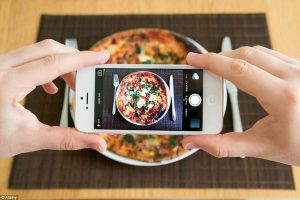
    With the advent of digital camera built into cell phones, you don’t have to be a professional photographer to take good food photos. 

    Here are some pointers to help improve your recipe photos:

    Use Natural Light – Make sure that the light is right – shoot the food either next to a bright window or under a pendant light in the restaurant. Don’t use your camera’s flash! Set your dish near a window and turn off any artificial lights that might be on nearby. Try to photograph with the light at your back or to the side of a dish, so that the shadows are to the side or behind it. 

    Hold Still – Taking photos inside, even with ample natural light, often means you have to hold the camera very still to keep it from registering hand shake. If you have a tripod, that’s ideal. If you don’t, you can duplicate the tripod effect by resting your elbows on the table or counter and using them to stabilize the camera. Moving the camera when taking a photo will only lead to blurry unusable photos. 

    Get close to the food! – Don’t stand back three feet and get the food with the stove, the dirty dishes, and all the condiments around it. Move in and get up close and personal, and let the pan…or the plate…or the cutting board fill the frame.  

    Stage the shot – The food isn’t the only thing in the photo. Using plates, silverware and linens in complementary colors can help your dish come alive. Shoot food on a beautiful plate or on a table with texture and character. The more appetizing the ingredients, the better your photo will be. Plates that contain colored vegetables and/or meat, preferably in light-colored sauces, are often the most appealing to the eye in photos. Also Don’t be Afraid of a mess. A few crumbs or a smear of dressing can be beautiful, if you let them. 

    Focus on the food –  If you are using a DSLR, stop down your lens to f/1.8 or f/2.0 that limits your depth of field to one part of the image only, blurring out everything around the subject, simulating a shot taken with a macro lens. If you are using an iPhone, there are apps, such as Camera+ or VSCO Cam, that will create the same effect. Remember, you want the food to be the main focus, not the background. 

    Try different angles –  Get up over the food and shoot straight down on it. When shooting overheads, if appropriate, try filling up the frame with what’s already on the table such as cups, wine glasses, utensils and moving hands. You can also  think in three dimensions, You might not usually serve brownies piled in a vertical column, but stacking any flat food, like pancakes, cookies, or even onion rings, is a great way to show off texture and make the photo more appealing. You can also add dimension to your food photos by showing the dish right after the that first bite is taken, or the second and third. These are little details that make a viewer feel like they’ve sat down and are enjoying the meal. 

    Get Close to Ugly Foods  – Some foods, no matter how good they taste, just don’t make good photos. But the closer you get to your subject, the more the visual story becomes about texture and color, rather than pure mouth-watering beauty.Avoid foods that are white and gloppy, such as congealed gravy on white pasty mashed potatoes. 

    Size Matters –  Make sure your camera settings are set for a good sized photo. Small photos look blurry when they are enlarged on line. A photo viewed online only has to be 72 dpi (dots per inch, the measure for quality), but if you are going to print your photo, you want it to be at least 300 dpi. 600 pixels wide (a measurement for size) is a good target for minimum photo size.

    Using other’s photos – It is important to note that the Internet makes it easy to find photos of recipes already taken. While this might be much easier, the photo still is the property of whomever holds the rights. Don’t always assume that because a photo is on the Internet you can simply use it for your recipe. Make sure you ask permission from the owner before you use it.

    Bill Rice takes more than 20,000 photos a year and is Co-Publisher of the Great Family Cookbook Project, a website that helps families and individuals collect and share food memories. Follow us on Facebook and Pinterest!

  • Power of a Family Cookbook

    We just received a lovely email from our Cookbook editor Barbara that we wanted to share:

    I just wanted to thank you for all your help. I know that no matter what happens with my cookbook, this has been a very good experience for me. My order is a very small, humble one, but please know how very important it is for my family. My mom passed away a few months ago and the 2 year anniversary of my dad’s death is next week. They were married for over 60 years. I feel their absence most acutely. However, my mom was a wonderful cook, and working on this project has really helped me feel closer to her. And my older son, Magnus, is really following in her footsteps. At 26, he is already becoming a very good cook. This cookbook is really for him and me. So, although the project is a small one for you, it is a very big one for us. It has already made a profound impact on my life, one that I know will only be increased as Magnus and I begin using the cookbook to make my mom’s long lost recipes.  Thank you from the bottom of my heart.
    It just goes to show that a family cookbook project is more than just a collection of recipes.
    Bill Rice is the Co-Publisher at Family Cookbook Project which helps individuals and fundraising groups create cherished personalized cookbooks using the power of the Internet. Follow us on Facebook and Pinterest.
  • Family Cookbook Project to be featured on HSN

    stefaney rants2
    Host Stefaney Rants

    Family Cookbook Project has been selected to appear on the Home Shopping network on Wednesday, December 5, 2018 at 1:00pm Eastern time.

    One of the show’s host, Stefaney Rants, has been working with the software creating her own family cookbook and she will share her experiences on the show.c

    If you’re looking for a great holiday gift idea, watch the show and maybe you’ll get a great deal on Family Cookbook Project software!

  • Christmas Gifts For Your Food Obsessed Friends

    EatingFamily Cookbook Project was just included in this news article: Christmas Gifts For Your Food Obsessed Friends.
    Please check it out and give us a “thumbs up” to move us higher in the article.
  • The most important part of your recipe – the title

    RecipeAt Family Cookbook Project, we believe your recipe title is the single most important element of your recipe. This is because your title is a headline, and the headline in any type of content has one special and powerful property.

    Think about how you read a cookbook looking for a recipe to try.  You don’t start in the front and read every page like a novel then pick the one you want. No, you scan the pages looking for a photo or recipe title that catches your eye and looks interesting!

    Of all the elements in your recipe, the title has the greatest power for grabbing your readers’ attention and the greatest responsibility for enticing them to continue and read your recipe It follows that the better your title, the higher the chance of turning a recipe scanner into a recipe reader (and ultimately a recipe user).

    For a recipe title to be effective it needs to consider several things:

    Grab Attention – Like any headline you need to grab the readers attention.

    Describe the food being prepared – “Gruel” is one of my son’s favorite dishes, however it no one outside the family knows what it is. Including the main ingredient of the dish and even how it us prepared make the title more useful. “Baked Hamburger Gravy” would be a more descriptive title for our gruel.

    Be different and unique – If you have seen the recipe title before, it does not belong on your recipe!

    Include the source – In family cookbooks, certain people are associated with certain recipes. Grandma’s Apple Pie or Lou’s Lemon Bars help the reader image exactly what dish you are referring to. It just does not help anyone who is not at family gatherings!

    Sell the sizzle as well as the steak – This means to highlight the benefit, the reason why this recipe is worth making.

    Recipe titles that address cooking and eating needs are more likely to seduce the reader into the recipe itself. A good title clearly shows the reader which of their cooking and eating needs the recipe addresses. Every readers’ need is different. For example, it could be for something indulgent or something low fat, or something quick and easy or something sophisticated and thus involved, or something refined or something rustic.

    Consider the following recipe titles: ‘Soft and Chewy Chocolate Chip Cookies’, ‘Quick ‘n’ Easy Chocolate Chip Cookies’, ‘Grandma’s Favorite Chocolate Chip Cookies’, ‘Gluten Free Chocolate Chip Cookies’. Notice how each title addresses a different need and even appeals to different audiences. Quite simply, as the chocolate chip cookie examples show, it’s all down to the words you choose for your title.

    With a little thought and imagination, your recipe titles can stand out and make your readers give your recipes the attention they deserve.

    Bill Rice is Co-Publisher of the Great Family Cookbook Project, a website that helps families and individuals collect and share food memories. Follow us on Facebook and Pinterest!

  • How Many Recipes Does My Cookbook Need?

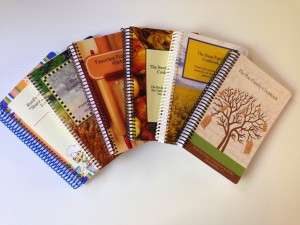
    Cookbook-CoversOne question every cookbook editor wants to know is how many recipes should my cookbook have? Too many and printing costs are higher, not enough and the cookbook is not as valuable. What’s a family cookbook editor to do?

    Looking at the thousands of cookbooks we have printed over the past decade, there is no real number of recipes that make up a good cookbook  – you have what you have.  We have printed cookbooks with just 15 great recipes and as many as 1200!  However, that 1200 recipe book was 750 pages – HUGE!

    The average size seems to be around 150 recipes and that is why we use that number in our cost calculator.

    When a great cookbook has less recipes, often the editor includes other content to augment the food offerings. Photos of each dish, a section of family photos, a family tree or family stories about people remembered can really add value to a smaller cookbook.

    Larger cookbooks can be impressive simply by the number of recipes it contains. However, since printing cost is directly related to the number of pages that need to be printed, it is important to be mindful of your design choices when choosing your layout options.

    At the end of the day, your cookbook is exactly that – your cookbook. You need to balance the number and quality of the recipes included with the needs of your family.

    Bill Rice is the Co-Publisher at Family Cookbook Project which helps individuals and fundraising groups create cherished personalized cookbooks using the power of the Internet. Follow us on Facebook and Pinterest.