Blog

  • Family Cookbook Project Now offers WW SmartPoints on recipes

    Family Cookbook Project, an online leader in the creation of personalized printed cookbooks, has added the ability to include WW SmartPoints® on recipes being added to a user’s collection of recipes.

    WW (formerly Weight Watchers) SmartPoints* is a system where every food and drink is assigned a point value, and you receive a certain number of SmartPoints to allocate however you’d like every day and week. SmartPoints is designed to help guide you to a healthier pattern of eating every day.

    “Living a health lifestyle and eating right is what WW SmartPoints are all about,” says Bill Rice, Founder and Co-Publisher of the Family Cookbook Project. “Family Cookbook Project has added a field to It’s easy-to-use Add a Recipe form so that users participating in the Weight Watchers program can have an easy way to include the SmartPoint value when adding a recipe to their online recipe box. These recipes can them be printed into a personalized cookbook including all of their favorite recipes.”

    WW’s science-based SmartPoints system assigns every food a number based on four components: calories, saturated fat, sugar, and protein. The higher the number, the more sugar and saturated fat the food will have. The lower the number, the less it will have. The reason for this is that numerous studies have confirmed the benefits of eating less sugar and saturated fat, and more protein—not just for weight loss, but all sorts of other healthy reasons too.

    Family Cookbook Project editors can turn on WW SmartPoints® by going to the Recipe Center and clicking on the link “WW Smartpoints Use/Show”. There are two settings: one for allowing contributors to add WW SmartPoints® to a recipe and another to include SmartPoints in the printed edition of the cookbook.

    In addition, Family Cookbook Project is developing a simple to use calculator that will calculate the SmartPoint value of a food simply by entering information from a food’s packaging. We expect this to be introduced early next year.

    With over 4.6 million users, WW is the most trusted source of weight loss guidance in the world. Family Cookbook Project believes their success is based on meeting the ever-changing needs of our valued customers. “This is just one more example how Family Cookbook Project is putting our customers first,” added Rice.


    *WW SmartPoints is a trademark of WW International, Inc. and are not associated with Family Cookbook Project, LLC.

  • Standard Measurements for Recipes

    For many generations, recipes were handed down by word of mouth from mother to daughter. Recipes consisted of a little of this and a smidgin of that. The food always came our great – or at least that is what we told out mothers! Today things are different. Computers make is easy to write down our recipes and share them with friends and family members over the Internet. However it is important to remember that cooking has a language of its own. It is a language of ingredients and measurements and directions. I believe the most important of these is measurements. If we did not have standard measurements for cooking, “T” could be a teaspoon, a tablespoons, a thimble full or a truck load! Here are a list of Standard Measures Abbreviations commonly used in recipes.

    teaspoon……………………… tsp.
    tablespoon…………………… tbsp. or T.
    cup…………………………….. c.
    quart…………………………… qt.
    ounce…………………………. oz.
    pint…………………………….. pt.
    gallon…………………………. gal.
    inch…………………………….. in.
    pound………………………….. lb.
    milliliter…………………………. ml
    liter……………………………….. L
    milligram……………………….. mg
    gram……………………………… g
    kilogram ……………………….. kg
    millimeter……………………… mm
    centimeter…………………….. cm
    meter……………………………. m
    Celsius…………………………… C
    Fahrenheit……………………. F

    Another important thing about standard measurements is that they don’t work if you don’t use them! Including an ingredient in your recipe without a specific amount is likely to leave someone trying the recipe for the first time scratching their head and wondering what to do. Remember know one will know unless you include it in your recipe.

    Bill Rice is founder and Co-Publisher of the Great Family Cookbook Project, a website that helps families and individuals collect and share food memories through customized printed cookbooks filled with treasured recipes. Follow us on Facebook and Pinterest!

  • Holiday Printing Deadlines for Family Cookbook Project

    The holidays are right around the corner and family cookbooks make a great gift for family and friends – and it is the busiest time for Family Cookbook Project in terms of printing cookbooks for families.

    If you plan to have your cookbooks printed by us and received by Christmas, the deadline to order and make payment is Friday, November 29th. There will be an extended deadline, but expedited shipping will be required. Let us know if we can help!

    If you need your family cookbook for Hanukkah, the print deadline is Friday, November 15th.

    So get your contributors to submit their final recipes and start reviewing everything to get your cookbook ready to print before the holiday deadline to have a wonderful family heirloom to share for generations.

  • Family Cookbook Project Co-Founder takes 2nd place at regional BBQ Competition

    Family Cookbook Project Co-Founder, Chip Lowell took second place in the AW Shucks Country Store BBQ Competition at the RVA R.I.M.B.Y Festival (Right In My Back Yard) in Virginia.

    This festival is about Building Community and Encouraging Adventure and benefited Beyond Boundaries, a Richmond-based non-profit specializing in guiding participants with disabilities on outdoor adventures. The inaugural adventure festival featured an archery range, Segway and electric bike rides, a fly casting demo, fish and reptile encounters, a bike repair station and outdoor gear demos. There was also live music by East of Blue Ridge, food and drinks, local beers and of course the BBQ competition.

    The BBQ Competition featured Carolina Pulled Pork. Chip brought his large Green Egg smoker and slow cooked his Boston Butt to perfection. He also added wine braised smoked short ribs and spicy baked beans with apple to complete his entry.

    The judges awarded Chip second place overall for his efforts and he is already looking forward to competing again next year.

    Chip uses his BBQ expertise to manage the popular Facebook Group BBQRibsRecipes.

  • Rating your Family Cookbook Recipes

    Creating a printed personal cookbook on FamilyCookbookProject.com can be a rewarding experience, but your interaction with the website does not have to stop there.

    A majority of people who have created cookbooks continue to use the website as an online resource either from their desktop computer or by using our “award-winning” mobile app.

    One fun thing to do is to rate the recipes you use from your cookbook. More than 10,000 recipes are already rated. So far the average rating is 4.57.

    What recipe currently has the most ratings?  Camp Fire Pizza Roll with 64 ratings.

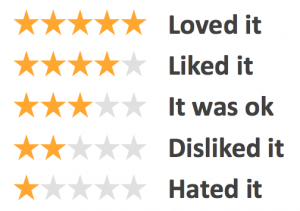
    Rating recipes is easy. Go to the “view recipes by contributor” and find the favorite recipe that you have added to the cookbook so far. Click on the title of the recipe to view it.  Right under the title is something that says “Rate this recipe” and 5 gray stars. To rate this recipe, simply click on the last star of your score. So if you think it is a “5 star” recipe, click on the last star. If it is a “4 star” recipe, click on the fourth star and so on.

    You can also click in between to stars to give it a 4.5 star rating!

    The next person who views the recipe will see your rating (although they will not know it came from you) and will be able to leave their own rating.

    Over time you will see how many people rated your recipes and how much they liked them. It is one more way FamilyCookbookProject.com helps to build a dialog around your recipes.

    Give it a try today and invite the others in your cookbook to do the same!


  • How To Freeze Cookie Dough

    In our house, there is nothing like a warm, soft cookie right out of the oven. However since it is not practical to make dough for only a few cookies at a time, the next best thing is to freeze your cookie dough and pull out enough cookies for your immediate needs.

    Freezing cookies also provides time saving opportunities when you want to get ready for a holiday cookie swap in October or getting ready for a school bake sale anytime.

    How you best freeze cookies depends on what type of cookie you are making. The FamilyCookbook Project had collected thousands of cookie recipes if you need a suggestion.

    Cookies like chocolate chip and oatmeal-raisin freeze best if you make the actual cookie beforehand. Scoop out the dough just as if you were about to bake it and place it on a baking sheet lined with parchment or a Silpat (they can be close, but not touching). Instead of putting it into the oven, but them into the freezer for atleast 6 hours instead. Once frozen, the dough balls get sealed inside a plastic freezer bag and when it is time to bake, you are ready to go.

    Cookies like shortbread or sandies, or any smooth slice-and-bake cookies can be pressed into logs, wrapped in wax paper and frozen solid. Prepare the dough as usual, then shape it into one or two logs that can be covered with wax paper and placed in a plastic freezer bag. When you’re ready to bake, let them warm on the counter for 10 to 15 minutes before slicing. You might also want to let the logs thaw in the fridge for a few hours before you’re ready to use the dough. Slice the cookies into thick disks and you’re ready to put them in the oven as usual.

    The third type of cookies that can be frozen are cut-out cookies, like sugar cookies and many holiday cookies. The dough for these cookies can be frozen in disks and then stacked together with wax paper between them. When ready to bake, thaw until bendable and continue with the recipe.

    Most frozen cookies will need an extra minute or two in the oven. Otherwise, prepping and baking the cookies is exactly the same as in the recipe.


    Bill Rice is Co-Publisher of the Great Family Cookbook Project, a website that helps families and individuals collect and share food memories. Follow us on Facebook and Pinterest!

  • How to Host a Chili Cook-off

    How to Host a Chili Cook-off

    How to Host a Chili Cook-off

    Chili is always a family favorite and most families have many chili recipes depending on the branch. A fun event for bringing the family together is to host a chili cook off where everyone brings a crockpot full of chili and a blind tasting is used to determine which chili will win the prize that year.

    Here are some rules and guidelines we at Family Cookbook Project use when our family has a chili cook off.

    Pre-Chili Cook-Off Planning

    • Invite guests to bring their best chili in a slow cooker, hot and ready to serve. Encourage a variety – meatless, spicy, white, or surprise ingredient. Have them bring their recipes as well.
    • Not everyone has to bring chili but make sure you have no more than 10 options for people to try otherwise they will get overloaded and not be able to tell the difference between each participant.
    • Make sure you have enough bowls and spoons or buy disposables so everyone can have a separate spoon for each chili.
    • Make Chili Name Tags with the name of each chili, a rating for heat level and the entry number.
    • Make enough ballots so each guest has a ballot for each chili. The ballot should have entry numbers from 1 to 10, a space where the taster can rank them from 1 to 10 and a third column for notes.

    Chili-Tasting Set-Up

    • Just before the guests arrive, set up a Chili Toppings Bar—offer a variety of chili toppings and “go-withs “. Include shredded cheese, chopped onions, tomatoes, olives, bell peppers, sliced jalapenos and sour cream for toppings. You can get these ready the day before. Just cover and refrigerate until needed. Great go-withs include crackers, corn bread, tortillas and corn chips.
    • You may want to invest in several power strips to plug-in the crockpots spread out among among several outlets, so you don’t pop a circuit breaker.
    • Offer a variety of drinks; soft drinks, beer and maybe even a signature cocktail. You can also add a tossed green salad and dessert to round out the meal.

    Suggested Rules of the Cook-Off 

    • Keep the name of the cook of each chili secret—as to not throw the vote!
    • Invite your guests to taste a spoonful of each chili and fill out a ballot for their favorite before eating it as a meal. Disposable spoons makes this more sanitary. Have them clean their palate between tastings with a little water or soda cracker.
    • Have guests rate each chili on the ballot. The chili with the most points wins!
    • Announce the maker of each chili and then announce the winner.
    • Award prizes – grand prize, hottest, most creative, or easiest for just a few ideas. Amazon.com has some great chili contest recipes that you’ll find here.
    • Add each of the recipes to your family cookbook. You can even create a stand-a-lone chili cookbook to share with family and friends.

    If in doubt you can always check with the experts at the International Chili Society. They have a whole laundry list of rules and regulations for how a chili cook-off should be run.

    At the end of the day, you want everyone to have fun and enjoy the food.


    Bill Rice loves Chili and is Publisher of the Family Cookbook Project which helps families and individuals create personalized cookbooks to preserve recipes for future generations. Learn more at FamilyCookbookProject.com

  • Understand Egg Carton Dates

    If you’re confused about the dates you see on egg cartons, it’s not surprising. Food product dating is hard to understand. One of the more puzzling facts is that none of the dates on food packages — not even “use by” dates — are an indication of food safety. Instead, package dates refer to product quality.

    An “expiration” or “sell by” date on some egg cartons helps to ensure that the eggs are fresh by informing the grocery store not to sell the eggs after the marked date. These dates are also intended to encourage you to use the eggs when they’re still at their highest quality. An expiration date on the carton is not required but, if one is used, it can be no more than 30 days after the eggs were packed. Since the packer or retailer may choose a date under 30 days, your local retailer can give you more complete information about how many days a “sell by” or “expiration date” allows after packing.

    Some cartons show a Julian date on the short side of the carton. The Julian date is the day the eggs were packed — starting with 001 as Jan 1 and ending with 365 for December 31. For example, eggs packed on June 15 would be marked 166. Some other egg packers print an open “use by” date — July 15, for example — right on the eggshell itself. If properly refrigerated, shell eggs will keep with insignificant quality loss for at least four to five weeks after the Julian or pack date. If there is no Julian or pack date, using your eggs within three weeks of purchase will allow for the possibility that your eggs may have been temporarily warehoused by the retailer before you bought them.

    Why isn’t safety a factor in these dates? Food safety depends on many things, including how you handle and store eggs and other foods. Both quality and safety changes can happen before or after the date on a package. For example, if you put a fully-cooked deli ham and a carton of eggs in the trunk of your car on a hot day and then run several errands before you refrigerate the ham and eggs at home, you’ve both reduced the ham’s and eggs’ shelf-life and increased your risk of food-borne illness — no matter what the package dates say.

    Even when eggs are refrigerated, time causes a quality difference, too, especially in appearance. As eggs age, the whites thin and the yolks flatten. This means that the eggs will spread more in a pan if you fry them and there will be more “angel wings” of white in the water if you poach them. Because the yolk membranes also weaken with age, the yolks may break whether you want them to or not.

    For recipes where shape isn’t important, particularly when whites and yolks are beaten together, you can still use the eggs. The weakening of the yolk membrane, however, makes it easier for bacteria — if they’re present — to reach the nutritious yolk. So, to prevent the possibility of foodborne illness, it’s best to use older eggs in fully cooked items, such as quiches, stratas and baked goods.

    When correctly handled, eggs have a fairly long shelf-life compared to other perishable foods. For both quality and safety, simply keep eggs refrigerated and cook them properly.

    If you love to cook, consider creating your very own family cookbook at www.FamilyCookbookProject.com. We make it easy to turn a collection of recipes from family and friends into a beautiful family cookbook!


    Bill Rice is Co-Publisher of the Great Family Cookbook Project, a website that helps families and individuals collect and share food memories. Follow us on Facebook and Pinterest!

  • Understanding Recipe Privacy

    When you or a contributor adds a recipe to your online cookbook on FamilyCookBookProject.com, there is an option to make your recipe private. If you check this box just above the save button, your recipe will only be available to those individuals who are logged into your online cookbook. Some people choose this option when a recipe is not yet ready to be shared publicly or they simply want to limit the people who have access to it.

    However, there are many benefits to sharing your recipe publicly. Public recipes are indexed by Google and other search engines. You can access your recipes simply by entering your name and the recipe name into Google. Online access from any computer without having to remember your log in information is very convenient.

    Family Cookbook Project also searches the public recipes to look for the best recipes to be included one of the Family Cookbook Project’s “Best of” cookbooks we publish. We also promote public recipes on our Facebook pages and on Pinterest. This allows us to highlight your recipes to the other Cookbook Editors, which is truly an honor.

    We believe recipes are made to be shared, just like the dishes that are made from them. So next time you enter your favorite recipe into your Family Cookbook Project online recipe box, be sure to mark it public so it can be shared.


    Bill Rice is Co-Publisher of the Great Family Cookbook Project, a website that helps families and individuals collect and share food memories. Follow us on Facebook and Pinterest!

  • Meet the Guys Behind Family Cookbook Project

    Bill and ChipFamily Cookbook Project was began 15 years ago and was developed by two friends who both love cooking and food.  Bill Rice is the father of four and has worked on his family’s genealogy for more than two decades.  Over a wonderful summertime family meal on Cape Cod, Bill and some of his family decided to create a family cookbook.  Bill turned to his long time friend and programming expert Chip Lowell to develop a simple website to facilitate the project.  The site was such a hit with Bill’s family, the two decided to offer it access to other families looking for an opportunity to create a lasting family heirloom.

    Both Bill and Chip brought a strong understanding of web development, marketing and the need for top notch customer service to help the development of Family Cookbook Project.

    Bill Rice is an entrepreneur and the President of the Web Marketing Association. He brings a strong marketing and usability focus to the development of the website and it’s products. He also has written much of the text for the site and many of the blog posts (including this one!). He is an avid photographer and a senior contributor on the TripAdvisor website.

    Chip Lowell is the technology guru behind the programming of Family Cookbook Project. He is also the Director of Sales and Marketing at CodeBlue Technology, LLC, based in Richmond, Virginia.  CodeBlue provides IT services throughout Richmond and central Virginia. Chip is also a grill master and loves to spend his free time (if he had any) in his back yard with his wife Sally trying new recipes on his Big Green Egg grill.

    In 15 years, we have had more than 88,000 cookbook editors use our system to collect and create online cookbooks for their family, friends, church, school, group or as a fundraiser. More than 222,000 contributors have submitted over 1.6 million recipes so far and hundreds of new recipes are added every day.

    So when you wonder why all of our customer service is usually done via email, it’s because we both have day jobs. However, Family Cookbook Project is a passion of ours. We love to be able to help promote the concept of personalized cookbooks for families and fundraising efforts.

    If you don’t already have an account, make your own personalize cookbook at www.FamilyCookbookProject.com.