Category: Editor Tips

  • Download the Mobile App for Family Cookbook Project

    Download the Mobile App for Family Cookbook Project

    If you want to access your family cookbook recipes on your mobile device, we have an app for that!

    The award-winning Family Cookbook Project Mobile App allows users to browse and use their recipes on their mobile phone of tablet. Tools include articles from our blog at your fingertips, latest recipes from our recipe database and more! Users can enter their recipes at www.familycookbookproject.com and have access anywhere!

    Designed for use on the Apple iPhone or iPad, the free app can be downloaded at
    https://itunes.apple.com/us/app/family-cookbook-project-recipes/id1128570224?ls=1&mt=8

    If you are an Android user go to https://play.google.com/store/apps/details?id=com.app_fcbrecipes1.layout


    Bill Rice is Founder and Co-Publisher of the Family Cookbook Project, the leading online cookbook publisher with a website that helps families and individuals collect, preserve and share food memories by creating their own printed custom cookbooks. He is the author of The Wellfleet Oyster Cookbook and the Cape Cod Cocktail Cookbook (Available on Amazon), both created using FamilyCookbookProject.com. He is also editor of the Donovan Family Cookbook, now it’s third printing and is an avid genealogist tracing his family back to the 1600’s.

    Follow Family Cookbook Project on Facebook, Instagram, Twitter TikTok, YouTube and Pinterest!


  • Why a Family Cookbook is Better Than a Recipe Box

    Why a Family Cookbook is Better Than a Recipe Box

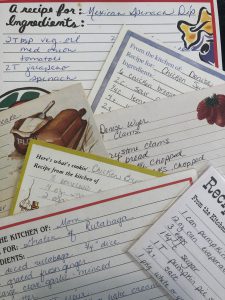
    In many homes, a recipe box holds a revered place on the kitchen counter. This small box, often brimming with handwritten cards, is a tangible connection to family history and culinary tradition. Each card tells a story, not just with its ingredients and instructions, but with the unique handwriting and notes that have been added over the years. However, as charming as these boxes are, they come with their own set of challenges. In today’s digital age, a family cookbook offers a modern, practical, and equally sentimental alternative that addresses many of these challenges.

    The Charm and Challenges of a Recipe Box

    Recipe boxes are undeniably nostalgic. They often contain a mix of recipes: some handed down from previous generations, others clipped from magazines, and a few scribbled on scraps of paper. This collection represents a family’s culinary journey. Yet, despite their sentimental value, recipe boxes present several practical issues:

    1. Difficulty in Sharing Recipes: Sharing recipes from a recipe box can be a cumbersome task. Imagine a family gathering where everyone wants Aunt Susan’s famous apple pie recipe. You pull out the card, but copying it by hand or taking a photo with your phone doesn’t quite capture the charm or ensure everyone gets an accurate copy. Furthermore, physical cards can get lost, damaged, or stained over time, making it even harder to preserve and share these precious recipes.
    2. Hard-to-Read Recipes: Over the years, recipe cards can become worn and faded. Handwriting styles vary, and what was once legible can become a cryptic puzzle. Spilled ingredients and smudged ink only add to the difficulty. Trying to decipher Grandma’s cursive while your hands are covered in flour can be frustrating and might even lead to culinary mishaps.
    3. Organization and Retrieval: Finding a specific recipe in a cluttered box can be time-consuming. Cards might not be organized, and you might spend valuable cooking time rifling through the box trying to locate the right one. This lack of organization can deter even the most enthusiastic cook.

    The Modern Solution: A Family Cookbook

    Transitioning from a recipe box to a family cookbook offers numerous advantages while retaining the sentimental value of those cherished recipes. Here’s why a family cookbook is a superior option:

    1. Ease of Sharing: A family cookbook, especially one created with modern publishing tools, can be easily shared among family members and friends. Whether in print or digital format, everyone can have their own copy. Digital cookbooks can be shared via email or cloud services, ensuring that everyone has access to the same recipes without the hassle of photocopying or transcribing by hand.
    2. Readability: By compiling recipes into a family cookbook, you can standardize the format and font, making them easy to read. This eliminates the struggle with various handwriting styles and worn-out cards. For added nostalgia, you can include images of the original recipe cards alongside the typed version. This way, the charm of the handwritten notes is preserved, but the recipes are accessible and legible.
    3. Enhanced Organization: Family cookbooks allow for organized sections, whether by meal type, occasion, or family member. An index and table of contents make finding a specific recipe straightforward. This organization not only saves time but also makes the cooking process more enjoyable and efficient.
    4. Preservation of Memories: While a recipe box holds individual cards, a family cookbook can tell a more comprehensive story. Alongside recipes, you can include anecdotes, photos, and family history, creating a rich tapestry of your family’s culinary journey. This not only preserves the recipes but also the memories associated with them.
    5. Inclusion of Visuals: A significant advantage of a family cookbook is the ability to include photos. High-quality images of the finished dishes can inspire and guide family members as they cook. Additionally, including images of the original recipe cards allows the cookbook to retain its sentimental value. Seeing Grandma’s handwriting next to a beautiful photo of her famous cookies bridges the gap between past and present.
    6. Customization and Updates: With digital tools, updating a family cookbook is simple. New recipes can be added, and outdated ones can be revised. This flexibility ensures that the cookbook evolves with the family’s culinary tastes and traditions. Recipe boxes, on the other hand, are static and can’t be easily updated or expanded.

    Creating a Family Cookbook: Tips and Considerations

    Embarking on the journey to create a family cookbook using FamilyCookbookProject.com can be a rewarding experience. Here are some tips to ensure your cookbook is a treasured family heirloom:

    1. Gathering Recipes: Start by collecting recipes from family members. Encourage them to share their favorites, along with any stories or memories associated with the dishes. This collaborative effort ensures that the cookbook represents the entire family’s culinary heritage.
    2. Preserving Handwritten Cards: Scan or photograph original recipe cards to include in the cookbook. This preserves the nostalgic element while ensuring the recipes are legible. Pair these images with typed versions of the recipes for clarity.
    3. Adding Personal Touches: Include family photos, anecdotes, and historical context. For example, if a recipe has been passed down for generations, provide some background on its origins and significance to the family.
    4. Organizing the Content: Decide on a structure for the cookbook. You might organize recipes by meal type (breakfast, lunch, dinner, desserts), occasion (holidays, family gatherings), or by contributor. An index and table of contents are essential for easy navigation.
    5. Design and Layout: Use a user-friendly design tool or service to lay out the cookbook. Choose fonts and colors that reflect your family’s personality. Ensure that the design is clean and easy to read. High-quality images of dishes and recipe cards add a professional touch.
    6. Printing and Distribution: Decide whether you want to create physical copies, digital versions, or both. Physical copies can be professionally printed and make wonderful gifts. Digital versions can be easily shared and updated.
    7. Engaging the Family: Throughout the process, keep family members involved. Share progress updates and solicit feedback. This engagement ensures that the cookbook truly represents the family’s collective culinary heritage.

    Embracing the Digital Age

    While the charm of a recipe box is undeniable, embracing modern technology can enhance the way we preserve and share family recipes. Here’s how the digital age can complement a family cookbook:

    1. Online Platforms: Online platforms, like FamilyCookbookProject.com, designed specifically for creating and sharing family cookbooks. This platform offers templates, design tools, and options for collaboration.
    2. Social Media: Create a private family group on social media where members can share recipes, cooking tips, and photos of dishes. This real-time interaction keeps the family connected and engaged in the culinary journey.
    3. Digital Archives: Digitizing old recipe cards not only preserves them but also makes them easily accessible. Cloud storage ensures that these recipes are safe from physical damage and can be shared effortlessly.
    4. Mobile Access: With FamilyCookbookProject.com, recipes are accessible on smartphones and tablets. This convenience means that family members can cook from anywhere, whether they’re in their own kitchen or visiting a friend.

    A family cookbook offers a beautiful blend of tradition and modernity. It preserves the sentimental value of a recipe box while addressing its practical limitations. By compiling recipes into a family cookbook, you ensure that these culinary treasures are legible, organized, and easily shared. Including images of original recipe cards retains the nostalgic charm while enhancing readability.

    In today’s fast-paced world, a family cookbook serves as a tangible connection to our roots. It’s a testament to the love and care that goes into each dish and a celebration of the family’s culinary heritage. By embracing modern tools and technologies, such as FamilyCookbookProject.com, we can create cookbooks that not only preserve recipes but also the memories and stories that make them special.

    So, gather those recipe cards, scan those handwritten notes, and embark on the journey of creating a family cookbook using FamilyCookbookProject.com. It’s a gift that will be cherished for generations to come, bringing joy, connection, and delicious meals to your family’s table.


    Bill Rice is Founder and Co-Publisher of the Family Cookbook Project, a website that helps families and individuals collect, preserve and share food memories by creating their own printed personal cookbooks. He is the author of The Wellfleet Oyster Cookbook and the Cape Cod Cocktail Cookbook (Available on Amazon), both created using FamilyCookbookProject.com. He is also editor of the Donovan Family Cookbook, now it’s third printing and is an avid genealogist tracing his family back to the 1600’s.

    Follow Family Cookbook Project on Facebook, Instagram, Twitter and Pinterest!

  • The Importance Of Writing A Great Recipe Title

    The Importance Of Writing A Great Recipe Title

    The title of your recipe is the single most critical part of the entire recipe. Why? Because your title acts as the headline, and just like any headline, it carries an immense power and responsibility.

    Consider how you flip through a cookbook when searching for a recipe. You don’t typically read every page from beginning to end like you would with a novel. Instead, you quickly scan the pages, looking for a recipe title or an appealing photo that draws your attention and piques your interest.

    Out of all the elements in a recipe, the title has the greatest ability to capture a reader’s attention. Its job is to hook the reader, enticing them to dive into the recipe. A compelling title can transform a casual browser into a reader, and ultimately into someone who tries your dish.

    So, what makes an effective recipe title? Here are a few key things to keep in mind:

    1. Catch Attention – Just like a well-crafted headline, your title should be eye-catching and engaging.
    2. Describe the Dish – While a title like “Gruel” may make sense to your family, it’s not informative for everyone else. Including the main ingredient and method can add clarity. For instance, “Baked Hamburger Gravy” is far more descriptive than “Gruel,” giving potential readers a better idea of what the dish is.
    3. Be Unique – If you’ve seen a title elsewhere, it’s likely too generic. Aim for a fresh, distinctive title that will stand out from the rest.
    4. Include the Source – In family cookbooks, adding a person’s name can give the recipe more significance. Titles like “Grandma’s Apple Pie” or “Lou’s Lemon Bars” help connect readers to the personal origin of the recipe, though this may be less helpful for those unfamiliar with your family gatherings.
    5. Highlight the Appeal – Make sure your title conveys why this recipe is worth making. For example, you’re not just selling a steak, you’re selling the “sizzle”—the benefits and appeal of your recipe.

    Titles that focus on the reader’s cooking and eating desires are far more effective at drawing them into the recipe. A well-crafted title makes it clear which need your recipe meets. Whether it’s indulgence, health, quick preparation, or elegance, every reader has different priorities.

    Let’s look at these examples of chocolate chip cookie recipes:

    • “Soft and Chewy Chocolate Chip Cookies”
    • “Quick ‘n’ Easy Chocolate Chip Cookies”
    • “Grandma’s Favorite Chocolate Chip Cookies”
    • “Gluten-Free Chocolate Chip Cookies”

    Each of these titles speaks to different needs and appeals to different readers. As you can see, the words you choose for your recipe title can significantly impact who will be interested.

    With a bit of creativity and thoughtful wording, your recipe titles can shine, drawing readers in and giving your recipes the attention they deserve.


    Bill Rice is Founder and Co-Publisher of the Great Family Cookbook Project, a website that helps families and individuals collect, preserve and share food memories by creating their own printed personal cookbooks. He is the author of The Wellfleet Oyster Cookbook and the Cape Cod Cocktail Cookbook (Available on Amazon), both created using FamilyCookbookProject.com. He is also editor of the Donovan Family Cookbook, now it’s third printing and is an avid genealogist tracing his family back to the 1600’s.

    Follow Family Cookbook Project on Facebook, Instagram, Twitter TikTok, YouTube and Pinterest!

  • Creating an Engaging Vacation Cookbook: Celebrating Culinary Memories from Around the World

    Creating an Engaging Vacation Cookbook: Celebrating Culinary Memories from Around the World

    Couple making a vacation cookbookTraveling the world not only broadens our horizons but also tantalizes our taste buds with diverse flavors and culinary delights. Imagine capturing those unforgettable moments and flavors in a beautifully curated vacation cookbook. This article explores how to create an intriguing cookbook by memorializing different vacations and including cherished recipes from those regions. We’ll discuss ideas for sourcing recipes, organizing your cookbook, and why this would make a thoughtful and memorable gift for family and friends.

    Gathering Recipes from Your Travels

    The foundation of your vacation cookbook lies in the recipes collected during your journeys. Here are several ways to gather authentic recipes that evoke the essence of each destination:

    1. Local Cookbooks and Markets: Purchase local cookbooks or visit markets where vendors often share traditional recipes. Engage with locals who can provide insights into regional dishes.
    2. Cooking Classes: Take cooking classes while traveling. Many destinations offer hands-on experiences where you can learn to prepare authentic dishes under the guidance of local chefs.
    3. Restaurant Recommendations: Dining at local restaurants is a delicious way to discover signature dishes. Don’t hesitate to ask for recipes or ingredients used in your favorite meals.
    4. Online Resources and Blogs: Research recipes from the comfort of your home using online resources and food blogs focused on international cuisine. Many bloggers share authentic recipes alongside personal stories and travel tips.
    5. Social Media and Food Communities: Join social media groups and food communities dedicated to global cuisine. Members often share recipes and cooking techniques that reflect their cultural backgrounds.

    Organizing Your Vacation Cookbook

    Organizing your vacation cookbook ensures it’s both functional and enjoyable to read. Consider these tips:

    1. By Destination: Arrange recipes by vacation, country or region visited. Start each section with a brief description of your experience, including memorable moments and cultural insights.
    2. Meal Types: Categorize recipes by meal type (e.g., appetizers, mains, desserts) to help readers navigate the cookbook easily. Include beverage recipes or pairing suggestions for a complete culinary experience.
    3. Personal Touches: Share anecdotes and photos from your travels alongside recipes. Highlight special ingredients, cooking techniques learned, or the story behind each dish.
    4. Recipe Origins: Include details about where you discovered each recipe, whether it was from a quaint cafe in Paris or a street food stall in Bangkok. These insights add depth and authenticity to the cookbook.
    5. Visual Appeal: Incorporate high-quality images of the dishes and your travel experiences. Consider including maps, landmarks, and cultural symbols to visually enrich each section.

    Why This Makes a Great Gift

    A vacation cookbook isn’t just a collection of recipes; it’s a journey captured in flavors and memories. Here’s why it’s an ideal gift for family and friends:

    1. Personalized Experience: Each recipe and story reflects your personal travel experiences, making it a unique and heartfelt gift.
    2. Cultural Exploration: It allows recipients to explore different cultures through food, offering a culinary adventure from the comfort of their kitchen.
    3. Memorable Keepsake: It preserves cherished memories and experiences shared with loved ones during vacations, fostering nostalgia and connection.
    4. Practical and Inspirational: It inspires recipients to try new recipes and techniques, encouraging culinary creativity and experimentation.

    Creating a vacation cookbook enriched with recipes and memories from your travels is a delightful way to celebrate cultural diversity and culinary experiences. Whether you’re reminiscing about savoring paella in Spain or mastering the art of making sushi in Japan, each recipe tells a story that brings your adventures to life. Organizing your cookbook thoughtfully ensures it’s not only a practical guide but also a visual and emotional journey through different lands and flavors. Consider sharing this gift with family and friends to spread the joy of travel and the love of food in a meaningful and delicious way.


    Bill Rice is Founder and Co-Publisher of the Family Cookbook Project, a website that helps families and individuals collect, preserve and share food memories by creating their own printed personal cookbooks. He is the author of The Wellfleet Oyster Cookbook and the Cape Cod Cocktail Cookbook (Available on Amazon), both created using FamilyCookbookProject.com. He is also editor of the Donovan Family Cookbook, now it’s third printing and is an avid traveler who loves to try new regional foods.

    Follow Family Cookbook Project on Facebook, Instagram, Twitter and Pinterest!

  • How to Create a Great Barbecue Cookbook

    How to Create a Great Barbecue Cookbook

    Barbecue enthusiasts know that grilling and smoking meat is more than just a cooking method—it’s a passion, a tradition, and a way to bring people together. Creating a barbecue cookbook is a fantastic way to document your favorite recipes, share your techniques, and preserve your culinary legacy. Whether you’re looking to publish your cookbook for sale on Amazon or to give as a unique gift to family and friends, FamilyCookbookProject.com provides all the tools you need to make this dream a reality. Here’s how to create a great barbecue cookbook, step by step.

    Taking Photos of Your Barbecue

    High-quality photos are essential for a great barbecue cookbook. Here are some tips for taking mouth-watering photos of your barbecue:

    1. Use Natural Light: Whenever possible, shoot your food in natural light. Avoid harsh, direct sunlight and opt for softer, diffused light. Early morning or late afternoon light is often ideal.
    2. Focus on Presentation: Arrange your food neatly on the plate. Garnish with fresh herbs or side dishes to add color and contrast. Clean any drips or spills around the plate for a polished look.
    3. Show the Process: Include step-by-step photos of your cooking process. Shots of marinating, grilling, and plating add depth to your recipes and make them easier to follow.
    4. Use a Good Camera: While smartphone cameras have come a long way, using a DSLR or mirrorless camera with a good lens can significantly improve your photos’ quality.
    5. Edit Thoughtfully: Use photo editing software to adjust brightness, contrast, and color balance. Avoid over-editing, as you want your food to look natural and appetizing.

    Structuring Your Cookbook

    A well-organized cookbook is easier to navigate and more enjoyable to read. Consider including the following chapters:

    1. Introduction: Share your barbecue journey, your passion for grilling, and what inspired you to create this cookbook.
    2. Barbecue Basics: Cover the fundamentals of barbecue, including types of grills, essential tools, and safety tips.
    3. Marinades, Rubs, and Sauces: Include recipes for your favorite marinades, dry rubs, and sauces. These are the foundations of great barbecue flavor.
    4. Appetizers and Sides: Offer recipes for appetizers and side dishes that complement your barbecue, such as grilled vegetables, salads, and cornbread.
    5. Main Courses: This is the heart of your cookbook. Include recipes for different cuts of meat, poultry, and seafood, with detailed instructions on grilling and smoking.
    6. Vegetarian Options: Don’t forget to include some vegetarian barbecue recipes. Grilled vegetables, tofu, and plant-based burgers are becoming increasingly popular.
    7. Desserts: Yes, you can grill desserts too! Include recipes for grilled fruits, s’mores, and other sweet treats.
    8. Beverages: Suggest beverages that pair well with your barbecue, such as craft beers, cocktails, and refreshing non-alcoholic drinks.

    The Importance of Personal Notes

    Adding personal notes to each recipe makes your cookbook more engaging and memorable. Here’s why personal notes are important:

    1. Storytelling: Share the story behind each recipe. How did you discover it? Why is it special to you? Personal anecdotes create a connection with the reader.
    2. Tips and Tricks: Include any tips or tricks you’ve learned over the years. This could be a secret ingredient, a technique for perfecting a dish, or advice on troubleshooting common problems.
    3. Variations: Offer suggestions for variations on the recipe. This could include different marinades, alternative ingredients, or ways to adjust the recipe for dietary restrictions.

    How Many Recipes Should Your Cookbook Have?

    The number of recipes in your cookbook can vary depending on your goals. Here are some guidelines:

    1. Small Batch: For a gift or family project, 20-40 recipes is a good range. This keeps the cookbook manageable and personal.
    2. Comprehensive Guide: If you’re aiming for a more extensive publication, 50-100 recipes provide a robust collection without being overwhelming.
    3. Specialized Focus: If your cookbook focuses on a specific aspect of barbecue (e.g., sauces and rubs, smoked meats), 30-50 recipes can offer enough variety while staying on theme.

    Using FamilyCookbookProject.com

    FamilyCookbookProject.com simplifies the process of creating your barbecue cookbook. Here’s how it works:

    1. Sign Up and Create: Start by creating an account on FamilyCookbookProject.com. Choose a title and layout that reflects your barbecue style.
    2. Enter Recipes: Gather your recipes and enter them into the platform. You can also invite friends and family to contribute their favorite barbecue recipes, making the project collaborative.
    3. Customize Design: Use the design tools to customize your cookbook. Add photos, personal notes, and any other elements that make your cookbook unique.
    4. Review and Edit: Proofread your recipes and make any necessary edits. Ensure consistency in measurements, terminology, and instructions.
    5. Print and Publish: Once you’re satisfied with your cookbook, use FamilyCookbookProject.com’s printing services to create high-quality copies. You can also list your cookbook for sale on Amazon, complete with an ISBN number.

    A One-of-a-Kind Gift

    A personalized barbecue cookbook makes a fantastic gift for family and friends. It’s a thoughtful, unique present that shows you’ve put time and effort into creating something special. Whether it’s for holidays, birthdays, or just because, a custom cookbook is a gift that will be cherished for years to come.

    Creating a great barbecue cookbook is a rewarding project that allows you to document your passion, share your expertise, and preserve your culinary legacy. With FamilyCookbookProject.com, you have all the tools you need to create a professional-quality cookbook, whether you want to sell it online or give it as a unique gift. Start your barbecue cookbook project today and turn your backyard passion into a beautifully bound collection of recipes that can be enjoyed for generations.

    Bill Rice is Founder and Co-Publisher of the Family Cookbook Project, a website that helps families and individuals collect, preserve and share food memories by creating their own printed personal cookbooks. He is the author of The Wellfleet Oyster Cookbook and the Cape Cod Cocktail Cookbook (Available on Amazon), both created using FamilyCookbookProject.com. He is also editor of the Donovan Family Cookbook, now it’s third printing and is an avid genealogist tracing his family back to the 1600’s.

    Follow Family Cookbook Project on Facebook, Instagram, Twitter and Pinterest!
  • It’s Time To Start Thinking About Christmas

    It’s Time To Start Thinking About Christmas

    There is a reason why 90% of the cookbooks FamilyCookbookProject.com prints are submitted in late November and early December. Everyone knows that family cookbook‘s make great Christmas gifts! Everyone wants something personal and special to give to love ones at the holidays and a family cookbook is makes the perfect gift.

    Why are we telling you this in July? Well cookbooks don’t just happen by themselves, they need to be have recipes at it, professionally design covers selected and everything proofread before they are submitted for printing.

    The Time it takes to have your cookbook printed and shipped also more than doubles just before the holidays because of the sheer volume. So now is the time to put your efforts into your cookbook and have it completed and submitted for printing by the time September rolls around.


    Bill Rice is Co-Publisher of the Great Family Cookbook Project, a website that helps families and individuals collect and share food memories by creating their own printed personal cookbooks. Follow us on Facebook, Instagram and Pinterest!

  • Get Your Recipes in The Best of the Family Cookbook Project Cookbook!

    Get Your Recipes in The Best of the Family Cookbook Project Cookbook!

    Oct October 4th, we celebrate 20 years of helping families preserve treasured recipes, we are thrilled to announce a special project that will highlight the best of the best from our community. The “Best of the Family Cookbook Project” cookbook will be a collection of standout recipes from the thousands of family and fundraising cookbooks that have been created using our website. This cookbook aims to become a cherished addition to kitchens nationwide and online, and we need your help to make it a success!

    Why Participate?

    Participating in this project is not only a fantastic opportunity to showcase your culinary talents, but it’s also a way to make your family proud. Imagine your family’s cherished recipes being shared and enjoyed by people all over the country. By contributing, you will be part of a legacy that preserves and celebrates family traditions for future generations.

    Who Can Participate?

    Whether you have published one cookbook, multiple cookbooks, or have yet to see your masterpiece in print, we want your help. We are inviting all our cookbook editors to contribute your best recipes to this worthy project.

    How to Submit Your Recipes

    Submitting your recipes is simple and straightforward. Here’s how you can be part of this exciting project:

    1. Log into your Editor Account: Look for the Green Button and click on it to be taken to the Best Recipe Selection Tool.
    2. Select Your Best Recipe: Choose the best recipes from your cookbook. Remember, we are looking for recipes that are special to your family. They don’t have to be complex; they just need to be tried-and-true favorites that hold a special place in your family’s heart.
    3. Categorize Your Recipe: Once you have selected your recipe, choose the appropriate category. We have our standard eight categories to choose from:
      • Appetizers & Beverages
      • Bread and Muffins
      • Soups, Stews, Salads, and Sauces
      • Main Courses: Beef, Pork, and Lamb
      • Main Courses: Seafood, Poultry, Pasta, and Casseroles
      • Vegetables and Vegetarian Dishes
      • Desserts, Pies, Cakes, and Cookies
      • Miscellaneous
    4. Enter Your Recipe: Click on the “Enter this recipe!” button and move on to the next category. You can select a maximum of one recipe per category from your cookbook. If you have a photo of the dish, you can upload that to your recipe before selecting it. You can always come back later and change your selection if needed.

    What Makes a Great Submission?

    When choosing which recipes to submit, consider the following tips:

    • Special to Your Family: We are looking for recipes that are more than just delicious. They should have a special meaning to your family, perhaps a dish that has been passed down through generations or one that is always requested at family gatherings.
    • Personal Notes: Tell the reader why this recipe is important to you and your family, the source of the original recipe or events that this recipe was served.
    • Exciting Names: Try to pick recipes that have exciting or unique names. A catchy name can make a recipe stand out.
    • Visual Appeal: If you have a photo of the dish, please upload it. A picture can say a thousand words and make your recipe even more appealing.

    Deadline for Submission

    The deadline for recipe submissions is July 30th. Make sure to get your recipes in before this date to be considered for inclusion in the cookbook. Once we have received all the submissions, our editors will select the best of the best. If your recipe is chosen, you will be notified, and the contributor’s name and the name of the original cookbook will be included in the nationally released cookbook. You will also recipe a discount on pre-ordering the cookbook in September!

    Join Us in Celebrating 20 Years

    This cookbook is more than just a collection of recipes. It’s a celebration of 20 years of preserving family traditions and creating culinary heirlooms. By participating, you are contributing to a project that honors the essence of family and the joy of cooking together.

    We thank you for your continued support of the Family Cookbook Project. Over the past two decades, we have worked hard to create a website that is easy to use and helps families create treasured heirlooms. This cookbook is the culmination of that effort, and we couldn’t have done it without you.

    So, what are you waiting for? Dive into your collection, pick out your best recipes, and submit them today. Let’s make this 20th-anniversary cookbook a celebration of family, tradition, and the love of good food.

    Don’t miss out on this opportunity to be part of something truly special. Submit your recipes by July 30th and join us in celebrating two decades of family cooking and traditions. We can’t wait to see what you bring to the table!

    Thank you for being a part of our family and for helping us create a cookbook that will be cherished for generations to come.

    Happy Cooking!

  • How To Bold Text In Your Family Cookbook Project Recipe

    How To Bold Text In Your Family Cookbook Project Recipe

    Have you ever wanted to call everyone’s attention to a specific line an a recipe?

    Do not cook longer than 10 minutes!

    Add ingredients in this specific order!

    Do not preheat your oven!

    Certain directions are critical to the outcome of a favorite dish and Family Cookbook Project as made it easy if you want to bold your text in a recipe.  You just have to learn HTML or Hyper Text Markup Language, the programming language of every website on the Internet.

    Now before you say “I’m not a computer programmer, I can barely turn on my laptop””. It’s super easy for what you want to do.

    In directions, comments and ingredients when you are adding a new recipe, you can use simple HTML tags like:

    <b>BOLD</b>
    <i>Italic</i>
    <u>Underline</u>

    Replace the word between the tags with what you want to appear in that format. It’s as simple as that!

    For example <b>Do not cook longer than 10 minutes!</b> looks like this Do not cook longer than 10 minutes!

    If you use Do not cook longer than 10 minutes! it will look like this Do not cook longer than 10 minutes!

    and if you use <u>Do not cook longer than 10 minutes!</u> it will look like this Do not cook longer than 10 minutes!

    The most important thing to remember is that all tags start with “<>” and end with a “</>”. If you forget the /> then every thing else in your recipe will be based on the tag you used. Don’t forget your “</>”!

    Family Cookbook Project is always looking for ways to make your favorite recipes come to life for you and your family.

    Save

  • How to Motivate Your Family Cookbook Recipe Contributors

    How to Motivate Your Family Cookbook Recipe Contributors

    As with any family project, getting everyone to contribute can be a challenge, especially if they have not seen the end product beforehand.

    Here are some tips to keep your Family Cookbook Project contributors motivated:

    The more the merrier – Be sure to include everyone, not just the great cooks. Everyone likes to be asked to participate and the more you invite, the more recipes you’ll likely get. To add contributors and send an email invitation, > Use the Invitation Tool

    Set a reasonable deadline – Set the submission deadline on the “Project Information Editor” page, but don’t set it too far in the future. We all tend to put off whatever we can and contributing recipes is often one of those things. A month is usually enough time to give everyone to find the recipes they want to contribute and get them entered. Two things to remember: most of the recipes will come in just in time for the deadline and second, you can always extend the deadline if you want more recipes.

    Send regular updates – Use the Reminder Tool to email some or all of your contributors on a regular basis. Remind them of the deadline and ask them to meet a specific goal, like “please add one or two recipes to each category”.

    Target the biggest recipe boxes – Every family has a handful of people who are known for their cooking (you are most likely one of them in your family!). Send a personal message to them either using the remainder tool or reaching out by telephone, Facebook or with a personal visit. People are flattered when their skills are recognized. Let them know the cookbook would not be complete without their contributions.

    Ask for specific recipes – Send a reminder to everyone asking for a specific recipe from your family’s past that will get everyone thinking of past gatherings. Include your memories of that dish or the person who created it. It might help remind everyone why putting together a family cookbook is important.

    Use social media – As you add your own recipes to your family cookbook, it is easy to post them to Facebook or pin them to Pinterest. Sharing your recipes this way shows other family members that you are contributing and shows them they should as well.

    Bill Rice is founder and Co-Publisher of the Great Family Cookbook Project, a website that helps families and individuals collect and share food memories through customized printed cookbooks filled with treasured recipes. Follow us on Facebook and Pinterest!

  • How To Create a Single Topic Cookbook

    How To Create a Single Topic Cookbook

    Do you have a lot of recipes of a specific type? Maybe you love to make cookies or pies or cakes. You can create a “mini cookbook” to organize your recipes and even share with family and friends using FamilyCookbookProject.com.
    With a few as 10 recipes, you can create a single category cookbook or multiple categories within a theme.

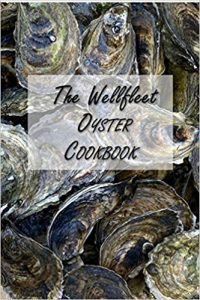
    For example, were I live, oysters plentiful and are some of the best in the world. My family eats a lot of oysters each summer and I thought it would be great to create a cookbook with just oyster recipes. It was so well received, it is now available on Amazon!

    You can buy a copy of The Wellfleet Oyster Cookbook by clicking on this link.

    Next, I plan on creating a BBQ mini cookbook and giving it out as gifts for Christmas to my friends and family.

    To create you own mini cookbook, go to the Production Center on your editor page and select “more cookbooks”. Here you can create your own mini cookbook and even import your recipes from your main cookbook using our recipe transfer tool.


    Bill Rice is Co-Publisher of the Family Cookbook Project, a website that helps families and individuals collect, preserve and share food memories by creating their own printed personal cookbooks. He is the author of The Wellfleet Oyster Cookbook (Available on Amazon) and the Cape Cod Cocktail Cookbook, both created using FamilyCookbookProject.com. He is also editor of the Donovan Family Cookbook, now it’s third printing.

    Follow Family Cookbook Project on Facebook, Instagram and Pinterest!