Author: Bill Rice

  • Explore the Bold and Hearty Flavors of Hungarian Food in Your Own Kitchen

    Explore the Bold and Hearty Flavors of Hungarian Food in Your Own Kitchen

    Hungarian cuisine is known for its rich flavors, hearty stews, and the liberal use of paprika, making it one of the most unique and flavorful European cuisines. While some Hungarian dishes may seem complex, many are surprisingly easy to make at home with the right ingredients and a bit of time. With influences from Central and Eastern Europe, Hungarian food brings together savory meats, fresh vegetables, and bold spices in dishes that are perfect for family meals.

    In this article, FamilyCookbookProject.com guide you through the essential ingredients for Hungarian cooking, the key spices you’ll need, and some simple dishes to start with, helping you bring a taste of Hungary into your own kitchen.

    Essential Ingredients for Hungarian Cooking

    Hungarian cuisine is centered around simple, hearty ingredients that are readily available in most grocery stores. Here are the essentials to keep in your kitchen for making authentic Hungarian dishes:

    Paprika

    Paprika is the cornerstone of Hungarian cooking. Hungarian paprika comes in several varieties, from sweet to hot and smoked, and is used generously in stews, soups, and sauces. It adds both color and depth of flavor to dishes like gulyás (goulash) and paprikás csirke (chicken paprikash).

    Sour Cream

    Sour cream is a common ingredient in Hungarian cuisine, often stirred into stews and sauces to add richness and a tangy flavor. It’s also served as a garnish for dishes like stuffed cabbage and langos (fried dough).

    Pork

    Pork is the most popular meat in Hungary and is used in dishes like pörkölt (a type of stew) and kolbász (Hungarian sausages). You’ll often find pork in stews, soups, and roasts.

    Beef

    Beef is another key ingredient in Hungarian cooking, especially in gulyás, a hearty soup or stew made with beef, vegetables, and spices. Beef is also used in pörkölt and other rich, slow-cooked dishes.

    Potatoes

    Potatoes are a versatile and essential ingredient in Hungarian cuisine. They are used in soups, stews, and side dishes and are often served boiled or mashed alongside main courses.

    Cabbage

    Cabbage is used in a variety of ways in Hungarian cooking, from fresh in salads to pickled in sauerkraut, and even stuffed with rice and meat to make töltött káposzta (stuffed cabbage rolls). It’s a staple in many traditional dishes.

    Onions

    Onions are the base of many Hungarian dishes, especially stews and soups. They are typically sautéed until soft and golden, forming the foundation of dishes like paprikash and goulash.

    Bell Peppers

    Bell peppers are frequently used in Hungarian recipes, adding sweetness and texture to dishes. They’re a key ingredient in lecsó, a Hungarian vegetable stew similar to ratatouille.

    Tomatoes

    Tomatoes are another important component of Hungarian dishes, often used to add sweetness and acidity to stews and sauces.

    Egg Noodles (Nokedli or Csipetke)

    Nokedli, Hungarian egg noodles similar to spaetzle, are often served alongside stews like paprikash. These homemade noodles are soft, chewy, and perfect for soaking up sauces.

    Must-Have Spices for Hungarian Cooking

    Hungarian cuisine is rich in spices and seasonings, but it all starts with paprika. Here are the key spices you’ll need to bring the flavors of Hungary to life:

    Hungarian Paprika

    Paprika comes in different varieties, but Hungarian paprika is known for its sweet, mild heat. You’ll need both sweet paprika and hot paprika to recreate authentic Hungarian flavors. Sweet paprika is used more frequently, while hot paprika is added for a bit of spice.

    Caraway Seeds

    Caraway seeds are commonly used in Hungarian soups, stews, and bread. They have a nutty, slightly peppery flavor and are often paired with cabbage, potatoes, and meats.

    Garlic

    Garlic is a key ingredient in many Hungarian dishes, adding a pungent, savory note to stews, soups, and roasted meats. It’s used in both fresh and powdered forms.

    Bay Leaves

    Bay leaves are often used in slow-cooked stews, soups, and sauces to add a subtle herbal flavor. They’re commonly included in goulash and pörkölt.

    Black Pepper

    Black pepper is a simple but essential spice in Hungarian cooking, often added alongside paprika to season meats, soups, and stews.

    Dill

    Dill is commonly used in Hungarian pickles, salads, and some soups. It adds a bright, fresh flavor that pairs well with sour cream and vinegar-based dishes.

    Thyme

    Thyme is frequently used to flavor soups and stews in Hungarian cooking, especially in meat dishes. It’s a fragrant herb that enhances the overall flavor of long-simmered dishes.

    Parsley

    Fresh parsley is often used as a garnish in Hungarian cuisine, adding color and freshness to hearty stews, soups, and roasted meats.

    Simple Hungarian Dishes to Start With

    Here are a few classic Hungarian dishes that are easy to make at home and will introduce you to the flavors of this rich cuisine:

    Gulyás (Goulash)

    Gulyás is Hungary’s most famous dish, a hearty soup or stew made with beef, onions, potatoes, and paprika. It’s comforting, flavorful, and perfect for a cozy meal. Serve it with crusty bread to soak up the broth.

    Search FamilyCookbookProject.com for goulash recipes.

    Paprikás Csirke (Chicken Paprikash)

    Chicken paprikash is a creamy, comforting dish made with chicken cooked in a rich paprika sauce. Sour cream is stirred in at the end to create a velvety texture. It’s traditionally served with nokedli (Hungarian egg noodles).

    Search FamilyCookbookProject.com for paprikash recipes.

    Töltött Káposzta (Stuffed Cabbage Rolls)

    Stuffed cabbage rolls are a Hungarian classic, made with cabbage leaves filled with a mixture of rice and ground pork, then simmered in a tomato and paprika sauce. This dish is perfect for family gatherings and special occasions.

    Search FamilyCookbookProject.com for Stuffed cabbage rolls recipes.

    Lecsó (Hungarian Vegetable Stew)

    Lecsó is a simple, hearty vegetable stew made with bell peppers, tomatoes, onions, and paprika. It’s often served as a side dish or with eggs for a light meal.

    Search FamilyCookbookProject.com for Lecsó recipes.

    Nokedli (Hungarian Egg Noodles)

    Nokedli is Hungary’s version of egg noodles, similar to German spaetzle. These small, chewy dumplings are easy to make at home and are the perfect accompaniment to paprikash or pörkölt.

    Search FamilyCookbookProject.com for Nokedli recipes.

    Cooking Hungarian Food at Home

    Cooking Hungarian food at home is a great way to explore bold, hearty flavors with a few simple ingredients. By stocking your kitchen with essentials like paprika, sour cream, onions, and bell peppers, and using spices like caraway seeds and garlic, you’ll be able to recreate traditional Hungarian dishes with ease. Start with comforting classics like goulash or chicken paprikash, and as you gain confidence, try your hand at more complex recipes like stuffed cabbage or lecsó.

    Hungarian cuisine is all about warmth, comfort, and sharing meals with loved ones, so gather your family around the table and enjoy a taste of Hungary in your own home.


    Bill Rice is Founder and Co-Publisher of  FamilyCookbookProject.com, the leading online cookbook publisher with a website that helps families and individuals collect, preserve and share food memories by creating their own printed custom cookbooks. He is the author of The Wellfleet Oyster Cookbook and the Cape Cod Cocktail Cookbook (Available on Amazon), both created using FamilyCookbookProject.com. He is also editor of the Donovan Family Cookbook, now it’s third printing and is an avid genealogist tracing his family back to the 1600’s.

    Follow Family Cookbook Project on Facebook, Instagram, Twitter TikTok, YouTube and Pinterest!


  • Bringing Recipes to Life: The Importance of Family Photos in Your Cookbook

    Bringing Recipes to Life: The Importance of Family Photos in Your Cookbook

    Creating a custom cookbook is a deeply personal project, often reflecting cherished family traditions, favorite recipes, and the memories shared around the dinner table. While recipes are the heart of any cookbook, adding family photos elevates the experience to a whole new level. Photos of family members and images of the actual dishes transform a cookbook from being simply a collection of recipes to a visual, heartwarming journey through your family’s culinary history.

    In this blog post, we’ll explore why using family photos in your custom cookbook made on FamilyCookbookProject.com is a wonderful way to celebrate your loved ones, preserve special memories, and create a keepsake that will be treasured for generations.

    Preserving Family Memories and Traditions

    Food is more than just sustenance—it’s a way for families to connect and celebrate together. Recipes passed down through generations often come with fond memories of the people who prepared them, the special occasions they were served at, or the laughter shared around the table. By including family photos in your custom cookbook, you create a time capsule of those moments.

    • Photos of Family Members: Including images of the people behind the recipes adds a personal touch to your cookbook. You could include a picture of your grandmother next to her famous apple pie recipe, or a snapshot of your family gathered around the table at Thanksgiving. These images bring the recipes to life, reminding everyone that these dishes are more than just instructions—they are part of your family’s story.
    • Photos of Family Gatherings: You can also include pictures of family gatherings, such as holiday dinners, barbecues, or birthday celebrations, where these recipes were served. This helps to illustrate the important role food plays in bringing everyone together.

    By combining family photos with recipes, you ensure that future generations can connect not only with the food but also with the people and traditions that made those dishes special.

    Creating a More Engaging and Personalized Cookbook

    Cookbooks are traditionally used for following recipes, but adding family photos transforms the experience from functional to emotional. When readers flip through the pages of your cookbook, the addition of photos creates a more engaging and immersive experience.

    • Visual Storytelling: Photos can tell the story of your family’s culinary journey in a way that words alone cannot. Whether it’s a picture of your kids helping in the kitchen or a family member preparing a dish, these images provide context and depth to the recipes. They capture the essence of the food being prepared and the love that goes into making it.
    • Personalized Layout: Photos give you the flexibility to get creative with the design of your cookbook. You can create themed sections, such as “Family Favorites” or “Holiday Recipes,” and accompany each section with images that represent those moments. Whether it’s a picture of a holiday dinner or a snapshot of a summer picnic, these images add personality and charm to the cookbook.

    Adding personal photos to your cookbook helps transform it into a family heirloom—a book that’s not just about food but about the people and memories that give meaning to those recipes.

    Celebrating the People Behind the Recipes

    Each recipe in your custom cookbook has a story. It may be a dish that has been passed down for generations, a recipe someone created from scratch, or a dish that became a family favorite over the years. Including photos of the people who contributed to these recipes is a way to honor them and celebrate their contributions to your family’s culinary legacy.

    • Attaching Photos to Individual Recipes: A great way to celebrate the creators of these recipes is to attach their photos next to the dishes they are known for. For example, if your father is famous for his barbecue ribs, you could include his photo next to the recipe, making it clear that this dish is part of his legacy. Similarly, if a recipe is attributed to your great-grandmother, including a photo of her alongside the dish helps future generations connect with the person behind the recipe.
    • A Tribute to Loved Ones: If certain family members are no longer with you, adding their photos to the cookbook is a beautiful way to honor their memory. Their recipes live on, and through this cookbook, so do they. Seeing their photos alongside their recipes helps keep their spirit alive at every family meal.

    By including photos of the people who made these dishes, your cookbook becomes a tribute to the cooks, bakers, and food lovers in your family, ensuring their contributions are remembered.

    Bringing the Recipes to Life with Photos of the Dishes

    While family photos create a personal connection, images of the actual dishes are a powerful way to inspire future cooks and ensure that recipes are recreated as intended. Visuals of the finished product help readers know what to aim for when they cook a dish and give them confidence in the kitchen.

    • Making Recipes More Accessible: A photo of the finished dish provides clarity and guidance. Readers can use the image to ensure their version of the dish looks as it should. It’s especially helpful for more complex recipes or baked goods where presentation matters.
    • Enticing Visuals: Let’s face it—food photography can make recipes more tempting! Including vibrant, mouthwatering images of your family’s favorite meals will encourage future generations to try their hand at the dishes. When they see that delicious image of Grandma’s lasagna or Aunt Mary’s chocolate cake, they’ll be motivated to keep the tradition alive.

    By combining photos of the dishes with family photos, you create a cookbook that not only documents recipes but also inspires others to cook them.

    Flexible Design Options: Attach Photos or Create a Separate Section

    When it comes to incorporating photos into your custom cookbook, you have the flexibility to choose how you want to organize the layout. You can attach photos to individual recipes or create a separate section dedicated entirely to family photos.

    • Attaching Photos to Recipes: This option allows you to connect each recipe with its visual counterpart, whether it’s a picture of the family member who created the dish or a photo of the finished meal. This is a great way to blend the story of the recipe with the visual appeal of the food.
    • Creating a Photo Section: Alternatively, you can create a separate section of your cookbook that’s dedicated entirely to family photos. This section could feature a “Meet the Cooks” page, where you introduce family members and their favorite recipes, or a gallery of family gatherings where the recipes were served. This adds a special touch to the cookbook, making it more of a family album than just a recipe book.

    Both options allow you to personalize your cookbook and create a lasting family keepsake. It’s all about what feels right for your project and how you want to tell your family’s story.

    A Lasting Family Heirloom

    Incorporating family photos into your custom cookbook turns it into something more than just a collection of recipes—it becomes a family heirloom. The cookbook tells the story of your family through the lens of food, preserving both culinary traditions and the people behind them.

    For future generations, this cookbook will be a cherished keepsake, providing not just the flavors of the past but also the faces and stories that go along with them. Whether your cookbook is passed down to children, grandchildren, or beyond, the combination of recipes and photos will make it a treasured part of your family’s legacy.

    Adding family photos to your custom cookbook transforms it into a deeply personal, meaningful project that captures both the recipes and the memories shared around the table. Whether you choose to attach photos to individual recipes or create a dedicated photo section, these images help preserve your family’s culinary history for generations to come.

    At FamilyCookbookProject.com, you can easily incorporate photos of family members and dishes into your custom cookbook, creating a beautiful keepsake that celebrates the people and moments behind your favorite recipes. Ready to create your own family cookbook? Start today and bring your family’s culinary story to life!

    Bill Rice is Founder and Co-Publisher of the Family Cookbook Project, the leading online cookbook publisher with a website that helps families and individuals collect, preserve and share food memories by creating their own printed custom cookbooks. He is the author of The Wellfleet Oyster Cookbook and the Cape Cod Cocktail Cookbook (Available on Amazon), both created using FamilyCookbookProject.com. He is also editor of the Donovan Family Cookbook, now it’s third printing and is an avid genealogist tracing his family back to the 1600’s.

    Follow Family Cookbook Project on Facebook, Instagram, Twitter TikTok, YouTube and Pinterest!

  • Bring Italy to Your Kitchen: A Beginner’s Guide to Italian Cooking

    Bring Italy to Your Kitchen: A Beginner’s Guide to Italian Cooking

    Italian cuisine is all about simplicity, fresh ingredients, and letting the natural flavors shine. Whether it’s a bowl of perfectly cooked pasta, a rustic pizza, or a hearty risotto, the essence of Italian cooking lies in using high-quality ingredients and mastering basic techniques. Fortunately, you don’t need a trip to Italy to enjoy authentic Italian food; with the right ingredients, a few tools, and some classic recipes, you can bring the flavors of Italy into your own kitchen.

    In this article, FamilyCookbookProject.com will guide you through the must-have ingredients, beginner-friendly Italian dishes to try, and essential utensils for cooking Italian food at home.

    Essential Ingredients for Italian Cooking

    Italian cooking is built on a foundation of a few key ingredients. With these essentials, you’ll be able to prepare a wide variety of Italian dishes.

    At the heart of Italian cuisine is extra virgin olive oil, a staple in almost every recipe. Whether you’re using it to sauté vegetables, dress a salad, or drizzle over fresh pasta, high-quality olive oil is a must-have. Another essential is garlic, which adds depth and flavor to countless Italian dishes. The rich, earthy notes of garlic are a signature in pasta sauces, soups, and stews.

    Italian food also relies heavily on tomatoes. Whether fresh, canned, or in the form of tomato paste, tomatoes are the base for classic dishes like marinara sauce, bolognese, and pizza sauce. For a real Italian touch, opt for  San Marzano tomatoes, which are known for their sweetness and low acidity.

    Pasta is, of course, a cornerstone of Italian cuisine. Keep a variety of shapes on hand, such as spaghetti, penne, and fettuccine, to pair with different sauces. Speaking of pasta,  Parmigiano-Reggiano is the king of Italian cheeses, adding a nutty, salty flavor to dishes. Grate it fresh over pasta, risotto, or salads for an extra burst of flavor.

    When it comes to Italian herbs, basil, oregano, and parsley are staples. Fresh basil is a must for Caprese salads and pesto, while oregano adds a savory punch to pizzas and sauces.  Fresh mozzarella is another essential, especially if you’re making pizza or lasagna. Its creamy texture and mild flavor make it the perfect pairing for tomatoes and basil.

    For meat lovers, Italian cooking often includes prosciutto and pancetta, which are used to add depth and savory richness to pastas, salads, and soups.

    Beginner-Friendly Italian Dishes to Try

    If you’re new to cooking Italian food at home, there are plenty of classic dishes that are both simple to prepare and incredibly satisfying. Here are a few that will help you get started.

    One of the easiest and most iconic Italian dishes to make is  spaghetti aglio e olio, a simple pasta dish made with garlic, olive oil, and red pepper flakes. This dish showcases how a few simple ingredients can create an incredibly flavorful meal. Cook your pasta until al dente, toss it in olive oil infused with garlic, and finish with a sprinkle of fresh parsley and grated Parmesan. It’s quick, delicious, and a perfect introduction to Italian cooking.

    For something more substantial, try making lasagna. This layered pasta dish features sheets of lasagna noodles, a rich meat sauce (ragu), ricotta cheese, and plenty of mozzarella and Parmesan. The key to a great lasagna is to simmer the meat sauce for at least an hour to allow the flavors to develop. Once assembled, bake until the cheese is bubbly and golden brown.

    Pizza lovers will enjoy making their own Margherita pizza at home. With a simple dough, fresh tomato sauce, mozzarella, and basil, this pizza highlights the freshness of the ingredients. Making pizza dough from scratch is easier than you might think and allows you to create a thin, crispy crust.

    Another comforting dish to try is risotto. This creamy rice dish is made by slowly stirring Arborio rice in broth until it becomes tender and creamy.  Risotto alla Milanese, flavored with saffron and Parmesan, is a great introduction to the art of risotto. The trick to perfect risotto is patience—stirring constantly to release the starches from the rice.

    For a fresh and light option, try Caprese salad, made with ripe tomatoes, fresh mozzarella, basil, and a drizzle of olive oil and balsamic vinegar. This simple salad is all about quality ingredients, so be sure to use the freshest produce you can find.

    Essential Tools for Italian Cooking

    While Italian cooking emphasizes simplicity, having the right tools can make your experience easier and more enjoyable.

    First and foremost, a large pot is essential for cooking pasta. Italian chefs often say that pasta needs room to “swim,” so choose a pot that’s big enough to hold plenty of water for boiling. You’ll also need a pasta strainer to easily drain the pasta without losing any of the precious noodles.

    A  cheese grater  is another must-have tool, especially for grating fresh Parmigiano-Reggiano. A microplane or box grater works well to finely grate the cheese, allowing it to melt seamlessly into your dishes.

    For pizza-making, a pizza stone or a baking steel is key to achieving that crispy, golden crust. Preheat the stone in your oven, and it will create the perfect environment for cooking your homemade pizza.

    When making risotto or sauces, a wooden spoon is ideal for stirring ingredients gently and evenly. And if you’re serious about making fresh pasta, consider investing in a pasta machine. While it’s possible to roll out pasta dough by hand, a pasta machine helps you achieve a uniform thickness and texture.

    Finally, a mandoline is useful for slicing vegetables thinly and evenly, which is particularly helpful when making dishes like eggplant Parmesan or preparing vegetables for pizza toppings.

    Bringing Italian Cuisine to Your Home Kitchen

    Cooking Italian food at home is a delightful way to explore new flavors and techniques while enjoying fresh, wholesome ingredients. By stocking your pantry with essentials like olive oil, pasta, tomatoes, and Parmesan, and having a few key tools at hand, you’ll be able to create authentic Italian dishes with ease.

    Start with simple dishes like spaghetti aglio e olio or a Caprese salad, and gradually work your way up to more complex recipes like lasagna or risotto. With each dish, you’ll gain confidence in your cooking abilities and a deeper appreciation for the art of Italian cuisine.

    When you’re just starting out with Italian cooking, it can be helpful to explore different sources for recipes. Whether you’re browsing cookbooks, online blogs, or watching cooking shows, there are countless ways to find inspiration for your next Italian dish. As you experiment with new recipes, it’s a great idea to keep them organized, so you can easily revisit your favorites.

    FamilyCookbookProject.com is a perfect tool for this. You can collect all the Italian recipes you’ve tried and loved, add personal notes or adjustments, and create a customized cookbook that reflects your own culinary journey. This way, you’ll have your personal collection of go-to Italian recipes, whether it’s for a simple weeknight pasta or a special family gathering.

    So, gather your ingredients, pour a glass of wine, and get ready to experience the joy of Italian cooking from the comfort of your own kitchen.

    Bill Rice is Founder and Co-Publisher of the Family Cookbook Project, a website that helps families and individuals collect, preserve and share food memories by creating their own printed personal cookbooks. He is the author of The Wellfleet Oyster Cookbook and the Cape Cod Cocktail Cookbook (Available on Amazon), both created using FamilyCookbookProject.com. He is also editor of the Donovan Family Cookbook, now it’s third printing and is an avid genealogist tracing his family back to the 1600’s.

    Follow Family Cookbook Project on Facebook, Instagram, Twitter TikTok, YouTube and Pinterest!

     

  • New Cookbook Cover Options Added to FamilyCookbookProject.com

    New Cookbook Cover Options Added to FamilyCookbookProject.com

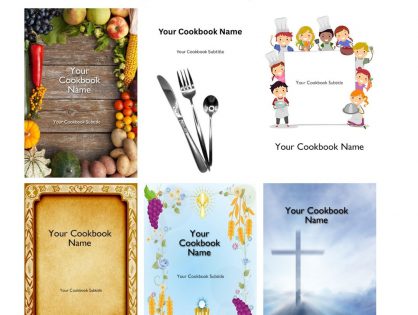
    We are constantly working to improve the offerings to our editors making their own personal cookbooks on FamilyCookbookProject.com. Here are a number of new cover options that will be fond in the cover design center:

    Dinnerware
    Kid Chefs
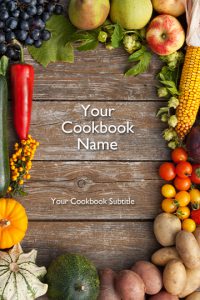
    Garden Harvest 1


    Here are 3 religious-themed covers as well:


    Cross of Blue
    Religious Parchment
    Light Blue Chalice
  • Using Recipes Found Online in Your Family Cookbook

    Using Recipes Found Online in Your Family Cookbook

    Let’s face it, being able to get information online has certainly made our life so much easier.

    The fact that you can go online and turn a collection of recipes into a beautifully designed printed cookbook at FamilyCookbookProject.com shows you the power of the Internet.

    Finding recipes online is also extremely easy. Rather than only having one or two cookbooks to look through as in the past, now you can type in the name of the recipe you want and get hundreds of variations for you to consider.

    Although a common question we get is, can we use recipes found online in our family cookbook?

    The answer is yes, you can use the recipes you found online in your family cookbook. However, there are some caveats.

    I know whenever I find a recipe online and I’m making it for the first time, I usually don’t necessarily follow the recipe, exactly. Rather I personalize it for mine, and my family tastes. We like things, a little spicier, so often I will increase amounts of spicy ingredients and cut back on some of the sweeter ingredients, making the recipe my own.

    Whenever you create a new recipe based on someone’s existing recipe, you should always give them attribution. That means in your personal notes you should include the original source that you work from.

    However, it is never appropriate to download a photo that comes with the recipe and include it in your online cookbook. While it is generally accepted, that recipes cannot be copyrighted, photos certainly are copyrighted. Unless you have the permission of the copyright owner, it is against Family Cookbook Project’s terms of service to include that photo in your cookbook. If you or family member took the photo, You are all set

    So next time you were looking for a new recipe, that is not yet in your family cookbook, find it online and make it your own.


    Bill Rice is Founder and Co-Publisher of the Family Cookbook Project, the leading online cookbook publisher with a website that helps families and individuals collect, preserve and share food memories by creating their own printed custom cookbooks. He is the author of The Wellfleet Oyster Cookbook and the Cape Cod Cocktail Cookbook (Available on Amazon), both created using FamilyCookbookProject.com. He is also editor of the Donovan Family Cookbook, now it’s third printing and is an avid genealogist tracing his family back to the 1600’s.

    Follow Family Cookbook Project on Facebook, Instagram, Twitter TikTok, YouTube and Pinterest!
  • The Italian Tradition of the Feast of Seven Fishes: A Christmas Eve Celebration

    The Italian Tradition of the Feast of Seven Fishes: A Christmas Eve Celebration

    The Feast of the Seven Fishes is a beloved Italian-American Christmas Eve tradition rooted in Catholic heritage and a celebration of seafood. This festive meal brings families together to enjoy a variety of fish and seafood dishes, honoring both religious customs and the bounty of the sea. While the tradition is primarily observed in Italian-American communities today, it is inspired by centuries-old Italian practices of abstaining from meat and indulging in fish during the holidays.

    In this article, FamilyCookbookProject.com explores the origins of the Feast of the Seven Fishes, what types of fish and seafood are commonly served, and some popular recipes you can try at home to celebrate this rich cultural tradition.

    The Origins of the Feast of the Seven Fishes

    The Feast of the Seven Fishes is celebrated on La Vigilia (Christmas Eve), a night when many Roman Catholics historically refrained from eating meat as part of their religious observance. Instead of meat, fish became the focus of the meal, and the feast developed as a way to mark the occasion with multiple courses of seafood.

    The number seven holds religious significance in Christianity, symbolizing completion and perfection, as seen in references to seven sacraments, seven days of creation, and seven virtues. While seven is the most common number associated with the feast, some families serve fewer or more courses, sometimes opting for nine, eleven, or even thirteen types of fish, each with their own symbolic meaning.

    Though the Feast of the Seven Fishes isn’t widely celebrated across Italy, it has deep roots in Southern Italy, particularly in regions like Calabria and Sicily. Italian immigrants brought the tradition to America in the early 20th century, and it has since become a cherished part of Italian-American Christmas celebrations.

    What Are the Seven Fishes?

    While there’s no strict rule about which specific types of fish must be included in the feast, there are several types of fish and seafood that are commonly featured in the Feast of the Seven Fishes. These dishes are typically prepared using a mix of frying, baking, and poaching techniques, and vary from region to region, with family recipes handed down through generations.

    Here are some of the most popular fish and seafood traditionally served:

    1.Baccalà (Salted Cod)

    •Dish: Baccalà is one of the most iconic dishes of the Feast of the Seven Fishes. This dried and salted cod is soaked to remove the salt and then prepared in various ways, such as fried or simmered in a tomato sauce with olives.

    •Recipe Idea: Baccalà alla Napolitana (Neapolitan-style cod) – Salted cod cooked in a rich tomato sauce with capers, olives, and garlic.

    Search FamilyCookbookProject.com for salted cod recipes.

    2.Calamari (Squid)

    •Dish: Calamari is typically served fried as a crispy appetizer or as part of a seafood salad.

    •Recipe Idea: Fried Calamari – Lightly battered and fried squid rings served with marinara sauce for dipping.

    Search FamilyCookbookProject.com for Calamari recipes.

    3.Gamberi (Shrimp)

    •Dish: Shrimp is a versatile seafood often grilled, sautéed, or poached. It’s also popular in pasta dishes.

    •Recipe Idea: Shrimp Scampi – Sautéed shrimp in a garlic, lemon, and white wine sauce, served over pasta or with crusty bread.

    Search FamilyCookbookProject.com for Shrimp recipes.

    4.Cozze (Mussels)

    •Dish: Mussels are often steamed in a flavorful broth made with garlic, wine, and fresh herbs. They can be served as an appetizer or a main course.

    •Recipe Idea: Cozze in Bianco (Mussels in White Wine) – Steamed mussels in a white wine, garlic, and parsley broth.

    Search FamilyCookbookProject.com for Mussels recipes.

    5.Vongole (Clams)

    •Dish: Clams are another staple, often served as part of a seafood pasta dish or steamed with wine and garlic.

    •Recipe Idea: Linguine alle Vongole – Pasta with clams in a white wine and garlic sauce, a simple yet flavorful dish.

    Search FamilyCookbookProject.com for Clam recipes.

    6.Scungilli (Conch)

    •Dish: Scungilli, or conch, is a type of sea snail that’s often served in a cold seafood salad or cooked in a tomato sauce.

    •Recipe Idea: Scungilli Salad – A refreshing salad made with sliced scungilli, celery, garlic, parsley, and lemon juice.

    Search FamilyCookbookProject.com for conch recipes.

    7.Acciughe (Anchovies)

    •Dish: Anchovies are used in a variety of ways, from being part of antipasti platters to adding depth to sauces.

    •Recipe Idea: Anchovy Bruschetta – Toasted bread topped with anchovies, roasted peppers, and a drizzle of olive oil.

    Search FamilyCookbookProject.com for Anchovies recipes.

    Other fish that are sometimes included in the Feast of the Seven Fishes are eel (especially in Naples), lobster, octopus, whiting, and sardines. The selection of fish often depends on local availability and family traditions.

    How to Celebrate the Feast of the Seven Fishes at Home

    If you want to host your own Feast of the Seven Fishes, here are a few tips to make it special:

    •Plan Your Menu: Decide on seven types of fish or seafood and how you want to prepare them. Choose a mix of fried, baked, and sautéed dishes for variety.

    •Make it a Family Affair: Invite family members to contribute their favorite seafood dishes or to help with the preparation.

    •Keep it Simple: While it’s tempting to go all out, remember that Italian cooking is often about simplicity. Let the freshness of the seafood shine by using simple ingredients and cooking methods.

    •Set the Table: Create a festive atmosphere by setting the table with holiday décor, candles, and perhaps some Italian wine to pair with your seafood feast.

    The Feast of the Seven Fishes is a beautiful tradition that combines family, faith, and the joys of seafood into one memorable meal. Whether you’re honoring a long-standing family tradition or starting a new one, celebrating Christmas Eve with seven seafood dishes is a delicious way to embrace the spirit of the holiday season.

    Bill Rice is Founder and Co-Publisher of the Family Cookbook Project, the leading online cookbook publisher with a website that helps families and individuals collect, preserve and share food memories by creating their own printed custom cookbooks. He is the author of The Wellfleet Oyster Cookbook and the Cape Cod Cocktail Cookbook (Available on Amazon), both created using FamilyCookbookProject.com. He is also editor of the Donovan Family Cookbook, now it’s third printing and is an avid genealogist tracing his family back to the 1600’s.

    Follow Family Cookbook Project on Facebook, Instagram, Twitter TikTok, YouTube and Pinterest!

  • Pro Tip: How To Transfer Recipes From One Cookbook To Another

    Pro Tip: How To Transfer Recipes From One Cookbook To Another

    If you want to transfer recipes from one cookbook to another, you can do so by using the Recipe Transfer Tool.  Go to Cookbook and Account Info Center and click on the link for “More Cookbooks” or under the Editor Activities Menu>Multi-book Dashboard. You will find the link at the end of the top paragraph. This tool offers step by step instructions on how to copy your recipes to the new cookbook.


    I have simplified the directions here:

    How to transfer recipes from one cookbook project to another cookbook project

    In the Recipe Center of your Quick Start menu, you will see an option for “Transfer recipes from another Family Cookbook Project cookbook”.  Click that link.

    Start by logging in to the account that the recipes are coming from. Under the headline “FROM” you will see a list of cookbooks in your account. You can click on the title to get the username and password. If the cookbook is in another account, you need to manually enter the username and password from that account. Click on the button “Confirm and Get Recipes”. You should get the message “SOURCE GOOD”.

    Next, enter the username and password of the cookbook receiving the recipes in the “TO” section, just like the FROM sign in. If successful, the “RED LIGHT” indicator will turn to “GREEN LIGHT”.

    Now the recipes will show in the box. Select the recipes you want to move by clicking on them. If you are moving more than one recipe, hold down the Control (CTRL) on your keyboard (Apple key on a MAC) when clicking.

    Finally, click on the “Copy Recipes Now” button and your recipes will move to the new cookbook.

  • Cook Thai Like a Pro: Essential Ingredients and Easy Recipes to Get Started

    Cook Thai Like a Pro: Essential Ingredients and Easy Recipes to Get Started

    Thai food is known for its complex flavors, fresh ingredients, and the perfect balance of sweet, sour, salty, and spicy elements. Cooking Thai food at home might seem intimidating at first, but with the right ingredients, dishes to start with, and a few key utensils, you can easily recreate the vibrant flavors of Thailand in your own kitchen. In this article, FamilyCookbookProject.com will explore everything you need to get started on your Thai cooking journey.

    Essential Ingredients for Cooking Thai Food

    A key aspect of Thai cooking is using fresh, flavorful ingredients. Here are some of the essential ingredients you’ll want to keep stocked in your kitchen when cooking Thai dishes:

    Fish Sauce (Nam Pla)

    –  What It Is : A salty, fermented sauce made from fish, fish sauce is essential for adding depth and umami flavor to Thai dishes.

    –  Uses : Used in sauces, marinades, and as a seasoning in stir-fries, soups, and salads.

    Coconut Milk

    –  What It Is : Rich and creamy, coconut milk is a common base for many Thai curries and soups.

    –  Uses : Used to create creamy textures in curries like green or red curry and soups like tom kha gai (coconut chicken soup).

    Lime

    –  What It Is : Fresh lime juice adds brightness and acidity to balance the flavors in many Thai dishes.

    –  Uses : Squeezed over salads, curries, and soups to add a tart, refreshing flavor.

    Lemongrass

    –  What It Is : A fragrant herb that gives Thai food its signature citrusy aroma.

    –  Uses : Used in soups, curries, and marinades. Typically, the tough outer layers are removed, and the tender inner stalk is minced or bruised.

    Galangal

    –  What It Is : Similar to ginger but with a more citrusy and peppery flavor, galangal is a staple in Thai cooking.

    –  Uses : Often used in soups (like tom yum) and curry pastes to add a fragrant, earthy flavor.

    Thai Basil

    –  What It Is : A type of basil with a slightly spicy, anise-like flavor that’s distinct from regular basil.

    –  Uses : Used in stir-fries, curries, and salads to add a fresh, aromatic flavor.

    Kaffir Lime Leaves

    –  What It Is : These fragrant leaves add a unique citrusy flavor to Thai soups and curries.

    –  Uses : Often used whole in soups and curries for flavor, then removed before eating, or finely sliced to garnish dishes.

    Palm Sugar

    –  What It Is : A natural sweetener made from the sap of palm trees, adding a subtle caramel sweetness.

    –  Uses : Used to balance out the heat and tanginess in dishes like pad Thai, curries, and dipping sauces.

    Thai Chili Peppers (Bird’s Eye Chili)

    –  What It Is : These small but mighty chilies pack a punch and are a key component in bringing heat to Thai dishes.

    –  Uses : Used in sauces, stir-fries, and salads to add heat and flavor.

    Rice Noodles

    –  What It Is : Commonly used in dishes like pad Thai and pad see ew, rice noodles are versatile and gluten-free.

    –  Uses : Boiled or stir-fried, these noodles are used in various stir-fry dishes, soups, and salads.

    Beginner-Friendly Thai Dishes to Try

    If you’re new to cooking Thai food at home, start with these classic dishes that are easy to make and packed with flavor:

    Pad Thai

    Pad Thai is a popular Thai street food dish that’s simple to make and full of flavor. It’s made with rice noodles, tofu or shrimp, eggs, peanuts, bean sprouts, and a tangy tamarind sauce.

    –  Key Ingredients : Rice noodles, fish sauce, tamarind paste, palm sugar, eggs, shrimp or tofu, bean sprouts, peanuts, lime.

    –  Pro Tip : The key to perfect pad Thai is balancing the sweet, sour, and salty flavors, and making sure your wok is hot enough for quick stir-frying.

    Search FamilyCookbookProject.com for Pad Thai recipes.

    Tom Yum Soup

    Tom yum is a hot and sour soup that’s known for its bold, zesty flavor. It’s made with shrimp, mushrooms, lemongrass, galangal, kaffir lime leaves, and Thai chilies, all simmered in a clear broth.

    –  Key Ingredients : Shrimp, lemongrass, galangal, kaffir lime leaves, Thai chilies, mushrooms, fish sauce, lime juice.

    –  Pro Tip : For an added kick of flavor, stir in some nam prik pao (Thai chili paste) just before serving.

    Search FamilyCookbookProject.com for Tom yum recipes.

    Green Curry (Gaeng Keow Wan)

    Green curry is a rich, fragrant curry made with coconut milk, green curry paste, chicken or tofu, and vegetables. It’s typically served with jasmine rice.

    –  Key Ingredients : Green curry paste, coconut milk, chicken or tofu, Thai basil, fish sauce, lime leaves.

    –  Pro Tip : Use fresh green curry paste for the best flavor, and don’t skimp on the Thai basil for an authentic taste.

    Search FamilyCookbookProject.com for Green curry recipes.

    Som Tum (Green Papaya Salad)

    Som tum is a spicy, tangy salad made from shredded green papaya, tomatoes, peanuts, and a dressing made from fish sauce, lime juice, and chilies.

    –  Key Ingredients : Green papaya, tomatoes, peanuts, Thai chili, garlic, fish sauce, lime juice, palm sugar.

    –  Pro Tip : You can adjust the heat level by adding more or fewer chilies to the dressing, depending on your spice tolerance.

    Search FamilyCookbookProject.com for Som tum recipes.

    Essential Cooking Utensils for Thai Cooking

    To make authentic Thai food at home, there are a few kitchen tools and utensils that will make the cooking process smoother and help you achieve the best results:

    Wok

    A wok is a must-have for stir-frying in Thai cooking. Its large, sloped sides allow for even cooking at high temperatures, which is essential for dishes like pad Thai or stir-fried noodles.

    Mortar and Pestle

    Many Thai sauces and pastes, like curry pastes or chili pastes, are traditionally made using a mortar and pestle. This tool allows you to grind fresh ingredients into a smooth paste, releasing all the aromatic oils and flavors.

    Rice Cooker

    While you can cook rice on the stovetop, a rice cooker simplifies the process, ensuring perfect jasmine or sticky rice every time.

    Cleaver or Sharp Chef’s Knife

    Thai cuisine often involves chopping herbs, vegetables, and meats finely. A cleaver or a sharp chef’s knife will make this task much easier.

    Fine Grater or Zester

    This tool is handy for grating galangal, garlic, or lime zest, which are common ingredients in Thai recipes.

    Start Cooking Thai Food at Home

    Cooking Thai food at home can be a fun and rewarding way to bring the vibrant flavors of Thailand to your kitchen. By stocking up on essential ingredients like fish sauce, coconut milk, and Thai chilies, you’ll have the foundation for a variety of delicious dishes. Start with simple, beginner-friendly recipes like pad Thai and green curry, and invest in a few key utensils like a wok and mortar and pestle to help you recreate authentic flavors.

    When you’re just starting out with Thai  cooking, it can be helpful to explore different sources for recipes. Whether you’re browsing cookbooks, online blogs, or watching cooking shows, there are countless ways to find inspiration for your next Italian dish. As you experiment with new recipes, it’s a great idea to keep them organized, so you can easily revisit your favorites.

    FamilyCookbookProject.com is a perfect tool for this. You can collect all the Italian recipes you’ve tried and loved, add personal notes or adjustments, and create a customized cookbook that reflects your own culinary journey. This way, you’ll have your personal collection of go-to Italian recipes, whether it’s for a simple weeknight pasta or a special family gathering.

    With practice and experimentation, you’ll soon be mastering Thai dishes and enjoying the complex, delicious flavors that make this cuisine so special. So, gather your ingredients, heat up your wok, and get ready to enjoy some homemade Thai food!

    Bill Rice is Founder and Co-Publisher of the Family Cookbook Project, a website that helps families and individuals collect, preserve and share food memories by creating their own printed personal cookbooks. He is the author of The Wellfleet Oyster Cookbook and the Cape Cod Cocktail Cookbook (Available on Amazon), both created using FamilyCookbookProject.com. He is also editor of the Donovan Family Cookbook, now it’s third printing and is an avid genealogist tracing his family back to the 1600’s.

    Follow Family Cookbook Project on Facebook, Instagram, Twitter TikTok, YouTube and Pinterest!


  • The Best Cookies for Christmas: A Guide to Festive Favorites

    The Best Cookies for Christmas: A Guide to Festive Favorites

    Christmas is a time of joy, family gatherings, and, of course, delicious holiday treats. Christmas cookies are a long-standing tradition in many homes, filling kitchens with the warm, comforting smells of sugar, spice, and everything nice. Whether you’re baking for family gatherings, attending cookie swaps, or looking to offer an assortment of sweets to holiday guests, knowing the best cookies to bake can make all the difference.

    In this article, FamilyCookbookProject.com will explore some of the most popular Christmas cookies, their flavor profiles, and how easy they are to make. We’ll also mention a few cookies that typically don’t work well for Christmas, so you can focus on the ones that shine during the holiday season.

    Popular Christmas Cookies and How Easy They Are to Make

    Sugar Cookies

    Flavor Profile : Sweet, buttery, and simple.

    Why They’re Perfect for Christmas : Sugar cookies are a staple for holiday baking because they’re easy to customize with festive shapes, icing, and sprinkles. They’re also incredibly versatile, making them perfect for decorating with the family or setting out at holiday parties.

    Ease of Making : Moderately easy. The dough is simple to mix, but rolling out and cutting the cookies into shapes can take a little time. Decorating adds an extra step, but it’s a fun activity for all ages.

    Gingerbread Cookies

    Flavor Profile : Spiced with ginger, cinnamon, and cloves, with a rich molasses flavor.

    Why They’re Perfect for Christmas : Gingerbread cookies are synonymous with Christmas, offering a warm, spiced flavor that embodies the holiday spirit. Whether you’re making gingerbread men or constructing a gingerbread house, these cookies are a festive must-have.

    Ease of Making : Moderately easy. The dough is straightforward, but rolling it out and cutting shapes can take some effort. Decorating with icing and candy can be as simple or elaborate as you like.

    Snickerdoodles

    Flavor Profile : Soft and chewy, with a buttery cinnamon-sugar coating.

    Why They’re Perfect for Christmas : Snickerdoodles bring warmth and comfort with their cinnamon flavor, making them a popular choice for holiday cookie plates. They have a simple, nostalgic charm that fits right in with the Christmas season.

    Ease of Making : Very easy. The dough is quick to prepare, and there’s no need to chill or roll out the dough. Simply shape, roll in cinnamon-sugar, and bake.

    Shortbread Cookies

    Flavor Profile : Buttery, crumbly, and lightly sweet.

    Why They’re Perfect for Christmas : Shortbread cookies are delicate, melt-in-your-mouth treats that are perfect for a more refined holiday dessert table. Their simplicity and richness make them an elegant addition to any cookie spread.

    Ease of Making : Easy. The dough only requires a few ingredients, and shaping the cookies can be done by hand or with cookie cutters. Their simple nature makes them an easy, go-to Christmas cookie.

    Peanut Butter Blossoms

    Flavor Profile : Soft peanut butter cookies topped with a Hershey’s kiss.

    Why They’re Perfect for Christmas : These cookies combine the classic flavors of peanut butter and chocolate, making them a favorite at Christmas gatherings. The addition of the chocolate kiss on top gives them a festive look without any extra decorating effort.

    Ease of Making : Very easy. The dough is simple to make, and adding the chocolate kiss to each cookie while they’re warm is quick and easy.

    Linzer Cookies

    Flavor Profile : Buttery, nutty cookies filled with fruity jam, typically raspberry.

    Why They’re Perfect for Christmas : Linzer cookies are beautiful, delicate treats that are perfect for holiday gatherings. Their dusting of powdered sugar and jam-filled centers make them look as festive as they taste.

    Ease of Making : Moderately difficult. The dough requires some chilling and rolling out, and you’ll need to cut out two cookie shapes for each one (one solid and one with a cut-out). The result, however, is worth the effort.

    Molasses Cookies

    Flavor Profile : Rich, spiced, and slightly chewy, with the deep flavor of molasses.

    Why They’re Perfect for Christmas : Molasses cookies are warm, comforting, and packed with holiday spices like ginger and cinnamon, making them ideal for a Christmas cookie platter. They bring a traditional, old-fashioned charm to any holiday dessert table.

    Ease of Making : Easy. The dough is simple to prepare, and there’s no need for intricate decorating—just a quick roll in sugar before baking.

    Spritz Cookies

    Flavor Profile : Buttery and lightly sweet, often with a hint of almond.

    Why They’re Perfect for Christmas : Spritz cookies are made with a cookie press to create intricate shapes like trees, wreaths, and stars, making them a perfect fit for Christmas celebrations. They’re small, crisp, and beautiful, often decorated with colored sugar or sprinkles.

    Ease of Making : Moderately easy. The dough itself is simple, but using a cookie press takes some practice. Once you’ve mastered it, they’re quick to make and bake.

    Thumbprint Cookies

    Flavor Profile : Buttery and sweet, filled with jam or chocolate.

    Why They’re Perfect for Christmas : Thumbprint cookies are a holiday favorite due to their simplicity and versatility. You can fill them with any flavor of jam, making them a colorful and tasty addition to any Christmas cookie spread.

    Ease of Making : Easy. The dough is simple, and shaping the cookies is just a matter of pressing your thumb into the center and adding your filling of choice.

    Cookies That Typically Don’t Make Great Christmas Cookies

    While many cookies are perfect for Christmas, there are a few that don’t quite fit the holiday spirit, either because of their flavors or textures. Here’s a short list of cookies that you might want to skip when planning your Christmas cookie lineup:

    Chocolate Crinkle Cookies

    –  Why Not? : While these cookies are rich and delicious, their messy powdered sugar coating tends to get everywhere, making them less ideal for cookie swaps or gifting. They can also lose their fresh texture quickly.

    Oatmeal Raisin Cookies

    –  Why Not? : Oatmeal raisin cookies are hearty and wholesome, but they don’t have the festive flair that most people associate with Christmas cookies. They’re better suited for casual, everyday baking.

    Macarons

    –  Why Not? : While macarons are beautiful and elegant, they’re notoriously difficult and time-consuming to make, which can be stressful during the busy holiday season. They also don’t have the cozy, nostalgic feel that people look for in Christmas cookies.

    Biscotti

    –  Why Not? : Biscotti are delicious, but they’re typically associated with coffee and tea rather than Christmas festivities. Their dry, crunchy texture doesn’t quite fit in with the soft, chewy cookies people often crave around the holidays.

    The Joy of Christmas Cookies

    Christmas cookies bring a sense of tradition and warmth to the holiday season. Whether you’re baking simple sugar cookies with the kids, swapping gingerbread men with friends, or serving elegant Linzer cookies at a holiday party, there’s a perfect Christmas cookie for every occasion.

    While some cookies are better left for other times of the year, the classic Christmas cookies listed above are sure to bring joy, festivity, and a little bit of sweetness to your holiday season. So, gather your ingredients, preheat your oven, and get ready to bake your way to a merry Christmas!


    Bill Rice is Founder and Co-Publisher of the Family Cookbook Project, a website that helps families and individuals collect, preserve and share food memories by creating their own printed personal cookbooks. He is the author of The Wellfleet Oyster Cookbook and the Cape Cod Cocktail Cookbook (Available on Amazon), both created using FamilyCookbookProject.com. He is also editor of the Donovan Family Cookbook, now it’s third printing and is an avid genealogist tracing his family back to the 1600’s.

    Follow Family Cookbook Project on Facebook, Instagram, Twitter TikTok, YouTube and Pinterest!
     

  • Pro Tip: Add A Photo To Your Cookbook From iPhone

    Pro Tip: Add A Photo To Your Cookbook From iPhone

    To add a photo to an existing recipe, from your mobile device, go to any index under “View Recipes” to find the recipe and click the Edit link on the right.

    You will see a button “Add Recipe Photo” – click that.  Now search your album to find the photo, select it and upload it.

    Please note: the photos must be in Jpeg format in order to work with our system. If your iPhone settings are for “Live” photos, you can not upload those photos directly. You would need to convert them from HELC to JPG first.

    Bill Rice is Founder and Co-Publisher of the Family Cookbook Project, the leading online cookbook publisher with a website that helps families and individuals collect, preserve and share food memories by creating their own printed custom cookbooks. He is the author of The Wellfleet Oyster Cookbook and the Cape Cod Cocktail Cookbook (Available on Amazon), both created using FamilyCookbookProject.com. He is also editor of the Donovan Family Cookbook, now it’s third printing and is an avid genealogist tracing his family back to the 1600’s.

    Follow Family Cookbook Project on Facebook, Instagram, Twitter TikTok, YouTube and Pinterest!