Author: Bill Rice

  • Fun, Family Activity Idea: Create a Family Cookbook

    Looking for a fun project to get everyone in your family involved in, even if they don’t all live in the same town? Create a family cookbook with FamilyCookbookProject.com.

    Family Cookbook Project started with my family sitting around a table, enjoying a wonderfully prepared meal were several family members contributed dishes. We all thought it would be great to have a family cookbook that we could all enjoy the recipes from others in the family.

    The online program we created to create my family’s cookbook over 20 years ago has turned into a successful website used by hundreds of thousands of people to create their own families cookbooks

    It is easy and fun to use. Here are some of the features get offers.

    • A simple to use invitation tool that allows you to invite other members of the family to participate via email and submit recipes from anywhere.
    • A library of professionally design covers for you to choose from. You also have the option to use a family photo or create your own cover.
    • Predesigned recipe layouts that let you choose how your recipes appear. You also have the ability to customize these layouts for your specific needs.
    • Recipe rating tool. Each recipe allows family members to pick between one and five stars how they like the recipe. It’s a great conversation starter.

    While the recipe can tribute, or gets to add personal notes of why, the recipe is important to them, other family members could add to the story and write comments online of their thoughts and memories of that recipe. The stories are only online and don’t carry forward to the printed cookbook.

    Can’t pick watch which cover you want? Use the cover voting tool and allow the contributors to help decide.

    And there is an option for all contributors to receive emails with the new recipes entered. This is a great way to keep them motivated and adding their own recipes.

    The best part of creating a family cookbook as a family project is when the cookbook is printed and everyone is amazed at how beautiful and timeless it is. It certainly is a worthwhile project.

    To get started with your own families, personalize cookbook, go to FamilyCookbookProject.com


    Bill Rice is Founder and Co-Publisher of the Family Cookbook Project, the leading online cookbook publisher with a website that helps families and individuals collect, preserve and share food memories by creating their own printed custom cookbooks. He is the author of The Wellfleet Oyster Cookbook and the Cape Cod Cocktail Cookbook (Available on Amazon), both created using FamilyCookbookProject.com. He is also editor of the Donovan Family Cookbook, now it’s third printing and is an avid genealogist tracing his family back to the 1600’s.

    Follow Family Cookbook Project on Facebook, Instagram, Twitter TikTok, YouTube and Pinterest!

  • Are You Following Family Cookbook Project on Social Media?

    Are You Following Family Cookbook Project on Social Media?

    The Family Cookbook Project is more than just a cookbook publisher; it’s a community where families and individuals come together to share recipes and food memories. We provide a system that makes it easy to gather and publish your family food traditions. Additionally, we offer valuable advice on improving your cookbook, creating better recipes, and understanding cooking.

    Here are the ways you can follow us on social media:

    Facebook: Follow us on Facebook to discover interesting recipes from our editors, get ideas to enhance your cookbook, and receive general cooking tips. We also have specific pages for barbecue recipes and cookie recipes, so follow those if they interest you.

    Pinterest: Cooking and recipes are popular categories on Pinterest. The Family Cookbook Project has 18 boards filled with great recipes, cooking tips, and ways to improve your cookbook. Explore interesting categories like Food Guys Like, Recipes from Around the World, and What’s for Breakfast.

    Instagram: Follow the Family Cookbook Project on Instagram for more recipes and tips.

    TikTok: Like short videos about cooking and creating cookbooks, follow our TikTok cookbook channel.

    Twitter: If you prefer X (formerly Twitter), find us at @Family_Cookbook or using the hashtag #familycookbook. We share the same great information across all our social media platforms.

    YouTube: Our How To videos can be found on YouTube, where we post videos on how to use Family Cookbook Project’s online tools to create the perfect family recipe book.


    Bill Rice is Founder and Co-Publisher of the Family Cookbook Project, a website that helps families and individuals collect, preserve and share food memories by creating their own printed personal cookbooks. He is the author of The Wellfleet Oyster Cookbook and the Cape Cod Cocktail Cookbook (Available on Amazon), both created using FamilyCookbookProject.com. He is also editor of the Donovan Family Cookbook, now it’s third printing.

    Follow Family Cookbook Project on Facebook, Instagram, Twitter TikTok, YouTube and Pinterest!


  • Pro Tip: Adding a Photo To Your Cookbook Cover

    Pro Tip: Adding a Photo To Your Cookbook Cover

    You can create a custom cover by adding your own photo. Use the Photo Manager (found in the Layout and Design section) to upload your photo. Assign the location to front cover.

    Next, go to the Layout and Design Center and select “Cookbook Covers”. This will take you to a page that will allow you to select one of our professionally designed cookbook covers by clicking on the + sign to see the covers in each category.  The last option is for a custom cover. To select the custom cover click on the choose button.  Then click “Save” to set that as your cover.
    You can also get really creative and use the Custom Cover Arranger Tool.  Go to Layout & Design>Select Cover and click the button to open that too.

    Bill Rice is Founder and Co-Publisher of the Family Cookbook Project, the leading online cookbook publisher with a website that helps families and individuals collect, preserve and share food memories by creating their own printed custom cookbooks. He is the author of The Wellfleet Oyster Cookbook and the Cape Cod Cocktail Cookbook (Available on Amazon), both created using FamilyCookbookProject.com. He is also editor of the Donovan Family Cookbook, now it’s third printing and is an avid genealogist tracing his family back to the 1600’s.

    Follow Family Cookbook Project on Facebook, Instagram, Twitter TikTok, YouTube and Pinterest!

  • Bring Vietnam to Your Table: A Guide to Cooking Authentic Vietnamese Food at Home

    Bring Vietnam to Your Table: A Guide to Cooking Authentic Vietnamese Food at Home

    Vietnamese cuisine is known for its fresh ingredients, vibrant flavors, and balance of sweet, sour, salty, and spicy elements. Dishes like pho, banh mi, and spring rolls have become popular worldwide, but cooking Vietnamese food at home offers a chance to explore a deeper variety of dishes and flavors. With the right ingredients, tools, and recipes, you can recreate the magic of Vietnamese cuisine in your own kitchen.

    In this article, FamilyCookbookProject.com will explore essential ingredients for cooking Vietnamese food, beginner-friendly dishes to try, and how to collect and organize your favorite recipes using FamilyCookbookProject.com.

    Essential Ingredients for Vietnamese Cooking

    The foundation of Vietnamese cuisine is fresh ingredients that bring bold flavors and vibrant colors to the table. Here are a few must-have ingredients to keep on hand:

    Fish Sauce (Nuoc Mam)

    Fish sauce is a cornerstone of Vietnamese cooking, adding a salty, umami depth to many dishes. It’s used in everything from dipping sauces to marinades and stir-fries. Look for a high-quality brand, as the flavor can vary significantly.

    Rice Noodles (Banh Pho)

    Rice noodles come in different thicknesses and are used in a variety of Vietnamese dishes, such as pho and stir-fried noodle dishes like bun cha. Keep thin vermicelli noodles for light dishes and thicker noodles for heartier soups and stir-fries.

    Fresh Herbs

    Fresh herbs are essential in Vietnamese cooking, adding brightness and complexity to dishes. Key herbs include cilantro, Thai basil, mint, and coriander. These are often used as garnishes or added at the last moment for a burst of fresh flavor.

    Lime and Lemongrass

    Lime adds acidity to balance flavors, while lemongrass provides a fragrant, citrusy element to soups, curries, and marinades. Together, they help create the bright, fresh taste that is so characteristic of Vietnamese cuisine.

    Hoisin Sauce and Sriracha

    Hoisin sauce is sweet and savory, often used in dipping sauces or as a glaze. Sriracha, a spicy chili sauce, adds heat and is a favorite condiment for pho and other noodle dishes.

    Rice Paper (Banh Trang)

    Rice paper is used for making fresh spring rolls (goi cuon) or fried spring rolls (cha gio). It’s light, versatile, and essential for creating these classic Vietnamese appetizers.

    Beginner-Friendly Vietnamese Dishes to Try

    Vietnamese food is known for being fresh and healthy, making it a great cuisine to explore at home. Here are a few dishes that are simple to prepare and full of flavor:

    Pho

    Pho is a classic Vietnamese noodle soup made with a rich, aromatic broth, rice noodles, and a choice of beef or chicken. While making the broth from scratch can be time-consuming, it’s worth the effort. Once you’ve mastered pho, you’ll have the base for many Vietnamese noodle dishes.

    Fresh Spring Rolls (Goi Cuon)

    Fresh spring rolls are an easy and refreshing dish to make at home. These light rolls are filled with shrimp, pork, vermicelli noodles, and fresh herbs, wrapped in rice paper and served with a tangy dipping sauce made from hoisin and peanut butter.

    Banh Mi

    Banh mi sandwiches are a delicious fusion of French and Vietnamese flavors, featuring a crispy baguette stuffed with pickled vegetables, herbs, meat, and pate. You can customize the fillings to your taste, making banh mi a versatile dish.

    Bun Cha

    Bun cha is a flavorful noodle salad made with grilled pork, rice vermicelli noodles, fresh herbs, and a sweet-and-sour dipping sauce. It’s a perfect example of how Vietnamese cuisine balances fresh and grilled elements.

    # 5.  Vietnamese Iced Coffee (Ca Phe Sua Da)

    For a sweet and refreshing treat, try making Vietnamese iced coffee. Strong coffee is brewed and then mixed with sweetened condensed milk, served over ice for a perfect afternoon pick-me-up.

    Tools You’ll Need for Vietnamese Cooking

    Cooking Vietnamese food at home is simple with the right tools. Here are a few kitchen essentials to help you get started:

    A Large Pot for Soups: Pho and other Vietnamese soups require a large pot for simmering broth and cooking noodles. Choose one that allows you to comfortably simmer broth for hours without spilling.

    Mortar and Pestle: This tool is useful for pounding aromatics like garlic, lemongrass, and chili to release their flavors. It’s particularly helpful in making pastes for marinades and sauces.

    Rice Cooker: Rice is a staple in Vietnamese cuisine, and a rice cooker ensures perfectly cooked rice every time, without any guesswork.

    Mandoline: A mandoline helps with thinly slicing vegetables, particularly for making quick pickles or julienning ingredients for fresh spring rolls and salads.

    Where to Find Vietnamese Recipes

    When it comes to finding Vietnamese recipes, there are plenty of resources available. You can browse through Vietnamese cookbooks, follow food bloggers who specialize in Southeast Asian cuisine, or check out cooking channels on YouTube for step-by-step video tutorials. FamilyCookbookProject.com offers a great collection of Vietnamese recipes for home cooks submitted in our database of more than 2.82 million recipes.

    However, as you explore different recipes and experiment with dishes, you may want to keep track of the ones that work best for you, so you can easily revisit and share them. This is where  FamilyCookbookProject.com  comes in handy.

    FamilyCookbookProject.com allows you to organize all your favorite Vietnamese recipes into one personalized cookbook. Whether you’ve perfected pho or created your own twist on banh mi, you can add the recipe to your collection, making it easy to reference or share with family and friends. You can also include notes, variations, or even family stories associated with the dish, making your cookbook as personal and unique as your culinary journey.

    Start Cooking Vietnamese Food at Home

    Cooking Vietnamese food at home is an exciting way to explore bold flavors and fresh ingredients. By stocking your kitchen with essential ingredients like fish sauce, rice noodles, and fresh herbs, you’ll be ready to prepare a variety of delicious dishes. Start with beginner-friendly recipes like pho, fresh spring rolls, and banh mi, and build your skills from there.

    As you try new dishes and refine your favorites, FamilyCookbookProject.com can help you organize all your recipes into a personalized collection that’s easy to access and share. Whether you’re cooking for your family or hosting a Vietnamese-inspired dinner party, you’ll have a go-to resource for creating authentic Vietnamese meals right in your own kitchen.


    Bill Rice is Founder and Co-Publisher of the Family Cookbook Project, a website that helps families and individuals collect, preserve and share food memories by creating their own printed personal cookbooks. He is the author of The Wellfleet Oyster Cookbook and the Cape Cod Cocktail Cookbook (Available on Amazon), both created using FamilyCookbookProject.com. He is also editor of the Donovan Family Cookbook, now it’s third printing and is an avid genealogist tracing his family back to the 1600’s.

    Follow Family Cookbook Project on Facebook, Instagram, Twitter TikTok, YouTube and Pinterest!

  • How to Use Old Family Photos to Enhance Your Cookbook

    How to Use Old Family Photos to Enhance Your Cookbook

    A family cookbook is more than just a collection of recipes; it’s a window into your family’s history, traditions, and shared experiences. One of the best ways to enrich your cookbook and make it truly memorable is by incorporating old family photos. These images can add context, nostalgia, and a sense of connection to each recipe. In this article, FamilyCookbookProject.com will explore how to use old family photos to enhance your family cookbook, making it a cherished keepsake for generations to come.

    Tell a Story with Photos

    Family photos can help tell the story of your family’s culinary traditions. Rather than using photos solely as decoration, think about how each image can contribute to the overall narrative of your cookbook.

    Here are a few ways to tell a story using photos:

    • •Highlight Special Events: Include photos of family gatherings, such as holiday dinners, birthday parties, or weddings. Pair these photos with recipes that were served during these occasions, like Grandma’s Christmas cookies or Aunt Mary’s famous wedding cake.
    • •Show the People Behind the Recipes: Add photos of family members who are particularly known for certain recipes. For example, include a picture of Grandpa making his legendary barbecue or a snapshot of your mom serving her signature lasagna. This helps future generations put a face to the recipe and feel more connected to family traditions.
    • •Capture Family Life in the Kitchen: If you have old photos of your family cooking together, these can be a wonderful addition to your cookbook. Whether it’s children learning to bake cookies or siblings helping prepare a meal, these moments reflect the joy and togetherness of cooking as a family.

    By pairing these images with the recipes themselves, you not only preserve the food but also the memories and emotions tied to it.

    Choose Photos That Reflect Different Eras

    Incorporating photos from various eras of your family’s history gives your cookbook a rich sense of time and continuity. Consider selecting images from different decades to showcase the evolution of your family’s cooking traditions. Here are some ideas:

    • •Vintage Photos: Black-and-white or sepia-toned photos from your grandparents or great-grandparents’ time can add a sense of nostalgia. These could include family portraits or candid shots of family members in the kitchen.
    • •Mid-Century Photos: If you have family photos from the 1950s through the 1970s, these can add a retro vibe to your cookbook. Kitchens from this era, with their distinctive design and appliances, make for fun visuals that transport readers back in time.
    • •Recent Photos: Don’t forget to include more recent family moments as well. Whether it’s your kids learning to cook or a modern-day family gathering, these images help show that family recipes and traditions are still alive and evolving.

    Using photos from different time periods brings a sense of continuity to your cookbook, illustrating how recipes and family traditions have been passed down through the generations.

    Incorporate Photos of Family Gatherings

    Family gatherings are often the heart of shared culinary traditions. Whether it’s a big holiday dinner or a casual summer barbecue, these moments capture the essence of family life. Adding photos of these gatherings can enhance the sense of togetherness in your cookbook.

    Some ideas for incorporating gathering photos include:

    • •Holiday Dinners: Pair photos of your family around the holiday table with the recipes that were served. Whether it’s Thanksgiving turkey or a Christmas pudding, these images add warmth and nostalgia to your cookbook.
    • •Reunions and Special Occasions: Include snapshots from family reunions, weddings, anniversaries, or milestone birthdays. These occasions often feature significant family recipes, making the photos a perfect complement to the corresponding dishes.
    • •Candid Moments: Candid photos, such as children playing, someone preparing a dish, or laughter around the table, add a dynamic and authentic feel to the cookbook. These images reflect the joy of being together and sharing food.

    By including these photos, you celebrate not just the recipes themselves, but the family moments they helped create.

    Use Photos as Chapter Dividers or Section Introductions

    Old family photos can also serve a functional role in your cookbook by acting as chapter dividers or section introductions. This helps give your cookbook a cohesive, polished look while maintaining a personal touch. Here are some ideas on how to use photos in this way:

    • •Section Headers: Use a family photo at the beginning of each section of your cookbook, such as “Appetizers,” “Main Dishes,” or “Desserts.” For example, if your family always gathered for dessert after a meal, use a photo of everyone enjoying a sweet treat to introduce the dessert section.
    • •Recipe Groupings: You can also group recipes by the family members who contributed them. If you’re creating a section called “Grandma’s Favorites,” include a photo of Grandma at the beginning of the section to personalize it even more.
    • •Special Family Dishes: If a certain recipe has a lot of history behind it, consider starting the recipe’s page with a large family photo that relates to the dish, such as a photo of a specific holiday or event where the dish was served.

    Photos used in this way break up the text and add visual interest, making the cookbook more engaging for readers.

    Digitize and Enhance Old Photos

    If you’re working with physical copies of old photos, you’ll need to digitize them for inclusion in your cookbook. Here’s how to do it effectively:

    • •Scan at a High Resolution: When scanning old photos, aim for a resolution of at least 300 dpi (dots per inch). This ensures that the images will print clearly and look sharp in your cookbook.
    • •Enhance or Restore Photos: Use photo-editing software to enhance or restore old photos that may have faded or become damaged over time. Simple adjustments like brightening the image, increasing contrast, or removing scratches can make a significant difference.
    • •Keep the Vintage Feel: While you want to enhance the quality of the photo, try not to over-edit it. Part of the charm of old family photos lies in their imperfections, so embrace the slightly faded colors or worn edges—they add authenticity and character.

    Add Captions and Personal Notes

    Captions are essential for giving context to the photos in your cookbook. When including old family photos, don’t assume that future generations will know who’s in the picture or why the moment was significant. Here’s how to make your captions meaningful:

    • •Identify People: Make sure to identify who is in the photo, including their relationship to the family. For example, “Grandma Mary in her kitchen in 1950” or “Uncle Joe grilling at the family barbecue, 1975.”
    • •Explain the Story Behind the Photo: Add a brief note about the context of the photo, especially if it’s related to a particular recipe. For example, “This is the first time Grandma made her famous apple pie, a recipe that has been passed down to every generation since.”
    • •Share Fun Facts: If there’s a humorous or heartwarming anecdote associated with the photo, include that as well. These little details make the cookbook more personal and enjoyable to read.

    Captions and personal notes give life to the photos and provide future readers with a deeper understanding of the family’s traditions.

    Incorporate Photos into the Design of the Cookbook Cover

    For a truly personal touch, consider using old family photos as part of your cookbook cover design. FamilyCookbookProject.com allows you to upload custom images for the cover, so you can create a unique design that reflects your family’s history.

    Ideas for cover designs using family photos include:

    • •A Collage of Family Photos: Create a collage of multiple family photos that span different generations. This creates a visually striking cover that reflects the diversity of family traditions.
    • •A Single Iconic Photo: If there’s a particular photo that represents your family’s culinary legacy (such as Grandma cooking in her kitchen), use it as the central image for the cover.
    • •Family Portraits: A group photo of the entire family at a reunion or holiday event can also make a beautiful cover, showing the unity behind the shared recipes.

    The cover is the first thing people will see when they pick up the cookbook, so using a family photo will set the tone for the entire project.

    Preserving Family Memories with Photos and Recipes

    By incorporating old family photos into your cookbook, you transform it from a simple recipe collection into a family heirloom. The combination of recipes and photos captures not only your family’s culinary traditions but also the moments, people, and memories that have shaped them. Whether you use photos to tell a story, introduce sections, or personalize each recipe, these images add a layer of depth and emotion that makes the cookbook truly special.

    With FamilyCookbookProject.com, it’s easy to digitize and integrate photos into your cookbook design, ensuring that both your family’s recipes and memories will be preserved for future generations.


    Bill Rice is Founder and Co-Publisher of the Family Cookbook Project, the leading online cookbook publisher with a website that helps families and individuals collect, preserve and share food memories by creating their own printed custom cookbooks. He is the author of The Wellfleet Oyster Cookbook and the Cape Cod Cocktail Cookbook (Available on Amazon), both created using FamilyCookbookProject.com. He is also editor of the Donovan Family Cookbook, now it’s third printing and is an avid genealogist tracing his family back to the 1600’s.

    Follow Family Cookbook Project on Facebook, Instagram, Twitter TikTok, YouTube and Pinterest!

  • Recipe Boxes vs. Family Cookbooks: Why Digital Age Wins

    Recipe Boxes vs. Family Cookbooks: Why Digital Age Wins

    In many homes, a recipe box holds a revered place on the kitchen counter. This small box, often brimming with handwritten cards, is a tangible connection to family history and culinary tradition. Each card tells a story, not just with its ingredients and instructions, but with the unique handwriting and notes that have been added over the years. However, as charming as these boxes are, they come with their own set of challenges. In today’s digital age, a family cookbook offers a modern, practical, and equally sentimental alternative that addresses many of these challenges.

    The Charm and Challenges of a Recipe Box

    Recipe boxes are undeniably nostalgic. They often contain a mix of recipes: some handed down from previous generations, others clipped from magazines, and a few scribbled on scraps of paper. This collection represents a family’s culinary journey. Yet, despite their sentimental value, recipe boxes present several practical issues:

    1. Difficulty in Sharing Recipes: Sharing recipes from a recipe box can be a cumbersome task. Imagine a family gathering where everyone wants Aunt Susan’s famous apple pie recipe. You pull out the card, but copying it by hand or taking a photo with your phone doesn’t quite capture the charm or ensure everyone gets an accurate copy. Furthermore, physical cards can get lost, damaged, or stained over time, making it even harder to preserve and share these precious recipes.
    2. Hard-to-Read Recipes: Over the years, recipe cards can become worn and faded. Handwriting styles vary, and what was once legible can become a cryptic puzzle. Spilled ingredients and smudged ink only add to the difficulty. Trying to decipher Grandma’s cursive while your hands are covered in flour can be frustrating and might even lead to culinary mishaps.
    3. Organization and Retrieval: Finding a specific recipe in a cluttered box can be time-consuming. Cards might not be organized, and you might spend valuable cooking time rifling through the box trying to locate the right one. This lack of organization can deter even the most enthusiastic cook.

    The Modern Solution: A Family Cookbook

    Transitioning from a recipe box to a family cookbook offers numerous advantages while retaining the sentimental value of those cherished recipes. Here’s why a family cookbook is a superior option:

    1. Ease of Sharing: A family cookbook, especially one created with modern publishing tools, can be easily shared among family members and friends. Whether in print or digital format, everyone can have their own copy. Digital cookbooks can be shared via email or cloud services, ensuring that everyone has access to the same recipes without the hassle of photocopying or transcribing by hand.
    2. Readability: By compiling recipes into a family cookbook, you can standardize the format and font, making them easy to read. This eliminates the struggle with various handwriting styles and worn-out cards. For added nostalgia, you can include images of the original recipe cards alongside the typed version. This way, the charm of the handwritten notes is preserved, but the recipes are accessible and legible.
    3. Enhanced Organization: Family cookbooks allow for organized sections, whether by meal type, occasion, or family member. An index and table of contents make finding a specific recipe straightforward. This organization not only saves time but also makes the cooking process more enjoyable and efficient.
    4. Preservation of Memories: While a recipe box holds individual cards, a family cookbook can tell a more comprehensive story. Alongside recipes, you can include anecdotes, photos, and family history, creating a rich tapestry of your family’s culinary journey. This not only preserves the recipes but also the memories associated with them.
    5. Inclusion of Visuals: A significant advantage of a family cookbook is the ability to include photos. High-quality images of the finished dishes can inspire and guide family members as they cook. Additionally, including images of the original recipe cards allows the cookbook to retain its sentimental value. Seeing Grandma’s handwriting next to a beautiful photo of her famous cookies bridges the gap between past and present.
    6. Customization and Updates: With digital tools, updating a family cookbook is simple. New recipes can be added, and outdated ones can be revised. This flexibility ensures that the cookbook evolves with the family’s culinary tastes and traditions. Recipe boxes, on the other hand, are static and can’t be easily updated or expanded.

    Creating a Family Cookbook: Tips and Considerations

    Embarking on the journey to create a family cookbook using FamilyCookbookProject.com can be a rewarding experience. Here are some tips to ensure your cookbook is a treasured family heirloom:

    1. Gathering Recipes: Start by collecting recipes from family members. Encourage them to share their favorites, along with any stories or memories associated with the dishes. This collaborative effort ensures that the cookbook represents the entire family’s culinary heritage.
    2. Preserving Handwritten Cards: Scan or photograph original recipe cards to include in the cookbook. This preserves the nostalgic element while ensuring the recipes are legible. Pair these images with typed versions of the recipes for clarity.
    3. Adding Personal Touches: Include family photos, anecdotes, and historical context. For example, if a recipe has been passed down for generations, provide some background on its origins and significance to the family.
    4. Organizing the Content: Decide on a structure for the cookbook. You might organize recipes by meal type (breakfast, lunch, dinner, desserts), occasion (holidays, family gatherings), or by contributor. An index and table of contents are essential for easy navigation.
    5. Design and Layout: Use a user-friendly design tool or service to lay out the cookbook. Choose fonts and colors that reflect your family’s personality. Ensure that the design is clean and easy to read. High-quality images of dishes and recipe cards add a professional touch.
    6. Printing and Distribution: Decide whether you want to create physical copies, digital versions, or both. Physical copies can be professionally printed and make wonderful gifts. Digital versions can be easily shared and updated.
    7. Engaging the Family: Throughout the process, keep family members involved. Share progress updates and solicit feedback. This engagement ensures that the cookbook truly represents the family’s collective culinary heritage.

    Embracing the Digital Age

    While the charm of a recipe box is undeniable, embracing modern technology can enhance the way we preserve and share family recipes. Here’s how the digital age can complement a family cookbook:

    1. Online Platforms: Online platforms, like FamilyCookbookProject.com, designed specifically for creating and sharing family cookbooks. This platform offers templates, design tools, and options for collaboration.
    2. Social Media: Create a private family group on social media where members can share recipes, cooking tips, and photos of dishes. This real-time interaction keeps the family connected and engaged in the culinary journey.
    3. Digital Archives: Digitizing old recipe cards not only preserves them but also makes them easily accessible. Cloud storage ensures that these recipes are safe from physical damage and can be shared effortlessly.
    4. Mobile Access: With FamilyCookbookProject.com, recipes are accessible on smartphones and tablets. This convenience means that family members can cook from anywhere, whether they’re in their own kitchen or visiting a friend.

    A family cookbook offers a beautiful blend of tradition and modernity. It preserves the sentimental value of a recipe box while addressing its practical limitations. By compiling recipes into a family cookbook, you ensure that these culinary treasures are legible, organized, and easily shared. Including images of original recipe cards retains the nostalgic charm while enhancing readability.

    In today’s fast-paced world, a family cookbook serves as a tangible connection to our roots. It’s a testament to the love and care that goes into each dish and a celebration of the family’s culinary heritage. By embracing modern tools and technologies, such as FamilyCookbookProject.com, we can create cookbooks that not only preserve recipes but also the memories and stories that make them special.

    So, gather those recipe cards, scan those handwritten notes, and embark on the journey of creating a family cookbook using FamilyCookbookProject.com. It’s a gift that will be cherished for generations to come, bringing joy, connection, and delicious meals to your family’s table.


    Bill Rice is Founder and Co-Publisher of the Family Cookbook Project, a website that helps families and individuals collect, preserve and share food memories by creating their own printed personal cookbooks. He is the author of The Wellfleet Oyster Cookbook and the Cape Cod Cocktail Cookbook (Available on Amazon), both created using FamilyCookbookProject.com. He is also editor of the Donovan Family Cookbook, now it’s third printing and is an avid genealogist tracing his family back to the 1600’s.

    Follow Family Cookbook Project on Facebook, Instagram, Twitter and Pinterest!

  • All the Features You Can Enjoy with the Family Cookbook Project App

    All the Features You Can Enjoy with the Family Cookbook Project App

    The Family Cookbook Project app is more than just a digital cookbook—it’s a powerful tool designed to help you streamline your cooking experience, stay organized, and keep your family recipes at your fingertips no matter where you are. Whether you’re at the grocery store, in the middle of meal prep, or looking for inspiration from the Family Cookbook Project blog, this app has you covered.

    In this post, we’ll walk you through all the amazing features of the “award-Winning” Family Cookbook Project app, and how it can make your cooking experience more efficient, enjoyable, and connected to your family’s culinary traditions.

    View Your Recipes at the Grocery Store

    One of the most convenient features of the Family Cookbook Project app is the ability to access your recipes on the go—especially at the grocery store. No more worrying about forgetting an ingredient or trying to recall the details of a recipe while shopping. With the app, you can easily pull up any recipe and check ingredient lists in real time as you navigate the aisles.

    • How It Helps: When you’re at the grocery store and unsure of whether you have all the ingredients for that family-favorite lasagna, just open the app and check the recipe. You’ll save time, avoid buying duplicates, and ensure you never miss a key ingredient again.
    • Bonus Tip: You can create a shopping list from your recipes by listing out the ingredients you need, making your trip to the store even more efficient.

    Update Recipes While Cooking

    The ability to update recipes in real time as you cook is a game-changer. Whether you’re adjusting a recipe to suit your preferences, making a note of a successful substitution, or adding extra steps, you can now update your family’s treasured recipes directly from the app.

    • How It Helps: Have you made a slight tweak to Grandma’s meatloaf recipe that worked out perfectly? With the app, you can make those updates right in the middle of your cooking process. This means your recipes will always reflect the latest adjustments and improvements, ensuring they’re as accurate and helpful as possible for future use.
    • Bonus Tip: As you experiment in the kitchen, document your successful modifications in the recipe notes section, so you don’t have to rely on memory the next time you cook.

    Add Photos to Existing Recipes

    A picture is worth a thousand words, and adding photos to your recipes is a great way to enhance the visual appeal and clarity of your cookbook. The Family Cookbook Project app allows you to upload photos directly to existing recipes, whether you want to show the finished dish, capture a step in the cooking process, or even include a family photo related to the recipe’s story.

    • How It Helps: Adding photos gives your family cookbook a more personalized and professional feel. Visual references are especially helpful for recipes with specific techniques or presentation styles. You can upload photos in just a few taps, making it easy to build a visual archive of your family’s culinary creations.
    • Bonus Tip: Encourage your family members to do the same! Each time someone cooks a family dish, they can snap a photo and add it to the shared cookbook, making the collection even richer over time.

    View Blog Posts for Tips and Inspiration

    The Family Cookbook Project app also gives you easy access to the latest blog posts from FamilyCookbookProject.com. These posts are packed with tips, ideas, and inspiration to help you get the most out of your custom cookbook and continue your culinary adventures.

    • How It Helps: Whether you’re looking for advice on organizing your recipes, inspiration for themed cookbooks, or tips on making your cookbook a family keepsake, the blog posts provide valuable insights and new ideas. You can stay updated on trends and find fresh ways to enhance your family’s cookbook, all from within the app.
    • Bonus Tip: Bookmark or save your favorite blog posts so you can easily refer back to them when you need a creative boost for your next cookbook project.

    Watch Family Cookbook Project YouTube Videos

    Sometimes, you need a little more than written instructions or blog posts to get the most out of your cooking or cookbook project. The Family Cookbook Project app lets you watch YouTube videos directly from FamilyCookbookProject.com, providing you with helpful tutorials, tips, and inspiration in video format.

    • How It Helps: Whether you’re learning how to create the perfect layout for your cookbook or watching a video on how to organize recipes, these videos provide easy-to-follow guidance. Videos are a great way to visually learn new tips or get inspired by others who have successfully completed their cookbook projects.
    • Bonus Tip: Explore the video library for practical tips and fun ideas to make your family cookbook even more special.

    A Digital Cookbook That Does More

    The award-winning Family Cookbook Project app is designed to be a versatile tool that supports your cooking, organizing, and recipe-sharing efforts, all while keeping your family’s culinary heritage alive. From the convenience of checking your recipes at the grocery store to updating them in real time as you cook, the app makes it easy to manage and enhance your family cookbook from anywhere.

    Ready to get started? Download the Family Cookbook Project app today and take your cooking—and your family’s recipes—to the next level!

    Designed for use on the Apple iPhone or iPad, the free app can be downloaded at
    https://itunes.apple.com/us/app/family-cookbook-project-recipes/id1128570224?ls=1&mt=8

    If you are an Android user go to https://play.google.com/store/apps/details?id=com.app_fcbrecipes1.layout


    Bill Rice is Founder and Co-Publisher of the Family Cookbook Project, the leading online cookbook publisher with a website that helps families and individuals collect, preserve and share food memories by creating their own printed custom cookbooks. He is the author of The Wellfleet Oyster Cookbook and the Cape Cod Cocktail Cookbook (Available on Amazon), both created using FamilyCookbookProject.com. He is also editor of the Donovan Family Cookbook, now it’s third printing and is an avid genealogist tracing his family back to the 1600’s.

    Follow Family Cookbook Project on Facebook, Instagram, Twitter TikTok, YouTube and Pinterest!


    10 Alternative Titles for This Article

    1. “How the Family Cookbook Project App Can Simplify Your Cooking Experience”
    2. “The Ultimate Guide to Using the Family Cookbook Project App for Your Recipes”
    3. “All the Features You Can Enjoy with the Family Cookbook Project App”
    4. “Why Every Family Cook Needs the Family Cookbook Project App”
    5. “A Closer Look at the Family Cookbook Project App: Features to Make Cooking Easier”
    6. “From Grocery Store to Kitchen: The Power of the Family Cookbook Project App”
    7. “Enhance Your Family Cookbook with the Family Cookbook Project App”
    8. “How to Use the Family Cookbook Project App to Manage Recipes and More”
    9. “5 Ways the Family Cookbook Project App Can Improve Your Cooking”
    10. “Why the Family Cookbook Project App Is a Must-Have for Home Cooks”

    10 Social Media Posts to Promote the Article

    1. Discover how the Family Cookbook Project app can simplify your cooking! From grocery store access to updating recipes in real time, this app has it all. 📲👩‍🍳 #FamilyCookbook #CookingApp #RecipeManagement
    2. Love cooking? The Family Cookbook Project app lets you access recipes, add photos, and update dishes on the go! Check out our latest blog post to learn more. 🍽️📲 #CookingApp #CustomCookbook #FamilyRecipes
    3. Cooking just got easier with the Family Cookbook Project app! Learn how you can view recipes at the store, update dishes as you cook, and more. 📚🍴 #CookingSimplified #FamilyCookbook #CookingApp
    4. Say goodbye to forgotten ingredients! With the Family Cookbook Project app, you can access your recipes anytime, even at the grocery store. 🛒📲 #RecipeApp #FamilyCookbook #CookingMadeEasy
    5. Update your family recipes on the go! Learn how the Family Cookbook Project app makes it easy to cook, edit, and add photos in real time. 👩‍🍳📖 #CookingApp #RecipeUpdates #FamilyCookbook
    6. Add photos to your favorite family recipes with the Family Cookbook Project app! Learn more about how this app helps enhance your family cookbook. 📸🥘 #CookingApp #FamilyRecipes #RecipePhotos
    7. Want to watch cooking tutorials and stay inspired? Check out the Family Cookbook Project app’s YouTube video feature for tips and tricks! 🎥📲 #CookingApp #FamilyCookbook #RecipeVideos
    8. The Family Cookbook Project app is here to help! From viewing blog posts to watching videos, learn all the ways you can use this app to enhance your family recipes. 📚👨‍🍳 #CookingApp #FamilyRecipes #CookbookProject
    9. Get inspired with the Family Cookbook Project app! Access blog posts, watch videos, and update your recipes—all in one place. 📲✨ #FamilyCookbook #CookingApp #RecipeInspiration
    10. Ready to simplify your cooking? Learn all the ways the Family Cookbook Project app can make meal prep easier and keep your recipes organized. 📚🍲 #CookingApp #FamilyRecipes #RecipeManagement

    10 High-Traffic Hashtags to Promote the Article

    1. #FamilyCookbook
    2. #CookingApp
    3. #RecipeManagement
    4. #CustomCookbook
    5. #FamilyRecipes
    6. #CookingSimplified
    7. #CookbookProject
    8. #RecipePhotos
    9. #CookingMadeEasy
    10. #RecipeInspiration

    These titles, social media posts, and hashtags are designed to highlight the versatility and convenience of the Family Cookbook Project app, helping engage users and drive traffic to your blog post.

  • Why We Love Chocolate and How to Choose the Right One for Your Recipes

    Why We Love Chocolate and How to Choose the Right One for Your Recipes

    Chocolate is more than just a treat—it’s an indulgence that has captivated the senses for centuries. Whether it’s a comforting cup of hot cocoa on a cold day, a bite of rich dark chocolate after dinner, or a decadent dessert, chocolate holds a special place in many people’s hearts. But what is it about chocolate that makes it so irresistible? And with so many varieties available, how do you know which type is best for different uses?

    Let’s explore why people love chocolate, the differences between milk and dark chocolate, which types of chocolate are best for cooking, and we’ll answer the often-asked question: is white chocolate really chocolate?

    Why Do People Love Chocolate?

    There’s no denying that chocolate has a universal appeal. Whether in candy, desserts, or even savory dishes, chocolate provides a unique combination of flavors, textures, and sensory experiences that people can’t seem to get enough of.

    Here are a few reasons why chocolate holds such an enduring place in our lives:

    It Releases Feel-Good Chemicals

    Chocolate contains several compounds that stimulate the brain’s production of endorphins and serotonin, both of which are chemicals that help improve mood and promote feelings of happiness. One such compound is phenylethylamine, often referred to as the “love chemical” because it is associated with feelings of excitement and pleasure.

    The Perfect Balance of Sweet and Bitter

    Chocolate, especially dark chocolate, offers a delicate balance of sweetness and bitterness, creating a complex and satisfying flavor profile. This balance triggers a pleasure response in the brain, making chocolate highly enjoyable and even a bit addictive for some.

    It’s Associated with Comfort and Celebration

    From birthday cakes to Valentine’s Day gifts, chocolate is often linked to celebrations, joy, and love. Its rich, luxurious flavor makes it a go-to treat for moments of indulgence and comfort. Eating chocolate can evoke feelings of nostalgia, bringing back memories of childhood treats or special occasions.

    The Smooth, Melting Texture

    One of the key sensory pleasures of chocolate is its texture. The smooth, creamy feel of chocolate melting in your mouth is unlike any other food experience. This melting sensation, combined with its rich flavor, creates an unforgettable culinary experience that leaves people craving more.

    The Difference Between Milk and Dark Chocolate

    When choosing between milk and dark chocolate, you’re not just selecting based on sweetness but also on the cocoa content, flavor profile, and even nutritional benefits. Here’s a breakdown of how milk and dark chocolate differ:

    Milk Chocolate

    • •Cocoa Content: Milk chocolate contains between 10-50% cocoa, with the rest made up of milk solids, sugar, and other ingredients. The addition of milk gives it a creamier texture and a sweeter taste.
    • •Flavor: Milk chocolate is known for its mild, sweet flavor and is often the preferred choice for those who don’t enjoy the bitterness of dark chocolate. The milk content softens the chocolate’s intensity, making it a crowd-pleaser.
    • •Texture: Thanks to the milk, milk chocolate has a smooth, creamy texture that melts easily in your mouth.
    • •Nutritional Profile: Milk chocolate contains more sugar and fat than dark chocolate, which can make it less ideal for those looking for health benefits. However, it still contains antioxidants from the cocoa.

    Dark Chocolate

    • •Cocoa Content: Dark chocolate typically contains between 50-90% cocoa. The higher the cocoa percentage, the more intense and bitter the chocolate will taste.
    • •Flavor: Dark chocolate is known for its rich, bold flavor with varying degrees of bitterness depending on the cocoa content. The lack of milk allows the natural flavor of the cocoa bean to shine, making it popular with chocolate connoisseurs.
    • •Texture: Dark chocolate is firmer and less creamy than milk chocolate due to the absence of milk solids. It melts at a higher temperature, making it less likely to melt quickly in your hand.
    • •Nutritional Profile: Dark chocolate is often praised for its health benefits. It contains higher levels of antioxidants, particularly flavonoids, which are known to reduce inflammation and improve heart health. It also has less sugar and fat compared to milk chocolate.

    Which Chocolate is Best for Cooking?

    When it comes to cooking with chocolate, the type of chocolate you use can have a big impact on the flavor and texture of your dish. Whether you’re baking, making sauces, or crafting chocolate confections, understanding which type of chocolate to use is essential.

    Unsweetened Chocolate

    • •Cocoa Content: 100% cocoa with no added sugar.
    • •Best For: Baking and recipes where you can control the sweetness. Unsweetened chocolate is intensely bitter and is often used in brownies, cakes, and sauces where sugar will be added later.
    • •Pro Tip: Because it has no sugar, unsweetened chocolate adds a strong, deep cocoa flavor to desserts.

    Bittersweet and Semisweet Chocolate

    • •Cocoa Content: 60-70% cocoa for bittersweet and around 50-60% for semisweet.
    • •Best For: These types of chocolate are commonly used in baking and desserts like chocolate chip cookies, cakes, and ganache. They provide a balanced sweetness with a rich cocoa flavor.
    • •Pro Tip: Bittersweet chocolate is slightly less sweet than semisweet, making it ideal for recipes that call for a less sugary, more intense chocolate flavor.

    Milk Chocolate

    • •Cocoa Content: 10-50% cocoa.
    • •Best For: Candy making, toppings, and decorations. Milk chocolate is great for making chocolate bars, truffles, and drizzling over desserts. However, it’s not usually the best choice for baking, as it can melt too easily and lacks the deep flavor of darker chocolates.
    • •Pro Tip: Use milk chocolate for softer, creamier confections or to create a sweeter contrast in desserts.

    White Chocolate

    • •Cocoa Content: White chocolate contains no cocoa solids, only cocoa butter, sugar, and milk.
    • •Best For: White chocolate is often used in confections, frostings, and as a complement to fruit-based desserts or as a decorative element in baking. Its sweet, creamy flavor pairs well with fruits like raspberries, strawberries, and citrus.
    • •Pro Tip: White chocolate is delicate, so use it in recipes where you want a rich, sweet creaminess without the strong flavor of cocoa.

    Is White Chocolate Really Chocolate?

    The answer is both yes and no. White chocolate contains cocoa butter, which is a key component of the cocoa bean. However, it lacks cocoa solids, which are the part of the bean that gives chocolate its characteristic flavor and color. Because white chocolate doesn’t contain cocoa solids, some purists argue that it isn’t truly “chocolate.”

    •Flavor: White chocolate is known for its sweet, creamy flavor, with notes of vanilla. It’s much milder than milk or dark chocolate and lacks the deep, rich taste of cocoa.

    •Texture: Thanks to the cocoa butter, white chocolate has a smooth, melt-in-your-mouth texture, making it a favorite for frostings, fillings, and toppings.

    While it may not be considered “real” chocolate by some, white chocolate is still a popular ingredient in many desserts and confections.

    Conclusion

    Whether you prefer the creamy sweetness of milk chocolate or the bold, rich flavors of dark chocolate, there’s no denying that chocolate has a special place in the hearts of people around the world. Understanding the differences between milk, dark, and white chocolate can help you choose the right one for cooking, baking, or simply enjoying as a treat.

    So, next time you’re in the kitchen, reach for the chocolate that best suits your recipe and enjoy the magic that this beloved ingredient brings to the table.


    Bill Rice is Founder and Co-Publisher of the Family Cookbook Project, the leading online cookbook publisher with a website that helps families and individuals collect, preserve and share food memories by creating their own printed custom cookbooks. He is the author of The Wellfleet Oyster Cookbook and the Cape Cod Cocktail Cookbook (Available on Amazon), both created using FamilyCookbookProject.com. He is also editor of the Donovan Family Cookbook, now it’s third printing and is an avid genealogist tracing his family back to the 1600’s.

    Follow Family Cookbook Project on Facebook, Instagram, Twitter TikTok, YouTube and Pinterest!

  • From Recipe Chaos to Organized Bliss: How a Personal Cookbook Can Help

    From Recipe Chaos to Organized Bliss: How a Personal Cookbook Can Help

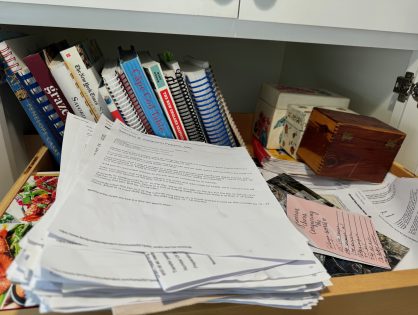
    If you’re like most home cooks, you probably have recipes scattered across multiple locations—cookbooks with folded corners, handwritten cards passed down from family members, links saved in a dozen different online folders, and sticky notes attached to your fridge with your favorite weeknight dinners. While each recipe holds its own value, the disorganization can make it difficult to find what you need when you’re ready to cook. The kitchen can quickly turn into a space of frustration when you’re searching for that special recipe buried in a drawer or forgotten in a digital file.

    The solution to this all-too-common problem? A personal cookbook. By organizing your collection of recipes into a single, beautifully crafted book, you can transform your cooking experience from chaotic to blissfully organized. With the help of FamilyCookbookProject.com, you can easily gather your favorite recipes, categorize them, and turn them into a printed cookbook that’s not only practical but also a reflection of your culinary journey.

    In this article, we’ll explore the benefits of creating a personal cookbook, how it can help you organize your kitchen life, and how easy it is to get started with FamilyCookbookProject.com.

    The Problem with Recipe Clutter

    Whether you’re a novice cook or an experienced home chef, one challenge remains universal: keeping your recipes organized. Over the years, many of us accumulate a variety of recipes from different sources. Some are old family favorites that have been handed down for generations, while others are new finds from online blogs, food magazines, or even television cooking shows. The problem isn’t with the recipes themselves, but with how they’re stored.

    Here are a few common ways recipes become cluttered:

    – Cookbooks: While they’re beautiful and often filled with culinary wisdom, cookbooks are bulky and hard to search through quickly. Plus, you may only use a handful of recipes from each one.

    – Recipe cards and handwritten notes: These are sentimental treasures, often written in the handwriting of loved ones. However, they can easily become disorganized, lost, or damaged.

    – Digital clutter: Saving recipes online may seem like an easy way to organize them, but with recipes spread across multiple websites, apps, and folders, it can be hard to find the right one when you need it. And if you rely on a single device or cloud service, you risk losing everything if something happens to your account or device.

    – Loose papers and magazine clippings: Many people have recipe files filled with torn-out pages from magazines, printouts from websites, and random notes. These papers are easily lost or forgotten, often creating more clutter than order.

    The result? Recipe chaos. When it’s time to prepare a meal, you waste valuable time searching for that one recipe or trying to remember where you last saw it. The disorganization can take the joy out of cooking and make meal planning more stressful than it needs to be.

    The Benefits of Organizing Your Recipes into a Personal Cookbook
    Imagine opening your kitchen drawer or bookshelf and pulling out a single, organized cookbook that contains all of your favorite recipes in one place. A personal cookbook offers many advantages beyond just solving the problem of recipe clutter.

    Efficiency in the Kitchen

    Having all of your recipes in one place makes cooking more efficient. Instead of rummaging through various cookbooks, apps, or stacks of paper, you can easily find what you’re looking for. With a personal cookbook, you can categorize recipes by meal type (e.g., breakfast, lunch, dinner, desserts) or by special themes (e.g., holiday meals, quick weeknight dinners, or family favorites). This way, when you need a specific recipe, it’s just a page away.

    For example, if you’re hosting a holiday dinner, you can flip straight to the “Holiday Meals” section of your cookbook. Or, if you’re looking for something quick to make on a busy weeknight, your “30-Minute Dinners” section will be ready to inspire.

    Less Stress, More Enjoyment

    An organized kitchen leads to a less stressful cooking experience. When you’re not frantically searching for that one lost recipe or trying to recall the steps from memory, you can focus more on enjoying the process of cooking. By having everything you need at your fingertips in a personal cookbook, you can approach each meal with confidence and calm.

    Additionally, meal planning becomes a breeze. You can flip through your personal cookbook to create a weekly menu, knowing that you have all the recipes you need organized and easily accessible.

    Preserving and Passing Down Your Culinary Legacy

    A personal cookbook isn’t just for you—it’s also a way to preserve your culinary journey and pass it down to future generations. Over time, your personal cookbook will become a family heirloom, filled with cherished recipes and stories that can be shared with your children, grandchildren, and beyond. By documenting your favorite meals, you’re creating a legacy that can be enjoyed for years to come.

    For example, you can include notes next to each recipe, explaining why it’s special to you, or sharing the story behind it. Maybe it’s a dish you cooked on your first date, or a dessert you perfected after years of experimenting. These personal touches turn your cookbook into more than just a collection of recipes—it becomes a reflection of your life in the kitchen.

    Customizable to Your Tastes

    One of the most satisfying aspects of creating a personal cookbook is that it’s entirely customizable. Unlike commercial cookbooks, which often include recipes you may never use, your personal cookbook contains only the recipes that matter to you. Whether you’re a vegan, love Italian cuisine, or are passionate about baking, you can tailor your cookbook to reflect your tastes and preferences.

    You can also add variety by including recipes from different sources—family recipes, your own creations, and dishes you’ve discovered online or in cookbooks. This way, your personal cookbook becomes a one-stop-shop for all your favorite meals.

    How to Create a Personal Cookbook with FamilyCookbookProject.com

    Thanks to FamilyCookbookProject.com, creating a personal cookbook is easier than ever. The platform is designed to be user-friendly, offering a seamless process for gathering and organizing your recipes into a professionally printed cookbook. Here’s how you can get started:

    Sign Up and Start a New Project

    Visit FamilyCookbookProject.com and create an account. Once logged in, you can start a new cookbook project. You’ll be guided through the process with clear, step-by-step instructions to help you get started.

    Gather Your Recipes

    Start by gathering all the recipes you want to include in your personal cookbook. These can be recipes you’ve saved on your computer, written down on cards, or even stored in your memory. You can manually input each recipe into the system or invite family members and friends to contribute their own recipes if you’re creating a family cookbook.

    Organize and Categorize

    Next, organize your recipes into categories that make sense for you. FamilyCookbookProject.com offers the flexibility to create custom categories, so you can organize your cookbook in a way that suits your cooking style. Whether you want to group recipes by meal type, cuisine, or occasion, the platform makes it easy to categorize and sort your collection.

    Personalize Your Cookbook

    One of the best parts of creating a personal cookbook is the ability to personalize it. You can choose from a variety of design templates, customize the layout, and even add personal photos to make your cookbook truly unique. Include family photos, snapshots of your culinary creations, or images of handwritten recipe cards for a nostalgic touch.

    You can also add personal notes next to each recipe, sharing the stories and memories behind them. This transforms your cookbook from a practical kitchen tool into a cherished keepsake.

    Publish and Enjoy

    Once you’re happy with your cookbook, simply publish it! FamilyCookbookProject.com allows you to order printed copies that are professionally bound and designed to last. You can order copies for yourself, or share them with family and friends as a thoughtful and personalized gift.

    A Gift That Keeps on Giving

    A personal cookbook isn’t just a way to organize your recipes—it’s also a gift that keeps on giving. Whether you’re creating a cookbook for yourself or as a gift for a loved one, it’s a thoughtful and practical present that will be used and appreciated for years to come.

    Imagine gifting your family members a cookbook that contains all of their favorite recipes, complete with personal stories and family photos. It’s a way to preserve culinary traditions and bring joy to the kitchen every time the book is opened.

    Turning Recipe Chaos into Organized Bliss

    In a world where we often find ourselves overwhelmed by clutter, both digital and physical, organizing your recipes into a personal cookbook offers a simple and elegant solution. By consolidating your recipes into one beautifully crafted book, you can turn kitchen chaos into organized bliss.


    FamilyCookbookProject.com makes the process easy, fun, and meaningful. Whether you’re looking to streamline your cooking process, preserve family traditions, or create a gift that will be cherished for generations, a personal cookbook is the answer.

    So why not take the first step toward organizing your recipes today? Visit FamilyCookbookProject.com and start creating a cookbook that will bring joy and order to your kitchen life.


    He is the author of The Wellfleet Oyster Cookbook and the Cape Cod Cocktail Cookbook (Available on Amazon), both created using FamilyCookbookProject.com. He is also editor of the Donovan Family Cookbook, now it’s third printing and is an avid genealogist tracing his family back to the 1600’s.

    Follow Family Cookbook Project on Facebook, Instagram, Twitter TikTok, YouTube and Pinterest!
  • Pro Tip: How To Sell Your Cookbook For Profit

    Pro Tip: How To Sell Your Cookbook For Profit

    We offer a sellers package that can be automatically added to your cookbook when you place your printing order. We assign an ISBN number for your cookbook and place a bar code at the back cover of your cookbook before printing. Next we have your cookbook added to the “Books in Print” database.

    Once that is complete, we will send you a form that will allow you to choose how you want your Amazon.com product page to appear. As a recognized publisher, Amazon allows us to create a new product listing for you once we receive the form back. We also provide instructions on how you can sell your cookbook on Amazon directly to consumers.

    Bill Rice is Founder and Co-Publisher of the Family Cookbook Project, the leading online cookbook publisher with a website that helps families and individuals collect, preserve and share food memories by creating their own printed custom cookbooks. He is the author of The Wellfleet Oyster Cookbook and the Cape Cod Cocktail Cookbook (Available on Amazon), both created using FamilyCookbookProject.com. He is also editor of the Donovan Family Cookbook, now it’s third printing and is an avid genealogist tracing his family back to the 1600’s.

    Follow Family Cookbook Project on Facebook, Instagram, Twitter TikTok, YouTube and Pinterest!