Author: Bill Rice

  • Pro Tip: Space Saving Options To Lower Printing Cost

    Pro Tip: Space Saving Options To Lower Printing Cost

    When it comes to printing your family cookbook, page count is the largest determining factor on what the cost per book will be.

    To lower the number of pages that need to be printed, you don’t always have to just delete recipes. Here are some simple formatting charges you can make to affect your page count.

    Go to Editor Activities>Layout & Design.  Under Select Recipe Layout, choose any or all of these options to save space:

    • Choose Arial or Times Roman, Two Column Small for the smallest type faces
    • UNcheck Print my recipes in non-continued format
    • UNcheck Force recipe photos to be on same page as recipe
    • CHECK Print Directions and Comments as single paragraphs
    • Under Recipe Sorting, choose Print my recipes in book order – shortest to longest

    Another thing to do is look at your recipes that are more than one page long. We show you multi page recipes in the “recipes by category” index. There is a “*” next to the edit button of long recipes. Consider removing some of these recipes by unchecking the box by the recipe title and see the impact on page count.

    Bill Rice is Founder and Co-Publisher of the Family Cookbook Project, the leading online cookbook publisher with a website that helps families and individuals collect, preserve and share food memories by creating their own printed custom cookbooks. He is the author of The Wellfleet Oyster Cookbook and the Cape Cod Cocktail Cookbook (Available on Amazon), both created using FamilyCookbookProject.com. He is also editor of the Donovan Family Cookbook, now it’s third printing and is an avid genealogist tracing his family back to the 1600’s.

    Follow Family Cookbook Project on Facebook, Instagram, Twitter TikTok, YouTube and Pinterest!

  • Turn Local Flavor Into a Legacy: Create a Regional Cookbook for Family and Friends

    Turn Local Flavor Into a Legacy: Create a Regional Cookbook for Family and Friends

    Across the United States, different regions are known for distinct culinary styles and local specialties. From the vibrant flavors of Tex-Mex in the Southwest to the fresh, farm-to-table California cuisine, and the hearty seafood of New England, each part of the country has its own unique food traditions. If you’ve lived in or visited a region rich in food culture, you’ve likely gathered an impressive collection of recipes that showcase its flavors. While locals may enjoy easy access to these regional delights, family and friends from other parts of the country may not be so lucky.

    This is where the idea of creating a regional cookbook comes into play. A regional cookbook is a way to collect, preserve, and share the recipes that define the culinary identity of a particular area. Not only does it make a thoughtful and unique gift for friends and family, but it could also be a product to sell online (like on Amazon) or in local bookstores.

    Creating a regional cookbook can be both a fun and meaningful project, and  FamilyCookbookProject.com  offers an easy way to gather your favorite recipes and design a beautiful, professional-looking cookbook that celebrates your region’s cuisine.

    Why Create a Regional Cookbook?

    Creating a regional cookbook offers several benefits:

    –  Preserve Local Flavors: Capture the authentic taste of your region by collecting recipes that have been perfected over time by locals.

    –  Share with Friends and Family: A regional cookbook is a great gift for loved ones who may not have access to the ingredients or knowledge to recreate these dishes on their own.

    –  Support Local Food Culture: By documenting and sharing regional recipes, you help preserve the culinary traditions that make your area unique.

    –  Build a Legacy: A cookbook full of local recipes can be passed down through generations, preserving your region’s culinary heritage for the future.

    –  Market a Unique Product: A regional cookbook could also be a marketable product, offering tourists and food lovers alike the chance to bring a piece of your region’s cuisine into their own kitchens.

    Step-by-Step Guide to Creating Your Regional Cookbook

    Creating a regional cookbook is an exciting project that allows you to blend local tradition with personal flair. Here’s how to get started:

     # 1.  Choose Your Region’s Culinary Theme

    Start by deciding which region or specific culinary niche you want to focus on. Some examples include:

    –  California Cuisine: Focus on farm-to-table recipes, fresh produce, and health-conscious dishes.

    –  Tex-Mex: Highlight the bold, spicy flavors of the Southwest, combining Mexican and American culinary traditions.

    –  New England Seafood: Celebrate lobster rolls, clam chowder, and other hearty seafood dishes from the Northeastern U.S.

    –  Southern Comfort Food: Include recipes for fried chicken, biscuits, and other rich, soulful dishes that define Southern hospitality.

    –  Midwestern Home Cooking: Capture the heart of the Midwest with casseroles, hearty stews, and family-friendly meals.

    –  Cajun and Creole: Showcase the vibrant, flavorful dishes of Louisiana, like gumbo, jambalaya, and beignets.

    Choosing a focused theme for your cookbook will help you narrow down the recipes you want to include and make the book feel cohesive.

     # 2.  Gather Your Recipes

    Once you’ve decided on a regional theme, it’s time to gather recipes that represent the essence of the area’s cuisine. Sources for these recipes may include:

    –  Family Recipes: Many regional dishes are passed down through generations, and these family recipes are often at the heart of a regional cookbook.

    –  Local Favorites: Include recipes that are popular in your area, such as dishes from local restaurants, food festivals, or farmer’s markets.

    –  Personal Creations: You may have adapted local recipes or created your own based on regional ingredients and flavors.

    –  Friends and Neighbors: Ask locals for their favorite recipes and cooking tips, adding more authenticity and variety to your cookbook.

     # 3.  Organize by Recipe Categories

    How you organize your cookbook will depend on the diversity of recipes you include. Consider creating distinct categories based on the types of dishes or ingredients common in your region. Some ideas for categorization include:

    –  Appetizers and Small Bites: Highlight local starters, like street food or snacks popular in your area.

    –  Main Dishes: Organize by protein, such as seafood, poultry, or beef, or group recipes by cooking methods (grilled, fried, roasted, etc.).

    –  Vegetable Dishes: For regions known for fresh produce (like California or the Midwest), include a section on vegetable-forward dishes.

    –  Sauces, Salsas, and Sides: Capture the region’s signature sides and condiments, like Tex-Mex salsa or Southern gravy.

    –  Desserts: Showcase regional sweets, from New Orleans beignets to New England blueberry pies.

    This level of organization will make it easy for readers to navigate the cookbook and find the recipes they want to try.

     # 4.  Incorporate Regional Ingredients

    One of the joys of regional cooking is working with local ingredients that may be unique to your area. For example:

    –  California Cuisine:  may feature avocados, citrus fruits, and fresh seafood.

    –  New England Seafood:  recipes often call for lobster, clams, and cod.

    –  Tex-Mex:  dishes are built around chilies, corn, and beans.

    –  Midwestern Dishes:  often include corn, beef, and root vegetables.

    By highlighting the regional ingredients in each recipe, you help convey the sense of place that makes your cookbook truly special. You can also include notes on where to source these ingredients locally or recommend substitutions for readers who don’t have access to them.

     # 5.  Add Personal Stories and Photos

    To make your regional cookbook even more meaningful, consider adding personal stories or anecdotes about each recipe. These could include:

    –  Family History: Share the origins of recipes passed down from grandparents or great-grandparents.

    –  Local Traditions: Include stories about food festivals, holidays, or events where these dishes are traditionally served.

    –  Hometown Pride: Talk about why these recipes are important to your region and how they represent the culture and people of the area.

    – Adding photos: whether of the food itself or the region you’re showcasing—can further enhance the cookbook, giving readers a deeper connection to the food and its origins.

     # 6.  Format and Design Your Cookbook

    Once you’ve gathered your recipes and stories, it’s time to design and format your cookbook. Platforms like  FamilyCookbookProject.com  make it easy to:

    –  Customize Categories: Organize your recipes into sections that reflect your regional theme.

    –  Choose a Design: Select from various templates that allow you to create a professional-looking cookbook.

    –  Add Photos and Stories: Personalize your cookbook with images and text that tell the story behind each dish.

    The platform offers a user-friendly interface that helps you create a high-quality, polished cookbook, whether you plan to print one copy or hundreds.

     # 7.  Share or Sell Your Cookbook

    After you’ve created your regional cookbook, it’s time to share it with the world! Here are some options:

    –  Gifts for Friends and Family: A regional cookbook is a thoughtful, personalized gift that offers friends and family a taste of your local cuisine.

    –  Sell Locally: If you live in an area with a strong food culture, consider selling your cookbook at local markets, festivals, or bookstores.

    –  Online Sales: Use platforms like Amazon to sell your cookbook to a wider audience. Food lovers around the world may want to experience the unique flavors of your region, and selling online allows them to do just that.

    A regional cookbook is more than just a collection of recipes—it’s a way to celebrate your region’s culture, flavors, and culinary history. By gathering recipes, personal stories, and local traditions, you can create a keepsake that’s both useful in the kitchen and meaningful to share with others. Whether you’re gifting it to family and friends or selling it online, a regional cookbook offers an exciting way to showcase the food that makes your area special.

    With the help of  FamilyCookbookProject.com, you can turn your regional recipes into a beautiful, professionally formatted cookbook that captures the spirit of your region. So start gathering your recipes, organize them into categories, and create a cookbook that celebrates the flavors and traditions of your community!


    Bill Rice is Founder and Co-Publisher of the Family Cookbook Project, a website that helps families and individuals collect, preserve and share food memories by creating their own printed personal cookbooks. He is the author of The Wellfleet Oyster Cookbook and the Cape Cod Cocktail Cookbook (Available on Amazon), both created using FamilyCookbookProject.com. He is also editor of the Donovan Family Cookbook, now it’s third printing and is an avid genealogist tracing his family back to the 1600’s.

    Follow Family Cookbook Project on Facebook, Instagram, Twitter TikTok, YouTube and Pinterest!


  • Organizing Your Recipes in Your Family Cookbook

    Organizing Your Recipes in Your Family Cookbook

    Over the past 22 years, Family Cookbook Project has updated itself where to meet the needs of our editors. One of the things that we have done is make it easy to organize your recipes as much as you’d like. This blog post will go over some of the ways you can organize how your recipes appear in your personal cookbook.

    Recipe categories

    Recipe category are general classifications that allow like recipes to be placed together for when you know you’re looking for pages are in only want to see dessert recipes. Here are some of your options for categories in the Family Cookbook Project:

    Default categories – when you first start your cookbook, these are the categories that are assigned to every cookbook. They are well thought out I can cover just about every type a recipe you may want to add to your cookbook.

    Custom categories – whether you want to add just a single new category or completely redo the categories to best meet your needs, you can use the custom category tool to accomplish this.

    Subcategories – One of the newer additions to the software is the ability to add subcategories to your cat. This allows you to group recipes of a specific category under the main category. For example in the default category appetizers and beverages, you may want to create a subcategory for appetizers and a sub category for beverages. That way each type of recipe appears with like recipes.


    Recipe sorting

    Recipe sorting determines in which order the recipes appear within a category. Here are your options for recipe sorting:

    Shortest to longest – this is the default sorting option. It places the shortest recipes upfront so more recipes can appear on a single page. Usually it is the most cost-effective way to organize your recipes.

    Alphabetical – this is a very popular way to sort your recipes. The titles are organized alphabetically so that As come before the Bs and so on. The drawback to this is not every recipe has a title that you can tell what it is.

    Custom Sort – One of the coolest additions to the software is the ability to sort your recipes anywhere you want. This tool will show you a list of all your recipes and you can move them to the location and it makes sense to you.

    How you sort your recipes is completely up to you. Family Cookbook Project just wants to make sure you have the tools you need to create the perfect personalized cookbook.


    Bill Rice is Co-Publisher of the Great Family Cookbook Project, a website that helps families and individuals collect, preserve and share food memories by creating their own printed personal cookbooks. He is the author of The Wellfleet Oyster Cookbook (Available on Amazon) and the Cape Cod Cocktail Cookbook, both created using FamilyCookbookProject.com. He is also editor of the Donovan Family Cookbook, now it’s third printing.

    Follow Family Cookbook Project on Facebook, Instagram and Pinterest!

  • Genealogy and Culinary Heritage: Creating a Family Cookbook for Future Generations

    Genealogy and Culinary Heritage: Creating a Family Cookbook for Future Generations

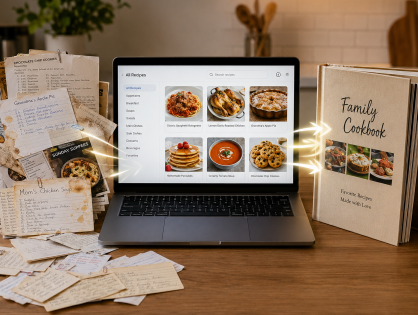
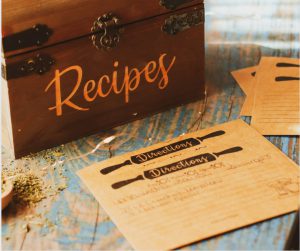
    In the era of digital documentation and instant sharing, there’s something uniquely sentimental about handwritten recipe cards, passed down through generations. These little cards, often tucked away in old recipe boxes, carry with them the flavors and memories of family gatherings, holidays, and everyday meals that have shaped our lives. Yet, as precious as these recipe boxes are, they are often fragile, difficult to share, and at risk of being lost over time. This is where the modern family cookbook steps in, offering a beautiful and durable way to preserve and share your family’s culinary heritage.

    an old recipe box replaced by Family cookbookThe Sentimental Value of Recipe Boxes

    For many families, the recipe box is a treasure trove of history. Each card, with its aged paper and distinctive handwriting, tells a story. Perhaps it’s a grandmother’s secret cookie recipe, a father’s special barbecue sauce, or an aunt’s famous casserole. These recipes are more than just instructions for preparing food; they are memories captured in ink, representing the love and care that went into each dish.

    Recipe boxes, however, pose several challenges. They are typically held by one family member, making it difficult for others to access these cherished recipes. The cards can become worn, torn, or faded with age, and the handwriting, while beautiful, can sometimes be difficult to decipher. Despite their sentimental value, recipe boxes are not always practical for preserving and sharing family recipes with a larger audience.

    The Evolution to Family Cookbooks

    To address these challenges, many families are turning to the idea of creating family cookbooks. A family cookbook is a professionally bound collection of recipes that not only preserves the culinary traditions of a family but also makes them accessible to all family members. This modern approach offers numerous benefits:

    1. Durability: Unlike fragile recipe cards, a bound cookbook is sturdy and long-lasting. It can be easily stored and handled without the risk of damaging the original recipes.
    2. Accessibility: A family cookbook can be printed in multiple copies, ensuring that every family member has access to the treasured recipes. This is especially important for geographically diverse families.
    3. Organization: Cookbooks allow for a structured presentation of recipes, often including sections for appetizers, main courses, desserts, and more. This organization makes it easier to find and use the recipes.
    4. Personalization: Modern family cookbooks can include not only recipes but also photos, stories, and anecdotes that bring the recipes to life. Scanned copies of the original handwritten cards can be included, preserving the unique handwriting and personal notes of past generations.

    Creating Your Family Cookbook

    Creating a family cookbook may seem like a daunting task, but with the right tools and resources, it can be a rewarding and enjoyable project. Websites like RecipeCardCookbook.com are specifically designed to help families turn their historic recipe cards into beautifully bound cookbooks. Here’s how you can get started:

    1. Gather the Recipes: Begin by collecting all the family recipes you want to include in the cookbook. This might involve reaching out to various family members to ensure you have a comprehensive collection. Look for handwritten recipe cards, printed recipes, and even digital files.
    2. Scan and Upload: To preserve the original handwriting and notes, scan the handwritten recipe cards. These scanned images can then be uploaded to Family Cookbook Project. This step ensures that the unique character and history of each recipe are maintained.
    3. Organize the Content: Decide how you want to organize your cookbook. You might group recipes by category (e.g., appetizers, main courses, desserts) or by family member. Include sections for family stories, photos, and anecdotes that provide context and enrich the cookbook.
    4. Design and Customize: Use the website’s templates and design tools to customize the look and feel of your cookbook. Choose a cover design, layout, and fonts that reflect your family’s style and traditions. Make sure the title, such as “Recipes from Our Family Tree,” is prominently displayed on the cover.
    5. Proofread and Edit: Before finalizing the cookbook, carefully proofread all the content to ensure accuracy. Check the recipes, photos, and stories for any errors or omissions.
    6. Print and Share: Once you are satisfied with the design, order printed copies of the cookbook. These can be distributed to family members as gifts, ensuring that everyone has a copy of the family’s culinary heritage.

    The Impact of a Family Cookbook

    Creating a family cookbook is more than just a way to preserve recipes; it is a way to celebrate and honor your family’s history. It provides a tangible connection to the past, allowing future generations to experience the flavors and traditions that have shaped your family. Each time a family member opens the cookbook to prepare a dish, they are not just following a recipe; they are continuing a legacy.

    A family cookbook also fosters a sense of connection and continuity among family members. It is a collaborative project that brings the family together, even if they are geographically dispersed. By contributing recipes, photos, and stories, each family member plays a role in preserving and sharing the family’s culinary heritage.

    From fragile recipe boxes to beautifully bound cookbooks, the evolution of preserving family recipes is a journey that honors the past while embracing the future. By turning historic recipe cards into a professionally bound family cookbook, you ensure that the culinary traditions and memories of your family are preserved and celebrated for generations to come.

    At Family Cookbook Project, we are dedicated to helping families create these treasured heirlooms. Our user-friendly platform makes it easy to gather, organize, and print your family recipes, resulting in a cookbook that is both beautiful and functional. Start your family cookbook project today and share your family’s culinary heritage with loved ones near and far.


    Bill Rice is Founder and Co-Publisher of the Family Cookbook Project, a website that helps families and individuals collect, preserve and share food memories by creating their own printed personal cookbooks. He is the author of The Wellfleet Oyster Cookbook and the Cape Cod Cocktail Cookbook (Available on Amazon), both created using FamilyCookbookProject.com. He is also editor of the Donovan Family Cookbook, now it’s third printing and is an avid genealogist tracing his family back to the 1600’s.

    Follow Family Cookbook Project on Facebook, Instagram, Twitter and Pinterest!

  • Exploring the World of Cheese: Key Characteristics, Cooking Uses, and Flavor Profiles

    Exploring the World of Cheese: Key Characteristics, Cooking Uses, and Flavor Profiles

    Cheese is a versatile, flavorful ingredient used in countless dishes around the world. From the creamy richness of brie to the sharp bite of cheddar, cheese can enhance a variety of meals, adding depth, texture, and complex flavors. Each type of cheese has unique characteristics, a distinct place of origin, and a flavor profile that makes it perfect for specific dishes.

    In this article, we’ll explore some of the most common types of cheese, how they’re used in cooking, their key characteristics, where they come from, and what their flavor profiles are.

    Cheddar

    Origin: England

    Key Characteristics:

    Cheddar is a firm, cow’s milk cheese that ranges in flavor from mild to sharp, depending on its aging process. It’s typically pale yellow or white, though in some cases, it’s colored with annatto to give it a deeper orange hue. Cheddar can be aged anywhere from a few months to several years, with longer aging periods resulting in a sharper flavor and a crumblier texture.

    Flavor Profile:

    Mild cheddar has a creamy, buttery flavor, while sharp cheddar has a stronger, more pungent taste with hints of nuttiness.

    Uses in Cooking:

    •Grated over baked dishes like mac and cheese or casseroles

    •Sliced for sandwiches and burgers

    •Melted into soups and sauces

    •Paired with fruit or crackers on a cheese board

    Brie

    Origin: France

    Key Characteristics:

    Brie is a soft, creamy cheese made from cow’s milk, characterized by its edible white rind. The interior of brie is smooth and buttery, while the rind has a slightly earthy flavor. It’s typically enjoyed at room temperature for maximum creaminess.

    Flavor Profile:

    Brie has a mild, buttery taste with subtle earthy and mushroom-like undertones. As it ages, the flavor becomes more robust and pungent.

    Uses in Cooking:

    •Baked in puff pastry for baked brie appetizers

    •Served with fruit, nuts, and honey on a cheese platter

    •Spread on bread or crackers

    •Added to sandwiches and grilled cheese

    Mozzarella

    Origin: Italy

    Key Characteristics:

    Mozzarella is a soft, fresh cheese traditionally made from water buffalo milk, though cow’s milk is commonly used today. It has a high moisture content and is typically sold as fresh mozzarella in balls or blocks. It’s known for its mild flavor and stringy texture when melted.

    Flavor Profile:

    Mozzarella has a delicate, milky flavor that’s fresh and slightly tangy. It’s prized for its stretchy, gooey texture when melted.

    Uses in Cooking:

    •Topping for pizzas

    •Layered in lasagna and baked pasta dishes

    •Sliced for caprese salad (paired with tomatoes and basil)

    •Melted in sandwiches like paninis or grilled cheese

    Parmesan (Parmigiano-Reggiano)

    Origin: Italy

    Key Characteristics:

    Parmesan is a hard, aged cheese made from cow’s milk. Authentic Parmigiano-Reggiano is produced in specific regions of Italy under strict regulations. It’s aged for at least 12 months, resulting in a hard, granular texture and a deep, umami flavor. It’s often sold in wedges or grated.

    Flavor Profile:

    Parmesan has a nutty, savory flavor with a salty tang and a rich umami taste. The longer it ages, the more complex and intense the flavor becomes.

    Uses in Cooking:

    •Grated over pasta, risotto, and soups

    •Shaved onto salads

    •Added to breading for chicken or eggplant parmesan

    •Used in sauces like Alfredo for a rich, savory flavor

    Blue Cheese (Roquefort, Gorgonzola, Stilton)

    Origin: Various (Roquefort from France, Gorgonzola from Italy, Stilton from England)

    Key Characteristics:

    Blue cheeses are characterized by their blue or green veins, which are created by the introduction of mold cultures during the aging process. These cheeses have a strong aroma and crumbly texture. Roquefort, Gorgonzola, and Stilton are some of the most well-known varieties of blue cheese, each with distinct characteristics depending on the region they’re from.

    Flavor Profile:

    Blue cheeses have a sharp, tangy flavor with a rich, creamy texture. They can range from mildly earthy to intensely pungent and salty.

    Uses in Cooking:

    •Crumbled over salads (especially with pears, walnuts, or apples)

    •Melted into dressings or dips

    •Served on cheese boards with fruits like figs and grapes

    •Used in sauces for steaks and burgers

    Feta

    rigin: Greece

    Key Characteristics:

    Feta is a brined, crumbly cheese made from sheep’s milk or a combination of sheep’s and goat’s milk. It has a soft, grainy texture and is sold in blocks or crumbled. Feta is stored in a salty brine, which helps preserve its fresh, tangy flavor.

    Flavor Profile:

    Feta has a tangy, salty flavor with a creamy yet crumbly texture. Its sharpness varies depending on the length of aging.

    Uses in Cooking:

    •Crumbled over salads, especially Greek salad

    •Used as a filling in pastries like spanakopita

    •Added to omelets or scrambled eggs

    •Served with olives, tomatoes, and olive oil as part of a mezze platter

    Gouda

    Origin: Netherlands

    Key Characteristics:

    Gouda is a semi-hard cheese made from cow’s milk. It has a smooth, creamy texture and a yellow rind. Gouda can be aged from a few months to over a year, with older varieties becoming firmer and more intense in flavor. Young Gouda is soft and mild, while aged Gouda is firm and has a deeper, caramel-like taste.

    Flavor Profile:

    Young Gouda is mild, creamy, and slightly sweet. Aged Gouda develops a nutty, caramel flavor with a firmer, crumbly texture.

    Uses in Cooking:

    •Sliced for sandwiches or burgers

    •Melted in casseroles or grilled cheese

    •Grated over vegetables or potatoes

    •Paired with fruits like apples or pears on a cheese platter

    Ricotta

    Origin: Italy

    Key Characteristics:

    Ricotta is a fresh, soft cheese made from the whey leftover after making other cheeses like mozzarella or provolone. It has a light, fluffy texture and is often used in both savory and sweet dishes. It’s typically made from cow’s milk, though sheep and goat milk ricotta are also available.

    Flavor Profile:

    Ricotta has a mild, slightly sweet flavor with a creamy, grainy texture.

    Uses in Cooking:

    •Filling for lasagna, ravioli, or cannoli

    •Spread on toast with honey or fruit

    •Mixed into pancake or cake batter for added moisture

    •Used in dips or spreads for vegetables or crackers

    Gruyère

    Origin: Switzerland

    Key Characteristics:

    Gruyère is a hard, cow’s milk cheese with a smooth texture and a golden-brown rind. It’s aged for several months, which gives it a dense, firm texture and a slightly nutty flavor. Gruyère is known for its excellent melting properties, making it a popular choice for fondues and gratins.

    Flavor Profile:

    Gruyère has a rich, nutty, and slightly sweet flavor, with hints of fruitiness that develop as it ages. It’s smooth and creamy when melted.

    Uses in Cooking:

    •Melted in fondues or croque monsieur sandwiches

    •Grated over gratins and casseroles

    •Used in quiches and French onion soup

    •Sliced for cheese boards and sandwiches

    Pecorino Romano

    Origin: Italy

    Key Characteristics:

    Pecorino Romano is a hard, salty cheese made from sheep’s milk. It has a crumbly texture and is typically aged for 8–12 months, giving it a sharp, tangy flavor. It’s often used as a finishing cheese, grated over pasta or vegetables.

    Flavor Profile:

    Pecorino Romano has a salty, tangy flavor with a sharp bite. It’s slightly more intense than Parmesan and has a crumbly texture.

    Uses in Cooking:

    •Grated over pasta dishes like cacio e pepe or carbonara

    •Sprinkled on roasted vegetables or salads

    •Shaved onto soups or risottos

    •Used in meatballs or meatloaf for added flavor

    Cooking with Cheese

    Cheese is one of the most versatile ingredients in the culinary world, offering a wide range of textures, flavors, and uses. Whether you’re melting mozzarella on a pizza, crumbling feta over a salad, or grating Parmesan into a sauce, cheese can elevate any dish with its unique flavor profile. By understanding the characteristics and origins of different cheeses, you can experiment with new ways to incorporate them into your cooking and create delicious, flavorful meals.


    Bill Rice is Founder and Co-Publisher of the Family Cookbook Project, the leading online cookbook publisher with a website that helps families and individuals collect, preserve and share food memories by creating their own printed custom cookbooks. He is the author of The Wellfleet Oyster Cookbook and the Cape Cod Cocktail Cookbook (Available on Amazon), both created using FamilyCookbookProject.com. He is also editor of the Donovan Family Cookbook, now it’s third printing and is an avid genealogist tracing his family back to the 1600’s.

    Follow Family Cookbook Project on Facebook, Instagram, Twitter TikTok, YouTube and Pinterest!

    and their uses i

  • Pro Tip: Photos That Work In A Cookbook

    Pro Tip: Photos That Work In A Cookbook

    Photos are an important part of family cookbooks. Here are some specifications that must be adhered to if your photo is going to be uploaded to familycookbookproject.com.

    Images MUST be in JPG format to be used in your cookbook. GIFs, HEIC and BMPs will not import correctly.

    Your images should be 150-300dpi resolution – or they may seem pixilated in printing.

    Full page with Bleed Custom Covers and must be sized at 6″x9″ with 4.75″x7.75″ active content or 1800 x 2700 pixels

    Dividers must be sized at 5.75″x8.75″ with 4.75″x7.75″ active content or 1725 x 2625 pixels

    Full page non-bleed Dividers and other images must be sized at 5.5″x8.5″ with 4.75″x7.75″ active content or 1650 x 2550 pixels

    For other images to upload, size your image to a maximum of:
    Full Page:  1650w or 2550h
    75%:  1237w or 1912h
    50%:  825w or 1275h

    You may have to try different size options on your picture for best look.  Choose a smaller option at first, 25-40%.  Save and then view your book.

    Also, do NOT upload files of the following type — they will not work: .doc, .pps, .ppt, .txt, .html

    Bill Rice is Founder and Co-Publisher of the Family Cookbook Project, the leading online cookbook publisher with a website that helps families and individuals collect, preserve and share food memories by creating their own printed custom cookbooks. He is the author of The Wellfleet Oyster Cookbook and the Cape Cod Cocktail Cookbook (Available on Amazon), both created using FamilyCookbookProject.com. He is also editor of the Donovan Family Cookbook, now it’s third printing and is an avid genealogist tracing his family back to the 1600’s.

    Follow Family Cookbook Project on Facebook, Instagram, Twitter TikTok, YouTube and Pinterest!

  • From Pita Bread to Shawarma, Learn How to Cook Authentic Lebanese Dishes at Home!

    From Pita Bread to Shawarma, Learn How to Cook Authentic Lebanese Dishes at Home!

    Lebanese cuisine is a celebration of fresh, wholesome ingredients and vibrant flavors, with a focus on vegetables, grains, legumes, and meats. Rich in Mediterranean influences, Lebanese food is known for its mezze platters, flavorful grilled meats, fresh salads, and an array of dips. While Lebanese dishes may seem exotic, many of them are simple to prepare at home with the right ingredients and spices.

    In this article, FamilyCookbookProject.com explores the essential ingredients you’ll need to cook authentic Lebanese food, the key spices to capture its unique flavors, and a few simple dishes to get started.

    Essential Ingredients for Lebanese Cooking

    Lebanese cuisine revolves around fresh produce, grains, and legumes, along with some classic Mediterranean staples. Here are the essential ingredients you should keep on hand for Lebanese cooking:

    Olive Oil

    Olive oil is central to Lebanese cooking, used in everything from dressings to marinades, frying, and drizzling over finished dishes. Extra-virgin olive oil is preferred for its rich flavor.

    Chickpeas and Lentils

    Chickpeas and lentils are frequently used in Lebanese dishes like hummus, falafel, and mujadara (a lentil and rice dish). They are also a good source of plant-based protein, making them a staple of many vegetarian meals.

    Bulgur Wheat

    Bulgur wheat is commonly used in salads like tabbouleh, where it is mixed with fresh herbs, tomatoes, and lemon juice. It’s also used in kibbeh, a classic Lebanese dish made with ground meat and wheat.

    Eggplant

    Eggplant is a versatile vegetable in Lebanese cuisine, featured in dishes like baba ghanoush (an eggplant dip) and moussaka. It’s often grilled, roasted, or stewed.

    Yogurt (Labneh)

    Labneh is a thick, tangy strained yogurt that’s used in a variety of Lebanese dishes. It can be spread on bread, used as a dip, or served alongside grilled meats.

    Fresh Herbs (Mint, Parsley, and Cilantro)

    Fresh herbs play a vital role in Lebanese cooking. Mint is often used in salads and beverages, while parsley is a key ingredient in tabbouleh and cilantro is used in sauces and garnishes.

    Pita Bread

    Pita bread is a Lebanese staple, often served alongside dips like hummus and baba ghanoush. It’s also used to scoop up mezze or as a base for manakish (a Lebanese flatbread topped with za’atar).

    Lamb and Chicken

    Grilled meats are central to Lebanese cuisine, particularly lamb and chicken. They are often marinated in lemon, garlic, and herbs before grilling or roasting, as in dishes like shish taouk (grilled chicken skewers) and kofta kebabs.

    Lemon

    Lemon is used generously in Lebanese cooking, adding brightness and acidity to dishes. It’s a key component of dressings, marinades, and salads, giving freshness to dishes like fattoush and tabbouleh.

    Tahini

    Tahini, a paste made from ground sesame seeds, is a staple in Lebanese cooking. It’s used to make hummus, baba ghanoush, and tarator (a tahini sauce served with meats and fish).

    Must-Have Spices and Seasonings for Lebanese Cooking

    Lebanese food is known for its fragrant spices and herbaceous flavors. Here are some of the must-have spices and seasonings to keep in your pantry:

    Za’atar

    Za’atar is a spice blend made from dried thyme, sumac, sesame seeds, and salt. It’s commonly sprinkled over flatbreads, added to salads, or used as a seasoning for roasted vegetables and meats.

    Sumac

    Sumac is a tangy, citrusy spice made from dried berries. It adds brightness to dishes like fattoush (bread salad) and is often sprinkled on top of dips like hummus.

    Cumin

    Cumin is a warm, earthy spice used in many Lebanese dishes, from lentil soups to spiced meat skewers like kofta kebabs. It’s also commonly added to stews and tagines.

    Cinnamon

    Cinnamon is often used in Lebanese cooking, especially in savory dishes like kibbeh and lamb stews. It adds a subtle sweetness and warmth to the dish.

    Allspice

    Allspice is a fragrant spice that’s often used in meat marinades, stews, and rice dishes. It adds a rich, complex flavor, particularly in dishes like stuffed grape leaves (warak enab) and kibbeh.

    Garlic

    Garlic is used generously in Lebanese cooking, whether minced into sauces like toum (garlic sauce) or added to marinades, stews, and dips. It’s an essential ingredient for bold, savory flavors.

    Paprika

    Both sweet and smoked paprika are used in Lebanese dishes to add color and mild heat, especially in grilled meat marinades and rice dishes.

    Cardamom

    Cardamom is a fragrant spice used sparingly in both sweet and savory Lebanese dishes. It’s often added to stews, coffee, and desserts to enhance the flavor.

    Simple Lebanese Dishes to Start With

    Now that you’ve stocked your pantry with the essentials, here are a few simple Lebanese dishes to help you get started cooking at home:

    Hummus

    Hummus is a creamy chickpea dip made with tahini, garlic, lemon juice, and olive oil. It’s incredibly easy to make at home and pairs perfectly with pita bread or fresh vegetables.

    Search FamilyCookbookProject.com for Hummus recipes.

    Tabbouleh

    Tabbouleh is a refreshing, herb-based salad made with bulgur wheat, parsley, mint, tomatoes, and lemon juice. It’s light, flavorful, and a perfect side dish for grilled meats or as part of a mezze platter.

    Search FamilyCookbookProject.com for Tabbouleh recipes.

    Baba Ghanoush

    Baba ghanoush is a smoky eggplant dip made with roasted eggplant, tahini, garlic, and lemon juice. It’s similar to hummus but has a richer, more complex flavor thanks to the charred eggplant.

    Search FamilyCookbookProject.com for baba ghanoush recipes.

    Shish Taouk (Grilled Chicken Skewers)

    Shish taouk is a popular Lebanese dish made with marinated chicken, grilled to perfection and served with garlic sauce or tahini. The marinade is made with yogurt, lemon juice, garlic, and spices.

    Search FamilyCookbookProject.com for Shish taouk recipes.

    Fattoush

    Fattoush is a bright, refreshing Lebanese salad made with mixed greens, tomatoes, cucumbers, radishes, and crispy pita chips, all tossed in a tangy lemon and sumac dressing.

    Search FamilyCookbookProject.com for Fattoush recipes.

    Cooking Lebanese Food at Home

    Cooking Lebanese food at home is a delicious way to explore the bold, fresh flavors of the Mediterranean. By stocking your pantry with essentials like olive oil, chickpeas, bulgur wheat, and fresh herbs, and using spices like za’atar, sumac, and cumin, you can recreate the vibrant, flavorful dishes of Lebanon. Start with simple recipes like hummus, tabbouleh, and shish taouk, and as you become more comfortable, try more elaborate dishes like kibbeh or stuffed grape leaves.

    Lebanese cuisine is about balance, freshness, and community, so gather your family and friends to enjoy these delicious, wholesome meals together. Sahtain!


    Bill Rice is Founder and Co-Publisher of the Family Cookbook Project, the leading online cookbook publisher with a website that helps families and individuals collect, preserve and share food memories by creating their own printed custom cookbooks. He is the author of The Wellfleet Oyster Cookbook and the Cape Cod Cocktail Cookbook (Available on Amazon), both created using FamilyCookbookProject.com. He is also editor of the Donovan Family Cookbook, now it’s third printing and is an avid genealogist tracing his family back to the 1600’s.

    Follow Family Cookbook Project on Facebook, Instagram, Twitter TikTok, YouTube and Pinterest!


  • Better Than A Bake Sale: How to Fundraise with a Cookie Cookbook

    Better Than A Bake Sale: How to Fundraise with a Cookie Cookbook

    A cookie cookbook fundraiser is a creative alternative to a traditional bake sale because it turns community recipes into a product supporters can buy, keep, and use for years. A cookie cookbook fundraiser is a community fundraising campaign that turns submitted cookie recipes into a printed cookbook sold to supporters. Instead of selling cookies for one day, schools, churches, PTAs, youth groups, and nonprofits can collect favorite cookie recipes, presell printed cookbooks, and raise money with little or no upfront printing cost. Cookie cookbook fundraisers work because contributors often become buyers, promoters, and advocates for the campaign.

    In a quaint Vermont town, an elementary school faced a familiar challenge: raising funds for a new playground. The PTA, a group of dedicated parents and teachers, brainstormed ideas to engage the community and achieve their goal. Amid suggestions of bake sales and raffles, one idea stood out—a cookie cookbook. This concept not only promised to generate the needed funds but also brought the community together through the shared love of baking. Thus began their journey of “Baking for a Cause” with CookbookFundraiser.com.

    A Sweet Idea Takes Root

    The idea of using a cookie cookbook as a fundraising tool isn’t entirely new, but its charm lies in its universal appeal and the sense of community it fosters. Cookies are a beloved treat, evoking nostalgia and joy in every bite. They are relatively easy to bake, making them accessible to a broad audience. Moreover, a cookbook filled with cherished recipes becomes a lasting memento, a keepsake that supporters can enjoy long after the fundraising goal is met.

    The Vermont PTA quickly formed a committee of enthusiastic volunteers, each passionate about baking and eager to contribute. They set clear goals, aiming to raise $5,000 for the playground, and established a timeline to guide their project from recipe collection to book launch.

    Gathering Recipes and Stories

    The first step was to reach out to the community for recipe submissions. Flyers were sent home with students, emails were dispatched to parents, and social media posts invited contributions. The response was heartwarming. Grandparents shared their time-honored holiday cookie recipes, parents contributed creative new ideas, and even students offered their own experiments from home economics classes.

    Each submission came with a story—a memory of baking cookies with a loved one, a tradition passed down through generations, or a funny anecdote from a baking mishap. These personal touches added a unique flavor to the cookbook, transforming it from a mere collection of recipes into a tapestry of community memories.

    Crafting the Cookbook

    With over 100 recipes in hand, the committee faced the task of compiling and organizing them. They categorized the recipes into sections like “Holiday Classics,” “Chocolate Delights,” and “Healthy Options,” ensuring a diverse selection that would appeal to different tastes and dietary needs.

    Designing the cookbook was easy with CookbookFundraiser.com . They chose a clean, attractive layout, using high-quality photos of the cookies to entice readers. Each recipe included detailed instructions, tips, and a brief story about its origin. The editing process was meticulous, ensuring consistency and accuracy in measurements and instructions.

    Bringing the Cookbook to Life

    Once the design was finalized, it was time to bring the cookbook to life. The PTA opted for a mix of physical copies and a digital version to reach a wider audience. They partnered with CookbookFundraiser.com to use it’s new Sales Hub to presell their cookbook and other kitchen-related items so their were no upfront costs to worry about.

    Promotion began even before the books were printed. Pre-sales were offered to gauge interest and secure initial funds. Social media buzzed with sneak peeks of recipes and behind-the-scenes photos of the baking sessions. The excitement was palpable, culminating in a grand launch event that featured a bake sale, cookie tasting, and live baking demonstrations.

    The Sweet Taste of Success

    The launch event was a resounding success. The community turned out in droves, eager to support the cause and taste the delicious cookies featured in the cookbook. The sales far exceeded expectations, raising over $7,000—well beyond the initial goal. The new playground became a reality, a testament to the power of community and the shared joy of baking.

    Inspiring Stories from Across the Nation

    The Vermont school’s success story is just one example of how a cookie cookbook can serve as a powerful fundraising tool with CookbookFundraiser.com . Across the country, similar stories abound.

    In California, a community group aimed to support a local food bank. They collected cookie recipes from members, designed a beautiful cookbook, and sold it at farmers’ markets and online. Their efforts raised over $10,000, providing much-needed support to the food bank and raising awareness about food insecurity in their area.

    Meanwhile, in New York, a charity focused on helping homeless youth created a cookie cookbook using CookbookFundraiser.com as part of their annual fundraising campaign. They enlisted local chefs, celebrities, and beneficiaries to contribute unique cookie recipes. The cookbook was not only a financial success, raising thousands of dollars, but it also increased the charity’s visibility and brought attention to the important issue of youth homelessness.

    Groups That Can Use a Cookie Cookbook Fundraiser

    • Schools and PTAs
    • Churches and youth groups
    • Scout troops
    • Sports teams
    • Food pantries
    • Women’s clubs
    • Sororities
    • Community centers
    • Animal shelters
    • Medical relief fundraisers
    • Holiday fairs
    • Library friends groups

    Tips for Your Own Cookie Cookbook Fundraiser

    If these stories have inspired you to launch your own cookie cookbook fundraiser, here are some tips to get you started:

    1. Start by Creating a Free Account: CookbookFundraiser.com  provides all of the tools necessary to not only create a fabulous cookbook, but to also manage you fundraiser.
    2. Engage Your Community: Involve as many people as possible in the project. The more contributors you have, the broader your network for promotion and sales.
    3. Highlight the Cause: Clearly communicate the purpose of the fundraiser. Share stories and testimonials about how the funds will be used and the impact they will have.
    4. Leverage Social Media: Use social media to build excitement and share updates about the project. Post behind-the-scenes photos, recipe teasers, and testimonials from contributors. CookbookFundraiser.com offers a library of premade posts to get you started.
    5. Offer Incentives: Provide incentives for early buyers, such as a discount on pre-sales or a bonus recipe booklet. Consider offering a package deal for bulk purchases.

    Use Presales to Avoid Upfront Printing Costs

    One of the advantages of a cookie cookbook fundraiser is that your group can collect orders before printing. With CookbookFundraiser.com’s Sales Hub, supporters can order online, members can promote the fundraiser, and your group can better estimate demand before books are produced. That helps reduce financial risk and makes the fundraiser easier to manage. Presales turn the cookbook into a campaign instead of a guess.

    Let Contributors Help Sell the Cookbook

    A cookbook fundraiser works especially well because contributors are naturally invested in the finished book. When someone submits a recipe, they are more likely to buy a copy and share the fundraiser with family and friends. That contributor network can help your group reach more buyers than a single bake sale table ever could.

    Creating a cookie cookbook as a fundraising tool on CookbookFundraiser.com is a creative and enjoyable way to raise funds for a worthy cause. It brings people together, celebrates the joy of baking, and provides a lasting product that supporters can cherish. By following the steps outlined in this guide and drawing inspiration from success stories, you can launch a successful fundraising campaign that not only meets your financial goals but also strengthens your community bonds. Happy baking and fundraising!

    Frequently Asked Questions About Cookie Cookbook Fundraisers

    What is a cookie cookbook fundraiser?
    A cookie cookbook fundraiser is a fundraising campaign where a school, church, nonprofit, team, or group collects cookie recipes from supporters, creates a printed cookbook, and sells copies to raise money.

    Why is a cookie cookbook better than a bake sale?
    A cookie cookbook can be sold for weeks or months, does not require baking inventory, can be promoted online, and gives supporters a lasting keepsake instead of a one-time treat.

    Who can use a cookie cookbook fundraiser?
    Cookie cookbook fundraisers work well for schools, PTAs, churches, youth groups, scout troops, sports teams, women’s clubs, food pantries, and community organizations.

    How many recipes should be in a cookie cookbook?
    A small cookie cookbook can work with 30–50 recipes, while a larger community cookbook may include 75–150 recipes depending on the number of contributors and categories.

    How do we collect recipes for a cookie cookbook fundraiser?
    Invite parents, teachers, church members, relatives, students, volunteers, and community supporters to submit favorite cookie recipes, stories, and photos through an online cookbook platform.

    Can we sell a cookie cookbook before it is printed?
    Yes. Presales allow your group to collect orders before printing, which can reduce upfront costs and help estimate how many books to produce.

    What types of cookie recipes should we include?
    Include holiday cookies, chocolate cookies, bar cookies, no-bake cookies, family favorites, international cookies, kid-friendly recipes, and dietary-friendly options such as gluten-free or nut-free cookies.

    Bill Rice is Founder and Co-Publisher of the Family Cookbook Project, its website CookbookFundraiser.com helps schools, churches, sports teams and other groups raise money with and bring their community together with a cookbook fundraiser.

    Follow Family Cookbook Project on Facebook, Instagram, X (Twitter) and Pinterest!

  • How to Add New Recipes to Your Printed Family Cookbook: The Second Edition Guide

    How to Add New Recipes to Your Printed Family Cookbook: The Second Edition Guide

    Once your family has successfully created its first custom cookbook, you might think the project is complete. But if you’re like many families, there’s always something new that could be added—whether it’s an old recipe someone forgot to contribute, or new dishes that have become family favorites. That’s where creating a second edition of your family cookbook comes in!

    Adding a second edition not only allows you to preserve even more family recipes, but it also helps keep your cookbook up-to-date with new culinary traditions. Whether you’re adding a few new recipes to your original cookbook, creating an entirely new volume, or establishing a tradition of annual updates, a second edition can expand your family’s culinary legacy.

    In this post, we’ll explore the different ways to create a second edition of your family cookbook, how to organize it, and some tips for making each edition special and distinct.

    Why Create a Second Edition?

    Family cookbooks often start with a great burst of energy, collecting everyone’s favorite recipes in one place. But over time, new recipes are discovered, new family members may want to contribute, and other recipes that were overlooked during the first round become worth adding. Creating a second edition of your cookbook allows you to:

    • Include Recipes That Were Missed: Sometimes recipes are accidentally left out of the original cookbook. Perhaps a cousin forgot to submit their holiday casserole recipe, or someone recently rediscovered Grandma’s handwritten notes for her famous pie. A second edition is the perfect opportunity to include these gems.
    • Incorporate New Family Favorites: New traditions form over time, and certain dishes may become staples at family gatherings after the original cookbook was created. Whether it’s a dish someone perfected or a recipe passed down from a new family member, a second edition lets you add these new contributions.
    • Celebrate Milestones: Some families like to update their cookbooks regularly, creating annual or milestone editions that document the evolution of the family’s culinary history. These volumes can be dated (e.g., “The Donovan Family Cookbook 2024”) or numbered (“Volume 2, 3, 4”) to celebrate the passing years and the continued growth of family traditions.

    How to Approach Your Second Edition

    When creating a second edition of your family cookbook, there are a few different approaches you can take, depending on how much new content you plan to include and how you want to organize the recipes.

    1. Expanded Edition

    If you’re looking to simply add a handful of new recipes, an expanded edition of your original cookbook is a great option. You can preserve the original content but add new sections or chapters with the latest recipes. This keeps everything in one place while acknowledging that your family’s culinary story is always growing.

    • How to Organize: Consider adding a special section for “New Family Favorites” or “Recent Discoveries.” You can also intersperse the new recipes throughout the cookbook based on meal type (e.g., appetizers, mains, desserts).
    • Visual Changes: While the core content of the cookbook remains the same, you can update the cover to signal that this is a new edition. Changing the color scheme or adding a “Second Edition” label on the cover helps family members distinguish between versions.

    2. New Volume (Volume 2, 3, etc.)

    If there are enough new recipes to create an entirely new book, you might want to treat it as the next volume in a series. This is a fun way to build a tradition of multiple family cookbooks over time, with each volume representing a new chapter in your family’s food history.

    • How to Organize: Each new volume can follow the same structure as the original, with sections for appetizers, soups, salads, mains, and desserts. However, you can also introduce new themes—such as “Holiday Recipes,” “Summer Barbecue Favorites,” or “Healthy Dishes”—to give each volume a unique flavor.
    • Visual Changes: It’s important to create a distinct cover for each volume so that they stand out when placed side by side. Consider using a different family photo or a unique design for each new book. You can also label them as “Volume 2,” “Volume 3,” and so on for easy identification.

    3. Annual Cookbook Tradition

    Some families turn their cookbook creation into an annual tradition, updating the book each year with new recipes. This approach is perfect for families who enjoy experimenting with new dishes and want to capture each year’s culinary highlights.

    • How to Organize: If you’re creating annual cookbooks (e.g., “The Donovan Family Cookbook 2024”), consider dating each edition and organizing the recipes by year. This way, family members can look back at what they were cooking in 2023, 2024, 2025, and so on, creating a unique snapshot of your family’s evolving tastes.
    • Visual Changes: Since each edition is tied to a specific year, you can use the year itself as part of the cover design. You might also choose a theme for each year’s cookbook, such as “Summer Recipes” or “Holiday Favorites,” and reflect that in the cover art.

    Tips for Creating a Successful Second Edition

    1. Get Input from the Family
    Involve your family in the process of creating a second edition by asking them for new recipes, stories, and photos to include. A collaborative approach will ensure that everyone feels included and excited about the new edition. You can even hold a “recipe submission” event where family members gather to cook and share their latest dishes.
    2. Use Photos to Differentiate Editions
    Updating the cover design is essential when creating a second edition. You can change the photo, color scheme, or theme to make it clear that this is a new volume. Consider using family photos from recent gatherings or events to make each edition more personal and reflective of the current family dynamic.
    3. Include Special Sections for Milestones
    If your family has celebrated major milestones—such as weddings, anniversaries, or graduations—since the original cookbook, you can include a section in the second edition dedicated to those moments. You could feature recipes from special celebrations or even include a “Family Milestones” section that highlights key events.
    4. Create a Digital Version
    If you want to make it easy for family members to access both the original cookbook and the second edition, consider creating a digital version in addition to the printed copy. A digital cookbook allows family members to quickly search for recipes and keep a copy on their devices, making it more accessible for everyone.

    The Importance of Changing the Cover

    One important tip when creating a second edition is to always change the cover design. This helps family members easily differentiate between the original cookbook and any subsequent editions. By choosing a new family photo or changing the color scheme, you give each edition its own unique identity while still preserving the continuity of the collection.

    Whether you’re expanding your original cookbook or creating an entirely new volume, a second edition allows your family’s culinary traditions to continue growing and evolving. It’s a wonderful way to preserve both the old and the new, ensuring that future generations will have a complete record of the recipes that have shaped your family.


    Bill Rice is Founder and Co-Publisher of the Family Cookbook Project, the leading online cookbook publisher with a website that helps families and individuals collect, preserve and share food memories by creating their own printed custom cookbooks. He is the author of The Wellfleet Oyster Cookbook and the Cape Cod Cocktail Cookbook (Available on Amazon), both created using FamilyCookbookProject.com. He is also editor of the Donovan Family Cookbook, now it’s third printing and is an avid genealogist tracing his family back to the 1600’s.

    Follow Family Cookbook Project on Facebook, Instagram, Twitter TikTok, YouTube and Pinterest!

  • Cooking with Rice: A Complete Guide to Varieties and Their Uses

    Cooking with Rice: A Complete Guide to Varieties and Their Uses

    Rice is a pantry staple in many households around the world, and in the United States, it’s no different. However, rice is far from being a one-size-fits-all ingredient. With numerous varieties available, each type of rice offers different textures, flavors, and best cooking methods. Whether you’re making a comforting risotto, serving up a flavorful stir-fry, or simply preparing a side dish, choosing the right type of rice can make all the difference.

    In this article, we’ll explore the most common types of rice found in the United States, how to cook them, and the dishes they are best suited for.

    Long-Grain White Rice

    Long-grain white rice is one of the most popular and versatile varieties in the U.S. It has long, slender grains that remain separate and fluffy when cooked, making it ideal for a wide range of dishes.

    Best Uses : Long-grain white rice is perfect for everyday meals. It’s commonly used as a side dish for stir-fries, roasted meats, or curries. It’s also the go-to rice for dishes like  pilaf ,  fried rice , and  stuffed peppers  because it maintains its shape without becoming sticky or clumpy.

    Cooking Tip : Use a 2:1 water-to-rice ratio. Bring to a boil, then cover and simmer on low heat for 15-20 minutes until the water is absorbed.

    Basmati Rice

    Basmati rice, an aromatic long-grain rice, is known for its fragrant aroma and slightly nutty flavor. It’s commonly used in Indian, Middle Eastern, and South Asian cooking.

    Best Uses : Basmati rice is a must for dishes like  biryani ,  pulao , and  Indian curries . Its light, fluffy texture makes it the perfect accompaniment to saucy dishes, and its subtle fragrance enhances the flavors of spiced meals.

    Cooking Tip : Rinse basmati rice thoroughly before cooking to remove excess starch and help the grains remain separate. For extra flavor, cook it in a mix of water and broth, and consider adding whole spices like cardamom or cinnamon to the pot.

    Jasmine Rice

    Jasmine rice, native to Thailand, is another aromatic long-grain rice. When cooked, it has a slightly sticky texture, and its delicate floral scent makes it a popular choice in Southeast Asian cuisine.

    Best Uses : Jasmine rice pairs beautifully with Thai curries, stir-fries, and grilled meats. It’s also great for dishes like  fried rice  or as a simple side dish for  teriyaki chicken .

    Cooking Tip : Rinse jasmine rice before cooking to prevent it from becoming overly sticky. Use a 1.5:1 water-to-rice ratio for the perfect texture.

    Short-Grain White Rice (Sushi Rice)

    Short-grain white rice is sticky and plump, making it ideal for dishes that require the rice to hold together. It’s often referred to as “sushi rice” due to its primary use in making sushi, though it’s also used in other Asian dishes.

    Best Uses : Aside from  sushi , this rice is great for making  onigiri  (Japanese rice balls),  kimbap  (Korean seaweed rice rolls), and even  Japanese rice bowls . Its sticky nature makes it a good base for dishes where the rice needs to hold its shape.

    Cooking Tip : Use a 1:1.25 water-to-rice ratio. After cooking, season the rice with a mixture of rice vinegar, sugar, and salt if using it for sushi.

    Brown Rice

    Brown rice is the whole grain version of white rice, meaning it retains the bran layer, giving it a nuttier flavor and a chewier texture. It’s considered more nutritious than white rice because it contains more fiber, vitamins, and minerals.

    Best Uses : Brown rice works well as a healthy side dish for  salads ,  grain bowls , and  stir-fries . Its heartier texture makes it a great choice for stuffing vegetables like  bell peppers  or as a base for  buddha bowls .

    Cooking Tip : Brown rice takes longer to cook than white rice—around 40-50 minutes. Use a 2.5:1 water-to-rice ratio, bring to a boil, then cover and simmer until the water is absorbed.

    Wild Rice

    Wild rice is not technically rice, but a type of aquatic grass seed native to North America. It has a nutty, earthy flavor and a slightly chewy texture that makes it stand out from traditional rice varieties.

    Best Uses : Wild rice is great in  salads,  stuffings, and  soups, and it can also be mixed with other rice varieties to add texture and flavor to your dish. It’s commonly used in  pilafs  and as a base for grain bowls.

    Cooking Tip : Wild rice takes longer to cook, about 40-50 minutes. Use a 3:1 water-to-rice ratio and simmer until the grains are tender and some have burst open.

    Arborio Rice

    Arborio rice is a short-grain, starchy rice that’s essential in Italian cooking, particularly for making risotto. When cooked, the high starch content of arborio rice creates a creamy texture.

    Best Uses : Arborio rice is most commonly used for  risotto . The creamy consistency is perfect for soaking up broth and flavors. Arborio is also great for making  rice pudding  or other creamy dishes where a rich texture is desired.

    Cooking Tip : Arborio rice requires constant stirring and gradual addition of liquid when making risotto. Add broth one ladle at a time, stirring continuously, to release the starch and achieve a creamy consistency.

    Carolina Gold Rice

    Carolina Gold is a variety of long-grain rice with a rich history in the southern United States. It’s slightly more aromatic than traditional long-grain white rice, with a subtle nutty flavor.

    Best Uses : This rice is perfect for  pilafs ,  gumbos , and  low-country Southern dishes  like  Hoppin’ John  or  red beans and rice . Its versatility and historical significance make it a beloved choice in Southern cuisine.

    Cooking Tip : Rinse Carolina Gold rice to remove excess starch, then use a 1.5:1 water-to-rice ratio for cooking.

    Parboiled Rice

    Parboiled rice, also known as converted rice, is partially boiled in the husk before processing, giving it a firmer texture and helping it retain more nutrients than white rice.

    Best Uses : Parboiled rice is great for making  rice salads ,  pilafs , or serving alongside grilled meats, as it stays firm and separate when cooked. It’s also less likely to become sticky, making it a good option for batch cooking.

    Cooking Tip : Use a 2:1 water-to-rice ratio and simmer for about 20 minutes until the rice is tender and the water is absorbed.

    Choosing the Right Rice for Your Dishes

    With so many varieties of rice available, there’s a perfect type for every dish and cooking style. Whether you’re preparing a hearty risotto, a light and fluffy side dish, or a creamy bowl of rice pudding, knowing the differences between these rice varieties will help you achieve the best results.

    When experimenting with new recipes or creating a collection of go-to rice dishes, consider using FamilyCookbookProject.com to store and organize your favorite rice recipes. By creating a personal cookbook, you can easily revisit your favorites and share them with family and friends.

    No matter what dish you’re cooking, the right type of rice will enhance your meal and elevate your cooking to the next level.


    Bill Rice is Founder and Co-Publisher of the Great Family Cookbook Project, a website that helps families and individuals collect, preserve and share food memories by creating their own printed personal cookbooks. He is the author of The Wellfleet Oyster Cookbook and the Cape Cod Cocktail Cookbook (Available on Amazon), both created using FamilyCookbookProject.com. He is also editor of the Donovan Family Cookbook, now it’s third printing and is an avid genealogist tracing his family back to the 1600’s.

    Follow Family Cookbook Project on Facebook, Instagram, Twitter TikTok, YouTube and Pinterest!