Author: Bill Rice

  • Sweet Success: How to Create and Share Your Favorite Dessert Recipes

    Sweet Success: How to Create and Share Your Favorite Dessert Recipes

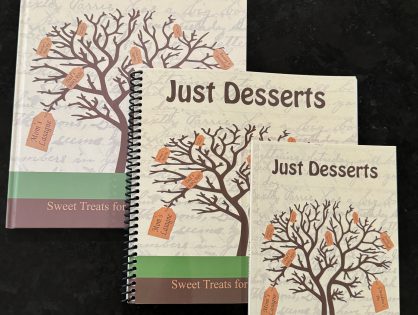
    In almost every home recipe collection or recipe box, one category often stands out as the largest:  desserts . Whether it’s a batch of cookies for a family gathering, a birthday cake passed down from grandma, or a decadent pie to celebrate the holidays, desserts hold a special place in our hearts and kitchens. A little sweetness at the end of a meal has become a beloved tradition in many households, with certain desserts even becoming family staples that everyone looks forward to.

    If you’ve accumulated a collection of dessert recipes over the years—whether from family, friends, or your own experiments in the kitchen—it might be time to organize them into a dessert-only cookbook. Not only does this give you a practical way to store all of your sweet recipes, but it can also serve as a thoughtful gift for loved ones or even be sold as a unique cookbook for dessert lovers everywhere.

    In this article, we’ll guide you through the process of creating your own dessert cookbook and explore the many reasons why it’s a deliciously rewarding project.

      Why Create a Dessert-Only Cookbook?

    A dessert-only cookbook offers a variety of benefits, including:

    –  Organization: Instead of having your dessert recipes scattered across different cookbooks, online notes, or recipe cards, you’ll have all your sweet favorites neatly compiled in one place.

    –  Easy Access: You’ll no longer have to search high and low for your go-to cookie recipe or that perfect chocolate cake. With a dessert-only cookbook, all your sweet recipes are at your fingertips.

    –  A Special Gift: A personalized dessert cookbook makes a heartfelt gift for family and friends, especially those who appreciate a sweet treat or enjoy baking.

    –  Legacy Building: Many dessert recipes are passed down through generations. By creating a cookbook, you can preserve these recipes for future generations and document your family’s sweet traditions.

    –  Showcasing Your Baking Skills: Whether you’re a casual baker or an expert, a dessert cookbook is a great way to showcase your baking skills and creativity in the kitchen.

      Steps to Creating Your Dessert Cookbook
    Now that you’re ready to create your very own dessert cookbook, here’s how to get started:

    Gather All Your Dessert Recipes

    The first step in creating your dessert cookbook is to gather all of your recipes. These might include:

    –  Family recipes: Passed down from generation to generation, such as a beloved pie crust recipe or your grandmother’s famous chocolate chip cookies.

    –  Personal creations: Desserts you’ve developed yourself or customized over the years.

    –  New discoveries: Recipes you’ve collected from cookbooks, online sources, or friends that have become favorites in your home.

    Consider categorizing your recipes by type, such as cakes, cookies, pies, pastries, and frozen desserts. This will help you later when you organize your cookbook.

    Choose Your Dessert Categories

    Once you’ve gathered all your dessert recipes, think about how you want to organize them. Some popular categories to consider for your dessert cookbook include:

    –  Cookies and Bars: From chocolate chip cookies to brownies and blondies, these easy-to-make treats are always crowd-pleasers.

    –  Cakes and Cupcakes: Include recipes for layer cakes, cupcakes, bundt cakes, and classic celebration cakes.

    –  Pies and Tarts: Gather all your recipes for fruit pies, cream pies, and rustic tarts in this category.

    –  Pastries: Don’t forget about breakfast sweets like cinnamon rolls, danishes, or puff pastries.

    –  Frozen Desserts: Include ice creams, sorbets, and no-bake frozen pies that are perfect for summer.

    –  Candy and Confections: Homemade chocolates, fudge, brittle, and other candy treats can round out your collection.

    –  Holiday Desserts : Highlight seasonal favorites like Christmas cookies, pumpkin pie, and other festive treats that are made for special occasions.

    By dividing your cookbook into categories, you’ll make it easy for anyone to browse through and find the perfect dessert for any occasion.

    Add Personal Stories and Notes

    What makes a cookbook truly special are the personal stories and memories attached to each recipe. Consider adding:

    –  Family memories: Share the story behind certain recipes, such as a cake your grandmother always made for birthdays or cookies your family bakes every holiday season.

    –  Baking tips: Add any tips or tricks you’ve learned along the way, such as how to achieve the perfect flaky pie crust or secrets for making soft, chewy cookies.

    –  Photos: Include photos of your desserts, whether they’re beautifully styled or casual snapshots of family gatherings where the treats were served.

    These personal touches will make your dessert cookbook more than just a collection of recipes—it will become a cherished keepsake for anyone who uses it.

    Use a Cookbook Publishing Platform

    Once you’ve organized your recipes and added your personal notes, it’s time to turn your collection into a professionally printed cookbook.  FamilyCookbookProject.com is a fantastic platform that allows you to:

    –  Easily upload recipes: The user-friendly platform makes it simple to type in or upload your recipes.

    –  Customize the design: Choose from a variety of templates, covers, and layouts to create a beautiful, polished cookbook.

    –  Collaborate with others: You can invite family members or friends to contribute their own dessert recipes, making the cookbook a collaborative project.

    –  Add personal photos and stories: Customize each recipe with photos of the finished desserts or family gatherings where the desserts were enjoyed.

    The platform makes it easy to create a professional-looking cookbook that you can print for personal use, give as gifts, or even sell.

      What to Do with Your Dessert Cookbook Once It’s Created

    After you’ve finished your dessert cookbook, there are several ways you can use and enjoy it:

     Sell Your Dessert Cookbook on Amazon

    If you’re particularly proud of your collection, consider selling your cookbook on Amazon. As  publisher, FamilyCookbookProject.com can supply an ISBN number and barcode and have your cookbook listed on Amazon.com. This allows you to reach a broader audience of dessert lovers who would appreciate your unique collection of recipes.

    You can set your own price, promote your cookbook through social media, and even earn royalties on each sale. It’s a fun and rewarding way to share your dessert expertise with others!

     A Thoughtful Gift for Family and Friends

    A personalized dessert cookbook is an incredibly thoughtful gift, especially for family and friends who share your love of baking. Consider gifting your cookbook for:

    –  Holidays: A dessert cookbook makes a perfect Christmas gift, especially when filled with holiday dessert recipes.

    –  Weddings or Bridal Showers: Give newlyweds a cookbook filled with dessert recipes to start their own collection of sweet treats.

    –  Birthdays: A personalized dessert cookbook is a unique and heartfelt birthday gift for anyone who loves baking or enjoying sweets.

    This gift is more than just a cookbook—it’s a keepsake filled with memories, traditions, and delicious recipes that your loved ones will cherish.

    A Cooking Companion for Your Own Kitchen

    Of course, your dessert cookbook can also be your own personal cooking companion. Having all your dessert recipes organized in one beautifully printed book makes it easy to bake your favorites without searching through scattered notes or digital files. You’ll have:

    –  Easy access:  to all your go-to dessert recipes.

    –  An organized, indexed format:  for quick reference.

    –  Consistent results:  because your recipes are always at hand, with detailed instructions and personal notes.

    It’s the perfect way to streamline your baking process and make your time in the kitchen more enjoyable.

    A dessert-only cookbook is the perfect way to organize, preserve, and share your favorite sweet recipes. Whether you’re gifting it to family and friends, selling it to dessert lovers on Amazon, or keeping it as a personal kitchen companion, a dessert cookbook is a rewarding project that brings joy and sweetness to everyone who uses it.

    Using  FamilyCookbookProject.com, you can easily compile your recipes, design your cookbook, and print a beautiful collection that reflects your love of baking. So why not gather your dessert recipes and start creating a delicious keepsake that will be enjoyed for years to come?


    Bill Rice is Founder and Co-Publisher of the Family Cookbook Project, a website that helps families and individuals collect, preserve and share food memories by creating their own printed personal cookbooks. He is the author of The Wellfleet Oyster Cookbook and the Cape Cod Cocktail Cookbook (Available on Amazon), both created using FamilyCookbookProject.com. He is also editor of the Donovan Family Cookbook, now it’s third printing and is an avid genealogist tracing his family back to the 1600’s.

    Follow Family Cookbook Project on Facebook, Instagram, Twitter TikTok, YouTube and Pinterest

  • We Need Your Help: Share Your Experience on FamilyCookbookProject.com

    We Need Your Help: Share Your Experience on FamilyCookbookProject.com

    At Family Cookbook Project, we’re passionate about helping families preserve their most treasured recipes and pass them down through generations. But we can’t do it alone—we need your help to continue sharing this mission with others!

    Here’s how you can make a difference in just a few minutes:

    Leave a review.
    Your feedback is one of the most powerful ways to help others discover Family Cookbook Project. Many people looking to create their own family cookbook rely on reviews from real users like you to make their decision. By sharing your positive experience, you’re inspiring others to start preserving their family’s culinary history.

    Why does your review matter?

    • You’re helping others discover the joy of creating a family cookbook. When someone reads your review, it might be the nudge they need to start capturing and preserving their family’s special recipes.
    • Your support helps us improve. Every review not only boosts our visibility, but it also helps us continue to invest in new features and services that make Family Cookbook Project even better for everyone.
    • It’s quick, easy, and incredibly impactful. Just a few words about your experience can go a long way in helping others feel confident in choosing us.

    Here’s how you can help:

    Your opinion matters—and by sharing it, you’re helping us continue our mission of bringing families together through the power of food and tradition.

    We truly appreciate your time and support. Thank you for being part of the Family Cookbook Project family!

    With gratitude,
    Bill Rice & Chip Lowell
    Publishers, Family Cookbook Project

  • Cookbook Creation: Finding the Right Size and Cover for Your Custom Project

    Cookbook Creation: Finding the Right Size and Cover for Your Custom Project

    Creating a custom cookbook is an exciting and rewarding experience. Whether you’re preserving family recipes, raising funds for an organization, or celebrating a special occasion with a personalized gift, designing your own cookbook allows you to capture treasured culinary memories in a beautiful, functional keepsake. One of the most important steps in the process is selecting the right size and cover for your cookbook, which will not only influence the look and feel but also the practicality and durability of your book.

    At FamilyCookbookProject.com, we offer a range of options when it comes to sizes, covers, and binding styles to ensure your custom cookbook fits your vision and purpose. In this article, we’ll walk you through the various size and cover options available, helping you choose the best format for your project.

    Custom Cookbook Sizes

    3 sizes with a spiral binding

    When creating your custom cookbook, size matters. The dimensions of your cookbook will affect its overall aesthetic, usability, and how much space you have to showcase your recipes and photos. FamilyCookbookProject.com offers three distinct sizes, each designed to suit different needs and preferences.

    1. Standard Size: 5 1/2” x 8 1/2”

    The standard size for custom cookbooks at FamilyCookbookProject.com is 5 1/2” x 8 1/2”. This size is perfect for a compact, easy-to-handle cookbook that can be stored conveniently on a kitchen shelf or in a drawer. It’s roughly the size of a standard novel or a small recipe booklet, making it a popular choice for personal and family cookbooks.

    • Why Choose the Standard Size?
    If you’re looking for a size that’s budget-friendly, portable, and ideal for everyday use, the 5 1/2” x 8 1/2” option is a great choice. This size is easy to flip through when cooking and doesn’t take up much space on your counter. It’s perfect for home cooks who want a handy, accessible collection of their favorite recipes.
    • Best Uses:
    Family recipe collections, bridal or baby shower cookbooks, and small-scale fundraising projects.

    2. Full Size: 8 1/2” x 11”

    If you prefer a larger format, our full-size option measures 8 1/2” x 11”, the same size as a standard sheet of printer paper. This option provides more room for each page, making it perfect for longer recipes, detailed instructions, and large photos. It’s also an excellent choice if you want a cookbook that makes a statement with bold, eye-catching designs.

    • Why Choose the Full Size?
    The 8 1/2” x 11” size is ideal for those who want their cookbook to stand out. With more space per page, you can include larger text, multiple photos, and lengthy recipes without worrying about cramped layouts. It’s great for cookbooks with lots of visual elements or step-by-step tutorials.
    • Best Uses:
    Cookbooks with detailed recipes, fundraising cookbooks, or those with lots of family photos and stories.

    3. Square Size: 8 1/2” x 8 1/2”

    Our newest and increasingly popular option is the 8 1/2” x 8 1/2” square format. This modern, sleek size offers a unique and visually appealing layout that’s perfect for showcasing your culinary creativity. The square format is particularly popular for cookbooks that emphasize photos, making it an excellent choice for anyone looking to create a more polished, contemporary design.

    • Why Choose the Square Size?
    The 8 1/2” x 8 1/2” square size is ideal for those who want their cookbook to have a more artistic feel. This size strikes a balance between compact and spacious, making it versatile and eye-catching. It’s great for presenting your recipes in a way that feels both modern and personal.
    • Best Uses:
    Photo-heavy cookbooks, coffee table-style cookbooks, or those looking for a unique and stylish presentation.

    Binding Options

    3 types of binding

    In addition to choosing the right size, you’ll also need to decide on the type of binding for your custom cookbook. The binding affects not only the durability of your cookbook but also how easily it can be used in the kitchen. FamilyCookbookProject.com offers three different binding styles: spiral bound, hardcover, and perfect-bound paperback.

    1. Spiral Bound

    Spiral binding is the most popular option for cookbooks, and for good reason—it allows your cookbook to lie completely flat, making it easy to follow recipes without constantly holding the book open. Spiral-bound cookbooks are practical, durable, and ideal for everyday use in the kitchen.

    • Why Choose Spiral Binding?
    If you’re planning to use your cookbook regularly while cooking, spiral binding is a practical choice. You can lay the book flat on the counter, ensuring that you can read the recipe without having to fuss with the pages. This makes it the go-to option for most personal and family cookbooks.
    • Best Uses:
    Everyday cookbooks, family recipe collections, and cookbooks designed for frequent use.

    2. Hardcover

    For those looking to add a touch of elegance and longevity to their custom cookbook, hardcover binding is the perfect choice. A hardcover cookbook feels more substantial and luxurious, making it a great option for commemorative or gift cookbooks. The durable cover also helps protect the contents of the book, ensuring it stands the test of time.

    • Why Choose Hardcover Binding?
    A hardcover cookbook makes a wonderful gift or keepsake. If you’re creating a cookbook to celebrate a special event—like a wedding, anniversary, or family reunion—hardcover binding adds an extra layer of sophistication. It’s also more durable, making it ideal for a cookbook you want to last for generations.
    • Best Uses:
    Keepsake cookbooks, gift cookbooks, and commemorative family collections.

    3. Perfect-Bound Paperback

    Our perfect-bound paperback option is a classic, professional-looking binding style. The pages are glued together at the spine, creating a clean, polished look. This binding style also allows for the title of your cookbook to be printed on the spine, which is perfect for those who want their book to stand out on a bookshelf.

    • Why Choose Perfect-Bound Paperback?
    If you’re looking for a sleek, polished look with the convenience of a spine that displays the title, perfect binding is an excellent option. This binding style is often used for professional cookbooks and is great for those who want a stylish yet affordable option.
    • Best Uses:
    Fundraising cookbooks, professionally styled cookbooks, or cookbooks intended for sale.

    Choosing the Right Size and Binding for Your Custom Cookbook

    When selecting the size and binding for your custom cookbook, consider how the book will be used, who it’s for, and the overall aesthetic you want to achieve. Here are a few questions to ask yourself:

    • Will the cookbook be used frequently in the kitchen?
    If yes, a spiral-bound, standard-size option might be best for easy access and durability.
    • Is the cookbook intended as a gift or keepsake?
    If so, you may want to opt for a hardcover binding with a more elegant, full-size or square format.
    • Do you want your cookbook to be photo-heavy or visually impactful?
    The full-size or square format offers more room for large images and detailed layouts, making it ideal for photo-centric cookbooks.
    • Is the cookbook meant for display or to stand out on a bookshelf?
    In this case, a perfect-bound paperback with the title on the spine might be the ideal choice.

    Creating a custom cookbook is an exciting way to preserve recipes, share culinary traditions, and celebrate special moments with family and friends. At FamilyCookbookProject.com, we offer a range of sizes and binding options to suit every type of cookbook, whether you’re making a practical family recipe collection or a keepsake gift to be cherished for years.

    By choosing the right size and binding for your project, you can ensure that your custom cookbook is not only beautiful but also functional and long-lasting. Ready to get started? Visit FamilyCookbookProject.com to design and create your perfect custom cookbook today!

    Bill Rice is Founder and Co-Publisher of the Family Cookbook Project, the leading online cookbook publisher with a website that helps families and individuals collect, preserve and share food memories by creating their own printed custom cookbooks. He is the author of The Wellfleet Oyster Cookbook and the Cape Cod Cocktail Cookbook (Available on Amazon), both created using FamilyCookbookProject.com. He is also editor of the Donovan Family Cookbook, now it’s third printing and is an avid genealogist tracing his family back to the 1600’s.

    Follow Family Cookbook Project on Facebook, Instagram, Twitter TikTok, YouTube and Pinterest!

  • Not Just Corned Beef! Traditional Irish Foods for Your St. Patrick’s Day Table

    Not Just Corned Beef! Traditional Irish Foods for Your St. Patrick’s Day Table

    When it comes to St. Patrick’s Day celebrations in the U.S., many people immediately think of green beer, corned beef, and cabbage. While these staples have become synonymous with the holiday, they only scratch the surface of Irish cuisine. Traditional Irish dishes offer a wide range of hearty, comforting meals that can be enjoyed year-round, and they’re perfect for adding authenticity to your St. Patrick’s Day celebration.

    Let’s explore a variety of traditional Irish dishes that go beyond the usual fare and can easily be brought to the American dinner table to celebrate St. Patrick’s Day in true Irish fashion.

    Irish Stew (Stobhach Gaelach)

    What It Is: Irish stew is one of the most beloved and traditional dishes in Ireland. It’s a hearty, one-pot meal made with lamb or beef, root vegetables like carrots and parsnips, onions, and potatoes. The ingredients are slow-cooked together, allowing the flavors to meld into a rich and comforting dish.

     Why It’s Perfect for St. Patrick’s Day: Irish stew is a comforting, crowd-pleasing dish that’s perfect for feeding a group. It’s hearty enough for cold March weather and has deep ties to Irish heritage.

     Pro Tip: Serve it with soda bread for a complete meal. Some variations include Guinness or other stout beers for added depth of flavor.

    Search FamilyCookbookProject.com for Irish stew recipes.

    Colcannon

    What It Is: Colcannon is a traditional Irish dish made from mashed potatoes mixed with cabbage or kale, butter, and cream. It’s often flavored with scallions, leeks, or garlic. The name “colcannon” comes from the Gaelic *cal ceannann*, meaning “white-headed cabbage.”

     Why It’s Perfect for St. Patrick’s Day: Potatoes are a staple of Irish cuisine, and colcannon is a delicious way to incorporate them into your St. Patrick’s Day meal. The combination of creamy mashed potatoes and earthy cabbage or kale is pure comfort food.

     Pro Tip: For an extra treat, serve colcannon with a pat of melted butter on top. This dish is also great paired with sausages or roast meats.

    Search FamilyCookbookProject.com for Colcannon recipes.

    Shepherd’s Pie (Cottage Pie)

    What It Is: Shepherd’s pie is a savory dish made with ground lamb (or beef in the case of cottage pie) cooked with vegetables such as carrots, peas, and onions, then topped with a layer of creamy mashed potatoes. The dish is baked until the top is golden and crispy.

     Why It’s Perfect for St. Patrick’s Day: This classic comfort food is both filling and flavorful, making it an excellent choice for a cozy St. Patrick’s Day meal. Plus, the mashed potato topping ties it back to the Irish love of potatoes.

     Pro Tip: Add a splash of Guinness to the meat filling for an extra Irish touch and depth of flavor.

    Search FamilyCookbookProject.com for Shepherd’s pie recipes.

    Boxty

    What It Is: Boxty is a traditional Irish potato pancake made from grated raw potatoes, mashed potatoes, flour, and buttermilk. It’s pan-fried to a crispy golden brown and can be served as a side dish or as a main course, often stuffed with savory fillings like smoked salmon or beef.

     Why It’s Perfect for St. Patrick’s Day: Boxty offers a fun, flavorful alternative to mashed potatoes and is easy to customize with different fillings. It’s a great way to incorporate the humble potato into your St. Patrick’s Day celebration in a new and delicious way.

     Pro Tip: Serve boxty with sour cream, chives, or a side of bacon for an indulgent Irish breakfast or brunch.

    Search FamilyCookbookProject.com for Boxty recipes.

    Irish Soda Bread

    What It Is: Irish soda bread is a quick bread made without yeast, using baking soda as the leavening agent. It typically includes flour, baking soda, salt, and buttermilk, though variations may add sugar, raisins, or caraway seeds.

     Why It’s Perfect for St. Patrick’s Day: Soda bread is incredibly easy to make and pairs well with almost any dish. It’s perfect for soaking up the gravy from Irish stew or serving alongside soups and meats.

     Pro Tip: For a sweeter version, try adding raisins or currants to the dough. Enjoy it warm with butter and jam or alongside savory dishes.

    Search FamilyCookbookProject.com for Irish soda bread recipes.

    Coddle

    What It Is: Coddle is a traditional Dublin dish made from layers of sausages, bacon, potatoes, and onions, slow-cooked together. The dish is seasoned simply with salt, pepper, and sometimes parsley, and is often served with soda bread.

     Why It’s Perfect for St. Patrick’s Day: Coddle is a hearty, rustic dish that’s easy to prepare and perfect for feeding a crowd. It’s also a dish with deep roots in Irish culture, making it a great option for those looking to serve an authentic Irish meal.

     Pro Tip: Choose high-quality Irish sausages for the best flavor, and let the dish cook slowly so the flavors meld together.

    Search FamilyCookbookProject.com for Coddle recipes.

    Barmbrack

    What It Is: Barmbrack is a traditional Irish fruit bread made with raisins or currants. While it’s often associated with Halloween in Ireland, it can also be enjoyed as a tea loaf year-round. It’s typically sliced and served with butter.

     Why It’s Perfect for St. Patrick’s Day: Barmbrack offers a sweet treat that’s perfect for afternoon tea or dessert after your St. Patrick’s Day meal. Its subtle sweetness and spiced fruit flavor make it a comforting addition to any celebration.

     Pro Tip: Barmbrack is best enjoyed toasted with a slathering of butter and served alongside a cup of Irish tea.

    Search FamilyCookbookProject.com for Barmbrack recipes.

    Seafood Chowder

    What It Is: Irish seafood chowder is a creamy, hearty soup made with a variety of seafood such as mussels, clams, white fish, and sometimes smoked salmon. It’s often enriched with cream, potatoes, and leeks, and served with soda bread.

     Why It’s Perfect for St. Patrick’s Day: This rich, flavorful soup brings a taste of Ireland’s coastal regions to your St. Patrick’s Day table. It’s a great option for those who want something different from the usual meat-heavy dishes.

     Pro Tip: Serve the chowder with a sprinkle of fresh parsley and a slice of soda bread for dipping.

    Search FamilyCookbookProject.com for seafood chowder recipes.

    Apple Cake with Custard Sauce

    What It Is: Irish apple cake is a traditional dessert made with tender chunks of apples, cinnamon, and a crumbly streusel topping. It’s often served warm with a generous drizzle of homemade custard sauce.

     Why It’s Perfect for St. Patrick’s Day: This comforting, spiced dessert is perfect for rounding off a hearty Irish meal. The combination of warm apples and rich custard sauce makes it a festive and delicious treat.

     Pro Tip: Serve the cake warm with a side of custard or whipped cream for an extra indulgent dessert.

    Search FamilyCookbookProject.com for Irish apple cake recipes.

    Beyond Corned Beef: Expanding Your St. Patrick’s Day Menu

    While corned beef and cabbage have become synonymous with St. Patrick’s Day in the U.S., these traditional Irish dishes offer a more authentic taste of Ireland. From hearty stews to sweet apple cake, there’s no shortage of delicious ways to celebrate Irish heritage through food.

    This St. Patrick’s Day, skip the green beer and boxed corned beef, and try bringing some of these traditional Irish recipes to your table. Your guests will appreciate the variety, and you’ll get a taste of real Irish cooking that’s perfect for any festive gathering.

    A True Taste of Ireland

    Whether you’re hosting a large St. Patrick’s Day gathering or simply cooking for your family, incorporating traditional Irish dishes can bring an authentic and flavorful touch to your celebration. With these classic recipes, you’ll have plenty of options to go beyond the usual fare and serve up something truly special.

    So, gather your ingredients, turn on some Irish music, and enjoy a hearty, home-cooked meal that celebrates the flavors and traditions of Ireland!


    Bill Rice is Founder and Co-Publisher of the Family Cookbook Project, a website that helps families and individuals collect, preserve and share food memories by creating their own printed personal cookbooks. He is the author of The Wellfleet Oyster Cookbook and the Cape Cod Cocktail Cookbook (Available on Amazon), both created using FamilyCookbookProject.com. He is also editor of the Donovan Family Cookbook, now it’s third printing and is an avid genealogist tracing his family back to the 1600’s.

    Follow Family Cookbook Project on Facebook, Instagram, Twitter TikTok, YouTube and Pinterest!

  • Pro Tip: Recipe layouts side-by-side columns

    Pro Tip: Recipe layouts side-by-side columns

    By default, recipe layouts have ingredients in 1 or 2 columns above/before directions.  You can also choose to have ingredients and directions side-by-side.  You can choose this option under Layout & Design>Select Recipe Layout. There are pre-set layouts that offer this layout type, for example see T7 and T8 Times Roman.  T7 has ingredients in the left column and directions on the right.  T8 is the other way around, ingredients on right, directions on left.  You can also add this to any custom recipe layout you may have created.

    If you like one of our pre-set layouts that doesn’t have this feature, you can also set any layout in this fashion by using the override setting under Long form recipe options in Recipe Layouts.

    Watch this video for a quick tutorial:

    https://www.youtube.com/watch?v=9Fq2NAjgk8A

  • 6 Secrets to Creating the Perfect Family Cookbook

    6 Secrets to Creating the Perfect Family Cookbook

    Creating the perfect family cookbook can be a fun and rewarding experience for everyone involved. Not only will it provide you with a collection of family recipes that can be passed down for generations, but it can also be a great way to bond with your loved ones and make lasting memories.

    Here are six secrets to creating the perfect family cookbook:

    Gather family recipes: The first step in creating a family cookbook is to gather all of the recipes that have been passed down through your family. This can include recipes from your grandparents, parents, and even your own children. Ask family members to share their favorite recipes and any special memories or stories that go along with them.

    Secret #1 – remember to ask even people who don’t typically cook. It will make them feel included, and they may have some gems. No one knows about.

    Organize the recipes: Once you have all of the recipes, it’s important to organize them in a way that makes sense for your family. The most common way to organize your recipes is grouping them by food category, such as appetizers, main dishes, and desserts.

    Secret #2 – you can also sort your recipes by meal (such as breakfast, lunch, and dinner) or by contributor. You can also include sections for holidays or special occasions.

    Add personal touches: To make your family cookbook truly special, consider adding personal touches such as family photos, stories, and memories. This can include photos of family members cooking or enjoying meals together, as well as any special memories or stories that go along with certain recipes.

    Secret #3 – including a family tree is a great way to show how everyone is related.

    Test the recipes: Before including a recipe in your family cookbook, it’s important to test it to ensure that it is accurate and delicious. Have family members try the recipe and provide feedback on any changes that should be made.

    Secret #4 – make sure all ingredients are listed in the directions and vice a versa. List the ingredients in the order that they are used in the recipe.

    Design and layout: Once you have all of the recipes, personal touches, and stories, it’s time to design and lay out your family cookbook. This can be done using a word processing program or a specialized cookbook software, like FamilyCookbookProject.com. Be sure to choose a design that is easy to read and includes plenty of white space.

    Secret #5 – the best cookbook covers have a photo or image that is important to a family, like a person, home or a group photo.

    Print and share: The final step in creating the perfect family cookbook is to print it and share it with your family and friends. You can choose to have it professionally printed, or print it yourself at home. Be sure to make extra copies so that everyone in your family can have their own copy.

    Secret #6 – family cookbooks, make great gifts, particularly to someone who is marrying into the family.

    Creating a family cookbook is a great way to preserve family recipes and memories for generations to come. By following these six secrets, you can create a cookbook that is not only filled with delicious recipes, but also personal touches and special memories that will make it a treasured keepsake for years to come.


    Bill Rice is Founder and Co-Publisher of the Family Cookbook Project, the leading online cookbook publisher with a website that helps families and individuals collect, preserve and share food memories by creating their own printed custom cookbooks. He is the author of The Wellfleet Oyster Cookbook and the Cape Cod Cocktail Cookbook (Available on Amazon), both created using FamilyCookbookProject.com. He is also editor of the Donovan Family Cookbook, now it’s third printing and is an avid genealogist tracing his family back to the 1600’s.

    Follow Family Cookbook Project on Facebook, Instagram, Twitter TikTok, YouTube and Pinterest!

  • How to Price Your Cookbook for Profit: Tips and Tricks

    How to Price Your Cookbook for Profit: Tips and Tricks

    Creating a cookbook is a labor of love, but if you’re planning to sell your custom cookbook, figuring out how to price it can feel daunting. Whether you’re selling your cookbook as a fundraiser, through local retailers, or even on Amazon, pricing your cookbook effectively ensures you cover your costs while providing value to your buyers.

    With Family Cookbook Project, getting your cookbook listed on Amazon.com is easy when you add the marketing kit to your print order at checkout. This includes essential elements like an ISBN number and barcode, making your cookbook available for sale on Amazon and other platforms. Additionally, the cookbook will be listed in “Books in Print”, a requirement for many bookstores to carry your book.

    In this guide, we’ll walk you through how to price your cookbook, covering important factors like production costs, binding options, and tips for maximizing your profit margin.

    Understanding the Costs Involved in Printing Your Cookbook

    Before you can set a price for your cookbook, it’s essential to understand the costs associated with printing it. These costs will form the foundation of your pricing strategy and ensure you don’t sell your book at a loss.

    Factors that Affect Printing Costs:

    • Number of Recipes: The more recipes you include, the more pages your cookbook will have, which increases the overall printing cost. Keep in mind that the size of the cookbook can also affect its price.
    • Binding Type: Cookbooks can be printed with different types of binding, and each option has its own cost:
    • Spiral Bound: This is typically the most popular choice for cookbooks due to its functionality, allowing the book to lie flat while cooking. It’s also cost-effective, making it a great option if you want to keep the price of your book accessible.
    • Hardcover: Hardcover books have a more premium feel, which can justify a higher selling price. However, they cost more to print, so you’ll need to set a price point that reflects this.
    • Perfect Bound Paperback: Perfect bound paperback cookbooks are professional-looking and can include the title on the spine, making them ideal for sale in bookstores or on Amazon. They’re more affordable than hardcover options but still offer a polished appearance.

    By understanding how these factors influence printing costs, you can begin to develop a pricing structure that covers your production expenses while leaving room for profit.

    Pricing Based on the Number of Recipes

    The number of recipes in your cookbook will directly impact its length and, therefore, its production cost. As a general rule, the more pages your cookbook has, the more expensive it will be to produce.

    When pricing your cookbook, consider how the number of recipes adds value to the buyer:

    • Smaller Cookbooks: A cookbook with 50-100 recipes might be considered a compact, niche collection and could be priced lower, making it an attractive option for casual buyers or as part of a fundraiser.
    • Larger Cookbooks: If your cookbook has 150-200 recipes or more, it’s likely to be viewed as a more comprehensive, all-in-one resource. You can price it higher, as the buyer is getting a wealth of content for their money.

    When calculating your price, make sure you factor in the cost per page and ensure that the final price covers your expenses and offers a fair return.

    Choosing the Right Binding and Its Impact on Pricing

    As mentioned earlier, the binding of your cookbook plays a significant role in both the look of your book and its overall price. Here’s how to think about each binding option when determining your final price:

    Spiral Bound:

    Spiral bound cookbooks are practical and typically more affordable to print. They’re a great option for cookbooks that will be used in the kitchen regularly since they can lay flat, making them easy to read while cooking.

    • Pricing Strategy: Spiral bound cookbooks tend to fall in the mid-range price bracket. If your target market is looking for practical, everyday use cookbooks, a spiral bound format at a moderate price point could be ideal.

    Hardcover:

    Hardcover cookbooks have a premium feel and offer a more durable option for buyers. They make excellent gifts and can command a higher price due to their higher production costs and more luxurious appearance.

    • Pricing Strategy: Given that hardcover books cost more to produce, you’ll need to set a higher price to ensure you cover the cost of printing. Hardcovers are often priced higher, which works well for special occasion cookbooks or collections that offer additional value (e.g., recipes tied to family traditions or exclusive content).

    Perfect Bound Paperback:

    Perfect bound paperbacks are a professional-looking option that falls between spiral bound and hardcover in terms of cost. They’re sleek, include the title on the spine, and are ideal for display on bookshelves.

    • Pricing Strategy: Perfect bound paperbacks are often used for cookbooks sold in stores or online, as they offer a balance of professionalism and affordability. You can price these slightly lower than hardcovers while still making a good profit margin.

    Adding a Marketing Kit for Amazon Listings

    One of the most exciting features offered by Family Cookbook Project is the ability to get your custom cookbook listed on Amazon.com. When you add the marketing kit to your print order, you’ll receive an ISBN number and barcode, which are essential for listing your cookbook for sale on major platforms like Amazon.

    What the Marketing Kit Includes:

    • ISBN Number: This unique identifier allows your book to be sold on Amazon and tracked in bookstore databases.
    • Barcode: Essential for physical sales, the barcode helps retailers and customers identify your book.
    • “Books in Print” Listing: This listing is required for your cookbook to be carried by many bookstores, ensuring it’s widely available to potential buyers.

    Pricing Strategy for Amazon Sales:

    When selling on Amazon, it’s important to remember that Amazon takes a percentage of each sale, so you’ll need to factor this into your pricing. To ensure you still make a profit, consider adding a small markup to cover Amazon’s fees while keeping your price competitive with other cookbooks in your niche.

    Additional Pricing Tips for Your Cookbook

    • Consider Your Audience: If you’re selling your cookbook as part of a fundraiser, you may want to price it slightly higher, as buyers are often willing to pay more to support a cause. If you’re marketing your cookbook to a general audience, keep your price competitive with similar cookbooks.
    • Bundle Offers: If you’re creating multiple editions or volumes of your cookbook, consider offering bundle deals (e.g., buy two volumes, save 10%). This encourages buyers to purchase more than one book while offering them added value.
    • Seasonal Pricing: Cookbooks are often purchased as gifts during the holidays, so you may want to adjust your pricing for seasonal sales. Offering limited-time discounts or promotional pricing can drive more sales during peak times.

    How to Set the Right Price for Your Cookbook

    Pricing your cookbook involves balancing production costs, the type of binding you choose, and the value of the content you’re offering. With Family Cookbook Project, the ability to add a marketing kit for listing on Amazon.com makes it easy to reach a wider audience and price your cookbook for success.

    By considering factors like the number of recipes, printing costs, and your target market, you can confidently set a price that reflects the quality of your cookbook while ensuring you make a profit. Ready to take the next step? Get started on pricing your custom cookbook today!

    Bill Rice is Founder and Co-Publisher of the Family Cookbook Project, the leading online cookbook publisher with a website that helps families and individuals collect, preserve and share food memories by creating their own printed custom cookbooks. He is the author of The Wellfleet Oyster Cookbook and the Cape Cod Cocktail Cookbook (Available on Amazon), both created using FamilyCookbookProject.com. He is also editor of the Donovan Family Cookbook, now it’s third printing and is an avid genealogist tracing his family back to the 1600’s.

    Follow Family Cookbook Project on Facebook, Instagram, Twitter TikTok, YouTube and Pinterest!

    1tom cookbooks effectively.

  • How to Cook Mexican Food at Home: Essential Ingredients, Simple Dishes, and Must-Have Spices

    How to Cook Mexican Food at Home: Essential Ingredients, Simple Dishes, and Must-Have Spices

    Mexican cuisine is beloved for its bold flavors, vibrant colors, and diverse ingredients. The beauty of cooking Mexican food at home is that you can enjoy authentic, delicious dishes without needing to visit a restaurant. By stocking your pantry with key ingredients and learning a few simple recipes, you can bring the rich, varied flavors of Mexico into your own kitchen.

    In this article, FamilyCookbookProject.com will explore the essential ingredients, spices, and simple dishes to help you start cooking authentic Mexican food at home.

    Essential Ingredients for Mexican Cooking

    To successfully cook Mexican food at home, it’s important to have a few staple ingredients on hand. These are the building blocks of many Mexican dishes and will help you achieve authentic flavors.

    Tortillas (Corn and Flour)

    Tortillas are the foundation of many Mexican dishes, such as tacos, quesadillas, enchiladas, and burritos. Keep both corn and flour tortillas in your pantry or fridge, as each type works best for different dishes. Corn tortillas are typically used for tacos and enchiladas, while flour tortillas are popular for burritos and quesadillas.

    Beans (Black Beans, Pinto Beans)

    Beans are a key ingredient in Mexican cuisine. Black beans and pinto beans are commonly used in dishes like  refried beans ,  tacos , and  burritos . You can use canned beans for convenience or cook dried beans for a more authentic flavor.

    Rice (White or Brown)

    Mexican-style rice, often seasoned with tomatoes, onions, and garlic, is a common side dish. Long-grain white or brown rice is ideal for creating  Mexican rice  or serving alongside main dishes like tacos or enchiladas.

    Cheese (Queso Fresco, Cotija, Oaxaca, Monterey Jack)

    Cheese adds richness and flavor to many Mexican dishes.  Queso fresco  and  cotija  are crumbly, mild cheeses often used as toppings, while  Oaxaca  cheese melts beautifully and is perfect for quesadillas.  Monterey Jack  cheese, while not traditional, is a good melting cheese for tacos and enchiladas.

    Avocados

    Avocados are essential for making  guacamole , a classic Mexican dip. They’re also a great topping for tacos, burritos, and salads. Their creamy texture complements the spiciness of many Mexican dishes.

    Limes

    Limes add brightness and acidity to Mexican food. Whether you’re squeezing lime juice over tacos, adding it to a marinade, or using it in a salsa, limes are indispensable in Mexican cooking.

    Tomatoes

    Tomatoes, especially Roma tomatoes, are a key ingredient in many Mexican dishes. They’re used in  salsas ,  sauces , and even  rice dishes . Canned tomatoes can also work well in a pinch.

    Onions (White, Red)

    Onions, especially white onions, are commonly used in Mexican cooking for their sharp flavor. They’re sautéed with garlic in many sauces and stews, and raw red onions are often used as a garnish for tacos and salsas.

    Cilantro

    Cilantro is a fresh herb that adds a burst of flavor to tacos, salsas, and soups. Its bright, citrusy flavor pairs well with lime and adds a fresh note to dishes.

    Chilies (Fresh and Dried)

    Chilies are essential for adding heat and depth of flavor to Mexican food. Common varieties include  jalapeños  and  serranos  (used fresh), as well as  ancho ,  guajillo , and  chipotle  (used dried). These chilies are often used in sauces, marinades, and as toppings for tacos and other dishes.

    Must-Have Spices for Mexican Cooking

    Spices play a crucial role in Mexican cuisine, helping to create layers of flavor in everything from stews to tacos. Here are the most common spices to keep in your pantry:

    Cumin

    Cumin adds a warm, earthy flavor and is one of the most important spices in Mexican cooking. It’s often used in  taco seasoning, chili, and bean dishes .

    Chili Powder

    Chili powder is a blend of ground chilies and spices like cumin, garlic powder, and oregano. It’s essential for seasoning meat, stews, and sauces. Use it in tacos,  enchiladas, and chili con carne .

    Oregano (Mexican Oregano)

    Mexican oregano has a slightly citrusy, floral flavor that differs from Mediterranean oregano. It’s used in  salsas, marinades, and soups. If you can’t find Mexican oregano, regular oregano will work, but the flavors are a bit different.

    Paprika

    Paprika adds color and mild flavor to Mexican dishes. Smoked paprika can add a depth of smokiness to meats and stews.

    Cinnamon (Canela)

    Mexican cinnamon (also called  canela) is softer and more fragrant than the standard cinnamon found in most kitchens. It’s often used in both savory and sweet Mexican dishes, such as  mole  sauces and  horchata.

    Garlic Powder

    Garlic powder is a convenient way to add garlic flavor to dishes when fresh garlic isn’t on hand. It’s often used in  seasoning blends  for tacos and chili.

    Bay Leaves

    Bay leaves are often added to slow-cooked dishes like  pozole  and  sopa de fideo  to add depth and aroma.

    Mexican Dishes to Start With

    Once you have your ingredients and spices stocked, here are a few simple Mexican dishes to try:

    Tacos

    Tacos are one of the most versatile and easy-to-make Mexican dishes. Start by cooking seasoned  ground beef  or chicken with taco seasoning (cumin, chili powder, garlic). Serve the meat in warm corn tortillas and top with your favorite toppings like salsa,  guacamole, cheese, and cilantro.

    Search for taco recipes on FamilyCookbookProject.com

    Guacamole

    This classic dip is easy to make and always a hit. Simply mash ripe  avocados  with lime juice, cilantro, finely chopped onions, and a pinch of  salt. Add some chopped  tomatoes  or jalapeños  for extra flavor and texture.

    Search for guacamole recipes on FamilyCookbookProject.com

    Enchiladas

    Enchiladas are tortillas filled with meat, beans, or cheese, rolled up, and covered with a spicy sauce. You can start with a basic  cheese enchilada  by filling  corn tortillas  with  Monterey Jack cheese, rolling them up, and covering them with a simple  enchilada sauce (made with tomato sauce, chili powder, and  garlic). Bake until bubbly.

    Search for enchiladas recipes on FamilyCookbookProject.com

    Salsa Fresca (Pico de Gallo)

    A fresh salsa made from diced tomatoes, onions, jalapeños, cilantro, and lime juice . It’s perfect as a topping for tacos, nachos, or as a dip with tortilla chips.

    Search for pico de  gallo recipes on FamilyCookbookProject.com

    Quesadillas

    Quesadillas are a simple dish that involves filling  flour tortillas with melted  cheese and other ingredients like chicken, mushrooms, or spinach. Cook the filled tortillas in a hot skillet until the cheese is melted and the tortillas are crispy.

    Search for quesadillas recipes on FamilyCookbookProject.com

    Mexican Rice

    To make Mexican rice, sauté  long-grain rice  with  onions  and  garlic , then simmer it with  tomato sauce  or  tomato paste , chicken broth, and  spices  like cumin and chili powder. The result is a flavorful, fluffy rice that pairs well with tacos, enchiladas, or grilled meats.

    Search for Mexican rice recipes on FamilyCookbookProject.com

    Search for Advanced Recipes

    FamilyCookbookProject.com includes a database of more than 2.82 million recipes, including many Mexican Family Favorites. Click here to search for more Mexican recipes.

    Bringing Mexican Flavors to Your Kitchen

    Cooking Mexican food at home is a rewarding experience that allows you to enjoy rich, authentic flavors with ingredients you can easily find at the store. By stocking up on essential ingredients like tortillas, beans, avocados, and spices like cumin and chili powder, you’ll be well on your way to creating delicious Mexican meals in your own kitchen.

    Start with simple dishes like tacos, guacamole, and enchiladas, and as you get more comfortable, try your hand at more complex recipes. With practice, you’ll be able to bring the vibrant and diverse flavors of Mexico into your home, creating meals that are sure to impress family and friends.

    So grab your tortillas, fire up the stove, and get cooking!


    Bill Rice is Founder and Co-Publisher of the Great Family Cookbook Project, a website that helps families and individuals collect, preserve and share food memories by creating their own printed personal cookbooks. He is the author of The Wellfleet Oyster Cookbook and the Cape Cod Cocktail Cookbook (Available on Amazon), both created using FamilyCookbookProject.com. He is also editor of the Donovan Family Cookbook, now it’s third printing and is an avid genealogist tracing his family back to the 1600’s.

    Follow Family Cookbook Project on Facebook, Instagram, Twitter TikTok, YouTube and Pinterest!


  • Memorializing a Passed Family Member With a Family Cookbook

    Memorializing a Passed Family Member With a Family Cookbook

    When someone we love passes away, a part of us is lost also. The times we’ve spent with that person, the shared memories and I.

    However, when that person was a mother or grandmother, primary feeder of the family, also will be loved recipes that they enjoyed making are also no longer available for future generations.

    One way to memorialize a loved one who has passed, especially someone who was responsible for cooking for the family, is to create a family cookbook in their honor.

    Often collection of recipes in the form of a recipe box, magazine and newspaper clippings, or cookbooks with pages marked is a great place to start creating a cookbook in someone’s honor.

    Another way to gather recipes is to reach out to families and friends and ask for which foods that person was known for. Getting others to share recipes and memories adds a lot to the process and to the final product.

    When entering recipes into the system, remember to write personal notes about why this recipe reminds you of the person you were honoring. It could be memories of when they’ve made that recipe or serve that recipe or just examples of food that they loved.

    Including lots of photos is also a great way to make your special cookbook a tribute to the one you love.

    While we will not always have those we love around us, we can insure their memories and recipes are preserved forever.


    Bill Rice is Founder and Co-Publisher of the Family Cookbook Project, a website that helps families and individuals collect, preserve and share food memories by creating their own printed personal cookbooks. He is the author of The Wellfleet Oyster Cookbook and the Cape Cod Cocktail Cookbook (Available on Amazon), both created using FamilyCookbookProject.com. He is also editor of the Donovan Family Cookbook, now it’s third printing.

    Follow Family Cookbook Project on Facebook, Instagram, Twitter TikTok, YouTube and Pinterest!

  • 10 Tips for Writing Clear and User-Friendly Recipe Titles

    10 Tips for Writing Clear and User-Friendly Recipe Titles

    Writing a recipe isn’t just about listing ingredients; it’s about guiding someone through the cooking process with clarity. Here are 10 essential tips for writing recipes from FamilyCookbookProject.com that are easy to follow and original:

    1. Use Clear, Precise Language

    Keep your instructions simple and straightforward. Avoid technical jargon unless it’s essential, and always explain any unusual techniques.

    2. List Ingredients in Order

    Ensure the ingredients appear in the order they’re used in the recipe. This helps readers follow along easily without confusion.

    3. Be Specific with Measurements

    Instead of vague amounts, be as specific as possible. Use measurements like “1 cup” or “2 tablespoons” rather than “some” or “a pinch.”

    4. Break Steps Into Manageable Parts

    Each step in the recipe should have one clear action. This makes the instructions easier to follow and prevents mistakes.

    5. Include Cooking Times

    Provide approximate times for each stage, from prep to cook time. This helps cooks plan their time and know when the dish is finished.

    6. Offer Temperature Guidelines

    Whether it’s the oven or stovetop, always indicate the appropriate temperature to cook at.

    7. Explain Special Techniques

    If your recipe includes a technique that isn’t common knowledge, explain how to do it. For example, if it involves folding batter or blanching vegetables, provide details.

    8. Add Serving Suggestions

    Let your readers know how to serve the dish. Should it be eaten hot or cold? Does it pair well with a certain side?

    9. Include Variations and Substitutes

    Suggest alternative ingredients or methods for those with dietary restrictions or different tastes.

    10. Test Your Recipe

    Always make sure your recipe works by testing it yourself. This ensures your readers will have a positive cooking experience and achieve the desired results.

    With these tips, your recipes will be clear, original, and enjoyable for any home cook to follow.


    Bill Rice is Founder and Co-Publisher of the Family Cookbook Project, the leading online cookbook publisher with a website that helps families and individuals collect, preserve and share food memories by creating their own printed custom cookbooks. He is the author of The Wellfleet Oyster Cookbook and the Cape Cod Cocktail Cookbook (Available on Amazon), both created using FamilyCookbookProject.com. He is also editor of the Donovan Family Cookbook, now it’s third printing and is an avid genealogist tracing his family back to the 1600’s.

    Follow Family Cookbook Project on Facebook, Instagram, Twitter TikTok, YouTube and Pinterest!