Author: Bill Rice

  • Traditional Jewish Dishes: How to Cook with the Flavors of Jewish Cuisine

    Traditional Jewish Dishes: How to Cook with the Flavors of Jewish Cuisine

    Traditional Jewish dishes tell the story of family, faith, migration, holidays, and memory. From Ashkenazi favorites like matzo ball soup, brisket, kugel, and latkes to Sephardic dishes such as bourekas, stuffed vegetables, and slow-cooked Shabbat stews, Jewish cuisine is rich with recipes worth preserving. For many families, these dishes are more than meals — they are traditions that belong in a family cookbook

    In this article, FamilyCookbookProject.com explores the essential ingredients for cooking Jewish food at home, the key spices to keep on hand, and a few simple dishes to get you started on your journey through Jewish cuisine.

    Quick Answer: Traditional Jewish dishes include foods connected to holidays, Shabbat, family history, and regional Jewish communities. Common examples include challah, matzo ball soup, brisket, kugel, latkes, gefilte fish, hamantaschen, bourekas, stuffed vegetables, and Passover dishes. Preserving these recipes in a family cookbook helps keep Jewish food traditions, family stories, and holiday memories alive for future generations.

    Essential Ingredients for Jewish Cooking

    Jewish cuisine includes the foods, recipes, and cooking traditions developed by Jewish communities around the world and passed down through families, holidays, and religious observances. Common traditional Jewish dishes include challah, matzo ball soup, brisket, kugel, latkes, gefilte fish, stuffed cabbage, hamantaschen, rugelach, babka, charoset, and Passover desserts. Jewish cuisine revolves around simple, natural ingredients that are versatile and nourishing. Here are some staple ingredients you’ll need to have on hand to make authentic Jewish dishes:

    1. Eggs

    Eggs are central to many Jewish dishes, particularly in Ashkenazi cuisine. They are used in dishes like matzo brei (a scrambled egg and matzo dish) and challah bread. Eggs are also the key ingredient in shakshuka, a popular Sephardic dish.

    2. Matzo

    Matzo, a flat, unleavened bread, is an essential part of Jewish cooking, particularly during Passover. It’s used in dishes like matzo ball soup, matzo brei, and matzo kugel. Matzo can be found in grocery stores year-round, but it’s especially popular during the Passover holiday.

    3. Potatoes

    Potatoes are a staple in Ashkenazi Jewish cooking, particularly in dishes like latkes (potato pancakes) and kugel (a baked pudding). They provide a hearty base for many comforting dishes.

    4. Chicken

    Chicken is commonly used in Jewish cuisine, particularly for making chicken soup with matzo balls or for traditional roasted chicken dishes like shabbat roast chicken. Chicken is a versatile and affordable protein in many Jewish households.

    5. Chickpeas

    Chickpeas are a staple in Sephardic and Middle Eastern Jewish cuisine, commonly used to make hummus, falafel, and stews. Chickpeas are also a key ingredient in chraime, a spicy fish stew.

    6. Challah

    Challah is a traditional braided bread served on the Sabbath and Jewish holidays. It’s made from eggs, flour, sugar, and yeast and is soft, slightly sweet, and perfect for dipping into soup or making French toast with leftovers.

    7. Apples

    Apples are often used in Jewish cooking, particularly during the Jewish New Year, Rosh Hashanah. Apples dipped in honey symbolize a sweet new year and are used in desserts like apple cake and charoset (a mixture of apples, nuts, and wine eaten during Passover).

    8. Beef (Brisket)

    Beef, especially brisket, is central to many Jewish holiday meals. Braised brisket is a traditional dish, slow-cooked with onions, carrots, and spices for a tender, flavorful meal that’s often served during Shabbat or Jewish holidays.

    9. Honey

    Honey is frequently used in Jewish cooking, especially in desserts and holiday dishes. It’s used to sweeten honey cake, apples and honey, and other dishes served during Rosh Hashanah to symbolize a sweet year ahead.

    10. Kosher Salt

    Kosher salt is an essential seasoning in Jewish cooking. It has a coarser texture than table salt, which makes it easier to control seasoning when cooking meat and other dishes. It’s also used in koshering meats as part of the process to remove blood from the meat.

    Must-Have Spices and Seasonings for Jewish Cooking
    Jewish cuisine is known for its flavorful seasonings and herbs, which add depth and richness to both Ashkenazi and Sephardic dishes. Here are the key spices and seasonings to keep in your pantry:

    1. Cinnamon

    Cinnamon is used in both sweet and savory Jewish dishes. In Ashkenazi cuisine, it’s often used in desserts like rugelach and honey cake, while in Sephardic cuisine, it’s used in savory dishes like meat stews and rice pilafs.

    2. Garlic

    Garlic is a staple in Jewish cooking and is used to flavor soups, roasted meats, stews, and spreads. It’s an essential ingredient in dishes like gefilte fish, hummus, and roasted chicken.

    3. Paprika

    Paprika is commonly used in both Ashkenazi and Sephardic Jewish cooking. In Ashkenazi dishes, paprika is often sprinkled on chicken or in soups, while Sephardic dishes might use smoked paprika in stews and sauces.

    4. Cumin

    Cumin is often used in Sephardic and Middle Eastern Jewish dishes to add a warm, earthy flavor. It’s a key ingredient in dishes like falafel, hummus, and meatballs.

    5. Dill

    Dill is frequently used in Ashkenazi Jewish cuisine, particularly in matzo ball soup, pickles, and gefilte fish. Its fresh, slightly tangy flavor pairs well with fish, chicken, and eggs.

    6. Caraway Seeds

    Caraway seeds are used to flavor traditional Ashkenazi dishes like rye bread, cabbage stews, and kugel. They have a warm, slightly peppery taste.

    7. Bay Leaves

    Bay leaves are often used in slow-cooked Jewish dishes, particularly in soups, stews, and braises like brisket. They add a subtle, herbal flavor that deepens over time.

    8. Parsley

    Fresh parsley is used as both a garnish and flavoring in many Jewish dishes. It’s often used in charoset, matzo ball soup, and as part of the Seder plate during Passover.

    Simple Jewish Dishes to Start With

    Here are a few easy and traditional Jewish dishes to help you get started cooking with these ingredients and spices:

    Matzo Ball Soup

    Matzo ball soup is a quintessential Ashkenazi Jewish dish, made with chicken broth and light, fluffy matzo balls. It’s comforting, flavorful, and perfect for cold weather or holiday meals.

    Search FamilyCookbookProject.com for Matzo ball soup recipes.

    Latkes

    Latkes, or potato pancakes, are a traditional Jewish dish served during Hanukkah. They are crispy on the outside and tender on the inside, often served with applesauce or sour cream.

    Search FamilyCookbookProject.com for Latkes recipes.

    Brisket

    Braised brisket is a traditional Jewish holiday dish that’s slow-cooked with onions, carrots, and spices until tender. It’s often served during Passover, Rosh Hashanah, or Hanukkah.

    Search FamilyCookbookProject.com for brisket recipes.

    Challah Bread

    Challah is a rich, braided bread traditionally eaten on the Sabbath and Jewish holidays. It’s soft, slightly sweet, and perfect for sandwiches, French toast, or dipping into soups.

    Search FamilyCookbookProject.com for Challah recipes.

    Rugelach

    Rugelach is a traditional Jewish pastry made with a rich cream cheese dough, filled with fruit preserves, nuts, and cinnamon. It’s often served during holidays or special occasions.

    Search FamilyCookbookProject.com for Rugelach recipes.

    Jewish Cuisine Is Not One Single Cuisine

    Jewish cuisine reflects the places Jewish communities have lived, the holidays they celebrate, the ingredients available to them, and the traditions passed down through families. Ashkenazi Jewish cooking often includes foods such as matzo ball soup, brisket, kugel, latkes, and gefilte fish. Sephardic and Mizrahi traditions may include stuffed vegetables, bourekas, rice dishes, lentils, eggplant, stews, and spices common to Mediterranean, Middle Eastern, and North African cooking. A Jewish family cookbook can preserve whichever version of Jewish food belongs to your own family story.

    Cooking Traditional Jewish Food at Home

    Cooking traditional Jewish food at home is a meaningful way to celebrate the history, culture, and flavors of Jewish communities around the world. Whether you’re preparing comforting Ashkenazi classics like matzo ball soup and latkes or exploring Sephardic dishes like hummus and shakshuka, these recipes bring warmth, nourishment, and tradition to the table. By stocking your kitchen with ingredients like eggs, matzo, potatoes, and spices like cinnamon and garlic, you can recreate the comforting flavors of Jewish cuisine in your own home.

    Create a Jewish Family Cookbook with Family Cookbook Project

    Family Cookbook Project makes it easy to collect Jewish family recipes from relatives, organize them by holiday or category, add family stories and photos, and turn them into a printed cookbook. You can include traditional holiday recipes, handwritten recipe cards, modern family favorites, and notes about who made each dish and when it was served. The result is more than a recipe collection — it becomes a family keepsake.

    Frequently Asked Questions About Traditional Jewish Dishes

    What are traditional Jewish dishes?
    Traditional Jewish dishes are foods passed down through Jewish families and communities, often connected to Shabbat, holidays, regional heritage, and family celebrations. Examples include challah, matzo ball soup, brisket, kugel, latkes, gefilte fish, hamantaschen, and Passover foods.

    What are common Ashkenazi Jewish dishes?
    Common Ashkenazi dishes include matzo ball soup, brisket, kugel, gefilte fish, latkes, chopped liver, stuffed cabbage, rugelach, and babka.

    What are common Sephardic Jewish dishes?
    Sephardic Jewish cooking often includes dishes such as bourekas, stuffed vegetables, rice dishes, stews, eggplant dishes, and foods flavored with Mediterranean and Middle Eastern spices.

    What Jewish recipes are good for a family cookbook?
    Good recipes for a Jewish family cookbook include holiday dishes, Shabbat meals, family desserts, Passover recipes, Hanukkah favorites, handwritten recipe card recipes, and dishes connected to specific relatives or family stories.

    How should I organize a Jewish family cookbook?
    You can organize a Jewish family cookbook by holiday, recipe type, family member, family branch, region, or tradition. Many families use sections such as Shabbat, Passover, Hanukkah, High Holidays, Main Dishes, Sides, Breads, and Desserts.

    Why preserve Jewish family recipes?
    Jewish family recipes preserve more than food. They help pass down holiday traditions, family stories, cultural identity, and memories of the people who cooked and shared those dishes.

    Bill Rice is Founder and Co-Publisher of the Family Cookbook Project, the leading online cookbook publisher with a website that helps families and individuals collect, preserve and share food memories by creating their own printed custom cookbooks. He is the author of The Wellfleet Oyster Cookbook and the Cape Cod Cocktail Cookbook (Available on Amazon), both created using FamilyCookbookProject.com. He is also editor of the Donovan Family Cookbook, now it’s third printing and is an avid genealogist tracing his family back to the 1600’s.

    Follow Family Cookbook Project on Facebook, Instagram, Twitter TikTok, YouTube and Pinterest!
     

  • Family Cookbook Project Smart Help Tool Makes Cookbook Creation Easier

    Family Cookbook Project Smart Help Tool Makes Cookbook Creation Easier

    Family Cookbook Project prides itself on being responsive to its customers needs. We are constantly updating our systems based on customer feedback and introducing new features that make creating a custom cookbook even easier.

    Quick Answer: The Family Cookbook Project Smart Help Tool helps cookbook creators find fast answers to common questions about entering recipes, inviting contributors, organizing categories, adding photos, choosing layouts, and preparing a family cookbook for printing.

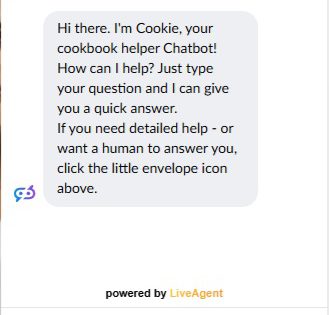
    We have recently introduced a new online chat bot service, named Cookie, to provide immediate answers to cookbook related questions. Using artificial intelligence, it can determine what you’re looking for, and find it in our knowledge base, allowing you to find your answers quicker than ever. If you don’t find your answer, you can always email us and we will respond as soon as we can.

    Built-In Support Makes Cookbook Creation Less Intimidating

    Many people love the idea of creating a family cookbook but worry that the process will be too complicated. The Smart Help Tool gives users guidance when they need it, making it easier to move from scattered recipes to a finished printed cookbook. Whether you are adding your first recipe or preparing your final proof, help is available along the way.

    To access the Cookie chat it, simply click on the help button located on every page of the site.

    We hope you find this new information assistant feature helpful.

    Frequently Asked Questions About the Smart Help Tool

    What is the Family Cookbook Project Smart Help Tool?
    The Smart Help Tool is designed to help Family Cookbook Project users quickly find answers to common questions about creating, editing, organizing, designing, and printing a family cookbook.

    Who can use the Smart Help Tool?
    Cookbook editors and contributors can use the Smart Help Tool when they need help with recipes, photos, categories, layouts, invitations, or other cookbook creation steps.

    What kinds of questions can the Smart Help Tool answer?
    It can help with common cookbook tasks such as adding recipes, inviting contributors, organizing categories, adding photos, choosing covers, previewing pages, and preparing a cookbook for printing.

    Does the Smart Help Tool replace customer support?
    No. The Smart Help Tool is a faster way to get answers to common questions, while additional customer support can still help with more specific issues.

    How does the Smart Help Tool make creating a cookbook easier?
    It gives users guidance while they work, reducing confusion and helping editors keep their cookbook project moving forward.

    Can new users get help before starting a cookbook?
    Yes. The Smart Help Tool can help explain how Family Cookbook Project works and what steps are involved in creating a personal, family, or group cookbook.

    Bill Rice is Founder and Co-Publisher of the Family Cookbook Project, the leading online cookbook publisher with a website that helps families and individuals collect, preserve and share food memories by creating their own printed custom cookbooks. He is the author of The Wellfleet Oyster Cookbook and the Cape Cod Cocktail Cookbook (Available on Amazon), both created using FamilyCookbookProject.com. He is also editor of the Donovan Family Cookbook, now it’s third printing and is an avid genealogist tracing his family back to the 1600’s.

    Follow Family Cookbook Project on Facebook, Instagram, Twitter TikTok, YouTube and Pinterest!

  • How to Create a Family Cookbook: A Step-by-Step Guide

    How to Create a Family Cookbook: A Step-by-Step Guide

    Creating a family cookbook is one of the most meaningful ways to preserve recipes, stories, photos, and memories in one place. Instead of letting favorite dishes sit in recipe boxes, email threads, handwritten cards, or scattered computer files, a family cookbook turns them into a printed keepsake that can be shared for generations.

    The process is easier when you break it into simple steps: gather recipes, invite family members to contribute, organize recipes into categories, select a cover, add photos and personal notes, proofread everything, and order printed copies. Family Cookbook Project was built to make that process manageable, even for families with recipes spread across many households. Here are 8 Helpful Steps to Create a Family Cookbook.

    A good family cookbook does more than list ingredients. It tells the story of the people behind the food. Who made the recipe? When was it served? Was it a holiday favorite, a weeknight staple, or a dish everyone requested at family reunions? Those details help turn a cookbook into a family history book.

    Create your own custom printed cookbookStart With a Clear Cookbook Goal

    Before collecting recipes, decide what kind of cookbook you want to create. Some families want a complete family recipe archive, while others want a holiday cookbook, wedding cookbook, reunion cookbook, memorial cookbook, or collection of recipes from one branch of the family. Having a clear goal helps you decide which recipes to include, who to invite, how to organize the book, and what tone the finished cookbook should have. Check out How Long Does It Take To Make A Cookbook?

    Gather Recipes From Every Source

    Family recipes often live in many places: handwritten cards, recipe boxes, old community cookbooks, emails, text messages, computer files, and memories. Start by making a list of relatives and friends who may have recipes to contribute. Ask for the recipe name, ingredients, directions, contributor name, story behind the recipe, and any photos that can help make the cookbook more personal. Learn how to How to Create a Multi-Part Recipe.

    Invite Family Members to Contribute

    A family cookbook should not have to be built by one person alone. Invite relatives to submit their own recipes and memories so the cookbook reflects the whole family. Family Cookbook Project’s contributor tools make this especially useful because recipes can be collected directly from multiple family members instead of being emailed, retyped, and reorganized by hand. Here are some Tips for Collecting and Organizing Recipes from Multiple Family Members. You can also Add a Co-Editor to a Family Cookbook Project.

    Organize Recipes Into Helpful Categories

    Once recipes start coming in, organize them into categories that make sense for your family. Traditional categories such as appetizers, main dishes, desserts, and breads work well, but custom categories can make the cookbook more personal. You might organize by holiday, family branch, contributor, region, meal type, or special theme. Family Cookbook Project allows custom categories and subcategories, helping you to Organizing Your Recipes in a Family Cookbook.

    Add Stories, Photos, and Personal Notes

    The most memorable family cookbooks include more than recipes. Add short notes about who made each dish, when it was served, why it mattered, and any special family memory connected to it. Photos of relatives, gatherings, finished dishes, handwritten recipe cards, or old kitchens can turn the cookbook from a recipe collection into a family keepsake.

    Choose a Cover and Layout

    Your cookbook cover sets the tone for the entire project. A family tree theme works well for heritage cookbooks, while food photography, family photos, or custom artwork can make the book feel more personal. Inside the cookbook, choose a recipe layout that is easy to read and consistent across the book. You can even choose side-by-side recipe layouts. Recipe layout tools control fonts, ingredients, directions, comments, columns, and photo placement.

    Proofread Before Printing

    Before ordering printed copies, review every recipe carefully. Check ingredient lists, directions, contributor names, spelling, measurements, category placement, photo quality, and page layout. The “Get Ready to Print” article is especially useful because it reminds editors to proofread introductions, review recipes, and check layout before finalizing a cookbook.

    Print and Share the Finished Cookbook

    Once the cookbook is complete, prepare your cookbook for printing, understand cookbook printing costs and even learn how to reduce cookbook printing costs. Printed Cookbooks become wonderful gifts, keepsakes, reunion favors, wedding presents, or holiday treasures. Encourage readers to order enough copies for close family members, contributors, and future gift-giving. Then you need to figure out What To Do Once You’ve Printed Your Family Cookbook.

    Ready to turn your family recipes into a printed keepsake? Start your Family Cookbook Project today and begin collecting, organizing, and preserving the recipes your family loves most.

    Bill Rice is Founder and Co-Publisher of the Family Cookbook Project, the leading online cookbook publisher with a website that helps families and individuals collect, preserve and share food memories by creating their own printed custom cookbooks. He is the author of The Wellfleet Oyster Cookbook and the Cape Cod Cocktail Cookbook (Available on Amazon), both created using FamilyCookbookProject.com. He is also editor of the Donovan Family Cookbook, now its third printing and is an avid genealogist tracing his family back to the 1600’s.

    Follow Family Cookbook Project on Facebook, Instagram, Twitter TikTok, YouTube and Pinterest!

  • From Recipe Boxes to Family Cookbooks: Preserving Your Family’s Culinary Heritage

    From Recipe Boxes to Family Cookbooks: Preserving Your Family’s Culinary Heritage

    Old recipe boxes are filled with more than ingredients. They hold handwriting, memories, holiday traditions, family stories, and dishes that connect one generation to the next. The best way to preserve family recipes is to gather old recipe cards, handwritten notes, clippings, photos, and personal memories, then organize them into a printed family cookbook that can be shared and passed down.

    Quick Answer: To preserve family recipes, collect old recipe cards, handwritten notes, clippings, photos, and family stories. Digitize the recipes, organize them into categories, add memories about the people and occasions behind each dish, and print them in a family cookbook so future generations can cook and share them.

    The Sentimental Value of Recipe Boxes

    For many families, the recipe box is a treasure trove of history. Each card, with its aged paper and distinctive handwriting, tells a story. Perhaps it’s a grandmother’s secret cookie recipe, a father’s special barbecue sauce, or an aunt’s famous casserole. These recipes are more than just instructions for preparing food; they are memories captured in ink, representing the love and care that went into each dish.

    Recipe boxes, however, pose several challenges. They are typically held by one family member, making it difficult for others to access these cherished recipes. The cards can become worn, torn, or faded with age, and the handwriting, while beautiful, can sometimes be difficult to decipher. Despite their sentimental value, recipe boxes are not always practical for preserving and sharing family recipes with a larger audience.

    The Evolution to Family Cookbooks

    To address these challenges, many families are turning to the idea of creating family cookbooks. A family cookbook is a professionally bound collection of recipes that not only preserves the culinary traditions of a family but also makes them accessible to all family members. This modern approach offers numerous benefits:

    1. Durability: Unlike fragile recipe cards, a bound cookbook is sturdy and long-lasting. It can be easily stored and handled without the risk of damaging the original recipes.
    2. Accessibility: A family cookbook can be printed in multiple copies, ensuring that every family member has access to the treasured recipes. This is especially important for geographically diverse families.
    3. Organization: Cookbooks allow for a structured presentation of recipes, often including sections for appetizers, main courses, desserts, and more. This organization makes it easier to find and use the recipes.
    4. Personalization: Modern family cookbooks can include not only recipes but also photos, stories, and anecdotes that bring the recipes to life. Scanned copies of the original handwritten cards can be included, preserving the unique handwriting and personal notes of past generations.

    Creating Your Family Cookbook

    Creating a family cookbook may seem like a daunting task, but with the right tools and resources, it can be a rewarding and enjoyable project. Websites like RecipeCardCookbook.com are specifically designed to help families turn their historic recipe cards into beautifully bound cookbooks. Here’s how you can get started:

    1. Gather the Recipes: Begin by collecting all the family recipes you want to include in the cookbook. This might involve reaching out to various family members to ensure you have a comprehensive collection. Look for handwritten recipe cards, printed recipes, and even digital files.
    2. Scan and Upload: To preserve the original handwriting and notes, scan the handwritten recipe cards. These scanned images can then be uploaded to RecipeCardCookbook.com. This step ensures that the unique character and history of each recipe are maintained.
    3. Organize the Content: Decide how you want to organize your cookbook. You might group recipes by category (e.g., appetizers, main courses, desserts) or by family member. Include sections for family stories, photos, and anecdotes that provide context and enrich the cookbook.
    4. Design and Customize: Use the website’s templates and design tools to customize the look and feel of your cookbook. Choose a cover design, layout, and fonts that reflect your family’s style and traditions. Make sure the title, such as “Recipes from Our Family Tree,” is prominently displayed on the cover.
    5. Proofread and Edit: Before finalizing the cookbook, carefully proofread all the content to ensure accuracy. Check the recipes, photos, and stories for any errors or omissions.
    6. Print and Share: Once you are satisfied with the design, order printed copies of the cookbook. These can be distributed to family members as gifts, ensuring that everyone has a copy of the family’s culinary heritage.

    Family Recipe Preservation Checklist

    Include:

    • Old recipe cards
    • Handwritten recipe notes
    • Newspaper or magazine clippings
    • Recipes written inside old cookbooks
    • Holiday menus
    • Photos of the finished dishes
    • Photos of the cook who made the recipe
    • Family stories connected to the dish
    • Ingredient substitutions
    • Cooking tips not written on the original card
    • Notes about when the recipe was served
    • Regional, ethnic, or cultural background
    • Names of contributors
    • Original source, if known

    Preserve the Handwriting, Not Just the Recipe

    A handwritten recipe card carries more than cooking instructions. The handwriting, spelling, stains, margin notes, and worn edges can remind family members of the person who made the dish. When creating a family cookbook, consider including both the typed version of the recipe and a photo of the original recipe card. That way, the recipe is easy to read, but the original memory is not lost.

    The Impact of a Family Cookbook

    Creating a family cookbook is more than just a way to preserve recipes; it is a way to celebrate and honor your family’s history. It provides a tangible connection to the past, allowing future generations to experience the flavors and traditions that have shaped your family. Each time a family member opens the cookbook to prepare a dish, they are not just following a recipe; they are continuing a legacy.

    Culinary heritage is the food history of a family. It includes the recipes people cooked, the ingredients they used, the holidays they celebrated, the regions they came from, and the traditions they passed down through meals. A family cookbook preserves that heritage by connecting recipes with the people and stories behind them.

    A family cookbook also fosters a sense of connection and continuity among family members. It is a collaborative project that brings the family together, even if they are geographically dispersed. By contributing recipes, photos, and stories, each family member plays a role in preserving and sharing the family’s culinary heritage.

    Getting Started

    From fragile recipe boxes to beautifully bound cookbooks, the evolution of preserving family recipes is a journey that honors the past while embracing the future. By turning historic recipe cards into a professionally bound family cookbook, you ensure that the culinary traditions and memories of your family are preserved and celebrated for generations to come.

    At RecipeCardCookbook.com, we are dedicated to helping families create these treasured heirlooms. Our user-friendly platform makes it easy to gather, organize, and print your family recipes, resulting in a cookbook that is both beautiful and functional. Start your family cookbook project today and share your family’s culinary heritage with loved ones near and far.


    Frequently Asked Questions About Preserving Family Recipes

    How do I preserve old family recipes?
    Start by collecting recipe cards, handwritten notes, clippings, photos, and stories. Digitize the recipes, organize them into categories, and create a printed or digital family cookbook so the recipes can be shared with future generations.

    What is the best way to save handwritten recipe cards?
    Take clear photos or scans of each card, transcribe the recipe into readable text, and save both the typed recipe and an image of the original card.

    Should I include original recipe card images in a family cookbook?
    Yes. Including original recipe card images preserves handwriting, notes, stains, and other personal details that make the recipe meaningful.

    How do I organize recipes from an old recipe box?
    Sort recipes by category, such as appetizers, main dishes, side dishes, desserts, holidays, family member, or cultural tradition. Then create a consistent format for each recipe.

    Why are family recipes important for genealogy?
    Family recipes show what people cooked, where they came from, what ingredients they used, and how traditions were passed down through meals.

    Can I turn old recipe cards into a printed cookbook?
    Yes. You can digitize old recipe cards, add stories and photos, organize the recipes, and print them as a custom family cookbook.

    Ready to rescue those treasured recipes from the old recipe box? Start your cookbook at FamilyCookbookProject.com, upload recipe cards, organize family favorites, add stories and photos, and create a printed family cookbook that preserves your family’s culinary heritage for generations.


    Bill Rice is Founder and Co-Publisher of the Family Cookbook Project, a website that helps families and individuals collect, preserve and share food memories by creating their own printed personal cookbooks. He is the author of The Wellfleet Oyster Cookbook and the Cape Cod Cocktail Cookbook (Available on Amazon), both created using FamilyCookbookProject.com. He is also editor of the Donovan Family Cookbook, now it’s third printing and is an avid genealogist tracing his family back to the 1600’s.

    Follow Family Cookbook Project on Facebook, Instagram, Twitter and Pinterest!

  • How to Collect Recipes from Family Members for a Family Cookbook

    How to Collect Recipes from Family Members for a Family Cookbook

    Collecting recipes from multiple family members is one of the most important steps in creating a family cookbook. The best approach is to set a clear vision, invite contributors, give everyone simple recipe submission guidelines, organize recipes into categories, and use reminders to keep the project moving. With Family Cookbook Project, one editor can manage the cookbook online while family members add recipes, stories, and photos from wherever they live.

    Quick Answer: The easiest way to collect recipes for a family cookbook is to create one central cookbook online, invite family members to contribute, provide clear recipe submission guidelines, organize recipes into categories as they arrive, send reminders before the deadline, and review every recipe for consistency before printing.

    Start with a Clear Family Cookbook Plan

    Before reaching out to your family members, it’s essential to have a clear vision for the cookbook. Think about what you want the final product to look like, including:

    • Theme: Will it focus on a specific type of cuisine, such as holiday recipes or desserts, or will it feature a broad range of family favorites?
    • Size and Scope: How many recipes are you aiming for? Will each family member contribute a certain number of recipes, or will you take a more relaxed approach and accept as many submissions as people are willing to provide?
    • Deadline: If you have a specific occasion in mind (e.g., a family reunion or a holiday gathering), setting a deadline for recipe submissions can keep everyone focused and ensure the cookbook is ready on time.

    Having this foundation in place will make it easier to communicate your goals to your family and keep the project on track.

    Use an Online Cookbook Tool to Collect Recipes

    Using an online tool like FamilyCookbookProject.com can simplify the process of collecting and organizing recipes from multiple contributors. Here’s how to get started:

    • Create a Central Cookbook Online: Once you’ve signed up, create a central family cookbook where everyone can contribute recipes. As the editor, you can manage recipe submissions, assign categories, and oversee the final layout.
    • Send Contributor Invitations: FamilyCookbookProject.com offers a Contributor Invitation tool, allowing you to send personalized invitations to family members. Each contributor can log into the cookbook, submit recipes, and see what others have already added.

    Online platforms not only streamline the collection process but also allow everyone to work at their own pace. Contributors can add their recipes whenever it’s convenient for them, and you can oversee the progress in real-time.

    Give Family Members Clear Recipe Submission Guidelines

    A family cookbook contributor is a relative or friend who submits recipes, stories, photos, or cooking memories to be included in a shared cookbook. To avoid receiving incomplete or inconsistent recipes, set clear expectations from the beginning. Here are a few guidelines you can share with family members:

    • Complete Ingredient Lists: Ask contributors to ensure their recipes include all ingredients, with clear measurements. This reduces the chance of confusion for future readers who might try to make the dish.
    • Detailed Instructions: Encourage family members to include step-by-step instructions for preparing the dish, especially if it’s a more complex recipe. Details like cooking times, temperatures, and specific techniques are essential.
    • Personal Touches: Remind contributors that their personal stories or notes about the recipe can add significant value to the cookbook. Whether it’s the backstory of where the recipe came from or how it became a family favorite, these personal elements can make the cookbook even more special.

    By setting these expectations upfront, you’ll ensure that all the recipes have a consistent and polished feel, making the editing process smoother later on.

    Organize Family Recipes into Cookbook Categories

    Once you’ve started receiving recipes, you’ll want to organize them into categories. Well-organized cookbooks make it easier for users to find the recipe they’re looking for. Here are some common categories you might consider:

    • Appetizers
    • Main Dishes
    • Side Dishes
    • Desserts
    • Beverages
    • Holiday or Special Occasion Recipes
    • Family Favorites
    • Breakfast and Brunch

    You can also create custom categories based on your family’s specific culinary traditions, such as “Grandma’s Recipes” or “Recipes for Family Gatherings.” Organizing recipes into categories as they come in will make the final cookbook feel cohesive and user-friendly.

    Include Recipe Variations, Notes, and Family Preferences

    Many family recipes have evolved over time or have multiple variations depending on who is making the dish. Encourage contributors to add any variations or customization options to their recipes. For example, someone might make a classic pasta dish but use a different sauce or seasoning than another family member.

    This can add depth to your cookbook and create a rich tapestry of culinary traditions within your family. Contributors can add notes like “For a vegetarian version, omit the chicken” or “Grandma always used sour cream, but I prefer yogurt.”

    These details allow your cookbook to reflect the diversity of your family’s cooking styles and preferences, ensuring that future generations have plenty of options when preparing the dishes.

    Recipe Submission Checklist for Family Members

    Include:

    • Recipe name
    • Contributor name
    • Ingredients with measurements
    • Step-by-step instructions
    • Cooking time and temperature
    • Number of servings
    • Recipe category
    • Personal story or memory
    • Photo of the finished dish, if available
    • Original recipe card photo, if available

    Send Recipe Submission Reminders to Contributors

    Some family members may be eager to contribute right away, while others might need a gentle nudge. The Family Cookbook Project platform has a Reminder Tool, which is perfect for keeping everyone engaged and on track.

    • Send Reminders to Specific Contributors: If you know a family member has promised to submit a recipe but hasn’t done so yet, send them a personal reminder. A lighthearted message might be all they need to get motivated.
    • Group Reminders: You can also send reminders to a group of contributors or all contributors at once, especially if the deadline for recipe submissions is approaching.

    Using the reminder tool allows you to maintain momentum without being too pushy. Most people appreciate the reminder, especially if life has gotten busy.

    Add Sample Recipes So Contributors Know What to Submit

    As the project leader, it’s helpful to submit a few sample recipes early in the process. This shows contributors what the final cookbook will look like and provides a template for formatting their own submissions. It’s also a great way to get people excited about contributing their recipes when they see how polished the final product will be.

    If possible, include a mix of different types of recipes (e.g., appetizers, main dishes, desserts) to give contributors an idea of how their recipes will fit into the broader structure of the cookbook.

    Add Family Photos, Recipe Stories, and Food Memories

    In addition to recipes, consider including family photos and personal stories in your cookbook. These might include:

    • •Photos of family gatherings where certain dishes were served.
    • •Pictures of the recipe’s originator (e.g., a beloved grandparent).
    • •Stories or memories related to the dish, such as “This cake was always served at every family birthday party.”

    These touches transform your cookbook into a keepsake that’s about more than just food—it becomes a family heirloom filled with memories and traditions.

    Review and Edit Recipes Before Printing

    Once all the recipes are in, it’s time to review and edit. Ensure that the formatting is consistent across all submissions. Some things to check include:

    • •Consistent Measurement Formats: Make sure all recipes use either standard measurements (cups, teaspoons, etc.) or metric, rather than a mix of both.
    • •Step-by-Step Instructions: Double-check that all recipes include clear, easy-to-follow instructions with no missing steps.
    • •Spelling and Grammar: While you don’t need to be too formal, reviewing the recipes for common spelling errors or awkward phrasing will improve the overall quality of the cookbook.

    FamilyCookbookProject.com makes it easy to edit and format recipes, ensuring the final product is professional and polished.

    Print and Share the Finished Family Cookbook

    Once you’ve collected, organized, and edited all the recipes, it’s time to print your family cookbook! The Family Cookbook Project platform offers options for professionally printed cookbooks that you can gift to contributors or sell to extended family.

    Consider organizing a family gathering to unveil the final cookbook. This could be at a family reunion, holiday event, or even a virtual gathering if family members live far apart. Presenting the cookbook as a finished product is a meaningful way to celebrate the effort everyone put into preserving your family’s culinary traditions.

    Creating a family cookbook that includes contributions from multiple family members is a wonderful way to honor your shared heritage and ensure that treasured recipes are passed down to future generations. By using tools like FamilyCookbookProject.com to manage contributions, setting clear expectations, and adding personal touches like stories and photos, you can create a cookbook that is both functional and deeply meaningful. With these tips in mind, you’ll have a beautifully organized and heartfelt cookbook that your family will cherish for years to come.

    How Family Cookbook Project Helps Collect Recipes from Family Members

    Family Cookbook Project was designed to make group cookbook creation easier. Instead of asking one person to type every recipe, the editor can create a cookbook online and invite relatives to contribute directly. Family members can add their own recipes, include personal notes, and upload photos. The editor can then review submissions, assign categories, adjust formatting, and prepare the cookbook for printing.

    Frequently Asked Questions About Collecting Recipes for a Family Cookbook

    How do I collect recipes from family members for a cookbook?
    The easiest way is to create one central cookbook online, invite family members to contribute, give them clear recipe submission guidelines, and set a deadline for sending recipes, stories, and photos.

    What should family members include when submitting recipes?
    Each recipe should include a recipe name, contributor name, ingredients, measurements, step-by-step directions, cooking time, serving size, category, and any family story or personal note connected to the dish.

    How should I organize recipes in a family cookbook?
    Most family cookbooks are organized by category, such as appetizers, main dishes, side dishes, desserts, breakfast, holiday recipes, and family favorites. Some families also organize recipes by contributor, family branch, or special occasion.

    How many recipes should each family member submit?
    A good starting point is to ask each person to submit three to five favorite recipes. This gives contributors a manageable goal and helps the cookbook include a wide variety of family dishes.

    How do I get relatives to actually submit recipes?
    Make it easy, give examples, send reminders, and explain why their recipes matter. People are more likely to participate when they understand the cookbook is a family keepsake, not just another project.

    Can family members add stories and photos with their recipes?
    Yes. Personal stories and photos make a family cookbook more meaningful by connecting each recipe to the person, memory, holiday, or family tradition behind it.

    Ready to start collecting recipes from your family? Create your cookbook at FamilyCookbookProject.com, invite relatives to contribute, organize recipes into custom categories, and turn everyone’s favorite dishes into a professionally printed family cookbook.

    Bill Rice is Founder and Co-Publisher of the Family Cookbook Project, the leading online cookbook publisher with a website that helps families and individuals collect, preserve and share food memories by creating their own printed custom cookbooks. He is the author of The Wellfleet Oyster Cookbook and the Cape Cod Cocktail Cookbook (Available on Amazon), both created using FamilyCookbookProject.com. He is also editor of the Donovan Family Cookbook, now its third printing and is an avid genealogist tracing his family back to the 1600’s.

    Follow Family Cookbook Project on Facebook, Instagram, X (Twitter) TikTok, YouTube and Pinterest!

  • BBQ Cookbook Ideas: How to Preserve Your Best Grilling Recipes

    BBQ Cookbook Ideas: How to Preserve Your Best Grilling Recipes

    Want to make a BBQ cookbook from your favorite grilling recipes? Start by collecting your best barbecue sauces, rubs, marinades, smoking methods, side dishes, and family cookout favorites. Then organize them into clear cookbook categories, add photos and stories, and turn them into a printed cookbook that preserves your backyard BBQ traditions for the next generation.

    A family cookbook is more than just a collection of recipes. It’s a way to preserve your unique grilling techniques, share your passion with loved ones, and ensure that future generations can enjoy your signature dishes for years to come. Here’s how you can document your barbecue prowess and create a lasting legacy with a family barbecue cookbook.

    Quick Answer: To make a BBQ cookbook, collect your best grilling, smoking, sauce, rub, marinade, side dish, and dessert recipes. Organize them by recipe type, cooking method, meat, season, or family event. Add personal notes, photos, cookout memories, and grilling tips, then use FamilyCookbookProject.com to turn those recipes into a printed custom cookbook.

    Capture the Essence of Your Barbecue Style

    Every barbecue enthusiast has their own grilling style, whether it’s a special rub, secret sauce, or a perfected slow-smoke technique. A family barbecue cookbook is the perfect place to document the nuances that make your grilling special. Are you known for your slow-cooked ribs, your perfectly charred steaks, or your mouthwatering smoked brisket? By writing down your recipes and techniques, you’re preserving the flavors and methods that define your barbecue style.

    Include detailed instructions on everything from how to select the right cuts of meat, how to prepare your grill, and the best way to achieve that perfect smoky flavor. Don’t forget to include your go-to marinades, rubs, and sauces—those finishing touches that make your barbecue legendary.

    Pass Down Your Techniques to Future Generations

    Barbecue is often a family tradition, with skills passed down from one generation to the next. Creating a family barbecue cookbook ensures that your knowledge and techniques don’t get lost over time. You can include step-by-step instructions, tips for managing grill temperature, and even advice on which wood chips pair best with different types of meat.

    By passing down your recipes and methods, you’re not just teaching your family how to cook—you’re teaching them the art of barbecue. This cookbook becomes a way for future generations to connect with your legacy, even if they never had the chance to stand by your grill and learn in person.

    Showcase Family Traditions

    If your family has a tradition of gathering around the grill for special occasions—whether it’s a Fourth of July cookout, a summer reunion, or simply a Sunday afternoon barbecue—your cookbook can become a tribute to these cherished moments. Include recipes from past generations, such as your grandfather’s famous ribs or your uncle’s spicy BBQ sauce. Add personal stories or memories that make each recipe meaningful.

    By incorporating family traditions into your cookbook, you’re creating a historical record of your family’s barbecue legacy. This cookbook becomes more than just a collection of recipes—it’s a reflection of your family’s shared experiences and love for good food.

    Organize Recipes for Every Occasion

    Your family barbecue cookbook can be a versatile resource for all kinds of occasions. From quick weeknight grill sessions to full-blown cookout feasts, you can organize your recipes based on different themes or types of dishes. For example, create sections for:

    • Meats: Ribs, brisket, chicken, steaks, burgers, and seafood
    • Vegetables: Grilled corn, bell peppers, eggplant, and more
    • Rubs and Marinades: Your signature spice mixes and marinade recipes
    • Sides: Coleslaw, potato salad, cornbread, grilled vegetables, etc.
    • Sauces: BBQ sauces, mustard sauces, and more
    • Desserts: Grilled fruit, s’mores, or other sweet treats to finish off the meal

    This kind of organization makes it easy to find the perfect recipe for any grilling session, whether you’re whipping up a quick dinner or planning a feast for a crowd.

    What to Include in a BBQ Cookbook

    A complete BBQ cookbook can include:

    • Grilled beef recipes
    • Pork ribs, pulled pork, and pork shoulder recipes
    • Chicken and turkey recipes
    • Seafood recipes
    • Burgers, hot dogs, and sausage recipes
    • Smoked brisket recipes
    • BBQ sauces
    • Dry rubs
    • Marinades
    • Mop sauces and finishing sauces
    • Grilled vegetable recipes
    • BBQ side dishes
    • Slaws, beans, cornbread, and potato salad
    • Backyard cookout desserts
    • Grilling tips and temperature notes
    • Wood chip or charcoal preferences
    • Photos from family cookouts
    • Stories behind signature recipes

    Don’t Forget the BBQ Details That Make the Recipe Work

    Add details such as:

    • Grill type: gas, charcoal, pellet, smoker, or open fire
    • Cooking temperature
    • Direct or indirect heat
    • Wood type: hickory, apple, cherry, mesquite, oak
    • Cooking time
    • Internal temperature
    • Resting time
    • Sauce timing
    • Whether to wrap in foil or butcher paper
    • Favorite tools or thermometers
    • Serving suggestions

    Add a Personal Touch with Photos and Stories

    One of the most rewarding aspects of creating a family barbecue cookbook is the opportunity to personalize it with photos and stories. Include snapshots of family cookouts, grill setups, and your grilling process. Pair these images with anecdotes—maybe the time you perfected your brisket recipe after countless tries or the funny mishap that happened during a family barbecue.

    By adding personal stories and photos, you’ll make your cookbook a rich, heartfelt document that goes beyond just the recipes. It will capture the spirit of your family’s love for barbecue and the memories you’ve made together around the grill.

    Leave a Lasting Legacy

    A family barbecue cookbook is more than just a resource for cooking—it’s a way to leave a lasting legacy. By documenting your recipes, techniques, and memories, you’re creating something that will be cherished for generations to come. Whether your children, grandchildren, or future family members are just learning to grill or are already seasoned barbecue enthusiasts, they’ll have a piece of you to guide them.

    Your barbecue cookbook becomes a part of your family’s heritage, something that can be passed down, shared, and enjoyed by many. It’s a testament to your love of cooking and your dedication to bringing people together around good food.

    Final Thoughts: Start Your BBQ Legacy Today

    Whether you’re a seasoned pitmaster or just starting to develop your grilling skills, creating a personalized family barbecue cookbook is a rewarding way to document your culinary journey. With each recipe, technique, and story you include, you’re not only sharing your passion for barbecue but also preserving a part of your family’s history.

    At FamilyCookbookProject.com, you can easily compile your barbecue recipes, add personal touches like photos and stories, and design a beautiful cookbook that will become a cherished family heirloom. Start your barbecue legacy today, and give your family the gift of your grilling expertise for years to come.

    How Family Cookbook Project Helps You Create a Custom BBQ Cookbook

    Family Cookbook Project makes it easy to turn your favorite BBQ and grilling recipes into a printed cookbook. You can enter recipes online, organize them into custom categories, add photos and personal stories, choose a cover, and invite family members or grilling friends to contribute their own recipes. Instead of letting your best BBQ ideas live on scraps of paper, phone notes, or memory alone, you can preserve them in a cookbook built to be used and shared.

    Frequently Asked Questions About Creating a BBQ Cookbook

    How do I make a BBQ cookbook?
    Start by collecting your best grilling, smoking, sauce, rub, marinade, side dish, and dessert recipes. Organize them into categories, add cooking notes and photos, then use a custom cookbook service to turn them into a printed cookbook.

    What recipes should I include in a BBQ cookbook?
    Include grilled meats, smoked meats, BBQ sauces, dry rubs, marinades, seafood, vegetables, side dishes, desserts, drinks, and family cookout favorites.

    How should I organize a BBQ cookbook?
    You can organize a BBQ cookbook by recipe type, meat, cooking method, season, family event, or contributor. Common categories include Sauces & Rubs, Beef, Pork, Chicken, Seafood, Sides, and Family Favorites.

    Should I include BBQ techniques in my cookbook?
    Yes. BBQ recipes are easier to recreate when you include grill temperature, cooking time, internal temperature, wood type, sauce timing, and resting instructions.

    Can I make a BBQ cookbook with recipes from family and friends?
    Yes. A group BBQ cookbook can include recipes from relatives, neighbors, tailgate friends, grilling clubs, or anyone who has a favorite cookout recipe to share.

    Why make a printed BBQ cookbook?
    A printed BBQ cookbook preserves recipes, cooking tips, photos, and family stories in a format that can be used at the grill, shared as a gift, or passed down to future generations.

    Ready to turn your best BBQ recipes into something more permanent than a sauce-stained index card? Start your cookbook at FamilyCookbookProject.com, organize your grilling recipes into custom categories, add family stories and photos, and create a printed BBQ cookbook worth passing around at every cookout.

    Bill Rice is Founder and Co-Publisher of the Family Cookbook Project, the leading online cookbook publisher with a website that helps families and individuals collect, preserve and share food memories by creating their own printed custom cookbooks. He is the author of The Wellfleet Oyster Cookbook and the Cape Cod Cocktail Cookbook (Available on Amazon), both created using FamilyCookbookProject.com. He is also editor of the Donovan Family Cookbook, now its third printing and is an avid genealogist tracing his family back to the 1600’s.

    Follow Family Cookbook Project on Facebook, Instagram, Twitter TikTok, YouTube and Pinterest!
  • Preserving Your BBQ Legacy: Tips for Making a Custom Barbecue Cookbook

    Preserving Your BBQ Legacy: Tips for Making a Custom Barbecue Cookbook

    Barbecue enthusiasts know that grilling and smoking meat is more than just a cooking method—it’s a passion, a tradition, and a way to bring people together. Creating a barbecue cookbook is a fantastic way to document your favorite recipes, share your techniques, and preserve your culinary legacy. Whether you’re looking to publish your cookbook for sale on Amazon or to give as a unique gift to family and friends, FamilyCookbookProject.com provides all the tools you need to make this dream a reality. Here’s how to create a great barbecue cookbook, step by step.

    Taking Photos of Your Barbecue

    High-quality photos are essential for a great barbecue cookbook. Here are some tips for taking mouth-watering photos of your barbecue:

    1. Use Natural Light: Whenever possible, shoot your food in natural light. Avoid harsh, direct sunlight and opt for softer, diffused light. Early morning or late afternoon light is often ideal.
    2. Focus on Presentation: Arrange your food neatly on the plate. Garnish with fresh herbs or side dishes to add color and contrast. Clean any drips or spills around the plate for a polished look.
    3. Show the Process: Include step-by-step photos of your cooking process. Shots of marinating, grilling, and plating add depth to your recipes and make them easier to follow.
    4. Use a Good Camera: While smartphone cameras have come a long way, using a DSLR or mirrorless camera with a good lens can significantly improve your photos’ quality.
    5. Edit Thoughtfully: Use photo editing software to adjust brightness, contrast, and color balance. Avoid over-editing, as you want your food to look natural and appetizing.

    Structuring Your Cookbook

    A well-organized cookbook is easier to navigate and more enjoyable to read. Consider including the following chapters:

    1. Introduction: Share your barbecue journey, your passion for grilling, and what inspired you to create this cookbook.
    2. Barbecue Basics: Cover the fundamentals of barbecue, including types of grills, essential tools, and safety tips.
    3. Marinades, Rubs, and Sauces: Include recipes for your favorite marinades, dry rubs, and sauces. These are the foundations of great barbecue flavor.
    4. Appetizers and Sides: Offer recipes for appetizers and side dishes that complement your barbecue, such as grilled vegetables, salads, and cornbread.
    5. Main Courses: This is the heart of your cookbook. Include recipes for different cuts of meat, poultry, and seafood, with detailed instructions on grilling and smoking.
    6. Vegetarian Options: Don’t forget to include some vegetarian barbecue recipes. Grilled vegetables, tofu, and plant-based burgers are becoming increasingly popular.
    7. Desserts: Yes, you can grill desserts too! Include recipes for grilled fruits, s’mores, and other sweet treats.
    8. Beverages: Suggest beverages that pair well with your barbecue, such as craft beers, cocktails, and refreshing non-alcoholic drinks.

    The Importance of Personal Notes

    Adding personal notes to each recipe makes your cookbook more engaging and memorable. Here’s why personal notes are important:

    1. Storytelling: Share the story behind each recipe. How did you discover it? Why is it special to you? Personal anecdotes create a connection with the reader.
    2. Tips and Tricks: Include any tips or tricks you’ve learned over the years. This could be a secret ingredient, a technique for perfecting a dish, or advice on troubleshooting common problems.
    3. Variations: Offer suggestions for variations on the recipe. This could include different marinades, alternative ingredients, or ways to adjust the recipe for dietary restrictions.

    How Many Recipes Should Your Cookbook Have?

    The number of recipes in your cookbook can vary depending on your goals. Here are some guidelines:

    1. Small Batch: For a gift or family project, 20-40 recipes is a good range. This keeps the cookbook manageable and personal.
    2. Comprehensive Guide: If you’re aiming for a more extensive publication, 50-100 recipes provide a robust collection without being overwhelming.
    3. Specialized Focus: If your cookbook focuses on a specific aspect of barbecue (e.g., sauces and rubs, smoked meats), 30-50 recipes can offer enough variety while staying on theme.

    Using FamilyCookbookProject.com

    FamilyCookbookProject.com simplifies the process of creating your barbecue cookbook. Here’s how it works:

    1. Sign Up and Create: Start by creating an account on FamilyCookbookProject.com. Choose a title and layout that reflects your barbecue style.
    2. Enter Recipes: Gather your recipes and enter them into the platform. You can also invite friends and family to contribute their favorite barbecue recipes, making the project collaborative.
    3. Customize Design: Use the design tools to customize your cookbook. Add photos, personal notes, and any other elements that make your cookbook unique.
    4. Review and Edit: Proofread your recipes and make any necessary edits. Ensure consistency in measurements, terminology, and instructions.
    5. Print and Publish: Once you’re satisfied with your cookbook, use FamilyCookbookProject.com’s printing services to create high-quality copies. You can also list your cookbook for sale on Amazon, complete with an ISBN number.

    A One-of-a-Kind Gift

    A personalized barbecue cookbook makes a fantastic gift for family and friends. It’s a thoughtful, unique present that shows you’ve put time and effort into creating something special. Whether it’s for holidays, birthdays, or just because, a custom cookbook is a gift that will be cherished for years to come.

    Creating a great barbecue cookbook is a rewarding project that allows you to document your passion, share your expertise, and preserve your culinary legacy. With FamilyCookbookProject.com, you have all the tools you need to create a professional-quality cookbook, whether you want to sell it online or give it as a unique gift. Start your barbecue cookbook project today and turn your backyard passion into a beautifully bound collection of recipes that can be enjoyed for generations.

    Bill Rice is Founder and Co-Publisher of the Family Cookbook Project, a website that helps families and individuals collect, preserve and share food memories by creating their own printed personal cookbooks. He is the author of The Wellfleet Oyster Cookbook and the Cape Cod Cocktail Cookbook (Available on Amazon), both created using FamilyCookbookProject.com. He is also editor of the Donovan Family Cookbook, now it’s third printing and is an avid genealogist tracing his family back to the 1600’s.

    Follow Family Cookbook Project on Facebook, Instagram, Twitter and Pinterest!

  • A Closer Look at the Family Cookbook Project App: Features to Make Cooking Easier

    A Closer Look at the Family Cookbook Project App: Features to Make Cooking Easier

    The Family Cookbook Project app is more than just a digital cookbook—it’s a powerful tool designed to help you streamline your cooking experience, stay organized, and keep your family recipes at your fingertips no matter where you are. Whether you’re at the grocery store, in the middle of meal prep, or looking for inspiration from the Family Cookbook Project blog, this app has you covered.

    In this post, we’ll walk you through all the amazing features of the Family Cookbook Project app, and how it can make your cooking experience more efficient, enjoyable, and connected to your family’s culinary traditions.

    View Your Recipes at the Grocery Store

    One of the most convenient features of the Family Cookbook Project app is the ability to access your recipes on the go—especially at the grocery store. No more worrying about forgetting an ingredient or trying to recall the details of a recipe while shopping. With the app, you can easily pull up any recipe and check ingredient lists in real time as you navigate the aisles.

    • How It Helps:
    When you’re at the grocery store and unsure of whether you have all the ingredients for that family-favorite lasagna, just open the app and check the recipe. You’ll save time, avoid buying duplicates, and ensure you never miss a key ingredient again.
    • Bonus Tip:
    You can create a shopping list from your recipes by listing out the ingredients you need, making your trip to the store even more efficient.

    Update Recipes While Cooking

    The ability to update recipes in real time as you cook is a game-changer. Whether you’re adjusting a recipe to suit your preferences, making a note of a successful substitution, or adding extra steps, you can now update your family’s treasured recipes directly from the app.

    • How It Helps:
    Have you made a slight tweak to Grandma’s meatloaf recipe that worked out perfectly? With the app, you can make those updates right in the middle of your cooking process. This means your recipes will always reflect the latest adjustments and improvements, ensuring they’re as accurate and helpful as possible for future use.
    • Bonus Tip:
    As you experiment in the kitchen, document your successful modifications in the recipe notes section, so you don’t have to rely on memory the next time you cook.

    Add Photos to Existing Recipes

    A picture is worth a thousand words, and adding photos to your recipes is a great way to enhance the visual appeal and clarity of your cookbook. The Family Cookbook Project app allows you to upload photos directly to existing recipes, whether you want to show the finished dish, capture a step in the cooking process, or even include a family photo related to the recipe’s story.

    • How It Helps:
    Adding photos gives your family cookbook a more personalized and professional feel. Visual references are especially helpful for recipes with specific techniques or presentation styles. You can upload photos in just a few taps, making it easy to build a visual archive of your family’s culinary creations.
    • Bonus Tip:
    Encourage your family members to do the same! Each time someone cooks a family dish, they can snap a photo and add it to the shared cookbook, making the collection even richer over time.

    View Blog Posts for Tips and Inspiration

    The Family Cookbook Project app also gives you easy access to the latest blog posts from FamilyCookbookProject.com. These posts are packed with tips, ideas, and inspiration to help you get the most out of your custom cookbook and continue your culinary adventures.

    • How It Helps:
    Whether you’re looking for advice on organizing your recipes, inspiration for themed cookbooks, or tips on making your cookbook a family keepsake, the blog posts provide valuable insights and new ideas. You can stay updated on trends and find fresh ways to enhance your family’s cookbook, all from within the app.
    • Bonus Tip:
    Bookmark or save your favorite blog posts so you can easily refer back to them when you need a creative boost for your next cookbook project.

    Watch Family Cookbook Project YouTube Videos

    Sometimes, you need a little more than written instructions or blog posts to get the most out of your cooking or cookbook project. The Family Cookbook Project app lets you watch YouTube videos directly from FamilyCookbookProject.com, providing you with helpful tutorials, tips, and inspiration in video format.

    • How It Helps:
    Whether you’re learning how to create the perfect layout for your cookbook or watching a video on how to organize recipes, these videos provide easy-to-follow guidance. Videos are a great way to visually learn new tips or get inspired by others who have successfully completed their cookbook projects.
    • Bonus Tip:
    Explore the video library for practical tips and fun ideas to make your family cookbook even more special.

    A Digital Cookbook That Does More

    The Family Cookbook Project app is designed to be a versatile tool that supports your cooking, organizing, and recipe-sharing efforts, all while keeping your family’s culinary heritage alive. From the convenience of checking your recipes at the grocery store to updating them in real time as you cook, the app makes it easy to manage and enhance your family cookbook from anywhere.

    Ready to get started? Download the Family Cookbook Project app today and take your cooking—and your family’s recipes—to the next level!


    Bill Rice is Founder and Co-Publisher of the Family Cookbook Project, the leading online cookbook publisher with a website that helps families and individuals collect, preserve and share food memories by creating their own printed custom cookbooks. He is the author of The Wellfleet Oyster Cookbook and the Cape Cod Cocktail Cookbook (Available on Amazon), both created using FamilyCookbookProject.com. He is also editor of the Donovan Family Cookbook, now it’s third printing and is an avid genealogist tracing his family back to the 1600’s.

    Follow Family Cookbook Project on Facebook, Instagram, Twitter TikTok, YouTube and Pinterest!


  • Family Recipes and Genealogy: How Food Brings Ancestors to Life

    Family Recipes and Genealogy: How Food Brings Ancestors to Life

    Genealogy often begins with names, dates, and places. A birth certificate shows where someone entered the world. A census record tells us where they lived and who shared their household. A marriage record connects one branch of the family tree to another. These documents are valuable, but they can also feel a little flat. They tell us that our great-grandmother existed, but they rarely tell us what made her laugh, what she served on Sunday, what she packed for a church supper, or what dish made everyone gather in the kitchen before dinner was ready.

    That is where family recipes come in. Family recipes are valuable genealogy records because they reveal cultural traditions, migration patterns, everyday life, family relationships, and personal memories that official documents rarely capture. Recipes can help genealogists understand migration, cultural identity, economic conditions, religious customs, and family routines.

    For genealogists, recipes are more than instructions for preparing food. They are clues. They are cultural records. They are edible memories. A handwritten recipe card, a stained church cookbook, or a favorite holiday dish can reveal where a family came from, how they lived, what they valued, and how traditions moved from one generation to the next.

    Creating a family cookbook is one of the most meaningful ways to preserve that information. A genealogy-inspired family cookbook combines recipes, handwritten cards, family stories, photos, and ancestor information into one shareable family-history keepsake. It gathers family recipes, stories, photos, and memories into one place, giving future generations something far richer than a list of ancestors. It gives them a taste of family history.

    Quick Answer: Family recipes help genealogists bring ancestors to life by revealing what people cooked, where they came from, how they celebrated, what ingredients they used, and which traditions they passed down. A family cookbook can preserve recipes, handwritten cards, photos, stories, and oral history in one place for future generations.

    Food Tells the Story Behind the Family Tree

    Most genealogy research focuses on facts: names, dates, locations, occupations, military service, immigration records, and family relationships. These are the bones of family history. Recipes add the heart.

    A recipe can tell you what ingredients were available to your ancestors. It can hint at their economic circumstances, regional traditions, religious customs, ethnic background, and family routines. A simple soup recipe may reflect a farming family that wasted nothing. A holiday bread may point to Eastern European roots. A seafood stew may reveal a coastal upbringing. A casserole may say a lot about mid-century American home cooking, church suppers, and feeding a large family on a budget.

    Food is often one of the last traditions families hold onto after moving to a new place. A family may lose the language of their homeland over time, change the spelling of their name, and move far from where earlier generations lived. But the recipes often remain. The cookies still appear at Christmas. The dumplings still show up at reunions. The sauce is still made “the way Grandma made it,” even if nobody remembers exactly which village Grandma came from.

    That makes recipes especially valuable to genealogists. They preserve family identity in a way official records cannot.

    Recipes Can Reveal Migration and Cultural Roots

    One of the most fascinating parts of genealogy is tracing how families moved. Recipes often travel with them.

    A family cookbook can show how food traditions changed as ancestors moved from one country to another, from rural farms to cities, or from one region of the United States to another. A family with Italian roots may have tomato sauce recipes that changed after arriving in America because different ingredients were available. A Southern family may have cornbread, greens, and barbecue recipes that reflect regional history. A New England family may have clam chowder, baked beans, or cranberry dishes connected to local ingredients and customs.

    Sometimes a recipe’s name gives genealogists a clue. A dish called “Nana’s Polish Pierogi,” “Aunt Rose’s Kugel,” “Grandpa’s Swedish Meatballs,” or “Memere’s Tourtiere” points directly toward cultural heritage. Even when the recipe has been adapted over time, it can still open the door to deeper research.

    Genealogists can use these recipes as starting points. Where did this dish come from? Was it common in a certain region? Did it appear in immigrant communities? Was it connected to a holiday, religious observance, or family celebration? Suddenly, one recipe becomes a path into history.

    Handwritten Recipes Preserve Personality

    Genealogy is filled with typed records, official forms, and digital databases. A handwritten recipe is different. It feels personal.

    The handwriting itself can become a treasured connection. Seeing a grandmother’s cursive or a father’s quick notes in the margin gives descendants a direct link to that person. Smudges, stains, substitutions, and little comments tell their own story. A recipe card marked “double for Thanksgiving” or “John likes extra cinnamon” brings a person into focus.

    These details matter because genealogy is not just about proving lineage. It is about understanding people. A family cookbook can preserve those human details before they disappear.

    When creating a family cookbook, include scans or photos of original recipe cards whenever possible. Type the recipe so it is easy to read and use, but also preserve the original image. That way, future generations get both the practical recipe and the emotional connection.

    A typed recipe tells someone how to make the pie. A photo of the old recipe card shows them whose hands made it first.

    Family Stories Make Recipes More Valuable

    A recipe becomes much more powerful when paired with a story.

    Instead of simply listing “Grandma’s Apple Cake,” include a short note explaining when she made it. Was it served after Sunday dinner? Did she bring it to every family reunion? Did she bake it when grandchildren visited? Was it made from apples grown in the backyard? Did someone always sneak a slice before dessert?

    These stories turn recipes into family history.

    Genealogists should encourage relatives to share memories connected to food. Ask questions such as:

    • What dish do you remember most from your childhood?
    • Who was the best cook in the family?
    • What food appeared at every holiday?
    • Were there recipes connected to your family’s country of origin?
    • Did anyone have a signature dish?
    • What did your family eat during hard times?
    • Were there foods your parents or grandparents made from scratch?
    • Which recipes were passed down, and which were written down later?
    • Who taught you to make this recipe?
    • Was this recipe served for a holiday, Sunday dinner, or special event?
    • Did the recipe change after the family moved?
    • Was this dish connected to a country, region, religion, or family tradition?
    • Was it considered an everyday meal or a special-occasion dish?
    • Did anyone in the family have a signature recipe?
    • Are there old recipe cards, clippings, or community cookbooks we should preserve?
    • What recipe reminds you most of your parents or grandparents?

    The answers can reveal details that never appear in public records. They can show who hosted family gatherings, how holidays were celebrated, what children loved, and how families cared for one another.

    Recipes Show Daily Life, Not Just Major Events

    Genealogy often focuses on major life events: births, marriages, deaths, military service, immigration, and property ownership. Recipes show daily life.

    They show what people ate on ordinary Tuesdays. They reveal how families stretched food during the Great Depression, wartime rationing, or lean financial years. They show how home cooks adapted to changing technology, from wood stoves to electric ovens, from iceboxes to refrigerators, from handwritten cards to online recipes.

    A family cookbook can include both special occasion dishes and everyday meals. The everyday recipes may be the most revealing. A pot roast recipe, a lunchbox cookie, a breakfast casserole, or a simple vegetable dish can say a lot about the rhythm of family life.

    For genealogists, these details help fill in the spaces between official documents. They answer the question, “What was life actually like?”

    Genealogy Recipe Research Checklist

    When using family recipes for genealogy, look for:

    • The name of the person connected to the recipe
    • The original handwritten recipe card
    • Notes in the margins
    • Ingredient names that may reflect a region or culture
    • Old measurements such as “pinch,” “teacup,” or “moderate oven”
    • Holiday or religious connections
    • Family reunion, church supper, or community cookbook sources
    • Immigration or regional food clues
    • Stories from relatives about when the dish was served
    • Photos of the person, place, or gathering connected to the recipe
    • Changes made after migration or relocation
    • Who still makes the recipe today

    Family Cookbooks Help Preserve Oral History

    Many family recipes are never written down. They live in memory. Someone knows how much flour to add “until it feels right.” Someone else knows the sauce needs “a little more of this” but never measures it. These recipes are especially vulnerable because they can vanish when the person who knows them is gone.

    Creating a family cookbook gives families a reason to capture those recipes now.

    Interview older relatives. Cook with them. Record their process. Take photos. Ask them to explain the steps, even the ones they think are obvious. Many family recipes are filled with assumed knowledge, such as the size of a “small can,” the meaning of a “moderate oven,” or how long to knead dough.

    Writing these details down is an act of preservation. It protects not only the recipe but also the voice, habits, and wisdom of the person who carried it.

    Photos Make the Cookbook Even More Meaningful

    A family cookbook can become a powerful genealogy resource when it includes photos. These can be photos of the finished dishes, but they can also be images of the people, places, and gatherings connected to the recipes.

    Include a picture of Great-Grandma next to her famous rolls. Add a photo of the old family farmhouse beside the pickling recipe. Place a reunion photo near the potato salad everyone remembers. Use wedding photos near anniversary cake recipes or holiday photos beside traditional Christmas cookies.

    These pairings help readers understand that recipes are part of a larger family story.

    For younger family members, this can make genealogy much more approachable. Not everyone gets excited about census records, but almost everyone can connect with a photo, a story, and a recipe for something delicious. Genealogy becomes less like homework and more like being invited to dinner. A much better strategy, honestly.

    A Family Cookbook Creates a Shareable Genealogy Keepsake

    One challenge genealogists often face is how to share their research with relatives. A detailed family tree may be important, but not every family member will read a long genealogy report. A family cookbook is different. It is useful, personal, and easy to enjoy.

    People will open it. They will cook from it. They will give it as a gift. They will pass it around at reunions. They will tell stories while looking through it.

    That makes a family cookbook one of the most accessible forms of family history. It can include a family tree, short ancestor profiles, old photos, immigration stories, and regional notes alongside the recipes. It does not need to replace traditional genealogy research. It can make that research more inviting.

    A cookbook also gives relatives a reason to contribute. Some family members may not have old documents or genealogy knowledge, but they may have a recipe, a memory, or a photo. That contribution helps them become part of the preservation process.

    What to Include in a Genealogy-Inspired Family Cookbook

    A family history cookbook can include:

    • Family recipes
    • Recipe contributor names
    • Photos of original recipe cards
    • Typed versions of handwritten recipes
    • Short ancestor profiles
    • Family tree charts
    • Immigration stories
    • Regional food notes
    • Holiday traditions
    • Church supper or community cookbook recipes
    • Photos of relatives, homes, farms, kitchens, and gatherings
    • Stories about who cooked each dish and when it was served
    • Notes about how recipes changed over time

    How Family Cookbook Project Helps Genealogists Preserve Food History

    Family Cookbook Project makes it easy to gather, organize, and print family recipes in a professional cookbook that can be shared for generations. Recipes can be entered online, organized into custom categories, and enhanced with family stories and photos. Families can invite relatives to contribute their own recipes, making the cookbook a shared project rather than one person’s burden.

    For genealogists, this is especially helpful. You can create categories based on family branches, regions, holidays, generations, or recipe types. You can include contributor names, recipe notes, family memories, and photos that connect the food to the people who made it.

    Family Cookbook Project also allows families to turn scattered materials into something lasting. Instead of recipes being tucked into drawers, hidden in email threads, or stored on fading cards, they can become part of a printed keepsake cookbook.

    That printed book becomes more than a collection of meals. It becomes a family history document.

    Preserve Handwritten Recipe Cards Alongside Typed Recipes

    For genealogy purposes, the original recipe card is part of the historical record. The handwriting, spelling, stains, crossed-out measurements, and margin notes may reveal as much as the ingredients. In a family cookbook, include a clear typed recipe for cooking and a photo of the original card for memory and documentation.

    If your genealogy research has uncovered handwritten recipe cards, newspaper clippings, or old community cookbook pages, Family Cookbook Project’s Smart Recipe Converter AI can help turn recipe photos into editable text. That makes it easier to preserve the original image while also creating a clean, readable version for your family cookbook.

    Start With One Recipe

    Creating a genealogy-inspired family cookbook does not have to be overwhelming. Start with one recipe. Choose a dish that reminds you of someone. Write down the recipe. Add the person’s name. Include a story. Find a photo if you can.

    Then add another.

    Before long, you are not just collecting recipes. You are preserving voices, memories, traditions, and family identity.

    Genealogy tells us where we came from. Recipes help us understand how our ancestors lived, gathered, celebrated, struggled, adapted, and loved. A family cookbook brings those stories together in a way future generations can hold, read, cook from, and cherish.

    Because sometimes the best way to meet your ancestors is not only through a record book.

    Sometimes, it is through a recipe card covered in flour.

    Ready to turn your family recipes into a genealogy keepsake? Start your cookbook at Family Cookbook Project, invite relatives to contribute recipes and stories, add photos of original recipe cards, and create a printed family cookbook that brings your ancestors’ food traditions to life.

    Frequently Asked Questions About Family Recipes and Genealogy

    How can family recipes help with genealogy?
    Family recipes can reveal cultural roots, migration patterns, family traditions, religious customs, economic circumstances, and everyday details that official records often leave out.

    Are handwritten recipe cards useful for family history?
    Yes. Handwritten recipe cards preserve handwriting, personal notes, ingredient choices, substitutions, stains, and small details that can help descendants feel connected to the person who used the recipe.

    What should genealogists ask relatives about family recipes?
    Ask who made the recipe, when it was served, where it came from, whether it changed over time, and what family memories are connected to it.

    Can a family cookbook include genealogy information?
    Yes. A family cookbook can include recipes, family stories, photos, family trees, ancestor profiles, immigration notes, and regional food history.

    Why are recipes important for preserving family history?
    Recipes show how families lived, celebrated, adapted, and passed traditions from one generation to the next. They add personality and daily life to names, dates, and records.

    How do I preserve old recipe cards in a family cookbook?
    Take a clear photo or scan of each card, type the recipe into a readable format, add the contributor’s name and story, and include both the typed recipe and original card image in the cookbook.


    Bill Rice is Co-Publisher of the Family Cookbook Project, a website that helps families and individuals collect, preserve and share food memories by creating their own printed personal cookbooks. He is the author of The Wellfleet Oyster Cookbook (Available on Amazon) and the Cape Cod Cocktail Cookbook, both created using FamilyCookbookProject.com. He is also editor of the Donovan Family Cookbook, now its third printing and is an avid genealogist tracing his family back to the 1600’s.

    Follow Family Cookbook Project on Facebook, Instagram, X (Twitter) and Pinterest!

  • Potato Perfection: A Guide to the Best Types for Every Recipe

    Potato Perfection: A Guide to the Best Types for Every Recipe

    Potatoes are one of the most versatile and beloved ingredients in the kitchen, appearing in countless dishes across cuisines. From crispy fries to creamy mashed potatoes, the humble potato is a pantry staple that can be transformed into a variety of delicious meals. However, not all potatoes are created equal—different types of potatoes have unique textures, starch levels, and flavors, making them better suited for certain cooking methods.

    In this article, Family Cookbook Project explores the most common types of potatoes, their characteristics, and the best ways to cook them for mouthwatering results.

    The Main Categories of Potatoes

    Potatoes are generally classified into three categories based on their starch content:  starchy ,  waxy , and  all-purpose . Understanding the difference between these categories is key to choosing the right potato for your recipe.

    • –  Starchy Potatoes : These potatoes are high in starch and low in moisture, making them ideal for baking, frying, and mashing. They have a fluffy texture when cooked.
    • –  Waxy Potatoes : These potatoes have low starch content and hold their shape well when cooked, making them perfect for boiling, roasting, and using in salads. They have a firmer, creamier texture.
    • –  All-Purpose Potatoes : As the name suggests, these potatoes have a medium starch content, making them versatile and suitable for most types of cooking. They fall somewhere between starchy and waxy potatoes in texture.

    Russet Potatoes

    –  Category : Starchy

    –  Best For : Baking, frying, and mashing.

    –  Texture : Fluffy and dry when cooked.

    Cooking Methods :

    –  Baking : Russet potatoes are the classic choice for baked potatoes due to their high starch content. Their fluffy interior pairs well with toppings like butter, sour cream, and chives.

    –  Frying : Russets are also the best choice for fries and chips because their starch helps them crisp up perfectly when fried.

    –  Mashing : Their fluffy texture makes them ideal for smooth, creamy mashed potatoes, especially when combined with butter and cream.

    Tip : Russet potatoes are not ideal for boiling or roasting because they can fall apart easily due to their low moisture content.

    Yukon Gold Potatoes

    –  Category : All-purpose

    –  Best For : Roasting, boiling, mashing, and frying.

    –  Texture : Creamy and smooth with a slightly buttery flavor.

    Cooking Methods :

    –  Roasting : Yukon Golds have a thin skin and creamy texture, making them ideal for roasting. They develop a crispy exterior and soft interior when roasted with olive oil and herbs.

    –  Boiling : These potatoes hold their shape well when boiled, making them a great choice for potato salads or boiled side dishes.

    –  Mashing : Their creamy texture makes them an excellent option for mashed potatoes that don’t require as much butter or cream as Russets.

    Tip : Yukon Golds are a versatile choice if you’re unsure which potato to use, as they perform well in most cooking methods.

    Red Potatoes

    –  Category : Waxy

    –  Best For : Boiling, roasting, and potato salads.

    –  Texture : Firm and moist with a thin skin.

    Cooking Methods :

    –  Boiling : Red potatoes hold their shape well when boiled, making them perfect for soups, stews, and potato salads. They have a creamy, dense texture that stays intact.

    –  Roasting : Red potatoes are great for roasting. Their thin skin crisps up beautifully, and their creamy interior stays intact, offering a delicious contrast in texture.

    –  Salads : Because they don’t fall apart easily, red potatoes are often used in potato salads, where they retain their shape and texture even when tossed with dressing.

    Tip : Red potatoes are not the best for mashing, as their firm texture won’t result in the same fluffy consistency as starchy varieties.

    Fingerling Potatoes

    –  Category : Waxy

    –  Best For : Roasting, grilling, and potato salads.

    –  Texture : Firm and creamy with a unique shape.

    Cooking Methods :

    –  Roasting : Fingerling potatoes, with their small, elongated shape, are perfect for roasting. Their firm texture and thin skin allow them to crisp up on the outside while staying creamy on the inside.

    –  Grilling : Because of their size and shape, fingerlings are great for grilling. Toss them in olive oil and herbs, then grill them until crispy and tender.

    –  Salads : These potatoes hold up well when boiled or roasted, making them ideal for use in warm potato salads with vinaigrette.

    Tip : Fingerling potatoes are often enjoyed whole, with minimal seasoning, to let their natural buttery flavor shine.

    New Potatoes (Baby Potatoes)

    –  Category : Waxy or all-purpose (depending on the variety)

    –  Best For : Boiling, roasting, and grilling.

    –  Texture : Firm and moist with thin skin.

    Cooking Methods :

    –  Boiling : New potatoes are perfect for boiling because they are small, tender, and have a sweet, fresh flavor. They’re great for potato salads or simply tossed with butter and herbs as a side dish.

    –  Roasting : When roasted, new potatoes develop a crispy skin and soft interior, making them an ideal side dish for any meal.

    –  Grilling : Their small size and firm texture make them easy to grill. Skewer them or cook them in a foil packet for a smoky, charred flavor.

    Tip : Because new potatoes are harvested early, they have a sweeter, more delicate flavor compared to fully mature potatoes.

    Purple Potatoes

    –  Category : All-purpose

    –  Best For : Roasting, grilling, and boiling.

    –  Texture : Firm and slightly nutty with a vibrant purple color.

    Cooking Methods :

    –  Roasting : Purple potatoes are excellent for roasting. Their firm texture and bright color make them a visually appealing and delicious side dish.

    –  Boiling : Purple potatoes hold their shape well when boiled, making them great for potato salads or colorful side dishes.

    –  Grilling : Their unique color and firm texture make purple potatoes ideal for grilling, adding a pop of color to any plate.

    Tip : Purple potatoes are not as commonly used, but their beautiful color and firm texture make them a fun and flavorful addition to salads or roasted vegetable dishes.

    Sweet Potatoes

    –  Category : Starchy

    –  Best For : Baking, roasting, and mashing.

    –  Texture : Sweet, soft, and moist.

    Cooking Methods :

    –  Baking : Sweet potatoes are perfect for baking because of their natural sweetness and high starch content. Bake them whole and top with butter, cinnamon, or brown sugar for a delicious and nutritious side.

    –  Roasting : Cut sweet potatoes into cubes, toss them in olive oil and spices, and roast them for a caramelized, crispy exterior and soft interior.

    –  Mashing : Sweet potatoes make a delicious alternative to regular mashed potatoes, offering a naturally sweet flavor and creamy texture. Add butter, maple syrup, or spices like cinnamon for extra flavor.

    Tip : Sweet potatoes can also be used in desserts, such as pies or sweet potato casseroles, thanks to their natural sweetness.

    Which Potatoes Don’t Work Well for Certain Cooking Methods?

    While some potatoes are incredibly versatile, others don’t work well for every cooking method. Here are a few potatoes to avoid for specific types of cooking:

    –  Avoid using Russet potatoes for boiling or in potato salads . Their high starch content makes them fall apart easily and turn mushy when boiled.

    –  Avoid using waxy potatoes like red or fingerling for mashed potatoes . They tend to be too firm and dense, making them less ideal for the fluffy texture you want in mashed potatoes.

    Final Thoughts: Choosing the Right Potato for Your Dish

    When it comes to cooking with potatoes, choosing the right type is key to achieving the best texture and flavor. Whether you’re making crispy fries, creamy mashed potatoes, or a hearty potato salad, knowing which potatoes work best for each cooking method will help you create delicious, satisfying meals every time.

    So, the next time you’re at the grocery store or farmer’s market, pick the right potato for your recipe, and let the magic of this versatile vegetable elevate your cooking!


    Bill Rice is Founder and Co-Publisher of the Great Family Cookbook Project, a website that helps families and individuals collect, preserve and share food memories by creating their own printed personal cookbooks. He is the author of The Wellfleet Oyster Cookbook and the Cape Cod Cocktail Cookbook (Available on Amazon), both created using FamilyCookbookProject.com. He is also editor of the Donovan Family Cookbook, now it’s third printing and is an avid genealogist tracing his family back to the 1600’s.

    Follow Family Cookbook Project on Facebook, Instagram, Twitter TikTok, YouTube and Pinterest!