Author: Bill Rice

  • Anniversary Cookbook – A Gift Featuring Recipes from Throughout a Couple’s Relationship

    Anniversary Cookbook – A Gift Featuring Recipes from Throughout a Couple’s Relationship

    Milestone anniversaries are moments of reflection, celebration, and cherished memories. What better way to honor a couple’s journey than with a custom Anniversary Cookbook that features the recipes and meals that have shaped their lives together? By compiling recipes that have been enjoyed throughout the relationship, you create a gift that reflects the couple’s love, growth, and the many shared meals that have brought them closer.

    In this guide, we’ll explore how to create a meaningful anniversary cookbook that celebrates milestone anniversaries, offers a walk through time via food, and becomes a treasured keepsake.

    Gather Recipes from Different Stages of the Relationship

    An anniversary cookbook should reflect the evolution of a couple’s journey together, and recipes are a perfect way to capture key moments. Begin by identifying significant times in the couple’s relationship and the meals that were enjoyed during those periods. Here are some ideas for stages of the relationship to highlight:

    • First Meals Together: Include the first meal they cooked as a couple or the recipe they enjoyed on their first date. This could be a simple pasta dish or a special meal that left a lasting impression.
    • Engagement or Wedding Reception Dishes: If the couple had a memorable engagement dinner or served a special dish at their wedding, include those recipes in the cookbook. You could even feature the wedding cake recipe or a dish from their honeymoon.
    • Family Favorites: Highlight recipes that became family favorites over the years, especially those that the couple regularly made for family dinners or gatherings with friends.
    • Holiday Traditions: Include recipes that have been part of their holiday celebrations, such as Christmas cookies, Thanksgiving turkey, or New Year’s Eve appetizers.
    • Anniversary Dishes: Feature any dishes the couple has made a tradition of cooking for each anniversary. Whether it’s a romantic dinner for two or a family celebration, these meals hold special meaning and deserve a place in the cookbook.

    By organizing recipes according to different stages of the couple’s relationship, you create a cookbook that not only captures their favorite meals but also tells the story of their life togethe
    Involve Family and Friends

    While the anniversary cookbook focuses on the couple, involving family and friends can add extra layers of meaning. Ask close relatives or friends to contribute their favorite recipes associated with the couple, along with any memories or stories related to those dishes.

    For example:

    • A friend might remember the couple hosting an annual summer barbecue and could contribute the recipe for their famous grilled chicken.
    • A sibling might recall a particular dish that the couple always made for family gatherings, offering up their take on it.

    Incorporating these contributions not only adds variety to the cookbook but also celebrates the couple’s broader circle of loved ones, highlighting the meals and moments shared with others over the years.

    Pair Recipes with Personal Stories and Memories

    What makes an anniversary cookbook special isn’t just the recipes—it’s the stories behind them. Encourage the couple (or the family members helping to create the book) to share the stories tied to each dish.

    For example:

    • The First Dinner Date: “This spaghetti recipe was the first meal we ever had together, cooked in a tiny apartment kitchen. It wasn’t perfect, but it was delicious because we made it together.”
    • A Special Vacation Meal: “This seafood paella reminds us of our honeymoon in Spain, where we first tasted it at a seaside restaurant. Every time we make it, we’re transported back to that magical time.”
    • Family Celebrations: “For every anniversary, we’ve made this chocolate soufflé, celebrating another year of love and growth.”

    These personal notes give the cookbook emotional depth and help future generations understand the significance behind the recipes. The combination of food and memories makes the cookbook more than just a collection of dishes—it becomes a chronicle of the couple’s journey.

    Include Photos of the Couple and the Dishes

    To further enhance the anniversary cookbook, incorporate photos that document the couple’s relationship and their connection to the recipes. Here are some ideas for photos to include:

    • Early Days Together: Include photos from the couple’s early days, such as when they first started dating or photos from their engagement.
    • Wedding Photos: A wedding photo or an image of the couple cutting their wedding cake would be a beautiful addition to the cookbook.
    • Family Gatherings and Celebrations: If there are photos of the couple enjoying the meals that appear in the cookbook, such as family dinners or holiday gatherings, include those to create a sense of continuity.
    • Recent Photos: Highlight more recent photos of the couple enjoying life together, celebrating their milestone anniversary, or cooking a meal featured in the cookbook.
    • Dish Photos: Whenever possible, include images of the completed dishes. If the couple or family has photos of the food from previous gatherings, use those. If not, consider recreating the dishes and photographing them for the cookbook.

    Photos help bring the cookbook to life and make it more engaging. They also provide future generations with a visual record of the couple’s story and their shared culinary traditions.

    Organize the Cookbook by Themes or Milestones

    To create a cohesive anniversary cookbook, it’s important to organize the recipes in a way that flows naturally. Consider using key themes or milestones in the couple’s life as section dividers. Here are some ideas:

    • The Early Years: Recipes from the first few years of their relationship, including the first meals they cooked together or enjoyed on dates.
    • Holiday and Special Occasion Recipes: Dishes that have become part of their holiday or special occasion traditions, like Christmas dinners or anniversary desserts.
    • Family Favorites: Recipes that have been passed down through the family or have become staples in their home, including dishes their children or extended family love.
    • Celebration Meals: Meals that they’ve prepared for anniversaries, birthdays, or other major life events.

    Dividing the cookbook into these sections helps tell the story of the couple’s relationship in a structured way, guiding readers through their journey and the special meals that have shaped their life together.

    Add Dedication Pages and Personal Messages

    An anniversary cookbook is a heartfelt gift, so be sure to include a special dedication page. Whether it’s from the children of the couple, a close friend, or one of the spouses, the dedication can set the tone for the cookbook and express love and appreciation for the couple.

    Consider including:

    • A heartfelt note explaining why the cookbook was created and how it reflects the couple’s journey.
    • A message from the couple themselves, reflecting on the recipes, meals, and moments they’ve shared throughout their relationship.
    • Contributions from family and friends who may want to share a message of congratulations or memories of special meals.

    This personal touch helps the cookbook feel more intimate and meaningful.

    Include Anniversary and Milestone Traditions

    A cookbook focused on a couple’s relationship offers a perfect opportunity to highlight anniversary traditions. You could include:

    • Anniversary Dinner Recipes: The meals that the couple makes each year to celebrate their love, whether it’s a fancy dinner at home or a simple, meaningful dish.
    • Special Toasts or Drinks: If the couple has a tradition of toasting with a specific cocktail or wine on their anniversary, include that recipe along with the story behind it.
    • Milestone Memories: For each milestone anniversary (5 years, 10 years, etc.), include a recipe tied to how they celebrated that particular year. For example, a recipe from the restaurant they visited or a dish they cooked to commemorate the day.

    Including these traditions helps emphasize how food has played a central role in their celebrations and milestones over the years.

    Create a Beautiful Presentation

    The final step in creating an anniversary cookbook is presenting it in a way that reflects its significance. Use high-quality paper and a professional binding to create a polished look. FamilyCookbookProject.com offers custom covers, which allows you to add photos or design elements that resonate with the couple.

    Consider gifting the cookbook in a beautiful box or alongside other anniversary gifts, such as custom cooking utensils, personalized aprons, or a set of special wine glasses that can be used in future celebrations.

    An Anniversary Cookbook is a unique, personal, and deeply meaningful gift that celebrates a couple’s milestone anniversary by capturing the essence of their relationship through food. By gathering recipes that reflect key moments in their life, adding personal stories, and including photos and memories, you create a cookbook that not only serves as a practical guide but also a lasting tribute to their love. This keepsake will be cherished for generations, preserving both their culinary traditions and the special memories they’ve created together.


    Bill Rice is Founder and Co-Publisher of the Family Cookbook Project, the leading online cookbook publisher with a website that helps families and individuals collect, preserve and share food memories by creating their own printed custom cookbooks. He is the author of The Wellfleet Oyster Cookbook and the Cape Cod Cocktail Cookbook (Available on Amazon), both created using FamilyCookbookProject.com. He is also editor of the Donovan Family Cookbook, now it’s third printing and is an avid genealogist tracing his family back to the 1600’s.

    Follow Family Cookbook Project on Facebook, Instagram, Twitter TikTok, YouTube and Pinterest!
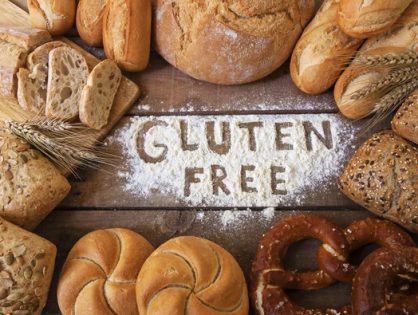
  • The Easy Guide to Transforming Family Recipes into Gluten-Free Favorites

    The Easy Guide to Transforming Family Recipes into Gluten-Free Favorites

    As awareness about gluten sensitivity and celiac disease grows, more and more families are looking for ways to enjoy traditional recipes while making them safe for those who need to avoid gluten. If you have family members with gluten sensitivity or celiac disease, you don’t have to say goodbye to your beloved family recipes. With some simple ingredient swaps and a little knowledge, you can transform your favorite dishes into delicious gluten-free versions that everyone can enjoy.

    In this article, we’ll explore what to look for in recipes, provide gluten-free substitutions, and highlight ingredients that may contain hidden gluten.

    Understanding Gluten and Its Role in Recipes

    Gluten is a protein found in wheat, barley, rye, and related grains. It gives dough its elasticity, helps it rise, and provides structure in baked goods. However, for those with gluten sensitivities or celiac disease, gluten can cause serious health issues, which means removing it from their diet is essential.

    The key to converting family recipes into gluten-free versions is knowing which ingredients contain gluten and how to substitute them without sacrificing flavor or texture.

    What to Look for in a Recipe

    When reviewing a family recipe to convert it into a gluten-free version, there are a few key ingredients to examine closely:

    1. Flour : Traditional recipes that call for all-purpose wheat flour or self-rising flour will need to be substituted with gluten-free alternatives.
    2. Baking Mixes : Pancake mixes, baking mixes, and pre-made doughs often contain wheat flour as the base.
    3. Thickening Agents : Wheat flour is often used as a thickener in sauces, gravies, and soups.
    4. Breading or Batter : Recipes that involve breading or batter (e.g., fried chicken or fish) often use wheat flour or breadcrumbs.

    Once you’ve identified the gluten-containing ingredients, it’s time to find suitable substitutes.

    Gluten-Free Substitutions for Common Ingredients

    Here are some common substitutions to make your family recipes gluten-free:

    Gluten-Free Flour

    Replacing wheat flour is often the biggest hurdle. Fortunately, there are many gluten-free flour blends available that can be used in a 1:1 ratio in most recipes. Popular options include:

    –  Gluten-Free All-Purpose Flour Blends : These are designed to mimic the properties of wheat flour and often contain a blend of rice flour, sorghum flour, tapioca starch, and potato starch. They usually include xanthan gum or guar gum for added elasticity and structure.

    –  Almond Flour : Works well in baked goods like cakes, cookies, and muffins. It adds moisture and a slightly nutty flavor.

    –  Coconut Flour : Very absorbent and needs more liquid or eggs in a recipe, but it’s great for pancakes and muffins.

    –  Oat Flour : Adds a tender crumb to baked goods and is a great choice for cookies and quick breads (make sure to use certified gluten-free oats).

    Breadcrumbs

    Many family recipes rely on breadcrumbs for breading or adding texture to dishes like meatloaf. Try these gluten-free alternatives:

    –  Gluten-Free Breadcrumbs : Available in stores and made from gluten-free bread, they can be used just like regular breadcrumbs.

    –  Crushed Rice Cereal or Cornflakes : Light and crispy, these cereals are perfect for breading meats and adding crunch to dishes.

    –  Ground Almonds : Also known as almond meal, this adds a rich, nutty flavor and works well for coating fish or chicken.

    Thickeners

    If your recipe uses wheat flour to thicken soups, sauces, or gravies, try these substitutes:

    –  Cornstarch : A great gluten-free thickener that works well in gravies, sauces, and soups.

    –  Arrowroot Powder : Another gluten-free thickener that works similarly to cornstarch, but with a more neutral flavor.

    –  Tapioca Starch : Adds thickness to sauces and gives baked goods a chewy texture.

    Pasta

    For recipes that use pasta, there are plenty of gluten-free alternatives that mimic the texture and flavor of traditional wheat pasta:

    –  Rice Pasta : Light and mild, this pasta holds up well in most dishes.

    –  Corn or Quinoa Pasta : These gluten-free options are sturdy and work great in casseroles or hearty sauces.

    –  Zucchini Noodles or Spaghetti Squash : A vegetable-based alternative that’s perfect for those looking to reduce carbs as well as gluten.

    Hidden Sources of Gluten

    When converting family recipes, it’s important to be aware of ingredients that may seem gluten-free but can actually contain hidden gluten. Here are some ingredients to watch out for:

    1. Soy Sauce : Traditional soy sauce contains wheat, making it a common source of hidden gluten. Substitute with tamari , a gluten-free soy sauce alternative.
    2. Bouillon Cubes and Broths : Many store-bought broths and bouillon cubes contain wheat as a thickener or flavor enhancer. Look for gluten-free-labeled broth or make your own.
    3. Canned Soups : Many canned soups use wheat flour as a thickener. Always check the label or opt for gluten-free brands.
    4. Spice Mixes : Pre-made seasoning blends, including taco seasoning or gravy packets, can contain gluten as a filler or anti-caking agent. Make your own spice blends using individual herbs and spices to ensure they’re gluten-free.
    5. Processed Meats : Certain deli meats, sausages, and hot dogs may contain gluten due to additives. Check for gluten-free labeling or opt for fresh, unprocessed meats.
    6. Salad Dressings and Condiments : Some salad dressings, barbecue sauces, and marinades contain gluten. Always read the labels and look for gluten-free options.
    7. Malt Vinegar : Malt is derived from barley, so avoid using malt vinegar in recipes. Substitute with apple cider vinegar or white vinegar instead.

    Adapting Recipes for Gluten-Free Success

    When turning your family recipes into gluten-free versions, you may need to experiment to find the right balance of ingredients and textures. Here are a few tips to keep in mind:

    1. Adjust Liquids : Gluten-free flours absorb more liquid than wheat flour, so you may need to add more water, milk, or eggs to achieve the desired consistency.
    2. Use Xanthan Gum or Guar Gum : These ingredients help mimic the elasticity and binding properties of gluten. Add 1/2 to 1 teaspoon per cup of gluten-free flour in recipes for bread, pizza dough, or cakes.
    3. Don’t Overmix : Overmixing can cause gluten-free doughs and batters to become tough. Mix just until combined for the best results.
    4. Let Batters Rest : Allowing gluten-free batters to rest for 15-30 minutes before baking helps hydrate the flours and can improve texture.

    Collect and Organize Your Gluten-Free Recipes

    As you experiment with turning your family recipes into gluten-free versions, it’s a good idea to keep track of what works and what doesn’t.  FamilyCookbookProject.com  is an excellent resource for organizing your new gluten-free recipes. You can collect and store all your converted family recipes in one place, add notes on substitutions, and share your creations with family and friends. This way, you can continue enjoying your family’s favorite dishes, reimagined to meet modern dietary needs.

    Enjoy Your Favorite Recipes Gluten-Free

    Turning family recipes into gluten-free versions doesn’t mean sacrificing flavor or tradition. By understanding which ingredients contain gluten and learning how to make the right substitutions, you can enjoy all your favorite dishes without compromising on taste. With a little creativity and some gluten-free know-how, you can ensure that your family recipes continue to be a part of your meals, no matter who’s coming to dinner.

    So go ahead—dust off those old recipe cards, gather your ingredients, and start creating gluten-free versions of your cherished family favorites. And don’t forget to use FamilyCookbookProject.com to save and organize your gluten-free recipe collection!


    Bill Rice is Founder and Co-Publisher of the Great Family Cookbook Project, a website that helps families and individuals collect, preserve and share food memories by creating their own printed personal cookbooks. He is the author of The Wellfleet Oyster Cookbook and the Cape Cod Cocktail Cookbook (Available on Amazon), both created using FamilyCookbookProject.com. He is also editor of the Donovan Family Cookbook, now it’s third printing and is an avid genealogist tracing his family back to the 1600’s.

    Follow Family Cookbook Project on Facebook, Instagram, Twitter TikTok, YouTube and Pinterest!
     

  • From Backyard to Bestseller: Creating a Barbecue Cookbook

    From Backyard to Bestseller: Creating a Barbecue Cookbook

    If friends and family are always asking for your ribs, brisket, sauces, rubs, or grilling tips, it may be time to create a barbecue cookbook. A custom BBQ cookbook lets you collect your favorite recipes, document your cooking techniques, add photos and stories, and print copies to give as gifts, share with family, or even sell online.

    For barbecue enthusiasts, the art of grilling and smoking meat is a passion that extends far beyond the backyard. It’s about mastering techniques, experimenting with flavors, and sharing the joy of delicious, smoky meals with friends and family. What if you could take that passion and turn it into a published cookbook? With FamilyCookbookProject.com, you can do just that. Not only can you create a professional-quality barbecue cookbook, but you can also have it listed for sale on Amazon.com, complete with an ISBN number to help you sell your cookbook online. Here are some inspiring success stories of barbecue enthusiasts who turned their backyard passion into a bestselling cookbook.

    Quick Answer: To create a barbecue cookbook, collect your best grilling, smoking, sauce, rub, marinade, side dish, and dessert recipes. Organize them into clear categories, add cooking temperatures and technique notes, include high-quality photos, proofread carefully, choose a print format, and decide whether the cookbook will be a family gift, fundraiser, restaurant product, or book to sell online.

    A barbecue cookbook is a recipe collection focused on grilling, smoking, sauces, rubs, marinades, side dishes, and outdoor cooking techniques. The best barbecue cookbooks include both recipes and technique notes, such as grill temperature, wood choice, cooking time, internal temperature, sauce timing, and resting instructions. A custom barbecue cookbook can be used as a family keepsake, restaurant product, fundraiser, gift, or self-published cookbook.

    Success Stories of Barbecue Enthusiasts

    1. Dave’s Smokehouse Delights

    Dave has been a barbecue aficionado for over 20 years. His backyard is a haven for grill lovers, often filled with the enticing aroma of slow-cooked ribs, brisket, and pulled pork. After years of perfecting his recipes and techniques, Dave decided it was time to share his passion with the world. Using FamilyCookbookProject.com, he created “Dave’s Smokehouse Delights,” a comprehensive guide to his favorite barbecue recipes.

    The process was straightforward: he invited friends and family to contribute their own barbecue favorites, added his secret rubs and sauces, and included detailed instructions for each dish. The platform allowed him to customize the layout, add photos, and even include personal anecdotes about each recipe. Once the cookbook was complete, Dave listed it for sale on Amazon.com with an ISBN number, making it accessible to barbecue lovers everywhere. The response was overwhelming, and “Dave’s Smokehouse Delights” quickly became a hit.

    1. Lisa’s Backyard Barbecue Bonanza

    Lisa’s love for barbecue began in her grandmother’s backyard, where family gatherings always featured her grandmother’s famous smoked ribs. Inspired by these memories, Lisa decided to compile her family’s barbecue recipes into a cookbook. She used FamilyCookbookProject.com to create “Lisa’s Backyard Barbecue Bonanza,” a collection of recipes that celebrate her family’s culinary heritage.

    The platform made it easy for Lisa to gather recipes from family members, including handwritten notes and photos of family gatherings. She also added her own modern twists to traditional dishes, creating a unique blend of old and new. Listing her cookbook on Amazon.com allowed Lisa to share her family’s legacy with a wider audience. The cookbook’s success on Amazon not only honored her grandmother’s memory but also introduced a new generation to the joys of backyard barbecue.

    1. The Pitmaster’s Playbook by Mike

    Mike, known among his friends as the ultimate pitmaster, decided it was time to document his grilling expertise. He turned to FamilyCookbookProject.com to create “The Pitmaster’s Playbook,” a step-by-step guide to mastering the grill. The cookbook included Mike’s signature recipes, tips on selecting the best cuts of meat, and techniques for achieving the perfect smoke ring.

    Mike took advantage of the platform’s customization options, adding high-quality photos of his grilled creations and detailed instructions for each recipe. The option to list his cookbook on Amazon.com, complete with an ISBN number, made it easy for Mike to reach a global audience. “The Pitmaster’s Playbook” quickly gained a following, earning rave reviews from barbecue enthusiasts around the world.

    The Benefits of Creating a Barbecue Cookbook with FamilyCookbookProject.com

    FamilyCookbookProject.com offers numerous advantages for barbecue enthusiasts looking to publish their own cookbooks. Here are some key benefits:

    1. User-Friendly Platform
      • The platform is designed to be intuitive and easy to use, allowing you to create a professional-quality cookbook without any technical expertise. You can customize the layout, add photos, and include personal notes and anecdotes.
    2. Collaborative Features
      • Invite friends and family to contribute their own recipes, making the cookbook a collaborative effort that reflects a diverse range of culinary experiences and traditions.
    3. High-Quality Printing
      • Once your cookbook is complete, FamilyCookbookProject.com offers professional printing and binding services, ensuring that your cookbook looks and feels like a bestseller.
    4. Listing on Amazon.com
      • One of the standout features of FamilyCookbookProject.com is the ability to list your cookbook for sale on Amazon.com. This includes obtaining an ISBN number, which helps legitimize your cookbook and makes it easier for readers to find and purchase online.
    5. Preserve and Share Your Legacy
      • Creating a barbecue cookbook is not just about sharing recipes; it’s about preserving your culinary legacy and sharing your passion with the world. Whether you’re documenting family traditions or showcasing your unique grilling techniques, your cookbook becomes a lasting testament to your love for barbecue.

    How to Get Started

    Creating your barbecue cookbook with FamilyCookbookProject.com is a straightforward process:

    1. Sign Up and Create Your Cookbook
      • Start by creating an account on FamilyCookbookProject.com. Choose a title and layout that reflects your style and the essence of your recipes.
    2. Gather and Enter Recipes
      • Collect your favorite barbecue recipes, including detailed instructions, ingredients, and any special tips. You can also invite others to contribute their own recipes, making the project a collaborative effort.
    3. Customize and Design
      • Use the platform’s design tools to customize your cookbook. Add photos of your dishes, personal anecdotes, and any other elements that will make your cookbook unique and engaging.
    4. Review and Finalize
      • Proofread your cookbook to ensure accuracy and consistency. Make any necessary edits and finalize the design.
    5. Print and Publish
      • Once you’re satisfied with your cookbook, use FamilyCookbookProject.com‘s printing services to create high-quality copies. You can also choose to list your cookbook on Amazon.com, complete with an ISBN number, to reach a wider audience.
    6. Share and Promote
      • Share your cookbook with friends, family, and fellow barbecue enthusiasts. Promote it on social media, at local events, and through word of mouth to maximize its reach.

    How to Turn a Barbecue Cookbook into Something You Can Sell

    A barbecue cookbook can be more than a personal project. It can become a product for a restaurant, food truck, grilling instructor, BBQ team, fundraiser, or serious backyard pitmaster. To make the cookbook more sellable, focus on a clear theme, strong photos, consistent recipe formatting, helpful technique notes, and a title that tells buyers exactly what makes the book different.

    Barbecue Cookbook Planning Checklist

    Include:

    • Cookbook title
    • Target audience
    • Cookbook purpose: gift, family keepsake, fundraiser, restaurant product, or public sale
    • Recipe categories
    • Number of recipes
    • Sauce and rub recipes
    • Smoking and grilling tips
    • Photos needed
    • Contributor list
    • Cover image
    • Introduction or author story
    • Printing format
    • Pricing plan
    • Sales channels
    • Launch plan

    Turning your passion for barbecue into a published cookbook is a rewarding endeavor that allows you to share your expertise, preserve your culinary legacy, and connect with a global audience. With FamilyCookbookProject.com, the process is simple and accessible, providing all the tools you need to create a professional-quality cookbook. Whether you’re documenting family recipes or showcasing your own grilling techniques, your barbecue cookbook has the potential to become a bestseller. Start your project today and take the first step from backyard to bestseller.

    Ready to turn your backyard BBQ recipes into a cookbook worth sharing? Start your barbecue cookbook at FamilyCookbookProject.com, organize your sauces, rubs, grilling tips, and family favorites, then print copies to give, share, or sell.

    Frequently Asked Questions About Creating a Barbecue Cookbook

    How do I create a barbecue cookbook?
    Start by collecting your best grilling, smoking, sauce, rub, marinade, side dish, and dessert recipes. Organize them into categories, add BBQ technique notes and photos, proofread carefully, and choose a print format.

    What recipes should I include in a barbecue cookbook?
    Include BBQ sauces, dry rubs, marinades, brisket, ribs, pulled pork, chicken, seafood, vegetables, side dishes, desserts, and favorite cookout recipes.

    How many recipes should a barbecue cookbook have?
    A small gift cookbook can work well with 20–40 recipes. A more complete barbecue cookbook may include 50–100 recipes, especially if it covers sauces, rubs, meats, sides, and techniques. The existing Family Cookbook Project BBQ article also suggests 20–40 recipes for a smaller gift book and 50–100 recipes for a more comprehensive cookbook.

    Can I sell a barbecue cookbook?
    Yes. A barbecue cookbook can be sold online, locally, at events, through a restaurant or food truck, or as part of a fundraiser. If selling publicly, focus on a clear theme, strong photos, accurate recipes, and a professional-looking printed book.

    What makes a barbecue cookbook different from a regular cookbook?
    A barbecue cookbook should include cooking temperatures, grill setup, smoke time, wood type, internal temperatures, resting time, sauce timing, and other technique details that help readers recreate the results.

    Can I create a barbecue cookbook with recipes from friends and family?
    Yes. A group barbecue cookbook can include recipes from relatives, neighbors, grilling clubs, BBQ teams, tailgate groups, or restaurant staff.

    Bill Rice is Founder and Co-Publisher of the Family Cookbook Project, a website that helps families and individuals collect, preserve and share food memories by creating their own printed personal cookbooks. He is the author of The Wellfleet Oyster Cookbook and the Cape Cod Cocktail Cookbook (Available on Amazon), both created using FamilyCookbookProject.com. He is also editor of the Donovan Family Cookbook, now it’s third printing and is an avid genealogist tracing his family back to the 1600’s.

    Follow Family Cookbook Project on Facebook, Instagram, Twitter and Pinterest!

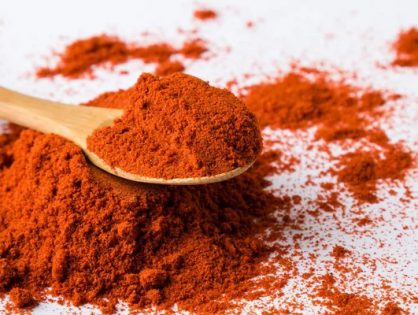
  • The Flavorful World of Paprika: How to Choose the Right Type for Your Recipe

    The Flavorful World of Paprika: How to Choose the Right Type for Your Recipe

    Paprika is a versatile and flavorful spice that adds color, depth, and a hint of sweetness or heat to many dishes. Though often associated with Hungarian and Spanish cuisines, paprika is used around the world in a variety of styles. With its vibrant red hue, it is a staple in the spice cabinets of home cooks and professional chefs alike. But did you know that there are several different types of paprika, each with its own distinct flavor profile and use?

    In this article, we’ll explore how paprika is produced, the different styles of paprika, the types of cuisine that typically use the spice, and how to choose the right paprika for your recipe.

    How Paprika Is Produced

    Paprika is made from the dried, ground pods of Capsicum annuum, a type of chili pepper that ranges from mild to spicy. The peppers are harvested, dried, and then ground into a fine powder. The flavor, color, and heat level of paprika depend on the variety of pepper used, the drying method, and the region in which it is grown.

    The Drying Process

    The drying method used to produce paprika varies by region and has a significant impact on the final flavor. There are two primary drying methods:

    1.Air-Dried Paprika: In this method, the peppers are dried naturally, often under the sun or in well-ventilated drying rooms. This method typically produces a milder, sweeter paprika.

    2.Smoked Paprika: In Spain, especially in the La Vera region, the peppers are dried over wood fires, giving the paprika a distinct smoky flavor. This method creates smoked paprika, which is used to add both heat and smokiness to dishes.

    After drying, the peppers are ground into a powder. Depending on the region and the variety of pepper used, the resulting paprika can range from sweet and mild to fiery and hot.

    Types of Paprika

    There are several different types of paprika, each with its own unique flavor profile. The three most common varieties are sweet paprika, hot paprika, and smoked paprika, but there are many variations within these categories. Here’s a closer look at the most popular types:

    Sweet Paprika

    •Flavor: Mild, with a slight sweetness and very little heat.

    •Color: Bright red to orange-red.

    •Common Uses: Sweet paprika is often used to add color and a subtle peppery flavor to dishes. It’s a key ingredient in Hungarian goulash, deviled eggs, and potato salads. It can also be sprinkled over roasted vegetables or used as a garnish.

    •Regions: Sweet paprika is most commonly associated with Hungarian and Spanish cuisines.

    Hot Paprika

    •Flavor: Spicy and pungent, with a noticeable heat level.

    •Color: Deep red.

    •Common Uses: Hot paprika is used to add both color and heat to dishes. It’s often used in Hungarian dishes like chicken paprikash and can be added to soups, stews, and marinades for an extra kick of spice.

    •Regions: Hot paprika is a staple in Hungarian cuisine, where it’s prized for its heat and vibrant color.

    Smoked Paprika (Pimentón)

    •Flavor: Smoky, with a slightly sweet and rich flavor.

    •Color: Dark red to rusty orange.

    •Common Uses: Smoked paprika is a key ingredient in Spanish cuisine and is often used to flavor chorizo, paella, and roasted meats. Its smoky flavor adds depth to any dish, making it a popular choice for grilled or roasted foods, barbecue rubs, and sauces.

    •Regions: Smoked paprika is traditionally made in Spain, particularly in the La Vera region.

    Hungarian Paprika

    •Flavor: Hungarian paprika comes in a range of flavors, from mild and sweet to hot and pungent. In Hungary, there are several grades of paprika, including:

    •Különleges: Very mild and bright red.

    •Édesnemes: The most common variety, mild and sweet.

    •Eros: Hot and spicy.

    •Common Uses: Hungarian paprika is essential in traditional dishes like goulash, paprikash, and stews. It’s often combined with onions and fat to create the base of many Hungarian recipes.

    •Regions: Hungary is famous for its high-quality paprika, especially from the Szeged and Kalocsa regions.

    Spanish Paprika (Pimentón de la Vera)

    •Flavor: Spanish paprika comes in three main varieties: sweet (dulce), bittersweet (agridulce), and hot (picante). Smoked varieties are common.

    •Common Uses: Spanish paprika is commonly used in chorizo, paella, and other traditional Spanish dishes. It adds a deep smoky flavor and vibrant color to both meats and vegetables.

    •Regions: The best-known Spanish paprika comes from La Vera and Murcia, where the peppers are smoked over oak wood.

    Types of Cuisine That Use Paprika

    Paprika is a key ingredient in a variety of global cuisines, each using it to add color, flavor, and sometimes heat to their dishes. Here are some of the most common cuisines that rely on paprika:

    Hungarian Cuisine

    Paprika is perhaps most famously associated with Hungarian cooking. It is an essential ingredient in iconic dishes like goulash, chicken paprikash, and fisherman’s soup (halászlé). In Hungary, paprika is used not only for flavor but also as a thickening agent in stews and sauces.

    Spanish Cuisine

    In Spain, paprika (known as pimentón) is a vital component of many dishes, especially in the regions of La Vera and Murcia. Smoked paprika is used to flavor chorizo, paella, and patatas bravas, adding a distinctive smoky aroma to Spanish cooking.

    American Barbecue and Southern Cooking

    Paprika, particularly smoked paprika, is a popular spice in barbecue rubs and marinades. It’s often used to season grilled meats, giving them a smoky flavor without the need for actual smoke. Paprika is also commonly used in Southern dishes like deviled eggs, fried chicken, and potato salad.

    Middle Eastern and Mediterranean Cuisine

    In Middle Eastern and Mediterranean cooking, paprika is used to add color and depth of flavor to dishes like hummus, shakshuka, and grilled meats. Both sweet and hot varieties are used, depending on the dish.

    Indian Cuisine

    Paprika is used in some regions of Indian cooking to add a mild heat and deep red color to dishes like tandoori chicken and curries. It’s often included in spice blends, such as garam masala, to give a vibrant color to dishes.

    How to Choose the Right Paprika for Your Recipe

    With so many types of paprika available, it can be tricky to know which one to use in your recipe. Here are some tips to help you choose the right paprika for your dish:

    Check the Recipe

    Many recipes will specify the type of paprika needed, whether it’s sweet, hot, or smoked. If the recipe calls for sweet paprika, stick with a mild variety that adds color and a gentle peppery flavor. For recipes that require heat, opt for hot paprika.

    Consider the Flavor Profile

    If your dish requires a smoky, rich flavor, choose smoked paprika. This variety adds a deep, earthy flavor that pairs well with grilled meats, roasted vegetables, and dishes like paella. If you want a pop of color without much heat, go for sweet paprika.

    Balance Heat Levels

    When substituting different types of paprika, be mindful of the heat level. For instance, if you substitute hot paprika for sweet paprika, your dish may turn out spicier than intended. Similarly, using smoked paprika in place of regular paprika will introduce a smoky flavor that may not be suitable for all dishes.

    Regional Dishes

    For authentic Hungarian dishes, opt for Hungarian paprika, which is more nuanced and available in several grades. For Spanish dishes, especially those involving chorizo or paella, smoked Spanish paprika is the way to go.


    Paprika is a versatile and flavorful spice that can transform a dish, whether you’re looking for a mild, sweet flavor, a kick of heat, or a smoky finish. Understanding the different styles of paprika and how they are used in various cuisines will help you choose the right one for your next recipe. From Hungarian stews to Spanish paella, paprika is a spice that adds color, complexity, and warmth to your favorite dishes.


    Bill Rice is Founder and Co-Publisher of the Family Cookbook Project, the leading online cookbook publisher with a website that helps families and individuals collect, preserve and share food memories by creating their own printed custom cookbooks. He is the author of The Wellfleet Oyster Cookbook and the Cape Cod Cocktail Cookbook (Available on Amazon), both created using FamilyCookbookProject.com. He is also editor of the Donovan Family Cookbook, now it’s third printing and is an avid genealogist tracing his family back to the 1600’s.

    Follow Family Cookbook Project on Facebook, Instagram, Twitter TikTok, YouTube and Pinterest!

  • Checklist for Creating Your Family Cookbook: A Step-by-Step Guide to Preserving Family Recipes

    Checklist for Creating Your Family Cookbook: A Step-by-Step Guide to Preserving Family Recipes

    Creating a family cookbook is a beautiful way to preserve your family’s culinary traditions and share them with future generations. It’s more than just a collection of recipes—it’s a way to capture the stories, memories, and flavors that have shaped your family gatherings over the years. Whether you’re making a family cookbook as a gift, a keepsake, or simply to organize your recipes, the process can be both rewarding and fun.

    To help you get started, we’ve put together a checklist that will guide you through the entire process, from gathering recipes to designing and publishing your custom cookbook. By following this step-by-step guide, you can ensure that your family cookbook will be a treasure for years to come.

    1. Start by Gathering Recipes

    The first step in creating your family cookbook is to gather all the recipes you want to include. These might be family favorites passed down through generations, new dishes that have become staples, or personal creations that you want to share. Don’t worry if you don’t have every recipe in perfect form just yet—you can gather them over time as you work on your cookbook.

    • Tip: Ask family members to contribute their favorite recipes. You can send out a family-wide email, set up a shared online folder, or even have a recipe-sharing gathering. This ensures that everyone gets to participate, and you’ll have a variety of dishes from different family members.

    2. Organize the Recipes by Category

    Once you have all the recipes, the next step is to organize them into categories. This makes it easier to navigate the cookbook and ensures that it has a logical flow. Common categories include:

    • Appetizers
    • Main Dishes
    • Side Dishes
    • Desserts
    • Breakfast/Brunch
    • Drinks
    • Holiday or Special Occasion Recipes
    • Tip: You can also get creative with your categories. For example, if your family has strong holiday traditions, you might create sections like “Holiday Favorites” or “Summer BBQ Recipes.”

    3. Test and Edit the Recipes

    Before you finalize the recipes for your cookbook, it’s important to ensure they’re accurate and easy to follow. Test each recipe to confirm that the measurements, cooking times, and instructions are correct. This is especially important for older family recipes that may have been passed down verbally or written down without precise instructions.

    • Tip: While testing, take note of any variations or tips that might be helpful for someone trying the recipe for the first time. You can add these tips as side notes or footnotes in the cookbook.

    4. Collect Family Stories and Photos

    A family cookbook isn’t just about the recipes—it’s about the memories and stories that go along with them. Ask family members to share stories behind their recipes, such as why it’s a family favorite or a special memory associated with it. Adding these personal touches will make your cookbook more meaningful and enjoyable to read.

    • Tip: Include photos of the family members who contributed the recipes, as well as pictures of family gatherings where these dishes were served. You can even add photos of the dishes themselves to make the cookbook visually appealing.

    5. Choose a Title for Your Cookbook

    Your family cookbook’s title sets the tone for the entire project. Choose a title that reflects your family’s personality, traditions, or a theme that runs through your recipes. Some families opt for simple, classic titles like “The [Family Name] Cookbook,” while others get creative with names that highlight their culinary heritage.

    • Tip: You can also include the year or volume number in the title if you plan to create more editions in the future (e.g., “The Donovan Family Cookbook 2024” or “The Anderson Family Cookbook, Volume 1”).

    6. Select the Cookbook Format and Binding

    When it comes to printing your cookbook, FamilyCookbookProject.com offers several size and binding options. You’ll want to choose a format that fits your vision for the project and the practicality of using the cookbook in the kitchen.

    • Popular Sizes:
    • Standard Size (5 1/2” x 8 1/2”): A compact and budget-friendly option that’s easy to handle in the kitchen.
    • Full Size (8 1/2” x 11”): Offers more space for larger text, photos, and longer recipes.
    • Square Size (8 1/2” x 8 1/2”): A stylish and modern option that’s great for photo-heavy cookbooks.
    • Binding Options:
    • Spiral Bound: The most popular option for cookbooks because it allows the pages to lay flat while cooking.
    • Hardcover: Adds elegance and durability to your cookbook, making it a beautiful keepsake.
    • Perfect Bound Paperback: A polished option that includes the title on the spine, perfect for displaying on bookshelves.

    7. Design the Layout and Cover

    The design of your family cookbook is an important aspect of its overall appeal. Think about how you want the cookbook to look and feel. Consider elements like font style, color schemes, and whether you want to include photos with each recipe.

    • Tip: Choose a cover that represents your family or the theme of the cookbook. You can use a family photo, a picture of a beloved dish, or even custom artwork. Don’t forget to update the cover if you’re creating multiple volumes!

    8. Proofread and Finalize the Cookbook

    Before sending your cookbook to print, make sure you carefully proofread all the recipes, stories, and captions. This step ensures there are no typos or missing ingredients. It’s a good idea to have someone else read through the cookbook as well, as they might catch errors you’ve missed.

    • Tip: Check not only for spelling and grammar but also for consistency in formatting (e.g., making sure all measurements are written the same way) and accuracy in cooking instructions.

    9. Print and Distribute

    Once everything is finalized, it’s time to print your family cookbook! FamilyCookbookProject.com makes it easy to order professionally printed copies, whether you need just a few or want to print in bulk.

    • Tip: If you’re creating the cookbook as a gift or for a special occasion, plan ahead to ensure the books are printed and delivered in time. Consider creating a digital version of the cookbook as well, so family members can access it on their devices.

    10. Celebrate and Share

    After all your hard work, it’s time to celebrate! Host a family gathering to unveil the cookbook and share some of the recipes. This can be a wonderful opportunity to cook a few of the featured dishes together and reminisce about the memories that went into creating the cookbook.

    • Tip: Encourage family members to keep contributing recipes for future editions of the cookbook. You can make this a yearly tradition by updating the cookbook or creating new volumes.

    Creating a family cookbook is a rewarding project that not only preserves your family’s culinary traditions but also brings everyone closer together. By following this checklist, you’ll be able to create a cookbook that is both practical and meaningful—one that future generations will cherish. Ready to start your own family cookbook? Visit FamilyCookbookProject.com to get started today!

    Bill Rice is Founder and Co-Publisher of the Family Cookbook Project, the leading online cookbook publisher with a website that helps families and individuals collect, preserve and share food memories by creating their own printed custom cookbooks. He is the author of The Wellfleet Oyster Cookbook and the Cape Cod Cocktail Cookbook (Available on Amazon), both created using FamilyCookbookProject.com. He is also editor of the Donovan Family Cookbook, now it’s third printing and is an avid genealogist tracing his family back to the 1600’s.

    Follow Family Cookbook Project on Facebook, Instagram, Twitter TikTok, YouTube and Pinterest!


  • The Best Cuts of Meat for Barbecue: What to Buy and How to Cook Them

    The Best Cuts of Meat for Barbecue: What to Buy and How to Cook Them

    Barbecuing is more than just grilling; it’s an art form that relies on choosing the right cuts of meat, using proper cooking techniques, and bringing out the best flavors through low and slow cooking. Whether you’re a barbecue enthusiast or just getting started, knowing which cuts of meat to choose can make all the difference in your grilling success.

    In this guide from the Family Cookbook Project, we’ll explore the best cuts of meat for barbecue, what to look for when buying them, and the kinds of delicious dishes you can create with each cut.

     Pork Ribs

    When choosing pork ribs for barbecue, you’ll typically come across three types:  baby back ribs ,  spare ribs , and  St. Louis-style ribs  (which are a trimmed version of spare ribs). Baby back ribs are leaner and more tender, while spare ribs and St. Louis-style ribs are meatier and often favored for their rich flavor.

    –  Baby Back Ribs : Look for ribs that are evenly cut, with a good balance of fat and meat. The bones should curve slightly, and the ribs should have some marbling for flavor.

    –  Spare Ribs : Choose ribs with a thick layer of meat on top of the bones and a good amount of fat, as this will render down during cooking, making the meat more flavorful and tender.

    How to Cook:

    Low and slow is the way to go with ribs. Season them with a dry rub or marinate overnight, and smoke them for 4-6 hours at a low temperature (around 225°F) until tender. Baby back ribs will cook faster than spare ribs, so keep an eye on them.

    –  Dish Idea : Serve your ribs slathered in barbecue sauce, with a side of coleslaw and cornbread for a classic barbecue meal.

    Beef Brisket

    Brisket is the king of Texas barbecue and one of the most flavorful cuts of beef you can cook low and slow. When buying brisket, you’ll find two main sections: the  flat cut  (leaner and easier to slice) and the  point cut  (fattier and more flavorful).

    –  Flat Cut : Look for a brisket with good marbling (fat running through the meat) and a nice layer of fat on top, known as the “fat cap.” The fat cap helps keep the meat moist as it cooks.

    –  Point Cut : The point is more irregularly shaped and has more connective tissue, making it better suited for shredding or pulling.

    How to Cook:

    Beef brisket needs to be cooked slowly over indirect heat, usually at 225-250°F for 8-12 hours depending on the size. Season generously with salt and pepper or a dry rub, and let it smoke until it reaches an internal temperature of about 200°F.

    –  Dish Idea : Serve brisket slices with pickles, white bread, and barbecue sauce, or shred it for sandwiches with a tangy coleslaw topping.

    Pork Shoulder (Boston Butt)

    Pork shoulder (or Boston butt) is a go-to for making pulled pork. This cut is well-marbled with fat and connective tissue, making it ideal for long, slow cooking. Look for a pork shoulder with a good layer of fat and even distribution of meat.

    How to Cook:

    Cook pork shoulder low and slow at 225°F for 8-10 hours until the internal temperature reaches about 195-205°F. The meat should be tender enough to pull apart easily with a fork.

    –  Dish Idea : Pulled pork sandwiches with barbecue sauce, topped with a vinegar-based slaw, or use the shredded pork in tacos or nachos.

    Beef Short Ribs

    Beef short ribs are a rich, flavorful cut that is perfect for barbecuing. Look for ribs that have a thick layer of meat on top of the bones, with good marbling throughout. Bone-in ribs are preferred for barbecue, as they retain moisture better during cooking.

    How to Cook:

    Short ribs benefit from low, slow cooking to break down the tough connective tissue. Smoke them at 225°F for 6-8 hours until they reach an internal temperature of about 205°F.

    –  Dish Idea : Serve smoked short ribs with mashed potatoes or baked beans for a hearty barbecue meal.

    Chicken Thighs

    While chicken breasts can dry out on the grill, chicken thighs are a much better option for barbecue due to their higher fat content. Whether bone-in or boneless, look for thighs that are evenly sized to ensure they cook at the same rate.

    How to Cook:

    Chicken thighs can be grilled directly over medium heat or smoked at a lower temperature. They cook quickly, usually in 45 minutes to 1 hour, depending on whether you’re grilling or smoking them.

    –  Dish Idea : Marinate chicken thighs in a flavorful barbecue sauce, grill them to perfection, and serve with corn on the cob and potato salad.

    Tri-Tip

    Tri-tip is a triangular-shaped cut of beef from the bottom sirloin that is perfect for grilling. This cut has a rich, beefy flavor and a moderate amount of marbling. Look for a tri-tip with good fat coverage, as this will help keep it juicy while cooking.

    How to Cook:

    Tri-tip is best cooked over direct heat on the grill. Sear it for a few minutes on each side to get a nice crust, then move it to indirect heat and cook until it reaches your desired doneness (typically medium-rare to medium).

    –  Dish Idea : Slice tri-tip thinly and serve it with chimichurri sauce or use it in sandwiches with caramelized onions.

    Sausage Links

    Sausages are a staple at many barbecues and add a variety of flavors to the mix. Look for high-quality, uncooked sausages made with natural casings and flavorful ingredients like garlic, spices, or smoked meats.

    How to Cook:

    Sausages are best cooked over indirect heat to prevent bursting. Grill them until the internal temperature reaches 160°F, turning occasionally for even cooking.

    –  Dish Idea : Serve sausages on a toasted bun with mustard and pickles or slice them up and serve alongside grilled vegetables.

    Lamb Shoulder

    Lamb shoulder is another cut that benefits from low-and-slow cooking. It’s a flavorful cut with lots of connective tissue that becomes tender when cooked properly. Look for lamb shoulder with a good balance of fat and meat, as the fat will render down and keep the meat juicy.

    How to Cook:

    Lamb shoulder can be smoked or slow-roasted at 225-250°F for several hours until the meat reaches an internal temperature of about 195°F and can be shredded.

    –  Dish Idea : Serve pulled lamb shoulder with flatbreads, tzatziki sauce, and a side of grilled vegetables for a Mediterranean-inspired barbecue.

    What to Look for When Buying Meat

    When choosing meat for barbecue, there are a few things to keep in mind:

    –  Marbling : The amount of fat running through the meat is essential for flavor and tenderness. Look for well-marbled cuts for best results.

    –  Freshness : Fresh meat will have a bright, consistent color and should not have an off smell. If possible, buy from a reputable butcher who can advise on the best cuts for barbecue.

    –  Size and Thickness : Choose cuts that are even in thickness to ensure they cook uniformly. Thicker cuts will need more time and lower heat, while thinner cuts can be cooked faster over direct heat.

    Final Thoughts: Perfect Your Barbecue with the Right Cuts

    Choosing the right cuts of meat is crucial to achieving mouthwatering barbecue. Whether you prefer the richness of beef brisket or the tenderness of pulled pork, knowing how to pick the best cuts and cook them properly will set you up for success. With the right preparation, these cuts can turn into barbecue masterpieces that will impress friends and family at your next cookout!


    Bill Rice is Founder and Co-Publisher of the Great Family Cookbook Project, a website that helps families and individuals collect, preserve and share food memories by creating their own printed personal cookbooks. He is the author of The Wellfleet Oyster Cookbook and the Cape Cod Cocktail Cookbook (Available on Amazon), both created using FamilyCookbookProject.com. He is also editor of the Donovan Family Cookbook, now it’s third printing and is an avid genealogist tracing his family back to the 1600’s.

    Follow Family Cookbook Project on Facebook, Instagram, Twitter TikTok, YouTube and Pinterest!
     

  • Giving Family Cookbook Project as a Gift

    Giving Family Cookbook Project as a Gift

    Looking for a way to give Family Cookbook Project to a friend or family member so they can start their own printed cookbook filled with favorite recipes, a gift that will be remembered for years to come?

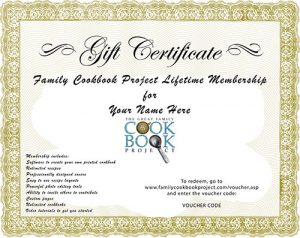
    Get them a Family Cookbook Project Gift Certificate.

    • You’ll receive a full color Personalized Gift Certificate in their name that can be downloaded at home – no need to wait for something to be delivered.
    • A great last-minute gift or stocking stuffer.
    • Easy to redeem and start their own account
    • They get lifetime access to their account and can create multiple cookbooks
    • The get a valuable online recipe box available through our mobile app
    • Preserves their recipes for future generations
    • You might even get a copy of their first cookbook for getting them started!

    Get your Family Cookbook Project Lifetime Membership Gift Certificate Today!


    Bill Rice is Founder and Co-Publisher of the Family Cookbook Project, the leading online cookbook publisher with a website that helps families and individuals collect, preserve and share food memories by creating their own printed custom cookbooks. He is the author of The Wellfleet Oyster Cookbook and the Cape Cod Cocktail Cookbook (Available on Amazon), both created using FamilyCookbookProject.com. He is also editor of the Donovan Family Cookbook, now it’s third printing and is an avid genealogist tracing his family back to the 1600’s.

    Follow Family Cookbook Project on Facebook, Instagram, Twitter TikTok, YouTube and Pinterest!


  • Pro Tip: Sorting Your Recipes Within A Category

    Pro Tip: Sorting Your Recipes Within A Category

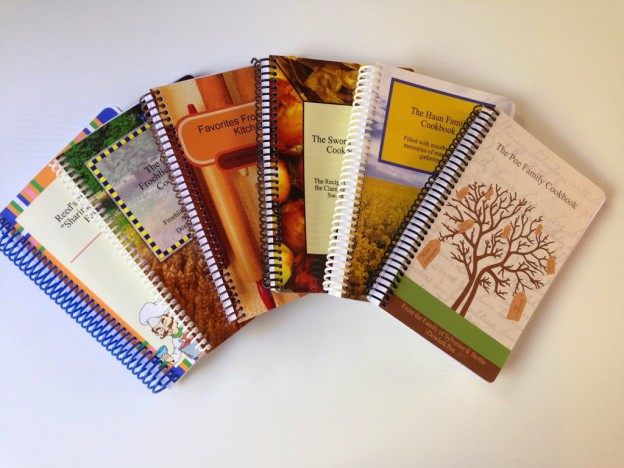
    Recipes by default are put in shortest to longest for best fit.  You can sort alphabetically, too.  Go to Editor Activities>Layout & Design and scroll to Recipe Layout for the option.

    In the quick start homepage, Go to the Layout and Design Center > Additional Design Options . Recipe sorting options and choose one of the three options.

    There is also an option for sorting recipes manually.  Select it in the Recipe Layout also.  Once selected, you can then click the link next to the option to use the Recipe Sorting Tool and adjust your recipes as you like.

    Also, you can create your own categories and sub-categories for even finer control over grouping of your recipes.  Go to Editor Activities>Layout & Design.  Click on Category Section Editor for that.


    Bill Rice is Founder and Co-Publisher of the Family Cookbook Project, the leading online cookbook publisher with a website that helps families and individuals collect, preserve and share food memories by creating their own printed custom cookbooks. He is the author of The Wellfleet Oyster Cookbook and the Cape Cod Cocktail Cookbook (Available on Amazon), both created using FamilyCookbookProject.com. He is also editor of the Donovan Family Cookbook, now it’s third printing and is an avid genealogist tracing his family back to the 1600’s.

    Follow Family Cookbook Project on Facebook, Instagram, Twitter TikTok, YouTube and Pinterest!
  • Capturing Memories and Tastes: Creating a Vacation Cookbook from Your Travels

    Capturing Memories and Tastes: Creating a Vacation Cookbook from Your Travels

    Traveling the world not only broadens our horizons but also tantalizes our taste buds with diverse flavors and culinary delights. Imagine capturing those unforgettable moments and flavors in a beautifully curated vacation cookbook. This article explores how to create an intriguing cookbook by memorializing different vacations and including cherished recipes from those regions. We’ll discuss ideas for sourcing recipes, organizing your cookbook, and why this would make a thoughtful and memorable gift for family and friends.

    Gathering Recipes from Your Travels

    The foundation of your vacation cookbook lies in the recipes collected during your journeys. Here are several ways to gather authentic recipes that evoke the essence of each destination:

    1. Local Cookbooks and Markets: Purchase local cookbooks or visit markets where vendors often share traditional recipes. Engage with locals who can provide insights into regional dishes.
    2. Cooking Classes: Take cooking classes while traveling. Many destinations offer hands-on experiences where you can learn to prepare authentic dishes under the guidance of local chefs.
    3. Restaurant Recommendations: Dining at local restaurants is a delicious way to discover signature dishes. Don’t hesitate to ask for recipes or ingredients used in your favorite meals.
    4. Online Resources and Blogs: Research recipes from the comfort of your home using online resources and food blogs focused on international cuisine. Many bloggers share authentic recipes alongside personal stories and travel tips.
    5. Social Media and Food Communities: Join social media groups and food communities dedicated to global cuisine. Members often share recipes and cooking techniques that reflect their cultural backgrounds.

    Organizing Your Vacation Cookbook

    Organizing your vacation cookbook ensures it’s both functional and enjoyable to read. Consider these tips:

    1. By Destination: Arrange recipes by vacation, country or region visited. Start each section with a brief description of your experience, including memorable moments and cultural insights.
    2. Meal Types: Categorize recipes by meal type (e.g., appetizers, mains, desserts) to help readers navigate the cookbook easily. Include beverage recipes or pairing suggestions for a complete culinary experience.
    3. Personal Touches: Share anecdotes and photos from your travels alongside recipes. Highlight special ingredients, cooking techniques learned, or the story behind each dish.
    4. Recipe Origins: Include details about where you discovered each recipe, whether it was from a quaint cafe in Paris or a street food stall in Bangkok. These insights add depth and authenticity to the cookbook.
    5. Visual Appeal: Incorporate high-quality images of the dishes and your travel experiences. Consider including maps, landmarks, and cultural symbols to visually enrich each section.

    Why This Makes a Great Gift

    A vacation cookbook isn’t just a collection of recipes; it’s a journey captured in flavors and memories. Here’s why it’s an ideal gift for family and friends:

    1. Personalized Experience: Each recipe and story reflects your personal travel experiences, making it a unique and heartfelt gift.
    2. Cultural Exploration: It allows recipients to explore different cultures through food, offering a culinary adventure from the comfort of their kitchen.
    3. Memorable Keepsake: It preserves cherished memories and experiences shared with loved ones during vacations, fostering nostalgia and connection.
    4. Practical and Inspirational: It inspires recipients to try new recipes and techniques, encouraging culinary creativity and experimentation.

    Creating a vacation cookbook enriched with recipes and memories from your travels is a delightful way to celebrate cultural diversity and culinary experiences. Whether you’re reminiscing about savoring paella in Spain or mastering the art of making sushi in Japan, each recipe tells a story that brings your adventures to life. Organizing your cookbook thoughtfully ensures it’s not only a practical guide but also a visual and emotional journey through different lands and flavors. Consider sharing this gift with family and friends to spread the joy of travel and the love of food in a meaningful and delicious way.


    Bill Rice is Founder and Co-Publisher of the Family Cookbook Project, a website that helps families and individuals collect, preserve and share food memories by creating their own printed personal cookbooks. He is the author of The Wellfleet Oyster Cookbook and the Cape Cod Cocktail Cookbook (Available on Amazon), both created using FamilyCookbookProject.com. He is also editor of the Donovan Family Cookbook, now it’s third printing and is an avid traveler who loves to try new regional foods.

    Follow Family Cookbook Project on Facebook, Instagram, Twitter and Pinterest!

  • Genealogy and Family Recipes: How Food Brings Family History to Life

    Genealogy and Family Recipes: How Food Brings Family History to Life

    Genealogy often begins with names, dates, records, and family trees. But family history becomes much more meaningful when we understand how people lived, gathered, celebrated, and cooked. Recipes help bring ancestors to life in a way that documents alone cannot.

    A handwritten recipe card, holiday dish, regional specialty, or family cooking tradition can reveal where a family came from, what ingredients were available, how traditions moved across generations, and which meals brought people together.

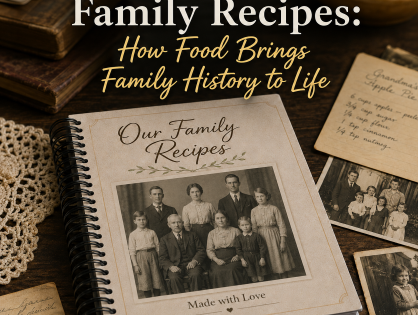
    A genealogy-inspired family cookbook combines recipes, photos, family stories, handwritten notes, regional traditions, and memories into one printed keepsake. For genealogists, it becomes more than a cookbook. It becomes a family history document future generations can read, cook from, and pass along.

    Recipes Add Heart to Family History

    Genealogy records provide the facts of family history, but recipes provide texture and emotion. They show what people ate, what they celebrated, what they valued, and how traditions survived across generations.

    Link to How Family Recipes Help Genealogists Bring Ancestors to Life, which explains that genealogy is about understanding people, not just proving lineage, and that a cookbook can preserve human details before they disappear.

    Then link to Genealogy and Culinary Heritage: Creating a Family Cookbook for Future Generations, which focuses on handwritten recipe cards and the memories carried by old recipe boxes.

    Preserve Handwritten Recipe Cards

    Handwritten cards are especially valuable to genealogists because they preserve handwriting, notes, stains, corrections, and personality. Including scanned or photographed cards in a family cookbook gives future generations a visual connection to the person who wrote or used the recipe.

    For recipe-card preservation, link to Grandma’s Secret Cookie Recipes: Preserving Family Traditions, Grandma’s Recipes Preserved – 1,000 and Counting!, and Favorite Recipes From Grandma Preserved.

    Connect Recipes to Places and Migration

    Food often travels with families. A recipe may reflect a country of origin, a regional tradition, a farming community, a coastal town, or an immigrant story. A cookbook can include notes about where recipes came from and how they changed as the family moved.

    Link to Turn Local Flavor Into a Legacy: Create a Regional Cookbook for Family and Friends. This article supports the idea that food traditions can preserve the character of a place as well as a family.

    Collect Recipes From Living Relatives

    Interview relatives about the foods they remember from childhood, holidays, family gatherings, and special occasions. Even if they do not have written recipes, their memories can help reconstruct family food traditions.

    Link to Tips for Collecting and Organizing Recipes from Multiple Family Members, which explains how to involve multiple relatives in a cookbook project. Also link to 6 Ways to Enter Your Recipes into a Family Cookbook and How to Dictate a Recipe Into Your Family Cookbook Project, since older relatives may prefer talking through recipes instead of typing them.

    Organize Recipes by Family Branch or Generation

    A genealogy cookbook does not have to follow standard meal categories. It can be organized by ancestor, family branch, generation, region, holiday, or contributor. Custom categories make it easier to structure the cookbook around family history rather than just food type.

    Link to Customizing Your Family Cookbook Recipe Categories, which notes that editors can change categories and even organize sections by family member.

    Also link to Organizing Your Recipes in Your Family Cookbook for practical guidance on structuring a cookbook.

    Add Photos, Stories, and Documents

    Genealogy cookbooks can include old family photos, kitchen pictures, reunion photos, handwritten cards, newspaper clippings, short biographies, and memories. These elements help readers understand the people behind the recipes.

    Link to Recipe Layout Tool Upgrade on FamilyCookbookProject.com because it explains how layout controls recipe formatting and photo placement. For covers, link to Customizing Your Family Cookbook Cover and Family Cookbook Project Introduces New Cover Editing Tool.

    Include Recipes From Special Family Events

    Family events often generate meaningful recipe collections. Wedding showers, reunions, holidays, memorials, and anniversaries can all become opportunities to gather recipes and stories.

    Link to How To Make A Bridal Shower Cookbook and How To Create a Mini Cookbook. These support the idea that genealogy cookbooks can begin with smaller, event-focused projects.

    Create a Keepsake Future Generations Can Use

    Unlike many genealogy documents, a cookbook is meant to be opened, read, cooked from, and shared. It gives future generations a way to experience family history through taste, smell, and tradition.

    Before printing, link to How To Get Your Cookbook Ready To Print. If the genealogy cookbook becomes large, link to How Much Does Printing a Family Cookbook Cost? and Pro Tip: Space Saving Options To Lower Printing Cost.

    Family history is more than names on a chart. Preserve the meals, memories, handwriting, and traditions that helped shape your family by creating a genealogy-inspired family cookbook.

    Bill Rice is Founder and Co-Publisher of the Family Cookbook Project, the leading online cookbook publisher with a website that helps families and individuals collect, preserve and share food memories by creating their own printed custom cookbooks. He is the author of The Wellfleet Oyster Cookbook and the Cape Cod Cocktail Cookbook (Available on Amazon), both created using FamilyCookbookProject.com. He is also editor of the Donovan Family Cookbook, now its third printing and is an avid genealogist tracing his family back to the 1600’s.

    Follow Family Cookbook Project on Facebook, Instagram, Twitter TikTok, YouTube and Pinterest!