
Author: Bill Rice

  • How to Craft the Perfect Cookie: Tips for Building Your Own Recipe

    How to Craft the Perfect Cookie: Tips for Building Your Own Recipe

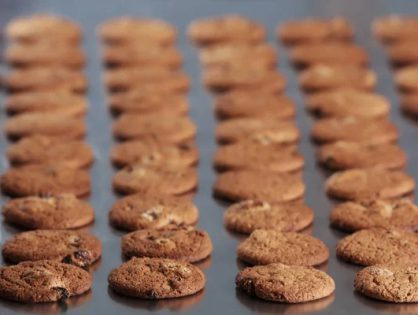
    Creating your own cookie recipe can be a fun and rewarding experience. Whether you’re inspired by a classic chocolate chip cookie or want to craft something entirely new, understanding the essential components of a cookie dough and how to balance them is the first step to creating a delicious, one-of-a-kind treat.

    In this article, we’ll break down the key ingredients required in every cookie, how they interact in the dough, and how to experiment with add-ins to create new flavor profiles. Plus, we’ll discuss how to learn from your mistakes and fine-tune your recipe for perfect results every time.

    The Essential Ingredients in Every Cookie

    Every cookie recipe relies on a few essential ingredients that serve as the foundation of the dough. While you can customize your flavors and add-ins, understanding the role of these core ingredients will help you create a balanced and successful cookie.

    Flour

    –  Proportion : Typically 1 ¾ to 2 ¼ cups per batch (about 24 cookies).

    –  What It Does : Flour is the structure of the cookie. It provides the protein (gluten) that gives cookies their shape and texture. Too much flour results in a dry, crumbly cookie, while too little leads to a flat, greasy one.

    –  Types of Flour : Most cookie recipes use all-purpose flour, but experimenting with whole wheat, almond, or oat flour can add different textures and flavors.

    Fat (Butter or Shortening)

    –  Proportion : Usually ½ to 1 cup.

    –  What It Does : Fat is responsible for the cookie’s tenderness and richness. Butter gives cookies a deep, rich flavor and can also contribute to a crispier texture, while shortening creates softer, puffier cookies. Margarine or coconut oil can also be used as substitutes, but each fat will affect the flavor and texture differently.

    –  Tips : Using melted butter tends to make cookies chewier, while creaming softened butter with sugar gives a lighter, more tender cookie.

    Sugar

    –  Proportion : Typically ½ to 1 cup white sugar and ½ to 1 cup brown sugar.

    –  What It Does : Sugar adds sweetness, but it also plays a role in the cookie’s texture. White sugar gives cookies a crispier texture, while brown sugar, which contains molasses, adds moisture and chewiness.

    –  Adjusting Sugar : Using more brown sugar will make your cookies soft and chewy, while more white sugar will give you a crispier result.

    Eggs

    –  Proportion : Usually 1 to 2 eggs per batch.

    –  What They Do : Eggs provide moisture, richness, and help bind the ingredients together. The egg yolks add fat, which contributes to the cookie’s texture, while the whites help provide structure. Too many eggs can make the dough too moist and cake-like, while too few can make the cookies dry and crumbly.

    –  Substitutes : For egg-free cookies, you can use alternatives like flax eggs, applesauce, or yogurt, though this will affect the texture.

    Leavening (Baking Soda or Baking Powder)

    –  Proportion : Typically 1 teaspoon.

    –  What It Does : Leavening agents cause the cookies to rise and spread. Baking soda produces a denser, chewier texture, while baking powder gives cookies more of a cake-like texture. Most recipes use baking soda, but a combination of both can be used for a balanced rise and texture.

    –  Tips : Too much leavening can cause cookies to spread too much and become flat, while too little may result in dense cookies.

    Salt

    –  Proportion : About ½ teaspoon.

    –  What It Does : Salt enhances the flavor of all the other ingredients and balances sweetness. It’s an essential ingredient, even in sweet recipes, to prevent the cookies from tasting overly sugary.

    Vanilla Extract

    –  Proportion : Usually 1 to 2 teaspoons.

    –  What It Does : Vanilla adds a subtle sweetness and depth of flavor to cookies. It’s a versatile flavor enhancer that complements almost any add-in.

    Add-Ins: Taking Your Cookies to the Next Level

    Once you’ve mastered the basic dough, it’s time to experiment with add-ins that will bring new flavor profiles and textures to your cookies. Here are some creative ideas for taking your cookies beyond the standard chocolate chips:

    Nuts

    –  Flavor Profile : Crunchy, slightly sweet or salty.

    –  Ideas : Add chopped pecans, walnuts, almonds, or macadamia nuts for a satisfying crunch and nutty flavor. Toasting the nuts before adding them will enhance their flavor even more.

    Dried Fruit

    –  Flavor Profile : Sweet and chewy with a hint of tartness.

    –  Ideas : Dried cranberries, cherries, apricots, or raisins add both texture and a sweet-tart flavor. Pair them with nuts or white chocolate for extra dimension.

    Spices

    –  Flavor Profile : Warm, aromatic, and sometimes spicy.

    –  Ideas : Cinnamon, nutmeg, ginger, cardamom, or cloves can transform a basic cookie dough into something warm and spicy. These are perfect for holiday cookies or when paired with chocolate.

    Coconut Flakes

    –  Flavor Profile : Sweet, tropical, and chewy.

    –  Ideas : Unsweetened or sweetened coconut flakes can give your cookies a tropical twist. Toasted coconut adds an extra layer of flavor and texture.

    Candy Pieces

    –  Flavor Profile : Sweet, colorful, and fun.

    –  Ideas : M&Ms, crushed candy bars, or caramel bits bring a playful sweetness to cookies and can add fun colors and textures. Try experimenting with different types of candy to find your favorite combination.

    Zest and Citrus

    –  Flavor Profile : Bright, tangy, and refreshing.

    –  Ideas : Lemon, lime, or orange zest can add a burst of brightness to your cookies. Pair citrus flavors with white chocolate or nuts for a refreshing twist.

    Savory Add-Ins

    –  Flavor Profile : Salty and umami-rich.

    –  Ideas : For a surprising twist, try adding savory ingredients like chopped bacon, pretzels, or a sprinkle of sea salt on top of your cookies. These elements bring a salty contrast to the sweetness and can create a more sophisticated flavor profile.

    Learning from Your Mistakes: Troubleshooting Common Cookie Issues

    Creating your own cookie recipe is a process of trial and error, and even experienced bakers run into challenges. Here are some common issues and how to fix them:

    –  Cookies Spread Too Much : This can happen if there’s too much butter or sugar, or if the dough is too warm when it goes into the oven. To fix this, chill the dough before baking, or add a little more flour to help the cookies hold their shape.

    –  Cookies Are Too Dry : If your cookies come out dry or crumbly, it could be due to over-baking or too much flour. Try reducing the baking time or adding more moisture with an extra egg yolk or a tablespoon of milk.

    –  Cookies Are Too Flat : Flat cookies can be caused by too little leavening or an excess of liquid ingredients. Add a bit more baking soda or powder and ensure your butter isn’t too melted when you mix the dough.

    –  Cookies Are Too Thick : If your cookies don’t spread enough, it may be because there’s too much flour or not enough sugar or butter. Make sure you’re measuring your flour correctly (spoon and level) and consider reducing the flour slightly.

    What to Look for in a Good Cookie Recipe

    When crafting your own cookie recipe or following someone else’s, here are some key qualities to look for:

    1. Balance of Ingredients : The proportions of fat, sugar, and flour should be balanced to achieve the right texture—whether you’re aiming for soft and chewy or crisp and crunchy.
    2. Clear Instructions : Good recipes provide clear, detailed instructions, including steps for mixing, baking, and cooling.
    3. Flexibility for Add-Ins : A great cookie recipe will allow room for customization. Whether you want to add nuts, candy, or dried fruit, the recipe should accommodate these variations without compromising the cookie’s texture.
    4. Flavor Profiles : A good cookie recipe has a well-developed flavor profile. Whether it’s the buttery richness of classic chocolate chip cookies or the warmth of spiced cookies, each ingredient should contribute to the overall taste.

    Final Thoughts: Get Creative and Have Fun!

    The beauty of baking cookies is the endless room for creativity. Whether you’re experimenting with new flavors, adjusting proportions, or adding fun mix-ins, creating your own cookie recipe is all about finding the right balance of ingredients that suit your taste. Don’t be afraid to make mistakes along the way—each batch gets you one step closer to the perfect cookie.

    So, grab your mixing bowl and start experimenting! Who knows? You might just invent the next great cookie recipe.


    Bill Rice is Founder and Co-Publisher of the Great Family Cookbook Project, a website that helps families and individuals collect, preserve and share food memories by creating their own printed personal cookbooks. He is the author of The Wellfleet Oyster Cookbook and the Cape Cod Cocktail Cookbook (Available on Amazon), both created using FamilyCookbookProject.com. He is also editor of the Donovan Family Cookbook, now it’s third printing and
  • You’re Closer Than You Think: How to Finish Your Family Cookbook in Just a Few Simple Steps

    You’re Closer Than You Think: How to Finish Your Family Cookbook in Just a Few Simple Steps

    Let’s be real for a minute.

    Starting a family cookbook feels exciting. You gather favorite recipes. You think about Grandma’s meatballs, Aunt Linda’s sugar cookies, Dad’s chili, and that one mystery casserole everyone loves but no one can explain. You picture a beautiful printed cookbook sitting on the kitchen counter, ready to be used, shared, splattered, loved, and passed down.

    Then life happens.

    The cookbook sits unfinished.

    Maybe it has been a few months. Maybe it has been a few years. Maybe you started it with great hope, then got distracted by work, family, holidays, laundry, taxes, or the fact that dinner still expects to be made every night. Rude, honestly.

    But here’s the good news: you are probably much closer to finishing your family cookbook than you think.

    You do not need to create a perfect cookbook. You do not need every recipe your family has ever made. You do not need a museum-level archive of culinary history. You just need to take the next few steps.

    And once you do, you can turn your saved recipes into a printed cookbook your family will hold, use, and treasure.

    So grab your coffee. Or tea. Or the last cold sip of yesterday’s coffee, because we are not judging here. Let’s walk through how to finish your family cookbook without stress, drama, or a three-ring binder full of panic.

    First, Let Go of “Perfect”

    This is the big one.

    Many family cookbooks stay unfinished because the editor wants everything to be perfect before printing. Every recipe must be checked. Every photo must be found. Every cousin must reply. Every spelling error must be caught. Every category must feel just right.

    That sounds nice.

    It also sounds like trying to fold a fitted sheet while riding a bicycle.

    Perfect is not the goal. Finished is the goal.

    A printed family cookbook does not have to include every recipe from every branch of the family tree. It does not have to be the final word on your family’s food history. In fact, many families print one cookbook now and create another version later.

    Think of your cookbook as a snapshot of your family at this moment. It captures the recipes, stories, and people you have now. That makes it special.

    Could you add more later? Of course. Could you make a second edition in the future? Absolutely. But the recipes you already have deserve to be printed and shared.

    Ask yourself this: would your family rather have a printed cookbook with 85 wonderful recipes now, or wait five more years for the “perfect” cookbook with 112 recipes?

    Exactly.

    Print the cookbook your family can enjoy today.

    Step 1: Look at What You Already Have

    Before you add one more thing, take a look at what is already in your cookbook.

    You may be surprised.

    Many people think, “I barely started.” Then they log in and find dozens of recipes already entered. Some have photos. Some have stories. Some are ready to go. It is like opening the fridge and realizing there is actual food in there. A small miracle.

    Start by reviewing your current cookbook.

    Look at:

    • How many recipes you have
    • Which categories already feel full
    • Which recipes may need a quick review
    • Whether your cookbook already has enough content to print

    You may not need much more.

    A family cookbook does not have to be huge to be meaningful. A smaller cookbook filled with beloved recipes can be just as special as a large one. Sometimes it is even better because people will use it more.

    If your cookbook has appetizers, main dishes, desserts, side dishes, and a few family favorites, you may already have the heart of the book.

    Do not measure your cookbook by size alone. Measure it by meaning.

    Does it include recipes your family loves? Does it save dishes that might otherwise be forgotten? Does it tell part of your family story?

    Then you are on your way.

    Step 2: Pick a Finish Line

    A cookbook project can feel endless if you never define “done.”

    So let’s give it a finish line.

    Not a scary finish line. Not one with a marching band and a stopwatch. Just a simple point where you can say, “This is enough. We are ready to print.”

    Your finish line might be:

    • 50 recipes
    • 100 recipes
    • One recipe from each family member
    • All recipes from one side of the family
    • Holiday recipes only
    • Grandma’s recipe collection
    • Recipes for a reunion, birthday, anniversary, or holiday gift

    Pick a goal that feels useful and reachable.

    If you already have 72 recipes, maybe your goal is 80. That is just eight more. You can do eight, especially with the Family Cookbook Project Smart Recipe Converter. Eight is not a mountain. Eight is a grocery list with ambition.

    If you already have 120 recipes, your goal may not be adding more. Your goal may be reviewing, organizing, and printing.

    This is where many cookbook editors get stuck. They think finishing means collecting more. Sometimes finishing means deciding you have enough.

    Say it out loud if you need to: “We have enough recipes to make a beautiful cookbook.”

    There. See? The kitchen did not explode.

    Step 3: Focus on the Must-Have Recipes

    Every family has recipes that must be included.

    You know the ones.

    The chocolate cake someone requests every birthday. The stuffing that only shows up at Thanksgiving. The pasta salad that appears at every cookout. The cookies that disappear before they cool. The soup that made sick days better. The barbecue sauce with a secret ingredient no one admits is ketchup.

    Those recipes belong in your cookbook.

    Before you chase every possible missing recipe, make a short must-have list.

    Ask:

    • Which recipes would people miss if they were not included?
    • Which dishes are part of our family story?
    • Which recipes are at risk of being lost?
    • Which ones do people ask for again and again?
    • Which recipes connect us to someone we love?

    That list gives you direction.

    You do not need to include every random recipe someone clipped from a magazine in 1987. Unless it is amazing. Or unless there is a note on it that says, “Tom loved this.” Those details matter.

    Focus on the recipes with emotional weight. Those are the ones that turn a cookbook from a list of ingredients into a family keepsake.

    Step 4: Ask for Help, But Keep It Simple

    If you need more recipes, ask your family for help.

    But make it easy for them.

    Do not send a message to your contributors that says, “Please send all your favorite recipes, family stories, photos, kitchen memories, and any related historic notes by Friday.”

    That sounds like homework. People avoid homework. Even adults. Especially adults.

    Instead, ask for one specific thing.

    Try this:

    “Hi everyone! I’m finishing our family cookbook and would love one favorite recipe from you. It can be a dinner, dessert, holiday dish, or anything your family loves. Please send it this week if you can. I’d love to include you.”

    That feels doable.

    You can also ask one person at a time. Some family members respond better when the request feels personal.

    “Hi Aunt Mary, I’m finishing the cookbook and would love to include your banana bread recipe. Could you send it to me?”

    That is much better than shouting into the family group chat and hoping someone answers between memes and birthday reminders.

    You can also remind people that the recipe does not have to be fancy. Family recipes are often simple. They are loved because they show up at the right time with the right people around the table.

    A good recipe does not need truffle oil and a dramatic backstory. Sometimes it just needs butter, noodles, and someone saying, “This is how Mom made it.”

    Step 5: Use Photos Where You Have Them

    Photos make a family cookbook feel personal.

    But here is the key: you do not need a photo for every recipe.

    Please release yourself from that idea.

    A cookbook with some photos is still beautiful. A cookbook with no photos can still be useful and loved. Photos are wonderful, but they should not stop you from printing.

    Use what you have.

    You might include:

    • Family photos
    • Holiday meal photos
    • Pictures of recipe cards
    • Photos of finished dishes
    • Old kitchen snapshots
    • Wedding, reunion, or birthday photos
    • Pictures of the person known for a recipe

    A photo of Grandma standing by the stove may mean more than a perfect picture of her apple pie. People connect to faces, places, and memories.

    And if the photo is not perfect? That is fine.

    A slightly blurry family photo can still bring a big smile. In fact, sometimes the imperfect ones feel the most real. Life is not a stock photo. Nobody’s Thanksgiving table looks that calm for more than seven seconds.

    Add photos where they add warmth. Skip them where they cause stress.

    Step 6: Add Personal Notes to Bring Recipes to Life

    One of the best parts of a family cookbook is the story behind the recipe.

    A personal note can turn a simple recipe into something special.

    For example:

    “This was Grandpa Joe’s favorite Sunday dinner.”

    Or:

    “Mom made this every Christmas Eve, and we still argue over who gets the corner piece.”

    Or:

    “This recipe came from our neighbor Mrs. Wilson, who never measured anything but somehow made everything taste perfect.”

    These notes do not need to be long. One or two sentences can make a big difference.

    You can add notes about:

    • Who made the recipe
    • When your family served it
    • Why people loved it
    • Funny cooking memories
    • Ingredient tips
    • Changes made over time
    • Family traditions tied to the dish

    Do you need a story for every recipe? Nope.

    Again, we are not building a courthouse record. We are making a cookbook.

    Add notes where you can. They give your cookbook heart.

    Step 7: Organize the Cookbook by Category

    A cookbook feels easier to use when recipes are organized in a clear way.

    Most family cookbooks work well with simple categories such as:

    • Appetizers
    • Soups and Salads
    • Main Dishes
    • Side Dishes
    • Breads
    • Desserts
    • Cookies
    • Holiday Favorites
    • Family Favorites

    You can keep it classic or create custom categories that fit your family.

    Maybe your family needs a “Grandma’s Best” section. Maybe you need “Game Day Recipes” or “Beach Week Favorites.” Maybe you need “Recipes Kids Actually Eat,” which, let’s be honest, may include three foods and a dream.

    The goal is to help people find what they want.

    Try not to overthink it. If a recipe could fit in two places, pick one and move on. No one will call the cookbook police.

    Simple categories make your cookbook easy to browse, easy to cook from, and easy to enjoy.

    Step 8: Review Without Getting Stuck

    At some point, you need to review your recipes.

    But review does not mean rewrite every recipe from scratch.

    Look for the basics:

    • Is the title clear?
    • Are the ingredients listed?
    • Are the directions included?
    • Is the oven temperature there, if needed?
    • Is the cooking time listed, if known?
    • Does the recipe make sense?

    That is enough for most recipes.

    You may find a recipe that says, “Bake until done.” Ah yes, the classic family cooking instruction. Very clear. Very mysterious. Very “Grandma knew, and now we must guess.”

    When you find one like that, do your best. Add a note if needed. For example:

    “Original recipe says ‘bake until done.’ We suggest checking after 30 minutes.”

    That keeps the charm while helping the next person.

    Do not let one unclear recipe stop the whole cookbook.

    You can also print recipes as they were written if that feels right. Handed-down recipes often carry the voice of the person who wrote them. A little odd phrasing can be part of the charm.

    Review for clarity, not perfection.

    Step 9: Choose a Cover That Makes You Smile

    The cover sets the mood for your cookbook.

    It does not need to be fancy. It needs to feel right.

    You might choose a cover that feels:

    • Warm and traditional
    • Bright and modern
    • Holiday-themed
    • Family-focused
    • Elegant
    • Fun and casual

    You can create a custom cover using a family photo, a food photo, or a design that fits your theme.

    If you feel stuck, ask yourself: “Who is this cookbook for?”

    If it is a gift for family, a warm family photo may be perfect. If it is a holiday cookbook, a festive cover may work best. If it is a collection of treasured recipes from one person, you may want their photo on the cover.

    The right cover makes people want to open the book.

    And when they do, they will find something far better than a pretty design. They will find recipes that connect them to people they love.

    Step 10: Preview the Cookbook

    Before you print, preview your cookbook.

    This step helps you catch small issues before the book goes to print.

    Look through the pages and check:

    • Recipe titles
    • Category order
    • Page flow
    • Photos
    • Personal notes
    • Cover design
    • Any obvious typos

    This is also the moment when the project starts to feel real.

    You are no longer just “working on a cookbook.” You are looking at the book your family will hold.

    That is a big deal.

    Try to review it with fresh eyes. You may want to ask one trusted person to look it over too. Choose someone helpful, not someone who will turn a comma into a family crisis.

    You want a second set of eyes, not a Supreme Court hearing.

    Step 11: Order Your Printed Copies

    Once your cookbook looks good, take the step that matters most.

    Print it.

    You can start with one copy if you want to review it in person. Holding the cookbook often gives you a new sense of what you have created.

    You may notice a small change you want to make. That is normal. Many people order a proof or first copy, review it, and then order more for family members.

    But do not let the first printed copy scare you. It is exciting. You can order additional copies at any time.

    When you hold the cookbook, you see the project in a whole new way. It becomes real. It becomes a gift. It becomes something people can use in their kitchens.

    A digital recipe collection is helpful. A printed cookbook is different.

    A printed cookbook can sit on a counter. It can be opened by a child. It can be wrapped as a gift. It can be passed around at a reunion. It can collect notes, splatters, and memories.

    It becomes part of family life.

    Why Printing Matters

    You may wonder, “Why print? The recipes are already online.”

    Fair question.

    Online recipes are useful. But printed cookbooks create a different feeling.

    A printed cookbook is easy to share with people who do not use the website often. It makes a beautiful gift. It keeps recipes in one place. It gives family members something they can hold and use.

    It also helps protect recipes from being lost in the shuffle of daily life.

    Think about how many things live on phones, computers, and old email accounts. Photos. Notes. Recipes. Messages. Important stuff hides everywhere.

    A printed cookbook brings your best family recipes out of the digital pile and into the real world.

    It says, “These matter.”

    That is powerful.

    It also makes cooking more fun. There is something special about opening a cookbook and seeing a recipe from someone you love. It feels personal. It feels warm. It feels like they are in the kitchen with you, gently reminding you not to burn the rolls.

    Or loudly reminding you. Depends on the relative.

    Make It a Gift

    A printed family cookbook makes a wonderful gift because it feels personal.

    It is not another sweater. It is not another candle. It is not another gadget that comes with a charging cord and mild confusion.

    It is a gift with meaning.

    Family cookbooks are perfect for:

    • Holidays
    • Birthdays
    • Weddings
    • Anniversaries
    • Family reunions
    • Mother’s Day
    • Father’s Day
    • Graduation gifts
    • Memorial keepsakes
    • Housewarming gifts

    You can give the same cookbook to many people, and each person may connect with it in a different way.

    Some will cook from it. Some will read it like a memory book. Some will put it on a shelf and treasure it. Some will spill sauce on it within a week, which is honestly a sign of love.

    Cookbooks are meant to be used.

    Do Not Wait for Everyone

    This may sound a little bold, but here it is:

    Do not wait forever for every family member to send a recipe.

    There. We said it.

    Some people will send recipes right away. Some will need reminders. Some will promise to send one and then vanish like a sock in the dryer.

    That does not mean your cookbook should stay unfinished.

    Set a deadline. Give a friendly reminder. Then move forward.

    You can always add more recipes in a future edition. But you cannot enjoy a cookbook that never gets printed.

    The family members who did contribute will be glad to see it finished. The ones who missed the deadline may even feel inspired to send recipes next time.

    Progress has a funny way of waking people up.

    You Are Closer Than You Think

    Here is the truth: your cookbook does not have to be perfect to be priceless.

    It just has to be finished.

    The recipes you have already gathered can become something real. Something useful. Something your family will love.

    So take a look at your cookbook today. See what is there. Pick your finish line. Add what matters most. Review it. Choose a cover. Print a copy.

    You may be only a few simple steps away from holding your family cookbook in your hands.

    And when that printed cookbook arrives, you will be glad you finished.

    Your family will be glad too.


    Bill Rice is Founder and Co-Publisher of the Family Cookbook Project, the leading online cookbook publisher with a website that helps families and individuals collect, preserve and share food memories by creating their own printed custom cookbooks. He is the author of The Wellfleet Oyster Cookbook and the Cape Cod Cocktail Cookbook (Available on Amazon), both created using FamilyCookbookProject.com. He is also editor of the Donovan Family Cookbook, now its third printing and is an avid genealogist tracing his family back to the 1600’s.

    Follow Family Cookbook Project on Facebook, Instagram, X (Twitter) TikTok, YouTube and Pinterest!


  • The Apple Aisle Decoded: Find the Perfect Apple for Any Dish

    The Apple Aisle Decoded: Find the Perfect Apple for Any Dish

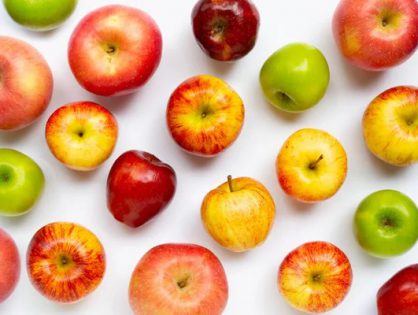
    Apples are one of the most versatile and widely consumed fruits in the world. From the tart bite of a Granny Smith to the honeyed sweetness of a Fuji, apples come in an array of flavors, textures, and colors. Grocery stores typically stock a variety of apple types, each with its own unique characteristics, making them suited to different culinary uses. Whether you’re making a pie, juicing, or simply looking for a crisp snack, understanding the differences between common apple varieties can help you choose the best one for your needs.

    Let’s explore some of the most common apples found in grocery stores and highlight their best uses, from baking to snacking and beyond.

    Gala Apples

    Flavor Profile:

    Gala apples are known for their mild, sweet flavor with a hint of vanilla and floral undertones. They are a smaller apple with a thin skin, making them easy to bite into, and their flesh is crisp and juicy but not overly firm.

    Best Uses:

    –  Snacking:  Gala apples are perfect for snacking due to their sweetness and tender texture.

    –  Salads:  The mild sweetness of Gala apples complements greens, cheese, and nuts in salads.

    –  Sauces:  They make excellent applesauce because they break down easily and don’t require much added sugar.

    Not ideal for:  Baking, as their flesh tends to become too soft when cooked, making them less suited for pies or tarts.

    1.  Granny Smith Apples

    Flavor Profile:

    Granny Smith apples are famously tart with a bright, zesty flavor. They have a firm, crisp texture and a vibrant green skin that sets them apart from other varieties.

    Best Uses:

    –  Baking:  Granny Smith apples hold their shape well when baked, making them a classic choice for pies, tarts, and crumbles.

    –  Salads:  Their tartness adds a refreshing contrast to sweeter salad ingredients.

    –  Juicing and Cider:  The sharp flavor of Granny Smith apples makes them ideal for juicing or adding balance to apple ciders and blends.

    Not ideal for:  Snacking, unless you prefer a more tart apple.

    Honeycrisp Apples

    Flavor Profile:

    As the name suggests, Honeycrisp apples are both sweet and crisp. They have a perfect balance of sweetness and acidity, making them one of the most popular apples in the market.

    Best Uses:

    –  Snacking:  Their satisfying crunch and balanced flavor make Honeycrisp apples an excellent snack choice.

    –  Salads:  Honeycrisps add both texture and sweetness to salads, holding their crunch for longer periods compared to other varieties.

    –  Juicing:  Their sweetness and high water content make them great for juicing, yielding a naturally sweet and refreshing juice.

    Not ideal for:  Baking, because they can lose their crunch when exposed to prolonged heat.

    Fuji Apples

    Flavor Profile:

    Fuji apples are one of the sweetest varieties, with a sugary flavor reminiscent of honey. They are exceptionally juicy and have a dense, crisp texture. These apples are larger than most other types, with a yellow-green skin streaked with red.

    Best Uses:

    –  Snacking:  Their sweetness and juiciness make Fuji apples a favorite for eating raw.

    –  Salads:  Fuji apples add sweetness and crunch to salads without becoming too soft.

    –  Sauces and Juices:  Their high sugar content makes them excellent for sweet apple sauces and juices.

    Not ideal for:  Baking, as their high water content can make them too soft and watery in pies or tarts.

    Red Delicious Apples

    Flavor Profile:

    Red Delicious apples are mildly sweet with a slightly floral, almost melon-like flavor. They have a thick, deep red skin and a soft, sometimes grainy texture, which isn’t as crisp as other varieties.

    Best Uses:

    –  Snacking:  If you enjoy a mild, soft apple, Red Delicious can be a good option for eating out of hand.

    –  Salads:  When sliced, Red Delicious apples add a mild sweetness and vibrant color to salads. However, they tend to oxidize quickly, so it’s best to toss them in lemon juice to prevent browning.

    –  Smoothies:  The soft texture of Red Delicious apples makes them easy to blend into smoothies.

    Not ideal for:  Baking or cooking, as they tend to lose both flavor and texture when heated.

    Golden Delicious Apples

    Flavor Profile:

    Golden Delicious apples have a balanced sweet-tart flavor with notes of honey and pear. Their thin skin is golden yellow, and their flesh is tender and juicy, though not as crisp as varieties like Honeycrisp or Fuji.

    Best Uses:

    –  Baking:  Golden Delicious apples are great for baking as they hold their shape well in pies, tarts, and crisps, without turning mushy.

    –  Salads:  Their sweetness and slightly softer texture make them a nice addition to fruit salads or green salads.

    –  Sauces and Preserves:  Golden Delicious apples break down easily when cooked, making them ideal for applesauce, jams, and preserves.

    Not ideal for:  Snacking if you prefer a crisper apple.

    Pink Lady (Cripps Pink) Apples

    Flavor Profile:

    Pink Lady apples are known for their tart-sweet balance, with a bright, tangy flavor that finishes with a hint of sweetness. They are crisp, firm, and juicy, with a pinkish-red blush over a yellow-green skin.

    Best Uses:

    –  Snacking:  The crisp texture and complex flavor make Pink Lady apples an excellent choice for eating fresh.

    –  Salads:  Their firm flesh holds up well in salads, and their tartness balances sweet ingredients like dried fruit or candied nuts.

    –  Baking:  Pink Lady apples are versatile enough for baking, holding their shape and offering a pleasant balance of flavors in pies and tarts.

    Not ideal for:  Sauces, as their firmer texture doesn’t break down as easily as other varieties.

    Braeburn Apples

    Flavor Profile:

    Braeburn apples have a spicy-sweet flavor with hints of cinnamon and nutmeg, paired with a refreshing tartness. They have a firm, crisp texture and an orange-red skin with a yellow undertone.

    Best Uses:

    –  Baking:  Braeburn apples are fantastic for baking because they hold their shape and their spicy-sweet flavor becomes more pronounced when cooked.

    –  Snacking:  Their crisp texture and unique flavor make Braeburn apples a delicious choice for snacking.

    –  Salads:  The firm texture of Braeburn apples means they won’t turn mushy in salads, and their spiced flavor adds depth to fresh dishes.

    Not ideal for:  Juicing, as their denser texture can make them harder to juice compared to juicier varieties.

    McIntosh Apples

    Flavor Profile:

    McIntosh apples are soft, juicy, and aromatic, with a tangy-sweet flavor that mellows as the fruit ripens. They have a tender, thin skin that is typically red with green accents.

    Best Uses:

    –  Sauces and Preserves:  McIntosh apples break down easily, making them ideal for applesauce, jams, and other cooked apple preparations.

    –  Juicing:  Their high juice content and sweet flavor make McIntosh apples a popular choice for apple juice or cider.

    –  Snacking:  If you enjoy a softer apple, McIntosh apples are perfect for eating out of hand.

    Not ideal for:  Baking, as they tend to lose their structure and become mushy when heated.

    Jonagold Apples

    Flavor Profile:

    A cross between Jonathan and Golden Delicious apples, Jonagold apples have a sweet-tart flavor with a honeyed aftertaste. They are crisp, with a creamy, juicy flesh and a yellow-orange skin streaked with red.

    Best Uses:

    –  Baking:  Jonagold apples are great for baking, offering the perfect balance of sweetness and tartness without losing their shape in pies, tarts, or crisps.

    –  Snacking:  Their juicy, crisp texture makes Jonagold apples a good choice for snacking.

    –  Salads:  The firm texture of Jonagold apples makes them a great addition to salads, offering both crunch and flavor.

    Not ideal for:  Sauces, as their firmer texture can take longer to break down.

    With so many varieties of apples available, it can be tricky to know which one to choose for your specific culinary needs. Some apples are better for snacking, others shine in baked goods, and still others are perfect for sauces or salads. By understanding the flavor profiles and best uses of common grocery store apples, you can ensure that your dishes always turn out just right.

    Next time you’re at the grocery store, consider picking up a few different varieties of apples to explore their unique flavors and textures. Whether you’re making an apple pie, tossing together a salad, or simply enjoying a fresh snack, there’s an apple variety out there to suit your taste and needs.


    Bill Rice is Founder and Co-Publisher of the Family Cookbook Project, a website that helps families and individuals collect, preserve and share food memories by creating their own printed personal cookbooks. He is the author of The Wellfleet Oyster Cookbook and the Cape Cod Cocktail Cookbook (Available on Amazon), both created using FamilyCookbookProject.com. He is also editor of the Donovan Family Cookbook, now it’s third printing and is an avid genealogist tracing his family back to the 1600’s.
    Follow Family Cookbook Project on Facebook, Instagram, Twitter TikTok, YouTube and Pinterest!


  • Pro Tip: Creating An eCookbook

    Pro Tip: Creating An eCookbook

    Family Cookbook Project makes it easy for you to access your personalized cookbook on an iPad, iPhone, Kindle, Nook or any other eReader. Once you have entered your recipes, selected a cookbook cover (or created your own using a cookbook cover template), added photos of the food or family members you will be ready to publish your cookbook.

    To create an eCookbook, simply create a high Resolution PDF of your cookbook and save the file to your computer. This file is designed to adapt to the screen size of any eReader you may use. Many people use PDFs on their Kindle or Nook eReaders. You can do this in your Printing and Publishing Center using the “Self Publishing” link.

    If you want to convert your PDF to the widely accepted ePub format used by most readers, you can simply go to a website like Online-Convert.com and upload your cookbook PDF. In seconds, they will convert the cookbook to ePub format at no additional cost.

    Mobile App

    We also offer a mobile app to access your cookbook online.

    The Family Cookbook Project online recipe box allows users to browse and use their recipes. Tools include our blog at your fingertips, latest recipes from our recipe database, notes for in the kitchen, a tip calculator and more! Users can enter their recipes at www.familycookbookproject.com and have access anywhere!

    Designed for use on the Apple iPhone or iPad, the free app can be downloaded at
    https://itunes.apple.com/us/app/family-cookbook-project-recipes/id1128570224?ls=1&mt=8

    If you are an Android user go to https://play.google.com/store/apps/details?id=com.app_fcbrecipes1.layout


    Bill Rice is Founder and Co-Publisher of the Family Cookbook Project, the leading online cookbook publisher with a website that helps families and individuals collect, preserve and share food memories by creating their own printed custom cookbooks. He is the author of The Wellfleet Oyster Cookbook and the Cape Cod Cocktail Cookbook (Available on Amazon), both created using FamilyCookbookProject.com. He is also editor of the Donovan Family Cookbook, now it’s third printing and is an avid genealogist tracing his family back to the 1600’s.

    Follow Family Cookbook Project on Facebook, Instagram, Twitter TikTok, YouTube and Pinterest!

  • Cookie Swap Cookbook: Turn a Baking Party into a Keepsake

    Cookie Swap Cookbook: Turn a Baking Party into a Keepsake

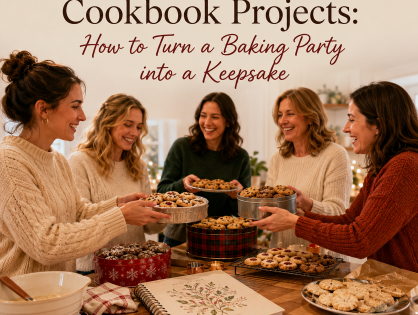
    A cookie swap is already full of everything people love about the holidays: favorite recipes, family traditions, laughter, sugar, and just enough powdered sugar on the floor to prove everyone had fun. Turning those cookie swap recipes into a printed cookbook makes the party last long after the tins are empty.With

    With Family Cookbook Project, you can transform a simple cookie swap into a custom printed cookbook — a keepsake filled with recipes, photos, and stories from everyone who took part. It’s a fun and meaningful way to celebrate community, creativity, and the simple joy of baking together.

    Here’s how to host a cookie swap that ends not just with full tins, but with a shared book of memories.

    Quick Answer: To create a cookie swap cookbook, ask each guest to bring cookies and submit the recipe, collect baker names and stories, photograph the cookies, organize recipes by cookie type or holiday theme, add party photos and baking memories, proofread the recipes, and print copies as keepsakes or gifts.

    1. What Makes Cookie Swaps So Special

    Cookie swaps are about more than exchanging baked goods — they’re about connection. Each person brings a part of themselves to the table: a family recipe, a secret ingredient, a tradition that means something to them.

    Everyone leaves with more than cookies. They leave with new ideas, new favorites, and the satisfaction of having shared something personal.

    Turning your cookie swap into a cookbook project takes that feeling and makes it permanent. You’ll have a record of every recipe, every contributor, and even a few stories from the day — all collected into a beautiful printed keepsake.

    1. Plan Your Baking Party with the Cookbook in Mind

    Start by deciding what kind of cookie swap you want to host. It could be:

    • A small family gathering.
    • A neighborhood or community event.
    • A workplace holiday tradition.
    • A group of friends who bake together every year.

    Once you’ve picked your group, let everyone know ahead of time that you’re collecting recipes for a cookie swap cookbook. That way, participants can write their recipes clearly, share a short story about their cookies, and even bring printed copies for others to take home.

    1. Collect the Recipes Before the Event

    To make your cookbook project easier, gather everyone’s recipes before the swap. Ask participants to submit them online through FamilyCookbookProject.com or send them by email.

    Encourage them to include:

    • The full ingredient list and directions.
    • A short story about where the recipe came from or what it means to them.
    • Tips for decorating, storing, or serving.
    • A photo if they have one.

    By collecting recipes ahead of time, you can start building your cookbook layout even before the event begins.

    1. Add a Personal Touch with Stories and Memories

    The best cookie cookbooks include more than measurements — they include meaning.

    Encourage contributors to share short notes that bring each recipe to life. For example:

    “This was my grandmother’s Christmas cookie recipe. She always baked extra so we could give them to neighbors.”
    “We made these every December, and the smell meant it was officially the holidays.”
    “These cookies were a disaster the first time, but now they’re everyone’s favorite.”

    When readers open your finished cookbook, they’ll smile at the stories just as much as the recipes.

    1. Make the Swap a Celebration

    The baking party itself is the heart of the project.

    Decorate the space with holiday touches — string lights, ribbons, and plates of cookies ready to trade. Have guests bring several dozen of one cookie variety, enough to share and exchange.

    You can set up a tasting table, provide blank cards for notes, and let people vote for fun categories like:

    • Best Presentation
    • Most Creative
    • Family Favorite
    • Best Use of Chocolate

    Capture the day with photos — smiling faces, trays of cookies, and the joyful chaos of baking friends sharing their creations. These images will make wonderful additions to your finished cookbook.

    1. Use Family Cookbook Project to Build the Book

    After the event, gather all your recipes, stories, and photos in one place using Family Cookbook Project. The online tools make it easy to:

    • Add recipes directly from participants.
    • Upload photos from the swap.
    • Write an introduction about your event.
    • Organize the cookbook into sections (like chocolate, holiday classics, or international favorites).
    • Choose a cover design and title, such as “Cookie Swap Classics 2025” or “Our Annual Bake & Share Collection.”

    You can even include a section with photos of the event and notes from participants, turning the cookbook into a true keepsake of the day.

    1. Choose a Festive Design

    Presentation matters — especially when your cookbook doubles as a memento.

    Family Cookbook Project offers three book sizes and multiple binding options:

    • 8½ x 11 inches – perfect for full-page photos and detailed recipes.
    • 8 x 8 inches – a modern square design that’s great for gifting.
    • 5½ x 8½ inches – compact and easy to use in the kitchen.

    Pick between spiral binding for practical use or hardcover for a keepsake edition. Add holiday colors, cookie images, or even a photo of your group on the cover to make it extra personal.

    1. Include Extras That Make It Special

    Round out your cookbook with helpful sections and personal touches, such as:

    • Baking tips: How to keep cookies soft, how to ship them, or how to decorate like a pro.
    • Storage advice: The best ways to store different types of cookies.
    • Conversion charts: Handy for new bakers or younger participants.
    • Notes pages: Leave blank space for future cookie swap recipes or variations.

    These details make the cookbook practical for baking and meaningful as a gift.

    1. Share and Gift the Finished Cookbook

    Once your cookbook is complete, print copies to share with everyone who participated in the cookie swap.

    It’s a perfect thank-you gift — a way for each baker to remember not only the cookies they brought, but also the people who made the event special.

    If you host your cookie swap annually, you can make a new edition each year, adding new recipes and photos. Over time, you’ll build a multi-volume family or community tradition that captures the spirit of every holiday season.

    1. Keep the Tradition Going

    A cookie swap cookbook is more than a collection of recipes. It’s a record of shared laughter, creativity, and friendship.

    By making it an annual tradition, you’re doing more than baking cookies — you’re building a legacy. Each year’s cookbook becomes a chapter in a story that grows sweeter over time.

    Decades from now, those books will be a family archive of recipes, faces, and memories — proof that some of the best gifts are made with sugar, flour, and a lot of love.

    Start Today!

    Turn your next cookie swap into a keepsake that lasts long after the last crumb is gone. Create a cookie swap cookbook with FamilyCookbookProject.com.

    Collect recipes, photos, and stories online, then print a professional-quality cookbook your group will treasure year after year.

    Because every cookie shared deserves to be remembered.


    Bill Rice is Founder and Co-Publisher of the Family Cookbook Project, the leading online cookbook publisher with a website that helps families and individuals collect, preserve and share food memories by creating their own printed custom cookbooks. He is the author of The Wellfleet Oyster Cookbook and the Cape Cod Cocktail Cookbook (Available on Amazon), both created using FamilyCookbookProject.com. He is also editor of the Donovan Family Cookbook, now it’s third printing and is an avid genealogist tracing his family back to the 1600’s.

    Follow Family Cookbook Project on Facebook, Instagram, Twitter TikTok, YouTube and Pinterest!


    Frequently Asked Questions About Cookie Swap Cookbooks

    What is a cookie swap cookbook?
    A cookie swap cookbook is a printed collection of cookie recipes shared at a cookie exchange, baking party, holiday gathering, or community event. It can include recipes, baker names, stories, photos, and party memories.

    How do I create a cookbook from a cookie swap?
    Ask each guest to submit a recipe, collect baker names and stories, photograph the cookies, organize recipes into categories, proofread the recipes, and print copies as keepsakes or gifts.

    How many recipes should a cookie swap cookbook have?
    A small cookie swap cookbook can work well with 20–40 recipes. A larger holiday cookie cookbook or fundraiser may include 50–100 recipes or more.

    What should guests bring to a cookie swap cookbook party?
    Guests should bring cookies to share, a copy of the recipe, the baker’s name, and any story or memory connected to the recipe. Use FamilyCookbookProject.com’s Invite tool to have guests enter their recipes directly into the system.

    Can a cookie swap cookbook be used as a fundraiser?
    Yes. A cookie swap cookbook can be sold as a holiday fundraiser for schools, churches, clubs, scout troops, and nonprofits.

    What categories should a cookie cookbook include?
    Useful categories include chocolate cookies, holiday classics, no-bake cookies, bars and squares, decorated cookies, family favorites, international cookies, gluten-free cookies, and candy.

    Is a cookie swap cookbook a good holiday gift?
    Yes. It makes a meaningful holiday gift because it preserves favorite recipes, baking memories, family traditions, and photos from the event.

  • Follow Family Cookbook Project for Cookbook Ideas, Tips, and Inspiration

    Follow Family Cookbook Project for Cookbook Ideas, Tips, and Inspiration

    Looking for fresh ideas, helpful tips, and inspiration for your family cookbook? Follow Family Cookbook Project on social media for recipe preservation ideas, cookbook design examples, customer stories, holiday print reminders, and practical advice to help you collect, organize, finish, and print your cookbook.

    The Family Cookbook Project is more than just a cookbook publisher; it’s a community where families and individuals come together to share recipes and food memories. We provide a system that makes it easy to gather and publish your family food traditions. Additionally, we offer valuable advice on improving your cookbook, creating better recipes, and understanding cooking.

    Quick Answer: Follow Family Cookbook Project on social media to get family cookbook ideas, recipe collection tips, design inspiration, Smart Recipe Converter updates, customer examples, holiday print deadline reminders, and helpful advice for creating a printed cookbook your family will treasure.

    Here are the ways you can follow us on social media:

    Facebook: Follow us on Facebook to discover interesting recipes from our editors, get ideas to enhance your cookbook, and receive general cooking tips. We also have specific pages for barbecue recipes and cookie recipes, so follow those if they interest you.

    Pinterest: Cooking and recipes are popular categories on Pinterest. The Family Cookbook Project has 18 boards filled with great recipes, cooking tips, and ways to improve your cookbook. Explore interesting categories like Food Guys Like, Recipes from Around the World, and What’s for Breakfast.

    Instagram: Follow the Family Cookbook Project on Instagram for more recipes and tips.

    TikTok: Like short videos about cooking and creating cookbooks, follow our TikTok cookbook channel.

    Twitter: If you prefer X (formerly Twitter), find us at @Family_Cookbook or using the hashtag #familycookbook. We share the same great information across all our social media platforms.

    YouTube: Our How To videos can be found on YouTube, where we post videos on how to use Family Cookbook Project’s online tools to create the perfect family recipe book.

    Follow Family Cookbook Project on your favorite social media platform for cookbook ideas, recipe-saving tips, design inspiration, holiday deadline reminders, and encouragement to help you finish and print your cookbook.

    Bill Rice is Founder and Co-Publisher of the Family Cookbook Project, a website that helps families and individuals collect, preserve and share food memories by creating their own printed personal cookbooks. He is the author of The Wellfleet Oyster Cookbook and the Cape Cod Cocktail Cookbook (Available on Amazon), both created using FamilyCookbookProject.com. He is also editor of the Donovan Family Cookbook, now it’s third printing.

    Follow Family Cookbook Project on Facebook, Instagram, Twitter, TikTok, YouTube and Pinterest!


    Frequently Asked Questions About Family Cookbook Project Social Media

    Why should I follow Family Cookbook Project on social media?
    Follow Family Cookbook Project for cookbook ideas, recipe preservation tips, design inspiration, Smart Recipe Converter updates, printing reminders, customer examples, and helpful advice for finishing your cookbook.

    What kind of content does Family Cookbook Project share?
    Family Cookbook Project shares family cookbook ideas, blog articles, recipe organization tips, cookbook design suggestions, customer examples, seasonal reminders, and printed cookbook inspiration.

    Which social media platforms is Family Cookbook Project on?
    Follow Family Cookbook Project on Facebook, Instagram, Twitter, TikTok, YouTube and Pinterest!

    Will following on social media help me finish my cookbook?
    It can help by giving you reminders, ideas, deadline prompts, and encouragement to keep collecting recipes, adding photos, proofreading, and preparing your cookbook for printing.

    Does Family Cookbook Project post Christmas print deadline reminders?
    Yes. Family Cookbook Project also sends emails to editors as the deadlines approach.

  • The Easiest Way to Turn Years of Saved Recipes Into a Beautiful Printed Cookbook

    The Easiest Way to Turn Years of Saved Recipes Into a Beautiful Printed Cookbook

    If you have years of saved recipes tucked into drawers, recipe boxes, email folders, phone photos, screenshots, browser bookmarks, and old notebooks, you are not alone. The easiest way to turn that recipe clutter into something useful is to collect everything in one place, convert what you can into editable text, organize the recipes into categories, add photos and stories, and print them in a custom cookbook.

    For many families, favorite recipes are everywhere except where they need to be. One recipe lives on a stained card. Another is in a text from your sister. One is printed from a website. Another is written in handwriting that looks like it was done during a minor earthquake. And the recipe everyone wants most? Naturally, nobody knows where it is.

    That is how recipes get lost. But it does not have to stay that way.

    With FamilyCookbookProject.com, you can turn years of saved recipes into a beautiful printed cookbook your family can hold, use, and share. And the process is easier than most people think.

    You do not need to be a designer. You do not need to be a computer expert. You do not need to spend your weekends typing recipes until your fingers file a complaint.

    You just need a simple plan.

    Let’s walk through it together.

    Quick Answer: The easiest way to turn saved recipes into a printed cookbook is to gather recipes from cards, clippings, screenshots, emails, photos, and digital files; use Smart Recipe Converter to help turn recipe images into editable text; organize recipes into categories; add stories and photos; preview the book; proofread carefully; and order printed copies.

    Start by Gathering, Not Sorting

    When you decide to make a printed cookbook, it is tempting to organize everything first.

    You may think, “I’ll sort all the cards, rewrite all the recipes, label all the photos, and then I’ll start.”

    That sounds responsible. It also sounds like the beginning of a project that never ends.

    Instead, start by gathering.

    Put the recipes in one place first. Do not worry about perfect order yet. Just collect what you have.

    Look for recipes in:

    • Kitchen drawers
    • Recipe boxes
    • Old binders
    • Cookbook margins
    • Email folders
    • Text messages
    • Phone photos
    • Computer files
    • Printed pages
    • Holiday folders
    • Family reunion booklets
    • Notes from parents or grandparents

    Ask family members to send what they have too. But keep the request simple. Say, “Please send a photo of any favorite family recipe you want included.”

    That is much easier than asking them to type the whole thing. Nobody wants a homework assignment with a side of guilt.

    Once you gather the recipes, you can see what you are working with. The pile may look messy at first, but that is okay. Most good family projects begin with a little chaos. So do most holiday dinners.

    Choose the Kind of Cookbook You Want to Make

    Before you add every recipe you find, decide what kind of cookbook you want.

    This step saves time because it gives your project a clear shape.

    • Do you want a full family cookbook with everyone’s favorites?
    • A cookbook based on one person, like Grandma’s recipes?
    • A holiday cookbook?
    • A baking cookbook?
    • A reunion cookbook?
    • A “recipes for the next generation” cookbook?
    • A personal cookbook of your own best dishes?

    There is no wrong answer.

    A clear theme helps you decide what belongs in this edition. That last phrase matters: this edition.

    You do not need to include every recipe your family has ever made. You can create one printed cookbook now and update it later. In fact, many families like the idea of making a first edition and adding more over time.

    So give yourself permission to start with a cookbook that has a clear purpose.

    If the goal is “Grandma’s Best Recipes,” you do not need to include your cousin’s new air fryer nachos. Delicious? Probably. On theme? Maybe not.

    Save them for the sequel.

    Create a “Print-Worthy” Pile

    Now that you have gathered your recipes and chosen a direction, make a “print-worthy” pile.

    These are the recipes that deserve a place in the book.

    They might be:

    • Family favorites
    • Holiday traditions
    • Recipes tied to loved ones
    • Dishes people request often
    • Recipes that might get lost
    • Recipes with handwritten notes
    • Meals connected to a special memory
    • Comfort foods your family loves

    Do not judge recipes by how fancy they are.

    Some of the most loved family recipes are simple. A five-ingredient casserole can mean more than a complicated dish with ingredients no one can pronounce. Let’s be real, if a recipe has been requested at every family gathering for 30 years, it has earned its place.

    Your cookbook should reflect your family, not a cooking show.

    If your family loves the gelatin salad, include the gelatin salad. History must be told.

    Use the Smart Recipe Converter to Make Adding Recipes Easier

    Here is where the process gets much easier.

    FamilyCookbookProject.com’s Smart Recipe Converter helps you add recipes without typing everything from scratch.

    You can upload a photo, scan, or screenshot of a recipe, and the tool helps turn it into editable text for your cookbook.

    That means you can use:

    • Handwritten recipe cards
    • Printed recipes
    • Old typed pages
    • Recipe photos from relatives
    • Screenshots saved on your phone
    • Scanned family recipe collections

    Instead of retyping every ingredient and direction, you can upload the image, review the converted text, make small fixes, and save the recipe.

    That is a big help when you have years of saved recipes.

    It also makes it easier to involve family members. Instead of saying, “Please type your recipe and send it to me,” you can say, “Just take a picture of the recipe and send it.”

    That one change can save everyone time.

    Of course, you should still review each recipe after it is converted. Old handwriting can be tricky. Some recipe cards look like they survived a pie crust emergency. But even with a quick check, the Smart Recipe Converter can take much of the heavy lifting out of recipe entry.

    And that matters.

    Because the easier it is to add recipes, the more likely you are to finish and print the cookbook.

    Clean Up Recipes Without Rewriting Their Personality

    Once recipes are added, give them a light cleanup.

    Light is the key word.

    You do not need to rewrite every recipe so it sounds the same. In fact, you may not want to. Part of the charm of a family cookbook is that recipes come from real people.

    One recipe may say “mix well.” Another may say “stir until it looks right.” Another may include a note like “use the blue bowl.” Is that official cooking language? No. Is it wonderful? Absolutely.

    When you review recipes, focus on clarity.

    Check for:

    • A clear title
    • A complete ingredient list
    • Basic directions
    • Oven temperature, if needed
    • Cooking or baking time, if known
    • The name of the person who submitted or inspired the recipe
    • If something is missing, add a note.

    For example:

    “Original recipe did not include a baking time. Start checking after 30 minutes.”

    That helps the next cook without removing the family flavor.

    Think of it as tidying the recipe, not sending it to finishing school.

    Add the Stories That Make the Cookbook Special

    A printed cookbook becomes more than a recipe collection when you add personal notes.

    These notes do not need to be long. One or two sentences can do a lot.

    For example:

    “Grandma made this every Christmas morning.”

    “This was Uncle Ray’s favorite dessert.”

    “Mom always brought this to church suppers.”

    “We served this at every summer cookout.”

    “This recipe card still has flour on it from Nana’s kitchen.”

    Those little details make people stop and smile.

    They also help younger family members understand why the recipe matters. A child or grandchild may not remember the person who made the dish, but a short note gives them a connection.

    That is one of the best parts of a family cookbook. It saves more than ingredients. It saves the “why.”

    Why this recipe mattered. Why it was served. Why people loved it. Why it still belongs at the table.

    Let Photos Do Some of the Storytelling

    Photos can make your cookbook feel warm and personal.

    You can include photos of finished dishes, but you do not have to stop there.

    Family photos often mean even more.

    Consider adding:

    • A photo of the person known for the recipe
    • A holiday table
    • A family reunion
    • An old kitchen photo
    • A picture of a handwritten recipe card
    • A wedding, birthday, or picnic photo
    • A snapshot of kids helping in the kitchen

    Do you need a photo for every recipe? No.

    Please do not let that idea slow you down.

    A few meaningful photos can make the whole cookbook feel special. Even if the pictures are old, faded, or a little blurry, they may still carry a lot of heart.

    A perfect food photo shows what a dish looks like. A family photo shows why it matters.

    That is the difference.

    Pick a Design That Does the Hard Work for You

    One reason people put off printing a cookbook is that they think they need to design it themselves.

    Good news: you do not.

    FamilyCookbookProject.com helps you turn your recipes into a polished cookbook with professionally designed covers and layouts. You can choose the look that fits your family and let the system handle much of the formatting.

    That means your job is not to become a graphic designer overnight.

    Your job is to choose what feels right.

    Do you want something classic?

    Warm and homey?

    Bright and modern?

    Holiday themed?

    Centered on a family photo?

    Once you choose a design, your recipes can become a real cookbook with a table of contents, recipe categories, and a clean layout.

    That is a big part of what makes the process easier. You bring the recipes. The system helps shape them into a book.

    It is like having a helpful kitchen assistant who never eats the last cookie.

    Think of Printing as the Final Gift

    A saved recipe collection is useful.

    A printed cookbook is personal.

    That printed book can sit on a kitchen counter. It can be wrapped for the holidays. It can be given at a reunion. It can be passed from parent to child. It can be opened years from now by someone who wants to make the dish exactly the way the family made it.

    Digital recipes are easy to lose in the noise of daily life. They hide in phones, inboxes, folders, and old computers.

    A printed cookbook gives them a home.

    It says, “These recipes matter.”

    And when a family member opens the book and sees a familiar name, a favorite dish, or a photo from years ago, it becomes more than a cookbook. It becomes a keepsake.

    That is why printing matters.

    Make It Easy to Share

    Once your cookbook is printed, it becomes easy to share with others.

    You can order copies for:

    • Children
    • Grandchildren
    • Siblings
    • Cousins
    • Parents
    • Newlyweds
    • College students
    • Family reunion guests
    • Holiday gift recipients
    • Friends who always ask for your recipes

    A printed cookbook makes a practical gift because people can actually use it. It is also meaningful because it carries family history.

    That is a rare combination.

    A sweater may or may not fit. A candle eventually disappears. A gadget becomes outdated. But a family cookbook can stay useful for years.

    Plus, nobody has to guess your size.

    Your Recipes Are Ready for a Better Home

    If you have saved recipes for years, you have already done part of the work.

    You cared enough to keep them.

    Now it is time to bring them together.

    Gather what you have. Choose the kind of cookbook you want to make. Pick the recipes that matter most. Use the Smart Recipe Converter to save typing time. Add short notes and meaningful photos. Choose a design. Preview the book. Then print it.

    That is how scattered recipes become a beautiful cookbook.

    Not someday.

    Not when every drawer is clean.

    Not when every cousin replies.

    Now.

    Your family recipes have spent enough time hiding in boxes, folders, phones, and kitchen drawers. Give them a place where they can be found, used, shared, and loved.

    Turn them into a printed cookbook.

    Then put it where it belongs: in the kitchen, close to the people who will keep those recipes alive.

    The easiest way to turn saved recipes into a cookbook is to collect them in one place, convert recipe images into editable text, organize them into categories, and print them as a custom cookbook.

    Ready to turn your saved recipes into a real cookbook? Start with FamilyCookbookProject.com, use Smart Recipe Converter to save typing time, organize your recipes into categories, add photos and stories, preview your book, and print a cookbook you will actually use.

    Bill Rice is Founder and Co-Publisher of the Family Cookbook Project, the leading online cookbook publisher with a website that helps families and individuals collect, preserve and share food memories by creating their own printed custom cookbooks. He is the author of The Wellfleet Oyster Cookbook and the Cape Cod Cocktail Cookbook (Available on Amazon), both created using FamilyCookbookProject.com. He is also editor of the Donovan Family Cookbook, now its third printing and is an avid genealogist tracing his family back to the 1600’s.

    Follow Family Cookbook Project on Facebook, Instagram, X (Twitter) TikTok, YouTube and Pinterest!


    Frequently Asked Questions About Turning Saved Recipes Into a Cookbook

    How do I turn saved recipes into a cookbook?
    Gather recipes from cards, clippings, screenshots, emails, photos, digital files, and family members. Convert or type them into editable text, organize them into categories, add stories and photos, proofread carefully, and print the finished custom cookbook.

    Can I make a cookbook from handwritten recipe cards?
    Yes. Photograph or scan each recipe card, create a typed version for readability using FamilyCookbookProject.com’s Smart Recipe Converter Tool, and include the original card image if you want to preserve the handwriting.

    Can I turn screenshots into cookbook recipes?
    Yes. Screenshots can be used as a starting point, but the recipe should be converted into editable text and checked for missing ingredients, steps, times, and temperatures.

    What is the easiest way to enter old recipes?
    Using a tool like Smart Recipe Converter can save time by helping turn photos, scans, and screenshots into editable recipe text.

    How should I organize years of saved recipes?
    Start with broad categories such as appetizers, main dishes, sides, breads, desserts, holidays, and family favorites. Then use subcategories if one section becomes too large.

    Should I include every recipe I have saved?
    No. Include the recipes you want to cook, preserve, share, or give as a gift. Leave out duplicates, incomplete recipes, and recipes that no longer matter to the purpose of the cookbook.

  • How Many Recipes Should Your Fundraising Cookbook Have?

    How Many Recipes Should Your Fundraising Cookbook Have?

    One of the first questions every cookbook fundraiser organizer asks is, “How many recipes do we need?” The answer depends on your group size, sales goal, cookbook theme, printing budget, and how many contributors you can realistically recruit. A strong fundraising cookbook usually needs enough recipes to feel valuable to buyers without becoming so large that printing costs eat into your profit.

    Quick Answer: A fundraising cookbook usually works best with at least 75–150 recipes for a small group and 150–300 recipes for a larger school, church, nonprofit, or community project. The right number depends on contributor participation, cookbook theme, page count, printing cost, selling price, and fundraising goal. Since many cookbooks average about two recipes per page, recipe count directly affects page count and profit.

    The first thing to consider is the size of your community. The community becomes the source for the recipes, and also the most likely buyers for the cookbook. If you have a very small church, or daycare, the number of recipes you receive may be more limited.  however, if you are raising funds for a large church, elementary school or similar organization, with hundreds of potential recipe, contributors, you can expect more recipes in your cookbook.

    However, if you are raising funds for a large church, elementary school or similar organization, with hundreds of potential recipe, contributors, you can expect more recipes in your cookbook.

    Recipe count is only part of the printing equation. Family Cookbook Project notes that most cookbooks average about two recipes per page, but the final page count depends on recipe length, font size, spacing, photos, divider pages, custom pages, and layout choices. A cookbook with 150 short recipes may print in far fewer pages than a cookbook with 150 long recipes, full-page photos, and story sections.

    The next thing that impacts the number of recipes is the price you want to charge for your cookbook? As a general rule of thumb, people are willing to pay more for a larger cookbook. If you only need to raise one or $2000, then a small cookbook can be just the thing. More recipes can make the cookbook feel more valuable, but they can also increase page count and printing cost. For a fundraiser, the goal is not simply to create the biggest cookbook possible. The goal is to create a cookbook supporters want to buy at a price that leaves room for profit.

    The easiest way to collect enough recipes is to make the request small. Asking each person for two or three favorite recipes feels manageable. Asking for “all your best recipes” sounds like homework with gravy. A fundraising cookbook does not need filler. Buyers are more likely to value recipes that feel personal, tested, local, or connected to the group. A smaller cookbook filled with beloved recipes can be more appealing than a large cookbook padded with generic submissions.

    At the end of the day, a fundraising cookbook can be anywhere between 25 and 250 recipes. It all depends on what your organization is capable of supporting.

    CookbookFindraiser.com has a helpful fundraising cookbook profitability calculator that allows you to put in different cookbook sizes and determine how much profit you can generate from that cookbook. Give it a try.


    Bill Rice is the Co-Publisher of Family Cookbook Project and CookbookFundraiser.com, the leading online cookbook publisher, which helps individuals, churches, schools, teams and other fundraising groups create cherished personalized cookbooks using peer-to-peer tools and the power of the Internet to meet group funding needs. Follow Family Cookbook Project on Facebook, Instagram, X (Twitter) TikTok, YouTube and Pinterest!


    Frequently Asked Questions About Fundraising Cookbook Recipe Counts

    How many recipes should a fundraising cookbook have?
    Most fundraising cookbooks should have at least 75–150 recipes for a small or mid-sized project and 150–300 recipes for a larger school, church, nonprofit, or community cookbook.

    Is 50 recipes enough for a cookbook fundraiser?
    Yes, 50 recipes can work for a small group or specialty cookbook, such as a cookie, BBQ, holiday, or team cookbook. For a broad community fundraiser, 100 or more recipes usually feels more substantial.

    How many recipes should each contributor submit?
    Ask each contributor for two or three recipes. That is enough to build a strong cookbook without making the request feel overwhelming.

    How does recipe count affect printing cost?
    More recipes usually mean more pages, and page count is one of the biggest factors in printing cost. Family Cookbook Project notes that most cookbooks average about two recipes per page, though layout, photos, and recipe length can change the final page count.

    Can a fundraising cookbook have too many recipes?
    Yes. A very large cookbook can become more expensive to print, harder to edit, and slower to finish. The best recipe count balances buyer value, page count, printing cost, and fundraiser profit.

    What kinds of recipes should a fundraiser cookbook include?
    Include a balanced mix of appetizers, main dishes, side dishes, breads, breakfasts, desserts, holiday favorites, and recipes that reflect your group or community.

    Should we include photos and stories?
    Yes, but use them thoughtfully. Photos and stories can make the cookbook more valuable, but they may also increase page count and printing cost.

  • Bring France to Your Kitchen: How to Cook French Food at Home

    Bring France to Your Kitchen: How to Cook French Food at Home

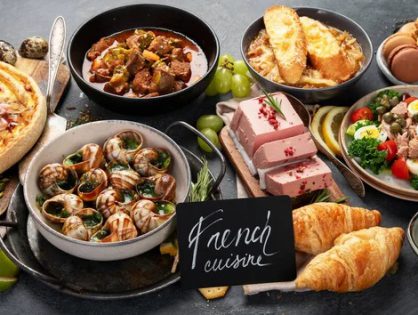
    French cuisine is renowned for its rich flavors, elegant presentation, and diverse regional specialties. While French food may seem intimidating at first, with the right ingredients, a few essential techniques, and some classic recipes, you can easily bring the taste of France into your kitchen. Whether you’re making a comforting coq au vin or a delicate crème brûlée, cooking French food at home can be an enjoyable and rewarding experience.

    In this article, FamilyCookbookProject.com guides you through the essential ingredients you should have on hand, the spices you’ll need, and a few simple French dishes to get started.

    Essential Ingredients for French Cooking

    To cook French food at home, you’ll need a variety of high-quality ingredients. French cuisine is all about using fresh, flavorful ingredients, often focusing on seasonal produce, quality meats, and rich dairy products. Here are some staples you should keep in your kitchen:

    Butter

    Butter is a cornerstone of French cooking. Whether it’s for sautéing vegetables, making rich sauces, or baking, French dishes often rely on generous amounts of butter for flavor and texture. Opt for high-quality, unsalted butter whenever possible.

    Olive Oil

    While butter is used frequently, olive oil is also a common ingredient, particularly in southern French cuisine. It’s used in salads, marinades, and for cooking lighter dishes.

    Cream

    Heavy cream is another key ingredient in French cooking, often used to create velvety sauces and rich desserts. Keep cream on hand for dishes like quiche, gratins, and crème brûlée.

    Cheese

    French cuisine features a variety of cheeses, from soft and creamy to hard and aged. Some popular French cheeses to stock up on include:

    •Brie or Camembert: Soft, creamy cheeses that pair well with bread and fruit.

    •Gruyère or Comté: Nutty, semi-hard cheeses often used in gratins and soufflés.

    •Roquefort or Bleu d’Auvergne: Blue cheeses that add bold flavor to salads and sauces.

    Baguette or French Bread

    No French meal is complete without bread. A crusty baguette or French bread is often served with meals, used to scoop up sauces or enjoyed with cheese. You can buy baguettes from the store or try your hand at baking your own.

    Meats (Chicken, Beef, Duck)

    French cuisine often features high-quality meats such as chicken, beef, and duck. These meats are used in a variety of classic French dishes, such as coq au vin (chicken in wine), boeuf bourguignon (beef stew), and magret de canard (duck breast).

    Wine (Red, White, and Champagne)

    Wine is essential for cooking French food, used in both sauces and marinades. Keep red wine on hand for dishes like boeuf bourguignon and white wine for lighter dishes like moules marinières (mussels in white wine). Champagne or sparkling wine can be used for more elegant dishes or desserts.

    Eggs

    Eggs are a staple ingredient in many French recipes, from savory dishes like quiche Lorraine to sweet desserts like crème brûlée. Keep plenty of eggs on hand for cooking and baking.

    Fresh Herbs (Thyme, Parsley, Tarragon, Rosemary)

    Fresh herbs are commonly used to flavor French dishes. Thyme and rosemary are often used in roasted meats and stews, while parsley and tarragon are great for finishing sauces and adding freshness to salads.

    Must-Have Spices for French Cooking

    While French cuisine doesn’t typically rely on an extensive array of spices, it does use several herbs and seasonings to create its signature flavors. Here are the must-have spices and seasonings you’ll need:

    Herbes de Provence

    This classic French herb blend includes thyme, rosemary, oregano, lavender, and marjoram. It’s perfect for seasoning meats, vegetables, and soups, especially in Provençal-style dishes.

    Bay Leaves

    Bay leaves are often used in French stews and soups to add depth of flavor. They’re typically simmered with the dish and removed before serving.

    Nutmeg

    Nutmeg is used to add warmth to creamy dishes like béchamel sauce and potato gratins. A little bit goes a long way in adding depth to sauces and fillings.

    Dijon Mustard

    While not a spice, Dijon mustard is an essential ingredient in French cuisine. Its sharp, tangy flavor is used in salad dressings, marinades, and sauces.

    Fleur de Sel (Sea Salt)

    French sea salt, or fleur de sel, is often used as a finishing salt to add a crunchy texture and a burst of flavor to dishes. It’s great for seasoning meats, fish, and vegetables just before serving.

    Black Pepper

    Freshly ground black pepper is a must for seasoning meats, sauces, and salads. French cooking tends to use black pepper sparingly to enhance the natural flavors of the ingredients.

    Simple French Dishes to Start With

    French cuisine is known for both its complexity and simplicity. Here are a few beginner-friendly French dishes to help you get started at home:

    Quiche Lorraine

    A classic French quiche made with eggs, cream, bacon, and Gruyère cheese in a flaky pastry crust. Quiche Lorraine is perfect for breakfast, brunch, or a light lunch.

    Search FamilyCookbookProject.com for Quiche Lorraine recipes.

    Coq au Vin

    This rustic French dish consists of chicken braised in red wine with onions, mushrooms, and bacon. It’s a flavorful, comforting dish that’s perfect for dinner.

    Search FamilyCookbookProject.com for Coq au Vin recipes.

    Salade Niçoise

    A light, fresh salad from the Provence region, Salade Niçoise combines tuna, hard-boiled eggs, olives, and vegetables like tomatoes, green beans, and potatoes. It’s served with a tangy Dijon vinaigrette.

    Search FamilyCookbookProject.com for Salade Niçoise recipes.

    French Onion Soup

    This hearty soup is made with caramelized onions, beef broth, and topped with melted cheese and croutons. French onion soup is a comforting dish perfect for colder months.

    Search FamilyCookbookProject.com for French onion soup recipes.

    Crème Brûlée

    A simple yet elegant dessert, crème brûlée consists of a rich custard base topped with a layer of caramelized sugar. It’s surprisingly easy to make and a crowd-pleaser at any dinner party.

    Search FamilyCookbookProject.com for crème brûlé recipes.

    Cooking French Food at Home

    Cooking French food at home can be a wonderful way to experience the elegance and flavor of French cuisine without the need for elaborate techniques. With a few essential ingredients like butter, wine, and cheese, as well as must-have spices like herbes de Provence and Dijon mustard, you can create authentic French dishes right in your kitchen. Start with simple classics like quiche Lorraine or coq au vin, and as you gain confidence, you can expand your repertoire to more complex recipes.

    Bon appétit!


    Bill Rice is Founder and Co-Publisher of the Family Cookbook Project, the leading online cookbook publisher with a website that helps families and individuals collect, preserve and share food memories by creating their own printed custom cookbooks. He is the author of The Wellfleet Oyster Cookbook and the Cape Cod Cocktail Cookbook (Available on Amazon), both created using FamilyCookbookProject.com. He is also editor of the Donovan Family Cookbook, now it’s third printing and is an avid genealogist tracing his family back to the 1600’s.

    Follow Family Cookbook Project on Facebook, Instagram, Twitter TikTok, YouTube and Pinterest!


  • Turn Your Family Cookbook Into Something More: The Benefits of Adding a Family Cookbook Project Marketing Kit

    Turn Your Family Cookbook Into Something More: The Benefits of Adding a Family Cookbook Project Marketing Kit

    Creating a family cookbook is a big accomplishment. But once the recipes, photos, stories, and cover are finished, many cookbook editors face the next question: how do we let people know the cookbook is available and encourage them to order a copy? The Family Cookbook Project Marketing Kit is designed to help editors promote, share, and sell their cookbooks more effectively.

    A cookbook can be beautiful, meaningful, and full of family memories — but people still need to know it exists, understand why it matters, and have a simple way to order.

    You have gathered recipes, tracked down family favorites, added photos and stories, made design decisions, reviewed pages, and finally reached the exciting point where your cookbook is ready to print. For many cookbook editors, that is the finish line.

    But what if you would also like to sell copies of your cookbook?

    A family cookbook marketing kit helps editors promote and sell their printed cookbook with an ISBN number, a bar code printed on the back cover and even a listing on Amazon.com.

    Maybe your cookbook celebrates a large extended family and relatives who did not participate in the project would like copies. Perhaps you created a community cookbook, church cookbook, club cookbook, reunion cookbook, or regional recipe collection with an audience beyond your immediate contributors. Or maybe you simply think, “People outside our family might actually enjoy this.”

    That is where the Family Cookbook Project Marketing Kit can help.

    Available as an option when your cookbook is being printed, the Family Cookbook Project Marketing Kit gives cookbook editors several important publishing and marketing tools that can make a personal cookbook easier to identify, discover, promote, and sell.

    It does not turn you into a publishing company overnight—and thankfully, you don’t need to become one. Instead, it provides some of the same basic tools traditionally used by published books and gives you more ways to put your cookbook in front of potential buyers.

    Here is why that can make a big difference.

    Quick Answer: The Family Cookbook Project Marketing Kit helps cookbook editors promote and sell their printed cookbooks by giving them ready-to-use marketing tools, sales materials, promotional support and even a listing on Amazon.com. It is especially useful for family reunions, holiday gifts, memorial cookbooks, community cookbooks, fundraiser cookbooks, and editors who want to sell more copies beyond their immediate household.

    Your Cookbook Becomes More Than a Keepsake

    Most Family Cookbook Project cookbooks begin for a personal reason.

    You may want to preserve Grandma’s recipes. You may want to gather years of handwritten cards into one place. You might be creating Christmas gifts for the family or documenting recipes that have been served at family gatherings for generations.

    Those reasons do not change when you add a Marketing Kit.

    What changes is what you can do after the cookbook is printed.

    Instead of thinking only about how many copies you need for your immediate family, you can begin thinking about a larger audience.

    Could cousins in other parts of the country want copies?

    Could people from your hometown enjoy a cookbook filled with local recipes?

    Could members of your church, school, civic organization, alumni group, or community be interested?

    Could friends who have heard about the project want their own copy?

    If the answer to any of those questions is yes, the Marketing Kit gives you tools designed to make selling those additional books easier.

    An ISBN Gives Your Cookbook Its Own Publishing Identity

    One of the most important elements included with the Family Cookbook Project Marketing Kit is an International Standard Book Number, better known as an ISBN.

    An ISBN is a unique 13-digit identifier assigned to a particular published book. It helps the publishing industry identify and track that specific title.

    Think of it almost like a fingerprint for your cookbook.

    Your title may be The Johnson Family Cookbook, but there could be plenty of Johnson families in the world. An ISBN identifies your particular book.

    For a cookbook you plan to distribute only to a few family members, an ISBN may not be important. But once you want to make your cookbook available for sale to a larger audience, it becomes much more useful.

    It gives your cookbook a recognized publishing identifier that can be used by booksellers, databases, libraries, and other parts of the book industry.

    There is also something wonderfully satisfying about seeing an ISBN on a cookbook you spent months creating. Suddenly, the family project sitting on your kitchen table looks and feels very much like a commercially published book.

    Because, in an important sense, it is.

    A Bar Code Makes Your Cookbook Look Ready for Sale

    Along with the ISBN, the Marketing Kit includes a corresponding bar code on the back cover of the cookbook.

    The Family Cookbook Project Marketing Kit places that bar code in the lower right-hand area of the back cover. The bar code can be scanned and also displays the cookbook’s list price.

    It is a small addition visually, but it can make a big difference in how the finished book is perceived.

    Pick up almost any commercially published book and turn it over. You will probably see a bar code.

    When your cookbook has one too, it immediately gives the book a more professional retail appearance.

    That can be particularly helpful if you plan to sell copies at places such as:

    • Family reunions
    • Community events
    • Holiday fairs
    • Church events
    • Local shops
    • Club meetings
    • School activities
    • Farmers markets or craft fairs
    • Online marketplaces

    People are used to seeing bar codes on books for sale. Including one helps your cookbook look like a finished publication rather than simply a privately printed collection of recipes.

    A Books In Print® Listing Helps Your Cookbook Be Discovered

    Creating a wonderful cookbook is one thing.

    Helping people find out that it exists is another.

    The Family Cookbook Project Marketing Kit includes having your cookbook added to the Books In Print® database. According to the Marketing Kit materials, Books In Print provides bibliographic information used by libraries and others involved in book discovery and acquisition.

    That may sound like something only a large publishing house would care about, but it can be useful for independently created books too.

    A listing provides another established place where information about your cookbook can exist.

    For a cookbook based on a town, ethnic tradition, organization, historical group, church, school, or regional community, that additional visibility may be especially valuable.

    Imagine someone researching the food history of your community several years from now. Your cookbook may contain recipes, names, stories, traditions, and local history that exist nowhere else.

    Making the cookbook part of a recognized book database helps give it a publishing footprint beyond the copies sitting on family bookshelves.

    For some cookbook editors, that alone makes the Marketing Kit worthwhile.

    The Family Cookbook Project Showcase Gives You an Online Sales Presence

    Today, people often discover something they want to buy online before they ever encounter it in person.

    That is why the Marketing Kit also includes access to the Family Cookbook Project Showcase, a stand-alone website designed to help editors promote and sell their cookbooks directly to consumers.

    Rather than trying to build your own website from scratch just to promote one cookbook, the Showcase gives you a place specifically intended for Family Cookbook Project titles.

    Editors complete information about their cookbook so potential buyers can learn more about it.

    The Marketing Kit materials also explain that editors with a PayPal account may be able to accept payments for cookbook orders, leaving the editor responsible for fulfilling and shipping the order.

    That can simplify the sales process considerably.

    Instead of someone saying, “I’d love a copy—how do I get one?” and beginning a chain of emails, phone calls, checks, and sticky notes, you have a more organized way to direct interested buyers toward information about the cookbook.

    And an online presence gives you something else that is extremely useful for marketing: a destination.

    When you tell someone about your cookbook, you can point them toward a place where they can learn more.

    That makes social media posts, emails, newsletters, and word-of-mouth promotion much more effective.

    You Can Expand Your Reach Through Amazon

    Amazon has become one of the places consumers naturally look when they want to find a book.

    The Family Cookbook Project Marketing Kit materials explain that, as a qualified publisher, Family Cookbook Project can submit eligible cookbook titles with ISBN numbers for listing on Amazon.com. Editors can then arrange to sell their own printed copies through Amazon rather than Family Cookbook Project maintaining an inventory of the books.

    That distinction is important.

    Family Cookbook Project is not taking over your cookbook inventory or shipping books for you. The editor remains responsible for the copies being offered for sale.

    But having the cookbook listed on Amazon can provide something difficult to create on your own: visibility on a familiar book-buying platform.

    It can also make promoting your cookbook easier.

    Suppose an old family friend sees a Facebook post about your cookbook and wants one.

    Or someone from your hometown hears about your regional cookbook.

    Or a distant relative learns about it after the reunion is over.

    Being able to tell someone that they can search for the cookbook on Amazon can make the buying process feel much more familiar.

    The Marketing Kit instructions provide editors with information about setting up an Amazon seller account, adding available inventory, establishing a price, and fulfilling cookbook orders.

    You still control how many copies you want to sell.

    Selling Cookbooks Can Help You Order With More Confidence

    One question cookbook editors often face before printing is:

    “How many copies should I order?”

    You know how many immediate family members want one. But what about everyone else?

    Uncles tell cousins.

    Cousins tell cousins you forgot you had.

    A family member shows the cookbook to someone at work.

    Someone brings it to a neighborhood party.

    Before long, people who were never on your original list may be asking, “Can I buy one?”

    Having marketing tools in place can make it easier to think beyond your first distribution list.

    Instead of viewing extra books as copies you hope somebody eventually wants, you can approach them as inventory you are prepared to promote.

    That does not mean you need to order hundreds of cookbooks.

    It simply gives you more options.

    The Marketing Kit Is Especially Helpful for Cookbooks With a Wider Story

    Some family cookbooks are very private, filled with stories and recipes intended only for relatives.

    Others naturally have broader appeal.

    For example, consider a cookbook featuring:

    • Recipes from a particular hometown. Former residents may enjoy reconnecting with the foods they remember.
    • Traditional ethnic recipes. A carefully preserved collection can interest people beyond the immediate family.
    • Church or community recipes. Members past and present may want copies.
    • Historical family recipes. Genealogists and descendants may value the collection for years to come.
    • A local restaurant or food tradition. People connected to that tradition may already be a natural audience.
    • A large extended family. Once several branches of a family become involved, the potential audience can grow quickly.

    In situations like these, the ability to give the cookbook an ISBN, add a retail bar code, establish database listings, create an online showcase, and pursue an Amazon listing can be particularly helpful.

    You Still Get to Keep the Project Personal

    Perhaps the nicest thing about adding marketing tools is that they do not change what made your cookbook special in the first place.

    You are not suddenly required to write recipes differently. You do not need to remove the photos of Grandpa standing beside the grill. You do not need to replace Aunt Mary’s handwritten pie story with something more “commercial.”

    The cookbook can remain exactly what you wanted it to be: your cookbook. The Marketing Kit simply gives you additional ways to share it.

    That makes it a particularly good fit for editors who are proud of what they have created and think others may enjoy having a copy.

    Think About Marketing Before You Place Your Print Order

    The best time to decide whether you may want to sell your cookbook is before it is printed.

    Ask yourself a few simple questions.

    • Who might want this cookbook beyond the people receiving the first copies?
    • Would people outside my immediate family enjoy these recipes?
    • Does the cookbook have a community, historical, cultural, or regional connection?
    • Would I like people to be able to find or purchase the cookbook online?
    • Would an ISBN and professional bar code make sense for what I plan to do with the book?

    If you find yourself answering yes, adding the Family Cookbook Project Marketing Kit to your print order may be worth considering.

    You Did the Hard Part. Now Help People Find Your Cookbook.

    Creating a cookbook takes effort.

    • You collected the recipes.
    • You preserved the memories.
    • You chose the photos.
    • You organized everything into a book your family can enjoy for generations.

    If your goal is simply to print copies for loved ones, that can be a perfect ending to the project. But sometimes the story does not have to end there.

    The Family Cookbook Project Marketing Kit gives editors additional tools to turn a personal cookbook into a book that can be more easily identified, discovered, promoted, and sold.

    With an ISBN, a retail bar code, a Books In Print® listing, the Family Cookbook Project Showcase, and the opportunity to pursue an Amazon listing, your cookbook can reach well beyond the people who helped create it.

    And that can lead to something every cookbook editor loves to hear:

    “I saw your cookbook. Where can I get a copy?”

    When you are ready to print your Family Cookbook Project cookbook, consider whether the Marketing Kit option belongs in your publishing plans. You have already created something worth sharing. The Marketing Kit can help make sharing—and selling—it a whole lot easier.

    Visit FamilyCookbookProject.com to create, print, and share a cookbook filled with the recipes and memories that matter most.

    Bill Rice is Founder and Co-Publisher of the Family Cookbook Project, the leading online cookbook publisher with a website that helps families and individuals collect, preserve and share food memories by creating their own printed custom cookbooks. He is the author of The Wellfleet Oyster Cookbook and the Cape Cod Cocktail Cookbook (Available on Amazon), both created using FamilyCookbookProject.com. He is also editor of the Donovan Family Cookbook, now its third printing and is an avid genealogist tracing his family back to the 1600’s.

    Follow Family Cookbook Project on Facebook, Instagram, X (Twitter) TikTok, YouTube and Pinterest!


    Frequently Asked Questions About the Family Cookbook Project Marketing Kit

    What is the Family Cookbook Project Marketing Kit?
    The Marketing Kit is an optional add-on that helps cookbook editors promote, share, and sell their printed family cookbooks with ready-to-use marketing tools, an ISBN number, bar code and a listing on Amazon.com and sales support.

    Who should add a cookbook Marketing Kit?
    It is useful for family cookbook editors, reunion organizers, fundraiser groups, churches, schools, clubs, nonprofits, community projects, and anyone who wants help promoting cookbook sales.

    Can a Marketing Kit help sell more cookbooks?
    Yes. A Marketing Kit can help by making promotion easier, giving editors more reach online, and making it clearer how people can order the cookbook.

    Is the Marketing Kit only for fundraisers?
    No. It can also help with family cookbooks, holiday gift cookbooks, reunion cookbooks, memorial cookbooks, community cookbooks, and cookbooks sold to cover printing costs.

    When should I add the Marketing Kit?
    Add it when you place your print order, it is part of the check out process.

    How do I promote my family cookbook?
    Use email, social media, contributor reminders, printed flyers, sample cookbook photos, reunion announcements, holiday gift messaging, and clear order deadlines.