
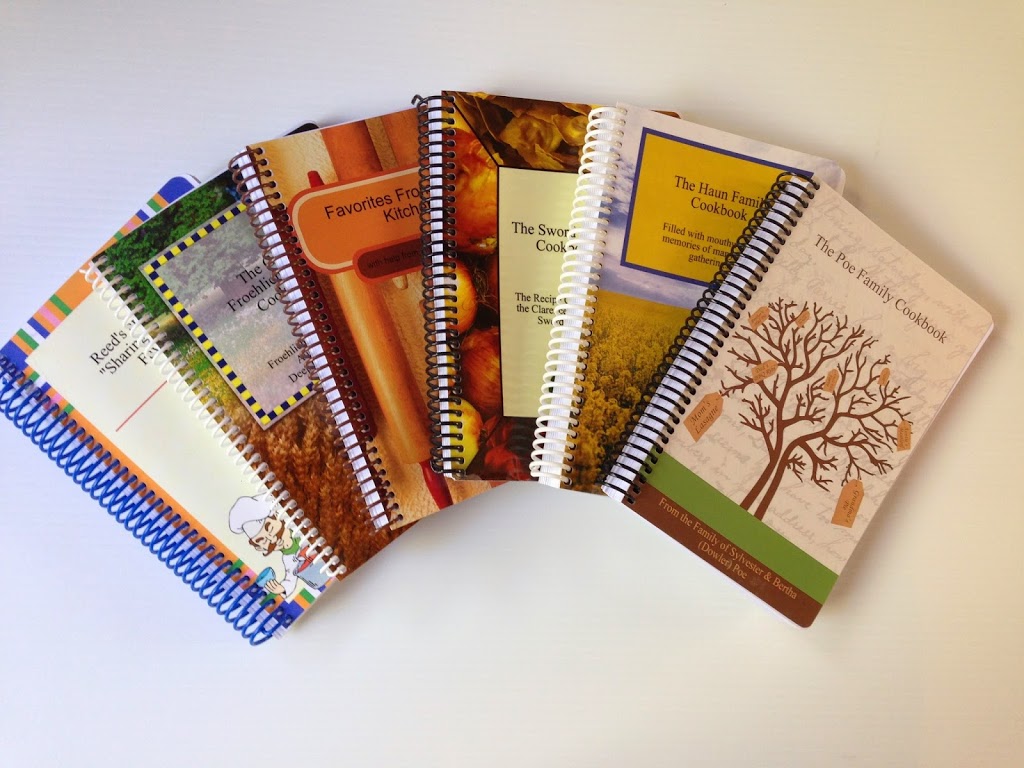
Creating a family cookbook is a beautiful way to preserve your family’s culinary traditions and share them with future generations. It’s more than just a collection of recipes—it’s a way to capture the stories, memories, and flavors that have shaped your family gatherings over the years. Whether you’re making a family cookbook as a gift, a keepsake, or simply to organize your recipes, the process can be both rewarding and fun.
To help you get started, we’ve put together a checklist that will guide you through the entire process, from gathering recipes to designing and publishing your custom cookbook. By following this step-by-step guide, you can ensure that your family cookbook will be a treasure for years to come.
1. Start by Gathering Recipes
The first step in creating your family cookbook is to gather all the recipes you want to include. These might be family favorites passed down through generations, new dishes that have become staples, or personal creations that you want to share. Don’t worry if you don’t have every recipe in perfect form just yet—you can gather them over time as you work on your cookbook.
• Tip: Ask family members to contribute their favorite recipes. You can send out a family-wide email, set up a shared online folder, or even have a recipe-sharing gathering. This ensures that everyone gets to participate, and you’ll have a variety of dishes from different family members.
 2. Organize the Recipes by Category
Once you have all the recipes, the next step is to organize them into categories. This makes it easier to navigate the cookbook and ensures that it has a logical flow. Common categories include:
• Appetizers
• Main Dishes
• Side Dishes
• Desserts
• Breakfast/Brunch
• Drinks
• Holiday or Special Occasion Recipes
• Tip: You can also get creative with your categories. For example, if your family has strong holiday traditions, you might create sections like “Holiday Favorites” or “Summer BBQ Recipes.”
3. Test and Edit the Recipes
Before you finalize the recipes for your cookbook, it’s important to ensure they’re accurate and easy to follow. Test each recipe to confirm that the measurements, cooking times, and instructions are correct. This is especially important for older family recipes that may have been passed down verbally or written down without precise instructions.
• Tip: While testing, take note of any variations or tips that might be helpful for someone trying the recipe for the first time. You can add these tips as side notes or footnotes in the cookbook.
4. Collect Family Stories and Photos
A family cookbook isn’t just about the recipes—it’s about the memories and stories that go along with them. Ask family members to share stories behind their recipes, such as why it’s a family favorite or a special memory associated with it. Adding these personal touches will make your cookbook more meaningful and enjoyable to read.
• Tip: Include photos of the family members who contributed the recipes, as well as pictures of family gatherings where these dishes were served. You can even add photos of the dishes themselves to make the cookbook visually appealing.
5. Choose a Title for Your Cookbook
Your family cookbook’s title sets the tone for the entire project. Choose a title that reflects your family’s personality, traditions, or a theme that runs through your recipes. Some families opt for simple, classic titles like “The [Family Name] Cookbook,” while others get creative with names that highlight their culinary heritage.
• Tip: You can also include the year or volume number in the title if you plan to create more editions in the future (e.g., “The Donovan Family Cookbook 2024” or “The Anderson Family Cookbook, Volume 1”).
6. Select the Cookbook Format and Binding
When it comes to printing your cookbook, FamilyCookbookProject.com offers several size and binding options. You’ll want to choose a format that fits your vision for the project and the practicality of using the cookbook in the kitchen.
• Popular Sizes:
• Standard Size (5 1/2” x 8 1/2”): A compact and budget-friendly option that’s easy to handle in the kitchen.
• Full Size (8 1/2” x 11”): Offers more space for larger text, photos, and longer recipes.
• Square Size (8 1/2” x 8 1/2”): A stylish and modern option that’s great for photo-heavy cookbooks.
• Binding Options:
• Spiral Bound: The most popular option for cookbooks because it allows the pages to lay flat while cooking.
• Hardcover: Adds elegance and durability to your cookbook, making it a beautiful keepsake.
• Perfect Bound Paperback: A polished option that includes the title on the spine, perfect for displaying on bookshelves.
7. Design the Layout and Cover
The design of your family cookbook is an important aspect of its overall appeal. Think about how you want the cookbook to look and feel. Consider elements like font style, color schemes, and whether you want to include photos with each recipe.
• Tip: Choose a cover that represents your family or the theme of the cookbook. You can use a family photo, a picture of a beloved dish, or even custom artwork. Don’t forget to update the cover if you’re creating multiple volumes!
8. Proofread and Finalize the Cookbook
Before sending your cookbook to print, make sure you carefully proofread all the recipes, stories, and captions. This step ensures there are no typos or missing ingredients. It’s a good idea to have someone else read through the cookbook as well, as they might catch errors you’ve missed.
• Tip: Check not only for spelling and grammar but also for consistency in formatting (e.g., making sure all measurements are written the same way) and accuracy in cooking instructions.
9. Print and Distribute
Once everything is finalized, it’s time to print your family cookbook! FamilyCookbookProject.com makes it easy to order professionally printed copies, whether you need just a few or want to print in bulk.
• Tip: If you’re creating the cookbook as a gift or for a special occasion, plan ahead to ensure the books are printed and delivered in time. Consider creating a digital version of the cookbook as well, so family members can access it on their devices.
10. Celebrate and Share
After all your hard work, it’s time to celebrate! Host a family gathering to unveil the cookbook and share some of the recipes. This can be a wonderful opportunity to cook a few of the featured dishes together and reminisce about the memories that went into creating the cookbook.
• Tip: Encourage family members to keep contributing recipes for future editions of the cookbook. You can make this a yearly tradition by updating the cookbook or creating new volumes.
Creating a family cookbook is a rewarding project that not only preserves your family’s culinary traditions but also brings everyone closer together. By following this checklist, you’ll be able to create a cookbook that is both practical and meaningful—one that future generations will cherish. Ready to start your own family cookbook? Visit FamilyCookbookProject.com to get started today!
Bill Rice is Founder and Co-Publisher of the Family Cookbook Project, the leading online cookbook publisher with a website that helps families and individuals collect, preserve and share food memories by creating their own printed custom cookbooks. He is the author of The Wellfleet Oyster Cookbook and the Cape Cod Cocktail Cookbook (Available on Amazon), both created using FamilyCookbookProject.com. He is also editor of the Donovan Family Cookbook, now it’s third printing and is an avid genealogist tracing his family back to the 1600’s.
Follow Family Cookbook Project on Facebook, Instagram, Twitter TikTok, YouTube and Pinterest!