

Herbs are the backbone of many recipes, adding freshness, depth, and complexity to everything from soups and stews to salads and desserts. Whether you’re growing them in your backyard garden or purchasing them fresh from the store, herbs are a fantastic way to elevate your dishes with natural flavors. Even better, many herbs are easy to grow at home, making them a sustainable, cost-effective way to add flavor to your cooking.
We’ll explore some of the most common herbs used in cooking, their unique flavor profiles, how easy they are to grow at home, and what types of dishes they are typically used in.
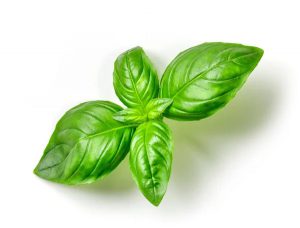 Basil
Basil
Flavor Profile:
Basil has a sweet, slightly peppery flavor with a hint of clove and mint. It’s aromatic and fresh, making it a favorite in many Mediterranean and Italian dishes.
Ease of Growing:
Basil is one of the easiest herbs to grow at home. It thrives in warm, sunny environments and can be grown indoors on a sunny windowsill or outdoors in a garden. It requires regular watering and pruning to prevent it from flowering, which can make the leaves bitter.
Common Uses:
- •Pesto
- •Caprese salads
- •Tomato-based dishes (like pasta sauces and soups)
- •Pizza toppings
- •Thai and Vietnamese dishes
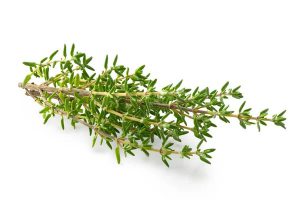 Thyme
Thyme
Flavor Profile:
Thyme offers a delicate earthy flavor with hints of lemon and mint. It’s slightly peppery and is often used to infuse deep, savory flavors into dishes.
Ease of Growing:
Thyme is a hardy herb that grows well in dry, sunny conditions. It’s drought-tolerant, making it a great choice for beginner gardeners. Thyme can be grown in pots or directly in the garden and requires minimal watering once established.
Common Uses:
- •Roasted meats (chicken, lamb, beef)
- •Stews and soups
- •Stuffing and casseroles
- •Vegetable dishes, particularly potatoes and mushrooms
- •Mediterranean-style marinades
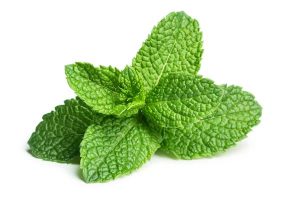 Mint
Mint
Flavor Profile:
Mint has a cool, refreshing flavor with a sweet, slightly sharp edge. It’s highly aromatic and pairs well with both sweet and savory dishes.
Ease of Growing:
Mint is one of the easiest herbs to grow, but it can be very invasive. It spreads quickly, so it’s best grown in containers to prevent it from overtaking your garden. Mint thrives in partial sun and moist soil.
Common Uses:
- •Salads and fruit dishes
- •Cocktails (like mojitos and mint juleps)
- •Middle Eastern dishes (such as tabbouleh and lamb)
- •Sauces (mint sauce for lamb)
- •Desserts (chocolate and mint pair beautifully)
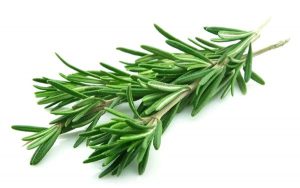 Rosemary
Flavor Profile:
Rosemary has a strong, pine-like aroma with a slightly bitter, woodsy flavor. It’s pungent and robust, which means a little goes a long way.
Ease of Growing:
Rosemary is fairly easy to grow, preferring full sun and well-drained soil. It’s drought-tolerant once established and can be grown in pots or as part of a garden. It’s also a great herb to grow indoors during the colder months.
Common Uses:
- •Roasted meats (especially lamb, pork, and chicken)
- •Grilled vegetables (potatoes, carrots, and peppers)
- •Bread (such as focaccia)
- •Soups and stews
- •Marinades and herb rubs
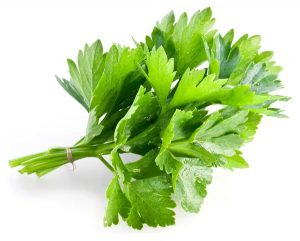 Cilantro (Coriander)
Flavor Profile:
Cilantro has a bright, citrusy flavor with a hint of spice. It’s highly polarizing—some people love it, while others describe it as having a soapy taste. The seeds of cilantro, known as coriander, have a warm, nutty flavor.
Ease of Growing:
Cilantro is relatively easy to grow but can be sensitive to heat. It prefers cooler temperatures and partial shade. Cilantro grows quickly and will bolt (go to seed) if it becomes too hot, so it’s best to plant in early spring or fall.
Common Uses:
- •Salsa and guacamole
- •Tacos and burritos
- •Thai and Indian curries
- •Rice and grain salads
- •Chutneys and marinades
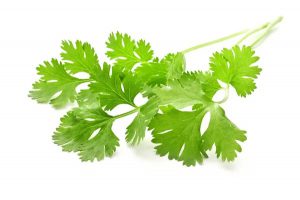 Parsley
Flavor Profile:
Parsley has a fresh, slightly peppery flavor with hints of earthiness. Flat-leaf parsley, also known as Italian parsley, has a stronger flavor than curly parsley, which is often used as a garnish.
Ease of Growing:
Parsley is an easy herb to grow and can thrive in both sun and partial shade. It prefers rich, well-drained soil and regular watering. Parsley grows well in containers and garden beds.
Common Uses:
- •Garnishes for soups, meats, and pasta
- •Tabbouleh salad
- •Herb sauces (like chimichurri and gremolata)
- •Marinades and salad dressings
- •Egg dishes (such as omelets and frittatas)
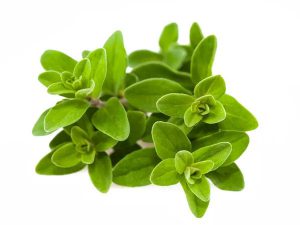 Oregano
Flavor Profile:
Oregano has a warm, earthy flavor with a slightly bitter, peppery taste. It’s aromatic and bold, often used to add depth to tomato-based dishes and Mediterranean cuisine.
Ease of Growing:
Oregano is another easy-to-grow herb that thrives in sunny, dry conditions. It can be grown indoors or outdoors and requires minimal care once established. It’s a drought-tolerant herb and does well in containers or garden beds.
Common Uses:
- •Pizza and pasta sauces
- •Grilled meats and vegetables
- •Greek and Italian dishes (like souvlaki and pasta)
- •Salad dressings and marinades
- •Tomato-based soups
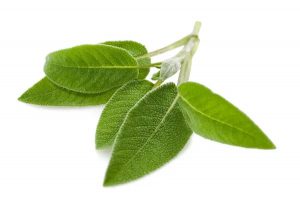 Sage
Sage
Flavor Profile:
Sage has a slightly peppery, earthy flavor with hints of pine and eucalyptus. It’s savory and warming, often used in rich, hearty dishes.
Ease of Growing:
Sage is relatively easy to grow and does best in full sun and well-drained soil. It’s drought-tolerant and can be grown in pots or directly in the garden. Once established, it requires minimal maintenance.
Common Uses:
- •Stuffing and poultry dishes
- •Sausages and pork dishes
- •Brown butter sauces (particularly for pasta)
- •Roasted vegetables (especially sweet potatoes and squash)
- •Soups and stews
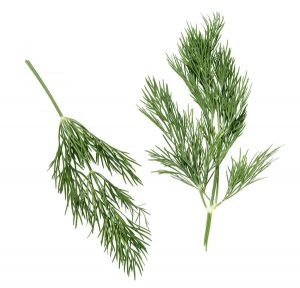 Dill
Dill
Flavor Profile:
Dill has a light, grassy flavor with hints of anise and lemon. It’s aromatic and pairs well with fish, pickled dishes, and creamy sauces.
Ease of Growing:
Dill is easy to grow but can be sensitive to transplanting. It grows best in full sun and rich, well-drained soil. Dill is also self-seeding, so it will come back year after year if you let it go to seed.
Common Uses:
- •Pickles and brined vegetables
- •Fish dishes (especially salmon)
- •Creamy sauces (like tzatziki and yogurt dips)
- •Salads and dressings
- •Egg dishes (like deviled eggs and omelets)
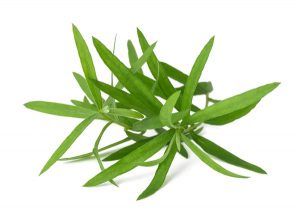 Tarragon
Flavor Profile:
Tarragon has a slightly sweet, licorice-like flavor with a hint of bitterness. It’s aromatic and pairs well with delicate flavors like chicken, fish, and eggs.
Ease of Growing:
Tarragon can be a bit trickier to grow, as it prefers well-drained soil and cooler temperatures. It can be grown in pots or directly in the garden, but it’s important to keep it out of extreme heat.
Common Uses:
- •Chicken and fish dishes
- •Salad dressings and sauces (like béarnaise sauce)
- •Herb butter
- •Egg dishes
- •Vinegars and mustards
Growing and Cooking with Herbs
Herbs are a simple way to add freshness, flavor, and complexity to your cooking, whether you’re making a savory stew or a light, refreshing salad. Growing your own herbs at home is not only convenient but also ensures you always have fresh herbs on hand when you need them. Many common herbs are easy to grow in containers or garden beds, and they offer a wide range of flavors that complement a variety of dishes.
By understanding the flavor profiles and culinary uses of each herb, you can create more flavorful, dynamic meals and enjoy the satisfaction of cooking with homegrown ingredients.
Bill Rice is Founder and Co-Publisher of the Family Cookbook Project, the leading online cookbook publisher with a website that helps families and individuals collect, preserve and share food memories by creating their own printed custom cookbooks. He is the author of The Wellfleet Oyster Cookbook and the Cape Cod Cocktail Cookbook (Available on Amazon), both created using FamilyCookbookProject.com. He is also editor of the Donovan Family Cookbook, now it’s third printing and is an avid genealogist tracing his family back to the 1600’s.
Follow Family Cookbook Project on Facebook, Instagram, Twitter TikTok, YouTube and Pinterest!