Author: Bill Rice

  • Still Even More Ideas For a Custom Fundraising Cookbook Cover

    Still Even More Ideas For a Custom Fundraising Cookbook Cover

    While CookbookFundraiser.com offers a wide range of professionally designed cookbook covers for you to choose from, many people with artistic talent, graphic design talent, choose to create their own cover, using popular desktop publishing software, and uploading it to our system.

    Here is a sample of some of the custom covers done by the editors of CookbookFundraiser.com:


    A selection of Custom Cookbook Covers uploaded to CookbookFundraiser.com


    Bill Rice is the Co-Publisher of Family Cookbook Project and CookbookFundraiser.com which helps individuals, churches, schools, teams and other fundraising groups create cherished personalized cookbooks using peer-to-peer tools and the power of the Internet to meet group funding needs. Follow Family Cookbook Project on Facebook, Instagram, Twitter TikTok, YouTube and Pinterest!

  • From the Heart to the Table: How Personal Notes Elevate Your Family Cookbook

    From the Heart to the Table: How Personal Notes Elevate Your Family Cookbook

    In the heart of every family cookbook lies more than just a collection of recipes; it’s a repository of memories, stories, and the essence of familial love shared through food. One of the most cherished elements that elevate a family cookbook from a mere compilation of recipes to a treasured heirloom is the inclusion of personal notes. These handwritten annotations, often scribbled in the margins or alongside ingredients, add a layer of depth and intimacy that transcends the act of cooking itself. Here’s why personal notes are such an important part of a family cookbook, along with ideas on what to include in these heartfelt annotations.

    The Emotional Connection

    Recipes with personal notes evoke a sense of connection and continuity across generations. They are more than just instructions; they carry the essence of the person who penned them. Whether it’s Grandma’s secret ingredient for her famous pie crust or Dad’s tips for achieving the perfect grill marks, these notes encapsulate the wisdom and experience passed down through the years. Each note tells a story, offering a glimpse into the lives and personalities of those who came before, making cooking not just about nourishment but about honoring family traditions and memories.

    Capturing Memories

    A recipe’s personal notes in a family cookbook serve as a time capsule, preserving moments that might otherwise be lost to memory. They capture the joy of a shared meal, the laughter in the kitchen, and the aroma that filled the air during holidays and special occasions. These notes transform recipes into living memories, ensuring that future generations can experience not just the taste but the sentiment behind each dish. As families grow and change, these notes become a link to the past, a reminder of the love and care that went into creating meals that nourished both body and soul.

    Ideas for What to Include in Recipe Notes

    When adding personal notes to recipes in your family cookbook, consider including the following:

    1. Family Stories: Share anecdotes or memories associated with the recipe. For example, recount how Grandma used to bake her famous cookies every Christmas while telling stories of her childhood.
    2. Cooking Tips: Offer practical advice or variations on the recipe. This could include ingredient substitutions, cooking times, or techniques that have been passed down through generations.
    3. Special Occasions: Note when the recipe is traditionally served or its significance during family gatherings. For instance, mention that Aunt Sarah always makes her signature casserole for Thanksgiving dinner.
    4. Recipe Origins: Provide background information on where the recipe originated or how it became a family favorite. This could involve tracing its roots to a specific region, culture, or even a beloved family member’s invention.
    5. Adjustments: Mention any adjustments made to the recipe over time to suit changing tastes or dietary preferences. This could include reducing sugar content, making it gluten-free, or incorporating locally sourced ingredients.
    6. Secret Ingredients: Share any special ingredients that give the dish its unique flavor. This might include a pinch of a particular spice, a dash of a family-made sauce, or a special technique that sets your version of the recipe apart.
    7. Family Traditions: Highlight any rituals or customs associated with preparing or enjoying the dish. This could involve the order of serving, special garnishes, or specific utensils used only for this recipe.
    8. Notes on Presentation: Offer suggestions on how to plate the dish attractively or serve it in a way that enhances its appeal. This might include pairing suggestions with wines or beverages that complement the flavors.
    9. Memorable Moments: Recall fond memories or events that centered around this particular recipe. This could range from birthdays celebrated with a special cake to comforting meals shared during challenging times.
    10. Encouragement and Love: Add personal messages of encouragement or love for those who will be recreating the recipe. This could be a simple note wishing them joy in cooking or expressing hope that they create similar cherished memories with their loved ones.

    Preserving the Legacy

    Incorporating personal notes into your family cookbook is more than just a practical exercise; it’s a labor of love that ensures your family’s culinary heritage endures. These annotations transform recipes into cherished heirlooms, passing down not only flavors but also the stories and traditions that define your family’s unique identity. As you compile your family cookbook, remember that each note is a testament to the bonds that unite us across time and generations, celebrating the joy of sharing meals and creating lasting memories together.

    By infusing your family cookbook with personal notes, you create a living document of your family’s culinary journey, ensuring that future generations can savor not just the taste of your dishes but also the love and history behind them.


    Bill Rice is Founder and Co-Publisher of the Family Cookbook Project, a website that helps families and individuals collect, preserve and share food memories by creating their own printed personal cookbooks. He is the author of The Wellfleet Oyster Cookbook and the Cape Cod Cocktail Cookbook (Available on Amazon), both created using FamilyCookbookProject.com. He is also editor of the Donovan Family Cookbook, now it’s third printing and is an avid genealogist tracing his family back to the 1600’s.

    Follow Family Cookbook Project on Facebook, Instagram, Twitter and Pinterest!


  • We Need Your Help: Share Your Love for Family Cookbook Project!

    We Need Your Help: Share Your Love for Family Cookbook Project!

    At Family Cookbook Project, we’ve been dedicated to helping families like yours preserve cherished recipes, traditions, and memories for years. But to continue spreading the joy of custom cookbooks, we need your help—and it will only take a moment of your time.

    Your voice has power. In today’s online world, reviews from real customers make all the difference when people are deciding if Family Cookbook Project is right for them. If you’ve enjoyed creating a family cookbook with us, we’d be incredibly grateful if you could take a few moments to leave a positive review.

    Here’s why it matters:

    • You’re helping others. Many potential users trust the opinions of real customers before starting their own cookbook project. Your review could inspire someone to take the leap and start preserving their family’s legacy.
    • You’re supporting our growth. Your feedback not only helps others, but it also helps us grow and continue offering the tools, features, and support you love. Every review means we can invest more in improving your experience!
    • It’s quick and easy. Your review doesn’t have to be long—just share what you’ve loved about using Family Cookbook Project and how it’s helped you. Even a few sentences can make a huge difference.

    We’d be so thankful if you could leave a review at one (or all!) of the following places:

    Thank you for being a part of our Family Cookbook Project community and helping us reach more people who want to preserve their family’s treasured recipes. Your support means the world to us!

    With gratitude,
    Bill Rice & Chip Lowell
    Publishers, Family Cookbook Project

  • From Gumbo to Jambalaya: How to Cook Creole Dishes at Home

    From Gumbo to Jambalaya: How to Cook Creole Dishes at Home

    Creole cuisine is a flavorful fusion of French, Spanish, West African, and Caribbean influences, blending bold spices, hearty meats, and fresh vegetables into rich, comforting dishes. Known for its use of the “holy trinity” of Creole cooking (onions, bell peppers, and celery) and robust seasonings, Creole food has become a staple of Southern cuisine, particularly in Louisiana.

    In this article, FamilyCookbookProject.com explores the essential ingredients for Creole cooking, the key spices to stock up on, and some simple dishes to help you get started with cooking Creole food at home.

    Essential Ingredients for Creole Cooking

    Creole food is built around fresh, locally sourced ingredients combined with hearty proteins and flavorful vegetables. Here are some key ingredients you should have on hand when cooking Creole dishes:

    The Holy Trinity (Onions, Bell Peppers, and Celery)

    The “holy trinity” of Creole cooking is the combination of onions, bell peppers, and celery. These three vegetables are the base for many Creole dishes, including gumbo, jambalaya, and étouffée, adding a rich, aromatic flavor to stews and sauces.

    Tomatoes

    Tomatoes are a crucial ingredient in many Creole dishes, especially in dishes like Creole sauce, shrimp Creole, and jambalaya. Fresh or canned tomatoes work well in these recipes, bringing sweetness and acidity to the dish.

    Seafood (Shrimp, Crawfish, Oysters)

    Fresh seafood is a hallmark of Creole cuisine, particularly in coastal Louisiana. Shrimp, crawfish, and oysters are used in popular dishes like seafood gumbo, shrimp Creole, and crawfish étouffée. If fresh seafood isn’t available, frozen options are a great substitute.

    Sausage (Andouille or Smoked Sausage)

    Andouille sausage is a smoked, spicy sausage that adds a rich, smoky flavor to Creole dishes like gumbo and jambalaya. If you can’t find andouille, you can use other types of smoked sausage as a substitute.

    Rice

    Rice is a staple in Creole cooking, serving as a base for dishes like jambalaya and red beans and rice. Long-grain white rice is most commonly used, but you can also use brown rice for a healthier option.

    Chicken and Pork

    Chicken and pork are common proteins in Creole cuisine. Chicken is often used in dishes like gumbo and smothered chicken, while pork is used in sausages, slow-cooked dishes, and stews.

    Okra

    Okra is a key ingredient in gumbo, used to thicken the stew and add a unique texture. It’s also used in fried dishes and vegetable sides, giving a slight crunch and flavor to the meal.

    Beans (Red Beans, Black-Eyed Peas)

    Beans, particularly red beans and black-eyed peas, are used in many Creole dishes, like red beans and rice and bean stews. These beans add heartiness to dishes and are often simmered with sausage and spices.

    Butter and Flour (Roux)

    A dark, flavorful roux made from butter and flour is the base of many Creole dishes, particularly gumbo and étouffée. The roux adds richness and depth to the dish, providing a thickened, savory sauce.

    Must-Have Spices and Seasonings for Creole Cooking

    Creole cooking is all about building layers of flavor, which means having the right spices and seasonings is essential. Here are the key spices you’ll need:

    Cayenne Pepper

    Cayenne pepper is often used to add heat to Creole dishes. It’s a staple in spice blends like Creole seasoning and is used to add a fiery kick to dishes like gumbo and jambalaya.

    Paprika

    Paprika, both sweet and smoked, is commonly used in Creole seasoning. It adds color, depth, and a mild spiciness to many dishes.

    Thyme

    Thyme is frequently used in Creole cooking, especially in soups, stews, and sauces. It pairs well with other herbs like parsley and bay leaves, adding a subtle earthiness to dishes.

    Bay Leaves

    Bay leaves are used in many Creole dishes, particularly in long-simmering stews and soups like gumbo and red beans and rice. They add a fragrant, herbal note to the dish.

    Garlic

    Garlic is an essential flavor base in Creole cooking. It’s used in almost every dish, whether it’s minced into sauces or added whole to stews and braises.

    Creole Seasoning

    Creole seasoning is a spice blend made with paprika, garlic powder, onion powder, cayenne pepper, thyme, and oregano. It’s a versatile mix used to season everything from seafood to meats and vegetables.

    Oregano

    Oregano is a key herb in Creole cooking, especially in tomato-based dishes like shrimp Creole and jambalaya. It adds an aromatic, slightly bitter note to balance the richness of the dish.

    Parsley

    Fresh parsley is often used as a garnish in Creole dishes, adding brightness and freshness to rich, flavorful meals. It’s also used in marinades and sauces.

    Simple Creole Dishes to Start With

    Once you have your ingredients and spices ready, here are a few simple Creole dishes to get you started:

    Gumbo

    Gumbo is one of the most iconic Creole dishes. It’s a rich, hearty stew made with seafood or chicken, andouille sausage, and a thick roux base. Okra is often used as a thickener, and the dish is seasoned with Creole spices and served over rice.

    Search FamilyCookbookProject.com for Gumbo recipes.

    Shrimp Creole

    Shrimp Creole is a simple yet flavorful dish made with shrimp simmered in a tomato-based sauce spiced with cayenne, paprika, and thyme. It’s served over white rice for a quick, satisfying meal.

    Search FamilyCookbookProject.com for Shrimp Creole recipes.

    Jambalaya

    Jambalaya is a one-pot dish made with rice, sausage, chicken, and shrimp, all simmered together with tomatoes, onions, and bell peppers. It’s a hearty, flavorful meal that’s perfect for feeding a crowd.

    Search FamilyCookbookProject.com for Jambalaya recipes.

    Red Beans and Rice

    Red beans and rice is a classic Creole dish made with red beans, smoked sausage, and spices, all cooked together in a flavorful broth and served over rice. It’s a comforting, filling meal that’s easy to make.

    Search FamilyCookbookProject.com for Red beans and rice recipes.

    Crawfish Étouffée

    Étouffée is a rich, flavorful dish made with crawfish (or shrimp) smothered in a roux-based sauce flavored with garlic, thyme, and Creole spices. It’s served over rice and is a popular dish in both Creole and Cajun cuisine.

    Search FamilyCookbookProject.com for Étouffée recipes.

    Cooking Creole Food at Home

    Cooking Creole food at home allows you to experience the bold, vibrant flavors of the Louisiana Bayou right in your own kitchen. By stocking up on essential ingredients like the “holy trinity,” seafood, sausage, and rice, and using spices like cayenne pepper, paprika, and thyme, you’ll be able to create authentic Creole dishes with ease. Start with simple, comforting recipes like gumbo or shrimp Creole, and as you become more comfortable with the cuisine, explore more elaborate dishes like crawfish étouffée or jambalaya.

    Creole food is all about warmth, community, and a celebration of diverse flavors, so gather your friends and family, and enjoy a delicious Creole feast!


    Bill Rice is Founder and Co-Publisher of the Family Cookbook Project, the leading online cookbook publisher with a website that helps families and individuals collect, preserve and share food memories by creating their own printed custom cookbooks. He is the author of The Wellfleet Oyster Cookbook and the Cape Cod Cocktail Cookbook (Available on Amazon), both created using FamilyCookbookProject.com. He is also editor of the Donovan Family Cookbook, now it’s third printing and is an avid genealogist tracing his family back to the 1600’s.

    Follow Family Cookbook Project on Facebook, Instagram, Twitter TikTok, YouTube and Pinterest!


  • Pro Tip: Create Your Own Contributor Page

    Pro Tip: Create Your Own Contributor Page

    The contributor list generated by the system is taken directly from the recipes that have been entered into your account.

    There are two things to do to create the contributor list like you want it:

    1. You can turn the automatically created Contributor page on/off by going to Editor Activities>Layout & Design. Click Include/Exclude contributor list under Additional Options.  You’ll see a check box to uncheck.  Make sure to Save your changes.

    2. Create your own list with a custom page – go to Editor Activities>Layout & Design. Click Custom Pages Add/Edit list under Additional Options  Add a new page, type the list as you’d like it, then assign it where you like it (Table of Contents is up front).


    Bill Rice is Founder and Co-Publisher of the Family Cookbook Project, the leading online cookbook publisher with a website that helps families and individuals collect, preserve and share food memories by creating their own printed custom cookbooks. He is the author of The Wellfleet Oyster Cookbook and the Cape Cod Cocktail Cookbook (Available on Amazon), both created using FamilyCookbookProject.com. He is also editor of the Donovan Family Cookbook, now it’s third printing and is an avid genealogist tracing his family back to the 1600’s.

    Follow Family Cookbook Project on Facebook, Instagram, Twitter TikTok, YouTube and Pinterest!

  • Indian Food at Home: How to Start Cooking Flavorful, Authentic Dishes

    Indian Food at Home: How to Start Cooking Flavorful, Authentic Dishes

    Indian cuisine is renowned for its rich flavors, aromatic spices, and a variety of textures. It’s one of the most beloved and diverse culinary traditions in the world, offering a feast of vegetarian and non-vegetarian dishes. Cooking Indian food at home may seem daunting due to the complexity of flavors, but with the right ingredients and a few simple tools, you can bring the magic of Indian cuisine into your kitchen.

    In this article, FamilyCookbookProject.com walk through the ingredients you’ll need to get started, some beginner-friendly dishes, and the essential utensils that will make cooking Indian food easier and more enjoyable.

    Essential Ingredients for Indian Cooking

    One of the most important aspects of Indian cooking is its use of spices. These spices form the base of many dishes and are often toasted in oil to release their full flavor. Don’t worry if you’re not familiar with some of these ingredients—most of them are readily available in supermarkets or can be found in specialty Indian grocery stores.

    To start, you’ll want to stock your pantry with some core spices.  Cumin, both in whole seed and ground form, is a fundamental spice in many Indian dishes, lending an earthy, slightly bitter flavor.  Coriander, with its citrusy notes, is another staple, often paired with cumin to build the base of curries and stews.  Turmeric is not only responsible for the vibrant golden color of many Indian dishes but also adds a warm, slightly bitter taste.

    In addition to these, garam masala, a blend of ground spices, is a key player in Indian cuisine. It typically includes cinnamon, cloves, cardamom, and nutmeg, bringing warmth and complexity to both vegetarian and meat-based dishes.  Mustard seeds and fenugreek are also commonly used to add flavor and depth. Of course, if you’re looking for heat, chili powder or fresh green chilies are essential to give your dishes that signature kick.

    In addition to spices, you’ll want to stock up on lentils (dal), such as red lentils (masoor dal) or split yellow lentils (toor dal). Lentils are a staple in Indian cooking, forming the base of many curries and soups.  Basmati rice is the preferred rice in Indian cuisine, with its long grains and fragrant aroma, often served alongside curries. Finally, be sure to have yogurt on hand—used as a cooling accompaniment or as a marinade, yogurt brings a creamy texture and balances the heat of spicier dishes.

    Dishes to Start With

    Now that your pantry is stocked, let’s move on to some beginner-friendly Indian dishes that will help you get comfortable with the cuisine. A great starting point is dal tadka, a simple yet flavorful lentil dish. It’s made by simmering lentils with spices like cumin, turmeric, and garlic, then finishing the dish with a tempering of fried onions and tomatoes in oil. It’s a comforting, protein-rich dish that pairs beautifully with rice or flatbreads like naan or roti.

    If you’re craving something with a bit more complexity, chicken curry is a fantastic dish to try. Start by marinating chicken in yogurt, garlic, ginger, and spices like cumin, coriander, and chili powder. The yogurt helps tenderize the meat while infusing it with flavor. The chicken is then cooked in a sauce made from onions, tomatoes, and a mix of spices. The key to a rich curry is patience—let the onions caramelize slowly, and give the spices time to release their flavors into the dish.

    For a vegetarian option, aloo gobi is a delicious choice. This dish combines potatoes and cauliflower with a blend of spices, creating a hearty and flavorful meal. The vegetables are stir-fried with turmeric, cumin seeds, garlic, and ginger, resulting in a dish that’s both satisfying and easy to prepare. Pair it with rice or chapati for a complete meal.

    If you’re looking to explore Indian breads, try your hand at making chapati. Chapati is an unleavened flatbread made from whole wheat flour, water, and a pinch of salt. It’s incredibly simple to make and a perfect accompaniment to curries. The dough is rolled out into thin discs and cooked on a hot skillet, puffing up slightly as it cooks.

    For dessert, you can try making kheer, a traditional Indian rice pudding flavored with cardamom, saffron, and nuts like almonds or pistachios. It’s a comforting, mildly sweet way to end an Indian meal.

    Key Cooking Utensils for Indian Food

    To cook Indian food effectively, you’ll need a few essential tools. First and foremost, a heavy-bottomed pan or  kadhai  (a type of Indian wok) is invaluable. This pan allows you to fry, sauté, and simmer your dishes evenly, preventing spices and ingredients from burning. The kadhai’s shape makes it perfect for cooking everything from curries to stir-fries.

    Another key tool is a pressure cooker, which is widely used in Indian kitchens to cook lentils, beans, and rice quickly. If you don’t have a pressure cooker, an Instant Pot can work just as well for these purposes.

    A spice grinder is also helpful, especially if you prefer to grind your own spices from whole seeds. This unlocks a fresher, more intense flavor in your dishes. If you don’t have a spice grinder, a mortar and pestle can also do the job.

    Finally, you’ll need a rolling pin and a flat surface if you’re planning to make Indian breads like chapati or naan. Rolling the dough thinly and evenly is key to achieving the perfect texture.

    Bringing It All Together

    Cooking Indian food at home is a wonderful way to explore new flavors and expand your culinary skills. By stocking your kitchen with essential spices like cumin, coriander, and turmeric, and having a few staple ingredients like lentils and basmati rice on hand, you’ll be well-prepared to dive into Indian cuisine. Start with simple dishes like dal tadka or chicken curry, and gradually work your way up to more complex recipes as you gain confidence.

    When you’re just starting out with Indian cooking, it can be helpful to explore different sources for recipes. Whether you’re browsing cookbooks, online blogs, or watching cooking shows, there are countless ways to find inspiration for your next Italian dish. As you experiment with new recipes, it’s a great idea to keep them organized, so you can easily revisit your favorites.

    FamilyCookbookProject.com is a perfect tool for this. You can collect all the Italian recipes you’ve tried and loved, add personal notes or adjustments, and create a customized cookbook that reflects your own culinary journey. This way, you’ll have your personal collection of go-to Italian recipes, whether it’s for a simple weeknight pasta or a special family gathering.

    With a few key utensils like a heavy-bottomed pan and a spice grinder, you’ll be equipped to cook authentic, flavorful Indian food right in your own kitchen. So go ahead, experiment with new flavors, and enjoy the vibrant, satisfying dishes that Indian cuisine has to offer!


    Bill Rice is Founder and Co-Publisher of the Family Cookbook Project, a website that helps families and individuals collect, preserve and share food memories by creating their own printed personal cookbooks. He is the author of The Wellfleet Oyster Cookbook and the Cape Cod Cocktail Cookbook (Available on Amazon), both created using FamilyCookbookProject.com. He is also editor of the Donovan Family Cookbook, now it’s third printing and is an avid genealogist tracing his family back to the 1600’s.

    Follow Family Cookbook Project on Facebook, Instagram, Twitter TikTok, YouTube and Pinterest!


  • Creative Ways to Organize Your Personal Cookbook Recipes

    When it comes to creating your personal or family cookbook, organizing your recipes is key. Having a well-organized cookbook makes it easy to find the right recipe when you’re looking for inspiration, but aren’t sure exactly what to cook. Most cookbooks are organized in the traditional way: by how dishes would appear in a meal, starting with appetizers, soups, and salads, followed by main courses, side dishes, and desserts. While this is a useful approach, there are many other creative ways to organize your recipes that can make your cookbook even more functional and enjoyable to use.

    Using FamilyCookbookProject.com, you have the flexibility to create custom categories for your personal or family cookbook. You can even move recipes between categories using their recipe transfer tool, making it simple to adjust your organization as your collection grows. Here are some interesting ways to organize your recipes that will make browsing your cookbook a breeze.

    Organize by Time of Year or Season

    Many people enjoy cooking based on what’s in season or what fits the mood of a particular time of year. For example, hearty stews and soups are perfect for winter, while fresh salads and light grilling recipes are ideal for summer. Organizing your cookbook by season can make it easier to find recipes that align with the ingredients available at that time and create meals that match the season’s vibe.

    Some seasonal categories might include:

    • Winter Comforts : Hearty soups, casseroles, and warm beverages.
    • Spring Freshness : Light salads, spring vegetables, and fresh herbs.
    • Summer Grilling : Barbecue recipes, fresh seafood, and chilled desserts.
    • Autumn Harvest : Squash, pumpkin dishes, and fall baking favorites.

    Organize by Occasion

    Whether you’re hosting a casual weeknight dinner or a festive holiday party, having a cookbook organized by occasion can make planning a meal much simpler. You can create categories based on specific events, holidays, or the formality of the occasion.

    Consider categories such as:

    • Weeknight Dinners : Easy, quick recipes for busy nights.
    • Holiday Feasts : Recipes perfect for Thanksgiving, Christmas, Easter, or other special holidays.
    • Dinner Parties : Impressive, more formal dishes for entertaining guests.
    • Picnics and Barbecues : Outdoor-friendly recipes like sandwiches, salads, and grilled favorites.

    This way, when you’re preparing for a specific occasion, you can easily browse through the most appropriate recipes without searching through unrelated dishes.


     Organize by the Number of People Eating

    Cooking for two people is much different than cooking for a family of six or a big holiday gathering. Organizing your cookbook by the number of people being served is a practical way to ensure you have the right recipes for any situation.

    You might create categories like:

    • Meals for Two : Perfect for intimate dinners or smaller households.
    • Family-Style Dishes : Larger portions for families or groups of four to six people.
    • Potluck or Party Recipes : Recipes that can be made in large quantities to feed a crowd.

    This organization method allows you to quickly find the recipes that will make meal planning easier based on the number of people you’re feeding.


     Organize by Dietary Needs

    Today, many people follow specific diets, whether for health reasons, personal preference, or food allergies. Organizing your cookbook by dietary needs can be incredibly useful, especially if you or your family members have special dietary restrictions.

    Some useful categories might include:

    • Gluten-Free : Recipes that don’t include wheat or gluten-containing ingredients.
    • Vegetarian : Plant-based meals that omit meat.
    • Vegan : Dishes that are free from all animal products.
    • Low-Carb/Keto : Recipes that fit a low-carb or ketogenic diet.
    • Dairy-Free : Perfect for people with lactose intolerance or dairy allergies.

    Organizing recipes by dietary needs makes it easy to accommodate different eaters in your household or plan meals for guests with specific restrictions.


     Organize by Cooking Method

    Another creative way to organize your cookbook is by how the food is prepared. This makes it convenient to find recipes that match the equipment or cooking methods you want to use on a particular day.

    Consider categories like:

    • Slow Cooker/Instant Pot : Hands-off recipes for busy days.
    • Grilling and Barbecue : Recipes for outdoor cooking.
    • Oven Baked : From roasted meats to baked desserts.
    • One-Pot Meals : Recipes that minimize cleanup by using only one dish.
    • No-Bake Desserts : Quick, easy, and refreshing treats.

    This type of organization is helpful when you’re in the mood for a specific cooking method or looking to make meal prep as easy as possible.


     Organize by Ethnic or International Cuisine

    If your recipe collection includes a variety of global dishes, you may want to organize your cookbook by cuisine type. This is especially helpful if you enjoy exploring different flavors from around the world and want to immerse yourself in a particular cuisine when cooking.

    Create categories such as:

    • Italian Favorites : Pasta, pizza, risotto, and more.
    • Mexican Flavors : Tacos, enchiladas, and salsas.
    • Asian Cuisine : Chinese stir-fries, Japanese sushi, Thai curries, and more.
    • Mediterranean Meals : Greek salads, hummus, and Middle Eastern kebabs.

    With this organization method, you can easily find the right recipe when you’re in the mood for a specific type of food.


     Organize by Main Ingredient

    If you often find yourself looking for recipes based on a particular ingredient you have on hand, organizing your cookbook by main ingredient can save time. This is especially useful when you want to use up ingredients before they go bad or when you’re trying to plan meals around what’s in your pantry or fridge.

    Some ingredient-based categories might include:

    • Chicken Dishes : From roasted to grilled and slow-cooked chicken.
    • Beef Recipes : Steak, burgers, casseroles, and more.
    • Seafood and Fish : Salmon, shrimp, crab, and other seafood recipes.
    • Vegetable-Based Meals : Perfect for vegetarian mains or sides.

    This method helps you easily search for dishes based on what you already have or what you’re craving.


     Organize by Time Required

    Sometimes, the amount of time you have to cook dictates what you can make. Organizing your cookbook based on time can help you choose a recipe that fits your schedule, whether you need something quick or have time to prepare an elaborate meal.

    Consider categories such as:

    •  30-Minute Meals : Quick and easy recipes for busy weeknights.
    • Slow and Steady : Recipes that take longer to prepare but are worth the wait.
    • Make-Ahead Meals : Recipes that can be prepped in advance.

    This way, whether you’re short on time or planning a slow-cooked feast, you can find the perfect recipe.


    How FamilyCookbookProject.com Helps Organize Your Cookbook

    Creating custom categories for your cookbook is simple with FamilyCookbookProject.com. The platform allows you to easily:

    • Create and name custom categories : You can organize your recipes any way you want—whether by meal type, occasion, or cooking method.
    • Use the recipe transfer tool : If you change your mind about how you want to organize your recipes, the recipe transfer tool makes it easy to move recipes from one category to another without hassle.
    • Add new recipes over time : Your cookbook can grow with you. As you discover new recipes, you can add them to the appropriate category online and print a second edition down the road.

    With FamilyCookbookProject.com, you have the flexibility to create a cookbook that reflects your unique cooking style and makes finding the perfect recipe a breeze.

    Organizing your personal cookbook in a way that fits your needs and preferences can make a world of difference in how you use it. Whether you prefer traditional categories like appetizers, mains, and desserts or want to get creative with seasonal, occasion-based, or ingredient-focused categories, there are endless ways to make your cookbook work for you.

    With the tools and customization options available on FamilyCookbookProject.com, you can easily create the perfect cookbook that’s tailored to your cooking style and makes meal planning easier than ever. So go ahead, explore these interesting ways to organize your recipes, and turn your personal cookbook into a truly functional and inspiring kitchen companion!


    Bill Rice is Founder and Co-Publisher of the Family Cookbook Project, a website that helps families and individuals collect, preserve and share food memories by creating their own printed personal cookbooks. He is the author of The Wellfleet Oyster Cookbook and the Cape Cod Cocktail Cookbook (Available on Amazon), both created using FamilyCookbookProject.com. He is also editor of the Donovan Family Cookbook, now it’s third printing and is an avid genealogist tracing his family back to the 1600’s.

    Follow Family Cookbook Project on Facebook, Instagram, Twitter TikTok, YouTube and Pinterest!

  • New Table of Contents Designs for Your Family Cookbook

    New Table of Contents Designs for Your Family Cookbook

    Family Cookbook Project is excited to announce a major upgrade to the Table of Contents (TOC) options available for your custom cookbook!

    The Table of Contents is more than just a list of sections—it’s the roadmap to your cookbook. A clear and attractive TOC helps readers quickly find the type of recipe they’re looking for, whether it’s appetizers, main dishes, desserts, or a special category you’ve created.

    What’s New

    Until now, there was only one standard Table of Contents style. With this upgrade, you now have eight different designs to choose from. This means you can select a TOC layout that best matches the look and feel of your cookbook.

    How to Access the New Options

    You can find the new TOC designs in your Printed Cookbook Options page when building your book:

    1. Enable the Table of Contents – Start by checking the box to include a TOC in your cookbook.
    2. Choose a Style – Browse through eight unique layout options.
    3. Preview Your TOC – Click the preview button to see what your cookbook’s Table of Contents will look like in each format. (Tip: Be sure to add a few recipes first so your preview is meaningful!)

    More Ways to Customize

    This upgrade is part of our ongoing effort to give you more creative control over your cookbook design. We’ll continue adding features and enhancements so that creating your family cookbook is as fun and joyful as using it.

    Bill Rice is Founder and Co-Publisher of the Family Cookbook Project, a website that helps families and individuals collect, preserve and share food memories by creating their own printed personal cookbooks. He is the author of The Wellfleet Oyster Cookbook and the Cape Cod Cocktail Cookbook (Available on Amazon), both created using FamilyCookbookProject.com. He is also editor of the Donovan Family Cookbook, now it’s third printing and is an avid genealogist tracing his family back to the 1600’s.

    Follow Family Cookbook Project on Facebook, Instagram, Twitter TikTok, YouTube and Pinterest!

  • Apple Varieties Explained: Choosing the Right One for Your Needs

    Apple Varieties Explained: Choosing the Right One for Your Needs

    Apples are one of the most versatile and widely consumed fruits in the world. From the tart bite of a Granny Smith to the honeyed sweetness of a Fuji, apples come in an array of flavors, textures, and colors. Grocery stores typically stock a variety of apple types, each with its own unique characteristics, making them suited to different culinary uses. Whether you’re making a pie, juicing, or simply looking for a crisp snack, understanding the differences between common apple varieties can help you choose the best one for your needs.

    Let’s explore some of the most common apples found in grocery stores and highlight their best uses, from baking to snacking and beyond.

    Gala Apples

    Flavor Profile:

    Gala apples are known for their mild, sweet flavor with a hint of vanilla and floral undertones. They are a smaller apple with a thin skin, making them easy to bite into, and their flesh is crisp and juicy but not overly firm.

    Best Uses:

    –  Snacking:  Gala apples are perfect for snacking due to their sweetness and tender texture.

    –  Salads:  The mild sweetness of Gala apples complements greens, cheese, and nuts in salads.

    –  Sauces:  They make excellent applesauce because they break down easily and don’t require much added sugar.

    Not ideal for:  Baking, as their flesh tends to become too soft when cooked, making them less suited for pies or tarts.

    1.  Granny Smith Apples

    Flavor Profile:

    Granny Smith apples are famously tart with a bright, zesty flavor. They have a firm, crisp texture and a vibrant green skin that sets them apart from other varieties.

    Best Uses:

    –  Baking:  Granny Smith apples hold their shape well when baked, making them a classic choice for pies, tarts, and crumbles.

    –  Salads:  Their tartness adds a refreshing contrast to sweeter salad ingredients.

    –  Juicing and Cider:  The sharp flavor of Granny Smith apples makes them ideal for juicing or adding balance to apple ciders and blends.

    Not ideal for:  Snacking, unless you prefer a more tart apple.

    Honeycrisp Apples

    Flavor Profile:

    As the name suggests, Honeycrisp apples are both sweet and crisp. They have a perfect balance of sweetness and acidity, making them one of the most popular apples in the market.

    Best Uses:

    –  Snacking:  Their satisfying crunch and balanced flavor make Honeycrisp apples an excellent snack choice.

    –  Salads:  Honeycrisps add both texture and sweetness to salads, holding their crunch for longer periods compared to other varieties.

    –  Juicing:  Their sweetness and high water content make them great for juicing, yielding a naturally sweet and refreshing juice.

    Not ideal for:  Baking, because they can lose their crunch when exposed to prolonged heat.

    Fuji Apples

    Flavor Profile:

    Fuji apples are one of the sweetest varieties, with a sugary flavor reminiscent of honey. They are exceptionally juicy and have a dense, crisp texture. These apples are larger than most other types, with a yellow-green skin streaked with red.

    Best Uses:

    –  Snacking:  Their sweetness and juiciness make Fuji apples a favorite for eating raw.

    –  Salads:  Fuji apples add sweetness and crunch to salads without becoming too soft.

    –  Sauces and Juices:  Their high sugar content makes them excellent for sweet apple sauces and juices.

    Not ideal for:  Baking, as their high water content can make them too soft and watery in pies or tarts.

    Red Delicious Apples

    Flavor Profile:

    Red Delicious apples are mildly sweet with a slightly floral, almost melon-like flavor. They have a thick, deep red skin and a soft, sometimes grainy texture, which isn’t as crisp as other varieties.

    Best Uses:

    –  Snacking:  If you enjoy a mild, soft apple, Red Delicious can be a good option for eating out of hand.

    –  Salads:  When sliced, Red Delicious apples add a mild sweetness and vibrant color to salads. However, they tend to oxidize quickly, so it’s best to toss them in lemon juice to prevent browning.

    –  Smoothies:  The soft texture of Red Delicious apples makes them easy to blend into smoothies.

    Not ideal for:  Baking or cooking, as they tend to lose both flavor and texture when heated.

    Golden Delicious Apples

    Flavor Profile:

    Golden Delicious apples have a balanced sweet-tart flavor with notes of honey and pear. Their thin skin is golden yellow, and their flesh is tender and juicy, though not as crisp as varieties like Honeycrisp or Fuji.

    Best Uses:

    –  Baking:  Golden Delicious apples are great for baking as they hold their shape well in pies, tarts, and crisps, without turning mushy.

    –  Salads:  Their sweetness and slightly softer texture make them a nice addition to fruit salads or green salads.

    –  Sauces and Preserves:  Golden Delicious apples break down easily when cooked, making them ideal for applesauce, jams, and preserves.

    Not ideal for:  Snacking if you prefer a crisper apple.

    Pink Lady (Cripps Pink) Apples

    Flavor Profile:

    Pink Lady apples are known for their tart-sweet balance, with a bright, tangy flavor that finishes with a hint of sweetness. They are crisp, firm, and juicy, with a pinkish-red blush over a yellow-green skin.

    Best Uses:

    –  Snacking:  The crisp texture and complex flavor make Pink Lady apples an excellent choice for eating fresh.

    –  Salads:  Their firm flesh holds up well in salads, and their tartness balances sweet ingredients like dried fruit or candied nuts.

    –  Baking:  Pink Lady apples are versatile enough for baking, holding their shape and offering a pleasant balance of flavors in pies and tarts.

    Not ideal for:  Sauces, as their firmer texture doesn’t break down as easily as other varieties.

    Braeburn Apples

    Flavor Profile:

    Braeburn apples have a spicy-sweet flavor with hints of cinnamon and nutmeg, paired with a refreshing tartness. They have a firm, crisp texture and an orange-red skin with a yellow undertone.

    Best Uses:

    –  Baking:  Braeburn apples are fantastic for baking because they hold their shape and their spicy-sweet flavor becomes more pronounced when cooked.

    –  Snacking:  Their crisp texture and unique flavor make Braeburn apples a delicious choice for snacking.

    –  Salads:  The firm texture of Braeburn apples means they won’t turn mushy in salads, and their spiced flavor adds depth to fresh dishes.

    Not ideal for:  Juicing, as their denser texture can make them harder to juice compared to juicier varieties.

    McIntosh Apples

    Flavor Profile:

    McIntosh apples are soft, juicy, and aromatic, with a tangy-sweet flavor that mellows as the fruit ripens. They have a tender, thin skin that is typically red with green accents.

    Best Uses:

    –  Sauces and Preserves:  McIntosh apples break down easily, making them ideal for applesauce, jams, and other cooked apple preparations.

    –  Juicing:  Their high juice content and sweet flavor make McIntosh apples a popular choice for apple juice or cider.

    –  Snacking:  If you enjoy a softer apple, McIntosh apples are perfect for eating out of hand.

    Not ideal for:  Baking, as they tend to lose their structure and become mushy when heated.

    Jonagold Apples

    Flavor Profile:

    A cross between Jonathan and Golden Delicious apples, Jonagold apples have a sweet-tart flavor with a honeyed aftertaste. They are crisp, with a creamy, juicy flesh and a yellow-orange skin streaked with red.

    Best Uses:

    –  Baking:  Jonagold apples are great for baking, offering the perfect balance of sweetness and tartness without losing their shape in pies, tarts, or crisps.

    –  Snacking:  Their juicy, crisp texture makes Jonagold apples a good choice for snacking.

    –  Salads:  The firm texture of Jonagold apples makes them a great addition to salads, offering both crunch and flavor.

    Not ideal for:  Sauces, as their firmer texture can take longer to break down.

    With so many varieties of apples available, it can be tricky to know which one to choose for your specific culinary needs. Some apples are better for snacking, others shine in baked goods, and still others are perfect for sauces or salads. By understanding the flavor profiles and best uses of common grocery store apples, you can ensure that your dishes always turn out just right.

    Next time you’re at the grocery store, consider picking up a few different varieties of apples to explore their unique flavors and textures. Whether you’re making an apple pie, tossing together a salad, or simply enjoying a fresh snack, there’s an apple variety out there to suit your taste and needs.


    Bill Rice is Founder and Co-Publisher of the Family Cookbook Project, a website that helps families and individuals collect, preserve and share food memories by creating their own printed personal cookbooks. He is the author of The Wellfleet Oyster Cookbook and the Cape Cod Cocktail Cookbook (Available on Amazon), both created using FamilyCookbookProject.com. He is also editor of the Donovan Family Cookbook, now it’s third printing and is an avid genealogist tracing his family back to the 1600’s.

    Follow Family Cookbook Project on Facebook, Instagram, Twitter TikTok, YouTube and Pinterest!


  • From Recipe Boxes to Family Cookbooks: Preserving Your Family’s Culinary Heritage

    From Recipe Boxes to Family Cookbooks: Preserving Your Family’s Culinary Heritage

    In the era of digital documentation and instant sharing, there’s something uniquely sentimental about handwritten recipe cards, passed down through generations. These little cards, often tucked away in old recipe boxes, carry with them the flavors and memories of family gatherings, holidays, and everyday meals that have shaped our lives. Yet, as precious as these recipe boxes are, they are often fragile, difficult to share, and at risk of being lost over time. This is where the modern family cookbook steps in, offering a beautiful and durable way to preserve and share your family’s culinary heritage.

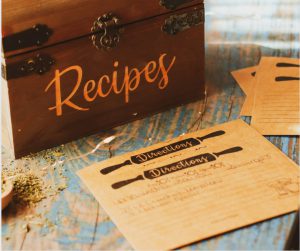
    an old recipe box replaced by Family cookbookThe Sentimental Value of Recipe Boxes

    For many families, the recipe box is a treasure trove of history. Each card, with its aged paper and distinctive handwriting, tells a story. Perhaps it’s a grandmother’s secret cookie recipe, a father’s special barbecue sauce, or an aunt’s famous casserole. These recipes are more than just instructions for preparing food; they are memories captured in ink, representing the love and care that went into each dish.

    Recipe boxes, however, pose several challenges. They are typically held by one family member, making it difficult for others to access these cherished recipes. The cards can become worn, torn, or faded with age, and the handwriting, while beautiful, can sometimes be difficult to decipher. Despite their sentimental value, recipe boxes are not always practical for preserving and sharing family recipes with a larger audience.

    The Evolution to Family Cookbooks

    To address these challenges, many families are turning to the idea of creating family cookbooks. A family cookbook is a professionally bound collection of recipes that not only preserves the culinary traditions of a family but also makes them accessible to all family members. This modern approach offers numerous benefits:

    1. Durability: Unlike fragile recipe cards, a bound cookbook is sturdy and long-lasting. It can be easily stored and handled without the risk of damaging the original recipes.
    2. Accessibility: A family cookbook can be printed in multiple copies, ensuring that every family member has access to the treasured recipes. This is especially important for geographically diverse families.
    3. Organization: Cookbooks allow for a structured presentation of recipes, often including sections for appetizers, main courses, desserts, and more. This organization makes it easier to find and use the recipes.
    4. Personalization: Modern family cookbooks can include not only recipes but also photos, stories, and anecdotes that bring the recipes to life. Scanned copies of the original handwritten cards can be included, preserving the unique handwriting and personal notes of past generations.

    Creating Your Family Cookbook

    Creating a family cookbook may seem like a daunting task, but with the right tools and resources, it can be a rewarding and enjoyable project. Websites like RecipeCardCookbook.com are specifically designed to help families turn their historic recipe cards into beautifully bound cookbooks. Here’s how you can get started:

    1. Gather the Recipes: Begin by collecting all the family recipes you want to include in the cookbook. This might involve reaching out to various family members to ensure you have a comprehensive collection. Look for handwritten recipe cards, printed recipes, and even digital files.
    2. Scan and Upload: To preserve the original handwriting and notes, scan the handwritten recipe cards. These scanned images can then be uploaded to Family Cookbook Project. This step ensures that the unique character and history of each recipe are maintained.
    3. Organize the Content: Decide how you want to organize your cookbook. You might group recipes by category (e.g., appetizers, main courses, desserts) or by family member. Include sections for family stories, photos, and anecdotes that provide context and enrich the cookbook.
    4. Design and Customize: Use the website’s templates and design tools to customize the look and feel of your cookbook. Choose a cover design, layout, and fonts that reflect your family’s style and traditions. Make sure the title, such as “Recipes from Our Family Tree,” is prominently displayed on the cover.
    5. Proofread and Edit: Before finalizing the cookbook, carefully proofread all the content to ensure accuracy. Check the recipes, photos, and stories for any errors or omissions.
    6. Print and Share: Once you are satisfied with the design, order printed copies of the cookbook. These can be distributed to family members as gifts, ensuring that everyone has a copy of the family’s culinary heritage.

    The Impact of a Family Cookbook

    Creating a family cookbook is more than just a way to preserve recipes; it is a way to celebrate and honor your family’s history. It provides a tangible connection to the past, allowing future generations to experience the flavors and traditions that have shaped your family. Each time a family member opens the cookbook to prepare a dish, they are not just following a recipe; they are continuing a legacy.

    A family cookbook also fosters a sense of connection and continuity among family members. It is a collaborative project that brings the family together, even if they are geographically dispersed. By contributing recipes, photos, and stories, each family member plays a role in preserving and sharing the family’s culinary heritage.

    From fragile recipe boxes to beautifully bound cookbooks, the evolution of preserving family recipes is a journey that honors the past while embracing the future. By turning historic recipe cards into a professionally bound family cookbook, you ensure that the culinary traditions and memories of your family are preserved and celebrated for generations to come.

    At Family Cookbook Project, we are dedicated to helping families create these treasured heirlooms. Our user-friendly platform makes it easy to gather, organize, and print your family recipes, resulting in a cookbook that is both beautiful and functional. Start your family cookbook project today and share your family’s culinary heritage with loved ones near and far.


    Bill Rice is Founder and Co-Publisher of the Family Cookbook Project, a website that helps families and individuals collect, preserve and share food memories by creating their own printed personal cookbooks. He is the author of The Wellfleet Oyster Cookbook and the Cape Cod Cocktail Cookbook (Available on Amazon), both created using FamilyCookbookProject.com. He is also editor of the Donovan Family Cookbook, now it’s third printing and is an avid genealogist tracing his family back to the 1600’s.

    Follow Family Cookbook Project on Facebook, Instagram, Twitter and Pinterest!