Author: Bill Rice

  • Pro Tip: Use The Cover Arranger Tool

    Pro Tip: Use The Cover Arranger Tool

    You have full creative control on your cover text and photo layouts with the Cover Arranger Tool.  Go to Layout & Design>Select Cover.  You’ll see a link/button for “Custom Cover Arranger Tool.”

    You will see your cover as it will look in your printed book, sized according to your settings on a layout screen.  You can edit your title and subtitle text, fonts and location.  On the right side of the screen, select the cover item to “edit” in the drop down box.  You can move them around and resize them any way you’d like.  If you want your photos to retain their correct aspect ratio, check the little box on each photo’s lower left.  They can also be layered one on top of another.  You’ll see that when moving a photo, it automatically comes to the top/front of all others.  When done, click the “Save” button.

    You can also manage your cover photo settings on the right.  In the select box, choose “Picture”.  Click [Edit Photo] to set things like border style and color-B/W.  Those will be added normally in your printed book on the photos.

    If you wish to reset your cover text and photos to the default, check the boxes next to the Save button and click Save.

    We have a How-To video for this tool.  Click here!

    Bill Rice is Founder and Co-Publisher of the Family Cookbook Project, the leading online cookbook publisher with a website that helps families and individuals collect, preserve and share food memories by creating their own printed custom cookbooks. He is the author of The Wellfleet Oyster Cookbook and the Cape Cod Cocktail Cookbook (Available on Amazon), both created using FamilyCookbookProject.com. He is also editor of the Donovan Family Cookbook, now it’s third printing and is an avid genealogist tracing his family back to the 1600’s.

    Follow Family Cookbook Project on Facebook, Instagram, Twitter TikTok, YouTube and Pinterest!

  • How to Create the Ultimate Tailgating Cookbook: A Playbook for Game Day Food

    How to Create the Ultimate Tailgating Cookbook: A Playbook for Game Day Food

    Tailgating is more than just a pre-game ritual—it’s a beloved tradition that brings friends, family, and fellow sports fans together to enjoy good food and great company before heading into the big game. Whether it’s grilling burgers, passing around a hearty dip, or sharing homemade desserts, the tailgate spread is often as memorable as the game itself. But have you ever tried an amazing dish at a tailgate, only to forget who made it or how to recreate it for your own party?

    That’s where the idea of creating a tailgating cookbook comes in. By collecting recipes from your tailgate friends and organizing them into one easy-to-access collection, you ensure that everyone can recreate their favorite dishes for future tailgates, home parties, or game day celebrations.

    With the help of FamilyCookbookProject.com, you can easily gather recipes, organize them into categories, and even create a beautifully printed cookbook to share with your tailgate crew. The platform’s user-friendly tools make it easy to collect recipes from friends and family, and their mobile app gives everyone quick access to the cookbook at any time.

    Why Create a Tailgating Cookbook?

    A tailgating cookbook is not just a collection of recipes—it’s a way to capture the spirit of camaraderie and the delicious dishes that make game day special. Here’s why creating a tailgating cookbook is a great idea:

    – Preserve Favorite Recipes: No more guessing how to make that amazing buffalo chicken dip or BBQ ribs you had at the last game. Collecting the recipes ensures you and your friends can recreate those dishes any time.
    – Share with the Group: Everyone in your tailgate group can have access to the recipes, whether through the FamilyCookbookProject.com app or in a printed copy.
    – Tailgate Inspiration: By sharing your favorite recipes, you and your tailgate crew can inspire each other with new ideas for future game days.
    – Create a Lasting Keepsake: A printed cookbook becomes a meaningful keepsake that you can gift to friends, family, or fellow tailgaters. It’s a great way to remember all the fun times shared together during the season.

    Step-by-Step Guide to Creating a Tailgating Cookbook

    Creating a tailgating cookbook is a fun project that you can involve the whole group in. Here’s how to get started:

    1. Collect Emails and Recipe Contributions

    The first step in creating your tailgating cookbook is gathering the recipes. Start by reaching out to your tailgate friends and asking them to contribute their favorite tailgating dishes.

    – Gather Emails: Create a contact list of your tailgating crew, collecting their email addresses so you can reach out for recipe submissions.
    – Send a Request for Recipes: Send an email or group message asking everyone to contribute their favorite tailgate recipes. Be sure to include a template or guide on how to submit recipes (e.g., ingredients, instructions, serving size).
    – Ask for Photos: If possible, ask contributors to send a photo of the dish, which you can include in the cookbook for visual appeal.

    Pro Tip: If you’re short on time or want to streamline the process, use FamilyCookbookProject.com to invite contributors directly through the platform, where they can easily upload their recipes.

    2. Organize Recipes by Category

    One of the best things about creating your own cookbook is that you can organize it however you like! For a tailgating cookbook, you might want to organize recipes by the type of food or the occasion. Some popular categories for tailgating might include:

    – Grilled Meats: Burgers, brats, steaks, and ribs.
    – Dips and Appetizers: Cheese dips, salsas, chips, and finger foods.
    – Salads and Sides: Pasta salads, potato salad, slaws, and other cold dishes.
    – Game Day Desserts: Brownies, cookies, cupcakes, or themed treats.
    – Drinks and Cocktails: Fun cocktails, punches, and non-alcoholic drink recipes for the crowd.

    You can get creative with your categories depending on the types of dishes your group enjoys. The FamilyCookbookProject.com platform allows you to easily create custom categories, so you can organize your cookbook in a way that makes sense for your group’s tailgating style.

    3. Use the FamilyCookbookProject.com App for Easy Recipe Access

    Once you’ve collected all the recipes and organized them into categories, share the cookbook with your group using the FamilyCookbookProject.com app. This allows everyone to access the cookbook on their mobile devices, whether they’re at the game, at home, or planning for their next event.

    – Access Anytime: The app makes it easy for contributors to check the recipes on the go, which is perfect when grocery shopping for tailgates or potlucks.
    – Easily Update Recipes: If someone tries a new recipe and wants to add it to the collection, the app allows for easy updates and additions.

    – Access other Content: The app also provides access to Family Cookbook Project’s award winning blog and its YouTube video account.

    This way, your tailgating crew always has access to their favorite game day recipes in one convenient location.

    4. Create a Printed Cookbook as a Gift

    While having a digital cookbook is convenient, a printed cookbook is a thoughtful keepsake that you can give to your tailgating friends. FamilyCookbookProject.com makes it simple to print high-quality cookbooks that you can gift to friends and family.

    Here’s why a printed cookbook makes a great gift:

    – Memorable Keepsake: A printed cookbook becomes a lasting memory of all the fun tailgates you shared throughout the season.
    – Perfect for Holidays or Birthdays: Give the cookbook as a holiday or birthday gift to your fellow tailgaters or sports fans in your life.
    – Unique Group Gift: It’s a great group gift that reflects the collective effort of everyone who contributed their recipes.

    Customizing the cover with your group’s name, team colors, or even a group photo adds a personal touch to the printed cookbook.

     5. Promote Your Cookbook on Social Media

    If your tailgate group is large or you’re planning to sell the cookbook to raise money for your sports team or another cause, be sure to promote the cookbook on social media. Platforms like Facebook, Instagram, and Twitter are great for getting the word out to a larger audience.

    – Share Sneak Peeks: Post photos of the cookbook design, recipe highlights, and testimonials from contributors.
    – Offer Pre-Orders: If you’re selling the printed cookbook, offer a pre-order option to build excitement.
    – Create Group Posts: Encourage your tailgating friends to share the cookbook on their personal social media pages to help spread the word.

    Tailgating Made Even Better with a Custom Cookbook

    Tailgating is all about bringing people together to share food, fun, and the love of the game. By creating a tailgating cookbook, you not only preserve the recipes that make your game days special, but you also make it easy for everyone to recreate those dishes at home. Whether it’s organizing recipes for dips, grilled meats, or desserts, a tailgating cookbook helps keep everyone’s favorites in one place.

    With the tools available on FamilyCookbookProject.com, you can easily collect recipes, organize them into custom categories, and share them through the app or a printed cookbook. It’s a perfect way to celebrate your love of food, football, and the friendships that tailgating fosters.

    So, start collecting those winning recipes, and create a tailgating cookbook that will be a touchdown with your friends and family!


    Bill Rice is Founder and Co-Publisher of the Family Cookbook Project, the leading online cookbook publisher with a website that helps families and individuals collect, preserve and share food memories by creating their own printed custom cookbooks. He is the author of The Wellfleet Oyster Cookbook and the Cape Cod Cocktail Cookbook (Available on Amazon), both created using FamilyCookbookProject.com. He is also editor of the Donovan Family Cookbook, now it’s third printing and is an avid genealogist tracing his family back to the 1600’s.

    Follow Family Cookbook Project on Facebook, Instagram, Twitter TikTok, YouTube and Pinterest!

  • Ways To Follow Family Cookbook Project on Social Media

    Ways To Follow Family Cookbook Project on Social Media

    The Family Cookbook Project is more than just a cookbook publisher; it’s a community where families and individuals come together to share recipes and food memories. We provide a system that makes it easy to gather and publish your family food traditions. Additionally, we offer valuable advice on improving your cookbook, creating better recipes, and understanding cooking.

    Here are the ways you can follow us on social media:

    Facebook: Follow us on Facebook to discover interesting recipes from our editors, get ideas to enhance your cookbook, and receive general cooking tips. We also have specific pages for barbecue recipes and cookie recipes, so follow those if they interest you.

    Pinterest: Cooking and recipes are popular categories on Pinterest. The Family Cookbook Project has 18 boards filled with great recipes, cooking tips, and ways to improve your cookbook. Explore interesting categories like Food Guys Like, Recipes from Around the World, and What’s for Breakfast.

    Instagram: Follow the Family Cookbook Project on Instagram for more recipes and tips.

    TikTok: Like short videos about cooking and creating cookbooks, follow our TikTok cookbook channel.

    Twitter: If you prefer X (formerly Twitter), find us at @Family_Cookbook or using the hashtag #familycookbook. We share the same great information across all our social media platforms.

    YouTube: Our How To videos can be found on YouTube, where we post videos on how to use Family Cookbook Project’s online tools to create the perfect family recipe book.


    Bill Rice is Founder and Co-Publisher of the Family Cookbook Project, a website that helps families and individuals collect, preserve and share food memories by creating their own printed personal cookbooks. He is the author of The Wellfleet Oyster Cookbook and the Cape Cod Cocktail Cookbook (Available on Amazon), both created using FamilyCookbookProject.com. He is also editor of the Donovan Family Cookbook, now it’s third printing.

    Follow Family Cookbook Project on Facebook, Instagram, Twitter TikTok, YouTube and Pinterest!

  • Cook Japanese Food at Home: From Sushi Rolls to Miso Soup

    Cook Japanese Food at Home: From Sushi Rolls to Miso Soup

    Japanese cuisine is celebrated for its simplicity, elegance, and attention to detail. From sushi and sashimi to comforting bowls of ramen and tempura, the food of Japan offers a balance of flavors, textures, and aesthetics that makes it one of the most popular cuisines in the world. While it may seem difficult to recreate Japanese dishes at home, with the right ingredients, tools, and techniques, you can easily bring authentic Japanese flavors to your kitchen.

    In this article, FamilyCookbookProject.com will guide you through the key ingredients you’ll need, beginner-friendly recipes to try, and essential utensils for cooking Japanese food and sushi at home.

    Essential Ingredients for Japanese Cooking and Sushi

    To recreate Japanese dishes at home, start by stocking your pantry with some fundamental ingredients. Japanese cuisine relies on a few key ingredients to build layers of flavor—primarily focusing on umami, the savory fifth taste that forms the backbone of many dishes.

    Soy sauce  is a must-have in any Japanese kitchen. This salty, fermented sauce adds depth to everything from soups and marinades to sushi dipping sauces.  Miso, a fermented soybean paste, is another crucial ingredient, used in everything from miso soup to marinades. Miso comes in several varieties, including white (sweeter) and red (more robust).

    For sushi-making, the key is sushi rice, a short-grain rice that becomes sticky when cooked. Season the rice with a mixture of  rice vinegar, sugar, and a pinch of salt to achieve the perfect balance of sweetness and tang. Another staple for sushi is nori —dried seaweed sheets used for wrapping sushi rolls.

    For umami-rich broths, you’ll need dashi, a Japanese stock made from kombu (seaweed) and bonito flakes (dried fish).  Mirin, a sweet rice wine, is commonly used in cooking to balance salty and savory flavors. Finally, for tempura and other fried dishes,  panko (Japanese breadcrumbs) creates that signature light, crispy coating.

    Fresh ingredients are equally important in Japanese cooking, especially when it comes to sushi.  Fresh fish like tuna, salmon, and yellowtail are essential for sushi and sashimi, but don’t overlook vegetables like cucumber, avocado, and daikon radish, which are also widely used.

    Beginner-Friendly Japanese Dishes to Try

    When you’re ready to start cooking Japanese food at home, there are several dishes that are relatively simple to prepare yet full of flavor. Let’s begin with a few classics to get you started.

    Sushi rolls  (makizushi) are a great place to start if you’re new to Japanese cooking. Start with simple rolls like cucumber or avocado rolls, and gradually experiment with fish like tuna or salmon. Preparing sushi involves cooking the rice, seasoning it properly, and learning how to roll with nori sheets. It’s fun and rewarding once you get the hang of it.

    If you’re not in the mood for sushi,  miso soup  is another easy dish. All you need is dashi broth, miso paste, tofu, and some scallions for garnish. This comforting soup takes only minutes to make and is the perfect appetizer for any Japanese meal.

    For a heartier dish, try making chicken teriyaki. The sauce is simple to prepare—just a mixture of soy sauce, mirin, sugar, and sake. Sauté or grill the chicken, and brush it with the sauce until it’s caramelized and glossy. Serve with steamed rice and some vegetables for a well-balanced meal.

    Tempura, a favorite fried dish in Japan, is also surprisingly easy to make.  Vegetable tempura  (or shrimp tempura) is created by dipping ingredients in a light batter and frying them until crispy. The trick is to keep the batter cold and the oil hot for a light, airy texture.

    For something warm and comforting, you can’t go wrong with udon or soba noodles. These thick, chewy noodles are often served in a light broth or stir-fried with vegetables and protein. Add a dash of soy sauce, mirin, and dashi to build a flavorful base for your noodles.

    Essential Tools for Japanese Cooking and Sushi

    Cooking Japanese food at home is easier with the right tools. Here are a few kitchen essentials you’ll need:

    Rice Cooker: A rice cooker is a game-changer for perfectly cooked rice, especially for sushi. It ensures that the rice is fluffy and evenly cooked every time.

    Bamboo Sushi Mat (Makisu): For rolling sushi, you’ll need a bamboo mat. It helps create tight, evenly shaped sushi rolls and makes the process easier.

    Sharp Chef’s Knife or Sushi Knife: Precision is key in Japanese cooking, especially when preparing sushi or sashimi. A sharp, high-quality knife is essential for cutting fish, vegetables, and other ingredients cleanly.

    Chopsticks: Cooking chopsticks (longer than the chopsticks used for eating) are used for stirring and frying in Japanese cuisine. They are especially useful when frying tempura or handling delicate ingredients.

    Soy Sauce Dishes: While not essential for cooking, small soy sauce dishes are handy for serving sushi and sashimi with a side of soy sauce.

    Tempura Fryer: A deep fryer or a sturdy pot for frying will help you achieve that crispy tempura coating. Be sure to use a thermometer to maintain the correct oil temperature.

    Donabe Pot or Hot Pot: If you’re preparing Japanese hot pot dishes like shabu-shabu or sukiyaki, a donabe (a traditional Japanese clay pot) is ideal for slow-cooking on the stovetop or at the table.

    Start Cooking Japanese Food and Sushi at Home

    Cooking Japanese food at home is a fun and rewarding way to explore new flavors and techniques. By stocking up on essential ingredients like soy sauce, miso, and sushi rice, and having the right tools on hand, you’ll be well-prepared to start cooking delicious Japanese meals. Whether you’re rolling sushi, whipping up a bowl of miso soup, or frying tempura, there’s a wide variety of dishes to experiment with.

    When you’re just starting out with making sushi, it can be helpful to explore different sources for recipes. Whether you’re browsing cookbooks, online blogs, or watching cooking shows, there are countless ways to find inspiration for your next Italian dish. As you experiment with new recipes, it’s a great idea to keep them organized, so you can easily revisit your favorites.

    FamilyCookbookProject.com is a perfect tool for this. You can collect all the Italian recipes you’ve tried and loved, add personal notes or adjustments, and create a customized cookbook that reflects your own culinary journey. This way, you’ll have your personal collection of go-to Italian recipes, whether it’s for a simple weeknight pasta or a special family gathering.

    So, roll up your sleeves, grab your bamboo mat, and get ready to experience the wonderful world of Japanese cuisine from the comfort of your own kitchen.

    Bill Rice is Founder and Co-Publisher of the Family Cookbook Project, a website that helps families and individuals collect, preserve and share food memories by creating their own printed personal cookbooks. He is the author of The Wellfleet Oyster Cookbook and the Cape Cod Cocktail Cookbook (Available on Amazon), both created using FamilyCookbookProject.com. He is also editor of the Donovan Family Cookbook, now it’s third printing and is an avid genealogist tracing his family back to the 1600’s.

    Follow Family Cookbook Project on Facebook, Instagram, Twitter TikTok, YouTube and Pinterest!


  • Pro Tip: Working With Contributors

    Pro Tip: Working With Contributors

    Adding a Contributor

    Adding a contributor is very easy. Simply go to Editor Activities>Communication Center or find the “Invitation Tool” shortcut on your Quick Start. On this page you can enter a person’s name and email and even personalize the email they will receive. That email will automatically create a user account for them and include their login information in the email they receive. This allows them to add and view recipes in your cookbook.

    Watch this video tutorial to see how to work with contributors: https://youtu.be/x-1rS6LN4R0

    Edit a contributor

    To edit a contributor’s info, login to your book.  Go to Communication.  Scroll down to the list of names and click on their name.  This brings you to a page that contains all of their info. Change whatever you like and Save.

    Please note: If you are looking to change a name on the Contributor Page, those names are taken directly from the contributor field on the recipes. You would have to view your recipes by contributor and edit those recipes with the name you wish to change.

    Delete a contributor

    To delete a contributor from your cookbook, login to your book.  Go to Editor Activities>Communication.  Scroll down to the list of names and click on their name.  There is a delete button there.  Any recipes they may have added will be assigned to you (but the Contributor field will still show its original info).

    Bill Rice is Founder and Co-Publisher of the Family Cookbook Project, the leading online cookbook publisher with a website that helps families and individuals collect, preserve and share food memories by creating their own printed custom cookbooks. He is the author of TheWellfleet Oyster Cookbook and theCape Cod Cocktail Cookbook (Available on Amazon), both created using FamilyCookbookProject.com. He is also editor of the Donovan Family Cookbook, now it’s third printing and is an avid genealogist tracing his family back to the 1600’s.

    Follow Family Cookbook Project onFacebook,Instagram,Twitter TikTok, YouTube andPinterest!


  • Chinese Cuisine Made Easy: Ingredients and Recipes to Recreate at Home

    Chinese Cuisine Made Easy: Ingredients and Recipes to Recreate at Home

    Chinese cuisine is beloved around the world for its bold flavors, aromatic spices, and balance of savory, sweet, and spicy elements. Whether you crave stir-fries, dumplings, or noodle dishes, cooking Chinese food at home can be a deeply rewarding experience. While it may seem like a daunting task, with the right ingredients, tools, and a few simple recipes, you can create authentic Chinese dishes that rival your favorite takeout spot.

    In this article, FamilyCookbookProject.com will walk through the essential ingredients to stock in your pantry, beginner-friendly dishes you can start with, and the utensils that will make your Chinese cooking journey easier.

    Essential Ingredients for Chinese Cooking

    Chinese cuisine is characterized by its use of sauces, seasonings, and fresh ingredients, many of which can be found at your local grocery store or an Asian market. The key to mastering Chinese food at home is to build a pantry of staple ingredients that serve as the foundation for many dishes.

    First and foremost, soy sauce is a must-have. There are two types of soy sauce commonly used in Chinese cooking: light soy sauce and dark soy sauce.  Light soy sauce  is saltier and thinner, often used for seasoning and marinades, while  dark soy sauce  is thicker, less salty, and adds a rich color and deeper flavor to dishes like braised meats and stir-fries.

    Next, you’ll need sesame oil, which imparts a nutty, aromatic flavor to stir-fries, noodles, and sauces. A little goes a long way, so be sure to use it sparingly as a finishing touch rather than a cooking oil.

    Oyster sauce is another key ingredient, offering a sweet, salty, and umami-rich flavor to a variety of dishes. It’s commonly used in stir-fries and adds depth to vegetables and meats alike.

    Shaoxing wine, a Chinese rice wine, is used to deglaze woks and tenderize meats. It’s often referred to as the “secret ingredient” that gives Chinese food its distinct flavor.

    You’ll also want to have rice vinegar or Chinkiang black vinegar on hand for dipping sauces, dressings, and to add a subtle tang to stir-fries and braised dishes.

    For those craving heat, chili garlic sauce or Sichuan peppercorns will be indispensable. Sichuan peppercorns have a numbing, tingly spice, making them perfect for dishes like mapo tofu or Sichuan-style hot pot.

    Of course, you can’t forget the fresh ingredients that bring Chinese dishes to life. You’ll need garlic, ginger, and scallions —the holy trinity of Chinese aromatics. These ingredients form the flavor base for countless recipes, from soups to stir-fries.

    Finally, Chinese five-spice powder —a blend of star anise, cloves, cinnamon, Sichuan peppercorns, and fennel seeds—adds a warm, sweet, and spicy flavor to dishes like braised pork or roasted duck.

    Beginner-Friendly Chinese Dishes to Try

    Once your pantry is stocked, it’s time to start cooking! Here are some classic Chinese dishes that are perfect for beginners and packed with flavor.

    One of the simplest dishes to make at home is fried rice. Whether you use leftover rice or cook it fresh, fried rice is incredibly versatile. You can add eggs, vegetables like peas and carrots, and protein like chicken, shrimp, or tofu. Season it with soy sauce, a splash of sesame oil, and scallions, and you’ll have a restaurant-worthy dish in minutes.

    If you want to dive into stir-frying, chicken stir-fry with broccoli is a great starting point. The key to a successful stir-fry is prepping all your ingredients before you start cooking. Once your garlic, ginger, chicken, and vegetables are ready to go, a hot wok and quick cooking time will give you perfectly cooked, crisp vegetables and tender chicken in a savory sauce made from soy sauce, oyster sauce, and a bit of cornstarch for thickening.

    For noodle lovers, lo mein is a must-try. Made with egg noodles, lo mein is stir-fried with vegetables and your choice of protein, then tossed in a savory sauce of soy sauce, oyster sauce, and a touch of sugar. The result is a delicious, hearty dish that’s perfect for any night of the week.

    If you’re feeling adventurous, you can also try your hand at making dumplings. While dumpling-making requires a bit of practice, the result is worth the effort. You can fill dumplings with pork, shrimp, or a combination of vegetables, then steam, boil, or pan-fry them. Serve with a dipping sauce made from soy sauce, rice vinegar, and chili oil for a flavorful treat.

    Lastly, for something a bit more challenging,  mapo tofu is a classic Sichuan dish that brings the heat and deep flavors. Soft tofu is simmered in a spicy, savory sauce made with ground pork (or beef), fermented bean paste, chili oil, and Sichuan peppercorns. The combination of textures and bold flavors makes this dish a favorite for anyone who enjoys spicy food.

    Key Utensils for Chinese Cooking

    Cooking Chinese food at home can be even easier and more enjoyable if you have the right tools. The most important utensil you’ll need is a wok. A well-seasoned wok is essential for stir-frying, deep-frying, and even steaming. Its high, sloping sides allow you to cook food quickly at high heat while giving you plenty of room to toss ingredients.

    You’ll also want a bamboo steamer if you’re interested in steaming dumplings, buns, or vegetables. Bamboo steamers are stackable, allowing you to steam multiple dishes at once, and they retain moisture without making the food soggy.

    A cleaver is another useful tool in Chinese kitchens. While it may seem intimidating at first, a cleaver is incredibly versatile, allowing you to chop, slice, and mince with ease. Its wide blade also makes it perfect for crushing garlic or ginger.

    Chopsticks aren’t just for eating—they can also be used for cooking, especially when stir-frying or deep-frying. They allow for more precision when moving ingredients around in the wok or flipping dumplings in a pan.

    A rice cooker is a must if you plan on making rice regularly, which is a staple in many Chinese meals. It takes the guesswork out of cooking rice, giving you perfect, fluffy results every time.

    Lastly, having a spice grinder or mortar and pestle will come in handy if you prefer to grind your own Sichuan peppercorns or other whole spices. Freshly ground spices release more flavor and can make a big difference in your dishes.

    Bringing Chinese Flavors to Your Table

    Cooking Chinese food at home is a fantastic way to explore new flavors and techniques while enjoying a satisfying meal. By stocking your kitchen with essentials like soy sauce, sesame oil, and fresh ginger, and investing in a wok and bamboo steamer, you’ll be well on your way to creating delicious, authentic Chinese dishes.

    When you’re just starting out with Chinese cooking, it can be helpful to explore different sources for recipes. Whether you’re browsing cookbooks, online blogs, or watching cooking shows, there are countless ways to find inspiration for your next Italian dish. As you experiment with new recipes, it’s a great idea to keep them organized, so you can easily revisit your favorites.

    FamilyCookbookProject.com is a perfect tool for this. You can collect all the Italian recipes you’ve tried and loved, add personal notes or adjustments, and create a customized cookbook that reflects your own culinary journey. This way, you’ll have your personal collection of go-to Italian recipes, whether it’s for a simple weeknight pasta or a special family gathering.

    Start with simple recipes like fried rice or chicken stir-fry and build your skills from there. Whether you’re steaming dumplings, stir-frying noodles, or simmering tofu in a spicy sauce, you’ll soon find that cooking Chinese food at home is both easy and rewarding.

    So grab your wok, prep your food and get ready for some amazing Chinese meals!


    Bill Rice is Founder and Co-Publisher of the Great Family Cookbook Project, a website that helps families and individuals collect, preserve and share food memories by creating their own printed personal cookbooks. He is the author of The Wellfleet Oyster Cookbook and the Cape Cod Cocktail Cookbook (Available on Amazon), both created using FamilyCookbookProject.com. He is also editor of the Donovan Family Cookbook, now it’s third printing and is an avid genealogist tracing his family back to the 1600’s.

    Follow Family Cookbook Project on Facebook, Instagram, Twitter TikTok, YouTube and Pinterest!

     

  • More Ideas For a Custom Fundraising Cookbook Cover

    More Ideas For a Custom Fundraising Cookbook Cover

    While CookbookFundraiser.com offers a wide range of professionally designed cookbook covers for you to choose from, many people with artistic talent, graphic design talent, choose to create their own cover, using popular desktop publishing software, and uploading it to our system.

    Here is a sample of some of the custom covers done by the editors of CookbookFundraiser.com:


    Bill Rice is the Co-Publisher of Family Cookbook Project and CookbookFundraiser.com which helps individuals, churches, schools, teams and other fundraising groups create cherished personalized cookbooks using peer-to-peer tools and the power of the Internet to meet group funding needs. Follow Family Cookbook Project on Facebook, Instagram, Twitter TikTok, YouTube and Pinterest!


  • Here’s How To Convert Apple HEIC to JPG on Mac Using Preview

    Here’s How To Convert Apple HEIC to JPG on Mac Using Preview

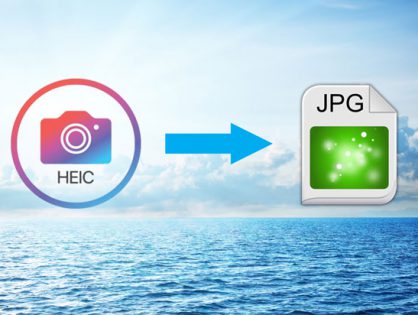
    Family Cookbook Project (and most web sites) accept JPG photos only.  If you are having issues with photos not uploading correctly, check to see if the file format on your Mac is HEIC.  That is Apple’s compressed format.  But it’s easy to convert to JPG.

    Here’s how to convert HEIC to JPG on Mac using Preview:

    1. Open any HEIC image in Preview.
    2. Click File ➙ Export in the menu bar.
    3. Select JPG in the format dropdown and adjust other settings as needed.
    4. Choose Save.

    Here’s how to convert HEIC to JPG on PC using Microsoft Paint:

    1. Open the file in Paint
    2. Go to File>Save As>JPEG picture
    3. Click Save.
  • Pro Tip: How To Add A Browser Bookmark To Your Desktop or Phone Icon

    Pro Tip: How To Add A Browser Bookmark To Your Desktop or Phone Icon

    FamilyCookbookProject.com is a web based cookbook software.  By default, there is no icon on your computer or phone.  You simply add a bookmark in your favorite browser.

    You can then add an icon or shortcut for quick access.  For a phone or tablet, try this site’s suggestions:
    http://www.howtogeek.com/196087/how-to-add-websites-to-the-home-screen-on-any-smartphone-or-tablet/

    Here’s a way to add a browser shortcut on your computer desktop:
    https://www.webopedia.com/quick_ref/how-to-create-a-desktop-shortcut-to-a-website.html

    Bill Rice is Founder and Co-Publisher of the Family Cookbook Project, the leading online cookbook publisher with a website that helps families and individuals collect, preserve and share food memories by creating their own printed custom cookbooks. He is the author of The Wellfleet Oyster Cookbook and the Cape Cod Cocktail Cookbook (Available on Amazon), both created using FamilyCookbookProject.com. He is also editor of the Donovan Family Cookbook, now it’s third printing and is an avid genealogist tracing his family back to the 1600’s.

    Follow Family Cookbook Project on Facebook, Instagram, Twitter TikTok, YouTube and Pinterest!

     

  • FamilyCookbookProject.com Launches “Smart Recipe Converter AI”

    FamilyCookbookProject.com, the award-winning leader in custom cookbook publishing, has announced the launch of an exciting new free feature: Smart Recipe Converter AI. This powerful tool uses artificial intelligence to extract text from images of recipes—whether handwritten or typed—and convert them into editable text that can be quickly added to a personal or family cookbook.

    Smart Recipe Converter AI is designed to simplify one of the most time-consuming tasks in cookbook creation: typing recipes from old cards, scanned pages, or screenshots. With a single image upload, Family Cookbook editors can now automatically generate transcribed text that’s ready to be pasted into the “Add a Recipe” form, reducing hours of manual effort.

    Here is how to use the new smart recipe upload:

    On the Black navigation bar of your editors account, select “add recipe” and then “upload recipes – AI assist”.

    Click the green select files button and select the recipe you want to import. You can import up to 50 recipes at a time.

    After the recipes upload to the system, click the blue  “start upload” button to start the AI tool.

    When it is complete, you will see your recipes listed and a link to view your newest recipes here”. Clicking, the link will take you to your view recipe by newest and these recipes will appear in your miscellaneous category.

    Now all you have to do is click the edit button, select an actual category for the recipe, proofread the recipe to make sure everything was imported correctly, and click save.

    It’s a simple as that.


    Here are some additional tips on using the new tool.

    If you wish the recipe image to show on the recipe page, you can click the link on the right column “show all pics including AI read”. This will display the image that was uploaded with the recipe text.

    If a recipe card is two-sided, you need to create one image with both sides of the recipe for this tool to work correctly.