Author: Bill Rice

  • From Moussaka to Tzatziki: A Beginner’s Guide to Greek Cooking at Home

    From Moussaka to Tzatziki: A Beginner’s Guide to Greek Cooking at Home


    Greek cuisine is known for its fresh, healthy, and flavorful dishes, deeply rooted in the Mediterranean diet. With an emphasis on vegetables, olive oil, grains, and grilled meats, Greek food is a wonderful option for those looking to incorporate wholesome, delicious meals into their cooking routine. The best part? Many classic Greek dishes are simple to prepare at home.

    In this article, FamilyCookbookProject.com explores the essential ingredients you should keep on hand, the spices you’ll need, and a few simple Greek dishes to get started with, so you can bring the vibrant flavors of Greece into your kitchen.

    Essential Ingredients for Greek Cooking

    Greek cooking emphasizes fresh, high-quality ingredients. Many of these can be easily found in most grocery stores or specialty Mediterranean markets. Here are some must-have ingredients for cooking authentic Greek food at home:

    Olive Oil

    Extra-virgin olive oil is at the heart of Greek cuisine. It’s used in everything from sautéing vegetables to dressing salads and finishing grilled meats. Look for high-quality olive oil for the best flavor.

    Greek Yogurt

    Thick, creamy Greek yogurt is used in many dishes, from the famous tzatziki sauce to desserts and dips. It’s also commonly used as a marinade for meats, adding richness and tenderizing the protein.

    Lemons

    Fresh lemons are essential in Greek cooking, often used to brighten up dishes and add a zesty flavor. Lemon juice is commonly used in marinades, sauces, and dressings.

    Feta Cheese

    Feta, a salty and crumbly cheese made from sheep’s milk (or a mix of sheep and goat’s milk), is a staple in Greek cuisine. It’s used in salads, stuffed vegetables, and pies like spanakopita.

    Pita Bread

    Pita bread is a common accompaniment to many Greek dishes. It’s often served warm alongside dips like tzatziki or used as a wrap for gyros or souvlaki.

    Olives (Kalamata)

    Olives, particularly Kalamata olives, are frequently used in Greek salads and meze (small plates). They add a briny, rich flavor to dishes and are a great snack on their own.

    Cucumber

    Cucumber is a key ingredient in Greek salads and tzatziki. Its cool, crisp texture complements rich flavors like garlic, yogurt, and olive oil.

    Tomatoes

    Ripe, fresh tomatoes are often used in Greek salads and stews. Whether diced in a salad or slow-cooked into a sauce, tomatoes are a core ingredient in many Greek dishes.

    Phyllo Dough

    Phyllo dough is a paper-thin pastry used to make traditional Greek dishes like spanakopita (spinach pie) and baklava (a sweet, nut-filled pastry). It’s available frozen at most grocery stores.

    Honey

    Greek honey is often used in desserts and sauces, providing a rich sweetness to complement savory ingredients. Look for pure honey to drizzle over yogurt or use in desserts like baklava.

    Must-Have Spices and Herbs for Greek Cooking
    While Greek cuisine is known for its simplicity, a handful of herbs and spices are key to adding depth and flavor to your dishes:

    Oregano

    Greek oregano, which has a more robust flavor than its Italian counterpart, is widely used in marinades, dressings, and sprinkled over grilled meats and vegetables.

    Dill

    Fresh dill is used in many Greek dishes, especially tzatziki and salads. Its fresh, slightly anise-like flavor pairs beautifully with cucumber and yogurt-based dishes.

    Garlic

    Garlic is essential in Greek cooking, used to flavor sauces, marinades, and dips. Its bold flavor is key in dishes like tzatziki and skordalia (garlic and potato dip).

    Mint

    Mint is a common herb in Greek cooking, often paired with lamb and used to flavor dishes like dolmades (stuffed grape leaves). It adds a bright, refreshing note to both savory and sweet dishes.

    Bay Leaves

    Bay leaves are often used in soups and stews to add a subtle, aromatic flavor. They’re typically simmered with the dish and removed before serving.

    Cinnamon

    Though typically associated with sweet dishes, cinnamon is often used in savory Greek recipes like moussaka (layered eggplant and meat dish) to add warmth and complexity.

    Allspice

    Allspice is another spice that is sometimes used in Greek cooking, particularly in meat dishes like keftedes (Greek meatballs) or stews. It adds a slightly sweet and peppery flavor.

    Simple Greek Dishes to Start With

    Once you have your ingredients and spices, here are a few simple and classic Greek dishes you can start cooking at home:

    Greek Salad (Horiatiki)

    A simple and fresh salad made with cucumbers, tomatoes, red onions, Kalamata olives, and feta cheese. It’s dressed with olive oil, lemon juice, and oregano. This salad is quick to make and perfect for a light meal or side dish.

    Search FamilyCookbookProject.com for Greek Salad recipes.

    https://www.familycookbookproject.com/view_recipesite_search.asp?keywords=Greek+Salad&using=Allwords&searchin=all&sort=Most+Popular&submit=Go%21&pg=1&p=y

    Tzatziki (Yogurt and Cucumber Dip)

    Tzatziki is a refreshing dip made from Greek yogurt, grated cucumber, garlic, and dill. It’s often served as a dip for pita bread or as a topping for grilled meats like souvlaki.

    Search FamilyCookbookProject.com for Tzatziki recipes.

    https://www.familycookbookproject.com/view_recipesite_search.asp?keywords=Tzatziki&using=Allwords&searchin=all&sort=Most+Popular&submit=Go%21&pg=1&p=y

    Spanakopita (Spinach Pie)

    This flaky pastry is filled with a mixture of spinach, feta cheese, and herbs, all wrapped in layers of buttery phyllo dough. It’s a popular dish in Greek homes and can be served as an appetizer or main course.

    Search FamilyCookbookProject.com for Spanakopita recipes.

    https://www.familycookbookproject.com/view_recipesite_search.asp?keywords=Spanakopita&using=Allwords&searchin=all&sort=Most+Popular&submit=Go%21&pg=1&p=y

    Souvlaki (Grilled Meat Skewers)

    Souvlaki is a traditional Greek dish of marinated and grilled meat, usually pork, chicken, or lamb, served on skewers. It’s often paired with pita bread, tzatziki, and a Greek salad.

    Search FamilyCookbookProject.com for Souvlaki recipes.

    https://www.familycookbookproject.com/view_recipesite_search.asp?keywords=Souvlaki&using=Allwords&searchin=all&sort=Most+Popular&submit=Go%21&pg=1&p=y

    Moussaka

    Moussaka is a layered dish similar to lasagna, made with layers of eggplant, ground meat (usually lamb), and a rich béchamel sauce, flavored with cinnamon and allspice. It’s hearty and perfect for family gatherings.

    Search FamilyCookbookProject.com for Moussaka recipes.

    https://www.familycookbookproject.com/view_recipesite_search.asp?keywords=Moussaka&using=Allwords&searchin=all&sort=Most+Popular&submit=Go%21&pg=1&p=y

    Cooking Greek Food at Home

    Greek cuisine offers a balance of fresh ingredients, healthy dishes, and bold flavors. With essential ingredients like olive oil, feta cheese, and fresh herbs, you can easily recreate Greek classics in your own kitchen. Start with simple dishes like Greek salad and tzatziki, and as you become more comfortable, you can try more elaborate dishes like spanakopita or moussaka.

    Greek cooking is not only delicious but also a celebration of sharing food with family and friends. So gather your ingredients, fire up the grill, and enjoy the tastes of the Mediterranean in your own home!


    Bill Rice is Founder and Co-Publisher of the Family Cookbook Project, the leading online cookbook publisher with a website that helps families and individuals collect, preserve and share food memories by creating their own printed custom cookbooks. He is the author of The Wellfleet Oyster Cookbook and the Cape Cod Cocktail Cookbook (Available on Amazon), both created using FamilyCookbookProject.com. He is also editor of the Donovan Family Cookbook, now it’s third printing and is an avid genealogist tracing his family back to the 1600’s.

    Follow Family Cookbook Project on Facebook, Instagram, Twitter TikTok, YouTube and Pinterest!


  • How to Write A Great Recipe Title

    How to Write A Great Recipe Title

    Your recipe title is the single most important element of your recipe. This is because your title is a headline, and the headline in any type of content has one special and powerful property.

    Think about how you read a cookbook looking for a recipe to try.  You don’t start in the front and read every page like a novel then pick the one you want. No, you scan the pages looking for a photo or recipe title that catches your eye and looks interesting!

    Of all the elements in your recipe, the title has the greatest power for grabbing your readers’ attention and the greatest responsibility for enticing them to continue and read your recipe It follows that the better your title, the higher the chance of turning a recipe scanner into a recipe reader (and ultimately a recipe user).

    For a recipe title to be effective it needs to consider several things:

    Grab Attention – Like any headline you need to grab the readers attention.

    Describe the food being prepared – “Gruel” is one of my son’s favorite dishes, however it no one outside the family knows what it is. Including the main ingredient of the dish and even how it us prepared make the title more useful. “Baked Hamburger Gravy” would be a more descriptive title for our gruel.

    Be different and unique – If you have seen the recipe title before, it does not belong on your recipe!

    Include the source – In family cookbooks, certain people are associated with certain recipes. Grandma’s Apple Pie or Lou’s Lemon Bars help the reader image exactly what dish you are referring to. It just does not help anyone who is not at family gatherings!

    Sell the sizzle as well as the steak – This means to highlight the benefit, the reason why this recipe is worth making.

    Recipe titles that address cooking and eating needs are more likely to seduce the reader into the recipe itself. A good title clearly shows the reader which of their cooking and eating needs the recipe addresses. Every readers’ need is different. For example, it could be for something indulgent or something low fat, or something quick and easy or something sophisticated and thus involved, or something refined or something rustic.

    Consider the following recipe titles: ‘Soft and Chewy Chocolate Chip Cookies’, ‘Quick ‘n’ Easy Chocolate Chip Cookies’, ‘Grandma’s Favorite Chocolate Chip Cookies’, ‘Gluten Free Chocolate Chip Cookies’. Notice how each title addresses a different need and even appeals to different audiences. Quite simply, as the chocolate chip cookie examples show, it’s all down to the words you choose for your title.

    With a little thought and imagination, your recipe titles can stand out and make your readers give your recipes the attention they deserve.


    Bill Rice is Co-Publisher of the Family Cookbook Project, a website that helps families and individuals collect, preserve and share food memories by creating their own printed personal cookbooks. He is the author of The Wellfleet Oyster Cookbook (Available on Amazon) and the Cape Cod Cocktail Cookbook, both created using FamilyCookbookProject.com. He is also editor of the Donovan Family Cookbook, now it’s third printing and is an avid genealogist tracing his family back to the 1600’s.

    Follow Family Cookbook Project on Facebook, Instagram, Twitter and Pinterest!

  • Gluten-Free Flour Guide: How Different Flours Impact Your Recipes

    Gluten-Free Flour Guide: How Different Flours Impact Your Recipes

    As more people adopt gluten-free diets due to celiac disease, gluten sensitivity, or personal preferences, gluten-free baking has become more popular and accessible. However, baking without gluten presents its own challenges. Gluten, found in wheat, barley, and rye, gives structure, elasticity, and chewiness to baked goods. Without it, bakers must rely on a variety of gluten-free flours, each with unique properties and different effects on the final product.

    In this article, we’ll explore the most common gluten-free flours, how they differ, and how they impact your recipes.

    Almond Flour

    What It Is : Made from finely ground almonds, almond flour is one of the most popular gluten-free flours. It has a mild, nutty flavor and provides a dense, moist texture to baked goods.

    How It Impacts Recipes : Almond flour is higher in fat than most other flours, which results in richer, moister baked goods. It also lacks the binding properties of gluten, so recipes often require additional eggs or binders like xanthan gum. Almond flour works well in cakes, muffins, and cookies but is not ideal for light, fluffy bread.

    Best Uses : Almond flour is great for making  cookies ,  pancakes , and  quick breads  like banana bread or zucchini bread.

    Pro Tip : Use almond flour in combination with other gluten-free flours to improve texture and structure in baked goods.

    Coconut Flour

    What It Is : Coconut flour is made from dried coconut meat and is extremely absorbent, with a light coconut flavor. It’s a low-carb option that’s also high in fiber.

    How It Impacts Recipes : Coconut flour absorbs a large amount of liquid, so recipes often need more eggs or other wet ingredients to prevent dryness. It tends to produce dense, crumbly baked goods if not used carefully. When using coconut flour, it’s important to follow a recipe specifically designed for it, as substituting it for wheat flour 1:1 won’t work.

    Best Uses : Coconut flour is perfect for making  paleo-friendly cakes ,  muffins , or  waffles  where extra moisture and eggs can balance out its absorbency.

    Pro Tip : When using coconut flour, use a lot less than you would other flours. Typically, 1/4 cup of coconut flour replaces 1 cup of regular flour.

    Rice Flour (White or Brown)

    What It Is : Rice flour is made from finely milled white or brown rice. It has a mild flavor and is commonly used in gluten-free baking and as a thickener in sauces.

    How It Impacts Recipes : Rice flour tends to produce a slightly gritty texture in baked goods, especially when used on its own. Brown rice flour has more fiber and nutrients but can have a stronger, nuttier flavor compared to white rice flour. Rice flour is often used in combination with other gluten-free flours to balance its gritty texture.

    Best Uses : Rice flour works well in  gluten-free bread ,  pancakes , and as a  thickening agent  for gravies and sauces.

    Pro Tip : Mix rice flour with starches like tapioca or potato starch to achieve a better texture in baked goods.

    Tapioca Flour (Tapioca Starch)

    What It Is : Tapioca flour is a starchy, slightly sweet flour made from the cassava root. It’s often used in combination with other flours to add elasticity and chewiness to baked goods.

    How It Impacts Recipes : Tapioca flour doesn’t provide much flavor on its own, but it adds a light, chewy texture when blended with other flours. It helps bind gluten-free doughs and thickens fillings and sauces.

    Best Uses : Tapioca flour is ideal for  gluten-free bread  (to provide elasticity),  thickening pie fillings , and adding chewiness to recipes like  flatbreads  or  dumplings .

    Pro Tip : Use tapioca flour in small quantities—too much can make baked goods overly gummy.

    Sorghum Flour

    What It Is : Sorghum flour is made from ground whole grain sorghum, an ancient cereal grain. It has a mild, slightly sweet flavor and is often used in combination with other gluten-free flours.

    How It Impacts Recipes : Sorghum flour has a similar texture to traditional wheat flour, making it a popular choice for gluten-free baking. However, it still lacks the binding properties of gluten, so you’ll need to combine it with starches like tapioca or potato starch. Sorghum flour also adds a soft, tender texture to baked goods.

    Best Uses : Sorghum flour is great in  muffins ,  quick breads , and  pancakes , or as part of a blend for making  gluten-free bread .

    Pro Tip : Substitute sorghum flour for up to 50% of the flour in gluten-free baking recipes for a milder taste and better texture.

    Oat Flour

    What It Is : Oat flour is made from ground oats. It has a mild, slightly sweet flavor and is naturally gluten-free (as long as the oats are labeled gluten-free to avoid cross-contamination).

    How It Impacts Recipes : Oat flour provides a soft, tender crumb in baked goods and adds a subtle sweetness. It can replace a portion of flour in many recipes, but it doesn’t provide much structure, so it’s often combined with other gluten-free flours. Oat flour is also high in fiber, making it a nutritious choice.

    Best Uses : Oat flour is perfect for  cookies ,  muffins ,  pancakes , and  granola bars .

    Pro Tip : You can easily make oat flour at home by blending gluten-free oats in a food processor until fine.

    Buckwheat Flour

    What It Is : Despite its name, buckwheat flour is gluten-free and comes from the seeds of the buckwheat plant. It has an earthy, slightly bitter flavor and is rich in fiber.

    How It Impacts Recipes : Buckwheat flour has a dense texture and strong flavor, so it’s best used in combination with lighter flours like rice or tapioca. It adds structure and richness to baked goods but can make them heavy if overused.

    Best Uses : Buckwheat flour is often used in  pancakes ,  waffles , and  crepes , as well as in  quick breads  and  cookies .

    Pro Tip : Blend buckwheat flour with other gluten-free flours to balance its strong flavor and prevent dense results.

    Chickpea Flour (Garbanzo Bean Flour)

    What It Is : Chickpea flour is made from ground chickpeas and has a slightly nutty, earthy flavor. It’s high in protein and fiber, making it a nutritious option for gluten-free baking.

    How It Impacts Recipes : Chickpea flour adds density and structure to baked goods, but it also has a distinct flavor that can be overpowering if used in large quantities. It works well in savory recipes or baked goods where a denser texture is desired.

    Best Uses : Chickpea flour is great for making  savory pancakes, flatbreads, and fritters, as well as for thickening sauces or making  batters for frying.

    Pro Tip : Use chickpea flour in small amounts in baking, as its strong flavor can overwhelm sweet recipes.

    Potato Flour

    What It Is : Potato flour is made from whole, dried potatoes and is different from potato starch. It has a strong potato flavor and is used to add moisture to baked goods.

    How It Impacts Recipes : Potato flour helps retain moisture in gluten-free baked goods and adds a dense, starchy texture. It is often used in combination with lighter flours to provide a soft crumb in bread and cakes.

    Best Uses : Potato flour works well in  gluten-free bread  recipes, pancakes, and muffins, where extra moisture is needed.

    Pro Tip : Use potato flour sparingly, as too much can result in a gummy texture.

    Choosing the Right Gluten-Free Flour for Your Recipe

    Gluten-free flours offer a wide variety of textures and flavors, allowing for creative and delicious baking. However, due to the lack of gluten, many recipes require a combination of flours to achieve the best texture and structure. Understanding the properties of each gluten-free flour will help you tailor your recipes and experiment with new combinations.

    Whether you’re making fluffy pancakes with oat flour, chewy flatbreads with chickpea flour, or a rich chocolate cake with almond flour, using the right gluten-free flour can make all the difference. And as you try new recipes, consider using  FamilyCookbookProject.com  to collect and organize your gluten-free creations into a personal cookbook. This way, you’ll always have your favorite recipes in one place, ready to share with friends and family.

    Bill Rice is Founder and Co-Publisher of the Great Family Cookbook Project, a website that helps families and individuals collect, preserve and share food memories by creating their own printed personal cookbooks. He is the author of The Wellfleet Oyster Cookbook and the Cape Cod Cocktail Cookbook (Available on Amazon), both created using FamilyCookbookProject.com. He is also editor of the Donovan Family Cookbook, now it’s third printing and is an avid genealogist tracing his family back to the 1600’s.

    Follow Family Cookbook Project on Facebook, Instagram, Twitter TikTok, YouTube and Pinterest!
  • How to Create Your Own Desserts Cookbook: Sweet Recipes All in One Place

    How to Create Your Own Desserts Cookbook: Sweet Recipes All in One Place

    In almost every home recipe collection or recipe box, one category often stands out as the largest:  desserts . Whether it’s a batch of cookies for a family gathering, a birthday cake passed down from grandma, or a decadent pie to celebrate the holidays, desserts hold a special place in our hearts and kitchens. A little sweetness at the end of a meal has become a beloved tradition in many households, with certain desserts even becoming family staples that everyone looks forward to.

    If you’ve accumulated a collection of dessert recipes over the years—whether from family, friends, or your own experiments in the kitchen—it might be time to organize them into a dessert-only cookbook. Not only does this give you a practical way to store all of your sweet recipes, but it can also serve as a thoughtful gift for loved ones or even be sold as a unique cookbook for dessert lovers everywhere.

    In this article, we’ll guide you through the process of creating your own dessert cookbook and explore the many reasons why it’s a deliciously rewarding project.

      Why Create a Dessert-Only Cookbook?

    A dessert-only cookbook offers a variety of benefits, including:

    –  Organization: Instead of having your dessert recipes scattered across different cookbooks, online notes, or recipe cards, you’ll have all your sweet favorites neatly compiled in one place.

    –  Easy Access: You’ll no longer have to search high and low for your go-to cookie recipe or that perfect chocolate cake. With a dessert-only cookbook, all your sweet recipes are at your fingertips.

    –  A Special Gift: A personalized dessert cookbook makes a heartfelt gift for family and friends, especially those who appreciate a sweet treat or enjoy baking.

    –  Legacy Building: Many dessert recipes are passed down through generations. By creating a cookbook, you can preserve these recipes for future generations and document your family’s sweet traditions.

    –  Showcasing Your Baking Skills: Whether you’re a casual baker or an expert, a dessert cookbook is a great way to showcase your baking skills and creativity in the kitchen.

      Steps to Creating Your Dessert Cookbook

    Now that you’re ready to create your very own dessert cookbook, here’s how to get started:

    Gather All Your Dessert Recipes

    The first step in creating your dessert cookbook is to gather all of your recipes. These might include:

    –  Family recipes: Passed down from generation to generation, such as a beloved pie crust recipe or your grandmother’s famous chocolate chip cookies.

    –  Personal creations: Desserts you’ve developed yourself or customized over the years.

    –  New discoveries: Recipes you’ve collected from cookbooks, online sources, or friends that have become favorites in your home.

    Consider categorizing your recipes by type, such as cakes, cookies, pies, pastries, and frozen desserts. This will help you later when you organize your cookbook.

    Choose Your Dessert Categories

    Once you’ve gathered all your dessert recipes, think about how you want to organize them. Some popular categories to consider for your dessert cookbook include:

    –  Cookies and Bars: From chocolate chip cookies to brownies and blondies, these easy-to-make treats are always crowd-pleasers.

    –  Cakes and Cupcakes: Include recipes for layer cakes, cupcakes, bundt cakes, and classic celebration cakes.

    –  Pies and Tarts: Gather all your recipes for fruit pies, cream pies, and rustic tarts in this category.

    –  Pastries: Don’t forget about breakfast sweets like cinnamon rolls, danishes, or puff pastries.

    –  Frozen Desserts: Include ice creams, sorbets, and no-bake frozen pies that are perfect for summer.

    –  Candy and Confections: Homemade chocolates, fudge, brittle, and other candy treats can round out your collection.

    –  Holiday Desserts : Highlight seasonal favorites like Christmas cookies, pumpkin pie, and other festive treats that are made for special occasions.

    By dividing your cookbook into categories, you’ll make it easy for anyone to browse through and find the perfect dessert for any occasion.

    Add Personal Stories and Notes

    What makes a cookbook truly special are the personal stories and memories attached to each recipe. Consider adding:

    –  Family memories: Share the story behind certain recipes, such as a cake your grandmother always made for birthdays or cookies your family bakes every holiday season.

    –  Baking tips: Add any tips or tricks you’ve learned along the way, such as how to achieve the perfect flaky pie crust or secrets for making soft, chewy cookies.

    –  Photos: Include photos of your desserts, whether they’re beautifully styled or casual snapshots of family gatherings where the treats were served.

    These personal touches will make your dessert cookbook more than just a collection of recipes—it will become a cherished keepsake for anyone who uses it.

    Use a Cookbook Publishing Platform

    Once you’ve organized your recipes and added your personal notes, it’s time to turn your collection into a professionally printed cookbook.  FamilyCookbookProject.com is a fantastic platform that allows you to:

    –  Easily upload recipes: The user-friendly platform makes it simple to type in or upload your recipes.

    –  Customize the design: Choose from a variety of templates, covers, and layouts to create a beautiful, polished cookbook.

    –  Collaborate with others: You can invite family members or friends to contribute their own dessert recipes, making the cookbook a collaborative project.

    –  Add personal photos and stories: Customize each recipe with photos of the finished desserts or family gatherings where the desserts were enjoyed.

    The platform makes it easy to create a professional-looking cookbook that you can print for personal use, give as gifts, or even sell.

      What to Do with Your Dessert Cookbook Once It’s Created

    After you’ve finished your dessert cookbook, there are several ways you can use and enjoy it:

     Sell Your Dessert Cookbook on Amazon

    If you’re particularly proud of your collection, consider selling your cookbook on Amazon. As  publisher, FamilyCookbookProject.com can supply an ISBN number and barcode and have your cookbook listed on Amazon.com. This allows you to reach a broader audience of dessert lovers who would appreciate your unique collection of recipes.

    You can set your own price, promote your cookbook through social media, and even earn royalties on each sale. It’s a fun and rewarding way to share your dessert expertise with others!

     A Thoughtful Gift for Family and Friends

    A personalized dessert cookbook is an incredibly thoughtful gift, especially for family and friends who share your love of baking. Consider gifting your cookbook for:

    –  Holidays: A dessert cookbook makes a perfect Christmas gift, especially when filled with holiday dessert recipes.

    –  Weddings or Bridal Showers: Give newlyweds a cookbook filled with dessert recipes to start their own collection of sweet treats.

    –  Birthdays: A personalized dessert cookbook is a unique and heartfelt birthday gift for anyone who loves baking or enjoying sweets.

    This gift is more than just a cookbook—it’s a keepsake filled with memories, traditions, and delicious recipes that your loved ones will cherish.

    A Cooking Companion for Your Own Kitchen

    Of course, your dessert cookbook can also be your own personal cooking companion. Having all your dessert recipes organized in one beautifully printed book makes it easy to bake your favorites without searching through scattered notes or digital files. You’ll have:

    –  Easy access:  to all your go-to dessert recipes.

    –  An organized, indexed format:  for quick reference.

    –  Consistent results:  because your recipes are always at hand, with detailed instructions and personal notes.

    It’s the perfect way to streamline your baking process and make your time in the kitchen more enjoyable.

    A dessert-only cookbook is the perfect way to organize, preserve, and share your favorite sweet recipes. Whether you’re gifting it to family and friends, selling it to dessert lovers on Amazon, or keeping it as a personal kitchen companion, a dessert cookbook is a rewarding project that brings joy and sweetness to everyone who uses it.

    Using  FamilyCookbookProject.com, you can easily compile your recipes, design your cookbook, and print a beautiful collection that reflects your love of baking. So why not gather your dessert recipes and start creating a delicious keepsake that will be enjoyed for years to come?


    Bill Rice is Founder and Co-Publisher of the Family Cookbook Project, a website that helps families and individuals collect, preserve and share food memories by creating their own printed personal cookbooks. He is the author of The Wellfleet Oyster Cookbook and the Cape Cod Cocktail Cookbook (Available on Amazon), both created using FamilyCookbookProject.com. He is also editor of the Donovan Family Cookbook, now it’s third printing and is an avid genealogist tracing his family back to the 1600’s.

    Follow Family Cookbook Project on Facebook, Instagram, Twitter TikTok, YouTube and Pinterest!

  • Ideas For a Custom Fundraising Cookbook Cover

    Ideas For a Custom Fundraising Cookbook Cover

    While CookbookFundraiser.com offers a wide range of professionally designed cookbook covers for you to choose from, many people with artistic talent, graphic design talent, choose to create their own cover, using popular desktop publishing software, and uploading it to our system.

    Here is a sample of some of the custom covers done by the editors of CookbookFundraiser.com:


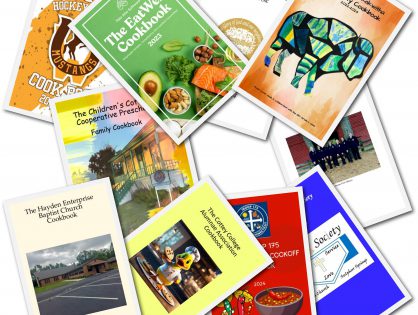
    A selection of Custom Cookbook Covers uploaded to CookbookFundraiser.com


    Bill Rice is the Co-Publisher of Family Cookbook Project and CookbookFundraiser.com which helps individuals, churches, schools, teams and other fundraising groups create cherished personalized cookbooks using peer-to-peer tools and the power of the Internet to meet group funding needs. Follow Family Cookbook Project on Facebook, Instagram, Twitter TikTok, YouTube and Pinterest!


  • Fun, Family Activity Idea: Create a Family Cookbook

    Fun, Family Activity Idea: Create a Family Cookbook

    Looking for a fun project to get everyone in your family involved in, even if they don’t all live in the same town? Create a family cookbook with FamilyCookbookProject.com.

    Family Cookbook Project started with my family sitting around a table, enjoying a wonderfully prepared meal were several family members contributed dishes. We all thought it would be great to have a family cookbook that we could all enjoy the recipes from others in the family.

    The online program we created to create my family’s cookbook over 20 years ago has turned into a successful website used by hundreds of thousands of people to create their own families cookbooks

    It is easy and fun to use. Here are some of the features get offers.

    • A simple to use invitation tool that allows you to invite other members of the family to participate via email and submit recipes from anywhere.
    • A library of professionally design covers for you to choose from. You also have the option to use a family photo or create your own cover.
    • Predesigned recipe layouts that let you choose how your recipes appear. You also have the ability to customize these layouts for your specific needs.
    • Recipe rating tool. Each recipe allows family members to pick between one and five stars how they like the recipe. It’s a great conversation starter.

    While the recipe can tribute, or gets to add personal notes of why, the recipe is important to them, other family members could add to the story and write comments online of their thoughts and memories of that recipe. The stories are only online and don’t carry forward to the printed cookbook.

    Can’t pick watch which cover you want? Use the cover voting tool and allow the contributors to help decide.

    And there is an option for all contributors to receive emails with the new recipes entered. This is a great way to keep them motivated and adding their own recipes.

    The best part of creating a family cookbook as a family project is when the cookbook is printed and everyone is amazed at how beautiful and timeless it is. It certainly is a worthwhile project.

    To get started with your own families, personalize cookbook, go to FamilyCookbookProject.com


    Bill Rice is Founder and Co-Publisher of the Family Cookbook Project, the leading online cookbook publisher with a website that helps families and individuals collect, preserve and share food memories by creating their own printed custom cookbooks. He is the author of The Wellfleet Oyster Cookbook and the Cape Cod Cocktail Cookbook (Available on Amazon), both created using FamilyCookbookProject.com. He is also editor of the Donovan Family Cookbook, now it’s third printing and is an avid genealogist tracing his family back to the 1600’s.

    Follow Family Cookbook Project on Facebook, Instagram, Twitter TikTok, YouTube and Pinterest!

  • How To Get Your Cookbook Ready To Print

    How To Get Your Cookbook Ready To Print

    So you’ve collected your recipes, entered them in the cookbook, written your introduction and made all of you are design selections. Now you’re ready to print your cookbook.

    Here are the steps you need to take to get your custom cookbook ready to be printed.

    Lock Your Cookbook

    The first step in getting ready to publish a cookbook is to go to the publishing center in your editors account and lock your cookbook. There are three levels of luck in your cookbook:

    • Level one locks contributors for new recipes.
    • Level two stops all changes by contributors. – Once you start editing, you don’t want people adding new recipes or changing things that you’ve already edited. Checking this box prevents this.
    • Level three locks the cookbook completely and now you’re ready to submit to print.

    Once you locked your cookbook from contributor changes (Level two), now is the time to read everything and check for typos.

    Proofread your introduction

    Print out your narrative and give it to someone else to read. Often it is difficult to proofread your own work and allowing someone else to do it will find things that you would mess.

    Review all of the recipes

    Look for ingredients that are listed but not included in the directions or ingredients in the directions that are not included in the ingredients list.

    Make sure the directions seem complete.

    Check the layout

    Go to the box that says preview your cookbook in the black navigation bar in your editors account. Here you can either download a PDF of your cookbook or use our 3-D preview tool.

    Here you are checking for how pages break. If you find a page with only a word or two, maybe you can shorten version directions to make that recipe just a little shorter.

    The changes you make here will determine how your cookbook will be printed. However it looks in your final PDF preview, is how it will look when your cookbook is printed.

    Place your order

    Now that your cookbook looks exactly the way you want it, it’s time to order.

    On the ordering page you’ll see the number of recipes you’ve entered, and the number of pages in your cookbook. This is what will determine the cost of your cookbook along with the number of color photos.

    Remember that the more copies of your cookbook you are order, the less the price per book will be. This is because the set up charges are spread out over more copies of the cookbook.

    Once you’ve calculated your price, you need to enter your shipping address and click submit. This places your order with our publishing system. You then will be directed to a link that will allow you to pay online or you can send a check drawn on a US bank for payment.

    One frequent question is can cookbooks be sent to more than one address. Currently you would need to place an order for each delivery address.

    Once you’ve placed your order you can expect your cookbooks to arrive in 2 to 3 weeks. However during our busiest times of the year, it could take longer. if you want your cookbooks in time for Christmas, the deadline for ordering is November 30, however do not wait until the last minute if you can.


    Bill Rice is Co-Publisher of the Great Family Cookbook Project, a website that helps families and individuals collect, preserve and share food memories by creating their own printed personal cookbooks. He is the author of The Wellfleet Oyster Cookbook (Available on Amazon) and the Cape Cod Cocktail Cookbook, both created using FamilyCookbookProject.com. He is also editor of the Donovan Family Cookbook, now it’s third printing and is an avid genealogist tracing his family back to the 1600’s.

    Follow Family Cookbook Project on Facebook, Instagram, Twitter and Pinterest!

    t!


  • Soul Food at Home: A Beginner’s Guide to Comforting Dishes and Bold Flavors

    Soul Food at Home: A Beginner’s Guide to Comforting Dishes and Bold Flavors

    Soul food is a cuisine deeply rooted in African American culture, celebrated for its comfort, warmth, and rich, savory flavors. With its emphasis on slow-cooked dishes, tender meats, and flavorful sides, soul food is all about bringing people together over hearty meals that nourish both body and soul. While some dishes may seem complex, you can easily recreate many soul food classics at home with a few key ingredients and spices.

    In this article, FamilyCookbookProject.com explores the essential ingredients you need to stock your pantry with, the spices that give soul food its unique taste, and a few simple dishes to help you get started.

    Essential Ingredients for Soul Food

    Soul food is built around simple, accessible ingredients that are packed with flavor and offer plenty of versatility. Here are some staples to keep in your kitchen:

    Collard Greens

    Collard greens are a cornerstone of soul food, often slow-cooked with smoked meats like ham hocks or bacon to create a tender, flavorful side dish. You can also use mustard greens, turnip greens, or kale as substitutes.

    Cornmeal

    Cornmeal is essential for making soul food favorites like cornbread and hush puppies. It can also be used to coat foods for frying, such as fried catfish or okra.

    Sweet Potatoes

    Sweet potatoes are commonly used in both savory and sweet dishes in soul food, from candied yams to sweet potato pie. Their natural sweetness pairs well with spices like cinnamon, nutmeg, and cloves.

    Smoked Meats (Ham Hocks, Bacon, or Turkey)

    Smoked meats like ham hocks, bacon, or smoked turkey add depth and flavor to greens, beans, and soups. They are often used as a base for slow-cooked dishes to impart a smoky, savory taste.

    Black-Eyed Peas

    Black-eyed peas are a traditional legume in soul food, often simmered with onions, garlic, and spices, or cooked with smoked meats. They are frequently served on New Year’s Day for good luck.

    Buttermilk

    Buttermilk is a key ingredient in many soul food recipes, from fried chicken to biscuits. Its tangy flavor and acidity help to tenderize meats and give baked goods a light, fluffy texture.

    Cornbread

    No soul food meal is complete without cornbread. This staple can be sweet or savory, often served alongside greens, beans, or barbecue dishes.

    Catfish or Other Fish

    Fried catfish is a classic soul food dish, typically coated in seasoned cornmeal and fried until crispy. You can also use other fish like tilapia or whiting.

    Rice

    Rice is a common side dish in soul food, often served with gravy or as a base for dishes like red beans and rice or jambalaya.

    Beans (Kidney Beans, Pinto Beans)

    Beans are a key protein source in soul food, often cooked with smoked meats and served as a main dish or side. Pinto beans, kidney beans, and black-eyed peas are commonly used.

    Must-Have Spices for Soul Food

    Soul food relies on a combination of bold, savory, and sometimes sweet spices to create its signature flavors. Here are the essential spices and seasonings you’ll need for cooking soul food at home:

    Cayenne Pepper

    Cayenne pepper adds a bit of heat to soul food dishes, whether it’s sprinkled into collard greens, fried chicken seasoning, or bean dishes.

    Garlic Powder

    Garlic powder is a must-have seasoning in soul food, used in everything from fried chicken to mashed potatoes. It adds a savory depth without overpowering the dish.

    Onion Powder

    Onion powder is another essential seasoning that adds flavor to fried foods, gravies, and marinades. It’s often paired with garlic powder for a well-rounded flavor base.

    Paprika (Smoked or Sweet)

    Paprika, both smoked and sweet varieties, is used to flavor dishes like fried chicken, gumbo, and barbecue. It adds a smoky, mild heat to many recipes.

    Black Pepper

    Freshly ground black pepper is a common seasoning in soul food, especially in dishes like gravy, fried chicken, and greens. It adds a bit of bite and rounds out the flavors.

    Bay Leaves

    Bay leaves are often used to flavor slow-cooked dishes like beans, soups, and stews. They add a subtle herbal note that enhances the overall flavor of long-simmered meals.

    Cajun or Creole Seasoning

    Cajun or Creole seasoning is a blend of spices like garlic, onion, paprika, cayenne, and herbs like thyme and oregano. It’s commonly used to season meats, seafood, and rice dishes in soul food.

    Allspice

    Allspice adds warmth and complexity to sweet and savory dishes, such as candied yams and sweet potato pie. It’s often used in spice blends for soul food desserts.

    Simple Soul Food Dishes to Start With

    Now that you have your ingredients and spices ready, here are a few classic soul food dishes that are easy to make at home:

    Fried Chicken

    Fried chicken is one of the most iconic soul food dishes. The chicken is soaked in buttermilk, dredged in seasoned flour, and fried to crispy perfection. Serve with hot sauce and sides like collard greens and cornbread.

    Search FamilyCookbookProject.com for Fried chicken recipes.

    Collard Greens

    Slow-cooked collard greens are a soul food staple. They’re typically cooked with smoked meat like ham hocks or bacon and seasoned with vinegar, garlic, and onion.

    Search FamilyCookbookProject.com for collard greens recipes.

    Mac and Cheese

    Rich and creamy mac and cheese is a comfort food favorite. The dish is made with elbow macaroni, cheddar cheese, and a creamy béchamel sauce, then baked until bubbly and golden.

    Search FamilyCookbookProject.com for mac and cheese recipes.

    Cornbread

    Cornbread is a quick and easy side dish that pairs well with just about any soul food meal. You can make it sweet or savory, depending on your preference.

    Search FamilyCookbookProject.com for Cornbread recipes.

    Candied Yams

    Candied yams are a sweet, buttery dish made with sliced sweet potatoes, brown sugar, cinnamon, and a touch of vanilla. They’re baked until caramelized and tender.

    Search FamilyCookbookProject.com for Candied yams recipes.

    Black-Eyed Peas

    Black-eyed peas are often cooked with smoked meat and flavored with onions, garlic, and a dash of hot sauce. This dish is traditionally served on New Year’s Day for good luck but can be enjoyed year-round.

    Search FamilyCookbookProject.com for Black-eyed peas recipes.

    Cooking Soul Food at Home

    Cooking soul food at home allows you to enjoy comforting, flavorful dishes that have been passed down through generations. By stocking up on key ingredients like collard greens, cornmeal, and smoked meats, and keeping essential spices like garlic powder, paprika, and cayenne pepper on hand, you can create authentic soul food in your own kitchen. Start with simple dishes like fried chicken, mac and cheese, and collard greens, and as you become more comfortable, you can explore more complex recipes.

    Soul food is all about love, warmth, and family, so gather your loved ones around the table and share in the joy of these delicious, homemade meals.


    Bill Rice is Founder and Co-Publisher of the Family Cookbook Project, the leading online cookbook publisher with a website that helps families and individuals collect, preserve and share food memories by creating their own printed custom cookbooks. He is the author of The Wellfleet Oyster Cookbook and the Cape Cod Cocktail Cookbook (Available on Amazon), both created using FamilyCookbookProject.com. He is also editor of the Donovan Family Cookbook, now it’s third printing and is an avid genealogist tracing his family back to the 1600’s.

    Follow Family Cookbook Project on Facebook, Instagram, Twitter TikTok, YouTube and Pinterest!


  • Cooking with Alcohol Made Easy: A Guide to Using Wine, Beer, and Spirits in Your Recipes

    Cooking with Alcohol Made Easy: A Guide to Using Wine, Beer, and Spirits in Your Recipes

    Cooking with alcohol has been a staple in kitchens around the world for centuries. Whether you’re deglazing a pan with white wine, simmering a sauce with brandy, or making a rich beer-braised stew, alcohol can elevate your dishes by adding complexity, depth, and flavor. However, understanding how to use alcohol in cooking is key to achieving the desired results, as each type of alcohol has its own distinct flavor profile and cooking characteristics.

    In this article, we’ll explore the most common types of alcohol used in cooking, what they bring to your dishes, and how to use them for maximum impact.

    How Alcohol Enhances Food

    Alcohol enhances food in several ways. When added to a recipe, it can:

    1. Enhance Flavor : Alcohol helps release flavor molecules in certain ingredients, particularly fat and aromatic compounds, which may not dissolve in water or oil alone. It intensifies the flavors of herbs, spices, and other seasonings.
    2. Add Depth : Alcohol adds complexity to both savory and sweet dishes. It can provide richness to sauces, stews, and soups, and balance out sweetness in desserts.
    3. Act as a Tenderizer : In marinades, alcohol can help break down proteins in meats, making them more tender and flavorful.
    4. Create Caramelization : Alcohol sugars, like those in wine or liqueurs, can aid in the browning and caramelization process, enhancing the color and flavor of your dishes.

    Contrary to popular belief, alcohol doesn’t always fully evaporate during cooking. Some alcohol remains, depending on the cooking time and method, so if you’re cooking for someone avoiding alcohol, it’s important to keep this in mind.

    Common Alcohols Used in Cooking and How to Use Them

    Here’s a look at the most common types of alcohol used in cooking, what they bring to a dish, and how to use them effectively.

    Wine (Red and White)

    What It Provides : Wine is one of the most versatile and popular alcohols used in cooking. Both red and white wines add acidity, depth, and complexity to dishes, while also enhancing flavors. The sugars in wine can also help with caramelization.

    Best Uses :

    –  Red Wine : Works best in heartier dishes like braises, stews, and sauces for red meat, lamb, and game. It’s often used in dishes like  beef bourguignon  or  coq au vin .

    –  White Wine : Ideal for lighter dishes like chicken, seafood, and creamy sauces. It’s frequently used in  white wine sauces ,  risotto , or for deglazing a pan after cooking fish or chicken.

    How to Use : Use dry wines (not sweet) for most savory dishes. Add wine early in the cooking process to give it time to reduce and allow the alcohol to cook off while leaving behind concentrated flavor.

    Beer

    What It Provides : Beer brings malty, hoppy flavors to dishes, adding richness and depth. Depending on the type of beer, it can add bitterness (from hops), sweetness (from malt), or even roasted flavors (from darker beers like stouts).

    Best Uses : Beer is often used in  stews ,  braises , and  batter  for fried foods. It’s a key ingredient in  beer-braised meats  like pork or beef, adding complexity to the dish. Light beers can be used in batters for fried fish or vegetables to create a light, crisp texture.

    How to Use : Use lighter beers like lagers for dishes that need a more subtle flavor, and darker beers like stouts or porters for rich, hearty meals like  chili  or  beef stews . Always add beer earlier in the cooking process to allow time for the alcohol to evaporate and for the flavors to meld.

    Brandy and Cognac

    What It Provides : Brandy and cognac are distilled spirits made from fermented fruit, typically grapes. They provide a rich, fruity sweetness and are often used in sauces and desserts.

    Best Uses : Brandy is commonly used in  flambéing  dishes like  crêpes Suzette  or  steak Diane , where it is briefly ignited to burn off the alcohol. It’s also used in sweet sauces for desserts,  fruit compotes , and  pâtés , and can add depth to stews or braises.

    How to Use : Brandy and cognac are best added towards the end of cooking to retain their rich, warming flavors. In flambéing, use caution when igniting the alcohol, and make sure the pan is off the heat source.

    Bourbon and Whiskey

    What It Provides : Bourbon and whiskey add a warm, smoky, and slightly sweet flavor to both savory and sweet dishes. The high alcohol content means they provide intense flavor, but they can also help balance the richness of ingredients like butter and cream.

    Best Uses : Bourbon is frequently used in  barbecue sauces ,  glazes  for meats like pork or chicken, and in  baked goods  like pies or bread pudding. Whiskey can be used in  soups ,  gravy , and as a marinade base for steaks. Both are often used in  caramel sauces  or  butter sauces  for desserts.

    How to Use : Add bourbon or whiskey to sauces early in the process to reduce the alcohol content, or use them in desserts where they won’t be fully cooked off for a bolder flavor.

    Rum

    What It Provides : Rum is sweet and can be spiced, dark, or light, bringing different flavor profiles to your dishes. It adds warmth and depth to both savory dishes and desserts.

    Best Uses : Rum is often used in  desserts  like  rum cake ,  banana foster , and  tiramisu , adding a rich, sweet flavor. In savory cooking, rum works well in  Caribbean dishes  like jerk chicken or stews, where its sweetness complements the spiciness.

    How to Use : Use dark rum for desserts and rich sauces, while lighter rum is best in marinades for chicken, pork, or shrimp. Like brandy, rum is also used in flambéing for dramatic presentation.

    Sherry and Marsala

    What It Provides : Sherry and Marsala are fortified wines that are slightly sweeter than regular wine and have a deep, nutty flavor. They add complexity and a touch of sweetness to both savory and sweet dishes.

    Best Uses : Sherry is often used in  cream sauces ,  soups , and  marinades , while Marsala is famous for its use in  chicken marsala , a dish that combines the wine with mushrooms and a savory sauce. Both wines can be used to deglaze pans and make rich, flavorful sauces for meat or fish.

    How to Use : Add fortified wines like sherry or Marsala towards the end of cooking, so their rich flavors shine without becoming too concentrated or overpowering.

    Vermouth

    What It Provides : Vermouth is a fortified wine flavored with botanicals and herbs. It has a distinct, aromatic flavor that can add a touch of sophistication to sauces, marinades, and stews.

    Best Uses : Vermouth is commonly used in  French and Italian cooking , where it’s added to sauces for seafood, chicken, or vegetables. It also works well in  vinaigrettes  or for deglazing pans to make a quick, flavorful sauce.

    How to Use : Use dry vermouth in savory dishes and sweet vermouth in sauces for desserts. Add it to sauces and marinades towards the end of cooking to preserve its herbal notes.

    Tips for Cooking with Alcohol

    –  Don’t Overdo It : A little alcohol goes a long way. Too much can overpower the dish or leave an unpleasant aftertaste. Start with a small amount and adjust as needed.

    –  Cook Off the Alcohol : To avoid a raw alcohol taste, be sure to simmer or cook the alcohol long enough for most of the alcohol to evaporate, leaving behind only the flavor.

    –  Pairing Matters : Match the alcohol to the dish. For example, use red wine for beef dishes and white wine for fish or chicken. Dark rum or bourbon works well in desserts, while lighter spirits complement savory dishes.

    –  Use What You Enjoy : The flavor of the alcohol will come through in the dish, so use wines, beers, or spirits that you would enjoy drinking on their own.

    Collect and Share Your Alcohol-Infused Recipes

    If you’ve perfected your alcohol-infused dishes or are experimenting with new flavors, consider using  FamilyCookbookProject.com  to store and share your recipes. You can create a personal cookbook that showcases your favorite dishes with wine, beer, or spirits, making it easy to revisit and share your culinary creations with family and friends.

    Elevating Your Cooking with Alcohol

    Cooking with alcohol is a great way to add depth, flavor, and richness to your dishes. Whether you’re enhancing a sauce with wine, braising meat in beer, or adding a touch of bourbon to a dessert, alcohol can bring out the best in your ingredients. By understanding how different types of alcohol impact your recipes and knowing when and how to use them, you can elevate your home cooking and create meals that are flavorful and memorable.


    Bill Rice is Founder and Co-Publisher of the Great Family Cookbook Project, a website that helps families and individuals collect, preserve and share food memories by creating their own printed personal cookbooks. He is the author of The Wellfleet Oyster Cookbook and the Cape Cod Cocktail Cookbook (Available on Amazon), both created using FamilyCookbookProject.com. He is also editor of the Donovan Family Cookbook, now it’s third printing and is an avid genealogist tracing his family back to the 1600’s.

    Follow Family Cookbook Project on Facebook, Instagram, Twitter TikTok, YouTube and Pinterest!

  • Family Reunion Cookbook’s Need A Family Directory

    Family Reunion Cookbook’s Need A Family Directory

    Family reunions are a great opportunity to create a family cookbook and get lots of people to participate. A family reunion cookbook motivates family members to communicate before the event and helps get everyone excited!

    At FamilyCookbookProject.com, We have hundred’s of family reunion cookbooks under our belts and we’d love to work on yours. Our site is perfect for communicating with larger groups of family members via email and keeping everyone motivated.

    Here is a fun idea for your Family Reunion Cookbook – a family directory section!

    Here’s how to do it:

    • Start by creating a custom recipe category entitled “Family Members”.
    • Next, add your family member’s names and email addresses into the invitation tool so you can invite them to participate and directly add recipes and bios to your cookbook account.
    • Next ask everyone to use the add a recipe tool and have them enter their name as the title of the recipe, Their photo as the recipe photo and their bio as the personal notes. They can leave everything else blank and all of the bios will be together in one section in the back of the book.

    You might want to also include a family tree so everyone knows how each other is related.

    The other way to create a family directory would be to have everyone email you their info and photo and you create custom pages for each one.

    Family members can even pick up the cookbooks at the reunion!


    Bill Rice is Co-Publisher of the Great Family Cookbook Project, a website that helps families and individuals collect, preserve and share food memories by creating their own printed personal cookbooks. He is the author of The Wellfleet Oyster Cookbook (Available on Amazon) and the Cape Cod Cocktail Cookbook, both created using FamilyCookbookProject.com. He is also editor of the Donovan Family Cookbook, now it’s third printing.

    Follow Family Cookbook Project on Facebook, Instagram and Pinterest!