Author: Bill Rice

  • Connecting Generations: How Family Cookbooks Bridge the Gap Between Past and Present

    Connecting Generations: How Family Cookbooks Bridge the Gap Between Past and Present

    In the fast-paced, digital age we live in, maintaining a connection to our family’s heritage can be challenging. While technology offers unprecedented access to information and resources, it can sometimes distance us from the tangible aspects of our history. One powerful way to bridge this gap and foster a deeper connection between generations is through the creation of family cookbooks. These collections of cherished recipes serve as living documents that encapsulate culinary traditions, stories, and memories, providing a meaningful link between the past and present.

    The Role of Food in Family Traditions

    Food has always played a central role in family life, acting as a medium through which love, culture, and traditions are expressed and passed down. Traditional family recipes are more than just instructions for preparing meals; they are imbued with memories of shared experiences, celebrations, and everyday moments. These recipes often carry stories of their origins, the people who created them, and the occasions they were meant to commemorate.

    For younger generations, engaging with these recipes offers a tangible way to connect with their ancestry. Cooking and tasting the same dishes that their ancestors enjoyed can evoke a profound sense of continuity and belonging. A family cookbook, therefore, becomes a bridge that links generations, preserving not just the ingredients and methods of cooking, but also the essence of family traditions.

    Preserving Culinary Heritage

    Creating a family cookbook is a powerful way to document and preserve your family’s culinary heritage. It ensures that treasured recipes are not lost to time and can be enjoyed by future generations. Here’s how a family cookbook can help bridge the gap between past and present:

    1. Documenting Stories and Memories: Each recipe in a family cookbook can be accompanied by stories and anecdotes about its origins. This contextual information provides younger generations with a deeper understanding of their family’s history and the significance of certain dishes. For example, a recipe for a holiday dish might include a story about how it was created by a great-grandparent during a special family celebration.
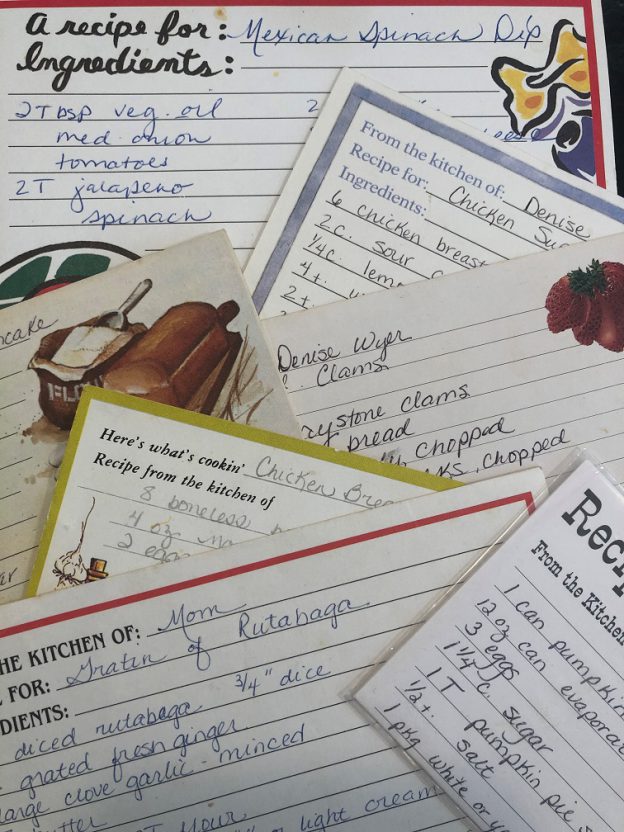
    2. Preserving Handwriting and Personal Notes: Including scanned copies of original handwritten recipe cards in a family cookbook preserves the unique handwriting and personal notes of past generations. This personal touch adds a layer of intimacy and authenticity to the cookbook, making it a cherished heirloom.
    3. Sharing Culinary Skills and Techniques: Traditional recipes often involve cooking techniques and skills that may not be widely known today. By documenting these methods, a family cookbook helps to preserve and pass down culinary knowledge that is part of the family’s heritage. Younger generations can learn these skills and keep them alive.
    4. Fostering Intergenerational Collaboration: The process of creating a family cookbook can be a collaborative effort that involves multiple generations. Younger family members can interview older relatives, gather recipes, and learn about the stories behind them. This collaboration fosters a sense of unity and shared purpose, strengthening family bonds.

    Engaging Younger Generations

    For younger generations, a family cookbook offers a gateway to exploring their ancestry in a relatable and engaging way. Here are some ways to involve younger family members in the creation and use of a family cookbook:

    1. Interactive Cooking Sessions: Organize cooking sessions where older family members teach younger ones how to prepare traditional dishes. These sessions can be recorded and included in the cookbook as video links or written instructions. This hands-on experience not only preserves culinary skills but also creates lasting memories.
    2. Family Cookbook Projects: Encourage younger family members to contribute to the cookbook by documenting their favorite family recipes, adding personal notes, and even experimenting with modern twists on traditional dishes. This involvement makes them active participants in preserving their heritage.
    3. Storytelling and Interviews: Involve younger family members in interviewing older relatives about their favorite recipes and the stories behind them. These interviews can be transcribed and included in the cookbook, adding a rich narrative element that enhances the connection to the past.
    4. Digital Integration: For tech-savvy younger generations, consider creating a digital version of the family cookbook. This can include interactive features such as video tutorials, photo galleries, and links to additional resources. A digital cookbook can be easily shared and accessed on various devices, making it convenient and appealing to younger users.

    The Lasting Impact of Family Cookbooks

    The creation of a family cookbook is a meaningful project that has a lasting impact on both the family’s heritage and the relationships between its members. By documenting and sharing cherished recipes, a family cookbook serves as a living testament to the love, traditions, and culinary creativity that have been passed down through generations.

    For younger family members, engaging with a family cookbook provides a deeper connection to their roots. It helps them appreciate the richness of their heritage and the efforts of their ancestors in preserving it. This connection fosters a sense of pride and belonging that is invaluable in today’s world.

    Looking Ahead

    In a time when family members are often scattered across different locations and busy with their own lives, a family cookbook offers a powerful way to bridge the gap between past and present. It preserves the culinary traditions and stories that define a family’s heritage, ensuring that they are passed down to future generations.

    By involving younger family members in the creation and use of a family cookbook, we can foster a deeper appreciation for our shared history and traditions. This collaborative effort not only strengthens family bonds but also ensures that the flavors and stories of our past continue to enrich our lives today and in the future.

    Start your family cookbook project today and discover the joy of connecting generations through the shared love of food and tradition. At FamilyCookbookProject.com, you will find all the tools and resources you need to create a beautifully bound cookbook that will be cherished for years to come. Let’s celebrate our culinary heritage and bring our families closer together through the timeless art of cooking.

    Bill Rice is Founder and Co-Publisher of the Family Cookbook Project, a website that helps families and individuals collect, preserve and share food memories by creating their own printed personal cookbooks. He is the author of The Wellfleet Oyster Cookbook and the Cape Cod Cocktail Cookbook (Available on Amazon), both created using FamilyCookbookProject.com. He is also editor of the Donovan Family Cookbook, now it’s third printing and is an avid genealogist tracing his family back to the 1600’s.

    Follow Family Cookbook Project on Facebook, Instagram, Twitter and Pinterest!
     

  • Making a Recipe Your Own

    Making a Recipe Your Own

    Recipes are everywhere. From printed cookbooks and old family recipe boxes to magazines, newspapers, and websites, there are countless sources for discovering new dishes that become family favorites.

    When we find a new recipe, we often tweak it to suit our tastes. This might mean eliminating certain ingredients, adding new ones, adjusting quantities, or simplifying the steps. These modifications are how we make a recipe our own.

    The Family Cookbook Project makes it easy to compile these personalized recipes into your own family cookbook. You can type them in, copy and paste from a document or website, or upload an image of the recipe. This way, all your favorite recipes are gathered in one beautifully printed cookbook.

    However, it’s important to give credit to the original creators of the recipes. In your personal notes, be sure to include the source of the original recipe. While recipes themselves generally can’t be copyrighted, photos can be. If you use a photo from the original recipe, mark the recipe as private until you can replace the photo with one of your own.

    For more information on copyrighting recipes, check out these resources:

    Bill Rice is Founder and Co-Publisher of the Family Cookbook Project, a website that helps families and individuals collect, preserve and share food memories by creating their own printed personal cookbooks. He is the author of The Wellfleet Oyster Cookbook and the Cape Cod Cocktail Cookbook (Available on Amazon), both created using FamilyCookbookProject.com. He is also editor of the Donovan Family Cookbook, now it’s third printing.

    Follow Family Cookbook Project on Facebook, Instagram, Twitter and Pinterest!



  • Bake Like a Pro: How to Create Your Own Custom Cookie Recipe

    Bake Like a Pro: How to Create Your Own Custom Cookie Recipe

    Creating your own cookie recipe can be a fun and rewarding experience. Whether you’re inspired by a classic chocolate chip cookie or want to craft something entirely new, understanding the essential components of a cookie dough and how to balance them is the first step to creating a delicious, one-of-a-kind treat.

    In this article, we’ll break down the key ingredients required in every cookie, how they interact in the dough, and how to experiment with add-ins to create new flavor profiles. Plus, we’ll discuss how to learn from your mistakes and fine-tune your recipe for perfect results every time.

    The Essential Ingredients in Every Cookie

    Every cookie recipe relies on a few essential ingredients that serve as the foundation of the dough. While you can customize your flavors and add-ins, understanding the role of these core ingredients will help you create a balanced and successful cookie.

    Flour

    –  Proportion : Typically 1 ¾ to 2 ¼ cups per batch (about 24 cookies).

    –  What It Does : Flour is the structure of the cookie. It provides the protein (gluten) that gives cookies their shape and texture. Too much flour results in a dry, crumbly cookie, while too little leads to a flat, greasy one.

    –  Types of Flour : Most cookie recipes use all-purpose flour, but experimenting with whole wheat, almond, or oat flour can add different textures and flavors.

    Fat (Butter or Shortening)

    –  Proportion : Usually ½ to 1 cup.

    –  What It Does : Fat is responsible for the cookie’s tenderness and richness. Butter gives cookies a deep, rich flavor and can also contribute to a crispier texture, while shortening creates softer, puffier cookies. Margarine or coconut oil can also be used as substitutes, but each fat will affect the flavor and texture differently.

    –  Tips : Using melted butter tends to make cookies chewier, while creaming softened butter with sugar gives a lighter, more tender cookie.

    Sugar

    –  Proportion : Typically ½ to 1 cup white sugar and ½ to 1 cup brown sugar.

    –  What It Does : Sugar adds sweetness, but it also plays a role in the cookie’s texture. White sugar gives cookies a crispier texture, while brown sugar, which contains molasses, adds moisture and chewiness.

    –  Adjusting Sugar : Using more brown sugar will make your cookies soft and chewy, while more white sugar will give you a crispier result.

    Eggs

    –  Proportion : Usually 1 to 2 eggs per batch.

    –  What They Do : Eggs provide moisture, richness, and help bind the ingredients together. The egg yolks add fat, which contributes to the cookie’s texture, while the whites help provide structure. Too many eggs can make the dough too moist and cake-like, while too few can make the cookies dry and crumbly.

    –  Substitutes : For egg-free cookies, you can use alternatives like flax eggs, applesauce, or yogurt, though this will affect the texture.

    Leavening (Baking Soda or Baking Powder)

    –  Proportion : Typically 1 teaspoon.

    –  What It Does : Leavening agents cause the cookies to rise and spread. Baking soda produces a denser, chewier texture, while baking powder gives cookies more of a cake-like texture. Most recipes use baking soda, but a combination of both can be used for a balanced rise and texture.

    –  Tips : Too much leavening can cause cookies to spread too much and become flat, while too little may result in dense cookies.

    Salt

    –  Proportion : About ½ teaspoon.

    –  What It Does : Salt enhances the flavor of all the other ingredients and balances sweetness. It’s an essential ingredient, even in sweet recipes, to prevent the cookies from tasting overly sugary.

    Vanilla Extract

    –  Proportion : Usually 1 to 2 teaspoons.

    –  What It Does : Vanilla adds a subtle sweetness and depth of flavor to cookies. It’s a versatile flavor enhancer that complements almost any add-in.

    Add-Ins: Taking Your Cookies to the Next Level

    Once you’ve mastered the basic dough, it’s time to experiment with add-ins that will bring new flavor profiles and textures to your cookies. Here are some creative ideas for taking your cookies beyond the standard chocolate chips:

    Nuts

    –  Flavor Profile : Crunchy, slightly sweet or salty.

    –  Ideas : Add chopped pecans, walnuts, almonds, or macadamia nuts for a satisfying crunch and nutty flavor. Toasting the nuts before adding them will enhance their flavor even more.

    Dried Fruit

    –  Flavor Profile : Sweet and chewy with a hint of tartness.

    –  Ideas : Dried cranberries, cherries, apricots, or raisins add both texture and a sweet-tart flavor. Pair them with nuts or white chocolate for extra dimension.

    Spices

    –  Flavor Profile : Warm, aromatic, and sometimes spicy.

    –  Ideas : Cinnamon, nutmeg, ginger, cardamom, or cloves can transform a basic cookie dough into something warm and spicy. These are perfect for holiday cookies or when paired with chocolate.

    Coconut Flakes

    –  Flavor Profile : Sweet, tropical, and chewy.

    –  Ideas : Unsweetened or sweetened coconut flakes can give your cookies a tropical twist. Toasted coconut adds an extra layer of flavor and texture.

    Candy Pieces

    –  Flavor Profile : Sweet, colorful, and fun.

    –  Ideas : M&Ms, crushed candy bars, or caramel bits bring a playful sweetness to cookies and can add fun colors and textures. Try experimenting with different types of candy to find your favorite combination.

    Zest and Citrus

    –  Flavor Profile : Bright, tangy, and refreshing.

    –  Ideas : Lemon, lime, or orange zest can add a burst of brightness to your cookies. Pair citrus flavors with white chocolate or nuts for a refreshing twist.

    Savory Add-Ins

    –  Flavor Profile : Salty and umami-rich.

    –  Ideas : For a surprising twist, try adding savory ingredients like chopped bacon, pretzels, or a sprinkle of sea salt on top of your cookies. These elements bring a salty contrast to the sweetness and can create a more sophisticated flavor profile.

    Learning from Your Mistakes: Troubleshooting Common Cookie Issues

    Creating your own cookie recipe is a process of trial and error, and even experienced bakers run into challenges. Here are some common issues and how to fix them:

    –  Cookies Spread Too Much : This can happen if there’s too much butter or sugar, or if the dough is too warm when it goes into the oven. To fix this, chill the dough before baking, or add a little more flour to help the cookies hold their shape.

    –  Cookies Are Too Dry : If your cookies come out dry or crumbly, it could be due to over-baking or too much flour. Try reducing the baking time or adding more moisture with an extra egg yolk or a tablespoon of milk.

    –  Cookies Are Too Flat : Flat cookies can be caused by too little leavening or an excess of liquid ingredients. Add a bit more baking soda or powder and ensure your butter isn’t too melted when you mix the dough.

    –  Cookies Are Too Thick : If your cookies don’t spread enough, it may be because there’s too much flour or not enough sugar or butter. Make sure you’re measuring your flour correctly (spoon and level) and consider reducing the flour slightly.

    What to Look for in a Good Cookie Recipe

    When crafting your own cookie recipe or following someone else’s, here are some key qualities to look for:

    1. Balance of Ingredients : The proportions of fat, sugar, and flour should be balanced to achieve the right texture—whether you’re aiming for soft and chewy or crisp and crunchy.
    2. Clear Instructions : Good recipes provide clear, detailed instructions, including steps for mixing, baking, and cooling.
    3. Flexibility for Add-Ins : A great cookie recipe will allow room for customization. Whether you want to add nuts, candy, or dried fruit, the recipe should accommodate these variations without compromising the cookie’s texture.
    4. Flavor Profiles : A good cookie recipe has a well-developed flavor profile. Whether it’s the buttery richness of classic chocolate chip cookies or the warmth of spiced cookies, each ingredient should contribute to the overall taste.

    Final Thoughts: Get Creative and Have Fun!

    The beauty of baking cookies is the endless room for creativity. Whether you’re experimenting with new flavors, adjusting proportions, or adding fun mix-ins, creating your own cookie recipe is all about finding the right balance of ingredients that suit your taste. Don’t be afraid to make mistakes along the way—each batch gets you one step closer to the perfect cookie.

    So, grab your mixing bowl and start experimenting! Who knows? You might just invent the next great cookie recipe.


    Bill Rice is Founder and Co-Publisher of the Great Family Cookbook Project, a website that helps families and individuals collect, preserve and share food memories by creating their own printed personal cookbooks. He is the author of The Wellfleet Oyster Cookbook and the Cape Cod Cocktail Cookbook (Available on Amazon), both created using FamilyCookbookProject.com. He is also editor of the Donovan Family Cookbook, now it’s third printing and is an avid genealogist tracing his family back to the 1600’s.

  • Jamaican Cooking Made Simple: Essential Ingredients and Easy Recipes

    Jamaican Cooking Made Simple: Essential Ingredients and Easy Recipes

    Jamaican cuisine is known for its bold, vibrant flavors, with a blend of African, indigenous, European, and Asian influences. The combination of fresh ingredients, spices, and cooking techniques creates a unique taste experience that can be both fiery and flavorful. Cooking Jamaican food at home may seem daunting at first, but with a few key ingredients, spices, and simple dishes, you can easily recreate the delicious flavors of the Caribbean in your own kitchen.

    In this article, FamilyCookbookProject.com guides you through the essential ingredients you’ll need, must-have spices, and simple dishes to help you get started cooking Jamaican food at home.

    Essential Ingredients for Jamaican Cooking

    Jamaican cuisine relies heavily on fresh, bold ingredients that are readily available in most grocery stores or international markets. Here’s a list of essential ingredients to stock your pantry and fridge with before you start cooking:

    Scotch Bonnet Peppers

    Scotch bonnet peppers are a key ingredient in Jamaican cooking, adding both heat and fruity sweetness to dishes. They are similar in heat to habanero peppers and are often used in jerk seasoning, stews, and sauces.

    Allspice (Pimento)

    Allspice, also known as pimento, is a warm, aromatic spice that is widely used in Jamaican cuisine. It’s the main ingredient in jerk seasoning and adds depth to stews, soups, and marinades.

    Coconut Milk

    Coconut milk is a staple in many Jamaican dishes, adding creaminess and richness to curries, stews, and rice dishes like rice and peas. Look for unsweetened coconut milk for savory dishes.

    Fresh Thyme

    Thyme is an essential herb in Jamaican cooking, used in soups, stews, and marinades. Fresh thyme is preferred for its robust flavor, but dried thyme can also be used in a pinch.

    Green Onions (Scallions)

    Green onions, or scallions, are commonly used to add a fresh, mild onion flavor to Jamaican dishes. They are a key ingredient in jerk seasoning and are often sautéed in soups and stews.

    Rice and Peas (Red Kidney Beans)

    Rice and peas is a classic Jamaican side dish made with long-grain rice, red kidney beans (referred to as “peas”), coconut milk, and spices. You’ll want to keep both rice and kidney beans on hand to make this popular dish.

    Plantains

    Plantains, a starchy fruit similar to bananas, are commonly used in Jamaican cooking. They can be fried, baked, or boiled and are often served as a side dish or snack.

    Breadfruit

    Breadfruit is a tropical fruit that is a popular starch in Jamaican cooking. It’s typically roasted, boiled, or fried and served as a side dish with meats or seafood.

    Must-Have Spices for Jamaican Cooking

    Jamaican food is known for its bold use of spices, which create its signature flavor profile. Here are some of the key spices and seasonings you’ll need to cook authentic Jamaican food:

    Jerk Seasoning

    Jerk seasoning is a spice blend that is central to Jamaican cooking, especially for jerk chicken, pork, or fish. It typically includes allspice, scotch bonnet peppers, thyme, garlic, ginger, and cinnamon. You can make your own jerk seasoning at home or buy a pre-made version.

    Curry Powder

    Jamaican curry powder is different from Indian curry powder, with a slightly sweeter and milder flavor. It’s commonly used in dishes like Jamaican curry chicken, goat curry, and curry shrimp.

    Garlic Powder

    Garlic powder is used to season meats, vegetables, and sauces. It’s often combined with other spices to enhance the flavor of jerk seasoning, curries, and stews.

    Ginger

    Fresh ginger adds warmth and spiciness to many Jamaican dishes, from jerk marinades to stews. Ground ginger can be used in a pinch, but fresh is preferred for its bright flavor.

    Cinnamon and Nutmeg

    Cinnamon and nutmeg are often used in Jamaican baking and desserts, but they also play a role in savory dishes like jerk seasoning and stews. These spices add warmth and depth to both sweet and savory dishes.

    Bay Leaves

    Bay leaves are commonly used in Jamaican soups and stews to add a subtle herbal flavor. They are typically removed before serving but impart a fragrant note to the dish as it cooks.

    Simple Jamaican Dishes to Start With

    Once you have your ingredients and spices ready, here are a few simple Jamaican dishes to help you get started on your culinary journey:

    Jerk Chicken

    Jerk chicken is perhaps the most famous Jamaican dish. It features chicken marinated in a spicy jerk seasoning and then grilled or baked. The key to perfect jerk chicken is the balance of heat from the scotch bonnet peppers and the earthy, aromatic spices in the jerk marinade.

    Search FamilyCookbookProject.com for Jerk chicken recipes.

    Rice and Peas

    This iconic Jamaican side dish is made with rice, red kidney beans (called “peas”), and coconut milk. It’s flavored with thyme, scallions, and allspice, making it the perfect accompaniment to jerk chicken or curry dishes.

    Search FamilyCookbookProject.com for Rice and Peas recipes.

    Curry Chicken

    Jamaican curry chicken is a flavorful dish made with chicken stewed in a curry sauce that includes onions, garlic, ginger, and Jamaican curry powder. It’s typically served with rice or roti.

    Search FamilyCookbookProject.com for Jamaican curry chicken recipes.

    Fried Plantains

    Fried plantains are a simple and delicious Jamaican side dish or snack. Ripe plantains are sliced and fried until golden brown, resulting in a sweet and savory treat that pairs well with any meal.

    Search FamilyCookbookProject.com for Fried plantains recipes.

    Ackee and Saltfish

    This is Jamaica’s national dish, made with ackee (a fruit native to the Caribbean) and saltfish (salted cod). The two are sautéed together with onions, tomatoes, and Scotch bonnet peppers, and served with fried dumplings or breadfruit.

    Search FamilyCookbookProject.com for Ackee and Saltfish recipes.

    Cooking Jamaican Food at Home

    Cooking Jamaican food at home allows you to experience the vibrant, bold flavors of the Caribbean in your own kitchen. By stocking up on essential ingredients like scotch bonnet peppers, allspice, and coconut milk, and keeping must-have spices like jerk seasoning and curry powder on hand, you can easily recreate authentic Jamaican dishes. Start with simple recipes like jerk chicken, rice and peas, and fried plantains, and as you become more confident, you can explore more complex dishes like ackee and saltfish or goat curry.

    Jamaican food is all about bold flavors, fresh ingredients, and bringing people together over a shared love of good food. So fire up the grill, gather your ingredients, and bring the taste of Jamaica to your table!


    Bill Rice is Founder and Co-Publisher of the Family Cookbook Project, the leading online cookbook publisher with a website that helps families and individuals collect, preserve and share food memories by creating their own printed custom cookbooks. He is the author of The Wellfleet Oyster Cookbook and the Cape Cod Cocktail Cookbook (Available on Amazon), both created using FamilyCookbookProject.com. He is also editor of the Donovan Family Cookbook, now it’s third printing and is an avid genealogist tracing his family back to the 1600’s.

    Follow Family Cookbook Project on Facebook, Instagram, Twitter TikTok, YouTube and Pinterest!


  • Family Cookbook Project Food for Thought Newsletter Wins IAC Award from Web Marketing Association

    Family Cookbook Project Food for Thought Newsletter Wins IAC Award from Web Marketing Association

    The Family Cookbook Project (www.familycookbookproject.com) has been named the Best Cooking and Recipe Online Newsletter of 2025 by the Web Marketing Association’s 23rd annual Internet Advertising Competition Awards. The Family Cookbook Project creates personalized printed custom cookbooks for individuals, families, church groups and schools.

    “The Family Cookbook Project is a website dedicated to helping families collect and preserve cherished recipes into a printed cookbook that can passed down from one generation to the next,” says Chip Lowell, Co-Publisher of the Family Cookbook Project. “We are proud that our communication efforts have been recognized by the Web Marketing Association with this IAC Award. Our monthly newsletter is sent to our cookbook editors to help them get the most out of their cookbook creating experience. We will continue to develop our site and our communication programs to help families, schools and church groups create both online and printed cookbooks that become treasured heirlooms.”

    The Family Cookbook Project Website was started more than 20 years ago to help one family collect and organize a family cookbook. Overwhelming feedback from those who used the website led to its continued development and public launch. Currently, more than 160,000 families have started family cookbooks using the website and have entered more than 2.9 million individual recipes.

    The newsletter, Food for Thought, is sent to more than 96,000 editors each month and features ideas on creating a better cookbook, program enhancements, featured recipes from other editors, editor testimonials and famous food quotes.

    Thousands of entries from around the world were adjudicated in 86 industry categories during this year’s competition. Entries were judged on creativity, innovation, impact, design, copy writing, memorability and use of the medium. The competition was judged by a team of independent Internet professionals representing a variety of relevant disciplines of Web site development. Judges included members of the media, advertising executives, site designers, creative directors, corporate marketing executives, content providers and webmasters.

    This is the second time that Family Cookbook Project’s newsletter has been recognized by the Web Marketing Association as Best Cooking and Recipe Online Newsletter.

    About the IAC Awards

    The Web Marketing Association was founded in 1997 to help define the standard of excellence for online marketing. Their internationally known award programs, such as WebAward Competition for Website Development, Internet Advertising Competition and the MobileWebAwards, recognize the people and organizations responsible for developing the most effective online marketing programs on the Internet today. Entrants benefit from assessment of their marketing efforts by a professional judging panel and the marketing opportunities presented by being recognized as an award-winning web developer.

    About Family Cookbook Project

    The Family Cookbook Project is dedicated to helping individuals and families collect and preserve the time-honored recipes that are so important to our family traditions. The website at www.familycookbookproject.com provides step-by-step instructions and online tools to create a valuable family heirloom. Personalized cookbooks are also used by schools and church groups as important fundraisers.

  • Pro Tip: Allow Contributor Print Ordering

    Pro Tip: Allow Contributor Print Ordering

    You can allow your contributors to order printed cookbooks on their own instead of having you as editor order bulk and distribute to others.  One note:  as with all printing, the more copies ordered at one time, the better price per book.  If your contributors order 1 or 2, the per book price could be much higher than if you order 10 or 20.

    To enable contributor cookbook ordering, go to Editor Activities>Printing & Publishing.  Click the “Contributor Ordering Settings” shortcut.  Then select the options you want available to your contributors:

    • 1. None – cannot order. Select this if you do not wish anyone other than you as editor to order printed cookbooks
    • 2. Selected versions below only. Select this to allow contributors to print any prior version of your cookbook that has been printed. They cannot order a “current version” of the cookbook.
    • 3. Current cookbook only. Select this to allow contributors to print out the current cookbooks “as is” in its current state and settings any time. They will be required to run a cookbook preview first to update the system.
    • 4. Current cookbook or selected versions below. Select this to allow contributors to print the current book “as is” as well as any of the selected versions below

    Update Settings to save.

    Bill Rice is Founder and Co-Publisher of the Family Cookbook Project, the leading online cookbook publisher with a website that helps families and individuals collect, preserve and share food memories by creating their own printed custom cookbooks. He is the author of The Wellfleet Oyster Cookbook and the Cape Cod Cocktail Cookbook (Available on Amazon), both created using FamilyCookbookProject.com. He is also editor of the Donovan Family Cookbook, now it’s third printing and is an avid genealogist tracing his family back to the 1600’s.

    Follow Family Cookbook Project on Facebook, Instagram, Twitter TikTok, YouTube and Pinterest!

  • Fun BBQ Word Search

    Fun BBQ Word Search

      This Interactive BBQ Word Search Puzzle is brought to you by Family Cookbook Project, the leading Online Cookbook Publishing Platform on the Internet today. Start your own BBQ Cookbook to share with family and friends at FamilyCookbookProject.com.

    Interactive BBQ Word Search Puzzle

    Downloadable PDF version of this BBQ Word Search Puzzle.

     
  • 50 Essential Cooking Tips Every Home Chef Should Know

    50 Essential Cooking Tips Every Home Chef Should Know

    Cooking is an art, and like any skill, mastering it takes time, practice, and the right techniques. Whether you’re a beginner or a seasoned home cook, these essential kitchen tips will help you save time, enhance flavors, and make cooking more enjoyable.

    Setting Up for Success

    1. Organize Your Workspace – Gather all necessary tools, bowls, and utensils before you start. Keep a trash bin nearby for easy cleanup.
    2. Master the Egg Wash – Whisk one egg with a tablespoon of water for a smooth egg wash, perfect for sealing pastries and adding shine.
    3. Peeling Tomatoes Made Easy – Score an “X” on the top, blanch in hot water for 15-30 seconds, cool, and the skin will peel right off.
    4. Dress Comfortably – Wear an apron and comfortable clothes to stay clean and move freely while cooking.
    5. Invest in a Kitchen Scale – For precise measurements and effortless ingredient portioning.
    6. Read Recipes Twice – Avoid mistakes by reading through the instructions before starting.
    7. Clean As You Cook – Keeping a tidy workspace prevents stress and mess.

    Essential Kitchen Techniques

    1. Use Two Skewers When Grilling – This prevents food from spinning when you flip it.
    2. Prevent Butter from Browning – Add a little lemon juice to the pan.
    3. Enhance Flavors with Salt – Use kosher salt for cooking and sea salt for finishing dishes.
    4. Substituting Shallots – A mix of onions and garlic works well.
    5. Remove Garlic Odor – Rub your hands on stainless steel (like your sink).
    6. Check Your Oven’s Temperature – Use an extra thermometer for accuracy.
    7. Trust Your Senses Over Cooking Times – Smell, taste, and touch your food to determine doneness.

    Eggs 101

    1. Poaching Perfection – Add a teaspoon of vinegar to the simmering water to keep the yolk intact.
    2. The Perfect Hard-Boiled Egg – Bring water to a boil, turn off the heat, let eggs sit for 12 minutes, then transfer to cold water.
    3. Crack Eggs on a Paper Towel – This prevents shell mess.
    4. Easy Sunny-Side-Up Eggs – Cover the pan with a lid to let steam cook the egg, no flipping needed.

    Knife Skills & Safety

    1. Anchor Your Cutting Board – Place a damp paper towel underneath to prevent slipping.
    2. Hold Your Knife Correctly – Pinch the blade instead of gripping the handle.
    3. Keep Knives Sharp – Use a sharpening tool regularly for precision and safety.
    4. Chop Odd-Shaped Veggies with Stability – Trim both ends to create a flat surface.

    Cooking & Seasoning Hacks

    1. Always Taste Before Seasoning – Adjust flavors as needed.
    2. Skip Rinsing Pasta – This helps retain starch for better sauce adhesion.
    3. Make a Buttermilk Substitute – Mix regular milk with lemon juice.
    4. Store Spices Correctly – Keep them away from heat and humidity.

    Food Storage & Prep Tips

    1. Store Fresh Herbs in Water – Keep them in a glass of water in the fridge.
    2. Freeze Leftover Butter – It stays good for up to six months.
    3. Revive Wilted Celery – Wrap in foil before storing.
    4. Keep Avocados Fresh – Leave the pit in and refrigerate.
    5. Prevent Apple Slices from Browning – Use lemon or lime juice.
    6. Freeze Tomato Paste in Ice Cube Trays – For easy portioning.

    Baking Tips & Tricks

    1. Room Temperature Ingredients – Let butter and eggs warm up before baking.
    2. Chill Cookie Dough Before Baking – Helps cookies maintain shape and texture.
    3. Use Parchment Paper – For easy baking cleanup.
    4. Freeze Soft Cheese Before Grating – Makes for a cleaner shred.

    Meat & Seafood Tips

    1. Let Meat Rest Before Serving – This retains its juices.
    2. Avoid Over-Seasoning Seafood – Use just salt, pepper, and lemon juice.
    3. Choose Freshly Ground Beef – For the best flavor.
    4. Plunge Blanched Veggies in Ice Water – Maintains vibrant color.

    Smart Kitchen Shortcuts

    1. Make Simple Syrup in Advance – Simmer equal parts water and sugar, then refrigerate.
    2. Make Homemade Breadcrumbs – Store stale bread in a food processor and freeze for later use.
    3. Test Oil Temperature Before Cooking – Drop in a small piece to check if it sizzles.
    4. Wrap Leafy Greens in Damp Paper Towels – Keeps them fresher longer.
    5. Freeze Leftover Stock in Bags – Perfect for easy future use.
    6. Soften Butter Quickly – Cut into slices and let sit at room temperature.

    Bonus Tips for Better Cooking

    1. Homemade Meals Are Best – Cooking at home is healthier and brings people together.
    2. Don’t Overcrowd the Pan – Food won’t cook evenly if the skillet is packed.
    3. Cook Low & Slow to Prevent Burning – Especially for delicate dishes.
    4. Baking Requires Precision – Always measure ingredients correctly.

    Final Thoughts

    The kitchen is a place for creativity, learning, and, most importantly, enjoying the process. Whether you’re meal prepping, baking, or trying a new recipe, these cooking tips will make your time in the kitchen smoother and more enjoyable.

    Happy Cooking! 🍳🔪🔥

  • Explore Recipes, Tips, and Family Cooking Fun on The Family Cookbook Project’s Social Media Channels

    Explore Recipes, Tips, and Family Cooking Fun on The Family Cookbook Project’s Social Media Channels

    The Family Cookbook Project is much more than a cookbook publisher; it’s a vibrant community where families and individuals come together to share recipes, food memories, and traditions. We’ve created an easy-to-use system to help you gather, preserve, and publish your family’s cherished food stories. Along with our publishing tools, we also provide helpful advice on improving your cookbook, perfecting recipes, and enhancing your overall cooking skills.

    Stay Connected with Us on Social Media

    To make the most of your experience, follow us across our social media platforms where we share inspiration, cooking tips, and creative ideas to make your cookbook even better:

    Facebook

    Follow us on Facebook to explore delicious recipes from our editors, discover new ways to elevate your cookbook, and get helpful cooking tips. We also have specialized pages for barbecue lovers and cookie enthusiasts, so don’t forget to follow those if they spark your interest!

    Pinterest

    As a top destination for food and cooking inspiration, Pinterest is where The Family Cookbook Project truly shines. With 18 carefully curated boards, you’ll find a treasure trove of recipes, helpful cooking tips, and ways to improve your cookbook. Dive into boards like Food Guys Like, Recipes from Around the World, and What’s for Breakfast for daily inspiration.

    Instagram

    Join us on Instagram for visually stunning food posts, creative recipe ideas, and cooking tips that will keep you motivated in the kitchen. It’s the perfect space to discover and share food experiences.

    TikTok

    If you enjoy short, engaging videos, follow our TikTok channel for fun content related to cooking and creating family cookbooks. Watch how easy it is to bring your cookbook to life!

    X (formerly Twitter)

    For quick updates and bite-sized tips, follow us on X @Family_Cookbook or use the hashtag #familycookbook. Whether it’s a recipe idea or a tip for improving your cookbook, you’ll find plenty of valuable information across all our platforms.

    YouTube

    Visit our YouTube channel for helpful How-To videos where we guide you through using Family Cookbook Project’s online tools. Whether you’re just getting started or looking for advanced tips, our videos will help you create the perfect family cookbook.

    Stay connected with us and let us help you preserve your family’s food legacy for generations to come!


    Bill Rice is Founder and Co-Publisher of the Family Cookbook Project, the leading online cookbook publisher with a website that helps families and individuals collect, preserve and share food memories by creating their own printed custom cookbooks. He is the author of The Wellfleet Oyster Cookbook and the Cape Cod Cocktail Cookbook (Available on Amazon), both created using FamilyCookbookProject.com. He is also editor of the Donovan Family Cookbook, now it’s third printing and is an avid genealogist tracing his family back to the 1600’s.

    Follow Family Cookbook Project on Facebook, Instagram, Twitter TikTok, YouTube and Pinterest!