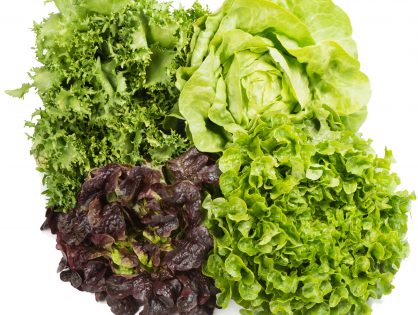
Lettuce is a staple in many kitchens, known for its versatility, crisp texture, and nutritional benefits. When you walk into a grocery store, the variety of lettuces available can be overwhelming. Understanding the differences between these varieties and their best uses can help you make informed choices for your culinary creations. In this blog post, we will explore the most common types of lettuce found in grocery stores and their common uses.
Iceberg Lettuce
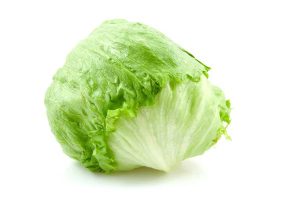 Description: Iceberg lettuce, also known as crisphead, is one of the most popular varieties. It is characterized by its round, compact head of pale green leaves that are crisp and have a mild flavor.
Common Uses:
- Salads: Iceberg lettuce is often used in salads due to its crunchy texture. It pairs well with a variety of dressings and ingredients.
- Sandwiches and Burgers: The crispness of iceberg lettuce makes it a popular choice for adding a fresh crunch to sandwiches and burgers.
- Wraps: Iceberg leaves can be used as a low-carb alternative to tortillas for wraps.
Romaine Lettuce
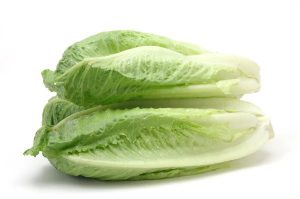 Description: Romaine lettuce, also known as cos lettuce, has long, sturdy leaves with a robust texture and a slightly bitter flavor. The leaves are dark green and have a prominent central rib.
Common Uses:
- Caesar Salad: Romaine lettuce is the classic choice for Caesar salad due to its hearty texture and ability to hold up to heavy dressings.
- Grilled: Romaine can be grilled for a unique twist, adding a smoky flavor to the leaves.
- Salads: Its sturdy leaves make it suitable for a variety of salads, especially those with bold dressings and ingredients.
Butterhead Lettuce (Bibb and Boston)
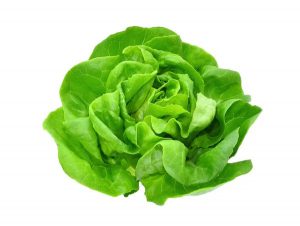 Description: Butterhead lettuce, which includes varieties such as Bibb and Boston, is known for its soft, buttery-textured leaves. It has a loose head and a sweet, mild flavor.
Common Uses:
- Salads: Butterhead lettuce is ideal for salads where a tender, delicate leaf is desired.
- Sandwiches: Its soft texture makes it perfect for layering in sandwiches without overwhelming other ingredients.
- Garnishes: The visually appealing leaves are often used as garnishes on plates.
Leaf Lettuce (Green Leaf and Red Leaf)
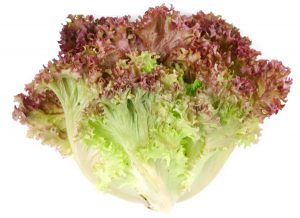 Description: Leaf lettuce, which includes green leaf and red leaf varieties, does not form a head. Instead, it grows in loose, curly bunches. Green leaf lettuce has bright green leaves, while red leaf lettuce has reddish-purple tinged leaves.
Common Uses:
- Salads: Leaf lettuce is commonly used in salads for its tender, flavorful leaves and vibrant color.
- Wraps: The large, flexible leaves are excellent for making wraps.
- Garnishes: Its attractive appearance makes it a great choice for garnishing dishes.
Arugula (Rocket)
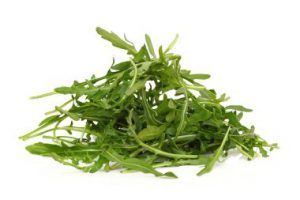 Description: Arugula, also known as rocket, has dark green, lobed leaves with a peppery, slightly bitter taste. It is often used as a salad green and is known for its distinctive flavor.
Common Uses:
- Salads: Arugula adds a peppery bite to salads and pairs well with citrus, nuts, and cheese.
- Pizzas and Flatbreads: It is often used as a topping for pizzas and flatbreads, added after baking.
- Pasta Dishes: Arugula can be tossed into pasta dishes for a fresh, peppery flavor.
Endive
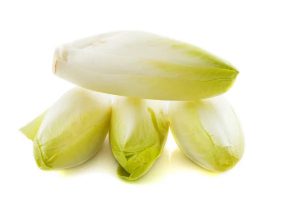 Description: Endive comes in two main varieties: Belgian endive and curly endive (frisée). Belgian endive has pale yellow, tightly packed leaves with a slightly bitter flavor. Curly endive has frilly, dark green leaves with a more pronounced bitter taste.
Common Uses:
- Salads: Both types of endive are used in salads for their unique textures and flavors.
- Appetizers: Belgian endive leaves can be used as edible scoops for dips and spreads.
- Cooking: Endive can be braised or grilled to mellow its bitterness.
Radicchio
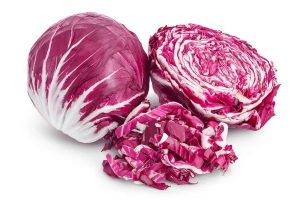 Description: Radicchio is a type of chicory with vibrant purple-red leaves and white veins. It has a bitter, spicy flavor and a crisp texture.
Common Uses:
- Salads: Radicchio adds color and a slightly bitter taste to mixed salads.
- Grilled: Grilling or roasting radicchio can enhance its flavor and reduce its bitterness.
- Pasta and Risotto: It can be chopped and added to pasta dishes or risotto for added texture and flavor.
Spinach
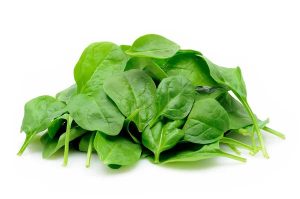 Description: Spinach has dark green, tender leaves with a slightly sweet, earthy flavor. While not technically a lettuce, it is often used interchangeably with lettuce in many dishes.
Common Uses:
- Salads: Baby spinach is a popular salad green, often mixed with other lettuces.
- Smoothies: Spinach can be added to smoothies for a nutritional boost.
- Cooking: It is versatile and can be sautéed, steamed, or added to soups and stews.
Watercress
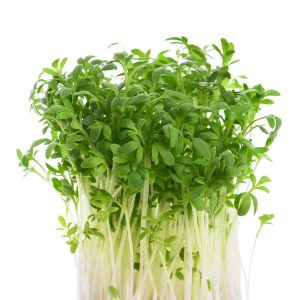 Description: Watercress has small, round leaves and a peppery flavor. It is often found growing near water sources and has a slightly crunchy texture.
Common Uses:
- Salads: Watercress adds a peppery kick to salads.
- Sandwiches: It can be used in sandwiches, particularly tea sandwiches.
- Soups: Watercress is a common ingredient in soups and can be used as a garnish.
Mâche (Lamb’s Lettuce)
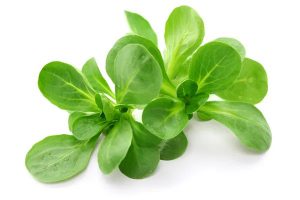 Description: Mâche, also known as lamb’s lettuce or corn salad, has small, tender leaves with a mild, nutty flavor. It grows in small rosettes and has a delicate texture.
Common Uses:
- Salads: Mâche is often used in gourmet salads for its delicate flavor and texture.
- Garnishes: Its attractive appearance makes it a popular choice for garnishes.
- Sandwiches: The small leaves can be added to sandwiches for a subtle crunch.
Lettuce is a versatile ingredient that can add texture, flavor, and nutrition to a wide variety of dishes. Whether you’re making a simple salad, a hearty sandwich, or an elegant appetizer, there’s a type of lettuce that’s perfect for the job. By understanding the characteristics and common uses of each variety, you can make more informed choices and elevate your culinary creations. Next time you’re at the grocery store, consider trying a new type of lettuce and experimenting with its uses in your kitchen.





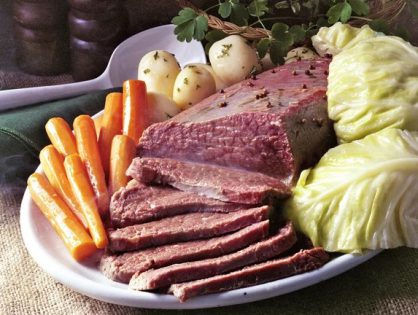
 What It Is: Irish stew is one of the most beloved and traditional dishes in Ireland. It’s a hearty, one-pot meal made with lamb or beef, root vegetables like carrots and parsnips, onions, and potatoes. The ingredients are slow-cooked together, allowing the flavors to meld into a rich and comforting dish.
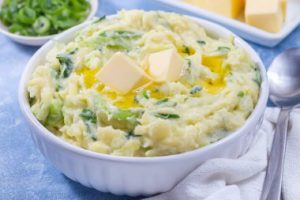 What It Is: Colcannon is a traditional Irish dish made from mashed potatoes mixed with cabbage or kale, butter, and cream. It’s often flavored with scallions, leeks, or garlic. The name “colcannon” comes from the Gaelic *cal ceannann*, meaning “white-headed cabbage.”
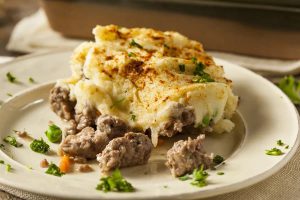 What It Is: Shepherd’s pie is a savory dish made with ground lamb (or beef in the case of cottage pie) cooked with vegetables such as carrots, peas, and onions, then topped with a layer of creamy mashed potatoes. The dish is baked until the top is golden and crispy.
 What It Is: Boxty is a traditional Irish potato pancake made from grated raw potatoes, mashed potatoes, flour, and buttermilk. It’s pan-fried to a crispy golden brown and can be served as a side dish or as a main course, often stuffed with savory fillings like smoked salmon or beef.
 What It Is: Irish soda bread is a quick bread made without yeast, using baking soda as the leavening agent. It typically includes flour, baking soda, salt, and buttermilk, though variations may add sugar, raisins, or caraway seeds.
 What It Is: Coddle is a traditional Dublin dish made from layers of sausages, bacon, potatoes, and onions, slow-cooked together. The dish is seasoned simply with salt, pepper, and sometimes parsley, and is often served with soda bread.
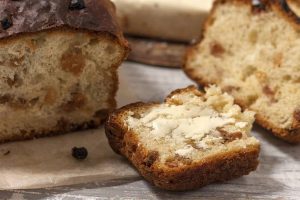 What It Is: Barmbrack is a traditional Irish fruit bread made with raisins or currants. While it’s often associated with Halloween in Ireland, it can also be enjoyed as a tea loaf year-round. It’s typically sliced and served with butter.
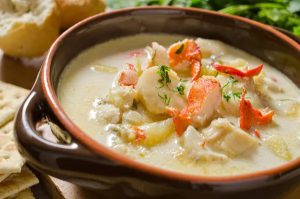 What It Is: Irish seafood chowder is a creamy, hearty soup made with a variety of seafood such as mussels, clams, white fish, and sometimes smoked salmon. It’s often enriched with cream, potatoes, and leeks, and served with soda bread.
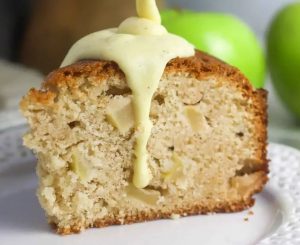 What It Is: Irish apple cake is a traditional dessert made with tender chunks of apples, cinnamon, and a crumbly streusel topping. It’s often served warm with a generous drizzle of homemade custard sauce.