Blog

  • How to Make Sure Your iPhone Photos Work On Family Cookbook Project

    How to Make Sure Your iPhone Photos Work On Family Cookbook Project

    If you have an iPhone, Apple has changed the format the camera uses to save photos on the iPhone. While this has many benefits, like taking less space for storage, it does have drawbacks, like not being compatible with non-Apple systems – like FamilyCookbookProject.com.

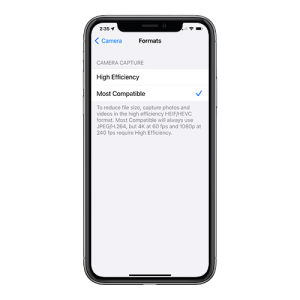
    To switch from HEIC to JPG, you must configure the camera capture format using the iPhone’s Settings app. There are two camera capture settings that you can opt for — High Efficiency and Most Compatible. The former will shoot photos in HEIC, while the latter will shoot photos in JPG.

    Here is how to change the settings in your iPhone to save image as Jpegs.

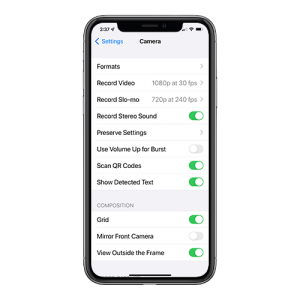
    Step 1: Open the Settings app on your iPhone. Scroll down and tap on Camera. Then, tap Formats from the list of Camera settings.


    Step 2: Under Camera Capture, tap Most Compatible.

    That’s it. Your iPhone will now shoot photos in the JPG format directly.

    If you have images already saved in HEIC, there are several free websites that will convert the images for you.


  • How to Build a Cocktail: Using flavor science and the laws of mixology to make a memorable drink every time

    How to Build a Cocktail: Using flavor science and the laws of mixology to make a memorable drink every time

    Balancing the Elements of a Cocktail

    Whether you make your own cocktails at home or order them at a bar, the ingredients are the same. The most basic definition of a cocktail is an alcoholic beverage that has been doctored. Cocktails consist of the spirit, the balancing agents like sugar or citrus juice, the modifiers, and water, regardless of how they are ‘doctored.’ Combined in the right proportions, these elements make a balanced, flavorful drink.

    The concept of balance can be compared to the concept of taste – sweetness, sourness, saltyness, bitterness, and umami – as opposed to flavor. We experience taste primarily through our tongue, whereas we experience flavor primarily through our nose.

    A drink’s base spirit can attract us to a cocktail, but since we aren’t necessarily hard-wired to enjoy harsh alcohols in their pure form (their bitterness can actually signal poison to our survival-oriented brains), cocktails use additional ingredients to help us enjoy those spirits. One way to trick your brain into not having that initial jolt when you taste something strong is to mix it with sugar. A successful cocktail balances its base spirit with high-concentrated ingredients like sugar syrups or citrus juices. In the right amounts, sugar and acid will taper the intensity of the base spirit and heighten its flavor while not dominating the drink.

    A cocktail’s balance is not always affected by modifiers, but they do contribute a wider variety of flavors and tastes. They can introduce floral, herbaceous, and umami notes. In Bloody Marys, Worcestershire adds a savory kick, while cranberry juice gives cosmopolitans a bitter, fruity taste. Bitters, liqueurs, citrus juices, and fortified wines (such as vermouth) are some of the most common modifiers.

    The opposite of modifiers is water, which dilutes flavors and makes high-proof alcohol taste milder. A drink is most likely to contain water when it is shaken or stirred with ice.

    The Cocktail Family Blueprint

    To create recipes, bartenders use templates called cocktail families. As per the Cocktail Codex, one of the bibles of cocktail making, the six families are the old fashioned, martini, daiquiri, sidecar, whiskey highball, and flip. They work because they strike a balance between our basic tastes. Balance varies from family to family and from drink to drink. Cocktails made in a shaker, such as a Tom Collins, have higher acidity than drinks made in glasses, such as a mint julep.

    When developing your own drink, you’ll save time and money if you use the tried-and-true cocktail families. It’s helpful to understand the underlying cocktail structure so you don’t waste booze before finding a drink you like. Making bad drinks is a valuable part of the process, because you learn what doesn’t work.

    A cocktail with an unbalanced acidity or sweetness is a sure sign that it needs to be adjusted. There are times when the sum of your ingredients will be less than the sum of their parts. If your mango margarita tastes like the traditional recipe, lime juice probably drowns out the mango flavor. There might be a need to introduce a new ingredient to tie the disjointed ingredients together, such as elderflower liqueur, chartreuse, or Aperol. The addition of a pinch of salt can also enhance flavor and mellow out harsher parts of a drink.

    Experiment with the flavors until you find your personal favorites, since what feels disjointed to one person might taste fantastic to another. If you like something, then you’re right.

    The Art of Experimentation at Your Bar

    Make your own drinks using the Mr. Potato Head method: Swap one ingredient in an existing recipe for the same amount of a different ingredient. This method is used by bartenders to create original cocktails, and you can use it to learn how well-known drinks share the same structure. A margarita contains two parts tequila, one part Cointreau, and one part lime juice, but is transformed into a sidecar by substituting cognac for the tequila and lemon for the lime.

    There is nothing like tasting to develop your palate – and your ability to determine what ingredients complement each other. Most people can distinguish flavors like fruit, spices, and herbs more easily than spirits and liqueurs, so take your time tasting your alcohols and comparing them (this is the tricky part).

    Take inspiration from what you eat when it comes to flavor pairings. A popular culinary adage says “what grows together, goes together,” generally meaning that ingredients from the same region will work well together. A tiki-style drink might combine rum (distilled from fermented sugar cane) and pineapple, both of which have tropical origins. Sweeteners should be derived from plants that are similar to your base spirit. The best way to make a margarita is with agave syrup, and the proper way to make a rum old fashioned is with demerara simple syrup.

    Two tests should be conducted before you make a new cocktail a staple: 1) Get someone else to make the recipe, and 2) let the cocktail sit for 15 minutes before tasting.

    The balance of some drinks changes as they warm up. You should serve them as soon as you can, but they must be balanced for at least 10 to 15 minutes. Otherwise, people talking instead of drinking may think there is something wrong with their drink.

    Don’t be afraid to add more of an ingredient than you think is necessary when in doubt. It’s only when you reach a point where a drink feels too much that you know it can’t be improved. Always push a tiny bit farther than you think you can. Once you’ve gone too far, you can always dial it back.

    Bill Rice is Founder and Co-Publisher of the Great Family Cookbook Project, a website that helps families and individuals collect, preserve and share food memories by creating their own printed personal cookbooks. He is the author of  The Art of Craft Cocktails: Make Cocktails at Home Like a Pro  and the Cape Cod Cocktail Cookbook (both available on Amazon), created using FamilyCookbookProject.com. He is also editor of the Donovan Family Cookbook, now in its third printing and is an avid genealogist tracing his family back to the 1600’s.

    Follow Family Cookbook Project on Facebook, Instagram, Twitter and Pinterest!

  • Food Related Holidays – March 2023

    Food Related Holidays – March 2023

    It seems that every day is a special day for something. Especially when it comes to our favorite (or not so favorite) foods.

    FamilyCookbookProject.com created a list of special food related holidays that you may not be aware of.

    By the way, it is also National Soft Pretzel Month, National Soy Foods Month, National Fresh Celery Month, National Pecan Month and National Frozen Food Month

    For fun, pick some of your favorites and served them on their national day. Remember to tell us what your favorite day of the month is for March!

    March Food Related National Days

    1 – National Fruit Compote Day

         National Peanut Butter Lover’s Day

    2 – National Banana Cream Pie Day

    3 – National Cold Cuts Day

         Tartar Sauce Day

    4 – National Pound Cake Day

    6 – National Frozen Food Day

         National Oreo Cookie Day 

         National White Chocolate Cheesecake Day

    7 – National Cereal Day

         National Crown of Roast Pork Day 

         National Flapjack Day

    9 – National Crabmeat Day

         National Meatball Day

    10 – National Blueberry Popover Day

    11 – National Oatmeal Nut Waffles Day

    12 – National Baked Scallops Day

    13 – National Coconut Torte Day

    14 – National Potato Chip Day

    16 – National Artichoke Hearts Day

    17 – National Corned Beef and Cabbage Day

          St. Patrick’s Day

    18 – National Corn Dog Day

           National Lacy Oatmeal Cookie Day

           National Sloppy Joe Day

    20 – National Ravioli Day

    21 – National California Strawberry Day

          National French Bread Day

    22 – National Bavarian Crepes Day

    23 – National Chia Day

           National Chip and Dip Day

           National Melba Toast Day

           National Tamale Day

    24 – National Cheesesteak Day

           National Chocolate Covered Raisin Day

           National Cocktail Day

    25 – National Lobster Newburg Day

    26 – National Spinach Day

    27 – National Spanish Paella Day

    28 – National Black Forest Cake Day

    29 – National Lemon Chiffon Cake Day

    31 – National Clams on the Half Shell Day

          National Tater Day


    Bill Rice is Co-Founder and Publisher of the Great Family Cookbook Project, a website that helps families and individuals collect, preserve and share food memories by creating their own printed personal cookbooks. He is the author of The Wellfleet Oyster Cookbook (Available on Amazon) and the Cape Cod Cocktail Cookbook, both created using FamilyCookbookProject.com. He is also editor of the Donovan Family Cookbook, now it’s third printing.

    Follow Family Cookbook Project on Facebook, Instagram and Pinterest!


  • Have a Fun With Food Word Search Book

    Have a Fun With Food Word Search Book

    Are you a foodie who loves to cook and enjoys a good word search puzzle? Look no further than the new book of food and beverage themed word search puzzles from the founder of familycookbookproject.com available now on Amazon.com

    If you’re already familiar with familycookbookproject.com, then you know that it’s a website dedicated to helping families preserve and share their favorite recipes and culinary traditions. And now, Bill Rice, one of the founders of the site has brought that same passion for food and community to a new project: a book of word search puzzles that will test your knowledge of everything from cheeses and wines to candy bars and barbecue.

    With 110 puzzles in total, Large Print Food & Beverage Word Search Puzzles for Adults and Seniors offers hours of entertainment for anyone who loves food and words. Each puzzle is thoughtfully themed around a different aspect of food and drink, making it the perfect gift for foodies, puzzle enthusiasts, and seniors who are looking for a fun and stimulating activity.

    Some of the themes you can expect to see in this book include:

    • Cheeses: Whether you’re a fan of sharp cheddar, creamy brie, or pungent blue cheese, you’ll love searching for all the different types of cheese hidden in these puzzles.
    • Wines: From bold reds to crisp whites, there’s a wine for every occasion – and a word search puzzle to match. Test your knowledge of different varietals, regions, and wine-related terminology.
    • Candy bars: If you have a sweet tooth, you’ll enjoy hunting for all the different candy bars hidden in these puzzles. From classic favorites like Snickers and Hershey’s to more obscure treats, there’s something for everyone.
    • Beverages: From coffee and tea to soda and cocktails, this theme covers all your favorite drinks. You’ll be on the lookout for everything from brand names to beverage-related slang.
    • Things in a grocery store: This theme is perfect for anyone who loves to wander the aisles of their local supermarket. You’ll be searching for all kinds of foods, from fruits and vegetables to meats and dairy products.
    • Barbecue: If you’re a grill master, you’ll appreciate this theme dedicated to all things barbecue. Look for different types of meats, sauces, and cooking methods.
    • Beers: Whether you prefer a hoppy IPA or a refreshing pilsner, you’ll enjoy searching for all the different types of beer hidden in these puzzles.

    And that’s just the beginning. Other themes include breakfast foods, desserts, spices and herbs, and international cuisines. With so many different topics to choose from, you’re sure to find something that appeals to your taste buds.

    So why should you buy this book? For one thing, it’s a great way to challenge your brain and keep your mind sharp. Word search puzzles have been shown to improve cognitive function and memory, making them a fun and healthy pastime for people of all ages.

    But beyond the mental benefits, this book is just plain fun. Whether you’re sitting down to relax after a long day of cooking, or you’re looking for a fun activity to share with friends and family, these puzzles are sure to provide hours of entertainment.

    And if you’re a fan of familycookbookproject.com, you’ll appreciate the care and attention to detail that went into creating this book. Like the website, this book is all about celebrating the joys of food and bringing people together around the table. It’s a great way to show your support for a community that’s all about preserving culinary traditions and sharing the love of cooking with others.

    So, if you love to cook and enjoy word search puzzles, this book is a must-have. With 110 puzzles themed around all your favorite foods and beverages, it’s a fun and engaging way to challenge your mind and test your knowledge. So why not pick up a copy today and start exploring all the delicious themes hidden within its pages?

    So get your copy of  Large Print Food & Beverage Word Search Puzzles for Adults and Seniors today! And get a second copy to give as a gift to someone you love too!


  • “It is one of the most wonderful gifts I have ever received!”

    FamilyCookbookProject.com just received a wonderful from a happy cookbook editor that we wanted to share”


    I gifted the cookbook to my daughter and two daughters-in-law and they were absolutely thrilled! The quality and professionalism of it amazed us all!  My daughter said, “It is one of the most wonderful gifts I have ever received!”
    The idea to place the history behind the recipe is truly one of preserving our family heritage.
    Thank you for working with me to accomplish this most treasured gift.  I plan to order more in the future.
    Appreciatively,
    Mary Artese, The Fondest Memories Are Made When We Gather Around the Table Family Cookbook


    Bill Rice is Founder and Co-Publisher of the Great Family Cookbook Project, a website that helps families and individuals collect, preserve and share food memories by creating their own printed personal cookbooks. He is the author of The Wellfleet Oyster Cookbook and the Cape Cod Cocktail Cookbook (Available on Amazon), both created using FamilyCookbookProject.com. He is also editor of the Donovan Family Cookbook, now it’s third printing and is an avid genealogist tracing his family back to the 1600’s.

    Follow Family Cookbook Project on Facebook, Instagram, Twitter and Pinterest!
  • Help Us With A Review Of Family Cookbook Project

    Help Us With A Review Of Family Cookbook Project

    In the online world, customer reviews are one of the most powerful tools to help people who do not have experience with a product to find out if it might be right for them. Positive reviews can really make a difference in attracting new customers to the Family Cookbook Project and we need your help.

    Would you kindly take a moment of your time and leave a positive review for us on the rating services below. This will help us attract new users to our site and allow us to continue to offer expanded services and programming to our existing customers.

    • Leave a review on Amazon.com  (You did not have to purchase your product there, you just had to be a user of the Family Cookbook Project)


    Bill Rice and Chip Lowell

    Publishers, Family Cookbook Project

  • How To Not Type Your Recipes into a Family Cookbook

    How To Not Type Your Recipes into a Family Cookbook

    For many people, the hardest thing about working with FamilyCookbokProject.com is getting all of our beloved recipes entered into the system so we can create a one of a kind cookbook for family and friends.

    You have several options when you want to enter a recipe into your own recipe book.

    Here are some of my favorite:

    Typing – This is straightforward. You open the Add A Recipe form and use your keyboard to type in the recipe and click on the save button (don’t forget the last part!).

    Other People Typing – One of the features that makes FamilyCookbookProject.com unique is that we make it easy to invite others to contribute recipes to your cookbook so you don’t have to do all of the work. Use the invitation tool and have others submit recipes that you can then edit. It’s a great way to build a family cookbook and bring everyone together.

    Cut and Paste – If you already have many of your recipes in a text format, like in a Word document, you can cut and paste the recipes into the form. This also works when you find a recipe on a website and you’d like to include it in your cookbook.

    Here’s how: Simply highlight all the ingredients in your source document and hold down the Ctrl key while pressing the “C” key on your keyboard. Next go to “add a new recipe” in your family cookbook site. Click in the ingredients box and now hold the Ctrl key while pressing the “v” key. This pastes what you have copied into the field. Repeat for title, directions and notes and you are done!

    Import a recipe from a website – We have created a tool to import recipes from some websites. However, it does not always work because every website is different in the way it lays out its recipes.

    From your quick start editors menu, click on the Recipe Center button. There you will find a link to “Import Recipes from another website”. This will allow you to take the URL from the recipe page and try to import it into your cookbook. If that does not work, you can cut and paste the ingredients and directions into a new recipe page which is very easy to do.

    Dictate recipes – If you don’t like to type, you can also talk your recipes into text form that can be cut and pasted into the Add A Recipe form. To see how to do this, see our blog post How to Dictate a Recipe Into Your Family Cookbook Project.

    Use a photo – You can include the scanned images as photos attached to recipes that you have typed into the system. This preserved the original form of the recipe card and makes the recipe highly readable.  One of the most asked questions we get is “How can I scan a recipe and use it in my cookbook?”

    If you have a recipe box or collection of recipes that you would like to scan and use as your recipes in a family cookbook, it can be done. However, a problem with scanned or photographed recipes is that the system can not read the text to create titles and indexes and other parts of the cookbook. The computer just sees them as photos.

    So you have two options:

    You can include the scanned images as photos attached to recipes that you have typed into the system. This preserved the original form of  the recipe card and makes the recipe highly readable.

    Second, you can upload the recipe card image on the Add A Recipe form as the recipe itself and just type the recipe title and contributor name. This saves typing and you get to use the image as the entire recipe. You can add personal notes if you want.

    So however you get your recipes entered into FamilyCookbookProject.com, it is the first step to creating what will certainly be a treasured family heirloom to be passed down to future generations.


    Bill Rice is Co-Publisher of the Great Family Cookbook Project, a website that helps families and individuals collect, preserve and share food memories by creating their own printed personal cookbooks. He is the author of The Wellfleet Oyster Cookbook (Available on Amazon) and the Cape Cod Cocktail Cookbook, both created using FamilyCookbookProject.com. He is also editor of the Donovan Family Cookbook, now it’s third printing.

    Follow Family Cookbook Project on Facebook, Instagram and Pinterest!


  • How To Create a Single Topic Cookbook

    How To Create a Single Topic Cookbook

    Do you have a lot of recipes of a specific type? Maybe you love to make cookies or pies or cakes. You can create a “mini cookbook” to organize your recipes and even share with family and friends using FamilyCookbookProject.com.

    With as few as 10 recipes, you can create a single category cookbook or multiple categories within a theme.

    For example, where I live, oysters are plentiful and are some of the best in the world. My family eats a lot of oysters each summer and I thought it would be great to create a cookbook with just oyster recipes. It was so well received, it is now available on Amazon!

    You can buy a copy of The Wellfleet Oyster Cookbook by clicking on this link.

    Next, I plan on creating a BBQ mini cookbook and giving it out as gifts for Christmas to my friends and family. After that, maybe desserts or seafood recipes!

    To create your own mini cookbook, go to the Production Center on your editor page and select “more cookbooks”. Here you can create your own mini cookbook and even import your recipes from your main cookbook using our recipe transfer tool.


    Bill Rice is Founder and Co-Publisher of the Great Family Cookbook Project, a website that helps families and individuals collect, preserve and share food memories by creating their own printed personal cookbooks. He is the author of The Wellfleet Oyster Cookbook (Available on Amazon) and the Cape Cod Cocktail Cookbook, all created using FamilyCookbookProject.com. He is also editor of the Ultimate Donovan Family Cookbook, now in its third printing and is an avid genealogist tracing his family back to the 1600’s.

    Follow Family Cookbook Project on Facebook, Instagram, Twitter and Pinterest!
  • What To Do Once You’ve Printed Your Family Cookbook

    What To Do Once You’ve Printed Your Family Cookbook

    You’ve done it. You have collected your recipes, got others to contribute their recipes, picked a cover and recipe layouts and used Family Cookbook Project.com to publish your very own cookbook.

    Now what?

    The good news is just because you publish your first cookbook doesn’t mean that you have to be done.

    Here are some ideas on how to continue using your Family Cookbook Project.com account

    Online recipe box – Many people find that they continue adding new recipes to their account even after publishing and printing their personal cookbook. It’s easy to add recipes and it’s convenient to have them all in one place.

    Use the mobile app – Access to your online recipes is only a few clicks away with the award-winning Family Cookbook Project mobile app for both Apple iPhones and android devices.

    Print a second volume for your family cookbook – Oftentimes once a book is printed new people see its value and want to contribute recipes. Creating a second volume for your family cookbook is a great way to get additional people involved and to keep the project alive.

    Create a Best of cookbook – Our family cookbook has over 250 recipes but I personally have about 50 that I like cooking all the time. I created a separate cookbook just for my go to recipes which allows me to find what I’m looking for so much quicker. I printed one copy and kept it right in the kitchen where I could find it quickly.

    Create a personal cookbook – If you have created a family cookbook, you were allowed only to include so many of your recipes in order to give everyone a chance to participate. Consider creating a cookbook with just your recipes which will allow you to enter many more then or in the family cookbook.

    Contribute to someone else’s family cookbook – Share your cookbook with friends and family and let them know you created at FamilyCookbookProject.com and when they ask you to contribute recipes to their cookbook, you can use the handy recipe transfer tool and select which recipes you want to contribute without having to type any of them in a second time!

    Create a fundraising cookbook – Does your church ,school, scout troop or community organization need to raise funds? Suggest a fundraising cookbook and use our system to manage the recipes. Our CookbookFundraiser.com site uses much of the same programming you used and can be a great help to your community group.


    Bill Rice is Founder and Co-Publisher of the Great Family Cookbook Project, a website that helps families and individuals collect, preserve and share food memories by creating their own printed personal cookbooks. He is the author of The Wellfleet Oyster Cookbook (Available on Amazon) and the Cape Cod Cocktail Cookbook, all created using FamilyCookbookProject.com. He is also editor of the Ultimate Donovan Family Cookbook, now in its third printing and is an avid genealogist tracing his family back to the 1600’s.

    Follow Family Cookbook Project on Facebook, Instagram, Twitter and Pinterest!

  • Family Cookbook Editor Homepage Introduction Video

    Family Cookbook Editor Homepage Introduction Video

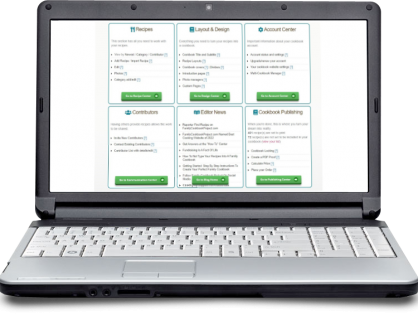
    Your Editor Homepage on FamilyCookbookProject.com has all the tools you need to add recipes, invite contributors, design and publish your own customer cookbook. This video shows you all of the tools available to you as Editor.


    About the Family Cookbook Project

    The Family Cookbook Project helps individuals and families collect and preserve the time-honored recipes that are so important to our family traditions. The website at www.familycookbookproject.com provides step-by-step instructions and online tools to create a valuable family heirloom that preserves recipes and memories for future generations.  Personalized cookbooks are also used by schools, churches and other groups as important fundraisers.


    Bill Rice is Founder and Co-Publisher of the Great Family Cookbook Project, a website that helps families and individuals collect, preserve and share food memories by creating their own printed personal cookbooks. He is the author of The Wellfleet Oyster Cookbook (Available on Amazon) and the Cape Cod Cocktail Cookbook, all created using FamilyCookbookProject.com. He is also editor of the Ultimate Donovan Family Cookbook, now in its third printing and is an avid genealogist tracing his family back to the 1600’s.

    Follow Family Cookbook Project on Facebook, Instagram, Twitter and Pinterest!

    .