Category: Cooking Tips

  • The Best Cookies for Christmas: A Guide to Festive Favorites

    The Best Cookies for Christmas: A Guide to Festive Favorites

    Christmas is a time of joy, family gatherings, and, of course, delicious holiday treats. Christmas cookies are a long-standing tradition in many homes, filling kitchens with the warm, comforting smells of sugar, spice, and everything nice. Whether you’re baking for family gatherings, attending cookie swaps, or looking to offer an assortment of sweets to holiday guests, knowing the best cookies to bake can make all the difference.

    In this article, FamilyCookbookProject.com will explore some of the most popular Christmas cookies, their flavor profiles, and how easy they are to make. We’ll also mention a few cookies that typically don’t work well for Christmas, so you can focus on the ones that shine during the holiday season.

    Popular Christmas Cookies and How Easy They Are to Make

    Sugar Cookies

    Flavor Profile : Sweet, buttery, and simple.

    Why They’re Perfect for Christmas : Sugar cookies are a staple for holiday baking because they’re easy to customize with festive shapes, icing, and sprinkles. They’re also incredibly versatile, making them perfect for decorating with the family or setting out at holiday parties.

    Ease of Making : Moderately easy. The dough is simple to mix, but rolling out and cutting the cookies into shapes can take a little time. Decorating adds an extra step, but it’s a fun activity for all ages.

    Gingerbread Cookies

    Flavor Profile : Spiced with ginger, cinnamon, and cloves, with a rich molasses flavor.

    Why They’re Perfect for Christmas : Gingerbread cookies are synonymous with Christmas, offering a warm, spiced flavor that embodies the holiday spirit. Whether you’re making gingerbread men or constructing a gingerbread house, these cookies are a festive must-have.

    Ease of Making : Moderately easy. The dough is straightforward, but rolling it out and cutting shapes can take some effort. Decorating with icing and candy can be as simple or elaborate as you like.

    Snickerdoodles
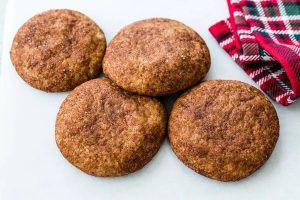
    Flavor Profile : Soft and chewy, with a buttery cinnamon-sugar coating.

    Why They’re Perfect for Christmas : Snickerdoodles bring warmth and comfort with their cinnamon flavor, making them a popular choice for holiday cookie plates. They have a simple, nostalgic charm that fits right in with the Christmas season.

    Ease of Making : Very easy. The dough is quick to prepare, and there’s no need to chill or roll out the dough. Simply shape, roll in cinnamon-sugar, and bake.

    Shortbread Cookies

    Flavor Profile : Buttery, crumbly, and lightly sweet.

    Why They’re Perfect for Christmas : Shortbread cookies are delicate, melt-in-your-mouth treats that are perfect for a more refined holiday dessert table. Their simplicity and richness make them an elegant addition to any cookie spread.

    Ease of Making : Easy. The dough only requires a few ingredients, and shaping the cookies can be done by hand or with cookie cutters. Their simple nature makes them an easy, go-to Christmas cookie.

    Peanut Butter Blossoms
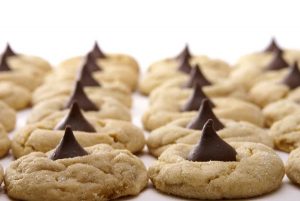
    Flavor Profile : Soft peanut butter cookies topped with a Hershey’s kiss.

    Why They’re Perfect for Christmas : These cookies combine the classic flavors of peanut butter and chocolate, making them a favorite at Christmas gatherings. The addition of the chocolate kiss on top gives them a festive look without any extra decorating effort.

    Ease of Making : Very easy. The dough is simple to make, and adding the chocolate kiss to each cookie while they’re warm is quick and easy.

    Linzer Cookies

    Flavor Profile : Buttery, nutty cookies filled with fruity jam, typically raspberry.

    Why They’re Perfect for Christmas : Linzer cookies are beautiful, delicate treats that are perfect for holiday gatherings. Their dusting of powdered sugar and jam-filled centers make them look as festive as they taste.

    Ease of Making : Moderately difficult. The dough requires some chilling and rolling out, and you’ll need to cut out two cookie shapes for each one (one solid and one with a cut-out). The result, however, is worth the effort.

    Molasses Cookies
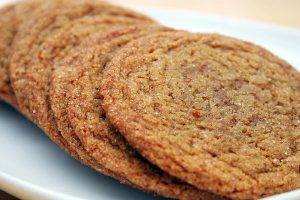
    Flavor Profile : Rich, spiced, and slightly chewy, with the deep flavor of molasses.

    Why They’re Perfect for Christmas : Molasses cookies are warm, comforting, and packed with holiday spices like ginger and cinnamon, making them ideal for a Christmas cookie platter. They bring a traditional, old-fashioned charm to any holiday dessert table.

    Ease of Making : Easy. The dough is simple to prepare, and there’s no need for intricate decorating—just a quick roll in sugar before baking.

    Spritz Cookies

    Flavor Profile : Buttery and lightly sweet, often with a hint of almond.

    Why They’re Perfect for Christmas : Spritz cookies are made with a cookie press to create intricate shapes like trees, wreaths, and stars, making them a perfect fit for Christmas celebrations. They’re small, crisp, and beautiful, often decorated with colored sugar or sprinkles.

    Ease of Making : Moderately easy. The dough itself is simple, but using a cookie press takes some practice. Once you’ve mastered it, they’re quick to make and bake.

    Thumbprint Cookies

    Flavor Profile : Buttery and sweet, filled with jam or chocolate.

    Why They’re Perfect for Christmas : Thumbprint cookies are a holiday favorite due to their simplicity and versatility. You can fill them with any flavor of jam, making them a colorful and tasty addition to any Christmas cookie spread.

    Ease of Making : Easy. The dough is simple, and shaping the cookies is just a matter of pressing your thumb into the center and adding your filling of choice.

    Cookies That Typically Don’t Make Great Christmas Cookies

    While many cookies are perfect for Christmas, there are a few that don’t quite fit the holiday spirit, either because of their flavors or textures. Here’s a short list of cookies that you might want to skip when planning your Christmas cookie lineup:

    Chocolate Crinkle Cookies

    –  Why Not? : While these cookies are rich and delicious, their messy powdered sugar coating tends to get everywhere, making them less ideal for cookie swaps or gifting. They can also lose their fresh texture quickly.

    Oatmeal Raisin Cookies

    –  Why Not? : Oatmeal raisin cookies are hearty and wholesome, but they don’t have the festive flair that most people associate with Christmas cookies. They’re better suited for casual, everyday baking.

    Macarons

    –  Why Not? : While macarons are beautiful and elegant, they’re notoriously difficult and time-consuming to make, which can be stressful during the busy holiday season. They also don’t have the cozy, nostalgic feel that people look for in Christmas cookies.

    Biscotti

    –  Why Not? : Biscotti are delicious, but they’re typically associated with coffee and tea rather than Christmas festivities. Their dry, crunchy texture doesn’t quite fit in with the soft, chewy cookies people often crave around the holidays.

    The Joy of Christmas Cookies

    Christmas cookies bring a sense of tradition and warmth to the holiday season. Whether you’re baking simple sugar cookies with the kids, swapping gingerbread men with friends, or serving elegant Linzer cookies at a holiday party, there’s a perfect Christmas cookie for every occasion.

    While some cookies are better left for other times of the year, the classic Christmas cookies listed above are sure to bring joy, festivity, and a little bit of sweetness to your holiday season. So, gather your ingredients, preheat your oven, and get ready to bake your way to a merry Christmas!


    Bill Rice is Founder and Co-Publisher of the Family Cookbook Project, a website that helps families and individuals collect, preserve and share food memories by creating their own printed personal cookbooks. He is the author of The Wellfleet Oyster Cookbook and the Cape Cod Cocktail Cookbook (Available on Amazon), both created using FamilyCookbookProject.com. He is also editor of the Donovan Family Cookbook, now it’s third printing and is an avid genealogist tracing his family back to the 1600’s.

    Follow Family Cookbook Project on Facebook, Instagram, Twitter TikTok, YouTube and Pinterest!


  • From Button to Porcini: Your Guide to the Most Popular Grocery Store Mushrooms

    From Button to Porcini: Your Guide to the Most Popular Grocery Store Mushrooms

    Mushrooms are an incredibly diverse and versatile ingredient, cherished in cuisines around the world for their unique flavors, textures, and nutritional benefits. When you walk into a grocery store, the variety of mushrooms available can be overwhelming. Understanding the differences between these varieties and their best uses can help you make informed choices for your culinary creations. In this blog post, Family Cookbook Project explores the most common types of mushrooms found in grocery stores and their common uses.

    White Button Mushrooms

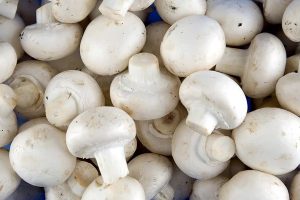
    Description: White button mushrooms are the most commonly consumed mushroom in the United States. They have a mild flavor and a smooth, white cap. These mushrooms are harvested at an early stage of development, which contributes to their delicate flavor and texture.

    Common Uses:

    • Salads: White button mushrooms can be sliced and added to fresh salads for a subtle earthy flavor.
    • Soups and Stews: They are a great addition to soups and stews, adding both flavor and texture.
    • Stir-Fries: Their mild flavor makes them versatile enough to be included in a variety of stir-fry recipes.
    • Pizza Toppings: White button mushrooms are commonly used as a pizza topping, either raw or sautéed.

    Cremini Mushrooms

    Description: Cremini mushrooms, also known as baby bellas, are a brown variety of the common white button mushroom. They are slightly more mature than white buttons and have a firmer texture and deeper flavor.

    Common Uses:

    • Roasting: Cremini mushrooms hold up well to roasting, developing a rich, savory flavor.
    • Grilling: They can be grilled on skewers or alongside meats and vegetables.
    • Sauces: Their deeper flavor makes them ideal for use in sauces, particularly those served with beef or pork.
    • Stuffing: Creminis are the perfect size for stuffing with cheese, herbs, and breadcrumbs.

    Portobello Mushrooms

    Description: Portobello mushrooms are the mature form of the cremini mushroom. They have a large, flat cap and a meaty texture, making them a popular meat substitute in vegetarian dishes.

    Common Uses:

    • Grilling: Portobello mushrooms are often grilled whole and used as a meat substitute in burgers.
    • Stuffing: Their large size makes them ideal for stuffing with a variety of fillings.
    • Roasting: Roasted portobello mushrooms develop a rich, umami flavor that pairs well with many dishes.
    • Sautéing: They can be sliced and sautéed for use in pastas, salads, and stir-fries.

    Shiitake Mushrooms

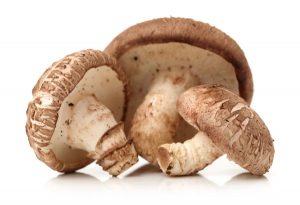
    Description: Shiitake mushrooms have a distinctive umbrella-shaped cap and a rich, savory flavor. They are commonly used in Asian cuisine and are prized for their umami taste.

    Common Uses:

    • Stir-Fries: Shiitake mushrooms add a deep, savory flavor to stir-fries and other Asian dishes.
    • Soups: They are a popular addition to soups and broths, particularly in Japanese and Chinese cooking.
    • Sauces: Shiitakes can be used to enhance the flavor of sauces and gravies.
    • Sautéing: Sautéed shiitakes make a delicious topping for rice, noodles, and vegetables.

    Oyster Mushrooms

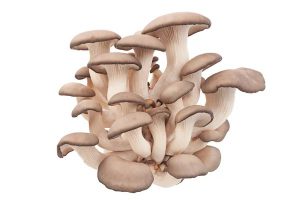
    Description: Oyster mushrooms have a delicate texture and a mild, slightly seafood-like flavor. They grow in clusters and come in a variety of colors, including white, gray, and yellow.

    Common Uses:

    • Sautéing: Oyster mushrooms are excellent for sautéing with garlic and herbs.
    • Stir-Fries: They add a subtle flavor and tender texture to stir-fry dishes.
    • Soups: Oyster mushrooms are a great addition to soups, adding both flavor and texture.
    • Grilling: They can be grilled and used in a variety of dishes, including tacos and sandwiches.

    Enoki Mushrooms

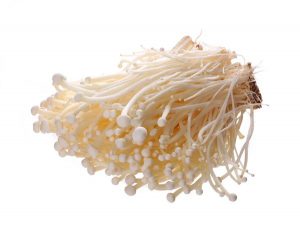
    Description: Enoki mushrooms are long and thin with small, white caps. They have a crunchy texture and a mild, slightly fruity flavor.

    Common Uses:

    • Salads: Enoki mushrooms can be used raw in salads, adding a crunchy texture.
    • Soups: They are often used in Asian soups, such as miso soup and hot pot.
    • Garnishes: Their delicate appearance makes them a popular garnish for a variety of dishes.
    • Stir-Fries: Enoki mushrooms can be added to stir-fries for a unique texture.

    Maitake Mushrooms (Hen of the Woods)

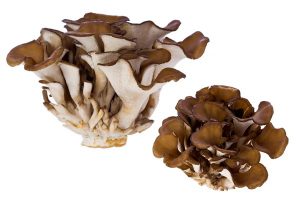
    Description: Maitake mushrooms, also known as hen of the woods, have a distinctive ruffled appearance and a rich, earthy flavor. They grow in large clusters and are highly prized in both culinary and medicinal contexts.

    Common Uses:

    • Roasting: Roasting maitake mushrooms brings out their rich, savory flavor.
    • Sautéing: They can be sautéed and used in a variety of dishes, from pasta to rice.
    • Soups: Maitake mushrooms add depth and flavor to soups and stews.
    • Grilling: Grilled maitake mushrooms make a delicious addition to salads and sandwiches.

    Chanterelle Mushrooms

    Description: Chanterelle mushrooms are trumpet-shaped and have a delicate, fruity flavor with hints of apricot. They are a prized ingredient in gourmet cooking.

    Common Uses:

    • Sautéing: Sautéed chanterelles make a luxurious addition to pasta dishes and risottos.
    • Soups: They add a unique flavor to creamy soups and bisques.
    • Egg Dishes: Chanterelles pair well with eggs and are often used in omelets and frittatas.
    • Garnishes: Their beautiful appearance makes them a popular garnish for upscale dishes.

    Morel Mushrooms

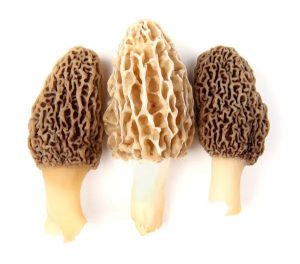
    Description: Morel mushrooms have a distinctive honeycomb appearance and a nutty, earthy flavor. They are highly sought after by chefs and foragers alike.

    Common Uses:

    • Stuffing: Morels can be stuffed with a variety of fillings for an elegant appetizer.
    • Sautéing: They are often sautéed with butter and herbs and served as a side dish.
    • Soups and Sauces: Morels add a rich, earthy flavor to soups and sauces.
    • Pasta Dishes: They can be added to pasta dishes for a gourmet touch.

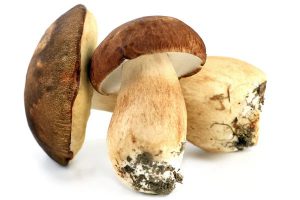
    Porcini Mushrooms

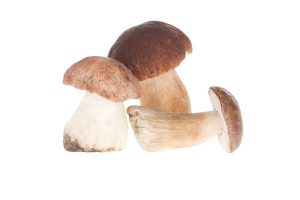
    Description: Porcini mushrooms have a deep, nutty flavor and a dense, meaty texture. They are commonly used in Italian and French cuisine.

    Common Uses:

    • Risottos: Porcini mushrooms are a classic ingredient in risottos, adding a rich, earthy flavor.
    • Pasta Dishes: They pair well with pasta, particularly in creamy or tomato-based sauces.
    • Soups and Stews: Porcinis add depth and complexity to soups and stews.
    • Drying: Dried porcini mushrooms are a pantry staple and can be rehydrated for use in a variety of dishes.

    Mushrooms are a versatile and nutritious ingredient that can enhance the flavor and texture of a wide variety of dishes. From the mild, subtle flavor of white button mushrooms to the rich, earthy taste of porcini mushrooms, each variety brings its own unique qualities to the table. By understanding the characteristics and common uses of these mushrooms, you can make more informed choices and elevate your culinary creations.

    Next time you’re at the grocery store, consider trying a new type of mushroom and experimenting with its uses in your kitchen. Whether you’re making a simple sauté, a hearty soup, or a gourmet dish, mushrooms can add depth, flavor, and nutrition to your meals. Happy cooking!

    Bill Rice is Founder and Co-Publisher of the Family Cookbook Project, the leading online cookbook publisher with a website that helps families and individuals collect, preserve and share food memories by creating their own printed custom cookbooks. He is the author of The Wellfleet Oyster Cookbook and the Cape Cod Cocktail Cookbook (Available on Amazon), both created using FamilyCookbookProject.com. He is also editor of the Donovan Family Cookbook, now it’s third printing and is an avid genealogist tracing his family back to the 1600’s.

    Follow Family Cookbook Project on Facebook, Instagram, Twitter TikTok, YouTube and Pinterest!
  • How Wood Affects the Flavor of Smoked Meat

    How Wood Affects the Flavor of Smoked Meat

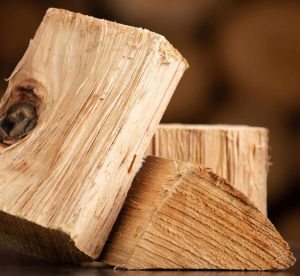
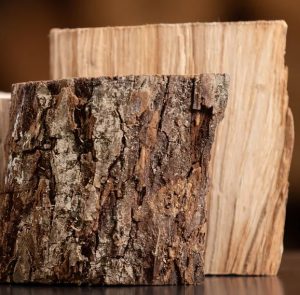
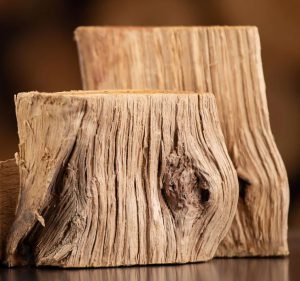
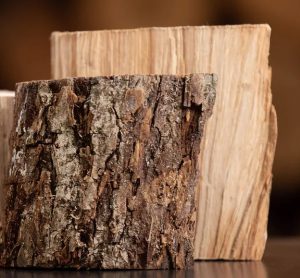
    The type of wood you use when smoking meat plays a crucial role in determining the final flavor profile. Different woods produce varying levels of smokiness, sweetness, and even bitterness, depending on their density, moisture content, and natural sugars. Here are some of the most common woods used for smoking meat, along with their characteristics and best uses:

    Hickory

    Flavor Profile: Hickory is one of the most popular woods for smoking and is known for its strong, bacon-like flavor. It imparts a rich, hearty smokiness that can be intense if used in large quantities.

    Best Uses: Hickory pairs well with robust cuts of meat like pork shoulder, ribs, and beef brisket. It’s ideal for barbecue dishes that can handle a bold smoke flavor, such as traditional Southern-style smoked meats.

    Tip: Use hickory in moderation, as too much can overpower the meat and impart a bitter taste.

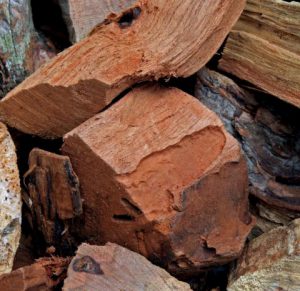
    Mesquite

    Flavor Profile: Mesquite is a hardwood known for its strong, earthy flavor. It burns hot and fast, producing a lot of smoke in a short amount of time, which makes it better suited for quicker cooks.

    Best Uses: Mesquite works well with bold-flavored meats like beef, game, and lamb, as it can stand up to their intense flavors. It’s particularly popular in Texas-style barbecue.

    Tip: Mesquite’s strength can be overwhelming for milder meats, so it’s best used in small amounts or blended with a milder wood for balance.

    Applewood

    Flavor Profile: Applewood imparts a mild, sweet, and slightly fruity smoke flavor. It’s one of the lighter smoking woods, making it versatile and ideal for delicate meats.

    Best Uses: Applewood pairs perfectly with poultry, pork, and fish. It’s especially popular for smoking chicken, turkey, and pork ribs, adding a touch of sweetness without overpowering the meat.

    Tip: Applewood’s mild flavor allows you to smoke for longer periods without overwhelming the meat, making it ideal for slow-cooking.

    Cherrywood

    Flavor Profile: Cherrywood has a subtle sweetness and a hint of fruitiness that pairs well with a variety of meats. It also imparts a rich, mahogany color to the meat as it smokes.

    Best Uses: Cherrywood is excellent for smoking poultry, pork, and beef, particularly when you want to add both a sweet note and a deep color to the meat. It pairs beautifully with ribs and brisket.

    Tip: Cherrywood blends well with stronger woods like hickory or oak to create a more balanced smoke profile.

    Oak

    Flavor Profile: Oak is a versatile smoking wood with a medium to strong flavor. It provides a well-balanced, smoky taste without being too overpowering, making it ideal for longer smoking sessions.

    Best Uses: Oak is perfect for beef, brisket, pork, and lamb, and is commonly used in traditional barbecue. It’s often the go-to wood for smoking Texas-style brisket.

    Tip: Oak burns slowly and steadily, making it ideal for low-and-slow cooking methods.

    Pecan

    Flavor Profile: Pecan wood has a rich, nutty flavor with a hint of sweetness. It’s similar to hickory but milder and more subtle.

    Best Uses: Pecan works well with pork, poultry, and game meats. It’s also a great choice for smoking whole turkeys or chickens, as its flavor enhances the natural sweetness of the meat without overpowering it.

    Tip: Pecan is prone to burning at a lower temperature, so it’s often combined with other hardwoods like oak for longer smoking sessions.


     Understanding the Role of Charcoal in Smoking

    While wood imparts flavor to the meat, charcoal provides the heat needed for smoking. The type of charcoal you use can affect not only the flavor but also the consistency of your smoke. Here are the two main types of charcoal and their pros and cons:

    Lump Charcoal

    What It Is: Lump charcoal is made from pure wood that has been burned down to charcoal, with no additives or fillers. It burns hot and fast, providing a natural wood-fired flavor to the meat.

    Best Uses: Lump charcoal is ideal for smokers and grills where you need a high heat quickly or for recipes that require intense searing followed by a lower temperature smoke. It’s great for smoking steaks, pork chops, or any cuts that require a seared crust.

    Pros:

    – Burns hotter and faster than briquettes.

    – Provides a more natural, wood-fired flavor.

    – Less ash is produced.

    Cons:

    – Burns out faster, requiring more frequent refueling.

    – Can be more expensive than briquettes.

    Charcoal Briquettes

    What It Is: Charcoal briquettes are made from compressed sawdust and other additives that help them burn more consistently over a long period. They’re designed to produce even heat with less fluctuation in temperature.

    Best Uses: Briquettes are perfect for low-and-slow smoking, where consistent heat is key. They’re ideal for longer smoking sessions like brisket, pork shoulder, or ribs.

    Pros:

    – Burns consistently for longer periods.

    – More affordable than lump charcoal.

    – Great for maintaining steady heat.

    Cons:

    – Can impart a chemical flavor if lighter fluid is used.

    – Produces more ash than lump charcoal.


     Adding Wood Chips to Your Smoke

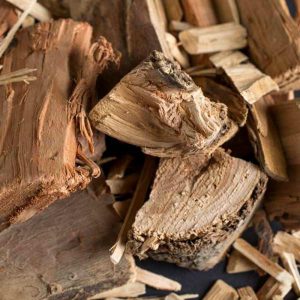
    If you’re using charcoal for smoking but want to add more smoky flavor, adding wood chips to your smoker is a great option. Wood chips are small pieces of wood that burn quickly, releasing a burst of smoke that can enhance the flavor of your meat. Here’s how to use them effectively:

    Soaking the Chips

    Some people believe that soaking wood chips in water for about 30 minutes before adding them to the smoker can help slow down their burning, providing a longer, steadier release of smoke.

    Adding Wood Chips to Charcoal

    To add wood chips to a charcoal smoker, simply place the soaked (or dry) chips directly on the hot coals. For a more controlled burn, use a smoker box or wrap the chips in aluminum foil, poking small holes to let the smoke escape.

    When to Use Wood Chips

    Wood chips are best used for shorter smoking sessions or when you want to add a specific flavor profile to the meat without smoking for hours. They’re great for chicken, fish, and vegetables, where you want a burst of smoke flavor without overpowering the dish.

    Final Thoughts: Crafting the Perfect Smoke

    Whether you’re using hardwood logs, charcoal, or wood chips, the type of wood and fuel you choose can have a major impact on the flavor and texture of your smoked meats. Understanding the nuances of each wood and how different types of charcoal affect the smoke will help you achieve the perfect balance of heat, smoke, and flavor in your barbecue.

    By experimenting with different wood types and combinations, you can tailor the flavor profile of your smoked meats to suit your taste. And don’t forget, you can always record and share your best smoking recipes on FamilyCookbookProject.com, ensuring that your smoky masterpieces can be passed down for generations to come.


    Bill Rice is Founder and Co-Publisher of the Family Cookbook Project, the leading online cookbook publisher with a website that helps families and individuals collect, preserve and share food memories by creating their own printed custom cookbooks. He is the author of The Wellfleet Oyster Cookbook and the Cape Cod Cocktail Cookbook (Available on Amazon), both created using FamilyCookbookProject.com. He is also editor of the Donovan Family Cookbook, now it’s third printing and is an avid genealogist tracing his family back to the 1600’s.

    Follow Family Cookbook Project on Facebook, Instagram, Twitter TikTok, YouTube and Pinterest!

  • Know Your Apples: Flavor Profiles and the Best Ways to Enjoy Them

    Know Your Apples: Flavor Profiles and the Best Ways to Enjoy Them

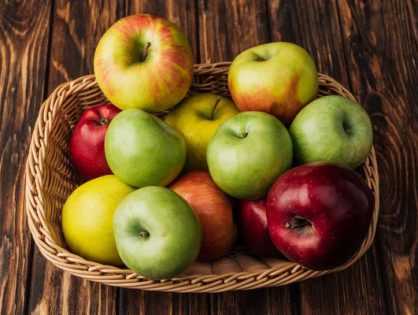
    Apples are one of the most versatile and widely consumed fruits in the world. From the tart bite of a Granny Smith to the honeyed sweetness of a Fuji, apples come in an array of flavors, textures, and colors. Grocery stores typically stock a variety of apple types, each with its own unique characteristics, making them suited to different culinary uses. Whether you’re making a pie, juicing, or simply looking for a crisp snack, understanding the differences between common apple varieties can help you choose the best one for your needs.

    Let’s explore some of the most common apples found in grocery stores and highlight their best uses, from baking to snacking and beyond.

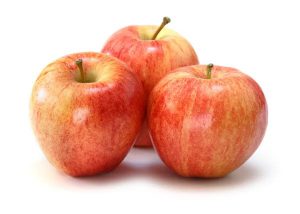
    Gala Apples

    Flavor Profile:

    Gala apples are known for their mild, sweet flavor with a hint of vanilla and floral undertones. They are a smaller apple with a thin skin, making them easy to bite into, and their flesh is crisp and juicy but not overly firm.

    Best Uses:

    –  Snacking:  Gala apples are perfect for snacking due to their sweetness and tender texture.

    –  Salads:  The mild sweetness of Gala apples complements greens, cheese, and nuts in salads.

    –  Sauces:  They make excellent applesauce because they break down easily and don’t require much added sugar.

    Not ideal for:  Baking, as their flesh tends to become too soft when cooked, making them less suited for pies or tarts.

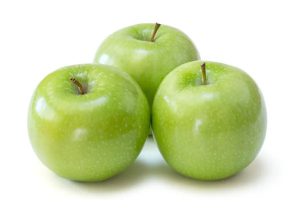
    Granny Smith Apples

    Flavor Profile:

    Granny Smith apples are famously tart with a bright, zesty flavor. They have a firm, crisp texture and a vibrant green skin that sets them apart from other varieties.

    Best Uses:

    –  Baking:  Granny Smith apples hold their shape well when baked, making them a classic choice for pies, tarts, and crumbles.

    –  Salads:  Their tartness adds a refreshing contrast to sweeter salad ingredients.

    –  Juicing and Cider:  The sharp flavor of Granny Smith apples makes them ideal for juicing or adding balance to apple ciders and blends.

    Not ideal for:  Snacking, unless you prefer a more tart apple.

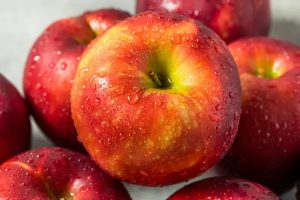
    Honeycrisp Apples

    Flavor Profile:

    As the name suggests, Honeycrisp apples are both sweet and crisp. They have a perfect balance of sweetness and acidity, making them one of the most popular apples in the market.

    Best Uses:

    –  Snacking:  Their satisfying crunch and balanced flavor make Honeycrisp apples an excellent snack choice.

    –  Salads:  Honeycrisps add both texture and sweetness to salads, holding their crunch for longer periods compared to other varieties.

    –  Juicing:  Their sweetness and high water content make them great for juicing, yielding a naturally sweet and refreshing juice.

    Not ideal for:  Baking, because they can lose their crunch when exposed to prolonged heat.

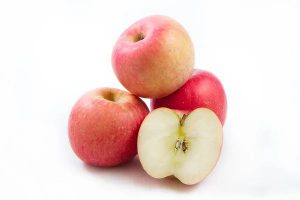
    Fuji Apples

    Flavor Profile:

    Fuji apples are one of the sweetest varieties, with a sugary flavor reminiscent of honey. They are exceptionally juicy and have a dense, crisp texture. These apples are larger than most other types, with a yellow-green skin streaked with red.

    Best Uses:

    –  Snacking:  Their sweetness and juiciness make Fuji apples a favorite for eating raw.

    –  Salads:  Fuji apples add sweetness and crunch to salads without becoming too soft.

    –  Sauces and Juices:  Their high sugar content makes them excellent for sweet apple sauces and juices.

    Not ideal for:  Baking, as their high water content can make them too soft and watery in pies or tarts.

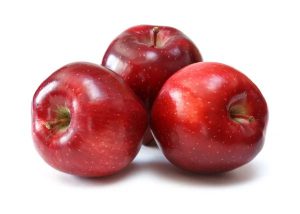
    Red Delicious Apples

    Flavor Profile:

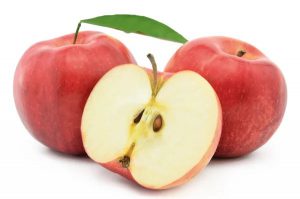
    Red Delicious apples are mildly sweet with a slightly floral, almost melon-like flavor. They have a thick, deep red skin and a soft, sometimes grainy texture, which isn’t as crisp as other varieties.

    Best Uses:

    –  Snacking:  If you enjoy a mild, soft apple, Red Delicious can be a good option for eating out of hand.

    –  Salads:  When sliced, Red Delicious apples add a mild sweetness and vibrant color to salads. However, they tend to oxidize quickly, so it’s best to toss them in lemon juice to prevent browning.

    –  Smoothies:  The soft texture of Red Delicious apples makes them easy to blend into smoothies.

    Not ideal for:  Baking or cooking, as they tend to lose both flavor and texture when heated.

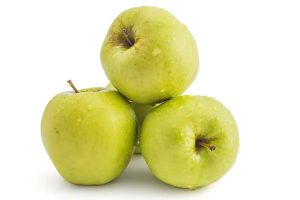
    Golden Delicious Apples

    Flavor Profile:

    Golden Delicious apples have a balanced sweet-tart flavor with notes of honey and pear. Their thin skin is golden yellow, and their flesh is tender and juicy, though not as crisp as varieties like Honeycrisp or Fuji.

    Best Uses:

    –  Baking:  Golden Delicious apples are great for baking as they hold their shape well in pies, tarts, and crisps, without turning mushy.

    –  Salads:  Their sweetness and slightly softer texture make them a nice addition to fruit salads or green salads.

    –  Sauces and Preserves:  Golden Delicious apples break down easily when cooked, making them ideal for applesauce, jams, and preserves.

    Not ideal for:  Snacking if you prefer a crisper apple.

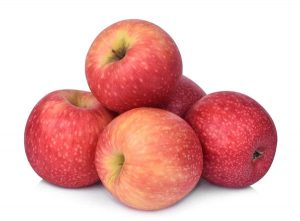
    Pink Lady (Cripps Pink) Apples

    Flavor Profile:

    Pink Lady apples are known for their tart-sweet balance, with a bright, tangy flavor that finishes with a hint of sweetness. They are crisp, firm, and juicy, with a pinkish-red blush over a yellow-green skin.

    Best Uses:

    –  Snacking:  The crisp texture and complex flavor make Pink Lady apples an excellent choice for eating fresh.

    –  Salads:  Their firm flesh holds up well in salads, and their tartness balances sweet ingredients like dried fruit or candied nuts.

    –  Baking:  Pink Lady apples are versatile enough for baking, holding their shape and offering a pleasant balance of flavors in pies and tarts.

    Not ideal for:  Sauces, as their firmer texture doesn’t break down as easily as other varieties.

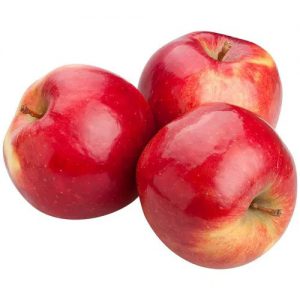
    Braeburn Apples

    Flavor Profile:

    Braeburn apples have a spicy-sweet flavor with hints of cinnamon and nutmeg, paired with a refreshing tartness. They have a firm, crisp texture and an orange-red skin with a yellow undertone.

    Best Uses:

    –  Baking:  Braeburn apples are fantastic for baking because they hold their shape and their spicy-sweet flavor becomes more pronounced when cooked.

    –  Snacking:  Their crisp texture and unique flavor make Braeburn apples a delicious choice for snacking.

    –  Salads:  The firm texture of Braeburn apples means they won’t turn mushy in salads, and their spiced flavor adds depth to fresh dishes.

    Not ideal for:  Juicing, as their denser texture can make them harder to juice compared to juicier varieties.

    McIntosh Apples

    Flavor Profile:

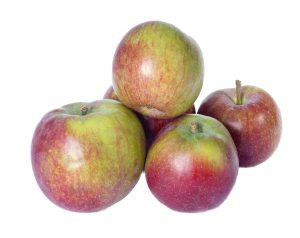
    McIntosh apples are soft, juicy, and aromatic, with a tangy-sweet flavor that mellows as the fruit ripens. They have a tender, thin skin that is typically red with green accents.

    Best Uses:

    –  Sauces and Preserves:  McIntosh apples break down easily, making them ideal for applesauce, jams, and other cooked apple preparations.

    –  Juicing:  Their high juice content and sweet flavor make McIntosh apples a popular choice for apple juice or cider.

    –  Snacking:  If you enjoy a softer apple, McIntosh apples are perfect for eating out of hand.

    Not ideal for:  Baking, as they tend to lose their structure and become mushy when heated.

    Jonagold Apples

    Flavor Profile:

    A cross between Jonathan and Golden Delicious apples, Jonagold apples have a sweet-tart flavor with a honeyed aftertaste. They are crisp, with a creamy, juicy flesh and a yellow-orange skin streaked with red.

    Best Uses:

    –  Baking:  Jonagold apples are great for baking, offering the perfect balance of sweetness and tartness without losing their shape in pies, tarts, or crisps.

    –  Snacking:  Their juicy, crisp texture makes Jonagold apples a good choice for snacking.

    –  Salads:  The firm texture of Jonagold apples makes them a great addition to salads, offering both crunch and flavor.

    Not ideal for:  Sauces, as their firmer texture can take longer to break down.


    With so many varieties of apples available, it can be tricky to know which one to choose for your specific culinary needs. Some apples are better for snacking, others shine in baked goods, and still others are perfect for sauces or salads. By understanding the flavor profiles and best uses of common grocery store apples, you can ensure that your dishes always turn out just right.

    Next time you’re at the grocery store, consider picking up a few different varieties of apples to explore their unique flavors and textures. Whether you’re making an apple pie, tossing together a salad, or simply enjoying a fresh snack, there’s an apple variety out there to suit your taste and needs.


    Bill Rice is Founder and Co-Publisher of the Great Family Cookbook Project, a website that helps families and individuals collect, preserve and share food memories by creating their own printed personal cookbooks. He is the author of The Wellfleet Oyster Cookbook and the Cape Cod Cocktail Cookbook (Available on Amazon), both created using FamilyCookbookProject.com. He is also editor of the Donovan Family Cookbook, now it’s third printing and is an avid genealogist tracing his family back to the 1600’s.

    Follow Family Cookbook Project on Facebook, Instagram, Twitter TikTok, YouTube and Pinterest!

  • Your Guide to the Most Popular Grocery Store Mushrooms From Button to Porcini

    Mushrooms are an incredibly diverse and versatile cooking ingredient, cherished in cuisines around the world for their unique flavors, textures, and nutritional benefits. When you walk into a grocery store, the variety of mushrooms available can be overwhelming. Understanding the differences between these varieties and their best uses can help you make informed choices for your culinary creations. In this blog post, we will explore the most common types of mushrooms found in grocery stores and their common uses.

    White Button Mushrooms

    Description: White button mushrooms are the most commonly consumed mushroom in the United States. They have a mild flavor and a smooth, white cap. These mushrooms are harvested at an early stage of development, which contributes to their delicate flavor and texture.
    Common Uses:

    • Salads: White button mushrooms can be sliced and added to fresh salads for a subtle earthy flavor.
    • Soups and Stews: They are a great addition to soups and stews, adding both flavor and texture.
    • Stir-Fries: Their mild flavor makes them versatile enough to be included in a variety of stir-fry recipes.
    • Pizza Toppings: White button mushrooms are commonly used as a pizza topping, either raw or sautéed.

    Cremini Mushrooms

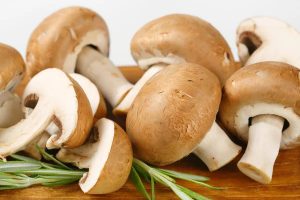
    Description: Cremini mushrooms, also known as baby bellas, are a brown variety of the common white button mushroom. They are slightly more mature than white buttons and have a firmer texture and deeper flavor.
    Common Uses:

    • Roasting: Cremini mushrooms hold up well to roasting, developing a rich, savory flavor.
    • Grilling: They can be grilled on skewers or alongside meats and vegetables.
    • Sauces: Their deeper flavor makes them ideal for use in sauces, particularly those served with beef or pork.
    • Stuffing: Creminis are the perfect size for stuffing with cheese, herbs, and breadcrumbs.

    Portobello Mushrooms

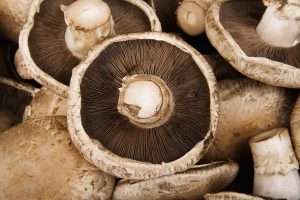
    Description: Portobello mushrooms are the mature form of the cremini mushroom. They have a large, flat cap and a meaty texture, making them a popular meat substitute in vegetarian dishes.
    Common Uses:

    • Grilling: Portobello mushrooms are often grilled whole and used as a meat substitute in burgers.
    • Stuffing: Their large size makes them ideal for stuffing with a variety of fillings.
    • Roasting: Roasted portobello mushrooms develop a rich, umami flavor that pairs well with many dishes.
    • Sautéing: They can be sliced and sautéed for use in pastas, salads, and stir-fries.

    Shiitake Mushrooms

    Description: Shiitake mushrooms have a distinctive umbrella-shaped cap and a rich, savory flavor. They are commonly used in Asian cuisine and are prized for their umami taste.
    Common Uses:

    • Stir-Fries: Shiitake mushrooms add a deep, savory flavor to stir-fries and other Asian dishes.
    • Soups: They are a popular addition to soups and broths, particularly in Japanese and Chinese cooking.
    • Sauces: Shiitakes can be used to enhance the flavor of sauces and gravies.
    • Sautéing: Sautéed shiitakes make a delicious topping for rice, noodles, and vegetables.

    Oyster Mushrooms

    Description: Oyster mushrooms have a delicate texture and a mild, slightly seafood-like flavor. They grow in clusters and come in a variety of colors, including white, gray, and yellow.
    Common Uses:

    • Sautéing: Oyster mushrooms are excellent for sautéing with garlic and herbs.
    • Stir-Fries: They add a subtle flavor and tender texture to stir-fry dishes.
    • Soups: Oyster mushrooms are a great addition to soups, adding both flavor and texture.
    • Grilling: They can be grilled and used in a variety of dishes, including tacos and sandwiches.

    Enoki Mushrooms

    Description: Enoki mushrooms are long and thin with small, white caps. They have a crunchy texture and a mild, slightly fruity flavor.
    Common Uses:

    • Salads: Enoki mushrooms can be used raw in salads, adding a crunchy texture.
    • Soups: They are often used in Asian soups, such as miso soup and hot pot.
    • Garnishes: Their delicate appearance makes them a popular garnish for a variety of dishes.
    • Stir-Fries: Enoki mushrooms can be added to stir-fries for a unique texture.

    Maitake Mushrooms (Hen of the Woods)

    Description: Maitake mushrooms, also known as hen of the woods, have a distinctive ruffled appearance and a rich, earthy flavor. They grow in large clusters and are highly prized in both culinary and medicinal contexts.
    Common Uses:

    • Roasting: Roasting maitake mushrooms brings out their rich, savory flavor.
    • Sautéing: They can be sautéed and used in a variety of dishes, from pasta to rice.
    • Soups: Maitake mushrooms add depth and flavor to soups and stews.
    • Grilling: Grilled maitake mushrooms make a delicious addition to salads and sandwiches.

    Chanterelle Mushrooms

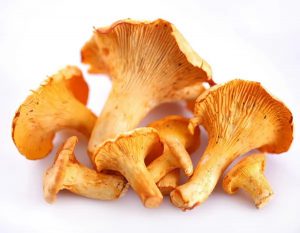
    Description: Chanterelle mushrooms are trumpet-shaped and have a delicate, fruity flavor with hints of apricot. They are a prized ingredient in gourmet cooking.
    Common Uses:

    • Sautéing: Sautéed chanterelles make a luxurious addition to pasta dishes and risottos.
    • Soups: They add a unique flavor to creamy soups and bisques.
    • Egg Dishes: Chanterelles pair well with eggs and are often used in omelets and frittatas.
    • Garnishes: Their beautiful appearance makes them a popular garnish for upscale dishes.

    Morel Mushrooms

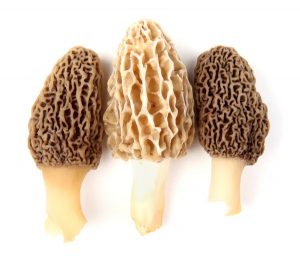
    Description: Morel mushrooms have a distinctive honeycomb appearance and a nutty, earthy flavor. They are highly sought after by chefs and foragers alike.

    Common Uses:

    • Stuffing: Morels can be stuffed with a variety of fillings for an elegant appetizer.
    • Sautéing: They are often sautéed with butter and herbs and served as a side dish.
    • Soups and Sauces: Morels add a rich, earthy flavor to soups and sauces.
    • Pasta Dishes: They can be added to pasta dishes for a gourmet touch.

    Porcini Mushrooms

    Description: Porcini mushrooms have a deep, nutty flavor and a dense, meaty texture. They are commonly used in Italian and French cuisine.


    Common Uses:

    • Risottos: Porcini mushrooms are a classic ingredient in risottos, adding a rich, earthy flavor.
    • Pasta Dishes: They pair well with pasta, particularly in creamy or tomato-based sauces.
    • Soups and Stews: Porcinis add depth and complexity to soups and stews.
    • Drying: Dried porcini mushrooms are a pantry staple and can be rehydrated for use in a variety of dishes.


    Mushrooms are a versatile and nutritious ingredient that can enhance the flavor and texture of a wide variety of dishes. From the mild, subtle flavor of white button mushrooms to the rich, earthy taste of porcini mushrooms, each variety brings its own unique qualities to the table. By understanding the characteristics and common uses of these mushrooms, you can make more informed choices and elevate your culinary creations.

    Next time you’re at the grocery store, consider trying a new type of mushroom and experimenting with its uses in your kitchen. Whether you’re making a simple sauté, a hearty soup, or a gourmet dish, mushrooms can add depth, flavor, and nutrition to your meals. Happy cooking!


    Bill Rice is Founder and Co-Publisher of the Great Family Cookbook Project, a website that helps families and individuals collect, preserve and share food memories by creating their own printed personal cookbooks. He is the author of The Wellfleet Oyster Cookbook and the Cape Cod Cocktail Cookbook (Available on Amazon), both created using FamilyCookbookProject.com. He is also editor of the Donovan Family Cookbook, now it’s third printing and is an avid genealogist tracing his family back to the 1600’s.

    Follow Family Cookbook Project on Facebook, Instagram, Twitter and Pinterest!

  • Cooking Oils What’s The Difference?

    Cooking Oils What’s The Difference?

    In the kitchen, cooks have plenty of options when it comes to choosing a cooking oil to sauté, bake and drizzle with. Some, like olive oil, are well known, and others, like avocado or sesame oil, are less familiar.
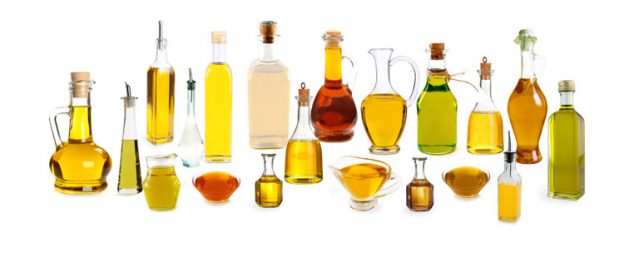

    Which oil is right for you? That depends largely on the type of cooking you’re doing. An oil’s smoke point, which is the point when oil starts burning and smoking, is one of the most important things to consider. If you heat oil past its smoke point, it not only harms the flavor, but it may loose any nutrients in the oil  as it degrades.

    Here is an overview of different oils used in the kitchen and how to use them:

    Olive oil

    One of the most versatile and healthy oils to cook with and eat is olive oil, as long as it’s extra virgin. Generally, you want an oil that is not refined and overly processed. An “extra virgin” label means that the olive oil is not refined, and therefore of high quality. Extra virgin olive oil contains a large amount of monounsaturated fats and some polyunsaturated fatty acids; many studies have linked it to better heart health. Olive oil has a relatively lower smoke point compared to other oils, so it’s best for low and medium-heat cooking.

    It’s also one of the healthiest oils to use when baking. As a dressing it’s great, too.

    Coconut oil

    Depending on who you ask, coconut oil should either be avoided or embraced in moderation because coconut oil is primarily a saturated fat. Not everyone agrees that such a concentrated source of saturated fat is a no-go for health, but the American Heart Association, argue that replacing foods that are high in saturated fat with healthier options can lower blood cholesterol levels.

    That doesn’t mean it should not be used in the kitchen. Coconut oil can be a healthier oil to use when you’re cooking at a very high temperature or frying food, because they are more stable at high heat. This means that they are less likely to break down and smoke.

    Vegetable oil

    The term “vegetable oil” is used to refer to any oil that comes from plant sources. Most vegetable oils on the market are a blend of canola, corn, soybean, safflower, palm and sunflower oils.  They’re not necessarily bad for you, but you can get so much more health benefit from olive oil.

    Vegetable oil is guaranteed to be highly processed. It’s called ‘vegetable’ so that the manufacturers can substitute whatever commodity oil they want—soy, corn, cottonseed, canola—without having to print a new label.

    Canola oil

    Canola oil is derived from rapeseed, a flowering plant, and of all vegetable oils, canola oil tends to have the least amount of saturated fats. It has a high smoke point, which means it can be helpful for high-heat cooking. In the United States, canola oil tends to be highly processed, which means fewer nutrients overall. “Cold-pressed” or unprocessed canola oil is available, but it can be difficult to find.

    Avocado oil

    Avocado oil is a great choice. It’s unrefined like extra virgin olive oil, but it has a higher smoking point, which means it can be used to cook at higher heat and is great for stir-frys. It doesn’t have much flavor, which makes it a good option for cooking.  One downside is that it tends to be more expensive.

    Sunflower oil

    This oil  has a high smoke point and doesn’t have a strong flavor, which means it won’t overwhelm a dish. However, sunflower oil contains a lot of omega-6 fatty acids which are thought to be pro-inflammatory, so moderation is key.

    Peanut oil

    Nut oils, like peanut, can be very useful in the kitchen, especially since there are so many different types. Peanut oil has one of the highest monounsaturated fat contents among cooking oils. It’s usually flavorful with a nutty taste and smell, and cooks well at high heat. Many restaurants use peanut oil for their fried food.

    Walnut oil

    This oil has a low smoke point, so it’s not good for cooking, but it can be used in plenty of other ways to add the nutty flavor of walnuts to dishes.

    Flaxseed oil

    Flaxseed oil has a very low smoke point, which means it also shouldn’t be used for cooking. Flaxseed oil is better suited  for salad dressing than for cooking and make sure it’s stored  in the refrigerator.

    Sesame oil

    This oil is often used for its potent flavor, especially in Asian cooking and a little goes a long way. It contains both monounsaturated and polyunsaturated fatty acids, though it’s not especially high in other nutrients. It has a higher smoke point and can be used for high-heat recipes.


    Bill Rice is Co-Publisher of the Great Family Cookbook Project, a website that helps families and individuals collect, preserve and share food memories by creating their own printed personal cookbooks. He is the author of The Wellfleet Oyster Cookbook (Available on Amazon) and the Cape Cod Cocktail Cookbook, both created using FamilyCookbookProject.com. He is also editor of the Donovan Family Cookbook, now it’s third printing.

    Follow Family Cookbook Project on Facebook, Instagram and Pinterest!


  • Understanding A Cooking Oil’s Smoke Point

    Understanding A Cooking Oil’s Smoke Point


    If you’ve followed a recipe, you’ve used cooking oils. However it is easy to be overwhelmed by all the varieties and options of cooking oil. Even when you know what you are looking for it can be tough to navigate through all those bottles and labels!

    First things first, what’s the purpose of using cooking oil?

    Cooking oils are a type of fat and no matter what he current fad diet says, fat is a nutrient that is required in large amounts in our diet. Oil is just one way to meet our fat needs. Other ways would be using foods that are higher in fat content, like nuts, avocado, eggs, fish, etc… There are different roles of oil in our cooking… Cooking oil can add wonderful flavors and aromas (think olive oil, pumpkin seed oil, walnut oil, etc) which can balance out components like vinegar, lime juice or bitter-tasting vegetables. On top of that, oil can be used as a cooking lubricant when sautéing so that food can be cooked without sticking to itself and the pan.

    In vinaigrettes, oil acts as a thickener by creating an emulsion with vinegar. Oil also adheres well to the surface of leafy vegetables allowing it to better coat and evenly distribute over the leaves causing the leaf to darken and its structure to weaken.

    Cooking oils can come from a variety of sources. Cooking oils can be made from Nuts and legumes (peanut oil, coconut oil, walnut oil, soybean oil, etc.), Fruits (avocado oil, olive oil, etc.), or Seeds (canola oil, sunflower oil, grapeseed oil, flaxseed oil, etc.). Each oil can add something different to a dish and should be use

    Understanding Smoke Point

    Smoke point refers to the temperature where an oil starts to burn and smoke. If you go beyond an oil’s smoke point, the oil will not only have a burnt flavor but it’s beneficial nutrients (found in many unrefined oils) will be destroyed and harmful free radicals can be created.

    There is a wide range of smoke points for cooking oils. Here is a guide choosing an oil for cooking.

    • Oils for high heat cooking: High heat cooking (> 450 F) includes searing, browning, and deep-frying. Cooking oils best for high heat cooking include avocado oil, safflower oil, sunflower oil, and refined peanut oil. These oils are higher in monounsaturated fats so their smoke point is much higher.
    • Oils for medium-high heat cooking: Medium-high heat (350 F – 450 F) cooking oils are good for baking, oven cooking, or stir-frying. Canola oil, almond oil,  grapeseed oil, macadamia nut oil, corn oil and refined olive oil are best for medium-high heat cooking.
    • Oils for medium heat cooking: Medium heat cooking oils (< 350 F) are best for light sautéing, sauces, and low-heat baking. These oils include extra virgin olive oil, coconut oil, corn oil, hemp oil, pumpkin seed oil, sesame oil, soybean oil, and peanut oil.
    • Oils for no heat cooking: It depends what flavor you like and prefer as some oils are more fragrant or have a distinct flavor, such as extra virgin olive oil, truffle oil, peanut oil, sesame oil, pumpkin seed oil, etc…

    The good news is that with so many cooking oils to choose from, many of us have one or two “go to” oils that fit most of our daily needs. However don’t be afraid to try something new every now and then. You might find something you like better!


    Bill Rice is founder and Co-Publisher of the Great Family Cookbook Project, a website that helps families and individuals collect and share food memories through customized printed cookbooks filled with treasured recipes. Follow us on Facebook and Pinterest!

  • Homemade Aioli Makes Every Sandwich Better

    Homemade Aioli Makes Every Sandwich Better

    Ever get a gourmet sandwich at a restaurant and wonder how they made it so flavorful?  How about a basket of fries with a special dipping sauce? We’re talking about the fancy mayo we can’t get enough of – aioli. But what is aioli in the first place?

    What Is Aioli?

    Just like mayonnaise, aioli is an emulsion, a mixture of two ingredients that naturally don’t want to mix and are forced together. The oil never truly combines with the rest of the ingredients, but rather becomes suspended in the liquid after being vigorously whisked in, one drop at a time. In mayo’s case, that means oil and a water-based liquid, like vinegar or lemon juice, plus egg yolk.

    Aioli, which means “garlic oil” in French, is a different story, yet still similar. The traditional condiment, made with olive oil, rather than mayo’s typical canola, is also an emulsion, but as you can imagine, it’s tough to get oil to combine with raw garlic alone. Since this emulsion was prone to breaking, which would leave you with greasy, unappetizing mush, people started to use egg yolk in aioli, too—the ingredient that helps keep the oil suspended.

    With addition of egg yolk, aioli became more similar to mayonnaise. And over time, aioli and mayo basically became interchangeable terms. Aioli today is often just mayonnaise spiked with a lot of garlic, but it can also refer to any specially seasoned mayo.

    While today’s “aioli” may not exactly be true to the original, we’re not complaining—it saves us the elbow grease, plus the flavor can still be just as heavenly – even if you start with store-bought mayonnaise.

    There’s no need to spend your whole day trying to perfect an emulsion. You can simply spruce up homemade or store-bought mayonnaise with garlic, citrus juice and any other ingredients you crave in a creamy, decadent dip, sauce or spread.

    Here’s a list of ingredients you can try and turn your basic mayo into a tasty aioli:

    • Minced raw garlic – The classic.
    • Roasted garlic – Roasting gives the garlic a subtle, buttery, almost caramelized flavor.
    • Sriracha  – This is what is served in most sushi restaurants.
    • Wasabi Cilantro – Another spicy option with an Asian flair
    • Browned Butter and Lemon – Try this on a lobster roll!
    • Rosemary – A wonderfully subtle flavor
    • Roasted Red Pepper – A perfect dip for veggies
    • Sweet Relish – Better known as Tarter Sauce
    • Lemon-Dill – A light and fresh alternative
    • Chimichurri – Left overs from steak night can make a interesting aioli
    • Truffle oil – Perfect for French fries

    For the amounts of how much to use, it is best to work by taste. Add a little, give it a stir and give it a taste. Repeat until it acquires the taste you enjoy.


    Bill Rice is Co-Publisher of the Great Family Cookbook Project, a website that helps families and individuals collect, preserve and share food memories by creating their own printed personal cookbooks. He is the author of The Wellfleet Oyster Cookbook (Available on Amazon) and the Cape Cod Cocktail Cookbook, both created using FamilyCookbookProject.com. He is also editor of the Donovan Family Cookbook, now it’s third printing.

    Follow Family Cookbook Project on Facebook, Instagram and Pinterest!


  • How to Make a Cocktail In 9 Easy Steps

    How to Make a Cocktail In 9 Easy Steps

    Whether you make your own cocktails at home or order them at a bar, the most basic definition of a cocktail is an alcoholic beverage that has been doctored. Cocktails consist of the spirit, the balancing agents like sugar or citrus juice, the modifiers, and water, regardless of how they are ‘doctored.’ Combined in the right proportions, these elements make a balanced, flavorful drink.

    Here are 9 easy to follow steps in making a cocktail:

    1. Read the cocktail recipe careful, making sure you’re familiar with the techniques & have all necessary ingredients, including ice.
    2. Select a suitable cocktail serving glass (ideally pre-chilled)
    3. Prepare the garnish for your cocktail
    4. Carefully measure & poor ingredients into your mixing glass or cocktail shaker
    5. Add ice to the mixing glass or cocktail shaker
    6. Mix the ingredients (build, stir, shake etc.)
    7. Poor (or strain) the mixed ingredients into the cocktail serving glass (with ice if necessary)
    8. Add the garnish to the serving glass to complete your cocktail

    The final step is of course to serve & enjoy!


  • The Right Stuff: Understanding Cooking Oil

    The Right Stuff: Understanding Cooking Oil


    If you’ve followed a recipe, you’ve used cooking oils. However it is easy to be overwhelmed by all the varieties and options of cooking oil. Even when you know what you are looking for it can be tough to navigate through all those bottles and labels!

    First things first, what’s the purpose of using cooking oil?

    Cooking oils are a type of fat and no matter what he current fad diet says, fat is a nutrient that is required in large amounts in our diet. Oil is just one way to meet our fat needs. Other ways would be using foods that are higher in fat content, like nuts, avocado, eggs, fish, etc… There are different roles of oil in our cooking… Cooking oil can add wonderful flavors and aromas (think olive oil, pumpkin seed oil, walnut oil, etc) which can balance out components like vinegar, lime juice or bitter-tasting vegetables. On top of that, oil can be used as a cooking lubricant when sautéing so that food can be cooked without sticking to itself and the pan.

    In vinaigrettes, oil acts as a thickener by creating an emulsion with vinegar. Oil also adheres well to the surface of leafy vegetables allowing it to better coat and evenly distribute over the leaves causing the leaf to darken and its structure to weaken.

    Cooking oils can come from a variety of sources. Cooking oils can be made from Nuts and legumes (peanut oil, coconut oil, walnut oil, soybean oil, etc.), Fruits (avocado oil, olive oil, etc.), or Seeds (canola oil, sunflower oil, grapeseed oil, flaxseed oil, etc.). Each oil can add something different to a dish and should be use

    Understanding Smoke Point

    Smoke point refers to the temperature where an oil starts to burn and smoke. If you go beyond an oil’s smoke point, the oil will not only have a burnt flavor but it’s beneficial nutrients (found in many unrefined oils) will be destroyed and harmful free radicals can be created.

    There is a wide range of smoke points for cooking oils. Here is a guide choosing an oil for cooking.

    • Oils for high heat cooking: High heat cooking (> 450 F) includes searing, browning, and deep-frying. Cooking oils best for high heat cooking include avocado oil, safflower oil, sunflower oil, and refined peanut oil. These oils are higher in monounsaturated fats so their smoke point is much higher.
    • Oils for medium-high heat cooking: Medium-high heat (350 F – 450 F) cooking oils are good for baking, oven cooking, or stir-frying. Canola oil, almond oil,  grapeseed oil, macadamia nut oil, corn oil and refined olive oil are best for medium-high heat cooking.
    • Oils for medium heat cooking: Medium heat cooking oils (< 350 F) are best for light sautéing, sauces, and low-heat baking. These oils include extra virgin olive oil, coconut oil, corn oil, hemp oil, pumpkin seed oil, sesame oil, soybean oil, and peanut oil.
    • Oils for no heat cooking: It depends what flavor you like and prefer as some oils are more fragrant or have a distinct flavor, such as extra virgin olive oil, truffle oil, peanut oil, sesame oil, pumpkin seed oil, etc…

    The good news is that with so many cooking oils to choose from, many of us have one or two “go to” oils that fit most of our daily needs. However don’t be afraid to try something new every now and then. You might find something you like better!


    Bill Rice is founder and Co-Publisher of the Great Family Cookbook Project, a website that helps families and individuals collect and share food memories through customized printed cookbooks filled with treasured recipes. Follow us on Facebook and Pinterest!