Category: Cooking Tips

  • 10 Tips for Writing Clear and User-Friendly Recipe Titles

    10 Tips for Writing Clear and User-Friendly Recipe Titles

    Writing a recipe isn’t just about listing ingredients; it’s about guiding someone through the cooking process with clarity. Here are 10 essential tips for writing recipes from FamilyCookbookProject.com that are easy to follow and original:

    1. Use Clear, Precise Language

    Keep your instructions simple and straightforward. Avoid technical jargon unless it’s essential, and always explain any unusual techniques.

    2. List Ingredients in Order

    Ensure the ingredients appear in the order they’re used in the recipe. This helps readers follow along easily without confusion.

    3. Be Specific with Measurements

    Instead of vague amounts, be as specific as possible. Use measurements like “1 cup” or “2 tablespoons” rather than “some” or “a pinch.”

    4. Break Steps Into Manageable Parts

    Each step in the recipe should have one clear action. This makes the instructions easier to follow and prevents mistakes.

    5. Include Cooking Times

    Provide approximate times for each stage, from prep to cook time. This helps cooks plan their time and know when the dish is finished.

    6. Offer Temperature Guidelines

    Whether it’s the oven or stovetop, always indicate the appropriate temperature to cook at.

    7. Explain Special Techniques

    If your recipe includes a technique that isn’t common knowledge, explain how to do it. For example, if it involves folding batter or blanching vegetables, provide details.

    8. Add Serving Suggestions

    Let your readers know how to serve the dish. Should it be eaten hot or cold? Does it pair well with a certain side?

    9. Include Variations and Substitutes

    Suggest alternative ingredients or methods for those with dietary restrictions or different tastes.

    10. Test Your Recipe

    Always make sure your recipe works by testing it yourself. This ensures your readers will have a positive cooking experience and achieve the desired results.

    With these tips, your recipes will be clear, original, and enjoyable for any home cook to follow.


    Bill Rice is Founder and Co-Publisher of the Family Cookbook Project, the leading online cookbook publisher with a website that helps families and individuals collect, preserve and share food memories by creating their own printed custom cookbooks. He is the author of The Wellfleet Oyster Cookbook and the Cape Cod Cocktail Cookbook (Available on Amazon), both created using FamilyCookbookProject.com. He is also editor of the Donovan Family Cookbook, now it’s third printing and is an avid genealogist tracing his family back to the 1600’s.

    Follow Family Cookbook Project on Facebook, Instagram, Twitter TikTok, YouTube and Pinterest!

  • Why We Love Chocolate and How to Choose the Right One for Your Recipes

    Why We Love Chocolate and How to Choose the Right One for Your Recipes

    Chocolate is more than just a treat—it’s an indulgence that has captivated the senses for centuries. Whether it’s a comforting cup of hot cocoa on a cold day, a bite of rich dark chocolate after dinner, or a decadent dessert, chocolate holds a special place in many people’s hearts. But what is it about chocolate that makes it so irresistible? And with so many varieties available, how do you know which type is best for different uses?

    Let’s explore why people love chocolate, the differences between milk and dark chocolate, which types of chocolate are best for cooking, and we’ll answer the often-asked question: is white chocolate really chocolate?

    Why Do People Love Chocolate?

    There’s no denying that chocolate has a universal appeal. Whether in candy, desserts, or even savory dishes, chocolate provides a unique combination of flavors, textures, and sensory experiences that people can’t seem to get enough of.

    Here are a few reasons why chocolate holds such an enduring place in our lives:

    It Releases Feel-Good Chemicals

    Chocolate contains several compounds that stimulate the brain’s production of endorphins and serotonin, both of which are chemicals that help improve mood and promote feelings of happiness. One such compound is phenylethylamine, often referred to as the “love chemical” because it is associated with feelings of excitement and pleasure.

    The Perfect Balance of Sweet and Bitter

    Chocolate, especially dark chocolate, offers a delicate balance of sweetness and bitterness, creating a complex and satisfying flavor profile. This balance triggers a pleasure response in the brain, making chocolate highly enjoyable and even a bit addictive for some.

    It’s Associated with Comfort and Celebration

    From birthday cakes to Valentine’s Day gifts, chocolate is often linked to celebrations, joy, and love. Its rich, luxurious flavor makes it a go-to treat for moments of indulgence and comfort. Eating chocolate can evoke feelings of nostalgia, bringing back memories of childhood treats or special occasions.

    The Smooth, Melting Texture

    One of the key sensory pleasures of chocolate is its texture. The smooth, creamy feel of chocolate melting in your mouth is unlike any other food experience. This melting sensation, combined with its rich flavor, creates an unforgettable culinary experience that leaves people craving more.

    The Difference Between Milk and Dark Chocolate

    When choosing between milk and dark chocolate, you’re not just selecting based on sweetness but also on the cocoa content, flavor profile, and even nutritional benefits. Here’s a breakdown of how milk and dark chocolate differ:

    Milk Chocolate

    • •Cocoa Content: Milk chocolate contains between 10-50% cocoa, with the rest made up of milk solids, sugar, and other ingredients. The addition of milk gives it a creamier texture and a sweeter taste.
    • •Flavor: Milk chocolate is known for its mild, sweet flavor and is often the preferred choice for those who don’t enjoy the bitterness of dark chocolate. The milk content softens the chocolate’s intensity, making it a crowd-pleaser.
    • •Texture: Thanks to the milk, milk chocolate has a smooth, creamy texture that melts easily in your mouth.
    • •Nutritional Profile: Milk chocolate contains more sugar and fat than dark chocolate, which can make it less ideal for those looking for health benefits. However, it still contains antioxidants from the cocoa.

    Dark Chocolate

    • •Cocoa Content: Dark chocolate typically contains between 50-90% cocoa. The higher the cocoa percentage, the more intense and bitter the chocolate will taste.
    • •Flavor: Dark chocolate is known for its rich, bold flavor with varying degrees of bitterness depending on the cocoa content. The lack of milk allows the natural flavor of the cocoa bean to shine, making it popular with chocolate connoisseurs.
    • •Texture: Dark chocolate is firmer and less creamy than milk chocolate due to the absence of milk solids. It melts at a higher temperature, making it less likely to melt quickly in your hand.
    • •Nutritional Profile: Dark chocolate is often praised for its health benefits. It contains higher levels of antioxidants, particularly flavonoids, which are known to reduce inflammation and improve heart health. It also has less sugar and fat compared to milk chocolate.

    Which Chocolate is Best for Cooking?

    When it comes to cooking with chocolate, the type of chocolate you use can have a big impact on the flavor and texture of your dish. Whether you’re baking, making sauces, or crafting chocolate confections, understanding which type of chocolate to use is essential.

    Unsweetened Chocolate

    • •Cocoa Content: 100% cocoa with no added sugar.
    • •Best For: Baking and recipes where you can control the sweetness. Unsweetened chocolate is intensely bitter and is often used in brownies, cakes, and sauces where sugar will be added later.
    • •Pro Tip: Because it has no sugar, unsweetened chocolate adds a strong, deep cocoa flavor to desserts.

    Bittersweet and Semisweet Chocolate

    • •Cocoa Content: 60-70% cocoa for bittersweet and around 50-60% for semisweet.
    • •Best For: These types of chocolate are commonly used in baking and desserts like chocolate chip cookies, cakes, and ganache. They provide a balanced sweetness with a rich cocoa flavor.
    • •Pro Tip: Bittersweet chocolate is slightly less sweet than semisweet, making it ideal for recipes that call for a less sugary, more intense chocolate flavor.

    Milk Chocolate

    • •Cocoa Content: 10-50% cocoa.
    • •Best For: Candy making, toppings, and decorations. Milk chocolate is great for making chocolate bars, truffles, and drizzling over desserts. However, it’s not usually the best choice for baking, as it can melt too easily and lacks the deep flavor of darker chocolates.
    • •Pro Tip: Use milk chocolate for softer, creamier confections or to create a sweeter contrast in desserts.

    White Chocolate

    • •Cocoa Content: White chocolate contains no cocoa solids, only cocoa butter, sugar, and milk.
    • •Best For: White chocolate is often used in confections, frostings, and as a complement to fruit-based desserts or as a decorative element in baking. Its sweet, creamy flavor pairs well with fruits like raspberries, strawberries, and citrus.
    • •Pro Tip: White chocolate is delicate, so use it in recipes where you want a rich, sweet creaminess without the strong flavor of cocoa.

    Is White Chocolate Really Chocolate?

    The answer is both yes and no. White chocolate contains cocoa butter, which is a key component of the cocoa bean. However, it lacks cocoa solids, which are the part of the bean that gives chocolate its characteristic flavor and color. Because white chocolate doesn’t contain cocoa solids, some purists argue that it isn’t truly “chocolate.”

    •Flavor: White chocolate is known for its sweet, creamy flavor, with notes of vanilla. It’s much milder than milk or dark chocolate and lacks the deep, rich taste of cocoa.

    •Texture: Thanks to the cocoa butter, white chocolate has a smooth, melt-in-your-mouth texture, making it a favorite for frostings, fillings, and toppings.

    While it may not be considered “real” chocolate by some, white chocolate is still a popular ingredient in many desserts and confections.

    Conclusion

    Whether you prefer the creamy sweetness of milk chocolate or the bold, rich flavors of dark chocolate, there’s no denying that chocolate has a special place in the hearts of people around the world. Understanding the differences between milk, dark, and white chocolate can help you choose the right one for cooking, baking, or simply enjoying as a treat.

    So, next time you’re in the kitchen, reach for the chocolate that best suits your recipe and enjoy the magic that this beloved ingredient brings to the table.


    Bill Rice is Founder and Co-Publisher of the Family Cookbook Project, the leading online cookbook publisher with a website that helps families and individuals collect, preserve and share food memories by creating their own printed custom cookbooks. He is the author of The Wellfleet Oyster Cookbook and the Cape Cod Cocktail Cookbook (Available on Amazon), both created using FamilyCookbookProject.com. He is also editor of the Donovan Family Cookbook, now it’s third printing and is an avid genealogist tracing his family back to the 1600’s.

    Follow Family Cookbook Project on Facebook, Instagram, Twitter TikTok, YouTube and Pinterest!

  • The Best Cookies for Christmas: A Guide to Festive Favorites

    The Best Cookies for Christmas: A Guide to Festive Favorites

    Christmas is a time of joy, family gatherings, and, of course, delicious holiday treats. Christmas cookies are a long-standing tradition in many homes, filling kitchens with the warm, comforting smells of sugar, spice, and everything nice. Whether you’re baking for family gatherings, attending cookie swaps, or looking to offer an assortment of sweets to holiday guests, knowing the best cookies to bake can make all the difference.

    In this article, FamilyCookbookProject.com will explore some of the most popular Christmas cookies, their flavor profiles, and how easy they are to make. We’ll also mention a few cookies that typically don’t work well for Christmas, so you can focus on the ones that shine during the holiday season.

    Popular Christmas Cookies and How Easy They Are to Make

    Sugar Cookies

    Flavor Profile : Sweet, buttery, and simple.

    Why They’re Perfect for Christmas : Sugar cookies are a staple for holiday baking because they’re easy to customize with festive shapes, icing, and sprinkles. They’re also incredibly versatile, making them perfect for decorating with the family or setting out at holiday parties.

    Ease of Making : Moderately easy. The dough is simple to mix, but rolling out and cutting the cookies into shapes can take a little time. Decorating adds an extra step, but it’s a fun activity for all ages.

    Gingerbread Cookies

    Flavor Profile : Spiced with ginger, cinnamon, and cloves, with a rich molasses flavor.

    Why They’re Perfect for Christmas : Gingerbread cookies are synonymous with Christmas, offering a warm, spiced flavor that embodies the holiday spirit. Whether you’re making gingerbread men or constructing a gingerbread house, these cookies are a festive must-have.

    Ease of Making : Moderately easy. The dough is straightforward, but rolling it out and cutting shapes can take some effort. Decorating with icing and candy can be as simple or elaborate as you like.

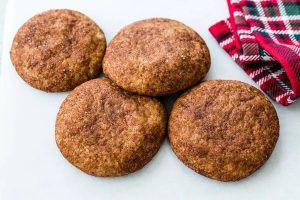
    Snickerdoodles

    Flavor Profile : Soft and chewy, with a buttery cinnamon-sugar coating.

    Why They’re Perfect for Christmas : Snickerdoodles bring warmth and comfort with their cinnamon flavor, making them a popular choice for holiday cookie plates. They have a simple, nostalgic charm that fits right in with the Christmas season.

    Ease of Making : Very easy. The dough is quick to prepare, and there’s no need to chill or roll out the dough. Simply shape, roll in cinnamon-sugar, and bake.

    Shortbread Cookies

    Flavor Profile : Buttery, crumbly, and lightly sweet.

    Why They’re Perfect for Christmas : Shortbread cookies are delicate, melt-in-your-mouth treats that are perfect for a more refined holiday dessert table. Their simplicity and richness make them an elegant addition to any cookie spread.

    Ease of Making : Easy. The dough only requires a few ingredients, and shaping the cookies can be done by hand or with cookie cutters. Their simple nature makes them an easy, go-to Christmas cookie.

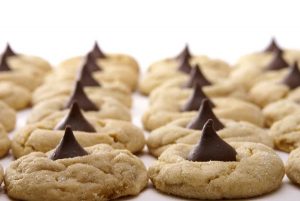
    Peanut Butter Blossoms

    Flavor Profile : Soft peanut butter cookies topped with a Hershey’s kiss.

    Why They’re Perfect for Christmas : These cookies combine the classic flavors of peanut butter and chocolate, making them a favorite at Christmas gatherings. The addition of the chocolate kiss on top gives them a festive look without any extra decorating effort.

    Ease of Making : Very easy. The dough is simple to make, and adding the chocolate kiss to each cookie while they’re warm is quick and easy.

    Linzer Cookies

    Flavor Profile : Buttery, nutty cookies filled with fruity jam, typically raspberry.

    Why They’re Perfect for Christmas : Linzer cookies are beautiful, delicate treats that are perfect for holiday gatherings. Their dusting of powdered sugar and jam-filled centers make them look as festive as they taste.

    Ease of Making : Moderately difficult. The dough requires some chilling and rolling out, and you’ll need to cut out two cookie shapes for each one (one solid and one with a cut-out). The result, however, is worth the effort.

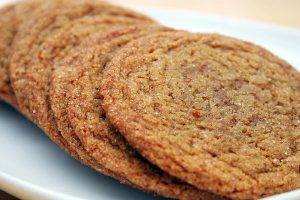
    Molasses Cookies

    Flavor Profile : Rich, spiced, and slightly chewy, with the deep flavor of molasses.

    Why They’re Perfect for Christmas : Molasses cookies are warm, comforting, and packed with holiday spices like ginger and cinnamon, making them ideal for a Christmas cookie platter. They bring a traditional, old-fashioned charm to any holiday dessert table.

    Ease of Making : Easy. The dough is simple to prepare, and there’s no need for intricate decorating—just a quick roll in sugar before baking.

    Spritz Cookies

    Flavor Profile : Buttery and lightly sweet, often with a hint of almond.

    Why They’re Perfect for Christmas : Spritz cookies are made with a cookie press to create intricate shapes like trees, wreaths, and stars, making them a perfect fit for Christmas celebrations. They’re small, crisp, and beautiful, often decorated with colored sugar or sprinkles.

    Ease of Making : Moderately easy. The dough itself is simple, but using a cookie press takes some practice. Once you’ve mastered it, they’re quick to make and bake.

    Thumbprint Cookies

    Flavor Profile : Buttery and sweet, filled with jam or chocolate.

    Why They’re Perfect for Christmas : Thumbprint cookies are a holiday favorite due to their simplicity and versatility. You can fill them with any flavor of jam, making them a colorful and tasty addition to any Christmas cookie spread.

    Ease of Making : Easy. The dough is simple, and shaping the cookies is just a matter of pressing your thumb into the center and adding your filling of choice.

    Cookies That Typically Don’t Make Great Christmas Cookies

    While many cookies are perfect for Christmas, there are a few that don’t quite fit the holiday spirit, either because of their flavors or textures. Here’s a short list of cookies that you might want to skip when planning your Christmas cookie lineup:

    Chocolate Crinkle Cookies

    –  Why Not? : While these cookies are rich and delicious, their messy powdered sugar coating tends to get everywhere, making them less ideal for cookie swaps or gifting. They can also lose their fresh texture quickly.

    Oatmeal Raisin Cookies

    –  Why Not? : Oatmeal raisin cookies are hearty and wholesome, but they don’t have the festive flair that most people associate with Christmas cookies. They’re better suited for casual, everyday baking.

    Macarons

    –  Why Not? : While macarons are beautiful and elegant, they’re notoriously difficult and time-consuming to make, which can be stressful during the busy holiday season. They also don’t have the cozy, nostalgic feel that people look for in Christmas cookies.

    Biscotti

    –  Why Not? : Biscotti are delicious, but they’re typically associated with coffee and tea rather than Christmas festivities. Their dry, crunchy texture doesn’t quite fit in with the soft, chewy cookies people often crave around the holidays.

    The Joy of Christmas Cookies

    Christmas cookies bring a sense of tradition and warmth to the holiday season. Whether you’re baking simple sugar cookies with the kids, swapping gingerbread men with friends, or serving elegant Linzer cookies at a holiday party, there’s a perfect Christmas cookie for every occasion.

    While some cookies are better left for other times of the year, the classic Christmas cookies listed above are sure to bring joy, festivity, and a little bit of sweetness to your holiday season. So, gather your ingredients, preheat your oven, and get ready to bake your way to a merry Christmas!


    Bill Rice is Founder and Co-Publisher of the Family Cookbook Project, a website that helps families and individuals collect, preserve and share food memories by creating their own printed personal cookbooks. He is the author of The Wellfleet Oyster Cookbook and the Cape Cod Cocktail Cookbook (Available on Amazon), both created using FamilyCookbookProject.com. He is also editor of the Donovan Family Cookbook, now it’s third printing and is an avid genealogist tracing his family back to the 1600’s.

    Follow Family Cookbook Project on Facebook, Instagram, Twitter TikTok, YouTube and Pinterest!

     

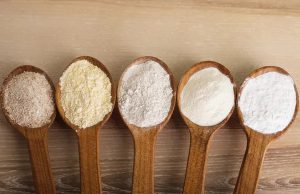
  • Gluten-Free Flour Guide: How Different Flours Impact Your Recipes

    Gluten-Free Flour Guide: How Different Flours Impact Your Recipes

    As more people adopt gluten-free diets due to celiac disease, gluten sensitivity, or personal preferences, gluten-free baking has become more popular and accessible. However, baking without gluten presents its own challenges. Gluten, found in wheat, barley, and rye, gives structure, elasticity, and chewiness to baked goods. Without it, bakers must rely on a variety of gluten-free flours, each with unique properties and different effects on the final product.

    In this article, we’ll explore the most common gluten-free flours, how they differ, and how they impact your recipes.

    Almond Flour

    What It Is : Made from finely ground almonds, almond flour is one of the most popular gluten-free flours. It has a mild, nutty flavor and provides a dense, moist texture to baked goods.

    How It Impacts Recipes : Almond flour is higher in fat than most other flours, which results in richer, moister baked goods. It also lacks the binding properties of gluten, so recipes often require additional eggs or binders like xanthan gum. Almond flour works well in cakes, muffins, and cookies but is not ideal for light, fluffy bread.

    Best Uses : Almond flour is great for making  cookies ,  pancakes , and  quick breads  like banana bread or zucchini bread.

    Pro Tip : Use almond flour in combination with other gluten-free flours to improve texture and structure in baked goods.

    Coconut Flour

    What It Is : Coconut flour is made from dried coconut meat and is extremely absorbent, with a light coconut flavor. It’s a low-carb option that’s also high in fiber.

    How It Impacts Recipes : Coconut flour absorbs a large amount of liquid, so recipes often need more eggs or other wet ingredients to prevent dryness. It tends to produce dense, crumbly baked goods if not used carefully. When using coconut flour, it’s important to follow a recipe specifically designed for it, as substituting it for wheat flour 1:1 won’t work.

    Best Uses : Coconut flour is perfect for making  paleo-friendly cakes ,  muffins , or  waffles  where extra moisture and eggs can balance out its absorbency.

    Pro Tip : When using coconut flour, use a lot less than you would other flours. Typically, 1/4 cup of coconut flour replaces 1 cup of regular flour.

    Rice Flour (White or Brown)

    What It Is : Rice flour is made from finely milled white or brown rice. It has a mild flavor and is commonly used in gluten-free baking and as a thickener in sauces.

    How It Impacts Recipes : Rice flour tends to produce a slightly gritty texture in baked goods, especially when used on its own. Brown rice flour has more fiber and nutrients but can have a stronger, nuttier flavor compared to white rice flour. Rice flour is often used in combination with other gluten-free flours to balance its gritty texture.

    Best Uses : Rice flour works well in  gluten-free bread ,  pancakes , and as a  thickening agent  for gravies and sauces.

    Pro Tip : Mix rice flour with starches like tapioca or potato starch to achieve a better texture in baked goods.

    Tapioca Flour (Tapioca Starch)

    What It Is : Tapioca flour is a starchy, slightly sweet flour made from the cassava root. It’s often used in combination with other flours to add elasticity and chewiness to baked goods.

    How It Impacts Recipes : Tapioca flour doesn’t provide much flavor on its own, but it adds a light, chewy texture when blended with other flours. It helps bind gluten-free doughs and thickens fillings and sauces.

    Best Uses : Tapioca flour is ideal for  gluten-free bread  (to provide elasticity),  thickening pie fillings , and adding chewiness to recipes like  flatbreads  or  dumplings .

    Pro Tip : Use tapioca flour in small quantities—too much can make baked goods overly gummy.

    Sorghum Flour

    What It Is : Sorghum flour is made from ground whole grain sorghum, an ancient cereal grain. It has a mild, slightly sweet flavor and is often used in combination with other gluten-free flours.

    How It Impacts Recipes : Sorghum flour has a similar texture to traditional wheat flour, making it a popular choice for gluten-free baking. However, it still lacks the binding properties of gluten, so you’ll need to combine it with starches like tapioca or potato starch. Sorghum flour also adds a soft, tender texture to baked goods.

    Best Uses : Sorghum flour is great in  muffins ,  quick breads , and  pancakes , or as part of a blend for making  gluten-free bread .

    Pro Tip : Substitute sorghum flour for up to 50% of the flour in gluten-free baking recipes for a milder taste and better texture.

    Oat Flour

    What It Is : Oat flour is made from ground oats. It has a mild, slightly sweet flavor and is naturally gluten-free (as long as the oats are labeled gluten-free to avoid cross-contamination).

    How It Impacts Recipes : Oat flour provides a soft, tender crumb in baked goods and adds a subtle sweetness. It can replace a portion of flour in many recipes, but it doesn’t provide much structure, so it’s often combined with other gluten-free flours. Oat flour is also high in fiber, making it a nutritious choice.

    Best Uses : Oat flour is perfect for  cookies ,  muffins ,  pancakes , and  granola bars .

    Pro Tip : You can easily make oat flour at home by blending gluten-free oats in a food processor until fine.

    Buckwheat Flour

    What It Is : Despite its name, buckwheat flour is gluten-free and comes from the seeds of the buckwheat plant. It has an earthy, slightly bitter flavor and is rich in fiber.

    How It Impacts Recipes : Buckwheat flour has a dense texture and strong flavor, so it’s best used in combination with lighter flours like rice or tapioca. It adds structure and richness to baked goods but can make them heavy if overused.

    Best Uses : Buckwheat flour is often used in  pancakes ,  waffles , and  crepes , as well as in  quick breads  and  cookies .

    Pro Tip : Blend buckwheat flour with other gluten-free flours to balance its strong flavor and prevent dense results.

    Chickpea Flour (Garbanzo Bean Flour)

    What It Is : Chickpea flour is made from ground chickpeas and has a slightly nutty, earthy flavor. It’s high in protein and fiber, making it a nutritious option for gluten-free baking.

    How It Impacts Recipes : Chickpea flour adds density and structure to baked goods, but it also has a distinct flavor that can be overpowering if used in large quantities. It works well in savory recipes or baked goods where a denser texture is desired.

    Best Uses : Chickpea flour is great for making  savory pancakes, flatbreads, and fritters, as well as for thickening sauces or making  batters for frying.

    Pro Tip : Use chickpea flour in small amounts in baking, as its strong flavor can overwhelm sweet recipes.

    Potato Flour

    What It Is : Potato flour is made from whole, dried potatoes and is different from potato starch. It has a strong potato flavor and is used to add moisture to baked goods.

    How It Impacts Recipes : Potato flour helps retain moisture in gluten-free baked goods and adds a dense, starchy texture. It is often used in combination with lighter flours to provide a soft crumb in bread and cakes.

    Best Uses : Potato flour works well in  gluten-free bread  recipes, pancakes, and muffins, where extra moisture is needed.

    Pro Tip : Use potato flour sparingly, as too much can result in a gummy texture.

    Choosing the Right Gluten-Free Flour for Your Recipe

    Gluten-free flours offer a wide variety of textures and flavors, allowing for creative and delicious baking. However, due to the lack of gluten, many recipes require a combination of flours to achieve the best texture and structure. Understanding the properties of each gluten-free flour will help you tailor your recipes and experiment with new combinations.

    Whether you’re making fluffy pancakes with oat flour, chewy flatbreads with chickpea flour, or a rich chocolate cake with almond flour, using the right gluten-free flour can make all the difference. And as you try new recipes, consider using  FamilyCookbookProject.com  to collect and organize your gluten-free creations into a personal cookbook. This way, you’ll always have your favorite recipes in one place, ready to share with friends and family.

    Bill Rice is Founder and Co-Publisher of the Great Family Cookbook Project, a website that helps families and individuals collect, preserve and share food memories by creating their own printed personal cookbooks. He is the author of The Wellfleet Oyster Cookbook and the Cape Cod Cocktail Cookbook (Available on Amazon), both created using FamilyCookbookProject.com. He is also editor of the Donovan Family Cookbook, now it’s third printing and is an avid genealogist tracing his family back to the 1600’s.

    Follow Family Cookbook Project on Facebook, Instagram, Twitter TikTok, YouTube and Pinterest!

  • Cooking with Alcohol Made Easy: A Guide to Using Wine, Beer, and Spirits in Your Recipes

    Cooking with Alcohol Made Easy: A Guide to Using Wine, Beer, and Spirits in Your Recipes

    Cooking with alcohol has been a staple in kitchens around the world for centuries. Whether you’re deglazing a pan with white wine, simmering a sauce with brandy, or making a rich beer-braised stew, alcohol can elevate your dishes by adding complexity, depth, and flavor. However, understanding how to use alcohol in cooking is key to achieving the desired results, as each type of alcohol has its own distinct flavor profile and cooking characteristics.

    In this article, we’ll explore the most common types of alcohol used in cooking, what they bring to your dishes, and how to use them for maximum impact.

    How Alcohol Enhances Food

    Alcohol enhances food in several ways. When added to a recipe, it can:

    1. Enhance Flavor : Alcohol helps release flavor molecules in certain ingredients, particularly fat and aromatic compounds, which may not dissolve in water or oil alone. It intensifies the flavors of herbs, spices, and other seasonings.
    2. Add Depth : Alcohol adds complexity to both savory and sweet dishes. It can provide richness to sauces, stews, and soups, and balance out sweetness in desserts.
    3. Act as a Tenderizer : In marinades, alcohol can help break down proteins in meats, making them more tender and flavorful.
    4. Create Caramelization : Alcohol sugars, like those in wine or liqueurs, can aid in the browning and caramelization process, enhancing the color and flavor of your dishes.

    Contrary to popular belief, alcohol doesn’t always fully evaporate during cooking. Some alcohol remains, depending on the cooking time and method, so if you’re cooking for someone avoiding alcohol, it’s important to keep this in mind.

    Common Alcohols Used in Cooking and How to Use Them

    Here’s a look at the most common types of alcohol used in cooking, what they bring to a dish, and how to use them effectively.

    Wine (Red and White)

    What It Provides : Wine is one of the most versatile and popular alcohols used in cooking. Both red and white wines add acidity, depth, and complexity to dishes, while also enhancing flavors. The sugars in wine can also help with caramelization.

    Best Uses :

    –  Red Wine : Works best in heartier dishes like braises, stews, and sauces for red meat, lamb, and game. It’s often used in dishes like  beef bourguignon  or  coq au vin .

    –  White Wine : Ideal for lighter dishes like chicken, seafood, and creamy sauces. It’s frequently used in  white wine sauces ,  risotto , or for deglazing a pan after cooking fish or chicken.

    How to Use : Use dry wines (not sweet) for most savory dishes. Add wine early in the cooking process to give it time to reduce and allow the alcohol to cook off while leaving behind concentrated flavor.

    Beer

    What It Provides : Beer brings malty, hoppy flavors to dishes, adding richness and depth. Depending on the type of beer, it can add bitterness (from hops), sweetness (from malt), or even roasted flavors (from darker beers like stouts).

    Best Uses : Beer is often used in  stews ,  braises , and  batter  for fried foods. It’s a key ingredient in  beer-braised meats  like pork or beef, adding complexity to the dish. Light beers can be used in batters for fried fish or vegetables to create a light, crisp texture.

    How to Use : Use lighter beers like lagers for dishes that need a more subtle flavor, and darker beers like stouts or porters for rich, hearty meals like  chili  or  beef stews . Always add beer earlier in the cooking process to allow time for the alcohol to evaporate and for the flavors to meld.

    Brandy and Cognac

    What It Provides : Brandy and cognac are distilled spirits made from fermented fruit, typically grapes. They provide a rich, fruity sweetness and are often used in sauces and desserts.

    Best Uses : Brandy is commonly used in  flambéing  dishes like  crêpes Suzette  or  steak Diane , where it is briefly ignited to burn off the alcohol. It’s also used in sweet sauces for desserts,  fruit compotes , and  pâtés , and can add depth to stews or braises.

    How to Use : Brandy and cognac are best added towards the end of cooking to retain their rich, warming flavors. In flambéing, use caution when igniting the alcohol, and make sure the pan is off the heat source.

    Bourbon and Whiskey

    What It Provides : Bourbon and whiskey add a warm, smoky, and slightly sweet flavor to both savory and sweet dishes. The high alcohol content means they provide intense flavor, but they can also help balance the richness of ingredients like butter and cream.

    Best Uses : Bourbon is frequently used in  barbecue sauces ,  glazes  for meats like pork or chicken, and in  baked goods  like pies or bread pudding. Whiskey can be used in  soups ,  gravy , and as a marinade base for steaks. Both are often used in  caramel sauces  or  butter sauces  for desserts.

    How to Use : Add bourbon or whiskey to sauces early in the process to reduce the alcohol content, or use them in desserts where they won’t be fully cooked off for a bolder flavor.

    Rum

    What It Provides : Rum is sweet and can be spiced, dark, or light, bringing different flavor profiles to your dishes. It adds warmth and depth to both savory dishes and desserts.

    Best Uses : Rum is often used in  desserts  like  rum cake ,  banana foster , and  tiramisu , adding a rich, sweet flavor. In savory cooking, rum works well in  Caribbean dishes  like jerk chicken or stews, where its sweetness complements the spiciness.

    How to Use : Use dark rum for desserts and rich sauces, while lighter rum is best in marinades for chicken, pork, or shrimp. Like brandy, rum is also used in flambéing for dramatic presentation.

    Sherry and Marsala

    What It Provides : Sherry and Marsala are fortified wines that are slightly sweeter than regular wine and have a deep, nutty flavor. They add complexity and a touch of sweetness to both savory and sweet dishes.

    Best Uses : Sherry is often used in  cream sauces ,  soups , and  marinades , while Marsala is famous for its use in  chicken marsala , a dish that combines the wine with mushrooms and a savory sauce. Both wines can be used to deglaze pans and make rich, flavorful sauces for meat or fish.

    How to Use : Add fortified wines like sherry or Marsala towards the end of cooking, so their rich flavors shine without becoming too concentrated or overpowering.

    Vermouth

    What It Provides : Vermouth is a fortified wine flavored with botanicals and herbs. It has a distinct, aromatic flavor that can add a touch of sophistication to sauces, marinades, and stews.

    Best Uses : Vermouth is commonly used in  French and Italian cooking , where it’s added to sauces for seafood, chicken, or vegetables. It also works well in  vinaigrettes  or for deglazing pans to make a quick, flavorful sauce.

    How to Use : Use dry vermouth in savory dishes and sweet vermouth in sauces for desserts. Add it to sauces and marinades towards the end of cooking to preserve its herbal notes.

    Tips for Cooking with Alcohol

    –  Don’t Overdo It : A little alcohol goes a long way. Too much can overpower the dish or leave an unpleasant aftertaste. Start with a small amount and adjust as needed.

    –  Cook Off the Alcohol : To avoid a raw alcohol taste, be sure to simmer or cook the alcohol long enough for most of the alcohol to evaporate, leaving behind only the flavor.

    –  Pairing Matters : Match the alcohol to the dish. For example, use red wine for beef dishes and white wine for fish or chicken. Dark rum or bourbon works well in desserts, while lighter spirits complement savory dishes.

    –  Use What You Enjoy : The flavor of the alcohol will come through in the dish, so use wines, beers, or spirits that you would enjoy drinking on their own.

    Collect and Share Your Alcohol-Infused Recipes

    If you’ve perfected your alcohol-infused dishes or are experimenting with new flavors, consider using  FamilyCookbookProject.com  to store and share your recipes. You can create a personal cookbook that showcases your favorite dishes with wine, beer, or spirits, making it easy to revisit and share your culinary creations with family and friends.

    Elevating Your Cooking with Alcohol

    Cooking with alcohol is a great way to add depth, flavor, and richness to your dishes. Whether you’re enhancing a sauce with wine, braising meat in beer, or adding a touch of bourbon to a dessert, alcohol can bring out the best in your ingredients. By understanding how different types of alcohol impact your recipes and knowing when and how to use them, you can elevate your home cooking and create meals that are flavorful and memorable.


    Bill Rice is Founder and Co-Publisher of the Great Family Cookbook Project, a website that helps families and individuals collect, preserve and share food memories by creating their own printed personal cookbooks. He is the author of The Wellfleet Oyster Cookbook and the Cape Cod Cocktail Cookbook (Available on Amazon), both created using FamilyCookbookProject.com. He is also editor of the Donovan Family Cookbook, now it’s third printing and is an avid genealogist tracing his family back to the 1600’s.

    Follow Family Cookbook Project on Facebook, Instagram, Twitter TikTok, YouTube and Pinterest!

  • A Guide to Onions: Discover the Best Type of Onion for Every Recipe

    A Guide to Onions: Discover the Best Type of Onion for Every Recipe

    Onions are a foundational ingredient in cuisines around the world. Their versatility and flavor-enhancing properties make them essential in a wide variety of dishes, from soups and stews to salads and sauces. However, not all onions are created equal—different varieties offer unique flavors, textures, and best uses in cooking.

    In this article, we’ll explore the most common types of onions, their differences, and how to best use each one in your cooking.

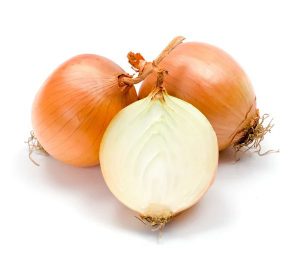
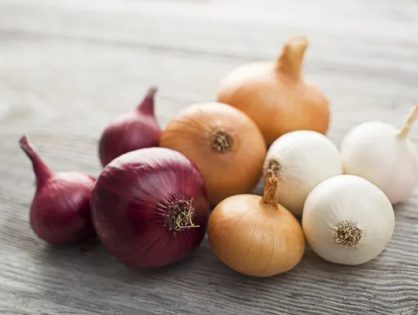
    Yellow Onions

    Flavor : Yellow onions are the most common type of onion and are known for their sharp, pungent flavor when raw, which mellows into a sweet, caramelized taste when cooked.
    Best Uses : Yellow onions are the go-to for cooking. They’re incredibly versatile and can be used in almost any savory dish. Whether you’re making soups, stews, sauces, or stir-fries, yellow onions add depth and sweetness. They’re also perfect for  caramelizing  due to their higher sugar content.

    Cooking Tip : If a recipe calls for “onion” without specifying a type, yellow onions are usually the best choice.

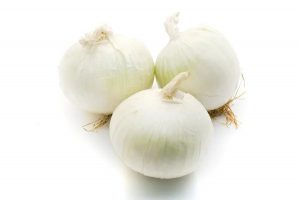
    White Onions

    Flavor : White onions have a slightly sharper, more intense flavor compared to yellow onions. They are a bit less sweet and have a crisper texture when raw.
    Best Uses : White onions are commonly used in  Mexican cuisine , where their sharpness balances well with spicy dishes like  salsas ,  guacamole , and  tacos . They’re also great in  pico de gallo  and can be used in stir-fries and soups. They tend to have a milder aftertaste than yellow onions.

    Cooking Tip : Use white onions when you want a stronger onion flavor that won’t be too overpowering when raw, especially in fresh dishes.

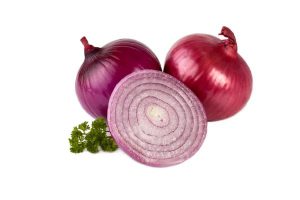
    Red Onions

    Flavor : Red onions have a mild, slightly sweet flavor with a crisp texture. When raw, they are less pungent than yellow or white onions, and their flavor becomes more subtle when cooked.
    Best Uses : Red onions are most often used raw due to their vibrant color and milder taste. They’re perfect for  salads ,  sandwiches ,  burgers , and as a topping for dishes like  bruschetta . When grilled or roasted, their sweetness intensifies, making them a delicious addition to BBQ dishes, kabobs, or roasted vegetable medleys.

    Cooking Tip : Soak sliced red onions in cold water for about 10 minutes to reduce their sharpness when using them raw in salads.

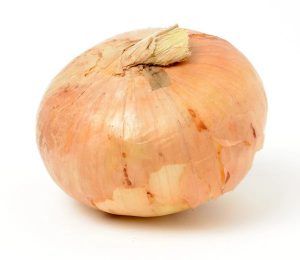
    Sweet Onions (Vidalia, Walla Walla, Maui)

    Flavor : Sweet onions, as their name suggests, have a much milder, sweeter flavor compared to other onions. They have a higher sugar content, which makes them ideal for caramelizing.
    Best Uses : Sweet onions are ideal for  onion rings ,  caramelizing , and  grilling . Their sweetness makes them great for dishes where you want a less pungent onion taste, like  salads ,  salsas , and  sandwiches . Vidalia onions, in particular, are known for their use in  Southern cuisine , such as in  onion relishes  or  coleslaws .

    Cooking Tip : Due to their higher water content, sweet onions don’t store as long as other varieties. Store them in a cool, dry place and use them within a few weeks of purchase.

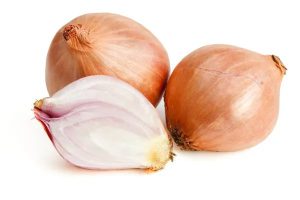
    Shallots

    Flavor : Shallots have a delicate, sweet flavor that is a cross between garlic and onions. They are more subtle than most onions and offer a touch of sweetness with a hint of sharpness.
    Best Uses : Shallots are perfect for  vinaigrettes ,  salad dressings , and  sauces , where a mild onion flavor is desired without overpowering other ingredients. They’re also great for  roasting  or  braising , and are frequently used in  French cooking  to add depth to sauces like  béarnaise  or  vinaigrette .

    Cooking Tip : Due to their mild flavor, shallots are best when used in dishes where the onions won’t be cooked for long periods, allowing their nuanced flavor to shine through.

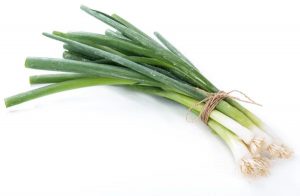
    Green Onions (Scallions)

    Flavor : Green onions, also known as scallions, have a mild, fresh onion flavor. The white part of the scallion is more pungent, while the green tops are milder and more herb-like.
    Best Uses : Green onions are commonly used as a garnish in  soups ,  stir-fries ,  salads , and  Asian dishes  like  ramen  and  dumplings . They can be eaten raw or lightly cooked and add a fresh, crisp bite to dishes.

    Cooking Tip : Use both the white and green parts for different purposes—white for cooking in dishes like stir-fries and soups, and the green tops for garnish or raw applications like salads.

    Leeks

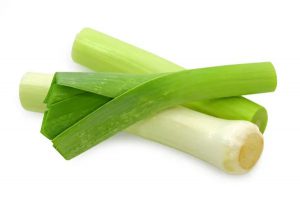
    Flavor : Leeks have a mild, onion-like flavor but with a hint of sweetness. They’re more delicate than yellow onions and can add a subtle depth to dishes without being overpowering.
    Best Uses : Leeks are commonly used in  soups  (like the classic  potato leek soup ),  stews , and  braises . They’re also great for  sautéing  and make a wonderful addition to  egg dishes ,  quiches , and  frittatas .

    Cooking Tip : Leeks tend to have dirt trapped between their layers, so it’s important to clean them thoroughly. Slice the leeks, then soak them in water to remove any grit.

    Pearl Onions

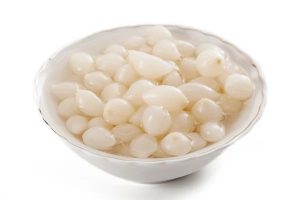
    Flavor : Pearl onions are small and sweet with a mild flavor. They are available in white, red, and yellow varieties.

    Best Uses : Pearl onions are often used whole in  stews ,  braises , and  roasts . They are perfect for  pickling  or serving in cocktails like martinis. Pearl onions are also delicious when  glazed  or roasted alongside meats or vegetables.

    Cooking Tip : To easily peel pearl onions, blanch them in boiling water for a few seconds, then transfer them to ice water. The skins will slip off easily.

    Choosing the Right Onion for Your Dish

    Each type of onion brings its own unique flavor and texture to a dish. Here’s a quick guide to help you choose the right onion for your recipe:

    –  For Raw Dishes : Red onions, sweet onions, and green onions are best for raw applications like salads, sandwiches, and garnishes.

    –  For Cooking : Yellow onions are the most versatile for cooked dishes, while white onions work well in spicier cuisines like Mexican food. Shallots and leeks are perfect for delicate sauces and soups.

    –  For Caramelizing or Grilling : Sweet onions (like Vidalia) and yellow onions are ideal due to their high sugar content.

    Mastering Onion Variety in Your Cooking

    Onions are one of the most important ingredients in the kitchen, providing a foundation of flavor in so many dishes. By understanding the differences between the various types of onions and how they impact flavor and texture, you can elevate your cooking and ensure each dish shines. Whether you’re caramelizing yellow onions for a savory soup, adding raw red onions to a salad, or grilling sweet onions for burgers, knowing which onion to use will help you achieve the best results.

    And don’t forget—if you’ve found a family recipe that uses onions to perfection, you can store and share it with  FamilyCookbookProject.com . Keep your favorite recipes organized and ready for any occasion!


    Bill Rice is Founder and Co-Publisher of the Great Family Cookbook Project, a website that helps families and individuals collect, preserve and share food memories by creating their own printed personal cookbooks. He is the author of The Wellfleet Oyster Cookbook and the Cape Cod Cocktail Cookbook (Available on Amazon), both created using FamilyCookbookProject.com. He is also editor of the Donovan Family Cookbook, now it’s third printing and is an avid genealogist tracing his family back to the 1600’s.

    Follow Family Cookbook Project on Facebook, Instagram, Twitter TikTok, YouTube and Pinterest!


  • The Easy Guide to Transforming Family Recipes into Gluten-Free Favorites

    The Easy Guide to Transforming Family Recipes into Gluten-Free Favorites

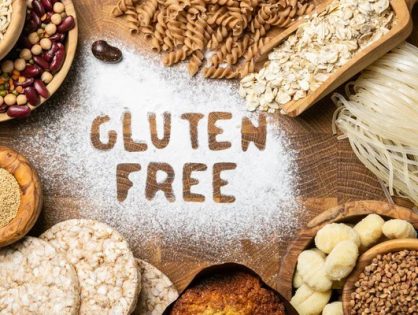
    As awareness about gluten sensitivity and celiac disease grows, more and more families are looking for ways to enjoy traditional recipes while making them safe for those who need to avoid gluten. If you have family members with gluten sensitivity or celiac disease, you don’t have to say goodbye to your beloved family recipes. With some simple ingredient swaps and a little knowledge, you can transform your favorite dishes into delicious gluten-free versions that everyone can enjoy.

    In this article, we’ll explore what to look for in recipes, provide gluten-free substitutions, and highlight ingredients that may contain hidden gluten.

    Understanding Gluten and Its Role in Recipes

    Gluten is a protein found in wheat, barley, rye, and related grains. It gives dough its elasticity, helps it rise, and provides structure in baked goods. However, for those with gluten sensitivities or celiac disease, gluten can cause serious health issues, which means removing it from their diet is essential.

    The key to converting family recipes into gluten-free versions is knowing which ingredients contain gluten and how to substitute them without sacrificing flavor or texture.

    What to Look for in a Recipe

    When reviewing a family recipe to convert it into a gluten-free version, there are a few key ingredients to examine closely:

    1. Flour : Traditional recipes that call for all-purpose wheat flour or self-rising flour will need to be substituted with gluten-free alternatives.
    2. Baking Mixes : Pancake mixes, baking mixes, and pre-made doughs often contain wheat flour as the base.
    3. Thickening Agents : Wheat flour is often used as a thickener in sauces, gravies, and soups.
    4. Breading or Batter : Recipes that involve breading or batter (e.g., fried chicken or fish) often use wheat flour or breadcrumbs.

    Once you’ve identified the gluten-containing ingredients, it’s time to find suitable substitutes.

    Gluten-Free Substitutions for Common Ingredients

    Here are some common substitutions to make your family recipes gluten-free:

    Gluten-Free Flour

    Replacing wheat flour is often the biggest hurdle. Fortunately, there are many gluten-free flour blends available that can be used in a 1:1 ratio in most recipes. Popular options include:

    –  Gluten-Free All-Purpose Flour Blends : These are designed to mimic the properties of wheat flour and often contain a blend of rice flour, sorghum flour, tapioca starch, and potato starch. They usually include xanthan gum or guar gum for added elasticity and structure.

    –  Almond Flour : Works well in baked goods like cakes, cookies, and muffins. It adds moisture and a slightly nutty flavor.

    –  Coconut Flour : Very absorbent and needs more liquid or eggs in a recipe, but it’s great for pancakes and muffins.

    –  Oat Flour : Adds a tender crumb to baked goods and is a great choice for cookies and quick breads (make sure to use certified gluten-free oats).

    Breadcrumbs

    Many family recipes rely on breadcrumbs for breading or adding texture to dishes like meatloaf. Try these gluten-free alternatives:

    –  Gluten-Free Breadcrumbs : Available in stores and made from gluten-free bread, they can be used just like regular breadcrumbs.

    –  Crushed Rice Cereal or Cornflakes : Light and crispy, these cereals are perfect for breading meats and adding crunch to dishes.

    –  Ground Almonds : Also known as almond meal, this adds a rich, nutty flavor and works well for coating fish or chicken.

    Thickeners

    If your recipe uses wheat flour to thicken soups, sauces, or gravies, try these substitutes:

    –  Cornstarch : A great gluten-free thickener that works well in gravies, sauces, and soups.

    –  Arrowroot Powder : Another gluten-free thickener that works similarly to cornstarch, but with a more neutral flavor.

    –  Tapioca Starch : Adds thickness to sauces and gives baked goods a chewy texture.

    Pasta

    For recipes that use pasta, there are plenty of gluten-free alternatives that mimic the texture and flavor of traditional wheat pasta:

    –  Rice Pasta : Light and mild, this pasta holds up well in most dishes.

    –  Corn or Quinoa Pasta : These gluten-free options are sturdy and work great in casseroles or hearty sauces.

    –  Zucchini Noodles or Spaghetti Squash : A vegetable-based alternative that’s perfect for those looking to reduce carbs as well as gluten.

    Hidden Sources of Gluten

    When converting family recipes, it’s important to be aware of ingredients that may seem gluten-free but can actually contain hidden gluten. Here are some ingredients to watch out for:

    1. Soy Sauce : Traditional soy sauce contains wheat, making it a common source of hidden gluten. Substitute with tamari , a gluten-free soy sauce alternative.
    2. Bouillon Cubes and Broths : Many store-bought broths and bouillon cubes contain wheat as a thickener or flavor enhancer. Look for gluten-free-labeled broth or make your own.
    3. Canned Soups : Many canned soups use wheat flour as a thickener. Always check the label or opt for gluten-free brands.
    4. Spice Mixes : Pre-made seasoning blends, including taco seasoning or gravy packets, can contain gluten as a filler or anti-caking agent. Make your own spice blends using individual herbs and spices to ensure they’re gluten-free.
    5. Processed Meats : Certain deli meats, sausages, and hot dogs may contain gluten due to additives. Check for gluten-free labeling or opt for fresh, unprocessed meats.
    6. Salad Dressings and Condiments : Some salad dressings, barbecue sauces, and marinades contain gluten. Always read the labels and look for gluten-free options.
    7. Malt Vinegar : Malt is derived from barley, so avoid using malt vinegar in recipes. Substitute with apple cider vinegar or white vinegar instead.

    Adapting Recipes for Gluten-Free Success

    When turning your family recipes into gluten-free versions, you may need to experiment to find the right balance of ingredients and textures. Here are a few tips to keep in mind:

    1. Adjust Liquids : Gluten-free flours absorb more liquid than wheat flour, so you may need to add more water, milk, or eggs to achieve the desired consistency.
    2. Use Xanthan Gum or Guar Gum : These ingredients help mimic the elasticity and binding properties of gluten. Add 1/2 to 1 teaspoon per cup of gluten-free flour in recipes for bread, pizza dough, or cakes.
    3. Don’t Overmix : Overmixing can cause gluten-free doughs and batters to become tough. Mix just until combined for the best results.
    4. Let Batters Rest : Allowing gluten-free batters to rest for 15-30 minutes before baking helps hydrate the flours and can improve texture.

    Collect and Organize Your Gluten-Free Recipes

    As you experiment with turning your family recipes into gluten-free versions, it’s a good idea to keep track of what works and what doesn’t.  FamilyCookbookProject.com  is an excellent resource for organizing your new gluten-free recipes. You can collect and store all your converted family recipes in one place, add notes on substitutions, and share your creations with family and friends. This way, you can continue enjoying your family’s favorite dishes, reimagined to meet modern dietary needs.

    Enjoy Your Favorite Recipes Gluten-Free

    Turning family recipes into gluten-free versions doesn’t mean sacrificing flavor or tradition. By understanding which ingredients contain gluten and learning how to make the right substitutions, you can enjoy all your favorite dishes without compromising on taste. With a little creativity and some gluten-free know-how, you can ensure that your family recipes continue to be a part of your meals, no matter who’s coming to dinner.

    So go ahead—dust off those old recipe cards, gather your ingredients, and start creating gluten-free versions of your cherished family favorites. And don’t forget to use FamilyCookbookProject.com to save and organize your gluten-free recipe collection!


    Bill Rice is Founder and Co-Publisher of the Great Family Cookbook Project, a website that helps families and individuals collect, preserve and share food memories by creating their own printed personal cookbooks. He is the author of The Wellfleet Oyster Cookbook and the Cape Cod Cocktail Cookbook (Available on Amazon), both created using FamilyCookbookProject.com. He is also editor of the Donovan Family Cookbook, now it’s third printing and is an avid genealogist tracing his family back to the 1600’s.

    Follow Family Cookbook Project on Facebook, Instagram, Twitter TikTok, YouTube and Pinterest!


  • Bake Like a Pro: How to Create Your Own Custom Cookie Recipe

    Bake Like a Pro: How to Create Your Own Custom Cookie Recipe

    Creating your own cookie recipe can be a fun and rewarding experience. Whether you’re inspired by a classic chocolate chip cookie or want to craft something entirely new, understanding the essential components of a cookie dough and how to balance them is the first step to creating a delicious, one-of-a-kind treat.

    In this article, we’ll break down the key ingredients required in every cookie, how they interact in the dough, and how to experiment with add-ins to create new flavor profiles. Plus, we’ll discuss how to learn from your mistakes and fine-tune your recipe for perfect results every time.

    The Essential Ingredients in Every Cookie

    Every cookie recipe relies on a few essential ingredients that serve as the foundation of the dough. While you can customize your flavors and add-ins, understanding the role of these core ingredients will help you create a balanced and successful cookie.

    Flour

    –  Proportion : Typically 1 ¾ to 2 ¼ cups per batch (about 24 cookies).

    –  What It Does : Flour is the structure of the cookie. It provides the protein (gluten) that gives cookies their shape and texture. Too much flour results in a dry, crumbly cookie, while too little leads to a flat, greasy one.

    –  Types of Flour : Most cookie recipes use all-purpose flour, but experimenting with whole wheat, almond, or oat flour can add different textures and flavors.

    Fat (Butter or Shortening)

    –  Proportion : Usually ½ to 1 cup.

    –  What It Does : Fat is responsible for the cookie’s tenderness and richness. Butter gives cookies a deep, rich flavor and can also contribute to a crispier texture, while shortening creates softer, puffier cookies. Margarine or coconut oil can also be used as substitutes, but each fat will affect the flavor and texture differently.

    –  Tips : Using melted butter tends to make cookies chewier, while creaming softened butter with sugar gives a lighter, more tender cookie.

    Sugar

    –  Proportion : Typically ½ to 1 cup white sugar and ½ to 1 cup brown sugar.

    –  What It Does : Sugar adds sweetness, but it also plays a role in the cookie’s texture. White sugar gives cookies a crispier texture, while brown sugar, which contains molasses, adds moisture and chewiness.

    –  Adjusting Sugar : Using more brown sugar will make your cookies soft and chewy, while more white sugar will give you a crispier result.

    Eggs

    –  Proportion : Usually 1 to 2 eggs per batch.

    –  What They Do : Eggs provide moisture, richness, and help bind the ingredients together. The egg yolks add fat, which contributes to the cookie’s texture, while the whites help provide structure. Too many eggs can make the dough too moist and cake-like, while too few can make the cookies dry and crumbly.

    –  Substitutes : For egg-free cookies, you can use alternatives like flax eggs, applesauce, or yogurt, though this will affect the texture.

    Leavening (Baking Soda or Baking Powder)

    –  Proportion : Typically 1 teaspoon.

    –  What It Does : Leavening agents cause the cookies to rise and spread. Baking soda produces a denser, chewier texture, while baking powder gives cookies more of a cake-like texture. Most recipes use baking soda, but a combination of both can be used for a balanced rise and texture.

    –  Tips : Too much leavening can cause cookies to spread too much and become flat, while too little may result in dense cookies.

    Salt

    –  Proportion : About ½ teaspoon.

    –  What It Does : Salt enhances the flavor of all the other ingredients and balances sweetness. It’s an essential ingredient, even in sweet recipes, to prevent the cookies from tasting overly sugary.

    Vanilla Extract

    –  Proportion : Usually 1 to 2 teaspoons.

    –  What It Does : Vanilla adds a subtle sweetness and depth of flavor to cookies. It’s a versatile flavor enhancer that complements almost any add-in.

    Add-Ins: Taking Your Cookies to the Next Level

    Once you’ve mastered the basic dough, it’s time to experiment with add-ins that will bring new flavor profiles and textures to your cookies. Here are some creative ideas for taking your cookies beyond the standard chocolate chips:

    Nuts

    –  Flavor Profile : Crunchy, slightly sweet or salty.

    –  Ideas : Add chopped pecans, walnuts, almonds, or macadamia nuts for a satisfying crunch and nutty flavor. Toasting the nuts before adding them will enhance their flavor even more.

    Dried Fruit

    –  Flavor Profile : Sweet and chewy with a hint of tartness.

    –  Ideas : Dried cranberries, cherries, apricots, or raisins add both texture and a sweet-tart flavor. Pair them with nuts or white chocolate for extra dimension.

    Spices

    –  Flavor Profile : Warm, aromatic, and sometimes spicy.

    –  Ideas : Cinnamon, nutmeg, ginger, cardamom, or cloves can transform a basic cookie dough into something warm and spicy. These are perfect for holiday cookies or when paired with chocolate.

    Coconut Flakes

    –  Flavor Profile : Sweet, tropical, and chewy.

    –  Ideas : Unsweetened or sweetened coconut flakes can give your cookies a tropical twist. Toasted coconut adds an extra layer of flavor and texture.

    Candy Pieces

    –  Flavor Profile : Sweet, colorful, and fun.

    –  Ideas : M&Ms, crushed candy bars, or caramel bits bring a playful sweetness to cookies and can add fun colors and textures. Try experimenting with different types of candy to find your favorite combination.

    Zest and Citrus

    –  Flavor Profile : Bright, tangy, and refreshing.

    –  Ideas : Lemon, lime, or orange zest can add a burst of brightness to your cookies. Pair citrus flavors with white chocolate or nuts for a refreshing twist.

    Savory Add-Ins

    –  Flavor Profile : Salty and umami-rich.

    –  Ideas : For a surprising twist, try adding savory ingredients like chopped bacon, pretzels, or a sprinkle of sea salt on top of your cookies. These elements bring a salty contrast to the sweetness and can create a more sophisticated flavor profile.

    Learning from Your Mistakes: Troubleshooting Common Cookie Issues

    Creating your own cookie recipe is a process of trial and error, and even experienced bakers run into challenges. Here are some common issues and how to fix them:

    –  Cookies Spread Too Much : This can happen if there’s too much butter or sugar, or if the dough is too warm when it goes into the oven. To fix this, chill the dough before baking, or add a little more flour to help the cookies hold their shape.

    –  Cookies Are Too Dry : If your cookies come out dry or crumbly, it could be due to over-baking or too much flour. Try reducing the baking time or adding more moisture with an extra egg yolk or a tablespoon of milk.

    –  Cookies Are Too Flat : Flat cookies can be caused by too little leavening or an excess of liquid ingredients. Add a bit more baking soda or powder and ensure your butter isn’t too melted when you mix the dough.

    –  Cookies Are Too Thick : If your cookies don’t spread enough, it may be because there’s too much flour or not enough sugar or butter. Make sure you’re measuring your flour correctly (spoon and level) and consider reducing the flour slightly.

    What to Look for in a Good Cookie Recipe

    When crafting your own cookie recipe or following someone else’s, here are some key qualities to look for:

    1. Balance of Ingredients : The proportions of fat, sugar, and flour should be balanced to achieve the right texture—whether you’re aiming for soft and chewy or crisp and crunchy.
    2. Clear Instructions : Good recipes provide clear, detailed instructions, including steps for mixing, baking, and cooling.
    3. Flexibility for Add-Ins : A great cookie recipe will allow room for customization. Whether you want to add nuts, candy, or dried fruit, the recipe should accommodate these variations without compromising the cookie’s texture.
    4. Flavor Profiles : A good cookie recipe has a well-developed flavor profile. Whether it’s the buttery richness of classic chocolate chip cookies or the warmth of spiced cookies, each ingredient should contribute to the overall taste.

    Final Thoughts: Get Creative and Have Fun!

    The beauty of baking cookies is the endless room for creativity. Whether you’re experimenting with new flavors, adjusting proportions, or adding fun mix-ins, creating your own cookie recipe is all about finding the right balance of ingredients that suit your taste. Don’t be afraid to make mistakes along the way—each batch gets you one step closer to the perfect cookie.

    So, grab your mixing bowl and start experimenting! Who knows? You might just invent the next great cookie recipe.


    Bill Rice is Founder and Co-Publisher of the Great Family Cookbook Project, a website that helps families and individuals collect, preserve and share food memories by creating their own printed personal cookbooks. He is the author of The Wellfleet Oyster Cookbook and the Cape Cod Cocktail Cookbook (Available on Amazon), both created using FamilyCookbookProject.com. He is also editor of the Donovan Family Cookbook, now it’s third printing and is an avid genealogist tracing his family back to the 1600’s.

  • 50 Essential Cooking Tips Every Home Chef Should Know

    50 Essential Cooking Tips Every Home Chef Should Know

    Cooking is an art, and like any skill, mastering it takes time, practice, and the right techniques. Whether you’re a beginner or a seasoned home cook, these essential kitchen tips will help you save time, enhance flavors, and make cooking more enjoyable.

    Setting Up for Success

    1. Organize Your Workspace – Gather all necessary tools, bowls, and utensils before you start. Keep a trash bin nearby for easy cleanup.
    2. Master the Egg Wash – Whisk one egg with a tablespoon of water for a smooth egg wash, perfect for sealing pastries and adding shine.
    3. Peeling Tomatoes Made Easy – Score an “X” on the top, blanch in hot water for 15-30 seconds, cool, and the skin will peel right off.
    4. Dress Comfortably – Wear an apron and comfortable clothes to stay clean and move freely while cooking.
    5. Invest in a Kitchen Scale – For precise measurements and effortless ingredient portioning.
    6. Read Recipes Twice – Avoid mistakes by reading through the instructions before starting.
    7. Clean As You Cook – Keeping a tidy workspace prevents stress and mess.

    Essential Kitchen Techniques

    1. Use Two Skewers When Grilling – This prevents food from spinning when you flip it.
    2. Prevent Butter from Browning – Add a little lemon juice to the pan.
    3. Enhance Flavors with Salt – Use kosher salt for cooking and sea salt for finishing dishes.
    4. Substituting Shallots – A mix of onions and garlic works well.
    5. Remove Garlic Odor – Rub your hands on stainless steel (like your sink).
    6. Check Your Oven’s Temperature – Use an extra thermometer for accuracy.
    7. Trust Your Senses Over Cooking Times – Smell, taste, and touch your food to determine doneness.

    Eggs 101

    1. Poaching Perfection – Add a teaspoon of vinegar to the simmering water to keep the yolk intact.
    2. The Perfect Hard-Boiled Egg – Bring water to a boil, turn off the heat, let eggs sit for 12 minutes, then transfer to cold water.
    3. Crack Eggs on a Paper Towel – This prevents shell mess.
    4. Easy Sunny-Side-Up Eggs – Cover the pan with a lid to let steam cook the egg, no flipping needed.

    Knife Skills & Safety

    1. Anchor Your Cutting Board – Place a damp paper towel underneath to prevent slipping.
    2. Hold Your Knife Correctly – Pinch the blade instead of gripping the handle.
    3. Keep Knives Sharp – Use a sharpening tool regularly for precision and safety.
    4. Chop Odd-Shaped Veggies with Stability – Trim both ends to create a flat surface.

    Cooking & Seasoning Hacks

    1. Always Taste Before Seasoning – Adjust flavors as needed.
    2. Skip Rinsing Pasta – This helps retain starch for better sauce adhesion.
    3. Make a Buttermilk Substitute – Mix regular milk with lemon juice.
    4. Store Spices Correctly – Keep them away from heat and humidity.

    Food Storage & Prep Tips

    1. Store Fresh Herbs in Water – Keep them in a glass of water in the fridge.
    2. Freeze Leftover Butter – It stays good for up to six months.
    3. Revive Wilted Celery – Wrap in foil before storing.
    4. Keep Avocados Fresh – Leave the pit in and refrigerate.
    5. Prevent Apple Slices from Browning – Use lemon or lime juice.
    6. Freeze Tomato Paste in Ice Cube Trays – For easy portioning.

    Baking Tips & Tricks

    1. Room Temperature Ingredients – Let butter and eggs warm up before baking.
    2. Chill Cookie Dough Before Baking – Helps cookies maintain shape and texture.
    3. Use Parchment Paper – For easy baking cleanup.
    4. Freeze Soft Cheese Before Grating – Makes for a cleaner shred.

    Meat & Seafood Tips

    1. Let Meat Rest Before Serving – This retains its juices.
    2. Avoid Over-Seasoning Seafood – Use just salt, pepper, and lemon juice.
    3. Choose Freshly Ground Beef – For the best flavor.
    4. Plunge Blanched Veggies in Ice Water – Maintains vibrant color.

    Smart Kitchen Shortcuts

    1. Make Simple Syrup in Advance – Simmer equal parts water and sugar, then refrigerate.
    2. Make Homemade Breadcrumbs – Store stale bread in a food processor and freeze for later use.
    3. Test Oil Temperature Before Cooking – Drop in a small piece to check if it sizzles.
    4. Wrap Leafy Greens in Damp Paper Towels – Keeps them fresher longer.
    5. Freeze Leftover Stock in Bags – Perfect for easy future use.
    6. Soften Butter Quickly – Cut into slices and let sit at room temperature.

    Bonus Tips for Better Cooking

    1. Homemade Meals Are Best – Cooking at home is healthier and brings people together.
    2. Don’t Overcrowd the Pan – Food won’t cook evenly if the skillet is packed.
    3. Cook Low & Slow to Prevent Burning – Especially for delicate dishes.
    4. Baking Requires Precision – Always measure ingredients correctly.

    Final Thoughts

    The kitchen is a place for creativity, learning, and, most importantly, enjoying the process. Whether you’re meal prepping, baking, or trying a new recipe, these cooking tips will make your time in the kitchen smoother and more enjoyable.

    Happy Cooking! 🍳🔪🔥

  • Salad Secrets: Get to Know These Popular Lettuce Types

    Salad Secrets: Get to Know These Popular Lettuce Types

    Lettuce is a staple in many kitchens, known for its versatility, crisp texture, and nutritional benefits. When you walk into a grocery store, the variety of lettuces available can be overwhelming. Understanding the differences between these varieties and their best uses can help you make informed choices for your culinary creations. In this blog post, we will explore the most common types of lettuce found in grocery stores and their common uses.

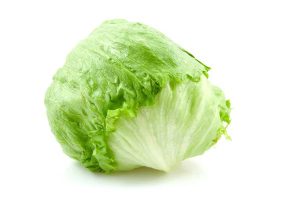
    Iceberg Lettuce

    Description: Iceberg lettuce, also known as crisphead, is one of the most popular varieties. It is characterized by its round, compact head of pale green leaves that are crisp and have a mild flavor.
    Common Uses:

    • Salads: Iceberg lettuce is often used in salads due to its crunchy texture. It pairs well with a variety of dressings and ingredients.
    • Sandwiches and Burgers: The crispness of iceberg lettuce makes it a popular choice for adding a fresh crunch to sandwiches and burgers.
    • Wraps: Iceberg leaves can be used as a low-carb alternative to tortillas for wraps.

    Romaine Lettuce

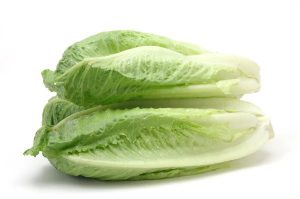
    Description: Romaine lettuce, also known as cos lettuce, has long, sturdy leaves with a robust texture and a slightly bitter flavor. The leaves are dark green and have a prominent central rib.
    Common Uses:

    • Caesar Salad: Romaine lettuce is the classic choice for Caesar salad due to its hearty texture and ability to hold up to heavy dressings.
    • Grilled: Romaine can be grilled for a unique twist, adding a smoky flavor to the leaves.
    • Salads: Its sturdy leaves make it suitable for a variety of salads, especially those with bold dressings and ingredients.

    Butterhead Lettuce (Bibb and Boston)

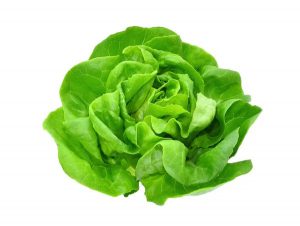
    Description: Butterhead lettuce, which includes varieties such as Bibb and Boston, is known for its soft, buttery-textured leaves. It has a loose head and a sweet, mild flavor.
    Common Uses:

    • Salads: Butterhead lettuce is ideal for salads where a tender, delicate leaf is desired.
    • Sandwiches: Its soft texture makes it perfect for layering in sandwiches without overwhelming other ingredients.
    • Garnishes: The visually appealing leaves are often used as garnishes on plates.

    Leaf Lettuce (Green Leaf and Red Leaf)

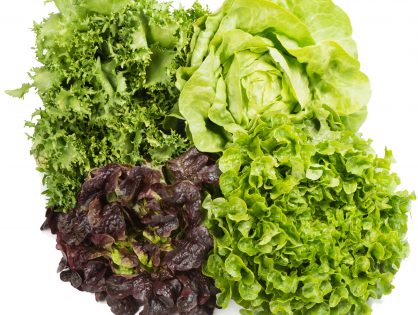
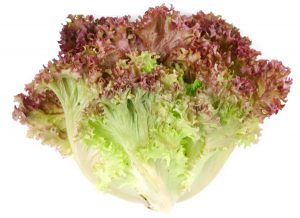
    Description: Leaf lettuce, which includes green leaf and red leaf varieties, does not form a head. Instead, it grows in loose, curly bunches. Green leaf lettuce has bright green leaves, while red leaf lettuce has reddish-purple tinged leaves.
    Common Uses:

    • Salads: Leaf lettuce is commonly used in salads for its tender, flavorful leaves and vibrant color.
    • Wraps: The large, flexible leaves are excellent for making wraps.
    • Garnishes: Its attractive appearance makes it a great choice for garnishing dishes.

    Arugula (Rocket)

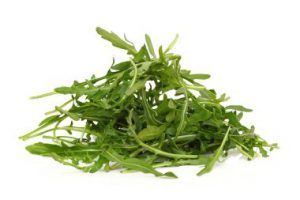
    Description: Arugula, also known as rocket, has dark green, lobed leaves with a peppery, slightly bitter taste. It is often used as a salad green and is known for its distinctive flavor.
    Common Uses:

    • Salads: Arugula adds a peppery bite to salads and pairs well with citrus, nuts, and cheese.
    • Pizzas and Flatbreads: It is often used as a topping for pizzas and flatbreads, added after baking.
    • Pasta Dishes: Arugula can be tossed into pasta dishes for a fresh, peppery flavor.

    Endive

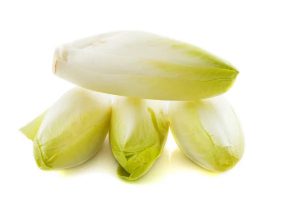
    Description: Endive comes in two main varieties: Belgian endive and curly endive (frisée). Belgian endive has pale yellow, tightly packed leaves with a slightly bitter flavor. Curly endive has frilly, dark green leaves with a more pronounced bitter taste.
    Common Uses:

    • Salads: Both types of endive are used in salads for their unique textures and flavors.
    • Appetizers: Belgian endive leaves can be used as edible scoops for dips and spreads.
    • Cooking: Endive can be braised or grilled to mellow its bitterness.

    Radicchio

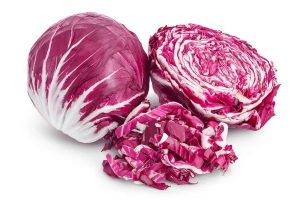
    Description: Radicchio is a type of chicory with vibrant purple-red leaves and white veins. It has a bitter, spicy flavor and a crisp texture.
    Common Uses:

    • Salads: Radicchio adds color and a slightly bitter taste to mixed salads.
    • Grilled: Grilling or roasting radicchio can enhance its flavor and reduce its bitterness.
    • Pasta and Risotto: It can be chopped and added to pasta dishes or risotto for added texture and flavor.

    Spinach

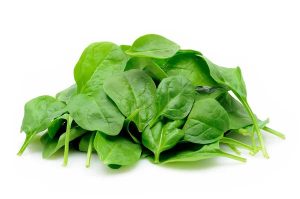
    Description: Spinach has dark green, tender leaves with a slightly sweet, earthy flavor. While not technically a lettuce, it is often used interchangeably with lettuce in many dishes.
    Common Uses:

    • Salads: Baby spinach is a popular salad green, often mixed with other lettuces.
    • Smoothies: Spinach can be added to smoothies for a nutritional boost.
    • Cooking: It is versatile and can be sautéed, steamed, or added to soups and stews.

    Watercress

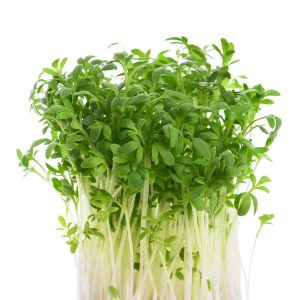
    Description: Watercress has small, round leaves and a peppery flavor. It is often found growing near water sources and has a slightly crunchy texture.
    Common Uses:

    • Salads: Watercress adds a peppery kick to salads.
    • Sandwiches: It can be used in sandwiches, particularly tea sandwiches.
    • Soups: Watercress is a common ingredient in soups and can be used as a garnish.

    Mâche (Lamb’s Lettuce)

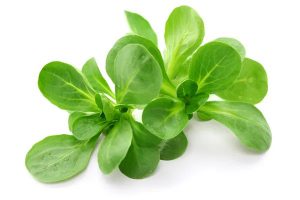
    Description: Mâche, also known as lamb’s lettuce or corn salad, has small, tender leaves with a mild, nutty flavor. It grows in small rosettes and has a delicate texture.

    Common Uses:

    • Salads: Mâche is often used in gourmet salads for its delicate flavor and texture.
    • Garnishes: Its attractive appearance makes it a popular choice for garnishes.
    • Sandwiches: The small leaves can be added to sandwiches for a subtle crunch.

    Lettuce is a versatile ingredient that can add texture, flavor, and nutrition to a wide variety of dishes. Whether you’re making a simple salad, a hearty sandwich, or an elegant appetizer, there’s a type of lettuce that’s perfect for the job. By understanding the characteristics and common uses of each variety, you can make more informed choices and elevate your culinary creations. Next time you’re at the grocery store, consider trying a new type of lettuce and experimenting with its uses in your kitchen.