
Category: Cooking Tips

  • How to Craft the Perfect Cookie: Tips for Building Your Own Recipe

    How to Craft the Perfect Cookie: Tips for Building Your Own Recipe

    Creating your own cookie recipe can be a fun and rewarding experience. Whether you’re inspired by a classic chocolate chip cookie or want to craft something entirely new, understanding the essential components of a cookie dough and how to balance them is the first step to creating a delicious, one-of-a-kind treat.

    In this article, we’ll break down the key ingredients required in every cookie, how they interact in the dough, and how to experiment with add-ins to create new flavor profiles. Plus, we’ll discuss how to learn from your mistakes and fine-tune your recipe for perfect results every time.

    The Essential Ingredients in Every Cookie

    Every cookie recipe relies on a few essential ingredients that serve as the foundation of the dough. While you can customize your flavors and add-ins, understanding the role of these core ingredients will help you create a balanced and successful cookie.

    Flour

    –  Proportion : Typically 1 ¾ to 2 ¼ cups per batch (about 24 cookies).

    –  What It Does : Flour is the structure of the cookie. It provides the protein (gluten) that gives cookies their shape and texture. Too much flour results in a dry, crumbly cookie, while too little leads to a flat, greasy one.

    –  Types of Flour : Most cookie recipes use all-purpose flour, but experimenting with whole wheat, almond, or oat flour can add different textures and flavors.

    Fat (Butter or Shortening)

    –  Proportion : Usually ½ to 1 cup.

    –  What It Does : Fat is responsible for the cookie’s tenderness and richness. Butter gives cookies a deep, rich flavor and can also contribute to a crispier texture, while shortening creates softer, puffier cookies. Margarine or coconut oil can also be used as substitutes, but each fat will affect the flavor and texture differently.

    –  Tips : Using melted butter tends to make cookies chewier, while creaming softened butter with sugar gives a lighter, more tender cookie.

    Sugar

    –  Proportion : Typically ½ to 1 cup white sugar and ½ to 1 cup brown sugar.

    –  What It Does : Sugar adds sweetness, but it also plays a role in the cookie’s texture. White sugar gives cookies a crispier texture, while brown sugar, which contains molasses, adds moisture and chewiness.

    –  Adjusting Sugar : Using more brown sugar will make your cookies soft and chewy, while more white sugar will give you a crispier result.

    Eggs

    –  Proportion : Usually 1 to 2 eggs per batch.

    –  What They Do : Eggs provide moisture, richness, and help bind the ingredients together. The egg yolks add fat, which contributes to the cookie’s texture, while the whites help provide structure. Too many eggs can make the dough too moist and cake-like, while too few can make the cookies dry and crumbly.

    –  Substitutes : For egg-free cookies, you can use alternatives like flax eggs, applesauce, or yogurt, though this will affect the texture.

    Leavening (Baking Soda or Baking Powder)

    –  Proportion : Typically 1 teaspoon.

    –  What It Does : Leavening agents cause the cookies to rise and spread. Baking soda produces a denser, chewier texture, while baking powder gives cookies more of a cake-like texture. Most recipes use baking soda, but a combination of both can be used for a balanced rise and texture.

    –  Tips : Too much leavening can cause cookies to spread too much and become flat, while too little may result in dense cookies.

    Salt

    –  Proportion : About ½ teaspoon.

    –  What It Does : Salt enhances the flavor of all the other ingredients and balances sweetness. It’s an essential ingredient, even in sweet recipes, to prevent the cookies from tasting overly sugary.

    Vanilla Extract

    –  Proportion : Usually 1 to 2 teaspoons.

    –  What It Does : Vanilla adds a subtle sweetness and depth of flavor to cookies. It’s a versatile flavor enhancer that complements almost any add-in.

    Add-Ins: Taking Your Cookies to the Next Level

    Once you’ve mastered the basic dough, it’s time to experiment with add-ins that will bring new flavor profiles and textures to your cookies. Here are some creative ideas for taking your cookies beyond the standard chocolate chips:

    Nuts

    –  Flavor Profile : Crunchy, slightly sweet or salty.

    –  Ideas : Add chopped pecans, walnuts, almonds, or macadamia nuts for a satisfying crunch and nutty flavor. Toasting the nuts before adding them will enhance their flavor even more.

    Dried Fruit

    –  Flavor Profile : Sweet and chewy with a hint of tartness.

    –  Ideas : Dried cranberries, cherries, apricots, or raisins add both texture and a sweet-tart flavor. Pair them with nuts or white chocolate for extra dimension.

    Spices

    –  Flavor Profile : Warm, aromatic, and sometimes spicy.

    –  Ideas : Cinnamon, nutmeg, ginger, cardamom, or cloves can transform a basic cookie dough into something warm and spicy. These are perfect for holiday cookies or when paired with chocolate.

    Coconut Flakes

    –  Flavor Profile : Sweet, tropical, and chewy.

    –  Ideas : Unsweetened or sweetened coconut flakes can give your cookies a tropical twist. Toasted coconut adds an extra layer of flavor and texture.

    Candy Pieces

    –  Flavor Profile : Sweet, colorful, and fun.

    –  Ideas : M&Ms, crushed candy bars, or caramel bits bring a playful sweetness to cookies and can add fun colors and textures. Try experimenting with different types of candy to find your favorite combination.

    Zest and Citrus

    –  Flavor Profile : Bright, tangy, and refreshing.

    –  Ideas : Lemon, lime, or orange zest can add a burst of brightness to your cookies. Pair citrus flavors with white chocolate or nuts for a refreshing twist.

    Savory Add-Ins

    –  Flavor Profile : Salty and umami-rich.

    –  Ideas : For a surprising twist, try adding savory ingredients like chopped bacon, pretzels, or a sprinkle of sea salt on top of your cookies. These elements bring a salty contrast to the sweetness and can create a more sophisticated flavor profile.

    Learning from Your Mistakes: Troubleshooting Common Cookie Issues

    Creating your own cookie recipe is a process of trial and error, and even experienced bakers run into challenges. Here are some common issues and how to fix them:

    –  Cookies Spread Too Much : This can happen if there’s too much butter or sugar, or if the dough is too warm when it goes into the oven. To fix this, chill the dough before baking, or add a little more flour to help the cookies hold their shape.

    –  Cookies Are Too Dry : If your cookies come out dry or crumbly, it could be due to over-baking or too much flour. Try reducing the baking time or adding more moisture with an extra egg yolk or a tablespoon of milk.

    –  Cookies Are Too Flat : Flat cookies can be caused by too little leavening or an excess of liquid ingredients. Add a bit more baking soda or powder and ensure your butter isn’t too melted when you mix the dough.

    –  Cookies Are Too Thick : If your cookies don’t spread enough, it may be because there’s too much flour or not enough sugar or butter. Make sure you’re measuring your flour correctly (spoon and level) and consider reducing the flour slightly.

    What to Look for in a Good Cookie Recipe

    When crafting your own cookie recipe or following someone else’s, here are some key qualities to look for:

    1. Balance of Ingredients : The proportions of fat, sugar, and flour should be balanced to achieve the right texture—whether you’re aiming for soft and chewy or crisp and crunchy.
    2. Clear Instructions : Good recipes provide clear, detailed instructions, including steps for mixing, baking, and cooling.
    3. Flexibility for Add-Ins : A great cookie recipe will allow room for customization. Whether you want to add nuts, candy, or dried fruit, the recipe should accommodate these variations without compromising the cookie’s texture.
    4. Flavor Profiles : A good cookie recipe has a well-developed flavor profile. Whether it’s the buttery richness of classic chocolate chip cookies or the warmth of spiced cookies, each ingredient should contribute to the overall taste.

    Final Thoughts: Get Creative and Have Fun!

    The beauty of baking cookies is the endless room for creativity. Whether you’re experimenting with new flavors, adjusting proportions, or adding fun mix-ins, creating your own cookie recipe is all about finding the right balance of ingredients that suit your taste. Don’t be afraid to make mistakes along the way—each batch gets you one step closer to the perfect cookie.

    So, grab your mixing bowl and start experimenting! Who knows? You might just invent the next great cookie recipe.


    Bill Rice is Founder and Co-Publisher of the Great Family Cookbook Project, a website that helps families and individuals collect, preserve and share food memories by creating their own printed personal cookbooks. He is the author of The Wellfleet Oyster Cookbook and the Cape Cod Cocktail Cookbook (Available on Amazon), both created using FamilyCookbookProject.com. He is also editor of the Donovan Family Cookbook, now it’s third printing and
  • The Apple Aisle Decoded: Find the Perfect Apple for Any Dish

    The Apple Aisle Decoded: Find the Perfect Apple for Any Dish

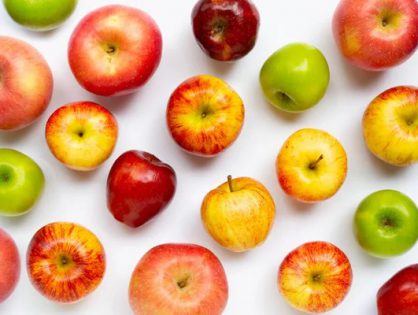
    Apples are one of the most versatile and widely consumed fruits in the world. From the tart bite of a Granny Smith to the honeyed sweetness of a Fuji, apples come in an array of flavors, textures, and colors. Grocery stores typically stock a variety of apple types, each with its own unique characteristics, making them suited to different culinary uses. Whether you’re making a pie, juicing, or simply looking for a crisp snack, understanding the differences between common apple varieties can help you choose the best one for your needs.

    Let’s explore some of the most common apples found in grocery stores and highlight their best uses, from baking to snacking and beyond.

    Gala Apples

    Flavor Profile:

    Gala apples are known for their mild, sweet flavor with a hint of vanilla and floral undertones. They are a smaller apple with a thin skin, making them easy to bite into, and their flesh is crisp and juicy but not overly firm.

    Best Uses:

    –  Snacking:  Gala apples are perfect for snacking due to their sweetness and tender texture.

    –  Salads:  The mild sweetness of Gala apples complements greens, cheese, and nuts in salads.

    –  Sauces:  They make excellent applesauce because they break down easily and don’t require much added sugar.

    Not ideal for:  Baking, as their flesh tends to become too soft when cooked, making them less suited for pies or tarts.

    1.  Granny Smith Apples

    Flavor Profile:

    Granny Smith apples are famously tart with a bright, zesty flavor. They have a firm, crisp texture and a vibrant green skin that sets them apart from other varieties.

    Best Uses:

    –  Baking:  Granny Smith apples hold their shape well when baked, making them a classic choice for pies, tarts, and crumbles.

    –  Salads:  Their tartness adds a refreshing contrast to sweeter salad ingredients.

    –  Juicing and Cider:  The sharp flavor of Granny Smith apples makes them ideal for juicing or adding balance to apple ciders and blends.

    Not ideal for:  Snacking, unless you prefer a more tart apple.

    Honeycrisp Apples

    Flavor Profile:

    As the name suggests, Honeycrisp apples are both sweet and crisp. They have a perfect balance of sweetness and acidity, making them one of the most popular apples in the market.

    Best Uses:

    –  Snacking:  Their satisfying crunch and balanced flavor make Honeycrisp apples an excellent snack choice.

    –  Salads:  Honeycrisps add both texture and sweetness to salads, holding their crunch for longer periods compared to other varieties.

    –  Juicing:  Their sweetness and high water content make them great for juicing, yielding a naturally sweet and refreshing juice.

    Not ideal for:  Baking, because they can lose their crunch when exposed to prolonged heat.

    Fuji Apples

    Flavor Profile:

    Fuji apples are one of the sweetest varieties, with a sugary flavor reminiscent of honey. They are exceptionally juicy and have a dense, crisp texture. These apples are larger than most other types, with a yellow-green skin streaked with red.

    Best Uses:

    –  Snacking:  Their sweetness and juiciness make Fuji apples a favorite for eating raw.

    –  Salads:  Fuji apples add sweetness and crunch to salads without becoming too soft.

    –  Sauces and Juices:  Their high sugar content makes them excellent for sweet apple sauces and juices.

    Not ideal for:  Baking, as their high water content can make them too soft and watery in pies or tarts.

    Red Delicious Apples

    Flavor Profile:

    Red Delicious apples are mildly sweet with a slightly floral, almost melon-like flavor. They have a thick, deep red skin and a soft, sometimes grainy texture, which isn’t as crisp as other varieties.

    Best Uses:

    –  Snacking:  If you enjoy a mild, soft apple, Red Delicious can be a good option for eating out of hand.

    –  Salads:  When sliced, Red Delicious apples add a mild sweetness and vibrant color to salads. However, they tend to oxidize quickly, so it’s best to toss them in lemon juice to prevent browning.

    –  Smoothies:  The soft texture of Red Delicious apples makes them easy to blend into smoothies.

    Not ideal for:  Baking or cooking, as they tend to lose both flavor and texture when heated.

    Golden Delicious Apples

    Flavor Profile:

    Golden Delicious apples have a balanced sweet-tart flavor with notes of honey and pear. Their thin skin is golden yellow, and their flesh is tender and juicy, though not as crisp as varieties like Honeycrisp or Fuji.

    Best Uses:

    –  Baking:  Golden Delicious apples are great for baking as they hold their shape well in pies, tarts, and crisps, without turning mushy.

    –  Salads:  Their sweetness and slightly softer texture make them a nice addition to fruit salads or green salads.

    –  Sauces and Preserves:  Golden Delicious apples break down easily when cooked, making them ideal for applesauce, jams, and preserves.

    Not ideal for:  Snacking if you prefer a crisper apple.

    Pink Lady (Cripps Pink) Apples

    Flavor Profile:

    Pink Lady apples are known for their tart-sweet balance, with a bright, tangy flavor that finishes with a hint of sweetness. They are crisp, firm, and juicy, with a pinkish-red blush over a yellow-green skin.

    Best Uses:

    –  Snacking:  The crisp texture and complex flavor make Pink Lady apples an excellent choice for eating fresh.

    –  Salads:  Their firm flesh holds up well in salads, and their tartness balances sweet ingredients like dried fruit or candied nuts.

    –  Baking:  Pink Lady apples are versatile enough for baking, holding their shape and offering a pleasant balance of flavors in pies and tarts.

    Not ideal for:  Sauces, as their firmer texture doesn’t break down as easily as other varieties.

    Braeburn Apples

    Flavor Profile:

    Braeburn apples have a spicy-sweet flavor with hints of cinnamon and nutmeg, paired with a refreshing tartness. They have a firm, crisp texture and an orange-red skin with a yellow undertone.

    Best Uses:

    –  Baking:  Braeburn apples are fantastic for baking because they hold their shape and their spicy-sweet flavor becomes more pronounced when cooked.

    –  Snacking:  Their crisp texture and unique flavor make Braeburn apples a delicious choice for snacking.

    –  Salads:  The firm texture of Braeburn apples means they won’t turn mushy in salads, and their spiced flavor adds depth to fresh dishes.

    Not ideal for:  Juicing, as their denser texture can make them harder to juice compared to juicier varieties.

    McIntosh Apples

    Flavor Profile:

    McIntosh apples are soft, juicy, and aromatic, with a tangy-sweet flavor that mellows as the fruit ripens. They have a tender, thin skin that is typically red with green accents.

    Best Uses:

    –  Sauces and Preserves:  McIntosh apples break down easily, making them ideal for applesauce, jams, and other cooked apple preparations.

    –  Juicing:  Their high juice content and sweet flavor make McIntosh apples a popular choice for apple juice or cider.

    –  Snacking:  If you enjoy a softer apple, McIntosh apples are perfect for eating out of hand.

    Not ideal for:  Baking, as they tend to lose their structure and become mushy when heated.

    Jonagold Apples

    Flavor Profile:

    A cross between Jonathan and Golden Delicious apples, Jonagold apples have a sweet-tart flavor with a honeyed aftertaste. They are crisp, with a creamy, juicy flesh and a yellow-orange skin streaked with red.

    Best Uses:

    –  Baking:  Jonagold apples are great for baking, offering the perfect balance of sweetness and tartness without losing their shape in pies, tarts, or crisps.

    –  Snacking:  Their juicy, crisp texture makes Jonagold apples a good choice for snacking.

    –  Salads:  The firm texture of Jonagold apples makes them a great addition to salads, offering both crunch and flavor.

    Not ideal for:  Sauces, as their firmer texture can take longer to break down.

    With so many varieties of apples available, it can be tricky to know which one to choose for your specific culinary needs. Some apples are better for snacking, others shine in baked goods, and still others are perfect for sauces or salads. By understanding the flavor profiles and best uses of common grocery store apples, you can ensure that your dishes always turn out just right.

    Next time you’re at the grocery store, consider picking up a few different varieties of apples to explore their unique flavors and textures. Whether you’re making an apple pie, tossing together a salad, or simply enjoying a fresh snack, there’s an apple variety out there to suit your taste and needs.


    Bill Rice is Founder and Co-Publisher of the Family Cookbook Project, a website that helps families and individuals collect, preserve and share food memories by creating their own printed personal cookbooks. He is the author of The Wellfleet Oyster Cookbook and the Cape Cod Cocktail Cookbook (Available on Amazon), both created using FamilyCookbookProject.com. He is also editor of the Donovan Family Cookbook, now it’s third printing and is an avid genealogist tracing his family back to the 1600’s.

    Follow Family Cookbook Project on Facebook, Instagram, Twitter TikTok, YouTube and Pinterest!


  • Cajun or Creole? A Guide to the Two Styles of Louisiana Cooking

    Cajun or Creole? A Guide to the Two Styles of Louisiana Cooking

    When people think of Louisiana cuisine, two styles immediately come to mind: Cajun and Creole. Both are flavorful, rich culinary traditions deeply rooted in the history of the American South, yet they are distinct in their ingredients, cooking techniques, and cultural backgrounds. Despite their differences, Cajun and Creole cooking share many similarities, reflecting the blending of cultures, ingredients, and flavors over time.

    Let’s explore the origins of both Cajun and Creole cooking, how they differ, and how they overlap. We’ll also dive into some of the most popular dishes from each style, so you can better understand the distinct flavors of Louisiana cuisine.

    The Origins of Cajun and Creole Cooking

    Cajun Cooking

    Cajun cuisine has its roots in the Acadian people, French settlers who were expelled from Canada (then called Acadia) by the British in the mid-18th century. These settlers eventually found their way to the rural areas of southern Louisiana, particularly the bayous and swamplands. The Acadians (later known as Cajuns) had to adapt to the ingredients available in their new environment, and their resourcefulness gave rise to Cajun cooking.

    Cajun food is often referred to as “country food”, with its focus on hearty, one-pot meals made from easily accessible ingredients like game, seafood, rice, and vegetables. The cuisine was influenced by Native American, French, and African cooking traditions, resulting in a rustic, flavorful style that prioritizes simplicity and bold flavors.

    Creole Cooking

    Creole cuisine, on the other hand, developed in New Orleans and reflects the city’s diverse cultural history. Creole cooking is often described as “city food” because it was born in the more cosmopolitan environment of New Orleans, where ingredients and culinary traditions from Europe, Africa, the Caribbean, and the Americas blended together. The word “Creole” historically refers to people of European (mostly French or Spanish) descent born in the colonies, though it eventually encompassed a wider range of ethnicities.

    Creole food is more refined than Cajun food, with an emphasis on complex sauces, rich spices, and a wider variety of ingredients. It incorporates more European techniques, such as the use of butter and cream, and tends to feature seafood, meats, and vegetables seasoned with a blend of spices.

    How Are They Alike?

    Cajun and Creole cooking share several similarities, as both styles evolved in the same region and were influenced by overlapping cultures. Here are a few ways the two cuisines are alike:

    • •Shared Ingredients: Both cuisines rely heavily on ingredients like onions, bell peppers, celery (the “holy trinity”), garlic, and rice. Seafood, especially shrimp, crawfish, and fish, is also common in both styles.
    • •Bold Flavors: Cajun and Creole dishes are known for their bold, robust flavors, often featuring spices such as cayenne pepper, paprika, and thyme. Both cuisines also make use of roux (a mixture of fat and flour) as the base for many dishes, particularly stews and gumbos.
    • •One-Pot Dishes: Both traditions have a love for one-pot meals, particularly stews, jambalaya, and gumbo, which are staples of Louisiana cuisine.

    Key Differences Between Cajun and Creole Cooking

    While Cajun and Creole cooking share some similarities, their differences lie in the details, from the ingredients used to the cooking methods employed.

    Ingredients and Accessibility

    •Cajun: Cajun cooking developed in rural, less affluent areas, so the cuisine relies on locally available ingredients. Wild game, pork, crawfish, and vegetables are common, and Cajun dishes often use animal fats like lard or oil instead of butter. The flavors are bold but simple, and the dishes often reflect a “what’s on hand” mentality.

    •Creole: Creole cooking, being city-based, has a more diverse range of ingredients, thanks to the port city of New Orleans’ access to imported goods. Tomatoes, butter, cream, and seafood are frequently used. Creole food often incorporates more refined ingredients, and the use of butter, particularly in sauces, is more common than in Cajun cooking.

    Spices and Seasonings

    •Cajun: The spice level in Cajun cooking can be quite high, with a heavy use of cayenne pepper, paprika, black pepper, and garlic. Seasoning blends, often called Cajun seasoning, are commonly used to flavor proteins, rice, and stews. Cajun food also tends to be more rustic and straightforward in its seasoning.

    •Creole: Creole cooking focuses on a wider variety of seasonings and herbs, including parsley, thyme, bay leaves, and oregano. The spice level is often milder than Cajun food, and the dishes rely more on the complex layering of flavors from different herbs and spices rather than heat alone.

    Use of Tomatoes

    •Cajun: Tomatoes are rarely used in traditional Cajun cooking. Cajun gumbo, for instance, is typically made with a dark roux and no tomatoes.

    •Creole: Tomatoes are a defining feature of Creole dishes. For example, Creole gumbo often includes tomatoes, and dishes like shrimp Creole prominently feature tomato-based sauces.

    Cooking Techniques

    •Cajun: Cajun cooking is often about making the most of what’s available, so many dishes are prepared using simple techniques, like blackening, braising, or stewing. The use of a roux, made with oil and flour, is common to create a rich base for dishes like gumbo or étouffée.

    •Creole: Creole cooking incorporates more European techniques, such as sautéing, flambéing, and baking, and often uses butter and cream to enrich sauces. The cooking is typically more refined, and the dishes are known for their complexity.

    Popular Cajun Dishes

    Gumbo: Cajun gumbo is a hearty stew made with a dark roux, chicken, sausage (usually Andouille), and okra, but it can also include seafood. It’s served over rice and flavored with Cajun spices.

    Jambalaya: A one-pot dish made with rice, sausage, chicken, seafood, and vegetables, jambalaya is seasoned with a variety of spices and cooked until the rice absorbs all the flavors.

    Crawfish Boil: A Cajun classic, crawfish boils involve boiling crawfish, corn, potatoes, and sausage in a seasoned broth. It’s typically served family-style, with everyone gathering around a table to peel and eat the crawfish.

    Boudin: Boudin is a Cajun sausage made from a mixture of pork, rice, and seasonings, often served in links or as a filling for other dishes.

    Étouffée: A rich, thick stew made with shellfish (typically crawfish or shrimp), étouffée is often served over rice. The name comes from the French word “étouffer,” meaning “to smother,” which describes how the seafood is smothered in a flavorful roux-based sauce.

    Popular Creole Dishes

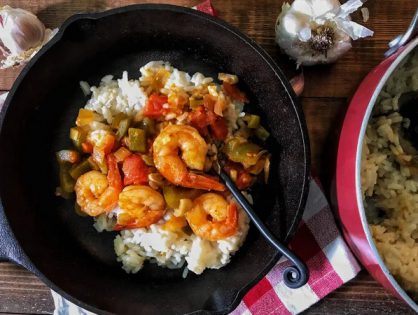
    Shrimp Creole: A dish featuring shrimp cooked in a spicy tomato-based sauce with onions, bell peppers, and celery (the “holy trinity” of Creole cooking). It’s typically served over rice.

    Red Beans and Rice: This Creole dish is made with slow-cooked red beans, sausage, and vegetables, served over rice. It’s traditionally eaten on Mondays in New Orleans.

    Creole Gumbo: Unlike Cajun gumbo, Creole gumbo often includes tomatoes, seafood, and okra. It’s lighter and more refined, with the use of seafood stock and a thinner roux.

    Bananas Foster: This famous Creole dessert is made by flambéing bananas in a sauce of butter, brown sugar, cinnamon, and rum, then serving it over vanilla ice cream.

    Pompano en Papillote: A more refined Creole dish, this involves baking fish (usually pompano) with a delicate sauce made from wine, butter, and herbs, all sealed in parchment paper to steam.

    Two Unique but Complementary Styles

    While Cajun and Creole cooking are often spoken of together, they offer two distinct styles of cooking that reflect the diverse cultural history of Louisiana. Cajun cuisine is rustic, bold, and rooted in rural traditions, while Creole cuisine is more refined, blending the influences of French, Spanish, African, and Caribbean cultures. Both traditions celebrate the rich flavors of the region, and whether you prefer a hearty bowl of gumbo or a refined seafood dish, you’ll find that Cajun and Creole cooking offer something for every palate.


    Bill Rice is Founder and Co-Publisher of the Family Cookbook Project, the leading online cookbook publisher with a website that helps families and individuals collect, preserve and share food memories by creating their own printed custom cookbooks. He is the author of The Wellfleet Oyster Cookbook and the Cape Cod Cocktail Cookbook (Available on Amazon), both created using FamilyCookbookProject.com. He is also editor of the Donovan Family Cookbook, now it’s third printing and is an avid genealogist tracing his family back to the 1600’s.

    Follow Family Cookbook Project on Facebook, Instagram, Twitter TikTok, YouTube and Pinterest!

  • Fresh from the Garden: How to Use and Grow Common Cooking Herbs

    Fresh from the Garden: How to Use and Grow Common Cooking Herbs

    Herbs are the backbone of many recipes, adding freshness, depth, and complexity to everything from soups and stews to salads and desserts. Whether you’re growing them in your backyard garden or purchasing them fresh from the store, herbs are a fantastic way to elevate your dishes with natural flavors. Even better, many herbs are easy to grow at home, making them a sustainable, cost-effective way to add flavor to your cooking.

    We’ll explore some of the most common herbs used in cooking, their unique flavor profiles, how easy they are to grow at home, and what types of dishes they are typically used in.

    Basil

    Flavor Profile:

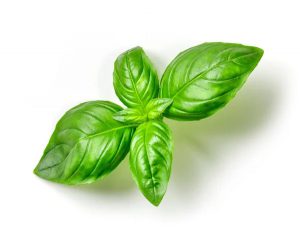
    Basil has a sweet, slightly peppery flavor with a hint of clove and mint. It’s aromatic and fresh, making it a favorite in many Mediterranean and Italian dishes.

    Ease of Growing:

    Basil is one of the easiest herbs to grow at home. It thrives in warm, sunny environments and can be grown indoors on a sunny windowsill or outdoors in a garden. It requires regular watering and pruning to prevent it from flowering, which can make the leaves bitter.

    Common Uses:

    • •Pesto
    • •Caprese salads
    • •Tomato-based dishes (like pasta sauces and soups)
    • •Pizza toppings
    • •Thai and Vietnamese dishes

    Thyme

    Flavor Profile:

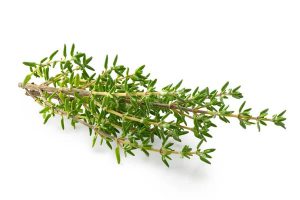
    Thyme offers a delicate earthy flavor with hints of lemon and mint. It’s slightly peppery and is often used to infuse deep, savory flavors into dishes.

    Ease of Growing:

    Thyme is a hardy herb that grows well in dry, sunny conditions. It’s drought-tolerant, making it a great choice for beginner gardeners. Thyme can be grown in pots or directly in the garden and requires minimal watering once established.

    Common Uses:

    • •Roasted meats (chicken, lamb, beef)
    • •Stews and soups
    • •Stuffing and casseroles
    • •Vegetable dishes, particularly potatoes and mushrooms
    • •Mediterranean-style marinades

    Mint

    Flavor Profile:

    Mint has a cool, refreshing flavor with a sweet, slightly sharp edge. It’s highly aromatic and pairs well with both sweet and savory dishes.

    Ease of Growing:

    Mint is one of the easiest herbs to grow, but it can be very invasive. It spreads quickly, so it’s best grown in containers to prevent it from overtaking your garden. Mint thrives in partial sun and moist soil.

    Common Uses:

    • •Salads and fruit dishes
    • •Cocktails (like mojitos and mint juleps)
    • •Middle Eastern dishes (such as tabbouleh and lamb)
    • •Sauces (mint sauce for lamb)
    • •Desserts (chocolate and mint pair beautifully)

    Rosemary

    Flavor Profile:

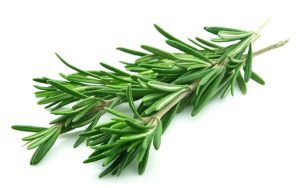
    Rosemary has a strong, pine-like aroma with a slightly bitter, woodsy flavor. It’s pungent and robust, which means a little goes a long way.

    Ease of Growing:

    Rosemary is fairly easy to grow, preferring full sun and well-drained soil. It’s drought-tolerant once established and can be grown in pots or as part of a garden. It’s also a great herb to grow indoors during the colder months.

    Common Uses:

    • •Roasted meats (especially lamb, pork, and chicken)
    • •Grilled vegetables (potatoes, carrots, and peppers)
    • •Bread (such as focaccia)
    • •Soups and stews
    • •Marinades and herb rubs

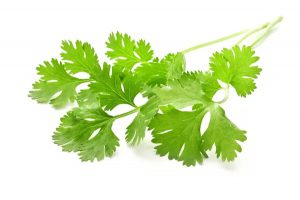
    Cilantro (Coriander)

    Flavor Profile:

    Cilantro has a bright, citrusy flavor with a hint of spice. It’s highly polarizing—some people love it, while others describe it as having a soapy taste. The seeds of cilantro, known as coriander, have a warm, nutty flavor.

    Ease of Growing:

    Cilantro is relatively easy to grow but can be sensitive to heat. It prefers cooler temperatures and partial shade. Cilantro grows quickly and will bolt (go to seed) if it becomes too hot, so it’s best to plant in early spring or fall.

    Common Uses:

    • •Salsa and guacamole
    • •Tacos and burritos
    • •Thai and Indian curries
    • •Rice and grain salads
    • •Chutneys and marinades

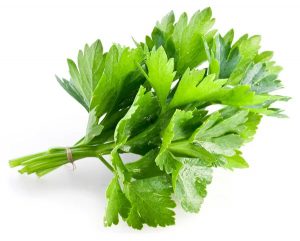
    Parsley

    Flavor Profile:

    Parsley has a fresh, slightly peppery flavor with hints of earthiness. Flat-leaf parsley, also known as Italian parsley, has a stronger flavor than curly parsley, which is often used as a garnish.

    Ease of Growing:

    Parsley is an easy herb to grow and can thrive in both sun and partial shade. It prefers rich, well-drained soil and regular watering. Parsley grows well in containers and garden beds.

    Common Uses:

    • •Garnishes for soups, meats, and pasta
    • •Tabbouleh salad
    • •Herb sauces (like chimichurri and gremolata)
    • •Marinades and salad dressings
    • •Egg dishes (such as omelets and frittatas)

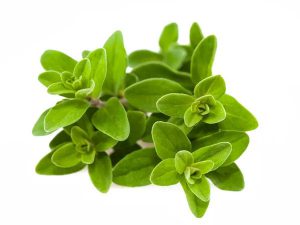
    Oregano

    Flavor Profile:

    Oregano has a warm, earthy flavor with a slightly bitter, peppery taste. It’s aromatic and bold, often used to add depth to tomato-based dishes and Mediterranean cuisine.

    Ease of Growing:

    Oregano is another easy-to-grow herb that thrives in sunny, dry conditions. It can be grown indoors or outdoors and requires minimal care once established. It’s a drought-tolerant herb and does well in containers or garden beds.

    Common Uses:

    • •Pizza and pasta sauces
    • •Grilled meats and vegetables
    • •Greek and Italian dishes (like souvlaki and pasta)
    • •Salad dressings and marinades
    • •Tomato-based soups

    Sage

    Flavor Profile:

    Sage has a slightly peppery, earthy flavor with hints of pine and eucalyptus. It’s savory and warming, often used in rich, hearty dishes.

    Ease of Growing:

    Sage is relatively easy to grow and does best in full sun and well-drained soil. It’s drought-tolerant and can be grown in pots or directly in the garden. Once established, it requires minimal maintenance.

    Common Uses:

    • •Stuffing and poultry dishes
    • •Sausages and pork dishes
    • •Brown butter sauces (particularly for pasta)
    • •Roasted vegetables (especially sweet potatoes and squash)
    • •Soups and stews

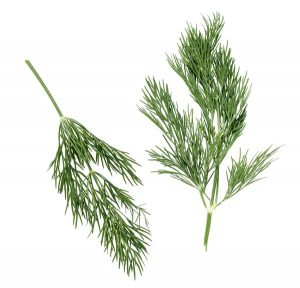
    Dill

    Flavor Profile:

    Dill has a light, grassy flavor with hints of anise and lemon. It’s aromatic and pairs well with fish, pickled dishes, and creamy sauces.

    Ease of Growing:

    Dill is easy to grow but can be sensitive to transplanting. It grows best in full sun and rich, well-drained soil. Dill is also self-seeding, so it will come back year after year if you let it go to seed.

    Common Uses:

    • •Pickles and brined vegetables
    • •Fish dishes (especially salmon)
    • •Creamy sauces (like tzatziki and yogurt dips)
    • •Salads and dressings
    • •Egg dishes (like deviled eggs and omelets)

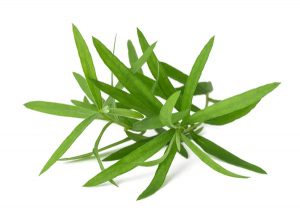
    Tarragon

    Flavor Profile:

    Tarragon has a slightly sweet, licorice-like flavor with a hint of bitterness. It’s aromatic and pairs well with delicate flavors like chicken, fish, and eggs.

    Ease of Growing:

    Tarragon can be a bit trickier to grow, as it prefers well-drained soil and cooler temperatures. It can be grown in pots or directly in the garden, but it’s important to keep it out of extreme heat.

    Common Uses:

    • •Chicken and fish dishes
    • •Salad dressings and sauces (like béarnaise sauce)
    • •Herb butter
    • •Egg dishes
    • •Vinegars and mustards

    Growing and Cooking with Herbs

    Herbs are a simple way to add freshness, flavor, and complexity to your cooking, whether you’re making a savory stew or a light, refreshing salad. Growing your own herbs at home is not only convenient but also ensures you always have fresh herbs on hand when you need them. Many common herbs are easy to grow in containers or garden beds, and they offer a wide range of flavors that complement a variety of dishes.

    By understanding the flavor profiles and culinary uses of each herb, you can create more flavorful, dynamic meals and enjoy the satisfaction of cooking with homegrown ingredients.


    Bill Rice is Founder and Co-Publisher of the Family Cookbook Project, the leading online cookbook publisher with a website that helps families and individuals collect, preserve and share food memories by creating their own printed custom cookbooks. He is the author of The Wellfleet Oyster Cookbook and the Cape Cod Cocktail Cookbook (Available on Amazon), both created using FamilyCookbookProject.com. He is also editor of the Donovan Family Cookbook, now it’s third printing and is an avid genealogist tracing his family back to the 1600’s.

    Follow Family Cookbook Project on Facebook, Instagram, Twitter TikTok, YouTube and Pinterest!


  • The Easy Guide to Transforming Family Recipes into Gluten-Free Favorites

    The Easy Guide to Transforming Family Recipes into Gluten-Free Favorites

    As awareness about gluten sensitivity and celiac disease grows, more and more families are looking for ways to enjoy traditional recipes while making them safe for those who need to avoid gluten. If you have family members with gluten sensitivity or celiac disease, you don’t have to say goodbye to your beloved family recipes. With some simple ingredient swaps and a little knowledge, you can transform your favorite dishes into delicious gluten-free versions that everyone can enjoy.

    In this article, we’ll explore what to look for in recipes, provide gluten-free substitutions, and highlight ingredients that may contain hidden gluten.

    Understanding Gluten and Its Role in Recipes

    Gluten is a protein found in wheat, barley, rye, and related grains. It gives dough its elasticity, helps it rise, and provides structure in baked goods. However, for those with gluten sensitivities or celiac disease, gluten can cause serious health issues, which means removing it from their diet is essential.

    The key to converting family recipes into gluten-free versions is knowing which ingredients contain gluten and how to substitute them without sacrificing flavor or texture.

    What to Look for in a Recipe

    When reviewing a family recipe to convert it into a gluten-free version, there are a few key ingredients to examine closely:

    1. Flour : Traditional recipes that call for all-purpose wheat flour or self-rising flour will need to be substituted with gluten-free alternatives.
    2. Baking Mixes : Pancake mixes, baking mixes, and pre-made doughs often contain wheat flour as the base.
    3. Thickening Agents : Wheat flour is often used as a thickener in sauces, gravies, and soups.
    4. Breading or Batter : Recipes that involve breading or batter (e.g., fried chicken or fish) often use wheat flour or breadcrumbs.

    Once you’ve identified the gluten-containing ingredients, it’s time to find suitable substitutes.

    Gluten-Free Substitutions for Common Ingredients

    Here are some common substitutions to make your family recipes gluten-free:

    Gluten-Free Flour

    Replacing wheat flour is often the biggest hurdle. Fortunately, there are many gluten-free flour blends available that can be used in a 1:1 ratio in most recipes. Popular options include:

    –  Gluten-Free All-Purpose Flour Blends : These are designed to mimic the properties of wheat flour and often contain a blend of rice flour, sorghum flour, tapioca starch, and potato starch. They usually include xanthan gum or guar gum for added elasticity and structure.

    –  Almond Flour : Works well in baked goods like cakes, cookies, and muffins. It adds moisture and a slightly nutty flavor.

    –  Coconut Flour : Very absorbent and needs more liquid or eggs in a recipe, but it’s great for pancakes and muffins.

    –  Oat Flour : Adds a tender crumb to baked goods and is a great choice for cookies and quick breads (make sure to use certified gluten-free oats).

    Breadcrumbs

    Many family recipes rely on breadcrumbs for breading or adding texture to dishes like meatloaf. Try these gluten-free alternatives:

    –  Gluten-Free Breadcrumbs : Available in stores and made from gluten-free bread, they can be used just like regular breadcrumbs.

    –  Crushed Rice Cereal or Cornflakes : Light and crispy, these cereals are perfect for breading meats and adding crunch to dishes.

    –  Ground Almonds : Also known as almond meal, this adds a rich, nutty flavor and works well for coating fish or chicken.

    Thickeners

    If your recipe uses wheat flour to thicken soups, sauces, or gravies, try these substitutes:

    –  Cornstarch : A great gluten-free thickener that works well in gravies, sauces, and soups.

    –  Arrowroot Powder : Another gluten-free thickener that works similarly to cornstarch, but with a more neutral flavor.

    –  Tapioca Starch : Adds thickness to sauces and gives baked goods a chewy texture.

    Pasta

    For recipes that use pasta, there are plenty of gluten-free alternatives that mimic the texture and flavor of traditional wheat pasta:

    –  Rice Pasta : Light and mild, this pasta holds up well in most dishes.

    –  Corn or Quinoa Pasta : These gluten-free options are sturdy and work great in casseroles or hearty sauces.

    –  Zucchini Noodles or Spaghetti Squash : A vegetable-based alternative that’s perfect for those looking to reduce carbs as well as gluten.

    Hidden Sources of Gluten

    When converting family recipes, it’s important to be aware of ingredients that may seem gluten-free but can actually contain hidden gluten. Here are some ingredients to watch out for:

    1. Soy Sauce : Traditional soy sauce contains wheat, making it a common source of hidden gluten. Substitute with tamari , a gluten-free soy sauce alternative.
    2. Bouillon Cubes and Broths : Many store-bought broths and bouillon cubes contain wheat as a thickener or flavor enhancer. Look for gluten-free-labeled broth or make your own.
    3. Canned Soups : Many canned soups use wheat flour as a thickener. Always check the label or opt for gluten-free brands.
    4. Spice Mixes : Pre-made seasoning blends, including taco seasoning or gravy packets, can contain gluten as a filler or anti-caking agent. Make your own spice blends using individual herbs and spices to ensure they’re gluten-free.
    5. Processed Meats : Certain deli meats, sausages, and hot dogs may contain gluten due to additives. Check for gluten-free labeling or opt for fresh, unprocessed meats.
    6. Salad Dressings and Condiments : Some salad dressings, barbecue sauces, and marinades contain gluten. Always read the labels and look for gluten-free options.
    7. Malt Vinegar : Malt is derived from barley, so avoid using malt vinegar in recipes. Substitute with apple cider vinegar or white vinegar instead.

    Adapting Recipes for Gluten-Free Success

    When turning your family recipes into gluten-free versions, you may need to experiment to find the right balance of ingredients and textures. Here are a few tips to keep in mind:

    1. Adjust Liquids : Gluten-free flours absorb more liquid than wheat flour, so you may need to add more water, milk, or eggs to achieve the desired consistency.
    2. Use Xanthan Gum or Guar Gum : These ingredients help mimic the elasticity and binding properties of gluten. Add 1/2 to 1 teaspoon per cup of gluten-free flour in recipes for bread, pizza dough, or cakes.
    3. Don’t Overmix : Overmixing can cause gluten-free doughs and batters to become tough. Mix just until combined for the best results.
    4. Let Batters Rest : Allowing gluten-free batters to rest for 15-30 minutes before baking helps hydrate the flours and can improve texture.

    Collect and Organize Your Gluten-Free Recipes

    As you experiment with turning your family recipes into gluten-free versions, it’s a good idea to keep track of what works and what doesn’t.  FamilyCookbookProject.com  is an excellent resource for organizing your new gluten-free recipes. You can collect and store all your converted family recipes in one place, add notes on substitutions, and share your creations with family and friends. This way, you can continue enjoying your family’s favorite dishes, reimagined to meet modern dietary needs.

    Enjoy Your Favorite Recipes Gluten-Free

    Turning family recipes into gluten-free versions doesn’t mean sacrificing flavor or tradition. By understanding which ingredients contain gluten and learning how to make the right substitutions, you can enjoy all your favorite dishes without compromising on taste. With a little creativity and some gluten-free know-how, you can ensure that your family recipes continue to be a part of your meals, no matter who’s coming to dinner.

    So go ahead—dust off those old recipe cards, gather your ingredients, and start creating gluten-free versions of your cherished family favorites. And don’t forget to use FamilyCookbookProject.com to save and organize your gluten-free recipe collection!


    Bill Rice is Founder and Co-Publisher of the Great Family Cookbook Project, a website that helps families and individuals collect, preserve and share food memories by creating their own printed personal cookbooks. He is the author of The Wellfleet Oyster Cookbook and the Cape Cod Cocktail Cookbook (Available on Amazon), both created using FamilyCookbookProject.com. He is also editor of the Donovan Family Cookbook, now it’s third printing and is an avid genealogist tracing his family back to the 1600’s.

    Follow Family Cookbook Project on Facebook, Instagram, Twitter TikTok, YouTube and Pinterest!


  • The Flavorful World of Paprika: How to Choose the Right Type for Your Recipe

    The Flavorful World of Paprika: How to Choose the Right Type for Your Recipe

    Paprika is a versatile and flavorful spice that adds color, depth, and a hint of sweetness or heat to many dishes. Though often associated with Hungarian and Spanish cuisines, paprika is used around the world in a variety of styles. With its vibrant red hue, it is a staple in the spice cabinets of home cooks and professional chefs alike. But did you know that there are several different types of paprika, each with its own distinct flavor profile and use?

    In this article, we’ll explore how paprika is produced, the different styles of paprika, the types of cuisine that typically use the spice, and how to choose the right paprika for your recipe.

    How Paprika Is Produced

    Paprika is made from the dried, ground pods of Capsicum annuum, a type of chili pepper that ranges from mild to spicy. The peppers are harvested, dried, and then ground into a fine powder. The flavor, color, and heat level of paprika depend on the variety of pepper used, the drying method, and the region in which it is grown.

    The Drying Process

    The drying method used to produce paprika varies by region and has a significant impact on the final flavor. There are two primary drying methods:

    1.Air-Dried Paprika: In this method, the peppers are dried naturally, often under the sun or in well-ventilated drying rooms. This method typically produces a milder, sweeter paprika.

    2.Smoked Paprika: In Spain, especially in the La Vera region, the peppers are dried over wood fires, giving the paprika a distinct smoky flavor. This method creates smoked paprika, which is used to add both heat and smokiness to dishes.

    After drying, the peppers are ground into a powder. Depending on the region and the variety of pepper used, the resulting paprika can range from sweet and mild to fiery and hot.

    Types of Paprika

    There are several different types of paprika, each with its own unique flavor profile. The three most common varieties are sweet paprika, hot paprika, and smoked paprika, but there are many variations within these categories. Here’s a closer look at the most popular types:

    Sweet Paprika

    •Flavor: Mild, with a slight sweetness and very little heat.

    •Color: Bright red to orange-red.

    •Common Uses: Sweet paprika is often used to add color and a subtle peppery flavor to dishes. It’s a key ingredient in Hungarian goulash, deviled eggs, and potato salads. It can also be sprinkled over roasted vegetables or used as a garnish.

    •Regions: Sweet paprika is most commonly associated with Hungarian and Spanish cuisines.

    Hot Paprika

    •Flavor: Spicy and pungent, with a noticeable heat level.

    •Color: Deep red.

    •Common Uses: Hot paprika is used to add both color and heat to dishes. It’s often used in Hungarian dishes like chicken paprikash and can be added to soups, stews, and marinades for an extra kick of spice.

    •Regions: Hot paprika is a staple in Hungarian cuisine, where it’s prized for its heat and vibrant color.

    Smoked Paprika (Pimentón)

    •Flavor: Smoky, with a slightly sweet and rich flavor.

    •Color: Dark red to rusty orange.

    •Common Uses: Smoked paprika is a key ingredient in Spanish cuisine and is often used to flavor chorizo, paella, and roasted meats. Its smoky flavor adds depth to any dish, making it a popular choice for grilled or roasted foods, barbecue rubs, and sauces.

    •Regions: Smoked paprika is traditionally made in Spain, particularly in the La Vera region.

    Hungarian Paprika

    •Flavor: Hungarian paprika comes in a range of flavors, from mild and sweet to hot and pungent. In Hungary, there are several grades of paprika, including:

    •Különleges: Very mild and bright red.

    •Édesnemes: The most common variety, mild and sweet.

    •Eros: Hot and spicy.

    •Common Uses: Hungarian paprika is essential in traditional dishes like goulash, paprikash, and stews. It’s often combined with onions and fat to create the base of many Hungarian recipes.

    •Regions: Hungary is famous for its high-quality paprika, especially from the Szeged and Kalocsa regions.

    Spanish Paprika (Pimentón de la Vera)

    •Flavor: Spanish paprika comes in three main varieties: sweet (dulce), bittersweet (agridulce), and hot (picante). Smoked varieties are common.

    •Common Uses: Spanish paprika is commonly used in chorizo, paella, and other traditional Spanish dishes. It adds a deep smoky flavor and vibrant color to both meats and vegetables.

    •Regions: The best-known Spanish paprika comes from La Vera and Murcia, where the peppers are smoked over oak wood.

    Types of Cuisine That Use Paprika

    Paprika is a key ingredient in a variety of global cuisines, each using it to add color, flavor, and sometimes heat to their dishes. Here are some of the most common cuisines that rely on paprika:

    Hungarian Cuisine

    Paprika is perhaps most famously associated with Hungarian cooking. It is an essential ingredient in iconic dishes like goulash, chicken paprikash, and fisherman’s soup (halászlé). In Hungary, paprika is used not only for flavor but also as a thickening agent in stews and sauces.

    Spanish Cuisine

    In Spain, paprika (known as pimentón) is a vital component of many dishes, especially in the regions of La Vera and Murcia. Smoked paprika is used to flavor chorizo, paella, and patatas bravas, adding a distinctive smoky aroma to Spanish cooking.

    American Barbecue and Southern Cooking

    Paprika, particularly smoked paprika, is a popular spice in barbecue rubs and marinades. It’s often used to season grilled meats, giving them a smoky flavor without the need for actual smoke. Paprika is also commonly used in Southern dishes like deviled eggs, fried chicken, and potato salad.

    Middle Eastern and Mediterranean Cuisine

    In Middle Eastern and Mediterranean cooking, paprika is used to add color and depth of flavor to dishes like hummus, shakshuka, and grilled meats. Both sweet and hot varieties are used, depending on the dish.

    Indian Cuisine

    Paprika is used in some regions of Indian cooking to add a mild heat and deep red color to dishes like tandoori chicken and curries. It’s often included in spice blends, such as garam masala, to give a vibrant color to dishes.

    How to Choose the Right Paprika for Your Recipe

    With so many types of paprika available, it can be tricky to know which one to use in your recipe. Here are some tips to help you choose the right paprika for your dish:

    Check the Recipe

    Many recipes will specify the type of paprika needed, whether it’s sweet, hot, or smoked. If the recipe calls for sweet paprika, stick with a mild variety that adds color and a gentle peppery flavor. For recipes that require heat, opt for hot paprika.

    Consider the Flavor Profile

    If your dish requires a smoky, rich flavor, choose smoked paprika. This variety adds a deep, earthy flavor that pairs well with grilled meats, roasted vegetables, and dishes like paella. If you want a pop of color without much heat, go for sweet paprika.

    Balance Heat Levels

    When substituting different types of paprika, be mindful of the heat level. For instance, if you substitute hot paprika for sweet paprika, your dish may turn out spicier than intended. Similarly, using smoked paprika in place of regular paprika will introduce a smoky flavor that may not be suitable for all dishes.

    Regional Dishes

    For authentic Hungarian dishes, opt for Hungarian paprika, which is more nuanced and available in several grades. For Spanish dishes, especially those involving chorizo or paella, smoked Spanish paprika is the way to go.


    Paprika is a versatile and flavorful spice that can transform a dish, whether you’re looking for a mild, sweet flavor, a kick of heat, or a smoky finish. Understanding the different styles of paprika and how they are used in various cuisines will help you choose the right one for your next recipe. From Hungarian stews to Spanish paella, paprika is a spice that adds color, complexity, and warmth to your favorite dishes.


    Bill Rice is Founder and Co-Publisher of the Family Cookbook Project, the leading online cookbook publisher with a website that helps families and individuals collect, preserve and share food memories by creating their own printed custom cookbooks. He is the author of The Wellfleet Oyster Cookbook and the Cape Cod Cocktail Cookbook (Available on Amazon), both created using FamilyCookbookProject.com. He is also editor of the Donovan Family Cookbook, now it’s third printing and is an avid genealogist tracing his family back to the 1600’s.

    Follow Family Cookbook Project on Facebook, Instagram, Twitter TikTok, YouTube and Pinterest!

  • The Best Cuts of Meat for Barbecue: What to Buy and How to Cook Them

    The Best Cuts of Meat for Barbecue: What to Buy and How to Cook Them

    Barbecuing is more than just grilling; it’s an art form that relies on choosing the right cuts of meat, using proper cooking techniques, and bringing out the best flavors through low and slow cooking. Whether you’re a barbecue enthusiast or just getting started, knowing which cuts of meat to choose can make all the difference in your grilling success.

    In this guide from the Family Cookbook Project, we’ll explore the best cuts of meat for barbecue, what to look for when buying them, and the kinds of delicious dishes you can create with each cut.

     Pork Ribs

    When choosing pork ribs for barbecue, you’ll typically come across three types:  baby back ribs ,  spare ribs , and  St. Louis-style ribs  (which are a trimmed version of spare ribs). Baby back ribs are leaner and more tender, while spare ribs and St. Louis-style ribs are meatier and often favored for their rich flavor.

    –  Baby Back Ribs : Look for ribs that are evenly cut, with a good balance of fat and meat. The bones should curve slightly, and the ribs should have some marbling for flavor.

    –  Spare Ribs : Choose ribs with a thick layer of meat on top of the bones and a good amount of fat, as this will render down during cooking, making the meat more flavorful and tender.

    How to Cook:

    Low and slow is the way to go with ribs. Season them with a dry rub or marinate overnight, and smoke them for 4-6 hours at a low temperature (around 225°F) until tender. Baby back ribs will cook faster than spare ribs, so keep an eye on them.

    –  Dish Idea : Serve your ribs slathered in barbecue sauce, with a side of coleslaw and cornbread for a classic barbecue meal.

    Beef Brisket

    Brisket is the king of Texas barbecue and one of the most flavorful cuts of beef you can cook low and slow. When buying brisket, you’ll find two main sections: the  flat cut  (leaner and easier to slice) and the  point cut  (fattier and more flavorful).

    –  Flat Cut : Look for a brisket with good marbling (fat running through the meat) and a nice layer of fat on top, known as the “fat cap.” The fat cap helps keep the meat moist as it cooks.

    –  Point Cut : The point is more irregularly shaped and has more connective tissue, making it better suited for shredding or pulling.

    How to Cook:

    Beef brisket needs to be cooked slowly over indirect heat, usually at 225-250°F for 8-12 hours depending on the size. Season generously with salt and pepper or a dry rub, and let it smoke until it reaches an internal temperature of about 200°F.

    –  Dish Idea : Serve brisket slices with pickles, white bread, and barbecue sauce, or shred it for sandwiches with a tangy coleslaw topping.

    Pork Shoulder (Boston Butt)

    Pork shoulder (or Boston butt) is a go-to for making pulled pork. This cut is well-marbled with fat and connective tissue, making it ideal for long, slow cooking. Look for a pork shoulder with a good layer of fat and even distribution of meat.

    How to Cook:

    Cook pork shoulder low and slow at 225°F for 8-10 hours until the internal temperature reaches about 195-205°F. The meat should be tender enough to pull apart easily with a fork.

    –  Dish Idea : Pulled pork sandwiches with barbecue sauce, topped with a vinegar-based slaw, or use the shredded pork in tacos or nachos.

    Beef Short Ribs

    Beef short ribs are a rich, flavorful cut that is perfect for barbecuing. Look for ribs that have a thick layer of meat on top of the bones, with good marbling throughout. Bone-in ribs are preferred for barbecue, as they retain moisture better during cooking.

    How to Cook:

    Short ribs benefit from low, slow cooking to break down the tough connective tissue. Smoke them at 225°F for 6-8 hours until they reach an internal temperature of about 205°F.

    –  Dish Idea : Serve smoked short ribs with mashed potatoes or baked beans for a hearty barbecue meal.

    Chicken Thighs

    While chicken breasts can dry out on the grill, chicken thighs are a much better option for barbecue due to their higher fat content. Whether bone-in or boneless, look for thighs that are evenly sized to ensure they cook at the same rate.

    How to Cook:

    Chicken thighs can be grilled directly over medium heat or smoked at a lower temperature. They cook quickly, usually in 45 minutes to 1 hour, depending on whether you’re grilling or smoking them.

    –  Dish Idea : Marinate chicken thighs in a flavorful barbecue sauce, grill them to perfection, and serve with corn on the cob and potato salad.

    Tri-Tip

    Tri-tip is a triangular-shaped cut of beef from the bottom sirloin that is perfect for grilling. This cut has a rich, beefy flavor and a moderate amount of marbling. Look for a tri-tip with good fat coverage, as this will help keep it juicy while cooking.

    How to Cook:

    Tri-tip is best cooked over direct heat on the grill. Sear it for a few minutes on each side to get a nice crust, then move it to indirect heat and cook until it reaches your desired doneness (typically medium-rare to medium).

    –  Dish Idea : Slice tri-tip thinly and serve it with chimichurri sauce or use it in sandwiches with caramelized onions.

    Sausage Links

    Sausages are a staple at many barbecues and add a variety of flavors to the mix. Look for high-quality, uncooked sausages made with natural casings and flavorful ingredients like garlic, spices, or smoked meats.

    How to Cook:

    Sausages are best cooked over indirect heat to prevent bursting. Grill them until the internal temperature reaches 160°F, turning occasionally for even cooking.

    –  Dish Idea : Serve sausages on a toasted bun with mustard and pickles or slice them up and serve alongside grilled vegetables.

    Lamb Shoulder

    Lamb shoulder is another cut that benefits from low-and-slow cooking. It’s a flavorful cut with lots of connective tissue that becomes tender when cooked properly. Look for lamb shoulder with a good balance of fat and meat, as the fat will render down and keep the meat juicy.

    How to Cook:

    Lamb shoulder can be smoked or slow-roasted at 225-250°F for several hours until the meat reaches an internal temperature of about 195°F and can be shredded.

    –  Dish Idea : Serve pulled lamb shoulder with flatbreads, tzatziki sauce, and a side of grilled vegetables for a Mediterranean-inspired barbecue.

    What to Look for When Buying Meat

    When choosing meat for barbecue, there are a few things to keep in mind:

    –  Marbling : The amount of fat running through the meat is essential for flavor and tenderness. Look for well-marbled cuts for best results.

    –  Freshness : Fresh meat will have a bright, consistent color and should not have an off smell. If possible, buy from a reputable butcher who can advise on the best cuts for barbecue.

    –  Size and Thickness : Choose cuts that are even in thickness to ensure they cook uniformly. Thicker cuts will need more time and lower heat, while thinner cuts can be cooked faster over direct heat.

    Final Thoughts: Perfect Your Barbecue with the Right Cuts

    Choosing the right cuts of meat is crucial to achieving mouthwatering barbecue. Whether you prefer the richness of beef brisket or the tenderness of pulled pork, knowing how to pick the best cuts and cook them properly will set you up for success. With the right preparation, these cuts can turn into barbecue masterpieces that will impress friends and family at your next cookout!


    Bill Rice is Founder and Co-Publisher of the Great Family Cookbook Project, a website that helps families and individuals collect, preserve and share food memories by creating their own printed personal cookbooks. He is the author of The Wellfleet Oyster Cookbook and the Cape Cod Cocktail Cookbook (Available on Amazon), both created using FamilyCookbookProject.com. He is also editor of the Donovan Family Cookbook, now it’s third printing and is an avid genealogist tracing his family back to the 1600’s.

    Follow Family Cookbook Project on Facebook, Instagram, Twitter TikTok, YouTube and Pinterest!


  • Potato Perfection: A Guide to the Best Types for Every Recipe

    Potato Perfection: A Guide to the Best Types for Every Recipe

    Potatoes are one of the most versatile and beloved ingredients in the kitchen, appearing in countless dishes across cuisines. From crispy fries to creamy mashed potatoes, the humble potato is a pantry staple that can be transformed into a variety of delicious meals. However, not all potatoes are created equal—different types of potatoes have unique textures, starch levels, and flavors, making them better suited for certain cooking methods.

    In this article, Family Cookbook Project explores the most common types of potatoes, their characteristics, and the best ways to cook them for mouthwatering results.

    The Main Categories of Potatoes

    Potatoes are generally classified into three categories based on their starch content:  starchy ,  waxy , and  all-purpose . Understanding the difference between these categories is key to choosing the right potato for your recipe.

    • –  Starchy Potatoes : These potatoes are high in starch and low in moisture, making them ideal for baking, frying, and mashing. They have a fluffy texture when cooked.
    • –  Waxy Potatoes : These potatoes have low starch content and hold their shape well when cooked, making them perfect for boiling, roasting, and using in salads. They have a firmer, creamier texture.
    • –  All-Purpose Potatoes : As the name suggests, these potatoes have a medium starch content, making them versatile and suitable for most types of cooking. They fall somewhere between starchy and waxy potatoes in texture.

    Russet Potatoes

    –  Category : Starchy

    –  Best For : Baking, frying, and mashing.

    –  Texture : Fluffy and dry when cooked.

    Cooking Methods :

    –  Baking : Russet potatoes are the classic choice for baked potatoes due to their high starch content. Their fluffy interior pairs well with toppings like butter, sour cream, and chives.

    –  Frying : Russets are also the best choice for fries and chips because their starch helps them crisp up perfectly when fried.

    –  Mashing : Their fluffy texture makes them ideal for smooth, creamy mashed potatoes, especially when combined with butter and cream.

    Tip : Russet potatoes are not ideal for boiling or roasting because they can fall apart easily due to their low moisture content.

    Yukon Gold Potatoes

    –  Category : All-purpose

    –  Best For : Roasting, boiling, mashing, and frying.

    –  Texture : Creamy and smooth with a slightly buttery flavor.

    Cooking Methods :

    –  Roasting : Yukon Golds have a thin skin and creamy texture, making them ideal for roasting. They develop a crispy exterior and soft interior when roasted with olive oil and herbs.

    –  Boiling : These potatoes hold their shape well when boiled, making them a great choice for potato salads or boiled side dishes.

    –  Mashing : Their creamy texture makes them an excellent option for mashed potatoes that don’t require as much butter or cream as Russets.

    Tip : Yukon Golds are a versatile choice if you’re unsure which potato to use, as they perform well in most cooking methods.

    Red Potatoes

    –  Category : Waxy

    –  Best For : Boiling, roasting, and potato salads.

    –  Texture : Firm and moist with a thin skin.

    Cooking Methods :

    –  Boiling : Red potatoes hold their shape well when boiled, making them perfect for soups, stews, and potato salads. They have a creamy, dense texture that stays intact.

    –  Roasting : Red potatoes are great for roasting. Their thin skin crisps up beautifully, and their creamy interior stays intact, offering a delicious contrast in texture.

    –  Salads : Because they don’t fall apart easily, red potatoes are often used in potato salads, where they retain their shape and texture even when tossed with dressing.

    Tip : Red potatoes are not the best for mashing, as their firm texture won’t result in the same fluffy consistency as starchy varieties.

    Fingerling Potatoes

    –  Category : Waxy

    –  Best For : Roasting, grilling, and potato salads.

    –  Texture : Firm and creamy with a unique shape.

    Cooking Methods :

    –  Roasting : Fingerling potatoes, with their small, elongated shape, are perfect for roasting. Their firm texture and thin skin allow them to crisp up on the outside while staying creamy on the inside.

    –  Grilling : Because of their size and shape, fingerlings are great for grilling. Toss them in olive oil and herbs, then grill them until crispy and tender.

    –  Salads : These potatoes hold up well when boiled or roasted, making them ideal for use in warm potato salads with vinaigrette.

    Tip : Fingerling potatoes are often enjoyed whole, with minimal seasoning, to let their natural buttery flavor shine.

    New Potatoes (Baby Potatoes)

    –  Category : Waxy or all-purpose (depending on the variety)

    –  Best For : Boiling, roasting, and grilling.

    –  Texture : Firm and moist with thin skin.

    Cooking Methods :

    –  Boiling : New potatoes are perfect for boiling because they are small, tender, and have a sweet, fresh flavor. They’re great for potato salads or simply tossed with butter and herbs as a side dish.

    –  Roasting : When roasted, new potatoes develop a crispy skin and soft interior, making them an ideal side dish for any meal.

    –  Grilling : Their small size and firm texture make them easy to grill. Skewer them or cook them in a foil packet for a smoky, charred flavor.

    Tip : Because new potatoes are harvested early, they have a sweeter, more delicate flavor compared to fully mature potatoes.

    Purple Potatoes

    –  Category : All-purpose

    –  Best For : Roasting, grilling, and boiling.

    –  Texture : Firm and slightly nutty with a vibrant purple color.

    Cooking Methods :

    –  Roasting : Purple potatoes are excellent for roasting. Their firm texture and bright color make them a visually appealing and delicious side dish.

    –  Boiling : Purple potatoes hold their shape well when boiled, making them great for potato salads or colorful side dishes.

    –  Grilling : Their unique color and firm texture make purple potatoes ideal for grilling, adding a pop of color to any plate.

    Tip : Purple potatoes are not as commonly used, but their beautiful color and firm texture make them a fun and flavorful addition to salads or roasted vegetable dishes.

    Sweet Potatoes

    –  Category : Starchy

    –  Best For : Baking, roasting, and mashing.

    –  Texture : Sweet, soft, and moist.

    Cooking Methods :

    –  Baking : Sweet potatoes are perfect for baking because of their natural sweetness and high starch content. Bake them whole and top with butter, cinnamon, or brown sugar for a delicious and nutritious side.

    –  Roasting : Cut sweet potatoes into cubes, toss them in olive oil and spices, and roast them for a caramelized, crispy exterior and soft interior.

    –  Mashing : Sweet potatoes make a delicious alternative to regular mashed potatoes, offering a naturally sweet flavor and creamy texture. Add butter, maple syrup, or spices like cinnamon for extra flavor.

    Tip : Sweet potatoes can also be used in desserts, such as pies or sweet potato casseroles, thanks to their natural sweetness.

    Which Potatoes Don’t Work Well for Certain Cooking Methods?

    While some potatoes are incredibly versatile, others don’t work well for every cooking method. Here are a few potatoes to avoid for specific types of cooking:

    –  Avoid using Russet potatoes for boiling or in potato salads . Their high starch content makes them fall apart easily and turn mushy when boiled.

    –  Avoid using waxy potatoes like red or fingerling for mashed potatoes . They tend to be too firm and dense, making them less ideal for the fluffy texture you want in mashed potatoes.

    Final Thoughts: Choosing the Right Potato for Your Dish

    When it comes to cooking with potatoes, choosing the right type is key to achieving the best texture and flavor. Whether you’re making crispy fries, creamy mashed potatoes, or a hearty potato salad, knowing which potatoes work best for each cooking method will help you create delicious, satisfying meals every time.

    So, the next time you’re at the grocery store or farmer’s market, pick the right potato for your recipe, and let the magic of this versatile vegetable elevate your cooking!


    Bill Rice is Founder and Co-Publisher of the Great Family Cookbook Project, a website that helps families and individuals collect, preserve and share food memories by creating their own printed personal cookbooks. He is the author of The Wellfleet Oyster Cookbook and the Cape Cod Cocktail Cookbook (Available on Amazon), both created using FamilyCookbookProject.com. He is also editor of the Donovan Family Cookbook, now it’s third printing and is an avid genealogist tracing his family back to the 1600’s.

    Follow Family Cookbook Project on Facebook, Instagram, Twitter TikTok, YouTube and Pinterest!


  • Exploring the World of Cheese: Key Characteristics, Cooking Uses, and Flavor Profiles

    Exploring the World of Cheese: Key Characteristics, Cooking Uses, and Flavor Profiles

    Cheese is a versatile, flavorful ingredient used in countless dishes around the world. From the creamy richness of brie to the sharp bite of cheddar, cheese can enhance a variety of meals, adding depth, texture, and complex flavors. Each type of cheese has unique characteristics, a distinct place of origin, and a flavor profile that makes it perfect for specific dishes.

    In this article, we’ll explore some of the most common types of cheese, how they’re used in cooking, their key characteristics, where they come from, and what their flavor profiles are.

    Cheddar

    Origin: England

    Key Characteristics:

    Cheddar is a firm, cow’s milk cheese that ranges in flavor from mild to sharp, depending on its aging process. It’s typically pale yellow or white, though in some cases, it’s colored with annatto to give it a deeper orange hue. Cheddar can be aged anywhere from a few months to several years, with longer aging periods resulting in a sharper flavor and a crumblier texture.

    Flavor Profile:

    Mild cheddar has a creamy, buttery flavor, while sharp cheddar has a stronger, more pungent taste with hints of nuttiness.

    Uses in Cooking:

    •Grated over baked dishes like mac and cheese or casseroles

    •Sliced for sandwiches and burgers

    •Melted into soups and sauces

    •Paired with fruit or crackers on a cheese board

    Brie

    Origin: France

    Key Characteristics:

    Brie is a soft, creamy cheese made from cow’s milk, characterized by its edible white rind. The interior of brie is smooth and buttery, while the rind has a slightly earthy flavor. It’s typically enjoyed at room temperature for maximum creaminess.

    Flavor Profile:

    Brie has a mild, buttery taste with subtle earthy and mushroom-like undertones. As it ages, the flavor becomes more robust and pungent.

    Uses in Cooking:

    •Baked in puff pastry for baked brie appetizers

    •Served with fruit, nuts, and honey on a cheese platter

    •Spread on bread or crackers

    •Added to sandwiches and grilled cheese

    Mozzarella

    Origin: Italy

    Key Characteristics:

    Mozzarella is a soft, fresh cheese traditionally made from water buffalo milk, though cow’s milk is commonly used today. It has a high moisture content and is typically sold as fresh mozzarella in balls or blocks. It’s known for its mild flavor and stringy texture when melted.

    Flavor Profile:

    Mozzarella has a delicate, milky flavor that’s fresh and slightly tangy. It’s prized for its stretchy, gooey texture when melted.

    Uses in Cooking:

    •Topping for pizzas

    •Layered in lasagna and baked pasta dishes

    •Sliced for caprese salad (paired with tomatoes and basil)

    •Melted in sandwiches like paninis or grilled cheese

    Parmesan (Parmigiano-Reggiano)

    Origin: Italy

    Key Characteristics:

    Parmesan is a hard, aged cheese made from cow’s milk. Authentic Parmigiano-Reggiano is produced in specific regions of Italy under strict regulations. It’s aged for at least 12 months, resulting in a hard, granular texture and a deep, umami flavor. It’s often sold in wedges or grated.

    Flavor Profile:

    Parmesan has a nutty, savory flavor with a salty tang and a rich umami taste. The longer it ages, the more complex and intense the flavor becomes.

    Uses in Cooking:

    •Grated over pasta, risotto, and soups

    •Shaved onto salads

    •Added to breading for chicken or eggplant parmesan

    •Used in sauces like Alfredo for a rich, savory flavor

    Blue Cheese (Roquefort, Gorgonzola, Stilton)

    Origin: Various (Roquefort from France, Gorgonzola from Italy, Stilton from England)

    Key Characteristics:

    Blue cheeses are characterized by their blue or green veins, which are created by the introduction of mold cultures during the aging process. These cheeses have a strong aroma and crumbly texture. Roquefort, Gorgonzola, and Stilton are some of the most well-known varieties of blue cheese, each with distinct characteristics depending on the region they’re from.

    Flavor Profile:

    Blue cheeses have a sharp, tangy flavor with a rich, creamy texture. They can range from mildly earthy to intensely pungent and salty.

    Uses in Cooking:

    •Crumbled over salads (especially with pears, walnuts, or apples)

    •Melted into dressings or dips

    •Served on cheese boards with fruits like figs and grapes

    •Used in sauces for steaks and burgers

    Feta

    rigin: Greece

    Key Characteristics:

    Feta is a brined, crumbly cheese made from sheep’s milk or a combination of sheep’s and goat’s milk. It has a soft, grainy texture and is sold in blocks or crumbled. Feta is stored in a salty brine, which helps preserve its fresh, tangy flavor.

    Flavor Profile:

    Feta has a tangy, salty flavor with a creamy yet crumbly texture. Its sharpness varies depending on the length of aging.

    Uses in Cooking:

    •Crumbled over salads, especially Greek salad

    •Used as a filling in pastries like spanakopita

    •Added to omelets or scrambled eggs

    •Served with olives, tomatoes, and olive oil as part of a mezze platter

    Gouda

    Origin: Netherlands

    Key Characteristics:

    Gouda is a semi-hard cheese made from cow’s milk. It has a smooth, creamy texture and a yellow rind. Gouda can be aged from a few months to over a year, with older varieties becoming firmer and more intense in flavor. Young Gouda is soft and mild, while aged Gouda is firm and has a deeper, caramel-like taste.

    Flavor Profile:

    Young Gouda is mild, creamy, and slightly sweet. Aged Gouda develops a nutty, caramel flavor with a firmer, crumbly texture.

    Uses in Cooking:

    •Sliced for sandwiches or burgers

    •Melted in casseroles or grilled cheese

    •Grated over vegetables or potatoes

    •Paired with fruits like apples or pears on a cheese platter

    Ricotta

    Origin: Italy

    Key Characteristics:

    Ricotta is a fresh, soft cheese made from the whey leftover after making other cheeses like mozzarella or provolone. It has a light, fluffy texture and is often used in both savory and sweet dishes. It’s typically made from cow’s milk, though sheep and goat milk ricotta are also available.

    Flavor Profile:

    Ricotta has a mild, slightly sweet flavor with a creamy, grainy texture.

    Uses in Cooking:

    •Filling for lasagna, ravioli, or cannoli

    •Spread on toast with honey or fruit

    •Mixed into pancake or cake batter for added moisture

    •Used in dips or spreads for vegetables or crackers

    Gruyère

    Origin: Switzerland

    Key Characteristics:

    Gruyère is a hard, cow’s milk cheese with a smooth texture and a golden-brown rind. It’s aged for several months, which gives it a dense, firm texture and a slightly nutty flavor. Gruyère is known for its excellent melting properties, making it a popular choice for fondues and gratins.

    Flavor Profile:

    Gruyère has a rich, nutty, and slightly sweet flavor, with hints of fruitiness that develop as it ages. It’s smooth and creamy when melted.

    Uses in Cooking:

    •Melted in fondues or croque monsieur sandwiches

    •Grated over gratins and casseroles

    •Used in quiches and French onion soup

    •Sliced for cheese boards and sandwiches

    Pecorino Romano

    Origin: Italy

    Key Characteristics:

    Pecorino Romano is a hard, salty cheese made from sheep’s milk. It has a crumbly texture and is typically aged for 8–12 months, giving it a sharp, tangy flavor. It’s often used as a finishing cheese, grated over pasta or vegetables.

    Flavor Profile:

    Pecorino Romano has a salty, tangy flavor with a sharp bite. It’s slightly more intense than Parmesan and has a crumbly texture.

    Uses in Cooking:

    •Grated over pasta dishes like cacio e pepe or carbonara

    •Sprinkled on roasted vegetables or salads

    •Shaved onto soups or risottos

    •Used in meatballs or meatloaf for added flavor

    Cooking with Cheese

    Cheese is one of the most versatile ingredients in the culinary world, offering a wide range of textures, flavors, and uses. Whether you’re melting mozzarella on a pizza, crumbling feta over a salad, or grating Parmesan into a sauce, cheese can elevate any dish with its unique flavor profile. By understanding the characteristics and origins of different cheeses, you can experiment with new ways to incorporate them into your cooking and create delicious, flavorful meals.


    Bill Rice is Founder and Co-Publisher of the Family Cookbook Project, the leading online cookbook publisher with a website that helps families and individuals collect, preserve and share food memories by creating their own printed custom cookbooks. He is the author of The Wellfleet Oyster Cookbook and the Cape Cod Cocktail Cookbook (Available on Amazon), both created using FamilyCookbookProject.com. He is also editor of the Donovan Family Cookbook, now it’s third printing and is an avid genealogist tracing his family back to the 1600’s.

    Follow Family Cookbook Project on Facebook, Instagram, Twitter TikTok, YouTube and Pinterest!

    and their uses i

  • Cooking with Rice: A Complete Guide to Varieties and Their Uses

    Cooking with Rice: A Complete Guide to Varieties and Their Uses

    Rice is a pantry staple in many households around the world, and in the United States, it’s no different. However, rice is far from being a one-size-fits-all ingredient. With numerous varieties available, each type of rice offers different textures, flavors, and best cooking methods. Whether you’re making a comforting risotto, serving up a flavorful stir-fry, or simply preparing a side dish, choosing the right type of rice can make all the difference.

    In this article, we’ll explore the most common types of rice found in the United States, how to cook them, and the dishes they are best suited for.

    Long-Grain White Rice

    Long-grain white rice is one of the most popular and versatile varieties in the U.S. It has long, slender grains that remain separate and fluffy when cooked, making it ideal for a wide range of dishes.

    Best Uses : Long-grain white rice is perfect for everyday meals. It’s commonly used as a side dish for stir-fries, roasted meats, or curries. It’s also the go-to rice for dishes like  pilaf ,  fried rice , and  stuffed peppers  because it maintains its shape without becoming sticky or clumpy.

    Cooking Tip : Use a 2:1 water-to-rice ratio. Bring to a boil, then cover and simmer on low heat for 15-20 minutes until the water is absorbed.

    Basmati Rice

    Basmati rice, an aromatic long-grain rice, is known for its fragrant aroma and slightly nutty flavor. It’s commonly used in Indian, Middle Eastern, and South Asian cooking.

    Best Uses : Basmati rice is a must for dishes like  biryani ,  pulao , and  Indian curries . Its light, fluffy texture makes it the perfect accompaniment to saucy dishes, and its subtle fragrance enhances the flavors of spiced meals.

    Cooking Tip : Rinse basmati rice thoroughly before cooking to remove excess starch and help the grains remain separate. For extra flavor, cook it in a mix of water and broth, and consider adding whole spices like cardamom or cinnamon to the pot.

    Jasmine Rice

    Jasmine rice, native to Thailand, is another aromatic long-grain rice. When cooked, it has a slightly sticky texture, and its delicate floral scent makes it a popular choice in Southeast Asian cuisine.

    Best Uses : Jasmine rice pairs beautifully with Thai curries, stir-fries, and grilled meats. It’s also great for dishes like  fried rice  or as a simple side dish for  teriyaki chicken .

    Cooking Tip : Rinse jasmine rice before cooking to prevent it from becoming overly sticky. Use a 1.5:1 water-to-rice ratio for the perfect texture.

    Short-Grain White Rice (Sushi Rice)

    Short-grain white rice is sticky and plump, making it ideal for dishes that require the rice to hold together. It’s often referred to as “sushi rice” due to its primary use in making sushi, though it’s also used in other Asian dishes.

    Best Uses : Aside from  sushi , this rice is great for making  onigiri  (Japanese rice balls),  kimbap  (Korean seaweed rice rolls), and even  Japanese rice bowls . Its sticky nature makes it a good base for dishes where the rice needs to hold its shape.

    Cooking Tip : Use a 1:1.25 water-to-rice ratio. After cooking, season the rice with a mixture of rice vinegar, sugar, and salt if using it for sushi.

    Brown Rice

    Brown rice is the whole grain version of white rice, meaning it retains the bran layer, giving it a nuttier flavor and a chewier texture. It’s considered more nutritious than white rice because it contains more fiber, vitamins, and minerals.

    Best Uses : Brown rice works well as a healthy side dish for  salads ,  grain bowls , and  stir-fries . Its heartier texture makes it a great choice for stuffing vegetables like  bell peppers  or as a base for  buddha bowls .

    Cooking Tip : Brown rice takes longer to cook than white rice—around 40-50 minutes. Use a 2.5:1 water-to-rice ratio, bring to a boil, then cover and simmer until the water is absorbed.

    Wild Rice

    Wild rice is not technically rice, but a type of aquatic grass seed native to North America. It has a nutty, earthy flavor and a slightly chewy texture that makes it stand out from traditional rice varieties.

    Best Uses : Wild rice is great in  salads,  stuffings, and  soups, and it can also be mixed with other rice varieties to add texture and flavor to your dish. It’s commonly used in  pilafs  and as a base for grain bowls.

    Cooking Tip : Wild rice takes longer to cook, about 40-50 minutes. Use a 3:1 water-to-rice ratio and simmer until the grains are tender and some have burst open.

    Arborio Rice

    Arborio rice is a short-grain, starchy rice that’s essential in Italian cooking, particularly for making risotto. When cooked, the high starch content of arborio rice creates a creamy texture.

    Best Uses : Arborio rice is most commonly used for  risotto . The creamy consistency is perfect for soaking up broth and flavors. Arborio is also great for making  rice pudding  or other creamy dishes where a rich texture is desired.

    Cooking Tip : Arborio rice requires constant stirring and gradual addition of liquid when making risotto. Add broth one ladle at a time, stirring continuously, to release the starch and achieve a creamy consistency.

    Carolina Gold Rice

    Carolina Gold is a variety of long-grain rice with a rich history in the southern United States. It’s slightly more aromatic than traditional long-grain white rice, with a subtle nutty flavor.

    Best Uses : This rice is perfect for  pilafs ,  gumbos , and  low-country Southern dishes  like  Hoppin’ John  or  red beans and rice . Its versatility and historical significance make it a beloved choice in Southern cuisine.

    Cooking Tip : Rinse Carolina Gold rice to remove excess starch, then use a 1.5:1 water-to-rice ratio for cooking.

    Parboiled Rice

    Parboiled rice, also known as converted rice, is partially boiled in the husk before processing, giving it a firmer texture and helping it retain more nutrients than white rice.

    Best Uses : Parboiled rice is great for making  rice salads ,  pilafs , or serving alongside grilled meats, as it stays firm and separate when cooked. It’s also less likely to become sticky, making it a good option for batch cooking.

    Cooking Tip : Use a 2:1 water-to-rice ratio and simmer for about 20 minutes until the rice is tender and the water is absorbed.

    Choosing the Right Rice for Your Dishes

    With so many varieties of rice available, there’s a perfect type for every dish and cooking style. Whether you’re preparing a hearty risotto, a light and fluffy side dish, or a creamy bowl of rice pudding, knowing the differences between these rice varieties will help you achieve the best results.

    When experimenting with new recipes or creating a collection of go-to rice dishes, consider using FamilyCookbookProject.com to store and organize your favorite rice recipes. By creating a personal cookbook, you can easily revisit your favorites and share them with family and friends.

    No matter what dish you’re cooking, the right type of rice will enhance your meal and elevate your cooking to the next level.


    Bill Rice is Founder and Co-Publisher of the Great Family Cookbook Project, a website that helps families and individuals collect, preserve and share food memories by creating their own printed personal cookbooks. He is the author of The Wellfleet Oyster Cookbook and the Cape Cod Cocktail Cookbook (Available on Amazon), both created using FamilyCookbookProject.com. He is also editor of the Donovan Family Cookbook, now it’s third printing and is an avid genealogist tracing his family back to the 1600’s.

    Follow Family Cookbook Project on Facebook, Instagram, Twitter TikTok, YouTube and Pinterest!