Blog

  • All the Features You Can Enjoy with the Family Cookbook Project App

    All the Features You Can Enjoy with the Family Cookbook Project App

    The Family Cookbook Project app is more than just a digital cookbook—it’s a powerful tool designed to help you streamline your cooking experience, stay organized, and keep your family recipes at your fingertips no matter where you are. Whether you’re at the grocery store, in the middle of meal prep, or looking for inspiration from the Family Cookbook Project blog, this app has you covered.

    In this post, we’ll walk you through all the amazing features of the “award-Winning” Family Cookbook Project app, and how it can make your cooking experience more efficient, enjoyable, and connected to your family’s culinary traditions.

    View Your Recipes at the Grocery Store

    One of the most convenient features of the Family Cookbook Project app is the ability to access your recipes on the go—especially at the grocery store. No more worrying about forgetting an ingredient or trying to recall the details of a recipe while shopping. With the app, you can easily pull up any recipe and check ingredient lists in real time as you navigate the aisles.

    • How It Helps: When you’re at the grocery store and unsure of whether you have all the ingredients for that family-favorite lasagna, just open the app and check the recipe. You’ll save time, avoid buying duplicates, and ensure you never miss a key ingredient again.
    • Bonus Tip: You can create a shopping list from your recipes by listing out the ingredients you need, making your trip to the store even more efficient.

    Update Recipes While Cooking

    The ability to update recipes in real time as you cook is a game-changer. Whether you’re adjusting a recipe to suit your preferences, making a note of a successful substitution, or adding extra steps, you can now update your family’s treasured recipes directly from the app.

    • How It Helps: Have you made a slight tweak to Grandma’s meatloaf recipe that worked out perfectly? With the app, you can make those updates right in the middle of your cooking process. This means your recipes will always reflect the latest adjustments and improvements, ensuring they’re as accurate and helpful as possible for future use.
    • Bonus Tip: As you experiment in the kitchen, document your successful modifications in the recipe notes section, so you don’t have to rely on memory the next time you cook.

    Add Photos to Existing Recipes

    A picture is worth a thousand words, and adding photos to your recipes is a great way to enhance the visual appeal and clarity of your cookbook. The Family Cookbook Project app allows you to upload photos directly to existing recipes, whether you want to show the finished dish, capture a step in the cooking process, or even include a family photo related to the recipe’s story.

    • How It Helps: Adding photos gives your family cookbook a more personalized and professional feel. Visual references are especially helpful for recipes with specific techniques or presentation styles. You can upload photos in just a few taps, making it easy to build a visual archive of your family’s culinary creations.
    • Bonus Tip: Encourage your family members to do the same! Each time someone cooks a family dish, they can snap a photo and add it to the shared cookbook, making the collection even richer over time.

    View Blog Posts for Tips and Inspiration

    The Family Cookbook Project app also gives you easy access to the latest blog posts from FamilyCookbookProject.com. These posts are packed with tips, ideas, and inspiration to help you get the most out of your custom cookbook and continue your culinary adventures.

    • How It Helps: Whether you’re looking for advice on organizing your recipes, inspiration for themed cookbooks, or tips on making your cookbook a family keepsake, the blog posts provide valuable insights and new ideas. You can stay updated on trends and find fresh ways to enhance your family’s cookbook, all from within the app.
    • Bonus Tip: Bookmark or save your favorite blog posts so you can easily refer back to them when you need a creative boost for your next cookbook project.

    Watch Family Cookbook Project YouTube Videos

    Sometimes, you need a little more than written instructions or blog posts to get the most out of your cooking or cookbook project. The Family Cookbook Project app lets you watch YouTube videos directly from FamilyCookbookProject.com, providing you with helpful tutorials, tips, and inspiration in video format.

    • How It Helps: Whether you’re learning how to create the perfect layout for your cookbook or watching a video on how to organize recipes, these videos provide easy-to-follow guidance. Videos are a great way to visually learn new tips or get inspired by others who have successfully completed their cookbook projects.
    • Bonus Tip: Explore the video library for practical tips and fun ideas to make your family cookbook even more special.

    A Digital Cookbook That Does More

    The award-winning Family Cookbook Project app is designed to be a versatile tool that supports your cooking, organizing, and recipe-sharing efforts, all while keeping your family’s culinary heritage alive. From the convenience of checking your recipes at the grocery store to updating them in real time as you cook, the app makes it easy to manage and enhance your family cookbook from anywhere.

    Ready to get started? Download the Family Cookbook Project app today and take your cooking—and your family’s recipes—to the next level!

    Designed for use on the Apple iPhone or iPad, the free app can be downloaded at
    https://itunes.apple.com/us/app/family-cookbook-project-recipes/id1128570224?ls=1&mt=8

    If you are an Android user go to https://play.google.com/store/apps/details?id=com.app_fcbrecipes1.layout


    Bill Rice is Founder and Co-Publisher of the Family Cookbook Project, the leading online cookbook publisher with a website that helps families and individuals collect, preserve and share food memories by creating their own printed custom cookbooks. He is the author of The Wellfleet Oyster Cookbook and the Cape Cod Cocktail Cookbook (Available on Amazon), both created using FamilyCookbookProject.com. He is also editor of the Donovan Family Cookbook, now it’s third printing and is an avid genealogist tracing his family back to the 1600’s.

    Follow Family Cookbook Project on Facebook, Instagram, Twitter TikTok, YouTube and Pinterest!


    10 Alternative Titles for This Article

    1. “How the Family Cookbook Project App Can Simplify Your Cooking Experience”
    2. “The Ultimate Guide to Using the Family Cookbook Project App for Your Recipes”
    3. “All the Features You Can Enjoy with the Family Cookbook Project App”
    4. “Why Every Family Cook Needs the Family Cookbook Project App”
    5. “A Closer Look at the Family Cookbook Project App: Features to Make Cooking Easier”
    6. “From Grocery Store to Kitchen: The Power of the Family Cookbook Project App”
    7. “Enhance Your Family Cookbook with the Family Cookbook Project App”
    8. “How to Use the Family Cookbook Project App to Manage Recipes and More”
    9. “5 Ways the Family Cookbook Project App Can Improve Your Cooking”
    10. “Why the Family Cookbook Project App Is a Must-Have for Home Cooks”

    10 Social Media Posts to Promote the Article

    1. Discover how the Family Cookbook Project app can simplify your cooking! From grocery store access to updating recipes in real time, this app has it all. 📲👩‍🍳 #FamilyCookbook #CookingApp #RecipeManagement
    2. Love cooking? The Family Cookbook Project app lets you access recipes, add photos, and update dishes on the go! Check out our latest blog post to learn more. 🍽️📲 #CookingApp #CustomCookbook #FamilyRecipes
    3. Cooking just got easier with the Family Cookbook Project app! Learn how you can view recipes at the store, update dishes as you cook, and more. 📚🍴 #CookingSimplified #FamilyCookbook #CookingApp
    4. Say goodbye to forgotten ingredients! With the Family Cookbook Project app, you can access your recipes anytime, even at the grocery store. 🛒📲 #RecipeApp #FamilyCookbook #CookingMadeEasy
    5. Update your family recipes on the go! Learn how the Family Cookbook Project app makes it easy to cook, edit, and add photos in real time. 👩‍🍳📖 #CookingApp #RecipeUpdates #FamilyCookbook
    6. Add photos to your favorite family recipes with the Family Cookbook Project app! Learn more about how this app helps enhance your family cookbook. 📸🥘 #CookingApp #FamilyRecipes #RecipePhotos
    7. Want to watch cooking tutorials and stay inspired? Check out the Family Cookbook Project app’s YouTube video feature for tips and tricks! 🎥📲 #CookingApp #FamilyCookbook #RecipeVideos
    8. The Family Cookbook Project app is here to help! From viewing blog posts to watching videos, learn all the ways you can use this app to enhance your family recipes. 📚👨‍🍳 #CookingApp #FamilyRecipes #CookbookProject
    9. Get inspired with the Family Cookbook Project app! Access blog posts, watch videos, and update your recipes—all in one place. 📲✨ #FamilyCookbook #CookingApp #RecipeInspiration
    10. Ready to simplify your cooking? Learn all the ways the Family Cookbook Project app can make meal prep easier and keep your recipes organized. 📚🍲 #CookingApp #FamilyRecipes #RecipeManagement

    10 High-Traffic Hashtags to Promote the Article

    1. #FamilyCookbook
    2. #CookingApp
    3. #RecipeManagement
    4. #CustomCookbook
    5. #FamilyRecipes
    6. #CookingSimplified
    7. #CookbookProject
    8. #RecipePhotos
    9. #CookingMadeEasy
    10. #RecipeInspiration

    These titles, social media posts, and hashtags are designed to highlight the versatility and convenience of the Family Cookbook Project app, helping engage users and drive traffic to your blog post.


  • Why We Love Chocolate and How to Choose the Right One for Your Recipes

    Why We Love Chocolate and How to Choose the Right One for Your Recipes

    Chocolate is more than just a treat—it’s an indulgence that has captivated the senses for centuries. Whether it’s a comforting cup of hot cocoa on a cold day, a bite of rich dark chocolate after dinner, or a decadent dessert, chocolate holds a special place in many people’s hearts. But what is it about chocolate that makes it so irresistible? And with so many varieties available, how do you know which type is best for different uses?

    Let’s explore why people love chocolate, the differences between milk and dark chocolate, which types of chocolate are best for cooking, and we’ll answer the often-asked question: is white chocolate really chocolate?

    Why Do People Love Chocolate?

    There’s no denying that chocolate has a universal appeal. Whether in candy, desserts, or even savory dishes, chocolate provides a unique combination of flavors, textures, and sensory experiences that people can’t seem to get enough of.

    Here are a few reasons why chocolate holds such an enduring place in our lives:

    It Releases Feel-Good Chemicals

    Chocolate contains several compounds that stimulate the brain’s production of endorphins and serotonin, both of which are chemicals that help improve mood and promote feelings of happiness. One such compound is phenylethylamine, often referred to as the “love chemical” because it is associated with feelings of excitement and pleasure.

    The Perfect Balance of Sweet and Bitter

    Chocolate, especially dark chocolate, offers a delicate balance of sweetness and bitterness, creating a complex and satisfying flavor profile. This balance triggers a pleasure response in the brain, making chocolate highly enjoyable and even a bit addictive for some.

    It’s Associated with Comfort and Celebration

    From birthday cakes to Valentine’s Day gifts, chocolate is often linked to celebrations, joy, and love. Its rich, luxurious flavor makes it a go-to treat for moments of indulgence and comfort. Eating chocolate can evoke feelings of nostalgia, bringing back memories of childhood treats or special occasions.

    The Smooth, Melting Texture

    One of the key sensory pleasures of chocolate is its texture. The smooth, creamy feel of chocolate melting in your mouth is unlike any other food experience. This melting sensation, combined with its rich flavor, creates an unforgettable culinary experience that leaves people craving more.

    The Difference Between Milk and Dark Chocolate

    When choosing between milk and dark chocolate, you’re not just selecting based on sweetness but also on the cocoa content, flavor profile, and even nutritional benefits. Here’s a breakdown of how milk and dark chocolate differ:

    Milk Chocolate

    • •Cocoa Content: Milk chocolate contains between 10-50% cocoa, with the rest made up of milk solids, sugar, and other ingredients. The addition of milk gives it a creamier texture and a sweeter taste.
    • •Flavor: Milk chocolate is known for its mild, sweet flavor and is often the preferred choice for those who don’t enjoy the bitterness of dark chocolate. The milk content softens the chocolate’s intensity, making it a crowd-pleaser.
    • •Texture: Thanks to the milk, milk chocolate has a smooth, creamy texture that melts easily in your mouth.
    • •Nutritional Profile: Milk chocolate contains more sugar and fat than dark chocolate, which can make it less ideal for those looking for health benefits. However, it still contains antioxidants from the cocoa.

    Dark Chocolate

    • •Cocoa Content: Dark chocolate typically contains between 50-90% cocoa. The higher the cocoa percentage, the more intense and bitter the chocolate will taste.
    • •Flavor: Dark chocolate is known for its rich, bold flavor with varying degrees of bitterness depending on the cocoa content. The lack of milk allows the natural flavor of the cocoa bean to shine, making it popular with chocolate connoisseurs.
    • •Texture: Dark chocolate is firmer and less creamy than milk chocolate due to the absence of milk solids. It melts at a higher temperature, making it less likely to melt quickly in your hand.
    • •Nutritional Profile: Dark chocolate is often praised for its health benefits. It contains higher levels of antioxidants, particularly flavonoids, which are known to reduce inflammation and improve heart health. It also has less sugar and fat compared to milk chocolate.

    Which Chocolate is Best for Cooking?

    When it comes to cooking with chocolate, the type of chocolate you use can have a big impact on the flavor and texture of your dish. Whether you’re baking, making sauces, or crafting chocolate confections, understanding which type of chocolate to use is essential.

    Unsweetened Chocolate

    • •Cocoa Content: 100% cocoa with no added sugar.
    • •Best For: Baking and recipes where you can control the sweetness. Unsweetened chocolate is intensely bitter and is often used in brownies, cakes, and sauces where sugar will be added later.
    • •Pro Tip: Because it has no sugar, unsweetened chocolate adds a strong, deep cocoa flavor to desserts.

    Bittersweet and Semisweet Chocolate

    • •Cocoa Content: 60-70% cocoa for bittersweet and around 50-60% for semisweet.
    • •Best For: These types of chocolate are commonly used in baking and desserts like chocolate chip cookies, cakes, and ganache. They provide a balanced sweetness with a rich cocoa flavor.
    • •Pro Tip: Bittersweet chocolate is slightly less sweet than semisweet, making it ideal for recipes that call for a less sugary, more intense chocolate flavor.

    Milk Chocolate

    • •Cocoa Content: 10-50% cocoa.
    • •Best For: Candy making, toppings, and decorations. Milk chocolate is great for making chocolate bars, truffles, and drizzling over desserts. However, it’s not usually the best choice for baking, as it can melt too easily and lacks the deep flavor of darker chocolates.
    • •Pro Tip: Use milk chocolate for softer, creamier confections or to create a sweeter contrast in desserts.

    White Chocolate

    • •Cocoa Content: White chocolate contains no cocoa solids, only cocoa butter, sugar, and milk.
    • •Best For: White chocolate is often used in confections, frostings, and as a complement to fruit-based desserts or as a decorative element in baking. Its sweet, creamy flavor pairs well with fruits like raspberries, strawberries, and citrus.
    • •Pro Tip: White chocolate is delicate, so use it in recipes where you want a rich, sweet creaminess without the strong flavor of cocoa.

    Is White Chocolate Really Chocolate?

    The answer is both yes and no. White chocolate contains cocoa butter, which is a key component of the cocoa bean. However, it lacks cocoa solids, which are the part of the bean that gives chocolate its characteristic flavor and color. Because white chocolate doesn’t contain cocoa solids, some purists argue that it isn’t truly “chocolate.”

    •Flavor: White chocolate is known for its sweet, creamy flavor, with notes of vanilla. It’s much milder than milk or dark chocolate and lacks the deep, rich taste of cocoa.

    •Texture: Thanks to the cocoa butter, white chocolate has a smooth, melt-in-your-mouth texture, making it a favorite for frostings, fillings, and toppings.

    While it may not be considered “real” chocolate by some, white chocolate is still a popular ingredient in many desserts and confections.

    Conclusion

    Whether you prefer the creamy sweetness of milk chocolate or the bold, rich flavors of dark chocolate, there’s no denying that chocolate has a special place in the hearts of people around the world. Understanding the differences between milk, dark, and white chocolate can help you choose the right one for cooking, baking, or simply enjoying as a treat.

    So, next time you’re in the kitchen, reach for the chocolate that best suits your recipe and enjoy the magic that this beloved ingredient brings to the table.


    Bill Rice is Founder and Co-Publisher of the Family Cookbook Project, the leading online cookbook publisher with a website that helps families and individuals collect, preserve and share food memories by creating their own printed custom cookbooks. He is the author of The Wellfleet Oyster Cookbook and the Cape Cod Cocktail Cookbook (Available on Amazon), both created using FamilyCookbookProject.com. He is also editor of the Donovan Family Cookbook, now it’s third printing and is an avid genealogist tracing his family back to the 1600’s.

    Follow Family Cookbook Project on Facebook, Instagram, Twitter TikTok, YouTube and Pinterest!

  • From Recipe Chaos to Organized Bliss: How a Personal Cookbook Can Help

    From Recipe Chaos to Organized Bliss: How a Personal Cookbook Can Help

    If you’re like most home cooks, you probably have recipes scattered across multiple locations—cookbooks with folded corners, handwritten cards passed down from family members, links saved in a dozen different online folders, and sticky notes attached to your fridge with your favorite weeknight dinners. While each recipe holds its own value, the disorganization can make it difficult to find what you need when you’re ready to cook. The kitchen can quickly turn into a space of frustration when you’re searching for that special recipe buried in a drawer or forgotten in a digital file.

    The solution to this all-too-common problem? A personal cookbook. By organizing your collection of recipes into a single, beautifully crafted book, you can transform your cooking experience from chaotic to blissfully organized. With the help of FamilyCookbookProject.com, you can easily gather your favorite recipes, categorize them, and turn them into a printed cookbook that’s not only practical but also a reflection of your culinary journey.

    In this article, we’ll explore the benefits of creating a personal cookbook, how it can help you organize your kitchen life, and how easy it is to get started with FamilyCookbookProject.com.

    The Problem with Recipe Clutter

    Whether you’re a novice cook or an experienced home chef, one challenge remains universal: keeping your recipes organized. Over the years, many of us accumulate a variety of recipes from different sources. Some are old family favorites that have been handed down for generations, while others are new finds from online blogs, food magazines, or even television cooking shows. The problem isn’t with the recipes themselves, but with how they’re stored.

    Here are a few common ways recipes become cluttered:

    – Cookbooks: While they’re beautiful and often filled with culinary wisdom, cookbooks are bulky and hard to search through quickly. Plus, you may only use a handful of recipes from each one.

    – Recipe cards and handwritten notes: These are sentimental treasures, often written in the handwriting of loved ones. However, they can easily become disorganized, lost, or damaged.

    – Digital clutter: Saving recipes online may seem like an easy way to organize them, but with recipes spread across multiple websites, apps, and folders, it can be hard to find the right one when you need it. And if you rely on a single device or cloud service, you risk losing everything if something happens to your account or device.

    – Loose papers and magazine clippings: Many people have recipe files filled with torn-out pages from magazines, printouts from websites, and random notes. These papers are easily lost or forgotten, often creating more clutter than order.

    The result? Recipe chaos. When it’s time to prepare a meal, you waste valuable time searching for that one recipe or trying to remember where you last saw it. The disorganization can take the joy out of cooking and make meal planning more stressful than it needs to be.

    The Benefits of Organizing Your Recipes into a Personal Cookbook

    Imagine opening your kitchen drawer or bookshelf and pulling out a single, organized cookbook that contains all of your favorite recipes in one place. A personal cookbook offers many advantages beyond just solving the problem of recipe clutter.

    Efficiency in the Kitchen

    Having all of your recipes in one place makes cooking more efficient. Instead of rummaging through various cookbooks, apps, or stacks of paper, you can easily find what you’re looking for. With a personal cookbook, you can categorize recipes by meal type (e.g., breakfast, lunch, dinner, desserts) or by special themes (e.g., holiday meals, quick weeknight dinners, or family favorites). This way, when you need a specific recipe, it’s just a page away.

    For example, if you’re hosting a holiday dinner, you can flip straight to the “Holiday Meals” section of your cookbook. Or, if you’re looking for something quick to make on a busy weeknight, your “30-Minute Dinners” section will be ready to inspire.

    Less Stress, More Enjoyment

    An organized kitchen leads to a less stressful cooking experience. When you’re not frantically searching for that one lost recipe or trying to recall the steps from memory, you can focus more on enjoying the process of cooking. By having everything you need at your fingertips in a personal cookbook, you can approach each meal with confidence and calm.

    Additionally, meal planning becomes a breeze. You can flip through your personal cookbook to create a weekly menu, knowing that you have all the recipes you need organized and easily accessible.

    Preserving and Passing Down Your Culinary Legacy

    A personal cookbook isn’t just for you—it’s also a way to preserve your culinary journey and pass it down to future generations. Over time, your personal cookbook will become a family heirloom, filled with cherished recipes and stories that can be shared with your children, grandchildren, and beyond. By documenting your favorite meals, you’re creating a legacy that can be enjoyed for years to come.

    For example, you can include notes next to each recipe, explaining why it’s special to you, or sharing the story behind it. Maybe it’s a dish you cooked on your first date, or a dessert you perfected after years of experimenting. These personal touches turn your cookbook into more than just a collection of recipes—it becomes a reflection of your life in the kitchen.

    Customizable to Your Tastes

    One of the most satisfying aspects of creating a personal cookbook is that it’s entirely customizable. Unlike commercial cookbooks, which often include recipes you may never use, your personal cookbook contains only the recipes that matter to you. Whether you’re a vegan, love Italian cuisine, or are passionate about baking, you can tailor your cookbook to reflect your tastes and preferences.

    You can also add variety by including recipes from different sources—family recipes, your own creations, and dishes you’ve discovered online or in cookbooks. This way, your personal cookbook becomes a one-stop-shop for all your favorite meals.

    How to Create a Personal Cookbook with FamilyCookbookProject.com

    Thanks to FamilyCookbookProject.com, creating a personal cookbook is easier than ever. The platform is designed to be user-friendly, offering a seamless process for gathering and organizing your recipes into a professionally printed cookbook. Here’s how you can get started:

    Sign Up and Start a New Project

    Visit FamilyCookbookProject.com and create an account. Once logged in, you can start a new cookbook project. You’ll be guided through the process with clear, step-by-step instructions to help you get started.

    Gather Your Recipes

    Start by gathering all the recipes you want to include in your personal cookbook. These can be recipes you’ve saved on your computer, written down on cards, or even stored in your memory. You can manually input each recipe into the system or invite family members and friends to contribute their own recipes if you’re creating a family cookbook.

    Organize and Categorize

    Next, organize your recipes into categories that make sense for you. FamilyCookbookProject.com offers the flexibility to create custom categories, so you can organize your cookbook in a way that suits your cooking style. Whether you want to group recipes by meal type, cuisine, or occasion, the platform makes it easy to categorize and sort your collection.

    Personalize Your Cookbook

    One of the best parts of creating a personal cookbook is the ability to personalize it. You can choose from a variety of design templates, customize the layout, and even add personal photos to make your cookbook truly unique. Include family photos, snapshots of your culinary creations, or images of handwritten recipe cards for a nostalgic touch.

    You can also add personal notes next to each recipe, sharing the stories and memories behind them. This transforms your cookbook from a practical kitchen tool into a cherished keepsake.

    Publish and Enjoy

    Once you’re happy with your cookbook, simply publish it! FamilyCookbookProject.com allows you to order printed copies that are professionally bound and designed to last. You can order copies for yourself, or share them with family and friends as a thoughtful and personalized gift.

    A Gift That Keeps on Giving

    A personal cookbook isn’t just a way to organize your recipes—it’s also a gift that keeps on giving. Whether you’re creating a cookbook for yourself or as a gift for a loved one, it’s a thoughtful and practical present that will be used and appreciated for years to come.

    Imagine gifting your family members a cookbook that contains all of their favorite recipes, complete with personal stories and family photos. It’s a way to preserve culinary traditions and bring joy to the kitchen every time the book is opened.

    Turning Recipe Chaos into Organized Bliss

    In a world where we often find ourselves overwhelmed by clutter, both digital and physical, organizing your recipes into a personal cookbook offers a simple and elegant solution. By consolidating your recipes into one beautifully crafted book, you can turn kitchen chaos into organized bliss.


    FamilyCookbookProject.com makes the process easy, fun, and meaningful. Whether you’re looking to streamline your cooking process, preserve family traditions, or create a gift that will be cherished for generations, a personal cookbook is the answer.

    So why not take the first step toward organizing your recipes today? Visit FamilyCookbookProject.com and start creating a cookbook that will bring joy and order to your kitchen life.


    He is the author of The Wellfleet Oyster Cookbook and the Cape Cod Cocktail Cookbook (Available on Amazon), both created using FamilyCookbookProject.com. He is also editor of the Donovan Family Cookbook, now it’s third printing and is an avid genealogist tracing his family back to the 1600’s.

    Follow Family Cookbook Project on Facebook, Instagram, Twitter TikTok, YouTube and Pinterest!

  • Pro Tip: How To Sell Your Cookbook For Profit

    Pro Tip: How To Sell Your Cookbook For Profit

    We offer a sellers package that can be automatically added to your cookbook when you place your printing order. We assign an ISBN number for your cookbook and place a bar code at the back cover of your cookbook before printing. Next we have your cookbook added to the “Books in Print” database.

    Once that is complete, we will send you a form that will allow you to choose how you want your Amazon.com product page to appear. As a recognized publisher, Amazon allows us to create a new product listing for you once we receive the form back. We also provide instructions on how you can sell your cookbook on Amazon directly to consumers.

    Bill Rice is Founder and Co-Publisher of the Family Cookbook Project, the leading online cookbook publisher with a website that helps families and individuals collect, preserve and share food memories by creating their own printed custom cookbooks. He is the author of The Wellfleet Oyster Cookbook and the Cape Cod Cocktail Cookbook (Available on Amazon), both created using FamilyCookbookProject.com. He is also editor of the Donovan Family Cookbook, now it’s third printing and is an avid genealogist tracing his family back to the 1600’s.

    Follow Family Cookbook Project on Facebook, Instagram, Twitter TikTok, YouTube and Pinterest!

  • Explore the Bold and Hearty Flavors of Hungarian Food in Your Own Kitchen

    Explore the Bold and Hearty Flavors of Hungarian Food in Your Own Kitchen

    Hungarian cuisine is known for its rich flavors, hearty stews, and the liberal use of paprika, making it one of the most unique and flavorful European cuisines. While some Hungarian dishes may seem complex, many are surprisingly easy to make at home with the right ingredients and a bit of time. With influences from Central and Eastern Europe, Hungarian food brings together savory meats, fresh vegetables, and bold spices in dishes that are perfect for family meals.

    In this article, FamilyCookbookProject.com guide you through the essential ingredients for Hungarian cooking, the key spices you’ll need, and some simple dishes to start with, helping you bring a taste of Hungary into your own kitchen.

    Essential Ingredients for Hungarian Cooking

    Hungarian cuisine is centered around simple, hearty ingredients that are readily available in most grocery stores. Here are the essentials to keep in your kitchen for making authentic Hungarian dishes:

    Paprika

    Paprika is the cornerstone of Hungarian cooking. Hungarian paprika comes in several varieties, from sweet to hot and smoked, and is used generously in stews, soups, and sauces. It adds both color and depth of flavor to dishes like gulyás (goulash) and paprikás csirke (chicken paprikash).

    Sour Cream

    Sour cream is a common ingredient in Hungarian cuisine, often stirred into stews and sauces to add richness and a tangy flavor. It’s also served as a garnish for dishes like stuffed cabbage and langos (fried dough).

    Pork

    Pork is the most popular meat in Hungary and is used in dishes like pörkölt (a type of stew) and kolbász (Hungarian sausages). You’ll often find pork in stews, soups, and roasts.

    Beef

    Beef is another key ingredient in Hungarian cooking, especially in gulyás, a hearty soup or stew made with beef, vegetables, and spices. Beef is also used in pörkölt and other rich, slow-cooked dishes.

    Potatoes

    Potatoes are a versatile and essential ingredient in Hungarian cuisine. They are used in soups, stews, and side dishes and are often served boiled or mashed alongside main courses.

    Cabbage

    Cabbage is used in a variety of ways in Hungarian cooking, from fresh in salads to pickled in sauerkraut, and even stuffed with rice and meat to make töltött káposzta (stuffed cabbage rolls). It’s a staple in many traditional dishes.

    Onions

    Onions are the base of many Hungarian dishes, especially stews and soups. They are typically sautéed until soft and golden, forming the foundation of dishes like paprikash and goulash.

    Bell Peppers

    Bell peppers are frequently used in Hungarian recipes, adding sweetness and texture to dishes. They’re a key ingredient in lecsó, a Hungarian vegetable stew similar to ratatouille.

    Tomatoes

    Tomatoes are another important component of Hungarian dishes, often used to add sweetness and acidity to stews and sauces.

    Egg Noodles (Nokedli or Csipetke)

    Nokedli, Hungarian egg noodles similar to spaetzle, are often served alongside stews like paprikash. These homemade noodles are soft, chewy, and perfect for soaking up sauces.

    Must-Have Spices for Hungarian Cooking

    Hungarian cuisine is rich in spices and seasonings, but it all starts with paprika. Here are the key spices you’ll need to bring the flavors of Hungary to life:

    Hungarian Paprika

    Paprika comes in different varieties, but Hungarian paprika is known for its sweet, mild heat. You’ll need both sweet paprika and hot paprika to recreate authentic Hungarian flavors. Sweet paprika is used more frequently, while hot paprika is added for a bit of spice.

    Caraway Seeds

    Caraway seeds are commonly used in Hungarian soups, stews, and bread. They have a nutty, slightly peppery flavor and are often paired with cabbage, potatoes, and meats.

    Garlic

    Garlic is a key ingredient in many Hungarian dishes, adding a pungent, savory note to stews, soups, and roasted meats. It’s used in both fresh and powdered forms.

    Bay Leaves

    Bay leaves are often used in slow-cooked stews, soups, and sauces to add a subtle herbal flavor. They’re commonly included in goulash and pörkölt.

    Black Pepper

    Black pepper is a simple but essential spice in Hungarian cooking, often added alongside paprika to season meats, soups, and stews.

    Dill

    Dill is commonly used in Hungarian pickles, salads, and some soups. It adds a bright, fresh flavor that pairs well with sour cream and vinegar-based dishes.

    Thyme

    Thyme is frequently used to flavor soups and stews in Hungarian cooking, especially in meat dishes. It’s a fragrant herb that enhances the overall flavor of long-simmered dishes.

    Parsley

    Fresh parsley is often used as a garnish in Hungarian cuisine, adding color and freshness to hearty stews, soups, and roasted meats.

    Simple Hungarian Dishes to Start With

    Here are a few classic Hungarian dishes that are easy to make at home and will introduce you to the flavors of this rich cuisine:

    Gulyás (Goulash)

    Gulyás is Hungary’s most famous dish, a hearty soup or stew made with beef, onions, potatoes, and paprika. It’s comforting, flavorful, and perfect for a cozy meal. Serve it with crusty bread to soak up the broth.

    Search FamilyCookbookProject.com for goulash recipes.

    Paprikás Csirke (Chicken Paprikash)

    Chicken paprikash is a creamy, comforting dish made with chicken cooked in a rich paprika sauce. Sour cream is stirred in at the end to create a velvety texture. It’s traditionally served with nokedli (Hungarian egg noodles).

    Search FamilyCookbookProject.com for paprikash recipes.

    Töltött Káposzta (Stuffed Cabbage Rolls)

    Stuffed cabbage rolls are a Hungarian classic, made with cabbage leaves filled with a mixture of rice and ground pork, then simmered in a tomato and paprika sauce. This dish is perfect for family gatherings and special occasions.

    Search FamilyCookbookProject.com for Stuffed cabbage rolls recipes.

    Lecsó (Hungarian Vegetable Stew)

    Lecsó is a simple, hearty vegetable stew made with bell peppers, tomatoes, onions, and paprika. It’s often served as a side dish or with eggs for a light meal.

    Search FamilyCookbookProject.com for Lecsó recipes.

    Nokedli (Hungarian Egg Noodles)

    Nokedli is Hungary’s version of egg noodles, similar to German spaetzle. These small, chewy dumplings are easy to make at home and are the perfect accompaniment to paprikash or pörkölt.

    Search FamilyCookbookProject.com for Nokedli recipes.

    Cooking Hungarian Food at Home

    Cooking Hungarian food at home is a great way to explore bold, hearty flavors with a few simple ingredients. By stocking your kitchen with essentials like paprika, sour cream, onions, and bell peppers, and using spices like caraway seeds and garlic, you’ll be able to recreate traditional Hungarian dishes with ease. Start with comforting classics like goulash or chicken paprikash, and as you gain confidence, try your hand at more complex recipes like stuffed cabbage or lecsó.

    Hungarian cuisine is all about warmth, comfort, and sharing meals with loved ones, so gather your family around the table and enjoy a taste of Hungary in your own home.


    Bill Rice is Founder and Co-Publisher of  FamilyCookbookProject.com, the leading online cookbook publisher with a website that helps families and individuals collect, preserve and share food memories by creating their own printed custom cookbooks. He is the author of The Wellfleet Oyster Cookbook and the Cape Cod Cocktail Cookbook (Available on Amazon), both created using FamilyCookbookProject.com. He is also editor of the Donovan Family Cookbook, now it’s third printing and is an avid genealogist tracing his family back to the 1600’s.

    Follow Family Cookbook Project on Facebook, Instagram, Twitter TikTok, YouTube and Pinterest!


  • Bringing Recipes to Life: The Importance of Family Photos in Your Cookbook

    Bringing Recipes to Life: The Importance of Family Photos in Your Cookbook

    Creating a custom cookbook is a deeply personal project, often reflecting cherished family traditions, favorite recipes, and the memories shared around the dinner table. While recipes are the heart of any cookbook, adding family photos elevates the experience to a whole new level. Photos of family members and images of the actual dishes transform a cookbook from being simply a collection of recipes to a visual, heartwarming journey through your family’s culinary history.

    In this blog post, we’ll explore why using family photos in your custom cookbook made on FamilyCookbookProject.com is a wonderful way to celebrate your loved ones, preserve special memories, and create a keepsake that will be treasured for generations.

    Preserving Family Memories and Traditions

    Food is more than just sustenance—it’s a way for families to connect and celebrate together. Recipes passed down through generations often come with fond memories of the people who prepared them, the special occasions they were served at, or the laughter shared around the table. By including family photos in your custom cookbook, you create a time capsule of those moments.

    • Photos of Family Members: Including images of the people behind the recipes adds a personal touch to your cookbook. You could include a picture of your grandmother next to her famous apple pie recipe, or a snapshot of your family gathered around the table at Thanksgiving. These images bring the recipes to life, reminding everyone that these dishes are more than just instructions—they are part of your family’s story.
    • Photos of Family Gatherings: You can also include pictures of family gatherings, such as holiday dinners, barbecues, or birthday celebrations, where these recipes were served. This helps to illustrate the important role food plays in bringing everyone together.

    By combining family photos with recipes, you ensure that future generations can connect not only with the food but also with the people and traditions that made those dishes special.

    Creating a More Engaging and Personalized Cookbook

    Cookbooks are traditionally used for following recipes, but adding family photos transforms the experience from functional to emotional. When readers flip through the pages of your cookbook, the addition of photos creates a more engaging and immersive experience.

    • Visual Storytelling: Photos can tell the story of your family’s culinary journey in a way that words alone cannot. Whether it’s a picture of your kids helping in the kitchen or a family member preparing a dish, these images provide context and depth to the recipes. They capture the essence of the food being prepared and the love that goes into making it.
    • Personalized Layout: Photos give you the flexibility to get creative with the design of your cookbook. You can create themed sections, such as “Family Favorites” or “Holiday Recipes,” and accompany each section with images that represent those moments. Whether it’s a picture of a holiday dinner or a snapshot of a summer picnic, these images add personality and charm to the cookbook.

    Adding personal photos to your cookbook helps transform it into a family heirloom—a book that’s not just about food but about the people and memories that give meaning to those recipes.

    Celebrating the People Behind the Recipes

    Each recipe in your custom cookbook has a story. It may be a dish that has been passed down for generations, a recipe someone created from scratch, or a dish that became a family favorite over the years. Including photos of the people who contributed to these recipes is a way to honor them and celebrate their contributions to your family’s culinary legacy.

    • Attaching Photos to Individual Recipes: A great way to celebrate the creators of these recipes is to attach their photos next to the dishes they are known for. For example, if your father is famous for his barbecue ribs, you could include his photo next to the recipe, making it clear that this dish is part of his legacy. Similarly, if a recipe is attributed to your great-grandmother, including a photo of her alongside the dish helps future generations connect with the person behind the recipe.
    • A Tribute to Loved Ones: If certain family members are no longer with you, adding their photos to the cookbook is a beautiful way to honor their memory. Their recipes live on, and through this cookbook, so do they. Seeing their photos alongside their recipes helps keep their spirit alive at every family meal.

    By including photos of the people who made these dishes, your cookbook becomes a tribute to the cooks, bakers, and food lovers in your family, ensuring their contributions are remembered.

    Bringing the Recipes to Life with Photos of the Dishes

    While family photos create a personal connection, images of the actual dishes are a powerful way to inspire future cooks and ensure that recipes are recreated as intended. Visuals of the finished product help readers know what to aim for when they cook a dish and give them confidence in the kitchen.

    • Making Recipes More Accessible: A photo of the finished dish provides clarity and guidance. Readers can use the image to ensure their version of the dish looks as it should. It’s especially helpful for more complex recipes or baked goods where presentation matters.
    • Enticing Visuals: Let’s face it—food photography can make recipes more tempting! Including vibrant, mouthwatering images of your family’s favorite meals will encourage future generations to try their hand at the dishes. When they see that delicious image of Grandma’s lasagna or Aunt Mary’s chocolate cake, they’ll be motivated to keep the tradition alive.

    By combining photos of the dishes with family photos, you create a cookbook that not only documents recipes but also inspires others to cook them.

    Flexible Design Options: Attach Photos or Create a Separate Section

    When it comes to incorporating photos into your custom cookbook, you have the flexibility to choose how you want to organize the layout. You can attach photos to individual recipes or create a separate section dedicated entirely to family photos.

    • Attaching Photos to Recipes: This option allows you to connect each recipe with its visual counterpart, whether it’s a picture of the family member who created the dish or a photo of the finished meal. This is a great way to blend the story of the recipe with the visual appeal of the food.
    • Creating a Photo Section: Alternatively, you can create a separate section of your cookbook that’s dedicated entirely to family photos. This section could feature a “Meet the Cooks” page, where you introduce family members and their favorite recipes, or a gallery of family gatherings where the recipes were served. This adds a special touch to the cookbook, making it more of a family album than just a recipe book.

    Both options allow you to personalize your cookbook and create a lasting family keepsake. It’s all about what feels right for your project and how you want to tell your family’s story.

    A Lasting Family Heirloom

    Incorporating family photos into your custom cookbook turns it into something more than just a collection of recipes—it becomes a family heirloom. The cookbook tells the story of your family through the lens of food, preserving both culinary traditions and the people behind them.

    For future generations, this cookbook will be a cherished keepsake, providing not just the flavors of the past but also the faces and stories that go along with them. Whether your cookbook is passed down to children, grandchildren, or beyond, the combination of recipes and photos will make it a treasured part of your family’s legacy.

    Adding family photos to your custom cookbook transforms it into a deeply personal, meaningful project that captures both the recipes and the memories shared around the table. Whether you choose to attach photos to individual recipes or create a dedicated photo section, these images help preserve your family’s culinary history for generations to come.

    At FamilyCookbookProject.com, you can easily incorporate photos of family members and dishes into your custom cookbook, creating a beautiful keepsake that celebrates the people and moments behind your favorite recipes. Ready to create your own family cookbook? Start today and bring your family’s culinary story to life!

    Bill Rice is Founder and Co-Publisher of the Family Cookbook Project, the leading online cookbook publisher with a website that helps families and individuals collect, preserve and share food memories by creating their own printed custom cookbooks. He is the author of The Wellfleet Oyster Cookbook and the Cape Cod Cocktail Cookbook (Available on Amazon), both created using FamilyCookbookProject.com. He is also editor of the Donovan Family Cookbook, now it’s third printing and is an avid genealogist tracing his family back to the 1600’s.

    Follow Family Cookbook Project on Facebook, Instagram, Twitter TikTok, YouTube and Pinterest!

  • Bring Italy to Your Kitchen: A Beginner’s Guide to Italian Cooking

    Bring Italy to Your Kitchen: A Beginner’s Guide to Italian Cooking

    Italian cuisine is all about simplicity, fresh ingredients, and letting the natural flavors shine. Whether it’s a bowl of perfectly cooked pasta, a rustic pizza, or a hearty risotto, the essence of Italian cooking lies in using high-quality ingredients and mastering basic techniques. Fortunately, you don’t need a trip to Italy to enjoy authentic Italian food; with the right ingredients, a few tools, and some classic recipes, you can bring the flavors of Italy into your own kitchen.

    In this article, FamilyCookbookProject.com will guide you through the must-have ingredients, beginner-friendly Italian dishes to try, and essential utensils for cooking Italian food at home.

    Essential Ingredients for Italian Cooking

    Italian cooking is built on a foundation of a few key ingredients. With these essentials, you’ll be able to prepare a wide variety of Italian dishes.

    At the heart of Italian cuisine is extra virgin olive oil, a staple in almost every recipe. Whether you’re using it to sauté vegetables, dress a salad, or drizzle over fresh pasta, high-quality olive oil is a must-have. Another essential is garlic, which adds depth and flavor to countless Italian dishes. The rich, earthy notes of garlic are a signature in pasta sauces, soups, and stews.

    Italian food also relies heavily on tomatoes. Whether fresh, canned, or in the form of tomato paste, tomatoes are the base for classic dishes like marinara sauce, bolognese, and pizza sauce. For a real Italian touch, opt for  San Marzano tomatoes, which are known for their sweetness and low acidity.

    Pasta is, of course, a cornerstone of Italian cuisine. Keep a variety of shapes on hand, such as spaghetti, penne, and fettuccine, to pair with different sauces. Speaking of pasta,  Parmigiano-Reggiano is the king of Italian cheeses, adding a nutty, salty flavor to dishes. Grate it fresh over pasta, risotto, or salads for an extra burst of flavor.

    When it comes to Italian herbs, basil, oregano, and parsley are staples. Fresh basil is a must for Caprese salads and pesto, while oregano adds a savory punch to pizzas and sauces.  Fresh mozzarella is another essential, especially if you’re making pizza or lasagna. Its creamy texture and mild flavor make it the perfect pairing for tomatoes and basil.

    For meat lovers, Italian cooking often includes prosciutto and pancetta, which are used to add depth and savory richness to pastas, salads, and soups.

    Beginner-Friendly Italian Dishes to Try

    If you’re new to cooking Italian food at home, there are plenty of classic dishes that are both simple to prepare and incredibly satisfying. Here are a few that will help you get started.

    One of the easiest and most iconic Italian dishes to make is  spaghetti aglio e olio, a simple pasta dish made with garlic, olive oil, and red pepper flakes. This dish showcases how a few simple ingredients can create an incredibly flavorful meal. Cook your pasta until al dente, toss it in olive oil infused with garlic, and finish with a sprinkle of fresh parsley and grated Parmesan. It’s quick, delicious, and a perfect introduction to Italian cooking.

    For something more substantial, try making lasagna. This layered pasta dish features sheets of lasagna noodles, a rich meat sauce (ragu), ricotta cheese, and plenty of mozzarella and Parmesan. The key to a great lasagna is to simmer the meat sauce for at least an hour to allow the flavors to develop. Once assembled, bake until the cheese is bubbly and golden brown.

    Pizza lovers will enjoy making their own Margherita pizza at home. With a simple dough, fresh tomato sauce, mozzarella, and basil, this pizza highlights the freshness of the ingredients. Making pizza dough from scratch is easier than you might think and allows you to create a thin, crispy crust.

    Another comforting dish to try is risotto. This creamy rice dish is made by slowly stirring Arborio rice in broth until it becomes tender and creamy.  Risotto alla Milanese, flavored with saffron and Parmesan, is a great introduction to the art of risotto. The trick to perfect risotto is patience—stirring constantly to release the starches from the rice.

    For a fresh and light option, try Caprese salad, made with ripe tomatoes, fresh mozzarella, basil, and a drizzle of olive oil and balsamic vinegar. This simple salad is all about quality ingredients, so be sure to use the freshest produce you can find.

    Essential Tools for Italian Cooking

    While Italian cooking emphasizes simplicity, having the right tools can make your experience easier and more enjoyable.

    First and foremost, a large pot is essential for cooking pasta. Italian chefs often say that pasta needs room to “swim,” so choose a pot that’s big enough to hold plenty of water for boiling. You’ll also need a pasta strainer to easily drain the pasta without losing any of the precious noodles.

    A  cheese grater  is another must-have tool, especially for grating fresh Parmigiano-Reggiano. A microplane or box grater works well to finely grate the cheese, allowing it to melt seamlessly into your dishes.

    For pizza-making, a pizza stone or a baking steel is key to achieving that crispy, golden crust. Preheat the stone in your oven, and it will create the perfect environment for cooking your homemade pizza.

    When making risotto or sauces, a wooden spoon is ideal for stirring ingredients gently and evenly. And if you’re serious about making fresh pasta, consider investing in a pasta machine. While it’s possible to roll out pasta dough by hand, a pasta machine helps you achieve a uniform thickness and texture.

    Finally, a mandoline is useful for slicing vegetables thinly and evenly, which is particularly helpful when making dishes like eggplant Parmesan or preparing vegetables for pizza toppings.

    Bringing Italian Cuisine to Your Home Kitchen

    Cooking Italian food at home is a delightful way to explore new flavors and techniques while enjoying fresh, wholesome ingredients. By stocking your pantry with essentials like olive oil, pasta, tomatoes, and Parmesan, and having a few key tools at hand, you’ll be able to create authentic Italian dishes with ease.

    Start with simple dishes like spaghetti aglio e olio or a Caprese salad, and gradually work your way up to more complex recipes like lasagna or risotto. With each dish, you’ll gain confidence in your cooking abilities and a deeper appreciation for the art of Italian cuisine.

    When you’re just starting out with Italian cooking, it can be helpful to explore different sources for recipes. Whether you’re browsing cookbooks, online blogs, or watching cooking shows, there are countless ways to find inspiration for your next Italian dish. As you experiment with new recipes, it’s a great idea to keep them organized, so you can easily revisit your favorites.

    FamilyCookbookProject.com is a perfect tool for this. You can collect all the Italian recipes you’ve tried and loved, add personal notes or adjustments, and create a customized cookbook that reflects your own culinary journey. This way, you’ll have your personal collection of go-to Italian recipes, whether it’s for a simple weeknight pasta or a special family gathering.

    So, gather your ingredients, pour a glass of wine, and get ready to experience the joy of Italian cooking from the comfort of your own kitchen.

    Bill Rice is Founder and Co-Publisher of the Family Cookbook Project, a website that helps families and individuals collect, preserve and share food memories by creating their own printed personal cookbooks. He is the author of The Wellfleet Oyster Cookbook and the Cape Cod Cocktail Cookbook (Available on Amazon), both created using FamilyCookbookProject.com. He is also editor of the Donovan Family Cookbook, now it’s third printing and is an avid genealogist tracing his family back to the 1600’s.

    Follow Family Cookbook Project on Facebook, Instagram, Twitter TikTok, YouTube and Pinterest!


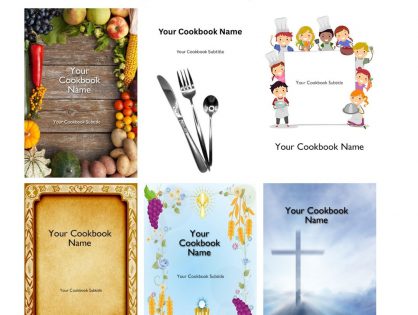
  • New Cookbook Cover Options Added to FamilyCookbookProject.com

    New Cookbook Cover Options Added to FamilyCookbookProject.com

    We are constantly working to improve the offerings to our editors making their own personal cookbooks on FamilyCookbookProject.com. Here are a number of new cover options that will be fond in the cover design center:

    Dinnerware
    Kid Chefs
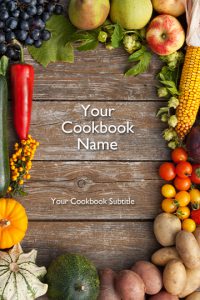
    Garden Harvest 1


    Here are 3 religious-themed covers as well:


    Cross of Blue
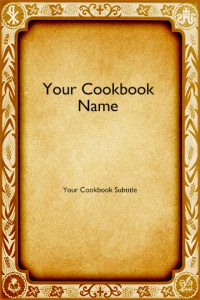
    Religious Parchment
    Light Blue Chalice
  • Using Recipes Found Online in Your Family Cookbook

    Using Recipes Found Online in Your Family Cookbook

    Let’s face it, being able to get information online has certainly made our life so much easier.

    The fact that you can go online and turn a collection of recipes into a beautifully designed printed cookbook at FamilyCookbookProject.com shows you the power of the Internet.

    Finding recipes online is also extremely easy. Rather than only having one or two cookbooks to look through as in the past, now you can type in the name of the recipe you want and get hundreds of variations for you to consider.

    Although a common question we get is, can we use recipes found online in our family cookbook?

    The answer is yes, you can use the recipes you found online in your family cookbook. However, there are some caveats.

    I know whenever I find a recipe online and I’m making it for the first time, I usually don’t necessarily follow the recipe, exactly. Rather I personalize it for mine, and my family tastes. We like things, a little spicier, so often I will increase amounts of spicy ingredients and cut back on some of the sweeter ingredients, making the recipe my own.

    Whenever you create a new recipe based on someone’s existing recipe, you should always give them attribution. That means in your personal notes you should include the original source that you work from.

    However, it is never appropriate to download a photo that comes with the recipe and include it in your online cookbook. While it is generally accepted, that recipes cannot be copyrighted, photos certainly are copyrighted. Unless you have the permission of the copyright owner, it is against Family Cookbook Project’s terms of service to include that photo in your cookbook. If you or family member took the photo, You are all set

    So next time you were looking for a new recipe, that is not yet in your family cookbook, find it online and make it your own.


    Bill Rice is Founder and Co-Publisher of the Family Cookbook Project, the leading online cookbook publisher with a website that helps families and individuals collect, preserve and share food memories by creating their own printed custom cookbooks. He is the author of The Wellfleet Oyster Cookbook and the Cape Cod Cocktail Cookbook (Available on Amazon), both created using FamilyCookbookProject.com. He is also editor of the Donovan Family Cookbook, now it’s third printing and is an avid genealogist tracing his family back to the 1600’s.

    Follow Family Cookbook Project on Facebook, Instagram, Twitter TikTok, YouTube and Pinterest!

  • The Italian Tradition of the Feast of Seven Fishes: A Christmas Eve Celebration

    The Italian Tradition of the Feast of Seven Fishes: A Christmas Eve Celebration

    The Feast of the Seven Fishes is a beloved Italian-American Christmas Eve tradition rooted in Catholic heritage and a celebration of seafood. This festive meal brings families together to enjoy a variety of fish and seafood dishes, honoring both religious customs and the bounty of the sea. While the tradition is primarily observed in Italian-American communities today, it is inspired by centuries-old Italian practices of abstaining from meat and indulging in fish during the holidays.

    In this article, FamilyCookbookProject.com explores the origins of the Feast of the Seven Fishes, what types of fish and seafood are commonly served, and some popular recipes you can try at home to celebrate this rich cultural tradition.

    The Origins of the Feast of the Seven Fishes

    The Feast of the Seven Fishes is celebrated on La Vigilia (Christmas Eve), a night when many Roman Catholics historically refrained from eating meat as part of their religious observance. Instead of meat, fish became the focus of the meal, and the feast developed as a way to mark the occasion with multiple courses of seafood.

    The number seven holds religious significance in Christianity, symbolizing completion and perfection, as seen in references to seven sacraments, seven days of creation, and seven virtues. While seven is the most common number associated with the feast, some families serve fewer or more courses, sometimes opting for nine, eleven, or even thirteen types of fish, each with their own symbolic meaning.

    Though the Feast of the Seven Fishes isn’t widely celebrated across Italy, it has deep roots in Southern Italy, particularly in regions like Calabria and Sicily. Italian immigrants brought the tradition to America in the early 20th century, and it has since become a cherished part of Italian-American Christmas celebrations.

    What Are the Seven Fishes?

    While there’s no strict rule about which specific types of fish must be included in the feast, there are several types of fish and seafood that are commonly featured in the Feast of the Seven Fishes. These dishes are typically prepared using a mix of frying, baking, and poaching techniques, and vary from region to region, with family recipes handed down through generations.

    Here are some of the most popular fish and seafood traditionally served:

    1.Baccalà (Salted Cod)

    •Dish: Baccalà is one of the most iconic dishes of the Feast of the Seven Fishes. This dried and salted cod is soaked to remove the salt and then prepared in various ways, such as fried or simmered in a tomato sauce with olives.

    •Recipe Idea: Baccalà alla Napolitana (Neapolitan-style cod) – Salted cod cooked in a rich tomato sauce with capers, olives, and garlic.

    Search FamilyCookbookProject.com for salted cod recipes.

    2.Calamari (Squid)

    •Dish: Calamari is typically served fried as a crispy appetizer or as part of a seafood salad.

    •Recipe Idea: Fried Calamari – Lightly battered and fried squid rings served with marinara sauce for dipping.

    Search FamilyCookbookProject.com for Calamari recipes.

    3.Gamberi (Shrimp)

    •Dish: Shrimp is a versatile seafood often grilled, sautéed, or poached. It’s also popular in pasta dishes.

    •Recipe Idea: Shrimp Scampi – Sautéed shrimp in a garlic, lemon, and white wine sauce, served over pasta or with crusty bread.

    Search FamilyCookbookProject.com for Shrimp recipes.

    4.Cozze (Mussels)

    •Dish: Mussels are often steamed in a flavorful broth made with garlic, wine, and fresh herbs. They can be served as an appetizer or a main course.

    •Recipe Idea: Cozze in Bianco (Mussels in White Wine) – Steamed mussels in a white wine, garlic, and parsley broth.

    Search FamilyCookbookProject.com for Mussels recipes.

    5.Vongole (Clams)

    •Dish: Clams are another staple, often served as part of a seafood pasta dish or steamed with wine and garlic.

    •Recipe Idea: Linguine alle Vongole – Pasta with clams in a white wine and garlic sauce, a simple yet flavorful dish.

    Search FamilyCookbookProject.com for Clam recipes.

    6.Scungilli (Conch)

    •Dish: Scungilli, or conch, is a type of sea snail that’s often served in a cold seafood salad or cooked in a tomato sauce.

    •Recipe Idea: Scungilli Salad – A refreshing salad made with sliced scungilli, celery, garlic, parsley, and lemon juice.

    Search FamilyCookbookProject.com for conch recipes.

    7.Acciughe (Anchovies)

    •Dish: Anchovies are used in a variety of ways, from being part of antipasti platters to adding depth to sauces.

    •Recipe Idea: Anchovy Bruschetta – Toasted bread topped with anchovies, roasted peppers, and a drizzle of olive oil.

    Search FamilyCookbookProject.com for Anchovies recipes.

    Other fish that are sometimes included in the Feast of the Seven Fishes are eel (especially in Naples), lobster, octopus, whiting, and sardines. The selection of fish often depends on local availability and family traditions.

    How to Celebrate the Feast of the Seven Fishes at Home

    If you want to host your own Feast of the Seven Fishes, here are a few tips to make it special:

    •Plan Your Menu: Decide on seven types of fish or seafood and how you want to prepare them. Choose a mix of fried, baked, and sautéed dishes for variety.

    •Make it a Family Affair: Invite family members to contribute their favorite seafood dishes or to help with the preparation.

    •Keep it Simple: While it’s tempting to go all out, remember that Italian cooking is often about simplicity. Let the freshness of the seafood shine by using simple ingredients and cooking methods.

    •Set the Table: Create a festive atmosphere by setting the table with holiday décor, candles, and perhaps some Italian wine to pair with your seafood feast.

    The Feast of the Seven Fishes is a beautiful tradition that combines family, faith, and the joys of seafood into one memorable meal. Whether you’re honoring a long-standing family tradition or starting a new one, celebrating Christmas Eve with seven seafood dishes is a delicious way to embrace the spirit of the holiday season.

    Bill Rice is Founder and Co-Publisher of the Family Cookbook Project, the leading online cookbook publisher with a website that helps families and individuals collect, preserve and share food memories by creating their own printed custom cookbooks. He is the author of The Wellfleet Oyster Cookbook and the Cape Cod Cocktail Cookbook (Available on Amazon), both created using FamilyCookbookProject.com. He is also editor of the Donovan Family Cookbook, now it’s third printing and is an avid genealogist tracing his family back to the 1600’s.

    Follow Family Cookbook Project on Facebook, Instagram, Twitter TikTok, YouTube and Pinterest!