Blog

  • How to Price Your Cookbook for Profit: Tips and Tricks

    How to Price Your Cookbook for Profit: Tips and Tricks

    Creating a cookbook is a labor of love, but if you’re planning to sell your custom cookbook, figuring out how to price it can feel daunting. Whether you’re selling your cookbook as a fundraiser, through local retailers, or even on Amazon, pricing your cookbook effectively ensures you cover your costs while providing value to your buyers.

    With Family Cookbook Project, getting your cookbook listed on Amazon.com is easy when you add the marketing kit to your print order at checkout. This includes essential elements like an ISBN number and barcode, making your cookbook available for sale on Amazon and other platforms. Additionally, the cookbook will be listed in “Books in Print”, a requirement for many bookstores to carry your book.

    In this guide, we’ll walk you through how to price your cookbook, covering important factors like production costs, binding options, and tips for maximizing your profit margin.

    Understanding the Costs Involved in Printing Your Cookbook

    Before you can set a price for your cookbook, it’s essential to understand the costs associated with printing it. These costs will form the foundation of your pricing strategy and ensure you don’t sell your book at a loss.

    Factors that Affect Printing Costs:

    • Number of Recipes: The more recipes you include, the more pages your cookbook will have, which increases the overall printing cost. Keep in mind that the size of the cookbook can also affect its price.
    • Binding Type: Cookbooks can be printed with different types of binding, and each option has its own cost:
    • Spiral Bound: This is typically the most popular choice for cookbooks due to its functionality, allowing the book to lie flat while cooking. It’s also cost-effective, making it a great option if you want to keep the price of your book accessible.
    • Hardcover: Hardcover books have a more premium feel, which can justify a higher selling price. However, they cost more to print, so you’ll need to set a price point that reflects this.
    • Perfect Bound Paperback: Perfect bound paperback cookbooks are professional-looking and can include the title on the spine, making them ideal for sale in bookstores or on Amazon. They’re more affordable than hardcover options but still offer a polished appearance.

    By understanding how these factors influence printing costs, you can begin to develop a pricing structure that covers your production expenses while leaving room for profit.

    Pricing Based on the Number of Recipes

    The number of recipes in your cookbook will directly impact its length and, therefore, its production cost. As a general rule, the more pages your cookbook has, the more expensive it will be to produce.

    When pricing your cookbook, consider how the number of recipes adds value to the buyer:

    • Smaller Cookbooks: A cookbook with 50-100 recipes might be considered a compact, niche collection and could be priced lower, making it an attractive option for casual buyers or as part of a fundraiser.
    • Larger Cookbooks: If your cookbook has 150-200 recipes or more, it’s likely to be viewed as a more comprehensive, all-in-one resource. You can price it higher, as the buyer is getting a wealth of content for their money.

    When calculating your price, make sure you factor in the cost per page and ensure that the final price covers your expenses and offers a fair return.

    Choosing the Right Binding and Its Impact on Pricing
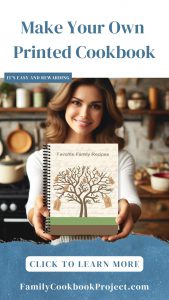
    As mentioned earlier, the binding of your cookbook plays a significant role in both the look of your book and its overall price. Here’s how to think about each binding option when determining your final price:

    Spiral Bound:

    Spiral bound cookbooks are practical and typically more affordable to print. They’re a great option for cookbooks that will be used in the kitchen regularly since they can lay flat, making them easy to read while cooking.

    • Pricing Strategy: Spiral bound cookbooks tend to fall in the mid-range price bracket. If your target market is looking for practical, everyday use cookbooks, a spiral bound format at a moderate price point could be ideal.

    Hardcover:

    Hardcover cookbooks have a premium feel and offer a more durable option for buyers. They make excellent gifts and can command a higher price due to their higher production costs and more luxurious appearance.

    • Pricing Strategy: Given that hardcover books cost more to produce, you’ll need to set a higher price to ensure you cover the cost of printing. Hardcovers are often priced higher, which works well for special occasion cookbooks or collections that offer additional value (e.g., recipes tied to family traditions or exclusive content).

    Perfect Bound Paperback:

    Perfect bound paperbacks are a professional-looking option that falls between spiral bound and hardcover in terms of cost. They’re sleek, include the title on the spine, and are ideal for display on bookshelves.

    • Pricing Strategy: Perfect bound paperbacks are often used for cookbooks sold in stores or online, as they offer a balance of professionalism and affordability. You can price these slightly lower than hardcovers while still making a good profit margin.

    Adding a Marketing Kit for Amazon Listings

    One of the most exciting features offered by Family Cookbook Project is the ability to get your custom cookbook listed on Amazon.com. When you add the marketing kit to your print order, you’ll receive an ISBN number and barcode, which are essential for listing your cookbook for sale on major platforms like Amazon.

    What the Marketing Kit Includes:

    • ISBN Number: This unique identifier allows your book to be sold on Amazon and tracked in bookstore databases.
    • Barcode: Essential for physical sales, the barcode helps retailers and customers identify your book.
    • “Books in Print” Listing: This listing is required for your cookbook to be carried by many bookstores, ensuring it’s widely available to potential buyers.

    Pricing Strategy for Amazon Sales:

    When selling on Amazon, it’s important to remember that Amazon takes a percentage of each sale, so you’ll need to factor this into your pricing. To ensure you still make a profit, consider adding a small markup to cover Amazon’s fees while keeping your price competitive with other cookbooks in your niche.

    Additional Pricing Tips for Your Cookbook

    • Consider Your Audience: If you’re selling your cookbook as part of a fundraiser, you may want to price it slightly higher, as buyers are often willing to pay more to support a cause. If you’re marketing your cookbook to a general audience, keep your price competitive with similar cookbooks.
    • Bundle Offers: If you’re creating multiple editions or volumes of your cookbook, consider offering bundle deals (e.g., buy two volumes, save 10%). This encourages buyers to purchase more than one book while offering them added value.
    • Seasonal Pricing: Cookbooks are often purchased as gifts during the holidays, so you may want to adjust your pricing for seasonal sales. Offering limited-time discounts or promotional pricing can drive more sales during peak times.

    How to Set the Right Price for Your Cookbook

    Pricing your cookbook involves balancing production costs, the type of binding you choose, and the value of the content you’re offering. With Family Cookbook Project, the ability to add a marketing kit for listing on Amazon.com makes it easy to reach a wider audience and price your cookbook for success.

    By considering factors like the number of recipes, printing costs, and your target market, you can confidently set a price that reflects the quality of your cookbook while ensuring you make a profit. Ready to take the next step? Get started on pricing your custom cookbook today!

    Bill Rice is Founder and Co-Publisher of the Family Cookbook Project, the leading online cookbook publisher with a website that helps families and individuals collect, preserve and share food memories by creating their own printed custom cookbooks. He is the author of The Wellfleet Oyster Cookbook and the Cape Cod Cocktail Cookbook (Available on Amazon), both created using FamilyCookbookProject.com. He is also editor of the Donovan Family Cookbook, now it’s third printing and is an avid genealogist tracing his family back to the 1600’s.

    Follow Family Cookbook Project on Facebook, Instagram, Twitter TikTok, YouTube and Pinterest!

    1tom cookbooks effectively.

  • How to Cook Mexican Food at Home: Essential Ingredients, Simple Dishes, and Must-Have Spices

    How to Cook Mexican Food at Home: Essential Ingredients, Simple Dishes, and Must-Have Spices

    Mexican cuisine is beloved for its bold flavors, vibrant colors, and diverse ingredients. The beauty of cooking Mexican food at home is that you can enjoy authentic, delicious dishes without needing to visit a restaurant. By stocking your pantry with key ingredients and learning a few simple recipes, you can bring the rich, varied flavors of Mexico into your own kitchen.

    In this article, FamilyCookbookProject.com will explore the essential ingredients, spices, and simple dishes to help you start cooking authentic Mexican food at home.

    Essential Ingredients for Mexican Cooking

    To successfully cook Mexican food at home, it’s important to have a few staple ingredients on hand. These are the building blocks of many Mexican dishes and will help you achieve authentic flavors.

    Tortillas (Corn and Flour)

    Tortillas are the foundation of many Mexican dishes, such as tacos, quesadillas, enchiladas, and burritos. Keep both corn and flour tortillas in your pantry or fridge, as each type works best for different dishes. Corn tortillas are typically used for tacos and enchiladas, while flour tortillas are popular for burritos and quesadillas.

    Beans (Black Beans, Pinto Beans)

    Beans are a key ingredient in Mexican cuisine. Black beans and pinto beans are commonly used in dishes like  refried beans ,  tacos , and  burritos . You can use canned beans for convenience or cook dried beans for a more authentic flavor.

    Rice (White or Brown)

    Mexican-style rice, often seasoned with tomatoes, onions, and garlic, is a common side dish. Long-grain white or brown rice is ideal for creating  Mexican rice  or serving alongside main dishes like tacos or enchiladas.

    Cheese (Queso Fresco, Cotija, Oaxaca, Monterey Jack)

    Cheese adds richness and flavor to many Mexican dishes.  Queso fresco  and  cotija  are crumbly, mild cheeses often used as toppings, while  Oaxaca  cheese melts beautifully and is perfect for quesadillas.  Monterey Jack  cheese, while not traditional, is a good melting cheese for tacos and enchiladas.

    Avocados

    Avocados are essential for making  guacamole , a classic Mexican dip. They’re also a great topping for tacos, burritos, and salads. Their creamy texture complements the spiciness of many Mexican dishes.

    Limes

    Limes add brightness and acidity to Mexican food. Whether you’re squeezing lime juice over tacos, adding it to a marinade, or using it in a salsa, limes are indispensable in Mexican cooking.

    Tomatoes

    Tomatoes, especially Roma tomatoes, are a key ingredient in many Mexican dishes. They’re used in  salsas ,  sauces , and even  rice dishes . Canned tomatoes can also work well in a pinch.

    Onions (White, Red)

    Onions, especially white onions, are commonly used in Mexican cooking for their sharp flavor. They’re sautéed with garlic in many sauces and stews, and raw red onions are often used as a garnish for tacos and salsas.

    Cilantro

    Cilantro is a fresh herb that adds a burst of flavor to tacos, salsas, and soups. Its bright, citrusy flavor pairs well with lime and adds a fresh note to dishes.

    Chilies (Fresh and Dried)

    Chilies are essential for adding heat and depth of flavor to Mexican food. Common varieties include  jalapeños  and  serranos  (used fresh), as well as  ancho ,  guajillo , and  chipotle  (used dried). These chilies are often used in sauces, marinades, and as toppings for tacos and other dishes.

    Must-Have Spices for Mexican Cooking

    Spices play a crucial role in Mexican cuisine, helping to create layers of flavor in everything from stews to tacos. Here are the most common spices to keep in your pantry:

    Cumin

    Cumin adds a warm, earthy flavor and is one of the most important spices in Mexican cooking. It’s often used in  taco seasoning, chili, and bean dishes .

    Chili Powder

    Chili powder is a blend of ground chilies and spices like cumin, garlic powder, and oregano. It’s essential for seasoning meat, stews, and sauces. Use it in tacos,  enchiladas, and chili con carne .

    Oregano (Mexican Oregano)

    Mexican oregano has a slightly citrusy, floral flavor that differs from Mediterranean oregano. It’s used in  salsas, marinades, and soups. If you can’t find Mexican oregano, regular oregano will work, but the flavors are a bit different.

    Paprika

    Paprika adds color and mild flavor to Mexican dishes. Smoked paprika can add a depth of smokiness to meats and stews.

    Cinnamon (Canela)

    Mexican cinnamon (also called  canela) is softer and more fragrant than the standard cinnamon found in most kitchens. It’s often used in both savory and sweet Mexican dishes, such as  mole  sauces and  horchata.

    Garlic Powder

    Garlic powder is a convenient way to add garlic flavor to dishes when fresh garlic isn’t on hand. It’s often used in  seasoning blends  for tacos and chili.

    Bay Leaves

    Bay leaves are often added to slow-cooked dishes like  pozole  and  sopa de fideo  to add depth and aroma.

    Mexican Dishes to Start With

    Once you have your ingredients and spices stocked, here are a few simple Mexican dishes to try:

    Tacos

    Tacos are one of the most versatile and easy-to-make Mexican dishes. Start by cooking seasoned  ground beef  or chicken with taco seasoning (cumin, chili powder, garlic). Serve the meat in warm corn tortillas and top with your favorite toppings like salsa,  guacamole, cheese, and cilantro.

    Search for taco recipes on FamilyCookbookProject.com

    Guacamole

    This classic dip is easy to make and always a hit. Simply mash ripe  avocados  with lime juice, cilantro, finely chopped onions, and a pinch of  salt. Add some chopped  tomatoes  or jalapeños  for extra flavor and texture.

    Search for guacamole recipes on FamilyCookbookProject.com

    Enchiladas

    Enchiladas are tortillas filled with meat, beans, or cheese, rolled up, and covered with a spicy sauce. You can start with a basic  cheese enchilada  by filling  corn tortillas  with  Monterey Jack cheese, rolling them up, and covering them with a simple  enchilada sauce (made with tomato sauce, chili powder, and  garlic). Bake until bubbly.

    Search for enchiladas recipes on FamilyCookbookProject.com

    Salsa Fresca (Pico de Gallo)

    A fresh salsa made from diced tomatoes, onions, jalapeños, cilantro, and lime juice . It’s perfect as a topping for tacos, nachos, or as a dip with tortilla chips.

    Search for pico de  gallo recipes on FamilyCookbookProject.com

    Quesadillas

    Quesadillas are a simple dish that involves filling  flour tortillas with melted  cheese and other ingredients like chicken, mushrooms, or spinach. Cook the filled tortillas in a hot skillet until the cheese is melted and the tortillas are crispy.

    Search for quesadillas recipes on FamilyCookbookProject.com

    Mexican Rice

    To make Mexican rice, sauté  long-grain rice  with  onions  and  garlic , then simmer it with  tomato sauce  or  tomato paste , chicken broth, and  spices  like cumin and chili powder. The result is a flavorful, fluffy rice that pairs well with tacos, enchiladas, or grilled meats.

    Search for Mexican rice recipes on FamilyCookbookProject.com

    Search for Advanced Recipes

    FamilyCookbookProject.com includes a database of more than 2.82 million recipes, including many Mexican Family Favorites. Click here to search for more Mexican recipes.

    Bringing Mexican Flavors to Your Kitchen

    Cooking Mexican food at home is a rewarding experience that allows you to enjoy rich, authentic flavors with ingredients you can easily find at the store. By stocking up on essential ingredients like tortillas, beans, avocados, and spices like cumin and chili powder, you’ll be well on your way to creating delicious Mexican meals in your own kitchen.

    Start with simple dishes like tacos, guacamole, and enchiladas, and as you get more comfortable, try your hand at more complex recipes. With practice, you’ll be able to bring the vibrant and diverse flavors of Mexico into your home, creating meals that are sure to impress family and friends.

    So grab your tortillas, fire up the stove, and get cooking!


    Bill Rice is Founder and Co-Publisher of the Great Family Cookbook Project, a website that helps families and individuals collect, preserve and share food memories by creating their own printed personal cookbooks. He is the author of The Wellfleet Oyster Cookbook and the Cape Cod Cocktail Cookbook (Available on Amazon), both created using FamilyCookbookProject.com. He is also editor of the Donovan Family Cookbook, now it’s third printing and is an avid genealogist tracing his family back to the 1600’s.

    Follow Family Cookbook Project on Facebook, Instagram, Twitter TikTok, YouTube and Pinterest!


  • Memorializing a Passed Family Member With a Family Cookbook

    Memorializing a Passed Family Member With a Family Cookbook

    When someone we love passes away, a part of us is lost also. The times we’ve spent with that person, the shared memories and I.

    However, when that person was a mother or grandmother, primary feeder of the family, also will be loved recipes that they enjoyed making are also no longer available for future generations.

    One way to memorialize a loved one who has passed, especially someone who was responsible for cooking for the family, is to create a family cookbook in their honor.

    Often collection of recipes in the form of a recipe box, magazine and newspaper clippings, or cookbooks with pages marked is a great place to start creating a cookbook in someone’s honor.

    Another way to gather recipes is to reach out to families and friends and ask for which foods that person was known for. Getting others to share recipes and memories adds a lot to the process and to the final product.

    When entering recipes into the system, remember to write personal notes about why this recipe reminds you of the person you were honoring. It could be memories of when they’ve made that recipe or serve that recipe or just examples of food that they loved.

    Including lots of photos is also a great way to make your special cookbook a tribute to the one you love.

    While we will not always have those we love around us, we can insure their memories and recipes are preserved forever.


    Bill Rice is Founder and Co-Publisher of the Family Cookbook Project, a website that helps families and individuals collect, preserve and share food memories by creating their own printed personal cookbooks. He is the author of The Wellfleet Oyster Cookbook and the Cape Cod Cocktail Cookbook (Available on Amazon), both created using FamilyCookbookProject.com. He is also editor of the Donovan Family Cookbook, now it’s third printing.

    Follow Family Cookbook Project on Facebook, Instagram, Twitter TikTok, YouTube and Pinterest!

  • 10 Tips for Writing Clear and User-Friendly Recipe Titles

    10 Tips for Writing Clear and User-Friendly Recipe Titles

    Writing a recipe isn’t just about listing ingredients; it’s about guiding someone through the cooking process with clarity. Here are 10 essential tips for writing recipes from FamilyCookbookProject.com that are easy to follow and original:

    1. Use Clear, Precise Language

    Keep your instructions simple and straightforward. Avoid technical jargon unless it’s essential, and always explain any unusual techniques.

    2. List Ingredients in Order

    Ensure the ingredients appear in the order they’re used in the recipe. This helps readers follow along easily without confusion.

    3. Be Specific with Measurements

    Instead of vague amounts, be as specific as possible. Use measurements like “1 cup” or “2 tablespoons” rather than “some” or “a pinch.”

    4. Break Steps Into Manageable Parts

    Each step in the recipe should have one clear action. This makes the instructions easier to follow and prevents mistakes.

    5. Include Cooking Times

    Provide approximate times for each stage, from prep to cook time. This helps cooks plan their time and know when the dish is finished.

    6. Offer Temperature Guidelines

    Whether it’s the oven or stovetop, always indicate the appropriate temperature to cook at.

    7. Explain Special Techniques

    If your recipe includes a technique that isn’t common knowledge, explain how to do it. For example, if it involves folding batter or blanching vegetables, provide details.

    8. Add Serving Suggestions

    Let your readers know how to serve the dish. Should it be eaten hot or cold? Does it pair well with a certain side?

    9. Include Variations and Substitutes

    Suggest alternative ingredients or methods for those with dietary restrictions or different tastes.

    10. Test Your Recipe

    Always make sure your recipe works by testing it yourself. This ensures your readers will have a positive cooking experience and achieve the desired results.

    With these tips, your recipes will be clear, original, and enjoyable for any home cook to follow.


    Bill Rice is Founder and Co-Publisher of the Family Cookbook Project, the leading online cookbook publisher with a website that helps families and individuals collect, preserve and share food memories by creating their own printed custom cookbooks. He is the author of The Wellfleet Oyster Cookbook and the Cape Cod Cocktail Cookbook (Available on Amazon), both created using FamilyCookbookProject.com. He is also editor of the Donovan Family Cookbook, now it’s third printing and is an avid genealogist tracing his family back to the 1600’s.

    Follow Family Cookbook Project on Facebook, Instagram, Twitter TikTok, YouTube and Pinterest!

  • Fun, Family Activity Idea: Create a Family Cookbook

    Looking for a fun project to get everyone in your family involved in, even if they don’t all live in the same town? Create a family cookbook with FamilyCookbookProject.com.

    Family Cookbook Project started with my family sitting around a table, enjoying a wonderfully prepared meal were several family members contributed dishes. We all thought it would be great to have a family cookbook that we could all enjoy the recipes from others in the family.

    The online program we created to create my family’s cookbook over 20 years ago has turned into a successful website used by hundreds of thousands of people to create their own families cookbooks

    It is easy and fun to use. Here are some of the features get offers.

    • A simple to use invitation tool that allows you to invite other members of the family to participate via email and submit recipes from anywhere.
    • A library of professionally design covers for you to choose from. You also have the option to use a family photo or create your own cover.
    • Predesigned recipe layouts that let you choose how your recipes appear. You also have the ability to customize these layouts for your specific needs.
    • Recipe rating tool. Each recipe allows family members to pick between one and five stars how they like the recipe. It’s a great conversation starter.

    While the recipe can tribute, or gets to add personal notes of why, the recipe is important to them, other family members could add to the story and write comments online of their thoughts and memories of that recipe. The stories are only online and don’t carry forward to the printed cookbook.

    Can’t pick watch which cover you want? Use the cover voting tool and allow the contributors to help decide.

    And there is an option for all contributors to receive emails with the new recipes entered. This is a great way to keep them motivated and adding their own recipes.

    The best part of creating a family cookbook as a family project is when the cookbook is printed and everyone is amazed at how beautiful and timeless it is. It certainly is a worthwhile project.

    To get started with your own families, personalize cookbook, go to FamilyCookbookProject.com


    Bill Rice is Founder and Co-Publisher of the Family Cookbook Project, the leading online cookbook publisher with a website that helps families and individuals collect, preserve and share food memories by creating their own printed custom cookbooks. He is the author of The Wellfleet Oyster Cookbook and the Cape Cod Cocktail Cookbook (Available on Amazon), both created using FamilyCookbookProject.com. He is also editor of the Donovan Family Cookbook, now it’s third printing and is an avid genealogist tracing his family back to the 1600’s.

    Follow Family Cookbook Project on Facebook, Instagram, Twitter TikTok, YouTube and Pinterest!

  • Are You Following Family Cookbook Project on Social Media?

    Are You Following Family Cookbook Project on Social Media?

    The Family Cookbook Project is more than just a cookbook publisher; it’s a community where families and individuals come together to share recipes and food memories. We provide a system that makes it easy to gather and publish your family food traditions. Additionally, we offer valuable advice on improving your cookbook, creating better recipes, and understanding cooking.

    Here are the ways you can follow us on social media:

    Facebook: Follow us on Facebook to discover interesting recipes from our editors, get ideas to enhance your cookbook, and receive general cooking tips. We also have specific pages for barbecue recipes and cookie recipes, so follow those if they interest you.

    Pinterest: Cooking and recipes are popular categories on Pinterest. The Family Cookbook Project has 18 boards filled with great recipes, cooking tips, and ways to improve your cookbook. Explore interesting categories like Food Guys Like, Recipes from Around the World, and What’s for Breakfast.

    Instagram: Follow the Family Cookbook Project on Instagram for more recipes and tips.

    TikTok: Like short videos about cooking and creating cookbooks, follow our TikTok cookbook channel.

    Twitter: If you prefer X (formerly Twitter), find us at @Family_Cookbook or using the hashtag #familycookbook. We share the same great information across all our social media platforms.

    YouTube: Our How To videos can be found on YouTube, where we post videos on how to use Family Cookbook Project’s online tools to create the perfect family recipe book.


    Bill Rice is Founder and Co-Publisher of the Family Cookbook Project, a website that helps families and individuals collect, preserve and share food memories by creating their own printed personal cookbooks. He is the author of The Wellfleet Oyster Cookbook and the Cape Cod Cocktail Cookbook (Available on Amazon), both created using FamilyCookbookProject.com. He is also editor of the Donovan Family Cookbook, now it’s third printing.

    Follow Family Cookbook Project on Facebook, Instagram, Twitter TikTok, YouTube and Pinterest!


  • Pro Tip: Adding a Photo To Your Cookbook Cover

    Pro Tip: Adding a Photo To Your Cookbook Cover

    You can create a custom cover by adding your own photo. Use the Photo Manager (found in the Layout and Design section) to upload your photo. Assign the location to front cover.

    Next, go to the Layout and Design Center and select “Cookbook Covers”. This will take you to a page that will allow you to select one of our professionally designed cookbook covers by clicking on the + sign to see the covers in each category.  The last option is for a custom cover. To select the custom cover click on the choose button.  Then click “Save” to set that as your cover.
    You can also get really creative and use the Custom Cover Arranger Tool.  Go to Layout & Design>Select Cover and click the button to open that too.

    Bill Rice is Founder and Co-Publisher of the Family Cookbook Project, the leading online cookbook publisher with a website that helps families and individuals collect, preserve and share food memories by creating their own printed custom cookbooks. He is the author of The Wellfleet Oyster Cookbook and the Cape Cod Cocktail Cookbook (Available on Amazon), both created using FamilyCookbookProject.com. He is also editor of the Donovan Family Cookbook, now it’s third printing and is an avid genealogist tracing his family back to the 1600’s.

    Follow Family Cookbook Project on Facebook, Instagram, Twitter TikTok, YouTube and Pinterest!

  • Bring Vietnam to Your Table: A Guide to Cooking Authentic Vietnamese Food at Home

    Bring Vietnam to Your Table: A Guide to Cooking Authentic Vietnamese Food at Home

    Vietnamese cuisine is known for its fresh ingredients, vibrant flavors, and balance of sweet, sour, salty, and spicy elements. Dishes like pho, banh mi, and spring rolls have become popular worldwide, but cooking Vietnamese food at home offers a chance to explore a deeper variety of dishes and flavors. With the right ingredients, tools, and recipes, you can recreate the magic of Vietnamese cuisine in your own kitchen.

    In this article, FamilyCookbookProject.com will explore essential ingredients for cooking Vietnamese food, beginner-friendly dishes to try, and how to collect and organize your favorite recipes using FamilyCookbookProject.com.

    Essential Ingredients for Vietnamese Cooking

    The foundation of Vietnamese cuisine is fresh ingredients that bring bold flavors and vibrant colors to the table. Here are a few must-have ingredients to keep on hand:

    Fish Sauce (Nuoc Mam)

    Fish sauce is a cornerstone of Vietnamese cooking, adding a salty, umami depth to many dishes. It’s used in everything from dipping sauces to marinades and stir-fries. Look for a high-quality brand, as the flavor can vary significantly.

    Rice Noodles (Banh Pho)

    Rice noodles come in different thicknesses and are used in a variety of Vietnamese dishes, such as pho and stir-fried noodle dishes like bun cha. Keep thin vermicelli noodles for light dishes and thicker noodles for heartier soups and stir-fries.

    Fresh Herbs

    Fresh herbs are essential in Vietnamese cooking, adding brightness and complexity to dishes. Key herbs include cilantro, Thai basil, mint, and coriander. These are often used as garnishes or added at the last moment for a burst of fresh flavor.

    Lime and Lemongrass

    Lime adds acidity to balance flavors, while lemongrass provides a fragrant, citrusy element to soups, curries, and marinades. Together, they help create the bright, fresh taste that is so characteristic of Vietnamese cuisine.

    Hoisin Sauce and Sriracha

    Hoisin sauce is sweet and savory, often used in dipping sauces or as a glaze. Sriracha, a spicy chili sauce, adds heat and is a favorite condiment for pho and other noodle dishes.

    Rice Paper (Banh Trang)

    Rice paper is used for making fresh spring rolls (goi cuon) or fried spring rolls (cha gio). It’s light, versatile, and essential for creating these classic Vietnamese appetizers.

    Beginner-Friendly Vietnamese Dishes to Try

    Vietnamese food is known for being fresh and healthy, making it a great cuisine to explore at home. Here are a few dishes that are simple to prepare and full of flavor:

    Pho

    Pho is a classic Vietnamese noodle soup made with a rich, aromatic broth, rice noodles, and a choice of beef or chicken. While making the broth from scratch can be time-consuming, it’s worth the effort. Once you’ve mastered pho, you’ll have the base for many Vietnamese noodle dishes.

    Fresh Spring Rolls (Goi Cuon)

    Fresh spring rolls are an easy and refreshing dish to make at home. These light rolls are filled with shrimp, pork, vermicelli noodles, and fresh herbs, wrapped in rice paper and served with a tangy dipping sauce made from hoisin and peanut butter.

    Banh Mi

    Banh mi sandwiches are a delicious fusion of French and Vietnamese flavors, featuring a crispy baguette stuffed with pickled vegetables, herbs, meat, and pate. You can customize the fillings to your taste, making banh mi a versatile dish.

    Bun Cha

    Bun cha is a flavorful noodle salad made with grilled pork, rice vermicelli noodles, fresh herbs, and a sweet-and-sour dipping sauce. It’s a perfect example of how Vietnamese cuisine balances fresh and grilled elements.

    # 5.  Vietnamese Iced Coffee (Ca Phe Sua Da)

    For a sweet and refreshing treat, try making Vietnamese iced coffee. Strong coffee is brewed and then mixed with sweetened condensed milk, served over ice for a perfect afternoon pick-me-up.

    Tools You’ll Need for Vietnamese Cooking

    Cooking Vietnamese food at home is simple with the right tools. Here are a few kitchen essentials to help you get started:

    A Large Pot for Soups: Pho and other Vietnamese soups require a large pot for simmering broth and cooking noodles. Choose one that allows you to comfortably simmer broth for hours without spilling.

    Mortar and Pestle: This tool is useful for pounding aromatics like garlic, lemongrass, and chili to release their flavors. It’s particularly helpful in making pastes for marinades and sauces.

    Rice Cooker: Rice is a staple in Vietnamese cuisine, and a rice cooker ensures perfectly cooked rice every time, without any guesswork.

    Mandoline: A mandoline helps with thinly slicing vegetables, particularly for making quick pickles or julienning ingredients for fresh spring rolls and salads.

    Where to Find Vietnamese Recipes

    When it comes to finding Vietnamese recipes, there are plenty of resources available. You can browse through Vietnamese cookbooks, follow food bloggers who specialize in Southeast Asian cuisine, or check out cooking channels on YouTube for step-by-step video tutorials. FamilyCookbookProject.com offers a great collection of Vietnamese recipes for home cooks submitted in our database of more than 2.82 million recipes.

    However, as you explore different recipes and experiment with dishes, you may want to keep track of the ones that work best for you, so you can easily revisit and share them. This is where  FamilyCookbookProject.com  comes in handy.

    FamilyCookbookProject.com allows you to organize all your favorite Vietnamese recipes into one personalized cookbook. Whether you’ve perfected pho or created your own twist on banh mi, you can add the recipe to your collection, making it easy to reference or share with family and friends. You can also include notes, variations, or even family stories associated with the dish, making your cookbook as personal and unique as your culinary journey.

    Start Cooking Vietnamese Food at Home

    Cooking Vietnamese food at home is an exciting way to explore bold flavors and fresh ingredients. By stocking your kitchen with essential ingredients like fish sauce, rice noodles, and fresh herbs, you’ll be ready to prepare a variety of delicious dishes. Start with beginner-friendly recipes like pho, fresh spring rolls, and banh mi, and build your skills from there.

    As you try new dishes and refine your favorites, FamilyCookbookProject.com can help you organize all your recipes into a personalized collection that’s easy to access and share. Whether you’re cooking for your family or hosting a Vietnamese-inspired dinner party, you’ll have a go-to resource for creating authentic Vietnamese meals right in your own kitchen.


    Bill Rice is Founder and Co-Publisher of the Family Cookbook Project, a website that helps families and individuals collect, preserve and share food memories by creating their own printed personal cookbooks. He is the author of The Wellfleet Oyster Cookbook and the Cape Cod Cocktail Cookbook (Available on Amazon), both created using FamilyCookbookProject.com. He is also editor of the Donovan Family Cookbook, now it’s third printing and is an avid genealogist tracing his family back to the 1600’s.

    Follow Family Cookbook Project on Facebook, Instagram, Twitter TikTok, YouTube and Pinterest!

  • How to Use Old Family Photos to Enhance Your Cookbook

    How to Use Old Family Photos to Enhance Your Cookbook

    A family cookbook is more than just a collection of recipes; it’s a window into your family’s history, traditions, and shared experiences. One of the best ways to enrich your cookbook and make it truly memorable is by incorporating old family photos. These images can add context, nostalgia, and a sense of connection to each recipe. In this article, FamilyCookbookProject.com will explore how to use old family photos to enhance your family cookbook, making it a cherished keepsake for generations to come.

    Tell a Story with Photos

    Family photos can help tell the story of your family’s culinary traditions. Rather than using photos solely as decoration, think about how each image can contribute to the overall narrative of your cookbook.

    Here are a few ways to tell a story using photos:

    • •Highlight Special Events: Include photos of family gatherings, such as holiday dinners, birthday parties, or weddings. Pair these photos with recipes that were served during these occasions, like Grandma’s Christmas cookies or Aunt Mary’s famous wedding cake.
    • •Show the People Behind the Recipes: Add photos of family members who are particularly known for certain recipes. For example, include a picture of Grandpa making his legendary barbecue or a snapshot of your mom serving her signature lasagna. This helps future generations put a face to the recipe and feel more connected to family traditions.
    • •Capture Family Life in the Kitchen: If you have old photos of your family cooking together, these can be a wonderful addition to your cookbook. Whether it’s children learning to bake cookies or siblings helping prepare a meal, these moments reflect the joy and togetherness of cooking as a family.

    By pairing these images with the recipes themselves, you not only preserve the food but also the memories and emotions tied to it.

    Choose Photos That Reflect Different Eras

    Incorporating photos from various eras of your family’s history gives your cookbook a rich sense of time and continuity. Consider selecting images from different decades to showcase the evolution of your family’s cooking traditions. Here are some ideas:

    • •Vintage Photos: Black-and-white or sepia-toned photos from your grandparents or great-grandparents’ time can add a sense of nostalgia. These could include family portraits or candid shots of family members in the kitchen.
    • •Mid-Century Photos: If you have family photos from the 1950s through the 1970s, these can add a retro vibe to your cookbook. Kitchens from this era, with their distinctive design and appliances, make for fun visuals that transport readers back in time.
    • •Recent Photos: Don’t forget to include more recent family moments as well. Whether it’s your kids learning to cook or a modern-day family gathering, these images help show that family recipes and traditions are still alive and evolving.

    Using photos from different time periods brings a sense of continuity to your cookbook, illustrating how recipes and family traditions have been passed down through the generations.

    Incorporate Photos of Family Gatherings

    Family gatherings are often the heart of shared culinary traditions. Whether it’s a big holiday dinner or a casual summer barbecue, these moments capture the essence of family life. Adding photos of these gatherings can enhance the sense of togetherness in your cookbook.

    Some ideas for incorporating gathering photos include:

    • •Holiday Dinners: Pair photos of your family around the holiday table with the recipes that were served. Whether it’s Thanksgiving turkey or a Christmas pudding, these images add warmth and nostalgia to your cookbook.
    • •Reunions and Special Occasions: Include snapshots from family reunions, weddings, anniversaries, or milestone birthdays. These occasions often feature significant family recipes, making the photos a perfect complement to the corresponding dishes.
    • •Candid Moments: Candid photos, such as children playing, someone preparing a dish, or laughter around the table, add a dynamic and authentic feel to the cookbook. These images reflect the joy of being together and sharing food.

    By including these photos, you celebrate not just the recipes themselves, but the family moments they helped create.

    Use Photos as Chapter Dividers or Section Introductions

    Old family photos can also serve a functional role in your cookbook by acting as chapter dividers or section introductions. This helps give your cookbook a cohesive, polished look while maintaining a personal touch. Here are some ideas on how to use photos in this way:

    • •Section Headers: Use a family photo at the beginning of each section of your cookbook, such as “Appetizers,” “Main Dishes,” or “Desserts.” For example, if your family always gathered for dessert after a meal, use a photo of everyone enjoying a sweet treat to introduce the dessert section.
    • •Recipe Groupings: You can also group recipes by the family members who contributed them. If you’re creating a section called “Grandma’s Favorites,” include a photo of Grandma at the beginning of the section to personalize it even more.
    • •Special Family Dishes: If a certain recipe has a lot of history behind it, consider starting the recipe’s page with a large family photo that relates to the dish, such as a photo of a specific holiday or event where the dish was served.

    Photos used in this way break up the text and add visual interest, making the cookbook more engaging for readers.

    Digitize and Enhance Old Photos

    If you’re working with physical copies of old photos, you’ll need to digitize them for inclusion in your cookbook. Here’s how to do it effectively:

    • •Scan at a High Resolution: When scanning old photos, aim for a resolution of at least 300 dpi (dots per inch). This ensures that the images will print clearly and look sharp in your cookbook.
    • •Enhance or Restore Photos: Use photo-editing software to enhance or restore old photos that may have faded or become damaged over time. Simple adjustments like brightening the image, increasing contrast, or removing scratches can make a significant difference.
    • •Keep the Vintage Feel: While you want to enhance the quality of the photo, try not to over-edit it. Part of the charm of old family photos lies in their imperfections, so embrace the slightly faded colors or worn edges—they add authenticity and character.

    Add Captions and Personal Notes

    Captions are essential for giving context to the photos in your cookbook. When including old family photos, don’t assume that future generations will know who’s in the picture or why the moment was significant. Here’s how to make your captions meaningful:

    • •Identify People: Make sure to identify who is in the photo, including their relationship to the family. For example, “Grandma Mary in her kitchen in 1950” or “Uncle Joe grilling at the family barbecue, 1975.”
    • •Explain the Story Behind the Photo: Add a brief note about the context of the photo, especially if it’s related to a particular recipe. For example, “This is the first time Grandma made her famous apple pie, a recipe that has been passed down to every generation since.”
    • •Share Fun Facts: If there’s a humorous or heartwarming anecdote associated with the photo, include that as well. These little details make the cookbook more personal and enjoyable to read.

    Captions and personal notes give life to the photos and provide future readers with a deeper understanding of the family’s traditions.

    Incorporate Photos into the Design of the Cookbook Cover

    For a truly personal touch, consider using old family photos as part of your cookbook cover design. FamilyCookbookProject.com allows you to upload custom images for the cover, so you can create a unique design that reflects your family’s history.

    Ideas for cover designs using family photos include:

    • •A Collage of Family Photos: Create a collage of multiple family photos that span different generations. This creates a visually striking cover that reflects the diversity of family traditions.
    • •A Single Iconic Photo: If there’s a particular photo that represents your family’s culinary legacy (such as Grandma cooking in her kitchen), use it as the central image for the cover.
    • •Family Portraits: A group photo of the entire family at a reunion or holiday event can also make a beautiful cover, showing the unity behind the shared recipes.

    The cover is the first thing people will see when they pick up the cookbook, so using a family photo will set the tone for the entire project.

    Preserving Family Memories with Photos and Recipes

    By incorporating old family photos into your cookbook, you transform it from a simple recipe collection into a family heirloom. The combination of recipes and photos captures not only your family’s culinary traditions but also the moments, people, and memories that have shaped them. Whether you use photos to tell a story, introduce sections, or personalize each recipe, these images add a layer of depth and emotion that makes the cookbook truly special.

    With FamilyCookbookProject.com, it’s easy to digitize and integrate photos into your cookbook design, ensuring that both your family’s recipes and memories will be preserved for future generations.


    Bill Rice is Founder and Co-Publisher of the Family Cookbook Project, the leading online cookbook publisher with a website that helps families and individuals collect, preserve and share food memories by creating their own printed custom cookbooks. He is the author of The Wellfleet Oyster Cookbook and the Cape Cod Cocktail Cookbook (Available on Amazon), both created using FamilyCookbookProject.com. He is also editor of the Donovan Family Cookbook, now it’s third printing and is an avid genealogist tracing his family back to the 1600’s.

    Follow Family Cookbook Project on Facebook, Instagram, Twitter TikTok, YouTube and Pinterest!

  • Recipe Boxes vs. Family Cookbooks: Why Digital Age Wins

    Recipe Boxes vs. Family Cookbooks: Why Digital Age Wins

    In many homes, a recipe box holds a revered place on the kitchen counter. This small box, often brimming with handwritten cards, is a tangible connection to family history and culinary tradition. Each card tells a story, not just with its ingredients and instructions, but with the unique handwriting and notes that have been added over the years. However, as charming as these boxes are, they come with their own set of challenges. In today’s digital age, a family cookbook offers a modern, practical, and equally sentimental alternative that addresses many of these challenges.

    The Charm and Challenges of a Recipe Box

    Recipe boxes are undeniably nostalgic. They often contain a mix of recipes: some handed down from previous generations, others clipped from magazines, and a few scribbled on scraps of paper. This collection represents a family’s culinary journey. Yet, despite their sentimental value, recipe boxes present several practical issues:

    1. Difficulty in Sharing Recipes: Sharing recipes from a recipe box can be a cumbersome task. Imagine a family gathering where everyone wants Aunt Susan’s famous apple pie recipe. You pull out the card, but copying it by hand or taking a photo with your phone doesn’t quite capture the charm or ensure everyone gets an accurate copy. Furthermore, physical cards can get lost, damaged, or stained over time, making it even harder to preserve and share these precious recipes.
    2. Hard-to-Read Recipes: Over the years, recipe cards can become worn and faded. Handwriting styles vary, and what was once legible can become a cryptic puzzle. Spilled ingredients and smudged ink only add to the difficulty. Trying to decipher Grandma’s cursive while your hands are covered in flour can be frustrating and might even lead to culinary mishaps.
    3. Organization and Retrieval: Finding a specific recipe in a cluttered box can be time-consuming. Cards might not be organized, and you might spend valuable cooking time rifling through the box trying to locate the right one. This lack of organization can deter even the most enthusiastic cook.

    The Modern Solution: A Family Cookbook

    Transitioning from a recipe box to a family cookbook offers numerous advantages while retaining the sentimental value of those cherished recipes. Here’s why a family cookbook is a superior option:

    1. Ease of Sharing: A family cookbook, especially one created with modern publishing tools, can be easily shared among family members and friends. Whether in print or digital format, everyone can have their own copy. Digital cookbooks can be shared via email or cloud services, ensuring that everyone has access to the same recipes without the hassle of photocopying or transcribing by hand.
    2. Readability: By compiling recipes into a family cookbook, you can standardize the format and font, making them easy to read. This eliminates the struggle with various handwriting styles and worn-out cards. For added nostalgia, you can include images of the original recipe cards alongside the typed version. This way, the charm of the handwritten notes is preserved, but the recipes are accessible and legible.
    3. Enhanced Organization: Family cookbooks allow for organized sections, whether by meal type, occasion, or family member. An index and table of contents make finding a specific recipe straightforward. This organization not only saves time but also makes the cooking process more enjoyable and efficient.
    4. Preservation of Memories: While a recipe box holds individual cards, a family cookbook can tell a more comprehensive story. Alongside recipes, you can include anecdotes, photos, and family history, creating a rich tapestry of your family’s culinary journey. This not only preserves the recipes but also the memories associated with them.
    5. Inclusion of Visuals: A significant advantage of a family cookbook is the ability to include photos. High-quality images of the finished dishes can inspire and guide family members as they cook. Additionally, including images of the original recipe cards allows the cookbook to retain its sentimental value. Seeing Grandma’s handwriting next to a beautiful photo of her famous cookies bridges the gap between past and present.
    6. Customization and Updates: With digital tools, updating a family cookbook is simple. New recipes can be added, and outdated ones can be revised. This flexibility ensures that the cookbook evolves with the family’s culinary tastes and traditions. Recipe boxes, on the other hand, are static and can’t be easily updated or expanded.

    Creating a Family Cookbook: Tips and Considerations

    Embarking on the journey to create a family cookbook using FamilyCookbookProject.com can be a rewarding experience. Here are some tips to ensure your cookbook is a treasured family heirloom:

    1. Gathering Recipes: Start by collecting recipes from family members. Encourage them to share their favorites, along with any stories or memories associated with the dishes. This collaborative effort ensures that the cookbook represents the entire family’s culinary heritage.
    2. Preserving Handwritten Cards: Scan or photograph original recipe cards to include in the cookbook. This preserves the nostalgic element while ensuring the recipes are legible. Pair these images with typed versions of the recipes for clarity.
    3. Adding Personal Touches: Include family photos, anecdotes, and historical context. For example, if a recipe has been passed down for generations, provide some background on its origins and significance to the family.
    4. Organizing the Content: Decide on a structure for the cookbook. You might organize recipes by meal type (breakfast, lunch, dinner, desserts), occasion (holidays, family gatherings), or by contributor. An index and table of contents are essential for easy navigation.
    5. Design and Layout: Use a user-friendly design tool or service to lay out the cookbook. Choose fonts and colors that reflect your family’s personality. Ensure that the design is clean and easy to read. High-quality images of dishes and recipe cards add a professional touch.
    6. Printing and Distribution: Decide whether you want to create physical copies, digital versions, or both. Physical copies can be professionally printed and make wonderful gifts. Digital versions can be easily shared and updated.
    7. Engaging the Family: Throughout the process, keep family members involved. Share progress updates and solicit feedback. This engagement ensures that the cookbook truly represents the family’s collective culinary heritage.

    Embracing the Digital Age

    While the charm of a recipe box is undeniable, embracing modern technology can enhance the way we preserve and share family recipes. Here’s how the digital age can complement a family cookbook:

    1. Online Platforms: Online platforms, like FamilyCookbookProject.com, designed specifically for creating and sharing family cookbooks. This platform offers templates, design tools, and options for collaboration.
    2. Social Media: Create a private family group on social media where members can share recipes, cooking tips, and photos of dishes. This real-time interaction keeps the family connected and engaged in the culinary journey.
    3. Digital Archives: Digitizing old recipe cards not only preserves them but also makes them easily accessible. Cloud storage ensures that these recipes are safe from physical damage and can be shared effortlessly.
    4. Mobile Access: With FamilyCookbookProject.com, recipes are accessible on smartphones and tablets. This convenience means that family members can cook from anywhere, whether they’re in their own kitchen or visiting a friend.

    A family cookbook offers a beautiful blend of tradition and modernity. It preserves the sentimental value of a recipe box while addressing its practical limitations. By compiling recipes into a family cookbook, you ensure that these culinary treasures are legible, organized, and easily shared. Including images of original recipe cards retains the nostalgic charm while enhancing readability.

    In today’s fast-paced world, a family cookbook serves as a tangible connection to our roots. It’s a testament to the love and care that goes into each dish and a celebration of the family’s culinary heritage. By embracing modern tools and technologies, such as FamilyCookbookProject.com, we can create cookbooks that not only preserve recipes but also the memories and stories that make them special.

    So, gather those recipe cards, scan those handwritten notes, and embark on the journey of creating a family cookbook using FamilyCookbookProject.com. It’s a gift that will be cherished for generations to come, bringing joy, connection, and delicious meals to your family’s table.


    Bill Rice is Founder and Co-Publisher of the Family Cookbook Project, a website that helps families and individuals collect, preserve and share food memories by creating their own printed personal cookbooks. He is the author of The Wellfleet Oyster Cookbook and the Cape Cod Cocktail Cookbook (Available on Amazon), both created using FamilyCookbookProject.com. He is also editor of the Donovan Family Cookbook, now it’s third printing and is an avid genealogist tracing his family back to the 1600’s.

    Follow Family Cookbook Project on Facebook, Instagram, Twitter and Pinterest!