Lebanese cuisine is a celebration of fresh, wholesome ingredients and vibrant flavors, with a focus on vegetables, grains, legumes, and meats. Rich in Mediterranean influences, Lebanese food is known for its mezze platters, flavorful grilled meats, fresh salads, and an array of dips. While Lebanese dishes may seem exotic, many of them are simple to prepare at home with the right ingredients and spices.
In this article, FamilyCookbookProject.com explores the essential ingredients you’ll need to cook authentic Lebanese food, the key spices to capture its unique flavors, and a few simple dishes to get started.
Essential Ingredients for Lebanese Cooking
 Lebanese cuisine revolves around fresh produce, grains, and legumes, along with some classic Mediterranean staples. Here are the essential ingredients you should keep on hand for Lebanese cooking:
Olive Oil
Olive oil is central to Lebanese cooking, used in everything from dressings to marinades, frying, and drizzling over finished dishes. Extra-virgin olive oil is preferred for its rich flavor.
Chickpeas and Lentils
Chickpeas and lentils are frequently used in Lebanese dishes like hummus, falafel, and mujadara (a lentil and rice dish). They are also a good source of plant-based protein, making them a staple of many vegetarian meals.
Bulgur Wheat
Bulgur wheat is commonly used in salads like tabbouleh, where it is mixed with fresh herbs, tomatoes, and lemon juice. It’s also used in kibbeh, a classic Lebanese dish made with ground meat and wheat.
Eggplant
Eggplant is a versatile vegetable in Lebanese cuisine, featured in dishes like baba ghanoush (an eggplant dip) and moussaka. It’s often grilled, roasted, or stewed.
Yogurt (Labneh)
Labneh is a thick, tangy strained yogurt that’s used in a variety of Lebanese dishes. It can be spread on bread, used as a dip, or served alongside grilled meats.
Fresh Herbs (Mint, Parsley, and Cilantro)
Fresh herbs play a vital role in Lebanese cooking. Mint is often used in salads and beverages, while parsley is a key ingredient in tabbouleh and cilantro is used in sauces and garnishes.
Pita Bread
Pita bread is a Lebanese staple, often served alongside dips like hummus and baba ghanoush. It’s also used to scoop up mezze or as a base for manakish (a Lebanese flatbread topped with za’atar).
Lamb and Chicken
Grilled meats are central to Lebanese cuisine, particularly lamb and chicken. They are often marinated in lemon, garlic, and herbs before grilling or roasting, as in dishes like shish taouk (grilled chicken skewers) and kofta kebabs.
Lemon
Lemon is used generously in Lebanese cooking, adding brightness and acidity to dishes. It’s a key component of dressings, marinades, and salads, giving freshness to dishes like fattoush and tabbouleh.
Tahini
Tahini, a paste made from ground sesame seeds, is a staple in Lebanese cooking. It’s used to make hummus, baba ghanoush, and tarator (a tahini sauce served with meats and fish).
Must-Have Spices and Seasonings for Lebanese Cooking
Lebanese food is known for its fragrant spices and herbaceous flavors. Here are some of the must-have spices and seasonings to keep in your pantry:
Za’atar
Za’atar is a spice blend made from dried thyme, sumac, sesame seeds, and salt. It’s commonly sprinkled over flatbreads, added to salads, or used as a seasoning for roasted vegetables and meats.
Sumac
Sumac is a tangy, citrusy spice made from dried berries. It adds brightness to dishes like fattoush (bread salad) and is often sprinkled on top of dips like hummus.
Cumin
Cumin is a warm, earthy spice used in many Lebanese dishes, from lentil soups to spiced meat skewers like kofta kebabs. It’s also commonly added to stews and tagines.
Cinnamon
Cinnamon is often used in Lebanese cooking, especially in savory dishes like kibbeh and lamb stews. It adds a subtle sweetness and warmth to the dish.
Allspice
Allspice is a fragrant spice that’s often used in meat marinades, stews, and rice dishes. It adds a rich, complex flavor, particularly in dishes like stuffed grape leaves (warak enab) and kibbeh.
Garlic
Garlic is used generously in Lebanese cooking, whether minced into sauces like toum (garlic sauce) or added to marinades, stews, and dips. It’s an essential ingredient for bold, savory flavors.
Paprika
Both sweet and smoked paprika are used in Lebanese dishes to add color and mild heat, especially in grilled meat marinades and rice dishes.
Cardamom
Cardamom is a fragrant spice used sparingly in both sweet and savory Lebanese dishes. It’s often added to stews, coffee, and desserts to enhance the flavor.
Simple Lebanese Dishes to Start With
Now that you’ve stocked your pantry with the essentials, here are a few simple Lebanese dishes to help you get started cooking at home:
Hummus
Hummus is a creamy chickpea dip made with tahini, garlic, lemon juice, and olive oil. It’s incredibly easy to make at home and pairs perfectly with pita bread or fresh vegetables.
Search FamilyCookbookProject.com for Hummus recipes.
Tabbouleh
Tabbouleh is a refreshing, herb-based salad made with bulgur wheat, parsley, mint, tomatoes, and lemon juice. It’s light, flavorful, and a perfect side dish for grilled meats or as part of a mezze platter.
Search FamilyCookbookProject.com for Tabbouleh recipes.
Baba Ghanoush
Baba ghanoush is a smoky eggplant dip made with roasted eggplant, tahini, garlic, and lemon juice. It’s similar to hummus but has a richer, more complex flavor thanks to the charred eggplant.
Search FamilyCookbookProject.com for baba ghanoush recipes.
Shish Taouk (Grilled Chicken Skewers)
Shish taouk is a popular Lebanese dish made with marinated chicken, grilled to perfection and served with garlic sauce or tahini. The marinade is made with yogurt, lemon juice, garlic, and spices.
Search FamilyCookbookProject.com for Shish taouk recipes.
Fattoush
Fattoush is a bright, refreshing Lebanese salad made with mixed greens, tomatoes, cucumbers, radishes, and crispy pita chips, all tossed in a tangy lemon and sumac dressing.
Search FamilyCookbookProject.com for Fattoush recipes.
Cooking Lebanese Food at Home
Cooking Lebanese food at home is a delicious way to explore the bold, fresh flavors of the Mediterranean. By stocking your pantry with essentials like olive oil, chickpeas, bulgur wheat, and fresh herbs, and using spices like za’atar, sumac, and cumin, you can recreate the vibrant, flavorful dishes of Lebanon. Start with simple recipes like hummus, tabbouleh, and shish taouk, and as you become more comfortable, try more elaborate dishes like kibbeh or stuffed grape leaves.
Lebanese cuisine is about balance, freshness, and community, so gather your family and friends to enjoy these delicious, wholesome meals together. Sahtain!
Bill Rice is Founder and Co-Publisher of the Family Cookbook Project, the leading online cookbook publisher with a website that helps families and individuals collect, preserve and share food memories by creating their own printed custom cookbooks. He is the author of The Wellfleet Oyster Cookbook and the Cape Cod Cocktail Cookbook (Available on Amazon), both created using FamilyCookbookProject.com. He is also editor of the Donovan Family Cookbook, now it’s third printing and is an avid genealogist tracing his family back to the 1600’s.
Follow Family Cookbook Project on Facebook, Instagram, Twitter TikTok, YouTube and Pinterest!


 Long-grain white rice is one of the most popular and versatile varieties in the U.S. It has long, slender grains that remain separate and fluffy when cooked, making it ideal for a wide range of dishes.
 Basmati rice, an aromatic long-grain rice, is known for its fragrant aroma and slightly nutty flavor. It’s commonly used in Indian, Middle Eastern, and South Asian cooking.
 Jasmine rice, native to Thailand, is another aromatic long-grain rice. When cooked, it has a slightly sticky texture, and its delicate floral scent makes it a popular choice in Southeast Asian cuisine.
 Short-grain white rice is sticky and plump, making it ideal for dishes that require the rice to hold together. It’s often referred to as “sushi rice” due to its primary use in making sushi, though it’s also used in other Asian dishes.
 Brown rice is the whole grain version of white rice, meaning it retains the bran layer, giving it a nuttier flavor and a chewier texture. It’s considered more nutritious than white rice because it contains more fiber, vitamins, and minerals.
 Wild rice is not technically rice, but a type of aquatic grass seed native to North America. It has a nutty, earthy flavor and a slightly chewy texture that makes it stand out from traditional rice varieties.
 Arborio rice is a short-grain, starchy rice that’s essential in Italian cooking, particularly for making risotto. When cooked, the high starch content of arborio rice creates a creamy texture.
 Carolina Gold is a variety of long-grain rice with a rich history in the southern United States. It’s slightly more aromatic than traditional long-grain white rice, with a subtle nutty flavor.
 Parboiled rice, also known as converted rice, is partially boiled in the husk before processing, giving it a firmer texture and helping it retain more nutrients than white rice.







 What It Is: Irish stew is one of the most beloved and traditional dishes in Ireland. It’s a hearty, one-pot meal made with lamb or beef, root vegetables like carrots and parsnips, onions, and potatoes. The ingredients are slow-cooked together, allowing the flavors to meld into a rich and comforting dish.
 What It Is: Colcannon is a traditional Irish dish made from mashed potatoes mixed with cabbage or kale, butter, and cream. It’s often flavored with scallions, leeks, or garlic. The name “colcannon” comes from the Gaelic *cal ceannann*, meaning “white-headed cabbage.”
 What It Is: Shepherd’s pie is a savory dish made with ground lamb (or beef in the case of cottage pie) cooked with vegetables such as carrots, peas, and onions, then topped with a layer of creamy mashed potatoes. The dish is baked until the top is golden and crispy.
 What It Is: Boxty is a traditional Irish potato pancake made from grated raw potatoes, mashed potatoes, flour, and buttermilk. It’s pan-fried to a crispy golden brown and can be served as a side dish or as a main course, often stuffed with savory fillings like smoked salmon or beef.
 What It Is: Irish soda bread is a quick bread made without yeast, using baking soda as the leavening agent. It typically includes flour, baking soda, salt, and buttermilk, though variations may add sugar, raisins, or caraway seeds.
 What It Is: Coddle is a traditional Dublin dish made from layers of sausages, bacon, potatoes, and onions, slow-cooked together. The dish is seasoned simply with salt, pepper, and sometimes parsley, and is often served with soda bread.
 What It Is: Barmbrack is a traditional Irish fruit bread made with raisins or currants. While it’s often associated with Halloween in Ireland, it can also be enjoyed as a tea loaf year-round. It’s typically sliced and served with butter.
 What It Is: Irish seafood chowder is a creamy, hearty soup made with a variety of seafood such as mussels, clams, white fish, and sometimes smoked salmon. It’s often enriched with cream, potatoes, and leeks, and served with soda bread.
 What It Is: Irish apple cake is a traditional dessert made with tender chunks of apples, cinnamon, and a crumbly streusel topping. It’s often served warm with a generous drizzle of homemade custard sauce.


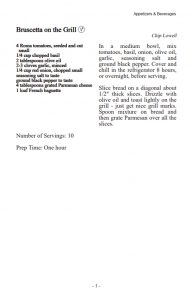 By default, recipe layouts have ingredients in 1 or 2 columns above/before directions. You can also choose to have ingredients and directions side-by-side. You can choose this option under Layout & Design>Select Recipe Layout. There are pre-set layouts that offer this layout type, for example see T7 and T8 Times Roman. T7 has ingredients in the left column and directions on the right. T8 is the other way around, ingredients on right, directions on left. You can also add this to any custom recipe layout you may have created.