Blog

  • Creative Ways to Organize Your Personal Cookbook Recipes

    When it comes to creating your personal or family cookbook, organizing your recipes is key. Having a well-organized cookbook makes it easy to find the right recipe when you’re looking for inspiration, but aren’t sure exactly what to cook. Most cookbooks are organized in the traditional way: by how dishes would appear in a meal, starting with appetizers, soups, and salads, followed by main courses, side dishes, and desserts. While this is a useful approach, there are many other creative ways to organize your recipes that can make your cookbook even more functional and enjoyable to use.

    Using FamilyCookbookProject.com, you have the flexibility to create custom categories for your personal or family cookbook. You can even move recipes between categories using their recipe transfer tool, making it simple to adjust your organization as your collection grows. Here are some interesting ways to organize your recipes that will make browsing your cookbook a breeze.

    Organize by Time of Year or Season

    Many people enjoy cooking based on what’s in season or what fits the mood of a particular time of year. For example, hearty stews and soups are perfect for winter, while fresh salads and light grilling recipes are ideal for summer. Organizing your cookbook by season can make it easier to find recipes that align with the ingredients available at that time and create meals that match the season’s vibe.

    Some seasonal categories might include:

    • Winter Comforts : Hearty soups, casseroles, and warm beverages.
    • Spring Freshness : Light salads, spring vegetables, and fresh herbs.
    • Summer Grilling : Barbecue recipes, fresh seafood, and chilled desserts.
    • Autumn Harvest : Squash, pumpkin dishes, and fall baking favorites.

    Organize by Occasion

    Whether you’re hosting a casual weeknight dinner or a festive holiday party, having a cookbook organized by occasion can make planning a meal much simpler. You can create categories based on specific events, holidays, or the formality of the occasion.

    Consider categories such as:

    • Weeknight Dinners : Easy, quick recipes for busy nights.
    • Holiday Feasts : Recipes perfect for Thanksgiving, Christmas, Easter, or other special holidays.
    • Dinner Parties : Impressive, more formal dishes for entertaining guests.
    • Picnics and Barbecues : Outdoor-friendly recipes like sandwiches, salads, and grilled favorites.

    This way, when you’re preparing for a specific occasion, you can easily browse through the most appropriate recipes without searching through unrelated dishes.


     Organize by the Number of People Eating

    Cooking for two people is much different than cooking for a family of six or a big holiday gathering. Organizing your cookbook by the number of people being served is a practical way to ensure you have the right recipes for any situation.

    You might create categories like:

    • Meals for Two : Perfect for intimate dinners or smaller households.
    • Family-Style Dishes : Larger portions for families or groups of four to six people.
    • Potluck or Party Recipes : Recipes that can be made in large quantities to feed a crowd.

    This organization method allows you to quickly find the recipes that will make meal planning easier based on the number of people you’re feeding.


     Organize by Dietary Needs

    Today, many people follow specific diets, whether for health reasons, personal preference, or food allergies. Organizing your cookbook by dietary needs can be incredibly useful, especially if you or your family members have special dietary restrictions.

    Some useful categories might include:

    • Gluten-Free : Recipes that don’t include wheat or gluten-containing ingredients.
    • Vegetarian : Plant-based meals that omit meat.
    • Vegan : Dishes that are free from all animal products.
    • Low-Carb/Keto : Recipes that fit a low-carb or ketogenic diet.
    • Dairy-Free : Perfect for people with lactose intolerance or dairy allergies.

    Organizing recipes by dietary needs makes it easy to accommodate different eaters in your household or plan meals for guests with specific restrictions.


     Organize by Cooking Method

    Another creative way to organize your cookbook is by how the food is prepared. This makes it convenient to find recipes that match the equipment or cooking methods you want to use on a particular day.

    Consider categories like:

    • Slow Cooker/Instant Pot : Hands-off recipes for busy days.
    • Grilling and Barbecue : Recipes for outdoor cooking.
    • Oven Baked : From roasted meats to baked desserts.
    • One-Pot Meals : Recipes that minimize cleanup by using only one dish.
    • No-Bake Desserts : Quick, easy, and refreshing treats.

    This type of organization is helpful when you’re in the mood for a specific cooking method or looking to make meal prep as easy as possible.


     Organize by Ethnic or International Cuisine

    If your recipe collection includes a variety of global dishes, you may want to organize your cookbook by cuisine type. This is especially helpful if you enjoy exploring different flavors from around the world and want to immerse yourself in a particular cuisine when cooking.

    Create categories such as:

    • Italian Favorites : Pasta, pizza, risotto, and more.
    • Mexican Flavors : Tacos, enchiladas, and salsas.
    • Asian Cuisine : Chinese stir-fries, Japanese sushi, Thai curries, and more.
    • Mediterranean Meals : Greek salads, hummus, and Middle Eastern kebabs.

    With this organization method, you can easily find the right recipe when you’re in the mood for a specific type of food.


     Organize by Main Ingredient

    If you often find yourself looking for recipes based on a particular ingredient you have on hand, organizing your cookbook by main ingredient can save time. This is especially useful when you want to use up ingredients before they go bad or when you’re trying to plan meals around what’s in your pantry or fridge.

    Some ingredient-based categories might include:

    • Chicken Dishes : From roasted to grilled and slow-cooked chicken.
    • Beef Recipes : Steak, burgers, casseroles, and more.
    • Seafood and Fish : Salmon, shrimp, crab, and other seafood recipes.
    • Vegetable-Based Meals : Perfect for vegetarian mains or sides.

    This method helps you easily search for dishes based on what you already have or what you’re craving.


     Organize by Time Required

    Sometimes, the amount of time you have to cook dictates what you can make. Organizing your cookbook based on time can help you choose a recipe that fits your schedule, whether you need something quick or have time to prepare an elaborate meal.

    Consider categories such as:

    •  30-Minute Meals : Quick and easy recipes for busy weeknights.
    • Slow and Steady : Recipes that take longer to prepare but are worth the wait.
    • Make-Ahead Meals : Recipes that can be prepped in advance.

    This way, whether you’re short on time or planning a slow-cooked feast, you can find the perfect recipe.


    How FamilyCookbookProject.com Helps Organize Your Cookbook

    Creating custom categories for your cookbook is simple with FamilyCookbookProject.com. The platform allows you to easily:

    • Create and name custom categories : You can organize your recipes any way you want—whether by meal type, occasion, or cooking method.
    • Use the recipe transfer tool : If you change your mind about how you want to organize your recipes, the recipe transfer tool makes it easy to move recipes from one category to another without hassle.
    • Add new recipes over time : Your cookbook can grow with you. As you discover new recipes, you can add them to the appropriate category online and print a second edition down the road.

    With FamilyCookbookProject.com, you have the flexibility to create a cookbook that reflects your unique cooking style and makes finding the perfect recipe a breeze.

    Organizing your personal cookbook in a way that fits your needs and preferences can make a world of difference in how you use it. Whether you prefer traditional categories like appetizers, mains, and desserts or want to get creative with seasonal, occasion-based, or ingredient-focused categories, there are endless ways to make your cookbook work for you.

    With the tools and customization options available on FamilyCookbookProject.com, you can easily create the perfect cookbook that’s tailored to your cooking style and makes meal planning easier than ever. So go ahead, explore these interesting ways to organize your recipes, and turn your personal cookbook into a truly functional and inspiring kitchen companion!


    Bill Rice is Founder and Co-Publisher of the Family Cookbook Project, a website that helps families and individuals collect, preserve and share food memories by creating their own printed personal cookbooks. He is the author of The Wellfleet Oyster Cookbook and the Cape Cod Cocktail Cookbook (Available on Amazon), both created using FamilyCookbookProject.com. He is also editor of the Donovan Family Cookbook, now it’s third printing and is an avid genealogist tracing his family back to the 1600’s.

    Follow Family Cookbook Project on Facebook, Instagram, Twitter TikTok, YouTube and Pinterest!

  • New Table of Contents Designs for Your Family Cookbook

    New Table of Contents Designs for Your Family Cookbook

    Family Cookbook Project is excited to announce a major upgrade to the Table of Contents (TOC) options available for your custom cookbook!

    The Table of Contents is more than just a list of sections—it’s the roadmap to your cookbook. A clear and attractive TOC helps readers quickly find the type of recipe they’re looking for, whether it’s appetizers, main dishes, desserts, or a special category you’ve created.

    What’s New

    Until now, there was only one standard Table of Contents style. With this upgrade, you now have eight different designs to choose from. This means you can select a TOC layout that best matches the look and feel of your cookbook.

    How to Access the New Options

    You can find the new TOC designs in your Printed Cookbook Options page when building your book:

    1. Enable the Table of Contents – Start by checking the box to include a TOC in your cookbook.
    2. Choose a Style – Browse through eight unique layout options.
    3. Preview Your TOC – Click the preview button to see what your cookbook’s Table of Contents will look like in each format. (Tip: Be sure to add a few recipes first so your preview is meaningful!)

    More Ways to Customize

    This upgrade is part of our ongoing effort to give you more creative control over your cookbook design. We’ll continue adding features and enhancements so that creating your family cookbook is as fun and joyful as using it.

    Bill Rice is Founder and Co-Publisher of the Family Cookbook Project, a website that helps families and individuals collect, preserve and share food memories by creating their own printed personal cookbooks. He is the author of The Wellfleet Oyster Cookbook and the Cape Cod Cocktail Cookbook (Available on Amazon), both created using FamilyCookbookProject.com. He is also editor of the Donovan Family Cookbook, now it’s third printing and is an avid genealogist tracing his family back to the 1600’s.

    Follow Family Cookbook Project on Facebook, Instagram, Twitter TikTok, YouTube and Pinterest!
  • Apple Varieties Explained: Choosing the Right One for Your Needs

    Apple Varieties Explained: Choosing the Right One for Your Needs

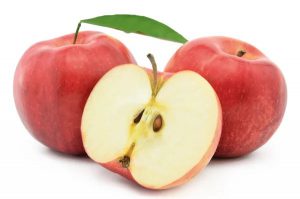
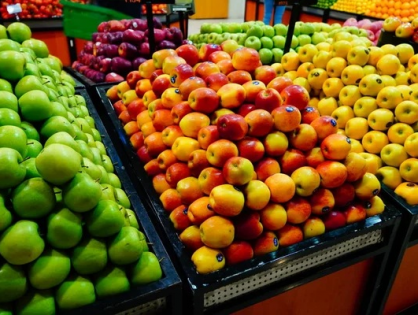
    Apples are one of the most versatile and widely consumed fruits in the world. From the tart bite of a Granny Smith to the honeyed sweetness of a Fuji, apples come in an array of flavors, textures, and colors. Grocery stores typically stock a variety of apple types, each with its own unique characteristics, making them suited to different culinary uses. Whether you’re making a pie, juicing, or simply looking for a crisp snack, understanding the differences between common apple varieties can help you choose the best one for your needs.

    Let’s explore some of the most common apples found in grocery stores and highlight their best uses, from baking to snacking and beyond.

    Gala Apples

    Flavor Profile:

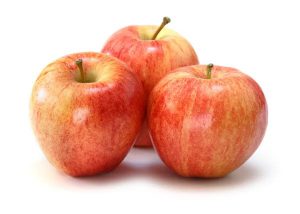
    Gala apples are known for their mild, sweet flavor with a hint of vanilla and floral undertones. They are a smaller apple with a thin skin, making them easy to bite into, and their flesh is crisp and juicy but not overly firm.

    Best Uses:

    –  Snacking:  Gala apples are perfect for snacking due to their sweetness and tender texture.

    –  Salads:  The mild sweetness of Gala apples complements greens, cheese, and nuts in salads.

    –  Sauces:  They make excellent applesauce because they break down easily and don’t require much added sugar.

    Not ideal for:  Baking, as their flesh tends to become too soft when cooked, making them less suited for pies or tarts.

    1.  Granny Smith Apples

    Flavor Profile:

    Granny Smith apples are famously tart with a bright, zesty flavor. They have a firm, crisp texture and a vibrant green skin that sets them apart from other varieties.

    Best Uses:

    –  Baking:  Granny Smith apples hold their shape well when baked, making them a classic choice for pies, tarts, and crumbles.

    –  Salads:  Their tartness adds a refreshing contrast to sweeter salad ingredients.

    –  Juicing and Cider:  The sharp flavor of Granny Smith apples makes them ideal for juicing or adding balance to apple ciders and blends.

    Not ideal for:  Snacking, unless you prefer a more tart apple.

    Honeycrisp Apples

    Flavor Profile:

    As the name suggests, Honeycrisp apples are both sweet and crisp. They have a perfect balance of sweetness and acidity, making them one of the most popular apples in the market.

    Best Uses:

    –  Snacking:  Their satisfying crunch and balanced flavor make Honeycrisp apples an excellent snack choice.

    –  Salads:  Honeycrisps add both texture and sweetness to salads, holding their crunch for longer periods compared to other varieties.

    –  Juicing:  Their sweetness and high water content make them great for juicing, yielding a naturally sweet and refreshing juice.

    Not ideal for:  Baking, because they can lose their crunch when exposed to prolonged heat.

    Fuji Apples

    Flavor Profile:

    Fuji apples are one of the sweetest varieties, with a sugary flavor reminiscent of honey. They are exceptionally juicy and have a dense, crisp texture. These apples are larger than most other types, with a yellow-green skin streaked with red.

    Best Uses:

    –  Snacking:  Their sweetness and juiciness make Fuji apples a favorite for eating raw.

    –  Salads:  Fuji apples add sweetness and crunch to salads without becoming too soft.

    –  Sauces and Juices:  Their high sugar content makes them excellent for sweet apple sauces and juices.

    Not ideal for:  Baking, as their high water content can make them too soft and watery in pies or tarts.

    Red Delicious Apples

    Flavor Profile:

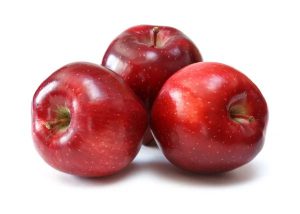
    Red Delicious apples are mildly sweet with a slightly floral, almost melon-like flavor. They have a thick, deep red skin and a soft, sometimes grainy texture, which isn’t as crisp as other varieties.

    Best Uses:

    –  Snacking:  If you enjoy a mild, soft apple, Red Delicious can be a good option for eating out of hand.

    –  Salads:  When sliced, Red Delicious apples add a mild sweetness and vibrant color to salads. However, they tend to oxidize quickly, so it’s best to toss them in lemon juice to prevent browning.

    –  Smoothies:  The soft texture of Red Delicious apples makes them easy to blend into smoothies.

    Not ideal for:  Baking or cooking, as they tend to lose both flavor and texture when heated.

    Golden Delicious Apples

    Flavor Profile:

    Golden Delicious apples have a balanced sweet-tart flavor with notes of honey and pear. Their thin skin is golden yellow, and their flesh is tender and juicy, though not as crisp as varieties like Honeycrisp or Fuji.

    Best Uses:

    –  Baking:  Golden Delicious apples are great for baking as they hold their shape well in pies, tarts, and crisps, without turning mushy.

    –  Salads:  Their sweetness and slightly softer texture make them a nice addition to fruit salads or green salads.

    –  Sauces and Preserves:  Golden Delicious apples break down easily when cooked, making them ideal for applesauce, jams, and preserves.

    Not ideal for:  Snacking if you prefer a crisper apple.

    Pink Lady (Cripps Pink) Apples

    Flavor Profile:

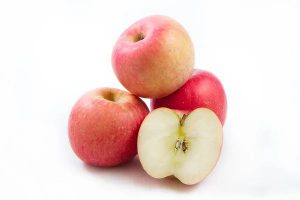
    Pink Lady apples are known for their tart-sweet balance, with a bright, tangy flavor that finishes with a hint of sweetness. They are crisp, firm, and juicy, with a pinkish-red blush over a yellow-green skin.

    Best Uses:

    –  Snacking:  The crisp texture and complex flavor make Pink Lady apples an excellent choice for eating fresh.

    –  Salads:  Their firm flesh holds up well in salads, and their tartness balances sweet ingredients like dried fruit or candied nuts.

    –  Baking:  Pink Lady apples are versatile enough for baking, holding their shape and offering a pleasant balance of flavors in pies and tarts.

    Not ideal for:  Sauces, as their firmer texture doesn’t break down as easily as other varieties.

    Braeburn Apples

    Flavor Profile:

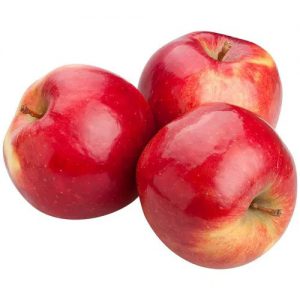
    Braeburn apples have a spicy-sweet flavor with hints of cinnamon and nutmeg, paired with a refreshing tartness. They have a firm, crisp texture and an orange-red skin with a yellow undertone.

    Best Uses:

    –  Baking:  Braeburn apples are fantastic for baking because they hold their shape and their spicy-sweet flavor becomes more pronounced when cooked.

    –  Snacking:  Their crisp texture and unique flavor make Braeburn apples a delicious choice for snacking.

    –  Salads:  The firm texture of Braeburn apples means they won’t turn mushy in salads, and their spiced flavor adds depth to fresh dishes.

    Not ideal for:  Juicing, as their denser texture can make them harder to juice compared to juicier varieties.

    McIntosh Apples

    Flavor Profile:

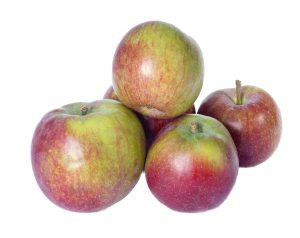
    McIntosh apples are soft, juicy, and aromatic, with a tangy-sweet flavor that mellows as the fruit ripens. They have a tender, thin skin that is typically red with green accents.

    Best Uses:

    –  Sauces and Preserves:  McIntosh apples break down easily, making them ideal for applesauce, jams, and other cooked apple preparations.

    –  Juicing:  Their high juice content and sweet flavor make McIntosh apples a popular choice for apple juice or cider.

    –  Snacking:  If you enjoy a softer apple, McIntosh apples are perfect for eating out of hand.

    Not ideal for:  Baking, as they tend to lose their structure and become mushy when heated.

    Jonagold Apples

    Flavor Profile:

    A cross between Jonathan and Golden Delicious apples, Jonagold apples have a sweet-tart flavor with a honeyed aftertaste. They are crisp, with a creamy, juicy flesh and a yellow-orange skin streaked with red.

    Best Uses:

    –  Baking:  Jonagold apples are great for baking, offering the perfect balance of sweetness and tartness without losing their shape in pies, tarts, or crisps.

    –  Snacking:  Their juicy, crisp texture makes Jonagold apples a good choice for snacking.

    –  Salads:  The firm texture of Jonagold apples makes them a great addition to salads, offering both crunch and flavor.

    Not ideal for:  Sauces, as their firmer texture can take longer to break down.

    With so many varieties of apples available, it can be tricky to know which one to choose for your specific culinary needs. Some apples are better for snacking, others shine in baked goods, and still others are perfect for sauces or salads. By understanding the flavor profiles and best uses of common grocery store apples, you can ensure that your dishes always turn out just right.

    Next time you’re at the grocery store, consider picking up a few different varieties of apples to explore their unique flavors and textures. Whether you’re making an apple pie, tossing together a salad, or simply enjoying a fresh snack, there’s an apple variety out there to suit your taste and needs.


    Bill Rice is Founder and Co-Publisher of the Family Cookbook Project, a website that helps families and individuals collect, preserve and share food memories by creating their own printed personal cookbooks. He is the author of The Wellfleet Oyster Cookbook and the Cape Cod Cocktail Cookbook (Available on Amazon), both created using FamilyCookbookProject.com. He is also editor of the Donovan Family Cookbook, now it’s third printing and is an avid genealogist tracing his family back to the 1600’s.

    Follow Family Cookbook Project on Facebook, Instagram, Twitter TikTok, YouTube and Pinterest!


  • From Recipe Boxes to Family Cookbooks: Preserving Your Family’s Culinary Heritage

    From Recipe Boxes to Family Cookbooks: Preserving Your Family’s Culinary Heritage

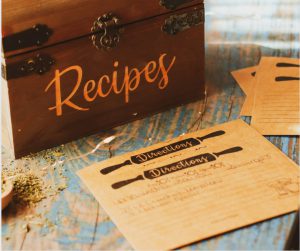
    In the era of digital documentation and instant sharing, there’s something uniquely sentimental about handwritten recipe cards, passed down through generations. These little cards, often tucked away in old recipe boxes, carry with them the flavors and memories of family gatherings, holidays, and everyday meals that have shaped our lives. Yet, as precious as these recipe boxes are, they are often fragile, difficult to share, and at risk of being lost over time. This is where the modern family cookbook steps in, offering a beautiful and durable way to preserve and share your family’s culinary heritage.

    an old recipe box replaced by Family cookbookThe Sentimental Value of Recipe Boxes

    For many families, the recipe box is a treasure trove of history. Each card, with its aged paper and distinctive handwriting, tells a story. Perhaps it’s a grandmother’s secret cookie recipe, a father’s special barbecue sauce, or an aunt’s famous casserole. These recipes are more than just instructions for preparing food; they are memories captured in ink, representing the love and care that went into each dish.

    Recipe boxes, however, pose several challenges. They are typically held by one family member, making it difficult for others to access these cherished recipes. The cards can become worn, torn, or faded with age, and the handwriting, while beautiful, can sometimes be difficult to decipher. Despite their sentimental value, recipe boxes are not always practical for preserving and sharing family recipes with a larger audience.

    The Evolution to Family Cookbooks

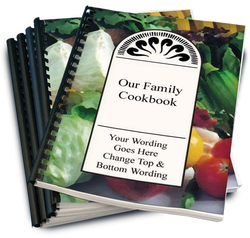
    To address these challenges, many families are turning to the idea of creating family cookbooks. A family cookbook is a professionally bound collection of recipes that not only preserves the culinary traditions of a family but also makes them accessible to all family members. This modern approach offers numerous benefits:

    1. Durability: Unlike fragile recipe cards, a bound cookbook is sturdy and long-lasting. It can be easily stored and handled without the risk of damaging the original recipes.
    2. Accessibility: A family cookbook can be printed in multiple copies, ensuring that every family member has access to the treasured recipes. This is especially important for geographically diverse families.
    3. Organization: Cookbooks allow for a structured presentation of recipes, often including sections for appetizers, main courses, desserts, and more. This organization makes it easier to find and use the recipes.
    4. Personalization: Modern family cookbooks can include not only recipes but also photos, stories, and anecdotes that bring the recipes to life. Scanned copies of the original handwritten cards can be included, preserving the unique handwriting and personal notes of past generations.

    Creating Your Family Cookbook

    Creating a family cookbook may seem like a daunting task, but with the right tools and resources, it can be a rewarding and enjoyable project. Websites like RecipeCardCookbook.com are specifically designed to help families turn their historic recipe cards into beautifully bound cookbooks. Here’s how you can get started:

    1. Gather the Recipes: Begin by collecting all the family recipes you want to include in the cookbook. This might involve reaching out to various family members to ensure you have a comprehensive collection. Look for handwritten recipe cards, printed recipes, and even digital files.
    2. Scan and Upload: To preserve the original handwriting and notes, scan the handwritten recipe cards. These scanned images can then be uploaded to Family Cookbook Project. This step ensures that the unique character and history of each recipe are maintained.
    3. Organize the Content: Decide how you want to organize your cookbook. You might group recipes by category (e.g., appetizers, main courses, desserts) or by family member. Include sections for family stories, photos, and anecdotes that provide context and enrich the cookbook.
    4. Design and Customize: Use the website’s templates and design tools to customize the look and feel of your cookbook. Choose a cover design, layout, and fonts that reflect your family’s style and traditions. Make sure the title, such as “Recipes from Our Family Tree,” is prominently displayed on the cover.
    5. Proofread and Edit: Before finalizing the cookbook, carefully proofread all the content to ensure accuracy. Check the recipes, photos, and stories for any errors or omissions.
    6. Print and Share: Once you are satisfied with the design, order printed copies of the cookbook. These can be distributed to family members as gifts, ensuring that everyone has a copy of the family’s culinary heritage.

    The Impact of a Family Cookbook

    Creating a family cookbook is more than just a way to preserve recipes; it is a way to celebrate and honor your family’s history. It provides a tangible connection to the past, allowing future generations to experience the flavors and traditions that have shaped your family. Each time a family member opens the cookbook to prepare a dish, they are not just following a recipe; they are continuing a legacy.

    A family cookbook also fosters a sense of connection and continuity among family members. It is a collaborative project that brings the family together, even if they are geographically dispersed. By contributing recipes, photos, and stories, each family member plays a role in preserving and sharing the family’s culinary heritage.

    From fragile recipe boxes to beautifully bound cookbooks, the evolution of preserving family recipes is a journey that honors the past while embracing the future. By turning historic recipe cards into a professionally bound family cookbook, you ensure that the culinary traditions and memories of your family are preserved and celebrated for generations to come.

    At Family Cookbook Project, we are dedicated to helping families create these treasured heirlooms. Our user-friendly platform makes it easy to gather, organize, and print your family recipes, resulting in a cookbook that is both beautiful and functional. Start your family cookbook project today and share your family’s culinary heritage with loved ones near and far.


    Bill Rice is Founder and Co-Publisher of the Family Cookbook Project, a website that helps families and individuals collect, preserve and share food memories by creating their own printed personal cookbooks. He is the author of The Wellfleet Oyster Cookbook and the Cape Cod Cocktail Cookbook (Available on Amazon), both created using FamilyCookbookProject.com. He is also editor of the Donovan Family Cookbook, now it’s third printing and is an avid genealogist tracing his family back to the 1600’s.

    Follow Family Cookbook Project on Facebook, Instagram, Twitter and Pinterest!

  • Pro Tip: Use The Cover Arranger Tool

    Pro Tip: Use The Cover Arranger Tool

    You have full creative control on your cover text and photo layouts with the Cover Arranger Tool.  Go to Layout & Design>Select Cover.  You’ll see a link/button for “Custom Cover Arranger Tool.”

    You will see your cover as it will look in your printed book, sized according to your settings on a layout screen.  You can edit your title and subtitle text, fonts and location.  On the right side of the screen, select the cover item to “edit” in the drop down box.  You can move them around and resize them any way you’d like.  If you want your photos to retain their correct aspect ratio, check the little box on each photo’s lower left.  They can also be layered one on top of another.  You’ll see that when moving a photo, it automatically comes to the top/front of all others.  When done, click the “Save” button.

    You can also manage your cover photo settings on the right.  In the select box, choose “Picture”.  Click [Edit Photo] to set things like border style and color-B/W.  Those will be added normally in your printed book on the photos.

    If you wish to reset your cover text and photos to the default, check the boxes next to the Save button and click Save.

    We have a How-To video for this tool.  Click here!

    Bill Rice is Founder and Co-Publisher of the Family Cookbook Project, the leading online cookbook publisher with a website that helps families and individuals collect, preserve and share food memories by creating their own printed custom cookbooks. He is the author of The Wellfleet Oyster Cookbook and the Cape Cod Cocktail Cookbook (Available on Amazon), both created using FamilyCookbookProject.com. He is also editor of the Donovan Family Cookbook, now it’s third printing and is an avid genealogist tracing his family back to the 1600’s.

    Follow Family Cookbook Project on Facebook, Instagram, Twitter TikTok, YouTube and Pinterest!

  • How to Create the Ultimate Tailgating Cookbook: A Playbook for Game Day Food

    How to Create the Ultimate Tailgating Cookbook: A Playbook for Game Day Food

    Tailgating is more than just a pre-game ritual—it’s a beloved tradition that brings friends, family, and fellow sports fans together to enjoy good food and great company before heading into the big game. Whether it’s grilling burgers, passing around a hearty dip, or sharing homemade desserts, the tailgate spread is often as memorable as the game itself. But have you ever tried an amazing dish at a tailgate, only to forget who made it or how to recreate it for your own party?


    That’s where the idea of creating a tailgating cookbook comes in. By collecting recipes from your tailgate friends and organizing them into one easy-to-access collection, you ensure that everyone can recreate their favorite dishes for future tailgates, home parties, or game day celebrations.

    With the help of FamilyCookbookProject.com, you can easily gather recipes, organize them into categories, and even create a beautifully printed cookbook to share with your tailgate crew. The platform’s user-friendly tools make it easy to collect recipes from friends and family, and their mobile app gives everyone quick access to the cookbook at any time.

    Why Create a Tailgating Cookbook?

    A tailgating cookbook is not just a collection of recipes—it’s a way to capture the spirit of camaraderie and the delicious dishes that make game day special. Here’s why creating a tailgating cookbook is a great idea:

    – Preserve Favorite Recipes: No more guessing how to make that amazing buffalo chicken dip or BBQ ribs you had at the last game. Collecting the recipes ensures you and your friends can recreate those dishes any time.
    – Share with the Group: Everyone in your tailgate group can have access to the recipes, whether through the FamilyCookbookProject.com app or in a printed copy.
    – Tailgate Inspiration: By sharing your favorite recipes, you and your tailgate crew can inspire each other with new ideas for future game days.
    – Create a Lasting Keepsake: A printed cookbook becomes a meaningful keepsake that you can gift to friends, family, or fellow tailgaters. It’s a great way to remember all the fun times shared together during the season.

    Step-by-Step Guide to Creating a Tailgating Cookbook

    Creating a tailgating cookbook is a fun project that you can involve the whole group in. Here’s how to get started:

    1. Collect Emails and Recipe Contributions

    The first step in creating your tailgating cookbook is gathering the recipes. Start by reaching out to your tailgate friends and asking them to contribute their favorite tailgating dishes.

    – Gather Emails: Create a contact list of your tailgating crew, collecting their email addresses so you can reach out for recipe submissions.
    – Send a Request for Recipes: Send an email or group message asking everyone to contribute their favorite tailgate recipes. Be sure to include a template or guide on how to submit recipes (e.g., ingredients, instructions, serving size).
    – Ask for Photos: If possible, ask contributors to send a photo of the dish, which you can include in the cookbook for visual appeal.

    Pro Tip: If you’re short on time or want to streamline the process, use FamilyCookbookProject.com to invite contributors directly through the platform, where they can easily upload their recipes.

    2. Organize Recipes by Category

    One of the best things about creating your own cookbook is that you can organize it however you like! For a tailgating cookbook, you might want to organize recipes by the type of food or the occasion. Some popular categories for tailgating might include:

    – Grilled Meats: Burgers, brats, steaks, and ribs.
    – Dips and Appetizers: Cheese dips, salsas, chips, and finger foods.
    – Salads and Sides: Pasta salads, potato salad, slaws, and other cold dishes.
    – Game Day Desserts: Brownies, cookies, cupcakes, or themed treats.
    – Drinks and Cocktails: Fun cocktails, punches, and non-alcoholic drink recipes for the crowd.

    You can get creative with your categories depending on the types of dishes your group enjoys. The FamilyCookbookProject.com platform allows you to easily create custom categories, so you can organize your cookbook in a way that makes sense for your group’s tailgating style.

    3. Use the FamilyCookbookProject.com App for Easy Recipe Access

    Once you’ve collected all the recipes and organized them into categories, share the cookbook with your group using the FamilyCookbookProject.com app. This allows everyone to access the cookbook on their mobile devices, whether they’re at the game, at home, or planning for their next event.

    – Access Anytime: The app makes it easy for contributors to check the recipes on the go, which is perfect when grocery shopping for tailgates or potlucks.
    – Easily Update Recipes: If someone tries a new recipe and wants to add it to the collection, the app allows for easy updates and additions.

    – Access other Content: The app also provides access to Family Cookbook Project’s award winning blog and its YouTube video account.

    This way, your tailgating crew always has access to their favorite game day recipes in one convenient location.

    4. Create a Printed Cookbook as a Gift

    While having a digital cookbook is convenient, a printed cookbook is a thoughtful keepsake that you can give to your tailgating friends. FamilyCookbookProject.com makes it simple to print high-quality cookbooks that you can gift to friends and family.

    Here’s why a printed cookbook makes a great gift:

    – Memorable Keepsake: A printed cookbook becomes a lasting memory of all the fun tailgates you shared throughout the season.
    – Perfect for Holidays or Birthdays: Give the cookbook as a holiday or birthday gift to your fellow tailgaters or sports fans in your life.
    – Unique Group Gift: It’s a great group gift that reflects the collective effort of everyone who contributed their recipes.

    Customizing the cover with your group’s name, team colors, or even a group photo adds a personal touch to the printed cookbook.

     5. Promote Your Cookbook on Social Media

    If your tailgate group is large or you’re planning to sell the cookbook to raise money for your sports team or another cause, be sure to promote the cookbook on social media. Platforms like Facebook, Instagram, and Twitter are great for getting the word out to a larger audience.

    – Share Sneak Peeks: Post photos of the cookbook design, recipe highlights, and testimonials from contributors.
    – Offer Pre-Orders: If you’re selling the printed cookbook, offer a pre-order option to build excitement.
    – Create Group Posts: Encourage your tailgating friends to share the cookbook on their personal social media pages to help spread the word.

    Tailgating Made Even Better with a Custom Cookbook

    Tailgating is all about bringing people together to share food, fun, and the love of the game. By creating a tailgating cookbook, you not only preserve the recipes that make your game days special, but you also make it easy for everyone to recreate those dishes at home. Whether it’s organizing recipes for dips, grilled meats, or desserts, a tailgating cookbook helps keep everyone’s favorites in one place.

    With the tools available on FamilyCookbookProject.com, you can easily collect recipes, organize them into custom categories, and share them through the app or a printed cookbook. It’s a perfect way to celebrate your love of food, football, and the friendships that tailgating fosters.

    So, start collecting those winning recipes, and create a tailgating cookbook that will be a touchdown with your friends and family!


    Bill Rice is Founder and Co-Publisher of the Family Cookbook Project, the leading online cookbook publisher with a website that helps families and individuals collect, preserve and share food memories by creating their own printed custom cookbooks. He is the author of The Wellfleet Oyster Cookbook and the Cape Cod Cocktail Cookbook (Available on Amazon), both created using FamilyCookbookProject.com. He is also editor of the Donovan Family Cookbook, now it’s third printing and is an avid genealogist tracing his family back to the 1600’s.

    Follow Family Cookbook Project on Facebook, Instagram, Twitter TikTok, YouTube and Pinterest!

  • Ways To Follow Family Cookbook Project on Social Media

    Ways To Follow Family Cookbook Project on Social Media

    The Family Cookbook Project is more than just a cookbook publisher; it’s a community where families and individuals come together to share recipes and food memories. We provide a system that makes it easy to gather and publish your family food traditions. Additionally, we offer valuable advice on improving your cookbook, creating better recipes, and understanding cooking.

    Here are the ways you can follow us on social media:

    Facebook: Follow us on Facebook to discover interesting recipes from our editors, get ideas to enhance your cookbook, and receive general cooking tips. We also have specific pages for barbecue recipes and cookie recipes, so follow those if they interest you.

    Pinterest: Cooking and recipes are popular categories on Pinterest. The Family Cookbook Project has 18 boards filled with great recipes, cooking tips, and ways to improve your cookbook. Explore interesting categories like Food Guys Like, Recipes from Around the World, and What’s for Breakfast.

    Instagram: Follow the Family Cookbook Project on Instagram for more recipes and tips.

    TikTok: Like short videos about cooking and creating cookbooks, follow our TikTok cookbook channel.

    Twitter: If you prefer X (formerly Twitter), find us at @Family_Cookbook or using the hashtag #familycookbook. We share the same great information across all our social media platforms.

    YouTube: Our How To videos can be found on YouTube, where we post videos on how to use Family Cookbook Project’s online tools to create the perfect family recipe book.


    Bill Rice is Founder and Co-Publisher of the Family Cookbook Project, a website that helps families and individuals collect, preserve and share food memories by creating their own printed personal cookbooks. He is the author of The Wellfleet Oyster Cookbook and the Cape Cod Cocktail Cookbook (Available on Amazon), both created using FamilyCookbookProject.com. He is also editor of the Donovan Family Cookbook, now it’s third printing.

    Follow Family Cookbook Project on Facebook, Instagram, Twitter TikTok, YouTube and Pinterest!

  • Cook Japanese Food at Home: From Sushi Rolls to Miso Soup

    Cook Japanese Food at Home: From Sushi Rolls to Miso Soup

    Japanese cuisine is celebrated for its simplicity, elegance, and attention to detail. From sushi and sashimi to comforting bowls of ramen and tempura, the food of Japan offers a balance of flavors, textures, and aesthetics that makes it one of the most popular cuisines in the world. While it may seem difficult to recreate Japanese dishes at home, with the right ingredients, tools, and techniques, you can easily bring authentic Japanese flavors to your kitchen.

    In this article, FamilyCookbookProject.com will guide you through the key ingredients you’ll need, beginner-friendly recipes to try, and essential utensils for cooking Japanese food and sushi at home.

    Essential Ingredients for Japanese Cooking and Sushi

    To recreate Japanese dishes at home, start by stocking your pantry with some fundamental ingredients. Japanese cuisine relies on a few key ingredients to build layers of flavor—primarily focusing on umami, the savory fifth taste that forms the backbone of many dishes.

    Soy sauce  is a must-have in any Japanese kitchen. This salty, fermented sauce adds depth to everything from soups and marinades to sushi dipping sauces.  Miso, a fermented soybean paste, is another crucial ingredient, used in everything from miso soup to marinades. Miso comes in several varieties, including white (sweeter) and red (more robust).

    For sushi-making, the key is sushi rice, a short-grain rice that becomes sticky when cooked. Season the rice with a mixture of  rice vinegar, sugar, and a pinch of salt to achieve the perfect balance of sweetness and tang. Another staple for sushi is nori —dried seaweed sheets used for wrapping sushi rolls.

    For umami-rich broths, you’ll need dashi, a Japanese stock made from kombu (seaweed) and bonito flakes (dried fish).  Mirin, a sweet rice wine, is commonly used in cooking to balance salty and savory flavors. Finally, for tempura and other fried dishes,  panko (Japanese breadcrumbs) creates that signature light, crispy coating.

    Fresh ingredients are equally important in Japanese cooking, especially when it comes to sushi.  Fresh fish like tuna, salmon, and yellowtail are essential for sushi and sashimi, but don’t overlook vegetables like cucumber, avocado, and daikon radish, which are also widely used.

    Beginner-Friendly Japanese Dishes to Try

    When you’re ready to start cooking Japanese food at home, there are several dishes that are relatively simple to prepare yet full of flavor. Let’s begin with a few classics to get you started.

    Sushi rolls  (makizushi) are a great place to start if you’re new to Japanese cooking. Start with simple rolls like cucumber or avocado rolls, and gradually experiment with fish like tuna or salmon. Preparing sushi involves cooking the rice, seasoning it properly, and learning how to roll with nori sheets. It’s fun and rewarding once you get the hang of it.

    If you’re not in the mood for sushi,  miso soup  is another easy dish. All you need is dashi broth, miso paste, tofu, and some scallions for garnish. This comforting soup takes only minutes to make and is the perfect appetizer for any Japanese meal.

    For a heartier dish, try making chicken teriyaki. The sauce is simple to prepare—just a mixture of soy sauce, mirin, sugar, and sake. Sauté or grill the chicken, and brush it with the sauce until it’s caramelized and glossy. Serve with steamed rice and some vegetables for a well-balanced meal.

    Tempura, a favorite fried dish in Japan, is also surprisingly easy to make.  Vegetable tempura  (or shrimp tempura) is created by dipping ingredients in a light batter and frying them until crispy. The trick is to keep the batter cold and the oil hot for a light, airy texture.

    For something warm and comforting, you can’t go wrong with udon or soba noodles. These thick, chewy noodles are often served in a light broth or stir-fried with vegetables and protein. Add a dash of soy sauce, mirin, and dashi to build a flavorful base for your noodles.

    Essential Tools for Japanese Cooking and Sushi

    Cooking Japanese food at home is easier with the right tools. Here are a few kitchen essentials you’ll need:

    Rice Cooker: A rice cooker is a game-changer for perfectly cooked rice, especially for sushi. It ensures that the rice is fluffy and evenly cooked every time.

    Bamboo Sushi Mat (Makisu): For rolling sushi, you’ll need a bamboo mat. It helps create tight, evenly shaped sushi rolls and makes the process easier.

    Sharp Chef’s Knife or Sushi Knife: Precision is key in Japanese cooking, especially when preparing sushi or sashimi. A sharp, high-quality knife is essential for cutting fish, vegetables, and other ingredients cleanly.

    Chopsticks: Cooking chopsticks (longer than the chopsticks used for eating) are used for stirring and frying in Japanese cuisine. They are especially useful when frying tempura or handling delicate ingredients.

    Soy Sauce Dishes: While not essential for cooking, small soy sauce dishes are handy for serving sushi and sashimi with a side of soy sauce.

    Tempura Fryer: A deep fryer or a sturdy pot for frying will help you achieve that crispy tempura coating. Be sure to use a thermometer to maintain the correct oil temperature.

    Donabe Pot or Hot Pot: If you’re preparing Japanese hot pot dishes like shabu-shabu or sukiyaki, a donabe (a traditional Japanese clay pot) is ideal for slow-cooking on the stovetop or at the table.

    Start Cooking Japanese Food and Sushi at Home

    Cooking Japanese food at home is a fun and rewarding way to explore new flavors and techniques. By stocking up on essential ingredients like soy sauce, miso, and sushi rice, and having the right tools on hand, you’ll be well-prepared to start cooking delicious Japanese meals. Whether you’re rolling sushi, whipping up a bowl of miso soup, or frying tempura, there’s a wide variety of dishes to experiment with.

    When you’re just starting out with making sushi, it can be helpful to explore different sources for recipes. Whether you’re browsing cookbooks, online blogs, or watching cooking shows, there are countless ways to find inspiration for your next Italian dish. As you experiment with new recipes, it’s a great idea to keep them organized, so you can easily revisit your favorites.

    FamilyCookbookProject.com is a perfect tool for this. You can collect all the Italian recipes you’ve tried and loved, add personal notes or adjustments, and create a customized cookbook that reflects your own culinary journey. This way, you’ll have your personal collection of go-to Italian recipes, whether it’s for a simple weeknight pasta or a special family gathering.

    So, roll up your sleeves, grab your bamboo mat, and get ready to experience the wonderful world of Japanese cuisine from the comfort of your own kitchen.

    Bill Rice is Founder and Co-Publisher of the Family Cookbook Project, a website that helps families and individuals collect, preserve and share food memories by creating their own printed personal cookbooks. He is the author of The Wellfleet Oyster Cookbook and the Cape Cod Cocktail Cookbook (Available on Amazon), both created using FamilyCookbookProject.com. He is also editor of the Donovan Family Cookbook, now it’s third printing and is an avid genealogist tracing his family back to the 1600’s.

    Follow Family Cookbook Project on Facebook, Instagram, Twitter TikTok, YouTube and Pinterest!


  • Pro Tip: Working With Contributors

    Pro Tip: Working With Contributors

    Adding a Contributor

    Adding a contributor is very easy. Simply go to Editor Activities>Communication Center or find the “Invitation Tool” shortcut on your Quick Start. On this page you can enter a person’s name and email and even personalize the email they will receive. That email will automatically create a user account for them and include their login information in the email they receive. This allows them to add and view recipes in your cookbook.

    Watch this video tutorial to see how to work with contributors: https://youtu.be/x-1rS6LN4R0

    Edit a contributor

    To edit a contributor’s info, login to your book.  Go to Communication.  Scroll down to the list of names and click on their name.  This brings you to a page that contains all of their info. Change whatever you like and Save.

    Please note: If you are looking to change a name on the Contributor Page, those names are taken directly from the contributor field on the recipes. You would have to view your recipes by contributor and edit those recipes with the name you wish to change.

    Delete a contributor

    To delete a contributor from your cookbook, login to your book.  Go to Editor Activities>Communication.  Scroll down to the list of names and click on their name.  There is a delete button there.  Any recipes they may have added will be assigned to you (but the Contributor field will still show its original info).

    Bill Rice is Founder and Co-Publisher of the Family Cookbook Project, the leading online cookbook publisher with a website that helps families and individuals collect, preserve and share food memories by creating their own printed custom cookbooks. He is the author of TheWellfleet Oyster Cookbook and theCape Cod Cocktail Cookbook (Available on Amazon), both created using FamilyCookbookProject.com. He is also editor of the Donovan Family Cookbook, now it’s third printing and is an avid genealogist tracing his family back to the 1600’s.

    Follow Family Cookbook Project onFacebook,Instagram,Twitter TikTok, YouTube andPinterest!


  • Chinese Cuisine Made Easy: Ingredients and Recipes to Recreate at Home

    Chinese Cuisine Made Easy: Ingredients and Recipes to Recreate at Home

    Chinese cuisine is beloved around the world for its bold flavors, aromatic spices, and balance of savory, sweet, and spicy elements. Whether you crave stir-fries, dumplings, or noodle dishes, cooking Chinese food at home can be a deeply rewarding experience. While it may seem like a daunting task, with the right ingredients, tools, and a few simple recipes, you can create authentic Chinese dishes that rival your favorite takeout spot.

    In this article, FamilyCookbookProject.com will walk through the essential ingredients to stock in your pantry, beginner-friendly dishes you can start with, and the utensils that will make your Chinese cooking journey easier.

    Essential Ingredients for Chinese Cooking

    Chinese cuisine is characterized by its use of sauces, seasonings, and fresh ingredients, many of which can be found at your local grocery store or an Asian market. The key to mastering Chinese food at home is to build a pantry of staple ingredients that serve as the foundation for many dishes.

    First and foremost, soy sauce is a must-have. There are two types of soy sauce commonly used in Chinese cooking: light soy sauce and dark soy sauce.  Light soy sauce  is saltier and thinner, often used for seasoning and marinades, while  dark soy sauce  is thicker, less salty, and adds a rich color and deeper flavor to dishes like braised meats and stir-fries.

    Next, you’ll need sesame oil, which imparts a nutty, aromatic flavor to stir-fries, noodles, and sauces. A little goes a long way, so be sure to use it sparingly as a finishing touch rather than a cooking oil.

    Oyster sauce is another key ingredient, offering a sweet, salty, and umami-rich flavor to a variety of dishes. It’s commonly used in stir-fries and adds depth to vegetables and meats alike.

    Shaoxing wine, a Chinese rice wine, is used to deglaze woks and tenderize meats. It’s often referred to as the “secret ingredient” that gives Chinese food its distinct flavor.

    You’ll also want to have rice vinegar or Chinkiang black vinegar on hand for dipping sauces, dressings, and to add a subtle tang to stir-fries and braised dishes.

    For those craving heat, chili garlic sauce or Sichuan peppercorns will be indispensable. Sichuan peppercorns have a numbing, tingly spice, making them perfect for dishes like mapo tofu or Sichuan-style hot pot.

    Of course, you can’t forget the fresh ingredients that bring Chinese dishes to life. You’ll need garlic, ginger, and scallions —the holy trinity of Chinese aromatics. These ingredients form the flavor base for countless recipes, from soups to stir-fries.

    Finally, Chinese five-spice powder —a blend of star anise, cloves, cinnamon, Sichuan peppercorns, and fennel seeds—adds a warm, sweet, and spicy flavor to dishes like braised pork or roasted duck.

    Beginner-Friendly Chinese Dishes to Try

    Once your pantry is stocked, it’s time to start cooking! Here are some classic Chinese dishes that are perfect for beginners and packed with flavor.

    One of the simplest dishes to make at home is fried rice. Whether you use leftover rice or cook it fresh, fried rice is incredibly versatile. You can add eggs, vegetables like peas and carrots, and protein like chicken, shrimp, or tofu. Season it with soy sauce, a splash of sesame oil, and scallions, and you’ll have a restaurant-worthy dish in minutes.

    If you want to dive into stir-frying, chicken stir-fry with broccoli is a great starting point. The key to a successful stir-fry is prepping all your ingredients before you start cooking. Once your garlic, ginger, chicken, and vegetables are ready to go, a hot wok and quick cooking time will give you perfectly cooked, crisp vegetables and tender chicken in a savory sauce made from soy sauce, oyster sauce, and a bit of cornstarch for thickening.

    For noodle lovers, lo mein is a must-try. Made with egg noodles, lo mein is stir-fried with vegetables and your choice of protein, then tossed in a savory sauce of soy sauce, oyster sauce, and a touch of sugar. The result is a delicious, hearty dish that’s perfect for any night of the week.

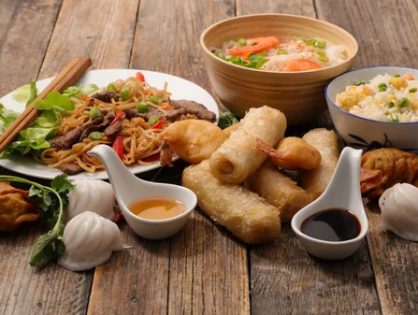
    If you’re feeling adventurous, you can also try your hand at making dumplings. While dumpling-making requires a bit of practice, the result is worth the effort. You can fill dumplings with pork, shrimp, or a combination of vegetables, then steam, boil, or pan-fry them. Serve with a dipping sauce made from soy sauce, rice vinegar, and chili oil for a flavorful treat.

    Lastly, for something a bit more challenging,  mapo tofu is a classic Sichuan dish that brings the heat and deep flavors. Soft tofu is simmered in a spicy, savory sauce made with ground pork (or beef), fermented bean paste, chili oil, and Sichuan peppercorns. The combination of textures and bold flavors makes this dish a favorite for anyone who enjoys spicy food.

    Key Utensils for Chinese Cooking

    Cooking Chinese food at home can be even easier and more enjoyable if you have the right tools. The most important utensil you’ll need is a wok. A well-seasoned wok is essential for stir-frying, deep-frying, and even steaming. Its high, sloping sides allow you to cook food quickly at high heat while giving you plenty of room to toss ingredients.

    You’ll also want a bamboo steamer if you’re interested in steaming dumplings, buns, or vegetables. Bamboo steamers are stackable, allowing you to steam multiple dishes at once, and they retain moisture without making the food soggy.

    A cleaver is another useful tool in Chinese kitchens. While it may seem intimidating at first, a cleaver is incredibly versatile, allowing you to chop, slice, and mince with ease. Its wide blade also makes it perfect for crushing garlic or ginger.

    Chopsticks aren’t just for eating—they can also be used for cooking, especially when stir-frying or deep-frying. They allow for more precision when moving ingredients around in the wok or flipping dumplings in a pan.

    A rice cooker is a must if you plan on making rice regularly, which is a staple in many Chinese meals. It takes the guesswork out of cooking rice, giving you perfect, fluffy results every time.

    Lastly, having a spice grinder or mortar and pestle will come in handy if you prefer to grind your own Sichuan peppercorns or other whole spices. Freshly ground spices release more flavor and can make a big difference in your dishes.

    Bringing Chinese Flavors to Your Table

    Cooking Chinese food at home is a fantastic way to explore new flavors and techniques while enjoying a satisfying meal. By stocking your kitchen with essentials like soy sauce, sesame oil, and fresh ginger, and investing in a wok and bamboo steamer, you’ll be well on your way to creating delicious, authentic Chinese dishes.

    When you’re just starting out with Chinese cooking, it can be helpful to explore different sources for recipes. Whether you’re browsing cookbooks, online blogs, or watching cooking shows, there are countless ways to find inspiration for your next Italian dish. As you experiment with new recipes, it’s a great idea to keep them organized, so you can easily revisit your favorites.

    FamilyCookbookProject.com is a perfect tool for this. You can collect all the Italian recipes you’ve tried and loved, add personal notes or adjustments, and create a customized cookbook that reflects your own culinary journey. This way, you’ll have your personal collection of go-to Italian recipes, whether it’s for a simple weeknight pasta or a special family gathering.

    Start with simple recipes like fried rice or chicken stir-fry and build your skills from there. Whether you’re steaming dumplings, stir-frying noodles, or simmering tofu in a spicy sauce, you’ll soon find that cooking Chinese food at home is both easy and rewarding.

    So grab your wok, prep your food and get ready for some amazing Chinese meals!


    Bill Rice is Founder and Co-Publisher of the Great Family Cookbook Project, a website that helps families and individuals collect, preserve and share food memories by creating their own printed personal cookbooks. He is the author of The Wellfleet Oyster Cookbook and the Cape Cod Cocktail Cookbook (Available on Amazon), both created using FamilyCookbookProject.com. He is also editor of the Donovan Family Cookbook, now it’s third printing and is an avid genealogist tracing his family back to the 1600’s.

    Follow Family Cookbook Project on Facebook, Instagram, Twitter TikTok, YouTube and Pinterest!