Blog

  • How To Get Your Cookbook Ready To Print

    How To Get Your Cookbook Ready To Print

    So you’ve collected your recipes, entered them in the cookbook, written your introduction and made all of you are design selections. Now you’re ready to print your cookbook.

    Here are the steps you need to take to get your custom cookbook ready to be printed.

    Lock Your Cookbook

    The first step in getting ready to publish a cookbook is to go to the publishing center in your editors account and lock your cookbook. There are three levels of luck in your cookbook:

    • Level one locks contributors for new recipes.
    • Level two stops all changes by contributors. – Once you start editing, you don’t want people adding new recipes or changing things that you’ve already edited. Checking this box prevents this.
    • Level three locks the cookbook completely and now you’re ready to submit to print.

    Once you locked your cookbook from contributor changes (Level two), now is the time to read everything and check for typos.

    Proofread your introduction

    Print out your narrative and give it to someone else to read. Often it is difficult to proofread your own work and allowing someone else to do it will find things that you would mess.

    Review all of the recipes

    Look for ingredients that are listed but not included in the directions or ingredients in the directions that are not included in the ingredients list.

    Make sure the directions seem complete.

    Check the layout

    Go to the box that says preview your cookbook in the black navigation bar in your editors account. Here you can either download a PDF of your cookbook or use our 3-D preview tool.

    Here you are checking for how pages break. If you find a page with only a word or two, maybe you can shorten version directions to make that recipe just a little shorter.

    The changes you make here will determine how your cookbook will be printed. However it looks in your final PDF preview, is how it will look when your cookbook is printed.

    Place your order

    Now that your cookbook looks exactly the way you want it, it’s time to order.

    On the ordering page you’ll see the number of recipes you’ve entered, and the number of pages in your cookbook. This is what will determine the cost of your cookbook along with the number of color photos.

    Remember that the more copies of your cookbook you are order, the less the price per book will be. This is because the set up charges are spread out over more copies of the cookbook.

    Once you’ve calculated your price, you need to enter your shipping address and click submit. This places your order with our publishing system. You then will be directed to a link that will allow you to pay online or you can send a check drawn on a US bank for payment.

    One frequent question is can cookbooks be sent to more than one address. Currently you would need to place an order for each delivery address.

    Once you’ve placed your order you can expect your cookbooks to arrive in 2 to 3 weeks. However during our busiest times of the year, it could take longer. if you want your cookbooks in time for Christmas, the deadline for ordering is November 30, however do not wait until the last minute if you can.


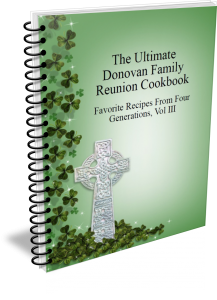
    Bill Rice is Co-Publisher of the Great Family Cookbook Project, a website that helps families and individuals collect, preserve and share food memories by creating their own printed personal cookbooks. He is the author of The Wellfleet Oyster Cookbook (Available on Amazon) and the Cape Cod Cocktail Cookbook, both created using FamilyCookbookProject.com. He is also editor of the Donovan Family Cookbook, now it’s third printing and is an avid genealogist tracing his family back to the 1600’s.

    Follow Family Cookbook Project on Facebook, Instagram, Twitter and Pinterest!

    t!


  • Soul Food at Home: A Beginner’s Guide to Comforting Dishes and Bold Flavors

    Soul Food at Home: A Beginner’s Guide to Comforting Dishes and Bold Flavors

    Soul food is a cuisine deeply rooted in African American culture, celebrated for its comfort, warmth, and rich, savory flavors. With its emphasis on slow-cooked dishes, tender meats, and flavorful sides, soul food is all about bringing people together over hearty meals that nourish both body and soul. While some dishes may seem complex, you can easily recreate many soul food classics at home with a few key ingredients and spices.

    In this article, FamilyCookbookProject.com explores the essential ingredients you need to stock your pantry with, the spices that give soul food its unique taste, and a few simple dishes to help you get started.

    Essential Ingredients for Soul Food

    Soul food is built around simple, accessible ingredients that are packed with flavor and offer plenty of versatility. Here are some staples to keep in your kitchen:

    Collard Greens

    Collard greens are a cornerstone of soul food, often slow-cooked with smoked meats like ham hocks or bacon to create a tender, flavorful side dish. You can also use mustard greens, turnip greens, or kale as substitutes.

    Cornmeal

    Cornmeal is essential for making soul food favorites like cornbread and hush puppies. It can also be used to coat foods for frying, such as fried catfish or okra.

    Sweet Potatoes

    Sweet potatoes are commonly used in both savory and sweet dishes in soul food, from candied yams to sweet potato pie. Their natural sweetness pairs well with spices like cinnamon, nutmeg, and cloves.

    Smoked Meats (Ham Hocks, Bacon, or Turkey)

    Smoked meats like ham hocks, bacon, or smoked turkey add depth and flavor to greens, beans, and soups. They are often used as a base for slow-cooked dishes to impart a smoky, savory taste.

    Black-Eyed Peas

    Black-eyed peas are a traditional legume in soul food, often simmered with onions, garlic, and spices, or cooked with smoked meats. They are frequently served on New Year’s Day for good luck.

    Buttermilk

    Buttermilk is a key ingredient in many soul food recipes, from fried chicken to biscuits. Its tangy flavor and acidity help to tenderize meats and give baked goods a light, fluffy texture.

    Cornbread

    No soul food meal is complete without cornbread. This staple can be sweet or savory, often served alongside greens, beans, or barbecue dishes.

    Catfish or Other Fish

    Fried catfish is a classic soul food dish, typically coated in seasoned cornmeal and fried until crispy. You can also use other fish like tilapia or whiting.

    Rice

    Rice is a common side dish in soul food, often served with gravy or as a base for dishes like red beans and rice or jambalaya.

    Beans (Kidney Beans, Pinto Beans)

    Beans are a key protein source in soul food, often cooked with smoked meats and served as a main dish or side. Pinto beans, kidney beans, and black-eyed peas are commonly used.

    Must-Have Spices for Soul Food

    Soul food relies on a combination of bold, savory, and sometimes sweet spices to create its signature flavors. Here are the essential spices and seasonings you’ll need for cooking soul food at home:

    Cayenne Pepper

    Cayenne pepper adds a bit of heat to soul food dishes, whether it’s sprinkled into collard greens, fried chicken seasoning, or bean dishes.

    Garlic Powder

    Garlic powder is a must-have seasoning in soul food, used in everything from fried chicken to mashed potatoes. It adds a savory depth without overpowering the dish.

    Onion Powder

    Onion powder is another essential seasoning that adds flavor to fried foods, gravies, and marinades. It’s often paired with garlic powder for a well-rounded flavor base.

    Paprika (Smoked or Sweet)

    Paprika, both smoked and sweet varieties, is used to flavor dishes like fried chicken, gumbo, and barbecue. It adds a smoky, mild heat to many recipes.

    Black Pepper

    Freshly ground black pepper is a common seasoning in soul food, especially in dishes like gravy, fried chicken, and greens. It adds a bit of bite and rounds out the flavors.

    Bay Leaves

    Bay leaves are often used to flavor slow-cooked dishes like beans, soups, and stews. They add a subtle herbal note that enhances the overall flavor of long-simmered meals.

    Cajun or Creole Seasoning

    Cajun or Creole seasoning is a blend of spices like garlic, onion, paprika, cayenne, and herbs like thyme and oregano. It’s commonly used to season meats, seafood, and rice dishes in soul food.

    Allspice

    Allspice adds warmth and complexity to sweet and savory dishes, such as candied yams and sweet potato pie. It’s often used in spice blends for soul food desserts.

    Simple Soul Food Dishes to Start With

    Now that you have your ingredients and spices ready, here are a few classic soul food dishes that are easy to make at home:

    Fried Chicken

    Fried chicken is one of the most iconic soul food dishes. The chicken is soaked in buttermilk, dredged in seasoned flour, and fried to crispy perfection. Serve with hot sauce and sides like collard greens and cornbread.

    Search FamilyCookbookProject.com for Fried chicken recipes.

    Collard Greens

    Slow-cooked collard greens are a soul food staple. They’re typically cooked with smoked meat like ham hocks or bacon and seasoned with vinegar, garlic, and onion.

    Search FamilyCookbookProject.com for collard greens recipes.

    Mac and Cheese

    Rich and creamy mac and cheese is a comfort food favorite. The dish is made with elbow macaroni, cheddar cheese, and a creamy béchamel sauce, then baked until bubbly and golden.

    Search FamilyCookbookProject.com for mac and cheese recipes.

    Cornbread

    Cornbread is a quick and easy side dish that pairs well with just about any soul food meal. You can make it sweet or savory, depending on your preference.

    Search FamilyCookbookProject.com for Cornbread recipes.

    Candied Yams

    Candied yams are a sweet, buttery dish made with sliced sweet potatoes, brown sugar, cinnamon, and a touch of vanilla. They’re baked until caramelized and tender.

    Search FamilyCookbookProject.com for Candied yams recipes.

    Black-Eyed Peas

    Black-eyed peas are often cooked with smoked meat and flavored with onions, garlic, and a dash of hot sauce. This dish is traditionally served on New Year’s Day for good luck but can be enjoyed year-round.

    Search FamilyCookbookProject.com for Black-eyed peas recipes.

    Cooking Soul Food at Home

    Cooking soul food at home allows you to enjoy comforting, flavorful dishes that have been passed down through generations. By stocking up on key ingredients like collard greens, cornmeal, and smoked meats, and keeping essential spices like garlic powder, paprika, and cayenne pepper on hand, you can create authentic soul food in your own kitchen. Start with simple dishes like fried chicken, mac and cheese, and collard greens, and as you become more comfortable, you can explore more complex recipes.

    Soul food is all about love, warmth, and family, so gather your loved ones around the table and share in the joy of these delicious, homemade meals.


    Bill Rice is Founder and Co-Publisher of the Family Cookbook Project, the leading online cookbook publisher with a website that helps families and individuals collect, preserve and share food memories by creating their own printed custom cookbooks. He is the author of The Wellfleet Oyster Cookbook and the Cape Cod Cocktail Cookbook (Available on Amazon), both created using FamilyCookbookProject.com. He is also editor of the Donovan Family Cookbook, now it’s third printing and is an avid genealogist tracing his family back to the 1600’s.

    Follow Family Cookbook Project on Facebook, Instagram, Twitter TikTok, YouTube and Pinterest!


  • Cooking with Alcohol Made Easy: A Guide to Using Wine, Beer, and Spirits in Your Recipes

    Cooking with Alcohol Made Easy: A Guide to Using Wine, Beer, and Spirits in Your Recipes

    Cooking with alcohol has been a staple in kitchens around the world for centuries. Whether you’re deglazing a pan with white wine, simmering a sauce with brandy, or making a rich beer-braised stew, alcohol can elevate your dishes by adding complexity, depth, and flavor. However, understanding how to use alcohol in cooking is key to achieving the desired results, as each type of alcohol has its own distinct flavor profile and cooking characteristics.

    In this article, we’ll explore the most common types of alcohol used in cooking, what they bring to your dishes, and how to use them for maximum impact.

    How Alcohol Enhances Food

    Alcohol enhances food in several ways. When added to a recipe, it can:

    1. Enhance Flavor : Alcohol helps release flavor molecules in certain ingredients, particularly fat and aromatic compounds, which may not dissolve in water or oil alone. It intensifies the flavors of herbs, spices, and other seasonings.
    2. Add Depth : Alcohol adds complexity to both savory and sweet dishes. It can provide richness to sauces, stews, and soups, and balance out sweetness in desserts.
    3. Act as a Tenderizer : In marinades, alcohol can help break down proteins in meats, making them more tender and flavorful.
    4. Create Caramelization : Alcohol sugars, like those in wine or liqueurs, can aid in the browning and caramelization process, enhancing the color and flavor of your dishes.

    Contrary to popular belief, alcohol doesn’t always fully evaporate during cooking. Some alcohol remains, depending on the cooking time and method, so if you’re cooking for someone avoiding alcohol, it’s important to keep this in mind.

    Common Alcohols Used in Cooking and How to Use Them

    Here’s a look at the most common types of alcohol used in cooking, what they bring to a dish, and how to use them effectively.

    Wine (Red and White)

    What It Provides : Wine is one of the most versatile and popular alcohols used in cooking. Both red and white wines add acidity, depth, and complexity to dishes, while also enhancing flavors. The sugars in wine can also help with caramelization.

    Best Uses :

    –  Red Wine : Works best in heartier dishes like braises, stews, and sauces for red meat, lamb, and game. It’s often used in dishes like  beef bourguignon  or  coq au vin .

    –  White Wine : Ideal for lighter dishes like chicken, seafood, and creamy sauces. It’s frequently used in  white wine sauces ,  risotto , or for deglazing a pan after cooking fish or chicken.

    How to Use : Use dry wines (not sweet) for most savory dishes. Add wine early in the cooking process to give it time to reduce and allow the alcohol to cook off while leaving behind concentrated flavor.

    Beer

    What It Provides : Beer brings malty, hoppy flavors to dishes, adding richness and depth. Depending on the type of beer, it can add bitterness (from hops), sweetness (from malt), or even roasted flavors (from darker beers like stouts).

    Best Uses : Beer is often used in  stews ,  braises , and  batter  for fried foods. It’s a key ingredient in  beer-braised meats  like pork or beef, adding complexity to the dish. Light beers can be used in batters for fried fish or vegetables to create a light, crisp texture.

    How to Use : Use lighter beers like lagers for dishes that need a more subtle flavor, and darker beers like stouts or porters for rich, hearty meals like  chili  or  beef stews . Always add beer earlier in the cooking process to allow time for the alcohol to evaporate and for the flavors to meld.

    Brandy and Cognac

    What It Provides : Brandy and cognac are distilled spirits made from fermented fruit, typically grapes. They provide a rich, fruity sweetness and are often used in sauces and desserts.

    Best Uses : Brandy is commonly used in  flambéing  dishes like  crêpes Suzette  or  steak Diane , where it is briefly ignited to burn off the alcohol. It’s also used in sweet sauces for desserts,  fruit compotes , and  pâtés , and can add depth to stews or braises.

    How to Use : Brandy and cognac are best added towards the end of cooking to retain their rich, warming flavors. In flambéing, use caution when igniting the alcohol, and make sure the pan is off the heat source.

    Bourbon and Whiskey

    What It Provides : Bourbon and whiskey add a warm, smoky, and slightly sweet flavor to both savory and sweet dishes. The high alcohol content means they provide intense flavor, but they can also help balance the richness of ingredients like butter and cream.

    Best Uses : Bourbon is frequently used in  barbecue sauces ,  glazes  for meats like pork or chicken, and in  baked goods  like pies or bread pudding. Whiskey can be used in  soups ,  gravy , and as a marinade base for steaks. Both are often used in  caramel sauces  or  butter sauces  for desserts.

    How to Use : Add bourbon or whiskey to sauces early in the process to reduce the alcohol content, or use them in desserts where they won’t be fully cooked off for a bolder flavor.

    Rum

    What It Provides : Rum is sweet and can be spiced, dark, or light, bringing different flavor profiles to your dishes. It adds warmth and depth to both savory dishes and desserts.

    Best Uses : Rum is often used in  desserts  like  rum cake ,  banana foster , and  tiramisu , adding a rich, sweet flavor. In savory cooking, rum works well in  Caribbean dishes  like jerk chicken or stews, where its sweetness complements the spiciness.

    How to Use : Use dark rum for desserts and rich sauces, while lighter rum is best in marinades for chicken, pork, or shrimp. Like brandy, rum is also used in flambéing for dramatic presentation.

    Sherry and Marsala

    What It Provides : Sherry and Marsala are fortified wines that are slightly sweeter than regular wine and have a deep, nutty flavor. They add complexity and a touch of sweetness to both savory and sweet dishes.

    Best Uses : Sherry is often used in  cream sauces ,  soups , and  marinades , while Marsala is famous for its use in  chicken marsala , a dish that combines the wine with mushrooms and a savory sauce. Both wines can be used to deglaze pans and make rich, flavorful sauces for meat or fish.

    How to Use : Add fortified wines like sherry or Marsala towards the end of cooking, so their rich flavors shine without becoming too concentrated or overpowering.

    Vermouth

    What It Provides : Vermouth is a fortified wine flavored with botanicals and herbs. It has a distinct, aromatic flavor that can add a touch of sophistication to sauces, marinades, and stews.

    Best Uses : Vermouth is commonly used in  French and Italian cooking , where it’s added to sauces for seafood, chicken, or vegetables. It also works well in  vinaigrettes  or for deglazing pans to make a quick, flavorful sauce.

    How to Use : Use dry vermouth in savory dishes and sweet vermouth in sauces for desserts. Add it to sauces and marinades towards the end of cooking to preserve its herbal notes.

    Tips for Cooking with Alcohol

    –  Don’t Overdo It : A little alcohol goes a long way. Too much can overpower the dish or leave an unpleasant aftertaste. Start with a small amount and adjust as needed.

    –  Cook Off the Alcohol : To avoid a raw alcohol taste, be sure to simmer or cook the alcohol long enough for most of the alcohol to evaporate, leaving behind only the flavor.

    –  Pairing Matters : Match the alcohol to the dish. For example, use red wine for beef dishes and white wine for fish or chicken. Dark rum or bourbon works well in desserts, while lighter spirits complement savory dishes.

    –  Use What You Enjoy : The flavor of the alcohol will come through in the dish, so use wines, beers, or spirits that you would enjoy drinking on their own.

    Collect and Share Your Alcohol-Infused Recipes
    If you’ve perfected your alcohol-infused dishes or are experimenting with new flavors, consider using  FamilyCookbookProject.com  to store and share your recipes. You can create a personal cookbook that showcases your favorite dishes with wine, beer, or spirits, making it easy to revisit and share your culinary creations with family and friends.

    Elevating Your Cooking with Alcohol

    Cooking with alcohol is a great way to add depth, flavor, and richness to your dishes. Whether you’re enhancing a sauce with wine, braising meat in beer, or adding a touch of bourbon to a dessert, alcohol can bring out the best in your ingredients. By understanding how different types of alcohol impact your recipes and knowing when and how to use them, you can elevate your home cooking and create meals that are flavorful and memorable.


    Bill Rice is Founder and Co-Publisher of the Great Family Cookbook Project, a website that helps families and individuals collect, preserve and share food memories by creating their own printed personal cookbooks. He is the author of The Wellfleet Oyster Cookbook and the Cape Cod Cocktail Cookbook (Available on Amazon), both created using FamilyCookbookProject.com. He is also editor of the Donovan Family Cookbook, now it’s third printing and is an avid genealogist tracing his family back to the 1600’s.

    Follow Family Cookbook Project on Facebook, Instagram, Twitter TikTok, YouTube and Pinterest!

  • Family Reunion Cookbook’s Need A Family Directory

    Family Reunion Cookbook’s Need A Family Directory

    Family reunions are a great opportunity to create a family cookbook and get lots of people to participate. A family reunion cookbook motivates family members to communicate before the event and helps get everyone excited!

    At FamilyCookbookProject.com, We have hundred’s of family reunion cookbooks under our belts and we’d love to work on yours. Our site is perfect for communicating with larger groups of family members via email and keeping everyone motivated.

    Here is a fun idea for your Family Reunion Cookbook – a family directory section!

    Here’s how to do it:

    • Start by creating a custom recipe category entitled “Family Members”.
    • Next, add your family member’s names and email addresses into the invitation tool so you can invite them to participate and directly add recipes and bios to your cookbook account.
    • Next ask everyone to use the add a recipe tool and have them enter their name as the title of the recipe, Their photo as the recipe photo and their bio as the personal notes. They can leave everything else blank and all of the bios will be together in one section in the back of the book.

    You might want to also include a family tree so everyone knows how each other is related.

    The other way to create a family directory would be to have everyone email you their info and photo and you create custom pages for each one.

    Family members can even pick up the cookbooks at the reunion!


    Bill Rice is Co-Publisher of the Great Family Cookbook Project, a website that helps families and individuals collect, preserve and share food memories by creating their own printed personal cookbooks. He is the author of The Wellfleet Oyster Cookbook (Available on Amazon) and the Cape Cod Cocktail Cookbook, both created using FamilyCookbookProject.com. He is also editor of the Donovan Family Cookbook, now it’s third printing.

    Follow Family Cookbook Project on Facebook, Instagram and Pinterest!


  • Bringing Generations Together Through Recipes: Create a Family Cookbook

    Bringing Generations Together Through Recipes: Create a Family Cookbook

    In every family, food plays a central role in bringing people together. From holiday feasts to everyday meals, recipes passed down through generations carry with them a rich tapestry of memories and traditions. These culinary treasures are often the unsung heroes of our heritage, embodying the love, creativity, and history of our ancestors. But how do we preserve these precious recipes and ensure they continue to bring our families together? The answer lies in creating a family cookbook, a project that can document your culinary heritage and connect your family across generations.

    Family Cookbook Project offers an innovative and user-friendly platform that makes this process not only feasible but also enjoyable for everyone involved.

    The Power of a Family Cookbook

    A family cookbook is more than just a collection of recipes. It is a living document that captures the essence of your family’s culinary traditions. It provides a tangible connection to the past and a way to share those traditions with future generations. By creating a family cookbook, you are preserving your family’s unique flavors and stories, ensuring that they are not lost to time.

    Moreover, a family cookbook can serve as a bridge between generations, fostering a sense of unity and continuity. It is a project that can bring the entire family together, allowing each member to contribute their favorite recipes and the stories behind them. This collaborative effort not only enriches the content of the cookbook but also strengthens the bonds between family members.

    FamilyCookbookProject.com: A Collaborative Platform

    Family Cookbook Project is specifically designed to make the creation of a family cookbook a seamless and collaborative process. One of the standout features of the platform is its ability to allow multiple family members to contribute directly. This means that the responsibility of collecting and entering recipes does not fall solely on the editor. Instead, each family member can add their recipes, photos, and stories, creating a rich, diverse collection that truly represents the entire family.

    Key Features of FamilyCookbookProject.com:

    1. Contributor Invitations: The site allows the editor to invite family members to contribute via email. Each contributor receives a personalized invitation and can easily log in to add their recipes. This feature ensures that everyone can participate, regardless of their location.
    2. User-Friendly Interface: The platform is designed to be intuitive and easy to use. Contributors can enter their recipes, upload photos, and add personal notes without any technical hassle. The editor can then review and organize the submissions, ensuring that the cookbook is cohesive and well-structured.
    3. Customization Options: Family Cookbook Project offers a variety of templates and design options, allowing you to customize the look and feel of your cookbook. You can choose from different layouts, cover designs, and fonts to create a cookbook that reflects your family’s unique style and traditions.
    4. Scanned Recipe Cards: For those who want to preserve the original handwriting and personal notes of past generations, the platform allows you to scan and upload handwritten recipe cards. These scanned images can be included in the cookbook, adding a personal touch and preserving the historical value of the recipes.
    5. Collaboration and Sharing: The platform’s collaborative features make it easy to share the workload and ensure that everyone feels included. Contributors can see each other’s submissions, comment, and suggest edits, fostering a sense of teamwork and shared purpose.
    6. Professional Printing: Once the cookbook is complete, Family Cookbook Project offers professional printing and binding services. The result is a high-quality, beautifully bound cookbook that can be treasured and passed down through generations.

    The Benefits of a Collaborative Family Cookbook

    Creating a family cookbook with Family Cookbook Project offers numerous benefits that extend beyond simply preserving recipes. Here are some of the key advantages:

    1. Strengthening Family Bonds: By involving multiple family members in the creation process, you foster a sense of unity and collaboration. Each contributor feels valued and connected to the project, creating a shared sense of purpose and pride.
    2. Preserving Heritage: A family cookbook captures the culinary traditions and stories that define your family. It ensures that these treasures are preserved for future generations, providing a lasting legacy that can be enjoyed by all.
    3. Creating New Traditions: The process of creating a family cookbook can itself become a cherished family tradition. It provides an opportunity for family members to come together, share stories, and celebrate their heritage. This collaborative effort can create new memories and traditions that will be remembered for years to come.
    4. Engaging Younger Generations: Involving younger family members in the creation process helps to instill an appreciation for their heritage and the importance of preserving family traditions. It provides a hands-on way for them to learn about their family’s history and connect with their ancestors.
    5. Easy Access and Sharing: A professionally printed family cookbook is easy to store, handle, and share. Multiple copies can be printed, ensuring that every family member has access to the recipes and stories. This accessibility helps to keep the family’s culinary heritage alive and well.

    Getting Started with FamilyCookbookProject.com

    Starting your family cookbook project with Family Cookbook Project is simple and straightforward. Here are the steps to get you started:

    1. Create an Account: Sign up on Family Cookbook Project and set up your cookbook. Customize the look and feel of your cookbook to reflect your family’s style.
    2. Invite Contributors: Use the platform to send invitations to family members. Encourage everyone to participate by sharing their favorite recipes, photos, and stories.
    3. Collect and Organize: As contributions come in, review and organize the submissions. Add scanned copies of handwritten recipe cards to preserve the unique handwriting and personal notes.
    4. Design and Customize: Use the platform’s templates and design tools to finalize the layout and design of your cookbook. Make sure to include sections for family stories and photos to add depth and context.
    5. Print and Share: Once you are satisfied with the final design, order printed copies of the cookbook. Share the finished product with family members and enjoy the satisfaction of preserving your family’s culinary heritage.

    Creating a family cookbook is a rewarding and meaningful project that brings generations together through the shared love of food and tradition. Family Cookbook Project provides the tools and resources to make this process easy, collaborative, and enjoyable for everyone involved. By allowing multiple family members to contribute directly, the platform ensures that the responsibility of preserving and sharing family recipes is a collective effort.

    Start your family cookbook project today with Family Cookbook Project and create a lasting legacy that celebrates your family’s culinary heritage. Discover the joy of bringing generations together through recipes and preserving the flavors and stories that define your family.


    Bill Rice is Founder and Co-Publisher of the Family Cookbook Project, a website that helps families and individuals collect, preserve and share food memories by creating their own printed personal cookbooks. He is the author of The Wellfleet Oyster Cookbook and the Cape Cod Cocktail Cookbook (Available on Amazon), both created using FamilyCookbookProject.com. He is also editor of the Donovan Family Cookbook, now it’s third printing and is an avid genealogist tracing his family back to the 1600’s.

    Follow Family Cookbook Project on Facebook, Instagram, Twitter and Pinterest!


  • Pro Tip: Ways To Lower Price Of A Printed Cookbook

    Pro Tip: Ways To Lower Price Of A Printed Cookbook

    To save pages lower the cost of printing, go to Editor Activities>Layout & Design.  Under Recipe Layout, choose any or all of these options to save space:

    • Choose Arial or Times Roman, Two Column Small for the smallest type face and  ingredients that will take up less space
    • UNcheck Print my recipes in non-continued format. This has to do with the flow of recipes.
    • UNcheck Force recipe photos to be on same page as recipe. Forcing a photo to be on the same page as the recipe results in more white space on the recipe prior.
    • CHECK Print Directions and Comments as single paragraphs
      Under Recipe Sorting, choose Print my recipes in book order – shortest to longest

    Also consider removing long recipes. Also make sure you are not formatting your cookbook at 8 1/2 x 11 size.


    Bill Rice is Founder and Co-Publisher of the Family Cookbook Project, the leading online cookbook publisher with a website that helps families and individuals collect, preserve and share food memories by creating their own printed custom cookbooks. He is the author of The Wellfleet Oyster Cookbook and the Cape Cod Cocktail Cookbook (Available on Amazon), both created using FamilyCookbookProject.com. He is also editor of the Donovan Family Cookbook, now it’s third printing and is an avid genealogist tracing his family back to the 1600’s.

    Follow Family Cookbook Project on Facebook, Instagram, Twitter TikTok, YouTube and Pinterest!
  • All the Features You Can Enjoy with the Family Cookbook Project App

    All the Features You Can Enjoy with the Family Cookbook Project App

    The Family Cookbook Project app is more than just a digital cookbook—it’s a powerful tool designed to help you streamline your cooking experience, stay organized, and keep your family recipes at your fingertips no matter where you are. Whether you’re at the grocery store, in the middle of meal prep, or looking for inspiration from the Family Cookbook Project blog, this app has you covered.

    In this post, we’ll walk you through all the amazing features of the Family Cookbook Project app, and how it can make your cooking experience more efficient, enjoyable, and connected to your family’s culinary traditions.

    View Your Recipes at the Grocery Store

    One of the most convenient features of the Family Cookbook Project app is the ability to access your recipes on the go—especially at the grocery store. No more worrying about forgetting an ingredient or trying to recall the details of a recipe while shopping. With the app, you can easily pull up any recipe and check ingredient lists in real time as you navigate the aisles.

    • How It Helps:
    When you’re at the grocery store and unsure of whether you have all the ingredients for that family-favorite lasagna, just open the app and check the recipe. You’ll save time, avoid buying duplicates, and ensure you never miss a key ingredient again.
    • Bonus Tip:
    You can create a shopping list from your recipes by listing out the ingredients you need, making your trip to the store even more efficient.

    Update Recipes While Cooking

    The ability to update recipes in real time as you cook is a game-changer. Whether you’re adjusting a recipe to suit your preferences, making a note of a successful substitution, or adding extra steps, you can now update your family’s treasured recipes directly from the app.

    • How It Helps:
    Have you made a slight tweak to Grandma’s meatloaf recipe that worked out perfectly? With the app, you can make those updates right in the middle of your cooking process. This means your recipes will always reflect the latest adjustments and improvements, ensuring they’re as accurate and helpful as possible for future use.
    • Bonus Tip:
    As you experiment in the kitchen, document your successful modifications in the recipe notes section, so you don’t have to rely on memory the next time you cook.

    Add Photos to Existing Recipes

    A picture is worth a thousand words, and adding photos to your recipes is a great way to enhance the visual appeal and clarity of your cookbook. The Family Cookbook Project app allows you to upload photos directly to existing recipes, whether you want to show the finished dish, capture a step in the cooking process, or even include a family photo related to the recipe’s story.

    • How It Helps:
    Adding photos gives your family cookbook a more personalized and professional feel. Visual references are especially helpful for recipes with specific techniques or presentation styles. You can upload photos in just a few taps, making it easy to build a visual archive of your family’s culinary creations.
    • Bonus Tip:
    Encourage your family members to do the same! Each time someone cooks a family dish, they can snap a photo and add it to the shared cookbook, making the collection even richer over time.

    View Blog Posts for Tips and Inspiration

    The Family Cookbook Project app also gives you easy access to the latest blog posts from FamilyCookbookProject.com. These posts are packed with tips, ideas, and inspiration to help you get the most out of your custom cookbook and continue your culinary adventures.

    • How It Helps:
    Whether you’re looking for advice on organizing your recipes, inspiration for themed cookbooks, or tips on making your cookbook a family keepsake, the blog posts provide valuable insights and new ideas. You can stay updated on trends and find fresh ways to enhance your family’s cookbook, all from within the app.
    • Bonus Tip:
    Bookmark or save your favorite blog posts so you can easily refer back to them when you need a creative boost for your next cookbook project.

    Watch Family Cookbook Project YouTube Videos

    Sometimes, you need a little more than written instructions or blog posts to get the most out of your cooking or cookbook project. The Family Cookbook Project app lets you watch YouTube videos directly from FamilyCookbookProject.com, providing you with helpful tutorials, tips, and inspiration in video format.

    • How It Helps:
    Whether you’re learning how to create the perfect layout for your cookbook or watching a video on how to organize recipes, these videos provide easy-to-follow guidance. Videos are a great way to visually learn new tips or get inspired by others who have successfully completed their cookbook projects.
    • Bonus Tip:
    Explore the video library for practical tips and fun ideas to make your family cookbook even more special.

    A Digital Cookbook That Does More

    The Family Cookbook Project app is designed to be a versatile tool that supports your cooking, organizing, and recipe-sharing efforts, all while keeping your family’s culinary heritage alive. From the convenience of checking your recipes at the grocery store to updating them in real time as you cook, the app makes it easy to manage and enhance your family cookbook from anywhere.

    Ready to get started? Download the Family Cookbook Project app today and take your cooking—and your family’s recipes—to the next level!


    Bill Rice is Founder and Co-Publisher of the Family Cookbook Project, the leading online cookbook publisher with a website that helps families and individuals collect, preserve and share food memories by creating their own printed custom cookbooks. He is the author of The Wellfleet Oyster Cookbook and the Cape Cod Cocktail Cookbook (Available on Amazon), both created using FamilyCookbookProject.com. He is also editor of the Donovan Family Cookbook, now it’s third printing and is an avid genealogist tracing his family back to the 1600’s.

    Follow Family Cookbook Project on Facebook, Instagram, Twitter TikTok, YouTube and Pinterest!


  • Help Us Spread the Word: Share Your Family Cookbook Project Experience!

    Help Us Spread the Word: Share Your Family Cookbook Project Experience!

    At Family Cookbook Project, our mission is to help families preserve treasured recipes and create personalized cookbooks that bring generations together. But one of the most powerful ways we can grow and reach more families is through your voice.

    If you’ve enjoyed using Family Cookbook Project to create your own family or group cookbook, we would greatly appreciate you taking a few moments to leave a positive review. In today’s online world, customer reviews are crucial—they give those who are unfamiliar with our service the confidence to get started. Your review could be the encouragement someone else needs to preserve their family’s recipes and memories.

    By sharing your experience, you’re not only helping us attract new users, but you’re also contributing to the continued development of new features and programs that benefit our entire community. It’s a small act that makes a big difference.

    Here’s where you can leave your feedback:

    Thank you so much for being a part of our family and for helping us continue to grow. Your support allows us to keep offering our services to families everywhere.

    Warmly,
    Bill Rice & Chip Lowell
    Publishers, Family Cookbook Project

  • A Guide to Onions: Discover the Best Type of Onion for Every Recipe

    A Guide to Onions: Discover the Best Type of Onion for Every Recipe

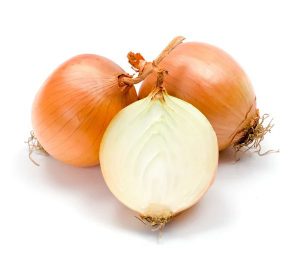
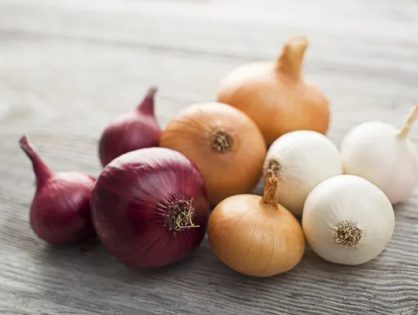
    Onions are a foundational ingredient in cuisines around the world. Their versatility and flavor-enhancing properties make them essential in a wide variety of dishes, from soups and stews to salads and sauces. However, not all onions are created equal—different varieties offer unique flavors, textures, and best uses in cooking.

    In this article, we’ll explore the most common types of onions, their differences, and how to best use each one in your cooking.

    Yellow Onions

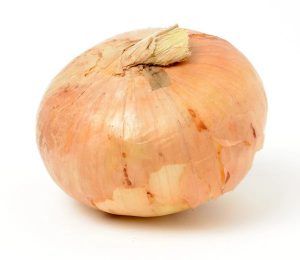
    Flavor : Yellow onions are the most common type of onion and are known for their sharp, pungent flavor when raw, which mellows into a sweet, caramelized taste when cooked.
    Best Uses : Yellow onions are the go-to for cooking. They’re incredibly versatile and can be used in almost any savory dish. Whether you’re making soups, stews, sauces, or stir-fries, yellow onions add depth and sweetness. They’re also perfect for  caramelizing  due to their higher sugar content.

    Cooking Tip : If a recipe calls for “onion” without specifying a type, yellow onions are usually the best choice.

    White Onions

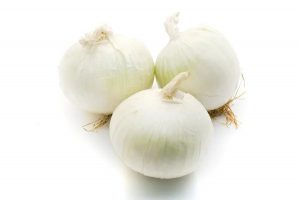
    Flavor : White onions have a slightly sharper, more intense flavor compared to yellow onions. They are a bit less sweet and have a crisper texture when raw.
    Best Uses : White onions are commonly used in  Mexican cuisine , where their sharpness balances well with spicy dishes like  salsas ,  guacamole , and  tacos . They’re also great in  pico de gallo  and can be used in stir-fries and soups. They tend to have a milder aftertaste than yellow onions.

    Cooking Tip : Use white onions when you want a stronger onion flavor that won’t be too overpowering when raw, especially in fresh dishes.

    Red Onions

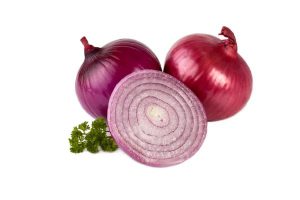
    Flavor : Red onions have a mild, slightly sweet flavor with a crisp texture. When raw, they are less pungent than yellow or white onions, and their flavor becomes more subtle when cooked.
    Best Uses : Red onions are most often used raw due to their vibrant color and milder taste. They’re perfect for  salads ,  sandwiches ,  burgers , and as a topping for dishes like  bruschetta . When grilled or roasted, their sweetness intensifies, making them a delicious addition to BBQ dishes, kabobs, or roasted vegetable medleys.

    Cooking Tip : Soak sliced red onions in cold water for about 10 minutes to reduce their sharpness when using them raw in salads.

    Sweet Onions (Vidalia, Walla Walla, Maui)

    Flavor : Sweet onions, as their name suggests, have a much milder, sweeter flavor compared to other onions. They have a higher sugar content, which makes them ideal for caramelizing.
    Best Uses : Sweet onions are ideal for  onion rings ,  caramelizing , and  grilling . Their sweetness makes them great for dishes where you want a less pungent onion taste, like  salads ,  salsas , and  sandwiches . Vidalia onions, in particular, are known for their use in  Southern cuisine , such as in  onion relishes  or  coleslaws .

    Cooking Tip : Due to their higher water content, sweet onions don’t store as long as other varieties. Store them in a cool, dry place and use them within a few weeks of purchase.

    Shallots

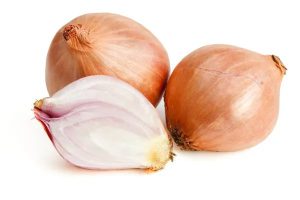
    Flavor : Shallots have a delicate, sweet flavor that is a cross between garlic and onions. They are more subtle than most onions and offer a touch of sweetness with a hint of sharpness.
    Best Uses : Shallots are perfect for  vinaigrettes ,  salad dressings , and  sauces , where a mild onion flavor is desired without overpowering other ingredients. They’re also great for  roasting  or  braising , and are frequently used in  French cooking  to add depth to sauces like  béarnaise  or  vinaigrette .

    Cooking Tip : Due to their mild flavor, shallots are best when used in dishes where the onions won’t be cooked for long periods, allowing their nuanced flavor to shine through.

    Green Onions (Scallions)

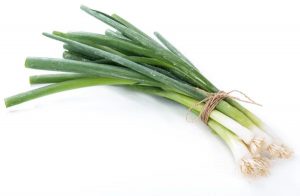
    Flavor : Green onions, also known as scallions, have a mild, fresh onion flavor. The white part of the scallion is more pungent, while the green tops are milder and more herb-like.
    Best Uses : Green onions are commonly used as a garnish in  soups ,  stir-fries ,  salads , and  Asian dishes  like  ramen  and  dumplings . They can be eaten raw or lightly cooked and add a fresh, crisp bite to dishes.

    Cooking Tip : Use both the white and green parts for different purposes—white for cooking in dishes like stir-fries and soups, and the green tops for garnish or raw applications like salads.

    Leeks

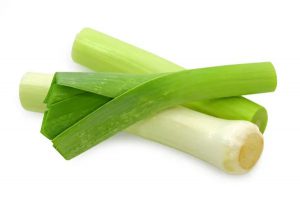
    Flavor : Leeks have a mild, onion-like flavor but with a hint of sweetness. They’re more delicate than yellow onions and can add a subtle depth to dishes without being overpowering.
    Best Uses : Leeks are commonly used in  soups  (like the classic  potato leek soup ),  stews , and  braises . They’re also great for  sautéing  and make a wonderful addition to  egg dishes ,  quiches , and  frittatas .

    Cooking Tip : Leeks tend to have dirt trapped between their layers, so it’s important to clean them thoroughly. Slice the leeks, then soak them in water to remove any grit.

    Pearl Onions

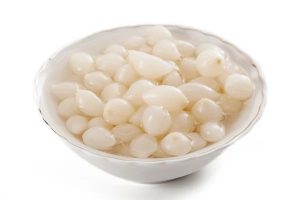
    Flavor : Pearl onions are small and sweet with a mild flavor. They are available in white, red, and yellow varieties.

    Best Uses : Pearl onions are often used whole in  stews ,  braises , and  roasts . They are perfect for  pickling  or serving in cocktails like martinis. Pearl onions are also delicious when  glazed  or roasted alongside meats or vegetables.

    Cooking Tip : To easily peel pearl onions, blanch them in boiling water for a few seconds, then transfer them to ice water. The skins will slip off easily.

    Choosing the Right Onion for Your Dish

    Each type of onion brings its own unique flavor and texture to a dish. Here’s a quick guide to help you choose the right onion for your recipe:

    –  For Raw Dishes : Red onions, sweet onions, and green onions are best for raw applications like salads, sandwiches, and garnishes.

    –  For Cooking : Yellow onions are the most versatile for cooked dishes, while white onions work well in spicier cuisines like Mexican food. Shallots and leeks are perfect for delicate sauces and soups.

    –  For Caramelizing or Grilling : Sweet onions (like Vidalia) and yellow onions are ideal due to their high sugar content.

    Mastering Onion Variety in Your Cooking

    Onions are one of the most important ingredients in the kitchen, providing a foundation of flavor in so many dishes. By understanding the differences between the various types of onions and how they impact flavor and texture, you can elevate your cooking and ensure each dish shines. Whether you’re caramelizing yellow onions for a savory soup, adding raw red onions to a salad, or grilling sweet onions for burgers, knowing which onion to use will help you achieve the best results.

    And don’t forget—if you’ve found a family recipe that uses onions to perfection, you can store and share it with  FamilyCookbookProject.com . Keep your favorite recipes organized and ready for any occasion!


    Bill Rice is Founder and Co-Publisher of the Great Family Cookbook Project, a website that helps families and individuals collect, preserve and share food memories by creating their own printed personal cookbooks. He is the author of The Wellfleet Oyster Cookbook and the Cape Cod Cocktail Cookbook (Available on Amazon), both created using FamilyCookbookProject.com. He is also editor of the Donovan Family Cookbook, now it’s third printing and is an avid genealogist tracing his family back to the 1600’s.

    Follow Family Cookbook Project on Facebook, Instagram, Twitter TikTok, YouTube and Pinterest!


  • How Many Pages Should Your Fundraising Cookbook Have?

    How Many Pages Should Your Fundraising Cookbook Have?

    One of the questions we often get with people who are creating a fundraising cookbook to raise funds for a worthy cause is how many pages should my fundraising cookbook have?

    One of the questions we often get with people who are creating a fundraising cookbook to raise funds for a worthy cause is how many pages should my fundraising cookbook have? Or are there are several factors that go into how much how many pages a cookbook fundraiser a fundraising cookbook should have.

    The first thing to consider is the size of your community. The community becomes the source for the recipes, and also the most likely buyers for the cookbook. If you have a very small church, or daycare, the number of recipes you receive may be more limited.  however, if you are raising funds for a large church, elementary school or similar organization, with hundreds of potential recipe, contributors, you can expect more recipes in your cookbook.

    However, if you are raising funds for a large church, elementary school or similar organization, with hundreds of potential recipe, contributors, you can expect more recipes in your cookbook.

    The next thing that impacts the number of recipes is the price you want to charge for your cookbook? As a general rule of thumb, people are willing to pay more for a larger cookbook. If you only need to raise one or $2000, then a small cookbook can be just the thing.

    At the end of the day, a fundraising cookbook can be anywhere between 25 and 250 recipes. It all depends on what your organization is capable of supporting.

    CookbookFindraiser.com has a helpful fundraising cookbook profitability calculator that allows you to put in different cookbook sizes and determine how much profit you can generate from that cookbook. Give it a try.


    Bill Rice is Founder and Co-Publisher of the Family Cookbook Project, a website that helps families and individuals collect, preserve and share food memories by creating their own printed personal cookbooks. He is the author of The Wellfleet Oyster Cookbook and the Cape Cod Cocktail Cookbook (Available on Amazon), both created using FamilyCookbookProject.com. He is also editor of the Donovan Family Cookbook, now it’s third printing.

    Follow Family Cookbook Project on Facebook, Instagram, Twitter TikTok, YouTube and Pinterest!