Blog

  • How to Cook Mexican Food at Home: Essential Ingredients, Simple Dishes, and Must-Have Spices

    How to Cook Mexican Food at Home: Essential Ingredients, Simple Dishes, and Must-Have Spices

    Mexican cuisine is beloved for its bold flavors, vibrant colors, and diverse ingredients. The beauty of cooking Mexican food at home is that you can enjoy authentic, delicious dishes without needing to visit a restaurant. By stocking your pantry with key ingredients and learning a few simple recipes, you can bring the rich, varied flavors of Mexico into your own kitchen.

    In this article, FamilyCookbookProject.com will explore the essential ingredients, spices, and simple dishes to help you start cooking authentic Mexican food at home.

    Essential Ingredients for Mexican Cooking

    To successfully cook Mexican food at home, it’s important to have a few staple ingredients on hand. These are the building blocks of many Mexican dishes and will help you achieve authentic flavors.

    Tortillas (Corn and Flour)

    Tortillas are the foundation of many Mexican dishes, such as tacos, quesadillas, enchiladas, and burritos. Keep both corn and flour tortillas in your pantry or fridge, as each type works best for different dishes. Corn tortillas are typically used for tacos and enchiladas, while flour tortillas are popular for burritos and quesadillas.

    Beans (Black Beans, Pinto Beans)

    Beans are a key ingredient in Mexican cuisine. Black beans and pinto beans are commonly used in dishes like  refried beans ,  tacos , and  burritos . You can use canned beans for convenience or cook dried beans for a more authentic flavor.

    Rice (White or Brown)

    Mexican-style rice, often seasoned with tomatoes, onions, and garlic, is a common side dish. Long-grain white or brown rice is ideal for creating  Mexican rice  or serving alongside main dishes like tacos or enchiladas.

    Cheese (Queso Fresco, Cotija, Oaxaca, Monterey Jack)

    Cheese adds richness and flavor to many Mexican dishes.  Queso fresco  and  cotija  are crumbly, mild cheeses often used as toppings, while  Oaxaca  cheese melts beautifully and is perfect for quesadillas.  Monterey Jack  cheese, while not traditional, is a good melting cheese for tacos and enchiladas.

    Avocados

    Avocados are essential for making  guacamole , a classic Mexican dip. They’re also a great topping for tacos, burritos, and salads. Their creamy texture complements the spiciness of many Mexican dishes.

    Limes

    Limes add brightness and acidity to Mexican food. Whether you’re squeezing lime juice over tacos, adding it to a marinade, or using it in a salsa, limes are indispensable in Mexican cooking.

    Tomatoes

    Tomatoes, especially Roma tomatoes, are a key ingredient in many Mexican dishes. They’re used in  salsas ,  sauces , and even  rice dishes . Canned tomatoes can also work well in a pinch.

    Onions (White, Red)

    Onions, especially white onions, are commonly used in Mexican cooking for their sharp flavor. They’re sautéed with garlic in many sauces and stews, and raw red onions are often used as a garnish for tacos and salsas.

    Cilantro

    Cilantro is a fresh herb that adds a burst of flavor to tacos, salsas, and soups. Its bright, citrusy flavor pairs well with lime and adds a fresh note to dishes.

    Chilies (Fresh and Dried)

    Chilies are essential for adding heat and depth of flavor to Mexican food. Common varieties include  jalapeños  and  serranos  (used fresh), as well as  ancho ,  guajillo , and  chipotle  (used dried). These chilies are often used in sauces, marinades, and as toppings for tacos and other dishes.

    Must-Have Spices for Mexican Cooking

    Spices play a crucial role in Mexican cuisine, helping to create layers of flavor in everything from stews to tacos. Here are the most common spices to keep in your pantry:

    Cumin

    Cumin adds a warm, earthy flavor and is one of the most important spices in Mexican cooking. It’s often used in  taco seasoning, chili, and bean dishes .

    Chili Powder

    Chili powder is a blend of ground chilies and spices like cumin, garlic powder, and oregano. It’s essential for seasoning meat, stews, and sauces. Use it in tacos,  enchiladas, and chili con carne .

    Oregano (Mexican Oregano)

    Mexican oregano has a slightly citrusy, floral flavor that differs from Mediterranean oregano. It’s used in  salsas, marinades, and soups. If you can’t find Mexican oregano, regular oregano will work, but the flavors are a bit different.

    Paprika

    Paprika adds color and mild flavor to Mexican dishes. Smoked paprika can add a depth of smokiness to meats and stews.

    Cinnamon (Canela)

    Mexican cinnamon (also called  canela) is softer and more fragrant than the standard cinnamon found in most kitchens. It’s often used in both savory and sweet Mexican dishes, such as  mole  sauces and  horchata.

    Garlic Powder

    Garlic powder is a convenient way to add garlic flavor to dishes when fresh garlic isn’t on hand. It’s often used in  seasoning blends  for tacos and chili.

    Bay Leaves

    Bay leaves are often added to slow-cooked dishes like  pozole  and  sopa de fideo  to add depth and aroma.

    Mexican Dishes to Start With

    Once you have your ingredients and spices stocked, here are a few simple Mexican dishes to try:

    Tacos

    Tacos are one of the most versatile and easy-to-make Mexican dishes. Start by cooking seasoned  ground beef  or chicken with taco seasoning (cumin, chili powder, garlic). Serve the meat in warm corn tortillas and top with your favorite toppings like salsa,  guacamole, cheese, and cilantro.

    Search for taco recipes on FamilyCookbookProject.com

    Guacamole

    This classic dip is easy to make and always a hit. Simply mash ripe  avocados  with lime juice, cilantro, finely chopped onions, and a pinch of  salt. Add some chopped  tomatoes  or jalapeños  for extra flavor and texture.

    Search for guacamole recipes on FamilyCookbookProject.com

    Enchiladas

    Enchiladas are tortillas filled with meat, beans, or cheese, rolled up, and covered with a spicy sauce. You can start with a basic  cheese enchilada  by filling  corn tortillas  with  Monterey Jack cheese, rolling them up, and covering them with a simple  enchilada sauce (made with tomato sauce, chili powder, and  garlic). Bake until bubbly.

    Search for enchiladas recipes on FamilyCookbookProject.com

    Salsa Fresca (Pico de Gallo)

    A fresh salsa made from diced tomatoes, onions, jalapeños, cilantro, and lime juice . It’s perfect as a topping for tacos, nachos, or as a dip with tortilla chips.

    Search for pico de  gallo recipes on FamilyCookbookProject.com

    Quesadillas

    Quesadillas are a simple dish that involves filling  flour tortillas with melted  cheese and other ingredients like chicken, mushrooms, or spinach. Cook the filled tortillas in a hot skillet until the cheese is melted and the tortillas are crispy.

    Search for quesadillas recipes on FamilyCookbookProject.com

    Mexican Rice

    To make Mexican rice, sauté  long-grain rice  with  onions  and  garlic , then simmer it with  tomato sauce  or  tomato paste , chicken broth, and  spices  like cumin and chili powder. The result is a flavorful, fluffy rice that pairs well with tacos, enchiladas, or grilled meats.

    Search for Mexican rice recipes on FamilyCookbookProject.com

    Search for Advanced Recipes

    FamilyCookbookProject.com includes a database of more than 2.82 million recipes, including many Mexican Family Favorites. Click here to search for more Mexican recipes.

    Bringing Mexican Flavors to Your Kitchen

    Cooking Mexican food at home is a rewarding experience that allows you to enjoy rich, authentic flavors with ingredients you can easily find at the store. By stocking up on essential ingredients like tortillas, beans, avocados, and spices like cumin and chili powder, you’ll be well on your way to creating delicious Mexican meals in your own kitchen.

    Start with simple dishes like tacos, guacamole, and enchiladas, and as you get more comfortable, try your hand at more complex recipes. With practice, you’ll be able to bring the vibrant and diverse flavors of Mexico into your home, creating meals that are sure to impress family and friends.

    So grab your tortillas, fire up the stove, and get cooking!


    Bill Rice is Founder and Co-Publisher of the Great Family Cookbook Project, a website that helps families and individuals collect, preserve and share food memories by creating their own printed personal cookbooks. He is the author of The Wellfleet Oyster Cookbook and the Cape Cod Cocktail Cookbook (Available on Amazon), both created using FamilyCookbookProject.com. He is also editor of the Donovan Family Cookbook, now it’s third printing and is an avid genealogist tracing his family back to the 1600’s.

    Follow Family Cookbook Project on Facebook, Instagram, Twitter TikTok, YouTube and Pinterest!


  • From Backyard to Bestseller: Creating a Barbecue Cookbook

    From Backyard to Bestseller: Creating a Barbecue Cookbook

    For barbecue enthusiasts, the art of grilling and smoking meat is a passion that extends far beyond the backyard. It’s about mastering techniques, experimenting with flavors, and sharing the joy of delicious, smoky meals with friends and family. What if you could take that passion and turn it into a published cookbook? With FamilyCookbookProject.com, you can do just that. Not only can you create a professional-quality barbecue cookbook, but you can also have it listed for sale on Amazon.com, complete with an ISBN number to help you sell your cookbook online. Here are some inspiring success stories of barbecue enthusiasts who turned their backyard passion into a bestselling cookbook.

    Success Stories of Barbecue Enthusiasts

    1. Dave’s Smokehouse Delights

    Dave has been a barbecue aficionado for over 20 years. His backyard is a haven for grill lovers, often filled with the enticing aroma of slow-cooked ribs, brisket, and pulled pork. After years of perfecting his recipes and techniques, Dave decided it was time to share his passion with the world. Using FamilyCookbookProject.com, he created “Dave’s Smokehouse Delights,” a comprehensive guide to his favorite barbecue recipes.

    The process was straightforward: he invited friends and family to contribute their own barbecue favorites, added his secret rubs and sauces, and included detailed instructions for each dish. The platform allowed him to customize the layout, add photos, and even include personal anecdotes about each recipe. Once the cookbook was complete, Dave listed it for sale on Amazon.com with an ISBN number, making it accessible to barbecue lovers everywhere. The response was overwhelming, and “Dave’s Smokehouse Delights” quickly became a hit.

    1. Lisa’s Backyard Barbecue Bonanza

    Lisa’s love for barbecue began in her grandmother’s backyard, where family gatherings always featured her grandmother’s famous smoked ribs. Inspired by these memories, Lisa decided to compile her family’s barbecue recipes into a cookbook. She used FamilyCookbookProject.com to create “Lisa’s Backyard Barbecue Bonanza,” a collection of recipes that celebrate her family’s culinary heritage.

    The platform made it easy for Lisa to gather recipes from family members, including handwritten notes and photos of family gatherings. She also added her own modern twists to traditional dishes, creating a unique blend of old and new. Listing her cookbook on Amazon.com allowed Lisa to share her family’s legacy with a wider audience. The cookbook’s success on Amazon not only honored her grandmother’s memory but also introduced a new generation to the joys of backyard barbecue.

    1. The Pitmaster’s Playbook by Mike

    Mike, known among his friends as the ultimate pitmaster, decided it was time to document his grilling expertise. He turned to FamilyCookbookProject.com to create “The Pitmaster’s Playbook,” a step-by-step guide to mastering the grill. The cookbook included Mike’s signature recipes, tips on selecting the best cuts of meat, and techniques for achieving the perfect smoke ring.

    Mike took advantage of the platform’s customization options, adding high-quality photos of his grilled creations and detailed instructions for each recipe. The option to list his cookbook on Amazon.com, complete with an ISBN number, made it easy for Mike to reach a global audience. “The Pitmaster’s Playbook” quickly gained a following, earning rave reviews from barbecue enthusiasts around the world.

    The Benefits of Creating a Barbecue Cookbook with FamilyCookbookProject.com

    FamilyCookbookProject.com offers numerous advantages for barbecue enthusiasts looking to publish their own cookbooks. Here are some key benefits:

    1. User-Friendly Platform
      • The platform is designed to be intuitive and easy to use, allowing you to create a professional-quality cookbook without any technical expertise. You can customize the layout, add photos, and include personal notes and anecdotes.
    2. Collaborative Features
      • Invite friends and family to contribute their own recipes, making the cookbook a collaborative effort that reflects a diverse range of culinary experiences and traditions.
    3. High-Quality Printing
      • Once your cookbook is complete, FamilyCookbookProject.com offers professional printing and binding services, ensuring that your cookbook looks and feels like a bestseller.
    4. Listing on Amazon.com
      • One of the standout features of FamilyCookbookProject.com is the ability to list your cookbook for sale on Amazon.com. This includes obtaining an ISBN number, which helps legitimize your cookbook and makes it easier for readers to find and purchase online.
    5. Preserve and Share Your Legacy
      • Creating a barbecue cookbook is not just about sharing recipes; it’s about preserving your culinary legacy and sharing your passion with the world. Whether you’re documenting family traditions or showcasing your unique grilling techniques, your cookbook becomes a lasting testament to your love for barbecue.

    How to Get Started

    Creating your barbecue cookbook with FamilyCookbookProject.com is a straightforward process:

    1. Sign Up and Create Your Cookbook
      • Start by creating an account on FamilyCookbookProject.com. Choose a title and layout that reflects your style and the essence of your recipes.
    2. Gather and Enter Recipes
      • Collect your favorite barbecue recipes, including detailed instructions, ingredients, and any special tips. You can also invite others to contribute their own recipes, making the project a collaborative effort.
    3. Customize and Design
      • Use the platform’s design tools to customize your cookbook. Add photos of your dishes, personal anecdotes, and any other elements that will make your cookbook unique and engaging.
    4. Review and Finalize
      • Proofread your cookbook to ensure accuracy and consistency. Make any necessary edits and finalize the design.
    5. Print and Publish
      • Once you’re satisfied with your cookbook, use FamilyCookbookProject.com‘s printing services to create high-quality copies. You can also choose to list your cookbook on Amazon.com, complete with an ISBN number, to reach a wider audience.
    6. Share and Promote
      • Share your cookbook with friends, family, and fellow barbecue enthusiasts. Promote it on social media, at local events, and through word of mouth to maximize its reach.

    Conclusion

    Turning your passion for barbecue into a published cookbook is a rewarding endeavor that allows you to share your expertise, preserve your culinary legacy, and connect with a global audience. With FamilyCookbookProject.com, the process is simple and accessible, providing all the tools you need to create a professional-quality cookbook. Whether you’re documenting family recipes or showcasing your own grilling techniques, your barbecue cookbook has the potential to become a bestseller. Start your project today and take the first step from backyard to bestseller.


    Bill Rice is Founder and Co-Publisher of the Family Cookbook Project, a website that helps families and individuals collect, preserve and share food memories by creating their own printed personal cookbooks. He is the author of The Wellfleet Oyster Cookbook and the Cape Cod Cocktail Cookbook (Available on Amazon), both created using FamilyCookbookProject.com. He is also editor of the Donovan Family Cookbook, now it’s third printing and is an avid genealogist tracing his family back to the 1600’s.

    Follow Family Cookbook Project on Facebook, Instagram, Twitter and Pinterest!

  • Photo Arranger Tool for Recipes

    Photo Arranger Tool for Recipes

    You can arrange a recipe’s photos pretty much any way you might like beyond the default one by one down a page.  To do this, edit the recipe you wish.  On the right side, you will see your current photos in their sorted order thumbnails.  Scroll beneath them, and click the link to “use the Custom Photo Arranger Tool.”

    You will now see your photo(s) as they look in your printed book, sized according to your settings on a layout screen.  You can move them around and resize them any way you’d like.  If you want your photos to retain their correct aspect ratio, check the little box on each photo’s lower left.  They can also be layered one on top of another.  You’ll see that when moving a photo, it automatically comes to the top/front of all others.  When done, click the “Save” button.

    Preview your recipe with custom arrangement anytime by clicking “SEE YOUR RECIPE as it will be printed with your cookbook settings (PDF popup)” button.

    You can also manage your recipe photo settings on the right.  Click [Edit Photo] to set things like border style and color-B/W.  Those will be added normally in your printed book on the photos.

    If you wish to reset this recipe’s photos to the default stacked look, check the box next to the Save button and click Save.

    We have a How-To video for this tool.  Click here!


    Bill Rice is Founder and Co-Publisher of the Family Cookbook Project, the leading online cookbook publisher with a website that helps families and individuals collect, preserve and share food memories by creating their own printed custom cookbooks. He is the author of The Wellfleet Oyster Cookbook and the Cape Cod Cocktail Cookbook (Available on Amazon), both created using FamilyCookbookProject.com. He is also editor of the Donovan Family Cookbook, now it’s third printing and is an avid genealogist tracing his family back to the 1600’s.

    Follow Family Cookbook Project on Facebook, Instagram, Twitter TikTok, YouTube and Pinterest!

  • The Easy Guide to Transforming Family Recipes into Gluten-Free Favorites

    The Easy Guide to Transforming Family Recipes into Gluten-Free Favorites

    As awareness about gluten sensitivity and celiac disease grows, more and more families are looking for ways to enjoy traditional recipes while making them safe for those who need to avoid gluten. If you have family members with gluten sensitivity or celiac disease, you don’t have to say goodbye to your beloved family recipes. With some simple ingredient swaps and a little knowledge, you can transform your favorite dishes into delicious gluten-free versions that everyone can enjoy.

    In this article, we’ll explore what to look for in recipes, provide gluten-free substitutions, and highlight ingredients that may contain hidden gluten.

    Understanding Gluten and Its Role in Recipes

    Gluten is a protein found in wheat, barley, rye, and related grains. It gives dough its elasticity, helps it rise, and provides structure in baked goods. However, for those with gluten sensitivities or celiac disease, gluten can cause serious health issues, which means removing it from their diet is essential.

    The key to converting family recipes into gluten-free versions is knowing which ingredients contain gluten and how to substitute them without sacrificing flavor or texture.

    What to Look for in a Recipe

    When reviewing a family recipe to convert it into a gluten-free version, there are a few key ingredients to examine closely:

    1. Flour : Traditional recipes that call for all-purpose wheat flour or self-rising flour will need to be substituted with gluten-free alternatives.
    2. Baking Mixes : Pancake mixes, baking mixes, and pre-made doughs often contain wheat flour as the base.
    3. Thickening Agents : Wheat flour is often used as a thickener in sauces, gravies, and soups.
    4. Breading or Batter : Recipes that involve breading or batter (e.g., fried chicken or fish) often use wheat flour or breadcrumbs.

    Once you’ve identified the gluten-containing ingredients, it’s time to find suitable substitutes.

    Gluten-Free Substitutions for Common Ingredients

    Here are some common substitutions to make your family recipes gluten-free:

    Gluten-Free Flour

    Replacing wheat flour is often the biggest hurdle. Fortunately, there are many gluten-free flour blends available that can be used in a 1:1 ratio in most recipes. Popular options include:

    –  Gluten-Free All-Purpose Flour Blends : These are designed to mimic the properties of wheat flour and often contain a blend of rice flour, sorghum flour, tapioca starch, and potato starch. They usually include xanthan gum or guar gum for added elasticity and structure.

    –  Almond Flour : Works well in baked goods like cakes, cookies, and muffins. It adds moisture and a slightly nutty flavor.

    –  Coconut Flour : Very absorbent and needs more liquid or eggs in a recipe, but it’s great for pancakes and muffins.

    –  Oat Flour : Adds a tender crumb to baked goods and is a great choice for cookies and quick breads (make sure to use certified gluten-free oats).

    Breadcrumbs

    Many family recipes rely on breadcrumbs for breading or adding texture to dishes like meatloaf. Try these gluten-free alternatives:

    –  Gluten-Free Breadcrumbs : Available in stores and made from gluten-free bread, they can be used just like regular breadcrumbs.

    –  Crushed Rice Cereal or Cornflakes : Light and crispy, these cereals are perfect for breading meats and adding crunch to dishes.

    –  Ground Almonds : Also known as almond meal, this adds a rich, nutty flavor and works well for coating fish or chicken.

    Thickeners

    If your recipe uses wheat flour to thicken soups, sauces, or gravies, try these substitutes:

    –  Cornstarch : A great gluten-free thickener that works well in gravies, sauces, and soups.

    –  Arrowroot Powder : Another gluten-free thickener that works similarly to cornstarch, but with a more neutral flavor.

    –  Tapioca Starch : Adds thickness to sauces and gives baked goods a chewy texture.

    Pasta

    For recipes that use pasta, there are plenty of gluten-free alternatives that mimic the texture and flavor of traditional wheat pasta:

    –  Rice Pasta : Light and mild, this pasta holds up well in most dishes.

    –  Corn or Quinoa Pasta : These gluten-free options are sturdy and work great in casseroles or hearty sauces.

    –  Zucchini Noodles or Spaghetti Squash : A vegetable-based alternative that’s perfect for those looking to reduce carbs as well as gluten.

    Hidden Sources of Gluten

    When converting family recipes, it’s important to be aware of ingredients that may seem gluten-free but can actually contain hidden gluten. Here are some ingredients to watch out for:

    1. Soy Sauce : Traditional soy sauce contains wheat, making it a common source of hidden gluten. Substitute with tamari , a gluten-free soy sauce alternative.
    2. Bouillon Cubes and Broths : Many store-bought broths and bouillon cubes contain wheat as a thickener or flavor enhancer. Look for gluten-free-labeled broth or make your own.
    3. Canned Soups : Many canned soups use wheat flour as a thickener. Always check the label or opt for gluten-free brands.
    4. Spice Mixes : Pre-made seasoning blends, including taco seasoning or gravy packets, can contain gluten as a filler or anti-caking agent. Make your own spice blends using individual herbs and spices to ensure they’re gluten-free.
    5. Processed Meats : Certain deli meats, sausages, and hot dogs may contain gluten due to additives. Check for gluten-free labeling or opt for fresh, unprocessed meats.
    6. Salad Dressings and Condiments : Some salad dressings, barbecue sauces, and marinades contain gluten. Always read the labels and look for gluten-free options.
    7. Malt Vinegar : Malt is derived from barley, so avoid using malt vinegar in recipes. Substitute with apple cider vinegar or white vinegar instead.

    Adapting Recipes for Gluten-Free Success

    When turning your family recipes into gluten-free versions, you may need to experiment to find the right balance of ingredients and textures. Here are a few tips to keep in mind:

    1. Adjust Liquids : Gluten-free flours absorb more liquid than wheat flour, so you may need to add more water, milk, or eggs to achieve the desired consistency.
    2. Use Xanthan Gum or Guar Gum : These ingredients help mimic the elasticity and binding properties of gluten. Add 1/2 to 1 teaspoon per cup of gluten-free flour in recipes for bread, pizza dough, or cakes.
    3. Don’t Overmix : Overmixing can cause gluten-free doughs and batters to become tough. Mix just until combined for the best results.
    4. Let Batters Rest : Allowing gluten-free batters to rest for 15-30 minutes before baking helps hydrate the flours and can improve texture.

    Collect and Organize Your Gluten-Free Recipes

    As you experiment with turning your family recipes into gluten-free versions, it’s a good idea to keep track of what works and what doesn’t.  FamilyCookbookProject.com  is an excellent resource for organizing your new gluten-free recipes. You can collect and store all your converted family recipes in one place, add notes on substitutions, and share your creations with family and friends. This way, you can continue enjoying your family’s favorite dishes, reimagined to meet modern dietary needs.

    Enjoy Your Favorite Recipes Gluten-Free

    Turning family recipes into gluten-free versions doesn’t mean sacrificing flavor or tradition. By understanding which ingredients contain gluten and learning how to make the right substitutions, you can enjoy all your favorite dishes without compromising on taste. With a little creativity and some gluten-free know-how, you can ensure that your family recipes continue to be a part of your meals, no matter who’s coming to dinner.

    So go ahead—dust off those old recipe cards, gather your ingredients, and start creating gluten-free versions of your cherished family favorites. And don’t forget to use FamilyCookbookProject.com to save and organize your gluten-free recipe collection!


    Bill Rice is Founder and Co-Publisher of the Great Family Cookbook Project, a website that helps families and individuals collect, preserve and share food memories by creating their own printed personal cookbooks. He is the author of The Wellfleet Oyster Cookbook and the Cape Cod Cocktail Cookbook (Available on Amazon), both created using FamilyCookbookProject.com. He is also editor of the Donovan Family Cookbook, now it’s third printing and is an avid genealogist tracing his family back to the 1600’s.

    Follow Family Cookbook Project on Facebook, Instagram, Twitter TikTok, YouTube and Pinterest!


  • Connecting Generations: How Family Cookbooks Bridge the Gap Between Past and Present

    Connecting Generations: How Family Cookbooks Bridge the Gap Between Past and Present

    In the fast-paced, digital age we live in, maintaining a connection to our family’s heritage can be challenging. While technology offers unprecedented access to information and resources, it can sometimes distance us from the tangible aspects of our history. One powerful way to bridge this gap and foster a deeper connection between generations is through the creation of family cookbooks. These collections of cherished recipes serve as living documents that encapsulate culinary traditions, stories, and memories, providing a meaningful link between the past and present.

    The Role of Food in Family Traditions

    Food has always played a central role in family life, acting as a medium through which love, culture, and traditions are expressed and passed down. Traditional family recipes are more than just instructions for preparing meals; they are imbued with memories of shared experiences, celebrations, and everyday moments. These recipes often carry stories of their origins, the people who created them, and the occasions they were meant to commemorate.
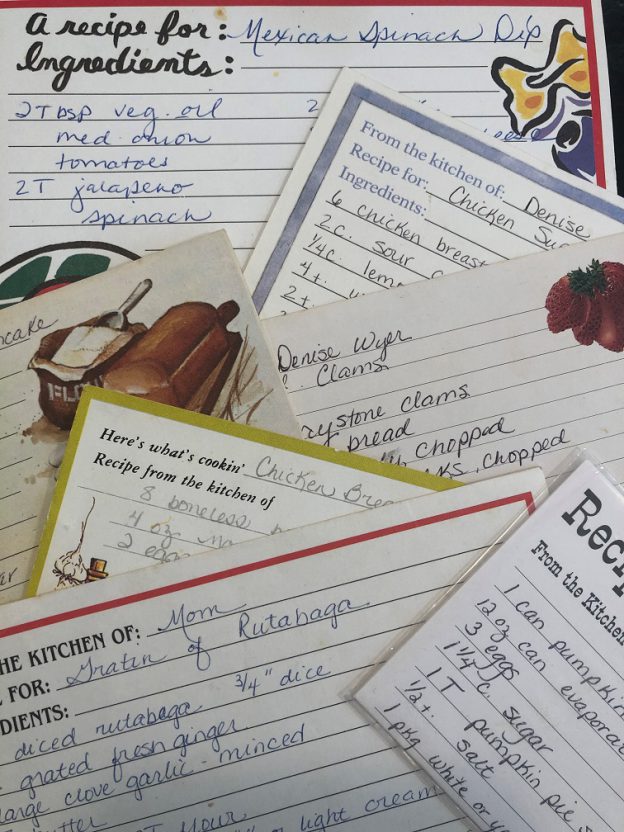

    For younger generations, engaging with these recipes offers a tangible way to connect with their ancestry. Cooking and tasting the same dishes that their ancestors enjoyed can evoke a profound sense of continuity and belonging. A family cookbook, therefore, becomes a bridge that links generations, preserving not just the ingredients and methods of cooking, but also the essence of family traditions.

    Preserving Culinary Heritage

    Creating a family cookbook is a powerful way to document and preserve your family’s culinary heritage. It ensures that treasured recipes are not lost to time and can be enjoyed by future generations. Here’s how a family cookbook can help bridge the gap between past and present:

    1. Documenting Stories and Memories: Each recipe in a family cookbook can be accompanied by stories and anecdotes about its origins. This contextual information provides younger generations with a deeper understanding of their family’s history and the significance of certain dishes. For example, a recipe for a holiday dish might include a story about how it was created by a great-grandparent during a special family celebration.
    2. Preserving Handwriting and Personal Notes: Including scanned copies of original handwritten recipe cards in a family cookbook preserves the unique handwriting and personal notes of past generations. This personal touch adds a layer of intimacy and authenticity to the cookbook, making it a cherished heirloom.
    3. Sharing Culinary Skills and Techniques: Traditional recipes often involve cooking techniques and skills that may not be widely known today. By documenting these methods, a family cookbook helps to preserve and pass down culinary knowledge that is part of the family’s heritage. Younger generations can learn these skills and keep them alive.
    4. Fostering Intergenerational Collaboration: The process of creating a family cookbook can be a collaborative effort that involves multiple generations. Younger family members can interview older relatives, gather recipes, and learn about the stories behind them. This collaboration fosters a sense of unity and shared purpose, strengthening family bonds.

    Engaging Younger Generations

    For younger generations, a family cookbook offers a gateway to exploring their ancestry in a relatable and engaging way. Here are some ways to involve younger family members in the creation and use of a family cookbook:

    1. Interactive Cooking Sessions: Organize cooking sessions where older family members teach younger ones how to prepare traditional dishes. These sessions can be recorded and included in the cookbook as video links or written instructions. This hands-on experience not only preserves culinary skills but also creates lasting memories.
    2. Family Cookbook Projects: Encourage younger family members to contribute to the cookbook by documenting their favorite family recipes, adding personal notes, and even experimenting with modern twists on traditional dishes. This involvement makes them active participants in preserving their heritage.
    3. Storytelling and Interviews: Involve younger family members in interviewing older relatives about their favorite recipes and the stories behind them. These interviews can be transcribed and included in the cookbook, adding a rich narrative element that enhances the connection to the past.
    4. Digital Integration: For tech-savvy younger generations, consider creating a digital version of the family cookbook. This can include interactive features such as video tutorials, photo galleries, and links to additional resources. A digital cookbook can be easily shared and accessed on various devices, making it convenient and appealing to younger users.

    The Lasting Impact of Family Cookbooks

    The creation of a family cookbook is a meaningful project that has a lasting impact on both the family’s heritage and the relationships between its members. By documenting and sharing cherished recipes, a family cookbook serves as a living testament to the love, traditions, and culinary creativity that have been passed down through generations.

    For younger family members, engaging with a family cookbook provides a deeper connection to their roots. It helps them appreciate the richness of their heritage and the efforts of their ancestors in preserving it. This connection fosters a sense of pride and belonging that is invaluable in today’s world.

    Looking Ahead

    In a time when family members are often scattered across different locations and busy with their own lives, a family cookbook offers a powerful way to bridge the gap between past and present. It preserves the culinary traditions and stories that define a family’s heritage, ensuring that they are passed down to future generations.

    By involving younger family members in the creation and use of a family cookbook, we can foster a deeper appreciation for our shared history and traditions. This collaborative effort not only strengthens family bonds but also ensures that the flavors and stories of our past continue to enrich our lives today and in the future.

    Start your family cookbook project today and discover the joy of connecting generations through the shared love of food and tradition. At FamilyCookbookProject.com, you will find all the tools and resources you need to create a beautifully bound cookbook that will be cherished for years to come. Let’s celebrate our culinary heritage and bring our families closer together through the timeless art of cooking.

    Bill Rice is Founder and Co-Publisher of the Family Cookbook Project, a website that helps families and individuals collect, preserve and share food memories by creating their own printed personal cookbooks. He is the author of The Wellfleet Oyster Cookbook and the Cape Cod Cocktail Cookbook (Available on Amazon), both created using FamilyCookbookProject.com. He is also editor of the Donovan Family Cookbook, now it’s third printing and is an avid genealogist tracing his family back to the 1600’s.

    Follow Family Cookbook Project on Facebook, Instagram, Twitter and Pinterest!


  • Making a Recipe Your Own

    Making a Recipe Your Own

    Recipes are everywhere. From printed cookbooks and old family recipe boxes to magazines, newspapers, and websites, there are countless sources for discovering new dishes that become family favorites.

    When we find a new recipe, we often tweak it to suit our tastes. This might mean eliminating certain ingredients, adding new ones, adjusting quantities, or simplifying the steps. These modifications are how we make a recipe our own.

    The Family Cookbook Project makes it easy to compile these personalized recipes into your own family cookbook. You can type them in, copy and paste from a document or website, or upload an image of the recipe. This way, all your favorite recipes are gathered in one beautifully printed cookbook.

    However, it’s important to give credit to the original creators of the recipes. In your personal notes, be sure to include the source of the original recipe. While recipes themselves generally can’t be copyrighted, photos can be. If you use a photo from the original recipe, mark the recipe as private until you can replace the photo with one of your own.

    For more information on copyrighting recipes, check out these resources:

    Bill Rice is Founder and Co-Publisher of the Family Cookbook Project, a website that helps families and individuals collect, preserve and share food memories by creating their own printed personal cookbooks. He is the author of The Wellfleet Oyster Cookbook and the Cape Cod Cocktail Cookbook (Available on Amazon), both created using FamilyCookbookProject.com. He is also editor of the Donovan Family Cookbook, now it’s third printing.

    Follow Family Cookbook Project on Facebook, Instagram, Twitter and Pinterest!


  • Bake Like a Pro: How to Create Your Own Custom Cookie Recipe

    Bake Like a Pro: How to Create Your Own Custom Cookie Recipe

    Creating your own cookie recipe can be a fun and rewarding experience. Whether you’re inspired by a classic chocolate chip cookie or want to craft something entirely new, understanding the essential components of a cookie dough and how to balance them is the first step to creating a delicious, one-of-a-kind treat.

    In this article, we’ll break down the key ingredients required in every cookie, how they interact in the dough, and how to experiment with add-ins to create new flavor profiles. Plus, we’ll discuss how to learn from your mistakes and fine-tune your recipe for perfect results every time.

    The Essential Ingredients in Every Cookie

    Every cookie recipe relies on a few essential ingredients that serve as the foundation of the dough. While you can customize your flavors and add-ins, understanding the role of these core ingredients will help you create a balanced and successful cookie.

    Flour

    –  Proportion : Typically 1 ¾ to 2 ¼ cups per batch (about 24 cookies).

    –  What It Does : Flour is the structure of the cookie. It provides the protein (gluten) that gives cookies their shape and texture. Too much flour results in a dry, crumbly cookie, while too little leads to a flat, greasy one.

    –  Types of Flour : Most cookie recipes use all-purpose flour, but experimenting with whole wheat, almond, or oat flour can add different textures and flavors.

    Fat (Butter or Shortening)

    –  Proportion : Usually ½ to 1 cup.

    –  What It Does : Fat is responsible for the cookie’s tenderness and richness. Butter gives cookies a deep, rich flavor and can also contribute to a crispier texture, while shortening creates softer, puffier cookies. Margarine or coconut oil can also be used as substitutes, but each fat will affect the flavor and texture differently.

    –  Tips : Using melted butter tends to make cookies chewier, while creaming softened butter with sugar gives a lighter, more tender cookie.

    Sugar

    –  Proportion : Typically ½ to 1 cup white sugar and ½ to 1 cup brown sugar.

    –  What It Does : Sugar adds sweetness, but it also plays a role in the cookie’s texture. White sugar gives cookies a crispier texture, while brown sugar, which contains molasses, adds moisture and chewiness.

    –  Adjusting Sugar : Using more brown sugar will make your cookies soft and chewy, while more white sugar will give you a crispier result.

    Eggs

    –  Proportion : Usually 1 to 2 eggs per batch.

    –  What They Do : Eggs provide moisture, richness, and help bind the ingredients together. The egg yolks add fat, which contributes to the cookie’s texture, while the whites help provide structure. Too many eggs can make the dough too moist and cake-like, while too few can make the cookies dry and crumbly.

    –  Substitutes : For egg-free cookies, you can use alternatives like flax eggs, applesauce, or yogurt, though this will affect the texture.

    Leavening (Baking Soda or Baking Powder)

    –  Proportion : Typically 1 teaspoon.

    –  What It Does : Leavening agents cause the cookies to rise and spread. Baking soda produces a denser, chewier texture, while baking powder gives cookies more of a cake-like texture. Most recipes use baking soda, but a combination of both can be used for a balanced rise and texture.

    –  Tips : Too much leavening can cause cookies to spread too much and become flat, while too little may result in dense cookies.

    Salt

    –  Proportion : About ½ teaspoon.

    –  What It Does : Salt enhances the flavor of all the other ingredients and balances sweetness. It’s an essential ingredient, even in sweet recipes, to prevent the cookies from tasting overly sugary.

    Vanilla Extract

    –  Proportion : Usually 1 to 2 teaspoons.

    –  What It Does : Vanilla adds a subtle sweetness and depth of flavor to cookies. It’s a versatile flavor enhancer that complements almost any add-in.

    Add-Ins: Taking Your Cookies to the Next Level

    Once you’ve mastered the basic dough, it’s time to experiment with add-ins that will bring new flavor profiles and textures to your cookies. Here are some creative ideas for taking your cookies beyond the standard chocolate chips:

    Nuts

    –  Flavor Profile : Crunchy, slightly sweet or salty.

    –  Ideas : Add chopped pecans, walnuts, almonds, or macadamia nuts for a satisfying crunch and nutty flavor. Toasting the nuts before adding them will enhance their flavor even more.

    Dried Fruit

    –  Flavor Profile : Sweet and chewy with a hint of tartness.

    –  Ideas : Dried cranberries, cherries, apricots, or raisins add both texture and a sweet-tart flavor. Pair them with nuts or white chocolate for extra dimension.

    Spices

    –  Flavor Profile : Warm, aromatic, and sometimes spicy.

    –  Ideas : Cinnamon, nutmeg, ginger, cardamom, or cloves can transform a basic cookie dough into something warm and spicy. These are perfect for holiday cookies or when paired with chocolate.

    Coconut Flakes

    –  Flavor Profile : Sweet, tropical, and chewy.

    –  Ideas : Unsweetened or sweetened coconut flakes can give your cookies a tropical twist. Toasted coconut adds an extra layer of flavor and texture.

    Candy Pieces

    –  Flavor Profile : Sweet, colorful, and fun.

    –  Ideas : M&Ms, crushed candy bars, or caramel bits bring a playful sweetness to cookies and can add fun colors and textures. Try experimenting with different types of candy to find your favorite combination.

    Zest and Citrus

    –  Flavor Profile : Bright, tangy, and refreshing.

    –  Ideas : Lemon, lime, or orange zest can add a burst of brightness to your cookies. Pair citrus flavors with white chocolate or nuts for a refreshing twist.

    Savory Add-Ins

    –  Flavor Profile : Salty and umami-rich.

    –  Ideas : For a surprising twist, try adding savory ingredients like chopped bacon, pretzels, or a sprinkle of sea salt on top of your cookies. These elements bring a salty contrast to the sweetness and can create a more sophisticated flavor profile.

    Learning from Your Mistakes: Troubleshooting Common Cookie Issues

    Creating your own cookie recipe is a process of trial and error, and even experienced bakers run into challenges. Here are some common issues and how to fix them:

    –  Cookies Spread Too Much : This can happen if there’s too much butter or sugar, or if the dough is too warm when it goes into the oven. To fix this, chill the dough before baking, or add a little more flour to help the cookies hold their shape.

    –  Cookies Are Too Dry : If your cookies come out dry or crumbly, it could be due to over-baking or too much flour. Try reducing the baking time or adding more moisture with an extra egg yolk or a tablespoon of milk.

    –  Cookies Are Too Flat : Flat cookies can be caused by too little leavening or an excess of liquid ingredients. Add a bit more baking soda or powder and ensure your butter isn’t too melted when you mix the dough.

    –  Cookies Are Too Thick : If your cookies don’t spread enough, it may be because there’s too much flour or not enough sugar or butter. Make sure you’re measuring your flour correctly (spoon and level) and consider reducing the flour slightly.

    What to Look for in a Good Cookie Recipe

    When crafting your own cookie recipe or following someone else’s, here are some key qualities to look for:

    1. Balance of Ingredients : The proportions of fat, sugar, and flour should be balanced to achieve the right texture—whether you’re aiming for soft and chewy or crisp and crunchy.
    2. Clear Instructions : Good recipes provide clear, detailed instructions, including steps for mixing, baking, and cooling.
    3. Flexibility for Add-Ins : A great cookie recipe will allow room for customization. Whether you want to add nuts, candy, or dried fruit, the recipe should accommodate these variations without compromising the cookie’s texture.
    4. Flavor Profiles : A good cookie recipe has a well-developed flavor profile. Whether it’s the buttery richness of classic chocolate chip cookies or the warmth of spiced cookies, each ingredient should contribute to the overall taste.

    Final Thoughts: Get Creative and Have Fun!

    The beauty of baking cookies is the endless room for creativity. Whether you’re experimenting with new flavors, adjusting proportions, or adding fun mix-ins, creating your own cookie recipe is all about finding the right balance of ingredients that suit your taste. Don’t be afraid to make mistakes along the way—each batch gets you one step closer to the perfect cookie.

    So, grab your mixing bowl and start experimenting! Who knows? You might just invent the next great cookie recipe.


    Bill Rice is Founder and Co-Publisher of the Great Family Cookbook Project, a website that helps families and individuals collect, preserve and share food memories by creating their own printed personal cookbooks. He is the author of The Wellfleet Oyster Cookbook and the Cape Cod Cocktail Cookbook (Available on Amazon), both created using FamilyCookbookProject.com. He is also editor of the Donovan Family Cookbook, now it’s third printing and is an avid genealogist tracing his family back to the 1600’s.

  • Jamaican Cooking Made Simple: Essential Ingredients and Easy Recipes

    Jamaican Cooking Made Simple: Essential Ingredients and Easy Recipes

    Jamaican cuisine is known for its bold, vibrant flavors, with a blend of African, indigenous, European, and Asian influences. The combination of fresh ingredients, spices, and cooking techniques creates a unique taste experience that can be both fiery and flavorful. Cooking Jamaican food at home may seem daunting at first, but with a few key ingredients, spices, and simple dishes, you can easily recreate the delicious flavors of the Caribbean in your own kitchen.

    In this article, FamilyCookbookProject.com guides you through the essential ingredients you’ll need, must-have spices, and simple dishes to help you get started cooking Jamaican food at home.

    Essential Ingredients for Jamaican Cooking

    Jamaican cuisine relies heavily on fresh, bold ingredients that are readily available in most grocery stores or international markets. Here’s a list of essential ingredients to stock your pantry and fridge with before you start cooking:

    Scotch Bonnet Peppers

    Scotch bonnet peppers are a key ingredient in Jamaican cooking, adding both heat and fruity sweetness to dishes. They are similar in heat to habanero peppers and are often used in jerk seasoning, stews, and sauces.

    Allspice (Pimento)

    Allspice, also known as pimento, is a warm, aromatic spice that is widely used in Jamaican cuisine. It’s the main ingredient in jerk seasoning and adds depth to stews, soups, and marinades.

    Coconut Milk

    Coconut milk is a staple in many Jamaican dishes, adding creaminess and richness to curries, stews, and rice dishes like rice and peas. Look for unsweetened coconut milk for savory dishes.

    Fresh Thyme

    Thyme is an essential herb in Jamaican cooking, used in soups, stews, and marinades. Fresh thyme is preferred for its robust flavor, but dried thyme can also be used in a pinch.

    Green Onions (Scallions)

    Green onions, or scallions, are commonly used to add a fresh, mild onion flavor to Jamaican dishes. They are a key ingredient in jerk seasoning and are often sautéed in soups and stews.

    Rice and Peas (Red Kidney Beans)

    Rice and peas is a classic Jamaican side dish made with long-grain rice, red kidney beans (referred to as “peas”), coconut milk, and spices. You’ll want to keep both rice and kidney beans on hand to make this popular dish.

    Plantains

    Plantains, a starchy fruit similar to bananas, are commonly used in Jamaican cooking. They can be fried, baked, or boiled and are often served as a side dish or snack.

    Breadfruit

    Breadfruit is a tropical fruit that is a popular starch in Jamaican cooking. It’s typically roasted, boiled, or fried and served as a side dish with meats or seafood.

    Must-Have Spices for Jamaican Cooking

    Jamaican food is known for its bold use of spices, which create its signature flavor profile. Here are some of the key spices and seasonings you’ll need to cook authentic Jamaican food:

    Jerk Seasoning

    Jerk seasoning is a spice blend that is central to Jamaican cooking, especially for jerk chicken, pork, or fish. It typically includes allspice, scotch bonnet peppers, thyme, garlic, ginger, and cinnamon. You can make your own jerk seasoning at home or buy a pre-made version.

    Curry Powder

    Jamaican curry powder is different from Indian curry powder, with a slightly sweeter and milder flavor. It’s commonly used in dishes like Jamaican curry chicken, goat curry, and curry shrimp.

    Garlic Powder

    Garlic powder is used to season meats, vegetables, and sauces. It’s often combined with other spices to enhance the flavor of jerk seasoning, curries, and stews.

    Ginger

    Fresh ginger adds warmth and spiciness to many Jamaican dishes, from jerk marinades to stews. Ground ginger can be used in a pinch, but fresh is preferred for its bright flavor.

    Cinnamon and Nutmeg

    Cinnamon and nutmeg are often used in Jamaican baking and desserts, but they also play a role in savory dishes like jerk seasoning and stews. These spices add warmth and depth to both sweet and savory dishes.

    Bay Leaves

    Bay leaves are commonly used in Jamaican soups and stews to add a subtle herbal flavor. They are typically removed before serving but impart a fragrant note to the dish as it cooks.

    Simple Jamaican Dishes to Start With

    Once you have your ingredients and spices ready, here are a few simple Jamaican dishes to help you get started on your culinary journey:

    Jerk Chicken

    Jerk chicken is perhaps the most famous Jamaican dish. It features chicken marinated in a spicy jerk seasoning and then grilled or baked. The key to perfect jerk chicken is the balance of heat from the scotch bonnet peppers and the earthy, aromatic spices in the jerk marinade.

    Search FamilyCookbookProject.com for Jerk chicken recipes.

    Rice and Peas

    This iconic Jamaican side dish is made with rice, red kidney beans (called “peas”), and coconut milk. It’s flavored with thyme, scallions, and allspice, making it the perfect accompaniment to jerk chicken or curry dishes.

    Search FamilyCookbookProject.com for Rice and Peas recipes.

    Curry Chicken

    Jamaican curry chicken is a flavorful dish made with chicken stewed in a curry sauce that includes onions, garlic, ginger, and Jamaican curry powder. It’s typically served with rice or roti.

    Search FamilyCookbookProject.com for Jamaican curry chicken recipes.

    Fried Plantains

    Fried plantains are a simple and delicious Jamaican side dish or snack. Ripe plantains are sliced and fried until golden brown, resulting in a sweet and savory treat that pairs well with any meal.

    Search FamilyCookbookProject.com for Fried plantains recipes.

    Ackee and Saltfish

    This is Jamaica’s national dish, made with ackee (a fruit native to the Caribbean) and saltfish (salted cod). The two are sautéed together with onions, tomatoes, and Scotch bonnet peppers, and served with fried dumplings or breadfruit.

    Search FamilyCookbookProject.com for Ackee and Saltfish recipes.

    Cooking Jamaican Food at Home

    Cooking Jamaican food at home allows you to experience the vibrant, bold flavors of the Caribbean in your own kitchen. By stocking up on essential ingredients like scotch bonnet peppers, allspice, and coconut milk, and keeping must-have spices like jerk seasoning and curry powder on hand, you can easily recreate authentic Jamaican dishes. Start with simple recipes like jerk chicken, rice and peas, and fried plantains, and as you become more confident, you can explore more complex dishes like ackee and saltfish or goat curry.

    Jamaican food is all about bold flavors, fresh ingredients, and bringing people together over a shared love of good food. So fire up the grill, gather your ingredients, and bring the taste of Jamaica to your table!


    Bill Rice is Founder and Co-Publisher of the Family Cookbook Project, the leading online cookbook publisher with a website that helps families and individuals collect, preserve and share food memories by creating their own printed custom cookbooks. He is the author of The Wellfleet Oyster Cookbook and the Cape Cod Cocktail Cookbook (Available on Amazon), both created using FamilyCookbookProject.com. He is also editor of the Donovan Family Cookbook, now it’s third printing and is an avid genealogist tracing his family back to the 1600’s.

    Follow Family Cookbook Project on Facebook, Instagram, Twitter TikTok, YouTube and Pinterest!


  • Family Cookbook Project Food for Thought Newsletter Wins IAC Award from Web Marketing Association

    Family Cookbook Project Food for Thought Newsletter Wins IAC Award from Web Marketing Association

    The Family Cookbook Project (www.familycookbookproject.com) has been named the Best Cooking and Recipe Online Newsletter of 2025 by the Web Marketing Association’s 23rd annual Internet Advertising Competition Awards. The Family Cookbook Project creates personalized printed custom cookbooks for individuals, families, church groups and schools.

    “The Family Cookbook Project is a website dedicated to helping families collect and preserve cherished recipes into a printed cookbook that can passed down from one generation to the next,” says Chip Lowell, Co-Publisher of the Family Cookbook Project. “We are proud that our communication efforts have been recognized by the Web Marketing Association with this IAC Award. Our monthly newsletter is sent to our cookbook editors to help them get the most out of their cookbook creating experience. We will continue to develop our site and our communication programs to help families, schools and church groups create both online and printed cookbooks that become treasured heirlooms.”

    The Family Cookbook Project Website was started more than 20 years ago to help one family collect and organize a family cookbook. Overwhelming feedback from those who used the website led to its continued development and public launch. Currently, more than 160,000 families have started family cookbooks using the website and have entered more than 2.9 million individual recipes.

    The newsletter, Food for Thought, is sent to more than 96,000 editors each month and features ideas on creating a better cookbook, program enhancements, featured recipes from other editors, editor testimonials and famous food quotes.

    Thousands of entries from around the world were adjudicated in 86 industry categories during this year’s competition. Entries were judged on creativity, innovation, impact, design, copy writing, memorability and use of the medium. The competition was judged by a team of independent Internet professionals representing a variety of relevant disciplines of Web site development. Judges included members of the media, advertising executives, site designers, creative directors, corporate marketing executives, content providers and webmasters.

    This is the second time that Family Cookbook Project’s newsletter has been recognized by the Web Marketing Association as Best Cooking and Recipe Online Newsletter.

    About the IAC Awards

    The Web Marketing Association was founded in 1997 to help define the standard of excellence for online marketing. Their internationally known award programs, such as WebAward Competition for Website Development, Internet Advertising Competition and the MobileWebAwards, recognize the people and organizations responsible for developing the most effective online marketing programs on the Internet today. Entrants benefit from assessment of their marketing efforts by a professional judging panel and the marketing opportunities presented by being recognized as an award-winning web developer.

    About Family Cookbook Project

    The Family Cookbook Project is dedicated to helping individuals and families collect and preserve the time-honored recipes that are so important to our family traditions. The website at www.familycookbookproject.com provides step-by-step instructions and online tools to create a valuable family heirloom. Personalized cookbooks are also used by schools and church groups as important fundraisers.