Blog

  • Meet the Guys Behind Family Cookbook Project

    Meet the Guys Behind Family Cookbook Project

    Family Cookbook Project launched 20 years ago and was developed by two friends who both love cooking and food. Bill Rice is the father of four and has worked on his family’s genealogy for more than three decades. Over a wonderful summertime family meal on Cape Cod, Bill and some of his family decided to create a family cookbook. Bill turned to his long time friend and programming expert Chip Lowell to develop a simple website to facilitate the project. The site was such a hit with Bill’s family, the two decided to offer it access to other families looking for an opportunity to create a lasting family heirloom.

    Both Bill and Chip brought a strong understanding of web development, marketing and the need for top notch customer service to help the development of Family Cookbook Project.

    Bill Rice is an entrepreneur and the President of the Web Marketing Association. He brings a strong marketing and usability focus to the development of the website and it’s products. He also has written much of the text for the site and many of the blog posts (including this one!). He is an avid photographer and a senior contributor on the TripAdvisor website.

    Chip Lowell is the technology guru behind the programming of Family Cookbook Project. He is also the VP of Business Development and Client Care at ACUMEN Corporation, based in Richmond, Virginia.  ACUMEN provides expertise in implementing the SAP Business One ERP platform for inventory intensive businesses like distributors and manufacturers in the mid-Atlantic area. Chip is also a grill master and loves to spend his free time (if he had any) in his back yard with his wife Sally trying new recipes on his Big Green Egg grill/smoker.

    In 17 years, we have had more than 125,000 cookbook editors use our system to collect and create online cookbooks for their family, friends, church, school, group or as a fundraiser. More than 300,000 contributors have submitted over 2.1 million recipes so far and hundreds of new recipes are added every day.

    So when you wonder why all of our customer service is usually done via email, it’s because we both have day jobs. However, Family Cookbook Project is a passion of ours. We love to be able to help promote the concept of personalized cookbooks for families and fundraising efforts.

    If you don’t already have an account, make your own personalize cookbook at www.FamilyCookbookProject.com.


    Bill Rice is Founder and Co-Publisher of the Family Cookbook Project, a website that helps families and individuals collect, preserve and share food memories by creating their own printed personal cookbooks. He is the author of The Wellfleet Oyster Cookbook and the Cape Cod Cocktail Cookbook (Available on Amazon), both created using FamilyCookbookProject.com. He is also editor of the Donovan Family Cookbook, now it’s third printing.

    Follow Family Cookbook Project on Facebook, Instagram, Twitter and Pinterest!

  • Memorializing a Passed Family Member With a Cookbook

    Memorializing a Passed Family Member With a Cookbook

    When someone we love passes away, a part of us is lost also. The times we’ve spent with that person, the shared memories and I.

    However, when that person was a mother or grandmother, primary feeder of the family, also will be loved recipes that they enjoyed making are also no longer available for future generations.

    One way to memorialize a loved one who has passed, especially someone who was responsible for cooking for the family, is to create a family cookbook in their honor.

    Often collection of recipes in the form of a recipe box, magazine and newspaper clippings, or cookbooks with pages marked is a great place to start creating a cookbook in someone’s honor.

    Another way to gather recipes is to reach out to families and friends and ask for which foods that person was known for. Getting others to share recipes and memories adds a lot to the process and to the final product.

    When entering recipes into the system, remember to write personal notes about why this recipe reminds you of the person you were honoring. It could be memories of when they’ve made that recipe or serve that recipe or just examples of food that they loved.

    Including lots of photos is also a great way to make your special cookbook a tribute to the one you love.

    While we will not always have those we love around us, we can insure their memories and recipes are preserved forever.


    Bill Rice is Founder and Co-Publisher of the Family Cookbook Project, a website that helps families and individuals collect, preserve and share food memories by creating their own printed personal cookbooks. He is the author of The Wellfleet Oyster Cookbook and the Cape Cod Cocktail Cookbook (Available on Amazon), both created using FamilyCookbookProject.com. He is also editor of the Donovan Family Cookbook, now it’s third printing.

    Follow Family Cookbook Project on Facebook, Instagram, Twitter TikTok, YouTube and Pinterest!

  • Rating Your Favorite Recipes

    Rating Your Favorite Recipes

    Creating a printed personal cookbook on FamilyCookbookProject.com is a rewarding experience, but your journey with the website doesn’t have to end there.

    Many people continue to use the site as an online resource, either from their desktop or our “award-winning” mobile app. One fun feature is rating the recipes you use from your cookbook.

    Rating recipes is simple. Go to “view recipes by contributor” and find your favorite recipe. Click on the title to view it, and right under the title, you’ll see “Rate this recipe” with five gray stars. Click on the star that represents your rating: the fifth star for a “5 star” recipe, the fourth star for a “4 star” recipe, and so on. You can even click between stars for a 4.5-star rating!

    Your rating will be visible to the next person who views the recipe (anonymously), and they can leave their own rating. Over time, you’ll see how many people rated your recipes and their feedback. This interaction helps build a dialogue around your recipes.

    Try it out today and invite others in your cookbook to join in!


    Bill Rice is Founder and Co-Publisher of the Great Family Cookbook Project, a website that helps families and individuals collect, preserve and share food memories by creating their own printed personal cookbooks. He is the author of The Wellfleet Oyster Cookbook and the Cape Cod Cocktail Cookbook (Available on Amazon), both created using FamilyCookbookProject.com. He is also editor of the Donovan Family Cookbook, now it’s third printing.

    Follow Family Cookbook Project on Facebook, Instagram, Twitter and Pinterest!

  • Understanding Egg Carton Dates

    Understanding Egg Carton Dates

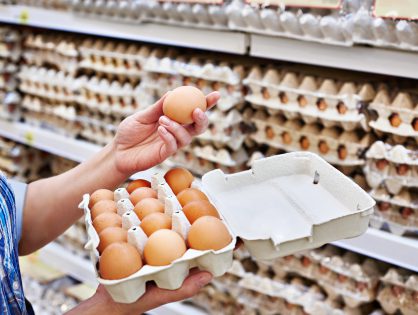
    Egg carton dates can be confusing, but understanding them is essential for ensuring quality and safety. Surprisingly, these dates—whether “use by,” “sell by,” or “expiration”—aren’t about safety but about quality.

    Key Dates on Egg Cartons:

    • Expiration or Sell By Date: Helps stores manage inventory and indicates peak freshness. These dates can be up to 30 days after packing.
    • Julian Date: Found on the side of cartons, this three-digit number represents the packing date (e.g., 001 for January 1 to 365 for December 31).
    • Use By Date: Occasionally printed on the eggshell, advising the best quality date.

    Storing and Using Eggs:

    • Refrigeration: Properly stored eggs last four to five weeks after the Julian or packing date.
    • Quality Changes: As eggs age, whites thin, and yolks flatten. Older eggs are best used in fully cooked recipes like quiches or baked goods to minimize foodborne illness risks.

    Handling and Safety:

    • Proper Storage: Always refrigerate eggs and other perishable items promptly to maintain quality and safety.
    • Cooking Tips: Older eggs should be used in recipes where shape isn’t crucial, like scrambled eggs or baked goods.

    By following these guidelines, you can ensure that your eggs are both safe and of the highest quality.

    Love cooking? Consider creating a personalized family cookbook at Family Cookbook Project. It’s a fun way to preserve and share cherished recipes!


    Bill Rice is Founder and Co-Publisher of the Family Cookbook Project, a website that helps families and individuals collect, preserve and share food memories by creating their own printed personal cookbooks. He is the author of The Wellfleet Oyster Cookbook and the Cape Cod Cocktail Cookbook (Available on Amazon), both created using FamilyCookbookProject.com. He is also editor of the Donovan Family Cookbook, now it’s third printing.

    Follow Family Cookbook Project on Facebook, Instagram, Twitter and Pinterest!

  • How to Dictate a Recipe Into Your Family Cookbook Project

    How to Dictate a Recipe Into Your Family Cookbook Project

    If you have a stack of recipes to enter into FamilyCookbookProject.com but dread the typing, there’s an easier way! You can use the speech-to-text feature on your phone or computer to dictate your recipes. The text can then be edited and pasted into the Add a Recipe form in your editor account.

    Using Your Mobile Phone

    For iPhone users:

    1. Open the Notes app and create a new note.
    2. Tap the microphone icon at the bottom right of the keyboard.
    3. Start dictating your recipe. The phone will convert your speech into text.

    You might need to do some editing, but it’s a great timesaver!

    Using Microsoft Word

    On both Mac and PC:

    1. Ensure your computer has a microphone (built-in or external).
    2. Open a Word document and go to the Home tab.
    3. Click the microphone icon labeled “Dictate” on the right side of the menu bar.
    4. Start speaking clearly and include punctuation by saying “period,” “comma,” etc.

    Using Dedicated Apps

    There are various apps available for dictation, but the built-in features of your phone and Word are usually sufficient.

    Dictating your recipes can save a lot of time. Once you have the text in a document, simply cut and paste it into the Add a Recipe form, and you’re done!

    By the way, this entire article was dictated on an iPhone. Good luck!


    Bill Rice is Founder and Co-Publisher of the Family Cookbook Project, a website that helps families and individuals collect, preserve and share food memories by creating their own printed personal cookbooks. He is the author of The Wellfleet Oyster Cookbook and the Cape Cod Cocktail Cookbook (Available on Amazon), both created using FamilyCookbookProject.com. He is also editor of the Donovan Family Cookbook, now it’s third printing.

    Follow Family Cookbook Project on Facebook, Instagram, Twitter and Pinterest!

  • From Paella to Gazpacho: Your Guide to Cooking Spanish Food at Home

    From Paella to Gazpacho: Your Guide to Cooking Spanish Food at Home

    Spanish cuisine is a vibrant mix of fresh ingredients, bold flavors, and a deep appreciation for the country’s regional culinary traditions. From savory tapas to hearty stews, cooking Spanish food at home is an exciting way to explore the flavors of the Mediterranean. Whether you’re making a classic paella or whipping up some refreshing gazpacho, Spanish cooking is both accessible and full of variety.

    In this article, FamilyCookbookProject.com walks you through the essential ingredients you should have on hand, must-have spices for Spanish cooking, and a few simple dishes to help you get started.

    Essential Ingredients for Spanish Cooking

    Spanish cooking is all about using fresh, high-quality ingredients that are simple but full of flavor. Here are some of the key ingredients you’ll need to create authentic Spanish dishes at home:

    Olive Oil

    Spanish olive oil is central to almost every dish in Spanish cuisine. Whether you’re frying, sautéing, or drizzling it over a salad, extra-virgin olive oil is a must-have for authentic Spanish cooking.

    Garlic

    Garlic is used extensively in Spanish food, adding depth and flavor to dishes like gambas al ajillo (garlic shrimp), sopa de ajo (garlic soup), and various sauces and marinades.

    Tomatoes

    Fresh tomatoes and canned tomatoes are commonly used in Spanish cooking. They are key ingredients in dishes like paella, gazpacho, and pan con tomate (tomato bread). Spanish cuisine frequently celebrates the natural sweetness of ripe tomatoes.

    Paprika (Pimentón)

    Spanish paprika, or pimentón, comes in sweet (dulce), smoked (ahumado), and hot (picante) varieties. It’s a cornerstone of Spanish flavor, used in everything from chorizo seasoning to patatas bravas (fried potatoes with spicy sauce).

    Saffron

    Saffron is the golden spice that gives Spanish paella its distinctive color and flavor. It’s a bit of a splurge but worth the investment for special dishes. Even a small pinch of saffron can elevate a dish to another level.

    Rice (Bomba or Calasparra)

    Spanish cuisine often features rice, especially in dishes like paella and arroz con pollo (chicken and rice). The best rice for these dishes is Bomba or Calasparra rice, which absorbs liquid while maintaining a firm texture.

    Spanish Ham (Jamón)

    Jamón, particularly jamón ibérico or jamón serrano, is a delicacy in Spain and a common addition to tapas and charcuterie boards. It’s cured and thinly sliced, with a rich, savory flavor.

    Chorizo

    Spanish chorizo is a cured pork sausage seasoned with paprika and garlic. It’s different from Mexican chorizo, which is raw and must be cooked. Spanish chorizo can be sliced and eaten as is or cooked into dishes like paella and stews.

    Seafood (Shrimp, Mussels, Calamari)

    Spanish cuisine heavily features seafood, particularly in coastal regions. Ingredients like shrimp, mussels, and calamari are often used in dishes such as paella and zarzuela (Spanish seafood stew).

    Potatoes

    Potatoes are a versatile ingredient in Spanish cuisine, used in dishes like tortilla española (Spanish omelette) and patatas bravas.

    Must-Have Spices for Spanish Cooking

    While Spanish cuisine doesn’t rely on an extensive array of spices, it makes careful use of a few key flavors. Here are the spices you’ll need to create authentic Spanish dishes:

    Pimentón (Spanish Paprika)

    Paprika, or pimentón, is essential in Spanish cooking. It’s available in sweet, hot, and smoked varieties, with smoked pimentón being especially important for adding depth to meats and stews.

    Saffron

    Known for its golden hue and unique flavor, saffron is a critical spice in Spanish rice dishes like paella. A small amount goes a long way, but it’s indispensable for authentic Spanish cuisine.

    Cumin

    Cumin is often used in Spanish stews and sausages. It lends an earthy, slightly spicy flavor to dishes like chorizo and albondigas (Spanish meatballs).

    Oregano

    Oregano is used in various Spanish marinades, sauces, and meat dishes. Its herbaceous flavor is especially common in southern Spain, where it complements rich tomato-based sauces.

    Bay Leaves

    Bay leaves are used to flavor soups, stews, and braises, giving dishes like fabada asturiana (white bean stew) their signature herbal aroma.

    Thyme

    Thyme is frequently used in Spanish cooking, especially in stews, marinades, and roasted meat dishes. Its subtle, earthy flavor pairs well with roasted vegetables and meats.

    Simple Spanish Dishes to Start With

    Now that you’ve stocked your pantry with the essential ingredients and spices, here are a few simple Spanish dishes to try at home:

    Tortilla Española (Spanish Omelette)

    One of the most iconic dishes in Spain, tortilla española is a simple omelette made with potatoes, onions, and eggs. It’s cooked slowly in olive oil until the potatoes are tender and the eggs are set. Serve it warm or at room temperature as a tapa or a light meal.

    Search FamilyCookbookProject.com for Spanish Omelette recipes.

    Gazpacho (Chilled Tomato Soup)

    Gazpacho is a refreshing, cold soup made with ripe tomatoes, cucumbers, peppers, garlic, and olive oil. It’s perfect for hot summer days and can be made ahead of time for a quick and easy meal.

    Search FamilyCookbookProject.com for Gazpacho recipes.

    Paella

    Paella is the quintessential Spanish dish, made with rice, saffron, seafood (like shrimp and mussels), and chicken or rabbit. It’s a perfect dish for special occasions, and while it takes some time to prepare, the result is a flavorful, hearty meal.

    Search FamilyCookbookProject.com for Paella recipes.

    Patatas Bravas

    Patatas bravas are crispy fried potatoes served with a spicy tomato sauce or aioli. They’re a popular tapa and easy to make at home. The key is to fry the potatoes until golden and crispy, then drizzle them with a bold, tangy sauce.

    Search FamilyCookbookProject.com for Patatas bravas recipes.

    Gambas al Ajillo (Garlic Shrimp)

    A quick and flavorful dish, gambas al ajillo features shrimp sautéed in olive oil with garlic and a hint of chili. It’s a popular tapa and can be made in just a few minutes.

    Search FamilyCookbookProject.com for Garlic Shrimp recipes.

    Cooking Spanish Food at Home

    Cooking Spanish food at home allows you to experience the vibrant and diverse flavors of Spain in your own kitchen. By keeping essential ingredients like olive oil, tomatoes, paprika, and fresh seafood on hand, along with must-have spices like saffron and pimentón, you’ll be able to recreate authentic Spanish dishes with ease. Start with simple recipes like tortilla española or gambas al ajillo, and as you grow more comfortable, you can explore more elaborate dishes like paella or fabada.

    Spanish food is all about fresh, bold flavors and sharing meals with friends and family, so don’t hesitate to dive into this delicious cuisine. ¡Buen provecho!


    Bill Rice is Founder and Co-Publisher of the Family Cookbook Project, the leading online cookbook publisher with a website that helps families and individuals collect, preserve and share food memories by creating their own printed custom cookbooks. He is the author of The Wellfleet Oyster Cookbook and the Cape Cod Cocktail Cookbook (Available on Amazon), both created using FamilyCookbookProject.com. He is also editor of the Donovan Family Cookbook, now it’s third printing and is an avid genealogist tracing his family back to the 1600’s.

    Follow Family Cookbook Project on Facebook, Instagram, Twitter TikTok, YouTube and Pinterest!


  • The Ultimate Cheese Lovers Guide: Types, Flavors, and How to Cook with Them

    The Ultimate Cheese Lovers Guide: Types, Flavors, and How to Cook with Them

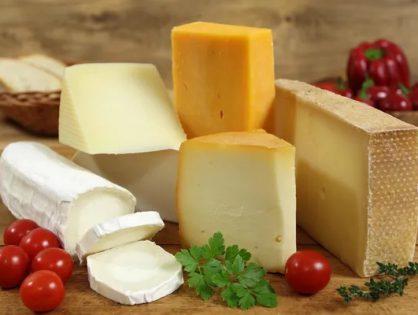
    Cheese is a versatile, flavorful ingredient used in countless dishes around the world. From the creamy richness of brie to the sharp bite of cheddar, cheese can enhance a variety of meals, adding depth, texture, and complex flavors. Each type of cheese has unique characteristics, a distinct place of origin, and a flavor profile that makes it perfect for specific dishes.

    In this article, we’ll explore some of the most common types of cheese, how they’re used in cooking, their key characteristics, where they come from, and what their flavor profiles are.

    Cheddar
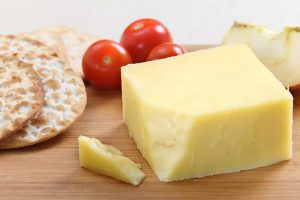
    Origin: England

    Key Characteristics:

    Cheddar is a firm, cow’s milk cheese that ranges in flavor from mild to sharp, depending on its aging process. It’s typically pale yellow or white, though in some cases, it’s colored with annatto to give it a deeper orange hue. Cheddar can be aged anywhere from a few months to several years, with longer aging periods resulting in a sharper flavor and a crumblier texture.

    Flavor Profile:

    Mild cheddar has a creamy, buttery flavor, while sharp cheddar has a stronger, more pungent taste with hints of nuttiness.

    Uses in Cooking:

    •Grated over baked dishes like mac and cheese or casseroles

    •Sliced for sandwiches and burgers

    •Melted into soups and sauces

    •Paired with fruit or crackers on a cheese board

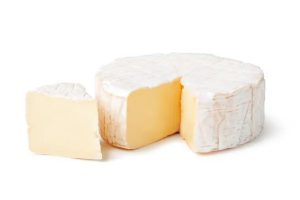
    Brie
    Origin: France

    Key Characteristics:

    Brie is a soft, creamy cheese made from cow’s milk, characterized by its edible white rind. The interior of brie is smooth and buttery, while the rind has a slightly earthy flavor. It’s typically enjoyed at room temperature for maximum creaminess.

    Flavor Profile:

    Brie has a mild, buttery taste with subtle earthy and mushroom-like undertones. As it ages, the flavor becomes more robust and pungent.

    Uses in Cooking:

    •Baked in puff pastry for baked brie appetizers

    •Served with fruit, nuts, and honey on a cheese platter

    •Spread on bread or crackers

    •Added to sandwiches and grilled cheese

    Mozzarella
    Origin: Italy

    Key Characteristics:

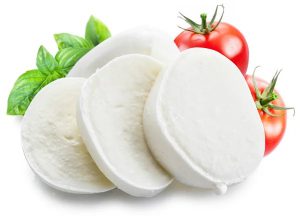
    Mozzarella is a soft, fresh cheese traditionally made from water buffalo milk, though cow’s milk is commonly used today. It has a high moisture content and is typically sold as fresh mozzarella in balls or blocks. It’s known for its mild flavor and stringy texture when melted.

    Flavor Profile:

    Mozzarella has a delicate, milky flavor that’s fresh and slightly tangy. It’s prized for its stretchy, gooey texture when melted.

    Uses in Cooking:

    •Topping for pizzas

    •Layered in lasagna and baked pasta dishes

    •Sliced for caprese salad (paired with tomatoes and basil)

    •Melted in sandwiches like paninis or grilled cheese

    Parmesan (Parmigiano-Reggiano)
    Origin: Italy

    Key Characteristics:

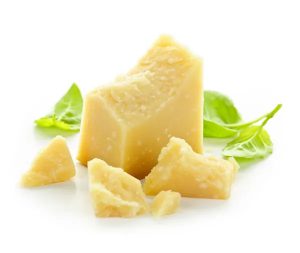
    Parmesan is a hard, aged cheese made from cow’s milk. Authentic Parmigiano-Reggiano is produced in specific regions of Italy under strict regulations. It’s aged for at least 12 months, resulting in a hard, granular texture and a deep, umami flavor. It’s often sold in wedges or grated.

    Flavor Profile:

    Parmesan has a nutty, savory flavor with a salty tang and a rich umami taste. The longer it ages, the more complex and intense the flavor becomes.

    Uses in Cooking:

    •Grated over pasta, risotto, and soups

    •Shaved onto salads

    •Added to breading for chicken or eggplant parmesan

    •Used in sauces like Alfredo for a rich, savory flavor

    Blue Cheese (Roquefort, Gorgonzola, Stilton)
    Origin: Various (Roquefort from France, Gorgonzola from Italy, Stilton from England)

    Key Characteristics:

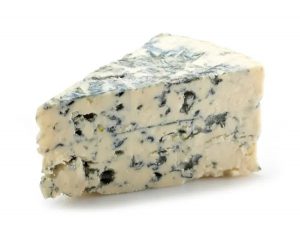
    Blue cheeses are characterized by their blue or green veins, which are created by the introduction of mold cultures during the aging process. These cheeses have a strong aroma and crumbly texture. Roquefort, Gorgonzola, and Stilton are some of the most well-known varieties of blue cheese, each with distinct characteristics depending on the region they’re from.

    Flavor Profile:

    Blue cheeses have a sharp, tangy flavor with a rich, creamy texture. They can range from mildly earthy to intensely pungent and salty.

    Uses in Cooking:

    •Crumbled over salads (especially with pears, walnuts, or apples)

    •Melted into dressings or dips

    •Served on cheese boards with fruits like figs and grapes

    •Used in sauces for steaks and burgers

    Feta
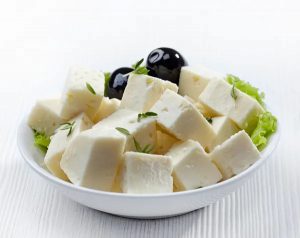
    rigin: Greece

    Key Characteristics:

    Feta is a brined, crumbly cheese made from sheep’s milk or a combination of sheep’s and goat’s milk. It has a soft, grainy texture and is sold in blocks or crumbled. Feta is stored in a salty brine, which helps preserve its fresh, tangy flavor.

    Flavor Profile:

    Feta has a tangy, salty flavor with a creamy yet crumbly texture. Its sharpness varies depending on the length of aging.

    Uses in Cooking:

    •Crumbled over salads, especially Greek salad

    •Used as a filling in pastries like spanakopita

    •Added to omelets or scrambled eggs

    •Served with olives, tomatoes, and olive oil as part of a mezze platter

    Gouda
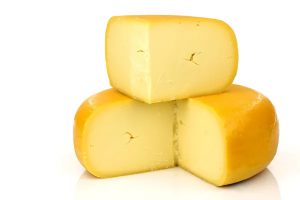
    Origin: Netherlands

    Key Characteristics:

    Gouda is a semi-hard cheese made from cow’s milk. It has a smooth, creamy texture and a yellow rind. Gouda can be aged from a few months to over a year, with older varieties becoming firmer and more intense in flavor. Young Gouda is soft and mild, while aged Gouda is firm and has a deeper, caramel-like taste.

    Flavor Profile:

    Young Gouda is mild, creamy, and slightly sweet. Aged Gouda develops a nutty, caramel flavor with a firmer, crumbly texture.

    Uses in Cooking:

    •Sliced for sandwiches or burgers

    •Melted in casseroles or grilled cheese

    •Grated over vegetables or potatoes

    •Paired with fruits like apples or pears on a cheese platter

    Ricotta
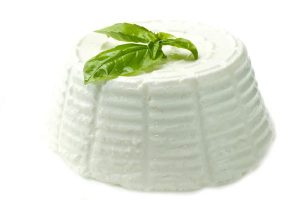
    Origin: Italy

    Key Characteristics:

    Ricotta is a fresh, soft cheese made from the whey leftover after making other cheeses like mozzarella or provolone. It has a light, fluffy texture and is often used in both savory and sweet dishes. It’s typically made from cow’s milk, though sheep and goat milk ricotta are also available.

    Flavor Profile:

    Ricotta has a mild, slightly sweet flavor with a creamy, grainy texture.

    Uses in Cooking:

    •Filling for lasagna, ravioli, or cannoli

    •Spread on toast with honey or fruit

    •Mixed into pancake or cake batter for added moisture

    •Used in dips or spreads for vegetables or crackers

    Gruyère
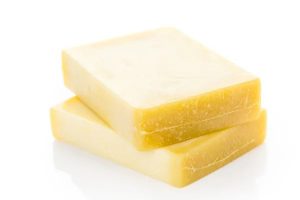
    Origin: Switzerland

    Key Characteristics:

    Gruyère is a hard, cow’s milk cheese with a smooth texture and a golden-brown rind. It’s aged for several months, which gives it a dense, firm texture and a slightly nutty flavor. Gruyère is known for its excellent melting properties, making it a popular choice for fondues and gratins.

    Flavor Profile:

    Gruyère has a rich, nutty, and slightly sweet flavor, with hints of fruitiness that develop as it ages. It’s smooth and creamy when melted.

    Uses in Cooking:

    •Melted in fondues or croque monsieur sandwiches

    •Grated over gratins and casseroles

    •Used in quiches and French onion soup

    •Sliced for cheese boards and sandwiches

    Pecorino Romano

    Origin: Italy

    Key Characteristics:

    Pecorino Romano is a hard, salty cheese made from sheep’s milk. It has a crumbly texture and is typically aged for 8–12 months, giving it a sharp, tangy flavor. It’s often used as a finishing cheese, grated over pasta or vegetables.

    Flavor Profile:

    Pecorino Romano has a salty, tangy flavor with a sharp bite. It’s slightly more intense than Parmesan and has a crumbly texture.

    Uses in Cooking:

    •Grated over pasta dishes like cacio e pepe or carbonara

    •Sprinkled on roasted vegetables or salads

    •Shaved onto soups or risottos

    •Used in meatballs or meatloaf for added flavor

    Cooking with Cheese

    Cheese is one of the most versatile ingredients in the culinary world, offering a wide range of textures, flavors, and uses. Whether you’re melting mozzarella on a pizza, crumbling feta over a salad, or grating Parmesan into a sauce, cheese can elevate any dish with its unique flavor profile. By understanding the characteristics and origins of different cheeses, you can experiment with new ways to incorporate them into your cooking and create delicious, flavorful meals.


    Bill Rice is Founder and Co-Publisher of the Family Cookbook Project, the leading online cookbook publisher with a website that helps families and individuals collect, preserve and share food memories by creating their own printed custom cookbooks. He is the author of The Wellfleet Oyster Cookbook and the Cape Cod Cocktail Cookbook (Available on Amazon), both created using FamilyCookbookProject.com. He is also editor of the Donovan Family Cookbook, now it’s third printing and is an avid genealogist tracing his family back to the 1600’s.

    Follow Family Cookbook Project on Facebook, Instagram, Twitter TikTok, YouTube and Pinterest!

    and their uses in cooking!

  • How to Create Your Own Seafood Cookbook: A Guide for Seafood Lovers

    How to Create Your Own Seafood Cookbook: A Guide for Seafood Lovers

    Seafood is a culinary treasure that offers an endless variety of flavors, textures, and cooking techniques. From the delicate sweetness of shrimp and scallops to the rich, buttery taste of lobster and the robust flavor of salmon, seafood provides something for every palate. If you’re a seafood lover, you’ve probably amassed a wide range of recipes over the years—from family favorites to new discoveries—spanning everything from quick weeknight meals to elegant dinner party dishes.

    With so many types of seafood and so many ways to prepare them, it can be challenging to keep track of all your recipes. This is where creating your own seafood cookbook comes in handy. By organizing all your seafood recipes into one category-specific cookbook, you can streamline your cooking process and have your go-to recipes at your fingertips. Whether you enjoy cooking for yourself or hosting seafood feasts for family and friends, a personalized seafood cookbook can make life easier and add joy to your culinary adventures.

    Why Create a Seafood Cookbook?

    There are many reasons why creating your own seafood cookbook is a smart idea:

    –  Organization: Instead of flipping through multiple cookbooks, websites, or recipe cards, all of your favorite seafood dishes will be collected in one place.

    –  Customization: A seafood cookbook allows you to customize the categories and organization to fit your tastes and needs. You can focus on your favorite types of seafood, cooking methods, or even theme your cookbook around regional or international flavors.

    –  Seasonal Cooking: By organizing your recipes, you can easily plan meals based on what’s fresh and in season, taking full advantage of peak seafood times.

    –  Sharing with Others: A personalized seafood cookbook can be a wonderful gift for friends and family or even serve as a way to pass down family seafood recipes to the next generation.

    –  Building a Legacy: If seafood has been a big part of your life, documenting your recipes in a single cookbook creates a personal legacy of your cooking adventures.

    Step-by-Step Guide to Creating a Seafood Cookbook

    Whether you’re a seasoned home cook or someone who loves experimenting with new recipes, creating your own seafood cookbook is a fun and fulfilling project. Here’s how to get started:

     # 1.  Gather Your Recipes

    The first step in creating a seafood cookbook is to gather all your favorite recipes. These can come from various sources, including:

    –  Family recipes: Dishes that have been passed down through generations, such as a treasured crab cake recipe or a family clam chowder tradition.

    –  Personal creations: Seafood dishes you’ve developed or tweaked over the years.

    –  Online and cookbook discoveries: You may have found fantastic seafood recipes online or in other cookbooks. Collect these, and consider adding your personal notes or adjustments.

    Types of seafood to consider including in your cookbook might be:

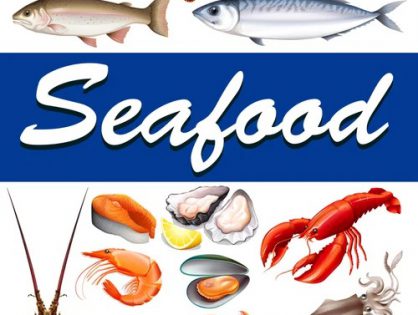
    –  Shellfish: Shrimp, crab, lobster, clams, oysters, scallops, mussels

    –  Finfish: Salmon, cod, tuna, halibut, snapper, trout, and sea bass

    –  Mollusks: Octopus, squid, cuttlefish

    –  Other seafood: Crawfish, eels, and sea urchins

    Organize your recipes in a way that suits your style—whether it’s by type of seafood, cooking technique, or meal type (appetizers, mains, sides, etc.).

     # 2.  Create Custom Categories

    One of the joys of creating your own cookbook is organizing it in a way that works best for you. For a seafood cookbook, you could consider organizing by:

    –  Types of seafood: Have separate sections for finfish (like salmon or cod), shellfish (lobster, shrimp), and mollusks (squid, octopus).

    –  Cooking methods: Grilling, broiling, steaming, poaching, frying, or raw (for sushi or ceviche recipes).

    –  Regional or international cuisine: Categorize recipes based on seafood dishes from different regions, such as Mediterranean seafood, New England favorites, or Asian-inspired dishes.

    –  Meal type: Organize your cookbook by appetizers, entrees, soups, and side dishes.

    Creating custom categories makes it easier to find the perfect recipe, whether you’re hosting a seafood boil or preparing a quick weeknight salmon dish.

     # 3.  Add Seasonal and Sustainability Tips

    Seafood lovers often care about sourcing sustainable, high-quality ingredients. Include a section in your cookbook that provides guidance on:

    –  Seasonal availability: Some seafood is at its best in certain seasons. For example, soft-shell crab is in peak season during the spring and early summer, while wild salmon is often caught from May through September. Including this information helps you choose the best recipes for each season.

    –  Sustainability: Support sustainable seafood practices by including tips on choosing environmentally friendly options, such as looking for seafood certified by the Marine Stewardship Council (MSC) or purchasing from local, responsible fisheries.

    –  Storage and freshness: Offer tips on how to store seafood properly, whether fresh or frozen, and how to tell if seafood is still good to eat.

    This information adds extra value to your cookbook and supports a more mindful, eco-friendly approach to cooking with seafood.

     # 4.  Incorporate Cooking Techniques

    Different types of seafood require specific preparation methods to bring out their best qualities. Including cooking tips in your cookbook will help ensure your dishes always turn out perfectly. Consider including the following:

    –  How to clean and prep seafood: Teach readers how to properly clean and de-shell shrimp, crack open lobster, shuck oysters, and prepare fish for grilling or frying.

    –  Cooking methods: Give step-by-step instructions for common techniques like grilling fish, steaming shellfish, pan-searing scallops, and making seafood stock.

    –  Pairing tips: Share suggestions on how to pair seafood with complementary ingredients, like fresh herbs, citrus, garlic, or white wine. You can also offer side dish suggestions such as crusty bread, fresh salads, or seasonal vegetables.

     # 5.  Personalize with Stories and Photos

    What makes a cookbook truly special is the personal touch. Add anecdotes, stories, or memories related to each recipe. Perhaps you have a story about catching fresh shrimp on a family vacation or memories of a New England clam bake. These details add warmth and personality to your cookbook, making it a keepsake for family and friends.

    If you enjoy photography, consider adding pictures of your dishes, your favorite seafood markets, or even your fishing trips. Visuals not only enhance the overall design of the cookbook but also bring the recipes to life.

     # 6.  Consider Regional or Cultural Specialties

    Seafood has deep connections to many regional and cultural cuisines around the world. Consider focusing parts of your cookbook on specific regional specialties:

    –  New England: Chowders, lobster rolls, and clam bakes.

    –  Mediterranean: Grilled octopus, seafood pasta, and fish stews.

    –  Southeast Asia: Shrimp curry, fish cakes, and spicy seafood soups.

    –  Southern U.S.: Crawfish boils, fried catfish, and gumbo.

    Including these specialties can make your cookbook more diverse and offer readers a variety of international or regional seafood dishes to try.

     # 7.  Use a Cookbook Publishing Platform

    Once you’ve compiled all your recipes, categories, tips, and photos, it’s time to organize them into a professional-looking cookbook. You can use online platforms, such as FamilyCookbookProject.com, to create a polished, high-quality cookbook with customizable designs. This allows you to print copies for yourself or share with others, whether as a gift or even to sell at local markets or online.

    Creating a seafood cookbook is a great way to organize your favorite recipes, showcase your culinary creativity, and celebrate your love for seafood. With all your recipes in one place, you’ll never have to search through scattered notes or cookbooks again. Your personalized cookbook will not only serve as a useful kitchen tool, but it will also become a cherished collection of seafood dishes that you can share with family and friends for years to come.

    Whether you’re grilling fresh salmon, preparing a seafood paella, or serving up a simple shrimp cocktail, a seafood cookbook will make cooking with seafood even more enjoyable. So, start collecting your recipes, organizing them into categories, and create a one-of-a-kind cookbook that showcases the best of the ocean’s bounty!


    Bill Rice is Founder and Co-Publisher of the Family Cookbook Project, a website that helps families and individuals collect, preserve and share food memories by creating their own printed personal cookbooks. He is the author of The Wellfleet Oyster Cookbook and the Cape Cod Cocktail Cookbook (Available on Amazon), both created using FamilyCookbookProject.com. He is also editor of the Donovan Family Cookbook, now it’s third printing and is an avid genealogist tracing his family back to the 1600’s.

    Follow Family Cookbook Project on Facebook, Instagram, Twitter TikTok, YouTube and Pinterest!


  • How to Create a Custom Cover for Your Personal or Family Cookbook

    How to Create a Custom Cover for Your Personal or Family Cookbook

    Creating a personal or family cookbook is a special way to preserve treasured recipes, whether they’ve been passed down through generations or collected from your own culinary experiments. One of the most exciting parts of the process is designing a custom cover that reflects your cookbook’s unique character.  FamilyCookbookProject.com makes it easy to customize your cookbook with a wide range of professionally designed covers, but did you know that you can also create your own cover from scratch or personalize one of the existing designs with your own photo?

    Let’s walk through how to create a custom cover for your personal or family cookbook, whether you choose to design it yourself or add a personal touch to one of the pre-designed options from FamilyCookbookProject.com.

    Why Customize Your Cookbook Cover?

    The cover of your cookbook is the first thing people will see, and it sets the tone for the entire book. A personalized cover can make your cookbook stand out and give it a more personal touch. Whether it’s a cherished gift for family members or a cookbook you plan to sell, a custom cover gives your book a special feel. Some benefits of creating a custom cover include:

    –  Reflect Your Personality : A custom cover can showcase your unique style, whether that’s classic, modern, or whimsical.

    –  Highlight Family Tradition : Adding a family photo or personal image to the cover adds sentimental value.

    –  Make It Memorable : A well-designed cover can make your cookbook a beautiful keepsake for years to come.

    Option 1: Create Your Own Custom Cookbook Cover

    If you’re creatively inclined and want complete control over the design, you can create your own custom cover from scratch. Here’s how to get started:

    # 1.  Design Specifications

    When creating a custom cover, it’s important to ensure your design meets the necessary specifications. For FamilyCookbookProject.com, the cover should:

    –  Size : 5.5 inches x 8.5 inches (portrait orientation).

    –  Resolution : 300 dpi (dots per inch) for high-quality printing.

    –  File Format : Save your design as a high-resolution JPEG (.jpg) file.

    Ensuring your cover meets these specifications will ensure it prints beautifully without any pixelation or distortion.

    # 2.  Software to Use

    There are many software programs available that you can use to design your cookbook cover, depending on your skill level and preferences. Some popular options include:

    –  Canva : A user-friendly, free online design tool with plenty of templates, fonts, and images to work with.

    –  Adobe Photoshop : A more advanced design tool for those familiar with graphic design.

    –  Adobe Illustrator : Ideal for vector-based designs and professional-quality graphics.

    –  GIMP : A free, open-source design software that offers similar tools to Photoshop.

    –  Microsoft PowerPoint : While not typically used for graphic design, PowerPoint offers a simple way to create basic designs and export them as JPEGs.

    Each of these programs allows you to customize fonts, add images, adjust colors, and create a design that reflects your personal style.

    # 3.  Design Ideas for Your Cover

    When designing your cover, think about the theme of your cookbook and the audience you’re creating it for. Some ideas include:

    –  Family Photos : Use a photo of your family cooking together or a generational photo for a heartwarming cover.

    –  Recipe Images : Feature a beautiful image of one of the star recipes from your cookbook.

    –  Artwork or Illustrations : If you enjoy drawing or painting, you can create an original illustration for the cover.

    –  Typography : Sometimes, a simple, elegant design with stylish typography can make the cookbook cover stand out.

    Once you’ve created your design, save it as a high-resolution JPEG and prepare to upload it to FamilyCookbookProject.com.

    # 4.  Uploading Your Custom Cover

    After your cover is designed, uploading it to FamilyCookbookProject.com is simple:

    1. Log in to your FamilyCookbookProject.com account.
    2. Navigate to the Photo Manager.
    3. Upload your custom cover design.
    4. Set the photo’s location to Front Cover.

    Once uploaded, you can view the preview and ensure it looks exactly how you want it to appear on your printed cookbook.

    Option 2: Customize One of the Pre-Designed Covers

    If you don’t want to create a cover from scratch, FamilyCookbookProject.com offers over 100 full-color, professionally designed covers to choose from. However, you can still personalize these pre-designed covers by adding your own photo or text. Here’s how:

    # 1.  Choose a Pre-Designed Cover

    Browse through the extensive collection of covers on FamilyCookbookProject.com. Whether you’re looking for a rustic farmhouse style, a classic cookbook design, or something playful and fun, there’s a wide range of options available.

    # 2.  Add a Personal Photo

    Once you’ve selected a cover, you can add your own personal touch by uploading a photo. This could be a family photo, a picture of a favorite dish, or even a nostalgic image from family gatherings. Personalizing the cover makes the cookbook uniquely yours.

    To add your photo:

    1. Log in to your FamilyCookbookProject.com account.
    2. Select the cover you want to use.
    3. Go to the Photo Manager and upload the image you want to add.
    4. Follow the instructions to add your photo to the cover design.

    This small customization option can make the cover feel more personal and meaningful.

    Design Tips for a Custom Cookbook Cover

    Here are a few extra design tips to help make your cookbook cover shine:

    –  Use High-Quality Photos : If you’re adding photos to the cover, make sure they are high resolution (300 dpi) so they print clearly.

    –  Keep It Simple : A cluttered design can be overwhelming. Stick to one or two main design elements for a clean, professional look.

    –  Choose Readable Fonts : Make sure the title of your cookbook is easy to read. Choose fonts that match the tone of the cookbook, whether it’s elegant, casual, or playful.

    –  Color Coordination : Choose colors that complement the theme of your cookbook and work well together. For example, soft pastels work well for a family recipe book, while bold, bright colors might be better suited for a modern cookbook.

    Design a Cover That Reflects Your Cookbook’s Story

    The cover of your cookbook sets the stage for what’s inside, and creating a custom cover allows you to tell your story right from the start. Whether you design your own cover from scratch or personalize one of the pre-designed options from FamilyCookbookProject.com, your custom cover will add a personal touch that makes the cookbook feel truly special.

    Once you’ve finished your cover, uploading it to FamilyCookbookProject.com is a quick and easy process, and soon you’ll have a beautifully printed cookbook that you can share with family, friends, or even sell.

    So, get creative, and start designing a cover that reflects the heart and soul of your recipes!


    Bill Rice is Founder and Co-Publisher of the Family Cookbook Project, a website that helps families and individuals collect, preserve and share food memories by creating their own printed personal cookbooks. He is the author of The Wellfleet Oyster Cookbook and the Cape Cod Cocktail Cookbook (Available on Amazon), both created using FamilyCookbookProject.com. He is also editor of the Donovan Family Cookbook, now it’s third printing and is an avid genealogist tracing his family back to the 1600’s.

    Follow Family Cookbook Project on Facebook, Instagram, Twitter TikTok, YouTube and Pinterest!


  • Use Standard Measurements For Your Recipes

    Use Standard Measurements For Your Recipes

    For many generations, recipes were handed down by word of mouth from mother to daughter. Recipes consisted of a little of this and a smidgin of that. The food always came our great – or at least that is what we told out mothers!

    Today things are different. Computers make is easy to write down our recipes and share them with friends and family members over the Internet. However it is important to remember that cooking has a language of its own. It is a language of ingredients and measurements and directions. I believe the most important of these is measurements. If we did not have standard measurements for cooking, “T” could be a teaspoon, a tablespoons, a thimble full or a truck load! Here are a list of Standard Measures Abbreviations commonly used in recipes.

    teaspoon……………………… tsp.
    tablespoon…………………… tbsp. or T.
    cup…………………………….. c.
    quart…………………………… qt.
    ounce…………………………. oz.
    pint…………………………….. pt.
    gallon…………………………. gal.
    inch…………………………….. in.
    pound………………………….. lb.
    milliliter…………………………. ml
    liter……………………………….. L
    milligram……………………….. mg
    gram……………………………… g
    kilogram ……………………….. kg
    millimeter……………………… mm
    centimeter…………………….. cm
    meter……………………………. m
    Celsius…………………………… C
    Fahrenheit……………………. F

    Another important thing about standard measurements is that they don’t work if you don’t use them! Including an ingredient in your recipe without a specific amount is likely to leave someone trying the recipe for the first time scratching their head and wondering what to do. Remember know one will know unless you include it in your recipe.

    Bill Rice is founder and Co-Publisher of the Great Family Cookbook Project, a website that helps families and individuals collect and share food memories through customized printed cookbooks filled with treasured recipes. Follow us on Facebook and Pinterest!