Blog

  • From Button to Porcini: Your Guide to the Most Popular Grocery Store Mushrooms

    From Button to Porcini: Your Guide to the Most Popular Grocery Store Mushrooms

    Mushrooms are an incredibly diverse and versatile ingredient, cherished in cuisines around the world for their unique flavors, textures, and nutritional benefits. When you walk into a grocery store, the variety of mushrooms available can be overwhelming. Understanding the differences between these varieties and their best uses can help you make informed choices for your culinary creations. In this blog post, Family Cookbook Project explores the most common types of mushrooms found in grocery stores and their common uses.

    White Button Mushrooms
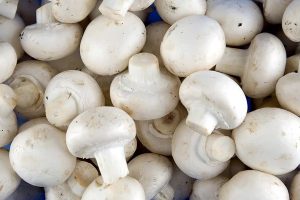
    Description: White button mushrooms are the most commonly consumed mushroom in the United States. They have a mild flavor and a smooth, white cap. These mushrooms are harvested at an early stage of development, which contributes to their delicate flavor and texture.

    Common Uses:

    • Salads: White button mushrooms can be sliced and added to fresh salads for a subtle earthy flavor.
    • Soups and Stews: They are a great addition to soups and stews, adding both flavor and texture.
    • Stir-Fries: Their mild flavor makes them versatile enough to be included in a variety of stir-fry recipes.
    • Pizza Toppings: White button mushrooms are commonly used as a pizza topping, either raw or sautéed.

    Cremini Mushrooms
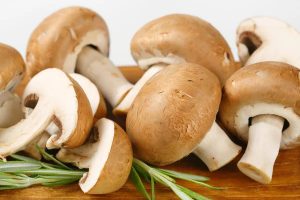
    Description: Cremini mushrooms, also known as baby bellas, are a brown variety of the common white button mushroom. They are slightly more mature than white buttons and have a firmer texture and deeper flavor.

    Common Uses:

    • Roasting: Cremini mushrooms hold up well to roasting, developing a rich, savory flavor.
    • Grilling: They can be grilled on skewers or alongside meats and vegetables.
    • Sauces: Their deeper flavor makes them ideal for use in sauces, particularly those served with beef or pork.
    • Stuffing: Creminis are the perfect size for stuffing with cheese, herbs, and breadcrumbs.

    Portobello Mushrooms

    Description: Portobello mushrooms are the mature form of the cremini mushroom. They have a large, flat cap and a meaty texture, making them a popular meat substitute in vegetarian dishes.

    Common Uses:

    • Grilling: Portobello mushrooms are often grilled whole and used as a meat substitute in burgers.
    • Stuffing: Their large size makes them ideal for stuffing with a variety of fillings.
    • Roasting: Roasted portobello mushrooms develop a rich, umami flavor that pairs well with many dishes.
    • Sautéing: They can be sliced and sautéed for use in pastas, salads, and stir-fries.

    Shiitake Mushrooms
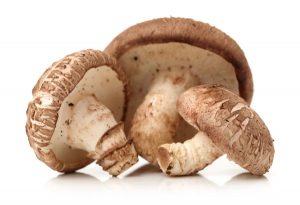
    Description: Shiitake mushrooms have a distinctive umbrella-shaped cap and a rich, savory flavor. They are commonly used in Asian cuisine and are prized for their umami taste.

    Common Uses:

    • Stir-Fries: Shiitake mushrooms add a deep, savory flavor to stir-fries and other Asian dishes.
    • Soups: They are a popular addition to soups and broths, particularly in Japanese and Chinese cooking.
    • Sauces: Shiitakes can be used to enhance the flavor of sauces and gravies.
    • Sautéing: Sautéed shiitakes make a delicious topping for rice, noodles, and vegetables.

    Oyster Mushrooms
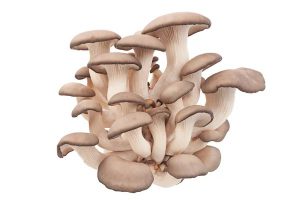
    Description: Oyster mushrooms have a delicate texture and a mild, slightly seafood-like flavor. They grow in clusters and come in a variety of colors, including white, gray, and yellow.

    Common Uses:

    • Sautéing: Oyster mushrooms are excellent for sautéing with garlic and herbs.
    • Stir-Fries: They add a subtle flavor and tender texture to stir-fry dishes.
    • Soups: Oyster mushrooms are a great addition to soups, adding both flavor and texture.
    • Grilling: They can be grilled and used in a variety of dishes, including tacos and sandwiches.

    Enoki Mushrooms
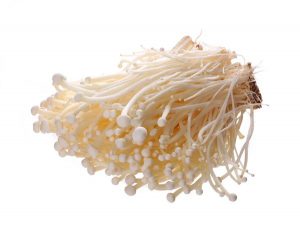
    Description: Enoki mushrooms are long and thin with small, white caps. They have a crunchy texture and a mild, slightly fruity flavor.

    Common Uses:

    • Salads: Enoki mushrooms can be used raw in salads, adding a crunchy texture.
    • Soups: They are often used in Asian soups, such as miso soup and hot pot.
    • Garnishes: Their delicate appearance makes them a popular garnish for a variety of dishes.
    • Stir-Fries: Enoki mushrooms can be added to stir-fries for a unique texture.

    Maitake Mushrooms (Hen of the Woods)
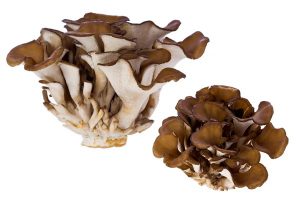
    Description: Maitake mushrooms, also known as hen of the woods, have a distinctive ruffled appearance and a rich, earthy flavor. They grow in large clusters and are highly prized in both culinary and medicinal contexts.

    Common Uses:

    • Roasting: Roasting maitake mushrooms brings out their rich, savory flavor.
    • Sautéing: They can be sautéed and used in a variety of dishes, from pasta to rice.
    • Soups: Maitake mushrooms add depth and flavor to soups and stews.
    • Grilling: Grilled maitake mushrooms make a delicious addition to salads and sandwiches.

    Chanterelle Mushrooms
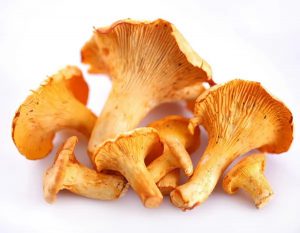
    Description: Chanterelle mushrooms are trumpet-shaped and have a delicate, fruity flavor with hints of apricot. They are a prized ingredient in gourmet cooking.

    Common Uses:

    • Sautéing: Sautéed chanterelles make a luxurious addition to pasta dishes and risottos.
    • Soups: They add a unique flavor to creamy soups and bisques.
    • Egg Dishes: Chanterelles pair well with eggs and are often used in omelets and frittatas.
    • Garnishes: Their beautiful appearance makes them a popular garnish for upscale dishes.
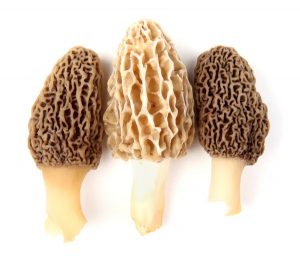
    Morel Mushrooms

    Description: Morel mushrooms have a distinctive honeycomb appearance and a nutty, earthy flavor. They are highly sought after by chefs and foragers alike.

    Common Uses:

    • Stuffing: Morels can be stuffed with a variety of fillings for an elegant appetizer.
    • Sautéing: They are often sautéed with butter and herbs and served as a side dish.
    • Soups and Sauces: Morels add a rich, earthy flavor to soups and sauces.
    • Pasta Dishes: They can be added to pasta dishes for a gourmet touch.

    Porcini Mushrooms
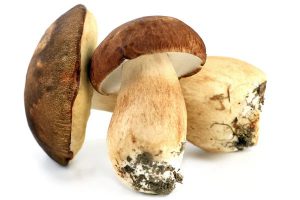
    Description: Porcini mushrooms have a deep, nutty flavor and a dense, meaty texture. They are commonly used in Italian and French cuisine.

    Common Uses:

    • Risottos: Porcini mushrooms are a classic ingredient in risottos, adding a rich, earthy flavor.
    • Pasta Dishes: They pair well with pasta, particularly in creamy or tomato-based sauces.
    • Soups and Stews: Porcinis add depth and complexity to soups and stews.
    • Drying: Dried porcini mushrooms are a pantry staple and can be rehydrated for use in a variety of dishes.
    Mushrooms are a versatile and nutritious ingredient that can enhance the flavor and texture of a wide variety of dishes. From the mild, subtle flavor of white button mushrooms to the rich, earthy taste of porcini mushrooms, each variety brings its own unique qualities to the table. By understanding the characteristics and common uses of these mushrooms, you can make more informed choices and elevate your culinary creations.

    Next time you’re at the grocery store, consider trying a new type of mushroom and experimenting with its uses in your kitchen. Whether you’re making a simple sauté, a hearty soup, or a gourmet dish, mushrooms can add depth, flavor, and nutrition to your meals. Happy cooking!

    Bill Rice is Founder and Co-Publisher of the Family Cookbook Project, the leading online cookbook publisher with a website that helps families and individuals collect, preserve and share food memories by creating their own printed custom cookbooks. He is the author of The Wellfleet Oyster Cookbook and the Cape Cod Cocktail Cookbook (Available on Amazon), both created using FamilyCookbookProject.com. He is also editor of the Donovan Family Cookbook, now it’s third printing and is an avid genealogist tracing his family back to the 1600’s.

    Follow Family Cookbook Project on Facebook, Instagram, Twitter TikTok, YouTube and Pinterest!
  • Discover CookbookFundraiser.com: Your Ultimate Solution for Successful Fundraising

    Discover CookbookFundraiser.com: Your Ultimate Solution for Successful Fundraising

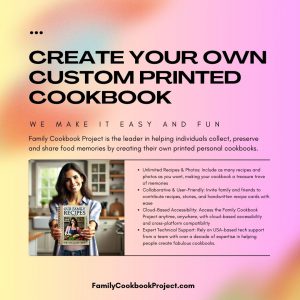
    As a valued member of the Family Cookbook Project community, you already know the joy and fulfillment that comes from creating a cherished family cookbook. Many of you have also harnessed this joy to support your schools, churches, nonprofit groups, and other community organizations through fundraising cookbooks. Now, we’re excited to introduce you to a new opportunity that can take your fundraising efforts to the next level: CookbookFundraiser.com.

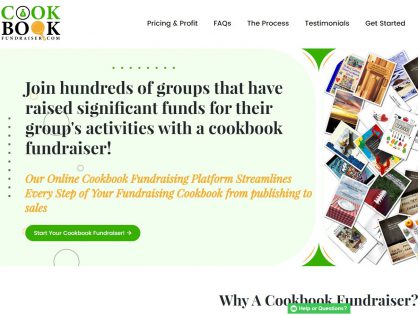
    CookbookFundraiser.com offers the same trusted and user-friendly online cookbook publishing engine you’re familiar with from Family Cookbook Project. However, it comes with additional tools specifically designed to streamline and enhance your fundraising experience. Let’s explore the features that make CookbookFundraiser.com the ideal platform for your next fundraising project.

    Peer-to-Peer Fundraising: Amplify Your Reach

    One of the standout features of CookbookFundraiser.com is its innovative peer-to-peer fundraising tool. This tool empowers your group members to personally reach out to their networks, asking friends, family, and acquaintances to support your fundraiser. Here’s how it works:

    1. Personalized Campaigns: Each group member can create their own fundraising page, sharing their personal connection to the cause and why it matters to them. This personalized touch helps to engage potential supporters on a deeper level.
    2. Social Sharing: These individual fundraising pages can be easily shared on social media, via email, or through text messages. This means your fundraiser can reach a much wider audience than traditional methods, increasing the potential for donations and cookbook sales.
    3. Tracking Progress: Group members can track their progress, see who has donated, and send thank-you messages. This not only helps in maintaining momentum but also builds a sense of community and shared purpose.

    By leveraging the power of personal connections and social media, peer-to-peer fundraising can significantly boost your cookbook sales and overall fundraising success.

    Ship to Home: Convenience for You and Your Supporters

    Another remarkable feature of CookbookFundraiser.com is the “Ship to Home” option. This feature offers unparalleled convenience, both for you as the organizer and for your supporters:

    1. Direct Shipping: Once the cookbooks are printed, they can be shipped directly to the buyers’ homes. This eliminates the need for you to handle large quantities of books, reducing the logistical challenges and saving you time and effort.
    2. Wide Reach: Supporters from anywhere in the country can participate in your fundraiser without worrying about how they will receive their cookbooks. This expands your potential customer base far beyond your local community.
    3. Timely Delivery: With direct shipping, supporters receive their cookbooks in a timely manner, ensuring a positive experience and increasing the likelihood of repeat participation in future fundraisers.

    The Ship to Home feature simplifies the distribution process, making it easier for you to focus on other important aspects of your fundraising campaign.

    Sales Hub: Your Centralized Platform for Success

    CookbookFundraiser.com also includes a robust Sales Hub, designed to be your central platform for both collecting recipes and selling cookbooks online:

    1. Recipe Collection: Easily gather recipes from your group members through a dedicated online portal. This streamlined process ensures that all submissions are organized and ready for inclusion in your cookbook.
    2. Online Sales: The Sales Hub provides a user-friendly website where supporters can browse and purchase your cookbooks. This professional, e-commerce-enabled site gives your fundraiser a polished look and feel, encouraging more sales.
    3. Fundraising Dashboard: Keep track of your sales and fundraising progress in real-time with the comprehensive dashboard. This tool helps you monitor your goals, identify top sellers, and adjust your strategies as needed.

    By centralizing your recipe collection and sales efforts in one place, the Sales Hub makes it easier than ever to manage your fundraising campaign effectively.

    Make the Switch Today

    We understand that the transition from Family Cookbook Project to CookbookFundraiser.com might seem daunting, but we’re here to support you every step of the way. Our goal is to provide you with the tools and resources you need to maximize your fundraising potential while enjoying the process of creating a beautiful, custom cookbook.

    Whether you’re raising funds for a school, church, nonprofit group, or any other organization, CookbookFundraiser.com offers a comprehensive solution designed to meet your needs. With features like peer-to-peer fundraising, Ship to Home, and the Sales Hub, you’ll have everything you need to run a successful and enjoyable fundraiser.

    Ready to get started? Visit CookbookFundraiser.com today to learn more and see how easy it is to make the switch. Let’s work together to create cookbooks that not only celebrate your community’s culinary talents but also support the causes that matter most to you.

    Thank you for being a part of the Family Cookbook Project community. We look forward to seeing the incredible cookbooks and successful fundraisers you’ll create with CookbookFundraiser.com!


    Bill Rice is the Co-Publisher of Family Cookbook Project and CookbookFundraiser.com, the leading online cookbook publisher, which helps individuals, churches, schools, teams and other fundraising groups create cherished personalized cookbooks using peer-to-peer tools and the power of the Internet to meet group funding needs. Follow Family Cookbook Project on Facebook, Instagram, Twitter TikTok, YouTube and Pinterest!

  • How Wood Affects the Flavor of Smoked Meat

    How Wood Affects the Flavor of Smoked Meat

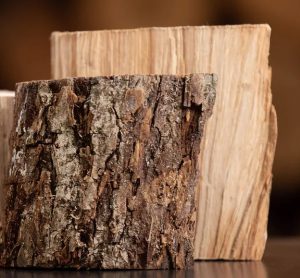
    The type of wood you use when smoking meat plays a crucial role in determining the final flavor profile. Different woods produce varying levels of smokiness, sweetness, and even bitterness, depending on their density, moisture content, and natural sugars. Here are some of the most common woods used for smoking meat, along with their characteristics and best uses:

    Hickory

    Flavor Profile: Hickory is one of the most popular woods for smoking and is known for its strong, bacon-like flavor. It imparts a rich, hearty smokiness that can be intense if used in large quantities.

    Best Uses: Hickory pairs well with robust cuts of meat like pork shoulder, ribs, and beef brisket. It’s ideal for barbecue dishes that can handle a bold smoke flavor, such as traditional Southern-style smoked meats.

    Tip: Use hickory in moderation, as too much can overpower the meat and impart a bitter taste.

    Mesquite

    Flavor Profile: Mesquite is a hardwood known for its strong, earthy flavor. It burns hot and fast, producing a lot of smoke in a short amount of time, which makes it better suited for quicker cooks.

    Best Uses: Mesquite works well with bold-flavored meats like beef, game, and lamb, as it can stand up to their intense flavors. It’s particularly popular in Texas-style barbecue.

    Tip: Mesquite’s strength can be overwhelming for milder meats, so it’s best used in small amounts or blended with a milder wood for balance.

    Applewood

    Flavor Profile: Applewood imparts a mild, sweet, and slightly fruity smoke flavor. It’s one of the lighter smoking woods, making it versatile and ideal for delicate meats.

    Best Uses: Applewood pairs perfectly with poultry, pork, and fish. It’s especially popular for smoking chicken, turkey, and pork ribs, adding a touch of sweetness without overpowering the meat.

    Tip: Applewood’s mild flavor allows you to smoke for longer periods without overwhelming the meat, making it ideal for slow-cooking.

    Cherrywood

    Flavor Profile: Cherrywood has a subtle sweetness and a hint of fruitiness that pairs well with a variety of meats. It also imparts a rich, mahogany color to the meat as it smokes.

    Best Uses: Cherrywood is excellent for smoking poultry, pork, and beef, particularly when you want to add both a sweet note and a deep color to the meat. It pairs beautifully with ribs and brisket.

    Tip: Cherrywood blends well with stronger woods like hickory or oak to create a more balanced smoke profile.

    Oak

    Flavor Profile: Oak is a versatile smoking wood with a medium to strong flavor. It provides a well-balanced, smoky taste without being too overpowering, making it ideal for longer smoking sessions.

    Best Uses: Oak is perfect for beef, brisket, pork, and lamb, and is commonly used in traditional barbecue. It’s often the go-to wood for smoking Texas-style brisket.

    Tip: Oak burns slowly and steadily, making it ideal for low-and-slow cooking methods.

    Pecan

    Flavor Profile: Pecan wood has a rich, nutty flavor with a hint of sweetness. It’s similar to hickory but milder and more subtle.

    Best Uses: Pecan works well with pork, poultry, and game meats. It’s also a great choice for smoking whole turkeys or chickens, as its flavor enhances the natural sweetness of the meat without overpowering it.

    Tip: Pecan is prone to burning at a lower temperature, so it’s often combined with other hardwoods like oak for longer smoking sessions.


     Understanding the Role of Charcoal in Smoking

    While wood imparts flavor to the meat, charcoal provides the heat needed for smoking. The type of charcoal you use can affect not only the flavor but also the consistency of your smoke. Here are the two main types of charcoal and their pros and cons:

    Lump Charcoal

    What It Is: Lump charcoal is made from pure wood that has been burned down to charcoal, with no additives or fillers. It burns hot and fast, providing a natural wood-fired flavor to the meat.

    Best Uses: Lump charcoal is ideal for smokers and grills where you need a high heat quickly or for recipes that require intense searing followed by a lower temperature smoke. It’s great for smoking steaks, pork chops, or any cuts that require a seared crust.

    Pros:

    – Burns hotter and faster than briquettes.

    – Provides a more natural, wood-fired flavor.

    – Less ash is produced.

    Cons:

    – Burns out faster, requiring more frequent refueling.

    – Can be more expensive than briquettes.

    Charcoal Briquettes

    What It Is: Charcoal briquettes are made from compressed sawdust and other additives that help them burn more consistently over a long period. They’re designed to produce even heat with less fluctuation in temperature.

    Best Uses: Briquettes are perfect for low-and-slow smoking, where consistent heat is key. They’re ideal for longer smoking sessions like brisket, pork shoulder, or ribs.

    Pros:

    – Burns consistently for longer periods.

    – More affordable than lump charcoal.

    – Great for maintaining steady heat.

    Cons:

    – Can impart a chemical flavor if lighter fluid is used.

    – Produces more ash than lump charcoal.


     Adding Wood Chips to Your Smoke

    If you’re using charcoal for smoking but want to add more smoky flavor, adding wood chips to your smoker is a great option. Wood chips are small pieces of wood that burn quickly, releasing a burst of smoke that can enhance the flavor of your meat. Here’s how to use them effectively:

    Soaking the Chips

    Some people believe that soaking wood chips in water for about 30 minutes before adding them to the smoker can help slow down their burning, providing a longer, steadier release of smoke.

    Adding Wood Chips to Charcoal

    To add wood chips to a charcoal smoker, simply place the soaked (or dry) chips directly on the hot coals. For a more controlled burn, use a smoker box or wrap the chips in aluminum foil, poking small holes to let the smoke escape.

    When to Use Wood Chips

    Wood chips are best used for shorter smoking sessions or when you want to add a specific flavor profile to the meat without smoking for hours. They’re great for chicken, fish, and vegetables, where you want a burst of smoke flavor without overpowering the dish.

    Final Thoughts: Crafting the Perfect Smoke

    Whether you’re using hardwood logs, charcoal, or wood chips, the type of wood and fuel you choose can have a major impact on the flavor and texture of your smoked meats. Understanding the nuances of each wood and how different types of charcoal affect the smoke will help you achieve the perfect balance of heat, smoke, and flavor in your barbecue.

    By experimenting with different wood types and combinations, you can tailor the flavor profile of your smoked meats to suit your taste. And don’t forget, you can always record and share your best smoking recipes on FamilyCookbookProject.com, ensuring that your smoky masterpieces can be passed down for generations to come.


    Bill Rice is Founder and Co-Publisher of the Family Cookbook Project, the leading online cookbook publisher with a website that helps families and individuals collect, preserve and share food memories by creating their own printed custom cookbooks. He is the author of The Wellfleet Oyster Cookbook and the Cape Cod Cocktail Cookbook (Available on Amazon), both created using FamilyCookbookProject.com. He is also editor of the Donovan Family Cookbook, now it’s third printing and is an avid genealogist tracing his family back to the 1600’s.

    Follow Family Cookbook Project on Facebook, Instagram, Twitter TikTok, YouTube and Pinterest!
  • From Recipe Chaos to Organized Bliss: How a Personal Cookbook Can Help

    From Recipe Chaos to Organized Bliss: How a Personal Cookbook Can Help

    If you’re like most home cooks, you probably have recipes scattered across multiple locations—cookbooks with folded corners, handwritten cards passed down from family members, links saved in a dozen different online folders, and sticky notes attached to your fridge with your favorite weeknight dinners. While each recipe holds its own value, the disorganization can make it difficult to find what you need when you’re ready to cook. The kitchen can quickly turn into a space of frustration when you’re searching for that special recipe buried in a drawer or forgotten in a digital file.

    The solution to this all-too-common problem? A personal cookbook. By organizing your collection of recipes into a single, beautifully crafted book, you can transform your cooking experience from chaotic to blissfully organized. With the help of FamilyCookbookProject.com, you can easily gather your favorite recipes, categorize them, and turn them into a printed cookbook that’s not only practical but also a reflection of your culinary journey.

    Let’s explore the benefits of creating a personal cookbook, how it can help you organize your kitchen life, and how easy it is to get started with FamilyCookbookProject.com.

    The Problem with Recipe Clutter

    Whether you’re a novice cook or an experienced home chef, one challenge remains universal: keeping your recipes organized. Over the years, many of us accumulate a variety of recipes from different sources. Some are old family favorites that have been handed down for generations, while others are new finds from online blogs, food magazines, or even television cooking shows. The problem isn’t with the recipes themselves, but with how they’re stored.

    Here are a few common ways recipes become cluttered:

    –  Cookbooks: While they’re beautiful and often filled with culinary wisdom, cookbooks are bulky and hard to search through quickly. Plus, you may only use a handful of recipes from each one.

    –  Recipe cards and handwritten notes: These are sentimental treasures, often written in the handwriting of loved ones. However, they can easily become disorganized, lost, or damaged.

    –  Digital clutter: Saving recipes online may seem like an easy way to organize them, but with recipes spread across multiple websites, apps, and folders, it can be hard to find the right one when you need it. And if you rely on a single device or cloud service, you risk losing everything if something happens to your account or device.

    –  Loose papers and magazine clippings: Many people have recipe files filled with torn-out pages from magazines, printouts from websites, and random notes. These papers are easily lost or forgotten, often creating more clutter than order.

    The result? Recipe chaos. When it’s time to prepare a meal, you waste valuable time searching for that one recipe or trying to remember where you last saw it. The disorganization can take the joy out of cooking and make meal planning more stressful than it needs to be.

    The Benefits of Organizing Your Recipes into a Personal Cookbook

    Imagine opening your kitchen drawer or bookshelf and pulling out a single, organized cookbook that contains all of your favorite recipes in one place. A personal cookbook offers many advantages beyond just solving the problem of recipe clutter.

    Efficiency in the Kitchen

    Having all of your recipes in one place makes cooking more efficient. Instead of rummaging through various cookbooks, apps, or stacks of paper, you can easily find what you’re looking for. With a personal cookbook, you can categorize recipes by meal type (e.g., breakfast, lunch, dinner, desserts) or by special themes (e.g., holiday meals, quick weeknight dinners, or family favorites). This way, when you need a specific recipe, it’s just a page away.

    For example, if you’re hosting a holiday dinner, you can flip straight to the “Holiday Meals” section of your cookbook. Or, if you’re looking for something quick to make on a busy weeknight, your “30-Minute Dinners” section will be ready to inspire.

    Less Stress, More Enjoyment

    An organized kitchen leads to a less stressful cooking experience. When you’re not frantically searching for that one lost recipe or trying to recall the steps from memory, you can focus more on enjoying the process of cooking. By having everything you need at your fingertips in a personal cookbook, you can approach each meal with confidence and calm.

    Additionally, meal planning becomes a breeze. You can flip through your personal cookbook to create a weekly menu, knowing that you have all the recipes you need organized and easily accessible.

    Preserving and Passing Down Your Culinary Legacy

    A personal cookbook isn’t just for you—it’s also a way to preserve your culinary journey and pass it down to future generations. Over time, your personal cookbook will become a family heirloom, filled with cherished recipes and stories that can be shared with your children, grandchildren, and beyond. By documenting your favorite meals, you’re creating a legacy that can be enjoyed for years to come.

    For example, you can include notes next to each recipe, explaining why it’s special to you, or sharing the story behind it. Maybe it’s a dish you cooked on your first date, or a dessert you perfected after years of experimenting. These personal touches turn your cookbook into more than just a collection of recipes—it becomes a reflection of your life in the kitchen.

    Customizable to Your Tastes

    One of the most satisfying aspects of creating a personal cookbook is that it’s entirely customizable. Unlike commercial cookbooks, which often include recipes you may never use, your personal cookbook contains only the recipes that matter to you. Whether you’re a vegan, love Italian cuisine, or are passionate about baking, you can tailor your cookbook to reflect your tastes and preferences.

    You can also add variety by including recipes from different sources—family recipes, your own creations, and dishes you’ve discovered online or in cookbooks. This way, your personal cookbook becomes a one-stop-shop for all your favorite meals.

    How to Create a Personal Cookbook with FamilyCookbookProject.com

    Thanks to FamilyCookbookProject.com, creating a personal cookbook is easier than ever. The platform is designed to be user-friendly, offering a seamless process for gathering and organizing your recipes into a professionally printed cookbook. Here’s how you can get started:

    Sign Up and Start a New Project

    Visit FamilyCookbookProject.com and create an account. Once logged in, you can start a new cookbook project. You’ll be guided through the process with clear, step-by-step instructions to help you get started.

    Gather Your Recipes

    Start by gathering all the recipes you want to include in your personal cookbook. These can be recipes you’ve saved on your computer, written down on cards, or even stored in your memory. You can manually input each recipe into the system or invite family members and friends to contribute their own recipes if you’re creating a family cookbook.

    Organize and Categorize

    Next, organize your recipes into categories that make sense for you. FamilyCookbookProject.com offers the flexibility to create custom categories, so you can organize your cookbook in a way that suits your cooking style. Whether you want to group recipes by meal type, cuisine, or occasion, the platform makes it easy to categorize and sort your collection.

    Personalize Your Cookbook

    One of the best parts of creating a personal cookbook is the ability to personalize it. You can choose from a variety of design templates, customize the layout, and even add personal photos to make your cookbook truly unique. Include family photos, snapshots of your culinary creations, or images of handwritten recipe cards for a nostalgic touch.

    You can also add personal notes next to each recipe, sharing the stories and memories behind them. This transforms your cookbook from a practical kitchen tool into a cherished keepsake.

    Print and Enjoy

    Once you’re happy with your cookbook, simply publish it! FamilyCookbookProject.com allows you to order printed copies that are professionally bound and designed to last. You can order copies for yourself, or share them with family and friends as a thoughtful and personalized gift.

    A Gift That Keeps on Giving

    A personal cookbook isn’t just a way to organize your recipes—it’s also a gift that keeps on giving. Whether you’re creating a cookbook for yourself or as a gift for a loved one, it’s a thoughtful and practical present that will be used and appreciated for years to come.

    Imagine gifting your family members a cookbook that contains all of their favorite recipes, complete with personal stories and family photos. It’s a way to preserve culinary traditions and bring joy to the kitchen every time the book is opened.

    Turning Recipe Chaos into Organized Bliss

    In a world where we often find ourselves overwhelmed by clutter, both digital and physical, organizing your recipes into a personal cookbook offers a simple and elegant solution. By consolidating your recipes into one beautifully crafted book, you can turn kitchen chaos into organized bliss.

    FamilyCookbookProject.com makes the process easy, fun, and meaningful. Whether you’re looking to streamline your cooking process, preserve family traditions, or create a gift that will be cherished for generations, a personal cookbook is the answer.

    So why not take the first step toward organizing your recipes today? Visit FamilyCookbookProject.com and start creating a cookbook that will bring joy and order to your kitchen life.


    Bill Rice is Founder and Co-Publisher of the Family Cookbook Project, a website that helps families and individuals collect, preserve and share food memories by creating their own printed personal cookbooks. He is the author of The Wellfleet Oyster Cookbook and the Cape Cod Cocktail Cookbook (Available on Amazon), both created using FamilyCookbookProject.com. He is also editor of the Donovan Family Cookbook, now it’s third printing and is an avid genealogist tracing his family back to the 1600’s.

    Follow Family Cookbook Project on Facebook, Instagram, Twitter TikTok, YouTube and Pinterest!

  • 5 Biggest Challenges In Making A Family Cookbook

    5 Biggest Challenges In Making A Family Cookbook

    Creating a personal cookbook filled with your favorite family recipes is easy with FamilyCookbookProject.com

    Even though it is easy, it is not without its challenges. To prepare you for starting your own family cookbook, we’ve decided to list some of them here.

    1) You don’t know where to begin

    The first step to create a wonderful family cookbook is to create an account on FamilyCookbookProject.com. Next start entering your recipes when you need a break look at some of the cookbook cover design options and recipe layout options. You’re now well on your way to creating your own treasured family Memento.

    2) You’re not a Graphic designer

    You don’t have to be with FamilyCookbookProject.com. We make available professionally design, cookbook covers, and recipe layouts that all you have to do is select, and the system will customize your cookbook with your choices.

    3) You don’t have the time to enter recipes

    FamilyCookbookProject.com offers a one-of-a-kind contributor invitation system so that you can invite others to submit recipes to your cookbook. If you have your recipes in electronic format already, or are taking them from a website, you can simply cut and paste them into our add a recipe for him.

    4) Not all of your recipes are written down

    Some recipes we have just made so many times that we don’t need a recipe. However, when we pass on, those recipes pass on with us. Wouldn’t it be much better to take the time to write down those recipes next time you make them so that future generations 10 enjoy that as well.

    5) Getting others to get excited as much as you are

    When you start a family cookbook and invite other family members to join in, they may not be as engaged as you’d like them to be in entering Recipes on a timely manner. Be sure to set a reasonable deadline. Send them reminder emails to keep it during the front of their mind FamilyCookbookProject.com has tools to boot to do both of these.

    At the end of the day, creating a family cookbook is a labor of love that future generations will enjoy and appreciate.


    Bill Rice is Founder and Co-Publisher of the Family Cookbook Project, a website that helps families and individuals collect, preserve and share food memories by creating their own printed personal cookbooks. He is the author of The Wellfleet Oyster Cookbook and the Cape Cod Cocktail Cookbook (Available on Amazon), both created using FamilyCookbookProject.com. He is also editor of the Donovan Family Cookbook, now it’s third printing.

    Follow Family Cookbook Project on Facebook, Instagram, Twitter and Pinterest!

  • Old Cookbook Show

    Old Cookbook Show

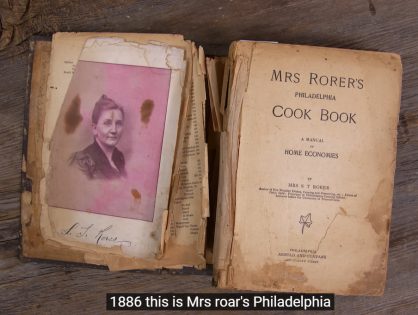
    One of the content creators on YouTube is a chef named Glen and he has a cooking show entitled Glen And Friends Cooking. Every Sunday, Glen cooks historical recipes from Pre-WW2 Cookbooks, Depression era recipes, and recipes from his cookbook collection back to the 1600s. Glen has more than 560,000 followers on YouTube and 755,000 followers on Facebook

    Glen does a great job bringing back old recipes that may have been lost forever but were saved because they were added to someone’s recipe book.

    You can preserved your families favorite recipes for future generations with a personal cookbook from FamilyCookbookProject.com. We make it fun and easy to create a family keepsake and who knows maybe someone will be making your recipes on TV 100 hears from now!

    Here is one of the shows from Gary.


    Bill Rice is Co-Publisher of the Family Cookbook Project, a website that helps families and individuals collect, preserve and share food memories by creating their own printed personal cookbooks. He is the author of The Wellfleet Oyster Cookbook (Available on Amazon) and the Cape Cod Cocktail Cookbook, both created using FamilyCookbookProject.com. He is also editor of the Donovan Family Cookbook, now it’s third printing.

    Follow Family Cookbook Project on Facebook, Instagram, Twitter and Pinterest!


  • Vegetarian or Vegan Family Cookbook: A Collection of Meatless Recipes for Plant-Based Diets

    Vegetarian or Vegan Family Cookbook: A Collection of Meatless Recipes for Plant-Based Diets

    In recent years, more families are embracing plant-based diets, either by adopting a vegetarian or vegan lifestyle or simply incorporating more meatless meals into their weekly routine. Whether it’s for health reasons, environmental concerns, or ethical beliefs, the shift to plant-based eating has gained momentum across the globe. If your family is exploring this lifestyle, a Vegetarian or Vegan Family Cookbook can be a valuable tool for gathering all your favorite meatless recipes in one place. A personalized family cookbook ensures that everyone can enjoy delicious, satisfying meals that align with your plant-based values.

    Creating a vegetarian or vegan cookbook is not only a fun family project but also a practical resource that makes meal planning easier. In this article, we’ll explore the benefits of plant-based diets, provide tips for converting family recipes into meatless versions, and discuss how you can use FamilyCookbookProject.com to create and share your own custom vegetarian or vegan cookbook.

    Why Choose a Plant-Based Diet?

    A plant-based diet focuses on consuming whole foods derived from plants—fruits, vegetables, grains, legumes, nuts, and seeds—while limiting or eliminating animal products. While both vegetarian and vegan diets fall under the plant-based umbrella, there are key differences between the two:

    • Vegetarian Diet: Excludes meat, poultry, and fish but may include animal products such as dairy and eggs.
    • Vegan Diet: Excludes all animal products, including meat, dairy, eggs, and sometimes even honey.

    Adopting a plant-based diet offers several benefits, including:

    Health Benefits

    Numerous studies have shown that plant-based diets can reduce the risk of chronic diseases, including heart disease, diabetes, and certain types of cancer. Plant-based diets are typically rich in fiber, vitamins, minerals, and antioxidants while being lower in saturated fats and cholesterol. This combination contributes to better overall health, weight management, and increased longevity.

    Environmental Impact

    Choosing a vegetarian or vegan diet can have a positive impact on the environment. Meat production is resource-intensive, requiring large amounts of water, land, and energy. By reducing or eliminating meat consumption, families can help reduce greenhouse gas emissions and conserve natural resources.

    Ethical Reasons

    For many people, the decision to adopt a plant-based diet is rooted in concerns for animal welfare. Both vegetarians and vegans strive to minimize harm to animals by choosing to exclude meat and other animal products from their diets.

    Whether your family has fully embraced a vegetarian or vegan lifestyle or is simply looking to incorporate more plant-based meals into your routine, creating a custom cookbook can help make the transition smoother and ensure everyone enjoys the meals.

    Modifying Family Recipes for a Plant-Based Diet

    One of the most rewarding aspects of plant-based cooking is discovering how easy it can be to transform traditional family recipes into vegetarian or vegan versions. Just like with gluten-free cooking, you don’t have to abandon your beloved family dishes; you simply need to make a few substitutions to meet plant-based requirements.

    Here are some common ingredients used in family recipes and tips for how to modify them for vegetarian or vegan diets:

    Meat Substitutes

    Many family recipes, from stews to casseroles, include meat as a main ingredient. However, there are several excellent plant-based meat substitutes that can provide the same texture and flavor:

    • Tofu: A versatile soy product that can be used in stir-fries, soups, and more. Tofu absorbs the flavors of whatever it’s cooked with, making it a great substitute for meat.
    • Tempeh: A fermented soy product with a firm texture and nutty flavor. It works well in sandwiches, stir-fries, and casseroles.
    • Seitan: Made from wheat gluten, seitan has a chewy, meat-like texture and is often used in place of chicken or beef.
    • Jackfruit: This tropical fruit has a stringy, meat-like texture when cooked and is commonly used as a substitute for pulled pork in vegan recipes.
    • Legumes (beans, lentils, chickpeas): These protein-packed ingredients are great in soups, stews, salads, and even burgers.

    For vegetarian recipes, you can also include eggs or cheese as protein sources, while vegans may opt for dairy-free cheeses or egg replacements.

    Dairy Alternatives

    Many classic family recipes include dairy products like milk, butter, and cheese. Fortunately, there are plenty of plant-based alternatives that can be swapped in without sacrificing flavor:

    • Plant-based milks: Almond, soy, oat, coconut, and cashew milk are great substitutes for cow’s milk in recipes. They can be used in baking, soups, and sauces.
    • Plant-based butter: Vegan butters made from oils like coconut or avocado can be used as a direct replacement for dairy butter in most recipes.
    • Nutritional yeast: This savory, cheese-like ingredient is often used to give vegan dishes a cheesy flavor. It works well in sauces, pasta dishes, and casseroles.
    • Vegan cheese: There are many brands of vegan cheese on the market that melt and taste like traditional cheese, making them a great option for pizza, lasagna, and sandwiches.

    Egg Replacements

    Eggs are often used in baking and cooking as a binder, but there are several plant-based alternatives that work just as well:

    • Flaxseed or chia seed “eggs”: Mix 1 tablespoon of ground flaxseed or chia seeds with 3 tablespoons of water to create a gel-like substance that mimics eggs in baking.
    • Applesauce: Unsweetened applesauce can be used in place of eggs in cakes, muffins, and brownies.
    • Mashed banana: Like applesauce, mashed banana works well as an egg substitute in baked goods.
    • Silken tofu: This soft tofu can be blended and used as a replacement for eggs in quiches and other savory dishes.

    By making these simple substitutions, you can easily convert your family’s favorite recipes into vegetarian or vegan versions without compromising on taste or texture.

    Creating Your Own Vegetarian or Vegan Family Cookbook

    Once you’ve mastered the art of plant-based recipe modifications, the next step is to organize and preserve these recipes in a family cookbook. A Vegetarian or Vegan Family Cookbook is not only a great resource for meal planning, but it also serves as a keepsake that can be passed down through generations, showcasing your family’s evolving culinary traditions.

    FamilyCookbookProject.com makes it easy to create and personalize your own cookbook, whether you want to focus on vegetarian or vegan recipes—or both! Here’s how you can use the platform to create a custom plant-based cookbook for your family:

    Gather Your Recipes

    Start by collecting all the plant-based recipes your family loves, whether they’re traditional family dishes that have been modified or new recipes you’ve discovered on your plant-based journey. You can invite family members to contribute their own favorite vegetarian or vegan recipes, ensuring that everyone’s tastes are represented in the cookbook.

    Personalize with Photos and Stories

    One of the best things about creating a family cookbook is the ability to include personal stories, photos, and anecdotes that bring the recipes to life. Add photos of the dishes, family gatherings, or the people who inspired the recipes. Share stories about how certain meals became family favorites or why you decided to adopt a plant-based lifestyle.

    Design Your Cookbook

    FamilyCookbookProject.com offers a variety of design templates and customization options, so you can create a cookbook that reflects your family’s unique style. Whether you want a simple, elegant design or something more playful and colorful, you can choose the perfect layout to showcase your recipes.

    Edit and Organize

    Once all the recipes are collected, you can easily organize them into sections—appetizers, main dishes, desserts, and more. Make sure to include helpful notes, such as ingredient substitutions, cooking tips, or suggestions for serving the meals.

    5. Print and Share

    Once your cookbook is complete, FamilyCookbookProject.com allows you to print as many copies as you like. Share the printed cookbooks with family and friends, giving them a valuable resource for plant-based cooking. A printed vegetarian or vegan family cookbook also makes a wonderful gift for birthdays, holidays, or special occasions.

    The Benefits of a Vegetarian or Vegan Family Cookbook

    Creating a vegetarian or vegan family cookbook offers several benefits, both practical and sentimental:

    Meal Planning Made Easy

    With a custom cookbook, you’ll have all your favorite plant-based recipes in one place, making meal planning easier and more efficient. Whether you’re hosting a family dinner or simply looking for inspiration for weeknight meals, your cookbook will provide a handy reference.

    Encourages Family Bonding

    A family cookbook is more than just a collection of recipes; it’s a way to bring your family together. Involving relatives in the recipe collection process fosters collaboration and encourages everyone to contribute their favorite plant-based meals. Plus, cooking together is a great way to bond and create lasting memories.

    Pass Down Plant-Based Traditions

    As more families embrace plant-based diets, a vegetarian or vegan cookbook can serve as a record of your family’s evolving food traditions. Future generations can look back at the cookbook and see how your family adapted to a plant-based lifestyle while preserving the essence of family cooking.

    Promote a Healthier Lifestyle

    By focusing on vegetarian or vegan recipes, you’ll be encouraging your family and friends to embrace a healthier, more sustainable way of eating. Your cookbook can serve as an inspiration for others to incorporate more plant-based meals into their diets.

    Start Your Vegetarian or Vegan Family Cookbook Today

    Creating a vegetarian or vegan family cookbook is a rewarding project that allows you to preserve your family’s favorite plant-based recipes while promoting a healthier, more sustainable lifestyle. With the help of FamilyCookbookProject.com, you can easily gather, organize, and print your recipes, creating a personalized cookbook that will be cherished for years to come.

    So why wait? Start gathering your family’s favorite vegetarian or vegan recipes today and begin the journey of creating a beautiful, plant-based family cookbook that everyone can enjoy!


    Bill Rice is Founder and Co-Publisher of the Family Cookbook Project, a website that helps families and individuals collect, preserve and share food memories by creating their own printed personal cookbooks. He is the author of The Wellfleet Oyster Cookbook and the Cape Cod Cocktail Cookbook (Available on Amazon), both created using FamilyCookbookProject.com. He is also editor of the Donovan Family Cookbook, now it’s third printing.

    Follow Family Cookbook Project on Facebook, Instagram, Twitter TikTok, YouTube and Pinterest!

  • How Long Does It Take To Make A Cookbook?

    How Long Does It Take To Make A Cookbook?

    What are most popular questions we at FamilyCookbookProject.com yet from someone who is considering creating their own personal cookbook is how long does it take to create a cookbook?

    The answer varies. It depends on how many recipes you want to include in your cookbook, how much time you can devote to it, how much personalization do you want to do?

    The good news is that Family Cookbook Project’s cookbook publishing system is designed for someone with little or no design expertise to create a beautiful personal cookbook for their family and friends very quickly.

    Early November is the most time-consuming aspect of creating your own cookbook is entering the recipes. This can be done by typing them in, cutting and pasting them from another electronic format, or even dictating them. The more recipes you want to include, the more time it will take to complete your cookbook.

    Once the recipes are entered, the next step is the cookbook design. Choosing a cover, recipe layout, and other options can be done very quickly.

    Another time consuming step, can be writing the introduction. Some people are just not good writers, and it takes them a long time to come up with the words they want the reader of the cookbook to know about that cookbook.

    Oh, so back to our original question of how long does it take to create a cookbook. I think the quickest anyone has used our system to create a full cookbook was about one week and we’ve also had people who have been working on their cookbook for years in their spare time and still, don’t have it ready for print

    That being said, I think that most cookbooks can be created within the three month window from start to finish.

    Once you place your order, it takes time to print the cookbook, bind it, and ship it to you: about three weeks.

    One note: if you want your cookbooks for Christmas gifts, the deadline is usually December 30, November 30. However, he will not be alone submitting your order around that time. If you really want to receive your cookbooks for Christmas gift giving, target early November, so that you will receive them in plenty of time for Christmas gift giving.


    Bill Rice is Founder and Co-Publisher of the Family Cookbook Project, a website that helps families and individuals collect, preserve and share food memories by creating their own printed personal cookbooks. He is the author of The Wellfleet Oyster Cookbook and the Cape Cod Cocktail Cookbook (Available on Amazon), both created using FamilyCookbookProject.com. He is also editor of the Donovan Family Cookbook, now it’s third printing and is an avid genealogist tracing his family back to the 1600’s.

    Follow Family Cookbook Project on Facebook, Instagram, Twitter and Pinterest!

  • Fun Halloween Recipes From Family Cookbook Project

    Fun Halloween Recipes From Family Cookbook Project

    Our Family Cookbook Editors have contributed more than 2.82 million recipes since FamilyCookbookProject.com started in 2004.  Most recipes are every day tried and true recipes that the family grew up with for generations. Some are specialty holiday recipes that only were made once a year.

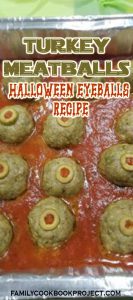
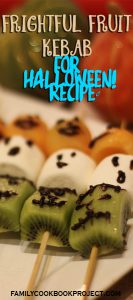
    Here is an assortment of Halloween recipes for your to try with your family this October 31st. Click on the image to be taken to the recipe.


    Bill Rice is Founder and Co-Publisher of the Family Cookbook Project, a website that helps families and individuals collect, preserve and share food memories by creating their own printed personal cookbooks. He is the author of The Wellfleet Oyster Cookbook and the Cape Cod Cocktail Cookbook (Available on Amazon), both created using FamilyCookbookProject.com. He is also editor of the Donovan Family Cookbook, now it’s third printing and is an avid genealogist tracing his family back to the 1600’s.

    Follow Family Cookbook Project on Facebook, Instagram, Twitter TikTok, YouTube and Pinterest!



  • 10 Tips for Designing the Perfect Custom Cookbook

    10 Tips for Designing the Perfect Custom Cookbook

    Designing a personal cookbook is more than just compiling a collection of recipes. It’s about creating a tangible reflection of your culinary journey, a keepsake that brings together your favorite dishes, family traditions, and stories in one beautifully crafted book. Whether you’re making a personal cookbook for yourself, to pass down through generations, or as a gift for a loved one, there’s an art to getting it just right.

    With FamilyCookbookProject.com, you can easily turn your collection of recipes into a professionally printed cookbook. But to truly create a masterpiece, it helps to have a few design tips in mind. In this article, we’ll walk you through 10 essential tips for designing the perfect personal cookbook, ensuring it’s both functional and filled with personal flair.

    1.  Start by Organizing Your Recipes

    The first step to designing a great personal cookbook is to organize your recipes. Before diving into the design process, gather all of your favorite recipes from different sources—whether they’re family recipes handed down over generations, dishes from your favorite food blogs, or creations from your own kitchen.

    Once you’ve compiled your recipes, start categorizing them in a way that makes sense for you. Some common categories include:

    –  Meal types: Appetizers, mains, sides, desserts

    –  Cuisine types: Italian, Mexican, Asian, etc.

    –  Occasions: Holidays, birthdays, family gatherings

    –  Dietary preferences: Vegetarian, gluten-free, low-carb

    This initial organization will help you determine the structure and flow of your cookbook, making it easier to design and more enjoyable to use.

    1.  Choose a Theme or Focus for Your Cookbook

    A successful cookbook often has a clear theme or focus that ties it together. While some cookbooks are general collections of favorite recipes, you might want to create a more specific theme to give your cookbook a cohesive feel. For example:

    –  Family traditions: A collection of recipes passed down through generations, each with a story about its origin.

    –  Healthy eating: A cookbook focused on nutritious, wholesome recipes for a balanced diet.

    –  Quick and easy meals: A go-to guide for busy weeknights when you need a meal in 30 minutes or less.

    –  Baking: A cookbook dedicated to cakes, cookies, and desserts for the sweet tooth in your life.

    By choosing a theme, you can give your cookbook a unique personality and make it easier to design around a central concept.

    1.  Write Personal Notes and Stories for Each Recipe

    One of the most special aspects of a personal cookbook is that it can capture the stories and memories behind the recipes. Instead of just listing ingredients and instructions, consider adding personal notes about each dish. These could include:

    –  Why the recipe is important to you: Is it your go-to meal for family dinners? A holiday favorite?

    –  The story behind the recipe: Was it passed down from your grandmother, or did you discover it on a special trip?

    –  Tips and variations: Have you made any tweaks or improvements to the original recipe? Share your advice!

    These personal touches turn your cookbook into a memoir of your culinary experiences and add a deeper emotional connection to the recipes.

    1.  Choose a Design That Reflects Your Style

    The visual design of your cookbook should reflect your personality and cooking style. FamilyCookbookProject.com offers a variety of design templates and layouts that you can customize to create the perfect look. Consider the following design elements:

    –  Cover design: Your cookbook’s cover is the first thing people will see, so make it eye-catching and personal. You could use a favorite photo, a family portrait, or a picture of your signature dish.

    –  Fonts and colors: Choose fonts and colors that match your theme. For a family cookbook, you might choose warm, homey colors and traditional fonts. For a modern cookbook, sleek fonts and minimalist design might be more appropriate.

    –  Photos: Incorporating photos of your finished dishes, family members, or cooking in action can make the cookbook more engaging and visually appealing.

    By thoughtfully selecting these elements, you can create a cookbook that looks as good as it reads.

    1.  Add Helpful Extras Like Indexes and Table of Contents

    To make your cookbook easy to navigate, be sure to include a table of contents and an index. These features allow readers (and you) to quickly find the recipe they’re looking for.

    –  Table of contents: Organize the table of contents by recipe categories, so readers can easily browse through the sections of your cookbook.

    –  Indexes: Consider adding multiple indexes, such as by recipe name, ingredients, or even occasions. This makes it easier to locate recipes based on what’s available in the pantry or by event type.

    These functional elements help your cookbook stand out as both a beautiful and practical tool in the kitchen and FamilyCookbookProject.com will create them automatically for you.

    1.  Test and Perfect Your Recipes

    Before including any recipe in your cookbook, make sure it’s been tested and perfected. Whether you’re documenting family recipes or your own creations, cooking each recipe at least once ensures that the instructions are accurate and the results are delicious.

    Consider testing recipes for:

    –  Accuracy of measurements: Double-check that ingredient amounts are correct and easy to follow.

    –  Clarity of instructions: Make sure each step is clearly explained and easy to understand.

    –  Timing and serving size: Verify that cooking times and serving sizes are accurate to avoid any confusion later.

    This testing process not only ensures the quality of your cookbook but also gives you a chance to relive the joy of cooking each dish before preserving it in print.

    1.  Include Photos to Bring Your Recipes to Life

    Photos add a lot of visual appeal to any cookbook, and they can help guide readers through the process of making your recipes. High-quality photos of your finished dishes will make the cookbook more engaging and give readers a visual idea of what the dish should look like.

    If you enjoy food photography, you can take your own photos, but if that’s not your specialty, you can use stock images or work with a professional photographer to capture your culinary creations. Include photos that reflect the final presentation, as well as candid shots of the cooking process or family gatherings.

    Photos can turn your cookbook into a visual feast, adding depth and personality to your recipes.

    1.  Include Conversion Charts and Cooking Tips

    One way to make your cookbook more functional is to include helpful extras like measurement conversion charts, ingredient substitutions, or basic cooking tips. These practical additions can be invaluable to readers, especially those who might be new to cooking or unfamiliar with certain ingredients.

    Consider including:

    –  Measurement conversions: Provide conversions for common measurements (e.g., cups to ounces, teaspoons to milliliters).

    –  Ingredient substitutions: Offer alternatives for common ingredients (e.g., substituting honey for sugar or coconut oil for butter).

    –  Cooking tips: Share tips on meal prep, storage, or presentation that can help elevate the recipes.

    These extras can enhance the user experience and make your cookbook a go-to resource in the kitchen.

    1.  Make It Personal with Family Contributions

    If you’re creating a family cookbook, invite family members to contribute their favorite recipes and stories. This collaborative approach not only adds variety to the cookbook but also makes it a cherished family keepsake. You might ask each family member to submit a dish they’re known for or to share a favorite holiday recipe.

    Family contributions can turn your cookbook into a multi-generational project that brings everyone closer together, with each recipe reflecting a different part of your family’s culinary heritage.

    1.  Print Multiple Copies for Family and Friends

    Finally, once you’ve designed the perfect personal cookbook, consider printing multiple copies to share with family and friends. Whether you’re giving the cookbook as a gift for a special occasion—like a wedding, birthday, or holiday—or simply sharing your culinary creations with loved ones, a personal cookbook is a gift that will be treasured for years to come.

    FamilyCookbookProject.com makes it easy to order professionally printed copies of your cookbook, so you can create as many copies as you need. Your loved ones will appreciate the thoughtfulness and effort that went into creating a personalized collection of recipes that they can enjoy and pass down.

    Designing the perfect personal cookbook is a rewarding and creative process. By organizing your recipes, personalizing the design, and adding thoughtful touches like photos and stories, you can create a beautiful and functional cookbook that reflects your unique cooking style.

    Whether it’s for yourself or a gift for someone else, a personal cookbook is more than just a collection of recipes—it’s a lasting keepsake filled with memories, traditions, and the joy of cooking. With these 10 tips, you’ll be well on your way to designing a cookbook that brings recipe chaos to organized bliss. Ready to get started? Visit FamilyCookbookProject.com anFamilyCookbookProject.comd begin designing your perfect cookbook today!


    Bill Rice is Founder and Co-Publisher of the Family Cookbook Project, a website that helps families and individuals collect, preserve and share food memories by creating their own printed personal cookbooks. He is the author of The Wellfleet Oyster Cookbook and the Cape Cod Cocktail Cookbook (Available on Amazon), both created using FamilyCookbookProject.com. He is also editor of the Donovan Family Cookbook, now it’s third printing and is an avid genealogist tracing his family back to the 1600’s.

    Follow Family Cookbook Project on Facebook, Instagram, Twitter TikTok, YouTube and Pinterest!