Blog

  • Grandma’s Secret Cookie Recipes: Preserving Family Traditions

    Grandma’s Secret Cookie Recipes: Preserving Family Traditions

    Family traditions are the threads that weave us together, binding generations through shared experiences and cherished memories. Among these traditions, few are as universally beloved as baking cookies. For many, the scent of freshly baked cookies wafting through the house evokes a flood of childhood memories, particularly those spent with a grandmother who seemed to have a magical touch in the kitchen. These recipes, often handed down through generations, are more than just a list of ingredients and instructions—they are a testament to our heritage, a connection to our past, and a gift to our future. Preserving these treasured recipes by compiling them into a personalized cookie cookbook is a meaningful way to honor family traditions and ensure they are passed down to future generations. FamilyCookbookProject.com makes creating a printed family cookbook easy and fun.

    The Importance of Preserving Family Recipes

    1. Cultural Heritage: Family recipes are a crucial part of our cultural heritage. They reflect the culinary traditions, techniques, and ingredients that were prevalent in our ancestors’ lives. By preserving these recipes, we maintain a tangible link to our cultural roots.
    2. Family History: Each recipe tells a story. It might be a tale of how great-grandma made cookies during the Great Depression with limited ingredients, or how a special recipe was created to celebrate a significant family event. These stories add depth and context to our family history, making it richer and more engaging.
    3. Emotional Connection: Food has a unique way of evoking emotions and memories. The taste of a familiar cookie can transport us back to our childhood, bringing back memories of family gatherings, holiday celebrations, and moments of love and laughter shared in the kitchen.
    4. Legacy: By preserving and passing down family recipes, we create a legacy for future generations. It’s a way of ensuring that our children and grandchildren can enjoy the same flavors and experiences that we cherished, and it gives them a sense of continuity and belonging.

    Starting the Journey: Collecting Recipes

    The first step in preserving your family’s cookie recipes is to gather them. This can be a delightful and nostalgic process, involving family members and rekindling old memories. Here’s how to get started:

    1. Reach Out to Family Members: Talk to your parents, grandparents, aunts, uncles, and cousins. Ask them to share their favorite cookie recipes, along with any stories or memories associated with them. This can be done using FamilyCookbookProject.com invitation tool. Family members can add their own recipes directly into the system so you don’t have to do it all.
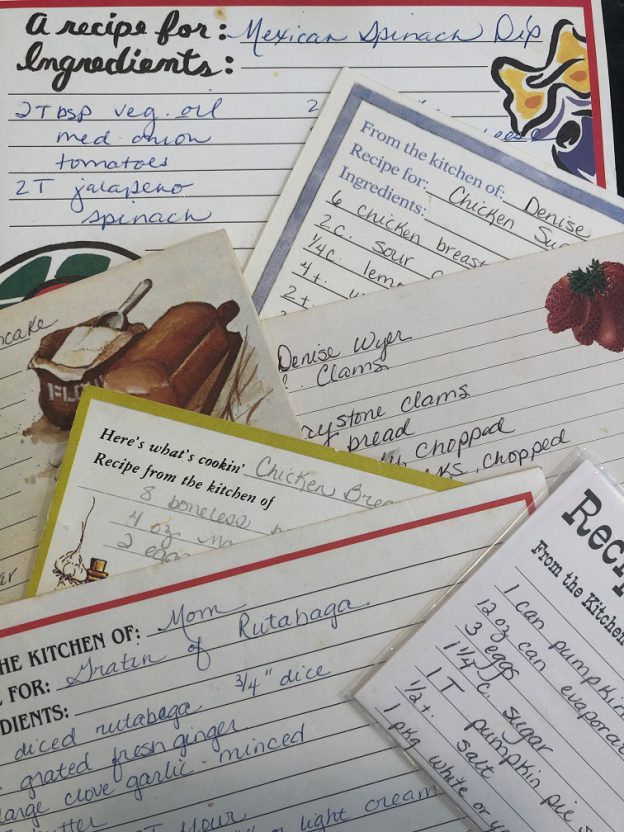
    2. Dig Through Old Recipe Boxes: Many families have old recipe boxes or cookbooks stashed away. These can be treasure troves of forgotten recipes. Don’t hesitate to look for handwritten notes, old cookbooks, and recipe cards that might have been passed down.
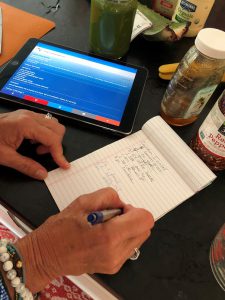
    3. Document Oral Recipes: Some of the best recipes are never written down. If your grandma or another family member has a recipe they know by heart, spend some time with them in the kitchen. Watch them make the recipe, take notes, and record the process.
    4. Photograph and Scan: To preserve the original recipe cards, consider photographing or scanning them. This also allows you to keep a digital copy, which can be be used as an image in your cookbook.

    Organizing the Recipes
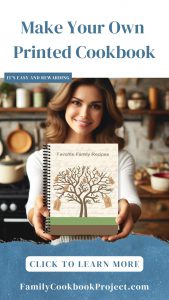
    Once you’ve collected the recipes, the next step is to organize them. This is where FamilyCookbookProject.com makes things very easy. Here are some tips:

    1. Categorize: Group the recipes into categories such as “Holiday Cookies,” “Everyday Favorites,” “Special Occasion Cookies,” and “Healthy Options.” This makes it easier to find specific types of recipes.
    2. Standardize Measurements: Ensure that all recipes use standard measurements. This is particularly important if you’re combining recipes from different sources, as measurement conventions can vary.
    3. Test the Recipes: Before finalizing your cookbook, test each recipe to ensure accuracy. This is a great excuse to bake (and eat) lots of cookies, and it also ensures that the recipes will work for future generations.
    4. Include Stories and Photos: Adding personal stories and photos makes the cookbook more than just a collection of recipes—it becomes a family heirloom. Include anecdotes about the origin of the recipe, who it came from, and any special memories associated with it.

    Creating the Personalized Cookie Cookbook

    With your recipes organized and ready, it’s time to create your personalized cookie cookbook. Here’s how to do it with FamilyCookbookProject.com:

    1. Select a Recipe Layout: Pay attention to the layout and design of your cookbook. This includes choosing fonts, colors, and images that reflect your family’s style. FamilyCookbookProject.com offers many online tools and templates that can help you create a professional-looking cookbook.
    2. Write an Introduction: Start your cookbook with an introduction that explains the significance of these recipes and the process of collecting them. Share your motivation for preserving these family treasures and what they mean to you.
    3. Add Personal Touches: Include family photos, handwritten notes, and other personal touches that make the cookbook unique. This could be pictures of family gatherings, old family photos, or even scans of the original recipe cards.
    4. Get It Printed: Once your cookbook is complete, FamilyCookbookProject.com will print it and have it shipped directly to your door.
    5. Share with Family: Once your cookbook is complete, share it with your family members. Consider giving it as a gift during holidays, family reunions, or other special occasions. It’s a wonderful way to celebrate your family’s heritage and keep the tradition alive.

    Preserving and Celebrating Family Traditions

    Creating a personalized cookie cookbook is not just about preserving recipes; it’s about celebrating family traditions and keeping them alive for future generations. Here are some additional ways to celebrate and preserve your family’s cookie-baking heritage:

    1. Host a Family Baking Day: Organize a family baking day where everyone gathers to bake cookies together. This is a fun way to spend time with loved ones, share baking tips, and create new memories. Use this opportunity to test and refine the recipes for your cookbook.
    2. Create a Cookie Exchange Tradition: Start a new family tradition of hosting a yearly cookie exchange. Each family member brings a batch of their favorite cookies, and everyone swaps and shares. This not only introduces new recipes to the family but also strengthens bonds and creates lasting memories.
    3. Teach the Next Generation: Involve children and grandchildren in the baking process. Teaching them how to bake family recipes instills a sense of pride and ownership in their heritage. It also ensures that these traditions are passed down and cherished by future generations.
    4. Document New Recipes: As your family grows and evolves, new cookie recipes will be created. Encourage family members to document and share these new recipes. This keeps the tradition dynamic and allows it to grow with each generation.
    5. Celebrate Milestones with Cookies: Use cookies to celebrate family milestones such as birthdays, anniversaries, and holidays. Bake a batch of grandma’s special cookies to mark these occasions, creating a delicious link between the past and the present.

    Preserving family cookie recipes is a beautiful way to honor and celebrate your heritage. These recipes are more than just instructions for baking—they are a testament to the love, care, and creativity of generations past. By compiling these cherished recipes into a personalized cookie cookbook, you create a lasting legacy that can be enjoyed and cherished by future generations. This cookbook becomes a tangible connection to your family’s history, a source of pride, and a way to keep beloved traditions alive. So gather those recipes, test them, and start creating your family’s cookie cookbook today. It’s a sweet way to celebrate your family’s past, present, and future.

    Bill Rice is Founder and Co-Publisher of the Family Cookbook Project, a website that helps families and individuals collect, preserve and share food memories by creating their own printed personal cookbooks. He is the author of The Wellfleet Oyster Cookbook and the Cape Cod Cocktail Cookbook (Available on Amazon), both created using FamilyCookbookProject.com. He is also editor of the Donovan Family Cookbook, now it’s third printing and is an avid genealogist tracing his family back to the 1600’s.

    Follow Family Cookbook Project on Facebook, Instagram, Twitter and Pinterest!

  • Create Your Own Weight Watchers Cookbook

    Create Your Own Weight Watchers Cookbook

    Weight Watchers is a great program that allows you to eat the foods you love while still maintain or lower your weight. I’ve use the program over the past couple years and find it very effective. Weight watchers point values allow you to eat any food you wish if you can calculate their WW SmartPoints® to your overall daily count. Weight Watchers offers lots of great recipes that have point values and calculators to determine your other recipe point values.

    Wouldn’t it be great if you could have all of your weight watcher recipes together in one cookbook and none of the ones you aren’t interested in?

    Well, now you can! FamilyCookbookProject.com allows you to create a personal cookbook filled with your own favorite recipes. Our online publishing system includes a field specifically for WW SmartPoints® and can displays them online and in your printed cookbook.

    Entering recipes is easy. Simply find the Weight Watchers recipe you want to include and cut and paste it into the add a recipe form on familycookbookproject.com. If the recipe is from a printed cookbook, you simply type the recipe into the form and you’re done. You can also add wonderful pictures of the food you prepare to your cookbook to help it come to life.

    These recipes are all available at your fingertips by using the Family Cookbook Project award-winning app. You can also print a copy of your cookbook so you have it in your kitchen ready to help create mouthwatering dishes that conform with your overall daily weight watchers point goal.

    To get started, go to https://www.familycookbookproject.com/create_make_cookbook_software.asp.


    *WW SmartPoints is a trademark of WW International, Inc. and are not associated with Family Cookbook Project, LLC.

  • Turning Your Cookbook Collection into a Single Source of Recipes

    Turning Your Cookbook Collection into a Single Source of Recipes

    For many people, cookbooks are an essential part of the kitchen. They’re not just instructional guides; they’re treasures filled with recipes that represent our favorite dishes, culinary explorations, and even family traditions. Over time, it’s easy to accumulate a sizable collection of cookbooks, whether inherited from family members, gifted, or purchased to explore new cuisines. Yet, as the cookbook collection grows, one common problem arises: remembering which recipe is in which book.

    Most of us are guilty of having multiple cookbooks where we gravitate toward just a few recipes from each one. Maybe it’s that perfect lasagna recipe in one book or a flawless chocolate cake from another. As the collection expands, it becomes harder and harder to remember which recipe is in which book, leading to frustrating moments of flipping through pages in search of that one go-to dish.

    The Popularity of Cookbooks

    Despite the convenience of online recipes, cookbooks have remained one of the most popular genres of printed books. There’s something about the physical presence of a cookbook that digital screens can’t replace—the beautiful photography, the carefully crafted narratives, and the tactile experience of turning the pages. Cookbooks are also prized as thoughtful gifts for weddings, holidays, and housewarmings, often holding a special place on kitchen shelves. In fact, many people’s cookbook collections grow steadily over time, becoming mini-libraries of culinary inspiration.

    However, the vastness of a cookbook collection can make it difficult to keep track of individual recipes. Many home cooks can relate to the frustration of knowing they’ve seen the recipe they need, but struggling to remember which book it’s in. The solution? Consolidating your cookbook collection into a single, organized source.

    Organizing Your Favorite Recipes in One Place

    Imagine having all your favorite recipes from every cookbook you own, neatly organized in one convenient location. Instead of pulling down multiple books from the shelf and flipping through countless pages, you could access everything from one streamlined source. This is where FamilyCookbookProject.com comes in—a user-friendly online cookbook publishing platform that allows you to consolidate all your favorite recipes into one organized system.

    FamilyCookbookProject.com makes it easy to enter your most-loved recipes from multiple cookbooks. You can even include the name of the cookbook as the source for the recipe, ensuring that you’ll always know where it came from. The platform allows you to categorize, search, and access your recipes in a more intuitive way than traditional printed cookbooks, but with the added benefit of maintaining the original source reference. Whether it’s a favorite dish from a celebrity chef’s cookbook or a beloved family recipe from a passed-down volume, you can organize it all in one place with ease.

    Easy Access with the Award-Winning Mobile App

    One of the standout features of FamilyCookbookProject.com is its award-winning mobile app. This app allows you to access your recipes on the go, directly from your phone or tablet. Whether you’re cooking at a friend’s house, heading to the store to buy ingredients, or simply need to reference your recipes while traveling, the mobile app puts your entire collection at your fingertips. No more lugging around heavy cookbooks or trying to remember which page that special recipe was on—the app ensures that you can retrieve your favorite dishes whenever you need them.

    Having all your recipes digitized and stored in the cloud also makes meal planning and preparation more efficient. The search function within the app allows you to quickly find what you need, saving you time and frustration. Instead of guessing which cookbook your recipe is in, you can simply search by name or category, bringing up the desired recipe instantly.

    Print Your Recipes in a Personal Cookbook

    While digital access is convenient, FamilyCookbookProject.com also recognizes the importance of printed cookbooks. After all, many people still enjoy the physical experience of cooking with a printed recipe in front of them. That’s why the platform offers an option to print your personal cookbook, customized to your liking.

    Once you’ve consolidated all your favorite recipes from various cookbooks into FamilyCookbookProject.com, you can choose to print a personalized cookbook. You can include beautiful cover designs, choose a layout that fits your style, and even create indexes to make finding recipes even easier. The custom indexes are a game-changer, especially if you’re compiling recipes from multiple cookbooks—no more flipping back and forth between pages. Whether you’re searching by category (appetizers, desserts, entrees) or by cookbook title, the index helps streamline the process.

    A printed cookbook also makes for an excellent gift. Whether for a special occasion, such as a wedding or holiday, or as a way to share your favorite recipes with family and friends, a personalized cookbook offers a meaningful and lasting gift. Imagine being able to hand someone a curated collection of your most-loved recipes from your entire cookbook collection, all beautifully organized and designed. It’s a thoughtful and unique gift that recipients will treasure for years.

    A Practical and Sentimental Solution

    Turning your cookbook collection into a single source of recipes is not only practical—it’s also sentimental. Cookbooks often represent more than just instructions; they capture memories and special moments in the kitchen. By organizing your favorite recipes and preserving the original sources, you’re also preserving the culinary journey you’ve been on, whether it’s mastering that perfect soufflé or perfecting your grandmother’s signature dish.

    FamilyCookbookProject.com helps you blend the best of both worlds—modern technology with the timeless appeal of a printed cookbook. You can maintain the convenience of digital storage, with easy access to all your favorite recipes through the mobile app, while also creating a tangible, personal cookbook for your kitchen or as a gift for someone else.

    If you’re tired of losing track of your favorite recipes scattered across multiple cookbooks, it’s time to take control and turn your cookbook collection into a single, organized source. FamilyCookbookProject.com makes it easy to compile all your favorite recipes from different sources, while still giving credit to the original cookbook where the recipe came from. You can access your collection online with their award-winning mobile app, or create a printed cookbook to treasure forever.

    With FamilyCookbookProject.com, you’ll never have to wonder where that beloved recipe is again. You’ll have it all—organized, easy to find, and beautifully preserved in both digital and printed formats. It’s the ultimate way to turn your cookbook collection into a true resource for everyday cooking and memorable meals alike.


    Bill Rice is Founder and Co-Publisher of the Family Cookbook Project, a website that helps families and individuals collect, preserve and share food memories by creating their own printed personal cookbooks. He is the author of The Wellfleet Oyster Cookbook and the Cape Cod Cocktail Cookbook (Available on Amazon), both created using FamilyCookbookProject.com. He is also editor of the Donovan Family Cookbook, now it’s third printing and is an avid genealogist tracing his family back to the 1600’s.

    Follow Family Cookbook Project on Facebook, Instagram, Twitter TikTok, YouTube and Pinterest!


  • The Best Cookies for Christmas: A Guide to Festive Favorites

    The Best Cookies for Christmas: A Guide to Festive Favorites

    Christmas is a time of joy, family gatherings, and, of course, delicious holiday treats. Christmas cookies are a long-standing tradition in many homes, filling kitchens with the warm, comforting smells of sugar, spice, and everything nice. Whether you’re baking for family gatherings, attending cookie swaps, or looking to offer an assortment of sweets to holiday guests, knowing the best cookies to bake can make all the difference.

    In this article, FamilyCookbookProject.com will explore some of the most popular Christmas cookies, their flavor profiles, and how easy they are to make. We’ll also mention a few cookies that typically don’t work well for Christmas, so you can focus on the ones that shine during the holiday season.

    Popular Christmas Cookies and How Easy They Are to Make

    Sugar Cookies

    Flavor Profile : Sweet, buttery, and simple.

    Why They’re Perfect for Christmas : Sugar cookies are a staple for holiday baking because they’re easy to customize with festive shapes, icing, and sprinkles. They’re also incredibly versatile, making them perfect for decorating with the family or setting out at holiday parties.

    Ease of Making : Moderately easy. The dough is simple to mix, but rolling out and cutting the cookies into shapes can take a little time. Decorating adds an extra step, but it’s a fun activity for all ages.

    Gingerbread Cookies

    Flavor Profile : Spiced with ginger, cinnamon, and cloves, with a rich molasses flavor.

    Why They’re Perfect for Christmas : Gingerbread cookies are synonymous with Christmas, offering a warm, spiced flavor that embodies the holiday spirit. Whether you’re making gingerbread men or constructing a gingerbread house, these cookies are a festive must-have.

    Ease of Making : Moderately easy. The dough is straightforward, but rolling it out and cutting shapes can take some effort. Decorating with icing and candy can be as simple or elaborate as you like.

    Snickerdoodles

    Flavor Profile : Soft and chewy, with a buttery cinnamon-sugar coating.

    Why They’re Perfect for Christmas : Snickerdoodles bring warmth and comfort with their cinnamon flavor, making them a popular choice for holiday cookie plates. They have a simple, nostalgic charm that fits right in with the Christmas season.

    Ease of Making : Very easy. The dough is quick to prepare, and there’s no need to chill or roll out the dough. Simply shape, roll in cinnamon-sugar, and bake.

    Shortbread Cookies

    Flavor Profile : Buttery, crumbly, and lightly sweet.

    Why They’re Perfect for Christmas : Shortbread cookies are delicate, melt-in-your-mouth treats that are perfect for a more refined holiday dessert table. Their simplicity and richness make them an elegant addition to any cookie spread.

    Ease of Making : Easy. The dough only requires a few ingredients, and shaping the cookies can be done by hand or with cookie cutters. Their simple nature makes them an easy, go-to Christmas cookie.

    Peanut Butter Blossoms

    Flavor Profile : Soft peanut butter cookies topped with a Hershey’s kiss.

    Why They’re Perfect for Christmas : These cookies combine the classic flavors of peanut butter and chocolate, making them a favorite at Christmas gatherings. The addition of the chocolate kiss on top gives them a festive look without any extra decorating effort.

    Ease of Making : Very easy. The dough is simple to make, and adding the chocolate kiss to each cookie while they’re warm is quick and easy.

    Linzer Cookies

    Flavor Profile : Buttery, nutty cookies filled with fruity jam, typically raspberry.

    Why They’re Perfect for Christmas : Linzer cookies are beautiful, delicate treats that are perfect for holiday gatherings. Their dusting of powdered sugar and jam-filled centers make them look as festive as they taste.

    Ease of Making : Moderately difficult. The dough requires some chilling and rolling out, and you’ll need to cut out two cookie shapes for each one (one solid and one with a cut-out). The result, however, is worth the effort.

    Molasses Cookies

    Flavor Profile : Rich, spiced, and slightly chewy, with the deep flavor of molasses.

    Why They’re Perfect for Christmas : Molasses cookies are warm, comforting, and packed with holiday spices like ginger and cinnamon, making them ideal for a Christmas cookie platter. They bring a traditional, old-fashioned charm to any holiday dessert table.

    Ease of Making : Easy. The dough is simple to prepare, and there’s no need for intricate decorating—just a quick roll in sugar before baking.

    Spritz Cookies

    Flavor Profile : Buttery and lightly sweet, often with a hint of almond.

    Why They’re Perfect for Christmas : Spritz cookies are made with a cookie press to create intricate shapes like trees, wreaths, and stars, making them a perfect fit for Christmas celebrations. They’re small, crisp, and beautiful, often decorated with colored sugar or sprinkles.

    Ease of Making : Moderately easy. The dough itself is simple, but using a cookie press takes some practice. Once you’ve mastered it, they’re quick to make and bake.

    Thumbprint Cookies

    Flavor Profile : Buttery and sweet, filled with jam or chocolate.

    Why They’re Perfect for Christmas : Thumbprint cookies are a holiday favorite due to their simplicity and versatility. You can fill them with any flavor of jam, making them a colorful and tasty addition to any Christmas cookie spread.

    Ease of Making : Easy. The dough is simple, and shaping the cookies is just a matter of pressing your thumb into the center and adding your filling of choice.

    Cookies That Typically Don’t Make Great Christmas Cookies

    While many cookies are perfect for Christmas, there are a few that don’t quite fit the holiday spirit, either because of their flavors or textures. Here’s a short list of cookies that you might want to skip when planning your Christmas cookie lineup:

    Chocolate Crinkle Cookies

    –  Why Not? : While these cookies are rich and delicious, their messy powdered sugar coating tends to get everywhere, making them less ideal for cookie swaps or gifting. They can also lose their fresh texture quickly.

    Oatmeal Raisin Cookies

    –  Why Not? : Oatmeal raisin cookies are hearty and wholesome, but they don’t have the festive flair that most people associate with Christmas cookies. They’re better suited for casual, everyday baking.

    Macarons

    –  Why Not? : While macarons are beautiful and elegant, they’re notoriously difficult and time-consuming to make, which can be stressful during the busy holiday season. They also don’t have the cozy, nostalgic feel that people look for in Christmas cookies.

    Biscotti

    –  Why Not? : Biscotti are delicious, but they’re typically associated with coffee and tea rather than Christmas festivities. Their dry, crunchy texture doesn’t quite fit in with the soft, chewy cookies people often crave around the holidays.

    The Joy of Christmas Cookies

    Christmas cookies bring a sense of tradition and warmth to the holiday season. Whether you’re baking simple sugar cookies with the kids, swapping gingerbread men with friends, or serving elegant Linzer cookies at a holiday party, there’s a perfect Christmas cookie for every occasion.

    While some cookies are better left for other times of the year, the classic Christmas cookies listed above are sure to bring joy, festivity, and a little bit of sweetness to your holiday season. So, gather your ingredients, preheat your oven, and get ready to bake your way to a merry Christmas!


    Bill Rice is Founder and Co-Publisher of the Family Cookbook Project, a website that helps families and individuals collect, preserve and share food memories by creating their own printed personal cookbooks. He is the author of The Wellfleet Oyster Cookbook and the Cape Cod Cocktail Cookbook (Available on Amazon), both created using FamilyCookbookProject.com. He is also editor of the Donovan Family Cookbook, now it’s third printing and is an avid genealogist tracing his family back to the 1600’s.

    Follow Family Cookbook Project on Facebook, Instagram, Twitter TikTok, YouTube and Pinterest!


  • Preserving Your Mother’s Legacy with a Family Cookbook

    Preserving Your Mother’s Legacy with a Family Cookbook

    For many of us, our mothers hold a special place in our hearts, not only because of the care and love they’ve shown but also for the way they’ve fed our families—both physically and emotionally. The meals our mothers prepared often became the backdrop for important family moments: birthdays, holidays, casual dinners, and special celebrations. These dishes, passed down from generation to generation, carry memories with them, but what happens when these recipes remain unwritten or scattered across scraps of paper? How do we preserve the culinary legacies that have shaped our lives and honor the women who created them?

    The answer lies in creating a family cookbook that captures these beloved recipes and ensures they live on for future generations. A family cookbook is more than just a collection of recipes; it’s a way to remember your mother, honor her influence in the kitchen, and preserve her legacy for years to come. With the help of FamilyCookbookProject.com, you can easily compile all your mother’s cherished recipes into a beautiful keepsake that will last for generations.

    In this article, we’ll discuss how preserving your mother’s legacy through a family cookbook can keep her memory alive, bring your family closer, and ensure her culinary traditions endure.

    The Emotional Connection Between Food and Memory

    For many people, food is deeply tied to memories. When you think back to your childhood, chances are that some of your fondest memories are linked to meals your mother prepared. Maybe it’s the smell of her homemade lasagna that instantly transports you back to Sunday family dinners, or perhaps it’s the taste of her signature apple pie that reminds you of every Thanksgiving holiday spent together. These dishes aren’t just recipes—they’re tokens of love and symbols of family unity.

    Food has an incredible power to evoke emotions and connect us to the past. When we recreate a recipe from our mother’s kitchen, we’re not just making a meal; we’re bringing a piece of her back to life. Each dish tells a story about who she was and what she valued. By preserving these recipes in a family cookbook, you create a tangible way to honor her legacy and ensure that her memory remains a part of your family’s everyday life.

    A cookbook dedicated to your mother’s recipes becomes a living tribute to her influence and love, capturing the essence of her nurturing spirit. It can serve as a reminder of the meals she made to nourish her family, and in a way, it allows her to continue doing so long after she’s gone.

    Preserving Family Recipes for Future Generations

    Many families pass down recipes informally, often through memory or scribbled notes on recipe cards. While these informal methods are meaningful, they can easily result in recipes getting lost, altered, or forgotten over time. By gathering your mother’s recipes into a professionally crafted family cookbook, you can ensure that her culinary creations remain intact and true to her original intentions.

    A family cookbook is a way to formally document and organize these recipes for future generations to enjoy. Your children, grandchildren, and even great-grandchildren will be able to recreate the exact dishes that their mother or grandmother made, carrying on the family’s culinary traditions. These recipes serve as a bridge between generations, connecting the past with the present and the future.

    What’s more, you can add personal notes or stories alongside each recipe, providing context and meaning that will deepen the connection to your mother. For example, you could include a story about how your mother always made her famous chicken soup when you were feeling under the weather, or how her chocolate chip cookies were the highlight of every school bake sale. These memories transform the cookbook into something much more than a collection of recipes—it becomes a memoir of her love, care, and creativity.

    A Collaborative Effort

    Creating a family cookbook doesn’t have to be a solo endeavor. In fact, involving other family members can make the project even more meaningful. By inviting your siblings, children, or other relatives to contribute their favorite memories and recipes from your mother’s kitchen, you can turn the cookbook into a collaborative tribute to her life.

    FamilyCookbookProject.com makes it easy to invite others to submit recipes and share their stories. This way, everyone in the family can contribute to preserving your mother’s legacy. Perhaps your brother remembers your mother’s perfect Sunday roast, while your sister cherished her holiday cookies. Each family member brings their own perspective and favorite dishes to the table, creating a richer, more comprehensive picture of your mother’s culinary influence.

    This collaborative effort not only honors your mother but also strengthens the bonds between family members. As you work together to compile the cookbook, you’ll likely find yourselves reminiscing about the good times shared around the dinner table, deepening your connection with one another.

    Celebrate Special Occasions with Her Recipes

    One of the greatest joys of preserving your mother’s recipes in a family cookbook is that they can continue to be enjoyed during special family gatherings. Whether it’s a holiday, a birthday, or simply a Sunday dinner, having her recipes at your fingertips means that you can recreate the dishes that once brought your family together.

    Imagine opening your family cookbook on Thanksgiving and preparing your mother’s famous stuffing or baking her traditional holiday cookies. As these familiar aromas fill your kitchen, you’ll feel her presence with you, and her legacy will live on in the most delicious way possible. These recipes become a way to celebrate her life and contributions to the family, keeping her spirit alive during important moments.

    And it’s not just about recreating the exact recipes—sometimes, the joy is in tweaking them to fit modern tastes or dietary needs, while still maintaining the essence of your mother’s original creation. You can pass these updated versions down to your children, adding new chapters to your family’s culinary history.

    A Personalized and Practical Gift

    A family cookbook dedicated to your mother’s recipes is also a practical and deeply personal gift that can be shared with loved ones. Imagine gifting your siblings, children, or extended family members with a beautifully bound cookbook filled with your mother’s beloved recipes. It’s a gift that’s not only useful in the kitchen but also packed with sentimental value.

    On Mother’s Day, Christmas, or another special occasion, presenting your family members with a cookbook that honors your mother’s legacy will be a heartfelt gesture they will treasure forever. Each time they use the cookbook, they’ll be reminded of her love, and the family traditions she worked so hard to build will continue to thrive.

    Thanks to FamilyCookbookProject.com, creating a personalized cookbook is easier than ever. The platform allows you to choose from various design templates, upload personal photos, and include stories or anecdotes alongside each recipe. You can create a cookbook that’s as unique and special as your mother herself.

    How FamilyCookbookProject.com Makes It Easy

    FamilyCookbookProject.com offers an intuitive and user-friendly platform that makes the process of creating a family cookbook simple and enjoyable. Here’s how you can get started:

    1. Sign up and create an account: The first step is to visit FamilyCookbookProject.com and sign up for a free account. Once you’re logged in, you can start a new cookbook project dedicated to your mother’s recipes.
    2. Gather recipes: Whether you have handwritten notes from your mother or recipes passed down verbally, you can easily input them into the system. You can also invite family members to contribute their favorite dishes and memories.
    3. Personalize the cookbook: Choose from a variety of design options to create a cookbook that reflects your mother’s style and personality. You can include family photos, personal notes, and stories alongside each recipe to make the book even more meaningful.
    4. Publish and share: Once you’ve completed your cookbook, you can order printed copies to share with family members. Whether you gift them at a family reunion, during the holidays, or on a special occasion, the cookbook will serve as a lasting tribute to your mother’s legacy.

    A Lasting Legacy

    At the end of the day, creating a family cookbook filled with your mother’s recipes is about more than preserving her culinary creations—it’s about keeping her memory alive in a way that’s tangible, practical, and heartfelt. Each time a family member opens the cookbook to prepare one of her dishes, they’ll be reminded of the love she put into feeding her family. It’s a way to ensure that her influence continues to nourish future generations.

    In a world where trends and material goods come and go, a family cookbook is a timeless keepsake that holds immeasurable value. It’s a gift that will be treasured by everyone who knew your mother and a way to introduce her legacy to those who never had the chance to meet her.

    So, if you’re looking for a meaningful way to honor your mother’s memory, consider creating a family cookbook with FamilyCookbookProject.com. It’s a beautiful way to preserve her recipes, celebrate her life, and ensure that her love and culinary traditions live on for generations to come.


    Bill Rice is Founder and Co-Publisher of the Family Cookbook Project, a website that helps families and individuals collect, preserve and share food memories by creating their own printed personal cookbooks. He is the author of The Wellfleet Oyster Cookbook and the Cape Cod Cocktail Cookbook (Available on Amazon), both created using FamilyCookbookProject.com. He is also editor of the Donovan Family Cookbook, now it’s third printing and is an avid genealogist tracing his family back to the 1600’s.

    Follow Family Cookbook Project on Facebook, Instagram, Twitter TikTok, YouTube and Pinterest!


  • 10 Tips for Writing Easy-to-Follow and Original Food Recipes

    10 Tips for Writing Easy-to-Follow and Original Food Recipes

    Writing a recipe isn’t just about listing ingredients; it’s about guiding someone through the cooking process with clarity. Here are 10 essential tips for writing recipes from FamilyCookbookProject.com that are easy to follow and original:

    1. Use Clear, Precise Language

    Keep your instructions simple and straightforward. Avoid technical jargon unless it’s essential, and always explain any unusual techniques.

    2. List Ingredients in Order

    Ensure the ingredients appear in the order they’re used in the recipe. This helps readers follow along easily without confusion.

    3. Be Specific with Measurements

    Instead of vague amounts, be as specific as possible. Use measurements like “1 cup” or “2 tablespoons” rather than “some” or “a pinch.”

    4. Break Steps Into Manageable Parts

    Each step in the recipe should have one clear action. This makes the instructions easier to follow and prevents mistakes.

    5. Include Cooking Times

    Provide approximate times for each stage, from prep to cook time. This helps cooks plan their time and know when the dish is finished.

    6. Offer Temperature Guidelines

    Whether it’s the oven or stovetop, always indicate the appropriate temperature to cook at.

    7. Explain Special Techniques

    If your recipe includes a technique that isn’t common knowledge, explain how to do it. For example, if it involves folding batter or blanching vegetables, provide details.

    8. Add Serving Suggestions

    Let your readers know how to serve the dish. Should it be eaten hot or cold? Does it pair well with a certain side?

    9. Include Variations and Substitutes

    Suggest alternative ingredients or methods for those with dietary restrictions or different tastes.

    10. Test Your Recipe

    Always make sure your recipe works by testing it yourself. This ensures your readers will have a positive cooking experience and achieve the desired results.

    With these tips, your recipes will be clear, original, and enjoyable for any home cook to follow.


    Bill Rice is Founder and Co-Publisher of the Family Cookbook Project, the leading online cookbook publisher with a website that helps families and individuals collect, preserve and share food memories by creating their own printed custom cookbooks. He is the author of The Wellfleet Oyster Cookbook and the Cape Cod Cocktail Cookbook (Available on Amazon), both created using FamilyCookbookProject.com. He is also editor of the Donovan Family Cookbook, now it’s third printing and is an avid genealogist tracing his family back to the 1600’s.

    Follow Family Cookbook Project on Facebook, Instagram, Twitter TikTok, You

  • A Complete Guide to Preparing Food for Thanksgiving Day: More Than Just Turkey

    A Complete Guide to Preparing Food for Thanksgiving Day: More Than Just Turkey

    Thanksgiving is a time to gather with family and friends, sharing a meal that’s as much about tradition as it is about flavor. While turkey often takes center stage, the true magic of Thanksgiving comes from the variety of dishes that accompany it—appetizers, side dishes, and desserts that bring a richness of flavors and textures to the table. Planning a memorable Thanksgiving meal involves more than just cooking a turkey; it’s about balancing sweet, savory, and tangy flavors, while offering something for every palate.

    In this article, we’ll guide you through planning a well-rounded Thanksgiving meal, including appetizers, sides, and desserts, with tips on how to create a harmonious blend of flavors that will leave everyone satisfied.


    Appetizers: Start the Feast with Flavor

    Appetizers set the tone for the meal and offer guests something to nibble on while the main event cooks. For Thanksgiving, you want appetizers that are flavorful but light enough to save room for the rest of the meal.

    Cheese and Charcuterie Board

    A well-curated cheese and charcuterie board is the perfect way to kick off Thanksgiving. Choose a variety of cheeses (sharp cheddar, brie, and blue cheese) alongside cured meats like prosciutto and salami. Add crackers, olives, and dried fruits to bring balance and a touch of sweetness. It’s a great way to offer variety while keeping things light.

    Why It Works : This appetizer allows guests to graze without getting too full, and the combination of salty, creamy, and sweet flavors sets the stage for the meal ahead.

    Deviled Eggs with a Twist

    Deviled eggs are a classic, but you can elevate them for Thanksgiving by adding flavors like smoked paprika, bacon, or truffle oil. They’re bite-sized, easy to eat, and packed with flavor.

    Why It Works : Deviled eggs offer a creamy texture with a hint of tang, contrasting nicely with the richness of the upcoming turkey and sides.

    Butternut Squash Soup Shooters

    A warm, seasonal soup served in small shooter glasses offers a festive, flavorful start to the meal. Butternut squash soup with hints of cinnamon and nutmeg gives a nod to fall flavors without being too heavy.

    Why It Works : The sweet and savory notes of butternut squash soup are a great preview of the meal to come, and the small portion size helps ensure guests still have room for the main course.


      Side Dishes: The Heart of Thanksgiving Dinner

    While turkey is the main attraction, it’s the side dishes that often steal the show. A variety of sides with different textures and flavors will make your Thanksgiving table complete.

    Stuffing (or Dressing)

    Stuffing is a Thanksgiving staple. Whether you make it with sausage, apples, or nuts, stuffing adds richness and texture to the meal. Opt for a balance of herbs like sage, rosemary, and thyme to complement the turkey.

    Why It Works : The savory, herby flavor of stuffing balances out the richer elements of the meal and pairs perfectly with gravy and turkey.

    Creamy Mashed Potatoes

    Mashed potatoes are a must, offering a creamy, comforting side that soaks up gravy beautifully. For extra flavor, add roasted garlic or a touch of cream cheese for a richer texture.

    Why It Works : Mashed potatoes provide a neutral, creamy contrast to the savory flavors of turkey and stuffing. The smooth texture balances the crunchier sides.

    Sweet Potato Casserole

    Sweet potato casserole is a favorite, often topped with toasted marshmallows or a pecan crumble. The sweetness of the potatoes paired with the crunchy topping offers a delightful contrast in texture.

    Why It Works : Sweet potatoes add a touch of sweetness to balance the savory dishes on the table, while the crispy topping provides contrast to the creamy base.

    Roasted Brussels Sprouts with Bacon

    Roasted Brussels sprouts are an easy way to add greens to the table, and when paired with crispy bacon, they become a favorite even among picky eaters. Roast them until caramelized and crispy, and add a balsamic glaze for a touch of sweetness.

    Why It Works : The slight bitterness of Brussels sprouts, combined with the saltiness of bacon, creates a savory side that balances richer dishes like stuffing and potatoes.

    Cranberry Sauce

    Cranberry sauce adds a necessary pop of tartness to the meal. Whether you make it from scratch with fresh cranberries and orange zest or use a traditional recipe, cranberry sauce cuts through the richness of the other dishes.

    Why It Works : The bright, tart flavor of cranberry sauce balances the rich, savory dishes like turkey and stuffing, keeping the palate refreshed.


    Desserts: A Sweet Finish to the Feast

    No Thanksgiving meal is complete without a selection of desserts. The best desserts offer a blend of sweetness and spice, providing a satisfying conclusion to the meal.

    Pumpkin Pie

    Pumpkin pie is a Thanksgiving classic, with its creamy filling spiced with cinnamon, nutmeg, and cloves. Serve it with a dollop of whipped cream for the perfect ending to the meal.

    Why It Works : The earthy sweetness of pumpkin, combined with warm spices, makes this pie a comforting, nostalgic dessert that perfectly captures the flavors of the season.

    Pecan Pie

    For those who prefer a richer, sweeter dessert, pecan pie is a great choice. The buttery, caramel-like filling and crunchy pecans make for a decadent treat that contrasts beautifully with the lighter pumpkin pie.

    Why It Works : The sweetness and texture of pecan pie offer a more indulgent finish to the meal, making it the perfect dessert for those who love a rich, flavorful pie.

     Apple Crisp

    Apple crisp offers a lighter dessert option, with baked apples spiced with cinnamon and topped with a crunchy oat streusel. Serve it warm with a scoop of vanilla ice cream for an extra touch of indulgence.

    Why It Works : The warm, spiced apples paired with a crisp, buttery topping make apple crisp a comforting and crowd-pleasing dessert that’s less heavy than pies.

    Can’t make up your mind? Bring all three!

    Creating a Memorable Thanksgiving Meal: Balancing Flavors

    When planning your Thanksgiving meal, it’s important to think about balance. With so many rich and savory dishes on the table, adding pops of sweetness, acidity, and texture will ensure that every bite feels fresh and satisfying. Here are a few tips for creating a well-rounded, flavorful Thanksgiving feast:

    • –  Incorporate Sweet and Savory Elements : Sweet potato casserole, cranberry sauce, and apple crisp add sweetness to balance out the richness of savory dishes like turkey, stuffing, and gravy.
    • –  Add Texture : Creamy dishes like mashed potatoes and pumpkin pie benefit from the contrast of crunchy elements like roasted Brussels sprouts, pecan pie, and crispy bacon.
    • –  Don’t Forget Acidity : Cranberry sauce and a balsamic glaze on roasted vegetables provide acidity that cuts through the heaviness of the meal, keeping your palate refreshed.
    • –  Offer Variety : By offering a mix of appetizers, sides, and desserts with different flavor profiles, you’ll ensure that there’s something for everyone and that no dish overpowers another.


    Making Thanksgiving Memorable

    Thanksgiving is about more than just the turkey. It’s an opportunity to showcase a variety of flavors that come together to create a cohesive and memorable meal. From light appetizers to comforting sides and indulgent desserts, each dish plays a role in making the holiday special.

    By planning your menu with a balance of textures and flavors, you’ll create a Thanksgiving feast that your guests will remember long after the plates are cleared. So, as you prepare for the big day, consider the harmony of your meal, and enjoy the process of cooking and sharing delicious food with loved ones.


    Bill Rice is Founder and Co-Publisher of the Great Family Cookbook Project, a website that helps families and individuals collect, preserve and share food memories by creating their own printed personal cookbooks. He is the author of The Wellfleet Oyster Cookbook and the Cape Cod Cocktail Cookbook (Available on Amazon), both created using FamilyCookbookProject.com. He is also editor of the Donovan Family Cookbook, now it’s third printing and is an avid genealogist tracing his family back to the 1600’s.

    Follow Family Cookbook Project on Facebook, Instagram, Twitter TikTok, YouTube and Pinterest!

  • Make Your Own Gluten-Free Cookbook: Favorite Family Recipes Adjusted for Gluten-Free Lifestyles

    Make Your Own Gluten-Free Cookbook: Favorite Family Recipes Adjusted for Gluten-Free Lifestyles

    In today’s world, gluten intolerance and celiac disease are more widely recognized than ever before. More and more families are adjusting their cooking habits to cater to gluten-free needs, ensuring that every member of the family can enjoy their favorite dishes without concern. While shifting to a gluten-free lifestyle can seem daunting at first, you’d be surprised how easily many of your favorite family recipes can be transformed into gluten-free versions. The key is to make a few simple ingredient swaps, and before long, you can enjoy your favorite comfort foods with confidence.

    Understanding Gluten and Why It Matters

    Gluten is a protein found in wheat, barley, and rye. For those with celiac disease, consuming gluten triggers an autoimmune response that damages the small intestine, leading to nutrient malabsorption and various health issues. Even people without celiac disease may suffer from gluten intolerance or sensitivity, experiencing symptoms like bloating, fatigue, and digestive discomfort after consuming gluten-containing foods.

    Given the prevalence of gluten in many common ingredients like bread, pasta, cakes, and sauces, navigating a gluten-free diet can seem overwhelming at first. However, many gluten-free alternatives are now available, making it easier than ever to adapt your favorite family recipes.

    Swapping Out Gluten: Key Ingredient Adjustments

    One of the best things about modifying recipes for a gluten-free lifestyle is that you often don’t need to completely overhaul the recipe. Instead, it’s about identifying where gluten might be lurking and making appropriate substitutions. Here are some common ingredients in family recipes and how to swap them out for gluten-free alternatives:

    1. Flour

    Flour is one of the biggest sources of gluten, but there are plenty of gluten-free alternatives available. Common gluten-free flours include:

    • Almond flour
    • Coconut flour
    • Rice flour
    • Sorghum flour
    • Chickpea flour
    • Gluten-free all-purpose flour blends

    For most recipes, you can replace wheat flour with a gluten-free flour blend on a 1:1 basis, though you might need to adjust the liquid content slightly, depending on the recipe.

    2. Breadcrumbs

    Breadcrumbs are often used in recipes for coating, stuffing, or binding ingredients together. Fortunately, gluten-free breadcrumbs are easy to find, or you can make your own by using gluten-free bread or crackers. If you’re in a pinch, crushed nuts or gluten-free oats can also work as an alternative.

    3. Pasta

    Pasta dishes are family favorites, from spaghetti Bolognese to macaroni and cheese. Thankfully, there are many gluten-free pasta options made from ingredients like corn, rice, quinoa, and lentils. These gluten-free versions cook and taste just like traditional pasta, making it easy to adapt your pasta-based recipes.

    4. Soy Sauce

    Many people don’t realize that regular soy sauce contains wheat and is, therefore, not gluten-free. However, gluten-free soy sauces like tamari are readily available and can be swapped in any recipe that calls for soy sauce.

    5. Baking Powder

    While baking powder itself doesn’t usually contain gluten, some brands use gluten-containing starches as an additive. Always check the label, or opt for a gluten-free baking powder to ensure your baked goods rise without gluten.

    6. Sauces, Gravies, and Soups

    Many sauces, gravies, and soups use wheat flour as a thickener, but you can easily switch to cornstarch, arrowroot powder, or gluten-free flour blends as a thickening agent. Just remember to dissolve the thickener in cold water before adding it to hot liquids to avoid clumping.

    Adjusting Favorite Family Recipes to Be Gluten-Free

    Many families have those classic recipes that have been passed down through generations—comfort foods that bring everyone together at the dinner table. Adjusting these recipes for gluten-free needs doesn’t mean you have to sacrifice flavor or texture. Let’s look at a few examples of how you can modify traditional family recipes:

    Example 1: Gluten-Free Lasagna

    Lasagna is a beloved dish in many households, but traditional lasagna noodles are made with wheat flour. Fortunately, gluten-free lasagna noodles are widely available and can be used as a direct substitute. Simply layer the gluten-free noodles with your favorite meat or vegetable filling, ricotta cheese, and marinara sauce, and bake as usual. The result? A hearty, gluten-free lasagna that tastes just like the original.

    Example 2: Gluten-Free Fried Chicken

    Fried chicken is another family favorite, often enjoyed at picnics and gatherings. To make gluten-free fried chicken, swap out the traditional flour coating for a gluten-free flour blend or cornstarch. Season the coating with your favorite spices, and fry as usual. The gluten-free version will deliver the same crispy, golden exterior and juicy interior without the gluten.

    Example 3: Gluten-Free Chocolate Chip Cookies

    Chocolate chip cookies are a classic dessert that can easily be made gluten-free by using a gluten-free flour blend in place of regular flour. Most gluten-free flour blends work well in baking, and you won’t notice a difference in texture or taste. Be sure to check that your chocolate chips and other ingredients are gluten-free as well, and you’re all set to enjoy gluten-free cookies that taste just as delicious as the original.

    Gathering Recipes and Creating a Gluten-Free Family Cookbook

    Once you’ve started converting your favorite family recipes to gluten-free versions, the next step is to gather them in one place. Creating a gluten-free family cookbook is not only practical, but it also ensures that your family can enjoy your treasured recipes without worrying about gluten. A family cookbook can become a valuable resource, especially when hosting family gatherings or when other relatives are cooking for gluten-sensitive members.

    This is where FamilyCookbookProject.com can make the process both easy and enjoyable. With Family Cookbook Project, you can invite family members to contribute their favorite recipes, upload photos, and share stories. Here’s how you can use FamilyCookbookProject.com to create your own gluten-free family cookbook:

    1. Gather Your Recipes

    Start by gathering all your family’s favorite recipes. These can include meals that are already gluten-free or recipes you plan to modify with gluten-free ingredients. You can enter these recipes manually or invite family members to contribute their own.

    2. Make Gluten-Free Modifications

    As you enter each recipe, make note of any gluten-containing ingredients and swap them out for gluten-free alternatives. FamilyCookbookProject.com makes it easy to edit recipes, so you can include helpful tips, such as where to find certain gluten-free ingredients or how to adjust cooking times and textures.

    3. Personalize with Photos and Stories

    One of the most beautiful aspects of creating a family cookbook is the ability to personalize it with family photos and stories. Add a photo of grandma’s famous lasagna or Uncle Bob’s secret barbecue sauce recipe, and include a little note about why these dishes are special to your family. This will turn your gluten-free cookbook into a cherished family keepsake.

    4. Design Your Cookbook

    FamilyCookbookProject.com offers a variety of design templates to choose from, so you can create a cookbook that suits your family’s style. Whether you prefer a classic, elegant look or something more modern and fun, there’s a design option for everyone. You can also customize the cover to reflect the theme of your cookbook.

    5. Print and Share

    Once your cookbook is complete, FamilyCookbookProject.com allows you to print as many copies as you like. Share your gluten-free family cookbook with relatives and friends, ensuring that everyone can enjoy cooking delicious, gluten-free meals together. A printed cookbook also makes a thoughtful gift, whether for holidays, birthdays, or special occasions.

    Why a Gluten-Free Family Cookbook Matters

    Creating a gluten-free family cookbook is more than just a way to adapt your favorite recipes to meet dietary needs. It’s a way to preserve your family’s culinary traditions while embracing a new way of eating. For families with members who have celiac disease or gluten intolerance, having a collection of safe, gluten-free recipes is essential. It eliminates the guesswork and provides peace of mind, knowing that everyone can enjoy the meal without worrying about gluten.

    Additionally, sharing a gluten-free family cookbook with relatives and friends can help educate others about gluten-free cooking. You’ll be providing them with the tools they need to cook for your gluten-free family members and making it easier for everyone to enjoy meals together.

    Adjusting to a gluten-free lifestyle doesn’t mean giving up your favorite family recipes. With a few simple ingredient swaps and some creativity, you can continue to enjoy the dishes that have been passed down through generations. By using FamilyCookbookProject.com, you can gather these recipes, make the necessary modifications, and create a beautiful gluten-free family cookbook that will be cherished for years to come.

    So why wait? Start gathering your gluten-free recipes today, and create a cookbook that will help your family celebrate food, tradition, and health together.


    Bill Rice is Founder and Co-Publisher of the Family Cookbook Project, a website that helps families and individuals collect, preserve and share food memories by creating their own printed personal cookbooks. He is the author of The Wellfleet Oyster Cookbook and the Cape Cod Cocktail Cookbook (Available on Amazon), both created using FamilyCookbookProject.com. He is also editor of the Donovan Family Cookbook, now it’s third printing.

    Follow Family Cookbook Project on Facebook, Instagram, Twitter TikTok, YouTube and Pinterest!

  • How To Write A Great Recipe

    How To Write A Great Recipe

    Whether you are writing down a family favorite, starting a food blog, or entering a recipe contest, learning how to properly write a recipe is a valuable skill any food lover can use.

    Here are a few standards and general rules of thumb we at FamilyCookbookProject.com suggests when it comes to writing a recipe.  It is important to accurately communicate the ingredients and process, so your recipe can be recreated by others.

    Before the ingredients, comes the title, number of servings and serving size if appropriate. Then the ingredient list and the preparation directions. The final area allows you to provide helpful comments on your recipe.

    Recipe Title:

    • This is the  name of your recipe using words that accurately describe the dish.  Feel free to have a little fun and make it catchy!  You want people to keep reading and be inspired to make the recipe themselves. See our post How to Write A Great Recipe Title to learn more about recipe titles.

    The Ingredient List:

    • List all ingredients in order of use, as described in step-by-step instructions.
      List the most important ingredients first, if it can be consistent with order of use.
    • Spell out everything: tablespoons, ounces, etc. or use commonly accepted abbreviations which can be inserted from the drop down menu on the “Add a recipe” page.
    • If the recipe has different parts (for example, a pie has a crust and a filling), break up the ingredient list with headings such as “Crust” and “Filling” using the multi-part recipe option on your “Add a recipe” page.
    • When several ingredients are used at the same time (in the case of baking, often all the dry ingredients are sifted or mixed together at once), list them in descending order according to volume. If there is an issue over preparation, list in order, so for example if you need the zest and juice of a lemon, list the zest first and then the juice since that is the order you will do the preparation.
    • Do not use two numbers together. You need to set off the second number in parenthesis. This comes up with sizes of packages. For example, “1 (8-ounce) package cream cheese.”
    • If an ingredient begins with a letter instead of a number, freshly ground black pepper, for example, capitalize the first letter, as in “Freshly ground black pepper.”
    • If the preparation of an ingredient is simple, place that technique in the ingredient list, as in “2 eggs, beaten” or “1 stick butter, softened.”
    • If an ingredient is used more than once in a recipe, list the total amount at the place in the ingredient list where it is first used, then add “divided.” In the method part of the recipe, indicated the amount used at each step. For example “1 cup all-purpose flour, divided” then in the method “Sift 3/4 cup of the flour with the…” and later “Sprinkle the remaining 1/4 cup of flour on top of…”
    • Use generic names of ingredients (semi-sweet chocolate chips, not “Tollhouse chips”.

    Directions

    • Where helpful, indicate the size of bowls and cookware. For example, “In a large mixing bowl….”
    • You do not have to write complete sentences. Be as short and concise as possible.
    • With instructions for the stove-top, indicate level of heat. For example, “Simmer over low heat.”
    • State exact or approximate cooking times, with descriptive hints for doneness, if appropriate. For example, “Sear 1 minute on each side,” and “Bake 18-22 minutes, or until crust is light golden brown.”
    • As in the ingredient list, if there are different elements to the recipe, as with the crust and filling of a pie, separate out each element in the method. Begin with the crust and write a header “For the Crust” and give the method. Then do “For the Filling” and give filling instructions. This is done automatically using the multi-part recipe option at FamilyCookbookProject.com.
    • Separate each step into a different paragraph. If you are mixing dry ingredients in a bowl, for example, use one paragraph for all the instructions for that step.
    • Finish with serving instructions including how to plate, what temperature to serve, how to garnish.
    • The last instruction can be regarding storage, if applicable. For a cookie recipe, for example, “Cookies will keep at room temperature in an airtight container for 3-4 days.”

    Comments

    • Use this area to communicate anything additional information someone would need to know to recreate your recipe at home.
    • You can also offer ideas for alternate ingredients, tips, or serving suggestions.
    • You also can use this area to tell a story about this recipe and the meal that is was introduced to the family.
    • Source your recipes in the comments field. If you got your inspiration from a magazine or cookbook, or lift a recipe from a blog or website, you should give them credit.  This goes for recipe photos as well.  Never use images without the owners consent.
    • Especially if you are posting your recipe online, it is important to include the name, source and webpage of the original recipe. State if the recipe is “Adapted from”: Which means you made minor changes to ingredients and/or preparation technique. or “Inspired from”: Which means you used the stated recipe as a guide or inspiration for your own recipe which may include some of the same ingredients and techniques.
    • Food bloggers:  If you are sharing a recipe from your own blog, this field is a great place to put in a link back to your site!

    Time and Servings:

    • Preparation time includes all the measuring, chopping and other preparation of ingredients.
    • Cooking time refers to the total time the food takes to cook, including any preliminary cooking needed.
    • Remember, these times are just a guide for the reader.  Try to be generous with the timing, someone making the recipe for the first time will take longer that you who has experience making it.
    • Also, include the number of servings based on reasonable portions.

    Pictures/Videos:

    • Try to include a photo of the finished product. There is nothing better for people to see the food they are about to prepare that what it will look like when complete.
    • A popular trend today is to create videos of yourself making the recipe. Remember to pause the camera or to cut extra footage so the final video is not too long to watch.


    Bill Rice is Founder and Co-Publisher of the Family Cookbook Project, the leading online cookbook publisher with a website that helps families and individuals collect, preserve and share food memories by creating their own printed custom cookbooks. He is the author of The Wellfleet Oyster Cookbook and the Cape Cod Cocktail Cookbook (Available on Amazon), both created using FamilyCookbookProject.com. He is also editor of the Donovan Family Cookbook, now it’s third printing and is an avid genealogist tracing his family back to the 1600’s.

    Follow Family Cookbook Project on Facebook, Instagram, Twitter TikTok, YouTube and Pinterest!

  • How to Save Grandma’s Recipes for Future Generations

    How to Save Grandma’s Recipes for Future Generations

    In every family, there are stories that are passed down from generation to generation, tales that bring laughter, tears, and, very often, hunger. At the heart of many of these stories, you’ll find a common thread – the family recipes. Whether it’s Grandma’s secret spaghetti sauce or her world-famous peach pie, these recipes are more than just instructions on a page; they are cherished memories. Unfortunately, as time passes, these recipes can be lost, along with the stories they carry. But it doesn’t have to be this way. With the help of FamilyCookbookProject.com, you can preserve these treasured recipes and the stories behind them before it’s too late.

    Getting Grandma Involved: A Journey Through Culinary Memory

    One of the most meaningful ways to preserve Grandma’s recipes is by involving her directly in the process. This approach not only ensures that her recipes are recorded accurately but also gives her a chance to reminisce and share the rich history behind each dish.

    Step 1: Setting the Stage

    Begin by setting a date with Grandma to start the project. Make sure to choose a time when you both can relax and enjoy the process without rush. You could make it even more special by planning a cooking day together, where she cooks and you document.

    Step 2: Gathering the Recipes

    Start with a list of all the recipes you know and love. Ask Grandma to think of any others that might not be immediately top-of-mind. Sometimes, just looking through old cookbooks or kitchen notes can jog her memory. Make sure to capture every detail as she speaks, from the ingredients and instructions to the tweaks she’s made over the years.

    Step 3: Recording the Stories

    As you compile the recipes, encourage Grandma to tell you the stories behind each one. Who taught her to make it? What special occasions was it made for? What disasters might have happened along the way? This is a perfect opportunity to learn about your family history and the people who shaped it. Use a recorder during these sessions to capture her voice and laughter, which adds an irreplaceable layer of sentimentality to the project.

    Step 4: Organizing and Designing the Cookbook

    With the recipes collected and stories noted, it’s time to head to FamilyCookbookProject.com to start putting everything together. The website offers user-friendly tools to help you organize the recipes, include photos, and write down the stories. You can choose from various design templates to make the cookbook truly personal and reflective of your family’s taste.

    Presenting the Cookbook: A Gift of Memories

    Another heartfelt approach to preserving Grandma’s recipes is by creating the cookbook as a surprise gift for her. This method involves gathering recipes from all family members and compiling them into a beautiful book that she can cherish.

    Step 1: Secret Recipe Collection

    Reach out to family members and ask them to contribute their favorite recipes that Grandma used to make or recipes passed down by her. Ask them to share any special memories associated with these dishes. Keep this a secret from Grandma to make it a wonderful surprise.

    Step 2: Putting It All Together

    Once all the recipes are collected, use FamilyCookbookProject.com to assemble and design the cookbook. You can add old family photos, handwritten recipe cards, and other memorabilia to make the book even more special. The platform is incredibly easy to navigate, making the design process as enjoyable as the final product.

    Step 3: The Big Reveal

    Organize a family gathering where you can present the cookbook to Grandma. Make it a celebration of her life and the legacy she’s helped create in the kitchen. Seeing her recipes printed in a professionally bound book, complete with stories and pictures, is sure to be a moving moment for everyone involved.

    Why Use FamilyCookbookProject.com?

    FamilyCookbookProject.com is more than just a tool for creating beautiful cookbooks; it’s a platform that understands the importance of preserving family heritage. Here’s why it’s the perfect choice for your project:

    • Ease of Use: The website is designed to be user-friendly, making it accessible for people of all ages, including tech-savvy grandchildren and grandparents who might not be as comfortable with technology.
    • Customization: With a wide range of templates and design options, you can create a cookbook that truly reflects your family’s spirit and heritage.
    • Collaboration: Family members can add recipes and stories from their own accounts, making it a collaborative effort that strengthens family bonds.
    • High-Quality Printing: The finished cookbooks are printed with professional quality, ensuring that they are not only beautiful but durable enough to be used in the kitchen and passed down through generations.

    Creating a family cookbook with FamilyCookbookProject.com is not just about preserving recipes; it’s about preserving history, memories, and the essence of what makes your family unique. Whether you choose to involve Grandma directly or surprise her with a finished book, the end result is a timeless treasure that will be cherished by your family for generations to come. Don’t wait until the recipes are forgotten. Start your family cookbook project today and keep those precious culinary traditions alive.


    Bill Rice is Co-Publisher of the Family Cookbook Project, a website that helps families and individuals collect, preserve and share food memories by creating their own printed personal cookbooks. He is the author of The Wellfleet Oyster Cookbook (Available on Amazon) and the Cape Cod Cocktail Cookbook, both created using FamilyCookbookProject.com. He is also editor of the Donovan Family Cookbook, now it’s third printing.

    Follow Family Cookbook Project on Facebook, Instagram, Twitter and Pinterest!