Blog

  • Download the Mobile App for Family Cookbook Project

    Download the Mobile App for Family Cookbook Project

    If you want to access your family cookbook recipes on your mobile device, we have an app for that!

    The award-winning Family Cookbook Project Mobile App allows users to browse and use their recipes on their mobile phone of tablet. Tools include articles from our blog at your fingertips, latest recipes from our recipe database and more! Users can enter their recipes at www.familycookbookproject.com and have access anywhere!

    Designed for use on the Apple iPhone or iPad, the free app can be downloaded at
    https://itunes.apple.com/us/app/family-cookbook-project-recipes/id1128570224?ls=1&mt=8

    If you are an Android user go to https://play.google.com/store/apps/details?id=com.app_fcbrecipes1.layout


    Bill Rice is Founder and Co-Publisher of the Family Cookbook Project, the leading online cookbook publisher with a website that helps families and individuals collect, preserve and share food memories by creating their own printed custom cookbooks. He is the author of The Wellfleet Oyster Cookbook and the Cape Cod Cocktail Cookbook (Available on Amazon), both created using FamilyCookbookProject.com. He is also editor of the Donovan Family Cookbook, now it’s third printing and is an avid genealogist tracing his family back to the 1600’s.

    Follow Family Cookbook Project on Facebook, Instagram, Twitter TikTok, YouTube and Pinterest!


  • The Role of Cookbooks in Modern-Day Kitchens: Tradition Meets Technology

    The Role of Cookbooks in Modern-Day Kitchens: Tradition Meets Technology

    Cookbooks have always held a special place in the heart of the kitchen. They represent more than just instructions on how to prepare food—they are collections of memories, traditions, and cultural heritage. From the days when recipes were meticulously handwritten and passed down through generations to today’s world of online recipe databases, cookbooks remain an essential part of our culinary experiences. Despite the growing reliance on digital tools, the enduring charm of printed cookbooks continues to thrive, illustrating the important role they play in modern kitchens.


    Early Role of Cookbooks and Recipe Boxes in Recipe Collection

    The tradition of cookbooks dates back centuries, with some of the earliest known recipe collections found in ancient Greece and Rome. These early documents were practical guides for food preparation, meant for chefs and households to replicate meals. However, as time progressed, cookbooks evolved from simple instruction manuals into treasured collections that offered a glimpse into the lifestyles, cultural preferences, and personal tastes of families.

    By the late 19th and early 20th centuries, cookbooks had become widely available, and many homes had their own collection. These cookbooks often contained family recipes or popular dishes of the time, with annotations scribbled in the margins and additions jotted down on spare pieces of paper. Recipe boxes, often filled with index cards or small slips of paper, were another staple in many kitchens. Passed down from generation to generation, these recipe boxes symbolized a family’s culinary history and held precious memories of meals prepared for holidays, birthdays, and family gatherings.

    Cookbooks and recipe boxes became central to meal planning. In a time before the internet or television cooking shows, cookbooks were the primary source of culinary education for home cooks. Whether it was an heirloom recipe or a new dish clipped from a magazine, these collections fostered a sense of pride and accomplishment in home cooking. They also ensured that family favorites—whether it was Grandma’s apple pie or Uncle Joe’s famous barbecue sauce—would never be lost.


    Cookbooks Remain the Most Popular Genre of Printed Books Today

    In today’s fast-paced world, where digital content is king, the popularity of printed cookbooks might come as a surprise to some. However, cookbooks continue to be one of the most popular genres of printed books, consistently topping bestseller lists. But why, in an era where almost any recipe can be found with a few clicks, do we continue to buy printed cookbooks?

    One reason is that cookbooks offer more than just recipes. They provide context, storytelling, and a sense of discovery that can be lost in the scroll of a digital recipe feed. Whether it’s the narrative behind a dish, stunning food photography, or tips and tricks from professional chefs, cookbooks offer a tangible, curated experience that online recipe searches often cannot replicate. There is something satisfying about flipping through a beautifully designed cookbook, bookmarking a recipe with a sticky note, and feeling the pages between your hands.

    Cookbooks are also becoming cherished collectibles. For many, building a cookbook collection is akin to collecting works of art. Some are drawn to cookbooks by celebrity chefs, while others prefer niche titles that focus on specific cuisines or dietary needs. They also make thoughtful gifts for weddings, housewarmings, and holidays, often tied to special moments in life. The physical presence of a cookbook on a kitchen shelf reminds us of the enduring value of tradition and the joy of cooking.


    The Role of Search in Finding Recipes and the Emergence of Online Recipe Boxes

    That said, the rise of the internet has undeniably revolutionized the way we find and store recipes. With the click of a button, we can access millions of recipes from around the world, filter by ingredients or dietary restrictions, and read reviews from other home cooks. Food blogs, cooking websites, and social media platforms like Pinterest have made it easier than ever to discover new recipes and cuisines. As a result, search engines have become an essential tool for everyday meal planning, with many people relying on them to answer the age-old question: “What’s for dinner?”

    Alongside the convenience of online searches, digital recipe boxes have emerged as a popular way to organize and store recipes. Unlike the handwritten recipe cards of old, modern online recipe boxes allow users to save, categorize, and easily access their favorite recipes from any device. Whether it’s bookmarking a recipe for future use or organizing a week’s worth of meals, these online tools offer flexibility and convenience. However, despite their practicality, digital recipe boxes lack the personal touch and sentimental value that come with handwritten notes or dog-eared pages of a beloved cookbook.


    The Family Cookbook Project: Blending Tradition with Modern Technology

    This is where Family Cookbook Project shines by bridging the gap between the convenience of online recipe storage and the timeless appeal of printed cookbooks. At FamilyCookbookProject.com, users can easily store, organize, and manage their recipes in a digital recipe box, accessible from any device. This means no more shuffling through stacks of recipe cards or scrolling through disorganized digital folders—the platform makes it easy to categorize recipes, search for specific dishes, and share recipes with friends and family.

    But Family Cookbook Project goes a step further by offering users the opportunity to create a personalized, printed cookbook. This option allows families to preserve their culinary heritage in a tangible, lasting way. Instead of leaving family recipes scattered across various websites, users can compile them into a beautifully designed cookbook that reflects the tastes and traditions of their family.

    These custom cookbooks make thoughtful, unique gifts for weddings, anniversaries, birthdays, and holidays. Imagine the joy of handing a newlywed couple a cookbook filled with family recipes, or gifting a friend a collection of your favorite shared meals. Printed cookbooks are more than just a collection of recipes—they are a piece of family history, a way to celebrate and remember the meals that brought everyone together around the table.

    Family Cookbook Project makes it easy to collaborate with family members, ensuring everyone’s favorite dishes are included. Each contributor can submit recipes online, and once all the recipes are collected, users can choose from a variety of layout and design options to create a cookbook that reflects their family’s personality and style. And the best part? You don’t need to be a graphic designer or tech-savvy to create a professional-looking cookbook. Family Cookbook Project’s easy-to-use platform walks you through the process step by step.

    The Enduring Role of Cookbooks

    Cookbooks have come a long way since their humble beginnings, but their role in our kitchens remains as significant as ever. Whether it’s a worn and loved family heirloom or a new digital recipe box, the act of collecting and sharing recipes is a time-honored tradition that continues to evolve with the times.

    In today’s world, cookbooks represent a beautiful blend of tradition and innovation. While digital searches and online recipe boxes offer convenience and access to an endless number of recipes, there is still a deep appreciation for the tactile, personal nature of printed cookbooks. They tell the stories behind the food we love, preserve memories of meals shared with loved ones, and allow us to pass down culinary traditions to future generations.

    Family Cookbook Project understands this dual need and offers a unique solution that honors both the past and the present. With its easy-to-use platform, you can maintain your recipes in an online recipe box for convenience while also creating a printed cookbook that captures the heart and soul of your family’s culinary history. Whether for yourself or as a gift, a custom cookbook from FamilyCookbookProject.com is a lasting treasure that will continue to inspire and nourish for years to come.


    Bill Rice is Founder and Co-Publisher of the Family Cookbook Project, a website that helps families and individuals collect, preserve and share food memories by creating their own printed personal cookbooks. He is the author of The Wellfleet Oyster Cookbook and the Cape Cod Cocktail Cookbook (Available on Amazon), both created using FamilyCookbookProject.com. He is also editor of the Donovan Family Cookbook, now it’s third printing and is an avid genealogist tracing his family back to the 1600’s.

    Follow Family Cookbook Project on Facebook, Instagram, Twitter TikTok, YouTube and Pinterest!


  • How to Host a Cookie Exchange Party and Create a Cookie Cookbook

    How to Host a Cookie Exchange Party and Create a Cookie Cookbook

    Baking cookies for a swap partyA cookie exchange party is a delightful way to gather friends and family, share favorite recipes, and indulge in a variety of delicious homemade cookies. It’s a festive event that not only spreads holiday cheer but also allows participants to discover new cookie recipes and techniques. Beyond the immediate joy of sampling an array of cookies, hosting a cookie exchange party provides a perfect opportunity to create a collaborative cookie cookbook. This cookbook can serve as a cherished keepsake, preserving the recipes and memories from the event.

    Here’s a comprehensive guide to hosting a successful cookie exchange party and compiling the shared recipes into a beautiful cookie cookbook from FamilyCookbookProject.com.

    Hosting a Successful Cookie Exchange Party

    1. Plan Ahead
      • Set a Date and Time: Choose a date and time that works for most of your guests. Consider hosting the party a few weeks before the holidays to avoid conflicts with other holiday events.
      • Send Invitations: Send out invitations at least a month in advance. You can use traditional paper invitations, e-vites, social media event pages or FamilyCookbookProject.com’s invitation tool. Include all the necessary details like date, time, location, and any specific instructions for the guests.
    2. Establish Guidelines
      • Number of Cookies: Decide how many cookies each guest should bring. A common guideline is for each guest to bring a dozen cookies per participant. For example, if there are 10 participants, each should bring 10 dozen cookies.
      • Recipe Sharing: Ask each guest to bring copies of their recipe to share. This can be in the form of printed recipe cards or a digital version that can be emailed to you beforehand.
      • Cookie Types: Encourage a variety of cookies by asking guests to RSVP with the type of cookie they plan to bring. This helps avoid duplicates and ensures a diverse selection.
    3. Prepare Your Home
      • Decorate: Create a festive atmosphere with holiday decorations. Set up a designated area for the cookie display and exchange.
      • Set Up Stations: Arrange tables or counters where guests can display their cookies. Provide labels for each type of cookie and its ingredients (to accommodate allergies).
      • Beverages and Snacks: Offer beverages like coffee, tea, hot cocoa, and milk. Light snacks or savory appetizers can balance out the sweetness of the cookies.
    4. Activities and Entertainment
      • Cookie Tasting: Set aside time for guests to sample each other’s cookies. This is a fun way to try new recipes and engage in conversations about baking techniques.
      • Games and Prizes: Incorporate festive games or a cookie judging contest. Consider awarding prizes for categories like “Best Decorated,” “Most Creative,” or “Tastiest Cookie.”
      • Recipe Sharing: Dedicate time for each guest to talk about their cookie recipe, its history, and any special tips or tricks.

    Creating a Collaborative Cookie Cookbook

    1. Collect Recipes
      • Digital Submissions: Invite guests to contribute their recipes online using the FamilyCookbookProject.com invitation tool before the party. This ensures you have all the recipes in one place and can easily compile them.
      • Printed Recipe Cards: If guests bring printed recipe cards, collect them during the party. You can scan or type these recipes into FamilyCookbookProject.com later.
    2. Organize the Recipes
      • Categorize: Group the recipes into categories such as “Holiday Classics,” “Chocolate Delights,” “Healthy Options,” and “Kids’ Favorites.” This makes the cookbook easy to navigate. If you have a limited number of recipes, you can even skip this option.
      • Standardize Formatting: Ensure all recipes follow a consistent format. Include sections for ingredients, instructions, and any special notes or tips from the baker.
    3. Design the Cookbook
      • Layout and Design: Choose a layout that is visually appealing and easy to read. FamilyCookbookProject.com offers tried and true templates for creating cookbooks. You can customize these templates to reflect the festive theme of your cookie exchange party.
      • Personal Touches: Include photos from the party, pictures of the cookies, and anecdotes or quotes from the participants. This adds a personal touch and makes the cookbook a cherished keepsake.
      • Introduction: Write an introduction that explains the origin of the cookbook, the significance of the cookie exchange party, and a note of gratitude to all participants.
    4. Print and Distribute
      • Printing Options: Decide whether you want to print physical copies of the cookbook or create a digital version. FamilyCookbookProject.com offers high-quality printing and binding options for cookie cookbooks.
      • Distribution: Share the cookbook with all participants. If you opted for a digital version, everyone who was a contributor to your cookie cookbook will automatically have access to all the recipes on FamilyCookbookProject.com. For printed copies, consider giving them as holiday gifts or mailing them to guests.

    Tips for a Memorable Cookie Exchange Party

    1. Theme and Decor: Choose a fun theme for your party, such as a winter wonderland or a vintage holiday kitchen. Decorate accordingly to enhance the festive atmosphere.
    2. Baking Demonstrations: Arrange for a short baking demonstration or tutorial during the party. This could be a guest showcasing their unique technique or a local baker providing tips on cookie decorating.
    3. Photobooth: Set up a holiday-themed photo booth with props and backdrops. Encourage guests to take pictures and share them on social media with a designated hashtag for the event.
    4. Party Favors: Provide guests with small party favors, such as cookie cutters, festive aprons, or jars of homemade cookie mix. This adds a special touch and a token of appreciation.
    5. Allergy Considerations: Be mindful of any food allergies or dietary restrictions. Provide labels with ingredient lists and have a few allergy-friendly options available.

    The Joy of Sharing and Preserving

    A cookie exchange party is more than just a fun holiday gathering; it’s an opportunity to share cherished family recipes, create new memories, and celebrate the joy of baking. By compiling the shared recipes into a collaborative cookie cookbook, you create a lasting memento that captures the essence of the event. This cookbook can become a treasured keepsake, preserving the recipes and stories for future generations to enjoy.

    As you host your cookie exchange party and create your cookbook, remember that the true spirit of the season lies in the joy of giving, sharing, and coming together with loved ones. Happy baking and happy holidays from FamilyCookbookProject.com!


    Bill Rice is Founder and Co-Publisher of the Family Cookbook Project, a website that helps families and individuals collect, preserve and share food memories by creating their own printed personal cookbooks. He is the author of The Wellfleet Oyster Cookbook and the Cape Cod Cocktail Cookbook (Available on Amazon), both created using FamilyCookbookProject.com. He is also editor of the Donovan Family Cookbook, now it’s third printing.

    Follow Family Cookbook Project on Facebook, Instagram, Twitter and Pinterest!

  • Help Us With A Review Of Family Cookbook Project

    Help Us With A Review Of Family Cookbook Project

    In the online world, customer reviews are one of the most powerful tools to help people who do not have experience with a product to find out if it might be right for them. Positive reviews can really make a difference in attracting new customer to Family Cookbook Project and we need your help.

    Would you kindly take a moment of your time and leave a positive review for us on the rating services below. This will help us attract new users to our site and allow us to continue to offer expanded services and programing to our existing customers.


    Thank you for your support.


    Bill Rice and Chip Lowell

    Publishers, Family Cookbook Project

  • Know Your Apples: Flavor Profiles and the Best Ways to Enjoy Them

    Know Your Apples: Flavor Profiles and the Best Ways to Enjoy Them

    Apples are one of the most versatile and widely consumed fruits in the world. From the tart bite of a Granny Smith to the honeyed sweetness of a Fuji, apples come in an array of flavors, textures, and colors. Grocery stores typically stock a variety of apple types, each with its own unique characteristics, making them suited to different culinary uses. Whether you’re making a pie, juicing, or simply looking for a crisp snack, understanding the differences between common apple varieties can help you choose the best one for your needs.

    Let’s explore some of the most common apples found in grocery stores and highlight their best uses, from baking to snacking and beyond.

    Gala Apples

    Flavor Profile:

    Gala apples are known for their mild, sweet flavor with a hint of vanilla and floral undertones. They are a smaller apple with a thin skin, making them easy to bite into, and their flesh is crisp and juicy but not overly firm.

    Best Uses:

    –  Snacking:  Gala apples are perfect for snacking due to their sweetness and tender texture.

    –  Salads:  The mild sweetness of Gala apples complements greens, cheese, and nuts in salads.

    –  Sauces:  They make excellent applesauce because they break down easily and don’t require much added sugar.

    Not ideal for:  Baking, as their flesh tends to become too soft when cooked, making them less suited for pies or tarts.

    Granny Smith Apples

    Flavor Profile:

    Granny Smith apples are famously tart with a bright, zesty flavor. They have a firm, crisp texture and a vibrant green skin that sets them apart from other varieties.

    Best Uses:

    –  Baking:  Granny Smith apples hold their shape well when baked, making them a classic choice for pies, tarts, and crumbles.

    –  Salads:  Their tartness adds a refreshing contrast to sweeter salad ingredients.

    –  Juicing and Cider:  The sharp flavor of Granny Smith apples makes them ideal for juicing or adding balance to apple ciders and blends.

    Not ideal for:  Snacking, unless you prefer a more tart apple.

    Honeycrisp Apples

    Flavor Profile:

    As the name suggests, Honeycrisp apples are both sweet and crisp. They have a perfect balance of sweetness and acidity, making them one of the most popular apples in the market.

    Best Uses:

    –  Snacking:  Their satisfying crunch and balanced flavor make Honeycrisp apples an excellent snack choice.

    –  Salads:  Honeycrisps add both texture and sweetness to salads, holding their crunch for longer periods compared to other varieties.

    –  Juicing:  Their sweetness and high water content make them great for juicing, yielding a naturally sweet and refreshing juice.

    Not ideal for:  Baking, because they can lose their crunch when exposed to prolonged heat.

    Fuji Apples

    Flavor Profile:

    Fuji apples are one of the sweetest varieties, with a sugary flavor reminiscent of honey. They are exceptionally juicy and have a dense, crisp texture. These apples are larger than most other types, with a yellow-green skin streaked with red.

    Best Uses:

    –  Snacking:  Their sweetness and juiciness make Fuji apples a favorite for eating raw.

    –  Salads:  Fuji apples add sweetness and crunch to salads without becoming too soft.

    –  Sauces and Juices:  Their high sugar content makes them excellent for sweet apple sauces and juices.

    Not ideal for:  Baking, as their high water content can make them too soft and watery in pies or tarts.

    Red Delicious Apples

    Flavor Profile:

    Red Delicious apples are mildly sweet with a slightly floral, almost melon-like flavor. They have a thick, deep red skin and a soft, sometimes grainy texture, which isn’t as crisp as other varieties.

    Best Uses:

    –  Snacking:  If you enjoy a mild, soft apple, Red Delicious can be a good option for eating out of hand.

    –  Salads:  When sliced, Red Delicious apples add a mild sweetness and vibrant color to salads. However, they tend to oxidize quickly, so it’s best to toss them in lemon juice to prevent browning.

    –  Smoothies:  The soft texture of Red Delicious apples makes them easy to blend into smoothies.

    Not ideal for:  Baking or cooking, as they tend to lose both flavor and texture when heated.

    Golden Delicious Apples

    Flavor Profile:

    Golden Delicious apples have a balanced sweet-tart flavor with notes of honey and pear. Their thin skin is golden yellow, and their flesh is tender and juicy, though not as crisp as varieties like Honeycrisp or Fuji.

    Best Uses:

    –  Baking:  Golden Delicious apples are great for baking as they hold their shape well in pies, tarts, and crisps, without turning mushy.

    –  Salads:  Their sweetness and slightly softer texture make them a nice addition to fruit salads or green salads.

    –  Sauces and Preserves:  Golden Delicious apples break down easily when cooked, making them ideal for applesauce, jams, and preserves.

    Not ideal for:  Snacking if you prefer a crisper apple.

    Pink Lady (Cripps Pink) Apples

    Flavor Profile:

    Pink Lady apples are known for their tart-sweet balance, with a bright, tangy flavor that finishes with a hint of sweetness. They are crisp, firm, and juicy, with a pinkish-red blush over a yellow-green skin.

    Best Uses:

    –  Snacking:  The crisp texture and complex flavor make Pink Lady apples an excellent choice for eating fresh.

    –  Salads:  Their firm flesh holds up well in salads, and their tartness balances sweet ingredients like dried fruit or candied nuts.

    –  Baking:  Pink Lady apples are versatile enough for baking, holding their shape and offering a pleasant balance of flavors in pies and tarts.

    Not ideal for:  Sauces, as their firmer texture doesn’t break down as easily as other varieties.

    Braeburn Apples

    Flavor Profile:

    Braeburn apples have a spicy-sweet flavor with hints of cinnamon and nutmeg, paired with a refreshing tartness. They have a firm, crisp texture and an orange-red skin with a yellow undertone.

    Best Uses:

    –  Baking:  Braeburn apples are fantastic for baking because they hold their shape and their spicy-sweet flavor becomes more pronounced when cooked.

    –  Snacking:  Their crisp texture and unique flavor make Braeburn apples a delicious choice for snacking.

    –  Salads:  The firm texture of Braeburn apples means they won’t turn mushy in salads, and their spiced flavor adds depth to fresh dishes.

    Not ideal for:  Juicing, as their denser texture can make them harder to juice compared to juicier varieties.

    McIntosh Apples

    Flavor Profile:

    McIntosh apples are soft, juicy, and aromatic, with a tangy-sweet flavor that mellows as the fruit ripens. They have a tender, thin skin that is typically red with green accents.

    Best Uses:

    –  Sauces and Preserves:  McIntosh apples break down easily, making them ideal for applesauce, jams, and other cooked apple preparations.

    –  Juicing:  Their high juice content and sweet flavor make McIntosh apples a popular choice for apple juice or cider.

    –  Snacking:  If you enjoy a softer apple, McIntosh apples are perfect for eating out of hand.

    Not ideal for:  Baking, as they tend to lose their structure and become mushy when heated.

    Jonagold Apples

    Flavor Profile:

    A cross between Jonathan and Golden Delicious apples, Jonagold apples have a sweet-tart flavor with a honeyed aftertaste. They are crisp, with a creamy, juicy flesh and a yellow-orange skin streaked with red.

    Best Uses:

    –  Baking:  Jonagold apples are great for baking, offering the perfect balance of sweetness and tartness without losing their shape in pies, tarts, or crisps.

    –  Snacking:  Their juicy, crisp texture makes Jonagold apples a good choice for snacking.

    –  Salads:  The firm texture of Jonagold apples makes them a great addition to salads, offering both crunch and flavor.

    Not ideal for:  Sauces, as their firmer texture can take longer to break down.


    With so many varieties of apples available, it can be tricky to know which one to choose for your specific culinary needs. Some apples are better for snacking, others shine in baked goods, and still others are perfect for sauces or salads. By understanding the flavor profiles and best uses of common grocery store apples, you can ensure that your dishes always turn out just right.

    Next time you’re at the grocery store, consider picking up a few different varieties of apples to explore their unique flavors and textures. Whether you’re making an apple pie, tossing together a salad, or simply enjoying a fresh snack, there’s an apple variety out there to suit your taste and needs.


    Bill Rice is Founder and Co-Publisher of the Great Family Cookbook Project, a website that helps families and individuals collect, preserve and share food memories by creating their own printed personal cookbooks. He is the author of The Wellfleet Oyster Cookbook and the Cape Cod Cocktail Cookbook (Available on Amazon), both created using FamilyCookbookProject.com. He is also editor of the Donovan Family Cookbook, now it’s third printing and is an avid genealogist tracing his family back to the 1600’s.

    Follow Family Cookbook Project on Facebook, Instagram, Twitter TikTok, YouTube and Pinterest!
  • Why a Family Cookbook is Better Than a Recipe Box

    Why a Family Cookbook is Better Than a Recipe Box

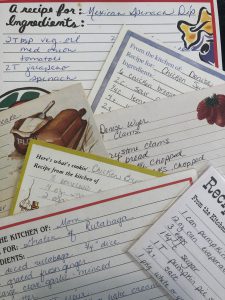
    In many homes, a recipe box holds a revered place on the kitchen counter. This small box, often brimming with handwritten cards, is a tangible connection to family history and culinary tradition. Each card tells a story, not just with its ingredients and instructions, but with the unique handwriting and notes that have been added over the years. However, as charming as these boxes are, they come with their own set of challenges. In today’s digital age, a family cookbook offers a modern, practical, and equally sentimental alternative that addresses many of these challenges.

    The Charm and Challenges of a Recipe Box

    Recipe boxes are undeniably nostalgic. They often contain a mix of recipes: some handed down from previous generations, others clipped from magazines, and a few scribbled on scraps of paper. This collection represents a family’s culinary journey. Yet, despite their sentimental value, recipe boxes present several practical issues:

    1. Difficulty in Sharing Recipes: Sharing recipes from a recipe box can be a cumbersome task. Imagine a family gathering where everyone wants Aunt Susan’s famous apple pie recipe. You pull out the card, but copying it by hand or taking a photo with your phone doesn’t quite capture the charm or ensure everyone gets an accurate copy. Furthermore, physical cards can get lost, damaged, or stained over time, making it even harder to preserve and share these precious recipes.
    2. Hard-to-Read Recipes: Over the years, recipe cards can become worn and faded. Handwriting styles vary, and what was once legible can become a cryptic puzzle. Spilled ingredients and smudged ink only add to the difficulty. Trying to decipher Grandma’s cursive while your hands are covered in flour can be frustrating and might even lead to culinary mishaps.
    3. Organization and Retrieval: Finding a specific recipe in a cluttered box can be time-consuming. Cards might not be organized, and you might spend valuable cooking time rifling through the box trying to locate the right one. This lack of organization can deter even the most enthusiastic cook.

    The Modern Solution: A Family Cookbook

    Transitioning from a recipe box to a family cookbook offers numerous advantages while retaining the sentimental value of those cherished recipes. Here’s why a family cookbook is a superior option:

    1. Ease of Sharing: A family cookbook, especially one created with modern publishing tools, can be easily shared among family members and friends. Whether in print or digital format, everyone can have their own copy. Digital cookbooks can be shared via email or cloud services, ensuring that everyone has access to the same recipes without the hassle of photocopying or transcribing by hand.
    2. Readability: By compiling recipes into a family cookbook, you can standardize the format and font, making them easy to read. This eliminates the struggle with various handwriting styles and worn-out cards. For added nostalgia, you can include images of the original recipe cards alongside the typed version. This way, the charm of the handwritten notes is preserved, but the recipes are accessible and legible.
    3. Enhanced Organization: Family cookbooks allow for organized sections, whether by meal type, occasion, or family member. An index and table of contents make finding a specific recipe straightforward. This organization not only saves time but also makes the cooking process more enjoyable and efficient.
    4. Preservation of Memories: While a recipe box holds individual cards, a family cookbook can tell a more comprehensive story. Alongside recipes, you can include anecdotes, photos, and family history, creating a rich tapestry of your family’s culinary journey. This not only preserves the recipes but also the memories associated with them.
    5. Inclusion of Visuals: A significant advantage of a family cookbook is the ability to include photos. High-quality images of the finished dishes can inspire and guide family members as they cook. Additionally, including images of the original recipe cards allows the cookbook to retain its sentimental value. Seeing Grandma’s handwriting next to a beautiful photo of her famous cookies bridges the gap between past and present.
    6. Customization and Updates: With digital tools, updating a family cookbook is simple. New recipes can be added, and outdated ones can be revised. This flexibility ensures that the cookbook evolves with the family’s culinary tastes and traditions. Recipe boxes, on the other hand, are static and can’t be easily updated or expanded.

    Creating a Family Cookbook: Tips and Considerations

    Embarking on the journey to create a family cookbook using FamilyCookbookProject.com can be a rewarding experience. Here are some tips to ensure your cookbook is a treasured family heirloom:

    1. Gathering Recipes: Start by collecting recipes from family members. Encourage them to share their favorites, along with any stories or memories associated with the dishes. This collaborative effort ensures that the cookbook represents the entire family’s culinary heritage.
    2. Preserving Handwritten Cards: Scan or photograph original recipe cards to include in the cookbook. This preserves the nostalgic element while ensuring the recipes are legible. Pair these images with typed versions of the recipes for clarity.
    3. Adding Personal Touches: Include family photos, anecdotes, and historical context. For example, if a recipe has been passed down for generations, provide some background on its origins and significance to the family.
    4. Organizing the Content: Decide on a structure for the cookbook. You might organize recipes by meal type (breakfast, lunch, dinner, desserts), occasion (holidays, family gatherings), or by contributor. An index and table of contents are essential for easy navigation.
    5. Design and Layout: Use a user-friendly design tool or service to lay out the cookbook. Choose fonts and colors that reflect your family’s personality. Ensure that the design is clean and easy to read. High-quality images of dishes and recipe cards add a professional touch.
    6. Printing and Distribution: Decide whether you want to create physical copies, digital versions, or both. Physical copies can be professionally printed and make wonderful gifts. Digital versions can be easily shared and updated.
    7. Engaging the Family: Throughout the process, keep family members involved. Share progress updates and solicit feedback. This engagement ensures that the cookbook truly represents the family’s collective culinary heritage.

    Embracing the Digital Age

    While the charm of a recipe box is undeniable, embracing modern technology can enhance the way we preserve and share family recipes. Here’s how the digital age can complement a family cookbook:

    1. Online Platforms: Online platforms, like FamilyCookbookProject.com, designed specifically for creating and sharing family cookbooks. This platform offers templates, design tools, and options for collaboration.
    2. Social Media: Create a private family group on social media where members can share recipes, cooking tips, and photos of dishes. This real-time interaction keeps the family connected and engaged in the culinary journey.
    3. Digital Archives: Digitizing old recipe cards not only preserves them but also makes them easily accessible. Cloud storage ensures that these recipes are safe from physical damage and can be shared effortlessly.
    4. Mobile Access: With FamilyCookbookProject.com, recipes are accessible on smartphones and tablets. This convenience means that family members can cook from anywhere, whether they’re in their own kitchen or visiting a friend.

    A family cookbook offers a beautiful blend of tradition and modernity. It preserves the sentimental value of a recipe box while addressing its practical limitations. By compiling recipes into a family cookbook, you ensure that these culinary treasures are legible, organized, and easily shared. Including images of original recipe cards retains the nostalgic charm while enhancing readability.

    In today’s fast-paced world, a family cookbook serves as a tangible connection to our roots. It’s a testament to the love and care that goes into each dish and a celebration of the family’s culinary heritage. By embracing modern tools and technologies, such as FamilyCookbookProject.com, we can create cookbooks that not only preserve recipes but also the memories and stories that make them special.

    So, gather those recipe cards, scan those handwritten notes, and embark on the journey of creating a family cookbook using FamilyCookbookProject.com. It’s a gift that will be cherished for generations to come, bringing joy, connection, and delicious meals to your family’s table.


    Bill Rice is Founder and Co-Publisher of the Family Cookbook Project, a website that helps families and individuals collect, preserve and share food memories by creating their own printed personal cookbooks. He is the author of The Wellfleet Oyster Cookbook and the Cape Cod Cocktail Cookbook (Available on Amazon), both created using FamilyCookbookProject.com. He is also editor of the Donovan Family Cookbook, now it’s third printing and is an avid genealogist tracing his family back to the 1600’s.

    Follow Family Cookbook Project on Facebook, Instagram, Twitter and Pinterest!

  • The Importance Of Writing A Great Recipe Title

    The Importance Of Writing A Great Recipe Title

    The title of your recipe is the single most critical part of the entire recipe. Why? Because your title acts as the headline, and just like any headline, it carries an immense power and responsibility.

    Consider how you flip through a cookbook when searching for a recipe. You don’t typically read every page from beginning to end like you would with a novel. Instead, you quickly scan the pages, looking for a recipe title or an appealing photo that draws your attention and piques your interest.

    Out of all the elements in a recipe, the title has the greatest ability to capture a reader’s attention. Its job is to hook the reader, enticing them to dive into the recipe. A compelling title can transform a casual browser into a reader, and ultimately into someone who tries your dish.

    So, what makes an effective recipe title? Here are a few key things to keep in mind:

    1. Catch Attention – Just like a well-crafted headline, your title should be eye-catching and engaging.
    2. Describe the Dish – While a title like “Gruel” may make sense to your family, it’s not informative for everyone else. Including the main ingredient and method can add clarity. For instance, “Baked Hamburger Gravy” is far more descriptive than “Gruel,” giving potential readers a better idea of what the dish is.
    3. Be Unique – If you’ve seen a title elsewhere, it’s likely too generic. Aim for a fresh, distinctive title that will stand out from the rest.
    4. Include the Source – In family cookbooks, adding a person’s name can give the recipe more significance. Titles like “Grandma’s Apple Pie” or “Lou’s Lemon Bars” help connect readers to the personal origin of the recipe, though this may be less helpful for those unfamiliar with your family gatherings.
    5. Highlight the Appeal – Make sure your title conveys why this recipe is worth making. For example, you’re not just selling a steak, you’re selling the “sizzle”—the benefits and appeal of your recipe.

    Titles that focus on the reader’s cooking and eating desires are far more effective at drawing them into the recipe. A well-crafted title makes it clear which need your recipe meets. Whether it’s indulgence, health, quick preparation, or elegance, every reader has different priorities.

    Let’s look at these examples of chocolate chip cookie recipes:

    • “Soft and Chewy Chocolate Chip Cookies”
    • “Quick ‘n’ Easy Chocolate Chip Cookies”
    • “Grandma’s Favorite Chocolate Chip Cookies”
    • “Gluten-Free Chocolate Chip Cookies”

    Each of these titles speaks to different needs and appeals to different readers. As you can see, the words you choose for your recipe title can significantly impact who will be interested.

    With a bit of creativity and thoughtful wording, your recipe titles can shine, drawing readers in and giving your recipes the attention they deserve.


    Bill Rice is Founder and Co-Publisher of the Great Family Cookbook Project, a website that helps families and individuals collect, preserve and share food memories by creating their own printed personal cookbooks. He is the author of The Wellfleet Oyster Cookbook and the Cape Cod Cocktail Cookbook (Available on Amazon), both created using FamilyCookbookProject.com. He is also editor of the Donovan Family Cookbook, now it’s third printing and is an avid genealogist tracing his family back to the 1600’s.

    Follow Family Cookbook Project on Facebook, Instagram, Twitter TikTok, YouTube and Pinterest!

  • How Social Media Influencers and Food Bloggers Can Create Their Own Cookbooks

    How Social Media Influencers and Food Bloggers Can Create Their Own Cookbooks

    Social media influencers and food bloggers have a unique opportunity to connect with their audience through the love of food. As an influencer or blogger, you already share recipes, cooking tips, and culinary inspiration with your followers. But what if you could take that connection to the next level by creating and selling your own cookbook? FamilyCookbookProject.com makes it easy to design, publish, and sell your cookbook, providing all the tools you need to turn your digital content into a tangible product.

    Why Create a Cookbook?

    Creating a cookbook offers several benefits for social media influencers and food bloggers:

    1. Monetization: A cookbook is a great way to monetize your content and create a new revenue stream. It allows you to capitalize on your expertise and the trust you’ve built with your followers.
    2. Brand Extension: A cookbook extends your brand beyond digital platforms. It provides a physical product that your followers can purchase, use, and display, strengthening their connection to your brand.
    3. Credibility and Authority: Publishing a cookbook establishes you as an authority in your niche. It showcases your culinary skills and knowledge, adding credibility to your brand.
    4. Engagement and Connection: A cookbook allows you to engage with your audience in a new way. It provides a personal touch that digital content alone can’t achieve, fostering a deeper connection with your followers.

    Selecting Recipes for Your Cookbook

    Choosing the right recipes is crucial to the success of your cookbook. Here are some tips for selecting the recipes to include:

    1. Audience Favorites: Review your most popular posts and recipes. Which ones received the most likes, comments, and shares? Including these favorites ensures that your cookbook resonates with your audience.
    2. Personal Favorites: Include your personal favorite recipes. Your enthusiasm and passion for these dishes will come through in your writing, making the cookbook more engaging.
    3. Variety and Balance: Ensure your cookbook offers a variety of recipes. Include appetizers, main courses, sides, desserts, and beverages. Balance quick and easy recipes with more elaborate dishes to cater to different skill levels.
    4. Signature Dishes: Highlight your signature dishes—recipes that are uniquely yours and showcase your culinary style. These recipes will set your cookbook apart and make it a must-have for your followers.
    5. Seasonal and Thematic Recipes: Consider including recipes for different seasons and special occasions. This makes your cookbook a valuable resource year-round.

    Designing Your Cookbook with FamilyCookbookProject.com

    FamilyCookbookProject.com simplifies the process of creating a professional-quality cookbook. Here’s how to get started:

    1. Sign Up and Create Your Cookbook
      • Start by creating an account on FamilyCookbookProject.com. Choose a title and layout that reflects your brand and the essence of your recipes.
    2. Enter Your Recipes
      • Gather your recipes and enter them into the platform. You can customize each recipe with detailed instructions, ingredients, cooking times, and personal notes.
    3. Customize the Design
      • Use the design tools to customize your cookbook. Add high-quality photos of your dishes, personal anecdotes, and any other elements that make your cookbook unique. The platform offers a variety of templates and layouts, allowing you to create a visually appealing book.
    4. Collaborate with Others
      • If you want to include recipes from guest bloggers or collaborations, you can invite them to contribute directly to your cookbook. This feature makes it easy to gather a diverse collection of recipes.
    5. Review and Edit
      • Proofread your cookbook to ensure accuracy and consistency. Make any necessary edits to improve clarity and readability.
    6. Print and Publish
      • Once your cookbook is complete, use FamilyCookbookProject.com’s printing services to create high-quality copies. The platform ensures that your cookbook is professionally bound and ready for sale.

    Selling Your Cookbook

    FamilyCookbookProject.com makes it easy to sell your cookbook to your followers. Here’s how:

    1. Amazon Listing
      • FamilyCookbookProject.com can help you list your cookbook for sale on Amazon, complete with an ISBN number. This makes your cookbook available to a global audience and provides a convenient purchasing option for your followers.
    2. Promote on Social Media
      • Leverage your social media platforms to promote your cookbook. Share sneak peeks, behind-the-scenes content, and testimonials from those who have already purchased it. Use high-quality images and engaging captions to generate excitement.
    3. Email Marketing
      • Use your email list to announce the release of your cookbook. Offer exclusive discounts or bonuses to your subscribers to encourage early purchases.
    4. Collaborate with Influencers
      • Partner with other influencers and bloggers to promote your cookbook. This can help you reach a broader audience and increase sales.
    5. Host Giveaways and Contests
      • Organize giveaways and contests to create buzz around your cookbook. Encourage participants to share your content and tag friends, expanding your reach.
    6. Utilize Retail Locations
      • In addition to online sales, consider placing your cookbook in local bookstores, gift shops, and other retail locations. This can increase visibility and attract new customers.

    A Unique Gift for Followers

    A personalized cookbook makes a unique and thoughtful gift for your followers. Whether they’re seasoned cooks or beginners, they’ll appreciate the time and effort you’ve put into creating a beautiful collection of recipes. It’s a one-of-a-kind product that adds value to their culinary journey and strengthens their connection to your brand.

    Creating a cookbook is a rewarding project that allows social media influencers and food bloggers to share their culinary expertise, engage with their audience, and generate additional income. FamilyCookbookProject.com provides all the tools you need to design, publish, and sell a professional-quality cookbook. Start your cookbook project today and turn your digital content into a tangible product that your followers will love.


    Bill Rice is Founder and Co-Publisher of the Family Cookbook Project, a website that helps families and individuals collect, preserve and share food memories by creating their own printed personal cookbooks. He is the author of The Wellfleet Oyster Cookbook and the Cape Cod Cocktail Cookbook (Available on Amazon), both created using FamilyCookbookProject.com. He is also editor of the Donovan Family Cookbook, now it’s third printing and is an avid genealogist tracing his family back to the 1600’s.

    Follow Family Cookbook Project on Facebook, Instagram, Twitter and Pinterest!


  • College Student Cookbook: Easy and Affordable Recipes for Students Away from Home

    College Student Cookbook: Easy and Affordable Recipes for Students Away from Home

    Leaving home for college is an exciting milestone for students, but it can also come with its share of challenges—especially when it comes to food. For many, it’s their first time being responsible for cooking their own meals, and the days of enjoying home-cooked family dinners feel like a distant memory. College students often find themselves longing for the comforting meals they grew up with, but they may not have the recipes or the cooking know-how to recreate those beloved dishes.

    That’s where a College Student Cookbook comes in—a collection of easy, affordable recipes that not only helps students stay well-fed while managing their busy schedules but also allows them to connect with their family’s culinary traditions. With a personalized family cookbook, college students can enjoy the recipes they know and love, start collecting their own favorite dishes, and even introduce new recipes to their family.

    The Comfort of Home-Cooked Meals

    For many college students, being away from home is the first time they’ve had to cook for themselves regularly. While campus dining halls and takeout may be convenient, there’s nothing quite like the taste of a home-cooked meal to bring comfort and nostalgia. Food plays a big role in shaping our memories, and certain family recipes can remind students of family gatherings, holidays, and everyday dinners around the kitchen table.

    Unfortunately, when students leave for college, they often don’t have access to the family recipes that evoke these memories. They may find themselves calling home for the recipe to mom’s lasagna or dad’s famous chili but then struggle to write it down or remember the details. This can lead to frustration, with students feeling disconnected from their culinary roots.

    A College Student Cookbook solves this problem by giving students easy access to their favorite family recipes, all in one place. This personalized cookbook can be filled with simple, budget-friendly meals that students can recreate in their dorms or off-campus apartments, helping them feel a little closer to home.

    Selecting Easy and Affordable Recipes

    College life is fast-paced, and most students are juggling classes, studying, extracurricular activities, and socializing. They may not have the time, space, or equipment to whip up complex meals. That’s why the recipes in a college student cookbook should be simple, require minimal ingredients, and be affordable. Here are a few tips for selecting the right recipes:

    1. Keep It Simple

    The key to a successful college student cookbook is simplicity. Choose recipes that are easy to follow, with few steps and ingredients. Students may be cooking in small kitchens with limited tools, so the recipes should be practical for that environment. Think of one-pot meals, sheet pan dinners, and recipes that require basic cooking techniques.

    2. Affordable Ingredients

    College students often have tight budgets, so it’s important to choose recipes that are cost-effective. Look for meals that use staple ingredients like pasta, rice, beans, eggs, and vegetables, which are affordable and widely available. Avoid recipes that require expensive or hard-to-find ingredients.

    3. Quick Cooking Time

    Between studying and attending classes, college students may not have the luxury of spending hours in the kitchen. Select recipes that can be prepared in under 30 minutes. Meals that can be made in batches and reheated later are also great for busy students who want to maximize their cooking efforts.

    4. Minimal Equipment

    College students living in dorms or small apartments likely won’t have access to a fully stocked kitchen. Choose recipes that can be made with basic kitchen tools like a frying pan, pot, baking sheet, and microwave. If your student is living in a dorm with limited kitchen access, look for microwave-friendly recipes that don’t require a stove or oven.

    5. Nutritious Options

    It’s easy for college students to fall into the trap of eating unhealthy convenience foods, especially when they’re short on time or money. Including nutritious recipes in your college student cookbook can help them maintain a balanced diet. Incorporate meals with vegetables, whole grains, lean proteins, and healthy fats to keep them fueled for their studies.

    Example Recipes for a College Student Cookbook

    Here are a few example recipes that are simple, affordable, and perfect for college students:

    1. One-Pot Pasta

    This easy recipe requires only one pot and minimal ingredients, making it perfect for a busy college student. Simply combine pasta, water, garlic, cherry tomatoes, spinach, and a bit of olive oil in a pot. Cook until the pasta is tender and the sauce comes together. Top with Parmesan cheese for extra flavor.

    2. Microwave Scrambled Eggs

    For students living in dorms with only a microwave, this recipe is a lifesaver. Crack two eggs into a microwave-safe bowl, whisk with a splash of milk, and season with salt and pepper. Microwave on high for about a minute, stir, and then microwave for another 30 seconds until the eggs are fully cooked. Serve with toast or tortillas for a quick breakfast.

    3. Rice and Beans

    A staple in many cultures, rice and beans is an affordable, filling, and nutritious meal. Cook rice in a pot or rice cooker, and in a separate pan, sauté onions and garlic with canned black beans. Season with cumin, paprika, and a squeeze of lime. Serve the beans over rice, and top with avocado or salsa if desired.

    4. Sheet Pan Veggie Tacos

    Tacos are a favorite among college students, and this recipe makes them easy to prepare with minimal cleanup. Toss sliced bell peppers, onions, zucchini, and mushrooms with olive oil and taco seasoning. Roast them on a sheet pan at 400°F for about 20 minutes. Serve the veggies in tortillas with your favorite toppings, like salsa, guacamole, or shredded cheese.

    5. Microwave Mug Cake

    For a quick and satisfying dessert, students can make a microwave mug cake in just a few minutes. Combine flour, sugar, cocoa powder, baking powder, milk (or plant-based milk), oil, and a dash of vanilla extract in a mug. Stir until smooth, then microwave on high for about a minute. The result is a warm, gooey cake that satisfies sweet cravings.

    Connecting Students to Family Recipes with an Online Cookbook

    A college student cookbook is more than just a collection of easy and affordable recipes—it’s a way for students to stay connected to home and family traditions. Using Family Cookbook Project, families can create a personalized online cookbook where students can access their favorite recipes from anywhere. Here’s how it works:

    1. Access to Family Recipes

    By setting up a family cookbook on Family Cookbook Project, parents can upload their favorite home-cooked recipes for their college student to access at any time. Whether it’s grandma’s famous chicken soup or dad’s go-to chili recipe, students can recreate the meals they grew up with even when they’re miles away from home.

    2. Collecting Their Own Recipes

    College is a time of independence and exploration, and that includes trying out new recipes. With access to the family cookbook account, students can start collecting their own favorite recipes. Whether they find a great recipe online, learn how to make a dish from a friend, or invent their own meal, they can easily add it to the family cookbook. Over time, they’ll build a collection of recipes that reflect their personal tastes and cooking style.

    3. Sharing New Favorites with the Family

    As students discover new dishes and cooking techniques, they can introduce those recipes to the family through the online cookbook. It’s a great way to share their college culinary adventures with loved ones and contribute to the family’s ongoing food traditions.

    4. Creating a Printed College Student Cookbook

    Once the recipes are gathered in the online family cookbook, you can create a printed version of the college student cookbook. This makes a great gift for students, especially as they move into off-campus housing and take on more cooking responsibilities. A printed cookbook filled with family recipes and new favorites will not only be a practical resource but also a comforting reminder of home.

    The Benefits of a College Student Cookbook

    A college student cookbook provides many benefits, both practical and emotional:

    • Easy Meal Planning: Having a collection of easy, affordable recipes in one place helps students plan their meals and avoid resorting to expensive takeout or unhealthy snacks.
    • Connection to Home: Cooking family recipes allows students to feel closer to home, even when they’re far away. It’s a comforting way to maintain family traditions.
    • Developing Cooking Skills: Learning to cook is an essential life skill. A college student cookbook provides simple recipes that help students gain confidence in the kitchen without feeling overwhelmed.
    • Budget-Friendly: The cookbook focuses on affordable ingredients and recipes that are perfect for students on a tight budget.

    Start Building Your College Student Cookbook Today

    College is a time of new experiences, and cooking is a big part of that journey. By creating a College Student Cookbook, you’re not only helping your student eat well but also giving them a valuable resource to stay connected to home and family traditions. With Family Cookbook Project, it’s easy to collect family recipes, introduce new dishes, and create a personalized cookbook that your student can treasure throughout their college years and beyond.

    So why wait? Start building your college student cookbook today and give your student the gift of home-cooked meals, no matter where they are.


    Bill Rice is Founder and Co-Publisher of the Family Cookbook Project, a website that helps families and individuals collect, preserve and share food memories by creating their own printed personal cookbooks. He is the author of The Wellfleet Oyster Cookbook and the Cape Cod Cocktail Cookbook (Available on Amazon), both created using FamilyCookbookProject.com. He is also editor of the Donovan Family Cookbook, now it’s third printing.

    Follow Family Cookbook Project on Facebook, Instagram, Twitter TikTok, YouTube and Pinterest!

  • Celebrate 20 Years with Family Cookbook Project – Get a Free Lifetime Membership on October 4th!

    Celebrate 20 Years with Family Cookbook Project – Get a Free Lifetime Membership on October 4th!

    This October 4th, FamilyCookbookProject.com is celebrating a milestone – 20 years of helping families, friends, and communities create and print custom cookbooks that preserve cherished recipes for future generations. To mark this special occasion, we’re offering an incredible, one-time promotion: a free lifetime membership (valued at $99) to everyone who signs up that day!

    For two decades, we’ve been dedicated to bringing families together around the dinner table through the art of creating personalized cookbooks. Whether you want to gather your favorite family recipes, create a thoughtful gift, or preserve your family’s culinary traditions, we’ve been here to help make that process simple, fun, and meaningful. Now, on this momentous day, we invite you to join us for free and begin your journey toward crafting a family treasure.

    Why Create a Family Cookbook?

    In a world that’s constantly changing, family recipes are a timeless connection to the past. From your grandmother’s famous pie to your uncle’s secret barbecue sauce, these recipes hold stories, memories, and traditions that deserve to be preserved. But how often do these recipes get lost in cluttered recipe boxes, scribbled notes, or forgotten memories?

    Creating a custom family cookbook helps you:

    • Preserve family recipes: Ensure that beloved family dishes are never lost. These cookbooks can be passed down through generations, keeping culinary traditions alive.
    • Create personalized gifts: A custom cookbook makes a perfect gift for holidays, birthdays, weddings, and reunions. It’s personal, thoughtful, and filled with love.
    • Bring families closer: Cooking together has always been a bonding experience. With Family Cookbook Project, you can bring everyone in the family into the process. From submitting recipes to sharing stories, it’s a collaborative and heartwarming activity.
    • Organize your kitchen: Tired of searching through loose papers and random websites for your favorite recipes? Gather them all in one place, organized and easily accessible in a beautiful printed cookbook.

    What Makes Family Cookbook Project Special?

    At Family Cookbook Project, we’ve designed an easy-to-use online platform where you can create beautiful, professional-quality cookbooks without any design experience. You can invite family members to contribute recipes, customize the layout, and add personal touches like photos and stories. Once your cookbook is complete, we’ll handle the printing and shipping, so all you have to do is enjoy the finished product.

    In addition to our user-friendly system, we provide a wealth of resources to guide you through the process, whether you’re a first-time cookbook creator or a seasoned pro.

     Free Lifetime Membership – For One Day Only

    We’re so grateful to the families and individuals who have been part of our journey for the past 20 years, and we want to give something back. On October 4, 2024, to celebrate our 20th anniversary, we’re offering free lifetime memberships to anyone who signs up that day. This exclusive membership, usually priced at $99, grants you access to all the tools you need to create as many cookbooks as you like—forever.

    This is a one-time offer that has never been made before. Whether you’ve been thinking about starting your cookbook project or have already gathered some recipes, this is the perfect opportunity to take action and save while doing it.

    Don’t Miss Out!

    Mark your calendar for October 4th, and be sure to visit FamilyCookbookProject.com on that day to claim your free lifetime membership. Whether you’re preserving family history, creating a special gift, or simply organizing your recipes, we’re here to help you make it happen.

    On October 4th, go to https://www.familycookbookproject.com/20years and create your account to get started entering your recipes and creating your own custom cookbook. It’s that easy!

    Let’s celebrate 20 years of memories, meals, and togetherness by creating something that will last for generations.