Category: Resources on the Web

  • Two New Pinterest Boards

    Pin1Pinterest is a great social sharing site that is very popular with people sharing recipes. The Family Cookbook Project has been sharing some of the best recipes from our editors for many years and recently we introduced two new boards for your enjoyment.

    Let-us Eat Salads – This is a great collection of photos of every different kind of salad there is. From fruit salads, pasta salads to more traditional lettuce salads and salad dressings.

    Crockpot Lovers – If you love the ease and great recipes that use a crockpot, this board is for you! Crockpots recipes can run the gambit, from interesting main courses to wonderful deserts.

    These two new Family Cookbook Pinterest boards join our other boards including: Family BBQ and Grilling Recipes, It’s Better with Bacon, Foods from Around the World, and Food Guys Love.

    Do you have a suggestion for a new Pinterest Board? Please let us know!

    Bill Rice is Co-Publisher of the Great Family Cookbook Project, a website that helps families and individuals collect and share food memories.

    Save

    Save

  • How To Make A Bridal Shower Cookbook

    Here is a great idea next you need to plan a bridal shower for a friend or family member – a bridal cookbook!

    One thing every new bride to be needs is great recipes to feed her family. Both families as well as friends can help get this started by contributing recipes as part of a bridal shower!

    Here’s how to do it:

    When you send out your bridal shower invitations, include a link to your family cookbook project cookbook, use the Invitation Tool and add everyone’s email. This will send everyone a link that will allow them to contribute their recipes. Set a deadline for entering recipes about three weeks from when the invitations are sent. Remember people will also wait until the deadline!

    Get both of the mother’s to contribute the most recipes if possible. This way both the bride and groom with have lots of recipes that they grew up with in their cookbook. Using Family Cookbook Project’s Custom Categories Tool, you can even create a special category for each mom’s recipes.

    As the recipes are being entered, start planning how the cookbook will look.

    Cover – Family Cookbook Project offers several cookbook covers specifically for bridal cookbooks or wedding cookbooks. You also can create a custom cover with the name of the cookbook and a photo of the couple.

    Write an introduction – The best bridal cookbooks will have an introduction written by the individuals giving the bridal shower. An introduction can be used wish the couple well wishes and to talk about the importance of family.

    Add Photos – Photos can help bring your cookbook to life. You can add photos of the lucky couple on top of recipes, or create custom pages to highlight photos of the bride and groom as they were growing up and while they were dating.

    Finally, it is time to print your cookbook. Make sure you give yourself enough time to order your cookbooks and have them printed, at least 3-4 weeks if possible. Be sure to order enough copies for each attendee as well as several extra copies for family members that can not attend the event.

    For the event, make some of the dishes from bridal cookbook and serve them at the event. Include a place card with the dish name and include the page number from the cookbook. Finally, if you are looking for a great wedding favor, try creating a Wedding Cookbook for your family and friends!


    Bill Rice is Co-Publisher of the Great Family Cookbook Project, a website that helps families and individuals collect and share food memories. Follow us on Facebook and Pinterest!

  • Recipe Standard Measurements

     measuring_cup

    For many generations, recipes were handed down by word of mouth from mother to daughter. Recipes consisted of a little of this and a smidgin of that. The food always came our great – or at least that is what we told out mothers! Today things are different. Computers make is easy to write down our recipes and share them with friends and family members over the Internet. However it is important to remember that cooking has a language of its own. It is a language of ingredients and measurements and directions. I believe the most important of these is measurements. If we did not have standard measurements for cooking, “T” could be a teaspoon, a tablespoons, a thimble full or a truck load! Here are a list of Standard Measures Abbreviations commonly used in recipes.

    teaspoon……………………… tsp.
    tablespoon…………………… tbsp. or T.
    cup…………………………….. c.
    quart…………………………… qt.
    ounce…………………………. oz.
    pint…………………………….. pt.
    gallon…………………………. gal.
    inch…………………………….. in.
    pound………………………….. lb.
    milliliter…………………………. ml
    liter……………………………….. L
    milligram……………………….. mg
    gram……………………………… g
    kilogram ……………………….. kg
    millimeter……………………… mm
    centimeter…………………….. cm
    meter……………………………. m
    Celsius…………………………… C
    Fahrenheit……………………. F

    Another important thing about standard measurements is that they don’t work if you don’t use them! Including an ingredient in your recipe without a specific amount is likely to leave someone trying the recipe for the first time scratching their head and wondering what to do. Remember know one will know unless you include it in your recipe.

    Bill Rice is Co-Publisher of the Great Family Cookbook Project, a website that helps families and individuals collect and share food memories. Follow us on Facebook and Pinterest!

  • Cookbooks Make a Great Fundraiser

    fundraising_made-easyFunding worthwhile projects can be a challenge. While there are many fundraising programs that happen year after year, it’s always good to try something new every once in a while to keep people interested.

    A fundraising cookbook not only can help you find important projects and activities, but it also can help to bring a community together in a fun activity that everyone can benefit from.

    Who doesn’t like to see their name in print? Having a recipe submitted and included in a community cookbook gives added incentive to buy those cookbooks and share them with friends and family.

    Here are some ideas on how to get the most from your fundraising cookbook project.

    1) The more people you get involved with your cookbook, the more people will likely be your target audience to buy that cookbook once it is printed.

    Cookbook fundraiser.com has built-in tools to invite as many people as possible to contribute to your cookbook. We make it easy!

    2) Include advertising from local businesses and individuals to help support the cost of printing the cookbook. That way the proceeds from the sale of the cookbook can go directly to the worthy cause.

    Cookbookfundraiser.com allows you to add as many extra pages to the back of your cookbook as you would like. These make it easy to add advertising pages!

    3) Most fundraising cookbooks seem to be priced between $12 and $20 and contain about 150 recipes. Determine how much money your organization wants to raise and that will help you determine how many copies you need to sell and at what price to reach your goal.

    Our website has a great cost estimator to help you determine what to expect from your printing cost. We also offer many hints on how to format your cookbook to decrease the cost of printing.

    4) Reach out to not only those who contributed recipes, but all those in your community to pre-order the cookbook before you go to print. The more copies you presell, the more copies you can order which will lower your per copy cost.

    Our pre-ordering tool makes getting orders from contributors a snap. You can also order a single copy of your cookbook to display at community events and help to generate additional sales.

    5) Add an ISBN number and bar code to your cookbook and you can sell the cookbook at local bookstores and online on Amazon.com. This can provide ongoing revenue for your organization.

    Family cookbook project offers a marketing package that includes an ISBN number and barcode. We also will get your cookbook listed on Amazon.com!

    6) Ask local retail stores to also sell your cookbook to their customers. Often grocery stores and small retailers will support community fundraising efforts at no charge by offering the product at their checkout counter.

    These are but I handful of ways to help you get the most from your cookbook fundraiser project. However, as with every fundraising project, it takes one individual to get the ball rolling.

    To get started with your cookbook fundraiser project, go to www.cookbookfundraiser.com and create a free account today!

  • Recipes on the Internet


    Young and beautiful housewife woman cooking in a kitchen

    One of the benefits of having your recipes on family cookbook project is that they become available to you from any computer.

    Google and other search engines regularly crawl our site looking for new recipes. When they find them, they make them available to the entire Internet. That way you can access a recipe simply by typing in The title of a recipe and your cookbook name into any browser.

    This is useful for when your family cookbook is not available, like at a grocery store buying ingredients for recipe, or wanting to share a dish with a friend.

    You also can have access to all your recipes if you download our award-winning mobile app for iPhone and android devices.

    Not only are the recipes made available to you online, but many other people around the world can enjoy them as well.

    Currently the most popular recipe on family cookbook project.com is Saskatoon Berry Crisp, by John and Verna Heinrichs, is from The Heinrichs Family Cookbook . This recipe has had almost 50 people view the recipe in the past month.

    Be all time most viewed recipe on family cookbook project.com is Camp Fire Pizza Roll, by Danyeil Reed, is from 40 Something Cowgirls Restless Riders Cookbook, which has been seen by more than 7000 people since 2013!

    Of course if you don’t want to share your recipes with the public then simply mark them private when you post them. This keeps them out of the public domain.

    Since our founding 10 years ago, family cookbook project has helped more than 63,000 families and fundraising groups collect more than 1 million recipes.

  • A Real “Prize” Cookbook

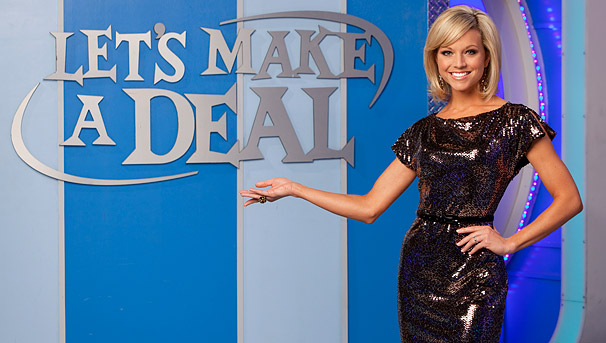
    lmadLet’s Make a Deal is one of America’s best loved game shows and has been on the air since 1963. People in wacky costumes try to be selected to receive a gift and then are asked to trade for “what’s behind curtain number one!” or some other possible great prize or maybe get zonked.

    Family Cookbook Project has been asked to provide one of the prizes for this favorite game show and you know what – we did! Not only did we provide a free cookbook account for the prize winner, but we also provided one to everyone in the audience!

    Be sure to watch the Let’s Make a Deal on CBS on November 26 2014, the day before Thanksgiving. Enjoy the show and know that your Family Cookbook Project continues to receive national attention.


  • How much does a family cookbook cost?

    One of the most frequent questions asked by people wanting to create family cookbook is “How much will it cost”.

    There are two expenses you will incur to create your own personalized family cookbook. The first is the membership fee and the second is the actual printing of the cookbooks.

    The membership fee allows Family Cookbook Project to maintain it’s servers, maintain the software, hire designers to create new covers, and cover the other costs of doing business. We have tried to keep this fee as low as possible and allow it to be paid either monthly, annually or with a lifetime membership.

    The other cost of creating your personalized cookbook is the actual printing. There are three major aspects to your cookbook that will impact the cost of printing.

    The most significant is the page count. The more pages in your cookbook, the more it will cost to print. Raw materials, such as paper and ink play a factor here.

    The second consideration the use of color. Color inks cost more than black inks and that is why if you include more color in your cookbook, especially photos, we are required to charge extra.

    The final consideration is the number of books printed. Each cookbook must be set up on the press for printing. The cost of that set-up has to be distributed to each of the cookbooks printed. That is why the price per book when you order only five cookbooks is so much more than when you order 100.


    You will find the complete pricing for the use of the site at http://www.familycookbookproject.com/price_to_print_a_family_cookbook.asp
    You will also find a way to estimate the cost of your cookbook printing at the bottom of the page, however the actual cost will be determined by the number of pages contained in your cookbook when you send it to print.
    There are also ways an editor can lower the cost of printing. Check out our blog post Lowering the Cost Of Printing Your Cookbook for some ideas.

  • Who Buys Cookbooks?

    Who Buys Cookbooks?

    According to Publisher’s Weekly, a publishing trade publication, Cookbooks are selling like hotcacks!

    Here are some statistics from 2012 cookbook sales.

    Perhaps not surprisingly, more women buy cookbooks than men; around 69% of cookbook buyers are women, whereas 31% are men.

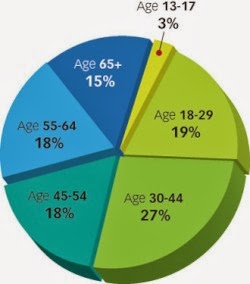
    And according to Bowker Market Research, 27% of cookbook buyers are in the 30–44 age range. The two next-older groups (45–54 and 55–64) account for 36% of cookbook customers (with 18% each). Those over 65 make up 15%. 
    Breaking down cookbook buyers by household income, 31% come from households earning $25,000–$49,000 a year.
    Hardcover cookbooks still outsell all others, but as a portion of total unit sales, hardcovers dropped from 49% in 2011 to 42% in 2012. And e-book sales more than doubled, up from 9% to 22%.
    And where are those cookbooks sold? Amazon, by a wide margin—its percentage of all cookbook sales nearly doubled, from 18% to 36%.
  • Standard Measurements for Your Personal Cookbook

    For many generations, recipes were handed down by word of mouth from mother to daughter. Recipes consisted of a little of this and a smidgin of that. The food always came our great - or at least that is what we told out mothers!

    Today things are different. Computers make is easy to write down our recipes and share them with friends and family members over the Internet. However it is important to remember that cooking has a language of its own. It is a language of ingredients and measurements and directions.

    I believe the most important of these is measurements. If we did not have standard measurements for cooking, "T" could be a teaspoon, a tablespoons, a thimble full or a truck load!

    Here are a list of Standard Measures Abbreviations commonly used in recipes.


    teaspoon........................... tsp.
    tablespoon........................ tbsp. or T.
    cup................................... c.
    quart................................. qt.
    ounce............................... oz.
    pint................................... pt.
    gallon............................... gal.
    inch................................... in.
    pound................................ lb.
    milliliter............................... ml
    liter...................................... L
    milligram............................. mg
    gram.................................... g
    kilogram ............................. kg
    millimeter........................... mm
    centimeter.......................... cm
    meter.................................. m
    Celsius................................. C
    Fahrenheit......................... F
     
     
    Another important thing about standard measurements is that they don't work if you don't use them! Including an ingredient in your recipe without a specific amount is likely to leave someone trying the recipe for the first time scratching their head and wondering what to do. Remember know one will know unless you include it in your recipe.


    Bill Rice is Co-Publisher of the Great Family Cookbook Project, a website that helps families and individuals collect and share food memories. Follow us on Facebook and Pinterest!

     
  • Using Photos with Recipes

    They say a picture is worth a thousand words and with recipes that is especially true. 

    It’s wonderful to read a list of ingredients and see the potential in a recipe, but to look at the finished product can make your mouth water!

    The Family Cookbook Project highly recommends adding a photo to every recipe you can in your online cookbook. It helps people to see what to expect when they follow your recipe and gives them a standard to meet when comparing their finished dish to the original.

    With the advent of digital camera built into cell phones, you don’t have to be a professional photographer to take good food photos. 

    Here are some pointers to help improve your recipe photos:

    Use Natural Light – Make sure that the light is right – shoot the food either next to a bright window or under a pendant light in the restaurant. Don’t use your camera’s flash! Set your dish near a window and turn off any artificial lights that might be on nearby. Try to photograph with the light at your back or to the side of a dish, so that the shadows are to the side or behind it. 

    Hold Still – Taking photos inside, even with ample natural light, often means you have to hold the camera very still to keep it from registering hand shake. If you have a tripod, that’s ideal. If you don’t, you can duplicate the tripod effect by resting your elbows on the table or counter and using them to stabilize the camera. Moving the camera when taking a photo will only lead to blurry unusable photos. 

    Get close to the food! – Don’t stand back three feet and get the food with the stove, the dirty dishes, and all the condiments around it. Move in and get up close and personal, and let the pan…or the plate…or the cutting board fill the frame.  

    Stage the shot – The food isn’t the only thing in the photo. Using plates, silverware and linens in complementary colors can help your dish come alive. Shoot food on a beautiful plate or on a table with texture and character. The more appetizing the ingredients, the better your photo will be. Plates that contain colored vegetables and/or meat, preferably in light-colored sauces, are often the most appealing to the eye in photos. Also Don’t be Afraid of a mess. A few crumbs or a smear of dressing can be beautiful, if you let them. 

    Focus on the food –  If you are using a DSLR, stop down your lens to f/1.8 or f/2.0 that limits your depth of field to one part of the image only, blurring out everything around the subject, simulating a shot taken with a macro lens. If you are using an iPhone, there are apps, such as Camera+ or VSCO Cam, that will create the same effect. Remember, you want the food to be the main focus, not the background. 

    Try different angles –  Get up over the food and shoot straight down on it. When shooting overheads, if appropriate, try filling up the frame with what’s already on the table such as cups, wine glasses, utensils and moving hands. You can also  think in three dimensions, You might not usually serve brownies piled in a vertical column, but stacking any flat food, like pancakes, cookies, or even onion rings, is a great way to show off texture and make the photo more appealing. You can also add dimension to your food photos by showing the dish right after the that first bite is taken, or the second and third. These are little details that make a viewer feel like they’ve sat down and are enjoying the meal. 

    Get Close to Ugly Foods  – Some foods, no matter how good they taste, just don’t make good photos. But the closer you get to your subject, the more the visual story becomes about texture and color, rather than pure mouth-watering beauty.Avoid foods that are white and gloppy, such as congealed gravy on white pasty mashed potatoes. 

    Size Matters –  Make sure your camera settings are set for a good sized photo. Small photos look blurry when they are enlarged on line. A photo viewed online only has to be 72 dpi (dots per inch, the measure for quality), but if you are going to print your photo, you want it to be at least 300 dpi. 600 pixels wide (a measurement for size) is a good target for minimum photo size.

    Using other’s photos – It is important to note that the Internet makes it easy to find photos of recipes already taken. While this might be much easier, the photo still is the property of whomever holds the rights. Don’t always assume that because a photo is on the Internet you can simply use it for your recipe. Make sure you ask permission from the owner before you use it.


    Bill Rice takes more than 20,000 photos a year and is Co-Publisher of the Great Family Cookbook Project, a website that helps families and individuals collect and share food memories. Follow us on Facebook and Pinterest!