Category: General Cookbook

  • How Many Pages Should Your Fundraising Cookbook Have?

    How Many Pages Should Your Fundraising Cookbook Have?

    One of the questions we often get with people who are creating a fundraising cookbook to raise funds for a worthy cause is how many pages should my fundraising cookbook have?

    One of the questions we often get with people who are creating a fundraising cookbook to raise funds for a worthy cause is how many pages should my fundraising cookbook have? Or are there are several factors that go into how much how many pages a cookbook fundraiser a fundraising cookbook should have.

    The first thing to consider is the size of your community. The community becomes the source for the recipes, and also the most likely buyers for the cookbook. If you have a very small church, or daycare, the number of recipes you receive may be more limited.  however, if you are raising funds for a large church, elementary school or similar organization, with hundreds of potential recipe, contributors, you can expect more recipes in your cookbook.

    However, if you are raising funds for a large church, elementary school or similar organization, with hundreds of potential recipe, contributors, you can expect more recipes in your cookbook.

    The next thing that impacts the number of recipes is the price you want to charge for your cookbook? As a general rule of thumb, people are willing to pay more for a larger cookbook. If you only need to raise one or $2000, then a small cookbook can be just the thing.

    At the end of the day, a fundraising cookbook can be anywhere between 25 and 250 recipes. It all depends on what your organization is capable of supporting.

    CookbookFindraiser.com has a helpful fundraising cookbook profitability calculator that allows you to put in different cookbook sizes and determine how much profit you can generate from that cookbook. Give it a try.


    Bill Rice is Founder and Co-Publisher of the Family Cookbook Project, a website that helps families and individuals collect, preserve and share food memories by creating their own printed personal cookbooks. He is the author of The Wellfleet Oyster Cookbook and the Cape Cod Cocktail Cookbook (Available on Amazon), both created using FamilyCookbookProject.com. He is also editor of the Donovan Family Cookbook, now it’s third printing.

    Follow Family Cookbook Project on Facebook, Instagram, Twitter TikTok, YouTube and Pinterest!

  • Connecting Generations: How Family Cookbooks Bridge the Gap Between Past and Present

    Connecting Generations: How Family Cookbooks Bridge the Gap Between Past and Present

    In the fast-paced, digital age we live in, maintaining a connection to our family’s heritage can be challenging. While technology offers unprecedented access to information and resources, it can sometimes distance us from the tangible aspects of our history. One powerful way to bridge this gap and foster a deeper connection between generations is through the creation of family cookbooks. These collections of cherished recipes serve as living documents that encapsulate culinary traditions, stories, and memories, providing a meaningful link between the past and present.

    The Role of Food in Family Traditions

    Food has always played a central role in family life, acting as a medium through which love, culture, and traditions are expressed and passed down. Traditional family recipes are more than just instructions for preparing meals; they are imbued with memories of shared experiences, celebrations, and everyday moments. These recipes often carry stories of their origins, the people who created them, and the occasions they were meant to commemorate.

    For younger generations, engaging with these recipes offers a tangible way to connect with their ancestry. Cooking and tasting the same dishes that their ancestors enjoyed can evoke a profound sense of continuity and belonging. A family cookbook, therefore, becomes a bridge that links generations, preserving not just the ingredients and methods of cooking, but also the essence of family traditions.

    Preserving Culinary Heritage

    Creating a family cookbook is a powerful way to document and preserve your family’s culinary heritage. It ensures that treasured recipes are not lost to time and can be enjoyed by future generations. Here’s how a family cookbook can help bridge the gap between past and present:

    1. Documenting Stories and Memories: Each recipe in a family cookbook can be accompanied by stories and anecdotes about its origins. This contextual information provides younger generations with a deeper understanding of their family’s history and the significance of certain dishes. For example, a recipe for a holiday dish might include a story about how it was created by a great-grandparent during a special family celebration.
    2. Preserving Handwriting and Personal Notes: Including scanned copies of original handwritten recipe cards in a family cookbook preserves the unique handwriting and personal notes of past generations. This personal touch adds a layer of intimacy and authenticity to the cookbook, making it a cherished heirloom.
    3. Sharing Culinary Skills and Techniques: Traditional recipes often involve cooking techniques and skills that may not be widely known today. By documenting these methods, a family cookbook helps to preserve and pass down culinary knowledge that is part of the family’s heritage. Younger generations can learn these skills and keep them alive.
    4. Fostering Intergenerational Collaboration: The process of creating a family cookbook can be a collaborative effort that involves multiple generations. Younger family members can interview older relatives, gather recipes, and learn about the stories behind them. This collaboration fosters a sense of unity and shared purpose, strengthening family bonds.

    Engaging Younger Generations

    For younger generations, a family cookbook offers a gateway to exploring their ancestry in a relatable and engaging way. Here are some ways to involve younger family members in the creation and use of a family cookbook:

    1. Interactive Cooking Sessions: Organize cooking sessions where older family members teach younger ones how to prepare traditional dishes. These sessions can be recorded and included in the cookbook as video links or written instructions. This hands-on experience not only preserves culinary skills but also creates lasting memories.
    2. Family Cookbook Projects: Encourage younger family members to contribute to the cookbook by documenting their favorite family recipes, adding personal notes, and even experimenting with modern twists on traditional dishes. This involvement makes them active participants in preserving their heritage.
    3. Storytelling and Interviews: Involve younger family members in interviewing older relatives about their favorite recipes and the stories behind them. These interviews can be transcribed and included in the cookbook, adding a rich narrative element that enhances the connection to the past.
    4. Digital Integration: For tech-savvy younger generations, consider creating a digital version of the family cookbook. This can include interactive features such as video tutorials, photo galleries, and links to additional resources. A digital cookbook can be easily shared and accessed on various devices, making it convenient and appealing to younger users.

    The Lasting Impact of Family Cookbooks

    The creation of a family cookbook is a meaningful project that has a lasting impact on both the family’s heritage and the relationships between its members. By documenting and sharing cherished recipes, a family cookbook serves as a living testament to the love, traditions, and culinary creativity that have been passed down through generations.

    For younger family members, engaging with a family cookbook provides a deeper connection to their roots. It helps them appreciate the richness of their heritage and the efforts of their ancestors in preserving it. This connection fosters a sense of pride and belonging that is invaluable in today’s world.

    Looking Ahead

    In a time when family members are often scattered across different locations and busy with their own lives, a family cookbook offers a powerful way to bridge the gap between past and present. It preserves the culinary traditions and stories that define a family’s heritage, ensuring that they are passed down to future generations.

    By involving younger family members in the creation and use of a family cookbook, we can foster a deeper appreciation for our shared history and traditions. This collaborative effort not only strengthens family bonds but also ensures that the flavors and stories of our past continue to enrich our lives today and in the future.

    Start your family cookbook project today and discover the joy of connecting generations through the shared love of food and tradition. At FamilyCookbookProject.com, you will find all the tools and resources you need to create a beautifully bound cookbook that will be cherished for years to come. Let’s celebrate our culinary heritage and bring our families closer together through the timeless art of cooking.

    Bill Rice is Founder and Co-Publisher of the Family Cookbook Project, a website that helps families and individuals collect, preserve and share food memories by creating their own printed personal cookbooks. He is the author of The Wellfleet Oyster Cookbook and the Cape Cod Cocktail Cookbook (Available on Amazon), both created using FamilyCookbookProject.com. He is also editor of the Donovan Family Cookbook, now it’s third printing and is an avid genealogist tracing his family back to the 1600’s.

    Follow Family Cookbook Project on Facebook, Instagram, Twitter and Pinterest!


  • Fun BBQ Word Search

    Fun BBQ Word Search

      This Interactive BBQ Word Search Puzzle is brought to you by Family Cookbook Project, the leading Online Cookbook Publishing Platform on the Internet today. Start your own BBQ Cookbook to share with family and friends at FamilyCookbookProject.com.

    Interactive BBQ Word Search Puzzle

    Downloadable PDF version of this BBQ Word Search Puzzle.

     
  • From Tex-Mex to New England Seafood: Create Your Own Regional Cookbook Celebrating the Flavors of Your Region

    From Tex-Mex to New England Seafood: Create Your Own Regional Cookbook Celebrating the Flavors of Your Region

    Across the United States, different regions are known for distinct culinary styles and local specialties. From the vibrant flavors of Tex-Mex in the Southwest to the fresh, farm-to-table California cuisine, and the hearty seafood of New England, each part of the country has its own unique food traditions. If you’ve lived in or visited a region rich in food culture, you’ve likely gathered an impressive collection of recipes that showcase its flavors. While locals may enjoy easy access to these regional delights, family and friends from other parts of the country may not be so lucky.

    This is where the idea of creating a regional cookbook comes into play. A regional cookbook is a way to collect, preserve, and share the recipes that define the culinary identity of a particular area. Not only does it make a thoughtful and unique gift for friends and family, but it could also be a product to sell online (like on Amazon) or in local bookstores.

    Creating a regional cookbook can be both a fun and meaningful project, and  FamilyCookbookProject.com  offers an easy way to gather your favorite recipes and design a beautiful, professional-looking cookbook that celebrates your region’s cuisine.

    Why Create a Regional Cookbook?

    Creating a regional cookbook offers several benefits:

    –  Preserve Local Flavors: Capture the authentic taste of your region by collecting recipes that have been perfected over time by locals.

    –  Share with Friends and Family: A regional cookbook is a great gift for loved ones who may not have access to the ingredients or knowledge to recreate these dishes on their own.

    –  Support Local Food Culture: By documenting and sharing regional recipes, you help preserve the culinary traditions that make your area unique.

    –  Build a Legacy: A cookbook full of local recipes can be passed down through generations, preserving your region’s culinary heritage for the future.

    –  Market a Unique Product: A regional cookbook could also be a marketable product, offering tourists and food lovers alike the chance to bring a piece of your region’s cuisine into their own kitchens.

    Step-by-Step Guide to Creating Your Regional Cookbook

    Creating a regional cookbook is an exciting project that allows you to blend local tradition with personal flair. Here’s how to get started:

     # 1.  Choose Your Region’s Culinary Theme

    Start by deciding which region or specific culinary niche you want to focus on. Some examples include:

    –  California Cuisine: Focus on farm-to-table recipes, fresh produce, and health-conscious dishes.

    –  Tex-Mex: Highlight the bold, spicy flavors of the Southwest, combining Mexican and American culinary traditions.

    –  New England Seafood: Celebrate lobster rolls, clam chowder, and other hearty seafood dishes from the Northeastern U.S.

    –  Southern Comfort Food: Include recipes for fried chicken, biscuits, and other rich, soulful dishes that define Southern hospitality.

    –  Midwestern Home Cooking: Capture the heart of the Midwest with casseroles, hearty stews, and family-friendly meals.

    –  Cajun and Creole: Showcase the vibrant, flavorful dishes of Louisiana, like gumbo, jambalaya, and beignets.

    Choosing a focused theme for your cookbook will help you narrow down the recipes you want to include and make the book feel cohesive.

     # 2.  Gather Your Recipes

    Once you’ve decided on a regional theme, it’s time to gather recipes that represent the essence of the area’s cuisine. Sources for these recipes may include:

    –  Family Recipes: Many regional dishes are passed down through generations, and these family recipes are often at the heart of a regional cookbook.

    –  Local Favorites: Include recipes that are popular in your area, such as dishes from local restaurants, food festivals, or farmer’s markets.

    –  Personal Creations: You may have adapted local recipes or created your own based on regional ingredients and flavors.

    –  Friends and Neighbors: Ask locals for their favorite recipes and cooking tips, adding more authenticity and variety to your cookbook.

     # 3.  Organize by Recipe Categories

    How you organize your cookbook will depend on the diversity of recipes you include. Consider creating distinct categories based on the types of dishes or ingredients common in your region. Some ideas for categorization include:

    –  Appetizers and Small Bites: Highlight local starters, like street food or snacks popular in your area.

    –  Main Dishes: Organize by protein, such as seafood, poultry, or beef, or group recipes by cooking methods (grilled, fried, roasted, etc.).

    –  Vegetable Dishes: For regions known for fresh produce (like California or the Midwest), include a section on vegetable-forward dishes.

    –  Sauces, Salsas, and Sides: Capture the region’s signature sides and condiments, like Tex-Mex salsa or Southern gravy.

    –  Desserts: Showcase regional sweets, from New Orleans beignets to New England blueberry pies.

    This level of organization will make it easy for readers to navigate the cookbook and find the recipes they want to try.

     # 4.  Incorporate Regional Ingredients

    One of the joys of regional cooking is working with local ingredients that may be unique to your area. For example:

    –  California Cuisine:  may feature avocados, citrus fruits, and fresh seafood.

    –  New England Seafood:  recipes often call for lobster, clams, and cod.

    –  Tex-Mex:  dishes are built around chilies, corn, and beans.

    –  Midwestern Dishes:  often include corn, beef, and root vegetables.

    By highlighting the regional ingredients in each recipe, you help convey the sense of place that makes your cookbook truly special. You can also include notes on where to source these ingredients locally or recommend substitutions for readers who don’t have access to them.

     # 5.  Add Personal Stories and Photos

    To make your regional cookbook even more meaningful, consider adding personal stories or anecdotes about each recipe. These could include:

    –  Family History: Share the origins of recipes passed down from grandparents or great-grandparents.

    –  Local Traditions: Include stories about food festivals, holidays, or events where these dishes are traditionally served.

    –  Hometown Pride: Talk about why these recipes are important to your region and how they represent the culture and people of the area.

    – Adding photos: whether of the food itself or the region you’re showcasing—can further enhance the cookbook, giving readers a deeper connection to the food and its origins.

     # 6.  Format and Design Your Cookbook

    Once you’ve gathered your recipes and stories, it’s time to design and format your cookbook. Platforms like  FamilyCookbookProject.com  make it easy to:

    –  Customize Categories: Organize your recipes into sections that reflect your regional theme.

    –  Choose a Design: Select from various templates that allow you to create a professional-looking cookbook.

    –  Add Photos and Stories: Personalize your cookbook with images and text that tell the story behind each dish.

    The platform offers a user-friendly interface that helps you create a high-quality, polished cookbook, whether you plan to print one copy or hundreds.

     # 7.  Share or Sell Your Cookbook

    After you’ve created your regional cookbook, it’s time to share it with the world! Here are some options:

    –  Gifts for Friends and Family: A regional cookbook is a thoughtful, personalized gift that offers friends and family a taste of your local cuisine.

    –  Sell Locally: If you live in an area with a strong food culture, consider selling your cookbook at local markets, festivals, or bookstores.

    –  Online Sales: Use platforms like Amazon to sell your cookbook to a wider audience. Food lovers around the world may want to experience the unique flavors of your region, and selling online allows them to do just that.

    A regional cookbook is more than just a collection of recipes—it’s a way to celebrate your region’s culture, flavors, and culinary history. By gathering recipes, personal stories, and local traditions, you can create a keepsake that’s both useful in the kitchen and meaningful to share with others. Whether you’re gifting it to family and friends or selling it online, a regional cookbook offers an exciting way to showcase the food that makes your area special.

    With the help of  FamilyCookbookProject.com, you can turn your regional recipes into a beautiful, professionally formatted cookbook that captures the spirit of your region. So start gathering your recipes, organize them into categories, and create a cookbook that celebrates the flavors and traditions of your community!


    Bill Rice is Founder and Co-Publisher of the Family Cookbook Project, a website that helps families and individuals collect, preserve and share food memories by creating their own printed personal cookbooks. He is the author of The Wellfleet Oyster Cookbook and the Cape Cod Cocktail Cookbook (Available on Amazon), both created using FamilyCookbookProject.com. He is also editor of the Donovan Family Cookbook, now it’s third printing and is an avid genealogist tracing his family back to the 1600’s.

    Follow Family Cookbook Project on Facebook, Instagram, Twitter TikTok, YouTube and Pinterest!


  • How to Create Your Own Seafood Cookbook: A Guide for Seafood Lovers

    How to Create Your Own Seafood Cookbook: A Guide for Seafood Lovers

    Seafood is a culinary treasure that offers an endless variety of flavors, textures, and cooking techniques. From the delicate sweetness of shrimp and scallops to the rich, buttery taste of lobster and the robust flavor of salmon, seafood provides something for every palate. If you’re a seafood lover, you’ve probably amassed a wide range of recipes over the years—from family favorites to new discoveries—spanning everything from quick weeknight meals to elegant dinner party dishes.

    With so many types of seafood and so many ways to prepare them, it can be challenging to keep track of all your recipes. This is where creating your own seafood cookbook comes in handy. By organizing all your seafood recipes into one category-specific cookbook, you can streamline your cooking process and have your go-to recipes at your fingertips. Whether you enjoy cooking for yourself or hosting seafood feasts for family and friends, a personalized seafood cookbook can make life easier and add joy to your culinary adventures.

    Why Create a Seafood Cookbook?
    There are many reasons why creating your own seafood cookbook is a smart idea:

    –  Organization: Instead of flipping through multiple cookbooks, websites, or recipe cards, all of your favorite seafood dishes will be collected in one place.

    –  Customization: A seafood cookbook allows you to customize the categories and organization to fit your tastes and needs. You can focus on your favorite types of seafood, cooking methods, or even theme your cookbook around regional or international flavors.

    –  Seasonal Cooking: By organizing your recipes, you can easily plan meals based on what’s fresh and in season, taking full advantage of peak seafood times.

    –  Sharing with Others: A personalized seafood cookbook can be a wonderful gift for friends and family or even serve as a way to pass down family seafood recipes to the next generation.

    –  Building a Legacy: If seafood has been a big part of your life, documenting your recipes in a single cookbook creates a personal legacy of your cooking adventures.

    Step-by-Step Guide to Creating a Seafood Cookbook

    Whether you’re a seasoned home cook or someone who loves experimenting with new recipes, creating your own seafood cookbook is a fun and fulfilling project. Here’s how to get started:

     # 1.  Gather Your Recipes

    The first step in creating a seafood cookbook is to gather all your favorite recipes. These can come from various sources, including:

    –  Family recipes: Dishes that have been passed down through generations, such as a treasured crab cake recipe or a family clam chowder tradition.

    –  Personal creations: Seafood dishes you’ve developed or tweaked over the years.

    –  Online and cookbook discoveries: You may have found fantastic seafood recipes online or in other cookbooks. Collect these, and consider adding your personal notes or adjustments.

    Types of seafood to consider including in your cookbook might be:

    –  Shellfish: Shrimp, crab, lobster, clams, oysters, scallops, mussels

    –  Finfish: Salmon, cod, tuna, halibut, snapper, trout, and sea bass

    –  Mollusks: Octopus, squid, cuttlefish

    –  Other seafood: Crawfish, eels, and sea urchins

    Organize your recipes in a way that suits your style—whether it’s by type of seafood, cooking technique, or meal type (appetizers, mains, sides, etc.).

     # 2.  Create Custom Categories

    One of the joys of creating your own cookbook is organizing it in a way that works best for you. For a seafood cookbook, you could consider organizing by:

    –  Types of seafood: Have separate sections for finfish (like salmon or cod), shellfish (lobster, shrimp), and mollusks (squid, octopus).

    –  Cooking methods: Grilling, broiling, steaming, poaching, frying, or raw (for sushi or ceviche recipes).

    –  Regional or international cuisine: Categorize recipes based on seafood dishes from different regions, such as Mediterranean seafood, New England favorites, or Asian-inspired dishes.

    –  Meal type: Organize your cookbook by appetizers, entrees, soups, and side dishes.

    Creating custom categories makes it easier to find the perfect recipe, whether you’re hosting a seafood boil or preparing a quick weeknight salmon dish.

     # 3.  Add Seasonal and Sustainability Tips

    Seafood lovers often care about sourcing sustainable, high-quality ingredients. Include a section in your cookbook that provides guidance on:

    –  Seasonal availability: Some seafood is at its best in certain seasons. For example, soft-shell crab is in peak season during the spring and early summer, while wild salmon is often caught from May through September. Including this information helps you choose the best recipes for each season.

    –  Sustainability: Support sustainable seafood practices by including tips on choosing environmentally friendly options, such as looking for seafood certified by the Marine Stewardship Council (MSC) or purchasing from local, responsible fisheries.

    –  Storage and freshness: Offer tips on how to store seafood properly, whether fresh or frozen, and how to tell if seafood is still good to eat.

    This information adds extra value to your cookbook and supports a more mindful, eco-friendly approach to cooking with seafood.

     # 4.  Incorporate Cooking Techniques

    Different types of seafood require specific preparation methods to bring out their best qualities. Including cooking tips in your cookbook will help ensure your dishes always turn out perfectly. Consider including the following:

    –  How to clean and prep seafood: Teach readers how to properly clean and de-shell shrimp, crack open lobster, shuck oysters, and prepare fish for grilling or frying.

    –  Cooking methods: Give step-by-step instructions for common techniques like grilling fish, steaming shellfish, pan-searing scallops, and making seafood stock.

    –  Pairing tips: Share suggestions on how to pair seafood with complementary ingredients, like fresh herbs, citrus, garlic, or white wine. You can also offer side dish suggestions such as crusty bread, fresh salads, or seasonal vegetables.

     # 5.  Personalize with Stories and Photos

    What makes a cookbook truly special is the personal touch. Add anecdotes, stories, or memories related to each recipe. Perhaps you have a story about catching fresh shrimp on a family vacation or memories of a New England clam bake. These details add warmth and personality to your cookbook, making it a keepsake for family and friends.

    If you enjoy photography, consider adding pictures of your dishes, your favorite seafood markets, or even your fishing trips. Visuals not only enhance the overall design of the cookbook but also bring the recipes to life.

     # 6.  Consider Regional or Cultural Specialties

    Seafood has deep connections to many regional and cultural cuisines around the world. Consider focusing parts of your cookbook on specific regional specialties:

    –  New England: Chowders, lobster rolls, and clam bakes.

    –  Mediterranean: Grilled octopus, seafood pasta, and fish stews.

    –  Southeast Asia: Shrimp curry, fish cakes, and spicy seafood soups.

    –  Southern U.S.: Crawfish boils, fried catfish, and gumbo.

    Including these specialties can make your cookbook more diverse and offer readers a variety of international or regional seafood dishes to try.

     # 7.  Use a Cookbook Publishing Platform

    Once you’ve compiled all your recipes, categories, tips, and photos, it’s time to organize them into a professional-looking cookbook. You can use online platforms, such as FamilyCookbookProject.com, to create a polished, high-quality cookbook with customizable designs. This allows you to print copies for yourself or share with others, whether as a gift or even to sell at local markets or online.

    Creating a seafood cookbook is a great way to organize your favorite recipes, showcase your culinary creativity, and celebrate your love for seafood. With all your recipes in one place, you’ll never have to search through scattered notes or cookbooks again. Your personalized cookbook will not only serve as a useful kitchen tool, but it will also become a cherished collection of seafood dishes that you can share with family and friends for years to come.

    Whether you’re grilling fresh salmon, preparing a seafood paella, or serving up a simple shrimp cocktail, a seafood cookbook will make cooking with seafood even more enjoyable. So, start collecting your recipes, organizing them into categories, and create a one-of-a-kind cookbook that showcases the best of the ocean’s bounty!


    Bill Rice is Founder and Co-Publisher of the Family Cookbook Project, a website that helps families and individuals collect, preserve and share food memories by creating their own printed personal cookbooks. He is the author of The Wellfleet Oyster Cookbook and the Cape Cod Cocktail Cookbook (Available on Amazon), both created using FamilyCookbookProject.com. He is also editor of the Donovan Family Cookbook, now it’s third printing and is an avid genealogist tracing his family back to the 1600’s.

    Follow Family Cookbook Project on Facebook, Instagram, Twitter TikTok, YouTube and Pinterest!


  • How to Create a Family Cookbook as a Gift for Weddings and Anniversaries

    How to Create a Family Cookbook as a Gift for Weddings and Anniversaries


    When it comes to creating a truly personal and meaningful gift for weddings or anniversaries, a family cookbook stands out. It’s a unique way to celebrate the union of two people or commemorate years of shared memories. By compiling family recipes into a custom cookbook, you’re not only passing down culinary traditions but also offering a heartfelt keepsake that the couple can treasure for years to come. Let’s walk through the steps to create a beautiful family cookbook for weddings and anniversaries using FamilyCookbookProject.com.

    Step 1: Define the Purpose and Theme

    Before you dive into collecting recipes, it’s important to clarify the purpose of your family cookbook. Is it to celebrate the union of a couple by sharing both sides of the family’s favorite dishes? Or is it to honor years of marriage by showcasing recipes that have become central to family traditions?

    Once the purpose is clear, consider the theme. You could:

    •Focus on family recipes passed down through generations, symbolizing the blending of two families.

    •Highlight recipes that the couple has enjoyed together or are meaningful to their relationship.

    •Create a collection that focuses on meals for special occasions, such as holiday recipes or anniversary dishes.

    •For a more general theme, gather everyone’s favorite recipes, from comfort food to decadent desserts.

    Having a clear theme will help guide your recipe collection and ensure the cookbook has a cohesive feel.

    Step 2: Start Early and Involve Others

    Creating a family cookbook as a wedding or anniversary gift can take some time, so it’s best to start early. Depending on the size of your family and the number of recipes you’d like to include, gathering recipes and organizing the book could take several months.

    The good news is that with FamilyCookbookProject.com, you can easily invite other family members to contribute. Here’s how:

    •Send Contributor Invitations: Use the Contributor Invitation tool to send an invitation to family members. This will give them access to the cookbook where they can add their recipes. In your invitation, explain the purpose of the cookbook and how their recipes will be a special part of this gift.

    •Set Expectations: Let your contributors know what kind of recipes you’re looking for. For example, you might want traditional family recipes, favorite meals the couple has shared, or dishes that symbolize love and togetherness. This gives people a clear idea of what to contribute and makes the process smoother.

    •Assign Roles if Necessary: If you’re working with a large group of contributors, you might want to assign specific categories of recipes to different family members. For example, ask one side of the family to contribute appetizers and desserts, while the other side focuses on main courses and side dishes.

    Step 3: Personalize the Recipes with Stories and Photos

    What makes a family cookbook truly special is the personal touch. Ask contributors not only to submit their recipes but also to share the stories or memories behind them. For a wedding cookbook, this might include:

    •A recipe that was served at the couple’s first dinner together.

    •A dish passed down from one of the families that symbolizes comfort or tradition.

    •A recipe that was prepared for the couple’s engagement celebration or other significant event.

    For an anniversary cookbook, you can ask for stories that reflect the couple’s journey together, such as meals that became family favorites over the years or dishes shared at important family gatherings.

    Encourage contributors to include photos alongside their recipes. These could be images of the dish itself, family members cooking, or pictures of the couple enjoying the meal together. Adding visuals creates a more engaging and sentimental cookbook.

    Step 4: Use the Reminder Tool to Keep Everyone Engaged

    It’s easy for people to get busy and forget about submitting their recipes, especially if you’re working with a large group of contributors. This is where the reminder tool on FamilyCookbookProject.com comes in handy. You can use it to keep everyone on track by sending friendly nudges when deadlines approach.

    How to Use the Reminder Tool:

    •You can send reminders to individual contributors, specific groups, or the entire list of contributors.

    •Personalize your message to remind them of the cookbook’s purpose and how their contribution will make the gift extra special. For example, a gentle reminder could say, “We’re almost there! Don’t forget to submit Grandma’s famous lasagna recipe—it wouldn’t be the same without it!”

    This tool ensures that the recipe collection process stays on track without feeling overwhelming or forgotten.

    Step 5: Submit Sample Recipes to Show What’s Possible

    As the editor of the cookbook, it’s helpful to get the ball rolling by submitting a few recipes early on. Choose some well-loved family recipes that you know the couple or the anniversary recipients will enjoy. By providing examples, you give other contributors a clearer picture of how their recipes will look in the final product.

    Submit recipes that represent both sides of the family and reflect the theme you’ve chosen. Once these are in the cookbook, you can use them as a reference for others and even include personal notes about why these recipes were selected.

    Step 6: Select a Cover Early in the Process

    The cookbook cover is one of the most important elements in the overall design of your gift. It sets the tone and creates excitement for the finished product. FamilyCookbookProject.com offers a variety of customizable covers, allowing you to choose a design that resonates with the occasion.

    For a wedding cookbook, consider using a photo of the couple or a design that reflects their wedding colors and theme. For an anniversary cookbook, you could use a family portrait, a photo from the couple’s wedding day, or something symbolic of their journey together.

    By selecting a cover early in the process, you give contributors a clear visual of what the cookbook will look like, inspiring them to submit their recipes and making the project feel more tangible.

    Step 7: Organize the Recipes into Categories

    A well-organized cookbook makes for an enjoyable reading and cooking experience. Once you’ve collected a substantial number of recipes, begin categorizing them. You can use the following categories as a starting point:

    •Appetizers

    •Main Courses

    •Desserts

    •Drinks

    •Holiday Recipes

    •Family Favorites

    •International Dishes

    For wedding cookbooks, you can also include categories such as:

    •Recipes for Two

    •Celebration Meals

    •Romantic Dinners

    For anniversary cookbooks, consider categories like:

    •Family Traditions

    •Kids’ Favorites

    •Party Dishes

    These categories will help give the cookbook structure and make it easier for the recipients to find specific recipes.

    Step 8: Edit and Customize the Cookbook

    Once you have all the recipes submitted, it’s time to review and edit the content. FamilyCookbookProject.com allows you to format and organize the recipes, add headers, and even include a dedication page. A few editing tips to keep in mind:

    •Check for Consistency: Ensure all recipes follow the same format for ingredients and instructions. This creates a professional and polished final product.

    •Add Personal Notes: Consider including a dedication page at the front of the cookbook, where you can add a personalized message to the couple or the anniversary recipients. This could be a heartfelt note about the significance of the recipes and the love that went into compiling them.

    •Incorporate Photos: If contributors haven’t already included photos, consider adding your own. You could use photos from the wedding or significant moments from the couple’s relationship, along with pictures of family gatherings and meals.

    Step 9: Print and Present the Cookbook

    After you’ve finalized the content, you can print the cookbook through FamilyCookbookProject.com. The platform offers high-quality, professionally bound cookbooks that make for a beautiful gift. Be sure to order extra copies for the couple or family members who contributed to the project.

    When presenting the cookbook, consider how you’ll deliver this meaningful gift:

    •For a wedding, present the cookbook at the rehearsal dinner or as a special gift on the wedding day. It’s a lovely way to symbolize the blending of two families and their traditions.

    •For anniversaries, present the cookbook at the anniversary party, allowing the couple to reminisce about all the meals that have shaped their relationship.

    Step 10: Make It a Tradition

    Once you’ve created your first family cookbook, you might find that this becomes a tradition for other family events. A family cookbook can be a meaningful gift for other special occasions, such as milestone birthdays, holiday gatherings, or even future anniversaries.

    By preserving recipes and stories in a family cookbook, you’re creating a lasting legacy that will be cherished for generations. With each new edition, you can continue to build on the traditions and memories that have shaped your family’s culinary journey.

    Creating a family cookbook for weddings and anniversaries is a truly unique and meaningful gift that goes beyond material possessions. It celebrates love, family, and tradition in a way that will last for years to come. By using FamilyCookbookProject.com’s easy-to-use platform, you can gather recipes, stories, and photos to create a beautiful keepsake that the couple will treasure forever.

    Whether you’re celebrating a new union or honoring decades of marriage, a family cookbook is a heartfelt gift that brings loved ones together around the table—one recipe at a time.

    Bill Rice is Founder and Co-Publisher of the Family Cookbook Project, the leading online cookbook publisher with a website that helps families and individuals collect, preserve and share food memories by creating their own printed custom cookbooks. He is the author of The Wellfleet Oyster Cookbook and the Cape Cod Cocktail Cookbook (Available on Amazon), both created using FamilyCookbookProject.com. He is also editor of the Donovan Family Cookbook, now it’s third printing and is an avid genealogist tracing his family back to the 1600’s.

    Follow Family Cookbook Project on Facebook, Instagram, Twitter TikTok, YouTube and Pinterest!


  • Cooking with Confidence: Creating A Kid-Friendly Cookbook for Budding Chefs

    Cooking with Confidence: Creating A Kid-Friendly Cookbook for Budding Chefs

    Creating a Kid-Friendly Cookbook with Simple Recipes Designed to Help Kids Learn About Recipes and Cooking for Themselves

    Introducing children to the kitchen at an early age not only helps them develop essential life skills but also fosters creativity, independence, and a love for food. A kid-friendly cookbook is a wonderful way to guide children in learning how to cook simple meals while familiarizing themselves with the kitchen. By providing easy-to-follow recipes that cater to their abilities, you empower kids to cook for themselves and build confidence in the process. In this article, we’ll explore how to create a kid-friendly cookbook that encourages children to have fun while learning about food and cooking.

    Why Create a Kid-Friendly Cookbook?

    A kid-friendly cookbook offers several benefits for children and their families:

    •Educational: Cooking teaches kids about math (measuring ingredients), science (how ingredients change when cooked), and following instructions.

    •Healthy Habits: Learning to cook encourages kids to make healthier food choices and understand what goes into their meals.

    •Confidence and Independence: Kids feel proud when they can prepare meals or snacks on their own, boosting their self-esteem.

    •Family Bonding: Cooking together as a family creates memories and fosters teamwork.

    By creating a cookbook tailored to children, you can make the process of learning to cook accessible, engaging, and safe. here is some tips from the leader in custom cookbook creation FamilyCookbookProject.com:

    Choose Simple, Kid-Friendly Recipes

    When selecting recipes for your kid-friendly cookbook, focus on meals that are easy to prepare and don’t require advanced cooking techniques or complicated ingredients. Keep in mind the age range and skill level of the children who will be using the cookbook. Here are some ideas for beginner-friendly recipes:

    Breakfast Recipes

    •Banana Pancakes: Easy-to-mix ingredients, minimal cooking time, and lots of fun flipping pancakes.

    •Yogurt Parfaits: Layering yogurt, granola, and fruit allows kids to create their own healthy breakfast with minimal supervision.

    •Scrambled Eggs: Learning how to scramble eggs is a basic but essential skill for young chefs.

    Lunch and Dinner Recipes

    •Mini Pizzas: Kids can use pre-made dough or English muffins and add their favorite toppings.

    •Grilled Cheese Sandwiches: A simple, classic recipe that teaches kids about using a stove safely.

    •Tacos: Allow kids to build their own tacos by setting out various fillings like cooked meat, beans, cheese, and vegetables.

    Snacks

    •Fruit Kabobs: Skewering different fruits is easy, fun, and colorful for kids.

    •Homemade Trail Mix: Kids can combine nuts, dried fruits, and pretzels for a healthy, customizable snack.

    •Ants on a Log: Celery sticks topped with peanut butter and raisins make a fun and healthy snack.

    Desserts

    •No-Bake Cookies: These are perfect for younger children as they don’t require an oven.

    •Frozen Yogurt Pops: Kids can mix yogurt with fruit or juice, pour it into molds, and freeze them.

    Make the Recipes Fun and Engaging

    To hold kids’ attention and encourage them to cook, it’s important to make the recipes fun and visually appealing. Here’s how to keep young chefs engaged:

    •Use Simple, Clear Instructions: Write recipes using simple, concise language, and break down the steps into small, manageable tasks. Avoid complicated culinary terms and instead use familiar phrases, like “stir,” “mix,” or “scoop.”

    •Incorporate Visual Aids: Include pictures of the finished dish and step-by-step images where possible. This helps children follow along more easily and see what each step should look like.

    •Add Fun Names for Recipes: Give the recipes playful or descriptive names that appeal to kids. For example, “Rainbow Veggie Wraps” or “Superhero Smoothies” can make the process feel more like an adventure.

    •Encourage Creativity: Allow room for kids to personalize recipes by adding their own toppings, changing ingredients, or coming up with new combinations. For example, in a “build-your-own sandwich” recipe, provide options for different spreads, vegetables, and proteins.

    Focus on Safety in the Kitchen

    One of the main concerns when kids are in the kitchen is safety. A kid-friendly cookbook should emphasize safe cooking habits in every recipe and provide guidance on how to handle potential hazards. Here’s how to ensure safety remains a top priority:

    •Include Safety Tips: Add a section on kitchen safety at the beginning of the cookbook. This can include reminders to wash hands, use oven mitts when handling hot items, and ask for adult help when using knives or the stove.

    •Highlight Adult Supervision Points: In each recipe, indicate where adult supervision is needed, such as when using the stove, oven, or sharp utensils. For example, “Have an adult help you slice the vegetables” or “Ask for help when placing the dish in the oven.”

    •Use Safe Cooking Tools: Recommend kid-friendly kitchen tools, such as plastic knives, small whisks, or child-sized measuring cups. These tools are often easier for children to handle and reduce the risk of injury.

    Teach Basic Cooking Skills

    The goal of a kid-friendly cookbook isn’t just to create meals but also to teach children essential cooking skills that they can build on as they grow. Include simple lessons throughout the cookbook, such as:

    •Measuring Ingredients: Explain how to measure wet and dry ingredients, and include visual cues for the correct amounts.

    •Mixing and Stirring: Teach kids how to properly stir and mix ingredients, helping them understand the importance of evenly combining items.

    •Using the Stove and Oven Safely: Include instructions on how to turn the stove on and off, as well as how to set the oven temperature. Make sure to emphasize the need for caution around heat.

    •Timing: Teach kids about using timers, both for baking and for keeping track of how long certain steps take. This can also introduce them to the concept of multitasking in the kitchen.

    Include Nutritional Information and Healthy Tips

    As kids learn to cook, it’s a great opportunity to introduce them to the importance of nutrition and healthy eating habits. Your cookbook can help kids understand how to make balanced meals and encourage them to choose healthy ingredients. Here are some tips for incorporating nutrition education:

    •Talk About Food Groups: Explain the different food groups—vegetables, fruits, proteins, grains, and dairy—and how they contribute to a healthy meal. You can even color-code the recipes based on the food groups involved.

    •Highlight Healthy Ingredients: Whenever possible, incorporate fresh vegetables, whole grains, and lean proteins into the recipes. For example, use whole-wheat bread for sandwiches or add spinach to smoothies.

    •Encourage Portion Control: Teach kids about portion sizes and how to create balanced meals that aren’t too heavy on any one type of food. For example, suggest adding a side salad or fruit to a meal to balance out more indulgent dishes like mac and cheese.

    Make it a Family Activity

    A kid-friendly cookbook can serve as a catalyst for family bonding. Encourage families to cook together by including group-friendly recipes or suggesting ways for parents and children to collaborate in the kitchen. Some ideas for making it a family activity include:

    •Divide Tasks by Age: For families with multiple children, suggest age-appropriate tasks for each child. For example, younger kids can help mix or measure ingredients, while older kids can handle more complex tasks like chopping or cooking.

    •Host a Family Cooking Night: Include a suggestion for a weekly or monthly family cooking night, where everyone works together to prepare a meal from the cookbook.

    •Celebrate Milestones: As kids learn new skills or master different recipes, encourage families to celebrate their progress. This could be as simple as rewarding them with a fun dessert from the cookbook or letting them choose the next recipe.

    Add Personalization and Fun Elements

    To make the cookbook more engaging for kids, add opportunities for personalization. Let children make the cookbook their own by including:

    •A “My Favorite Recipes” Section: Allow space in the back of the cookbook for kids to write down their own favorite recipes or modifications to existing recipes.

    •Stickers and Colorful Illustrations: Add stickers or colorful illustrations throughout the book to make it more interactive and visually appealing.

    •Recipe Rating Pages: Let kids rate each recipe they try using a star system or a “thumbs up/thumbs down” rating system. This makes the process more interactive and helps kids feel involved in evaluating their culinary creations.


    Creating a kid-friendly cookbook is a fantastic way to help children learn valuable cooking skills while making the kitchen a fun and safe space for exploration. By including simple recipes, focusing on safety, and incorporating educational elements like nutrition and basic cooking techniques, you can encourage children to develop a lifelong love of cooking. Best of all, a kid-friendly cookbook offers opportunities for families to bond, create memories, and enjoy the process of preparing meals together. With the right recipes and a dash of creativity, kids will be well on their way to becoming confident, capable young chefs!


    Bill Rice is Founder and Co-Publisher of the Family Cookbook Project, the leading online cookbook publisher with a website that helps families and individuals collect, preserve and share food memories by creating their own printed custom cookbooks. He is the author of The Wellfleet Oyster Cookbook and the Cape Cod Cocktail Cookbook (Available on Amazon), both created using FamilyCookbookProject.com. He is also editor of the Donovan Family Cookbook, now it’s third printing and is an avid genealogist tracing his family back to the 1600’s.

    Follow Family Cookbook Project on Facebook, Instagram, Twitter TikTok, YouTube and Pinterest!


  • What Old Cookbooks Tell Us About Past Societies

    What Old Cookbooks Tell Us About Past Societies

    “From Royal Feasts to Leftover Treats: The Fascinating Evolution of Cookbooks” by Henry Notaker reveals the rich tapestry of history woven into the pages of early cookbooks, beginning with the lavish compilations that graced the tables of monarchs and grand señores in 15th and 16th century Western Europe. These weren’t mere recipe collections but opulent guides to courtly manners and sumptuous living. Take a journey back to ancient Rome with Apicius’s “Cooking and Dining in Imperial Rome,” the oldest known European cookbook, offering an intriguing glimpse into the culinary habits and home life of ancient Romans. Here, amidst recipes for heavily seasoned dishes—a necessity before refrigeration—Apicius advised cooks on masking the “goatish smell” of birds with a concoction of pepper, lovage, thyme, and other flavorful ingredients.

    The narrative style of cookbooks transformed dramatically with the Industrial Revolution when precise measurements became the norm. In America, Amelia Simmons’s 1796 “American Cookery” juxtaposed British fine dining with homespun American dishes like johnny cakes and slapjacks, initiating a conversation on balancing the lavish with the simple in American culinary life.

    Cookbooks are more than collections of recipes—they are historical documents that reflect the social, economic, and cultural landscapes of their times. By 1950, the fictional Betty Crocker had become a household name with her cookbook outselling even the Bible, painting a picture of the idealized American housewife. The Pilgrim Cook Book by the Pilgrim Evangelical Lutheran Church Ladies’ Aid Society of Chicago offered a more modest glimpse into American kitchens with recipes ranging from Blitz Torte to Sauerkraut Candy.

    The Internet Archive’s Cookbook and Home Economics Collection provides a treasure trove of culinary artifacts, now boasting over 10,600 vintage titles. This collection offers a humorous yet poignant look at the past, from gag-inducing recipes to pious advice for women, alongside a celebration of diverse American and international cuisines. Discover the unexpected—from a Chinese cookbook from 1917 that might raise eyebrows today to Luchow’s German Cookbook, which shares the dishes of America’s most famous German restaurant of 1952.

    Embark on a culinary exploration through cookbooks that not only teach us how to prepare food but also offer a window into the lives and times of those who came before us. Whether it’s a guide to mushrooms or a compilation of leftovers recipes, each page reveals insights into the evolving tastes and domestic habits of generations past.


    Bill Rice is Co-Publisher of the Great Family Cookbook Project, a website that helps families and individuals collect, preserve and share food memories by creating their own printed personal cookbooks. He is the author of The Wellfleet Oyster Cookbook (Available on Amazon) and the Cape Cod Cocktail Cookbook, both created using FamilyCookbookProject.com. He is also editor of the Donovan Family Cookbook, now it’s third printing and is an avid genealogist tracing his family back to the 1600’s.

    Follow Family Cookbook Project on Facebook, Instagram, Twitter and Pinterest!

  • The Ultimate Gift: Why Personal Cookbooks Make Perfect Presents

    The Ultimate Gift: Why Personal Cookbooks Make Perfect Presents

    In today’s world, gift-giving has evolved beyond the standard store-bought items to something far more personal, meaningful, and creative. People are looking for unique gifts that convey thoughtfulness, nostalgia, and a deeper connection. One gift idea that hits all these marks is a personal cookbook. Whether for a family member, a friend, or a colleague, creating a custom cookbook filled with beloved recipes is a heartwarming gesture that will be cherished for years to come. Through FamilyCookbookProject.com, you can easily design a personal cookbook that goes beyond just a collection of recipes—it becomes a way to preserve memories, celebrate culinary traditions, and share a piece of your own story.

    In this article, we’ll explore why personal cookbooks make the ultimate gift, how you can create one effortlessly, and why it’s a treasure unlike any other.

    A Personal Cookbook Is a Gift from the Heart

    Unlike store-bought gifts, which can sometimes feel impersonal, a personal cookbook is a labor of love. It’s a gift that shows time, effort, and thought went into curating something truly meaningful. Whether you’re compiling recipes from your own kitchen, family favorites passed down through generations, or crowd-sourced dishes from friends, a custom cookbook becomes a reflection of the thoughtfulness behind the gesture.

    When you give someone a personal cookbook, you’re not just handing over a book of recipes—you’re giving them memories. You’re offering them the taste of the holidays, Sunday dinners, family reunions, and celebrations. These are recipes that tell a story, bringing back nostalgia with every page turned. It’s a deeply personal gift that can touch someone in a way that few other gifts can.

    For example, imagine giving your grandmother a cookbook that contains all of the recipes she has shared with the family over the years, or gifting your sibling a compilation of favorite childhood meals. These types of cookbooks not only serve as a handy resource for daily cooking but also preserve the emotional connections tied to food and family.

    Preserve and Share Family Recipes for Future Generations

    For many families, recipes are handed down from one generation to the next through word of mouth or worn-out recipe cards. Unfortunately, over time, these recipes can become forgotten or lost altogether. A personal cookbook is a way to preserve these family treasures in a format that ensures they will never be forgotten.

    When you create a personal cookbook with FamilyCookbookProject.com, you’re not just preserving recipes—you’re preserving legacies. These family recipes carry more than just ingredients and instructions; they carry stories, memories, and traditions. Every time someone opens the cookbook, they’ll remember the loved ones who made those dishes and the special moments shared around the table.

    This gift isn’t just for the present; it’s something that can be passed down to future generations. Your children, grandchildren, and even great-grandchildren will be able to recreate the dishes their ancestors loved, creating a continuity of family tradition. In this way, a personal cookbook becomes a living document of your family’s culinary history.

    It’s a Thoughtful and Practical Gift

    One of the best things about giving a personal cookbook is that it strikes the perfect balance between being thoughtful and practical. We all know that finding a gift that is both useful and meaningful can be a challenge. A cookbook is something that the recipient can use in their everyday life, making it an incredibly practical gift. It’s not something that will end up collecting dust on a shelf—people will return to it time and time again, whether they’re looking for dinner inspiration or planning a special holiday meal.

    Moreover, by tailoring the cookbook to the recipient’s taste and preferences, you can make it even more thoughtful. For example, if your friend is passionate about baking, you can create a cookbook filled with their favorite dessert recipes. If your sibling loves grilling, you can design a collection of barbecue recipes. The possibilities are endless, and by personalizing the cookbook, you ensure that it will be a meaningful part of their daily life.

    Perfect for Any Occasion

    Personal cookbooks are incredibly versatile and can be gifted for a variety of occasions. Here are just a few examples:

    –  Wedding Gift:  Create a custom cookbook filled with family recipes to gift to the newlyweds. Not only will this help them s tart their married life with a collection of beloved dishes, but it can also be a way to blend traditions from both families. You can even include stories or tips from family members, making it a collaborative effort.

    –  Birthday Gift:  Give the gift of a personal cookbook on a milestone birthday, such as a 30th, 50th, or 70th birthday. Include favorite recipes from the recipient’s life along with personal anecdotes, turning the cookbook into a culinary memoir.

    –  Holiday Gift:  Custom cookbooks make fantastic holiday gifts, especially around Thanksgiving or Christmas when food takes center stage. Consider compiling a collection of holiday recipes that your family has been making for generations—this way, the tradition continues year after year.

    –  Mother’s Day Gift or Father’s Day Gift:  Create a cookbook that features all of Mom or Dad’s signature dishes. You can even have siblings contribute recipes and memories, making the gift a joint effort.

    –  Graduation Gift:  For someone heading off to college or moving into their first apartment, a personal cookbook can provide them with a guide to their favorite home-cooked meals. It’s a way to send a piece of home with them as they begin their new chapter.

    –  Housewarming Gift:  A personal cookbook is the perfect housewarming gift, especially if it features recipes tailored to the recipient’s tastes or new kitchen setup. It’s a meaningful way to help them settle into their new home.

    Easy to Create with FamilyCookbookProject.com

    Thanks to FamilyCookbookProject.com, creating a personal cookbook is easier than ever. The online platform is user-friendly and allows you to customize every aspect of your cookbook, from the layout to the cover design. You can add recipes, photos, and even personal notes to make the cookbook truly unique. Plus, you can invite others to contribute recipes, making it a collaborative project if you wish.

    Here’s how simple it is to create your own cookbook:

    1. Sign up: Visit FamilyCookbookProject.com and create an account. You’ll be guided through the setup process with clear, step-by-step instructions.
    2. Gather recipes: Collect your favorite recipes from family members, friends, or your own kitchen. If you’re working with others, you can easily invite them to submit their recipes directly into the project.
    3. Customize your design: Choose from a variety of design templates and personalize your cookbook’s cover, fonts, and layout. You can also add personal touches like family photos or stories that relate to the recipes.
    4. Publish: Once you’re happy with your cookbook, simply publish it! You can order printed copies to gift or make it available as a digital download.

    With FamilyCookbookProject.com’s easy-to-use tools, what once seemed like an overwhelming task becomes a fun and creative process. Whether you’re making a cookbook for yourself or as a gift, the platform ensures that the final product is professional and beautifully crafted.

    A Lasting Legacy

    A personal cookbook isn’t just a gift for the present—it’s a keepsake that will last a lifetime. Each recipe holds sentimental value, and each page tells a story. By gifting a personal cookbook, you’re creating something that will outlast any gadget or piece of clothing. It’s a living piece of family history, one that will be passed down and cherished for generations.

    In a world filled with fleeting trends, there’s something timeless about sharing the love of food and family through a custom cookbook. It’s a way to celebrate the past, present, and future, all in one beautiful package.

    So if you’re looking for the perfect gift for your loved ones, consider creating a personal cookbook with FamilyCookbookProject.com. It’s a gift that’s thoughtful, practical, and filled with love—a gift that truly keeps on giving.


    Bill Rice is Founder and Co-Publisher of the Family Cookbook Project, a website that helps families and individuals collect, preserve and share food memories by creating their own printed personal cookbooks. He is the author of The Wellfleet Oyster Cookbook and the Cape Cod Cocktail Cookbook (Available on Amazon), both created using FamilyCookbookProject.com. He is also editor of the Donovan Family Cookbook, now it’s third printing and is an avid genealogist tracing his family back to the 1600’s.

    Follow Family Cookbook Project on Facebook, Instagram, Twitter TikTok, YouTube and Pinterest!


  • Turning Your Cookbook Collection into a Single Source of Recipes

    Turning Your Cookbook Collection into a Single Source of Recipes

    For many people, cookbooks are an essential part of the kitchen. They’re not just instructional guides; they’re treasures filled with recipes that represent our favorite dishes, culinary explorations, and even family traditions. Over time, it’s easy to accumulate a sizable collection of cookbooks, whether inherited from family members, gifted, or purchased to explore new cuisines. Yet, as the cookbook collection grows, one common problem arises: remembering which recipe is in which book.
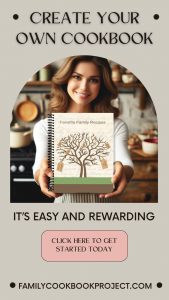
    Most of us are guilty of having multiple cookbooks where we gravitate toward just a few recipes from each one. Maybe it’s that perfect lasagna recipe in one book or a flawless chocolate cake from another. As the collection expands, it becomes harder and harder to remember which recipe is in which book, leading to frustrating moments of flipping through pages in search of that one go-to dish.

    The Popularity of Cookbooks

    Despite the convenience of online recipes, cookbooks have remained one of the most popular genres of printed books. There’s something about the physical presence of a cookbook that digital screens can’t replace—the beautiful photography, the carefully crafted narratives, and the tactile experience of turning the pages. Cookbooks are also prized as thoughtful gifts for weddings, holidays, and housewarmings, often holding a special place on kitchen shelves. In fact, many people’s cookbook collections grow steadily over time, becoming mini-libraries of culinary inspiration.

    However, the vastness of a cookbook collection can make it difficult to keep track of individual recipes. Many home cooks can relate to the frustration of knowing they’ve seen the recipe they need, but struggling to remember which book it’s in. The solution? Consolidating your cookbook collection into a single, organized source.

    Organizing Your Favorite Recipes in One Place

    Imagine having all your favorite recipes from every cookbook you own, neatly organized in one convenient location. Instead of pulling down multiple books from the shelf and flipping through countless pages, you could access everything from one streamlined source. This is where FamilyCookbookProject.com comes in—a user-friendly online cookbook publishing platform that allows you to consolidate all your favorite recipes into one organized system.

    FamilyCookbookProject.com makes it easy to enter your most-loved recipes from multiple cookbooks. You can even include the name of the cookbook as the source for the recipe, ensuring that you’ll always know where it came from. The platform allows you to categorize, search, and access your recipes in a more intuitive way than traditional printed cookbooks, but with the added benefit of maintaining the original source reference. Whether it’s a favorite dish from a celebrity chef’s cookbook or a beloved family recipe from a passed-down volume, you can organize it all in one place with ease.

    Easy Access with the Award-Winning Mobile App

    One of the standout features of FamilyCookbookProject.com is its award-winning mobile app. This app allows you to access your recipes on the go, directly from your phone or tablet. Whether you’re cooking at a friend’s house, heading to the store to buy ingredients, or simply need to reference your recipes while traveling, the mobile app puts your entire collection at your fingertips. No more lugging around heavy cookbooks or trying to remember which page that special recipe was on—the app ensures that you can retrieve your favorite dishes whenever you need them.

    Having all your recipes digitized and stored in the cloud also makes meal planning and preparation more efficient. The search function within the app allows you to quickly find what you need, saving you time and frustration. Instead of guessing which cookbook your recipe is in, you can simply search by name or category, bringing up the desired recipe instantly.

    Print Your Recipes in a Personal Cookbook

    While digital access is convenient, FamilyCookbookProject.com also recognizes the importance of printed cookbooks. After all, many people still enjoy the physical experience of cooking with a printed recipe in front of them. That’s why the platform offers an option to print your personal cookbook, customized to your liking.

    Once you’ve consolidated all your favorite recipes from various cookbooks into FamilyCookbookProject.com, you can choose to print a personalized cookbook. You can include beautiful cover designs, choose a layout that fits your style, and even create indexes to make finding recipes even easier. The custom indexes are a game-changer, especially if you’re compiling recipes from multiple cookbooks—no more flipping back and forth between pages. Whether you’re searching by category (appetizers, desserts, entrees) or by cookbook title, the index helps streamline the process.

    A printed cookbook also makes for an excellent gift. Whether for a special occasion, such as a wedding or holiday, or as a way to share your favorite recipes with family and friends, a personalized cookbook offers a meaningful and lasting gift. Imagine being able to hand someone a curated collection of your most-loved recipes from your entire cookbook collection, all beautifully organized and designed. It’s a thoughtful and unique gift that recipients will treasure for years.

    A Practical and Sentimental Solution

    Turning your cookbook collection into a single source of recipes is not only practical—it’s also sentimental. Cookbooks often represent more than just instructions; they capture memories and special moments in the kitchen. By organizing your favorite recipes and preserving the original sources, you’re also preserving the culinary journey you’ve been on, whether it’s mastering that perfect soufflé or perfecting your grandmother’s signature dish.

    FamilyCookbookProject.com helps you blend the best of both worlds—modern technology with the timeless appeal of a printed cookbook. You can maintain the convenience of digital storage, with easy access to all your favorite recipes through the mobile app, while also creating a tangible, personal cookbook for your kitchen or as a gift for someone else.

    If you’re tired of losing track of your favorite recipes scattered across multiple cookbooks, it’s time to take control and turn your cookbook collection into a single, organized source. FamilyCookbookProject.com makes it easy to compile all your favorite recipes from different sources, while still giving credit to the original cookbook where the recipe came from. You can access your collection online with their award-winning mobile app, or create a printed cookbook to treasure forever.

    With FamilyCookbookProject.com, you’ll never have to wonder where that beloved recipe is again. You’ll have it all—organized, easy to find, and beautifully preserved in both digital and printed formats. It’s the ultimate way to turn your cookbook collection into a true resource for everyday cooking and memorable meals alike.


    Bill Rice is Founder and Co-Publisher of the Family Cookbook Project, a website that helps families and individuals collect, preserve and share food memories by creating their own printed personal cookbooks. He is the author of The Wellfleet Oyster Cookbook and the Cape Cod Cocktail Cookbook (Available on Amazon), both created using FamilyCookbookProject.com. He is also editor of the Donovan Family Cookbook, now it’s third printing and is an avid genealogist tracing his family back to the 1600’s.

    Follow Family Cookbook Project on Facebook, Instagram, Twitter TikTok, YouTube and Pinterest!