Category: General Cookbook

  • Fun, Family Activity Idea: Create a Family Cookbook

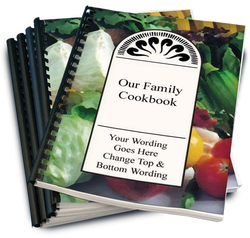
    Looking for a fun project to get everyone in your family involved in, even if they don’t all live in the same town? Create a family cookbook with FamilyCookbookProject.com.

    Family Cookbook Project started with my family sitting around a table, enjoying a wonderfully prepared meal were several family members contributed dishes. We all thought it would be great to have a family cookbook that we could all enjoy the recipes from others in the family.

    The online program we created to create my family’s cookbook over 20 years ago has turned into a successful website used by hundreds of thousands of people to create their own families cookbooks

    It is easy and fun to use. Here are some of the features get offers.

    • A simple to use invitation tool that allows you to invite other members of the family to participate via email and submit recipes from anywhere.
    • A library of professionally design covers for you to choose from. You also have the option to use a family photo or create your own cover.
    • Predesigned recipe layouts that let you choose how your recipes appear. You also have the ability to customize these layouts for your specific needs.
    • Recipe rating tool. Each recipe allows family members to pick between one and five stars how they like the recipe. It’s a great conversation starter.

    While the recipe can tribute, or gets to add personal notes of why, the recipe is important to them, other family members could add to the story and write comments online of their thoughts and memories of that recipe. The stories are only online and don’t carry forward to the printed cookbook.

    Can’t pick watch which cover you want? Use the cover voting tool and allow the contributors to help decide.

    And there is an option for all contributors to receive emails with the new recipes entered. This is a great way to keep them motivated and adding their own recipes.

    The best part of creating a family cookbook as a family project is when the cookbook is printed and everyone is amazed at how beautiful and timeless it is. It certainly is a worthwhile project.

    To get started with your own families, personalize cookbook, go to FamilyCookbookProject.com


    Bill Rice is Founder and Co-Publisher of the Family Cookbook Project, the leading online cookbook publisher with a website that helps families and individuals collect, preserve and share food memories by creating their own printed custom cookbooks. He is the author of The Wellfleet Oyster Cookbook and the Cape Cod Cocktail Cookbook (Available on Amazon), both created using FamilyCookbookProject.com. He is also editor of the Donovan Family Cookbook, now it’s third printing and is an avid genealogist tracing his family back to the 1600’s.

    Follow Family Cookbook Project on Facebook, Instagram, Twitter TikTok, YouTube and Pinterest!

  • Recipe Boxes vs. Family Cookbooks: Why Digital Age Wins

    Recipe Boxes vs. Family Cookbooks: Why Digital Age Wins

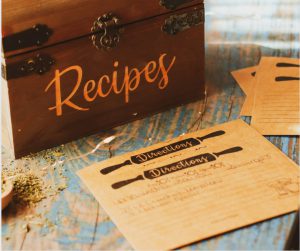
    In many homes, a recipe box holds a revered place on the kitchen counter. This small box, often brimming with handwritten cards, is a tangible connection to family history and culinary tradition. Each card tells a story, not just with its ingredients and instructions, but with the unique handwriting and notes that have been added over the years. However, as charming as these boxes are, they come with their own set of challenges. In today’s digital age, a family cookbook offers a modern, practical, and equally sentimental alternative that addresses many of these challenges.

    The Charm and Challenges of a Recipe Box

    Recipe boxes are undeniably nostalgic. They often contain a mix of recipes: some handed down from previous generations, others clipped from magazines, and a few scribbled on scraps of paper. This collection represents a family’s culinary journey. Yet, despite their sentimental value, recipe boxes present several practical issues:

    1. Difficulty in Sharing Recipes: Sharing recipes from a recipe box can be a cumbersome task. Imagine a family gathering where everyone wants Aunt Susan’s famous apple pie recipe. You pull out the card, but copying it by hand or taking a photo with your phone doesn’t quite capture the charm or ensure everyone gets an accurate copy. Furthermore, physical cards can get lost, damaged, or stained over time, making it even harder to preserve and share these precious recipes.
    2. Hard-to-Read Recipes: Over the years, recipe cards can become worn and faded. Handwriting styles vary, and what was once legible can become a cryptic puzzle. Spilled ingredients and smudged ink only add to the difficulty. Trying to decipher Grandma’s cursive while your hands are covered in flour can be frustrating and might even lead to culinary mishaps.
    3. Organization and Retrieval: Finding a specific recipe in a cluttered box can be time-consuming. Cards might not be organized, and you might spend valuable cooking time rifling through the box trying to locate the right one. This lack of organization can deter even the most enthusiastic cook.

    The Modern Solution: A Family Cookbook

    Transitioning from a recipe box to a family cookbook offers numerous advantages while retaining the sentimental value of those cherished recipes. Here’s why a family cookbook is a superior option:

    1. Ease of Sharing: A family cookbook, especially one created with modern publishing tools, can be easily shared among family members and friends. Whether in print or digital format, everyone can have their own copy. Digital cookbooks can be shared via email or cloud services, ensuring that everyone has access to the same recipes without the hassle of photocopying or transcribing by hand.
    2. Readability: By compiling recipes into a family cookbook, you can standardize the format and font, making them easy to read. This eliminates the struggle with various handwriting styles and worn-out cards. For added nostalgia, you can include images of the original recipe cards alongside the typed version. This way, the charm of the handwritten notes is preserved, but the recipes are accessible and legible.
    3. Enhanced Organization: Family cookbooks allow for organized sections, whether by meal type, occasion, or family member. An index and table of contents make finding a specific recipe straightforward. This organization not only saves time but also makes the cooking process more enjoyable and efficient.
    4. Preservation of Memories: While a recipe box holds individual cards, a family cookbook can tell a more comprehensive story. Alongside recipes, you can include anecdotes, photos, and family history, creating a rich tapestry of your family’s culinary journey. This not only preserves the recipes but also the memories associated with them.
    5. Inclusion of Visuals: A significant advantage of a family cookbook is the ability to include photos. High-quality images of the finished dishes can inspire and guide family members as they cook. Additionally, including images of the original recipe cards allows the cookbook to retain its sentimental value. Seeing Grandma’s handwriting next to a beautiful photo of her famous cookies bridges the gap between past and present.
    6. Customization and Updates: With digital tools, updating a family cookbook is simple. New recipes can be added, and outdated ones can be revised. This flexibility ensures that the cookbook evolves with the family’s culinary tastes and traditions. Recipe boxes, on the other hand, are static and can’t be easily updated or expanded.

    Creating a Family Cookbook: Tips and Considerations

    Embarking on the journey to create a family cookbook using FamilyCookbookProject.com can be a rewarding experience. Here are some tips to ensure your cookbook is a treasured family heirloom:

    1. Gathering Recipes: Start by collecting recipes from family members. Encourage them to share their favorites, along with any stories or memories associated with the dishes. This collaborative effort ensures that the cookbook represents the entire family’s culinary heritage.
    2. Preserving Handwritten Cards: Scan or photograph original recipe cards to include in the cookbook. This preserves the nostalgic element while ensuring the recipes are legible. Pair these images with typed versions of the recipes for clarity.
    3. Adding Personal Touches: Include family photos, anecdotes, and historical context. For example, if a recipe has been passed down for generations, provide some background on its origins and significance to the family.
    4. Organizing the Content: Decide on a structure for the cookbook. You might organize recipes by meal type (breakfast, lunch, dinner, desserts), occasion (holidays, family gatherings), or by contributor. An index and table of contents are essential for easy navigation.
    5. Design and Layout: Use a user-friendly design tool or service to lay out the cookbook. Choose fonts and colors that reflect your family’s personality. Ensure that the design is clean and easy to read. High-quality images of dishes and recipe cards add a professional touch.
    6. Printing and Distribution: Decide whether you want to create physical copies, digital versions, or both. Physical copies can be professionally printed and make wonderful gifts. Digital versions can be easily shared and updated.
    7. Engaging the Family: Throughout the process, keep family members involved. Share progress updates and solicit feedback. This engagement ensures that the cookbook truly represents the family’s collective culinary heritage.

    Embracing the Digital Age

    While the charm of a recipe box is undeniable, embracing modern technology can enhance the way we preserve and share family recipes. Here’s how the digital age can complement a family cookbook:

    1. Online Platforms: Online platforms, like FamilyCookbookProject.com, designed specifically for creating and sharing family cookbooks. This platform offers templates, design tools, and options for collaboration.
    2. Social Media: Create a private family group on social media where members can share recipes, cooking tips, and photos of dishes. This real-time interaction keeps the family connected and engaged in the culinary journey.
    3. Digital Archives: Digitizing old recipe cards not only preserves them but also makes them easily accessible. Cloud storage ensures that these recipes are safe from physical damage and can be shared effortlessly.
    4. Mobile Access: With FamilyCookbookProject.com, recipes are accessible on smartphones and tablets. This convenience means that family members can cook from anywhere, whether they’re in their own kitchen or visiting a friend.

    A family cookbook offers a beautiful blend of tradition and modernity. It preserves the sentimental value of a recipe box while addressing its practical limitations. By compiling recipes into a family cookbook, you ensure that these culinary treasures are legible, organized, and easily shared. Including images of original recipe cards retains the nostalgic charm while enhancing readability.

    In today’s fast-paced world, a family cookbook serves as a tangible connection to our roots. It’s a testament to the love and care that goes into each dish and a celebration of the family’s culinary heritage. By embracing modern tools and technologies, such as FamilyCookbookProject.com, we can create cookbooks that not only preserve recipes but also the memories and stories that make them special.

    So, gather those recipe cards, scan those handwritten notes, and embark on the journey of creating a family cookbook using FamilyCookbookProject.com. It’s a gift that will be cherished for generations to come, bringing joy, connection, and delicious meals to your family’s table.


    Bill Rice is Founder and Co-Publisher of the Family Cookbook Project, a website that helps families and individuals collect, preserve and share food memories by creating their own printed personal cookbooks. He is the author of The Wellfleet Oyster Cookbook and the Cape Cod Cocktail Cookbook (Available on Amazon), both created using FamilyCookbookProject.com. He is also editor of the Donovan Family Cookbook, now it’s third printing and is an avid genealogist tracing his family back to the 1600’s.

    Follow Family Cookbook Project on Facebook, Instagram, Twitter and Pinterest!

  • The Italian Tradition of the Feast of Seven Fishes: A Christmas Eve Celebration

    The Italian Tradition of the Feast of Seven Fishes: A Christmas Eve Celebration

    The Feast of the Seven Fishes is a beloved Italian-American Christmas Eve tradition rooted in Catholic heritage and a celebration of seafood. This festive meal brings families together to enjoy a variety of fish and seafood dishes, honoring both religious customs and the bounty of the sea. While the tradition is primarily observed in Italian-American communities today, it is inspired by centuries-old Italian practices of abstaining from meat and indulging in fish during the holidays.

    In this article, FamilyCookbookProject.com explores the origins of the Feast of the Seven Fishes, what types of fish and seafood are commonly served, and some popular recipes you can try at home to celebrate this rich cultural tradition.

    The Origins of the Feast of the Seven Fishes

    The Feast of the Seven Fishes is celebrated on La Vigilia (Christmas Eve), a night when many Roman Catholics historically refrained from eating meat as part of their religious observance. Instead of meat, fish became the focus of the meal, and the feast developed as a way to mark the occasion with multiple courses of seafood.

    The number seven holds religious significance in Christianity, symbolizing completion and perfection, as seen in references to seven sacraments, seven days of creation, and seven virtues. While seven is the most common number associated with the feast, some families serve fewer or more courses, sometimes opting for nine, eleven, or even thirteen types of fish, each with their own symbolic meaning.

    Though the Feast of the Seven Fishes isn’t widely celebrated across Italy, it has deep roots in Southern Italy, particularly in regions like Calabria and Sicily. Italian immigrants brought the tradition to America in the early 20th century, and it has since become a cherished part of Italian-American Christmas celebrations.

    What Are the Seven Fishes?

    While there’s no strict rule about which specific types of fish must be included in the feast, there are several types of fish and seafood that are commonly featured in the Feast of the Seven Fishes. These dishes are typically prepared using a mix of frying, baking, and poaching techniques, and vary from region to region, with family recipes handed down through generations.

    Here are some of the most popular fish and seafood traditionally served:

    1.Baccalà (Salted Cod)

    •Dish: Baccalà is one of the most iconic dishes of the Feast of the Seven Fishes. This dried and salted cod is soaked to remove the salt and then prepared in various ways, such as fried or simmered in a tomato sauce with olives.

    •Recipe Idea: Baccalà alla Napolitana (Neapolitan-style cod) – Salted cod cooked in a rich tomato sauce with capers, olives, and garlic.

    Search FamilyCookbookProject.com for salted cod recipes.

    2.Calamari (Squid)

    •Dish: Calamari is typically served fried as a crispy appetizer or as part of a seafood salad.

    •Recipe Idea: Fried Calamari – Lightly battered and fried squid rings served with marinara sauce for dipping.

    Search FamilyCookbookProject.com for Calamari recipes.

    3.Gamberi (Shrimp)

    •Dish: Shrimp is a versatile seafood often grilled, sautéed, or poached. It’s also popular in pasta dishes.

    •Recipe Idea: Shrimp Scampi – Sautéed shrimp in a garlic, lemon, and white wine sauce, served over pasta or with crusty bread.

    Search FamilyCookbookProject.com for Shrimp recipes.

    4.Cozze (Mussels)

    •Dish: Mussels are often steamed in a flavorful broth made with garlic, wine, and fresh herbs. They can be served as an appetizer or a main course.

    •Recipe Idea: Cozze in Bianco (Mussels in White Wine) – Steamed mussels in a white wine, garlic, and parsley broth.

    Search FamilyCookbookProject.com for Mussels recipes.

    5.Vongole (Clams)

    •Dish: Clams are another staple, often served as part of a seafood pasta dish or steamed with wine and garlic.

    •Recipe Idea: Linguine alle Vongole – Pasta with clams in a white wine and garlic sauce, a simple yet flavorful dish.

    Search FamilyCookbookProject.com for Clam recipes.

    6.Scungilli (Conch)

    •Dish: Scungilli, or conch, is a type of sea snail that’s often served in a cold seafood salad or cooked in a tomato sauce.

    •Recipe Idea: Scungilli Salad – A refreshing salad made with sliced scungilli, celery, garlic, parsley, and lemon juice.

    Search FamilyCookbookProject.com for conch recipes.

    7.Acciughe (Anchovies)

    •Dish: Anchovies are used in a variety of ways, from being part of antipasti platters to adding depth to sauces.

    •Recipe Idea: Anchovy Bruschetta – Toasted bread topped with anchovies, roasted peppers, and a drizzle of olive oil.

    Search FamilyCookbookProject.com for Anchovies recipes.

    Other fish that are sometimes included in the Feast of the Seven Fishes are eel (especially in Naples), lobster, octopus, whiting, and sardines. The selection of fish often depends on local availability and family traditions.

    How to Celebrate the Feast of the Seven Fishes at Home

    If you want to host your own Feast of the Seven Fishes, here are a few tips to make it special:

    •Plan Your Menu: Decide on seven types of fish or seafood and how you want to prepare them. Choose a mix of fried, baked, and sautéed dishes for variety.

    •Make it a Family Affair: Invite family members to contribute their favorite seafood dishes or to help with the preparation.

    •Keep it Simple: While it’s tempting to go all out, remember that Italian cooking is often about simplicity. Let the freshness of the seafood shine by using simple ingredients and cooking methods.

    •Set the Table: Create a festive atmosphere by setting the table with holiday décor, candles, and perhaps some Italian wine to pair with your seafood feast.

    The Feast of the Seven Fishes is a beautiful tradition that combines family, faith, and the joys of seafood into one memorable meal. Whether you’re honoring a long-standing family tradition or starting a new one, celebrating Christmas Eve with seven seafood dishes is a delicious way to embrace the spirit of the holiday season.

    Bill Rice is Founder and Co-Publisher of the Family Cookbook Project, the leading online cookbook publisher with a website that helps families and individuals collect, preserve and share food memories by creating their own printed custom cookbooks. He is the author of The Wellfleet Oyster Cookbook and the Cape Cod Cocktail Cookbook (Available on Amazon), both created using FamilyCookbookProject.com. He is also editor of the Donovan Family Cookbook, now it’s third printing and is an avid genealogist tracing his family back to the 1600’s.

    Follow Family Cookbook Project on Facebook, Instagram, Twitter TikTok, YouTube and Pinterest!

  • From the Heart to the Table: How Personal Notes Elevate Your Family Cookbook

    From the Heart to the Table: How Personal Notes Elevate Your Family Cookbook

    In the heart of every family cookbook lies more than just a collection of recipes; it’s a repository of memories, stories, and the essence of familial love shared through food. One of the most cherished elements that elevate a family cookbook from a mere compilation of recipes to a treasured heirloom is the inclusion of personal notes. These handwritten annotations, often scribbled in the margins or alongside ingredients, add a layer of depth and intimacy that transcends the act of cooking itself. Here’s why personal notes are such an important part of a family cookbook, along with ideas on what to include in these heartfelt annotations.

    The Emotional Connection

    Recipes with personal notes evoke a sense of connection and continuity across generations. They are more than just instructions; they carry the essence of the person who penned them. Whether it’s Grandma’s secret ingredient for her famous pie crust or Dad’s tips for achieving the perfect grill marks, these notes encapsulate the wisdom and experience passed down through the years. Each note tells a story, offering a glimpse into the lives and personalities of those who came before, making cooking not just about nourishment but about honoring family traditions and memories.

    Capturing Memories

    A recipe’s personal notes in a family cookbook serve as a time capsule, preserving moments that might otherwise be lost to memory. They capture the joy of a shared meal, the laughter in the kitchen, and the aroma that filled the air during holidays and special occasions. These notes transform recipes into living memories, ensuring that future generations can experience not just the taste but the sentiment behind each dish. As families grow and change, these notes become a link to the past, a reminder of the love and care that went into creating meals that nourished both body and soul.

    Ideas for What to Include in Recipe Notes

    When adding personal notes to recipes in your family cookbook, consider including the following:

    1. Family Stories: Share anecdotes or memories associated with the recipe. For example, recount how Grandma used to bake her famous cookies every Christmas while telling stories of her childhood.
    2. Cooking Tips: Offer practical advice or variations on the recipe. This could include ingredient substitutions, cooking times, or techniques that have been passed down through generations.
    3. Special Occasions: Note when the recipe is traditionally served or its significance during family gatherings. For instance, mention that Aunt Sarah always makes her signature casserole for Thanksgiving dinner.
    4. Recipe Origins: Provide background information on where the recipe originated or how it became a family favorite. This could involve tracing its roots to a specific region, culture, or even a beloved family member’s invention.
    5. Adjustments: Mention any adjustments made to the recipe over time to suit changing tastes or dietary preferences. This could include reducing sugar content, making it gluten-free, or incorporating locally sourced ingredients.
    6. Secret Ingredients: Share any special ingredients that give the dish its unique flavor. This might include a pinch of a particular spice, a dash of a family-made sauce, or a special technique that sets your version of the recipe apart.
    7. Family Traditions: Highlight any rituals or customs associated with preparing or enjoying the dish. This could involve the order of serving, special garnishes, or specific utensils used only for this recipe.
    8. Notes on Presentation: Offer suggestions on how to plate the dish attractively or serve it in a way that enhances its appeal. This might include pairing suggestions with wines or beverages that complement the flavors.
    9. Memorable Moments: Recall fond memories or events that centered around this particular recipe. This could range from birthdays celebrated with a special cake to comforting meals shared during challenging times.
    10. Encouragement and Love: Add personal messages of encouragement or love for those who will be recreating the recipe. This could be a simple note wishing them joy in cooking or expressing hope that they create similar cherished memories with their loved ones.

    Preserving the Legacy

    Incorporating personal notes into your family cookbook is more than just a practical exercise; it’s a labor of love that ensures your family’s culinary heritage endures. These annotations transform recipes into cherished heirlooms, passing down not only flavors but also the stories and traditions that define your family’s unique identity. As you compile your family cookbook, remember that each note is a testament to the bonds that unite us across time and generations, celebrating the joy of sharing meals and creating lasting memories together.

    By infusing your family cookbook with personal notes, you create a living document of your family’s culinary journey, ensuring that future generations can savor not just the taste of your dishes but also the love and history behind them.


    Bill Rice is Founder and Co-Publisher of the Family Cookbook Project, a website that helps families and individuals collect, preserve and share food memories by creating their own printed personal cookbooks. He is the author of The Wellfleet Oyster Cookbook and the Cape Cod Cocktail Cookbook (Available on Amazon), both created using FamilyCookbookProject.com. He is also editor of the Donovan Family Cookbook, now it’s third printing and is an avid genealogist tracing his family back to the 1600’s.

    Follow Family Cookbook Project on Facebook, Instagram, Twitter and Pinterest!


  • Apple Varieties Explained: Choosing the Right One for Your Needs

    Apple Varieties Explained: Choosing the Right One for Your Needs

    Apples are one of the most versatile and widely consumed fruits in the world. From the tart bite of a Granny Smith to the honeyed sweetness of a Fuji, apples come in an array of flavors, textures, and colors. Grocery stores typically stock a variety of apple types, each with its own unique characteristics, making them suited to different culinary uses. Whether you’re making a pie, juicing, or simply looking for a crisp snack, understanding the differences between common apple varieties can help you choose the best one for your needs.

    Let’s explore some of the most common apples found in grocery stores and highlight their best uses, from baking to snacking and beyond.

    Gala Apples

    Flavor Profile:

    Gala apples are known for their mild, sweet flavor with a hint of vanilla and floral undertones. They are a smaller apple with a thin skin, making them easy to bite into, and their flesh is crisp and juicy but not overly firm.

    Best Uses:

    –  Snacking:  Gala apples are perfect for snacking due to their sweetness and tender texture.

    –  Salads:  The mild sweetness of Gala apples complements greens, cheese, and nuts in salads.

    –  Sauces:  They make excellent applesauce because they break down easily and don’t require much added sugar.

    Not ideal for:  Baking, as their flesh tends to become too soft when cooked, making them less suited for pies or tarts.

    1.  Granny Smith Apples

    Flavor Profile:

    Granny Smith apples are famously tart with a bright, zesty flavor. They have a firm, crisp texture and a vibrant green skin that sets them apart from other varieties.

    Best Uses:

    –  Baking:  Granny Smith apples hold their shape well when baked, making them a classic choice for pies, tarts, and crumbles.

    –  Salads:  Their tartness adds a refreshing contrast to sweeter salad ingredients.

    –  Juicing and Cider:  The sharp flavor of Granny Smith apples makes them ideal for juicing or adding balance to apple ciders and blends.

    Not ideal for:  Snacking, unless you prefer a more tart apple.

    Honeycrisp Apples

    Flavor Profile:

    As the name suggests, Honeycrisp apples are both sweet and crisp. They have a perfect balance of sweetness and acidity, making them one of the most popular apples in the market.

    Best Uses:

    –  Snacking:  Their satisfying crunch and balanced flavor make Honeycrisp apples an excellent snack choice.

    –  Salads:  Honeycrisps add both texture and sweetness to salads, holding their crunch for longer periods compared to other varieties.

    –  Juicing:  Their sweetness and high water content make them great for juicing, yielding a naturally sweet and refreshing juice.

    Not ideal for:  Baking, because they can lose their crunch when exposed to prolonged heat.

    Fuji Apples

    Flavor Profile:

    Fuji apples are one of the sweetest varieties, with a sugary flavor reminiscent of honey. They are exceptionally juicy and have a dense, crisp texture. These apples are larger than most other types, with a yellow-green skin streaked with red.

    Best Uses:

    –  Snacking:  Their sweetness and juiciness make Fuji apples a favorite for eating raw.

    –  Salads:  Fuji apples add sweetness and crunch to salads without becoming too soft.

    –  Sauces and Juices:  Their high sugar content makes them excellent for sweet apple sauces and juices.

    Not ideal for:  Baking, as their high water content can make them too soft and watery in pies or tarts.

    Red Delicious Apples

    Flavor Profile:

    Red Delicious apples are mildly sweet with a slightly floral, almost melon-like flavor. They have a thick, deep red skin and a soft, sometimes grainy texture, which isn’t as crisp as other varieties.

    Best Uses:

    –  Snacking:  If you enjoy a mild, soft apple, Red Delicious can be a good option for eating out of hand.

    –  Salads:  When sliced, Red Delicious apples add a mild sweetness and vibrant color to salads. However, they tend to oxidize quickly, so it’s best to toss them in lemon juice to prevent browning.

    –  Smoothies:  The soft texture of Red Delicious apples makes them easy to blend into smoothies.

    Not ideal for:  Baking or cooking, as they tend to lose both flavor and texture when heated.

    Golden Delicious Apples

    Flavor Profile:

    Golden Delicious apples have a balanced sweet-tart flavor with notes of honey and pear. Their thin skin is golden yellow, and their flesh is tender and juicy, though not as crisp as varieties like Honeycrisp or Fuji.

    Best Uses:

    –  Baking:  Golden Delicious apples are great for baking as they hold their shape well in pies, tarts, and crisps, without turning mushy.

    –  Salads:  Their sweetness and slightly softer texture make them a nice addition to fruit salads or green salads.

    –  Sauces and Preserves:  Golden Delicious apples break down easily when cooked, making them ideal for applesauce, jams, and preserves.

    Not ideal for:  Snacking if you prefer a crisper apple.

    Pink Lady (Cripps Pink) Apples

    Flavor Profile:

    Pink Lady apples are known for their tart-sweet balance, with a bright, tangy flavor that finishes with a hint of sweetness. They are crisp, firm, and juicy, with a pinkish-red blush over a yellow-green skin.

    Best Uses:

    –  Snacking:  The crisp texture and complex flavor make Pink Lady apples an excellent choice for eating fresh.

    –  Salads:  Their firm flesh holds up well in salads, and their tartness balances sweet ingredients like dried fruit or candied nuts.

    –  Baking:  Pink Lady apples are versatile enough for baking, holding their shape and offering a pleasant balance of flavors in pies and tarts.

    Not ideal for:  Sauces, as their firmer texture doesn’t break down as easily as other varieties.

    Braeburn Apples

    Flavor Profile:

    Braeburn apples have a spicy-sweet flavor with hints of cinnamon and nutmeg, paired with a refreshing tartness. They have a firm, crisp texture and an orange-red skin with a yellow undertone.

    Best Uses:

    –  Baking:  Braeburn apples are fantastic for baking because they hold their shape and their spicy-sweet flavor becomes more pronounced when cooked.

    –  Snacking:  Their crisp texture and unique flavor make Braeburn apples a delicious choice for snacking.

    –  Salads:  The firm texture of Braeburn apples means they won’t turn mushy in salads, and their spiced flavor adds depth to fresh dishes.

    Not ideal for:  Juicing, as their denser texture can make them harder to juice compared to juicier varieties.

    McIntosh Apples

    Flavor Profile:

    McIntosh apples are soft, juicy, and aromatic, with a tangy-sweet flavor that mellows as the fruit ripens. They have a tender, thin skin that is typically red with green accents.

    Best Uses:

    –  Sauces and Preserves:  McIntosh apples break down easily, making them ideal for applesauce, jams, and other cooked apple preparations.

    –  Juicing:  Their high juice content and sweet flavor make McIntosh apples a popular choice for apple juice or cider.

    –  Snacking:  If you enjoy a softer apple, McIntosh apples are perfect for eating out of hand.

    Not ideal for:  Baking, as they tend to lose their structure and become mushy when heated.

    Jonagold Apples

    Flavor Profile:

    A cross between Jonathan and Golden Delicious apples, Jonagold apples have a sweet-tart flavor with a honeyed aftertaste. They are crisp, with a creamy, juicy flesh and a yellow-orange skin streaked with red.

    Best Uses:

    –  Baking:  Jonagold apples are great for baking, offering the perfect balance of sweetness and tartness without losing their shape in pies, tarts, or crisps.

    –  Snacking:  Their juicy, crisp texture makes Jonagold apples a good choice for snacking.

    –  Salads:  The firm texture of Jonagold apples makes them a great addition to salads, offering both crunch and flavor.

    Not ideal for:  Sauces, as their firmer texture can take longer to break down.
    With so many varieties of apples available, it can be tricky to know which one to choose for your specific culinary needs. Some apples are better for snacking, others shine in baked goods, and still others are perfect for sauces or salads. By understanding the flavor profiles and best uses of common grocery store apples, you can ensure that your dishes always turn out just right.

    Next time you’re at the grocery store, consider picking up a few different varieties of apples to explore their unique flavors and textures. Whether you’re making an apple pie, tossing together a salad, or simply enjoying a fresh snack, there’s an apple variety out there to suit your taste and needs.


    Bill Rice is Founder and Co-Publisher of the Family Cookbook Project, a website that helps families and individuals collect, preserve and share food memories by creating their own printed personal cookbooks. He is the author of The Wellfleet Oyster Cookbook and the Cape Cod Cocktail Cookbook (Available on Amazon), both created using FamilyCookbookProject.com. He is also editor of the Donovan Family Cookbook, now it’s third printing and is an avid genealogist tracing his family back to the 1600’s.

    Follow Family Cookbook Project on Facebook, Instagram, Twitter TikTok, YouTube and Pinterest!


  • From Recipe Boxes to Family Cookbooks: Preserving Your Family’s Culinary Heritage

    From Recipe Boxes to Family Cookbooks: Preserving Your Family’s Culinary Heritage

    In the era of digital documentation and instant sharing, there’s something uniquely sentimental about handwritten recipe cards, passed down through generations. These little cards, often tucked away in old recipe boxes, carry with them the flavors and memories of family gatherings, holidays, and everyday meals that have shaped our lives. Yet, as precious as these recipe boxes are, they are often fragile, difficult to share, and at risk of being lost over time. This is where the modern family cookbook steps in, offering a beautiful and durable way to preserve and share your family’s culinary heritage.

    an old recipe box replaced by Family cookbookThe Sentimental Value of Recipe Boxes

    For many families, the recipe box is a treasure trove of history. Each card, with its aged paper and distinctive handwriting, tells a story. Perhaps it’s a grandmother’s secret cookie recipe, a father’s special barbecue sauce, or an aunt’s famous casserole. These recipes are more than just instructions for preparing food; they are memories captured in ink, representing the love and care that went into each dish.

    Recipe boxes, however, pose several challenges. They are typically held by one family member, making it difficult for others to access these cherished recipes. The cards can become worn, torn, or faded with age, and the handwriting, while beautiful, can sometimes be difficult to decipher. Despite their sentimental value, recipe boxes are not always practical for preserving and sharing family recipes with a larger audience.

    The Evolution to Family Cookbooks

    To address these challenges, many families are turning to the idea of creating family cookbooks. A family cookbook is a professionally bound collection of recipes that not only preserves the culinary traditions of a family but also makes them accessible to all family members. This modern approach offers numerous benefits:

    1. Durability: Unlike fragile recipe cards, a bound cookbook is sturdy and long-lasting. It can be easily stored and handled without the risk of damaging the original recipes.
    2. Accessibility: A family cookbook can be printed in multiple copies, ensuring that every family member has access to the treasured recipes. This is especially important for geographically diverse families.
    3. Organization: Cookbooks allow for a structured presentation of recipes, often including sections for appetizers, main courses, desserts, and more. This organization makes it easier to find and use the recipes.
    4. Personalization: Modern family cookbooks can include not only recipes but also photos, stories, and anecdotes that bring the recipes to life. Scanned copies of the original handwritten cards can be included, preserving the unique handwriting and personal notes of past generations.

    Creating Your Family Cookbook

    Creating a family cookbook may seem like a daunting task, but with the right tools and resources, it can be a rewarding and enjoyable project. Websites like RecipeCardCookbook.com are specifically designed to help families turn their historic recipe cards into beautifully bound cookbooks. Here’s how you can get started:

    1. Gather the Recipes: Begin by collecting all the family recipes you want to include in the cookbook. This might involve reaching out to various family members to ensure you have a comprehensive collection. Look for handwritten recipe cards, printed recipes, and even digital files.
    2. Scan and Upload: To preserve the original handwriting and notes, scan the handwritten recipe cards. These scanned images can then be uploaded to Family Cookbook Project. This step ensures that the unique character and history of each recipe are maintained.
    3. Organize the Content: Decide how you want to organize your cookbook. You might group recipes by category (e.g., appetizers, main courses, desserts) or by family member. Include sections for family stories, photos, and anecdotes that provide context and enrich the cookbook.
    4. Design and Customize: Use the website’s templates and design tools to customize the look and feel of your cookbook. Choose a cover design, layout, and fonts that reflect your family’s style and traditions. Make sure the title, such as “Recipes from Our Family Tree,” is prominently displayed on the cover.
    5. Proofread and Edit: Before finalizing the cookbook, carefully proofread all the content to ensure accuracy. Check the recipes, photos, and stories for any errors or omissions.
    6. Print and Share: Once you are satisfied with the design, order printed copies of the cookbook. These can be distributed to family members as gifts, ensuring that everyone has a copy of the family’s culinary heritage.

    The Impact of a Family Cookbook

    Creating a family cookbook is more than just a way to preserve recipes; it is a way to celebrate and honor your family’s history. It provides a tangible connection to the past, allowing future generations to experience the flavors and traditions that have shaped your family. Each time a family member opens the cookbook to prepare a dish, they are not just following a recipe; they are continuing a legacy.

    A family cookbook also fosters a sense of connection and continuity among family members. It is a collaborative project that brings the family together, even if they are geographically dispersed. By contributing recipes, photos, and stories, each family member plays a role in preserving and sharing the family’s culinary heritage.

    From fragile recipe boxes to beautifully bound cookbooks, the evolution of preserving family recipes is a journey that honors the past while embracing the future. By turning historic recipe cards into a professionally bound family cookbook, you ensure that the culinary traditions and memories of your family are preserved and celebrated for generations to come.

    At Family Cookbook Project, we are dedicated to helping families create these treasured heirlooms. Our user-friendly platform makes it easy to gather, organize, and print your family recipes, resulting in a cookbook that is both beautiful and functional. Start your family cookbook project today and share your family’s culinary heritage with loved ones near and far.


    Bill Rice is Founder and Co-Publisher of the Family Cookbook Project, a website that helps families and individuals collect, preserve and share food memories by creating their own printed personal cookbooks. He is the author of The Wellfleet Oyster Cookbook and the Cape Cod Cocktail Cookbook (Available on Amazon), both created using FamilyCookbookProject.com. He is also editor of the Donovan Family Cookbook, now it’s third printing and is an avid genealogist tracing his family back to the 1600’s.

    Follow Family Cookbook Project on Facebook, Instagram, Twitter and Pinterest!

  • How to Create the Ultimate Tailgating Cookbook: A Playbook for Game Day Food

    How to Create the Ultimate Tailgating Cookbook: A Playbook for Game Day Food

    Tailgating is more than just a pre-game ritual—it’s a beloved tradition that brings friends, family, and fellow sports fans together to enjoy good food and great company before heading into the big game. Whether it’s grilling burgers, passing around a hearty dip, or sharing homemade desserts, the tailgate spread is often as memorable as the game itself. But have you ever tried an amazing dish at a tailgate, only to forget who made it or how to recreate it for your own party?

    That’s where the idea of creating a tailgating cookbook comes in. By collecting recipes from your tailgate friends and organizing them into one easy-to-access collection, you ensure that everyone can recreate their favorite dishes for future tailgates, home parties, or game day celebrations.

    With the help of FamilyCookbookProject.com, you can easily gather recipes, organize them into categories, and even create a beautifully printed cookbook to share with your tailgate crew. The platform’s user-friendly tools make it easy to collect recipes from friends and family, and their mobile app gives everyone quick access to the cookbook at any time.

    Why Create a Tailgating Cookbook?

    A tailgating cookbook is not just a collection of recipes—it’s a way to capture the spirit of camaraderie and the delicious dishes that make game day special. Here’s why creating a tailgating cookbook is a great idea:

    – Preserve Favorite Recipes: No more guessing how to make that amazing buffalo chicken dip or BBQ ribs you had at the last game. Collecting the recipes ensures you and your friends can recreate those dishes any time.
    – Share with the Group: Everyone in your tailgate group can have access to the recipes, whether through the FamilyCookbookProject.com app or in a printed copy.
    – Tailgate Inspiration: By sharing your favorite recipes, you and your tailgate crew can inspire each other with new ideas for future game days.
    – Create a Lasting Keepsake: A printed cookbook becomes a meaningful keepsake that you can gift to friends, family, or fellow tailgaters. It’s a great way to remember all the fun times shared together during the season.

    Step-by-Step Guide to Creating a Tailgating Cookbook

    Creating a tailgating cookbook is a fun project that you can involve the whole group in. Here’s how to get started:

    1. Collect Emails and Recipe Contributions

    The first step in creating your tailgating cookbook is gathering the recipes. Start by reaching out to your tailgate friends and asking them to contribute their favorite tailgating dishes.

    – Gather Emails: Create a contact list of your tailgating crew, collecting their email addresses so you can reach out for recipe submissions.
    – Send a Request for Recipes: Send an email or group message asking everyone to contribute their favorite tailgate recipes. Be sure to include a template or guide on how to submit recipes (e.g., ingredients, instructions, serving size).
    – Ask for Photos: If possible, ask contributors to send a photo of the dish, which you can include in the cookbook for visual appeal.

    Pro Tip: If you’re short on time or want to streamline the process, use FamilyCookbookProject.com to invite contributors directly through the platform, where they can easily upload their recipes.

    2. Organize Recipes by Category

    One of the best things about creating your own cookbook is that you can organize it however you like! For a tailgating cookbook, you might want to organize recipes by the type of food or the occasion. Some popular categories for tailgating might include:

    – Grilled Meats: Burgers, brats, steaks, and ribs.
    – Dips and Appetizers: Cheese dips, salsas, chips, and finger foods.
    – Salads and Sides: Pasta salads, potato salad, slaws, and other cold dishes.
    – Game Day Desserts: Brownies, cookies, cupcakes, or themed treats.
    – Drinks and Cocktails: Fun cocktails, punches, and non-alcoholic drink recipes for the crowd.

    You can get creative with your categories depending on the types of dishes your group enjoys. The FamilyCookbookProject.com platform allows you to easily create custom categories, so you can organize your cookbook in a way that makes sense for your group’s tailgating style.

    3. Use the FamilyCookbookProject.com App for Easy Recipe Access

    Once you’ve collected all the recipes and organized them into categories, share the cookbook with your group using the FamilyCookbookProject.com app. This allows everyone to access the cookbook on their mobile devices, whether they’re at the game, at home, or planning for their next event.

    – Access Anytime: The app makes it easy for contributors to check the recipes on the go, which is perfect when grocery shopping for tailgates or potlucks.
    – Easily Update Recipes: If someone tries a new recipe and wants to add it to the collection, the app allows for easy updates and additions.

    – Access other Content: The app also provides access to Family Cookbook Project’s award winning blog and its YouTube video account.

    This way, your tailgating crew always has access to their favorite game day recipes in one convenient location.

    4. Create a Printed Cookbook as a Gift

    While having a digital cookbook is convenient, a printed cookbook is a thoughtful keepsake that you can give to your tailgating friends. FamilyCookbookProject.com makes it simple to print high-quality cookbooks that you can gift to friends and family.

    Here’s why a printed cookbook makes a great gift:

    – Memorable Keepsake: A printed cookbook becomes a lasting memory of all the fun tailgates you shared throughout the season.
    – Perfect for Holidays or Birthdays: Give the cookbook as a holiday or birthday gift to your fellow tailgaters or sports fans in your life.
    – Unique Group Gift: It’s a great group gift that reflects the collective effort of everyone who contributed their recipes.

    Customizing the cover with your group’s name, team colors, or even a group photo adds a personal touch to the printed cookbook.

     5. Promote Your Cookbook on Social Media

    If your tailgate group is large or you’re planning to sell the cookbook to raise money for your sports team or another cause, be sure to promote the cookbook on social media. Platforms like Facebook, Instagram, and Twitter are great for getting the word out to a larger audience.

    – Share Sneak Peeks: Post photos of the cookbook design, recipe highlights, and testimonials from contributors.
    – Offer Pre-Orders: If you’re selling the printed cookbook, offer a pre-order option to build excitement.
    – Create Group Posts: Encourage your tailgating friends to share the cookbook on their personal social media pages to help spread the word.

    Tailgating Made Even Better with a Custom Cookbook

    Tailgating is all about bringing people together to share food, fun, and the love of the game. By creating a tailgating cookbook, you not only preserve the recipes that make your game days special, but you also make it easy for everyone to recreate those dishes at home. Whether it’s organizing recipes for dips, grilled meats, or desserts, a tailgating cookbook helps keep everyone’s favorites in one place.

    With the tools available on FamilyCookbookProject.com, you can easily collect recipes, organize them into custom categories, and share them through the app or a printed cookbook. It’s a perfect way to celebrate your love of food, football, and the friendships that tailgating fosters.

    So, start collecting those winning recipes, and create a tailgating cookbook that will be a touchdown with your friends and family!


    Bill Rice is Founder and Co-Publisher of the Family Cookbook Project, the leading online cookbook publisher with a website that helps families and individuals collect, preserve and share food memories by creating their own printed custom cookbooks. He is the author of The Wellfleet Oyster Cookbook and the Cape Cod Cocktail Cookbook (Available on Amazon), both created using FamilyCookbookProject.com. He is also editor of the Donovan Family Cookbook, now it’s third printing and is an avid genealogist tracing his family back to the 1600’s.

    Follow Family Cookbook Project on Facebook, Instagram, Twitter TikTok, YouTube and Pinterest!

  • Here’s How To Convert Apple HEIC to JPG on Mac Using Preview

    Here’s How To Convert Apple HEIC to JPG on Mac Using Preview

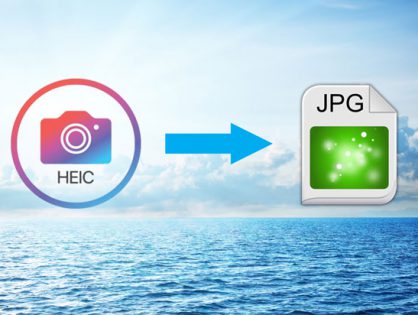
    Family Cookbook Project (and most web sites) accept JPG photos only.  If you are having issues with photos not uploading correctly, check to see if the file format on your Mac is HEIC.  That is Apple’s compressed format.  But it’s easy to convert to JPG.

    Here’s how to convert HEIC to JPG on Mac using Preview:

    1. Open any HEIC image in Preview.
    2. Click File ➙ Export in the menu bar.
    3. Select JPG in the format dropdown and adjust other settings as needed.
    4. Choose Save.

    Here’s how to convert HEIC to JPG on PC using Microsoft Paint:

    1. Open the file in Paint
    2. Go to File>Save As>JPEG picture
    3. Click Save.
  • How to Create Your Own Desserts Cookbook: Sweet Recipes All in One Place

    How to Create Your Own Desserts Cookbook: Sweet Recipes All in One Place

    In almost every home recipe collection or recipe box, one category often stands out as the largest:  desserts . Whether it’s a batch of cookies for a family gathering, a birthday cake passed down from grandma, or a decadent pie to celebrate the holidays, desserts hold a special place in our hearts and kitchens. A little sweetness at the end of a meal has become a beloved tradition in many households, with certain desserts even becoming family staples that everyone looks forward to.

    If you’ve accumulated a collection of dessert recipes over the years—whether from family, friends, or your own experiments in the kitchen—it might be time to organize them into a dessert-only cookbook. Not only does this give you a practical way to store all of your sweet recipes, but it can also serve as a thoughtful gift for loved ones or even be sold as a unique cookbook for dessert lovers everywhere.

    In this article, we’ll guide you through the process of creating your own dessert cookbook and explore the many reasons why it’s a deliciously rewarding project.

      Why Create a Dessert-Only Cookbook?

    A dessert-only cookbook offers a variety of benefits, including:

    –  Organization: Instead of having your dessert recipes scattered across different cookbooks, online notes, or recipe cards, you’ll have all your sweet favorites neatly compiled in one place.

    –  Easy Access: You’ll no longer have to search high and low for your go-to cookie recipe or that perfect chocolate cake. With a dessert-only cookbook, all your sweet recipes are at your fingertips.

    –  A Special Gift: A personalized dessert cookbook makes a heartfelt gift for family and friends, especially those who appreciate a sweet treat or enjoy baking.

    –  Legacy Building: Many dessert recipes are passed down through generations. By creating a cookbook, you can preserve these recipes for future generations and document your family’s sweet traditions.

    –  Showcasing Your Baking Skills: Whether you’re a casual baker or an expert, a dessert cookbook is a great way to showcase your baking skills and creativity in the kitchen.

      Steps to Creating Your Dessert Cookbook

    Now that you’re ready to create your very own dessert cookbook, here’s how to get started:

    Gather All Your Dessert Recipes

    The first step in creating your dessert cookbook is to gather all of your recipes. These might include:

    –  Family recipes: Passed down from generation to generation, such as a beloved pie crust recipe or your grandmother’s famous chocolate chip cookies.

    –  Personal creations: Desserts you’ve developed yourself or customized over the years.

    –  New discoveries: Recipes you’ve collected from cookbooks, online sources, or friends that have become favorites in your home.

    Consider categorizing your recipes by type, such as cakes, cookies, pies, pastries, and frozen desserts. This will help you later when you organize your cookbook.

    Choose Your Dessert Categories

    Once you’ve gathered all your dessert recipes, think about how you want to organize them. Some popular categories to consider for your dessert cookbook include:

    –  Cookies and Bars: From chocolate chip cookies to brownies and blondies, these easy-to-make treats are always crowd-pleasers.

    –  Cakes and Cupcakes: Include recipes for layer cakes, cupcakes, bundt cakes, and classic celebration cakes.

    –  Pies and Tarts: Gather all your recipes for fruit pies, cream pies, and rustic tarts in this category.

    –  Pastries: Don’t forget about breakfast sweets like cinnamon rolls, danishes, or puff pastries.

    –  Frozen Desserts: Include ice creams, sorbets, and no-bake frozen pies that are perfect for summer.

    –  Candy and Confections: Homemade chocolates, fudge, brittle, and other candy treats can round out your collection.

    –  Holiday Desserts : Highlight seasonal favorites like Christmas cookies, pumpkin pie, and other festive treats that are made for special occasions.

    By dividing your cookbook into categories, you’ll make it easy for anyone to browse through and find the perfect dessert for any occasion.

    Add Personal Stories and Notes

    What makes a cookbook truly special are the personal stories and memories attached to each recipe. Consider adding:

    –  Family memories: Share the story behind certain recipes, such as a cake your grandmother always made for birthdays or cookies your family bakes every holiday season.

    –  Baking tips: Add any tips or tricks you’ve learned along the way, such as how to achieve the perfect flaky pie crust or secrets for making soft, chewy cookies.

    –  Photos: Include photos of your desserts, whether they’re beautifully styled or casual snapshots of family gatherings where the treats were served.

    These personal touches will make your dessert cookbook more than just a collection of recipes—it will become a cherished keepsake for anyone who uses it.

    Use a Cookbook Publishing Platform

    Once you’ve organized your recipes and added your personal notes, it’s time to turn your collection into a professionally printed cookbook.  FamilyCookbookProject.com is a fantastic platform that allows you to:

    –  Easily upload recipes: The user-friendly platform makes it simple to type in or upload your recipes.

    –  Customize the design: Choose from a variety of templates, covers, and layouts to create a beautiful, polished cookbook.

    –  Collaborate with others: You can invite family members or friends to contribute their own dessert recipes, making the cookbook a collaborative project.

    –  Add personal photos and stories: Customize each recipe with photos of the finished desserts or family gatherings where the desserts were enjoyed.

    The platform makes it easy to create a professional-looking cookbook that you can print for personal use, give as gifts, or even sell.

      What to Do with Your Dessert Cookbook Once It’s Created

    After you’ve finished your dessert cookbook, there are several ways you can use and enjoy it:

     Sell Your Dessert Cookbook on Amazon

    If you’re particularly proud of your collection, consider selling your cookbook on Amazon. As  publisher, FamilyCookbookProject.com can supply an ISBN number and barcode and have your cookbook listed on Amazon.com. This allows you to reach a broader audience of dessert lovers who would appreciate your unique collection of recipes.

    You can set your own price, promote your cookbook through social media, and even earn royalties on each sale. It’s a fun and rewarding way to share your dessert expertise with others!

     A Thoughtful Gift for Family and Friends

    A personalized dessert cookbook is an incredibly thoughtful gift, especially for family and friends who share your love of baking. Consider gifting your cookbook for:

    –  Holidays: A dessert cookbook makes a perfect Christmas gift, especially when filled with holiday dessert recipes.

    –  Weddings or Bridal Showers: Give newlyweds a cookbook filled with dessert recipes to start their own collection of sweet treats.

    –  Birthdays: A personalized dessert cookbook is a unique and heartfelt birthday gift for anyone who loves baking or enjoying sweets.

    This gift is more than just a cookbook—it’s a keepsake filled with memories, traditions, and delicious recipes that your loved ones will cherish.

    A Cooking Companion for Your Own Kitchen

    Of course, your dessert cookbook can also be your own personal cooking companion. Having all your dessert recipes organized in one beautifully printed book makes it easy to bake your favorites without searching through scattered notes or digital files. You’ll have:

    –  Easy access:  to all your go-to dessert recipes.

    –  An organized, indexed format:  for quick reference.

    –  Consistent results:  because your recipes are always at hand, with detailed instructions and personal notes.

    It’s the perfect way to streamline your baking process and make your time in the kitchen more enjoyable.

    A dessert-only cookbook is the perfect way to organize, preserve, and share your favorite sweet recipes. Whether you’re gifting it to family and friends, selling it to dessert lovers on Amazon, or keeping it as a personal kitchen companion, a dessert cookbook is a rewarding project that brings joy and sweetness to everyone who uses it.

    Using  FamilyCookbookProject.com, you can easily compile your recipes, design your cookbook, and print a beautiful collection that reflects your love of baking. So why not gather your dessert recipes and start creating a delicious keepsake that will be enjoyed for years to come?


    Bill Rice is Founder and Co-Publisher of the Family Cookbook Project, a website that helps families and individuals collect, preserve and share food memories by creating their own printed personal cookbooks. He is the author of The Wellfleet Oyster Cookbook and the Cape Cod Cocktail Cookbook (Available on Amazon), both created using FamilyCookbookProject.com. He is also editor of the Donovan Family Cookbook, now it’s third printing and is an avid genealogist tracing his family back to the 1600’s.

    Follow Family Cookbook Project on Facebook, Instagram, Twitter TikTok, YouTube and Pinterest!

  • Bringing Generations Together Through Recipes: Create a Family Cookbook

    Bringing Generations Together Through Recipes: Create a Family Cookbook

    In every family, food plays a central role in bringing people together. From holiday feasts to everyday meals, recipes passed down through generations carry with them a rich tapestry of memories and traditions. These culinary treasures are often the unsung heroes of our heritage, embodying the love, creativity, and history of our ancestors. But how do we preserve these precious recipes and ensure they continue to bring our families together? The answer lies in creating a family cookbook, a project that can document your culinary heritage and connect your family across generations.

    Family Cookbook Project offers an innovative and user-friendly platform that makes this process not only feasible but also enjoyable for everyone involved.

    The Power of a Family Cookbook

    A family cookbook is more than just a collection of recipes. It is a living document that captures the essence of your family’s culinary traditions. It provides a tangible connection to the past and a way to share those traditions with future generations. By creating a family cookbook, you are preserving your family’s unique flavors and stories, ensuring that they are not lost to time.

    Moreover, a family cookbook can serve as a bridge between generations, fostering a sense of unity and continuity. It is a project that can bring the entire family together, allowing each member to contribute their favorite recipes and the stories behind them. This collaborative effort not only enriches the content of the cookbook but also strengthens the bonds between family members.

    FamilyCookbookProject.com: A Collaborative Platform

    Family Cookbook Project is specifically designed to make the creation of a family cookbook a seamless and collaborative process. One of the standout features of the platform is its ability to allow multiple family members to contribute directly. This means that the responsibility of collecting and entering recipes does not fall solely on the editor. Instead, each family member can add their recipes, photos, and stories, creating a rich, diverse collection that truly represents the entire family.

    Key Features of FamilyCookbookProject.com:

    1. Contributor Invitations: The site allows the editor to invite family members to contribute via email. Each contributor receives a personalized invitation and can easily log in to add their recipes. This feature ensures that everyone can participate, regardless of their location.
    2. User-Friendly Interface: The platform is designed to be intuitive and easy to use. Contributors can enter their recipes, upload photos, and add personal notes without any technical hassle. The editor can then review and organize the submissions, ensuring that the cookbook is cohesive and well-structured.
    3. Customization Options: Family Cookbook Project offers a variety of templates and design options, allowing you to customize the look and feel of your cookbook. You can choose from different layouts, cover designs, and fonts to create a cookbook that reflects your family’s unique style and traditions.
    4. Scanned Recipe Cards: For those who want to preserve the original handwriting and personal notes of past generations, the platform allows you to scan and upload handwritten recipe cards. These scanned images can be included in the cookbook, adding a personal touch and preserving the historical value of the recipes.
    5. Collaboration and Sharing: The platform’s collaborative features make it easy to share the workload and ensure that everyone feels included. Contributors can see each other’s submissions, comment, and suggest edits, fostering a sense of teamwork and shared purpose.
    6. Professional Printing: Once the cookbook is complete, Family Cookbook Project offers professional printing and binding services. The result is a high-quality, beautifully bound cookbook that can be treasured and passed down through generations.

    The Benefits of a Collaborative Family Cookbook

    Creating a family cookbook with Family Cookbook Project offers numerous benefits that extend beyond simply preserving recipes. Here are some of the key advantages:

    1. Strengthening Family Bonds: By involving multiple family members in the creation process, you foster a sense of unity and collaboration. Each contributor feels valued and connected to the project, creating a shared sense of purpose and pride.
    2. Preserving Heritage: A family cookbook captures the culinary traditions and stories that define your family. It ensures that these treasures are preserved for future generations, providing a lasting legacy that can be enjoyed by all.
    3. Creating New Traditions: The process of creating a family cookbook can itself become a cherished family tradition. It provides an opportunity for family members to come together, share stories, and celebrate their heritage. This collaborative effort can create new memories and traditions that will be remembered for years to come.
    4. Engaging Younger Generations: Involving younger family members in the creation process helps to instill an appreciation for their heritage and the importance of preserving family traditions. It provides a hands-on way for them to learn about their family’s history and connect with their ancestors.
    5. Easy Access and Sharing: A professionally printed family cookbook is easy to store, handle, and share. Multiple copies can be printed, ensuring that every family member has access to the recipes and stories. This accessibility helps to keep the family’s culinary heritage alive and well.

    Getting Started with FamilyCookbookProject.com

    Starting your family cookbook project with Family Cookbook Project is simple and straightforward. Here are the steps to get you started:

    1. Create an Account: Sign up on Family Cookbook Project and set up your cookbook. Customize the look and feel of your cookbook to reflect your family’s style.
    2. Invite Contributors: Use the platform to send invitations to family members. Encourage everyone to participate by sharing their favorite recipes, photos, and stories.
    3. Collect and Organize: As contributions come in, review and organize the submissions. Add scanned copies of handwritten recipe cards to preserve the unique handwriting and personal notes.
    4. Design and Customize: Use the platform’s templates and design tools to finalize the layout and design of your cookbook. Make sure to include sections for family stories and photos to add depth and context.
    5. Print and Share: Once you are satisfied with the final design, order printed copies of the cookbook. Share the finished product with family members and enjoy the satisfaction of preserving your family’s culinary heritage.

    Creating a family cookbook is a rewarding and meaningful project that brings generations together through the shared love of food and tradition. Family Cookbook Project provides the tools and resources to make this process easy, collaborative, and enjoyable for everyone involved. By allowing multiple family members to contribute directly, the platform ensures that the responsibility of preserving and sharing family recipes is a collective effort.

    Start your family cookbook project today with Family Cookbook Project and create a lasting legacy that celebrates your family’s culinary heritage. Discover the joy of bringing generations together through recipes and preserving the flavors and stories that define your family.


    Bill Rice is Founder and Co-Publisher of the Family Cookbook Project, a website that helps families and individuals collect, preserve and share food memories by creating their own printed personal cookbooks. He is the author of The Wellfleet Oyster Cookbook and the Cape Cod Cocktail Cookbook (Available on Amazon), both created using FamilyCookbookProject.com. He is also editor of the Donovan Family Cookbook, now it’s third printing and is an avid genealogist tracing his family back to the 1600’s.

    Follow Family Cookbook Project on Facebook, Instagram, Twitter and Pinterest!