Category: General Cookbook

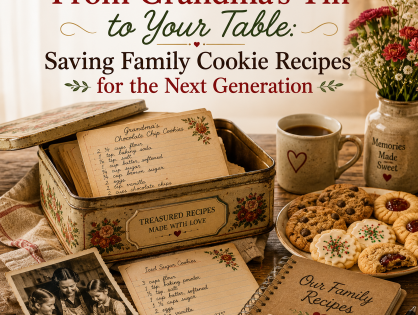
  • From Grandma’s Tin to Your Table: Saving Family Cookie Recipes for the Next Generation

    From Grandma’s Tin to Your Table: Saving Family Cookie Recipes for the Next Generation

    Open Grandma’s old cookie tin and you’ll find more than cookies — you’ll find stories. Faded recipe cards, handwritten notes, and scraps of paper with smudges of butter and sugar tell the history of countless holidays, Sunday afternoons, and late-night baking sessions. These recipes are part of who your family is, and if they aren’t preserved, they risk disappearing with time.

    A family cookie cookbook is a simple, meaningful way to make sure they don’t. With Family Cookbook Project, you can collect, organize, and print your family’s cherished cookie recipes into a beautiful cookbook that celebrates generations of love and baking.

    Here’s how to turn those heirloom recipes from Grandma’s tin into a lasting legacy for the next generation.

    1. Why Family Cookie Recipes Matter

    Cookies are small, but they carry big memories.

    They remind us of people, places, and moments that shaped our lives — a grandmother’s kitchen, a parent’s patient instructions, a child’s first attempt at baking.

    Family cookie recipes aren’t just about ingredients; they’re about connection. They reflect heritage, personality, and the shared joy of creating something sweet together.

    When you save those recipes in a printed cookbook, you’re doing more than preserving how to make cookies — you’re preserving what it felt like to be part of your family.

    1. Gather Recipes from Every Generation

    Start by tracking down every cookie recipe that’s been part of your family story.

    That might mean digging through old tins, shoeboxes, or handwritten notebooks. Ask your relatives what cookies they remember baking or eating when they were young. Each generation will have a few treasures to add:

    • Grandma’s sugar cookies that melt in your mouth.
    • Dad’s oatmeal chocolate chip cookies, slightly crisp at the edges.
    • Mom’s decorated gingerbread men from every Christmas.
    • The new vegan or gluten-free recipes your kids love.

    Each one tells part of your family’s story — together, they form a delicious timeline of taste and tradition.

    Family Cookbook Project makes collecting these recipes simple. Family members can log in online from anywhere to submit recipes, photos, and stories.

    1. Capture the Details Before They’re Lost

    Many older family recipes were never written down in detail. You’ll often find phrases like “a pinch of this” or “bake until done.”

    Before those details vanish, spend time with the people who still remember how it’s done. Bake the recipes together. Take notes on measurements, techniques, and small habits — like how long Grandma let the dough chill or what kind of sugar she used.

    Write everything down clearly. Those little details are what make the recipe truly yours.

    When you preserve them in a cookbook, you’re keeping those family techniques alive for the next generation of bakers.

    1. Record the Stories Behind the Cookies

    Recipes tell you what to make. Stories tell you why it matters.

    Each cookie in your family collection has a story worth remembering:

    • “Grandma always made these for church bake sales.”
    • “These butter cookies were the first thing Mom taught us to bake.”
    • “We used to sneak these from the cooling rack when no one was looking.”

    Include short memories or anecdotes with each recipe. They give life to the ingredients and turn your cookbook into a personal family history.

    When your children or grandchildren read those stories one day, they’ll feel connected to people they may never have met — all through a shared plate of cookies.

    1. Preserve Handwritten Recipes and Photos

    Handwritten recipe cards carry their own kind of magic. The curl of Grandma’s handwriting or a smudge of flour on the corner brings a sense of authenticity no typed recipe can match.

    Scan or photograph these old cards and include them in your cookbook alongside typed versions of the recipes. You can also add family photos — baking in the kitchen, decorating cookies, or sitting down to share them.

    Family Cookbook Project allows you to include photos anywhere in your layout — next to recipes, at the start of sections, or as full-page images. Those small, personal touches make your cookbook feel alive.

    1. Include the New Generation’s Creations

    Tradition matters, but so does evolution.

    Encourage younger family members to add their own recipes to the collection — whether it’s a new take on Grandma’s shortbread or their own favorite cookie they’ve perfected.

    Creating space for new recipes shows that your family’s story is still growing. It also invites the next generation to take ownership of those traditions and keep them going.

    You can even create a “Next Generation Cookies” section where kids can include their recipes — complete with photos or handwritten notes.

    1. Organize Recipes with Care

    A good family cookbook is easy to navigate and enjoyable to read. Organize your cookie recipes by theme or occasion, such as:

    • Classic Family Favorites – timeless recipes everyone remembers.
    • Holiday Cookies – Christmas, Hanukkah, or seasonal specialties.
    • Special Occasions – birthdays, weddings, or school bake sales.
    • Modern Favorites – new additions from younger bakers.

    Family Cookbook Project makes this easy with custom categories and automatic indexing by recipe name and contributor.

    This way, everyone can quickly find the recipe they’re craving — and the name of the person who made it famous.

    1. Choose a Design That Honors the Tradition

    Once your recipes are collected, choose a cookbook format that reflects your family’s personality.

    Family Cookbook Project offers three book sizes:

    • 8½ x 11 inches – perfect for large photos and longer stories.
    • 8 x 8 inches – modern, giftable, and easy to display.
    • 5½ x 8½ inches – compact and practical for the kitchen.

    Pick a binding that suits your purpose — spiral binding for functionality or hardcover for an heirloom edition.

    Then, customize the cover with a family photo or something simple like:
    “From Grandma’s Tin to Your Table: Our Family Cookie Collection.”

    It’s a beautiful way to turn your family’s history into something tangible.

    1. Share and Gift Your Cookbook

    When your cookbook is complete, print copies to share with family members.

    Give them as Christmas gifts, birthday presents, or keepsakes for newlyweds leaving home. Each book will remind its owner where they came from — and help them continue those traditions in their own kitchens.

    It’s a way to pass down love and identity in one delicious package.

    1. Keep the Tradition Going

    A family cookbook doesn’t have to be a one-time project. You can keep adding to it year after year — new recipes, updated photos, even notes on who’s carrying on which traditions.

    Over time, it becomes more than a cookbook — it’s a living document of your family’s story, told one cookie at a time.

    By saving your recipes now, you’re giving your children and grandchildren more than directions for baking. You’re giving them a taste of home that they’ll carry with them for life.

    Call to Action

    Turn Grandma’s handwritten recipes into a lasting family treasure. Create your family cookie cookbook with FamilyCookbookProject.com.

    Collect recipes, stories, and photos, and print a beautiful book that preserves your family’s sweetest traditions for the next generation.

    Because cookies don’t just feed us — they connect us.


    Bill Rice is Founder and Co-Publisher of the Family Cookbook Project, the leading online cookbook publisher with a website that helps families and individuals collect, preserve and share food memories by creating their own printed custom cookbooks. He is the author of The Wellfleet Oyster Cookbook and the Cape Cod Cocktail Cookbook (Available on Amazon), both created using FamilyCookbookProject.com. He is also editor of the Donovan Family Cookbook, now it’s third printing and is an avid genealogist tracing his family back to the 1600’s.

    Follow Family Cookbook Project on Facebook, Instagram, Twitter TikTok, YouTube and Pinterest!
  • The Easiest Way to Turn Years of Saved Recipes Into a Beautiful Printed Cookbook

    The Easiest Way to Turn Years of Saved Recipes Into a Beautiful Printed Cookbook

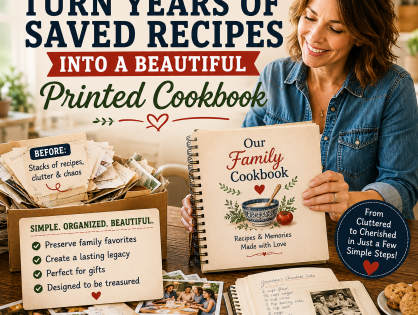
    If you have years of saved recipes tucked into drawers, recipe boxes, email folders, phone photos, screenshots, browser bookmarks, and old notebooks, you are not alone. The easiest way to turn that recipe clutter into something useful is to collect everything in one place, convert what you can into editable text, organize the recipes into categories, add photos and stories, and print them in a custom cookbook.

    For many families, favorite recipes are everywhere except where they need to be. One recipe lives on a stained card. Another is in a text from your sister. One is printed from a website. Another is written in handwriting that looks like it was done during a minor earthquake. And the recipe everyone wants most? Naturally, nobody knows where it is.

    That is how recipes get lost. But it does not have to stay that way.

    With FamilyCookbookProject.com, you can turn years of saved recipes into a beautiful printed cookbook your family can hold, use, and share. And the process is easier than most people think.

    You do not need to be a designer. You do not need to be a computer expert. You do not need to spend your weekends typing recipes until your fingers file a complaint.

    You just need a simple plan.

    Let’s walk through it together.

    Quick Answer: The easiest way to turn saved recipes into a printed cookbook is to gather recipes from cards, clippings, screenshots, emails, photos, and digital files; use Smart Recipe Converter to help turn recipe images into editable text; organize recipes into categories; add stories and photos; preview the book; proofread carefully; and order printed copies.

    Start by Gathering, Not Sorting

    When you decide to make a printed cookbook, it is tempting to organize everything first.

    You may think, “I’ll sort all the cards, rewrite all the recipes, label all the photos, and then I’ll start.”

    That sounds responsible. It also sounds like the beginning of a project that never ends.

    Instead, start by gathering.

    Put the recipes in one place first. Do not worry about perfect order yet. Just collect what you have.

    Look for recipes in:

    • Kitchen drawers
    • Recipe boxes
    • Old binders
    • Cookbook margins
    • Email folders
    • Text messages
    • Phone photos
    • Computer files
    • Printed pages
    • Holiday folders
    • Family reunion booklets
    • Notes from parents or grandparents

    Ask family members to send what they have too. But keep the request simple. Say, “Please send a photo of any favorite family recipe you want included.”

    That is much easier than asking them to type the whole thing. Nobody wants a homework assignment with a side of guilt.

    Once you gather the recipes, you can see what you are working with. The pile may look messy at first, but that is okay. Most good family projects begin with a little chaos. So do most holiday dinners.

    Choose the Kind of Cookbook You Want to Make

    Before you add every recipe you find, decide what kind of cookbook you want.

    This step saves time because it gives your project a clear shape.

    • Do you want a full family cookbook with everyone’s favorites?
    • A cookbook based on one person, like Grandma’s recipes?
    • A holiday cookbook?
    • A baking cookbook?
    • A reunion cookbook?
    • A “recipes for the next generation” cookbook?
    • A personal cookbook of your own best dishes?

    There is no wrong answer.

    A clear theme helps you decide what belongs in this edition. That last phrase matters: this edition.

    You do not need to include every recipe your family has ever made. You can create one printed cookbook now and update it later. In fact, many families like the idea of making a first edition and adding more over time.

    So give yourself permission to start with a cookbook that has a clear purpose.

    If the goal is “Grandma’s Best Recipes,” you do not need to include your cousin’s new air fryer nachos. Delicious? Probably. On theme? Maybe not.

    Save them for the sequel.

    Create a “Print-Worthy” Pile

    Now that you have gathered your recipes and chosen a direction, make a “print-worthy” pile.

    These are the recipes that deserve a place in the book.

    They might be:

    • Family favorites
    • Holiday traditions
    • Recipes tied to loved ones
    • Dishes people request often
    • Recipes that might get lost
    • Recipes with handwritten notes
    • Meals connected to a special memory
    • Comfort foods your family loves

    Do not judge recipes by how fancy they are.

    Some of the most loved family recipes are simple. A five-ingredient casserole can mean more than a complicated dish with ingredients no one can pronounce. Let’s be real, if a recipe has been requested at every family gathering for 30 years, it has earned its place.

    Your cookbook should reflect your family, not a cooking show.

    If your family loves the gelatin salad, include the gelatin salad. History must be told.

    Use the Smart Recipe Converter to Make Adding Recipes Easier

    Here is where the process gets much easier.

    FamilyCookbookProject.com’s Smart Recipe Converter helps you add recipes without typing everything from scratch.

    You can upload a photo, scan, or screenshot of a recipe, and the tool helps turn it into editable text for your cookbook.

    That means you can use:

    • Handwritten recipe cards
    • Printed recipes
    • Old typed pages
    • Recipe photos from relatives
    • Screenshots saved on your phone
    • Scanned family recipe collections

    Instead of retyping every ingredient and direction, you can upload the image, review the converted text, make small fixes, and save the recipe.

    That is a big help when you have years of saved recipes.

    It also makes it easier to involve family members. Instead of saying, “Please type your recipe and send it to me,” you can say, “Just take a picture of the recipe and send it.”

    That one change can save everyone time.

    Of course, you should still review each recipe after it is converted. Old handwriting can be tricky. Some recipe cards look like they survived a pie crust emergency. But even with a quick check, the Smart Recipe Converter can take much of the heavy lifting out of recipe entry.

    And that matters.

    Because the easier it is to add recipes, the more likely you are to finish and print the cookbook.

    Clean Up Recipes Without Rewriting Their Personality

    Once recipes are added, give them a light cleanup.

    Light is the key word.

    You do not need to rewrite every recipe so it sounds the same. In fact, you may not want to. Part of the charm of a family cookbook is that recipes come from real people.

    One recipe may say “mix well.” Another may say “stir until it looks right.” Another may include a note like “use the blue bowl.” Is that official cooking language? No. Is it wonderful? Absolutely.

    When you review recipes, focus on clarity.

    Check for:

    • A clear title
    • A complete ingredient list
    • Basic directions
    • Oven temperature, if needed
    • Cooking or baking time, if known
    • The name of the person who submitted or inspired the recipe
    • If something is missing, add a note.

    For example:

    “Original recipe did not include a baking time. Start checking after 30 minutes.”

    That helps the next cook without removing the family flavor.

    Think of it as tidying the recipe, not sending it to finishing school.

    Add the Stories That Make the Cookbook Special

    A printed cookbook becomes more than a recipe collection when you add personal notes.

    These notes do not need to be long. One or two sentences can do a lot.

    For example:

    “Grandma made this every Christmas morning.”

    “This was Uncle Ray’s favorite dessert.”

    “Mom always brought this to church suppers.”

    “We served this at every summer cookout.”

    “This recipe card still has flour on it from Nana’s kitchen.”

    Those little details make people stop and smile.

    They also help younger family members understand why the recipe matters. A child or grandchild may not remember the person who made the dish, but a short note gives them a connection.

    That is one of the best parts of a family cookbook. It saves more than ingredients. It saves the “why.”

    Why this recipe mattered. Why it was served. Why people loved it. Why it still belongs at the table.

    Let Photos Do Some of the Storytelling

    Photos can make your cookbook feel warm and personal.

    You can include photos of finished dishes, but you do not have to stop there.

    Family photos often mean even more.

    Consider adding:

    • A photo of the person known for the recipe
    • A holiday table
    • A family reunion
    • An old kitchen photo
    • A picture of a handwritten recipe card
    • A wedding, birthday, or picnic photo
    • A snapshot of kids helping in the kitchen

    Do you need a photo for every recipe? No.

    Please do not let that idea slow you down.

    A few meaningful photos can make the whole cookbook feel special. Even if the pictures are old, faded, or a little blurry, they may still carry a lot of heart.

    A perfect food photo shows what a dish looks like. A family photo shows why it matters.

    That is the difference.

    Pick a Design That Does the Hard Work for You

    One reason people put off printing a cookbook is that they think they need to design it themselves.

    Good news: you do not.

    FamilyCookbookProject.com helps you turn your recipes into a polished cookbook with professionally designed covers and layouts. You can choose the look that fits your family and let the system handle much of the formatting.

    That means your job is not to become a graphic designer overnight.

    Your job is to choose what feels right.

    Do you want something classic?

    Warm and homey?

    Bright and modern?

    Holiday themed?

    Centered on a family photo?

    Once you choose a design, your recipes can become a real cookbook with a table of contents, recipe categories, and a clean layout.

    That is a big part of what makes the process easier. You bring the recipes. The system helps shape them into a book.

    It is like having a helpful kitchen assistant who never eats the last cookie.

    Think of Printing as the Final Gift

    A saved recipe collection is useful.

    A printed cookbook is personal.

    That printed book can sit on a kitchen counter. It can be wrapped for the holidays. It can be given at a reunion. It can be passed from parent to child. It can be opened years from now by someone who wants to make the dish exactly the way the family made it.

    Digital recipes are easy to lose in the noise of daily life. They hide in phones, inboxes, folders, and old computers.

    A printed cookbook gives them a home.

    It says, “These recipes matter.”

    And when a family member opens the book and sees a familiar name, a favorite dish, or a photo from years ago, it becomes more than a cookbook. It becomes a keepsake.

    That is why printing matters.

    Make It Easy to Share

    Once your cookbook is printed, it becomes easy to share with others.

    You can order copies for:

    • Children
    • Grandchildren
    • Siblings
    • Cousins
    • Parents
    • Newlyweds
    • College students
    • Family reunion guests
    • Holiday gift recipients
    • Friends who always ask for your recipes

    A printed cookbook makes a practical gift because people can actually use it. It is also meaningful because it carries family history.

    That is a rare combination.

    A sweater may or may not fit. A candle eventually disappears. A gadget becomes outdated. But a family cookbook can stay useful for years.

    Plus, nobody has to guess your size.

    Your Recipes Are Ready for a Better Home

    If you have saved recipes for years, you have already done part of the work.

    You cared enough to keep them.

    Now it is time to bring them together.

    Gather what you have. Choose the kind of cookbook you want to make. Pick the recipes that matter most. Use the Smart Recipe Converter to save typing time. Add short notes and meaningful photos. Choose a design. Preview the book. Then print it.

    That is how scattered recipes become a beautiful cookbook.

    Not someday.

    Not when every drawer is clean.

    Not when every cousin replies.

    Now.

    Your family recipes have spent enough time hiding in boxes, folders, phones, and kitchen drawers. Give them a place where they can be found, used, shared, and loved.

    Turn them into a printed cookbook.

    Then put it where it belongs: in the kitchen, close to the people who will keep those recipes alive.

    The easiest way to turn saved recipes into a cookbook is to collect them in one place, convert recipe images into editable text, organize them into categories, and print them as a custom cookbook.

    Ready to turn your saved recipes into a real cookbook? Start with FamilyCookbookProject.com, use Smart Recipe Converter to save typing time, organize your recipes into categories, add photos and stories, preview your book, and print a cookbook you will actually use.

    Bill Rice is Founder and Co-Publisher of the Family Cookbook Project, the leading online cookbook publisher with a website that helps families and individuals collect, preserve and share food memories by creating their own printed custom cookbooks. He is the author of The Wellfleet Oyster Cookbook and the Cape Cod Cocktail Cookbook (Available on Amazon), both created using FamilyCookbookProject.com. He is also editor of the Donovan Family Cookbook, now its third printing and is an avid genealogist tracing his family back to the 1600’s.

    Follow Family Cookbook Project on Facebook, Instagram, X (Twitter) TikTok, YouTube and Pinterest!


    Frequently Asked Questions About Turning Saved Recipes Into a Cookbook

    How do I turn saved recipes into a cookbook?
    Gather recipes from cards, clippings, screenshots, emails, photos, digital files, and family members. Convert or type them into editable text, organize them into categories, add stories and photos, proofread carefully, and print the finished custom cookbook.

    Can I make a cookbook from handwritten recipe cards?
    Yes. Photograph or scan each recipe card, create a typed version for readability using FamilyCookbookProject.com’s Smart Recipe Converter Tool, and include the original card image if you want to preserve the handwriting.

    Can I turn screenshots into cookbook recipes?
    Yes. Screenshots can be used as a starting point, but the recipe should be converted into editable text and checked for missing ingredients, steps, times, and temperatures.

    What is the easiest way to enter old recipes?
    Using a tool like Smart Recipe Converter can save time by helping turn photos, scans, and screenshots into editable recipe text.

    How should I organize years of saved recipes?
    Start with broad categories such as appetizers, main dishes, sides, breads, desserts, holidays, and family favorites. Then use subcategories if one section becomes too large.

    Should I include every recipe I have saved?
    No. Include the recipes you want to cook, preserve, share, or give as a gift. Leave out duplicates, incomplete recipes, and recipes that no longer matter to the purpose of the cookbook.

  • A Gift from the Heart: Why Family Cookbooks Make the Best Presents

    A Gift from the Heart: Why Family Cookbooks Make the Best Presents

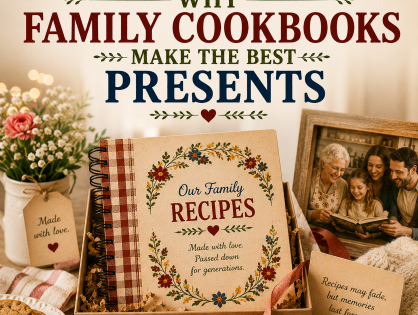
    Some gifts are used for a season. Others are remembered for a lifetime. A family cookbook belongs firmly in the second category. It’s more than a collection of recipes — it’s a gift of stories, memories, and love passed from one generation to the next.

    When you give someone a family cookbook, you’re not just handing them a book. You’re sharing a piece of your family’s history — the smells, flavors, and traditions that define who you are. It’s a personal, timeless present that feels as warm and genuine as the meals inside it.

    Whether given at weddings, holidays, or reunions, a family cookbook is the kind of gift that grows more meaningful with time. Here’s why it’s one of the most heartfelt presents you can give — and how you can easily create your own through FamilyCookbookProject.com.

    The Meaning Behind the Gift

    A family cookbook isn’t a store-bought item chosen from a list. It’s something created with care. Each recipe tells a story, and every story connects the giver and the receiver.

    A recipe isn’t just instructions; it’s a memory captured in ingredients. It’s the sound of laughter in a busy kitchen, the smell of fresh bread on Sunday mornings, and the quiet pride in a dish made just right.

    When you give a cookbook filled with those memories, you’re giving something much larger than food — you’re giving connection.

    1. It’s Personal

    Unlike generic gifts, a family cookbook reflects the people who made it. The handwriting, the photos, and the family anecdotes make it feel alive.

    Each recipe carries the voice of its creator. Maybe your grandmother’s biscuit recipe is written in her neat cursive, or your uncle’s chili comes with a note: “Add an extra jalapeño if you dare.”

    No two family cookbooks are ever the same. That’s what makes them so special.

    1. It’s a Celebration of Family

    A cookbook brings the family together on every page. It tells the story of shared meals, favorite traditions, and the people who made them possible.

    You can open to any section and find a piece of your family’s collective identity — dishes that have been served for decades, and new recipes added by the next generation.

    For families who are scattered across states or countries, a printed cookbook becomes a way to feel connected even when you can’t be together in person.

    It’s a reminder that home can be found in the recipes we share.

    1. It’s a Keepsake That Lasts

    Most gifts fade with time, but a printed family cookbook endures. It becomes something people pull from the shelf again and again — to cook, to reminisce, or simply to feel close to loved ones who are gone.

    When future generations open the book, they won’t just see ingredients — they’ll see a history of the family, complete with stories, photos, and memories.

    That’s what turns a cookbook into an heirloom.

    1. It Fits Every Occasion

    Family cookbooks make thoughtful gifts for almost any milestone or holiday. They carry meaning without being formal, and they feel heartfelt without being overly sentimental.

    Here are a few perfect moments to give one:

    • Weddings: A newlywed couple receives the family’s favorite recipes to start their own kitchen traditions.
    • Graduations: A young adult heading out on their own gets a reminder of home-cooked comfort.
    • Christmas or Hanukkah: A personal gift that stands out among store-bought presents.
    • Anniversaries: A shared look back at meals that shaped a relationship.
    • Family reunions: A group project turned into a lasting keepsake.
    • Memorials: A way to honor someone’s life through the recipes they loved.

    No matter the occasion, a family cookbook always feels right because it comes from the heart.

    1. It Encourages Sharing and Connection

    A cookbook isn’t meant to sit untouched. It’s meant to be opened, spilled on, written in, and shared.

    When you give one, you start conversations. Family members swap stories, compare notes, and sometimes debate who makes the “right” version of a dish. That exchange is part of the joy.

    Food connects generations more directly than almost anything else. Recipes become the language of memory, and a family cookbook keeps that language alive.

    1. It’s Easy to Create and Print

    Thanks to FamilyCookbookProject.com, turning your recipes into a beautiful printed gift is simple.

    You can:

    • Invite family members to submit their recipes online.
    • Add stories, photos, and notes to each dish.
    • Choose from multiple cookbook sizes and binding styles — spiral-bound for everyday use or hardcover for heirloom quality.
    • Design a custom cover that reflects your family’s personality.

    Once you’re done, you can order as many printed copies as you’d like. That means one project can become dozens of gifts — perfect for holidays, weddings, and beyond.

    1. It Brings Generations Together

    Creating a cookbook can be just as meaningful as giving it. The process invites conversation across generations — older relatives sharing stories, younger ones discovering family favorites, and everyone learning a little more about their shared history.

    By including stories, photos, and even handwriting, you create a record of family life that feels deeply human.

    Years from now, your grandchildren might flip through those same pages, recognizing names and faces they’ve heard about but never met.

    That’s the quiet power of a family cookbook — it keeps the family together, even across time.

    1. It Honors Those Who Came Before

    Every family has recipes tied to people who are no longer here. Including their dishes in a cookbook honors their memory in the most natural way possible — by keeping their food alive on the table.

    Cooking those recipes again becomes a form of remembrance. It lets you pass down not just the dish, but the feeling it brings — comfort, love, and familiarity.

    When you give someone a family cookbook, you give them a way to reconnect with the people who made your family what it is.

    1. It Teaches and Inspires

    A family cookbook is also a gift of knowledge. It teaches the next generation how to make the dishes they grew up eating and inspires them to keep experimenting and adding their own touches.

    You can even leave blank pages or sections for future recipes — a quiet invitation for the next cooks to add their mark.

    That’s how a family cookbook remains alive: always growing, always teaching.

    1. It Comes Straight from the Heart

    The best gifts don’t rely on cost or convenience — they reflect time, thought, and love.

    A family cookbook captures all three. It’s created from shared effort, shaped by real stories, and filled with memories that can’t be replicated.

    Every page feels personal. Every recipe feels like a conversation. It’s a gift that reminds people of where they came from and who they share that with.

    No store-bought item can match that kind of meaning.

    The Joy of Giving a Family Cookbook

    When you hand someone a cookbook filled with family recipes, you’re giving them something that can’t be found anywhere else — a physical piece of your family’s story.

    It’s a gift that warms the kitchen, fills the table, and stirs the heart.

    And best of all, it never goes out of style.

    Get Started Today

    Ready to give a gift that truly comes from the heart? Create a custom family cookbook with FamilyCookbookProject.com — the easy, online way to collect recipes, add photos and stories, and print beautiful, personalized cookbooks for everyone you love.

    A family cookbook isn’t just a present; it’s a keepsake that connects generations and celebrates the people who make life delicious.


    Bill Rice is Founder and Co-Publisher of the Family Cookbook Project, the leading online cookbook publisher with a website that helps families and individuals collect, preserve and share food memories by creating their own printed custom cookbooks. He is the author of The Wellfleet Oyster Cookbook and the Cape Cod Cocktail Cookbook (Available on Amazon), both created using FamilyCookbookProject.com. He is also editor of the Donovan Family Cookbook, now it’s third printing and is an avid genealogist tracing his family back to the 1600’s.

    Follow Family Cookbook Project on Facebook, Instagram, Twitter TikTok, YouTube and Pinterest!
     

  • Custom Cookbook Ideas: Celebrate Your Love for Cooking in Print

    Custom Cookbook Ideas: Celebrate Your Love for Cooking in Print

    A custom cookbook is one of the best ways to organize your favorite recipes, preserve your cooking memories, and celebrate your love for food in a lasting printed keepsake. Whether you are perfecting family recipes, experimenting with new ingredients, or cooking for friends, a personalized cookbook turns scattered recipes into a meaningful collection you can use, share, and pass down.

    If you’re looking for a meaningful and lasting way to celebrate your love for cooking, there’s no better option than creating a custom cookbook. A personalized cookbook brings together your favorite recipes, your cooking experiences, and your unique style into one beautifully crafted volume. It’s a way to document your culinary journey, share your passion with others, and create something that will last for generations.

    Let’s explore why a custom cookbook is the perfect way to honor your love for cooking and how FamilyCookbookProject.com can help you create a cookbook that’s as unique as you are.

    Quick Answer: A custom cookbook lets you collect favorite recipes, organize them into categories, add personal stories and photos, preserve family traditions, and create a printed keepsake or gift. It is ideal for home cooks who want to celebrate their love for cooking and share their recipes with family and friends.

    A Custom Cookbook Is a Reflection of Your Culinary Journey

    Each of us has a unique culinary journey, shaped by the meals we cook, the flavors we experiment with, and the traditions we carry on in the kitchen. A custom cookbook is a perfect way to capture that journey in a tangible and lasting format.

    When you create a custom cookbook, you’re not just gathering recipes—you’re creating a collection that reflects who you are as a cook. Whether your recipes are inspired by childhood meals, family traditions, or global cuisines you’ve discovered along the way, your cookbook becomes a personal narrative of your love for food.

    For example, you can include stories about the origins of certain recipes, notes on how you’ve adapted dishes over time, or memories of cooking with family and friends. By weaving these personal details into your cookbook, you create a book that goes beyond just instructions—it becomes a reflection of your culinary identity.

    Organize and Preserve Your Favorite Recipes

    As any avid home chef knows, it’s easy to accumulate recipes over time—whether they’re family heirlooms, new creations, or exciting finds from food blogs or cooking shows. Unfortunately, this often results in recipe clutter, with dishes scattered across various cookbooks, websites, and handwritten notes.

    A custom cookbook allows you to organize and preserve all your favorite recipes in one beautifully printed book. You can consolidate everything into a single, easy-to-use resource that you’ll turn to time and again. Plus, by choosing to preserve your recipes in print, you ensure that they won’t get lost in the digital shuffle or forgotten in a drawer.

    With a custom cookbook, you have full control over how your recipes are organized. You can group them by category (e.g., appetizers, main dishes, desserts), cuisine (e.g., Italian, Asian, Mexican), or occasion (e.g., holidays, weeknight dinners, special celebrations). This way, you’ll always know where to find the perfect recipe, no matter what you’re in the mood to cook.

    Share Your Love for Cooking with Others

    One of the most rewarding aspects of cooking is being able to share the results with others. Whether you’re hosting a dinner party, bringing a dish to a potluck, or preparing a meal for your family, cooking is a way to connect with people and bring them joy. By creating a custom cookbook, you can share not just the food itself, but also the recipes and stories behind it.

    A custom cookbook is a wonderful gift for friends and family members who share your love for food. You can create personalized copies for each recipient, filled with recipes that have special meaning. For example, you might include:

    • Family recipes: Preserve family heirloom dishes that have been passed down through generations.
    • Special occasion meals: Document recipes for birthdays, anniversaries, holidays, and other memorable celebrations.
    • Signature dishes: Share your personal go-to recipes that friends and family always rave about.

    By gifting a custom cookbook, you’re not only sharing your love for cooking—you’re giving loved ones a way to recreate your favorite dishes in their own kitchens.

    Who Should Create a Custom Cookbook?

    A custom cookbook is a great project for:

    • Home cooks with years of favorite recipes
    • Bakers who want to preserve desserts, cookies, breads, or cakes
    • Parents or grandparents passing recipes to children
    • Newlyweds blending recipes from two families
    • Food bloggers or cooking hobbyists
    • Gardeners who cook with seasonal ingredients
    • Friends who cook together
    • Families preserving holiday or heritage recipes
    • Anyone looking for a meaningful personalized gift

    A Custom Cookbook Is a Creative Expression of Your Culinary Style

    Cooking is an art form, and just like any other art, it’s an expression of who you are. A custom cookbook allows you to express your culinary style in a creative and meaningful way. From the recipes you include to the design and layout of the book, every detail reflects your unique taste and personality.

    With FamilyCookbookProject.com, you have the freedom to customize every aspect of your cookbook. You can choose from a variety of design templates, personalize the cover with a favorite photo or illustration, and add personal notes or anecdotes to each recipe. The result is a cookbook that feels distinctly yours—an extension of your culinary creativity.

    You can also get creative with how you organize the cookbook. For example, you might design a themed cookbook, such as:

    • A seasonal cookbook: Organize your recipes by season, focusing on dishes that highlight fresh, seasonal ingredients.
    • An international cookbook: Feature recipes from different countries or regions, showcasing your love for global cuisine.
    • A dessert-only cookbook: If baking is your passion, create a cookbook dedicated entirely to cakes, cookies, pies, and other sweet treats.

    By customizing your cookbook to reflect your culinary passions, you create a one-of-a-kind keepsake that celebrates your creativity in the kitchen.

    A Lasting Legacy of Your Love for Food

    A custom cookbook isn’t just a way to organize your recipes—it’s a lasting legacy that can be passed down to future generations. For many families, recipes are an important part of their cultural heritage and traditions. By documenting your favorite dishes in a custom cookbook, you’re preserving those traditions for the next generation.

    Imagine passing down your custom cookbook to your children or grandchildren, filled with the recipes that have been a part of your family’s story. Each time they open the book to recreate one of your signature dishes, they’ll be reminded of you and the love you put into each meal.

    A custom cookbook also allows you to pass on valuable cooking tips, techniques, and wisdom. You can include notes on how to perfect certain dishes, alternative ingredients for different diets, or tricks for getting the best results. This guidance will be invaluable to future generations as they carry on your culinary traditions.

    What to Include in a Custom Cookbook

    Include:

    • Favorite everyday recipes
    • Signature dishes
    • Family recipes
    • Holiday meals
    • Special occasion recipes
    • Desserts and baked goods
    • Personal cooking notes
    • Ingredient substitutions
    • Photos of finished dishes
    • Photos of family, friends, or gatherings
    • Stories behind the recipes
    • Cooking tips and techniques
    • Recipe categories
    • A dedication or introduction
    • A meaningful cover title

    A Custom Cookbook Is a Thoughtful Gift

    If you’re searching for a unique and meaningful gift, a custom cookbook is an ideal choice. Whether it’s for a wedding, anniversary, holiday, or birthday, a personalized cookbook shows that you’ve put thought and care into creating something special. You can fill the book with the recipient’s favorite recipes, along with personal notes, photos, and stories that make the gift even more meaningful.

    For newlyweds, you might create a cookbook that blends family recipes from both sides of the family, helping them start their own culinary traditions. For a friend’s birthday, you could compile their favorite dishes from your shared meals together, along with some new recipes to try.

    Whatever the occasion, a custom cookbook is a gift that will be treasured for years to come. It’s practical, personal, and filled with love—making it the perfect way to celebrate your connection through food.

    Easy to Create with FamilyCookbookProject.com

    Creating a custom cookbook may sound like a daunting task, but with FamilyCookbookProject.com, it’s easier than ever. The platform is designed to be user-friendly, guiding you through the process of gathering recipes, organizing them, and designing your book with ease.

    Here’s how simple it is to create your own custom cookbook:

    1. Sign up: Visit FamilyCookbookProject.com and create a free account to get started.
    2. Gather your recipes: Collect all your favorite recipes from various sources—whether they’re family traditions, personal creations, or new discoveries.
    3. Organize and categorize: Create custom categories to organize your recipes in a way that makes sense for you. Group them by meal type, cuisine, occasion, or any other way you prefer.
    4. Customize the design: Choose from a variety of design templates, customize the cover, and add personal touches like photos, stories, and notes.
    5. Publish and print: Once your cookbook is complete, you can order professionally printed copies to share with family and friends.

    FamilyCookbookProject.com makes it easy to create a high-quality cookbook that you can be proud of, whether you’re making it for yourself or as a gift for someone special.

    Celebrate Your Love for Cooking in a Lasting Way

    In a world filled with digital recipes and fleeting trends, there’s something timeless and meaningful about a printed cookbook. It’s a way to celebrate your love for cooking in a format that will last for years, allowing you to preserve your culinary creations, share them with others, and create a lasting legacy.

    A custom cookbook is more than just a collection of recipes—it’s a reflection of your passion for food, your creativity in the kitchen, and the joy you get from sharing meals with the people you love. It’s a celebration of everything you love about cooking, beautifully bound in a keepsake that you’ll treasure forever.

    Ready to celebrate your love for cooking in a lasting way? Start your custom cookbook at FamilyCookbookProject.com, gather your favorite recipes, add stories and photos, choose a design, and create a printed cookbook you can use, share, and treasure.


    Bill Rice is Founder and Co-Publisher of the Family Cookbook Project, the leading online cookbook publisher with a website that helps families and individuals collect, preserve and share food memories by creating their own printed custom cookbooks. He is the author of The Wellfleet Oyster Cookbook and the Cape Cod Cocktail Cookbook (Available on Amazon), both created using FamilyCookbookProject.com. He is also editor of the Donovan Family Cookbook, now it’s third printing and is an avid genealogist tracing his family back to the 1600’s.

    Follow Family Cookbook Project on Facebook, Instagram, Twitter TikTok, YouTube and Pinterest!
     

    Frequently Asked Questions About Custom Cookbooks

    What is a custom cookbook?
    A custom cookbook is a personalized collection of recipes, stories, photos, notes, and cooking memories organized into a printed or digital cookbook.

    Why should I create a custom cookbook?
    A custom cookbook helps you organize favorite recipes, preserve family traditions, share your cooking style, create a meaningful gift, and keep important recipes from getting lost.

    What should I include in a custom cookbook?
    Include favorite recipes, family dishes, signature meals, holiday foods, cooking tips, recipe stories, photos, categories, and a personal introduction or dedication.

    Can I make a custom cookbook from handwritten recipe cards?
    Yes. You can photograph or scan handwritten recipe cards, convert them into editable text, and include both the typed recipe and original card image in your cookbook.

    Is a custom cookbook a good gift?
    Yes. A personalized cookbook makes a meaningful gift for weddings, birthdays, holidays, anniversaries, Mother’s Day, Father’s Day, family reunions, and milestone celebrations.

    How do I create a custom cookbook online?
    Start by gathering recipes, organizing them into categories, adding stories and photos, choosing a cover and layout, previewing the book, and ordering printed copies.

  • From Backyard to Bestseller: Creating a Barbecue Cookbook

    From Backyard to Bestseller: Creating a Barbecue Cookbook

    If friends and family are always asking for your ribs, brisket, sauces, rubs, or grilling tips, it may be time to create a barbecue cookbook. A custom BBQ cookbook lets you collect your favorite recipes, document your cooking techniques, add photos and stories, and print copies to give as gifts, share with family, or even sell online.

    For barbecue enthusiasts, the art of grilling and smoking meat is a passion that extends far beyond the backyard. It’s about mastering techniques, experimenting with flavors, and sharing the joy of delicious, smoky meals with friends and family. What if you could take that passion and turn it into a published cookbook? With FamilyCookbookProject.com, you can do just that. Not only can you create a professional-quality barbecue cookbook, but you can also have it listed for sale on Amazon.com, complete with an ISBN number to help you sell your cookbook online. Here are some inspiring success stories of barbecue enthusiasts who turned their backyard passion into a bestselling cookbook.

    Quick Answer: To create a barbecue cookbook, collect your best grilling, smoking, sauce, rub, marinade, side dish, and dessert recipes. Organize them into clear categories, add cooking temperatures and technique notes, include high-quality photos, proofread carefully, choose a print format, and decide whether the cookbook will be a family gift, fundraiser, restaurant product, or book to sell online.

    A barbecue cookbook is a recipe collection focused on grilling, smoking, sauces, rubs, marinades, side dishes, and outdoor cooking techniques. The best barbecue cookbooks include both recipes and technique notes, such as grill temperature, wood choice, cooking time, internal temperature, sauce timing, and resting instructions. A custom barbecue cookbook can be used as a family keepsake, restaurant product, fundraiser, gift, or self-published cookbook.

    Success Stories of Barbecue Enthusiasts

    1. Dave’s Smokehouse Delights

    Dave has been a barbecue aficionado for over 20 years. His backyard is a haven for grill lovers, often filled with the enticing aroma of slow-cooked ribs, brisket, and pulled pork. After years of perfecting his recipes and techniques, Dave decided it was time to share his passion with the world. Using FamilyCookbookProject.com, he created “Dave’s Smokehouse Delights,” a comprehensive guide to his favorite barbecue recipes.

    The process was straightforward: he invited friends and family to contribute their own barbecue favorites, added his secret rubs and sauces, and included detailed instructions for each dish. The platform allowed him to customize the layout, add photos, and even include personal anecdotes about each recipe. Once the cookbook was complete, Dave listed it for sale on Amazon.com with an ISBN number, making it accessible to barbecue lovers everywhere. The response was overwhelming, and “Dave’s Smokehouse Delights” quickly became a hit.

    1. Lisa’s Backyard Barbecue Bonanza

    Lisa’s love for barbecue began in her grandmother’s backyard, where family gatherings always featured her grandmother’s famous smoked ribs. Inspired by these memories, Lisa decided to compile her family’s barbecue recipes into a cookbook. She used FamilyCookbookProject.com to create “Lisa’s Backyard Barbecue Bonanza,” a collection of recipes that celebrate her family’s culinary heritage.

    The platform made it easy for Lisa to gather recipes from family members, including handwritten notes and photos of family gatherings. She also added her own modern twists to traditional dishes, creating a unique blend of old and new. Listing her cookbook on Amazon.com allowed Lisa to share her family’s legacy with a wider audience. The cookbook’s success on Amazon not only honored her grandmother’s memory but also introduced a new generation to the joys of backyard barbecue.

    1. The Pitmaster’s Playbook by Mike

    Mike, known among his friends as the ultimate pitmaster, decided it was time to document his grilling expertise. He turned to FamilyCookbookProject.com to create “The Pitmaster’s Playbook,” a step-by-step guide to mastering the grill. The cookbook included Mike’s signature recipes, tips on selecting the best cuts of meat, and techniques for achieving the perfect smoke ring.

    Mike took advantage of the platform’s customization options, adding high-quality photos of his grilled creations and detailed instructions for each recipe. The option to list his cookbook on Amazon.com, complete with an ISBN number, made it easy for Mike to reach a global audience. “The Pitmaster’s Playbook” quickly gained a following, earning rave reviews from barbecue enthusiasts around the world.

    The Benefits of Creating a Barbecue Cookbook with FamilyCookbookProject.com

    FamilyCookbookProject.com offers numerous advantages for barbecue enthusiasts looking to publish their own cookbooks. Here are some key benefits:

    1. User-Friendly Platform
      • The platform is designed to be intuitive and easy to use, allowing you to create a professional-quality cookbook without any technical expertise. You can customize the layout, add photos, and include personal notes and anecdotes.
    2. Collaborative Features
      • Invite friends and family to contribute their own recipes, making the cookbook a collaborative effort that reflects a diverse range of culinary experiences and traditions.
    3. High-Quality Printing
      • Once your cookbook is complete, FamilyCookbookProject.com offers professional printing and binding services, ensuring that your cookbook looks and feels like a bestseller.
    4. Listing on Amazon.com
      • One of the standout features of FamilyCookbookProject.com is the ability to list your cookbook for sale on Amazon.com. This includes obtaining an ISBN number, which helps legitimize your cookbook and makes it easier for readers to find and purchase online.
    5. Preserve and Share Your Legacy
      • Creating a barbecue cookbook is not just about sharing recipes; it’s about preserving your culinary legacy and sharing your passion with the world. Whether you’re documenting family traditions or showcasing your unique grilling techniques, your cookbook becomes a lasting testament to your love for barbecue.

    How to Get Started

    Creating your barbecue cookbook with FamilyCookbookProject.com is a straightforward process:

    1. Sign Up and Create Your Cookbook
      • Start by creating an account on FamilyCookbookProject.com. Choose a title and layout that reflects your style and the essence of your recipes.
    2. Gather and Enter Recipes
      • Collect your favorite barbecue recipes, including detailed instructions, ingredients, and any special tips. You can also invite others to contribute their own recipes, making the project a collaborative effort.
    3. Customize and Design
      • Use the platform’s design tools to customize your cookbook. Add photos of your dishes, personal anecdotes, and any other elements that will make your cookbook unique and engaging.
    4. Review and Finalize
      • Proofread your cookbook to ensure accuracy and consistency. Make any necessary edits and finalize the design.
    5. Print and Publish
      • Once you’re satisfied with your cookbook, use FamilyCookbookProject.com‘s printing services to create high-quality copies. You can also choose to list your cookbook on Amazon.com, complete with an ISBN number, to reach a wider audience.
    6. Share and Promote
      • Share your cookbook with friends, family, and fellow barbecue enthusiasts. Promote it on social media, at local events, and through word of mouth to maximize its reach.

    How to Turn a Barbecue Cookbook into Something You Can Sell

    A barbecue cookbook can be more than a personal project. It can become a product for a restaurant, food truck, grilling instructor, BBQ team, fundraiser, or serious backyard pitmaster. To make the cookbook more sellable, focus on a clear theme, strong photos, consistent recipe formatting, helpful technique notes, and a title that tells buyers exactly what makes the book different.

    Barbecue Cookbook Planning Checklist

    Include:

    • Cookbook title
    • Target audience
    • Cookbook purpose: gift, family keepsake, fundraiser, restaurant product, or public sale
    • Recipe categories
    • Number of recipes
    • Sauce and rub recipes
    • Smoking and grilling tips
    • Photos needed
    • Contributor list
    • Cover image
    • Introduction or author story
    • Printing format
    • Pricing plan
    • Sales channels
    • Launch plan

    Turning your passion for barbecue into a published cookbook is a rewarding endeavor that allows you to share your expertise, preserve your culinary legacy, and connect with a global audience. With FamilyCookbookProject.com, the process is simple and accessible, providing all the tools you need to create a professional-quality cookbook. Whether you’re documenting family recipes or showcasing your own grilling techniques, your barbecue cookbook has the potential to become a bestseller. Start your project today and take the first step from backyard to bestseller.

    Ready to turn your backyard BBQ recipes into a cookbook worth sharing? Start your barbecue cookbook at FamilyCookbookProject.com, organize your sauces, rubs, grilling tips, and family favorites, then print copies to give, share, or sell.

    Frequently Asked Questions About Creating a Barbecue Cookbook

    How do I create a barbecue cookbook?
    Start by collecting your best grilling, smoking, sauce, rub, marinade, side dish, and dessert recipes. Organize them into categories, add BBQ technique notes and photos, proofread carefully, and choose a print format.

    What recipes should I include in a barbecue cookbook?
    Include BBQ sauces, dry rubs, marinades, brisket, ribs, pulled pork, chicken, seafood, vegetables, side dishes, desserts, and favorite cookout recipes.

    How many recipes should a barbecue cookbook have?
    A small gift cookbook can work well with 20–40 recipes. A more complete barbecue cookbook may include 50–100 recipes, especially if it covers sauces, rubs, meats, sides, and techniques. The existing Family Cookbook Project BBQ article also suggests 20–40 recipes for a smaller gift book and 50–100 recipes for a more comprehensive cookbook.

    Can I sell a barbecue cookbook?
    Yes. A barbecue cookbook can be sold online, locally, at events, through a restaurant or food truck, or as part of a fundraiser. If selling publicly, focus on a clear theme, strong photos, accurate recipes, and a professional-looking printed book.

    What makes a barbecue cookbook different from a regular cookbook?
    A barbecue cookbook should include cooking temperatures, grill setup, smoke time, wood type, internal temperatures, resting time, sauce timing, and other technique details that help readers recreate the results.

    Can I create a barbecue cookbook with recipes from friends and family?
    Yes. A group barbecue cookbook can include recipes from relatives, neighbors, grilling clubs, BBQ teams, tailgate groups, or restaurant staff.

    Bill Rice is Founder and Co-Publisher of the Family Cookbook Project, a website that helps families and individuals collect, preserve and share food memories by creating their own printed personal cookbooks. He is the author of The Wellfleet Oyster Cookbook and the Cape Cod Cocktail Cookbook (Available on Amazon), both created using FamilyCookbookProject.com. He is also editor of the Donovan Family Cookbook, now it’s third printing and is an avid genealogist tracing his family back to the 1600’s.

    Follow Family Cookbook Project on Facebook, Instagram, Twitter and Pinterest!

  • Capturing Memories and Tastes: Creating a Vacation Cookbook from Your Travels

    Capturing Memories and Tastes: Creating a Vacation Cookbook from Your Travels

    Traveling the world not only broadens our horizons but also tantalizes our taste buds with diverse flavors and culinary delights. Imagine capturing those unforgettable moments and flavors in a beautifully curated vacation cookbook. This article explores how to create an intriguing cookbook by memorializing different vacations and including cherished recipes from those regions. We’ll discuss ideas for sourcing recipes, organizing your cookbook, and why this would make a thoughtful and memorable gift for family and friends.

    Gathering Recipes from Your Travels

    The foundation of your vacation cookbook lies in the recipes collected during your journeys. Here are several ways to gather authentic recipes that evoke the essence of each destination:

    1. Local Cookbooks and Markets: Purchase local cookbooks or visit markets where vendors often share traditional recipes. Engage with locals who can provide insights into regional dishes.
    2. Cooking Classes: Take cooking classes while traveling. Many destinations offer hands-on experiences where you can learn to prepare authentic dishes under the guidance of local chefs.
    3. Restaurant Recommendations: Dining at local restaurants is a delicious way to discover signature dishes. Don’t hesitate to ask for recipes or ingredients used in your favorite meals.
    4. Online Resources and Blogs: Research recipes from the comfort of your home using online resources and food blogs focused on international cuisine. Many bloggers share authentic recipes alongside personal stories and travel tips.
    5. Social Media and Food Communities: Join social media groups and food communities dedicated to global cuisine. Members often share recipes and cooking techniques that reflect their cultural backgrounds.

    Organizing Your Vacation Cookbook

    Organizing your vacation cookbook ensures it’s both functional and enjoyable to read. Consider these tips:

    1. By Destination: Arrange recipes by vacation, country or region visited. Start each section with a brief description of your experience, including memorable moments and cultural insights.
    2. Meal Types: Categorize recipes by meal type (e.g., appetizers, mains, desserts) to help readers navigate the cookbook easily. Include beverage recipes or pairing suggestions for a complete culinary experience.
    3. Personal Touches: Share anecdotes and photos from your travels alongside recipes. Highlight special ingredients, cooking techniques learned, or the story behind each dish.
    4. Recipe Origins: Include details about where you discovered each recipe, whether it was from a quaint cafe in Paris or a street food stall in Bangkok. These insights add depth and authenticity to the cookbook.
    5. Visual Appeal: Incorporate high-quality images of the dishes and your travel experiences. Consider including maps, landmarks, and cultural symbols to visually enrich each section.

    Why This Makes a Great Gift

    A vacation cookbook isn’t just a collection of recipes; it’s a journey captured in flavors and memories. Here’s why it’s an ideal gift for family and friends:

    1. Personalized Experience: Each recipe and story reflects your personal travel experiences, making it a unique and heartfelt gift.
    2. Cultural Exploration: It allows recipients to explore different cultures through food, offering a culinary adventure from the comfort of their kitchen.
    3. Memorable Keepsake: It preserves cherished memories and experiences shared with loved ones during vacations, fostering nostalgia and connection.
    4. Practical and Inspirational: It inspires recipients to try new recipes and techniques, encouraging culinary creativity and experimentation.

    Creating a vacation cookbook enriched with recipes and memories from your travels is a delightful way to celebrate cultural diversity and culinary experiences. Whether you’re reminiscing about savoring paella in Spain or mastering the art of making sushi in Japan, each recipe tells a story that brings your adventures to life. Organizing your cookbook thoughtfully ensures it’s not only a practical guide but also a visual and emotional journey through different lands and flavors. Consider sharing this gift with family and friends to spread the joy of travel and the love of food in a meaningful and delicious way.


    Bill Rice is Founder and Co-Publisher of the Family Cookbook Project, a website that helps families and individuals collect, preserve and share food memories by creating their own printed personal cookbooks. He is the author of The Wellfleet Oyster Cookbook and the Cape Cod Cocktail Cookbook (Available on Amazon), both created using FamilyCookbookProject.com. He is also editor of the Donovan Family Cookbook, now it’s third printing and is an avid traveler who loves to try new regional foods.

    Follow Family Cookbook Project on Facebook, Instagram, Twitter and Pinterest!

  • From Recipe Boxes to Family Cookbooks: Preserving Your Family’s Culinary Heritage

    From Recipe Boxes to Family Cookbooks: Preserving Your Family’s Culinary Heritage

    Old recipe boxes are filled with more than ingredients. They hold handwriting, memories, holiday traditions, family stories, and dishes that connect one generation to the next. The best way to preserve family recipes is to gather old recipe cards, handwritten notes, clippings, photos, and personal memories, then organize them into a printed family cookbook that can be shared and passed down.

    Quick Answer: To preserve family recipes, collect old recipe cards, handwritten notes, clippings, photos, and family stories. Digitize the recipes, organize them into categories, add memories about the people and occasions behind each dish, and print them in a family cookbook so future generations can cook and share them.

    The Sentimental Value of Recipe Boxes

    For many families, the recipe box is a treasure trove of history. Each card, with its aged paper and distinctive handwriting, tells a story. Perhaps it’s a grandmother’s secret cookie recipe, a father’s special barbecue sauce, or an aunt’s famous casserole. These recipes are more than just instructions for preparing food; they are memories captured in ink, representing the love and care that went into each dish.

    Recipe boxes, however, pose several challenges. They are typically held by one family member, making it difficult for others to access these cherished recipes. The cards can become worn, torn, or faded with age, and the handwriting, while beautiful, can sometimes be difficult to decipher. Despite their sentimental value, recipe boxes are not always practical for preserving and sharing family recipes with a larger audience.

    The Evolution to Family Cookbooks

    To address these challenges, many families are turning to the idea of creating family cookbooks. A family cookbook is a professionally bound collection of recipes that not only preserves the culinary traditions of a family but also makes them accessible to all family members. This modern approach offers numerous benefits:

    1. Durability: Unlike fragile recipe cards, a bound cookbook is sturdy and long-lasting. It can be easily stored and handled without the risk of damaging the original recipes.
    2. Accessibility: A family cookbook can be printed in multiple copies, ensuring that every family member has access to the treasured recipes. This is especially important for geographically diverse families.
    3. Organization: Cookbooks allow for a structured presentation of recipes, often including sections for appetizers, main courses, desserts, and more. This organization makes it easier to find and use the recipes.
    4. Personalization: Modern family cookbooks can include not only recipes but also photos, stories, and anecdotes that bring the recipes to life. Scanned copies of the original handwritten cards can be included, preserving the unique handwriting and personal notes of past generations.

    Creating Your Family Cookbook

    Creating a family cookbook may seem like a daunting task, but with the right tools and resources, it can be a rewarding and enjoyable project. Websites like RecipeCardCookbook.com are specifically designed to help families turn their historic recipe cards into beautifully bound cookbooks. Here’s how you can get started:

    1. Gather the Recipes: Begin by collecting all the family recipes you want to include in the cookbook. This might involve reaching out to various family members to ensure you have a comprehensive collection. Look for handwritten recipe cards, printed recipes, and even digital files.
    2. Scan and Upload: To preserve the original handwriting and notes, scan the handwritten recipe cards. These scanned images can then be uploaded to RecipeCardCookbook.com. This step ensures that the unique character and history of each recipe are maintained.
    3. Organize the Content: Decide how you want to organize your cookbook. You might group recipes by category (e.g., appetizers, main courses, desserts) or by family member. Include sections for family stories, photos, and anecdotes that provide context and enrich the cookbook.
    4. Design and Customize: Use the website’s templates and design tools to customize the look and feel of your cookbook. Choose a cover design, layout, and fonts that reflect your family’s style and traditions. Make sure the title, such as “Recipes from Our Family Tree,” is prominently displayed on the cover.
    5. Proofread and Edit: Before finalizing the cookbook, carefully proofread all the content to ensure accuracy. Check the recipes, photos, and stories for any errors or omissions.
    6. Print and Share: Once you are satisfied with the design, order printed copies of the cookbook. These can be distributed to family members as gifts, ensuring that everyone has a copy of the family’s culinary heritage.

    Family Recipe Preservation Checklist

    Include:

    • Old recipe cards
    • Handwritten recipe notes
    • Newspaper or magazine clippings
    • Recipes written inside old cookbooks
    • Holiday menus
    • Photos of the finished dishes
    • Photos of the cook who made the recipe
    • Family stories connected to the dish
    • Ingredient substitutions
    • Cooking tips not written on the original card
    • Notes about when the recipe was served
    • Regional, ethnic, or cultural background
    • Names of contributors
    • Original source, if known

    Preserve the Handwriting, Not Just the Recipe

    A handwritten recipe card carries more than cooking instructions. The handwriting, spelling, stains, margin notes, and worn edges can remind family members of the person who made the dish. When creating a family cookbook, consider including both the typed version of the recipe and a photo of the original recipe card. That way, the recipe is easy to read, but the original memory is not lost.

    The Impact of a Family Cookbook

    Creating a family cookbook is more than just a way to preserve recipes; it is a way to celebrate and honor your family’s history. It provides a tangible connection to the past, allowing future generations to experience the flavors and traditions that have shaped your family. Each time a family member opens the cookbook to prepare a dish, they are not just following a recipe; they are continuing a legacy.

    Culinary heritage is the food history of a family. It includes the recipes people cooked, the ingredients they used, the holidays they celebrated, the regions they came from, and the traditions they passed down through meals. A family cookbook preserves that heritage by connecting recipes with the people and stories behind them.

    A family cookbook also fosters a sense of connection and continuity among family members. It is a collaborative project that brings the family together, even if they are geographically dispersed. By contributing recipes, photos, and stories, each family member plays a role in preserving and sharing the family’s culinary heritage.

    Getting Started

    From fragile recipe boxes to beautifully bound cookbooks, the evolution of preserving family recipes is a journey that honors the past while embracing the future. By turning historic recipe cards into a professionally bound family cookbook, you ensure that the culinary traditions and memories of your family are preserved and celebrated for generations to come.

    At RecipeCardCookbook.com, we are dedicated to helping families create these treasured heirlooms. Our user-friendly platform makes it easy to gather, organize, and print your family recipes, resulting in a cookbook that is both beautiful and functional. Start your family cookbook project today and share your family’s culinary heritage with loved ones near and far.


    Frequently Asked Questions About Preserving Family Recipes

    How do I preserve old family recipes?
    Start by collecting recipe cards, handwritten notes, clippings, photos, and stories. Digitize the recipes, organize them into categories, and create a printed or digital family cookbook so the recipes can be shared with future generations.

    What is the best way to save handwritten recipe cards?
    Take clear photos or scans of each card, transcribe the recipe into readable text, and save both the typed recipe and an image of the original card.

    Should I include original recipe card images in a family cookbook?
    Yes. Including original recipe card images preserves handwriting, notes, stains, and other personal details that make the recipe meaningful.

    How do I organize recipes from an old recipe box?
    Sort recipes by category, such as appetizers, main dishes, side dishes, desserts, holidays, family member, or cultural tradition. Then create a consistent format for each recipe.

    Why are family recipes important for genealogy?
    Family recipes show what people cooked, where they came from, what ingredients they used, and how traditions were passed down through meals.

    Can I turn old recipe cards into a printed cookbook?
    Yes. You can digitize old recipe cards, add stories and photos, organize the recipes, and print them as a custom family cookbook.

    Ready to rescue those treasured recipes from the old recipe box? Start your cookbook at FamilyCookbookProject.com, upload recipe cards, organize family favorites, add stories and photos, and create a printed family cookbook that preserves your family’s culinary heritage for generations.


    Bill Rice is Founder and Co-Publisher of the Family Cookbook Project, a website that helps families and individuals collect, preserve and share food memories by creating their own printed personal cookbooks. He is the author of The Wellfleet Oyster Cookbook and the Cape Cod Cocktail Cookbook (Available on Amazon), both created using FamilyCookbookProject.com. He is also editor of the Donovan Family Cookbook, now it’s third printing and is an avid genealogist tracing his family back to the 1600’s.

    Follow Family Cookbook Project on Facebook, Instagram, Twitter and Pinterest!

  • Turn Local Flavor Into a Legacy: Create a Regional Cookbook for Family and Friends

    Turn Local Flavor Into a Legacy: Create a Regional Cookbook for Family and Friends

    Across the United States, different regions are known for distinct culinary styles and local specialties. From the vibrant flavors of Tex-Mex in the Southwest to the fresh, farm-to-table California cuisine, and the hearty seafood of New England, each part of the country has its own unique food traditions. If you’ve lived in or visited a region rich in food culture, you’ve likely gathered an impressive collection of recipes that showcase its flavors. While locals may enjoy easy access to these regional delights, family and friends from other parts of the country may not be so lucky.

    This is where the idea of creating a regional cookbook comes into play. A regional cookbook is a way to collect, preserve, and share the recipes that define the culinary identity of a particular area. Not only does it make a thoughtful and unique gift for friends and family, but it could also be a product to sell online (like on Amazon) or in local bookstores.

    Creating a regional cookbook can be both a fun and meaningful project, and  FamilyCookbookProject.com  offers an easy way to gather your favorite recipes and design a beautiful, professional-looking cookbook that celebrates your region’s cuisine.

    Why Create a Regional Cookbook?

    Creating a regional cookbook offers several benefits:

    –  Preserve Local Flavors: Capture the authentic taste of your region by collecting recipes that have been perfected over time by locals.

    –  Share with Friends and Family: A regional cookbook is a great gift for loved ones who may not have access to the ingredients or knowledge to recreate these dishes on their own.

    –  Support Local Food Culture: By documenting and sharing regional recipes, you help preserve the culinary traditions that make your area unique.

    –  Build a Legacy: A cookbook full of local recipes can be passed down through generations, preserving your region’s culinary heritage for the future.

    –  Market a Unique Product: A regional cookbook could also be a marketable product, offering tourists and food lovers alike the chance to bring a piece of your region’s cuisine into their own kitchens.

    Step-by-Step Guide to Creating Your Regional Cookbook

    Creating a regional cookbook is an exciting project that allows you to blend local tradition with personal flair. Here’s how to get started:

     # 1.  Choose Your Region’s Culinary Theme

    Start by deciding which region or specific culinary niche you want to focus on. Some examples include:

    –  California Cuisine: Focus on farm-to-table recipes, fresh produce, and health-conscious dishes.

    –  Tex-Mex: Highlight the bold, spicy flavors of the Southwest, combining Mexican and American culinary traditions.

    –  New England Seafood: Celebrate lobster rolls, clam chowder, and other hearty seafood dishes from the Northeastern U.S.

    –  Southern Comfort Food: Include recipes for fried chicken, biscuits, and other rich, soulful dishes that define Southern hospitality.

    –  Midwestern Home Cooking: Capture the heart of the Midwest with casseroles, hearty stews, and family-friendly meals.

    –  Cajun and Creole: Showcase the vibrant, flavorful dishes of Louisiana, like gumbo, jambalaya, and beignets.

    Choosing a focused theme for your cookbook will help you narrow down the recipes you want to include and make the book feel cohesive.

     # 2.  Gather Your Recipes

    Once you’ve decided on a regional theme, it’s time to gather recipes that represent the essence of the area’s cuisine. Sources for these recipes may include:

    –  Family Recipes: Many regional dishes are passed down through generations, and these family recipes are often at the heart of a regional cookbook.

    –  Local Favorites: Include recipes that are popular in your area, such as dishes from local restaurants, food festivals, or farmer’s markets.

    –  Personal Creations: You may have adapted local recipes or created your own based on regional ingredients and flavors.

    –  Friends and Neighbors: Ask locals for their favorite recipes and cooking tips, adding more authenticity and variety to your cookbook.

     # 3.  Organize by Recipe Categories

    How you organize your cookbook will depend on the diversity of recipes you include. Consider creating distinct categories based on the types of dishes or ingredients common in your region. Some ideas for categorization include:

    –  Appetizers and Small Bites: Highlight local starters, like street food or snacks popular in your area.

    –  Main Dishes: Organize by protein, such as seafood, poultry, or beef, or group recipes by cooking methods (grilled, fried, roasted, etc.).

    –  Vegetable Dishes: For regions known for fresh produce (like California or the Midwest), include a section on vegetable-forward dishes.

    –  Sauces, Salsas, and Sides: Capture the region’s signature sides and condiments, like Tex-Mex salsa or Southern gravy.

    –  Desserts: Showcase regional sweets, from New Orleans beignets to New England blueberry pies.

    This level of organization will make it easy for readers to navigate the cookbook and find the recipes they want to try.

     # 4.  Incorporate Regional Ingredients

    One of the joys of regional cooking is working with local ingredients that may be unique to your area. For example:

    –  California Cuisine:  may feature avocados, citrus fruits, and fresh seafood.

    –  New England Seafood:  recipes often call for lobster, clams, and cod.

    –  Tex-Mex:  dishes are built around chilies, corn, and beans.

    –  Midwestern Dishes:  often include corn, beef, and root vegetables.

    By highlighting the regional ingredients in each recipe, you help convey the sense of place that makes your cookbook truly special. You can also include notes on where to source these ingredients locally or recommend substitutions for readers who don’t have access to them.

     # 5.  Add Personal Stories and Photos

    To make your regional cookbook even more meaningful, consider adding personal stories or anecdotes about each recipe. These could include:

    –  Family History: Share the origins of recipes passed down from grandparents or great-grandparents.

    –  Local Traditions: Include stories about food festivals, holidays, or events where these dishes are traditionally served.

    –  Hometown Pride: Talk about why these recipes are important to your region and how they represent the culture and people of the area.

    – Adding photos: whether of the food itself or the region you’re showcasing—can further enhance the cookbook, giving readers a deeper connection to the food and its origins.

     # 6.  Format and Design Your Cookbook

    Once you’ve gathered your recipes and stories, it’s time to design and format your cookbook. Platforms like  FamilyCookbookProject.com  make it easy to:

    –  Customize Categories: Organize your recipes into sections that reflect your regional theme.

    –  Choose a Design: Select from various templates that allow you to create a professional-looking cookbook.

    –  Add Photos and Stories: Personalize your cookbook with images and text that tell the story behind each dish.

    The platform offers a user-friendly interface that helps you create a high-quality, polished cookbook, whether you plan to print one copy or hundreds.

     # 7.  Share or Sell Your Cookbook

    After you’ve created your regional cookbook, it’s time to share it with the world! Here are some options:

    –  Gifts for Friends and Family: A regional cookbook is a thoughtful, personalized gift that offers friends and family a taste of your local cuisine.

    –  Sell Locally: If you live in an area with a strong food culture, consider selling your cookbook at local markets, festivals, or bookstores.

    –  Online Sales: Use platforms like Amazon to sell your cookbook to a wider audience. Food lovers around the world may want to experience the unique flavors of your region, and selling online allows them to do just that.

    A regional cookbook is more than just a collection of recipes—it’s a way to celebrate your region’s culture, flavors, and culinary history. By gathering recipes, personal stories, and local traditions, you can create a keepsake that’s both useful in the kitchen and meaningful to share with others. Whether you’re gifting it to family and friends or selling it online, a regional cookbook offers an exciting way to showcase the food that makes your area special.

    With the help of  FamilyCookbookProject.com, you can turn your regional recipes into a beautiful, professionally formatted cookbook that captures the spirit of your region. So start gathering your recipes, organize them into categories, and create a cookbook that celebrates the flavors and traditions of your community!


    Bill Rice is Founder and Co-Publisher of the Family Cookbook Project, a website that helps families and individuals collect, preserve and share food memories by creating their own printed personal cookbooks. He is the author of The Wellfleet Oyster Cookbook and the Cape Cod Cocktail Cookbook (Available on Amazon), both created using FamilyCookbookProject.com. He is also editor of the Donovan Family Cookbook, now it’s third printing and is an avid genealogist tracing his family back to the 1600’s.

    Follow Family Cookbook Project on Facebook, Instagram, Twitter TikTok, YouTube and Pinterest!


  • Sweet Success: How to Create and Share Your Favorite Dessert Recipes

    Sweet Success: How to Create and Share Your Favorite Dessert Recipes

    In almost every home recipe collection or recipe box, one category often stands out as the largest:  desserts . Whether it’s a batch of cookies for a family gathering, a birthday cake passed down from grandma, or a decadent pie to celebrate the holidays, desserts hold a special place in our hearts and kitchens. A little sweetness at the end of a meal has become a beloved tradition in many households, with certain desserts even becoming family staples that everyone looks forward to.

    If you’ve accumulated a collection of dessert recipes over the years—whether from family, friends, or your own experiments in the kitchen—it might be time to organize them into a dessert-only cookbook. Not only does this give you a practical way to store all of your sweet recipes, but it can also serve as a thoughtful gift for loved ones or even be sold as a unique cookbook for dessert lovers everywhere.

    In this article, we’ll guide you through the process of creating your own dessert cookbook and explore the many reasons why it’s a deliciously rewarding project.

      Why Create a Dessert-Only Cookbook?

    A dessert-only cookbook offers a variety of benefits, including:

    –  Organization: Instead of having your dessert recipes scattered across different cookbooks, online notes, or recipe cards, you’ll have all your sweet favorites neatly compiled in one place.

    –  Easy Access: You’ll no longer have to search high and low for your go-to cookie recipe or that perfect chocolate cake. With a dessert-only cookbook, all your sweet recipes are at your fingertips.

    –  A Special Gift: A personalized dessert cookbook makes a heartfelt gift for family and friends, especially those who appreciate a sweet treat or enjoy baking.

    –  Legacy Building: Many dessert recipes are passed down through generations. By creating a cookbook, you can preserve these recipes for future generations and document your family’s sweet traditions.

    –  Showcasing Your Baking Skills: Whether you’re a casual baker or an expert, a dessert cookbook is a great way to showcase your baking skills and creativity in the kitchen.

      Steps to Creating Your Dessert Cookbook

    Now that you’re ready to create your very own dessert cookbook, here’s how to get started:

    Gather All Your Dessert Recipes

    The first step in creating your dessert cookbook is to gather all of your recipes. These might include:

    –  Family recipes: Passed down from generation to generation, such as a beloved pie crust recipe or your grandmother’s famous chocolate chip cookies.

    –  Personal creations: Desserts you’ve developed yourself or customized over the years.

    –  New discoveries: Recipes you’ve collected from cookbooks, online sources, or friends that have become favorites in your home.

    Consider categorizing your recipes by type, such as cakes, cookies, pies, pastries, and frozen desserts. This will help you later when you organize your cookbook.

    Choose Your Dessert Categories

    Once you’ve gathered all your dessert recipes, think about how you want to organize them. Some popular categories to consider for your dessert cookbook include:

    –  Cookies and Bars: From chocolate chip cookies to brownies and blondies, these easy-to-make treats are always crowd-pleasers.

    –  Cakes and Cupcakes: Include recipes for layer cakes, cupcakes, bundt cakes, and classic celebration cakes.

    –  Pies and Tarts: Gather all your recipes for fruit pies, cream pies, and rustic tarts in this category.

    –  Pastries: Don’t forget about breakfast sweets like cinnamon rolls, danishes, or puff pastries.

    –  Frozen Desserts: Include ice creams, sorbets, and no-bake frozen pies that are perfect for summer.

    –  Candy and Confections: Homemade chocolates, fudge, brittle, and other candy treats can round out your collection.

    –  Holiday Desserts : Highlight seasonal favorites like Christmas cookies, pumpkin pie, and other festive treats that are made for special occasions.

    By dividing your cookbook into categories, you’ll make it easy for anyone to browse through and find the perfect dessert for any occasion.

    Add Personal Stories and Notes

    What makes a cookbook truly special are the personal stories and memories attached to each recipe. Consider adding:

    –  Family memories: Share the story behind certain recipes, such as a cake your grandmother always made for birthdays or cookies your family bakes every holiday season.

    –  Baking tips: Add any tips or tricks you’ve learned along the way, such as how to achieve the perfect flaky pie crust or secrets for making soft, chewy cookies.

    –  Photos: Include photos of your desserts, whether they’re beautifully styled or casual snapshots of family gatherings where the treats were served.

    These personal touches will make your dessert cookbook more than just a collection of recipes—it will become a cherished keepsake for anyone who uses it.

    Use a Cookbook Publishing Platform

    Once you’ve organized your recipes and added your personal notes, it’s time to turn your collection into a professionally printed cookbook.  FamilyCookbookProject.com is a fantastic platform that allows you to:

    –  Easily upload recipes: The user-friendly platform makes it simple to type in or upload your recipes.

    –  Customize the design: Choose from a variety of templates, covers, and layouts to create a beautiful, polished cookbook.

    –  Collaborate with others: You can invite family members or friends to contribute their own dessert recipes, making the cookbook a collaborative project.

    –  Add personal photos and stories: Customize each recipe with photos of the finished desserts or family gatherings where the desserts were enjoyed.

    The platform makes it easy to create a professional-looking cookbook that you can print for personal use, give as gifts, or even sell.

      What to Do with Your Dessert Cookbook Once It’s Created

    After you’ve finished your dessert cookbook, there are several ways you can use and enjoy it:

     Sell Your Dessert Cookbook on Amazon

    If you’re particularly proud of your collection, consider selling your cookbook on Amazon. As  publisher, FamilyCookbookProject.com can supply an ISBN number and barcode and have your cookbook listed on Amazon.com. This allows you to reach a broader audience of dessert lovers who would appreciate your unique collection of recipes.

    You can set your own price, promote your cookbook through social media, and even earn royalties on each sale. It’s a fun and rewarding way to share your dessert expertise with others!

     A Thoughtful Gift for Family and Friends

    A personalized dessert cookbook is an incredibly thoughtful gift, especially for family and friends who share your love of baking. Consider gifting your cookbook for:

    –  Holidays: A dessert cookbook makes a perfect Christmas gift, especially when filled with holiday dessert recipes.

    –  Weddings or Bridal Showers: Give newlyweds a cookbook filled with dessert recipes to start their own collection of sweet treats.

    –  Birthdays: A personalized dessert cookbook is a unique and heartfelt birthday gift for anyone who loves baking or enjoying sweets.

    This gift is more than just a cookbook—it’s a keepsake filled with memories, traditions, and delicious recipes that your loved ones will cherish.

    A Cooking Companion for Your Own Kitchen

    Of course, your dessert cookbook can also be your own personal cooking companion. Having all your dessert recipes organized in one beautifully printed book makes it easy to bake your favorites without searching through scattered notes or digital files. You’ll have:

    –  Easy access:  to all your go-to dessert recipes.

    –  An organized, indexed format:  for quick reference.

    –  Consistent results:  because your recipes are always at hand, with detailed instructions and personal notes.

    It’s the perfect way to streamline your baking process and make your time in the kitchen more enjoyable.

    A dessert-only cookbook is the perfect way to organize, preserve, and share your favorite sweet recipes. Whether you’re gifting it to family and friends, selling it to dessert lovers on Amazon, or keeping it as a personal kitchen companion, a dessert cookbook is a rewarding project that brings joy and sweetness to everyone who uses it.

    Using  FamilyCookbookProject.com, you can easily compile your recipes, design your cookbook, and print a beautiful collection that reflects your love of baking. So why not gather your dessert recipes and start creating a delicious keepsake that will be enjoyed for years to come?


    Bill Rice is Founder and Co-Publisher of the Family Cookbook Project, a website that helps families and individuals collect, preserve and share food memories by creating their own printed personal cookbooks. He is the author of The Wellfleet Oyster Cookbook and the Cape Cod Cocktail Cookbook (Available on Amazon), both created using FamilyCookbookProject.com. He is also editor of the Donovan Family Cookbook, now it’s third printing and is an avid genealogist tracing his family back to the 1600’s.

    Follow Family Cookbook Project on Facebook, Instagram, Twitter TikTok, YouTube and Pinterest

  • Memorializing a Passed Family Member With a Family Cookbook

    Memorializing a Passed Family Member With a Family Cookbook

    When someone we love passes away, a part of us is lost also. The times we’ve spent with that person, the shared memories and I.

    However, when that person was a mother or grandmother, primary feeder of the family, also will be loved recipes that they enjoyed making are also no longer available for future generations.

    One way to memorialize a loved one who has passed, especially someone who was responsible for cooking for the family, is to create a family cookbook in their honor.

    Often collection of recipes in the form of a recipe box, magazine and newspaper clippings, or cookbooks with pages marked is a great place to start creating a cookbook in someone’s honor.

    Another way to gather recipes is to reach out to families and friends and ask for which foods that person was known for. Getting others to share recipes and memories adds a lot to the process and to the final product.

    When entering recipes into the system, remember to write personal notes about why this recipe reminds you of the person you were honoring. It could be memories of when they’ve made that recipe or serve that recipe or just examples of food that they loved.

    Including lots of photos is also a great way to make your special cookbook a tribute to the one you love.

    While we will not always have those we love around us, we can insure their memories and recipes are preserved forever.


    Bill Rice is Founder and Co-Publisher of the Family Cookbook Project, a website that helps families and individuals collect, preserve and share food memories by creating their own printed personal cookbooks. He is the author of The Wellfleet Oyster Cookbook and the Cape Cod Cocktail Cookbook (Available on Amazon), both created using FamilyCookbookProject.com. He is also editor of the Donovan Family Cookbook, now it’s third printing.

    Follow Family Cookbook Project on Facebook, Instagram, Twitter TikTok, YouTube and Pinterest!