Category: Food for Thought

  • Giving the Gift of Legacy: Helping Parents and Grandparents Preserve and Share Recipes

    Giving the Gift of Legacy: Helping Parents and Grandparents Preserve and Share Recipes

    Every family has a keeper of recipes — the parent or grandparent whose cooking defines home. Their dishes fill kitchens with warmth, their recipes mark every holiday, and their meals hold stories that no one else could tell quite the same way.

    But memories fade, papers get misplaced, and sometimes the people who hold those recipes pass on before they can write them down. When that happens, something precious is lost.

    Giving the gift of helping your parents or grandparents preserve and share their recipes is one of the most meaningful gestures you can make. Through Family Cookbook Project, you can help them collect those recipes, stories, and traditions in a printed cookbook that will last for generations.

    This isn’t just a project — it’s a legacy. Here’s how and why it matters.

    1. Why Preserving Family Recipes Matters

    Family recipes are more than lists of ingredients — they’re living memories.

    Your grandmother’s pie might remind you of Sunday dinners. Your father’s grilled chicken might bring back summer cookouts. Those dishes carry the taste of moments that shaped your life.

    When parents and grandparents preserve their recipes, they’re not only saving food traditions. They’re passing down love, culture, and identity.

    A printed cookbook becomes a piece of family history — a record that keeps those stories alive long after the last meal is served.

    1. The Gift of Legacy Is the Gift of Connection

    Helping your loved ones preserve their recipes isn’t just about the finished book. It’s about what happens along the way.

    You’ll spend time together reminiscing about old meals, learning the stories behind them, and hearing details you may have never known.

    These conversations strengthen bonds. They connect generations through shared experiences and give everyone a sense of belonging.

    In a world that moves quickly, this project slows things down — reminding families where they came from and what truly matters.

    1. How to Introduce the Idea

    Approaching parents or grandparents about preserving their recipes should come from a place of appreciation, not urgency.

    Start simply:

    “Your recipes have always meant so much to our family. I’d love to help you save them so we can all enjoy them for years to come.”

    Make it about honoring them, not assigning work. Let them know you’ll handle the technical parts — entering recipes, adding photos, and organizing everything using FamilyCookbookProject.com.

    Once they see your enthusiasm and understand the purpose, they’ll likely feel honored and eager to participate.

    1. Start Small — and Build

    The idea of preserving every recipe might seem overwhelming, especially for older relatives. Start with a handful of favorites.

    Choose dishes that have meaning — the ones everyone asks for at family gatherings. Enter those first on FamilyCookbookProject.com to show how the platform works and what the finished product will look like.

    Once they see how easily their recipes can be preserved, the project often grows naturally.

    You’ll find that one story leads to another, one recipe sparks a memory, and before long, you’re building a complete family history.

    1. Make It a Collaborative Experience

    Family Cookbook Project makes it simple to involve everyone. You can invite siblings, cousins, and extended family members to contribute recipes or photos online.

    Parents and grandparents will enjoy seeing others get involved — especially when younger generations show interest in their cooking.

    Each contribution adds to the story, turning the cookbook into a collective celebration of the family’s food traditions.

    What starts as a project to capture Grandma’s recipes becomes a multigenerational collaboration that unites the whole family.

    1. Capture the Stories Behind the Food

    A family cookbook becomes more powerful when it includes the stories that bring recipes to life.

    Encourage your parents or grandparents to share memories tied to each dish. Ask simple questions like:

    • “Where did this recipe come from?”
    • “Was it passed down from someone else?”
    • “When did you usually make this meal?”

    Add those notes alongside the recipes on FamilyCookbookProject.com.

    The result is a cookbook filled with voices — not just instructions. When future generations read those notes, they’ll feel as if they’re right there in the kitchen, learning from the people who came before them.

    1. Include Photos and Handwritten Notes

    Photos add warmth and authenticity. Include pictures of your parents or grandparents cooking, serving, or enjoying meals with family.

    If they have old recipe cards or handwritten notes, scan and upload them. Even a smudged page or faded index card carries emotional weight — a tangible reminder of their hands at work.

    Those small details make the final printed cookbook deeply personal.

    Family Cookbook Project supports photo uploads throughout the book, letting you combine modern design with those nostalgic touches.

    1. Turn It Into a Family Keepsake

    Once all the recipes and stories are collected, you can choose from several sizes and binding options for the printed book:

    • 8½ x 11 inches for a full-size layout with plenty of space for photos.
    • 8 x 8 inches for a clean, modern look.
    • 5½ x 8½ inches for a classic, easy-to-hold kitchen edition.

    You can select spiral binding for a practical cooking version or hardcover for an heirloom keepsake.

    Print copies for every family member — especially the younger ones. Giving them their own book teaches them that these recipes are part of their heritage, too.

    1. Make It an Ongoing Tradition

    The beauty of Family Cookbook Project is that you can keep adding to it over time.

    Parents and grandparents can log in anytime to include new recipes or share notes. Each addition becomes another chapter in the family’s story.

    Consider printing a new edition every few years — adding more recipes from new generations.

    That way, the cookbook evolves as the family does, keeping the legacy alive and growing.

    1. Why This Gift Means So Much

    Helping parents and grandparents preserve their recipes isn’t just thoughtful — it’s deeply meaningful.

    You’re showing them that what they’ve created in the kitchen has value beyond words. You’re saying, The meals you made shaped us. We want to keep that part of you alive.

    For them, it’s affirming to know that their recipes — their love, effort, and tradition — will continue to be part of the family’s future.

    For you, it’s a way to give something that lasts longer than any material gift: the preservation of identity, love, and heritage.

    1. How to Get Started

    1. Visit FamilyCookbookProject.com.
    2. Create an account for your loved one or purchase a gift membership.
    3. Begin entering recipes and uploading photos.
    4. Invite family members to contribute stories or additional dishes.
    5. Choose a layout, cover design, and binding for the printed edition.
    6. Print copies to share — one for every family member who wants a piece of the legacy.

    It’s that simple. Within weeks, your parents or grandparents can see their recipes beautifully preserved in print.

    1. The Joy of Seeing Their Legacy in Print

    When your parents or grandparents hold their finished cookbook for the first time, the emotion is undeniable.

    They’ll see their name, their handwriting, and their food — the essence of their love — captured forever.

    It’s a powerful moment. And it’s one that you made possible by giving them the gift of legacy.

    Get started today

    Give your parents or grandparents the chance to preserve their recipes and share their story. Create or gift a Family Cookbook Project membership at FamilyCookbookProject.com.

    It’s more than a cookbook — it’s a way to keep their love alive, one recipe at a time.

    Bill Rice is Founder and Co-Publisher of the Family Cookbook Project, the leading online cookbook publisher with a website that helps families and individuals collect, preserve and share food memories by creating their own printed custom cookbooks. He is the author of The Wellfleet Oyster Cookbook and the Cape Cod Cocktail Cookbook (Available on Amazon), both created using FamilyCookbookProject.com. He is also editor of the Donovan Family Cookbook, now it’s third printing and is an avid genealogist tracing his family back to the 1600’s.

    Follow Family Cookbook Project on Facebook, Instagram, Twitter TikTok, YouTube and Pinterest!
     

  • How to Organize Cookie Recipes by Type in Your Family Cookbook

    How to Organize Cookie Recipes by Type in Your Family Cookbook

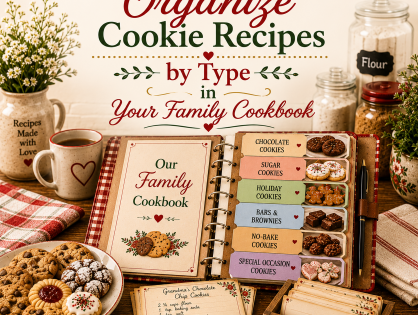
    A great cookie recipe deserves to be easy to find. When you’re flipping through your family cookbook, searching for Grandma’s gingerbread or your aunt’s chocolate chip masterpiece, the last thing you want is to dig through pages of unrelated recipes. That’s where good organization comes in.

    The way you organize your cookie recipes can turn your cookbook from a cluttered list into a smooth, enjoyable baking experience — one that reflects your family’s traditions and makes it easy for future generations to follow in your footsteps.

    Here’s how to categorize, label, and organize your cookie recipes by type using Family Cookbook Project, so your collection feels as sweet and polished as the cookies themselves.

    1. Why Organization Matters in a Family Cookbook

    A well-organized cookbook doesn’t just look good — it makes baking simpler and more enjoyable.

    When recipes are grouped logically, you can:

    • Find what you need quickly.
    • Discover forgotten favorites more easily.
    • See at a glance what types of cookies you already have (and where you might want to add more).

    A clear structure also makes your cookbook more useful for others in the family — especially younger bakers who may not yet know every recipe by heart.

    Family Cookbook Project allows you to create custom categories, so you can sort your cookies in whatever way makes sense for your family.

    1. Start with Broad Cookie Categories

    The first step in organizing your cookie recipes is to divide them into clear, broad categories. These categories make the cookbook intuitive to use and easy to browse.

    Here are a few classic options that work well for most families:

    • Drop Cookies – Cookies made by dropping spoonfuls of dough onto a baking sheet. Examples: chocolate chip, oatmeal raisin, or peanut butter.
    • Rolled Cookies – Cookies made from dough rolled out and cut into shapes. Think sugar cookies, gingerbread men, or shortbread.
    • Bar Cookies – Baked in a pan and cut into squares or bars. Examples include brownies, blondies, and lemon bars.
    • Refrigerator or Slice-and-Bake Cookies – Dough rolled into logs, chilled, and sliced before baking. Great for pinwheels or butter cookies.
    • Pressed or Spritz Cookies – Shaped with a cookie press or piping bag, often delicate and buttery.
    • No-Bake Cookies – Quick treats made without using the oven. Perfect for kids to make.
    • Sandwich Cookies – Cookies with filling, such as whoopie pies or linzer cookies.
    • Specialty Cookies – Include anything unique to your family — like gluten-free, vegan, or heritage cookies passed down through generations.

    By starting with these foundational categories, you make the book intuitive for everyone — even someone new to baking.

    1. Add Subcategories for a Personal Touch

    Once you’ve built your broad categories, take it a step further by adding subcategories that reflect your family’s traditions or tastes.

    For example:

    • Under Holiday Cookies, you might include “Christmas Classics,” “Hanukkah Favorites,” or “New Year’s Treats.”
    • Within Chocolate Cookies, you could list “Brownie-Inspired,” “Double Chocolate,” or “Chocolate Chip Variations.”
    • Under Family Favorites, include cookies tied to a specific person — “Grandma’s Collection,” “Mom’s Best Bakes,” or “The Kids’ Creations.”

    Family Cookbook Project gives you flexibility to name and arrange your categories however you like — so your book can feel uniquely yours.

    1. Use Consistent Formatting for Each Recipe

    Good organization goes beyond categories — it also means keeping each recipe easy to read and consistent in format.

    A clean, predictable layout helps bakers focus on what matters: the cookies.

    When adding recipes, be sure to include:

    • A clear title (with descriptive keywords, like “Chewy Oatmeal Raisin Cookies”).
    • An ingredient list in the order they’re used.
    • Step-by-step directions.
    • Bake time, temperature, and yield.
    • Notes for tips, variations, or substitutions.

    Family Cookbook Project standardizes this automatically when you enter your recipes, so each one appears uniform across the book.

    1. Include an Index for Quick Searching

    An index may seem like a small detail, but it’s a powerful tool for navigating your cookbook.

    The built-in index feature in Family Cookbook Project automatically lists recipes by title and contributor, so you can quickly find any cookie by name or see who submitted it.

    This feature is especially helpful in a cookie cookbook where multiple family members contribute — you can easily find “Aunt Jean’s Coconut Macaroons” or “Dad’s Peanut Butter Blossoms” without flipping through every page.

    You can even include a thematic index, such as:

    • “Cookies with Nuts”
    • “Cookies for Gifting”
    • “Cookies for Kids to Make”

    Indexes make your cookbook feel more professional and easier to use.

    1. Create Visual Dividers for Each Cookie Type

    A family cookie cookbook should be both functional and beautiful.

    Add section dividers or full-page images that introduce each type of cookie. For example:

    • A festive photo of sugar cookies for the Rolled Cookies section.
    • A warm tray of brownies for the Bar Cookies section.
    • A whimsical image of cookie cutters for the Holiday Cookies section.

    Family Cookbook Project allows you to add photos anywhere in your layout, giving each section its own personality.

    If your family has a favorite baking photo — Grandma rolling dough or kids decorating cookies — those images can become the heart of the section dividers.

    1. Keep Heritage Recipes Front and Center

    Every family has those irreplaceable cookie recipes that have been passed down through generations. Give them their own section or highlight them with a special note, such as:

    “This recipe has been part of our family since 1948.”
    “Always use real butter — Grandma’s rule.”

    Adding a “Family Heritage Cookies” section gives your cookbook emotional weight, connecting bakers across generations.

    You might even include short family stories or handwritten recipe cards for authenticity.

    1. Don’t Forget the Modern Touches

    Family cookbooks grow with each generation. Include newer recipes, too — vegan cookies, air-fryer desserts, or gluten-free classics — so the book stays relevant and inclusive.

    Consider adding a “New Traditions” section, where kids and younger bakers can include their own favorites. Over time, this section will show how your family’s cookie traditions evolve.

    1. Keep It Manageable and Easy to Update

    It’s tempting to include every cookie recipe you’ve ever made, but a focused collection is easier to use and more enjoyable to read.

    Start with 30–50 of your family’s best recipes, organized clearly into categories. You can always add more later — Family Cookbook Project makes it simple to edit or expand your cookbook whenever new favorites emerge.

    That flexibility ensures your cookbook grows right alongside your family traditions.

    1. Make It a Legacy Piece

    When you organize cookie recipes by type — and by story — you’re doing more than creating a cookbook. You’re creating a piece of family history that can be passed from one kitchen to another.

    Each section, each page, each note reflects not just what your family bakes, but who your family is.

    Whether it’s Grandma’s perfectly pressed spritz cookies or your child’s first chocolate chip experiment, your organized cookbook keeps them all connected — easy to find, easy to bake, and impossible to forget.

    Get Started Today

    Ready to bring order (and sweetness) to your recipe collection? Start organizing your cookie recipes by type with FamilyCookbookProject.com.

    Create sections, upload photos, and print a beautiful cookbook that keeps your family’s baking traditions alive — and easy to find.

    Because great cookies deserve to be remembered and shared, one category at a time.

    Bill Rice is Founder and Co-Publisher of the Family Cookbook Project, the leading online cookbook publisher with a website that helps families and individuals collect, preserve and share food memories by creating their own printed custom cookbooks. He is the author of The Wellfleet Oyster Cookbook and the Cape Cod Cocktail Cookbook (Available on Amazon), both created using FamilyCookbookProject.com. He is also editor of the Donovan Family Cookbook, now it’s third printing and is an avid genealogist tracing his family back to the 1600’s.

    Follow Family Cookbook Project on Facebook, Instagram, Twitter TikTok, YouTube and Pinterest!
  • Cookie Swap Cookbook: Turn a Baking Party into a Keepsake

    Cookie Swap Cookbook: Turn a Baking Party into a Keepsake

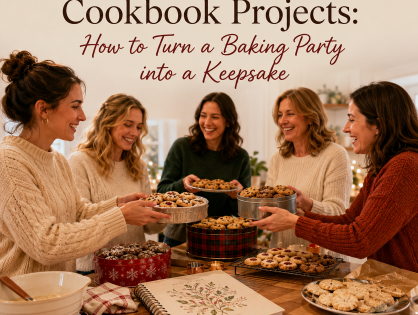
    A cookie swap is already full of everything people love about the holidays: favorite recipes, family traditions, laughter, sugar, and just enough powdered sugar on the floor to prove everyone had fun. Turning those cookie swap recipes into a printed cookbook makes the party last long after the tins are empty.With

    With Family Cookbook Project, you can transform a simple cookie swap into a custom printed cookbook — a keepsake filled with recipes, photos, and stories from everyone who took part. It’s a fun and meaningful way to celebrate community, creativity, and the simple joy of baking together.

    Here’s how to host a cookie swap that ends not just with full tins, but with a shared book of memories.

    Quick Answer: To create a cookie swap cookbook, ask each guest to bring cookies and submit the recipe, collect baker names and stories, photograph the cookies, organize recipes by cookie type or holiday theme, add party photos and baking memories, proofread the recipes, and print copies as keepsakes or gifts.

    1. What Makes Cookie Swaps So Special

    Cookie swaps are about more than exchanging baked goods — they’re about connection. Each person brings a part of themselves to the table: a family recipe, a secret ingredient, a tradition that means something to them.

    Everyone leaves with more than cookies. They leave with new ideas, new favorites, and the satisfaction of having shared something personal.

    Turning your cookie swap into a cookbook project takes that feeling and makes it permanent. You’ll have a record of every recipe, every contributor, and even a few stories from the day — all collected into a beautiful printed keepsake.

    1. Plan Your Baking Party with the Cookbook in Mind

    Start by deciding what kind of cookie swap you want to host. It could be:

    • A small family gathering.
    • A neighborhood or community event.
    • A workplace holiday tradition.
    • A group of friends who bake together every year.

    Once you’ve picked your group, let everyone know ahead of time that you’re collecting recipes for a cookie swap cookbook. That way, participants can write their recipes clearly, share a short story about their cookies, and even bring printed copies for others to take home.

    1. Collect the Recipes Before the Event

    To make your cookbook project easier, gather everyone’s recipes before the swap. Ask participants to submit them online through FamilyCookbookProject.com or send them by email.

    Encourage them to include:

    • The full ingredient list and directions.
    • A short story about where the recipe came from or what it means to them.
    • Tips for decorating, storing, or serving.
    • A photo if they have one.

    By collecting recipes ahead of time, you can start building your cookbook layout even before the event begins.

    1. Add a Personal Touch with Stories and Memories

    The best cookie cookbooks include more than measurements — they include meaning.

    Encourage contributors to share short notes that bring each recipe to life. For example:

    “This was my grandmother’s Christmas cookie recipe. She always baked extra so we could give them to neighbors.”
    “We made these every December, and the smell meant it was officially the holidays.”
    “These cookies were a disaster the first time, but now they’re everyone’s favorite.”

    When readers open your finished cookbook, they’ll smile at the stories just as much as the recipes.

    1. Make the Swap a Celebration

    The baking party itself is the heart of the project.

    Decorate the space with holiday touches — string lights, ribbons, and plates of cookies ready to trade. Have guests bring several dozen of one cookie variety, enough to share and exchange.

    You can set up a tasting table, provide blank cards for notes, and let people vote for fun categories like:

    • Best Presentation
    • Most Creative
    • Family Favorite
    • Best Use of Chocolate

    Capture the day with photos — smiling faces, trays of cookies, and the joyful chaos of baking friends sharing their creations. These images will make wonderful additions to your finished cookbook.

    1. Use Family Cookbook Project to Build the Book

    After the event, gather all your recipes, stories, and photos in one place using Family Cookbook Project. The online tools make it easy to:

    • Add recipes directly from participants.
    • Upload photos from the swap.
    • Write an introduction about your event.
    • Organize the cookbook into sections (like chocolate, holiday classics, or international favorites).
    • Choose a cover design and title, such as “Cookie Swap Classics 2025” or “Our Annual Bake & Share Collection.”

    You can even include a section with photos of the event and notes from participants, turning the cookbook into a true keepsake of the day.

    1. Choose a Festive Design

    Presentation matters — especially when your cookbook doubles as a memento.

    Family Cookbook Project offers three book sizes and multiple binding options:

    • 8½ x 11 inches – perfect for full-page photos and detailed recipes.
    • 8 x 8 inches – a modern square design that’s great for gifting.
    • 5½ x 8½ inches – compact and easy to use in the kitchen.

    Pick between spiral binding for practical use or hardcover for a keepsake edition. Add holiday colors, cookie images, or even a photo of your group on the cover to make it extra personal.

    1. Include Extras That Make It Special

    Round out your cookbook with helpful sections and personal touches, such as:

    • Baking tips: How to keep cookies soft, how to ship them, or how to decorate like a pro.
    • Storage advice: The best ways to store different types of cookies.
    • Conversion charts: Handy for new bakers or younger participants.
    • Notes pages: Leave blank space for future cookie swap recipes or variations.

    These details make the cookbook practical for baking and meaningful as a gift.

    1. Share and Gift the Finished Cookbook

    Once your cookbook is complete, print copies to share with everyone who participated in the cookie swap.

    It’s a perfect thank-you gift — a way for each baker to remember not only the cookies they brought, but also the people who made the event special.

    If you host your cookie swap annually, you can make a new edition each year, adding new recipes and photos. Over time, you’ll build a multi-volume family or community tradition that captures the spirit of every holiday season.

    1. Keep the Tradition Going

    A cookie swap cookbook is more than a collection of recipes. It’s a record of shared laughter, creativity, and friendship.

    By making it an annual tradition, you’re doing more than baking cookies — you’re building a legacy. Each year’s cookbook becomes a chapter in a story that grows sweeter over time.

    Decades from now, those books will be a family archive of recipes, faces, and memories — proof that some of the best gifts are made with sugar, flour, and a lot of love.

    Start Today!

    Turn your next cookie swap into a keepsake that lasts long after the last crumb is gone. Create a cookie swap cookbook with FamilyCookbookProject.com.

    Collect recipes, photos, and stories online, then print a professional-quality cookbook your group will treasure year after year.

    Because every cookie shared deserves to be remembered.


    Bill Rice is Founder and Co-Publisher of the Family Cookbook Project, the leading online cookbook publisher with a website that helps families and individuals collect, preserve and share food memories by creating their own printed custom cookbooks. He is the author of The Wellfleet Oyster Cookbook and the Cape Cod Cocktail Cookbook (Available on Amazon), both created using FamilyCookbookProject.com. He is also editor of the Donovan Family Cookbook, now it’s third printing and is an avid genealogist tracing his family back to the 1600’s.

    Follow Family Cookbook Project on Facebook, Instagram, Twitter TikTok, YouTube and Pinterest!

     

    Frequently Asked Questions About Cookie Swap Cookbooks

    What is a cookie swap cookbook?
    A cookie swap cookbook is a printed collection of cookie recipes shared at a cookie exchange, baking party, holiday gathering, or community event. It can include recipes, baker names, stories, photos, and party memories.

    How do I create a cookbook from a cookie swap?
    Ask each guest to submit a recipe, collect baker names and stories, photograph the cookies, organize recipes into categories, proofread the recipes, and print copies as keepsakes or gifts.

    How many recipes should a cookie swap cookbook have?
    A small cookie swap cookbook can work well with 20–40 recipes. A larger holiday cookie cookbook or fundraiser may include 50–100 recipes or more.

    What should guests bring to a cookie swap cookbook party?
    Guests should bring cookies to share, a copy of the recipe, the baker’s name, and any story or memory connected to the recipe. Use FamilyCookbookProject.com’s Invite tool to have guests enter their recipes directly into the system.

    Can a cookie swap cookbook be used as a fundraiser?
    Yes. A cookie swap cookbook can be sold as a holiday fundraiser for schools, churches, clubs, scout troops, and nonprofits.

    What categories should a cookie cookbook include?
    Useful categories include chocolate cookies, holiday classics, no-bake cookies, bars and squares, decorated cookies, family favorites, international cookies, gluten-free cookies, and candy.

    Is a cookie swap cookbook a good holiday gift?
    Yes. It makes a meaningful holiday gift because it preserves favorite recipes, baking memories, family traditions, and photos from the event.

  • Family Cookbook Project has an “Award-winning” Newsletter

    The Family Cookbook Project (www.familycookbookproject.com) has been named the Best Cooking and Recipe Online Newsletter of 2024 by the Web Marketing Association’s 22nd annual Internet Advertising Competition Awards.  The Family Cookbook Project creates personalized cookbooks for individuals, families, church groups and schools.

    Chip Lowell, Co-Publisher of the Family Cookbook Project, stated, “The Great Family Cookbook Project is a website devoted to assisting families in gathering and preserving cherished recipes in a printed cookbook that can be handed down through generations. We are honored that the Web Marketing Association has recognized our communication efforts with this IAC Award. Our monthly newsletter, sent to our cookbook editors, is designed to help them maximize their cookbook creation experience. We will continue to enhance our website and communication programs to support families, schools, and church groups in creating both online and printed cookbooks that will become treasured heirlooms.”

    The Family Cookbook Project Website was started as a project in 2003 to help one family collect and organize a family cookbook. Overwhelming feedback from those who used the website led to its continued development and public launch.  Currently, more than 140,000 families have started family cookbooks using the website and have entered more than 2.6 million individual recipes.

    The newsletter, Food for Thought, is sent to more than 96,000 editors each month and features ideas on creating a better cookbook, program enhancements, featured recipes from other editors, editor testimonials and famous food quotes.

    Thousands of entries from around the world were adjudicated in 90 industry categories during this year’s competition. Entries were judged on creativity, innovation, impact, design, copy writing, memorability and use of the medium. The competition was judged by a team of independent Internet professionals representing a variety of relevant disciplines of Web site development. Judges included members of the media, advertising executives, site designers, creative directors, corporate marketing executives, content providers and webmasters.

    This  is the forth year in a row that Family Cookbook Project’s newsletter has been recognized by the Web Marketing Association as Best Cooking and Recipe Online Newsletter.

  • Planning A Bridal Shower?  Make A Bridal Shower Cookbook

    Planning A Bridal Shower? Make A Bridal Shower Cookbook

    Here is a great idea next you need to plan a bridal shower for a friend or family member – a bridal cookbook!

    One thing every new bride needs is great recipes to feed her family. Both families as well as friends can help get this started by contributing recipes as part of a bridal shower!

    Here’s how to do it:

    When you send out your bridal shower invitations, include a link to your Family Cookbook Project cookbook, use the Invitation Tool and add everyone’s email. This will send everyone a link that will allow them to contribute their recipes. Set a deadline for entering recipes about three weeks from when the invitations are sent. Remember people will also wait until the deadline!

    Get both of the mother’s to contribute the most recipes if possible. This way both the bride and groom will have lots of recipes that they grew up with in their cookbook. Using Family Cookbook Project’s Custom Categories Tool, you can even create a special category for each mom’s recipes.

    As the recipes are being entered, start planning how the cookbook will look.

    Cover – Family Cookbook Project offers several cookbook covers specifically for bridal cookbooks or wedding cookbooks. You also can create a custom cover with the name of the cookbook and a photo of the couple.

    Write an introduction – The best bridal cookbooks will have an introduction written by the individuals giving the bridal shower. An introduction can be used to wish the couple well wishes and to talk about the importance of family.

    Add Photos – Photos can help bring your cookbook to life. You can add photos of the lucky couple on top of recipes, or create custom pages to highlight photos of the bride and groom as they were growing up and while they were dating.

    Finally, it is time to print your cookbook. Make sure you give yourself enough time to order your cookbooks and have them printed, at least 3-4 weeks if possible. Be sure to order enough copies for each attendee as well as several extra copies for family members that can not attend the event.

    For the event, make some of the dishes from the bridal cookbook and serve them at the event. Include a place card with the dish name and include the page number from the cookbook. Finally, if you are looking for a great wedding favor, try creating a Wedding Cookbook for your family and friends!


    Bill Rice is Founder and Co-Publisher of the Great Family Cookbook Project, a website that helps families and individuals collect, preserve and share food memories by creating their own printed personal cookbooks. He is the author of The Wellfleet Oyster Cookbook and the Cape Cod Cocktail Cookbook (Available on Amazon), both created using FamilyCookbookProject.com. He is also editor of the Donovan Family Cookbook, now it’s third printing and is an avid genealogist tracing his family back to the 1600’s.

    Follow Family Cookbook Project on Facebook, Instagram, Twitter and Pinterest!

  • A fun Idea For Your Family Reunion Cookbook

    A fun Idea For Your Family Reunion Cookbook


    Family reunions are a great opportunity to create a family cookbook and get lots of people to participate. A family reunion cookbook motivates family members to communicate before the event and helps get everyone excited!

    We have hundred’s of family reunion cookbooks under our belts and we’d love to work on yours. Our site is perfect for communicating with larger groups of family members via email and keeping everyone motivated.

    Here is a fun idea for your Family Reunion Cookbook – a family directory section!

    Here’s how to do it:

    • Start by creating a custom recipe category entitled “Family Members”.
    • Next, add your family member’s names and email addresses into the invitation tool so you can invite them to participate and directly add recipes and bios to your cookbook account.
    • Next ask everyone to use the add a recipe tool and have them enter their name as the title of the recipe, Their photo as the recipe photo and their bio as the personal notes. They can leave everything else blank and all of the bios will be together in one section in the back of the book.

    You might want to also include a family tree so everyone knows how each other is related.

    The other way to create a family directory would be to have everyone email you their info and photo and you create custom pages for each one.

    Family members can even pick up the cookbooks at the reunion!


    Bill Rice is founder and Co-Publisher of the Great Family Cookbook Project, a website that helps families and individuals collect and share food memories through customized printed cookbooks filled with treasured recipes. Follow us on Facebook and Pinterest!

  • 2020 Cookbook Printing Deadlines For The Holidays

    Giving the gift of a beautiful personalized family cookbook is something that many, many of our cookbook editors are looking forward this holiday season. As such, this is by far the busiest time for printing your cookbook.

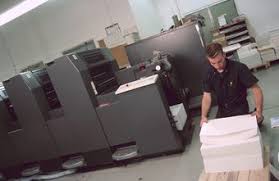
    Here are some deadlines to know about to make sure you have your cookbook print orders in hand when you want them:

    • Thanksgiving: Sunday, November 1st
    • Christmas: Monday, November 30th

    So now is the time to contact all of your contributors with your Reminder Tool and tell them to enter their recipes now before it is too late. We recommend using a recipe submission deadline a couple weeks ahead of your deadline. So for Thanksgiving, give your helpers a deadline of October 15th in order to give you time to review the recipes, make sure all of the extra spaces are removed and words are spelled correctly, and still have time to place your order before the printing deadline.

    And don’t feel you need to wait for the absolute deadline to submit your order either, those days and extremely busy and cookbooks are printed on a first come, first served basis. So the earlier your cookbook order is placed, the sooner you will have your cookbooks in hand.

    Family cookbooks make wonderful gifts for family and friends alike. The effort you put into your cookbook now will pay off for your entire family for years to come.

  • How To Create a Mini Cookbook

    Do you have a lot of recipes of a specific type? Maybe you love to make cookies or pies or cakes. You can create a “mini cookbook” to organize your recipes and even share with family and friends.

    With a few as 10 recipes, you can create a single category cookbook or multiple categories within a theme.

    For example, as the bartender for our family I am often asked what cocktails I can make. I show them my “Fabulous Family Cocktails” – a cookbook of 27 beverage recipes and let then choose what I can make for them.

    Around the holidays our “Family Cookie Recipes” cookbook comes in real handy when getting ready for a cookie swap!

    Next, I plan on creating a BBQ mini cookbook and giving it out as gifts for Christmas to my friends and family.

    To create you own mini cookbook, go to the Production Center on your editor page and select “more cookbooks”. Here you can create your own mini cookbook and even import your recipes from your main cookbook using our recipe transfer tool.


    Bill Rice is founder and Co-Publisher of the Great Family Cookbook Project, a website that helps families and individuals collect and share food memories through customized printed cookbooks filled with treasured recipes. Follow us on Facebook and Pinterest!

  • Planning Ahead to Get Your Cookbook On Time

    If you are using your family cookbooks as part of a celebration, either a family reunion, Mother’s Day gift, Christmas gift, wedding favor, or other specific event, it is important that you plan ahead and give yourself plenty of time to have your cookbooks printed and shipped for the event.

    Family Cookbook Project uses the latest in high speed digital printing to produce your family heirlooms. Generally it takes 2-3 weeks to get the files ready for the presses, print, bind and package to ship directly to you. However, during our busiest seasons – right before Mother’s Day and Christmas – it can take much longer.

    Another thing to consider is shipping. We use UPS to ship our family cookbooks all over the USA and Canada. Shipping can take an additional week to have your cookbooks reach you.

    Since personalized family cookbooks can make such great Christmas gifts, editors rush to get their print orders submitted in November in order to receive them in time for Christmas time gift giving. Normally, we have a November 30th deadline for delivery in time for Christmas. Save yourself (and us) the danger of not having your cookbooks ready and submit your holiday cookbook orders in October and beat the November rush.

    We have been implementing improvements in our programming that will allow us to provide you with a more accurate quote for printing your cookbook prior to submitting your order so that you can save time when getting ready to print.

    When setting your deadline for recipe contributions, leave enough time for you to review all of the recipes and finalize formatting before you can submit your order for printing. Roughly a month later, your cookbooks should be in your hands!


    Bill Rice is founder and Co-Publisher of the Great Family Cookbook Project, a website that helps families and individuals collect and share food memories through customized printed cookbooks filled with treasured recipes. Follow us on Facebook and Pinterest!

  • How To Share Your Family Cookbook Recipes

    One of the real benefits of collecting all of your recipes in your online cookbook on FamilyCookbookProject.com is to be able to share them very easily with friends and family.

    Say you have friends over and they really like your split pea soup and want the recipe. All you need to do is go to your cookbook account either on your desktop computer or even on your mobile Mobile phone or tablet and pull up the recipe.  Now all you have to do is choose how you want to give it to him.

    Email – In the upper right hand corner, you’ll see a box marked email a recipe. Enter your friends email here and send them your recipe. It’s that easy!

    Posted on Facebook – Wow your friend might like your recipe, so will other friends. You can select the Facebook icon and post your recipe to your Facebook page to be seen by call your friends. Especially if you’ve been adding photos to your recipes, your posts will really stand out and be appreciated by lots of your friends and family.

    Posted on Pinterest – Here’s another way to share your recipes if they have photos attached. Pinterest was built around sharing photos and when you share one of your recipes on this social media platform, the photo becomes the pin and people who click on it will see your recipe.

    Print your recipe – If your friend simply wants a printed copy of your recipe, it is easy to select the print icon and simply print them a copy and give it to them.

    You also might want to suggest to your friends that they create their own family cookbook account so they can share their recipes as well!


    Bill Rice is founder and Co-Publisher of the Great Family Cookbook Project, a website that helps families and individuals collect and share food memories through customized printed cookbooks filled with treasured recipes. Follow us on Facebook and Pinterest!