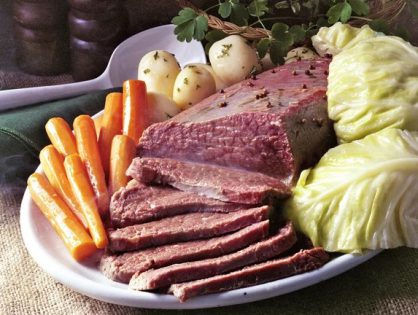
Category: International Cuisine

  • Cook Thai Like a Pro: Essential Ingredients and Easy Recipes to Get Started

    Cook Thai Like a Pro: Essential Ingredients and Easy Recipes to Get Started

    Thai food is known for its complex flavors, fresh ingredients, and the perfect balance of sweet, sour, salty, and spicy elements. Cooking Thai food at home might seem intimidating at first, but with the right ingredients, dishes to start with, and a few key utensils, you can easily recreate the vibrant flavors of Thailand in your own kitchen. In this article, FamilyCookbookProject.com will explore everything you need to get started on your Thai cooking journey.

    Essential Ingredients for Cooking Thai Food

    A key aspect of Thai cooking is using fresh, flavorful ingredients. Here are some of the essential ingredients you’ll want to keep stocked in your kitchen when cooking Thai dishes:

    Fish Sauce (Nam Pla)

    –  What It Is : A salty, fermented sauce made from fish, fish sauce is essential for adding depth and umami flavor to Thai dishes.

    –  Uses : Used in sauces, marinades, and as a seasoning in stir-fries, soups, and salads.

    Coconut Milk

    –  What It Is : Rich and creamy, coconut milk is a common base for many Thai curries and soups.

    –  Uses : Used to create creamy textures in curries like green or red curry and soups like tom kha gai (coconut chicken soup).

    Lime

    –  What It Is : Fresh lime juice adds brightness and acidity to balance the flavors in many Thai dishes.

    –  Uses : Squeezed over salads, curries, and soups to add a tart, refreshing flavor.

    Lemongrass

    –  What It Is : A fragrant herb that gives Thai food its signature citrusy aroma.

    –  Uses : Used in soups, curries, and marinades. Typically, the tough outer layers are removed, and the tender inner stalk is minced or bruised.

    Galangal

    –  What It Is : Similar to ginger but with a more citrusy and peppery flavor, galangal is a staple in Thai cooking.

    –  Uses : Often used in soups (like tom yum) and curry pastes to add a fragrant, earthy flavor.

    Thai Basil

    –  What It Is : A type of basil with a slightly spicy, anise-like flavor that’s distinct from regular basil.

    –  Uses : Used in stir-fries, curries, and salads to add a fresh, aromatic flavor.

    Kaffir Lime Leaves

    –  What It Is : These fragrant leaves add a unique citrusy flavor to Thai soups and curries.

    –  Uses : Often used whole in soups and curries for flavor, then removed before eating, or finely sliced to garnish dishes.

    Palm Sugar

    –  What It Is : A natural sweetener made from the sap of palm trees, adding a subtle caramel sweetness.

    –  Uses : Used to balance out the heat and tanginess in dishes like pad Thai, curries, and dipping sauces.

    Thai Chili Peppers (Bird’s Eye Chili)

    –  What It Is : These small but mighty chilies pack a punch and are a key component in bringing heat to Thai dishes.

    –  Uses : Used in sauces, stir-fries, and salads to add heat and flavor.

    Rice Noodles

    –  What It Is : Commonly used in dishes like pad Thai and pad see ew, rice noodles are versatile and gluten-free.

    –  Uses : Boiled or stir-fried, these noodles are used in various stir-fry dishes, soups, and salads.

    Beginner-Friendly Thai Dishes to Try

    If you’re new to cooking Thai food at home, start with these classic dishes that are easy to make and packed with flavor:

    Pad Thai

    Pad Thai is a popular Thai street food dish that’s simple to make and full of flavor. It’s made with rice noodles, tofu or shrimp, eggs, peanuts, bean sprouts, and a tangy tamarind sauce.

    –  Key Ingredients : Rice noodles, fish sauce, tamarind paste, palm sugar, eggs, shrimp or tofu, bean sprouts, peanuts, lime.

    –  Pro Tip : The key to perfect pad Thai is balancing the sweet, sour, and salty flavors, and making sure your wok is hot enough for quick stir-frying.

    Search FamilyCookbookProject.com for Pad Thai recipes.

    Tom Yum Soup

    Tom yum is a hot and sour soup that’s known for its bold, zesty flavor. It’s made with shrimp, mushrooms, lemongrass, galangal, kaffir lime leaves, and Thai chilies, all simmered in a clear broth.

    –  Key Ingredients : Shrimp, lemongrass, galangal, kaffir lime leaves, Thai chilies, mushrooms, fish sauce, lime juice.

    –  Pro Tip : For an added kick of flavor, stir in some nam prik pao (Thai chili paste) just before serving.

    Search FamilyCookbookProject.com for Tom yum recipes.

    Green Curry (Gaeng Keow Wan)

    Green curry is a rich, fragrant curry made with coconut milk, green curry paste, chicken or tofu, and vegetables. It’s typically served with jasmine rice.

    –  Key Ingredients : Green curry paste, coconut milk, chicken or tofu, Thai basil, fish sauce, lime leaves.

    –  Pro Tip : Use fresh green curry paste for the best flavor, and don’t skimp on the Thai basil for an authentic taste.

    Search FamilyCookbookProject.com for Green curry recipes.

    Som Tum (Green Papaya Salad)

    Som tum is a spicy, tangy salad made from shredded green papaya, tomatoes, peanuts, and a dressing made from fish sauce, lime juice, and chilies.

    –  Key Ingredients : Green papaya, tomatoes, peanuts, Thai chili, garlic, fish sauce, lime juice, palm sugar.

    –  Pro Tip : You can adjust the heat level by adding more or fewer chilies to the dressing, depending on your spice tolerance.

    Search FamilyCookbookProject.com for Som tum recipes.

    Essential Cooking Utensils for Thai Cooking

    To make authentic Thai food at home, there are a few kitchen tools and utensils that will make the cooking process smoother and help you achieve the best results:

    Wok

    A wok is a must-have for stir-frying in Thai cooking. Its large, sloped sides allow for even cooking at high temperatures, which is essential for dishes like pad Thai or stir-fried noodles.

    Mortar and Pestle

    Many Thai sauces and pastes, like curry pastes or chili pastes, are traditionally made using a mortar and pestle. This tool allows you to grind fresh ingredients into a smooth paste, releasing all the aromatic oils and flavors.

    Rice Cooker

    While you can cook rice on the stovetop, a rice cooker simplifies the process, ensuring perfect jasmine or sticky rice every time.

    Cleaver or Sharp Chef’s Knife

    Thai cuisine often involves chopping herbs, vegetables, and meats finely. A cleaver or a sharp chef’s knife will make this task much easier.

    Fine Grater or Zester

    This tool is handy for grating galangal, garlic, or lime zest, which are common ingredients in Thai recipes.

    Start Cooking Thai Food at Home

    Cooking Thai food at home can be a fun and rewarding way to bring the vibrant flavors of Thailand to your kitchen. By stocking up on essential ingredients like fish sauce, coconut milk, and Thai chilies, you’ll have the foundation for a variety of delicious dishes. Start with simple, beginner-friendly recipes like pad Thai and green curry, and invest in a few key utensils like a wok and mortar and pestle to help you recreate authentic flavors.

    When you’re just starting out with Thai  cooking, it can be helpful to explore different sources for recipes. Whether you’re browsing cookbooks, online blogs, or watching cooking shows, there are countless ways to find inspiration for your next Italian dish. As you experiment with new recipes, it’s a great idea to keep them organized, so you can easily revisit your favorites.

    FamilyCookbookProject.com is a perfect tool for this. You can collect all the Italian recipes you’ve tried and loved, add personal notes or adjustments, and create a customized cookbook that reflects your own culinary journey. This way, you’ll have your personal collection of go-to Italian recipes, whether it’s for a simple weeknight pasta or a special family gathering.

    With practice and experimentation, you’ll soon be mastering Thai dishes and enjoying the complex, delicious flavors that make this cuisine so special. So, gather your ingredients, heat up your wok, and get ready to enjoy some homemade Thai food!

    Bill Rice is Founder and Co-Publisher of the Family Cookbook Project, a website that helps families and individuals collect, preserve and share food memories by creating their own printed personal cookbooks. He is the author of The Wellfleet Oyster Cookbook and the Cape Cod Cocktail Cookbook (Available on Amazon), both created using FamilyCookbookProject.com. He is also editor of the Donovan Family Cookbook, now it’s third printing and is an avid genealogist tracing his family back to the 1600’s.

    Follow Family Cookbook Project on Facebook, Instagram, Twitter TikTok, YouTube and Pinterest!

     

  • From Gumbo to Jambalaya: How to Cook Creole Dishes at Home

    From Gumbo to Jambalaya: How to Cook Creole Dishes at Home

    Creole cuisine is a flavorful fusion of French, Spanish, West African, and Caribbean influences, blending bold spices, hearty meats, and fresh vegetables into rich, comforting dishes. Known for its use of the “holy trinity” of Creole cooking (onions, bell peppers, and celery) and robust seasonings, Creole food has become a staple of Southern cuisine, particularly in Louisiana.

    In this article, FamilyCookbookProject.com explores the essential ingredients for Creole cooking, the key spices to stock up on, and some simple dishes to help you get started with cooking Creole food at home.

    Essential Ingredients for Creole Cooking

    Creole food is built around fresh, locally sourced ingredients combined with hearty proteins and flavorful vegetables. Here are some key ingredients you should have on hand when cooking Creole dishes:

    The Holy Trinity (Onions, Bell Peppers, and Celery)

    The “holy trinity” of Creole cooking is the combination of onions, bell peppers, and celery. These three vegetables are the base for many Creole dishes, including gumbo, jambalaya, and étouffée, adding a rich, aromatic flavor to stews and sauces.

    Tomatoes

    Tomatoes are a crucial ingredient in many Creole dishes, especially in dishes like Creole sauce, shrimp Creole, and jambalaya. Fresh or canned tomatoes work well in these recipes, bringing sweetness and acidity to the dish.

    Seafood (Shrimp, Crawfish, Oysters)

    Fresh seafood is a hallmark of Creole cuisine, particularly in coastal Louisiana. Shrimp, crawfish, and oysters are used in popular dishes like seafood gumbo, shrimp Creole, and crawfish étouffée. If fresh seafood isn’t available, frozen options are a great substitute.

    Sausage (Andouille or Smoked Sausage)

    Andouille sausage is a smoked, spicy sausage that adds a rich, smoky flavor to Creole dishes like gumbo and jambalaya. If you can’t find andouille, you can use other types of smoked sausage as a substitute.

    Rice

    Rice is a staple in Creole cooking, serving as a base for dishes like jambalaya and red beans and rice. Long-grain white rice is most commonly used, but you can also use brown rice for a healthier option.

    Chicken and Pork

    Chicken and pork are common proteins in Creole cuisine. Chicken is often used in dishes like gumbo and smothered chicken, while pork is used in sausages, slow-cooked dishes, and stews.

    Okra

    Okra is a key ingredient in gumbo, used to thicken the stew and add a unique texture. It’s also used in fried dishes and vegetable sides, giving a slight crunch and flavor to the meal.

    Beans (Red Beans, Black-Eyed Peas)

    Beans, particularly red beans and black-eyed peas, are used in many Creole dishes, like red beans and rice and bean stews. These beans add heartiness to dishes and are often simmered with sausage and spices.

    Butter and Flour (Roux)

    A dark, flavorful roux made from butter and flour is the base of many Creole dishes, particularly gumbo and étouffée. The roux adds richness and depth to the dish, providing a thickened, savory sauce.

    Must-Have Spices and Seasonings for Creole Cooking

    Creole cooking is all about building layers of flavor, which means having the right spices and seasonings is essential. Here are the key spices you’ll need:

    Cayenne Pepper

    Cayenne pepper is often used to add heat to Creole dishes. It’s a staple in spice blends like Creole seasoning and is used to add a fiery kick to dishes like gumbo and jambalaya.

    Paprika

    Paprika, both sweet and smoked, is commonly used in Creole seasoning. It adds color, depth, and a mild spiciness to many dishes.

    Thyme

    Thyme is frequently used in Creole cooking, especially in soups, stews, and sauces. It pairs well with other herbs like parsley and bay leaves, adding a subtle earthiness to dishes.

    Bay Leaves

    Bay leaves are used in many Creole dishes, particularly in long-simmering stews and soups like gumbo and red beans and rice. They add a fragrant, herbal note to the dish.

    Garlic

    Garlic is an essential flavor base in Creole cooking. It’s used in almost every dish, whether it’s minced into sauces or added whole to stews and braises.

    Creole Seasoning

    Creole seasoning is a spice blend made with paprika, garlic powder, onion powder, cayenne pepper, thyme, and oregano. It’s a versatile mix used to season everything from seafood to meats and vegetables.

    Oregano

    Oregano is a key herb in Creole cooking, especially in tomato-based dishes like shrimp Creole and jambalaya. It adds an aromatic, slightly bitter note to balance the richness of the dish.

    Parsley

    Fresh parsley is often used as a garnish in Creole dishes, adding brightness and freshness to rich, flavorful meals. It’s also used in marinades and sauces.

    Simple Creole Dishes to Start With

    Once you have your ingredients and spices ready, here are a few simple Creole dishes to get you started:

    Gumbo

    Gumbo is one of the most iconic Creole dishes. It’s a rich, hearty stew made with seafood or chicken, andouille sausage, and a thick roux base. Okra is often used as a thickener, and the dish is seasoned with Creole spices and served over rice.

    Search FamilyCookbookProject.com for Gumbo recipes.

    Shrimp Creole

    Shrimp Creole is a simple yet flavorful dish made with shrimp simmered in a tomato-based sauce spiced with cayenne, paprika, and thyme. It’s served over white rice for a quick, satisfying meal.

    Search FamilyCookbookProject.com for Shrimp Creole recipes.

    Jambalaya

    Jambalaya is a one-pot dish made with rice, sausage, chicken, and shrimp, all simmered together with tomatoes, onions, and bell peppers. It’s a hearty, flavorful meal that’s perfect for feeding a crowd.

    Search FamilyCookbookProject.com for Jambalaya recipes.

    Red Beans and Rice

    Red beans and rice is a classic Creole dish made with red beans, smoked sausage, and spices, all cooked together in a flavorful broth and served over rice. It’s a comforting, filling meal that’s easy to make.

    Search FamilyCookbookProject.com for Red beans and rice recipes.

    Crawfish Étouffée

    Étouffée is a rich, flavorful dish made with crawfish (or shrimp) smothered in a roux-based sauce flavored with garlic, thyme, and Creole spices. It’s served over rice and is a popular dish in both Creole and Cajun cuisine.

    Search FamilyCookbookProject.com for Étouffée recipes.

    Cooking Creole Food at Home

    Cooking Creole food at home allows you to experience the bold, vibrant flavors of the Louisiana Bayou right in your own kitchen. By stocking up on essential ingredients like the “holy trinity,” seafood, sausage, and rice, and using spices like cayenne pepper, paprika, and thyme, you’ll be able to create authentic Creole dishes with ease. Start with simple, comforting recipes like gumbo or shrimp Creole, and as you become more comfortable with the cuisine, explore more elaborate dishes like crawfish étouffée or jambalaya.

    Creole food is all about warmth, community, and a celebration of diverse flavors, so gather your friends and family, and enjoy a delicious Creole feast!


    Bill Rice is Founder and Co-Publisher of the Family Cookbook Project, the leading online cookbook publisher with a website that helps families and individuals collect, preserve and share food memories by creating their own printed custom cookbooks. He is the author of The Wellfleet Oyster Cookbook and the Cape Cod Cocktail Cookbook (Available on Amazon), both created using FamilyCookbookProject.com. He is also editor of the Donovan Family Cookbook, now it’s third printing and is an avid genealogist tracing his family back to the 1600’s.

    Follow Family Cookbook Project on Facebook, Instagram, Twitter TikTok, YouTube and Pinterest!

     

  • Indian Food at Home: How to Start Cooking Flavorful, Authentic Dishes

    Indian Food at Home: How to Start Cooking Flavorful, Authentic Dishes

    Indian cuisine is renowned for its rich flavors, aromatic spices, and a variety of textures. It’s one of the most beloved and diverse culinary traditions in the world, offering a feast of vegetarian and non-vegetarian dishes. Cooking Indian food at home may seem daunting due to the complexity of flavors, but with the right ingredients and a few simple tools, you can bring the magic of Indian cuisine into your kitchen.

    In this article, FamilyCookbookProject.com walk through the ingredients you’ll need to get started, some beginner-friendly dishes, and the essential utensils that will make cooking Indian food easier and more enjoyable.

    Essential Ingredients for Indian Cooking

    One of the most important aspects of Indian cooking is its use of spices. These spices form the base of many dishes and are often toasted in oil to release their full flavor. Don’t worry if you’re not familiar with some of these ingredients—most of them are readily available in supermarkets or can be found in specialty Indian grocery stores.

    To start, you’ll want to stock your pantry with some core spices.  Cumin, both in whole seed and ground form, is a fundamental spice in many Indian dishes, lending an earthy, slightly bitter flavor.  Coriander, with its citrusy notes, is another staple, often paired with cumin to build the base of curries and stews.  Turmeric is not only responsible for the vibrant golden color of many Indian dishes but also adds a warm, slightly bitter taste.

    In addition to these, garam masala, a blend of ground spices, is a key player in Indian cuisine. It typically includes cinnamon, cloves, cardamom, and nutmeg, bringing warmth and complexity to both vegetarian and meat-based dishes.  Mustard seeds and fenugreek are also commonly used to add flavor and depth. Of course, if you’re looking for heat, chili powder or fresh green chilies are essential to give your dishes that signature kick.

    In addition to spices, you’ll want to stock up on lentils (dal), such as red lentils (masoor dal) or split yellow lentils (toor dal). Lentils are a staple in Indian cooking, forming the base of many curries and soups.  Basmati rice is the preferred rice in Indian cuisine, with its long grains and fragrant aroma, often served alongside curries. Finally, be sure to have yogurt on hand—used as a cooling accompaniment or as a marinade, yogurt brings a creamy texture and balances the heat of spicier dishes.

    Dishes to Start With

    Now that your pantry is stocked, let’s move on to some beginner-friendly Indian dishes that will help you get comfortable with the cuisine. A great starting point is dal tadka, a simple yet flavorful lentil dish. It’s made by simmering lentils with spices like cumin, turmeric, and garlic, then finishing the dish with a tempering of fried onions and tomatoes in oil. It’s a comforting, protein-rich dish that pairs beautifully with rice or flatbreads like naan or roti.

    If you’re craving something with a bit more complexity, chicken curry is a fantastic dish to try. Start by marinating chicken in yogurt, garlic, ginger, and spices like cumin, coriander, and chili powder. The yogurt helps tenderize the meat while infusing it with flavor. The chicken is then cooked in a sauce made from onions, tomatoes, and a mix of spices. The key to a rich curry is patience—let the onions caramelize slowly, and give the spices time to release their flavors into the dish.

    For a vegetarian option, aloo gobi is a delicious choice. This dish combines potatoes and cauliflower with a blend of spices, creating a hearty and flavorful meal. The vegetables are stir-fried with turmeric, cumin seeds, garlic, and ginger, resulting in a dish that’s both satisfying and easy to prepare. Pair it with rice or chapati for a complete meal.

    If you’re looking to explore Indian breads, try your hand at making chapati. Chapati is an unleavened flatbread made from whole wheat flour, water, and a pinch of salt. It’s incredibly simple to make and a perfect accompaniment to curries. The dough is rolled out into thin discs and cooked on a hot skillet, puffing up slightly as it cooks.

    For dessert, you can try making kheer, a traditional Indian rice pudding flavored with cardamom, saffron, and nuts like almonds or pistachios. It’s a comforting, mildly sweet way to end an Indian meal.

    Key Cooking Utensils for Indian Food

    To cook Indian food effectively, you’ll need a few essential tools. First and foremost, a heavy-bottomed pan or  kadhai  (a type of Indian wok) is invaluable. This pan allows you to fry, sauté, and simmer your dishes evenly, preventing spices and ingredients from burning. The kadhai’s shape makes it perfect for cooking everything from curries to stir-fries.

    Another key tool is a pressure cooker, which is widely used in Indian kitchens to cook lentils, beans, and rice quickly. If you don’t have a pressure cooker, an Instant Pot can work just as well for these purposes.

    A spice grinder is also helpful, especially if you prefer to grind your own spices from whole seeds. This unlocks a fresher, more intense flavor in your dishes. If you don’t have a spice grinder, a mortar and pestle can also do the job.

    Finally, you’ll need a rolling pin and a flat surface if you’re planning to make Indian breads like chapati or naan. Rolling the dough thinly and evenly is key to achieving the perfect texture.

    Bringing It All Together

    Cooking Indian food at home is a wonderful way to explore new flavors and expand your culinary skills. By stocking your kitchen with essential spices like cumin, coriander, and turmeric, and having a few staple ingredients like lentils and basmati rice on hand, you’ll be well-prepared to dive into Indian cuisine. Start with simple dishes like dal tadka or chicken curry, and gradually work your way up to more complex recipes as you gain confidence.

    When you’re just starting out with Indian cooking, it can be helpful to explore different sources for recipes. Whether you’re browsing cookbooks, online blogs, or watching cooking shows, there are countless ways to find inspiration for your next Italian dish. As you experiment with new recipes, it’s a great idea to keep them organized, so you can easily revisit your favorites.

    FamilyCookbookProject.com is a perfect tool for this. You can collect all the Italian recipes you’ve tried and loved, add personal notes or adjustments, and create a customized cookbook that reflects your own culinary journey. This way, you’ll have your personal collection of go-to Italian recipes, whether it’s for a simple weeknight pasta or a special family gathering.

    With a few key utensils like a heavy-bottomed pan and a spice grinder, you’ll be equipped to cook authentic, flavorful Indian food right in your own kitchen. So go ahead, experiment with new flavors, and enjoy the vibrant, satisfying dishes that Indian cuisine has to offer!


    Bill Rice is Founder and Co-Publisher of the Family Cookbook Project, a website that helps families and individuals collect, preserve and share food memories by creating their own printed personal cookbooks. He is the author of The Wellfleet Oyster Cookbook and the Cape Cod Cocktail Cookbook (Available on Amazon), both created using FamilyCookbookProject.com. He is also editor of the Donovan Family Cookbook, now it’s third printing and is an avid genealogist tracing his family back to the 1600’s.

    Follow Family Cookbook Project on Facebook, Instagram, Twitter TikTok, YouTube and Pinterest!
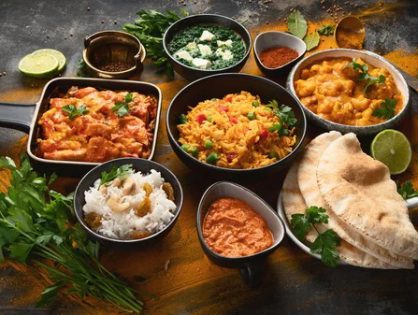
     

  • Cook Japanese Food at Home: From Sushi Rolls to Miso Soup

    Cook Japanese Food at Home: From Sushi Rolls to Miso Soup

    Japanese cuisine is celebrated for its simplicity, elegance, and attention to detail. From sushi and sashimi to comforting bowls of ramen and tempura, the food of Japan offers a balance of flavors, textures, and aesthetics that makes it one of the most popular cuisines in the world. While it may seem difficult to recreate Japanese dishes at home, with the right ingredients, tools, and techniques, you can easily bring authentic Japanese flavors to your kitchen.

    In this article, FamilyCookbookProject.com will guide you through the key ingredients you’ll need, beginner-friendly recipes to try, and essential utensils for cooking Japanese food and sushi at home.

    Essential Ingredients for Japanese Cooking and Sushi

    To recreate Japanese dishes at home, start by stocking your pantry with some fundamental ingredients. Japanese cuisine relies on a few key ingredients to build layers of flavor—primarily focusing on umami, the savory fifth taste that forms the backbone of many dishes.

    Soy sauce  is a must-have in any Japanese kitchen. This salty, fermented sauce adds depth to everything from soups and marinades to sushi dipping sauces.  Miso, a fermented soybean paste, is another crucial ingredient, used in everything from miso soup to marinades. Miso comes in several varieties, including white (sweeter) and red (more robust).

    For sushi-making, the key is sushi rice, a short-grain rice that becomes sticky when cooked. Season the rice with a mixture of  rice vinegar, sugar, and a pinch of salt to achieve the perfect balance of sweetness and tang. Another staple for sushi is nori —dried seaweed sheets used for wrapping sushi rolls.

    For umami-rich broths, you’ll need dashi, a Japanese stock made from kombu (seaweed) and bonito flakes (dried fish).  Mirin, a sweet rice wine, is commonly used in cooking to balance salty and savory flavors. Finally, for tempura and other fried dishes,  panko (Japanese breadcrumbs) creates that signature light, crispy coating.

    Fresh ingredients are equally important in Japanese cooking, especially when it comes to sushi.  Fresh fish like tuna, salmon, and yellowtail are essential for sushi and sashimi, but don’t overlook vegetables like cucumber, avocado, and daikon radish, which are also widely used.

    Beginner-Friendly Japanese Dishes to Try

    When you’re ready to start cooking Japanese food at home, there are several dishes that are relatively simple to prepare yet full of flavor. Let’s begin with a few classics to get you started.

    Sushi rolls  (makizushi) are a great place to start if you’re new to Japanese cooking. Start with simple rolls like cucumber or avocado rolls, and gradually experiment with fish like tuna or salmon. Preparing sushi involves cooking the rice, seasoning it properly, and learning how to roll with nori sheets. It’s fun and rewarding once you get the hang of it.

    If you’re not in the mood for sushi,  miso soup  is another easy dish. All you need is dashi broth, miso paste, tofu, and some scallions for garnish. This comforting soup takes only minutes to make and is the perfect appetizer for any Japanese meal.

    For a heartier dish, try making chicken teriyaki. The sauce is simple to prepare—just a mixture of soy sauce, mirin, sugar, and sake. Sauté or grill the chicken, and brush it with the sauce until it’s caramelized and glossy. Serve with steamed rice and some vegetables for a well-balanced meal.

    Tempura, a favorite fried dish in Japan, is also surprisingly easy to make.  Vegetable tempura  (or shrimp tempura) is created by dipping ingredients in a light batter and frying them until crispy. The trick is to keep the batter cold and the oil hot for a light, airy texture.

    For something warm and comforting, you can’t go wrong with udon or soba noodles. These thick, chewy noodles are often served in a light broth or stir-fried with vegetables and protein. Add a dash of soy sauce, mirin, and dashi to build a flavorful base for your noodles.

    Essential Tools for Japanese Cooking and Sushi

    Cooking Japanese food at home is easier with the right tools. Here are a few kitchen essentials you’ll need:

    Rice Cooker: A rice cooker is a game-changer for perfectly cooked rice, especially for sushi. It ensures that the rice is fluffy and evenly cooked every time.

    Bamboo Sushi Mat (Makisu): For rolling sushi, you’ll need a bamboo mat. It helps create tight, evenly shaped sushi rolls and makes the process easier.

    Sharp Chef’s Knife or Sushi Knife: Precision is key in Japanese cooking, especially when preparing sushi or sashimi. A sharp, high-quality knife is essential for cutting fish, vegetables, and other ingredients cleanly.

    Chopsticks: Cooking chopsticks (longer than the chopsticks used for eating) are used for stirring and frying in Japanese cuisine. They are especially useful when frying tempura or handling delicate ingredients.

    Soy Sauce Dishes: While not essential for cooking, small soy sauce dishes are handy for serving sushi and sashimi with a side of soy sauce.

    Tempura Fryer: A deep fryer or a sturdy pot for frying will help you achieve that crispy tempura coating. Be sure to use a thermometer to maintain the correct oil temperature.

    Donabe Pot or Hot Pot: If you’re preparing Japanese hot pot dishes like shabu-shabu or sukiyaki, a donabe (a traditional Japanese clay pot) is ideal for slow-cooking on the stovetop or at the table.

    Start Cooking Japanese Food and Sushi at Home

    Cooking Japanese food at home is a fun and rewarding way to explore new flavors and techniques. By stocking up on essential ingredients like soy sauce, miso, and sushi rice, and having the right tools on hand, you’ll be well-prepared to start cooking delicious Japanese meals. Whether you’re rolling sushi, whipping up a bowl of miso soup, or frying tempura, there’s a wide variety of dishes to experiment with.

    When you’re just starting out with making sushi, it can be helpful to explore different sources for recipes. Whether you’re browsing cookbooks, online blogs, or watching cooking shows, there are countless ways to find inspiration for your next Italian dish. As you experiment with new recipes, it’s a great idea to keep them organized, so you can easily revisit your favorites.

    FamilyCookbookProject.com is a perfect tool for this. You can collect all the Italian recipes you’ve tried and loved, add personal notes or adjustments, and create a customized cookbook that reflects your own culinary journey. This way, you’ll have your personal collection of go-to Italian recipes, whether it’s for a simple weeknight pasta or a special family gathering.

    So, roll up your sleeves, grab your bamboo mat, and get ready to experience the wonderful world of Japanese cuisine from the comfort of your own kitchen.

    Bill Rice is Founder and Co-Publisher of the Family Cookbook Project, a website that helps families and individuals collect, preserve and share food memories by creating their own printed personal cookbooks. He is the author of The Wellfleet Oyster Cookbook and the Cape Cod Cocktail Cookbook (Available on Amazon), both created using FamilyCookbookProject.com. He is also editor of the Donovan Family Cookbook, now it’s third printing and is an avid genealogist tracing his family back to the 1600’s.

    Follow Family Cookbook Project on Facebook, Instagram, Twitter TikTok, YouTube and Pinterest!

     

  • Chinese Cuisine Made Easy: Ingredients and Recipes to Recreate at Home

    Chinese Cuisine Made Easy: Ingredients and Recipes to Recreate at Home

    Chinese cuisine is beloved around the world for its bold flavors, aromatic spices, and balance of savory, sweet, and spicy elements. Whether you crave stir-fries, dumplings, or noodle dishes, cooking Chinese food at home can be a deeply rewarding experience. While it may seem like a daunting task, with the right ingredients, tools, and a few simple recipes, you can create authentic Chinese dishes that rival your favorite takeout spot.

    In this article, FamilyCookbookProject.com will walk through the essential ingredients to stock in your pantry, beginner-friendly dishes you can start with, and the utensils that will make your Chinese cooking journey easier.

    Essential Ingredients for Chinese Cooking

    Chinese cuisine is characterized by its use of sauces, seasonings, and fresh ingredients, many of which can be found at your local grocery store or an Asian market. The key to mastering Chinese food at home is to build a pantry of staple ingredients that serve as the foundation for many dishes.

    First and foremost, soy sauce is a must-have. There are two types of soy sauce commonly used in Chinese cooking: light soy sauce and dark soy sauce.  Light soy sauce  is saltier and thinner, often used for seasoning and marinades, while  dark soy sauce  is thicker, less salty, and adds a rich color and deeper flavor to dishes like braised meats and stir-fries.

    Next, you’ll need sesame oil, which imparts a nutty, aromatic flavor to stir-fries, noodles, and sauces. A little goes a long way, so be sure to use it sparingly as a finishing touch rather than a cooking oil.

    Oyster sauce is another key ingredient, offering a sweet, salty, and umami-rich flavor to a variety of dishes. It’s commonly used in stir-fries and adds depth to vegetables and meats alike.

    Shaoxing wine, a Chinese rice wine, is used to deglaze woks and tenderize meats. It’s often referred to as the “secret ingredient” that gives Chinese food its distinct flavor.

    You’ll also want to have rice vinegar or Chinkiang black vinegar on hand for dipping sauces, dressings, and to add a subtle tang to stir-fries and braised dishes.

    For those craving heat, chili garlic sauce or Sichuan peppercorns will be indispensable. Sichuan peppercorns have a numbing, tingly spice, making them perfect for dishes like mapo tofu or Sichuan-style hot pot.

    Of course, you can’t forget the fresh ingredients that bring Chinese dishes to life. You’ll need garlic, ginger, and scallions —the holy trinity of Chinese aromatics. These ingredients form the flavor base for countless recipes, from soups to stir-fries.

    Finally, Chinese five-spice powder —a blend of star anise, cloves, cinnamon, Sichuan peppercorns, and fennel seeds—adds a warm, sweet, and spicy flavor to dishes like braised pork or roasted duck.

    Beginner-Friendly Chinese Dishes to Try

    Once your pantry is stocked, it’s time to start cooking! Here are some classic Chinese dishes that are perfect for beginners and packed with flavor.

    One of the simplest dishes to make at home is fried rice. Whether you use leftover rice or cook it fresh, fried rice is incredibly versatile. You can add eggs, vegetables like peas and carrots, and protein like chicken, shrimp, or tofu. Season it with soy sauce, a splash of sesame oil, and scallions, and you’ll have a restaurant-worthy dish in minutes.

    If you want to dive into stir-frying, chicken stir-fry with broccoli is a great starting point. The key to a successful stir-fry is prepping all your ingredients before you start cooking. Once your garlic, ginger, chicken, and vegetables are ready to go, a hot wok and quick cooking time will give you perfectly cooked, crisp vegetables and tender chicken in a savory sauce made from soy sauce, oyster sauce, and a bit of cornstarch for thickening.

    For noodle lovers, lo mein is a must-try. Made with egg noodles, lo mein is stir-fried with vegetables and your choice of protein, then tossed in a savory sauce of soy sauce, oyster sauce, and a touch of sugar. The result is a delicious, hearty dish that’s perfect for any night of the week.

    If you’re feeling adventurous, you can also try your hand at making dumplings. While dumpling-making requires a bit of practice, the result is worth the effort. You can fill dumplings with pork, shrimp, or a combination of vegetables, then steam, boil, or pan-fry them. Serve with a dipping sauce made from soy sauce, rice vinegar, and chili oil for a flavorful treat.

    Lastly, for something a bit more challenging,  mapo tofu is a classic Sichuan dish that brings the heat and deep flavors. Soft tofu is simmered in a spicy, savory sauce made with ground pork (or beef), fermented bean paste, chili oil, and Sichuan peppercorns. The combination of textures and bold flavors makes this dish a favorite for anyone who enjoys spicy food.

    Key Utensils for Chinese Cooking

    Cooking Chinese food at home can be even easier and more enjoyable if you have the right tools. The most important utensil you’ll need is a wok. A well-seasoned wok is essential for stir-frying, deep-frying, and even steaming. Its high, sloping sides allow you to cook food quickly at high heat while giving you plenty of room to toss ingredients.

    You’ll also want a bamboo steamer if you’re interested in steaming dumplings, buns, or vegetables. Bamboo steamers are stackable, allowing you to steam multiple dishes at once, and they retain moisture without making the food soggy.

    A cleaver is another useful tool in Chinese kitchens. While it may seem intimidating at first, a cleaver is incredibly versatile, allowing you to chop, slice, and mince with ease. Its wide blade also makes it perfect for crushing garlic or ginger.

    Chopsticks aren’t just for eating—they can also be used for cooking, especially when stir-frying or deep-frying. They allow for more precision when moving ingredients around in the wok or flipping dumplings in a pan.

    A rice cooker is a must if you plan on making rice regularly, which is a staple in many Chinese meals. It takes the guesswork out of cooking rice, giving you perfect, fluffy results every time.

    Lastly, having a spice grinder or mortar and pestle will come in handy if you prefer to grind your own Sichuan peppercorns or other whole spices. Freshly ground spices release more flavor and can make a big difference in your dishes.

    Bringing Chinese Flavors to Your Table

    Cooking Chinese food at home is a fantastic way to explore new flavors and techniques while enjoying a satisfying meal. By stocking your kitchen with essentials like soy sauce, sesame oil, and fresh ginger, and investing in a wok and bamboo steamer, you’ll be well on your way to creating delicious, authentic Chinese dishes.

    When you’re just starting out with Chinese cooking, it can be helpful to explore different sources for recipes. Whether you’re browsing cookbooks, online blogs, or watching cooking shows, there are countless ways to find inspiration for your next Italian dish. As you experiment with new recipes, it’s a great idea to keep them organized, so you can easily revisit your favorites.

    FamilyCookbookProject.com is a perfect tool for this. You can collect all the Italian recipes you’ve tried and loved, add personal notes or adjustments, and create a customized cookbook that reflects your own culinary journey. This way, you’ll have your personal collection of go-to Italian recipes, whether it’s for a simple weeknight pasta or a special family gathering.

    Start with simple recipes like fried rice or chicken stir-fry and build your skills from there. Whether you’re steaming dumplings, stir-frying noodles, or simmering tofu in a spicy sauce, you’ll soon find that cooking Chinese food at home is both easy and rewarding.

    So grab your wok, prep your food and get ready for some amazing Chinese meals!


    Bill Rice is Founder and Co-Publisher of the Great Family Cookbook Project, a website that helps families and individuals collect, preserve and share food memories by creating their own printed personal cookbooks. He is the author of The Wellfleet Oyster Cookbook and the Cape Cod Cocktail Cookbook (Available on Amazon), both created using FamilyCookbookProject.com. He is also editor of the Donovan Family Cookbook, now it’s third printing and is an avid genealogist tracing his family back to the 1600’s.

    Follow Family Cookbook Project on Facebook, Instagram, Twitter TikTok, YouTube and Pinterest!

     

  • From Moussaka to Tzatziki: A Beginner’s Guide to Greek Cooking at Home

    From Moussaka to Tzatziki: A Beginner’s Guide to Greek Cooking at Home


    Greek cuisine is known for its fresh, healthy, and flavorful dishes, deeply rooted in the Mediterranean diet. With an emphasis on vegetables, olive oil, grains, and grilled meats, Greek food is a wonderful option for those looking to incorporate wholesome, delicious meals into their cooking routine. The best part? Many classic Greek dishes are simple to prepare at home.

    In this article, FamilyCookbookProject.com explores the essential ingredients you should keep on hand, the spices you’ll need, and a few simple Greek dishes to get started with, so you can bring the vibrant flavors of Greece into your kitchen.

    Essential Ingredients for Greek Cooking

    Greek cooking emphasizes fresh, high-quality ingredients. Many of these can be easily found in most grocery stores or specialty Mediterranean markets. Here are some must-have ingredients for cooking authentic Greek food at home:

    Olive Oil

    Extra-virgin olive oil is at the heart of Greek cuisine. It’s used in everything from sautéing vegetables to dressing salads and finishing grilled meats. Look for high-quality olive oil for the best flavor.

    Greek Yogurt

    Thick, creamy Greek yogurt is used in many dishes, from the famous tzatziki sauce to desserts and dips. It’s also commonly used as a marinade for meats, adding richness and tenderizing the protein.

    Lemons

    Fresh lemons are essential in Greek cooking, often used to brighten up dishes and add a zesty flavor. Lemon juice is commonly used in marinades, sauces, and dressings.

    Feta Cheese

    Feta, a salty and crumbly cheese made from sheep’s milk (or a mix of sheep and goat’s milk), is a staple in Greek cuisine. It’s used in salads, stuffed vegetables, and pies like spanakopita.

    Pita Bread

    Pita bread is a common accompaniment to many Greek dishes. It’s often served warm alongside dips like tzatziki or used as a wrap for gyros or souvlaki.

    Olives (Kalamata)

    Olives, particularly Kalamata olives, are frequently used in Greek salads and meze (small plates). They add a briny, rich flavor to dishes and are a great snack on their own.

    Cucumber

    Cucumber is a key ingredient in Greek salads and tzatziki. Its cool, crisp texture complements rich flavors like garlic, yogurt, and olive oil.

    Tomatoes

    Ripe, fresh tomatoes are often used in Greek salads and stews. Whether diced in a salad or slow-cooked into a sauce, tomatoes are a core ingredient in many Greek dishes.

    Phyllo Dough

    Phyllo dough is a paper-thin pastry used to make traditional Greek dishes like spanakopita (spinach pie) and baklava (a sweet, nut-filled pastry). It’s available frozen at most grocery stores.

    Honey

    Greek honey is often used in desserts and sauces, providing a rich sweetness to complement savory ingredients. Look for pure honey to drizzle over yogurt or use in desserts like baklava.

    Must-Have Spices and Herbs for Greek Cooking

    While Greek cuisine is known for its simplicity, a handful of herbs and spices are key to adding depth and flavor to your dishes:

    Oregano

    Greek oregano, which has a more robust flavor than its Italian counterpart, is widely used in marinades, dressings, and sprinkled over grilled meats and vegetables.

    Dill

    Fresh dill is used in many Greek dishes, especially tzatziki and salads. Its fresh, slightly anise-like flavor pairs beautifully with cucumber and yogurt-based dishes.

    Garlic

    Garlic is essential in Greek cooking, used to flavor sauces, marinades, and dips. Its bold flavor is key in dishes like tzatziki and skordalia (garlic and potato dip).

    Mint

    Mint is a common herb in Greek cooking, often paired with lamb and used to flavor dishes like dolmades (stuffed grape leaves). It adds a bright, refreshing note to both savory and sweet dishes.

    Bay Leaves

    Bay leaves are often used in soups and stews to add a subtle, aromatic flavor. They’re typically simmered with the dish and removed before serving.

    Cinnamon

    Though typically associated with sweet dishes, cinnamon is often used in savory Greek recipes like moussaka (layered eggplant and meat dish) to add warmth and complexity.

    Allspice

    Allspice is another spice that is sometimes used in Greek cooking, particularly in meat dishes like keftedes (Greek meatballs) or stews. It adds a slightly sweet and peppery flavor.

    Simple Greek Dishes to Start With

    Once you have your ingredients and spices, here are a few simple and classic Greek dishes you can start cooking at home:

    Greek Salad (Horiatiki)

    A simple and fresh salad made with cucumbers, tomatoes, red onions, Kalamata olives, and feta cheese. It’s dressed with olive oil, lemon juice, and oregano. This salad is quick to make and perfect for a light meal or side dish.

    Search FamilyCookbookProject.com for Greek Salad recipes.

    https://www.familycookbookproject.com/view_recipesite_search.asp?keywords=Greek+Salad&using=Allwords&searchin=all&sort=Most+Popular&submit=Go%21&pg=1&p=y

    Tzatziki (Yogurt and Cucumber Dip)

    Tzatziki is a refreshing dip made from Greek yogurt, grated cucumber, garlic, and dill. It’s often served as a dip for pita bread or as a topping for grilled meats like souvlaki.

    Search FamilyCookbookProject.com for Tzatziki recipes.

    https://www.familycookbookproject.com/view_recipesite_search.asp?keywords=Tzatziki&using=Allwords&searchin=all&sort=Most+Popular&submit=Go%21&pg=1&p=y

    Spanakopita (Spinach Pie)

    This flaky pastry is filled with a mixture of spinach, feta cheese, and herbs, all wrapped in layers of buttery phyllo dough. It’s a popular dish in Greek homes and can be served as an appetizer or main course.

    Search FamilyCookbookProject.com for Spanakopita recipes.

    https://www.familycookbookproject.com/view_recipesite_search.asp?keywords=Spanakopita&using=Allwords&searchin=all&sort=Most+Popular&submit=Go%21&pg=1&p=y

    Souvlaki (Grilled Meat Skewers)

    Souvlaki is a traditional Greek dish of marinated and grilled meat, usually pork, chicken, or lamb, served on skewers. It’s often paired with pita bread, tzatziki, and a Greek salad.

    Search FamilyCookbookProject.com for Souvlaki recipes.

    https://www.familycookbookproject.com/view_recipesite_search.asp?keywords=Souvlaki&using=Allwords&searchin=all&sort=Most+Popular&submit=Go%21&pg=1&p=y

    Moussaka

    Moussaka is a layered dish similar to lasagna, made with layers of eggplant, ground meat (usually lamb), and a rich béchamel sauce, flavored with cinnamon and allspice. It’s hearty and perfect for family gatherings.

    Search FamilyCookbookProject.com for Moussaka recipes.

    https://www.familycookbookproject.com/view_recipesite_search.asp?keywords=Moussaka&using=Allwords&searchin=all&sort=Most+Popular&submit=Go%21&pg=1&p=y

    Cooking Greek Food at Home

    Greek cuisine offers a balance of fresh ingredients, healthy dishes, and bold flavors. With essential ingredients like olive oil, feta cheese, and fresh herbs, you can easily recreate Greek classics in your own kitchen. Start with simple dishes like Greek salad and tzatziki, and as you become more comfortable, you can try more elaborate dishes like spanakopita or moussaka.

    Greek cooking is not only delicious but also a celebration of sharing food with family and friends. So gather your ingredients, fire up the grill, and enjoy the tastes of the Mediterranean in your own home!


    Bill Rice is Founder and Co-Publisher of the Family Cookbook Project, the leading online cookbook publisher with a website that helps families and individuals collect, preserve and share food memories by creating their own printed custom cookbooks. He is the author of The Wellfleet Oyster Cookbook and the Cape Cod Cocktail Cookbook (Available on Amazon), both created using FamilyCookbookProject.com. He is also editor of the Donovan Family Cookbook, now it’s third printing and is an avid genealogist tracing his family back to the 1600’s.

    Follow Family Cookbook Project on Facebook, Instagram, Twitter TikTok, YouTube and Pinterest!
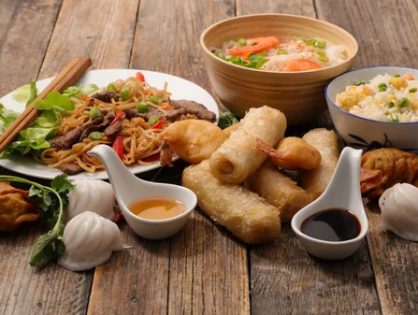
     

  • Soul Food at Home: A Beginner’s Guide to Comforting Dishes and Bold Flavors

    Soul Food at Home: A Beginner’s Guide to Comforting Dishes and Bold Flavors

    Soul food is a cuisine deeply rooted in African American culture, celebrated for its comfort, warmth, and rich, savory flavors. With its emphasis on slow-cooked dishes, tender meats, and flavorful sides, soul food is all about bringing people together over hearty meals that nourish both body and soul. While some dishes may seem complex, you can easily recreate many soul food classics at home with a few key ingredients and spices.

    In this article, FamilyCookbookProject.com explores the essential ingredients you need to stock your pantry with, the spices that give soul food its unique taste, and a few simple dishes to help you get started.

    Essential Ingredients for Soul Food

    Soul food is built around simple, accessible ingredients that are packed with flavor and offer plenty of versatility. Here are some staples to keep in your kitchen:

    Collard Greens

    Collard greens are a cornerstone of soul food, often slow-cooked with smoked meats like ham hocks or bacon to create a tender, flavorful side dish. You can also use mustard greens, turnip greens, or kale as substitutes.

    Cornmeal

    Cornmeal is essential for making soul food favorites like cornbread and hush puppies. It can also be used to coat foods for frying, such as fried catfish or okra.

    Sweet Potatoes

    Sweet potatoes are commonly used in both savory and sweet dishes in soul food, from candied yams to sweet potato pie. Their natural sweetness pairs well with spices like cinnamon, nutmeg, and cloves.

    Smoked Meats (Ham Hocks, Bacon, or Turkey)

    Smoked meats like ham hocks, bacon, or smoked turkey add depth and flavor to greens, beans, and soups. They are often used as a base for slow-cooked dishes to impart a smoky, savory taste.

    Black-Eyed Peas

    Black-eyed peas are a traditional legume in soul food, often simmered with onions, garlic, and spices, or cooked with smoked meats. They are frequently served on New Year’s Day for good luck.

    Buttermilk

    Buttermilk is a key ingredient in many soul food recipes, from fried chicken to biscuits. Its tangy flavor and acidity help to tenderize meats and give baked goods a light, fluffy texture.

    Cornbread

    No soul food meal is complete without cornbread. This staple can be sweet or savory, often served alongside greens, beans, or barbecue dishes.

    Catfish or Other Fish

    Fried catfish is a classic soul food dish, typically coated in seasoned cornmeal and fried until crispy. You can also use other fish like tilapia or whiting.

    Rice

    Rice is a common side dish in soul food, often served with gravy or as a base for dishes like red beans and rice or jambalaya.

    Beans (Kidney Beans, Pinto Beans)

    Beans are a key protein source in soul food, often cooked with smoked meats and served as a main dish or side. Pinto beans, kidney beans, and black-eyed peas are commonly used.

    Must-Have Spices for Soul Food

    Soul food relies on a combination of bold, savory, and sometimes sweet spices to create its signature flavors. Here are the essential spices and seasonings you’ll need for cooking soul food at home:

    Cayenne Pepper

    Cayenne pepper adds a bit of heat to soul food dishes, whether it’s sprinkled into collard greens, fried chicken seasoning, or bean dishes.

    Garlic Powder

    Garlic powder is a must-have seasoning in soul food, used in everything from fried chicken to mashed potatoes. It adds a savory depth without overpowering the dish.

    Onion Powder

    Onion powder is another essential seasoning that adds flavor to fried foods, gravies, and marinades. It’s often paired with garlic powder for a well-rounded flavor base.

    Paprika (Smoked or Sweet)

    Paprika, both smoked and sweet varieties, is used to flavor dishes like fried chicken, gumbo, and barbecue. It adds a smoky, mild heat to many recipes.

    Black Pepper

    Freshly ground black pepper is a common seasoning in soul food, especially in dishes like gravy, fried chicken, and greens. It adds a bit of bite and rounds out the flavors.

    Bay Leaves

    Bay leaves are often used to flavor slow-cooked dishes like beans, soups, and stews. They add a subtle herbal note that enhances the overall flavor of long-simmered meals.

    Cajun or Creole Seasoning

    Cajun or Creole seasoning is a blend of spices like garlic, onion, paprika, cayenne, and herbs like thyme and oregano. It’s commonly used to season meats, seafood, and rice dishes in soul food.

    Allspice

    Allspice adds warmth and complexity to sweet and savory dishes, such as candied yams and sweet potato pie. It’s often used in spice blends for soul food desserts.

    Simple Soul Food Dishes to Start With

    Now that you have your ingredients and spices ready, here are a few classic soul food dishes that are easy to make at home:

    Fried Chicken

    Fried chicken is one of the most iconic soul food dishes. The chicken is soaked in buttermilk, dredged in seasoned flour, and fried to crispy perfection. Serve with hot sauce and sides like collard greens and cornbread.

    Search FamilyCookbookProject.com for Fried chicken recipes.

    Collard Greens

    Slow-cooked collard greens are a soul food staple. They’re typically cooked with smoked meat like ham hocks or bacon and seasoned with vinegar, garlic, and onion.

    Search FamilyCookbookProject.com for collard greens recipes.

    Mac and Cheese

    Rich and creamy mac and cheese is a comfort food favorite. The dish is made with elbow macaroni, cheddar cheese, and a creamy béchamel sauce, then baked until bubbly and golden.

    Search FamilyCookbookProject.com for mac and cheese recipes.

    Cornbread

    Cornbread is a quick and easy side dish that pairs well with just about any soul food meal. You can make it sweet or savory, depending on your preference.

    Search FamilyCookbookProject.com for Cornbread recipes.

    Candied Yams

    Candied yams are a sweet, buttery dish made with sliced sweet potatoes, brown sugar, cinnamon, and a touch of vanilla. They’re baked until caramelized and tender.

    Search FamilyCookbookProject.com for Candied yams recipes.

    Black-Eyed Peas

    Black-eyed peas are often cooked with smoked meat and flavored with onions, garlic, and a dash of hot sauce. This dish is traditionally served on New Year’s Day for good luck but can be enjoyed year-round.

    Search FamilyCookbookProject.com for Black-eyed peas recipes.

    Cooking Soul Food at Home

    Cooking soul food at home allows you to enjoy comforting, flavorful dishes that have been passed down through generations. By stocking up on key ingredients like collard greens, cornmeal, and smoked meats, and keeping essential spices like garlic powder, paprika, and cayenne pepper on hand, you can create authentic soul food in your own kitchen. Start with simple dishes like fried chicken, mac and cheese, and collard greens, and as you become more comfortable, you can explore more complex recipes.

    Soul food is all about love, warmth, and family, so gather your loved ones around the table and share in the joy of these delicious, homemade meals.


    Bill Rice is Founder and Co-Publisher of the Family Cookbook Project, the leading online cookbook publisher with a website that helps families and individuals collect, preserve and share food memories by creating their own printed custom cookbooks. He is the author of The Wellfleet Oyster Cookbook and the Cape Cod Cocktail Cookbook (Available on Amazon), both created using FamilyCookbookProject.com. He is also editor of the Donovan Family Cookbook, now it’s third printing and is an avid genealogist tracing his family back to the 1600’s.

    Follow Family Cookbook Project on Facebook, Instagram, Twitter TikTok, YouTube and Pinterest!
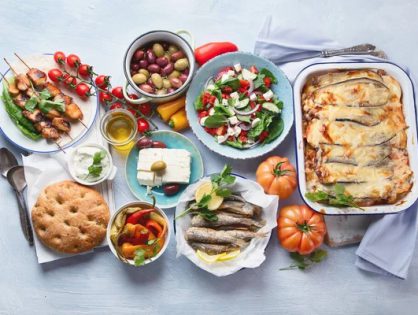
     

  • How to Cook Mexican Food at Home: Essential Ingredients, Simple Dishes, and Must-Have Spices

    How to Cook Mexican Food at Home: Essential Ingredients, Simple Dishes, and Must-Have Spices

    Mexican cuisine is beloved for its bold flavors, vibrant colors, and diverse ingredients. The beauty of cooking Mexican food at home is that you can enjoy authentic, delicious dishes without needing to visit a restaurant. By stocking your pantry with key ingredients and learning a few simple recipes, you can bring the rich, varied flavors of Mexico into your own kitchen.

    In this article, FamilyCookbookProject.com will explore the essential ingredients, spices, and simple dishes to help you start cooking authentic Mexican food at home.

    Essential Ingredients for Mexican Cooking

    To successfully cook Mexican food at home, it’s important to have a few staple ingredients on hand. These are the building blocks of many Mexican dishes and will help you achieve authentic flavors.

    Tortillas (Corn and Flour)

    Tortillas are the foundation of many Mexican dishes, such as tacos, quesadillas, enchiladas, and burritos. Keep both corn and flour tortillas in your pantry or fridge, as each type works best for different dishes. Corn tortillas are typically used for tacos and enchiladas, while flour tortillas are popular for burritos and quesadillas.

    Beans (Black Beans, Pinto Beans)

    Beans are a key ingredient in Mexican cuisine. Black beans and pinto beans are commonly used in dishes like  refried beans ,  tacos , and  burritos . You can use canned beans for convenience or cook dried beans for a more authentic flavor.

    Rice (White or Brown)

    Mexican-style rice, often seasoned with tomatoes, onions, and garlic, is a common side dish. Long-grain white or brown rice is ideal for creating  Mexican rice  or serving alongside main dishes like tacos or enchiladas.

    Cheese (Queso Fresco, Cotija, Oaxaca, Monterey Jack)

    Cheese adds richness and flavor to many Mexican dishes.  Queso fresco  and  cotija  are crumbly, mild cheeses often used as toppings, while  Oaxaca  cheese melts beautifully and is perfect for quesadillas.  Monterey Jack  cheese, while not traditional, is a good melting cheese for tacos and enchiladas.

    Avocados

    Avocados are essential for making  guacamole , a classic Mexican dip. They’re also a great topping for tacos, burritos, and salads. Their creamy texture complements the spiciness of many Mexican dishes.

    Limes

    Limes add brightness and acidity to Mexican food. Whether you’re squeezing lime juice over tacos, adding it to a marinade, or using it in a salsa, limes are indispensable in Mexican cooking.

    Tomatoes

    Tomatoes, especially Roma tomatoes, are a key ingredient in many Mexican dishes. They’re used in  salsas ,  sauces , and even  rice dishes . Canned tomatoes can also work well in a pinch.

    Onions (White, Red)

    Onions, especially white onions, are commonly used in Mexican cooking for their sharp flavor. They’re sautéed with garlic in many sauces and stews, and raw red onions are often used as a garnish for tacos and salsas.

    Cilantro

    Cilantro is a fresh herb that adds a burst of flavor to tacos, salsas, and soups. Its bright, citrusy flavor pairs well with lime and adds a fresh note to dishes.

    Chilies (Fresh and Dried)

    Chilies are essential for adding heat and depth of flavor to Mexican food. Common varieties include  jalapeños  and  serranos  (used fresh), as well as  ancho ,  guajillo , and  chipotle  (used dried). These chilies are often used in sauces, marinades, and as toppings for tacos and other dishes.

    Must-Have Spices for Mexican Cooking

    Spices play a crucial role in Mexican cuisine, helping to create layers of flavor in everything from stews to tacos. Here are the most common spices to keep in your pantry:

    Cumin

    Cumin adds a warm, earthy flavor and is one of the most important spices in Mexican cooking. It’s often used in  taco seasoning, chili, and bean dishes .

    Chili Powder

    Chili powder is a blend of ground chilies and spices like cumin, garlic powder, and oregano. It’s essential for seasoning meat, stews, and sauces. Use it in tacos,  enchiladas, and chili con carne .

    Oregano (Mexican Oregano)

    Mexican oregano has a slightly citrusy, floral flavor that differs from Mediterranean oregano. It’s used in  salsas, marinades, and soups. If you can’t find Mexican oregano, regular oregano will work, but the flavors are a bit different.

    Paprika

    Paprika adds color and mild flavor to Mexican dishes. Smoked paprika can add a depth of smokiness to meats and stews.

    Cinnamon (Canela)

    Mexican cinnamon (also called  canela) is softer and more fragrant than the standard cinnamon found in most kitchens. It’s often used in both savory and sweet Mexican dishes, such as  mole  sauces and  horchata.

    Garlic Powder

    Garlic powder is a convenient way to add garlic flavor to dishes when fresh garlic isn’t on hand. It’s often used in  seasoning blends  for tacos and chili.

    Bay Leaves

    Bay leaves are often added to slow-cooked dishes like  pozole  and  sopa de fideo  to add depth and aroma.

    Mexican Dishes to Start With

    Once you have your ingredients and spices stocked, here are a few simple Mexican dishes to try:

    Tacos

    Tacos are one of the most versatile and easy-to-make Mexican dishes. Start by cooking seasoned  ground beef  or chicken with taco seasoning (cumin, chili powder, garlic). Serve the meat in warm corn tortillas and top with your favorite toppings like salsa,  guacamole, cheese, and cilantro.

    Search for taco recipes on FamilyCookbookProject.com

    Guacamole

    This classic dip is easy to make and always a hit. Simply mash ripe  avocados  with lime juice, cilantro, finely chopped onions, and a pinch of  salt. Add some chopped  tomatoes  or jalapeños  for extra flavor and texture.

    Search for guacamole recipes on FamilyCookbookProject.com

    Enchiladas

    Enchiladas are tortillas filled with meat, beans, or cheese, rolled up, and covered with a spicy sauce. You can start with a basic  cheese enchilada  by filling  corn tortillas  with  Monterey Jack cheese, rolling them up, and covering them with a simple  enchilada sauce (made with tomato sauce, chili powder, and  garlic). Bake until bubbly.

    Search for enchiladas recipes on FamilyCookbookProject.com

    Salsa Fresca (Pico de Gallo)

    A fresh salsa made from diced tomatoes, onions, jalapeños, cilantro, and lime juice . It’s perfect as a topping for tacos, nachos, or as a dip with tortilla chips.

    Search for pico de  gallo recipes on FamilyCookbookProject.com

    Quesadillas

    Quesadillas are a simple dish that involves filling  flour tortillas with melted  cheese and other ingredients like chicken, mushrooms, or spinach. Cook the filled tortillas in a hot skillet until the cheese is melted and the tortillas are crispy.

    Search for quesadillas recipes on FamilyCookbookProject.com

    Mexican Rice

    To make Mexican rice, sauté  long-grain rice  with  onions  and  garlic , then simmer it with  tomato sauce  or  tomato paste , chicken broth, and  spices  like cumin and chili powder. The result is a flavorful, fluffy rice that pairs well with tacos, enchiladas, or grilled meats.

    Search for Mexican rice recipes on FamilyCookbookProject.com

    Search for Advanced Recipes

    FamilyCookbookProject.com includes a database of more than 2.82 million recipes, including many Mexican Family Favorites. Click here to search for more Mexican recipes.

    Bringing Mexican Flavors to Your Kitchen

    Cooking Mexican food at home is a rewarding experience that allows you to enjoy rich, authentic flavors with ingredients you can easily find at the store. By stocking up on essential ingredients like tortillas, beans, avocados, and spices like cumin and chili powder, you’ll be well on your way to creating delicious Mexican meals in your own kitchen.

    Start with simple dishes like tacos, guacamole, and enchiladas, and as you get more comfortable, try your hand at more complex recipes. With practice, you’ll be able to bring the vibrant and diverse flavors of Mexico into your home, creating meals that are sure to impress family and friends.

    So grab your tortillas, fire up the stove, and get cooking!


    Bill Rice is Founder and Co-Publisher of the Great Family Cookbook Project, a website that helps families and individuals collect, preserve and share food memories by creating their own printed personal cookbooks. He is the author of The Wellfleet Oyster Cookbook and the Cape Cod Cocktail Cookbook (Available on Amazon), both created using FamilyCookbookProject.com. He is also editor of the Donovan Family Cookbook, now it’s third printing and is an avid genealogist tracing his family back to the 1600’s.

    Follow Family Cookbook Project on Facebook, Instagram, Twitter TikTok, YouTube and Pinterest!


  • Jamaican Cooking Made Simple: Essential Ingredients and Easy Recipes

    Jamaican Cooking Made Simple: Essential Ingredients and Easy Recipes

    Jamaican cuisine is known for its bold, vibrant flavors, with a blend of African, indigenous, European, and Asian influences. The combination of fresh ingredients, spices, and cooking techniques creates a unique taste experience that can be both fiery and flavorful. Cooking Jamaican food at home may seem daunting at first, but with a few key ingredients, spices, and simple dishes, you can easily recreate the delicious flavors of the Caribbean in your own kitchen.

    In this article, FamilyCookbookProject.com guides you through the essential ingredients you’ll need, must-have spices, and simple dishes to help you get started cooking Jamaican food at home.

    Essential Ingredients for Jamaican Cooking

    Jamaican cuisine relies heavily on fresh, bold ingredients that are readily available in most grocery stores or international markets. Here’s a list of essential ingredients to stock your pantry and fridge with before you start cooking:

    Scotch Bonnet Peppers

    Scotch bonnet peppers are a key ingredient in Jamaican cooking, adding both heat and fruity sweetness to dishes. They are similar in heat to habanero peppers and are often used in jerk seasoning, stews, and sauces.

    Allspice (Pimento)

    Allspice, also known as pimento, is a warm, aromatic spice that is widely used in Jamaican cuisine. It’s the main ingredient in jerk seasoning and adds depth to stews, soups, and marinades.

    Coconut Milk

    Coconut milk is a staple in many Jamaican dishes, adding creaminess and richness to curries, stews, and rice dishes like rice and peas. Look for unsweetened coconut milk for savory dishes.

    Fresh Thyme

    Thyme is an essential herb in Jamaican cooking, used in soups, stews, and marinades. Fresh thyme is preferred for its robust flavor, but dried thyme can also be used in a pinch.

    Green Onions (Scallions)

    Green onions, or scallions, are commonly used to add a fresh, mild onion flavor to Jamaican dishes. They are a key ingredient in jerk seasoning and are often sautéed in soups and stews.

    Rice and Peas (Red Kidney Beans)

    Rice and peas is a classic Jamaican side dish made with long-grain rice, red kidney beans (referred to as “peas”), coconut milk, and spices. You’ll want to keep both rice and kidney beans on hand to make this popular dish.

    Plantains

    Plantains, a starchy fruit similar to bananas, are commonly used in Jamaican cooking. They can be fried, baked, or boiled and are often served as a side dish or snack.

    Breadfruit

    Breadfruit is a tropical fruit that is a popular starch in Jamaican cooking. It’s typically roasted, boiled, or fried and served as a side dish with meats or seafood.

    Must-Have Spices for Jamaican Cooking

    Jamaican food is known for its bold use of spices, which create its signature flavor profile. Here are some of the key spices and seasonings you’ll need to cook authentic Jamaican food:

    Jerk Seasoning

    Jerk seasoning is a spice blend that is central to Jamaican cooking, especially for jerk chicken, pork, or fish. It typically includes allspice, scotch bonnet peppers, thyme, garlic, ginger, and cinnamon. You can make your own jerk seasoning at home or buy a pre-made version.

    Curry Powder

    Jamaican curry powder is different from Indian curry powder, with a slightly sweeter and milder flavor. It’s commonly used in dishes like Jamaican curry chicken, goat curry, and curry shrimp.

    Garlic Powder

    Garlic powder is used to season meats, vegetables, and sauces. It’s often combined with other spices to enhance the flavor of jerk seasoning, curries, and stews.

    Ginger

    Fresh ginger adds warmth and spiciness to many Jamaican dishes, from jerk marinades to stews. Ground ginger can be used in a pinch, but fresh is preferred for its bright flavor.

    Cinnamon and Nutmeg

    Cinnamon and nutmeg are often used in Jamaican baking and desserts, but they also play a role in savory dishes like jerk seasoning and stews. These spices add warmth and depth to both sweet and savory dishes.

    Bay Leaves

    Bay leaves are commonly used in Jamaican soups and stews to add a subtle herbal flavor. They are typically removed before serving but impart a fragrant note to the dish as it cooks.

    Simple Jamaican Dishes to Start With

    Once you have your ingredients and spices ready, here are a few simple Jamaican dishes to help you get started on your culinary journey:

    Jerk Chicken

    Jerk chicken is perhaps the most famous Jamaican dish. It features chicken marinated in a spicy jerk seasoning and then grilled or baked. The key to perfect jerk chicken is the balance of heat from the scotch bonnet peppers and the earthy, aromatic spices in the jerk marinade.

    Search FamilyCookbookProject.com for Jerk chicken recipes.

    Rice and Peas

    This iconic Jamaican side dish is made with rice, red kidney beans (called “peas”), and coconut milk. It’s flavored with thyme, scallions, and allspice, making it the perfect accompaniment to jerk chicken or curry dishes.

    Search FamilyCookbookProject.com for Rice and Peas recipes.

    Curry Chicken

    Jamaican curry chicken is a flavorful dish made with chicken stewed in a curry sauce that includes onions, garlic, ginger, and Jamaican curry powder. It’s typically served with rice or roti.

    Search FamilyCookbookProject.com for Jamaican curry chicken recipes.

    Fried Plantains

    Fried plantains are a simple and delicious Jamaican side dish or snack. Ripe plantains are sliced and fried until golden brown, resulting in a sweet and savory treat that pairs well with any meal.

    Search FamilyCookbookProject.com for Fried plantains recipes.

    Ackee and Saltfish

    This is Jamaica’s national dish, made with ackee (a fruit native to the Caribbean) and saltfish (salted cod). The two are sautéed together with onions, tomatoes, and Scotch bonnet peppers, and served with fried dumplings or breadfruit.

    Search FamilyCookbookProject.com for Ackee and Saltfish recipes.

    Cooking Jamaican Food at Home

    Cooking Jamaican food at home allows you to experience the vibrant, bold flavors of the Caribbean in your own kitchen. By stocking up on essential ingredients like scotch bonnet peppers, allspice, and coconut milk, and keeping must-have spices like jerk seasoning and curry powder on hand, you can easily recreate authentic Jamaican dishes. Start with simple recipes like jerk chicken, rice and peas, and fried plantains, and as you become more confident, you can explore more complex dishes like ackee and saltfish or goat curry.

    Jamaican food is all about bold flavors, fresh ingredients, and bringing people together over a shared love of good food. So fire up the grill, gather your ingredients, and bring the taste of Jamaica to your table!


    Bill Rice is Founder and Co-Publisher of the Family Cookbook Project, the leading online cookbook publisher with a website that helps families and individuals collect, preserve and share food memories by creating their own printed custom cookbooks. He is the author of The Wellfleet Oyster Cookbook and the Cape Cod Cocktail Cookbook (Available on Amazon), both created using FamilyCookbookProject.com. He is also editor of the Donovan Family Cookbook, now it’s third printing and is an avid genealogist tracing his family back to the 1600’s.

    Follow Family Cookbook Project on Facebook, Instagram, Twitter TikTok, YouTube and Pinterest!
     

  • Traditional Irish Foods to Celebrate St. Patrick’s Day: Beyond Green Beer and Corned Beef

    Traditional Irish Foods to Celebrate St. Patrick’s Day: Beyond Green Beer and Corned Beef

    When it comes to St. Patrick’s Day celebrations in the U.S., many people immediately think of green beer, corned beef, and cabbage. While these staples have become synonymous with the holiday, they only scratch the surface of Irish cuisine. Traditional Irish dishes offer a wide range of hearty, comforting meals that can be enjoyed year-round, and they’re perfect for adding authenticity to your St. Patrick’s Day celebration.

    Let’s explore a variety of traditional Irish dishes that go beyond the usual fare and can easily be brought to the American dinner table to celebrate St. Patrick’s Day in true Irish fashion.

    Irish Stew (Stobhach Gaelach)

    What It Is: Irish stew is one of the most beloved and traditional dishes in Ireland. It’s a hearty, one-pot meal made with lamb or beef, root vegetables like carrots and parsnips, onions, and potatoes. The ingredients are slow-cooked together, allowing the flavors to meld into a rich and comforting dish.
     Why It’s Perfect for St. Patrick’s Day: Irish stew is a comforting, crowd-pleasing dish that’s perfect for feeding a group. It’s hearty enough for cold March weather and has deep ties to Irish heritage.

     Pro Tip: Serve it with soda bread for a complete meal. Some variations include Guinness or other stout beers for added depth of flavor.

    Search FamilyCookbookProject.com for Irish stew recipes.

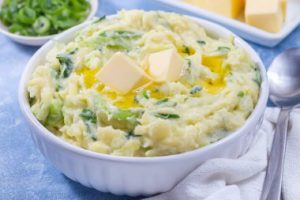
    Colcannon

    What It Is: Colcannon is a traditional Irish dish made from mashed potatoes mixed with cabbage or kale, butter, and cream. It’s often flavored with scallions, leeks, or garlic. The name “colcannon” comes from the Gaelic *cal ceannann*, meaning “white-headed cabbage.”

     Why It’s Perfect for St. Patrick’s Day: Potatoes are a staple of Irish cuisine, and colcannon is a delicious way to incorporate them into your St. Patrick’s Day meal. The combination of creamy mashed potatoes and earthy cabbage or kale is pure comfort food.

     Pro Tip: For an extra treat, serve colcannon with a pat of melted butter on top. This dish is also great paired with sausages or roast meats.

    Search FamilyCookbookProject.com for Colcannon recipes.

    Shepherd’s Pie (Cottage Pie)

    What It Is: Shepherd’s pie is a savory dish made with ground lamb (or beef in the case of cottage pie) cooked with vegetables such as carrots, peas, and onions, then topped with a layer of creamy mashed potatoes. The dish is baked until the top is golden and crispy.

     Why It’s Perfect for St. Patrick’s Day: This classic comfort food is both filling and flavorful, making it an excellent choice for a cozy St. Patrick’s Day meal. Plus, the mashed potato topping ties it back to the Irish love of potatoes.

     Pro Tip: Add a splash of Guinness to the meat filling for an extra Irish touch and depth of flavor.

    Search FamilyCookbookProject.com for Shepherd’s pie recipes.

    Boxty

    What It Is: Boxty is a traditional Irish potato pancake made from grated raw potatoes, mashed potatoes, flour, and buttermilk. It’s pan-fried to a crispy golden brown and can be served as a side dish or as a main course, often stuffed with savory fillings like smoked salmon or beef.

     Why It’s Perfect for St. Patrick’s Day: Boxty offers a fun, flavorful alternative to mashed potatoes and is easy to customize with different fillings. It’s a great way to incorporate the humble potato into your St. Patrick’s Day celebration in a new and delicious way.

     Pro Tip: Serve boxty with sour cream, chives, or a side of bacon for an indulgent Irish breakfast or brunch.

    Search FamilyCookbookProject.com for Boxty recipes.

    Irish Soda Bread

    What It Is: Irish soda bread is a quick bread made without yeast, using baking soda as the leavening agent. It typically includes flour, baking soda, salt, and buttermilk, though variations may add sugar, raisins, or caraway seeds.

     Why It’s Perfect for St. Patrick’s Day: Soda bread is incredibly easy to make and pairs well with almost any dish. It’s perfect for soaking up the gravy from Irish stew or serving alongside soups and meats.

     Pro Tip: For a sweeter version, try adding raisins or currants to the dough. Enjoy it warm with butter and jam or alongside savory dishes.

    Search FamilyCookbookProject.com for Irish soda bread recipes.

    Coddle

    What It Is: Coddle is a traditional Dublin dish made from layers of sausages, bacon, potatoes, and onions, slow-cooked together. The dish is seasoned simply with salt, pepper, and sometimes parsley, and is often served with soda bread.

     Why It’s Perfect for St. Patrick’s Day: Coddle is a hearty, rustic dish that’s easy to prepare and perfect for feeding a crowd. It’s also a dish with deep roots in Irish culture, making it a great option for those looking to serve an authentic Irish meal.

     Pro Tip: Choose high-quality Irish sausages for the best flavor, and let the dish cook slowly so the flavors meld together.

    Search FamilyCookbookProject.com for Coddle recipes.

    Barmbrack

    What It Is: Barmbrack is a traditional Irish fruit bread made with raisins or currants. While it’s often associated with Halloween in Ireland, it can also be enjoyed as a tea loaf year-round. It’s typically sliced and served with butter.
     Why It’s Perfect for St. Patrick’s Day: Barmbrack offers a sweet treat that’s perfect for afternoon tea or dessert after your St. Patrick’s Day meal. Its subtle sweetness and spiced fruit flavor make it a comforting addition to any celebration.

     Pro Tip: Barmbrack is best enjoyed toasted with a slathering of butter and served alongside a cup of Irish tea.

    Search FamilyCookbookProject.com for Barmbrack recipes.

    Seafood Chowder

    What It Is: Irish seafood chowder is a creamy, hearty soup made with a variety of seafood such as mussels, clams, white fish, and sometimes smoked salmon. It’s often enriched with cream, potatoes, and leeks, and served with soda bread.

     Why It’s Perfect for St. Patrick’s Day: This rich, flavorful soup brings a taste of Ireland’s coastal regions to your St. Patrick’s Day table. It’s a great option for those who want something different from the usual meat-heavy dishes.

     Pro Tip: Serve the chowder with a sprinkle of fresh parsley and a slice of soda bread for dipping.

    Search FamilyCookbookProject.com for seafood chowder recipes.

    Apple Cake with Custard Sauce

    What It Is: Irish apple cake is a traditional dessert made with tender chunks of apples, cinnamon, and a crumbly streusel topping. It’s often served warm with a generous drizzle of homemade custard sauce.

     Why It’s Perfect for St. Patrick’s Day: This comforting, spiced dessert is perfect for rounding off a hearty Irish meal. The combination of warm apples and rich custard sauce makes it a festive and delicious treat.

     Pro Tip: Serve the cake warm with a side of custard or whipped cream for an extra indulgent dessert.

    Search FamilyCookbookProject.com for Irish apple cake recipes.

    Beyond Corned Beef: Expanding Your St. Patrick’s Day Menu

    While corned beef and cabbage have become synonymous with St. Patrick’s Day in the U.S., these traditional Irish dishes offer a more authentic taste of Ireland. From hearty stews to sweet apple cake, there’s no shortage of delicious ways to celebrate Irish heritage through food.

    This St. Patrick’s Day, skip the green beer and boxed corned beef, and try bringing some of these traditional Irish recipes to your table. Your guests will appreciate the variety, and you’ll get a taste of real Irish cooking that’s perfect for any festive gathering.

    A True Taste of Ireland

    Whether you’re hosting a large St. Patrick’s Day gathering or simply cooking for your family, incorporating traditional Irish dishes can bring an authentic and flavorful touch to your celebration. With these classic recipes, you’ll have plenty of options to go beyond the usual fare and serve up something truly special.

    So, gather your ingredients, turn on some Irish music, and enjoy a hearty, home-cooked meal that celebrates the flavors and traditions of Ireland!


    Bill Rice is Founder and Co-Publisher of the Family Cookbook Project, a website that helps families and individuals collect, preserve and share food memories by creating their own printed personal cookbooks. He is the author of The Wellfleet Oyster Cookbook and the Cape Cod Cocktail Cookbook (Available on Amazon), both created using FamilyCookbookProject.com. He is also editor of the Donovan Family Cookbook, now it’s third printing and is an avid genealogist tracing his family back to the 1600’s.

    Follow Family Cookbook Project on Facebook, Instagram, Twitter TikTok, YouTube and Pinterest!