Category: International Cuisine

  • How to Cook Polish Food at Home: Essential Ingredients, Simple Dishes, and Must-Have Spices

    How to Cook Polish Food at Home: Essential Ingredients, Simple Dishes, and Must-Have Spices

    Polish cuisine is deeply rooted in tradition, offering hearty, comforting dishes that are perfect for family meals. Known for its use of meats, potatoes, cabbage, and grains, Polish food is full of flavor and often accompanied by pickles, sour cream, and a variety of sauces. While some dishes may seem complex, many Polish meals are simple to make at home with the right ingredients and spices.

    In this article, FamilyCookbookProject.com explores the essential ingredients you should have on hand, the spices you’ll need, and some simple Polish dishes to help you get started cooking authentic Polish food at home.

    Essential Ingredients for Polish Cooking

    Polish cuisine is built around hearty ingredients that are easy to find and store, making it a practical and satisfying way to cook. Here are the essential ingredients to stock your kitchen with:

    Potatoes

    Potatoes are a staple in Polish cooking, used in a variety of dishes from soups and stews to pierogi (dumplings). They’re also often served as a side dish in many forms—boiled, mashed, or roasted.

    Cabbage

    Cabbage is another key ingredient, especially for making classic dishes like bigos (hunter’s stew) and golabki (stuffed cabbage rolls). Both fresh and fermented cabbage (sauerkraut) are used in Polish cooking.

    Sour Cream

    Sour cream is a frequent addition to Polish soups, stews, and sauces. It adds creaminess and a bit of tang to dishes like pierogi, borscht, and placki ziemniaczane (potato pancakes).

    Sausages (Kielbasa)

    Kielbasa, a traditional Polish sausage, is widely used in Polish cuisine. There are many varieties of kielbasa, from smoked to fresh, and it’s often included in stews, served grilled, or used in sandwiches.

    Dill Pickles

    Pickled cucumbers, or ogórki kiszone, are a common side dish in Polish cuisine and often used as a garnish for meals. The tangy crunch of dill pickles adds a refreshing contrast to heavier dishes.

    Beets

    Beets are a common ingredient in Polish food, especially in soups like barszcz czerwony (beet soup). They’re also served in salads or as a side dish.

    Mushrooms

    Polish cuisine uses a variety of wild mushrooms, especially in soups, sauces, and dumpling fillings. Dried mushrooms are often used when fresh varieties aren’t available, particularly for making traditional holiday dishes.

    Eggs

    Eggs are a key ingredient in many Polish dishes, from pierogi dough to desserts like babka and mazurek. They are also served boiled as part of salads and cold dishes.

    Must-Have Spices for Polish Cooking

    Polish cuisine tends to use simple but flavorful spices and herbs, focusing on fresh, savory flavors. Here are the essential spices and seasonings you’ll need for Polish cooking:

    Dill

    Dill is one of the most popular herbs in Polish cuisine, used to flavor everything from soups to salads and pickles. Fresh dill is often sprinkled over boiled potatoes or added to creamy sauces.

    Caraway Seeds

    Caraway seeds are used to flavor breads, soups, and stews. They have a slightly nutty, earthy flavor that pairs well with cabbage and meats, especially in dishes like sauerkraut or rye bread.

    Bay Leaves

    Bay leaves are often used in soups, stews, and sauces, adding a subtle herbal note to long-simmered dishes like bigos and kapuśniak (cabbage soup).

    Marjoram

    Marjoram is a key herb in many Polish soups and sausages, adding a slightly sweet and floral flavor to dishes. It’s especially common in dishes like żurek (sour rye soup) and kiełbasa recipes.

    Allspice

    Allspice, known as ziele angielskie in Poland, is often used in stews, marinades, and pickling brines. Its warm, peppery flavor is an essential component of many traditional Polish recipes.

    Garlic

    Garlic is a common seasoning in Polish cuisine, used to add depth of flavor to sausages, soups, and marinades. It’s often included in pickles, stews, and pierogi fillings.

    Paprika

    Paprika is frequently used to add a bit of color and mild heat to Polish dishes, particularly in meat stews and grilled sausages.

    Simple Polish Dishes to Start With

    Once you have your ingredients and spices on hand, here are a few simple Polish dishes to help you get started:

    Pierogi (Polish Dumplings)

    Pierogi are one of the most beloved Polish dishes, consisting of dough filled with various fillings, such as potatoes and cheese, mushrooms, or ground meat. They are boiled and often pan-fried for a crispy texture, then served with sour cream.

    Bigos (Hunter’s Stew)

    Bigos is a hearty stew made with sauerkraut, fresh cabbage, various meats, and kielbasa. It’s often simmered for hours to allow the flavors to meld together and is traditionally served with rye bread.

    Placki Ziemniaczane (Potato Pancakes)

    Potato pancakes are a simple yet delicious Polish dish made with grated potatoes, onions, and flour. They are fried until crispy and typically served with sour cream or applesauce.

    Barszcz Czerwony (Beet Soup)

    This vibrant red beet soup, often referred to as borscht, is a classic Polish dish served hot or cold. It’s made with beets, garlic, and a splash of vinegar for tang, often garnished with fresh dill and served with a dollop of sour cream.

    Golabki (Stuffed Cabbage Rolls)

    Golabki are cabbage leaves stuffed with a mixture of ground meat (usually pork and beef), rice, and onions, then baked in a tomato-based sauce. They are hearty and flavorful, making them a popular dish for special occasions.

    Cooking Polish Food at Home

    Cooking Polish food at home allows you to enjoy hearty, comforting meals that have been passed down through generations. By stocking up on key ingredients like potatoes, cabbage, and kielbasa, and keeping simple spices like dill, garlic, and caraway seeds in your pantry, you can create authentic Polish dishes with ease. Start with beginner-friendly recipes like pierogi, bigos, and potato pancakes, and as you become more familiar with the cuisine, you can explore more complex dishes.

    Polish cuisine is all about comfort, family, and tradition, so don’t be afraid to gather your loved ones around the table and share the delicious meals you’ve made. Smacznego!


    Bill Rice is Founder and Co-Publisher of the Family Cookbook Project, the leading online cookbook publisher with a website that helps families and individuals collect, preserve and share food memories by creating their own printed custom cookbooks. He is the author of The Wellfleet Oyster Cookbook and the Cape Cod Cocktail Cookbook (Available on Amazon), both created using FamilyCookbookProject.com. He is also editor of the Donovan Family Cookbook, now it’s third printing and is an avid genealogist tracing his family back to the 1600’s.

    Follow Family Cookbook Project on Facebook, Instagram, Twitter TikTok, YouTube and Pinterest!

  • Bring France to Your Kitchen: How to Cook French Food at Home

    Bring France to Your Kitchen: How to Cook French Food at Home

    French cuisine is renowned for its rich flavors, elegant presentation, and diverse regional specialties. While French food may seem intimidating at first, with the right ingredients, a few essential techniques, and some classic recipes, you can easily bring the taste of France into your kitchen. Whether you’re making a comforting coq au vin or a delicate crème brûlée, cooking French food at home can be an enjoyable and rewarding experience.

    In this article, FamilyCookbookProject.com guides you through the essential ingredients you should have on hand, the spices you’ll need, and a few simple French dishes to get started.

    Essential Ingredients for French Cooking

    To cook French food at home, you’ll need a variety of high-quality ingredients. French cuisine is all about using fresh, flavorful ingredients, often focusing on seasonal produce, quality meats, and rich dairy products. Here are some staples you should keep in your kitchen:

    Butter

    Butter is a cornerstone of French cooking. Whether it’s for sautéing vegetables, making rich sauces, or baking, French dishes often rely on generous amounts of butter for flavor and texture. Opt for high-quality, unsalted butter whenever possible.

    Olive Oil

    While butter is used frequently, olive oil is also a common ingredient, particularly in southern French cuisine. It’s used in salads, marinades, and for cooking lighter dishes.

    Cream

    Heavy cream is another key ingredient in French cooking, often used to create velvety sauces and rich desserts. Keep cream on hand for dishes like quiche, gratins, and crème brûlée.

    Cheese

    French cuisine features a variety of cheeses, from soft and creamy to hard and aged. Some popular French cheeses to stock up on include:

    •Brie or Camembert: Soft, creamy cheeses that pair well with bread and fruit.

    •Gruyère or Comté: Nutty, semi-hard cheeses often used in gratins and soufflés.

    •Roquefort or Bleu d’Auvergne: Blue cheeses that add bold flavor to salads and sauces.

    Baguette or French Bread

    No French meal is complete without bread. A crusty baguette or French bread is often served with meals, used to scoop up sauces or enjoyed with cheese. You can buy baguettes from the store or try your hand at baking your own.

    Meats (Chicken, Beef, Duck)

    French cuisine often features high-quality meats such as chicken, beef, and duck. These meats are used in a variety of classic French dishes, such as coq au vin (chicken in wine), boeuf bourguignon (beef stew), and magret de canard (duck breast).

    Wine (Red, White, and Champagne)

    Wine is essential for cooking French food, used in both sauces and marinades. Keep red wine on hand for dishes like boeuf bourguignon and white wine for lighter dishes like moules marinières (mussels in white wine). Champagne or sparkling wine can be used for more elegant dishes or desserts.

    Eggs

    Eggs are a staple ingredient in many French recipes, from savory dishes like quiche Lorraine to sweet desserts like crème brûlée. Keep plenty of eggs on hand for cooking and baking.

    Fresh Herbs (Thyme, Parsley, Tarragon, Rosemary)

    Fresh herbs are commonly used to flavor French dishes. Thyme and rosemary are often used in roasted meats and stews, while parsley and tarragon are great for finishing sauces and adding freshness to salads.

    Must-Have Spices for French Cooking

    While French cuisine doesn’t typically rely on an extensive array of spices, it does use several herbs and seasonings to create its signature flavors. Here are the must-have spices and seasonings you’ll need:

    Herbes de Provence

    This classic French herb blend includes thyme, rosemary, oregano, lavender, and marjoram. It’s perfect for seasoning meats, vegetables, and soups, especially in Provençal-style dishes.

    Bay Leaves

    Bay leaves are often used in French stews and soups to add depth of flavor. They’re typically simmered with the dish and removed before serving.

    Nutmeg

    Nutmeg is used to add warmth to creamy dishes like béchamel sauce and potato gratins. A little bit goes a long way in adding depth to sauces and fillings.

    Dijon Mustard

    While not a spice, Dijon mustard is an essential ingredient in French cuisine. Its sharp, tangy flavor is used in salad dressings, marinades, and sauces.

    Fleur de Sel (Sea Salt)

    French sea salt, or fleur de sel, is often used as a finishing salt to add a crunchy texture and a burst of flavor to dishes. It’s great for seasoning meats, fish, and vegetables just before serving.

    Black Pepper

    Freshly ground black pepper is a must for seasoning meats, sauces, and salads. French cooking tends to use black pepper sparingly to enhance the natural flavors of the ingredients.

    Simple French Dishes to Start With

    French cuisine is known for both its complexity and simplicity. Here are a few beginner-friendly French dishes to help you get started at home:

    Quiche Lorraine

    A classic French quiche made with eggs, cream, bacon, and Gruyère cheese in a flaky pastry crust. Quiche Lorraine is perfect for breakfast, brunch, or a light lunch.

    Search FamilyCookbookProject.com for Quiche Lorraine recipes.

    Coq au Vin

    This rustic French dish consists of chicken braised in red wine with onions, mushrooms, and bacon. It’s a flavorful, comforting dish that’s perfect for dinner.

    Search FamilyCookbookProject.com for Coq au Vin recipes.

    Salade Niçoise

    A light, fresh salad from the Provence region, Salade Niçoise combines tuna, hard-boiled eggs, olives, and vegetables like tomatoes, green beans, and potatoes. It’s served with a tangy Dijon vinaigrette.

    Search FamilyCookbookProject.com for Salade Niçoise recipes.

    French Onion Soup

    This hearty soup is made with caramelized onions, beef broth, and topped with melted cheese and croutons. French onion soup is a comforting dish perfect for colder months.

    Search FamilyCookbookProject.com for French onion soup recipes.

    Crème Brûlée

    A simple yet elegant dessert, crème brûlée consists of a rich custard base topped with a layer of caramelized sugar. It’s surprisingly easy to make and a crowd-pleaser at any dinner party.

    Search FamilyCookbookProject.com for crème brûlé recipes.

    Cooking French Food at Home

    Cooking French food at home can be a wonderful way to experience the elegance and flavor of French cuisine without the need for elaborate techniques. With a few essential ingredients like butter, wine, and cheese, as well as must-have spices like herbes de Provence and Dijon mustard, you can create authentic French dishes right in your kitchen. Start with simple classics like quiche Lorraine or coq au vin, and as you gain confidence, you can expand your repertoire to more complex recipes.

    Bon appétit!


    Bill Rice is Founder and Co-Publisher of the Family Cookbook Project, the leading online cookbook publisher with a website that helps families and individuals collect, preserve and share food memories by creating their own printed custom cookbooks. He is the author of The Wellfleet Oyster Cookbook and the Cape Cod Cocktail Cookbook (Available on Amazon), both created using FamilyCookbookProject.com. He is also editor of the Donovan Family Cookbook, now it’s third printing and is an avid genealogist tracing his family back to the 1600’s.

    Follow Family Cookbook Project on Facebook, Instagram, Twitter TikTok, YouTube and Pinterest!

     

  • Explore Native American Cuisine: Essential Ingredients and Easy Recipes

    Explore Native American Cuisine: Essential Ingredients and Easy Recipes

    Native American cuisine is deeply rooted in the traditions, lands, and cultural practices of various Indigenous peoples across North America. The food reflects the connection to the earth, with an emphasis on seasonal ingredients, simple preparations, and nourishing meals. While Native American cuisine varies by region, some key staples and flavors transcend geographical boundaries, making it possible to explore this rich culinary tradition at home.

    In this article, FamilyCookbookProject.com will guide you through the essential ingredients for Native American cooking, the must-have spices to capture the authentic flavors, and some simple dishes to help you get started.

    Essential Ingredients for Native American Cooking

    Native American food relies heavily on natural, whole ingredients that are often locally sourced or foraged. Here are some essential ingredients to keep in your kitchen for cooking Native American dishes at home:

    1. Corn (Maize)

    Corn, or maize, is a staple in Native American cuisine, used in a variety of ways. From cornmeal (used in making cornbread or frybread) to hominy and whole kernels for stews and soups, corn is central to many dishes. Dried corn is often ground into flour for making tamales or tortillas.

    2. Beans

    Beans, often combined with corn and squash in the “Three Sisters” farming system, are a key source of protein in Native American cooking. Common types include pinto beans, black beans, and kidney beans, which are often used in stews, soups, and mixed with grains.

    3. Squash

    Squash, another part of the “Three Sisters,” is widely used in Native American food. Winter varieties like butternut, acorn, and pumpkin are roasted, boiled, or mashed and used in savory dishes, while summer squash can be sautéed or added to soups and salads.

    4. Wild Rice

    Wild rice is a native grain to many North American regions, especially in the Midwest and Great Lakes areas. It’s an important ingredient in Native American cuisine, often served as a side dish or mixed into stews, soups, and salads for a nutty, chewy texture.

    5. Bison and Game Meat

    Bison, deer (venison), rabbit, and other game meats are traditionally used in Native American cooking. These lean meats are often grilled, roasted, or stewed, providing a hearty source of protein. Bison, in particular, is rich in flavor and lower in fat compared to beef.

    6. Blueberries and Cranberries

    Native Americans have long used wild berries like blueberries and cranberries in their cooking, both fresh and dried. These berries are often added to stews, used in sauces, or baked into breads and desserts.

    7. Maple Syrup and Honey

    Natural sweeteners like maple syrup and honey are often used in Native American cuisine to sweeten dishes, glazes, or sauces. Maple syrup, in particular, is a traditional product from the Northeast.

    8. Frybread

    Frybread is a modern Native American dish, made from a simple dough of flour, water, and salt, and then fried until golden. It’s often used as a base for dishes like Indian tacos or served as a side with honey or jam.

    Must-Have Spices and Seasonings for Native American Cooking

    While Native American cuisine traditionally uses natural ingredients and herbs rather than a wide variety of spices, there are a few key seasonings and herbs that are essential to the flavor profile of Native American dishes:

    1. Sage

    Sage is an important herb in many Native American recipes, especially for seasoning meats like bison and venison. It has a strong, earthy flavor that pairs well with hearty dishes.

    2. Cedar and Juniper Berries

    Juniper berries are often used in the cooking of game meats like bison and venison, adding a slightly piney, peppery flavor. Cedar is used in smoking or roasting to impart a woodsy, earthy aroma to meats and fish.

    3. Chili Powder

    In Southwestern Native American cuisine, chili powder is frequently used to add heat and flavor to dishes like posole, stews, and salsas. It brings a smoky and spicy element to many meals.

    4. Sumac

    Sumac is a tangy, lemony spice often used in Native American dishes to add brightness and acidity, especially in salads and roasted vegetables.

    5. Salt and Pepper

    Basic seasonings like sea salt and black pepper are used to enhance the natural flavors of ingredients without overpowering them, in line with the simple, earthy style of Native American cooking.

    Simple Native American Dishes to Start With

    Once you have your ingredients and spices ready, here are a few simple Native American dishes to try at home:

    Three Sisters Stew

    This hearty stew features the three staple crops of Native American agriculture: corn, beans, and squash. It’s a nourishing and flavorful dish that can be adapted to suit your tastes, with additional vegetables or game meat.

    Search FamilyCookbookProject.com for Three Sisters Stew recipes.

    Bison Stew

    Bison is a traditional game meat used in many Native American recipes. This rich and flavorful stew combines bison meat with root vegetables like carrots and potatoes, seasoned with sage and juniper berries for a deeply earthy taste.

    Search FamilyCookbookProject.com for Bison recipes.

    Wild Rice Salad

    Wild rice, native to North America, forms the base of this salad, which is combined with fresh or dried berries, nuts, and herbs. It’s a light yet filling dish that showcases the natural flavors of the ingredients.

    Search FamilyCookbookProject.com for Wild rice recipes.

    Frybread

    Frybread is a simple, versatile dish that can be served as a savory base for tacos or as a sweet treat with honey or jam. It’s made from a basic dough of flour, water, and salt, fried until golden brown.

    Search FamilyCookbookProject.com for Frybread recipes.

    Cranberry Sauce

    Cranberries have been a part of Native American cuisine for centuries. This cranberry sauce is made with fresh cranberries, sweetened with honey or maple syrup, and flavored with a bit of orange zest for brightness.

    Search FamilyCookbookProject.com for cranberry sauce recipes.

    Cooking Native American Food at Home

    Cooking Native American food at home is a wonderful way to explore the rich traditions and flavors of Indigenous cultures. By stocking up on ingredients like corn, beans, wild rice, and game meats, and using herbs like sage and juniper berries, you can create authentic, nourishing dishes that celebrate the earth and its bounty. Start with simple recipes like Three Sisters Stew or Frybread, and as you become more comfortable, explore more complex dishes and ingredients.

    Native American food is about connecting with nature and community, so gather your loved ones, cook with intention, and enjoy the deep, earthy flavors of these traditional dishes.

    Bill Rice is Founder and Co-Publisher of the Family Cookbook Project, the leading online cookbook publisher with a website that helps families and individuals collect, preserve and share food memories by creating their own printed custom cookbooks. He is the author of The Wellfleet Oyster Cookbook and the Cape Cod Cocktail Cookbook (Available on Amazon), both created using FamilyCookbookProject.com. He is also editor of the Donovan Family Cookbook, now it’s third printing and is an avid genealogist tracing his family back to the 1600’s.

    Follow Family Cookbook Project on Facebook, Instagram, Twitter TikTok, YouTube and Pinterest!

     

  • Traditional Jewish Dishes: How to Cook with the Flavors of Jewish Cuisine

    Traditional Jewish Dishes: How to Cook with the Flavors of Jewish Cuisine

    Traditional Jewish dishes tell the story of family, faith, migration, holidays, and memory. From Ashkenazi favorites like matzo ball soup, brisket, kugel, and latkes to Sephardic dishes such as bourekas, stuffed vegetables, and slow-cooked Shabbat stews, Jewish cuisine is rich with recipes worth preserving. For many families, these dishes are more than meals — they are traditions that belong in a family cookbook

    In this article, FamilyCookbookProject.com explores the essential ingredients for cooking Jewish food at home, the key spices to keep on hand, and a few simple dishes to get you started on your journey through Jewish cuisine.

    Quick Answer: Traditional Jewish dishes include foods connected to holidays, Shabbat, family history, and regional Jewish communities. Common examples include challah, matzo ball soup, brisket, kugel, latkes, gefilte fish, hamantaschen, bourekas, stuffed vegetables, and Passover dishes. Preserving these recipes in a family cookbook helps keep Jewish food traditions, family stories, and holiday memories alive for future generations.

    Essential Ingredients for Jewish Cooking

    Jewish cuisine includes the foods, recipes, and cooking traditions developed by Jewish communities around the world and passed down through families, holidays, and religious observances. Common traditional Jewish dishes include challah, matzo ball soup, brisket, kugel, latkes, gefilte fish, stuffed cabbage, hamantaschen, rugelach, babka, charoset, and Passover desserts. Jewish cuisine revolves around simple, natural ingredients that are versatile and nourishing. Here are some staple ingredients you’ll need to have on hand to make authentic Jewish dishes:

    1. Eggs

    Eggs are central to many Jewish dishes, particularly in Ashkenazi cuisine. They are used in dishes like matzo brei (a scrambled egg and matzo dish) and challah bread. Eggs are also the key ingredient in shakshuka, a popular Sephardic dish.

    2. Matzo

    Matzo, a flat, unleavened bread, is an essential part of Jewish cooking, particularly during Passover. It’s used in dishes like matzo ball soup, matzo brei, and matzo kugel. Matzo can be found in grocery stores year-round, but it’s especially popular during the Passover holiday.

    3. Potatoes

    Potatoes are a staple in Ashkenazi Jewish cooking, particularly in dishes like latkes (potato pancakes) and kugel (a baked pudding). They provide a hearty base for many comforting dishes.

    4. Chicken

    Chicken is commonly used in Jewish cuisine, particularly for making chicken soup with matzo balls or for traditional roasted chicken dishes like shabbat roast chicken. Chicken is a versatile and affordable protein in many Jewish households.

    5. Chickpeas

    Chickpeas are a staple in Sephardic and Middle Eastern Jewish cuisine, commonly used to make hummus, falafel, and stews. Chickpeas are also a key ingredient in chraime, a spicy fish stew.

    6. Challah

    Challah is a traditional braided bread served on the Sabbath and Jewish holidays. It’s made from eggs, flour, sugar, and yeast and is soft, slightly sweet, and perfect for dipping into soup or making French toast with leftovers.

    7. Apples

    Apples are often used in Jewish cooking, particularly during the Jewish New Year, Rosh Hashanah. Apples dipped in honey symbolize a sweet new year and are used in desserts like apple cake and charoset (a mixture of apples, nuts, and wine eaten during Passover).

    8. Beef (Brisket)

    Beef, especially brisket, is central to many Jewish holiday meals. Braised brisket is a traditional dish, slow-cooked with onions, carrots, and spices for a tender, flavorful meal that’s often served during Shabbat or Jewish holidays.

    9. Honey

    Honey is frequently used in Jewish cooking, especially in desserts and holiday dishes. It’s used to sweeten honey cake, apples and honey, and other dishes served during Rosh Hashanah to symbolize a sweet year ahead.

    10. Kosher Salt

    Kosher salt is an essential seasoning in Jewish cooking. It has a coarser texture than table salt, which makes it easier to control seasoning when cooking meat and other dishes. It’s also used in koshering meats as part of the process to remove blood from the meat.

    Must-Have Spices and Seasonings for Jewish Cooking

    Jewish cuisine is known for its flavorful seasonings and herbs, which add depth and richness to both Ashkenazi and Sephardic dishes. Here are the key spices and seasonings to keep in your pantry:

    1. Cinnamon

    Cinnamon is used in both sweet and savory Jewish dishes. In Ashkenazi cuisine, it’s often used in desserts like rugelach and honey cake, while in Sephardic cuisine, it’s used in savory dishes like meat stews and rice pilafs.

    2. Garlic

    Garlic is a staple in Jewish cooking and is used to flavor soups, roasted meats, stews, and spreads. It’s an essential ingredient in dishes like gefilte fish, hummus, and roasted chicken.

    3. Paprika

    Paprika is commonly used in both Ashkenazi and Sephardic Jewish cooking. In Ashkenazi dishes, paprika is often sprinkled on chicken or in soups, while Sephardic dishes might use smoked paprika in stews and sauces.

    4. Cumin

    Cumin is often used in Sephardic and Middle Eastern Jewish dishes to add a warm, earthy flavor. It’s a key ingredient in dishes like falafel, hummus, and meatballs.

    5. Dill

    Dill is frequently used in Ashkenazi Jewish cuisine, particularly in matzo ball soup, pickles, and gefilte fish. Its fresh, slightly tangy flavor pairs well with fish, chicken, and eggs.

    6. Caraway Seeds

    Caraway seeds are used to flavor traditional Ashkenazi dishes like rye bread, cabbage stews, and kugel. They have a warm, slightly peppery taste.

    7. Bay Leaves

    Bay leaves are often used in slow-cooked Jewish dishes, particularly in soups, stews, and braises like brisket. They add a subtle, herbal flavor that deepens over time.

    8. Parsley

    Fresh parsley is used as both a garnish and flavoring in many Jewish dishes. It’s often used in charoset, matzo ball soup, and as part of the Seder plate during Passover.

    Simple Jewish Dishes to Start With

    Here are a few easy and traditional Jewish dishes to help you get started cooking with these ingredients and spices:

    Matzo Ball Soup

    Matzo ball soup is a quintessential Ashkenazi Jewish dish, made with chicken broth and light, fluffy matzo balls. It’s comforting, flavorful, and perfect for cold weather or holiday meals.

    Search FamilyCookbookProject.com for Matzo ball soup recipes.

    Latkes

    Latkes, or potato pancakes, are a traditional Jewish dish served during Hanukkah. They are crispy on the outside and tender on the inside, often served with applesauce or sour cream.

    Search FamilyCookbookProject.com for Latkes recipes.

    Brisket

    Braised brisket is a traditional Jewish holiday dish that’s slow-cooked with onions, carrots, and spices until tender. It’s often served during Passover, Rosh Hashanah, or Hanukkah.

    Search FamilyCookbookProject.com for brisket recipes.

    Challah Bread

    Challah is a rich, braided bread traditionally eaten on the Sabbath and Jewish holidays. It’s soft, slightly sweet, and perfect for sandwiches, French toast, or dipping into soups.

    Search FamilyCookbookProject.com for Challah recipes.

    Rugelach

    Rugelach is a traditional Jewish pastry made with a rich cream cheese dough, filled with fruit preserves, nuts, and cinnamon. It’s often served during holidays or special occasions.

    Search FamilyCookbookProject.com for Rugelach recipes.

    Jewish Cuisine Is Not One Single Cuisine

    Jewish cuisine reflects the places Jewish communities have lived, the holidays they celebrate, the ingredients available to them, and the traditions passed down through families. Ashkenazi Jewish cooking often includes foods such as matzo ball soup, brisket, kugel, latkes, and gefilte fish. Sephardic and Mizrahi traditions may include stuffed vegetables, bourekas, rice dishes, lentils, eggplant, stews, and spices common to Mediterranean, Middle Eastern, and North African cooking. A Jewish family cookbook can preserve whichever version of Jewish food belongs to your own family story.

    Cooking Traditional Jewish Food at Home

    Cooking traditional Jewish food at home is a meaningful way to celebrate the history, culture, and flavors of Jewish communities around the world. Whether you’re preparing comforting Ashkenazi classics like matzo ball soup and latkes or exploring Sephardic dishes like hummus and shakshuka, these recipes bring warmth, nourishment, and tradition to the table. By stocking your kitchen with ingredients like eggs, matzo, potatoes, and spices like cinnamon and garlic, you can recreate the comforting flavors of Jewish cuisine in your own home.

    Create a Jewish Family Cookbook with Family Cookbook Project

    Family Cookbook Project makes it easy to collect Jewish family recipes from relatives, organize them by holiday or category, add family stories and photos, and turn them into a printed cookbook. You can include traditional holiday recipes, handwritten recipe cards, modern family favorites, and notes about who made each dish and when it was served. The result is more than a recipe collection — it becomes a family keepsake.

    Frequently Asked Questions About Traditional Jewish Dishes

    What are traditional Jewish dishes?
    Traditional Jewish dishes are foods passed down through Jewish families and communities, often connected to Shabbat, holidays, regional heritage, and family celebrations. Examples include challah, matzo ball soup, brisket, kugel, latkes, gefilte fish, hamantaschen, and Passover foods.

    What are common Ashkenazi Jewish dishes?
    Common Ashkenazi dishes include matzo ball soup, brisket, kugel, gefilte fish, latkes, chopped liver, stuffed cabbage, rugelach, and babka.

    What are common Sephardic Jewish dishes?
    Sephardic Jewish cooking often includes dishes such as bourekas, stuffed vegetables, rice dishes, stews, eggplant dishes, and foods flavored with Mediterranean and Middle Eastern spices.

    What Jewish recipes are good for a family cookbook?
    Good recipes for a Jewish family cookbook include holiday dishes, Shabbat meals, family desserts, Passover recipes, Hanukkah favorites, handwritten recipe card recipes, and dishes connected to specific relatives or family stories.

    How should I organize a Jewish family cookbook?
    You can organize a Jewish family cookbook by holiday, recipe type, family member, family branch, region, or tradition. Many families use sections such as Shabbat, Passover, Hanukkah, High Holidays, Main Dishes, Sides, Breads, and Desserts.

    Why preserve Jewish family recipes?
    Jewish family recipes preserve more than food. They help pass down holiday traditions, family stories, cultural identity, and memories of the people who cooked and shared those dishes.

    Bill Rice is Founder and Co-Publisher of the Family Cookbook Project, the leading online cookbook publisher with a website that helps families and individuals collect, preserve and share food memories by creating their own printed custom cookbooks. He is the author of The Wellfleet Oyster Cookbook and the Cape Cod Cocktail Cookbook (Available on Amazon), both created using FamilyCookbookProject.com. He is also editor of the Donovan Family Cookbook, now it’s third printing and is an avid genealogist tracing his family back to the 1600’s.

    Follow Family Cookbook Project on Facebook, Instagram, Twitter TikTok, YouTube and Pinterest!

     

  • From Pita Bread to Shawarma, Learn How to Cook Authentic Lebanese Dishes at Home!

    From Pita Bread to Shawarma, Learn How to Cook Authentic Lebanese Dishes at Home!

    Lebanese cuisine is a celebration of fresh, wholesome ingredients and vibrant flavors, with a focus on vegetables, grains, legumes, and meats. Rich in Mediterranean influences, Lebanese food is known for its mezze platters, flavorful grilled meats, fresh salads, and an array of dips. While Lebanese dishes may seem exotic, many of them are simple to prepare at home with the right ingredients and spices.

    In this article, FamilyCookbookProject.com explores the essential ingredients you’ll need to cook authentic Lebanese food, the key spices to capture its unique flavors, and a few simple dishes to get started.

    Essential Ingredients for Lebanese Cooking

    Lebanese cuisine revolves around fresh produce, grains, and legumes, along with some classic Mediterranean staples. Here are the essential ingredients you should keep on hand for Lebanese cooking:

    Olive Oil

    Olive oil is central to Lebanese cooking, used in everything from dressings to marinades, frying, and drizzling over finished dishes. Extra-virgin olive oil is preferred for its rich flavor.

    Chickpeas and Lentils

    Chickpeas and lentils are frequently used in Lebanese dishes like hummus, falafel, and mujadara (a lentil and rice dish). They are also a good source of plant-based protein, making them a staple of many vegetarian meals.

    Bulgur Wheat

    Bulgur wheat is commonly used in salads like tabbouleh, where it is mixed with fresh herbs, tomatoes, and lemon juice. It’s also used in kibbeh, a classic Lebanese dish made with ground meat and wheat.

    Eggplant

    Eggplant is a versatile vegetable in Lebanese cuisine, featured in dishes like baba ghanoush (an eggplant dip) and moussaka. It’s often grilled, roasted, or stewed.

    Yogurt (Labneh)

    Labneh is a thick, tangy strained yogurt that’s used in a variety of Lebanese dishes. It can be spread on bread, used as a dip, or served alongside grilled meats.

    Fresh Herbs (Mint, Parsley, and Cilantro)

    Fresh herbs play a vital role in Lebanese cooking. Mint is often used in salads and beverages, while parsley is a key ingredient in tabbouleh and cilantro is used in sauces and garnishes.

    Pita Bread

    Pita bread is a Lebanese staple, often served alongside dips like hummus and baba ghanoush. It’s also used to scoop up mezze or as a base for manakish (a Lebanese flatbread topped with za’atar).

    Lamb and Chicken

    Grilled meats are central to Lebanese cuisine, particularly lamb and chicken. They are often marinated in lemon, garlic, and herbs before grilling or roasting, as in dishes like shish taouk (grilled chicken skewers) and kofta kebabs.

    Lemon

    Lemon is used generously in Lebanese cooking, adding brightness and acidity to dishes. It’s a key component of dressings, marinades, and salads, giving freshness to dishes like fattoush and tabbouleh.

    Tahini

    Tahini, a paste made from ground sesame seeds, is a staple in Lebanese cooking. It’s used to make hummus, baba ghanoush, and tarator (a tahini sauce served with meats and fish).

    Must-Have Spices and Seasonings for Lebanese Cooking

    Lebanese food is known for its fragrant spices and herbaceous flavors. Here are some of the must-have spices and seasonings to keep in your pantry:

    Za’atar

    Za’atar is a spice blend made from dried thyme, sumac, sesame seeds, and salt. It’s commonly sprinkled over flatbreads, added to salads, or used as a seasoning for roasted vegetables and meats.

    Sumac

    Sumac is a tangy, citrusy spice made from dried berries. It adds brightness to dishes like fattoush (bread salad) and is often sprinkled on top of dips like hummus.

    Cumin

    Cumin is a warm, earthy spice used in many Lebanese dishes, from lentil soups to spiced meat skewers like kofta kebabs. It’s also commonly added to stews and tagines.

    Cinnamon

    Cinnamon is often used in Lebanese cooking, especially in savory dishes like kibbeh and lamb stews. It adds a subtle sweetness and warmth to the dish.

    Allspice

    Allspice is a fragrant spice that’s often used in meat marinades, stews, and rice dishes. It adds a rich, complex flavor, particularly in dishes like stuffed grape leaves (warak enab) and kibbeh.

    Garlic

    Garlic is used generously in Lebanese cooking, whether minced into sauces like toum (garlic sauce) or added to marinades, stews, and dips. It’s an essential ingredient for bold, savory flavors.

    Paprika

    Both sweet and smoked paprika are used in Lebanese dishes to add color and mild heat, especially in grilled meat marinades and rice dishes.

    Cardamom

    Cardamom is a fragrant spice used sparingly in both sweet and savory Lebanese dishes. It’s often added to stews, coffee, and desserts to enhance the flavor.

    Simple Lebanese Dishes to Start With

    Now that you’ve stocked your pantry with the essentials, here are a few simple Lebanese dishes to help you get started cooking at home:

    Hummus

    Hummus is a creamy chickpea dip made with tahini, garlic, lemon juice, and olive oil. It’s incredibly easy to make at home and pairs perfectly with pita bread or fresh vegetables.

    Search FamilyCookbookProject.com for Hummus recipes.

    Tabbouleh

    Tabbouleh is a refreshing, herb-based salad made with bulgur wheat, parsley, mint, tomatoes, and lemon juice. It’s light, flavorful, and a perfect side dish for grilled meats or as part of a mezze platter.

    Search FamilyCookbookProject.com for Tabbouleh recipes.

    Baba Ghanoush

    Baba ghanoush is a smoky eggplant dip made with roasted eggplant, tahini, garlic, and lemon juice. It’s similar to hummus but has a richer, more complex flavor thanks to the charred eggplant.

    Search FamilyCookbookProject.com for baba ghanoush recipes.

    Shish Taouk (Grilled Chicken Skewers)

    Shish taouk is a popular Lebanese dish made with marinated chicken, grilled to perfection and served with garlic sauce or tahini. The marinade is made with yogurt, lemon juice, garlic, and spices.

    Search FamilyCookbookProject.com for Shish taouk recipes.

    Fattoush

    Fattoush is a bright, refreshing Lebanese salad made with mixed greens, tomatoes, cucumbers, radishes, and crispy pita chips, all tossed in a tangy lemon and sumac dressing.

    Search FamilyCookbookProject.com for Fattoush recipes.

    Cooking Lebanese Food at Home

    Cooking Lebanese food at home is a delicious way to explore the bold, fresh flavors of the Mediterranean. By stocking your pantry with essentials like olive oil, chickpeas, bulgur wheat, and fresh herbs, and using spices like za’atar, sumac, and cumin, you can recreate the vibrant, flavorful dishes of Lebanon. Start with simple recipes like hummus, tabbouleh, and shish taouk, and as you become more comfortable, try more elaborate dishes like kibbeh or stuffed grape leaves.

    Lebanese cuisine is about balance, freshness, and community, so gather your family and friends to enjoy these delicious, wholesome meals together. Sahtain!


    Bill Rice is Founder and Co-Publisher of the Family Cookbook Project, the leading online cookbook publisher with a website that helps families and individuals collect, preserve and share food memories by creating their own printed custom cookbooks. He is the author of The Wellfleet Oyster Cookbook and the Cape Cod Cocktail Cookbook (Available on Amazon), both created using FamilyCookbookProject.com. He is also editor of the Donovan Family Cookbook, now it’s third printing and is an avid genealogist tracing his family back to the 1600’s.

    Follow Family Cookbook Project on Facebook, Instagram, Twitter TikTok, YouTube and Pinterest!

     

  • Not Just Corned Beef! Traditional Irish Foods for Your St. Patrick’s Day Table

    Not Just Corned Beef! Traditional Irish Foods for Your St. Patrick’s Day Table

    When it comes to St. Patrick’s Day celebrations in the U.S., many people immediately think of green beer, corned beef, and cabbage. While these staples have become synonymous with the holiday, they only scratch the surface of Irish cuisine. Traditional Irish dishes offer a wide range of hearty, comforting meals that can be enjoyed year-round, and they’re perfect for adding authenticity to your St. Patrick’s Day celebration.

    Let’s explore a variety of traditional Irish dishes that go beyond the usual fare and can easily be brought to the American dinner table to celebrate St. Patrick’s Day in true Irish fashion.

    Irish Stew (Stobhach Gaelach)

    What It Is: Irish stew is one of the most beloved and traditional dishes in Ireland. It’s a hearty, one-pot meal made with lamb or beef, root vegetables like carrots and parsnips, onions, and potatoes. The ingredients are slow-cooked together, allowing the flavors to meld into a rich and comforting dish.

     Why It’s Perfect for St. Patrick’s Day: Irish stew is a comforting, crowd-pleasing dish that’s perfect for feeding a group. It’s hearty enough for cold March weather and has deep ties to Irish heritage.

     Pro Tip: Serve it with soda bread for a complete meal. Some variations include Guinness or other stout beers for added depth of flavor.

    Search FamilyCookbookProject.com for Irish stew recipes.

    Colcannon

    What It Is: Colcannon is a traditional Irish dish made from mashed potatoes mixed with cabbage or kale, butter, and cream. It’s often flavored with scallions, leeks, or garlic. The name “colcannon” comes from the Gaelic *cal ceannann*, meaning “white-headed cabbage.”

     Why It’s Perfect for St. Patrick’s Day: Potatoes are a staple of Irish cuisine, and colcannon is a delicious way to incorporate them into your St. Patrick’s Day meal. The combination of creamy mashed potatoes and earthy cabbage or kale is pure comfort food.

     Pro Tip: For an extra treat, serve colcannon with a pat of melted butter on top. This dish is also great paired with sausages or roast meats.

    Search FamilyCookbookProject.com for Colcannon recipes.

    Shepherd’s Pie (Cottage Pie)

    What It Is: Shepherd’s pie is a savory dish made with ground lamb (or beef in the case of cottage pie) cooked with vegetables such as carrots, peas, and onions, then topped with a layer of creamy mashed potatoes. The dish is baked until the top is golden and crispy.

     Why It’s Perfect for St. Patrick’s Day: This classic comfort food is both filling and flavorful, making it an excellent choice for a cozy St. Patrick’s Day meal. Plus, the mashed potato topping ties it back to the Irish love of potatoes.

     Pro Tip: Add a splash of Guinness to the meat filling for an extra Irish touch and depth of flavor.

    Search FamilyCookbookProject.com for Shepherd’s pie recipes.

    Boxty

    What It Is: Boxty is a traditional Irish potato pancake made from grated raw potatoes, mashed potatoes, flour, and buttermilk. It’s pan-fried to a crispy golden brown and can be served as a side dish or as a main course, often stuffed with savory fillings like smoked salmon or beef.

     Why It’s Perfect for St. Patrick’s Day: Boxty offers a fun, flavorful alternative to mashed potatoes and is easy to customize with different fillings. It’s a great way to incorporate the humble potato into your St. Patrick’s Day celebration in a new and delicious way.

     Pro Tip: Serve boxty with sour cream, chives, or a side of bacon for an indulgent Irish breakfast or brunch.

    Search FamilyCookbookProject.com for Boxty recipes.

    Irish Soda Bread

    What It Is: Irish soda bread is a quick bread made without yeast, using baking soda as the leavening agent. It typically includes flour, baking soda, salt, and buttermilk, though variations may add sugar, raisins, or caraway seeds.

     Why It’s Perfect for St. Patrick’s Day: Soda bread is incredibly easy to make and pairs well with almost any dish. It’s perfect for soaking up the gravy from Irish stew or serving alongside soups and meats.

     Pro Tip: For a sweeter version, try adding raisins or currants to the dough. Enjoy it warm with butter and jam or alongside savory dishes.

    Search FamilyCookbookProject.com for Irish soda bread recipes.

    Coddle

    What It Is: Coddle is a traditional Dublin dish made from layers of sausages, bacon, potatoes, and onions, slow-cooked together. The dish is seasoned simply with salt, pepper, and sometimes parsley, and is often served with soda bread.

     Why It’s Perfect for St. Patrick’s Day: Coddle is a hearty, rustic dish that’s easy to prepare and perfect for feeding a crowd. It’s also a dish with deep roots in Irish culture, making it a great option for those looking to serve an authentic Irish meal.

     Pro Tip: Choose high-quality Irish sausages for the best flavor, and let the dish cook slowly so the flavors meld together.

    Search FamilyCookbookProject.com for Coddle recipes.

    Barmbrack

    What It Is: Barmbrack is a traditional Irish fruit bread made with raisins or currants. While it’s often associated with Halloween in Ireland, it can also be enjoyed as a tea loaf year-round. It’s typically sliced and served with butter.

     Why It’s Perfect for St. Patrick’s Day: Barmbrack offers a sweet treat that’s perfect for afternoon tea or dessert after your St. Patrick’s Day meal. Its subtle sweetness and spiced fruit flavor make it a comforting addition to any celebration.

     Pro Tip: Barmbrack is best enjoyed toasted with a slathering of butter and served alongside a cup of Irish tea.

    Search FamilyCookbookProject.com for Barmbrack recipes.

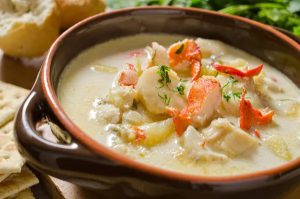
    Seafood Chowder

    What It Is: Irish seafood chowder is a creamy, hearty soup made with a variety of seafood such as mussels, clams, white fish, and sometimes smoked salmon. It’s often enriched with cream, potatoes, and leeks, and served with soda bread.

     Why It’s Perfect for St. Patrick’s Day: This rich, flavorful soup brings a taste of Ireland’s coastal regions to your St. Patrick’s Day table. It’s a great option for those who want something different from the usual meat-heavy dishes.

     Pro Tip: Serve the chowder with a sprinkle of fresh parsley and a slice of soda bread for dipping.

    Search FamilyCookbookProject.com for seafood chowder recipes.

    Apple Cake with Custard Sauce

    What It Is: Irish apple cake is a traditional dessert made with tender chunks of apples, cinnamon, and a crumbly streusel topping. It’s often served warm with a generous drizzle of homemade custard sauce.

     Why It’s Perfect for St. Patrick’s Day: This comforting, spiced dessert is perfect for rounding off a hearty Irish meal. The combination of warm apples and rich custard sauce makes it a festive and delicious treat.

     Pro Tip: Serve the cake warm with a side of custard or whipped cream for an extra indulgent dessert.

    Search FamilyCookbookProject.com for Irish apple cake recipes.

    Beyond Corned Beef: Expanding Your St. Patrick’s Day Menu

    While corned beef and cabbage have become synonymous with St. Patrick’s Day in the U.S., these traditional Irish dishes offer a more authentic taste of Ireland. From hearty stews to sweet apple cake, there’s no shortage of delicious ways to celebrate Irish heritage through food.

    This St. Patrick’s Day, skip the green beer and boxed corned beef, and try bringing some of these traditional Irish recipes to your table. Your guests will appreciate the variety, and you’ll get a taste of real Irish cooking that’s perfect for any festive gathering.

    A True Taste of Ireland

    Whether you’re hosting a large St. Patrick’s Day gathering or simply cooking for your family, incorporating traditional Irish dishes can bring an authentic and flavorful touch to your celebration. With these classic recipes, you’ll have plenty of options to go beyond the usual fare and serve up something truly special.

    So, gather your ingredients, turn on some Irish music, and enjoy a hearty, home-cooked meal that celebrates the flavors and traditions of Ireland!


    Bill Rice is Founder and Co-Publisher of the Family Cookbook Project, a website that helps families and individuals collect, preserve and share food memories by creating their own printed personal cookbooks. He is the author of The Wellfleet Oyster Cookbook and the Cape Cod Cocktail Cookbook (Available on Amazon), both created using FamilyCookbookProject.com. He is also editor of the Donovan Family Cookbook, now it’s third printing and is an avid genealogist tracing his family back to the 1600’s.

    Follow Family Cookbook Project on Facebook, Instagram, Twitter TikTok, YouTube and Pinterest!

  • How to Cook Mexican Food at Home: Essential Ingredients, Simple Dishes, and Must-Have Spices

    How to Cook Mexican Food at Home: Essential Ingredients, Simple Dishes, and Must-Have Spices

    Mexican cuisine is beloved for its bold flavors, vibrant colors, and diverse ingredients. The beauty of cooking Mexican food at home is that you can enjoy authentic, delicious dishes without needing to visit a restaurant. By stocking your pantry with key ingredients and learning a few simple recipes, you can bring the rich, varied flavors of Mexico into your own kitchen.

    In this article, FamilyCookbookProject.com will explore the essential ingredients, spices, and simple dishes to help you start cooking authentic Mexican food at home.

    Essential Ingredients for Mexican Cooking

    To successfully cook Mexican food at home, it’s important to have a few staple ingredients on hand. These are the building blocks of many Mexican dishes and will help you achieve authentic flavors.

    Tortillas (Corn and Flour)

    Tortillas are the foundation of many Mexican dishes, such as tacos, quesadillas, enchiladas, and burritos. Keep both corn and flour tortillas in your pantry or fridge, as each type works best for different dishes. Corn tortillas are typically used for tacos and enchiladas, while flour tortillas are popular for burritos and quesadillas.

    Beans (Black Beans, Pinto Beans)

    Beans are a key ingredient in Mexican cuisine. Black beans and pinto beans are commonly used in dishes like  refried beans ,  tacos , and  burritos . You can use canned beans for convenience or cook dried beans for a more authentic flavor.

    Rice (White or Brown)

    Mexican-style rice, often seasoned with tomatoes, onions, and garlic, is a common side dish. Long-grain white or brown rice is ideal for creating  Mexican rice  or serving alongside main dishes like tacos or enchiladas.

    Cheese (Queso Fresco, Cotija, Oaxaca, Monterey Jack)

    Cheese adds richness and flavor to many Mexican dishes.  Queso fresco  and  cotija  are crumbly, mild cheeses often used as toppings, while  Oaxaca  cheese melts beautifully and is perfect for quesadillas.  Monterey Jack  cheese, while not traditional, is a good melting cheese for tacos and enchiladas.

    Avocados

    Avocados are essential for making  guacamole , a classic Mexican dip. They’re also a great topping for tacos, burritos, and salads. Their creamy texture complements the spiciness of many Mexican dishes.

    Limes

    Limes add brightness and acidity to Mexican food. Whether you’re squeezing lime juice over tacos, adding it to a marinade, or using it in a salsa, limes are indispensable in Mexican cooking.

    Tomatoes

    Tomatoes, especially Roma tomatoes, are a key ingredient in many Mexican dishes. They’re used in  salsas ,  sauces , and even  rice dishes . Canned tomatoes can also work well in a pinch.

    Onions (White, Red)

    Onions, especially white onions, are commonly used in Mexican cooking for their sharp flavor. They’re sautéed with garlic in many sauces and stews, and raw red onions are often used as a garnish for tacos and salsas.

    Cilantro

    Cilantro is a fresh herb that adds a burst of flavor to tacos, salsas, and soups. Its bright, citrusy flavor pairs well with lime and adds a fresh note to dishes.

    Chilies (Fresh and Dried)

    Chilies are essential for adding heat and depth of flavor to Mexican food. Common varieties include  jalapeños  and  serranos  (used fresh), as well as  ancho ,  guajillo , and  chipotle  (used dried). These chilies are often used in sauces, marinades, and as toppings for tacos and other dishes.

    Must-Have Spices for Mexican Cooking

    Spices play a crucial role in Mexican cuisine, helping to create layers of flavor in everything from stews to tacos. Here are the most common spices to keep in your pantry:

    Cumin

    Cumin adds a warm, earthy flavor and is one of the most important spices in Mexican cooking. It’s often used in  taco seasoning, chili, and bean dishes .

    Chili Powder

    Chili powder is a blend of ground chilies and spices like cumin, garlic powder, and oregano. It’s essential for seasoning meat, stews, and sauces. Use it in tacos,  enchiladas, and chili con carne .

    Oregano (Mexican Oregano)

    Mexican oregano has a slightly citrusy, floral flavor that differs from Mediterranean oregano. It’s used in  salsas, marinades, and soups. If you can’t find Mexican oregano, regular oregano will work, but the flavors are a bit different.

    Paprika

    Paprika adds color and mild flavor to Mexican dishes. Smoked paprika can add a depth of smokiness to meats and stews.

    Cinnamon (Canela)

    Mexican cinnamon (also called  canela) is softer and more fragrant than the standard cinnamon found in most kitchens. It’s often used in both savory and sweet Mexican dishes, such as  mole  sauces and  horchata.

    Garlic Powder

    Garlic powder is a convenient way to add garlic flavor to dishes when fresh garlic isn’t on hand. It’s often used in  seasoning blends  for tacos and chili.

    Bay Leaves

    Bay leaves are often added to slow-cooked dishes like  pozole  and  sopa de fideo  to add depth and aroma.

    Mexican Dishes to Start With

    Once you have your ingredients and spices stocked, here are a few simple Mexican dishes to try:

    Tacos

    Tacos are one of the most versatile and easy-to-make Mexican dishes. Start by cooking seasoned  ground beef  or chicken with taco seasoning (cumin, chili powder, garlic). Serve the meat in warm corn tortillas and top with your favorite toppings like salsa,  guacamole, cheese, and cilantro.

    Search for taco recipes on FamilyCookbookProject.com

    Guacamole

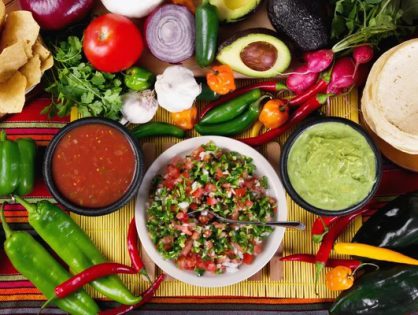
    This classic dip is easy to make and always a hit. Simply mash ripe  avocados  with lime juice, cilantro, finely chopped onions, and a pinch of  salt. Add some chopped  tomatoes  or jalapeños  for extra flavor and texture.

    Search for guacamole recipes on FamilyCookbookProject.com

    Enchiladas

    Enchiladas are tortillas filled with meat, beans, or cheese, rolled up, and covered with a spicy sauce. You can start with a basic  cheese enchilada  by filling  corn tortillas  with  Monterey Jack cheese, rolling them up, and covering them with a simple  enchilada sauce (made with tomato sauce, chili powder, and  garlic). Bake until bubbly.

    Search for enchiladas recipes on FamilyCookbookProject.com

    Salsa Fresca (Pico de Gallo)

    A fresh salsa made from diced tomatoes, onions, jalapeños, cilantro, and lime juice . It’s perfect as a topping for tacos, nachos, or as a dip with tortilla chips.

    Search for pico de  gallo recipes on FamilyCookbookProject.com

    Quesadillas

    Quesadillas are a simple dish that involves filling  flour tortillas with melted  cheese and other ingredients like chicken, mushrooms, or spinach. Cook the filled tortillas in a hot skillet until the cheese is melted and the tortillas are crispy.

    Search for quesadillas recipes on FamilyCookbookProject.com

    Mexican Rice

    To make Mexican rice, sauté  long-grain rice  with  onions  and  garlic , then simmer it with  tomato sauce  or  tomato paste , chicken broth, and  spices  like cumin and chili powder. The result is a flavorful, fluffy rice that pairs well with tacos, enchiladas, or grilled meats.

    Search for Mexican rice recipes on FamilyCookbookProject.com

    Search for Advanced Recipes

    FamilyCookbookProject.com includes a database of more than 2.82 million recipes, including many Mexican Family Favorites. Click here to search for more Mexican recipes.

    Bringing Mexican Flavors to Your Kitchen

    Cooking Mexican food at home is a rewarding experience that allows you to enjoy rich, authentic flavors with ingredients you can easily find at the store. By stocking up on essential ingredients like tortillas, beans, avocados, and spices like cumin and chili powder, you’ll be well on your way to creating delicious Mexican meals in your own kitchen.

    Start with simple dishes like tacos, guacamole, and enchiladas, and as you get more comfortable, try your hand at more complex recipes. With practice, you’ll be able to bring the vibrant and diverse flavors of Mexico into your home, creating meals that are sure to impress family and friends.

    So grab your tortillas, fire up the stove, and get cooking!


    Bill Rice is Founder and Co-Publisher of the Great Family Cookbook Project, a website that helps families and individuals collect, preserve and share food memories by creating their own printed personal cookbooks. He is the author of The Wellfleet Oyster Cookbook and the Cape Cod Cocktail Cookbook (Available on Amazon), both created using FamilyCookbookProject.com. He is also editor of the Donovan Family Cookbook, now it’s third printing and is an avid genealogist tracing his family back to the 1600’s.

    Follow Family Cookbook Project on Facebook, Instagram, Twitter TikTok, YouTube and Pinterest!



  • Bring Vietnam to Your Table: A Guide to Cooking Authentic Vietnamese Food at Home

    Bring Vietnam to Your Table: A Guide to Cooking Authentic Vietnamese Food at Home

    Vietnamese cuisine is known for its fresh ingredients, vibrant flavors, and balance of sweet, sour, salty, and spicy elements. Dishes like pho, banh mi, and spring rolls have become popular worldwide, but cooking Vietnamese food at home offers a chance to explore a deeper variety of dishes and flavors. With the right ingredients, tools, and recipes, you can recreate the magic of Vietnamese cuisine in your own kitchen.

    In this article, FamilyCookbookProject.com will explore essential ingredients for cooking Vietnamese food, beginner-friendly dishes to try, and how to collect and organize your favorite recipes using FamilyCookbookProject.com.

    Essential Ingredients for Vietnamese Cooking

    The foundation of Vietnamese cuisine is fresh ingredients that bring bold flavors and vibrant colors to the table. Here are a few must-have ingredients to keep on hand:

    Fish Sauce (Nuoc Mam)

    Fish sauce is a cornerstone of Vietnamese cooking, adding a salty, umami depth to many dishes. It’s used in everything from dipping sauces to marinades and stir-fries. Look for a high-quality brand, as the flavor can vary significantly.

    Rice Noodles (Banh Pho)

    Rice noodles come in different thicknesses and are used in a variety of Vietnamese dishes, such as pho and stir-fried noodle dishes like bun cha. Keep thin vermicelli noodles for light dishes and thicker noodles for heartier soups and stir-fries.

    Fresh Herbs

    Fresh herbs are essential in Vietnamese cooking, adding brightness and complexity to dishes. Key herbs include cilantro, Thai basil, mint, and coriander. These are often used as garnishes or added at the last moment for a burst of fresh flavor.

    Lime and Lemongrass

    Lime adds acidity to balance flavors, while lemongrass provides a fragrant, citrusy element to soups, curries, and marinades. Together, they help create the bright, fresh taste that is so characteristic of Vietnamese cuisine.

    Hoisin Sauce and Sriracha

    Hoisin sauce is sweet and savory, often used in dipping sauces or as a glaze. Sriracha, a spicy chili sauce, adds heat and is a favorite condiment for pho and other noodle dishes.

    Rice Paper (Banh Trang)

    Rice paper is used for making fresh spring rolls (goi cuon) or fried spring rolls (cha gio). It’s light, versatile, and essential for creating these classic Vietnamese appetizers.

    Beginner-Friendly Vietnamese Dishes to Try

    Vietnamese food is known for being fresh and healthy, making it a great cuisine to explore at home. Here are a few dishes that are simple to prepare and full of flavor:

    Pho

    Pho is a classic Vietnamese noodle soup made with a rich, aromatic broth, rice noodles, and a choice of beef or chicken. While making the broth from scratch can be time-consuming, it’s worth the effort. Once you’ve mastered pho, you’ll have the base for many Vietnamese noodle dishes.

    Fresh Spring Rolls (Goi Cuon)

    Fresh spring rolls are an easy and refreshing dish to make at home. These light rolls are filled with shrimp, pork, vermicelli noodles, and fresh herbs, wrapped in rice paper and served with a tangy dipping sauce made from hoisin and peanut butter.

    Banh Mi

    Banh mi sandwiches are a delicious fusion of French and Vietnamese flavors, featuring a crispy baguette stuffed with pickled vegetables, herbs, meat, and pate. You can customize the fillings to your taste, making banh mi a versatile dish.

    Bun Cha

    Bun cha is a flavorful noodle salad made with grilled pork, rice vermicelli noodles, fresh herbs, and a sweet-and-sour dipping sauce. It’s a perfect example of how Vietnamese cuisine balances fresh and grilled elements.

    # 5.  Vietnamese Iced Coffee (Ca Phe Sua Da)

    For a sweet and refreshing treat, try making Vietnamese iced coffee. Strong coffee is brewed and then mixed with sweetened condensed milk, served over ice for a perfect afternoon pick-me-up.

    Tools You’ll Need for Vietnamese Cooking

    Cooking Vietnamese food at home is simple with the right tools. Here are a few kitchen essentials to help you get started:

    A Large Pot for Soups: Pho and other Vietnamese soups require a large pot for simmering broth and cooking noodles. Choose one that allows you to comfortably simmer broth for hours without spilling.

    Mortar and Pestle: This tool is useful for pounding aromatics like garlic, lemongrass, and chili to release their flavors. It’s particularly helpful in making pastes for marinades and sauces.

    Rice Cooker: Rice is a staple in Vietnamese cuisine, and a rice cooker ensures perfectly cooked rice every time, without any guesswork.

    Mandoline: A mandoline helps with thinly slicing vegetables, particularly for making quick pickles or julienning ingredients for fresh spring rolls and salads.

    Where to Find Vietnamese Recipes

    When it comes to finding Vietnamese recipes, there are plenty of resources available. You can browse through Vietnamese cookbooks, follow food bloggers who specialize in Southeast Asian cuisine, or check out cooking channels on YouTube for step-by-step video tutorials. FamilyCookbookProject.com offers a great collection of Vietnamese recipes for home cooks submitted in our database of more than 2.82 million recipes.

    However, as you explore different recipes and experiment with dishes, you may want to keep track of the ones that work best for you, so you can easily revisit and share them. This is where  FamilyCookbookProject.com  comes in handy.

    FamilyCookbookProject.com allows you to organize all your favorite Vietnamese recipes into one personalized cookbook. Whether you’ve perfected pho or created your own twist on banh mi, you can add the recipe to your collection, making it easy to reference or share with family and friends. You can also include notes, variations, or even family stories associated with the dish, making your cookbook as personal and unique as your culinary journey.

    Start Cooking Vietnamese Food at Home

    Cooking Vietnamese food at home is an exciting way to explore bold flavors and fresh ingredients. By stocking your kitchen with essential ingredients like fish sauce, rice noodles, and fresh herbs, you’ll be ready to prepare a variety of delicious dishes. Start with beginner-friendly recipes like pho, fresh spring rolls, and banh mi, and build your skills from there.

    As you try new dishes and refine your favorites, FamilyCookbookProject.com can help you organize all your recipes into a personalized collection that’s easy to access and share. Whether you’re cooking for your family or hosting a Vietnamese-inspired dinner party, you’ll have a go-to resource for creating authentic Vietnamese meals right in your own kitchen.


    Bill Rice is Founder and Co-Publisher of the Family Cookbook Project, a website that helps families and individuals collect, preserve and share food memories by creating their own printed personal cookbooks. He is the author of The Wellfleet Oyster Cookbook and the Cape Cod Cocktail Cookbook (Available on Amazon), both created using FamilyCookbookProject.com. He is also editor of the Donovan Family Cookbook, now it’s third printing and is an avid genealogist tracing his family back to the 1600’s.

    Follow Family Cookbook Project on Facebook, Instagram, Twitter TikTok, YouTube and Pinterest!

  • Explore the Bold and Hearty Flavors of Hungarian Food in Your Own Kitchen

    Explore the Bold and Hearty Flavors of Hungarian Food in Your Own Kitchen

    Hungarian cuisine is known for its rich flavors, hearty stews, and the liberal use of paprika, making it one of the most unique and flavorful European cuisines. While some Hungarian dishes may seem complex, many are surprisingly easy to make at home with the right ingredients and a bit of time. With influences from Central and Eastern Europe, Hungarian food brings together savory meats, fresh vegetables, and bold spices in dishes that are perfect for family meals.

    In this article, FamilyCookbookProject.com guide you through the essential ingredients for Hungarian cooking, the key spices you’ll need, and some simple dishes to start with, helping you bring a taste of Hungary into your own kitchen.

    Essential Ingredients for Hungarian Cooking

    Hungarian cuisine is centered around simple, hearty ingredients that are readily available in most grocery stores. Here are the essentials to keep in your kitchen for making authentic Hungarian dishes:

    Paprika

    Paprika is the cornerstone of Hungarian cooking. Hungarian paprika comes in several varieties, from sweet to hot and smoked, and is used generously in stews, soups, and sauces. It adds both color and depth of flavor to dishes like gulyás (goulash) and paprikás csirke (chicken paprikash).

    Sour Cream

    Sour cream is a common ingredient in Hungarian cuisine, often stirred into stews and sauces to add richness and a tangy flavor. It’s also served as a garnish for dishes like stuffed cabbage and langos (fried dough).

    Pork

    Pork is the most popular meat in Hungary and is used in dishes like pörkölt (a type of stew) and kolbász (Hungarian sausages). You’ll often find pork in stews, soups, and roasts.

    Beef

    Beef is another key ingredient in Hungarian cooking, especially in gulyás, a hearty soup or stew made with beef, vegetables, and spices. Beef is also used in pörkölt and other rich, slow-cooked dishes.

    Potatoes

    Potatoes are a versatile and essential ingredient in Hungarian cuisine. They are used in soups, stews, and side dishes and are often served boiled or mashed alongside main courses.

    Cabbage

    Cabbage is used in a variety of ways in Hungarian cooking, from fresh in salads to pickled in sauerkraut, and even stuffed with rice and meat to make töltött káposzta (stuffed cabbage rolls). It’s a staple in many traditional dishes.

    Onions

    Onions are the base of many Hungarian dishes, especially stews and soups. They are typically sautéed until soft and golden, forming the foundation of dishes like paprikash and goulash.

    Bell Peppers

    Bell peppers are frequently used in Hungarian recipes, adding sweetness and texture to dishes. They’re a key ingredient in lecsó, a Hungarian vegetable stew similar to ratatouille.

    Tomatoes

    Tomatoes are another important component of Hungarian dishes, often used to add sweetness and acidity to stews and sauces.

    Egg Noodles (Nokedli or Csipetke)

    Nokedli, Hungarian egg noodles similar to spaetzle, are often served alongside stews like paprikash. These homemade noodles are soft, chewy, and perfect for soaking up sauces.

    Must-Have Spices for Hungarian Cooking

    Hungarian cuisine is rich in spices and seasonings, but it all starts with paprika. Here are the key spices you’ll need to bring the flavors of Hungary to life:

    Hungarian Paprika

    Paprika comes in different varieties, but Hungarian paprika is known for its sweet, mild heat. You’ll need both sweet paprika and hot paprika to recreate authentic Hungarian flavors. Sweet paprika is used more frequently, while hot paprika is added for a bit of spice.

    Caraway Seeds

    Caraway seeds are commonly used in Hungarian soups, stews, and bread. They have a nutty, slightly peppery flavor and are often paired with cabbage, potatoes, and meats.

    Garlic

    Garlic is a key ingredient in many Hungarian dishes, adding a pungent, savory note to stews, soups, and roasted meats. It’s used in both fresh and powdered forms.

    Bay Leaves

    Bay leaves are often used in slow-cooked stews, soups, and sauces to add a subtle herbal flavor. They’re commonly included in goulash and pörkölt.

    Black Pepper

    Black pepper is a simple but essential spice in Hungarian cooking, often added alongside paprika to season meats, soups, and stews.

    Dill

    Dill is commonly used in Hungarian pickles, salads, and some soups. It adds a bright, fresh flavor that pairs well with sour cream and vinegar-based dishes.

    Thyme

    Thyme is frequently used to flavor soups and stews in Hungarian cooking, especially in meat dishes. It’s a fragrant herb that enhances the overall flavor of long-simmered dishes.

    Parsley

    Fresh parsley is often used as a garnish in Hungarian cuisine, adding color and freshness to hearty stews, soups, and roasted meats.

    Simple Hungarian Dishes to Start With

    Here are a few classic Hungarian dishes that are easy to make at home and will introduce you to the flavors of this rich cuisine:

    Gulyás (Goulash)

    Gulyás is Hungary’s most famous dish, a hearty soup or stew made with beef, onions, potatoes, and paprika. It’s comforting, flavorful, and perfect for a cozy meal. Serve it with crusty bread to soak up the broth.

    Search FamilyCookbookProject.com for goulash recipes.

    Paprikás Csirke (Chicken Paprikash)

    Chicken paprikash is a creamy, comforting dish made with chicken cooked in a rich paprika sauce. Sour cream is stirred in at the end to create a velvety texture. It’s traditionally served with nokedli (Hungarian egg noodles).

    Search FamilyCookbookProject.com for paprikash recipes.

    Töltött Káposzta (Stuffed Cabbage Rolls)

    Stuffed cabbage rolls are a Hungarian classic, made with cabbage leaves filled with a mixture of rice and ground pork, then simmered in a tomato and paprika sauce. This dish is perfect for family gatherings and special occasions.

    Search FamilyCookbookProject.com for Stuffed cabbage rolls recipes.

    Lecsó (Hungarian Vegetable Stew)

    Lecsó is a simple, hearty vegetable stew made with bell peppers, tomatoes, onions, and paprika. It’s often served as a side dish or with eggs for a light meal.

    Search FamilyCookbookProject.com for Lecsó recipes.

    Nokedli (Hungarian Egg Noodles)

    Nokedli is Hungary’s version of egg noodles, similar to German spaetzle. These small, chewy dumplings are easy to make at home and are the perfect accompaniment to paprikash or pörkölt.

    Search FamilyCookbookProject.com for Nokedli recipes.

    Cooking Hungarian Food at Home

    Cooking Hungarian food at home is a great way to explore bold, hearty flavors with a few simple ingredients. By stocking your kitchen with essentials like paprika, sour cream, onions, and bell peppers, and using spices like caraway seeds and garlic, you’ll be able to recreate traditional Hungarian dishes with ease. Start with comforting classics like goulash or chicken paprikash, and as you gain confidence, try your hand at more complex recipes like stuffed cabbage or lecsó.

    Hungarian cuisine is all about warmth, comfort, and sharing meals with loved ones, so gather your family around the table and enjoy a taste of Hungary in your own home.


    Bill Rice is Founder and Co-Publisher of  FamilyCookbookProject.com, the leading online cookbook publisher with a website that helps families and individuals collect, preserve and share food memories by creating their own printed custom cookbooks. He is the author of The Wellfleet Oyster Cookbook and the Cape Cod Cocktail Cookbook (Available on Amazon), both created using FamilyCookbookProject.com. He is also editor of the Donovan Family Cookbook, now it’s third printing and is an avid genealogist tracing his family back to the 1600’s.

    Follow Family Cookbook Project on Facebook, Instagram, Twitter TikTok, YouTube and Pinterest!

     

  • Bring Italy to Your Kitchen: A Beginner’s Guide to Italian Cooking

    Bring Italy to Your Kitchen: A Beginner’s Guide to Italian Cooking

    Italian cuisine is all about simplicity, fresh ingredients, and letting the natural flavors shine. Whether it’s a bowl of perfectly cooked pasta, a rustic pizza, or a hearty risotto, the essence of Italian cooking lies in using high-quality ingredients and mastering basic techniques. Fortunately, you don’t need a trip to Italy to enjoy authentic Italian food; with the right ingredients, a few tools, and some classic recipes, you can bring the flavors of Italy into your own kitchen.

    In this article, FamilyCookbookProject.com will guide you through the must-have ingredients, beginner-friendly Italian dishes to try, and essential utensils for cooking Italian food at home.

    Essential Ingredients for Italian Cooking

    Italian cooking is built on a foundation of a few key ingredients. With these essentials, you’ll be able to prepare a wide variety of Italian dishes.

    At the heart of Italian cuisine is extra virgin olive oil, a staple in almost every recipe. Whether you’re using it to sauté vegetables, dress a salad, or drizzle over fresh pasta, high-quality olive oil is a must-have. Another essential is garlic, which adds depth and flavor to countless Italian dishes. The rich, earthy notes of garlic are a signature in pasta sauces, soups, and stews.

    Italian food also relies heavily on tomatoes. Whether fresh, canned, or in the form of tomato paste, tomatoes are the base for classic dishes like marinara sauce, bolognese, and pizza sauce. For a real Italian touch, opt for  San Marzano tomatoes, which are known for their sweetness and low acidity.

    Pasta is, of course, a cornerstone of Italian cuisine. Keep a variety of shapes on hand, such as spaghetti, penne, and fettuccine, to pair with different sauces. Speaking of pasta,  Parmigiano-Reggiano is the king of Italian cheeses, adding a nutty, salty flavor to dishes. Grate it fresh over pasta, risotto, or salads for an extra burst of flavor.

    When it comes to Italian herbs, basil, oregano, and parsley are staples. Fresh basil is a must for Caprese salads and pesto, while oregano adds a savory punch to pizzas and sauces.  Fresh mozzarella is another essential, especially if you’re making pizza or lasagna. Its creamy texture and mild flavor make it the perfect pairing for tomatoes and basil.

    For meat lovers, Italian cooking often includes prosciutto and pancetta, which are used to add depth and savory richness to pastas, salads, and soups.

    Beginner-Friendly Italian Dishes to Try

    If you’re new to cooking Italian food at home, there are plenty of classic dishes that are both simple to prepare and incredibly satisfying. Here are a few that will help you get started.

    One of the easiest and most iconic Italian dishes to make is  spaghetti aglio e olio, a simple pasta dish made with garlic, olive oil, and red pepper flakes. This dish showcases how a few simple ingredients can create an incredibly flavorful meal. Cook your pasta until al dente, toss it in olive oil infused with garlic, and finish with a sprinkle of fresh parsley and grated Parmesan. It’s quick, delicious, and a perfect introduction to Italian cooking.

    For something more substantial, try making lasagna. This layered pasta dish features sheets of lasagna noodles, a rich meat sauce (ragu), ricotta cheese, and plenty of mozzarella and Parmesan. The key to a great lasagna is to simmer the meat sauce for at least an hour to allow the flavors to develop. Once assembled, bake until the cheese is bubbly and golden brown.

    Pizza lovers will enjoy making their own Margherita pizza at home. With a simple dough, fresh tomato sauce, mozzarella, and basil, this pizza highlights the freshness of the ingredients. Making pizza dough from scratch is easier than you might think and allows you to create a thin, crispy crust.

    Another comforting dish to try is risotto. This creamy rice dish is made by slowly stirring Arborio rice in broth until it becomes tender and creamy.  Risotto alla Milanese, flavored with saffron and Parmesan, is a great introduction to the art of risotto. The trick to perfect risotto is patience—stirring constantly to release the starches from the rice.

    For a fresh and light option, try Caprese salad, made with ripe tomatoes, fresh mozzarella, basil, and a drizzle of olive oil and balsamic vinegar. This simple salad is all about quality ingredients, so be sure to use the freshest produce you can find.

    Essential Tools for Italian Cooking

    While Italian cooking emphasizes simplicity, having the right tools can make your experience easier and more enjoyable.

    First and foremost, a large pot is essential for cooking pasta. Italian chefs often say that pasta needs room to “swim,” so choose a pot that’s big enough to hold plenty of water for boiling. You’ll also need a pasta strainer to easily drain the pasta without losing any of the precious noodles.

    A  cheese grater  is another must-have tool, especially for grating fresh Parmigiano-Reggiano. A microplane or box grater works well to finely grate the cheese, allowing it to melt seamlessly into your dishes.

    For pizza-making, a pizza stone or a baking steel is key to achieving that crispy, golden crust. Preheat the stone in your oven, and it will create the perfect environment for cooking your homemade pizza.

    When making risotto or sauces, a wooden spoon is ideal for stirring ingredients gently and evenly. And if you’re serious about making fresh pasta, consider investing in a pasta machine. While it’s possible to roll out pasta dough by hand, a pasta machine helps you achieve a uniform thickness and texture.

    Finally, a mandoline is useful for slicing vegetables thinly and evenly, which is particularly helpful when making dishes like eggplant Parmesan or preparing vegetables for pizza toppings.

    Bringing Italian Cuisine to Your Home Kitchen

    Cooking Italian food at home is a delightful way to explore new flavors and techniques while enjoying fresh, wholesome ingredients. By stocking your pantry with essentials like olive oil, pasta, tomatoes, and Parmesan, and having a few key tools at hand, you’ll be able to create authentic Italian dishes with ease.

    Start with simple dishes like spaghetti aglio e olio or a Caprese salad, and gradually work your way up to more complex recipes like lasagna or risotto. With each dish, you’ll gain confidence in your cooking abilities and a deeper appreciation for the art of Italian cuisine.

    When you’re just starting out with Italian cooking, it can be helpful to explore different sources for recipes. Whether you’re browsing cookbooks, online blogs, or watching cooking shows, there are countless ways to find inspiration for your next Italian dish. As you experiment with new recipes, it’s a great idea to keep them organized, so you can easily revisit your favorites.

    FamilyCookbookProject.com is a perfect tool for this. You can collect all the Italian recipes you’ve tried and loved, add personal notes or adjustments, and create a customized cookbook that reflects your own culinary journey. This way, you’ll have your personal collection of go-to Italian recipes, whether it’s for a simple weeknight pasta or a special family gathering.

    So, gather your ingredients, pour a glass of wine, and get ready to experience the joy of Italian cooking from the comfort of your own kitchen.

    Bill Rice is Founder and Co-Publisher of the Family Cookbook Project, a website that helps families and individuals collect, preserve and share food memories by creating their own printed personal cookbooks. He is the author of The Wellfleet Oyster Cookbook and the Cape Cod Cocktail Cookbook (Available on Amazon), both created using FamilyCookbookProject.com. He is also editor of the Donovan Family Cookbook, now it’s third printing and is an avid genealogist tracing his family back to the 1600’s.

    Follow Family Cookbook Project on Facebook, Instagram, Twitter TikTok, YouTube and Pinterest!