Month: October 2024

  • How Long Does It Take To Make A Cookbook?

    How Long Does It Take To Make A Cookbook?

    What are most popular questions we at FamilyCookbookProject.com yet from someone who is considering creating their own personal cookbook is how long does it take to create a cookbook?

    The answer varies. It depends on how many recipes you want to include in your cookbook, how much time you can devote to it, how much personalization do you want to do?

    The good news is that Family Cookbook Project’s cookbook publishing system is designed for someone with little or no design expertise to create a beautiful personal cookbook for their family and friends very quickly.

    Early November is the most time-consuming aspect of creating your own cookbook is entering the recipes. This can be done by typing them in, cutting and pasting them from another electronic format, or even dictating them. The more recipes you want to include, the more time it will take to complete your cookbook.

    Once the recipes are entered, the next step is the cookbook design. Choosing a cover, recipe layout, and other options can be done very quickly.

    Another time consuming step, can be writing the introduction. Some people are just not good writers, and it takes them a long time to come up with the words they want the reader of the cookbook to know about that cookbook.

    Oh, so back to our original question of how long does it take to create a cookbook. I think the quickest anyone has used our system to create a full cookbook was about one week and we’ve also had people who have been working on their cookbook for years in their spare time and still, don’t have it ready for print

    That being said, I think that most cookbooks can be created within the three month window from start to finish.

    Once you place your order, it takes time to print the cookbook, bind it, and ship it to you: about three weeks.

    One note: if you want your cookbooks for Christmas gifts, the deadline is usually December 30, November 30. However, he will not be alone submitting your order around that time. If you really want to receive your cookbooks for Christmas gift giving, target early November, so that you will receive them in plenty of time for Christmas gift giving.


    Bill Rice is Founder and Co-Publisher of the Family Cookbook Project, a website that helps families and individuals collect, preserve and share food memories by creating their own printed personal cookbooks. He is the author of The Wellfleet Oyster Cookbook and the Cape Cod Cocktail Cookbook (Available on Amazon), both created using FamilyCookbookProject.com. He is also editor of the Donovan Family Cookbook, now it’s third printing and is an avid genealogist tracing his family back to the 1600’s.

    Follow Family Cookbook Project on Facebook, Instagram, Twitter and Pinterest!

  • Fun Halloween Recipes From Family Cookbook Project

    Fun Halloween Recipes From Family Cookbook Project

    Our Family Cookbook Editors have contributed more than 2.82 million recipes since FamilyCookbookProject.com started in 2004.  Most recipes are every day tried and true recipes that the family grew up with for generations. Some are specialty holiday recipes that only were made once a year.

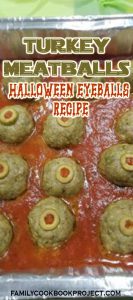
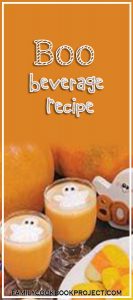
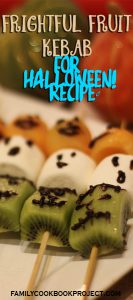
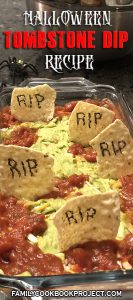
    Here is an assortment of Halloween recipes for your to try with your family this October 31st. Click on the image to be taken to the recipe.


    Bill Rice is Founder and Co-Publisher of the Family Cookbook Project, a website that helps families and individuals collect, preserve and share food memories by creating their own printed personal cookbooks. He is the author of The Wellfleet Oyster Cookbook and the Cape Cod Cocktail Cookbook (Available on Amazon), both created using FamilyCookbookProject.com. He is also editor of the Donovan Family Cookbook, now it’s third printing and is an avid genealogist tracing his family back to the 1600’s.

    Follow Family Cookbook Project on Facebook, Instagram, Twitter TikTok, YouTube and Pinterest!


  • 10 Tips for Designing the Perfect Custom Cookbook

    10 Tips for Designing the Perfect Custom Cookbook

    Designing a personal cookbook is more than just compiling a collection of recipes. It’s about creating a tangible reflection of your culinary journey, a keepsake that brings together your favorite dishes, family traditions, and stories in one beautifully crafted book. Whether you’re making a personal cookbook for yourself, to pass down through generations, or as a gift for a loved one, there’s an art to getting it just right.

    With FamilyCookbookProject.com, you can easily turn your collection of recipes into a professionally printed cookbook. But to truly create a masterpiece, it helps to have a few design tips in mind. In this article, we’ll walk you through 10 essential tips for designing the perfect personal cookbook, ensuring it’s both functional and filled with personal flair.

    1.  Start by Organizing Your Recipes

    The first step to designing a great personal cookbook is to organize your recipes. Before diving into the design process, gather all of your favorite recipes from different sources—whether they’re family recipes handed down over generations, dishes from your favorite food blogs, or creations from your own kitchen.

    Once you’ve compiled your recipes, start categorizing them in a way that makes sense for you. Some common categories include:

    –  Meal types: Appetizers, mains, sides, desserts

    –  Cuisine types: Italian, Mexican, Asian, etc.

    –  Occasions: Holidays, birthdays, family gatherings

    –  Dietary preferences: Vegetarian, gluten-free, low-carb

    This initial organization will help you determine the structure and flow of your cookbook, making it easier to design and more enjoyable to use.

    1.  Choose a Theme or Focus for Your Cookbook

    A successful cookbook often has a clear theme or focus that ties it together. While some cookbooks are general collections of favorite recipes, you might want to create a more specific theme to give your cookbook a cohesive feel. For example:

    –  Family traditions: A collection of recipes passed down through generations, each with a story about its origin.

    –  Healthy eating: A cookbook focused on nutritious, wholesome recipes for a balanced diet.

    –  Quick and easy meals: A go-to guide for busy weeknights when you need a meal in 30 minutes or less.

    –  Baking: A cookbook dedicated to cakes, cookies, and desserts for the sweet tooth in your life.

    By choosing a theme, you can give your cookbook a unique personality and make it easier to design around a central concept.

    1.  Write Personal Notes and Stories for Each Recipe

    One of the most special aspects of a personal cookbook is that it can capture the stories and memories behind the recipes. Instead of just listing ingredients and instructions, consider adding personal notes about each dish. These could include:

    –  Why the recipe is important to you: Is it your go-to meal for family dinners? A holiday favorite?

    –  The story behind the recipe: Was it passed down from your grandmother, or did you discover it on a special trip?

    –  Tips and variations: Have you made any tweaks or improvements to the original recipe? Share your advice!

    These personal touches turn your cookbook into a memoir of your culinary experiences and add a deeper emotional connection to the recipes.

    1.  Choose a Design That Reflects Your Style

    The visual design of your cookbook should reflect your personality and cooking style. FamilyCookbookProject.com offers a variety of design templates and layouts that you can customize to create the perfect look. Consider the following design elements:

    –  Cover design: Your cookbook’s cover is the first thing people will see, so make it eye-catching and personal. You could use a favorite photo, a family portrait, or a picture of your signature dish.

    –  Fonts and colors: Choose fonts and colors that match your theme. For a family cookbook, you might choose warm, homey colors and traditional fonts. For a modern cookbook, sleek fonts and minimalist design might be more appropriate.

    –  Photos: Incorporating photos of your finished dishes, family members, or cooking in action can make the cookbook more engaging and visually appealing.

    By thoughtfully selecting these elements, you can create a cookbook that looks as good as it reads.

    1.  Add Helpful Extras Like Indexes and Table of Contents

    To make your cookbook easy to navigate, be sure to include a table of contents and an index. These features allow readers (and you) to quickly find the recipe they’re looking for.

    –  Table of contents: Organize the table of contents by recipe categories, so readers can easily browse through the sections of your cookbook.

    –  Indexes: Consider adding multiple indexes, such as by recipe name, ingredients, or even occasions. This makes it easier to locate recipes based on what’s available in the pantry or by event type.

    These functional elements help your cookbook stand out as both a beautiful and practical tool in the kitchen and FamilyCookbookProject.com will create them automatically for you.

    1.  Test and Perfect Your Recipes

    Before including any recipe in your cookbook, make sure it’s been tested and perfected. Whether you’re documenting family recipes or your own creations, cooking each recipe at least once ensures that the instructions are accurate and the results are delicious.

    Consider testing recipes for:

    –  Accuracy of measurements: Double-check that ingredient amounts are correct and easy to follow.

    –  Clarity of instructions: Make sure each step is clearly explained and easy to understand.

    –  Timing and serving size: Verify that cooking times and serving sizes are accurate to avoid any confusion later.

    This testing process not only ensures the quality of your cookbook but also gives you a chance to relive the joy of cooking each dish before preserving it in print.

    1.  Include Photos to Bring Your Recipes to Life

    Photos add a lot of visual appeal to any cookbook, and they can help guide readers through the process of making your recipes. High-quality photos of your finished dishes will make the cookbook more engaging and give readers a visual idea of what the dish should look like.

    If you enjoy food photography, you can take your own photos, but if that’s not your specialty, you can use stock images or work with a professional photographer to capture your culinary creations. Include photos that reflect the final presentation, as well as candid shots of the cooking process or family gatherings.

    Photos can turn your cookbook into a visual feast, adding depth and personality to your recipes.

    1.  Include Conversion Charts and Cooking Tips

    One way to make your cookbook more functional is to include helpful extras like measurement conversion charts, ingredient substitutions, or basic cooking tips. These practical additions can be invaluable to readers, especially those who might be new to cooking or unfamiliar with certain ingredients.

    Consider including:

    –  Measurement conversions: Provide conversions for common measurements (e.g., cups to ounces, teaspoons to milliliters).

    –  Ingredient substitutions: Offer alternatives for common ingredients (e.g., substituting honey for sugar or coconut oil for butter).

    –  Cooking tips: Share tips on meal prep, storage, or presentation that can help elevate the recipes.

    These extras can enhance the user experience and make your cookbook a go-to resource in the kitchen.

    1.  Make It Personal with Family Contributions

    If you’re creating a family cookbook, invite family members to contribute their favorite recipes and stories. This collaborative approach not only adds variety to the cookbook but also makes it a cherished family keepsake. You might ask each family member to submit a dish they’re known for or to share a favorite holiday recipe.

    Family contributions can turn your cookbook into a multi-generational project that brings everyone closer together, with each recipe reflecting a different part of your family’s culinary heritage.

    1.  Print Multiple Copies for Family and Friends

    Finally, once you’ve designed the perfect personal cookbook, consider printing multiple copies to share with family and friends. Whether you’re giving the cookbook as a gift for a special occasion—like a wedding, birthday, or holiday—or simply sharing your culinary creations with loved ones, a personal cookbook is a gift that will be treasured for years to come.

    FamilyCookbookProject.com makes it easy to order professionally printed copies of your cookbook, so you can create as many copies as you need. Your loved ones will appreciate the thoughtfulness and effort that went into creating a personalized collection of recipes that they can enjoy and pass down.

    Designing the perfect personal cookbook is a rewarding and creative process. By organizing your recipes, personalizing the design, and adding thoughtful touches like photos and stories, you can create a beautiful and functional cookbook that reflects your unique cooking style.

    Whether it’s for yourself or a gift for someone else, a personal cookbook is more than just a collection of recipes—it’s a lasting keepsake filled with memories, traditions, and the joy of cooking. With these 10 tips, you’ll be well on your way to designing a cookbook that brings recipe chaos to organized bliss. Ready to get started? Visit FamilyCookbookProject.com anFamilyCookbookProject.comd begin designing your perfect cookbook today!


    Bill Rice is Founder and Co-Publisher of the Family Cookbook Project, a website that helps families and individuals collect, preserve and share food memories by creating their own printed personal cookbooks. He is the author of The Wellfleet Oyster Cookbook and the Cape Cod Cocktail Cookbook (Available on Amazon), both created using FamilyCookbookProject.com. He is also editor of the Donovan Family Cookbook, now it’s third printing and is an avid genealogist tracing his family back to the 1600’s.

    Follow Family Cookbook Project on Facebook, Instagram, Twitter TikTok, YouTube and Pinterest!


  • Download the Mobile App for Family Cookbook Project

    Download the Mobile App for Family Cookbook Project

    If you want to access your family cookbook recipes on your mobile device, we have an app for that!

    The award-winning Family Cookbook Project Mobile App allows users to browse and use their recipes on their mobile phone of tablet. Tools include articles from our blog at your fingertips, latest recipes from our recipe database and more! Users can enter their recipes at www.familycookbookproject.com and have access anywhere!

    Designed for use on the Apple iPhone or iPad, the free app can be downloaded at
    https://itunes.apple.com/us/app/family-cookbook-project-recipes/id1128570224?ls=1&mt=8

    If you are an Android user go to https://play.google.com/store/apps/details?id=com.app_fcbrecipes1.layout


    Bill Rice is Founder and Co-Publisher of the Family Cookbook Project, the leading online cookbook publisher with a website that helps families and individuals collect, preserve and share food memories by creating their own printed custom cookbooks. He is the author of The Wellfleet Oyster Cookbook and the Cape Cod Cocktail Cookbook (Available on Amazon), both created using FamilyCookbookProject.com. He is also editor of the Donovan Family Cookbook, now it’s third printing and is an avid genealogist tracing his family back to the 1600’s.

    Follow Family Cookbook Project on Facebook, Instagram, Twitter TikTok, YouTube and Pinterest!


  • The Role of Cookbooks in Modern-Day Kitchens: Tradition Meets Technology

    The Role of Cookbooks in Modern-Day Kitchens: Tradition Meets Technology

    Cookbooks have always held a special place in the heart of the kitchen. They represent more than just instructions on how to prepare food—they are collections of memories, traditions, and cultural heritage. From the days when recipes were meticulously handwritten and passed down through generations to today’s world of online recipe databases, cookbooks remain an essential part of our culinary experiences. Despite the growing reliance on digital tools, the enduring charm of printed cookbooks continues to thrive, illustrating the important role they play in modern kitchens.


    Early Role of Cookbooks and Recipe Boxes in Recipe Collection

    The tradition of cookbooks dates back centuries, with some of the earliest known recipe collections found in ancient Greece and Rome. These early documents were practical guides for food preparation, meant for chefs and households to replicate meals. However, as time progressed, cookbooks evolved from simple instruction manuals into treasured collections that offered a glimpse into the lifestyles, cultural preferences, and personal tastes of families.

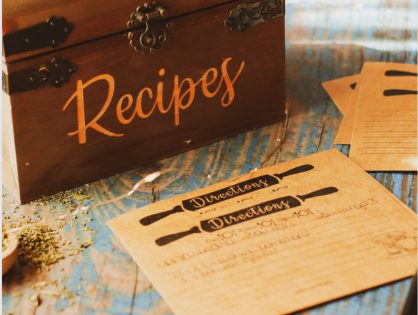
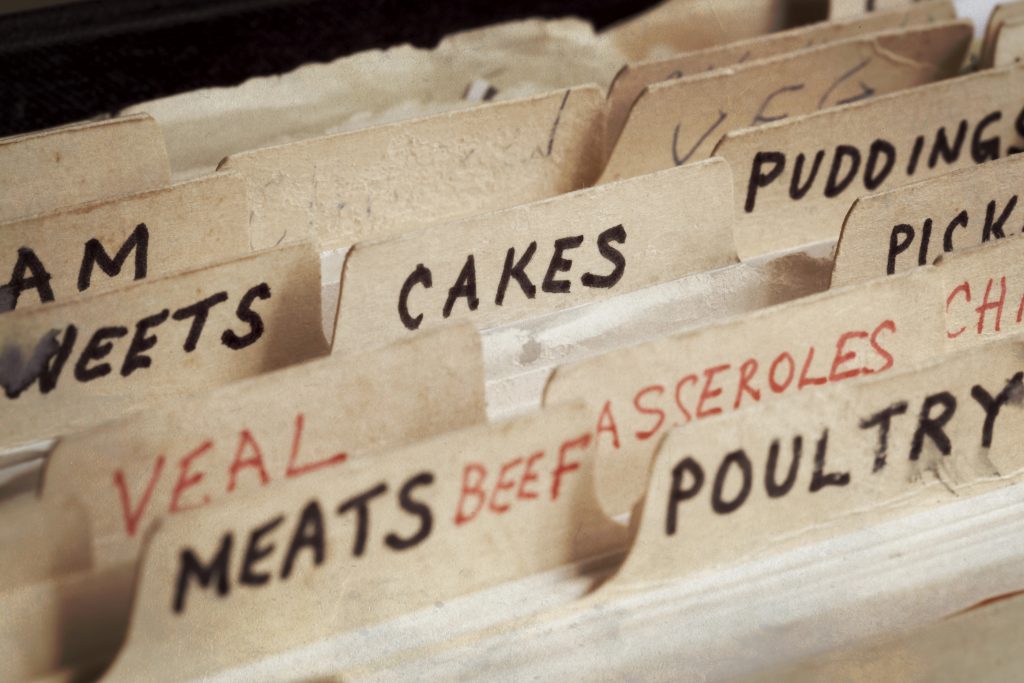
    By the late 19th and early 20th centuries, cookbooks had become widely available, and many homes had their own collection. These cookbooks often contained family recipes or popular dishes of the time, with annotations scribbled in the margins and additions jotted down on spare pieces of paper. Recipe boxes, often filled with index cards or small slips of paper, were another staple in many kitchens. Passed down from generation to generation, these recipe boxes symbolized a family’s culinary history and held precious memories of meals prepared for holidays, birthdays, and family gatherings.

    Cookbooks and recipe boxes became central to meal planning. In a time before the internet or television cooking shows, cookbooks were the primary source of culinary education for home cooks. Whether it was an heirloom recipe or a new dish clipped from a magazine, these collections fostered a sense of pride and accomplishment in home cooking. They also ensured that family favorites—whether it was Grandma’s apple pie or Uncle Joe’s famous barbecue sauce—would never be lost.


    Cookbooks Remain the Most Popular Genre of Printed Books Today

    In today’s fast-paced world, where digital content is king, the popularity of printed cookbooks might come as a surprise to some. However, cookbooks continue to be one of the most popular genres of printed books, consistently topping bestseller lists. But why, in an era where almost any recipe can be found with a few clicks, do we continue to buy printed cookbooks?

    One reason is that cookbooks offer more than just recipes. They provide context, storytelling, and a sense of discovery that can be lost in the scroll of a digital recipe feed. Whether it’s the narrative behind a dish, stunning food photography, or tips and tricks from professional chefs, cookbooks offer a tangible, curated experience that online recipe searches often cannot replicate. There is something satisfying about flipping through a beautifully designed cookbook, bookmarking a recipe with a sticky note, and feeling the pages between your hands.

    Cookbooks are also becoming cherished collectibles. For many, building a cookbook collection is akin to collecting works of art. Some are drawn to cookbooks by celebrity chefs, while others prefer niche titles that focus on specific cuisines or dietary needs. They also make thoughtful gifts for weddings, housewarmings, and holidays, often tied to special moments in life. The physical presence of a cookbook on a kitchen shelf reminds us of the enduring value of tradition and the joy of cooking.


    The Role of Search in Finding Recipes and the Emergence of Online Recipe Boxes

    That said, the rise of the internet has undeniably revolutionized the way we find and store recipes. With the click of a button, we can access millions of recipes from around the world, filter by ingredients or dietary restrictions, and read reviews from other home cooks. Food blogs, cooking websites, and social media platforms like Pinterest have made it easier than ever to discover new recipes and cuisines. As a result, search engines have become an essential tool for everyday meal planning, with many people relying on them to answer the age-old question: “What’s for dinner?”

    Alongside the convenience of online searches, digital recipe boxes have emerged as a popular way to organize and store recipes. Unlike the handwritten recipe cards of old, modern online recipe boxes allow users to save, categorize, and easily access their favorite recipes from any device. Whether it’s bookmarking a recipe for future use or organizing a week’s worth of meals, these online tools offer flexibility and convenience. However, despite their practicality, digital recipe boxes lack the personal touch and sentimental value that come with handwritten notes or dog-eared pages of a beloved cookbook.


    The Family Cookbook Project: Blending Tradition with Modern Technology

    This is where Family Cookbook Project shines by bridging the gap between the convenience of online recipe storage and the timeless appeal of printed cookbooks. At FamilyCookbookProject.com, users can easily store, organize, and manage their recipes in a digital recipe box, accessible from any device. This means no more shuffling through stacks of recipe cards or scrolling through disorganized digital folders—the platform makes it easy to categorize recipes, search for specific dishes, and share recipes with friends and family.

    But Family Cookbook Project goes a step further by offering users the opportunity to create a personalized, printed cookbook. This option allows families to preserve their culinary heritage in a tangible, lasting way. Instead of leaving family recipes scattered across various websites, users can compile them into a beautifully designed cookbook that reflects the tastes and traditions of their family.

    These custom cookbooks make thoughtful, unique gifts for weddings, anniversaries, birthdays, and holidays. Imagine the joy of handing a newlywed couple a cookbook filled with family recipes, or gifting a friend a collection of your favorite shared meals. Printed cookbooks are more than just a collection of recipes—they are a piece of family history, a way to celebrate and remember the meals that brought everyone together around the table.

    Family Cookbook Project makes it easy to collaborate with family members, ensuring everyone’s favorite dishes are included. Each contributor can submit recipes online, and once all the recipes are collected, users can choose from a variety of layout and design options to create a cookbook that reflects their family’s personality and style. And the best part? You don’t need to be a graphic designer or tech-savvy to create a professional-looking cookbook. Family Cookbook Project’s easy-to-use platform walks you through the process step by step.

    The Enduring Role of Cookbooks

    Cookbooks have come a long way since their humble beginnings, but their role in our kitchens remains as significant as ever. Whether it’s a worn and loved family heirloom or a new digital recipe box, the act of collecting and sharing recipes is a time-honored tradition that continues to evolve with the times.

    In today’s world, cookbooks represent a beautiful blend of tradition and innovation. While digital searches and online recipe boxes offer convenience and access to an endless number of recipes, there is still a deep appreciation for the tactile, personal nature of printed cookbooks. They tell the stories behind the food we love, preserve memories of meals shared with loved ones, and allow us to pass down culinary traditions to future generations.

    Family Cookbook Project understands this dual need and offers a unique solution that honors both the past and the present. With its easy-to-use platform, you can maintain your recipes in an online recipe box for convenience while also creating a printed cookbook that captures the heart and soul of your family’s culinary history. Whether for yourself or as a gift, a custom cookbook from FamilyCookbookProject.com is a lasting treasure that will continue to inspire and nourish for years to come.


    Bill Rice is Founder and Co-Publisher of the Family Cookbook Project, a website that helps families and individuals collect, preserve and share food memories by creating their own printed personal cookbooks. He is the author of The Wellfleet Oyster Cookbook and the Cape Cod Cocktail Cookbook (Available on Amazon), both created using FamilyCookbookProject.com. He is also editor of the Donovan Family Cookbook, now it’s third printing and is an avid genealogist tracing his family back to the 1600’s.

    Follow Family Cookbook Project on Facebook, Instagram, Twitter TikTok, YouTube and Pinterest!


  • How to Host a Cookie Exchange Party and Create a Cookie Cookbook

    How to Host a Cookie Exchange Party and Create a Cookie Cookbook

    Baking cookies for a swap partyA cookie exchange party is a delightful way to gather friends and family, share favorite recipes, and indulge in a variety of delicious homemade cookies. It’s a festive event that not only spreads holiday cheer but also allows participants to discover new cookie recipes and techniques. Beyond the immediate joy of sampling an array of cookies, hosting a cookie exchange party provides a perfect opportunity to create a collaborative cookie cookbook. This cookbook can serve as a cherished keepsake, preserving the recipes and memories from the event.

    Here’s a comprehensive guide to hosting a successful cookie exchange party and compiling the shared recipes into a beautiful cookie cookbook from FamilyCookbookProject.com.

    Hosting a Successful Cookie Exchange Party

    1. Plan Ahead
      • Set a Date and Time: Choose a date and time that works for most of your guests. Consider hosting the party a few weeks before the holidays to avoid conflicts with other holiday events.
      • Send Invitations: Send out invitations at least a month in advance. You can use traditional paper invitations, e-vites, social media event pages or FamilyCookbookProject.com’s invitation tool. Include all the necessary details like date, time, location, and any specific instructions for the guests.
    2. Establish Guidelines
      • Number of Cookies: Decide how many cookies each guest should bring. A common guideline is for each guest to bring a dozen cookies per participant. For example, if there are 10 participants, each should bring 10 dozen cookies.
      • Recipe Sharing: Ask each guest to bring copies of their recipe to share. This can be in the form of printed recipe cards or a digital version that can be emailed to you beforehand.
      • Cookie Types: Encourage a variety of cookies by asking guests to RSVP with the type of cookie they plan to bring. This helps avoid duplicates and ensures a diverse selection.
    3. Prepare Your Home
      • Decorate: Create a festive atmosphere with holiday decorations. Set up a designated area for the cookie display and exchange.
      • Set Up Stations: Arrange tables or counters where guests can display their cookies. Provide labels for each type of cookie and its ingredients (to accommodate allergies).
      • Beverages and Snacks: Offer beverages like coffee, tea, hot cocoa, and milk. Light snacks or savory appetizers can balance out the sweetness of the cookies.
    4. Activities and Entertainment
      • Cookie Tasting: Set aside time for guests to sample each other’s cookies. This is a fun way to try new recipes and engage in conversations about baking techniques.
      • Games and Prizes: Incorporate festive games or a cookie judging contest. Consider awarding prizes for categories like “Best Decorated,” “Most Creative,” or “Tastiest Cookie.”
      • Recipe Sharing: Dedicate time for each guest to talk about their cookie recipe, its history, and any special tips or tricks.

    Creating a Collaborative Cookie Cookbook

    1. Collect Recipes
      • Digital Submissions: Invite guests to contribute their recipes online using the FamilyCookbookProject.com invitation tool before the party. This ensures you have all the recipes in one place and can easily compile them.
      • Printed Recipe Cards: If guests bring printed recipe cards, collect them during the party. You can scan or type these recipes into FamilyCookbookProject.com later.
    2. Organize the Recipes
      • Categorize: Group the recipes into categories such as “Holiday Classics,” “Chocolate Delights,” “Healthy Options,” and “Kids’ Favorites.” This makes the cookbook easy to navigate. If you have a limited number of recipes, you can even skip this option.
      • Standardize Formatting: Ensure all recipes follow a consistent format. Include sections for ingredients, instructions, and any special notes or tips from the baker.
    3. Design the Cookbook
      • Layout and Design: Choose a layout that is visually appealing and easy to read. FamilyCookbookProject.com offers tried and true templates for creating cookbooks. You can customize these templates to reflect the festive theme of your cookie exchange party.
      • Personal Touches: Include photos from the party, pictures of the cookies, and anecdotes or quotes from the participants. This adds a personal touch and makes the cookbook a cherished keepsake.
      • Introduction: Write an introduction that explains the origin of the cookbook, the significance of the cookie exchange party, and a note of gratitude to all participants.
    4. Print and Distribute
      • Printing Options: Decide whether you want to print physical copies of the cookbook or create a digital version. FamilyCookbookProject.com offers high-quality printing and binding options for cookie cookbooks.
      • Distribution: Share the cookbook with all participants. If you opted for a digital version, everyone who was a contributor to your cookie cookbook will automatically have access to all the recipes on FamilyCookbookProject.com. For printed copies, consider giving them as holiday gifts or mailing them to guests.

    Tips for a Memorable Cookie Exchange Party

    1. Theme and Decor: Choose a fun theme for your party, such as a winter wonderland or a vintage holiday kitchen. Decorate accordingly to enhance the festive atmosphere.
    2. Baking Demonstrations: Arrange for a short baking demonstration or tutorial during the party. This could be a guest showcasing their unique technique or a local baker providing tips on cookie decorating.
    3. Photobooth: Set up a holiday-themed photo booth with props and backdrops. Encourage guests to take pictures and share them on social media with a designated hashtag for the event.
    4. Party Favors: Provide guests with small party favors, such as cookie cutters, festive aprons, or jars of homemade cookie mix. This adds a special touch and a token of appreciation.
    5. Allergy Considerations: Be mindful of any food allergies or dietary restrictions. Provide labels with ingredient lists and have a few allergy-friendly options available.

    The Joy of Sharing and Preserving

    A cookie exchange party is more than just a fun holiday gathering; it’s an opportunity to share cherished family recipes, create new memories, and celebrate the joy of baking. By compiling the shared recipes into a collaborative cookie cookbook, you create a lasting memento that captures the essence of the event. This cookbook can become a treasured keepsake, preserving the recipes and stories for future generations to enjoy.

    As you host your cookie exchange party and create your cookbook, remember that the true spirit of the season lies in the joy of giving, sharing, and coming together with loved ones. Happy baking and happy holidays from FamilyCookbookProject.com!


    Bill Rice is Founder and Co-Publisher of the Family Cookbook Project, a website that helps families and individuals collect, preserve and share food memories by creating their own printed personal cookbooks. He is the author of The Wellfleet Oyster Cookbook and the Cape Cod Cocktail Cookbook (Available on Amazon), both created using FamilyCookbookProject.com. He is also editor of the Donovan Family Cookbook, now it’s third printing.

    Follow Family Cookbook Project on Facebook, Instagram, Twitter and Pinterest!

  • Help Us With A Review Of Family Cookbook Project

    Help Us With A Review Of Family Cookbook Project

    In the online world, customer reviews are one of the most powerful tools to help people who do not have experience with a product to find out if it might be right for them. Positive reviews can really make a difference in attracting new customer to Family Cookbook Project and we need your help.

    Would you kindly take a moment of your time and leave a positive review for us on the rating services below. This will help us attract new users to our site and allow us to continue to offer expanded services and programing to our existing customers.


    Thank you for your support.


    Bill Rice and Chip Lowell

    Publishers, Family Cookbook Project

  • Know Your Apples: Flavor Profiles and the Best Ways to Enjoy Them

    Know Your Apples: Flavor Profiles and the Best Ways to Enjoy Them

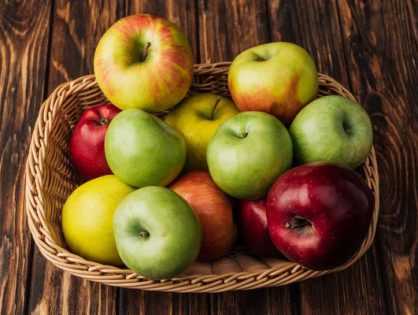
    Apples are one of the most versatile and widely consumed fruits in the world. From the tart bite of a Granny Smith to the honeyed sweetness of a Fuji, apples come in an array of flavors, textures, and colors. Grocery stores typically stock a variety of apple types, each with its own unique characteristics, making them suited to different culinary uses. Whether you’re making a pie, juicing, or simply looking for a crisp snack, understanding the differences between common apple varieties can help you choose the best one for your needs.

    Let’s explore some of the most common apples found in grocery stores and highlight their best uses, from baking to snacking and beyond.

    Gala Apples
    Flavor Profile:

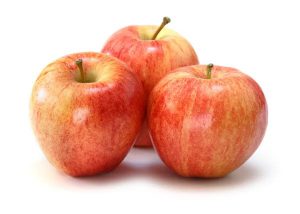
    Gala apples are known for their mild, sweet flavor with a hint of vanilla and floral undertones. They are a smaller apple with a thin skin, making them easy to bite into, and their flesh is crisp and juicy but not overly firm.

    Best Uses:

    –  Snacking:  Gala apples are perfect for snacking due to their sweetness and tender texture.

    –  Salads:  The mild sweetness of Gala apples complements greens, cheese, and nuts in salads.

    –  Sauces:  They make excellent applesauce because they break down easily and don’t require much added sugar.

    Not ideal for:  Baking, as their flesh tends to become too soft when cooked, making them less suited for pies or tarts.

    Granny Smith Apples

    Flavor Profile:

    Granny Smith apples are famously tart with a bright, zesty flavor. They have a firm, crisp texture and a vibrant green skin that sets them apart from other varieties.

    Best Uses:

    –  Baking:  Granny Smith apples hold their shape well when baked, making them a classic choice for pies, tarts, and crumbles.

    –  Salads:  Their tartness adds a refreshing contrast to sweeter salad ingredients.

    –  Juicing and Cider:  The sharp flavor of Granny Smith apples makes them ideal for juicing or adding balance to apple ciders and blends.

    Not ideal for:  Snacking, unless you prefer a more tart apple.

    Honeycrisp Apples
    Flavor Profile:

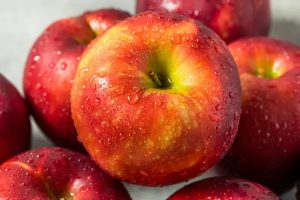
    As the name suggests, Honeycrisp apples are both sweet and crisp. They have a perfect balance of sweetness and acidity, making them one of the most popular apples in the market.

    Best Uses:

    –  Snacking:  Their satisfying crunch and balanced flavor make Honeycrisp apples an excellent snack choice.

    –  Salads:  Honeycrisps add both texture and sweetness to salads, holding their crunch for longer periods compared to other varieties.

    –  Juicing:  Their sweetness and high water content make them great for juicing, yielding a naturally sweet and refreshing juice.

    Not ideal for:  Baking, because they can lose their crunch when exposed to prolonged heat.

    Fuji Apples
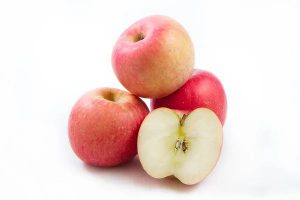
    Flavor Profile:

    Fuji apples are one of the sweetest varieties, with a sugary flavor reminiscent of honey. They are exceptionally juicy and have a dense, crisp texture. These apples are larger than most other types, with a yellow-green skin streaked with red.

    Best Uses:

    –  Snacking:  Their sweetness and juiciness make Fuji apples a favorite for eating raw.

    –  Salads:  Fuji apples add sweetness and crunch to salads without becoming too soft.

    –  Sauces and Juices:  Their high sugar content makes them excellent for sweet apple sauces and juices.

    Not ideal for:  Baking, as their high water content can make them too soft and watery in pies or tarts.

    Red Delicious Apples
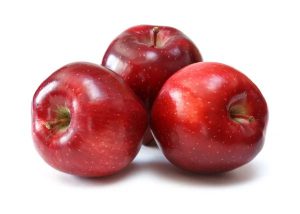
    Flavor Profile:

    Red Delicious apples are mildly sweet with a slightly floral, almost melon-like flavor. They have a thick, deep red skin and a soft, sometimes grainy texture, which isn’t as crisp as other varieties.

    Best Uses:

    –  Snacking:  If you enjoy a mild, soft apple, Red Delicious can be a good option for eating out of hand.

    –  Salads:  When sliced, Red Delicious apples add a mild sweetness and vibrant color to salads. However, they tend to oxidize quickly, so it’s best to toss them in lemon juice to prevent browning.

    –  Smoothies:  The soft texture of Red Delicious apples makes them easy to blend into smoothies.

    Not ideal for:  Baking or cooking, as they tend to lose both flavor and texture when heated.

    Golden Delicious Apples

    Flavor Profile:

    Golden Delicious apples have a balanced sweet-tart flavor with notes of honey and pear. Their thin skin is golden yellow, and their flesh is tender and juicy, though not as crisp as varieties like Honeycrisp or Fuji.

    Best Uses:

    –  Baking:  Golden Delicious apples are great for baking as they hold their shape well in pies, tarts, and crisps, without turning mushy.

    –  Salads:  Their sweetness and slightly softer texture make them a nice addition to fruit salads or green salads.

    –  Sauces and Preserves:  Golden Delicious apples break down easily when cooked, making them ideal for applesauce, jams, and preserves.

    Not ideal for:  Snacking if you prefer a crisper apple.

    Pink Lady (Cripps Pink) Apples
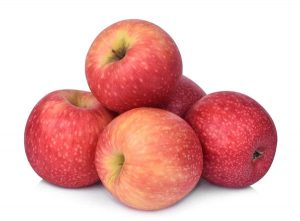
    Flavor Profile:

    Pink Lady apples are known for their tart-sweet balance, with a bright, tangy flavor that finishes with a hint of sweetness. They are crisp, firm, and juicy, with a pinkish-red blush over a yellow-green skin.

    Best Uses:

    –  Snacking:  The crisp texture and complex flavor make Pink Lady apples an excellent choice for eating fresh.

    –  Salads:  Their firm flesh holds up well in salads, and their tartness balances sweet ingredients like dried fruit or candied nuts.

    –  Baking:  Pink Lady apples are versatile enough for baking, holding their shape and offering a pleasant balance of flavors in pies and tarts.

    Not ideal for:  Sauces, as their firmer texture doesn’t break down as easily as other varieties.

    Braeburn Apples
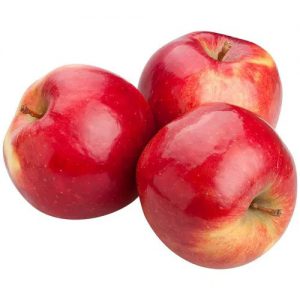
    Flavor Profile:

    Braeburn apples have a spicy-sweet flavor with hints of cinnamon and nutmeg, paired with a refreshing tartness. They have a firm, crisp texture and an orange-red skin with a yellow undertone.

    Best Uses:

    –  Baking:  Braeburn apples are fantastic for baking because they hold their shape and their spicy-sweet flavor becomes more pronounced when cooked.

    –  Snacking:  Their crisp texture and unique flavor make Braeburn apples a delicious choice for snacking.

    –  Salads:  The firm texture of Braeburn apples means they won’t turn mushy in salads, and their spiced flavor adds depth to fresh dishes.

    Not ideal for:  Juicing, as their denser texture can make them harder to juice compared to juicier varieties.

    McIntosh Apples
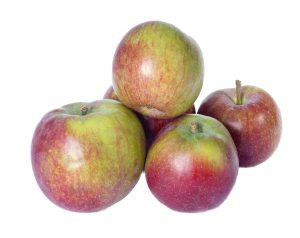
    Flavor Profile:

    McIntosh apples are soft, juicy, and aromatic, with a tangy-sweet flavor that mellows as the fruit ripens. They have a tender, thin skin that is typically red with green accents.

    Best Uses:

    –  Sauces and Preserves:  McIntosh apples break down easily, making them ideal for applesauce, jams, and other cooked apple preparations.

    –  Juicing:  Their high juice content and sweet flavor make McIntosh apples a popular choice for apple juice or cider.

    –  Snacking:  If you enjoy a softer apple, McIntosh apples are perfect for eating out of hand.

    Not ideal for:  Baking, as they tend to lose their structure and become mushy when heated.

    Jonagold Apples

    Flavor Profile:
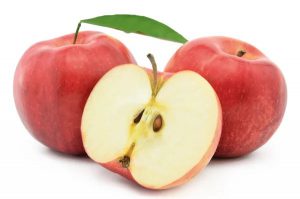
    A cross between Jonathan and Golden Delicious apples, Jonagold apples have a sweet-tart flavor with a honeyed aftertaste. They are crisp, with a creamy, juicy flesh and a yellow-orange skin streaked with red.

    Best Uses:

    –  Baking:  Jonagold apples are great for baking, offering the perfect balance of sweetness and tartness without losing their shape in pies, tarts, or crisps.

    –  Snacking:  Their juicy, crisp texture makes Jonagold apples a good choice for snacking.

    –  Salads:  The firm texture of Jonagold apples makes them a great addition to salads, offering both crunch and flavor.

    Not ideal for:  Sauces, as their firmer texture can take longer to break down.


    With so many varieties of apples available, it can be tricky to know which one to choose for your specific culinary needs. Some apples are better for snacking, others shine in baked goods, and still others are perfect for sauces or salads. By understanding the flavor profiles and best uses of common grocery store apples, you can ensure that your dishes always turn out just right.

    Next time you’re at the grocery store, consider picking up a few different varieties of apples to explore their unique flavors and textures. Whether you’re making an apple pie, tossing together a salad, or simply enjoying a fresh snack, there’s an apple variety out there to suit your taste and needs.


    Bill Rice is Founder and Co-Publisher of the Great Family Cookbook Project, a website that helps families and individuals collect, preserve and share food memories by creating their own printed personal cookbooks. He is the author of The Wellfleet Oyster Cookbook and the Cape Cod Cocktail Cookbook (Available on Amazon), both created using FamilyCookbookProject.com. He is also editor of the Donovan Family Cookbook, now it’s third printing and is an avid genealogist tracing his family back to the 1600’s.

    Follow Family Cookbook Project on Facebook, Instagram, Twitter TikTok, YouTube and Pinterest!
  • Why a Family Cookbook is Better Than a Recipe Box

    Why a Family Cookbook is Better Than a Recipe Box

    In many homes, a recipe box holds a revered place on the kitchen counter. This small box, often brimming with handwritten cards, is a tangible connection to family history and culinary tradition. Each card tells a story, not just with its ingredients and instructions, but with the unique handwriting and notes that have been added over the years. However, as charming as these boxes are, they come with their own set of challenges. In today’s digital age, a family cookbook offers a modern, practical, and equally sentimental alternative that addresses many of these challenges.

    The Charm and Challenges of a Recipe Box

    Recipe boxes are undeniably nostalgic. They often contain a mix of recipes: some handed down from previous generations, others clipped from magazines, and a few scribbled on scraps of paper. This collection represents a family’s culinary journey. Yet, despite their sentimental value, recipe boxes present several practical issues:

    1. Difficulty in Sharing Recipes: Sharing recipes from a recipe box can be a cumbersome task. Imagine a family gathering where everyone wants Aunt Susan’s famous apple pie recipe. You pull out the card, but copying it by hand or taking a photo with your phone doesn’t quite capture the charm or ensure everyone gets an accurate copy. Furthermore, physical cards can get lost, damaged, or stained over time, making it even harder to preserve and share these precious recipes.
    2. Hard-to-Read Recipes: Over the years, recipe cards can become worn and faded. Handwriting styles vary, and what was once legible can become a cryptic puzzle. Spilled ingredients and smudged ink only add to the difficulty. Trying to decipher Grandma’s cursive while your hands are covered in flour can be frustrating and might even lead to culinary mishaps.
    3. Organization and Retrieval: Finding a specific recipe in a cluttered box can be time-consuming. Cards might not be organized, and you might spend valuable cooking time rifling through the box trying to locate the right one. This lack of organization can deter even the most enthusiastic cook.

    The Modern Solution: A Family Cookbook

    Transitioning from a recipe box to a family cookbook offers numerous advantages while retaining the sentimental value of those cherished recipes. Here’s why a family cookbook is a superior option:

    1. Ease of Sharing: A family cookbook, especially one created with modern publishing tools, can be easily shared among family members and friends. Whether in print or digital format, everyone can have their own copy. Digital cookbooks can be shared via email or cloud services, ensuring that everyone has access to the same recipes without the hassle of photocopying or transcribing by hand.
    2. Readability: By compiling recipes into a family cookbook, you can standardize the format and font, making them easy to read. This eliminates the struggle with various handwriting styles and worn-out cards. For added nostalgia, you can include images of the original recipe cards alongside the typed version. This way, the charm of the handwritten notes is preserved, but the recipes are accessible and legible.
    3. Enhanced Organization: Family cookbooks allow for organized sections, whether by meal type, occasion, or family member. An index and table of contents make finding a specific recipe straightforward. This organization not only saves time but also makes the cooking process more enjoyable and efficient.
    4. Preservation of Memories: While a recipe box holds individual cards, a family cookbook can tell a more comprehensive story. Alongside recipes, you can include anecdotes, photos, and family history, creating a rich tapestry of your family’s culinary journey. This not only preserves the recipes but also the memories associated with them.
    5. Inclusion of Visuals: A significant advantage of a family cookbook is the ability to include photos. High-quality images of the finished dishes can inspire and guide family members as they cook. Additionally, including images of the original recipe cards allows the cookbook to retain its sentimental value. Seeing Grandma’s handwriting next to a beautiful photo of her famous cookies bridges the gap between past and present.
    6. Customization and Updates: With digital tools, updating a family cookbook is simple. New recipes can be added, and outdated ones can be revised. This flexibility ensures that the cookbook evolves with the family’s culinary tastes and traditions. Recipe boxes, on the other hand, are static and can’t be easily updated or expanded.

    Creating a Family Cookbook: Tips and Considerations

    Embarking on the journey to create a family cookbook using FamilyCookbookProject.com can be a rewarding experience. Here are some tips to ensure your cookbook is a treasured family heirloom:

    1. Gathering Recipes: Start by collecting recipes from family members. Encourage them to share their favorites, along with any stories or memories associated with the dishes. This collaborative effort ensures that the cookbook represents the entire family’s culinary heritage.
    2. Preserving Handwritten Cards: Scan or photograph original recipe cards to include in the cookbook. This preserves the nostalgic element while ensuring the recipes are legible. Pair these images with typed versions of the recipes for clarity.
    3. Adding Personal Touches: Include family photos, anecdotes, and historical context. For example, if a recipe has been passed down for generations, provide some background on its origins and significance to the family.
    4. Organizing the Content: Decide on a structure for the cookbook. You might organize recipes by meal type (breakfast, lunch, dinner, desserts), occasion (holidays, family gatherings), or by contributor. An index and table of contents are essential for easy navigation.
    5. Design and Layout: Use a user-friendly design tool or service to lay out the cookbook. Choose fonts and colors that reflect your family’s personality. Ensure that the design is clean and easy to read. High-quality images of dishes and recipe cards add a professional touch.
    6. Printing and Distribution: Decide whether you want to create physical copies, digital versions, or both. Physical copies can be professionally printed and make wonderful gifts. Digital versions can be easily shared and updated.
    7. Engaging the Family: Throughout the process, keep family members involved. Share progress updates and solicit feedback. This engagement ensures that the cookbook truly represents the family’s collective culinary heritage.

    Embracing the Digital Age

    While the charm of a recipe box is undeniable, embracing modern technology can enhance the way we preserve and share family recipes. Here’s how the digital age can complement a family cookbook:

    1. Online Platforms: Online platforms, like FamilyCookbookProject.com, designed specifically for creating and sharing family cookbooks. This platform offers templates, design tools, and options for collaboration.
    2. Social Media: Create a private family group on social media where members can share recipes, cooking tips, and photos of dishes. This real-time interaction keeps the family connected and engaged in the culinary journey.
    3. Digital Archives: Digitizing old recipe cards not only preserves them but also makes them easily accessible. Cloud storage ensures that these recipes are safe from physical damage and can be shared effortlessly.
    4. Mobile Access: With FamilyCookbookProject.com, recipes are accessible on smartphones and tablets. This convenience means that family members can cook from anywhere, whether they’re in their own kitchen or visiting a friend.

    A family cookbook offers a beautiful blend of tradition and modernity. It preserves the sentimental value of a recipe box while addressing its practical limitations. By compiling recipes into a family cookbook, you ensure that these culinary treasures are legible, organized, and easily shared. Including images of original recipe cards retains the nostalgic charm while enhancing readability.

    In today’s fast-paced world, a family cookbook serves as a tangible connection to our roots. It’s a testament to the love and care that goes into each dish and a celebration of the family’s culinary heritage. By embracing modern tools and technologies, such as FamilyCookbookProject.com, we can create cookbooks that not only preserve recipes but also the memories and stories that make them special.

    So, gather those recipe cards, scan those handwritten notes, and embark on the journey of creating a family cookbook using FamilyCookbookProject.com. It’s a gift that will be cherished for generations to come, bringing joy, connection, and delicious meals to your family’s table.


    Bill Rice is Founder and Co-Publisher of the Family Cookbook Project, a website that helps families and individuals collect, preserve and share food memories by creating their own printed personal cookbooks. He is the author of The Wellfleet Oyster Cookbook and the Cape Cod Cocktail Cookbook (Available on Amazon), both created using FamilyCookbookProject.com. He is also editor of the Donovan Family Cookbook, now it’s third printing and is an avid genealogist tracing his family back to the 1600’s.

    Follow Family Cookbook Project on Facebook, Instagram, Twitter and Pinterest!

  • The Importance Of Writing A Great Recipe Title

    The Importance Of Writing A Great Recipe Title

    The title of your recipe is the single most critical part of the entire recipe. Why? Because your title acts as the headline, and just like any headline, it carries an immense power and responsibility.

    Consider how you flip through a cookbook when searching for a recipe. You don’t typically read every page from beginning to end like you would with a novel. Instead, you quickly scan the pages, looking for a recipe title or an appealing photo that draws your attention and piques your interest.

    Out of all the elements in a recipe, the title has the greatest ability to capture a reader’s attention. Its job is to hook the reader, enticing them to dive into the recipe. A compelling title can transform a casual browser into a reader, and ultimately into someone who tries your dish.

    So, what makes an effective recipe title? Here are a few key things to keep in mind:

    1. Catch Attention – Just like a well-crafted headline, your title should be eye-catching and engaging.
    2. Describe the Dish – While a title like “Gruel” may make sense to your family, it’s not informative for everyone else. Including the main ingredient and method can add clarity. For instance, “Baked Hamburger Gravy” is far more descriptive than “Gruel,” giving potential readers a better idea of what the dish is.
    3. Be Unique – If you’ve seen a title elsewhere, it’s likely too generic. Aim for a fresh, distinctive title that will stand out from the rest.
    4. Include the Source – In family cookbooks, adding a person’s name can give the recipe more significance. Titles like “Grandma’s Apple Pie” or “Lou’s Lemon Bars” help connect readers to the personal origin of the recipe, though this may be less helpful for those unfamiliar with your family gatherings.
    5. Highlight the Appeal – Make sure your title conveys why this recipe is worth making. For example, you’re not just selling a steak, you’re selling the “sizzle”—the benefits and appeal of your recipe.

    Titles that focus on the reader’s cooking and eating desires are far more effective at drawing them into the recipe. A well-crafted title makes it clear which need your recipe meets. Whether it’s indulgence, health, quick preparation, or elegance, every reader has different priorities.

    Let’s look at these examples of chocolate chip cookie recipes:

    • “Soft and Chewy Chocolate Chip Cookies”
    • “Quick ‘n’ Easy Chocolate Chip Cookies”
    • “Grandma’s Favorite Chocolate Chip Cookies”
    • “Gluten-Free Chocolate Chip Cookies”

    Each of these titles speaks to different needs and appeals to different readers. As you can see, the words you choose for your recipe title can significantly impact who will be interested.

    With a bit of creativity and thoughtful wording, your recipe titles can shine, drawing readers in and giving your recipes the attention they deserve.


    Bill Rice is Founder and Co-Publisher of the Great Family Cookbook Project, a website that helps families and individuals collect, preserve and share food memories by creating their own printed personal cookbooks. He is the author of The Wellfleet Oyster Cookbook and the Cape Cod Cocktail Cookbook (Available on Amazon), both created using FamilyCookbookProject.com. He is also editor of the Donovan Family Cookbook, now it’s third printing and is an avid genealogist tracing his family back to the 1600’s.

    Follow Family Cookbook Project on Facebook, Instagram, Twitter TikTok, YouTube and Pinterest!