Month: July 2024

  • Remembering Loved Ones With A Family Cookbook

    Remembering Loved Ones With A Family Cookbook

    The loss of a mother or grandmother is a difficult time for most people. The love and nurturing they provide is something that we will never forget is always to be cherished.

    One way to memorialize a loved one who has passed, especially someone who was responsible for cooking for the family, is to create a family cookbook in their honor.

    Often collection of recipes in the form of a recipe box, magazine and newspaper clippings, or cookbooks with pages marked is a great place to start creating a cookbook in someone’s honor.

    Another way to gather recipes is to reach out to families and friends and ask for which foods that person was known for. Getting others to share recipes and memories adds a lot to the process and to the final product.

    When entering recipes into the system, remember to write personal notes about why this recipe reminds you of the person you were honoring. It could be memories of when they’ve made that recipe or serve that recipe or just examples of food that they loved.

    Including lots of photos is also a great way to make your special cookbook a tribute to the one you love.


    Bill Rice is Founder and Co-Publisher of the Great Family Cookbook Project, a website that helps families and individuals collect, preserve and share food memories by creating their own printed personal cookbooks. He is the author of The Wellfleet Oyster Cookbook (Available on Amazon) and the Cape Cod Cocktail Cookbook, all created using FamilyCookbookProject.com. He is also editor of the Ultimate Donovan Family Cookbook, now it’s third printing and is an avid genealogist tracing his family back to the 1600’s.

    Follow Family Cookbook Project on Facebook, Instagram, Twitter and Pinterest!

  • Why Grandmothers Should Create a Family Cookbook

    Why Grandmothers Should Create a Family Cookbook

    Grandmothers family cookbookIn every family, grandmothers hold a special place, often being the keepers of family traditions, stories, and, most importantly, recipes. These recipes are more than just instructions for making food; they are a legacy, a bridge between generations, and a treasure trove of memories. As the matriarch of the family, a grandmother’s role in preserving and passing down these culinary traditions is invaluable. One of the most meaningful ways to ensure these treasured recipes are not lost to time is by creating a family cookbook.

    The Importance of Preserving Family Recipes

    Family recipes carry with them the essence of our heritage. They are the flavors of our childhood, the dishes that have graced our family tables during holidays and special occasions, and the comfort foods that have provided solace during difficult times. These recipes are imbued with history and love, making them an integral part of our family identity.

    1. Cultural Heritage: Many family recipes are rooted in cultural traditions and reflect the culinary practices of our ancestors. Preserving these recipes helps maintain a connection to our cultural heritage and ensures that these traditions are carried forward.
    2. Family Memories: Each recipe often comes with its own set of memories. Whether it’s the special cake baked for birthdays, the secret family sauce, or the holiday cookies made every year, these recipes evoke fond memories and stories that are passed down alongside the ingredients and instructions.
    3. Personal Legacy: For grandmothers, passing down recipes is a way to leave a personal legacy. It is a way to ensure that a part of them continues to be present in the lives of their descendants. The act of cooking from a grandmother’s recipe can be a comforting and cherished ritual for future generations.

    The Risk of Losing Valuable Knowledge

    In today’s fast-paced world, the oral tradition of passing down recipes can easily be lost. If these recipes are not written down and documented, they risk being forgotten as older generations pass away. This loss is not just about losing a recipe; it’s about losing a piece of the family’s history and identity.

    • Oral Tradition: While sharing recipes verbally has been a tradition for centuries, it comes with the risk of inaccuracies and eventual loss. Details may be forgotten, and without a written record, the nuances of a recipe can disappear.
    • Generational Gap: Younger generations may not always have the opportunity to spend time in the kitchen with their grandmothers, learning these recipes firsthand. A written family cookbook bridges this gap, providing a way for them to connect with their heritage even if they are not able to experience it directly.

    Creating a Family Cookbook: A Gift for Future Generations

    A family cookbook is a beautiful and practical way to preserve and share your treasured recipes. It serves as a permanent record that can be passed down, ensuring that the culinary traditions and memories are kept alive for future generations. Here are some compelling reasons why grandmothers should consider creating a family cookbook:

    1. Preserving Tradition: Writing down your recipes ensures that the traditions are preserved accurately. It provides a reliable source that family members can refer to, keeping the recipes and the associated traditions alive.
    2. Personal Notes and Stories: Including personal notes and stories in the cookbook adds depth and meaning. Explain why a recipe is important, share anecdotes about when it was made, and include any special tips or variations. These personal touches make the cookbook more than just a collection of recipes; it becomes a family heirloom.
    3. Connecting Generations: A family cookbook helps bridge the generational gap. It allows younger family members to connect with their heritage and learn about their ancestors in a tangible and meaningful way. Cooking from the same recipes creates a sense of continuity and belonging.
    4. Legacy of Love: Creating a family cookbook is an act of love. It is a way for grandmothers to give a part of themselves to their descendants. The cookbook becomes a legacy that represents the love, care, and culinary wisdom that has been nurtured over the years.
    5. Ensuring Accessibility: With modern technology, creating and sharing a family cookbook has never been easier. Websites like FamilyCookbookProject.com offer tools to help you compile, design, and print your cookbook, making it accessible to all family members regardless of where they live.

    Steps to Create a Family Cookbook

    Creating a family cookbook may seem like a daunting task, but it can be a rewarding and enjoyable project. Here’s how you can get started:

    1. Gather Recipes: Begin by collecting all your treasured recipes. Include a variety of dishes, from everyday meals to special occasion treats. Don’t forget to include any handwritten recipe cards and notes.
    2. Document and Organize: Write down the recipes, making sure to include detailed instructions, measurements, and any personal tips. Organize them into categories such as appetizers, main courses, desserts, and so on.
    3. Add Personal Touches: Include personal notes, stories, and photos. Share why certain recipes are special, any family traditions associated with them, and any memories that come to mind.
    4. Design and Compile: Use a platform like FamilyCookbookProject.com to design and compile your cookbook. Choose templates, layouts, and cover designs that reflect your family’s style.
    5. Print and Share: Once your cookbook is complete, have it printed and bound. Share copies with family members so that everyone can enjoy and cherish the recipes and stories. A family cookbook makes a wonderful gift that will be long remembered.

    Passing down treasured family recipes through a family cookbook is a meaningful way for grandmothers to preserve their culinary heritage and ensure that it is cherished by future generations. It is a gift of love, history, and tradition that connects the past with the present and the future.

    By documenting these recipes and the stories behind them, grandmothers can create a lasting legacy that will be remembered and appreciated for years to come. Start your family cookbook project today and give your family the priceless gift of culinary heritage and cherished memories.

    Bill Rice is Founder and Co-Publisher of the Family Cookbook Project, a website that helps families and individuals collect, preserve and share food memories by creating their own printed personal cookbooks. He is the author of The Wellfleet Oyster Cookbook and the Cape Cod Cocktail Cookbook (Available on Amazon), both created using FamilyCookbookProject.com. He is also editor of the Donovan Family Cookbook, now it’s third printing.

    Follow Family Cookbook Project on Facebook, Instagram, Twitter and Pinterest

  • How To Make A Bridal Shower Cookbook

    How To Make A Bridal Shower Cookbook

    Here is a great idea next you need to plan a bridal shower for a friend or family member – a bridal cookbook!

    One thing every new bride to be needs is great recipes to feed her family. Both families as well as friends can help get this started by contributing recipes as part of a bridal shower!

    Here’s how to do it:

    When you send out your bridal shower invitations, include a link to your family cookbook project cookbook, use the Invitation Tool and add everyone’s email. This will send everyone a link that will allow them to contribute their recipes. Set a deadline for entering recipes about three weeks from when the invitations are sent. Remember people will also wait until the deadline!

    Get both of the mother’s to contribute the most recipes if possible. This way both the bride and groom with have lots of recipes that they grew up with in their cookbook. Using Family Cookbook Project’s Custom Categories Tool, you can even create a special category for each mom’s recipes.

    As the recipes are being entered, start planning how the cookbook will look.

    Cover – Family Cookbook Project offers several cookbook covers specifically for bridal cookbooks or wedding cookbooks. You also can create a custom cover with the name of the cookbook and a photo of the couple.

    Write an introduction – The best bridal cookbooks will have an introduction written by the individuals giving the bridal shower. An introduction can be used wish the couple well wishes and to talk about the importance of family.

    Add Photos – Photos can help bring your cookbook to life. You can add photos of the lucky couple on top of recipes, or create custom pages to highlight photos of the bride and groom as they were growing up and while they were dating.

    Finally, it is time to print your cookbook. Make sure you give yourself enough time to order your cookbooks and have them printed, at least 3-4 weeks if possible. Be sure to order enough copies for each attendee as well as several extra copies for family members that can not attend the event.

    For the event, make some of the dishes from bridal cookbook and serve them at the event. Include a place card with the dish name and include the page number from the cookbook. Finally, if you are looking for a great wedding favor, try creating a Wedding Cookbook for your family and friends!


    Bill Rice is Co-Publisher of the Great Family Cookbook Project, a website that helps families and individuals collect, preserve and share food memories by creating their own printed personal cookbooks. He is the author of The Wellfleet Oyster Cookbook (Available on Amazon) and the Cape Cod Cocktail Cookbook, both created using FamilyCookbookProject.com. He is also editor of the Donovan Family Cookbook, now it’s third printing and is an avid genealogist tracing his family back to the 1600’s.

    Follow Family Cookbook Project on Facebook, Instagram, Twitter and Pinterest!

  • Grill Master’s Guide: Why Every BBQ Enthusiast Needs Their Own Cookbook

    Grill Master’s Guide: Why Every BBQ Enthusiast Needs Their Own Cookbook

    Master Griller cooking from his BBQ CookbookBarbecue isn’t just about food; it’s a way of life. For many, the art of grilling and smoking meat is a passion that goes beyond the backyard cookout. It involves meticulously perfected techniques, secret recipes, and the joy of bringing people together over great food. As a barbecue enthusiast, you’ve likely spent years honing your craft, experimenting with flavors, and developing your signature dishes. But how do you ensure that your hard-earned knowledge and culinary creations are preserved and shared with others? The answer lies in creating your own personalized barbecue cookbook.

    The Advantages of a Personalized BBQ Cookbook

    Creating a personalized barbecue cookbook offers numerous benefits that go beyond simply compiling recipes. It’s about organizing your expertise, preserving your legacy, and sharing your passion with others. Here are some compelling reasons from FamilyCookbookProject.com why every BBQ enthusiast needs their own cookbook:

    1. Organize Your Recipes and Techniques
      • Over the years, you’ve likely amassed a vast collection of recipes, tips, and techniques. A personalized cookbook allows you to organize this wealth of information in a coherent and accessible format. No more hunting through piles of notes or bookmarked web pages – everything you need is in one beautifully designed book.
    2. Preserve Your Culinary Legacy
      • Your barbecue recipes are a reflection of your personal journey and creativity. By documenting them in a cookbook, you ensure that your culinary legacy is preserved for future generations. It’s a way to immortalize your signature dishes and techniques, allowing your family and friends to recreate them long after you’ve hung up your apron.
    3. Share Your Passion
      • Barbecue is meant to be shared. A personalized cookbook provides a platform to share your passion with others. Whether it’s friends, family, or fellow BBQ enthusiasts, your cookbook becomes a medium through which you can inspire and educate others about the art of barbecue.
    4. Create a Professional-Quality Resource
      • With modern tools and platforms like FamilyCookbookProject.com, creating a professional-quality cookbook has never been easier. You can choose from a variety of templates, layouts, and design options to create a cookbook that not only contains your recipes but also looks great. The result is a polished, high-quality book that you can be proud of.
    5. Celebrate Your Achievements
      • A personalized cookbook is a tangible representation of your achievements as a pitmaster. It’s a celebration of your dedication, creativity, and skill. Each recipe and technique documented in the book serves as a testament to your journey and growth as a barbecue enthusiast.
    6. Pass Down Family Traditions
      • Barbecue often involves cherished family traditions and recipes passed down through generations. By creating a cookbook, you ensure that these traditions are preserved and can be enjoyed by future generations. It’s a way to keep the family’s culinary heritage alive and well.

    How to Get Started with Your BBQ Cookbook

    Creating your own barbecue cookbook might seem like a daunting task, but with the right approach and tools, it can be a rewarding and enjoyable project. Here’s a step-by-step guide to help you get started:

    1. Gather Your Recipes
      • Start by collecting all your favorite barbecue recipes. Include everything from your go-to rubs and marinades to your signature smoked meats and grilled vegetables. Don’t forget to document any unique techniques or tips that you’ve developed over the years.
    2. Organize and Categorize
      • Organize your recipes into categories such as appetizers, main courses, sides, sauces, and desserts. This will make it easier to structure your cookbook and ensure that it’s user-friendly. Consider including a section for barbecue fundamentals, where you can share your tips on choosing the right cuts of meat, setting up your grill, and mastering the art of smoking.
    3. Write Detailed Instructions
      • Provide clear, step-by-step instructions for each recipe. Include details on cooking times, temperatures, and any special equipment needed. The goal is to make it easy for others to recreate your dishes and achieve the same delicious results.
    4. Add Personal Notes and Stories
      • Make your cookbook truly unique by including personal notes and stories. Share the inspiration behind each recipe, any memorable occasions when it was served, and tips for getting the best results. These personal touches add depth and character to your cookbook.
    5. Design and Customize
      • Use a platform like FamilyCookbookProject.com to design and customize your cookbook. Choose a layout and cover design that reflects your personal style and the spirit of your barbecue journey. You can also add photos of your dishes, cooking process, and even family gatherings to make the book visually appealing.
    6. Proofread and Edit
      • Before finalizing your cookbook, take the time to proofread and edit the content. Ensure that all recipes are accurate and easy to follow. Check for any typos or inconsistencies. A well-edited cookbook enhances the reader’s experience and ensures that your culinary creations are presented in the best possible light.
    7. Print and Share
      • Once your cookbook is complete, print copies to share with friends, family, and fellow BBQ enthusiasts. Consider gifting it during special occasions or using it as a way to connect with others who share your passion for barbecue.

    Creating a personalized barbecue cookbook is a rewarding endeavor that allows you to organize, preserve, and share your culinary expertise. It’s a way to celebrate your journey as a barbecue enthusiast, inspire others, and ensure that your recipes and techniques are passed down to future generations. With platforms like FamilyCookbookProject.com, the process is easier than ever, allowing you to create a professional-quality cookbook that you can be proud of. Start your BBQ cookbook project today at FamilyCookbookProject.com and take the first step in preserving your legacy as a master of the grill.

    Bill Rice is Founder and Co-Publisher of the Family Cookbook Project, a website that helps families and individuals collect, preserve and share food memories by creating their own printed personal cookbooks. He is the author of The Wellfleet Oyster Cookbook and the Cape Cod Cocktail Cookbook (Available on Amazon), both created using FamilyCookbookProject.com. He is also an avid griller and smoker of meat.

    Follow Family Cookbook Project on Facebook, Instagram, Twitter and Pinterest

  • From Family Trees to Family Recipes: Genealogy Meets Cooking

    From Family Trees to Family Recipes: Genealogy Meets Cooking

    Genealogy word cloud Genealogy has always been a passion for many, offering a profound connection to our past and a way to understand the tapestry of our heritage. For those immersed in the world of family history, every discovered document, photograph, or story is a treasure that brings the family tree to life. However, there’s another equally rewarding endeavor that complements genealogy beautifully: creating a family cookbook.

    At FamilyCookbookProject.com, we believe that preserving treasured family recipes is a natural extension of preserving our family tree, enriching the lives of future generations with the tastes and traditions of their ancestors.

    The Joy of Genealogy

    Genealogy is more than a hobby; it’s a journey into the past that helps us understand who we are and where we come from. Each branch of a family tree tells a story, and each story is a piece of the puzzle that shapes our identity. For genealogists, uncovering these stories involves meticulous research, patience, and a passion for history. The reward is a deeper appreciation of our roots and a tangible connection to those who came before us.

    This passion often extends beyond mere dates and names; it encompasses the lives, struggles, and triumphs of our ancestors. As we delve into our family history, we gather not only historical facts but also the rich anecdotes and traditions that have been passed down through generations.

    Food as a Link to Our Past

    Food has always been a central part of family life. Traditional recipes are passed down from generation to generation, becoming an integral part of family gatherings and celebrations. These recipes are more than just instructions for preparing a dish; they are a way to remember and honor our ancestors. The smells and tastes of traditional family recipes can evoke memories of loved ones and bring the past to life in a way that few other things can.

    Creating a family cookbook allows genealogists to preserve these culinary traditions alongside their family history. By documenting the recipes that have been cherished for generations, we ensure that future family members will not only know the stories of their ancestors but also experience the same flavors and traditions that have been enjoyed for decades.

    Bringing Families Together
    At FamilyCookbookProject.com we understand the importance of preserving family traditions. Our platform is specifically designed to help geographically diverse families come together to create a family cookbook. The process is simple: the organizer/editor invites family members to contribute via email, and each contributor enters their own recipes. This collaborative approach ensures that the organizer does not have to do all the work and that the cookbook is truly a family project.

    Our user-friendly interface makes it easy for family members of all ages to participate. Whether they are tech-savvy or prefer a more straightforward approach, our platform accommodates everyone. Contributors can add not only recipes but also photos and stories, creating a rich, multimedia record of family traditions.

    The Rewards of a Family Cookbook

    Creating a family cookbook is a deeply rewarding experience. For the person undertaking the project, it offers a sense of accomplishment and a meaningful way to honor their family’s heritage. It is also an opportunity to learn more about family traditions and the stories behind beloved recipes.

    For future family members, the family cookbook becomes a treasured heirloom. It is a tangible connection to their roots, a way to experience the past in a very personal and sensory way. As they flip through the pages, they will find not only recipes but also the history and memories that make each dish special.

    Preserving Memories of Loved Ones

    One of the most poignant aspects of creating a family cookbook is the opportunity to remember family members who have passed away. Food has a powerful ability to evoke memories, and recreating a loved one’s signature dish can bring back vivid recollections of time spent together.

    Including stories and anecdotes about these family members in the cookbook helps to keep their memory alive. It allows future generations to know more about the people who came before them, not just as names on a family tree, but as individuals with rich, full lives. This aspect of genealogy is incredibly fulfilling, as it brings a sense of continuity and connection to the family narrative.

    The Genealogy Home Run

    For genealogists, a family cookbook is a genealogy home run. It combines the meticulous documentation of family history with the sensory experience of traditional recipes. It is a way to preserve the intangible aspects of our heritage – the tastes, smells, and stories that are often lost over time.

    By creating a family cookbook, genealogists can add a new dimension to their family tree. It becomes not just a record of names and dates, but a vibrant, living document that celebrates the culture and traditions of the family. This holistic approach to genealogy enriches the experience for both the person undertaking the project and future generations.

    How to Get Started

    Getting started with FamilyCookbookProject.com is easy. The first step is to create an account and set up your cookbook. You can customize the look and feel of the cookbook to reflect your family’s unique style and traditions. Once the cookbook is set up, you can start inviting family members to contribute.

    As the organizer, you can oversee the contributions and manage the project. You can edit and format the recipes, add the introduction and ensure that the cookbook is a cohesive and well-organized document. Our platform provides all the tools you need to create a professional-quality cookbook that your family will cherish for years to come.

    Making It a Family Affair

    One of the most enjoyable aspects of creating a family cookbook is making it a family affair. Encourage family members to share their favorite recipes and the stories behind them.

    You can also involve younger family members by asking them to help with the cooking and documentation process. This is a wonderful way to pass down family traditions and instill a love of cooking and history in the next generation. It also ensures that the cookbook will continue to grow and evolve as new recipes and stories are added over time.

    Celebrating the Final Product

    Once the family cookbook is complete, it’s time to celebrate. Host a family gathering or reunion where everyone can see the finished product and enjoy some of the recipes included in the cookbook. This is a wonderful opportunity to come together and celebrate your family’s heritage.

    The cookbook can also be a special gift for family members, especially those who may not have had the opportunity to contribute. It is a thoughtful and meaningful way to share your family’s traditions and ensure that they are preserved for future generations.

    A Lasting Legacy

    Creating a family cookbook is more than just compiling recipes; it is about preserving a legacy. It is a way to honor the past and ensure that future generations have a tangible connection to their heritage. At FamilyCookbookProject.com, we are proud to support families in this important endeavor. Our platform makes it easy to create a beautiful, professional-quality cookbook that will be treasured for years to come.

    For genealogists, a family cookbook is the perfect complement to their family history projects. It adds a new dimension to the family tree and creates a lasting record of the tastes and traditions that have shaped their family. By preserving these culinary treasures, genealogists can ensure that their family’s heritage is celebrated and remembered for generations to come.

    Bill Rice is Founder and Co-Publisher of the Family Cookbook Project, a website that helps families and individuals collect, preserve and share food memories by creating their own printed personal cookbooks. He is the author of The Wellfleet Oyster Cookbook and the Cape Cod Cocktail Cookbook (Available on Amazon), both created using FamilyCookbookProject.com. He is also editor of the Donovan Family Cookbook, now it’s third printing and is an avid genealogist tracing his family back to the 1600’s.

    Follow Family Cookbook Project on Facebook, Instagram, Twitter and Pinterest!
  • It’s Time To Start Thinking About Christmas

    It’s Time To Start Thinking About Christmas

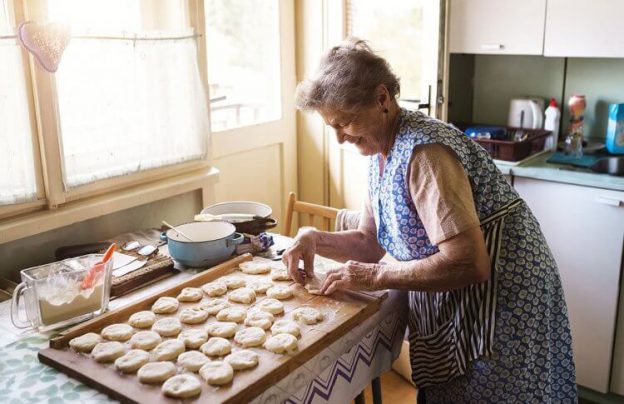
    There is a reason why 90% of the cookbooks FamilyCookbookProject.com prints are submitted in late November and early December. Everyone knows that family cookbook‘s make great Christmas gifts! Everyone wants something personal and special to give to love ones at the holidays and a family cookbook is makes the perfect gift.

    Why are we telling you this in July? Well cookbooks don’t just happen by themselves, they need to be have recipes at it, professionally design covers selected and everything proofread before they are submitted for printing.

    The Time it takes to have your cookbook printed and shipped also more than doubles just before the holidays because of the sheer volume. So now is the time to put your efforts into your cookbook and have it completed and submitted for printing by the time September rolls around.


    Bill Rice is Co-Publisher of the Great Family Cookbook Project, a website that helps families and individuals collect and share food memories by creating their own printed personal cookbooks. Follow us on Facebook, Instagram and Pinterest!

  • Get Your Recipes in The Best of the Family Cookbook Project Cookbook!

    Get Your Recipes in The Best of the Family Cookbook Project Cookbook!

    Oct October 4th, we celebrate 20 years of helping families preserve treasured recipes, we are thrilled to announce a special project that will highlight the best of the best from our community. The “Best of the Family Cookbook Project” cookbook will be a collection of standout recipes from the thousands of family and fundraising cookbooks that have been created using our website. This cookbook aims to become a cherished addition to kitchens nationwide and online, and we need your help to make it a success!

    Why Participate?

    Participating in this project is not only a fantastic opportunity to showcase your culinary talents, but it’s also a way to make your family proud. Imagine your family’s cherished recipes being shared and enjoyed by people all over the country. By contributing, you will be part of a legacy that preserves and celebrates family traditions for future generations.

    Who Can Participate?

    Whether you have published one cookbook, multiple cookbooks, or have yet to see your masterpiece in print, we want your help. We are inviting all our cookbook editors to contribute your best recipes to this worthy project.

    How to Submit Your Recipes

    Submitting your recipes is simple and straightforward. Here’s how you can be part of this exciting project:


    1. Log into your Editor Account: Look for the Green Button and click on it to be taken to the Best Recipe Selection Tool.
    2. Select Your Best Recipe: Choose the best recipes from your cookbook. Remember, we are looking for recipes that are special to your family. They don’t have to be complex; they just need to be tried-and-true favorites that hold a special place in your family’s heart.
    3. Categorize Your Recipe: Once you have selected your recipe, choose the appropriate category. We have our standard eight categories to choose from:
      • Appetizers & Beverages
      • Bread and Muffins
      • Soups, Stews, Salads, and Sauces
      • Main Courses: Beef, Pork, and Lamb
      • Main Courses: Seafood, Poultry, Pasta, and Casseroles
      • Vegetables and Vegetarian Dishes
      • Desserts, Pies, Cakes, and Cookies
      • Miscellaneous
    4. Enter Your Recipe: Click on the “Enter this recipe!” button and move on to the next category. You can select a maximum of one recipe per category from your cookbook. If you have a photo of the dish, you can upload that to your recipe before selecting it. You can always come back later and change your selection if needed.

    What Makes a Great Submission?

    When choosing which recipes to submit, consider the following tips:

    • Special to Your Family: We are looking for recipes that are more than just delicious. They should have a special meaning to your family, perhaps a dish that has been passed down through generations or one that is always requested at family gatherings.
    • Personal Notes: Tell the reader why this recipe is important to you and your family, the source of the original recipe or events that this recipe was served.
    • Exciting Names: Try to pick recipes that have exciting or unique names. A catchy name can make a recipe stand out.
    • Visual Appeal: If you have a photo of the dish, please upload it. A picture can say a thousand words and make your recipe even more appealing.

    Deadline for Submission

    The deadline for recipe submissions is July 30th. Make sure to get your recipes in before this date to be considered for inclusion in the cookbook. Once we have received all the submissions, our editors will select the best of the best. If your recipe is chosen, you will be notified, and the contributor’s name and the name of the original cookbook will be included in the nationally released cookbook. You will also recipe a discount on pre-ordering the cookbook in September!

    Join Us in Celebrating 20 Years

    This cookbook is more than just a collection of recipes. It’s a celebration of 20 years of preserving family traditions and creating culinary heirlooms. By participating, you are contributing to a project that honors the essence of family and the joy of cooking together.

    We thank you for your continued support of the Family Cookbook Project. Over the past two decades, we have worked hard to create a website that is easy to use and helps families create treasured heirlooms. This cookbook is the culmination of that effort, and we couldn’t have done it without you.

    So, what are you waiting for? Dive into your collection, pick out your best recipes, and submit them today. Let’s make this 20th-anniversary cookbook a celebration of family, tradition, and the love of good food.

    Don’t miss out on this opportunity to be part of something truly special. Submit your recipes by July 30th and join us in celebrating two decades of family cooking and traditions. We can’t wait to see what you bring to the table!

    Thank you for being a part of our family and for helping us create a cookbook that will be cherished for generations to come.

    Happy Cooking!

  • Cooking Oils What’s The Difference?

    Cooking Oils What’s The Difference?

    In the kitchen, cooks have plenty of options when it comes to choosing a cooking oil to sauté, bake and drizzle with. Some, like olive oil, are well known, and others, like avocado or sesame oil, are less familiar.
    Which oil is right for you? That depends largely on the type of cooking you’re doing. An oil’s smoke point, which is the point when oil starts burning and smoking, is one of the most important things to consider. If you heat oil past its smoke point, it not only harms the flavor, but it may loose any nutrients in the oil  as it degrades.

    Here is an overview of different oils used in the kitchen and how to use them:

    Olive oil

    One of the most versatile and healthy oils to cook with and eat is olive oil, as long as it’s extra virgin. Generally, you want an oil that is not refined and overly processed. An “extra virgin” label means that the olive oil is not refined, and therefore of high quality. Extra virgin olive oil contains a large amount of monounsaturated fats and some polyunsaturated fatty acids; many studies have linked it to better heart health. Olive oil has a relatively lower smoke point compared to other oils, so it’s best for low and medium-heat cooking.

    It’s also one of the healthiest oils to use when baking. As a dressing it’s great, too.

    Coconut oil

    Depending on who you ask, coconut oil should either be avoided or embraced in moderation because coconut oil is primarily a saturated fat. Not everyone agrees that such a concentrated source of saturated fat is a no-go for health, but the American Heart Association, argue that replacing foods that are high in saturated fat with healthier options can lower blood cholesterol levels.

    That doesn’t mean it should not be used in the kitchen. Coconut oil can be a healthier oil to use when you’re cooking at a very high temperature or frying food, because they are more stable at high heat. This means that they are less likely to break down and smoke.

    Vegetable oil

    The term “vegetable oil” is used to refer to any oil that comes from plant sources. Most vegetable oils on the market are a blend of canola, corn, soybean, safflower, palm and sunflower oils.  They’re not necessarily bad for you, but you can get so much more health benefit from olive oil.

    Vegetable oil is guaranteed to be highly processed. It’s called ‘vegetable’ so that the manufacturers can substitute whatever commodity oil they want—soy, corn, cottonseed, canola—without having to print a new label.

    Canola oil

    Canola oil is derived from rapeseed, a flowering plant, and of all vegetable oils, canola oil tends to have the least amount of saturated fats. It has a high smoke point, which means it can be helpful for high-heat cooking. In the United States, canola oil tends to be highly processed, which means fewer nutrients overall. “Cold-pressed” or unprocessed canola oil is available, but it can be difficult to find.

    Avocado oil

    Avocado oil is a great choice. It’s unrefined like extra virgin olive oil, but it has a higher smoking point, which means it can be used to cook at higher heat and is great for stir-frys. It doesn’t have much flavor, which makes it a good option for cooking.  One downside is that it tends to be more expensive.

    Sunflower oil

    This oil  has a high smoke point and doesn’t have a strong flavor, which means it won’t overwhelm a dish. However, sunflower oil contains a lot of omega-6 fatty acids which are thought to be pro-inflammatory, so moderation is key.

    Peanut oil

    Nut oils, like peanut, can be very useful in the kitchen, especially since there are so many different types. Peanut oil has one of the highest monounsaturated fat contents among cooking oils. It’s usually flavorful with a nutty taste and smell, and cooks well at high heat. Many restaurants use peanut oil for their fried food.

    Walnut oil

    This oil has a low smoke point, so it’s not good for cooking, but it can be used in plenty of other ways to add the nutty flavor of walnuts to dishes.

    Flaxseed oil

    Flaxseed oil has a very low smoke point, which means it also shouldn’t be used for cooking. Flaxseed oil is better suited  for salad dressing than for cooking and make sure it’s stored  in the refrigerator.

    Sesame oil

    This oil is often used for its potent flavor, especially in Asian cooking and a little goes a long way. It contains both monounsaturated and polyunsaturated fatty acids, though it’s not especially high in other nutrients. It has a higher smoke point and can be used for high-heat recipes.


    Bill Rice is Co-Publisher of the Great Family Cookbook Project, a website that helps families and individuals collect, preserve and share food memories by creating their own printed personal cookbooks. He is the author of The Wellfleet Oyster Cookbook (Available on Amazon) and the Cape Cod Cocktail Cookbook, both created using FamilyCookbookProject.com. He is also editor of the Donovan Family Cookbook, now it’s third printing.

    Follow Family Cookbook Project on Facebook, Instagram and Pinterest!


  • Lifetime Membership Giveaways!

    Lifetime Membership Giveaways!

    To help celebrate our 20th anniversary of helping individuals and groups create amazing custom cookbooks online, we are going to be giving away 1 lifetime membership to Family Cookbook Project a week for 20 weeks.

    To win, simply follow Family Cookbook Project on Social media:

    Family Cookbook Facebook page
    Cool Cookie Recipes Facebook page
    BBQ Recipe Facebook page
    Family Cookbook Instagram account
    Family Cookbook Pinterest Board
    Family Cookbook X (Twitter) account

    Each week on Tuesday, one of these accounts will post a giveaway with directions on how to enter (usually as simple of liking the post or making a comment of the question of the week). Follow the rules and if you are selected a winner, you receive a lifetime membership to either upgrade your existing account or to give to a friend or family member!

    See the complete Giveaway Rules Page at  https://www.familycookbookproject.com/theblog/2024/07/giveaway.html

    So follow us on social media and look for the weekly giveaway post!

    (p.s. Tell your friends to follow as well!)

  • Family Cookbook Project’s 20th Anniversary Membership Giveaway

    Family Cookbook Project’s 20th Anniversary Membership Giveaway

    In celebration of Family Cookbook Project’s 20th anniversary, we will be giving away at least 20 Lifetime Memberships to followers of our social media accounts.

    To enter, please follow the rules of that specific post. Generally, it will include commenting on or posting a photo in connection with that specific giveaway. Each giveaway will also include the opportunity to upgrade the prize to include free printed copies of your finished personal cookbook or Lifetime Memberships for friends or family members that you have tagged in your response post.

    Giveaway opportunities will be posted on Tuesdays with a entry deadline of the following Monday at noon EST. Winners will be announced on Monday afternoons online and on this blog post.

    To participate, follow Family Cookbook Project on social media:

    Facebook Company Page

    Pinterest

    Instagram

    X (formerly Twitter)

    Facebook BBQ Recipes Group

    Facebook Cool Cookie Recipes Group

    Here are the complete rules of 20 anniversary familycookbookproject.com membership giveaways on social media.

    • Winners will be selected at random from those who enter unless otherwise noted in the post. Decisions of the judges are final.
    • Winners will receive a message from familycookbookproject.com containing a link and voucher code for the stated prize. Winner’s names will be posted on our social media once selected.
    • No purchase necessary: you do not need to make a purchase to enter, and purchases don’t increase your chances of winning.
    • Any image submitted as an entry for the giveaway remains the property of its copyright owner. Family Cookbook Project receives right to use those photos for its marketing efforts.
    • This promotion is not endorsed, sponsored, or administered by Facebook, Instagram, Pinterest or X (formerly Twitter) and that none of these social media networks are associated with it.
    • Taxes, if any, are the responsibility of the winner.

    For prizes that include printed copies of a cookbook, winners will receive a print credit for 1, 3, 5 or 10 printed copies of a custom cookbook! This covers up to 50 recipes averaging two per page (about 40 pages total !!) with dividers and 10 color photos. Winners can print as many personalized cookbooks as that want and will receive a credit for $41 (1 book), $123 (3 books) $186 (5 books) or $236 (10 books). To be applied toward the total Printing Calculator price to add more. The credit must be used on one order for at least the number of cookbooks stated in the credit.


    Winners List

    Here are the winners of the Family Cookbook Project 20th anniversary Lifetime Membership Giveaway.

    July 15 Winner: Alex S. on Facebook