Year: 2024

  • What Old Cookbooks Tell Us About Past Societies

    What Old Cookbooks Tell Us About Past Societies

    “From Royal Feasts to Leftover Treats: The Fascinating Evolution of Cookbooks” by Henry Notaker reveals the rich tapestry of history woven into the pages of early cookbooks, beginning with the lavish compilations that graced the tables of monarchs and grand señores in 15th and 16th century Western Europe. These weren’t mere recipe collections but opulent guides to courtly manners and sumptuous living. Take a journey back to ancient Rome with Apicius’s “Cooking and Dining in Imperial Rome,” the oldest known European cookbook, offering an intriguing glimpse into the culinary habits and home life of ancient Romans. Here, amidst recipes for heavily seasoned dishes—a necessity before refrigeration—Apicius advised cooks on masking the “goatish smell” of birds with a concoction of pepper, lovage, thyme, and other flavorful ingredients.

    The narrative style of cookbooks transformed dramatically with the Industrial Revolution when precise measurements became the norm. In America, Amelia Simmons’s 1796 “American Cookery” juxtaposed British fine dining with homespun American dishes like johnny cakes and slapjacks, initiating a conversation on balancing the lavish with the simple in American culinary life.

    Cookbooks are more than collections of recipes—they are historical documents that reflect the social, economic, and cultural landscapes of their times. By 1950, the fictional Betty Crocker had become a household name with her cookbook outselling even the Bible, painting a picture of the idealized American housewife. The Pilgrim Cook Book by the Pilgrim Evangelical Lutheran Church Ladies’ Aid Society of Chicago offered a more modest glimpse into American kitchens with recipes ranging from Blitz Torte to Sauerkraut Candy.

    The Internet Archive’s Cookbook and Home Economics Collection provides a treasure trove of culinary artifacts, now boasting over 10,600 vintage titles. This collection offers a humorous yet poignant look at the past, from gag-inducing recipes to pious advice for women, alongside a celebration of diverse American and international cuisines. Discover the unexpected—from a Chinese cookbook from 1917 that might raise eyebrows today to Luchow’s German Cookbook, which shares the dishes of America’s most famous German restaurant of 1952.

    Embark on a culinary exploration through cookbooks that not only teach us how to prepare food but also offer a window into the lives and times of those who came before us. Whether it’s a guide to mushrooms or a compilation of leftovers recipes, each page reveals insights into the evolving tastes and domestic habits of generations past.


    Bill Rice is Co-Publisher of the Great Family Cookbook Project, a website that helps families and individuals collect, preserve and share food memories by creating their own printed personal cookbooks. He is the author of The Wellfleet Oyster Cookbook (Available on Amazon) and the Cape Cod Cocktail Cookbook, both created using FamilyCookbookProject.com. He is also editor of the Donovan Family Cookbook, now it’s third printing and is an avid genealogist tracing his family back to the 1600’s.

    Follow Family Cookbook Project on Facebook, Instagram, Twitter and Pinterest!

  • 6 Secrets to Creating the Perfect Family Cookbook

    6 Secrets to Creating the Perfect Family Cookbook

    Creating the perfect family cookbook can be a fun and rewarding experience for everyone involved. Not only will it provide you with a collection of family recipes that can be passed down for generations, but it can also be a great way to bond with your loved ones and make lasting memories.

    Here are six secrets to creating the perfect family cookbook:

    Gather family recipes: The first step in creating a family cookbook is to gather all of the recipes that have been passed down through your family. This can include recipes from your grandparents, parents, and even your own children. Ask family members to share their favorite recipes and any special memories or stories that go along with them.

    Secret #1 – remember to ask even people who don’t typically cook. It will make them feel included, and they may have some gems. No one knows about.

    Organize the recipes: Once you have all of the recipes, it’s important to organize them in a way that makes sense for your family. The most common way to organize your recipes is grouping them by food category, such as appetizers, main dishes, and desserts.

    Secret #2 – you can also sort your recipes by meal (such as breakfast, lunch, and dinner) or by contributor. You can also include sections for holidays or special occasions.

    Add personal touches: To make your family cookbook truly special, consider adding personal touches such as family photos, stories, and memories. This can include photos of family members cooking or enjoying meals together, as well as any special memories or stories that go along with certain recipes.

    Secret #3 – including a family tree is a great way to show how everyone is related.

    Test the recipes: Before including a recipe in your family cookbook, it’s important to test it to ensure that it is accurate and delicious. Have family members try the recipe and provide feedback on any changes that should be made.

    Secret #4 – make sure all ingredients are listed in the directions and vice a versa. List the ingredients in the order that they are used in the recipe.

    Design and layout: Once you have all of the recipes, personal touches, and stories, it’s time to design and lay out your family cookbook. This can be done using a word processing program or a specialized cookbook software, like FamilyCookbookProject.com. Be sure to choose a design that is easy to read and includes plenty of white space.

    Secret #5 – the best cookbook covers have a photo or image that is important to a family, like a person, home or a group photo.

    Print and share: The final step in creating the perfect family cookbook is to print it and share it with your family and friends. You can choose to have it professionally printed, or print it yourself at home. Be sure to make extra copies so that everyone in your family can have their own copy.

    Secret #6 – family cookbooks, make great gifts, particularly to someone who is marrying into the family.

    Creating a family cookbook is a great way to preserve family recipes and memories for generations to come. By following these six secrets, you can create a cookbook that is not only filled with delicious recipes, but also personal touches and special memories that will make it a treasured keepsake for years to come.


    Bill Rice is Founder and Co-Publisher of the Family Cookbook Project, the leading online cookbook publisher with a website that helps families and individuals collect, preserve and share food memories by creating their own printed custom cookbooks. He is the author of The Wellfleet Oyster Cookbook and the Cape Cod Cocktail Cookbook (Available on Amazon), both created using FamilyCookbookProject.com. He is also editor of the Donovan Family Cookbook, now it’s third printing and is an avid genealogist tracing his family back to the 1600’s.

    Follow Family Cookbook Project on Facebook, Instagram, Twitter TikTok, YouTube and Pinterest!

  • How to Create a World-Class Charcuterie: Tips for an Impressive Spread

    How to Create a World-Class Charcuterie: Tips for an Impressive Spread

    Charcuterie boards have quickly become one of the most popular and stylish ways to entertain guests, offering a blend of visual appeal and delicious flavors. Originally a French tradition focused on cured meats, modern charcuterie boards often include a variety of meats, cheeses, fruits, nuts, spreads, and other accompaniments. Whether you’re hosting a dinner party, gathering for a casual wine night, or celebrating a special occasion, creating a world-class charcuterie board will impress your guests and elevate any gathering.

    In this article from FamilyCookbookProject.com, we’ll explore how to build a perfectly balanced charcuterie board, from selecting the right meats and cheeses to choosing complementary flavors and arranging everything for an eye-catching presentation.

    Step 1: Choosing the Right Meats

    The key component of any charcuterie board is, of course, the selection of meats. When crafting a world-class charcuterie, variety is essential. Choose a mix of textures and flavors, from cured meats to rich, savory sausages. Here are some classic options to consider:

    Prosciutto

    A thinly sliced, dry-cured ham, prosciutto is salty and rich with a melt-in-your-mouth texture. It’s an essential element of any charcuterie board.

    Salami

    Salami offers a bolder, slightly spiced flavor. You can opt for classic Italian salami or experiment with different varieties such as spicy soppressata or peppered salami.

    Capicola

    Capicola is a traditional Italian cold cut made from dry-cured pork shoulder or neck. Its tender texture and rich flavor make it a perfect charcuterie choice.

    Chorizo

    For a bit of spice, include Spanish chorizo. Made from smoked pork and seasoned with paprika, chorizo adds a flavorful kick to the board.

    Pâté or Terrine

    Add a spreadable meat like pâté or terrine for a luxurious touch. These are made from finely ground meat mixed with fat, wine, or brandy for a rich, creamy texture.

     Step 2: Selecting the Cheeses

    Just as important as the meats are the cheeses. Aim to provide a variety of textures and flavors, ranging from mild and creamy to bold and aged. Here’s a guideline to help you choose:

    Soft Cheeses

    Soft cheeses like brie or camembert add a creamy, rich element to the board. For extra flavor, you can offer a cheese with added herbs or truffles.

    Semi-Soft Cheeses

    A cheese like Havarti, Muenster, or Gouda offers a buttery texture and a mild, slightly sweet flavor. This category can help balance out stronger tastes on the board.

    Hard Cheeses

    Include hard cheeses like sharp cheddar, aged Manchego, or Parmigiano-Reggiano. These cheeses have bold, nutty flavors and are easy to slice or crumble.

    Blue Cheese

    For an extra layer of flavor, add a blue cheese like Roquefort, Stilton, or Gorgonzola. While these cheeses are strong, their tangy, creamy qualities are beloved by many.

     Step 3: Add Fresh and Dried Fruits

    To balance the richness of the meats and cheeses, include a selection of fresh and dried fruits. The sweetness and acidity of fruit enhance the flavors on your board and offer a delightful contrast to the savory elements.

    – Fresh Fruits: Grapes, figs, and berries (like raspberries or blackberries) add freshness, color, and a burst of sweetness. Sliced apples or pears also pair beautifully with sharp cheeses.

    – Dried Fruits: Apricots, dates, or raisins add chewiness and concentrated sweetness, especially when paired with creamy cheeses or prosciutto.

     Step 4: Include Nuts and Crunchy Elements

    Add texture to your charcuterie board by incorporating nuts and crunchy accompaniments. These items not only add variety but also provide a palate cleanser between bites of meat and cheese.

    – Nuts: Almonds, walnuts, or pistachios are perfect options. Toasted or spiced nuts can add an extra flavor dimension.

    – Crunchy Additions: Include crackers, breadsticks, or slices of toasted baguette. These provide the perfect vehicle for spreading soft cheeses and pâté.

     Step 5: Add Jams, Honey, and Spreads

    To elevate your charcuterie board even further, add condiments like jams, honey, and spreads. These extras bring different flavor profiles and complement both sweet and savory elements.

    – Fruit Preserves or Jams: Fig jam or apricot preserves pair beautifully with both blue cheese and prosciutto.

    – Honey: A drizzle of honey over blue cheese or brie is a classic pairing that brings sweetness to bold flavors.

    – Mustards or Tapenades: Include a whole-grain mustard or olive tapenade to add a savory touch and balance the richness of the meats.

     Step 6: Presentation Matters

    Finally, to create a world-class charcuterie board, presentation is key. Use a wooden or marble board as the base, and arrange the items thoughtfully:

    1. Start with the Meats and Cheeses: Place the largest items first, spacing out the meats and cheeses around the board.
    2. Add Fruits and Nuts: Fill in the gaps with fruits, nuts, and other small accompaniments. Use small bowls or ramekins for spreads, jams, and honey.
    3. Layer and Garnish: Create height by stacking some items, like slices of bread or rolled meats, and garnish with fresh herbs like rosemary for an added touch of elegance.

     Final Thoughts: Crafting the Perfect Charcuterie Board

    Creating a world-class charcuterie board is all about balancing flavors, textures, and colors. By thoughtfully selecting your meats, cheeses, fruits, and spreads, you can impress your guests with a visually stunning and delicious spread that suits any occasion. Whether it’s a casual gathering or a formal event, charcuterie offers a perfect blend of simplicity and elegance, making it the ultimate entertaining option.

    Now that you have the tools to create a world-class charcuterie, all that’s left is to gather your ingredients, arrange them beautifully, and enjoy!


    Bill Rice is Founder and Co-Publisher of the Family Cookbook Project, the leading online cookbook publisher with a website that helps families and individuals collect, preserve and share food memories by creating their own printed custom cookbooks. He is the author of The Wellfleet Oyster Cookbook and the Cape Cod Cocktail Cookbook (Available on Amazon), both created using FamilyCookbookProject.com. He is also editor of the Donovan Family Cookbook, now it’s third printing and is an avid genealogist tracing his family back to the 1600’s.

    Follow Family Cookbook Project on Facebook, Instagram, Twitter TikTok, YouTube and Pinterest!


  • Frozen in Time: How Long Can Meat Really Last in Your Freezer?

    Frozen in Time: How Long Can Meat Really Last in Your Freezer?

    Did you find yourself with extra meat after your last grocery trip, and decided to freeze some for later? If you’ve ever rediscovered that stash of chicken, turkey burgers, or steaks months later, you might wonder, “How long does meat really last in the freezer? Can I still eat it?” Here’s some comforting news: according to the United States Department of Agriculture (USDA), frozen meat can be kept indefinitely and still be safe to eat.

    However, there’s a slight catch. Even though frozen meat doesn’t spoil, its taste and texture might degrade over time. The USDA points out that while frozen meats remain safe, their quality can diminish the longer they’re stored.

    Don’t worry, though—we’ve got you covered! We’ll guide you through the best practices for storing various types of meat in your freezer, following guidelines from the Food and Drug Administration (FDA) and food safety experts. Plus, we’ll share some tips on how to store your meats to maintain maximum freshness and avoid any disappointing, rubbery chicken or tough steaks.

    How Long Does Meat Last in the Freezer?

    • Poultry: Prepping for Thanksgiving early? You can freeze whole chickens and turkeys for up to a year, and chicken or turkey parts for up to nine months.
    • Beef, Veal, and Lamb: Those special occasion New York strips or veal chops can be frozen from four to twelve months.
    • Pork: Similar to beef and lamb, pork chops and roasts can also be kept from four to twelve months. However, processed pork items like hot dogs and bacon should only stay frozen for one to two months.
    • Venison: Deer meat can last in the freezer for nine to twelve months if properly wrapped.
    • Ground Meat: Ground meats stay fresh for three to four months, perfect for those upcoming barbecues or Taco Tuesdays.
    • Fish: Storage times vary by type—fatty fish like salmon should be used within two to three months, while lean fish like cod can last six to eight months.
    • Shellfish: Fresh shellfish like crab or lobster can be frozen for two to four months; shrimp and squid maintain quality for up to eighteen months.

    The Right Way To Store Frozen Meat

    1. Set your freezer temperature: Keep your freezer at 0 degrees Fahrenheit or lower to ensure safety. This temperature kills harmful bacteria and prevents spoilage.
    2. Wrap your meat properly: Instead of using the original packaging, wrap your meat in foil, plastic wrap, or freezer paper for better freshness. Vacuum-sealed meats can be frozen as is.
    3. Freeze quickly: Wrap and freeze your meat as soon as possible to capture its best quality. Fast freezing prevents ice crystals that can affect the texture.
    4. Arrange wisely in the freezer: Don’t stack your meats initially. Spread them out in a single layer until fully frozen to allow quicker freezing.

    Remember, while you can freeze meat for extended periods, fresher is always better when it comes to taste and texture!


    Bill Rice is Co-Publisher of the Great Family Cookbook Project, a website that helps families and individuals collect, preserve and share food memories by creating their own printed personal cookbooks. He is the author of The Wellfleet Oyster Cookbook (Available on Amazon) and the Cape Cod Cocktail Cookbook, both created using FamilyCookbookProject.com. He is also editor of the Donovan Family Cookbook, now it’s third printing and is an avid genealogist tracing his family back to the 1600’s.

    Follow Family Cookbook Project on Facebook, Instagram, Twitter and Pinterest!

  • Ideas For a Custom Cookbook Cover

    Ideas For a Custom Cookbook Cover

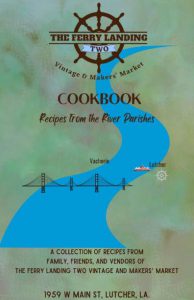
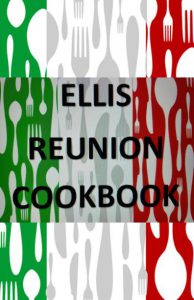
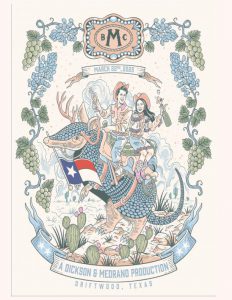
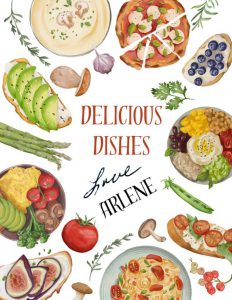
    FamilyCookbookProject.com offers a wide range of professionally designed cookbook covers for you to choose from, many people with artistic talent, graphic design talent, choose to create their own cover, using popular desktop publishing software, and uploading it to our system.

    Here is a sample of some of the custom covers done by the editors of familycookbookproject.com:


    Bill Rice is the Co-Publisher of Family Cookbook Project and CookbookFundraiser.com, the leading online cookbook publisher, which helps individuals, churches, schools, teams and other fundraising groups create cherished personalized cookbooks using peer-to-peer tools and the power of the Internet to meet group funding needs. Follow Family Cookbook Project on Facebook, Instagram, Twitter TikTok, YouTube and Pinterest!

  • Kitchen Gadgets: Which Ones Are Worth It and What to Use Instead

    Kitchen Gadgets: Which Ones Are Worth It and What to Use Instead

    Kitchen gadgets are designed to make cooking easier, but with so many products on the market, it’s easy to end up with a cluttered kitchen full of tools you rarely use. While some gadgets can genuinely save time and effort, others might just take up valuable drawer space. FamilyCookbookProject.com explores some common kitchen gadgets, evaluate whether they’re worth the investment, and provide practical alternatives that you likely already have in your kitchen.

    Garlic Press

    The Gadget : A garlic press is designed to crush garlic cloves quickly without the need to mince them by hand.

    Is It Worth It? : If you cook with garlic often and want to avoid the time and mess of chopping, a garlic press can be useful. However, many argue that it can leave behind some garlic in the press, wasting part of the clove. Plus, cleaning the gadget can be tricky.

    Alternative :  Chef’s Knife . Simply mince garlic with a sharp knife, pressing the clove with the flat side first to crush it slightly before chopping. With practice, you can chop garlic just as quickly as using a press, and a knife is much easier to clean.

    Avocado Slicer

    The Gadget : An avocado slicer is a multi-functional tool designed to split, pit, and slice an avocado with ease.

    Is It Worth It? : While it can be helpful for frequent avocado eaters, it’s somewhat of a one-trick pony and takes up space in your drawer for something that a knife can accomplish.

    Alternative :  Chef’s Knife and Spoon . Cut the avocado in half with a sharp knife, remove the pit with the edge of the knife, and scoop out the flesh using a spoon. This method works just as well without the need for a single-use gadget.

     Egg Separator

    The Gadget : An egg separator is designed to separate egg yolks from egg whites with minimal mess.

    Is It Worth It? : Egg separators can be helpful if you separate eggs often or want a mess-free process. However, they can be bulky, and cleaning them can be a hassle.

    Alternative :  Your Hands or the Eggshell . Simply crack the egg and gently pass the yolk back and forth between the two halves of the eggshell, allowing the whites to fall into a bowl. Or, crack the egg into your hand and let the whites run through your fingers while holding onto the yolk.

     Mandoline Slicer

    The Gadget : A mandoline slicer provides uniform, thin slices of vegetables, making it popular for dishes like gratins, salads, or chips.

    Is It Worth It? : If you prepare a lot of salads, potato dishes, or recipes requiring precise slices, a mandoline can be a great investment. However, it’s a bit dangerous to use without proper safety precautions, and it can be a hassle to clean.

    Alternative :  Sharp Knife and Cutting Board . While a knife won’t give you as precise slices as quickly as a mandoline, with a little practice, you can achieve nearly the same results using a good quality chef’s knife. Plus, it’s safer and easier to clean.

    Spiralizer

    The Gadget : A spiralizer creates long, curly ribbons or “noodles” from vegetables like zucchini, carrots, or sweet potatoes, often used for low-carb meals.

    Is It Worth It? : If you’re committed to making veggie noodles frequently, a spiralizer can be a great tool. However, if it’s something you’ll only use occasionally, it’s probably not worth the space it takes up.

    Alternative :  Vegetable Peeler . While you won’t get the same exact noodle shape, you can use a vegetable peeler to create thin, ribbon-like strips of zucchini or other vegetables for a similar effect in salads or stir-fries.

     Citrus Juicer

    The Gadget : A citrus juicer is designed to extract juice from lemons, limes, and oranges with ease, minimizing pulp and seeds.

    Is It Worth It? : If you use a lot of citrus juice in your cooking or cocktails, a juicer can save time and ensure you get the most juice out of each fruit. However, for occasional use, it might not be necessary.

    Alternative :  Your Hands . Simply cut the citrus fruit in half and squeeze the juice out with your hands. You can also use a fork to help extract more juice by inserting it into the fruit and twisting as you squeeze.

     Salad Spinner

    The Gadget : A salad spinner dries leafy greens after washing, making them crisp and ready for use in salads.

    Is It Worth It? : If you eat a lot of salads and prefer your greens crisp, a salad spinner can be useful. However, it takes up a lot of space and might not be worth it for small kitchens.

    Alternative :  Clean Kitchen Towel . After washing your greens, lay them out on a clean towel and gently pat them dry. You can also wrap the towel around the greens and give it a shake to remove excess moisture.

    Milk Frother

    The Gadget : A milk frother is designed to create foamed milk for lattes, cappuccinos, or other coffee drinks at home.

    Is It Worth It? : For coffee enthusiasts who love a homemade latte, a frother can be a fun and useful tool. However, it’s not necessary if you don’t make specialty coffee drinks often.

    Alternative :  Whisk or Jar with Lid . To froth milk without a gadget, heat the milk slightly and use a whisk to vigorously whip it until foamy. Alternatively, pour the heated milk into a jar with a lid and shake it vigorously to create foam.

    Cherry Pitter

    The Gadget : A cherry pitter removes the pits from cherries without damaging the fruit.

    Is It Worth It? : If you frequently bake pies or make jams with fresh cherries, this gadget can save a lot of time. However, it’s a single-purpose tool that might not see much use in your kitchen otherwise.

    Alternative :  Paperclip or Chopstick . You can use a sturdy paperclip or chopstick to push the pit out of the cherry. It takes a bit more time but eliminates the need for a dedicated pitting tool.

    Electric Can Opener

    The Gadget : An electric can opener automatically opens cans with little effort.

    Is It Worth It? : For those with arthritis or limited hand strength, an electric can opener can be a lifesaver. However, it’s a bulky gadget that takes up counter space and may not be necessary for most people.

    Alternative :  Manual Can Opener . A manual can opener takes up minimal space, works reliably, and can easily open cans with just a bit of effort.

    Are Kitchen Gadgets Worth It?

    When it comes to kitchen gadgets, the key is evaluating how often you’ll use them and whether they offer real value in your daily cooking routine. Many gadgets are convenient but come with the trade-off of taking up space in your kitchen. Often, the tools you already have—like a sharp knife, whisk, or spoon—can perform the same tasks as specialized gadgets.

    Before investing in a new kitchen tool, consider whether you already have an alternative that can do the job just as well. If you find yourself reaching for a gadget regularly and it simplifies your life in the kitchen, it’s probably worth the investment. Otherwise, stick to the basics and save your kitchen space for the essentials.


    Bill Rice is Founder and Co-Publisher of the Family Cookbook Project, a website that helps families and individuals collect, preserve and share food memories by creating their own printed personal cookbooks. He is the author of The Wellfleet Oyster Cookbook and the Cape Cod Cocktail Cookbook (Available on Amazon), both created using FamilyCookbookProject.com. He is also editor of the Donovan Family Cookbook, now it’s third printing and is an avid genealogist tracing his family back to the 1600’s.

    Follow Family Cookbook Project on Facebook, Instagram, Twitter TikTok, YouTube and Pinterest!
  • The Ultimate Gift: Why Personal Cookbooks Make Perfect Presents

    The Ultimate Gift: Why Personal Cookbooks Make Perfect Presents

    In today’s world, gift-giving has evolved beyond the standard store-bought items to something far more personal, meaningful, and creative. People are looking for unique gifts that convey thoughtfulness, nostalgia, and a deeper connection. One gift idea that hits all these marks is a personal cookbook. Whether for a family member, a friend, or a colleague, creating a custom cookbook filled with beloved recipes is a heartwarming gesture that will be cherished for years to come. Through FamilyCookbookProject.com, you can easily design a personal cookbook that goes beyond just a collection of recipes—it becomes a way to preserve memories, celebrate culinary traditions, and share a piece of your own story.

    In this article, we’ll explore why personal cookbooks make the ultimate gift, how you can create one effortlessly, and why it’s a treasure unlike any other.

    A Personal Cookbook Is a Gift from the Heart

    Unlike store-bought gifts, which can sometimes feel impersonal, a personal cookbook is a labor of love. It’s a gift that shows time, effort, and thought went into curating something truly meaningful. Whether you’re compiling recipes from your own kitchen, family favorites passed down through generations, or crowd-sourced dishes from friends, a custom cookbook becomes a reflection of the thoughtfulness behind the gesture.

    When you give someone a personal cookbook, you’re not just handing over a book of recipes—you’re giving them memories. You’re offering them the taste of the holidays, Sunday dinners, family reunions, and celebrations. These are recipes that tell a story, bringing back nostalgia with every page turned. It’s a deeply personal gift that can touch someone in a way that few other gifts can.

    For example, imagine giving your grandmother a cookbook that contains all of the recipes she has shared with the family over the years, or gifting your sibling a compilation of favorite childhood meals. These types of cookbooks not only serve as a handy resource for daily cooking but also preserve the emotional connections tied to food and family.

    Preserve and Share Family Recipes for Future Generations

    For many families, recipes are handed down from one generation to the next through word of mouth or worn-out recipe cards. Unfortunately, over time, these recipes can become forgotten or lost altogether. A personal cookbook is a way to preserve these family treasures in a format that ensures they will never be forgotten.

    When you create a personal cookbook with FamilyCookbookProject.com, you’re not just preserving recipes—you’re preserving legacies. These family recipes carry more than just ingredients and instructions; they carry stories, memories, and traditions. Every time someone opens the cookbook, they’ll remember the loved ones who made those dishes and the special moments shared around the table.

    This gift isn’t just for the present; it’s something that can be passed down to future generations. Your children, grandchildren, and even great-grandchildren will be able to recreate the dishes their ancestors loved, creating a continuity of family tradition. In this way, a personal cookbook becomes a living document of your family’s culinary history.

    It’s a Thoughtful and Practical Gift

    One of the best things about giving a personal cookbook is that it strikes the perfect balance between being thoughtful and practical. We all know that finding a gift that is both useful and meaningful can be a challenge. A cookbook is something that the recipient can use in their everyday life, making it an incredibly practical gift. It’s not something that will end up collecting dust on a shelf—people will return to it time and time again, whether they’re looking for dinner inspiration or planning a special holiday meal.

    Moreover, by tailoring the cookbook to the recipient’s taste and preferences, you can make it even more thoughtful. For example, if your friend is passionate about baking, you can create a cookbook filled with their favorite dessert recipes. If your sibling loves grilling, you can design a collection of barbecue recipes. The possibilities are endless, and by personalizing the cookbook, you ensure that it will be a meaningful part of their daily life.

    Perfect for Any Occasion

    Personal cookbooks are incredibly versatile and can be gifted for a variety of occasions. Here are just a few examples:

    –  Wedding Gift:  Create a custom cookbook filled with family recipes to gift to the newlyweds. Not only will this help them s tart their married life with a collection of beloved dishes, but it can also be a way to blend traditions from both families. You can even include stories or tips from family members, making it a collaborative effort.

    –  Birthday Gift:  Give the gift of a personal cookbook on a milestone birthday, such as a 30th, 50th, or 70th birthday. Include favorite recipes from the recipient’s life along with personal anecdotes, turning the cookbook into a culinary memoir.

    –  Holiday Gift:  Custom cookbooks make fantastic holiday gifts, especially around Thanksgiving or Christmas when food takes center stage. Consider compiling a collection of holiday recipes that your family has been making for generations—this way, the tradition continues year after year.

    –  Mother’s Day Gift or Father’s Day Gift:  Create a cookbook that features all of Mom or Dad’s signature dishes. You can even have siblings contribute recipes and memories, making the gift a joint effort.

    –  Graduation Gift:  For someone heading off to college or moving into their first apartment, a personal cookbook can provide them with a guide to their favorite home-cooked meals. It’s a way to send a piece of home with them as they begin their new chapter.

    –  Housewarming Gift:  A personal cookbook is the perfect housewarming gift, especially if it features recipes tailored to the recipient’s tastes or new kitchen setup. It’s a meaningful way to help them settle into their new home.

    Easy to Create with FamilyCookbookProject.com

    Thanks to FamilyCookbookProject.com, creating a personal cookbook is easier than ever. The online platform is user-friendly and allows you to customize every aspect of your cookbook, from the layout to the cover design. You can add recipes, photos, and even personal notes to make the cookbook truly unique. Plus, you can invite others to contribute recipes, making it a collaborative project if you wish.

    Here’s how simple it is to create your own cookbook:

    1. Sign up: Visit FamilyCookbookProject.com and create an account. You’ll be guided through the setup process with clear, step-by-step instructions.
    2. Gather recipes: Collect your favorite recipes from family members, friends, or your own kitchen. If you’re working with others, you can easily invite them to submit their recipes directly into the project.
    3. Customize your design: Choose from a variety of design templates and personalize your cookbook’s cover, fonts, and layout. You can also add personal touches like family photos or stories that relate to the recipes.
    4. Publish: Once you’re happy with your cookbook, simply publish it! You can order printed copies to gift or make it available as a digital download.

    With FamilyCookbookProject.com’s easy-to-use tools, what once seemed like an overwhelming task becomes a fun and creative process. Whether you’re making a cookbook for yourself or as a gift, the platform ensures that the final product is professional and beautifully crafted.

    A Lasting Legacy

    A personal cookbook isn’t just a gift for the present—it’s a keepsake that will last a lifetime. Each recipe holds sentimental value, and each page tells a story. By gifting a personal cookbook, you’re creating something that will outlast any gadget or piece of clothing. It’s a living piece of family history, one that will be passed down and cherished for generations.

    In a world filled with fleeting trends, there’s something timeless about sharing the love of food and family through a custom cookbook. It’s a way to celebrate the past, present, and future, all in one beautiful package.

    So if you’re looking for the perfect gift for your loved ones, consider creating a personal cookbook with FamilyCookbookProject.com. It’s a gift that’s thoughtful, practical, and filled with love—a gift that truly keeps on giving.


    Bill Rice is Founder and Co-Publisher of the Family Cookbook Project, a website that helps families and individuals collect, preserve and share food memories by creating their own printed personal cookbooks. He is the author of The Wellfleet Oyster Cookbook and the Cape Cod Cocktail Cookbook (Available on Amazon), both created using FamilyCookbookProject.com. He is also editor of the Donovan Family Cookbook, now it’s third printing and is an avid genealogist tracing his family back to the 1600’s.

    Follow Family Cookbook Project on Facebook, Instagram, Twitter TikTok, YouTube and Pinterest!


  • Understanding Recipe Layout

    Understanding Recipe Layout

    With the advent of personal computers, desktop publishing as born. The ability to not only write word, but to determine how they looked on a page and integrated with images led to an explosion of do-it-yourself publishers with little or no actual design experience or understanding.

    Typefaces or fonts, text size, alignment, subheads, columns, photo locations and white space all go into the readability of a page.

    Now adays, publishing systems, particularly cookbook publishing systems like FamilyCookbookProject.com, take the burden of being a design expert off your shoulders with 20 pre-designed layout options. These layout options control how your recipes will look on the page and should meet the needs of most editors.

    However, for those who have something else in mind for their cookbook, one of the layout options is “Custom Layout”. This allows the editor to change almost every aspect of the recipe, including title, contributor, ingredients, directions and comments. For each section you can select the font type and size, make it bold or italic, justify the text and even change the label for the personal notes.

    Once of the basic tenants for good publishing is consistency. You don’t want each page to look completely different from the last as that can make it difficult for the reader to follow along. With FamilyCookbookProject.com, once your layout is set, all of the recipes will automatically appear in that layout. Each one does not need to be manually adjusted every time. So if you want to see how your cookbook will look with different layouts, go ahead and play around to see what you like the best.

    Here is a Family Cookbook Project Editor “ProTip” – While the layout applies to all of your recipes, the system will allow you to change the layout for each specific recipe if needed. If you have a recipes that does not fit on a page, consider making the text size just a little smaller. This often is not noticeable next to the other recipes and can get that extra text to fit on the page.

    If you really want to get a good understanding of the use of layout, Colorado State University has published a wonderful article on desktop Publishing as a writing guide for it’s students. You can read the article at https://writing.colostate.edu/guides/guide.cfm?guideid=36#page4


    Bill Rice is Co-Publisher of the Great Family Cookbook Project, a website that helps families and individuals collect, preserve and share food memories by creating their own printed personal cookbooks. He is the author of The Wellfleet Oyster Cookbook (Available on Amazon) and the Cape Cod Cocktail Cookbook, both created using FamilyCookbookProject.com. He is also editor of the Donovan Family Cookbook, now it’s third printing.

    Follow Family Cookbook Project on Facebook, Instagram, Twitter and Pinterest!

  • Fun Food Competitions: From Pie Bake-Offs to Taco Challenges

    Family food competitions are a fantastic way to bring everyone together, and while chili cook-offs are popular, there are so many other types of food contests that can be just as fun and delicious! Whether your family loves baking, grilling, or making savory soups, there’s a food competition for everyone.

    Here are some fun food competition ideas and tips on how to host them:

    Types of Family Food Competitions:

    • Chili Cook-Off: A classic. Family members bring their own twist on chili—whether it’s spicy, meatless, or packed with a secret ingredient. Use blind tasting to determine the winner.
    • Pie Bake-Off: For families with a sweet tooth, a pie contest can be a hit. Encourage variety with fruit pies, cream pies, or even savory pies.
    • Soup Showdown: Perfect for cooler months. Have participants bring their best homemade soup, from hearty stews to light broths.
    • Barbecue Battle: Get those grills fired up! Whether it’s ribs, chicken, or burgers, everyone can showcase their best barbecue techniques.
    • Cookie Contest: This one’s a hit for families who love baking. Have everyone bake their favorite cookies, from classics like chocolate chip to more creative combinations.
    • Taco Challenge: Let participants create their own taco masterpieces. Provide a variety of tortillas, proteins, and toppings to get creative.
    • Pasta Potluck: A pasta competition lets family members try out different sauces, pasta types, and even stuffed varieties like ravioli.
    • Salad Smackdown: This healthy competition lets everyone show off their best salad recipes, from fruit salads to savory grain-based ones.
    • Pizza Party: Have a DIY pizza competition where each person makes their own pizza from scratch or uses pre-made dough, competing for best flavor combinations.

    Pre-Competition Planning

    Regardless of the type of food competition you choose, preparation is key to making the event fun and seamless:

    1. Invite Guests: Ask each participant to bring their dish fully prepared and ready to serve. Encourage them to bring their recipe, especially if you plan to compile a family cookbook later.
    2. Set a Limit on Entries: To avoid overwhelming everyone’s palate, set a maximum number of entries, like 10 dishes.
    3. Supplies: Ensure you have enough plates, bowls, or cups depending on the competition, and provide disposable utensils for easy cleanup.
    4. Name Tags: Label each dish with a name and a rating for spiciness, sweetness, or heat level if applicable.
    5. Ballots: Create ballots for guests to score each dish on taste, creativity, and overall impression. You can also include a space for comments.

    Food Tasting Set-Up

    For any competition, here’s how to create an easy and enjoyable tasting experience:

    1. Toppings or Add-Ons Bar: Whether it’s chili, tacos, or pizza, set up a toppings bar to let participants personalize their tasting experience. For chili, offer toppings like shredded cheese, onions, sour cream, or jalapeños. For pizza, consider extra cheeses, sauces, or veggies.
    2. Drinks: Offer a variety of drinks, from soft drinks to signature cocktails that match the theme of the competition.
    3. Power Strips for Slow Cookers: If you’re hosting a soup or chili cook-off, have power strips ready for multiple slow cookers to keep the dishes warm.

    Suggested Rules

    1. Keep the Cooks Anonymous: To prevent bias, keep the identity of the cooks secret until the winner is announced.
    2. Palate Cleansers: Provide water or crackers between tastings to help participants cleanse their palates and fairly assess each dish.
    3. Scoring: Ask guests to rate each dish and collect their ballots. Points can be tallied to determine the winner.
    4. Prizes: Offer fun prizes, such as “Best Overall,” “Most Creative,” or “Fan Favorite.” You can find themed prizes online or create your own homemade awards.
    5. Cookbook Creation: After the event, gather all the recipes and create a family cookbook. This can become a cherished tradition, with new entries added each year.

    Post-Event

    After your competition, consider creating a family cookbook that includes photos of the event, all the recipes, and funny or heartwarming memories. It’s a great way to preserve the moment and give everyone a lasting keepsake.

    No matter which type of food competition you choose, the goal is to have fun, enjoy great food, and make lasting memories!


    Bill Rice is Founder and Co-Publisher of the Family Cookbook Project, the leading online cookbook publisher with a website that helps families and individuals collect, preserve and share food memories by creating their own printed custom cookbooks. He is the author of The Wellfleet Oyster Cookbook and the Cape Cod Cocktail Cookbook (Available on Amazon), both created using FamilyCookbookProject.com. He is also editor of the Donovan Family Cookbook, now it’s third printing and is an avid genealogist tracing his family back to the 1600’s.

    Follow Family Cookbook Project on Facebook, Instagram, Twitter TikTok, YouTube and Pinterest!

  • Grandma’s Secret Cookie Recipes: Preserving Family Traditions

    Grandma’s Secret Cookie Recipes: Preserving Family Traditions

    Family traditions are the threads that weave us together, binding generations through shared experiences and cherished memories. Among these traditions, few are as universally beloved as baking cookies. For many, the scent of freshly baked cookies wafting through the house evokes a flood of childhood memories, particularly those spent with a grandmother who seemed to have a magical touch in the kitchen. These recipes, often handed down through generations, are more than just a list of ingredients and instructions—they are a testament to our heritage, a connection to our past, and a gift to our future. Preserving these treasured recipes by compiling them into a personalized cookie cookbook is a meaningful way to honor family traditions and ensure they are passed down to future generations. FamilyCookbookProject.com makes creating a printed family cookbook easy and fun.

    The Importance of Preserving Family Recipes

    1. Cultural Heritage: Family recipes are a crucial part of our cultural heritage. They reflect the culinary traditions, techniques, and ingredients that were prevalent in our ancestors’ lives. By preserving these recipes, we maintain a tangible link to our cultural roots.
    2. Family History: Each recipe tells a story. It might be a tale of how great-grandma made cookies during the Great Depression with limited ingredients, or how a special recipe was created to celebrate a significant family event. These stories add depth and context to our family history, making it richer and more engaging.
    3. Emotional Connection: Food has a unique way of evoking emotions and memories. The taste of a familiar cookie can transport us back to our childhood, bringing back memories of family gatherings, holiday celebrations, and moments of love and laughter shared in the kitchen.
    4. Legacy: By preserving and passing down family recipes, we create a legacy for future generations. It’s a way of ensuring that our children and grandchildren can enjoy the same flavors and experiences that we cherished, and it gives them a sense of continuity and belonging.

    Starting the Journey: Collecting Recipes

    The first step in preserving your family’s cookie recipes is to gather them. This can be a delightful and nostalgic process, involving family members and rekindling old memories. Here’s how to get started:

    1. Reach Out to Family Members: Talk to your parents, grandparents, aunts, uncles, and cousins. Ask them to share their favorite cookie recipes, along with any stories or memories associated with them. This can be done using FamilyCookbookProject.com invitation tool. Family members can add their own recipes directly into the system so you don’t have to do it all.
    2. Dig Through Old Recipe Boxes: Many families have old recipe boxes or cookbooks stashed away. These can be treasure troves of forgotten recipes. Don’t hesitate to look for handwritten notes, old cookbooks, and recipe cards that might have been passed down.
    3. Document Oral Recipes: Some of the best recipes are never written down. If your grandma or another family member has a recipe they know by heart, spend some time with them in the kitchen. Watch them make the recipe, take notes, and record the process.
    4. Photograph and Scan: To preserve the original recipe cards, consider photographing or scanning them. This also allows you to keep a digital copy, which can be be used as an image in your cookbook.

    Organizing the Recipes

    Once you’ve collected the recipes, the next step is to organize them. This is where FamilyCookbookProject.com makes things very easy. Here are some tips:

    1. Categorize: Group the recipes into categories such as “Holiday Cookies,” “Everyday Favorites,” “Special Occasion Cookies,” and “Healthy Options.” This makes it easier to find specific types of recipes.
    2. Standardize Measurements: Ensure that all recipes use standard measurements. This is particularly important if you’re combining recipes from different sources, as measurement conventions can vary.
    3. Test the Recipes: Before finalizing your cookbook, test each recipe to ensure accuracy. This is a great excuse to bake (and eat) lots of cookies, and it also ensures that the recipes will work for future generations.
    4. Include Stories and Photos: Adding personal stories and photos makes the cookbook more than just a collection of recipes—it becomes a family heirloom. Include anecdotes about the origin of the recipe, who it came from, and any special memories associated with it.

    Creating the Personalized Cookie Cookbook

    With your recipes organized and ready, it’s time to create your personalized cookie cookbook. Here’s how to do it with FamilyCookbookProject.com:

    1. Select a Recipe Layout: Pay attention to the layout and design of your cookbook. This includes choosing fonts, colors, and images that reflect your family’s style. FamilyCookbookProject.com offers many online tools and templates that can help you create a professional-looking cookbook.
    2. Write an Introduction: Start your cookbook with an introduction that explains the significance of these recipes and the process of collecting them. Share your motivation for preserving these family treasures and what they mean to you.
    3. Add Personal Touches: Include family photos, handwritten notes, and other personal touches that make the cookbook unique. This could be pictures of family gatherings, old family photos, or even scans of the original recipe cards.
    4. Get It Printed: Once your cookbook is complete, FamilyCookbookProject.com will print it and have it shipped directly to your door.
    5. Share with Family: Once your cookbook is complete, share it with your family members. Consider giving it as a gift during holidays, family reunions, or other special occasions. It’s a wonderful way to celebrate your family’s heritage and keep the tradition alive.

    Preserving and Celebrating Family Traditions

    Creating a personalized cookie cookbook is not just about preserving recipes; it’s about celebrating family traditions and keeping them alive for future generations. Here are some additional ways to celebrate and preserve your family’s cookie-baking heritage:

    1. Host a Family Baking Day: Organize a family baking day where everyone gathers to bake cookies together. This is a fun way to spend time with loved ones, share baking tips, and create new memories. Use this opportunity to test and refine the recipes for your cookbook.
    2. Create a Cookie Exchange Tradition: Start a new family tradition of hosting a yearly cookie exchange. Each family member brings a batch of their favorite cookies, and everyone swaps and shares. This not only introduces new recipes to the family but also strengthens bonds and creates lasting memories.
    3. Teach the Next Generation: Involve children and grandchildren in the baking process. Teaching them how to bake family recipes instills a sense of pride and ownership in their heritage. It also ensures that these traditions are passed down and cherished by future generations.
    4. Document New Recipes: As your family grows and evolves, new cookie recipes will be created. Encourage family members to document and share these new recipes. This keeps the tradition dynamic and allows it to grow with each generation.
    5. Celebrate Milestones with Cookies: Use cookies to celebrate family milestones such as birthdays, anniversaries, and holidays. Bake a batch of grandma’s special cookies to mark these occasions, creating a delicious link between the past and the present.

    Preserving family cookie recipes is a beautiful way to honor and celebrate your heritage. These recipes are more than just instructions for baking—they are a testament to the love, care, and creativity of generations past. By compiling these cherished recipes into a personalized cookie cookbook, you create a lasting legacy that can be enjoyed and cherished by future generations. This cookbook becomes a tangible connection to your family’s history, a source of pride, and a way to keep beloved traditions alive. So gather those recipes, test them, and start creating your family’s cookie cookbook today. It’s a sweet way to celebrate your family’s past, present, and future.

    Bill Rice is Founder and Co-Publisher of the Family Cookbook Project, a website that helps families and individuals collect, preserve and share food memories by creating their own printed personal cookbooks. He is the author of The Wellfleet Oyster Cookbook and the Cape Cod Cocktail Cookbook (Available on Amazon), both created using FamilyCookbookProject.com. He is also editor of the Donovan Family Cookbook, now it’s third printing and is an avid genealogist tracing his family back to the 1600’s.

    Follow Family Cookbook Project on Facebook, Instagram, Twitter and Pinterest!